




Top 20 Most Common Mushrooms in Switzerland
Imbued with a diverse ecological footprint, Switzerland presents an enthralling array of mushroom species, courtesy of its unique climate and varied soil types. The country's lush flora, characteristic fauna, and minimal human interference play critical roles in nurturing this rich wealth of fungi. Delve into the fascinating profusion of 20 common mushrooms, a testament to Switzerland's biodiversity, that provides valuable insights into mycology while offering ample culinary delights.

Most Common Mushrooms
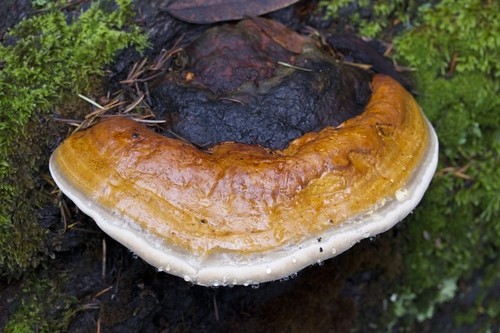
1. Red-belted conk
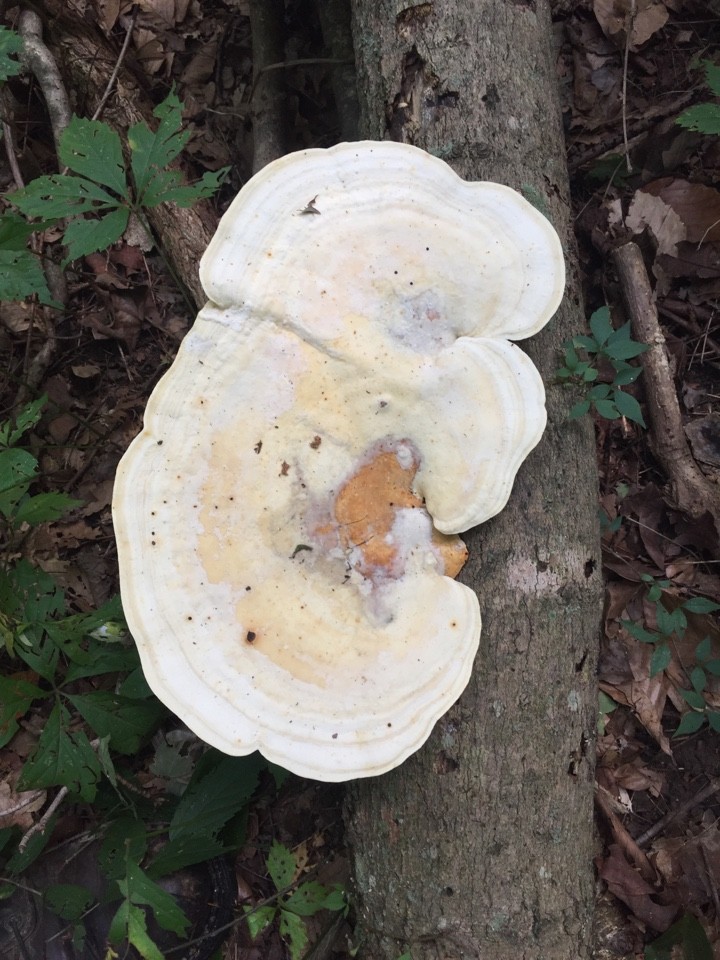
This bracket or shelf fungus grows for years on both living and dead conifer trees. Its annual growth creates distinctive rings or ridges, with a bright red or orange band separating the old layers from the current growth. Red-belted conk is only a danger to living trees if it colonizes a very deep cut or broken top.
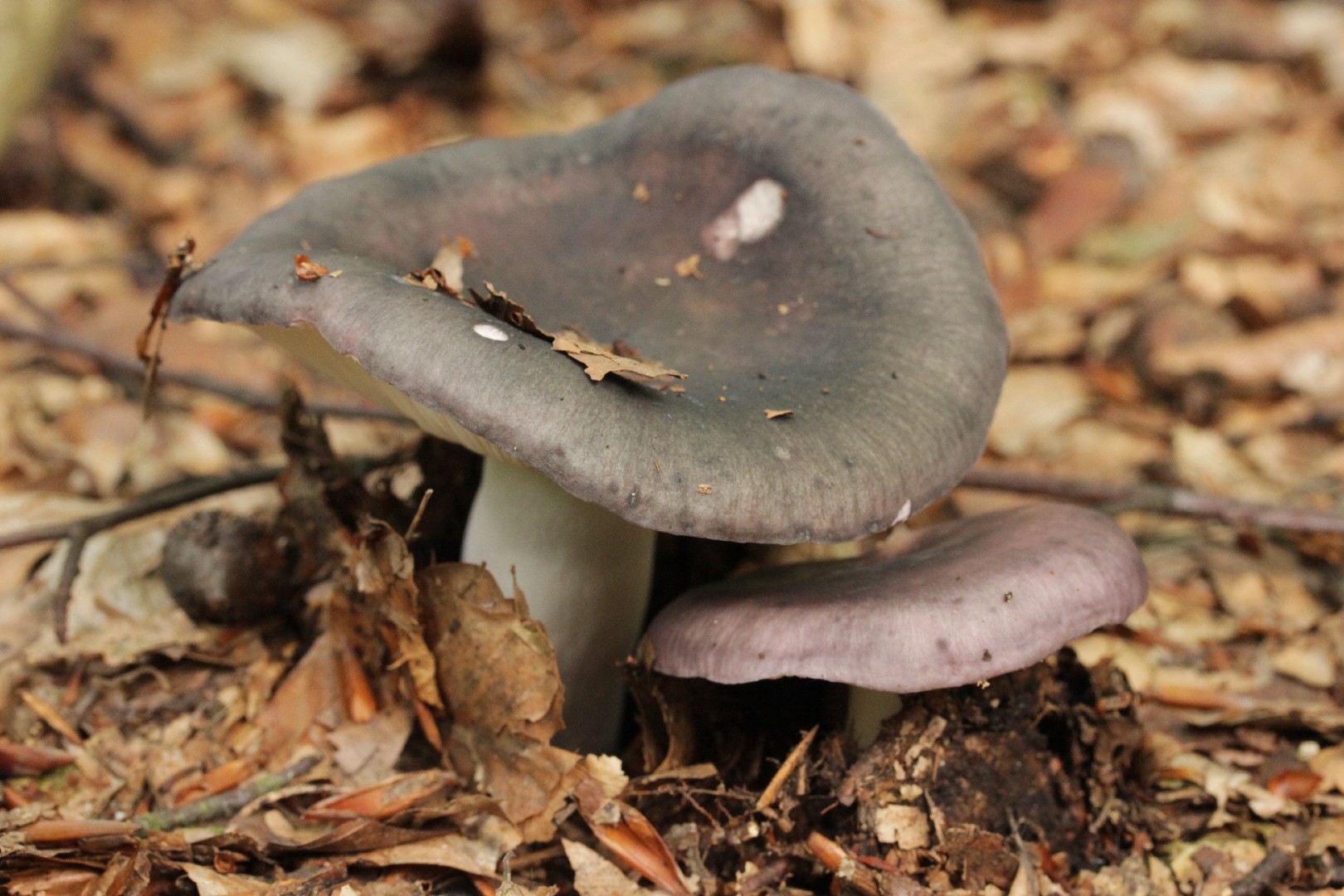
2. Charcoal burner
Most commonly found under beeches in forests or parks, this crumbly mushroom can appear in colors ranging from red and yellow to violet, blue-grey, or even green. Its scientific name represents this variability: Russula cyanoxantha means “reddish blue-blonde.”
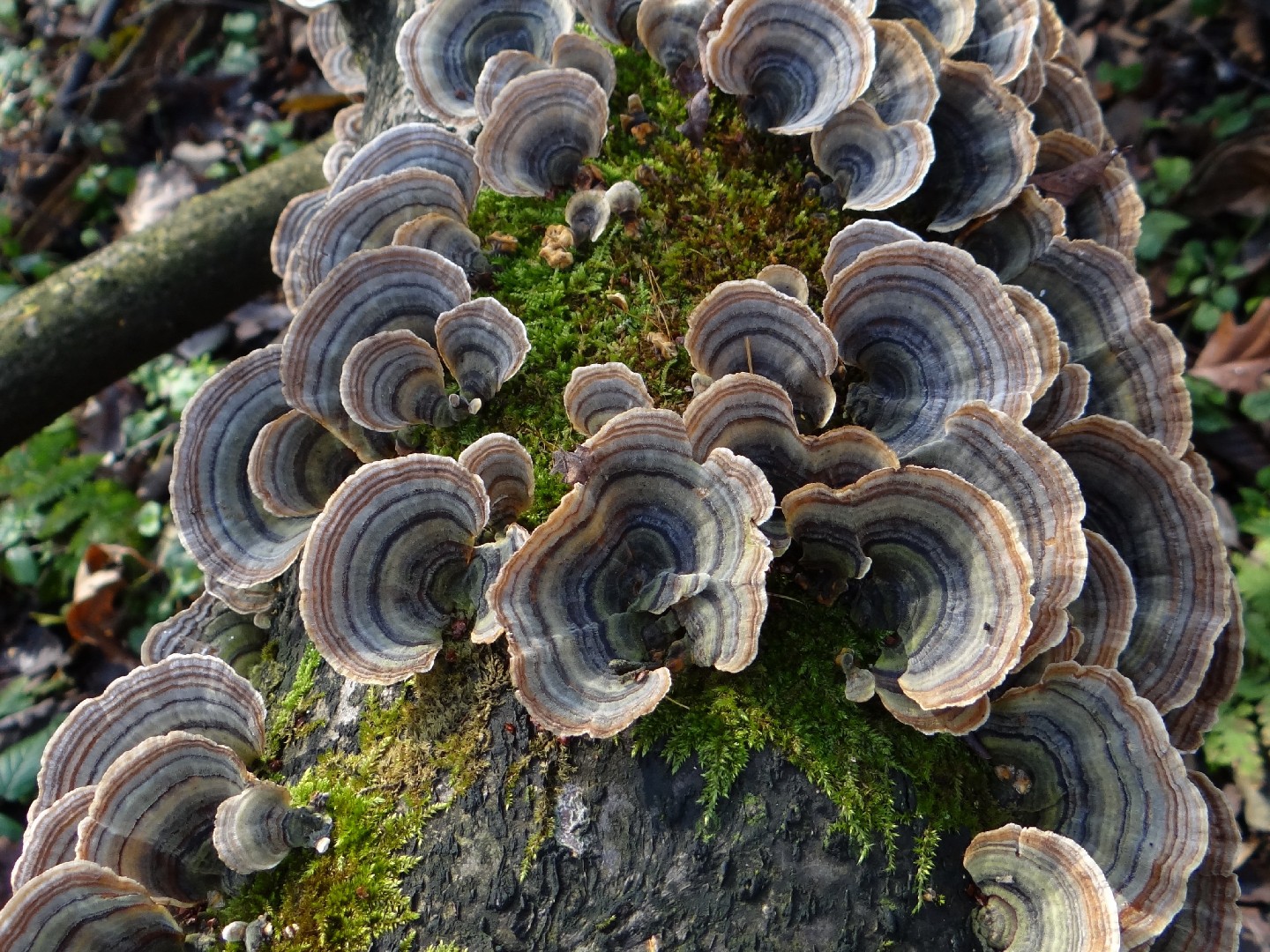
3. Turkey tail
The distinctively-striped turkey tail fungus grows on stumps and logs all over the forests of the northern hemisphere. It is, in fact, probably the most common species you will find. That doesn't mean this mushroom is plain, however; each cap is uniquely patterned. Look for bands of alternating textures as well as color.
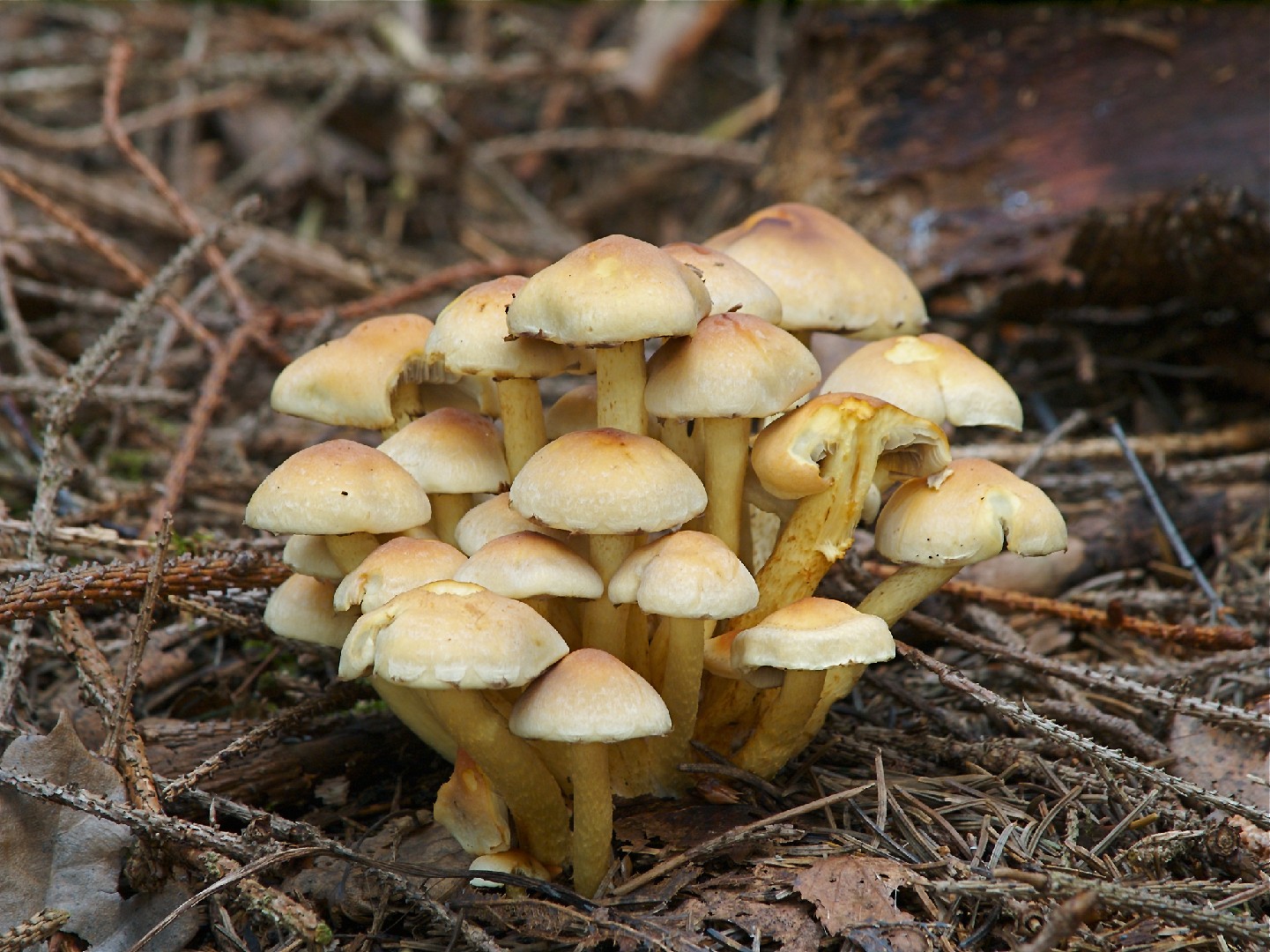
4. Sulphur tuft
The sulphur tuft grows on rotting wood of all types of trees; it is a particularly efficient decomposer of hardwoods. The mushrooms appear from spring to autumn and are often so tightly packed that they interfere with each other’s shape. This poisonous mushroom can cause temporary paralysis, distorted vision, and stomach pain if consumed.
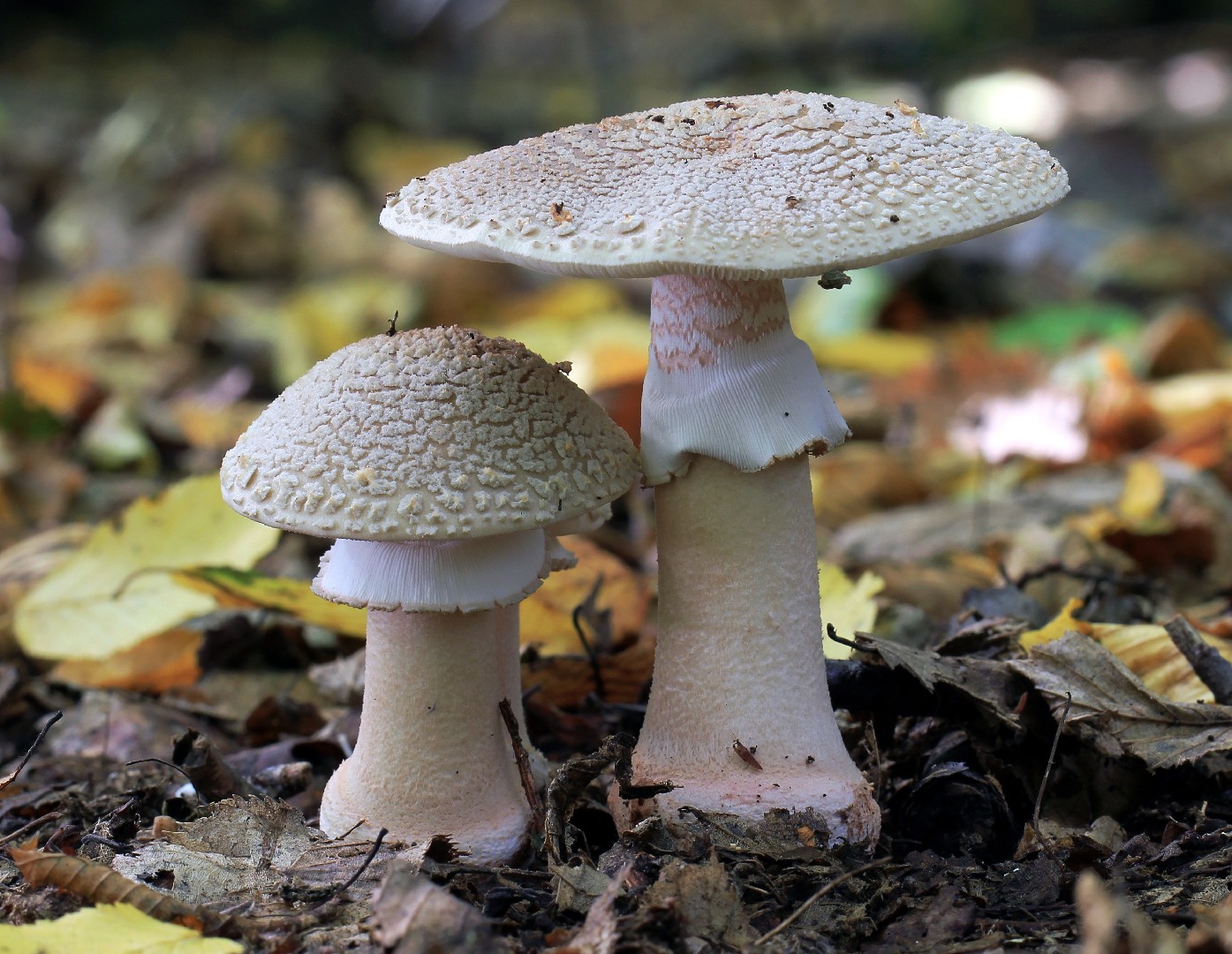
5. Blusher
The blusher mushroom is so named because it “blushes” to a pinkish red color when cut or bruised. It is found in many countries around the world, although it may not be native to the southern hemisphere. It contains a hemolytic toxin that can cause anemia if eaten.
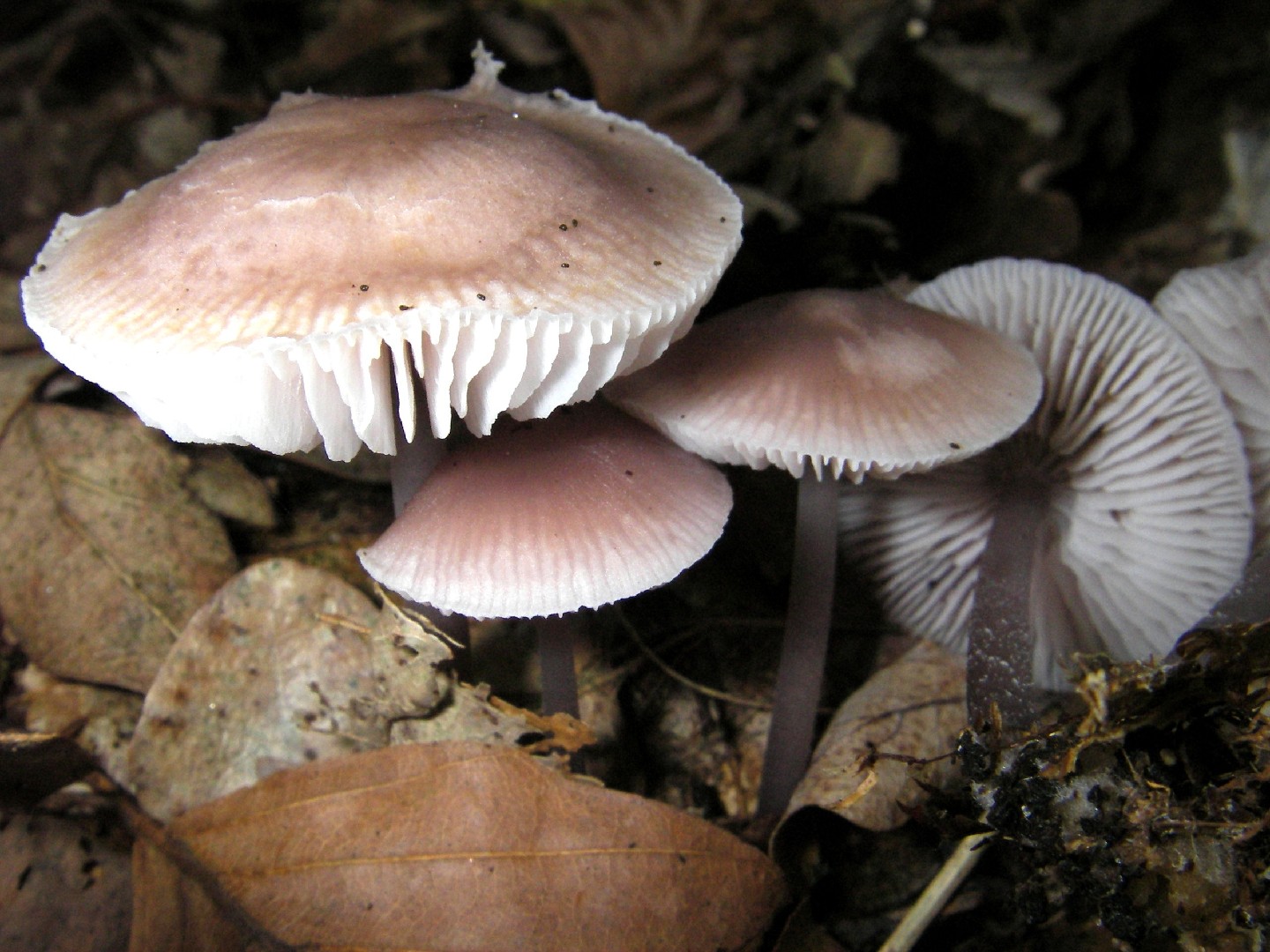
6. Lilac bonnet
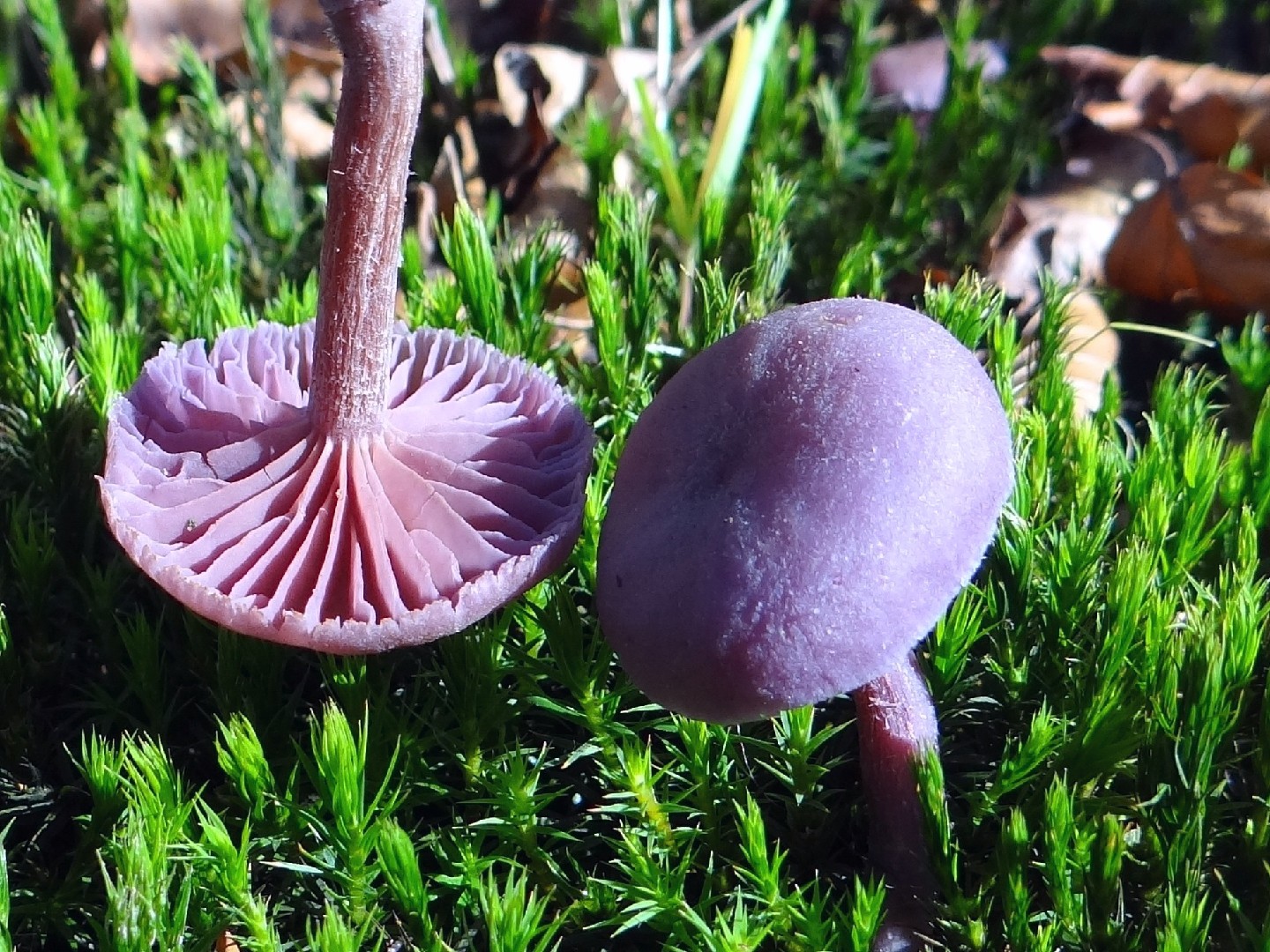
The lilac bonnet is common around the northern hemisphere in woodlands of all types, and can sometimes also be seen in grasslands. It is toxic to humans due to its muscarine content, a poison that can cause convulsions and death after ingestion.
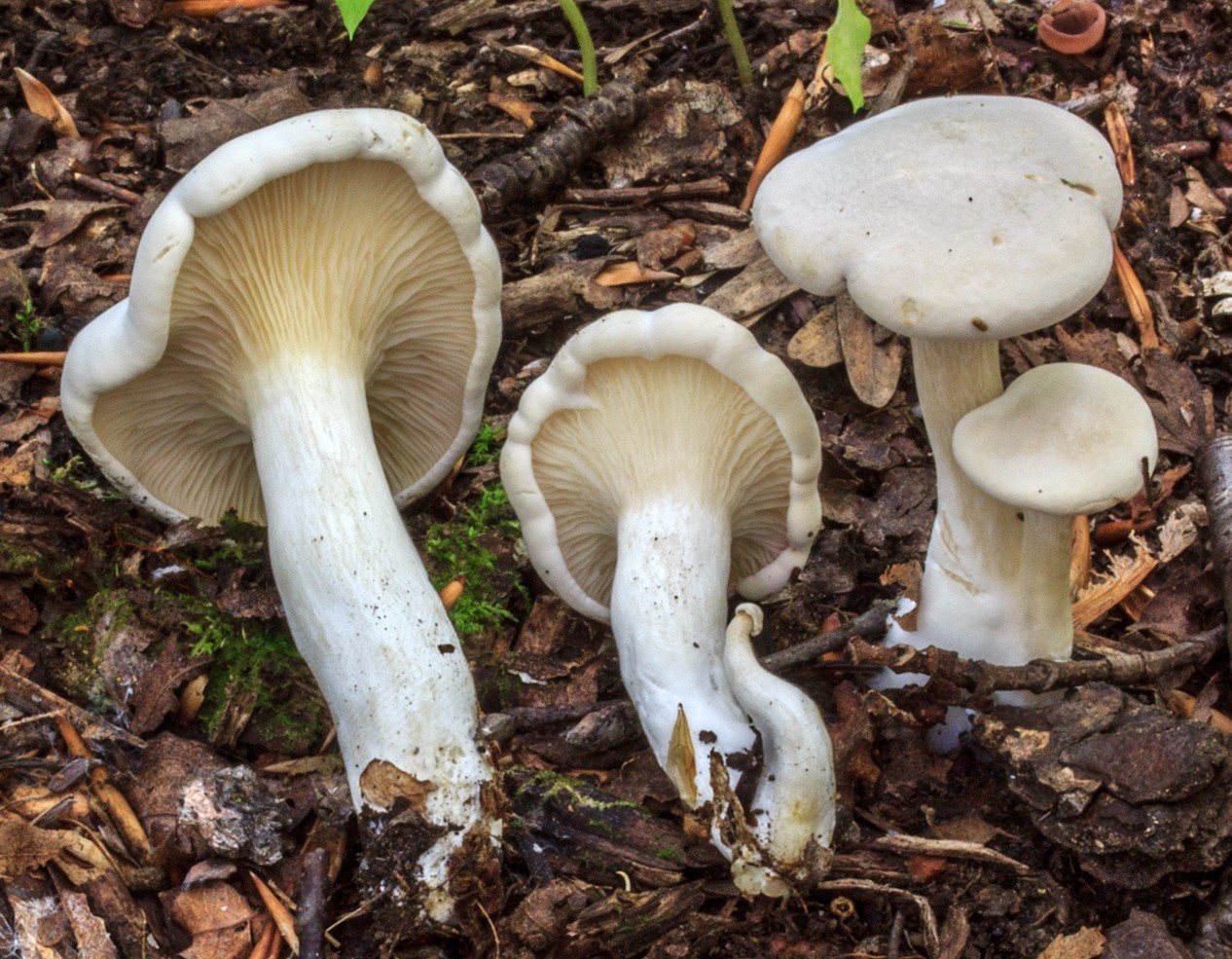
7. Sweetbread mushroom
Sweetbread mushroom(Clitopilus prunulus) is commonly found in grasslands, and it may be solitary or found among others of its kind. It exudes a characteristic odor reminiscent of raw pastry, responsible for its alternative common name of "the sweetbread mushroom." Foraging is discouraged for this mushroom, as its appearance is too similar to a deadly species.
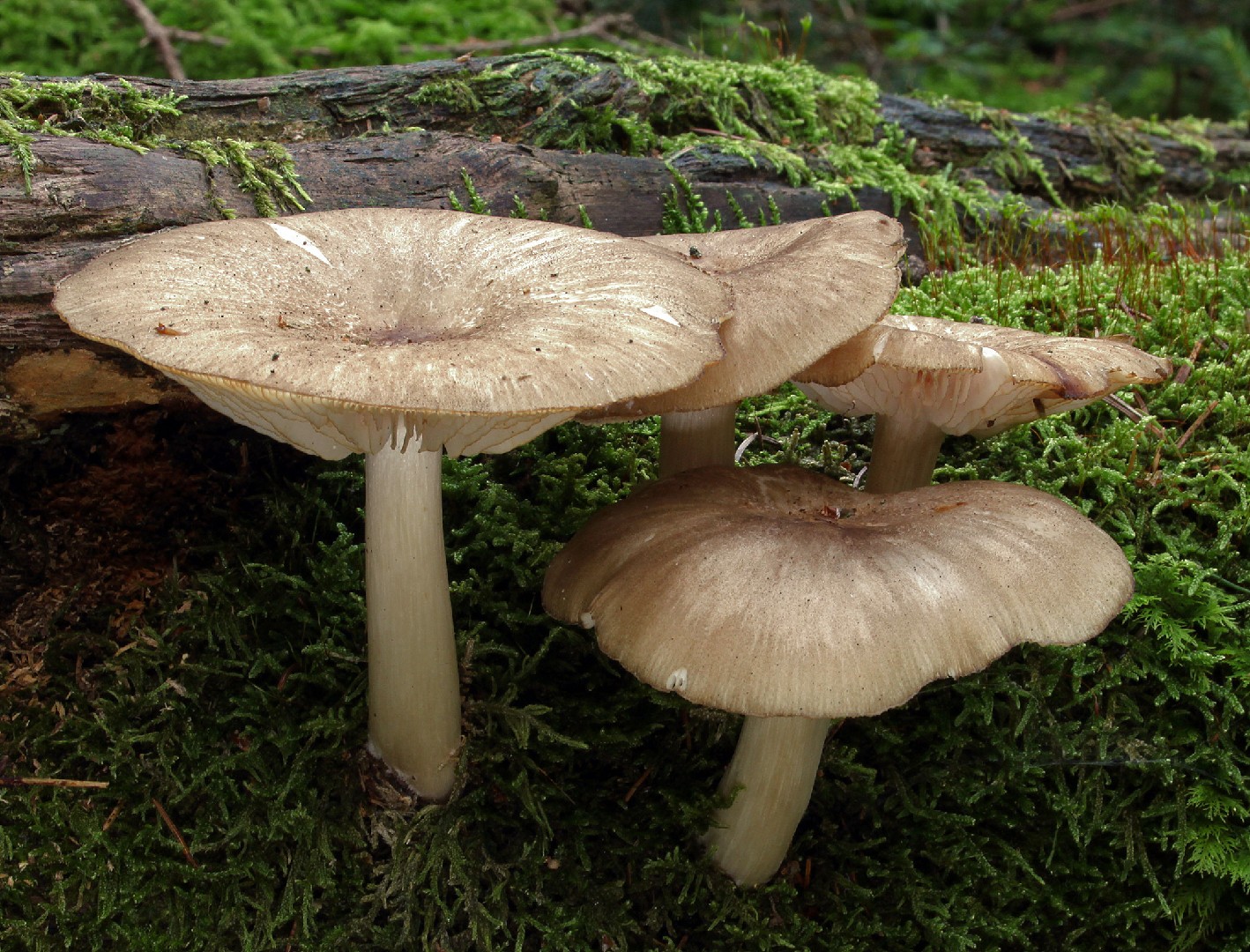
8. Platterful mushroom
The best way to identify the platterful mushroom is by excavating it and inspecting the underground section of the stem - the species features unusual root-like mycelial fibers that are sometimes described as "laces". These "laces" extend deeply into the substrate and are visible only when the mushroom is carefully dug up. The cap can split at edges in dry weather and becomes irregularly wavy as the fungus matures. It is one of the first agaric mushrooms to appear in spring.
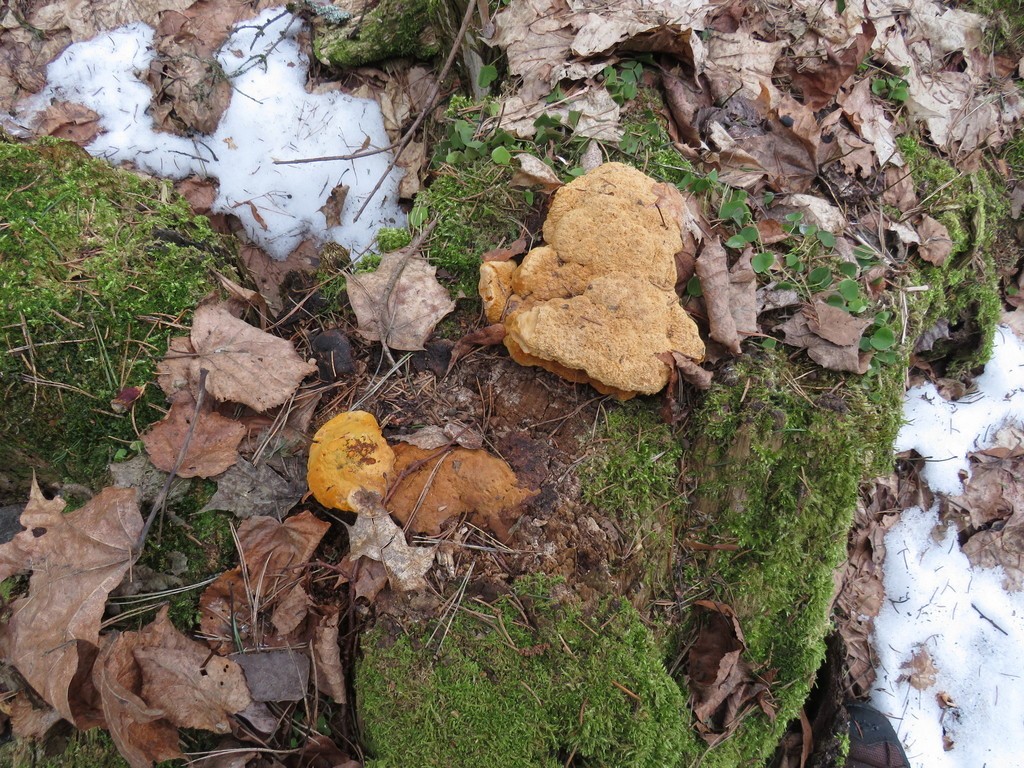
9. Anise mazegill
Anise mazegill is a tough, leathery shelf fungus found on spruce tree stumps. It produces a number of unique aromatic compounds that are likely derived in part from the lignin in the host tree. These aromas are enough to give the fungus its specific epithet, odoratum, which means "smelly" in Latin.
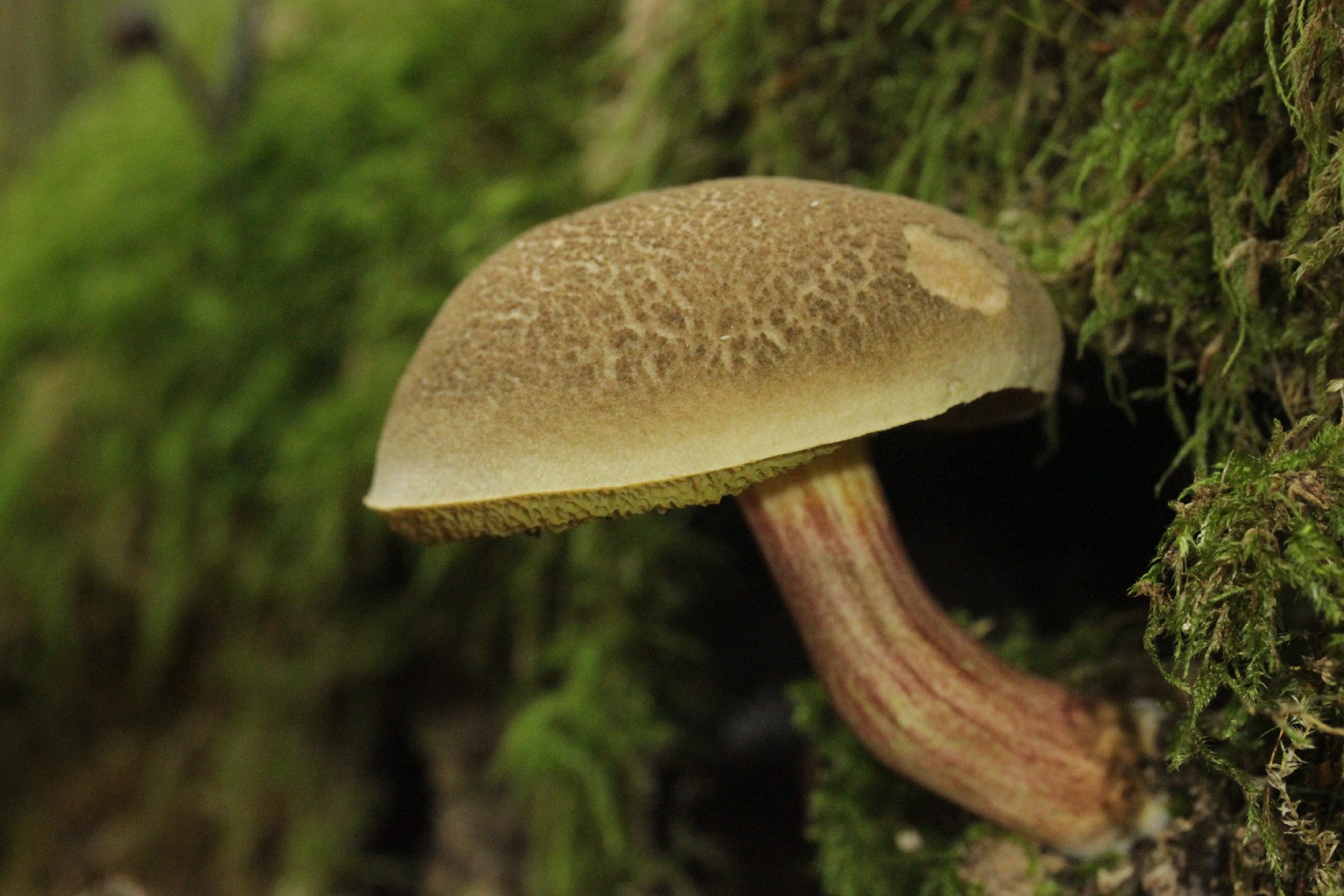
10. Red cracking bolete
The red cracking bolete mushroom is considered difficult to accurately identify, due to its similarity in many ways to others of its genus. It seems to occur only rarely around the northern hemisphere, but it may have been misclassified in some sources. In spite of the name, the surface of the red cracking bolete's cap only rarely appears "cracked."
More







