




Top 20 Most Common Mushrooms in Abbeville
Nestled in the verdant landscape, Abbeville offers a uniquely rich habitat for myriad mushroom species. With a climate perfect for fungal growth, this city houses a stunning variety of 20 most common mushrooms. This abundance is due to the region's moisture-laden air and fertile soil, making it a paradise for both mushroom enthusiasts and biodiversity researchers alike.

Most Common Mushrooms
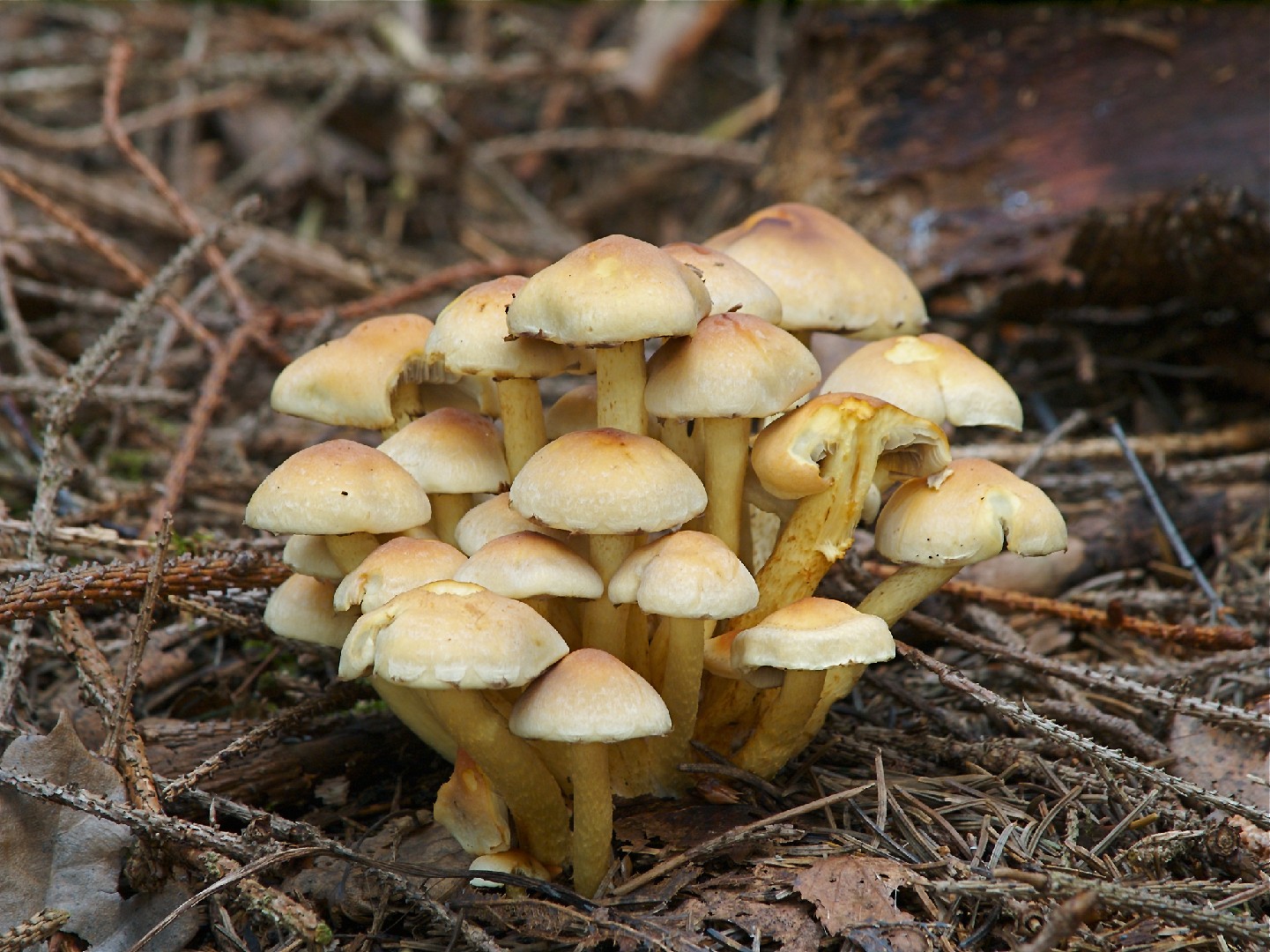
1. Sulphur tuft
The sulphur tuft grows on rotting wood of all types of trees; it is a particularly efficient decomposer of hardwoods. The mushrooms appear from spring to autumn and are often so tightly packed that they interfere with each other’s shape. This poisonous mushroom can cause temporary paralysis, distorted vision, and stomach pain if consumed.
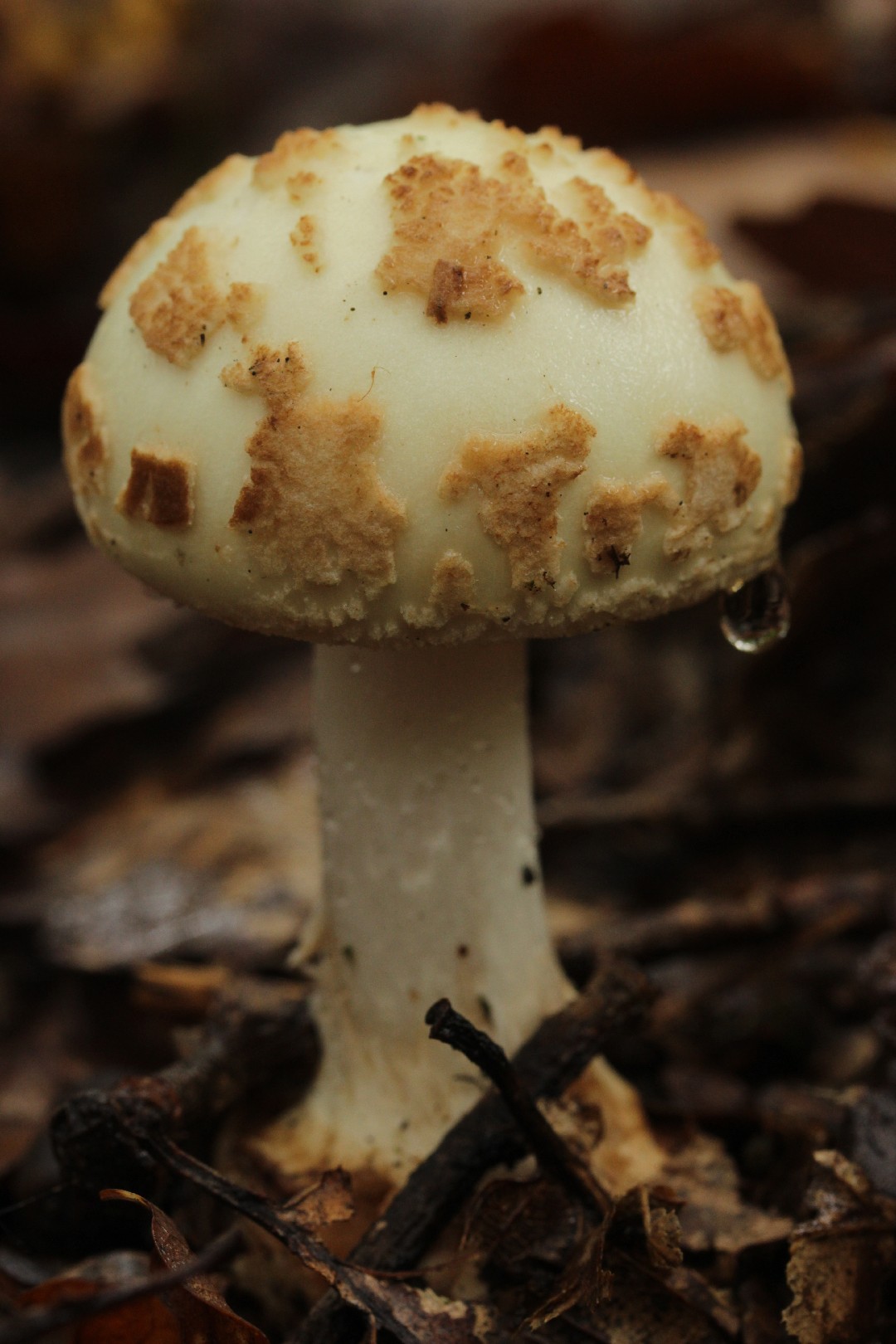
2. False death cap
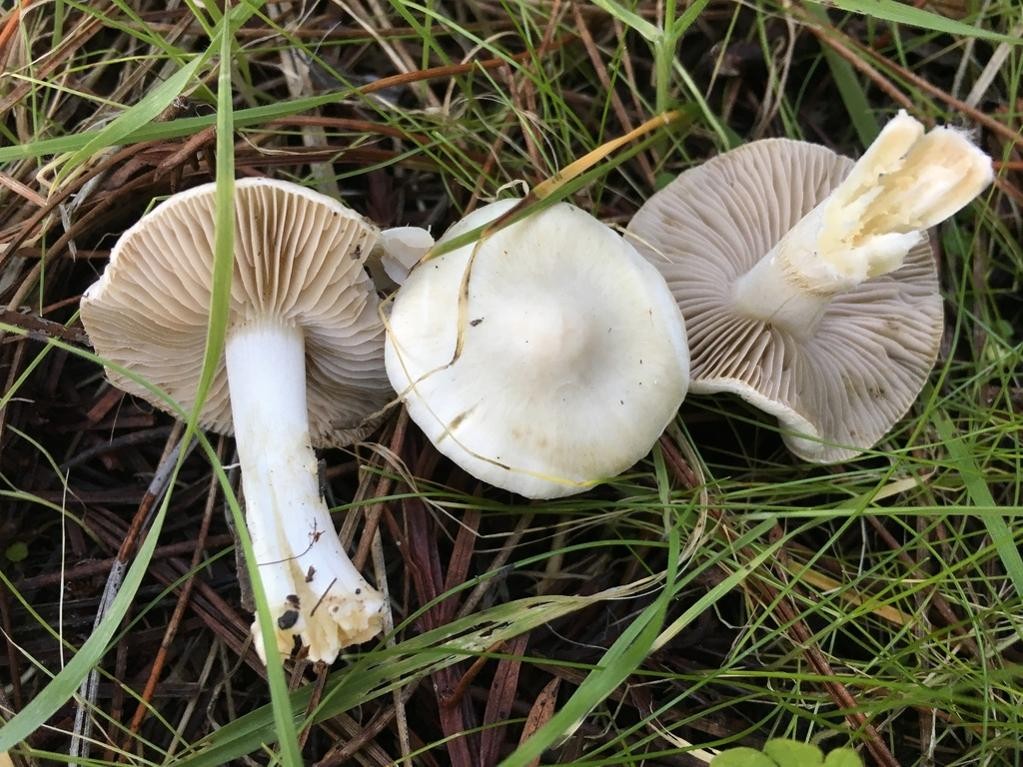
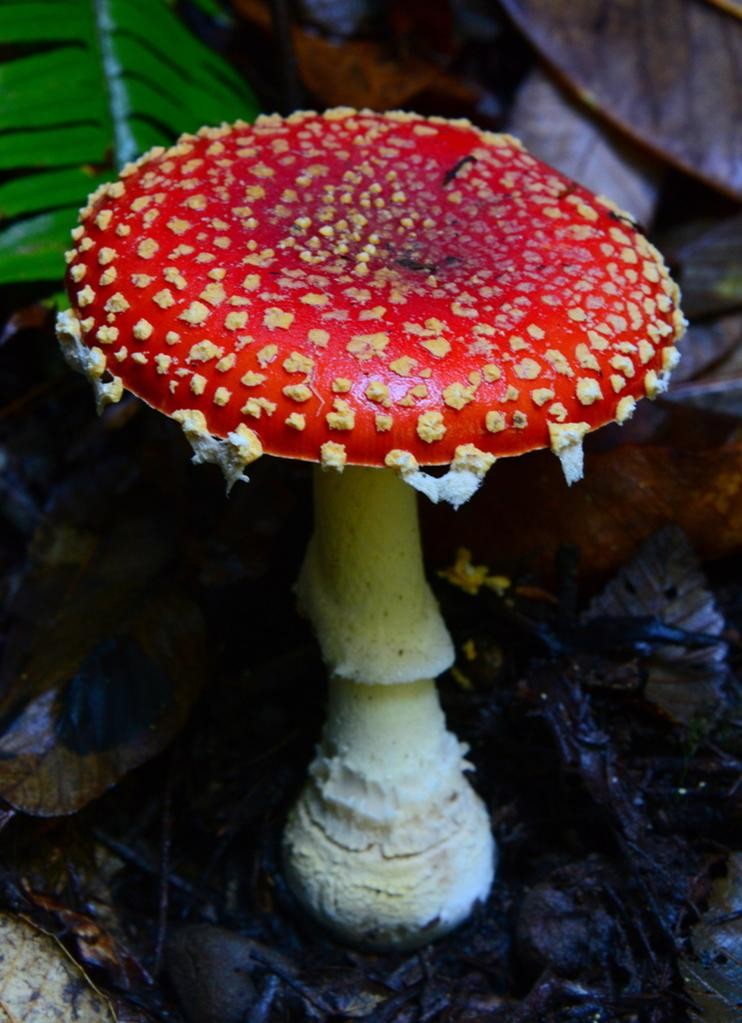
A close cousin to the more deadly Amanitas such as Destroying Angel and Deathcap, the false death cap is an inedible mushroom that regularly grows on forest floors across the northern hemisphere. It consumes both hardwood and soft, and fruits from late summer to autumn.
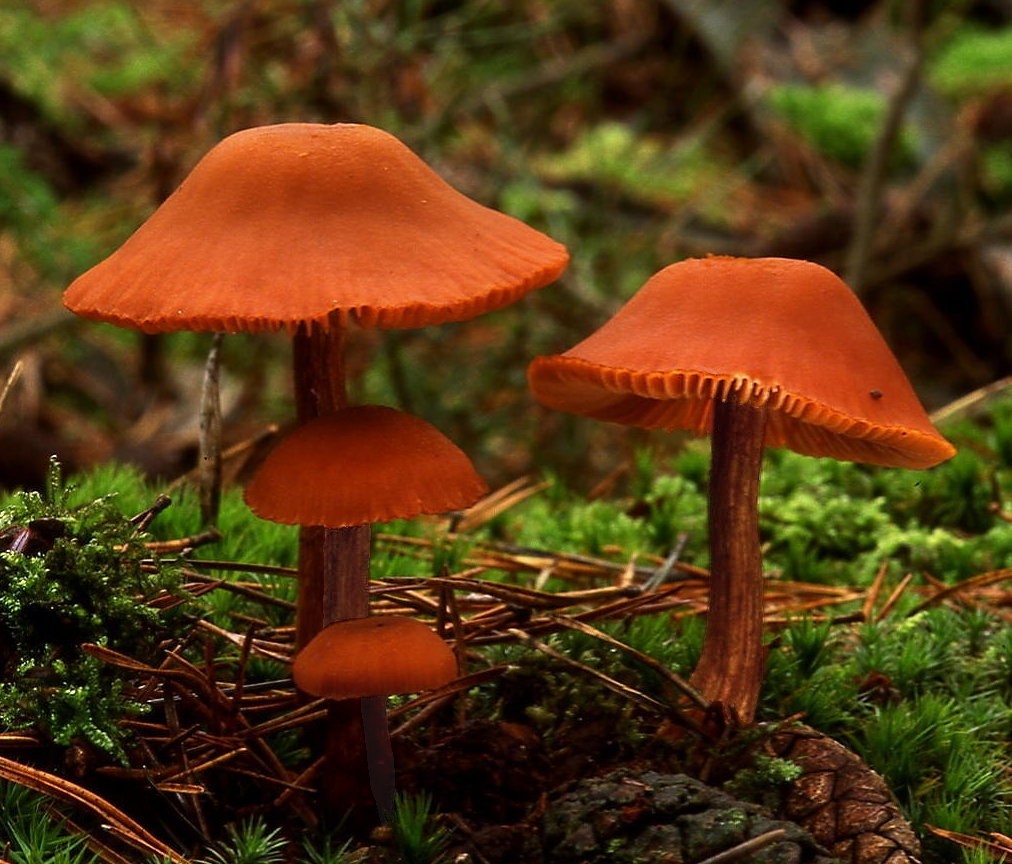
3. Common laccaria
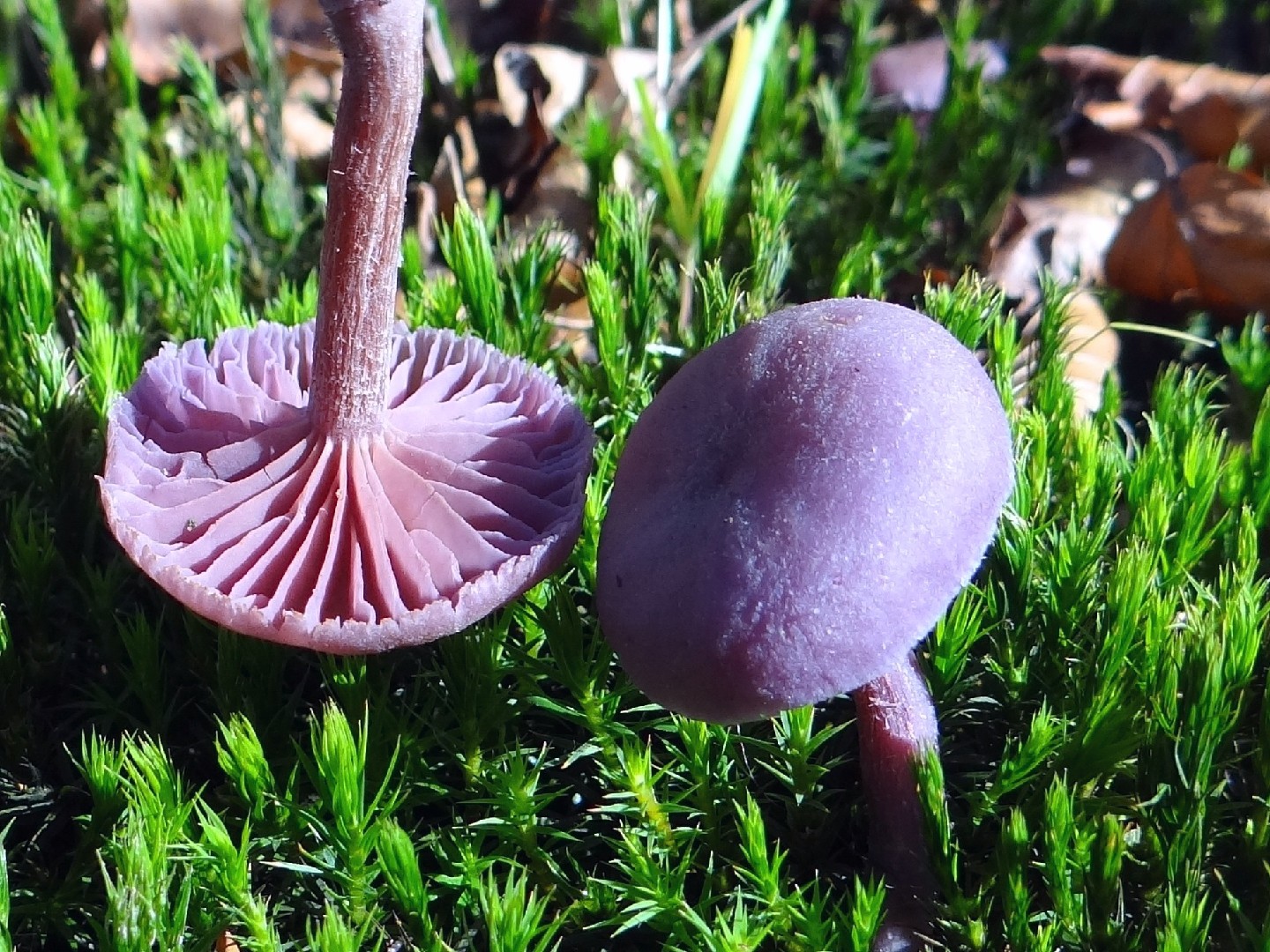
Common laccaria may sound like a malevolent name for a mushroom, but fret not! This species is so-called because its appearance is highly variable, with individual caps taking on a whole host of colors, from whitish to pinkish to dark brown.
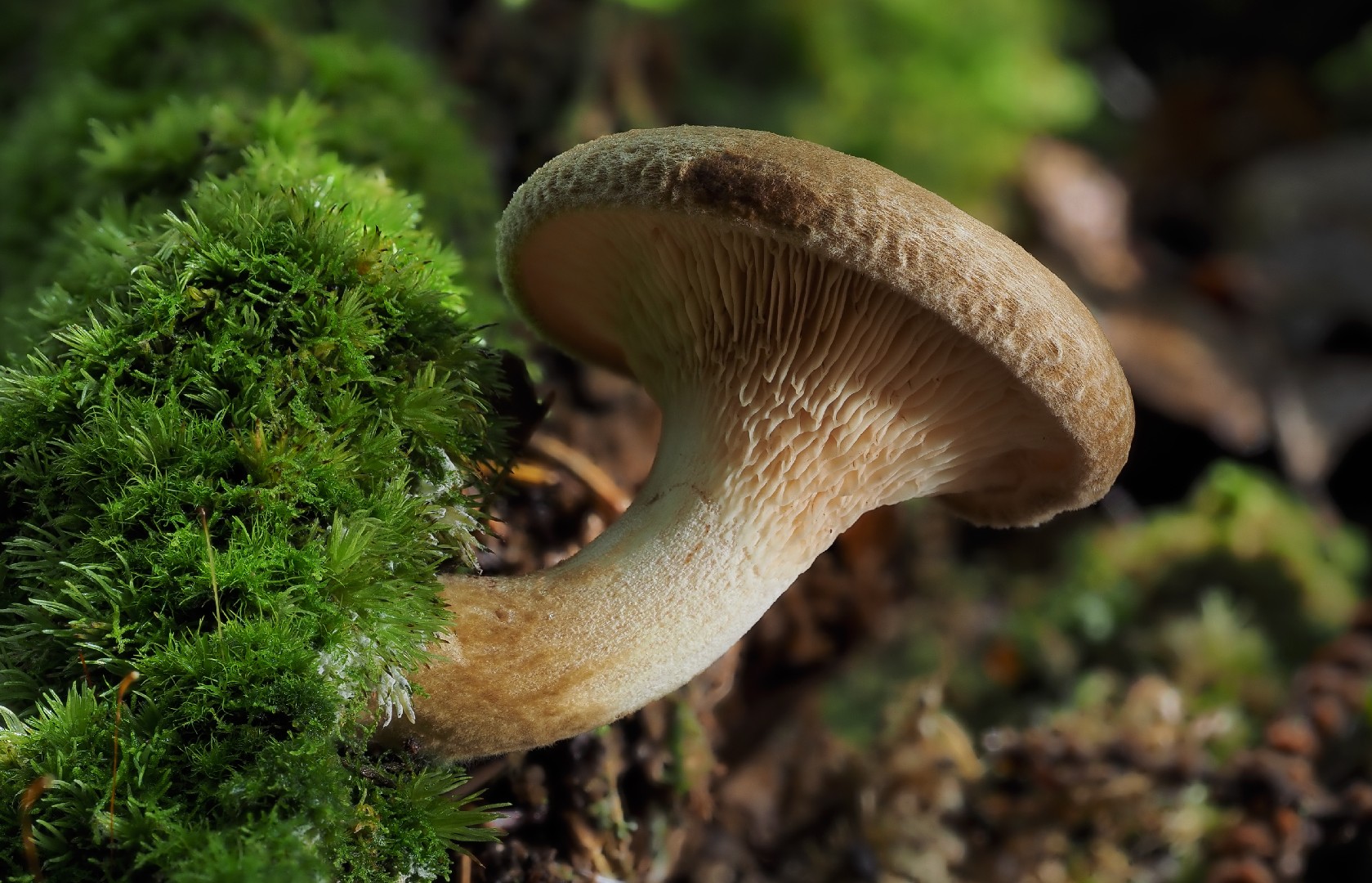
4. Brown roll-rim
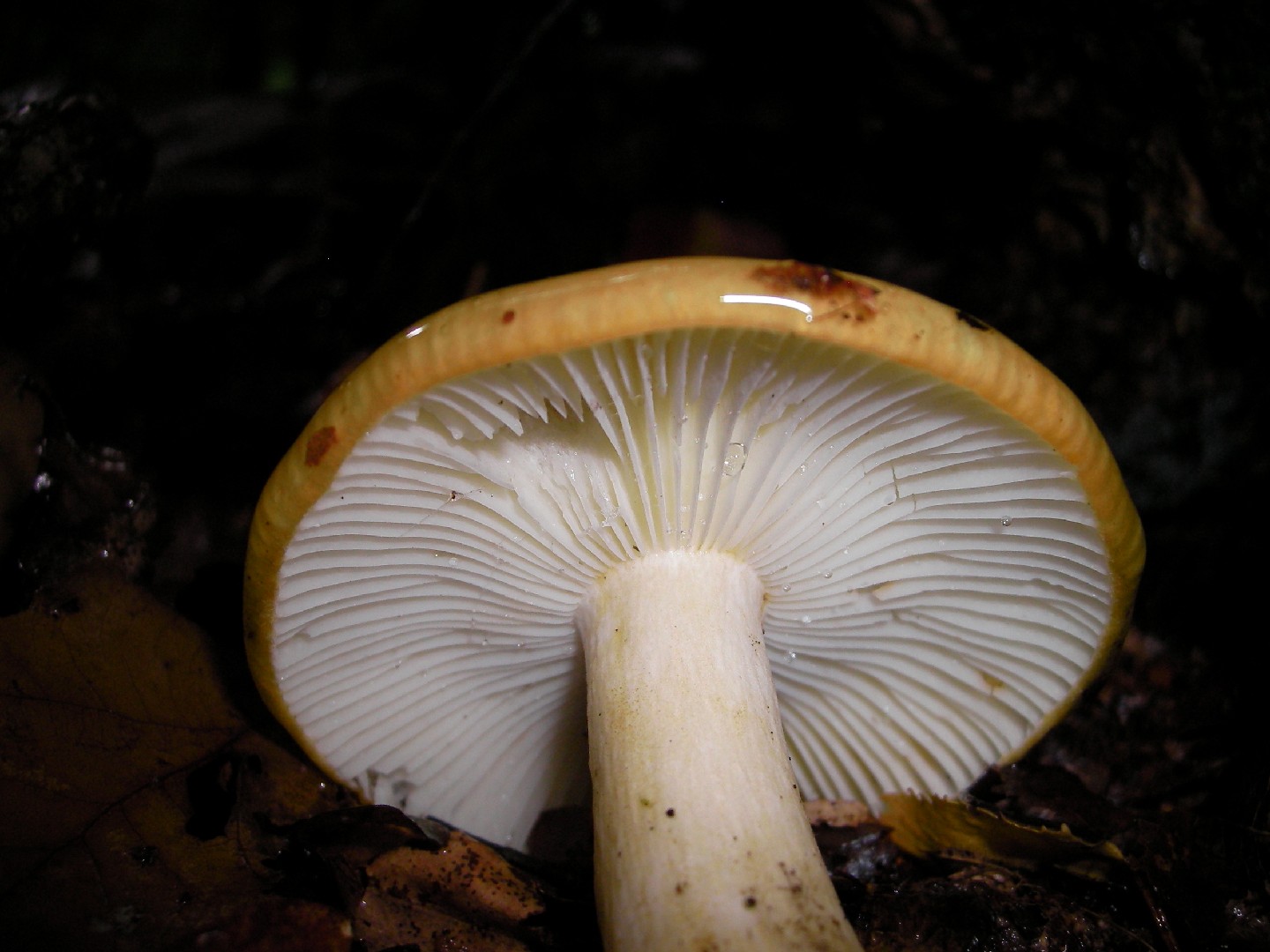
This wide-capped toadstool grows all around the world in temperate zones of the northern and southern hemispheres. Brown roll-rim mushrooms are known to be poisonous when consumed, causing immediate gastric upset if eaten raw and damaging vital organs of the body even when cooked, leading to death over time.
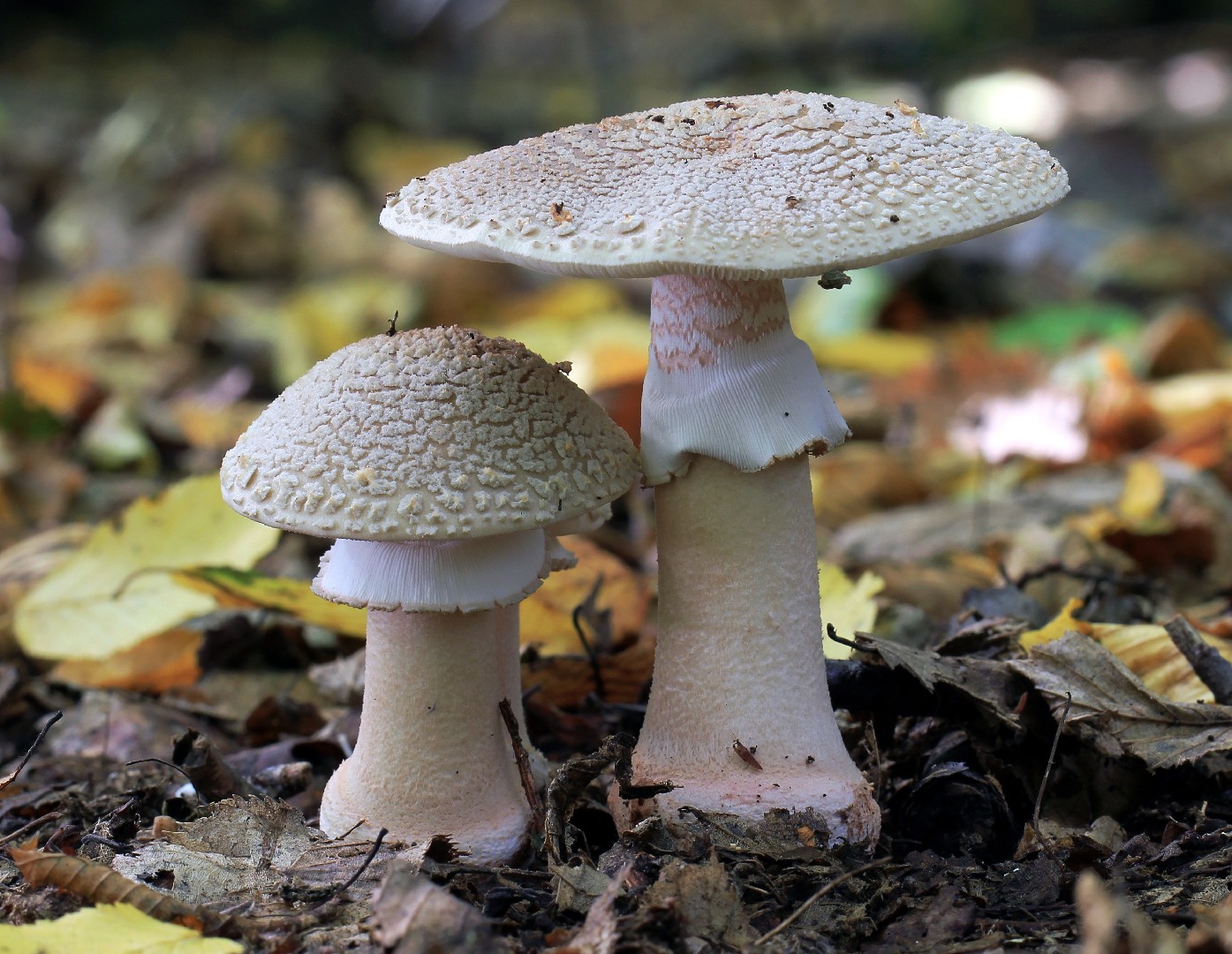
5. Blusher
The blusher mushroom is so named because it “blushes” to a pinkish red color when cut or bruised. It is found in many countries around the world, although it may not be native to the southern hemisphere. It contains a hemolytic toxin that can cause anemia if eaten.
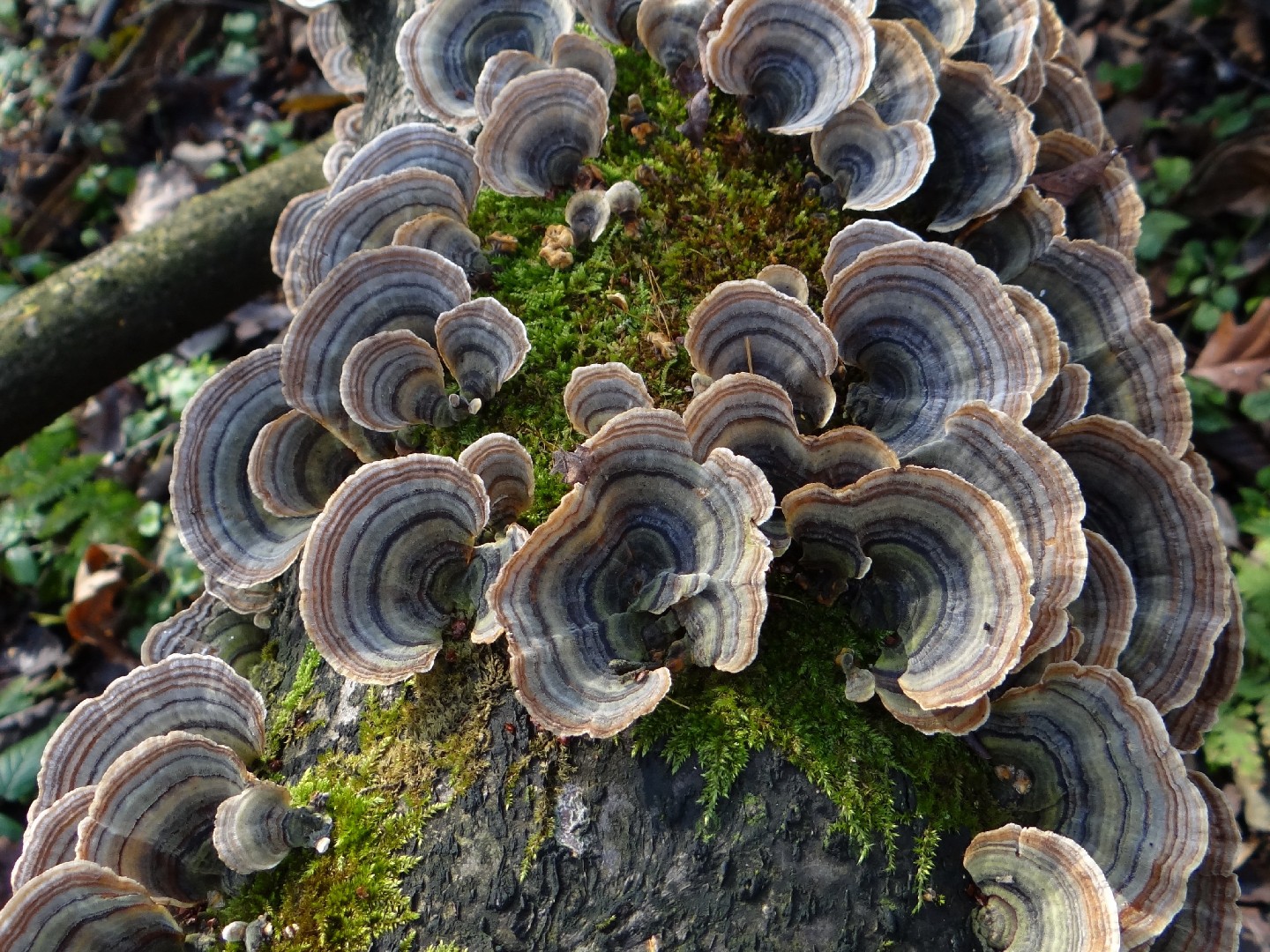
6. Turkey tail
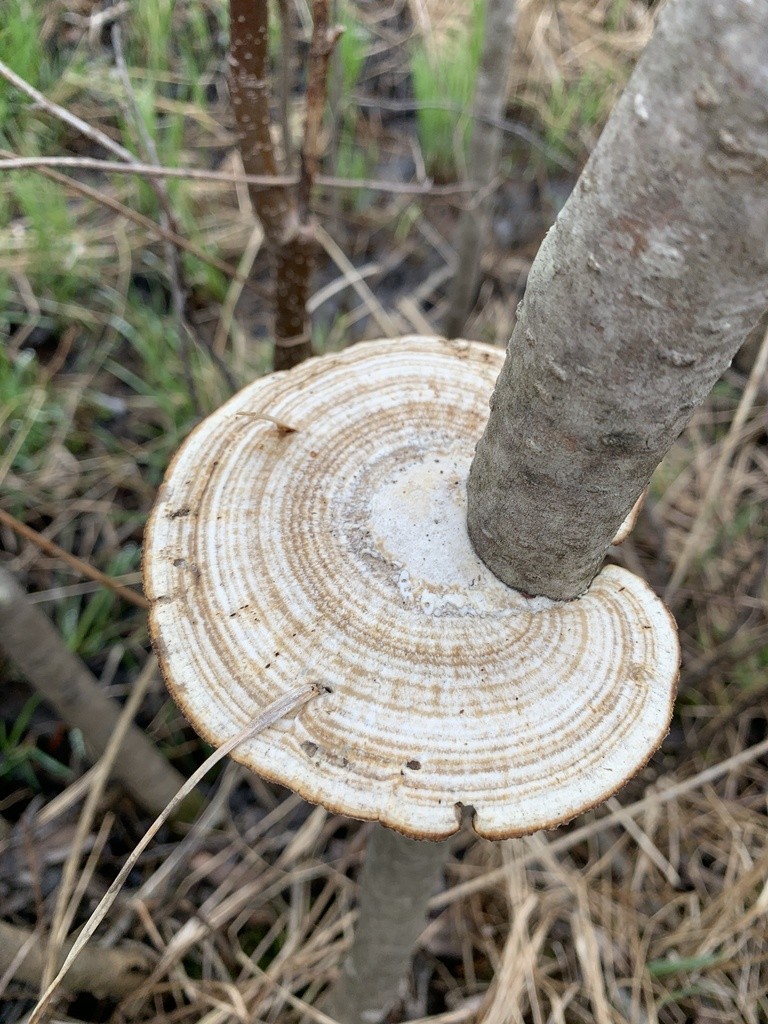
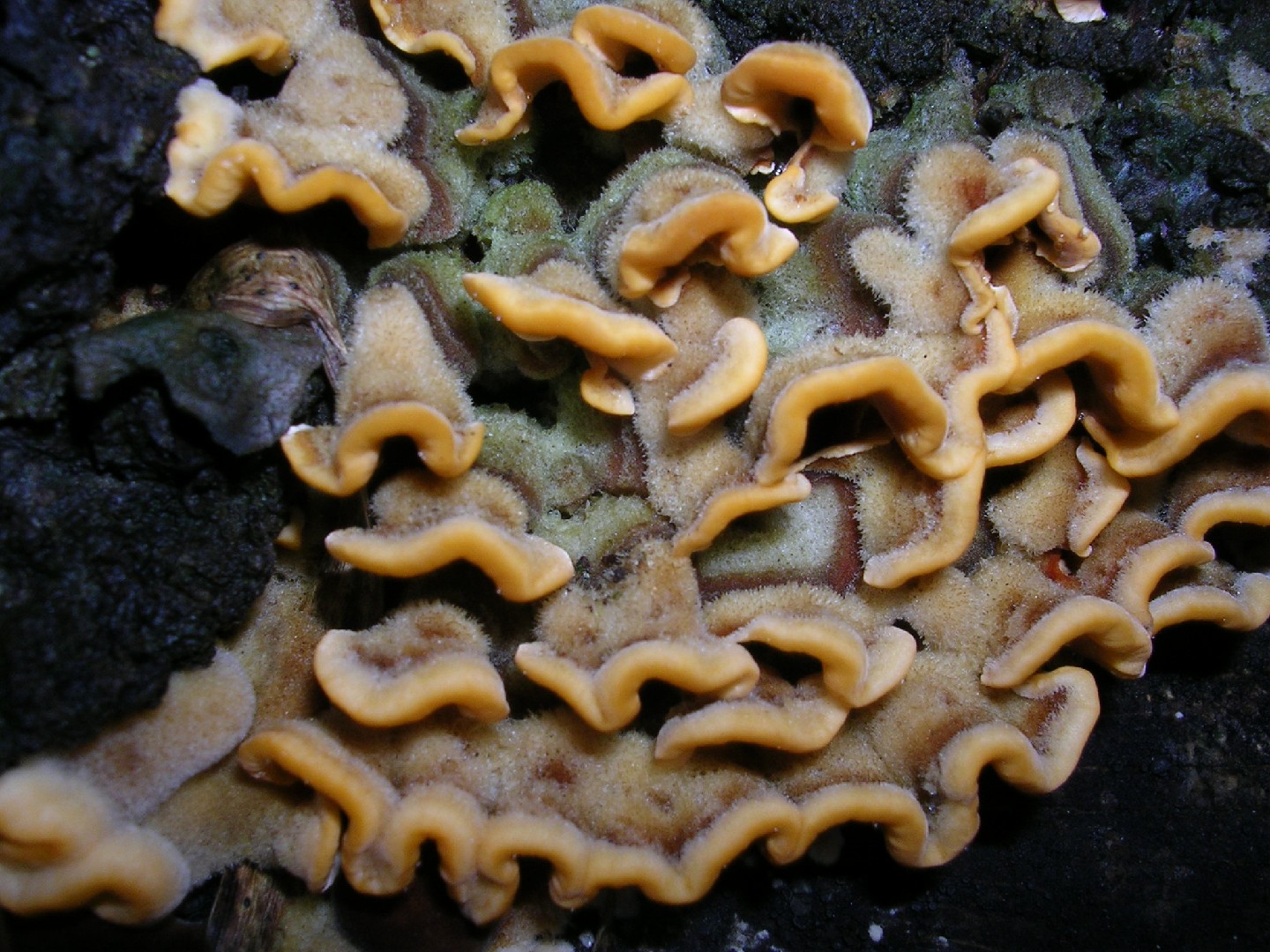
The distinctively-striped turkey tail fungus grows on stumps and logs all over the forests of the northern hemisphere. It is, in fact, probably the most common species you will find. That doesn't mean this mushroom is plain, however; each cap is uniquely patterned. Look for bands of alternating textures as well as color.
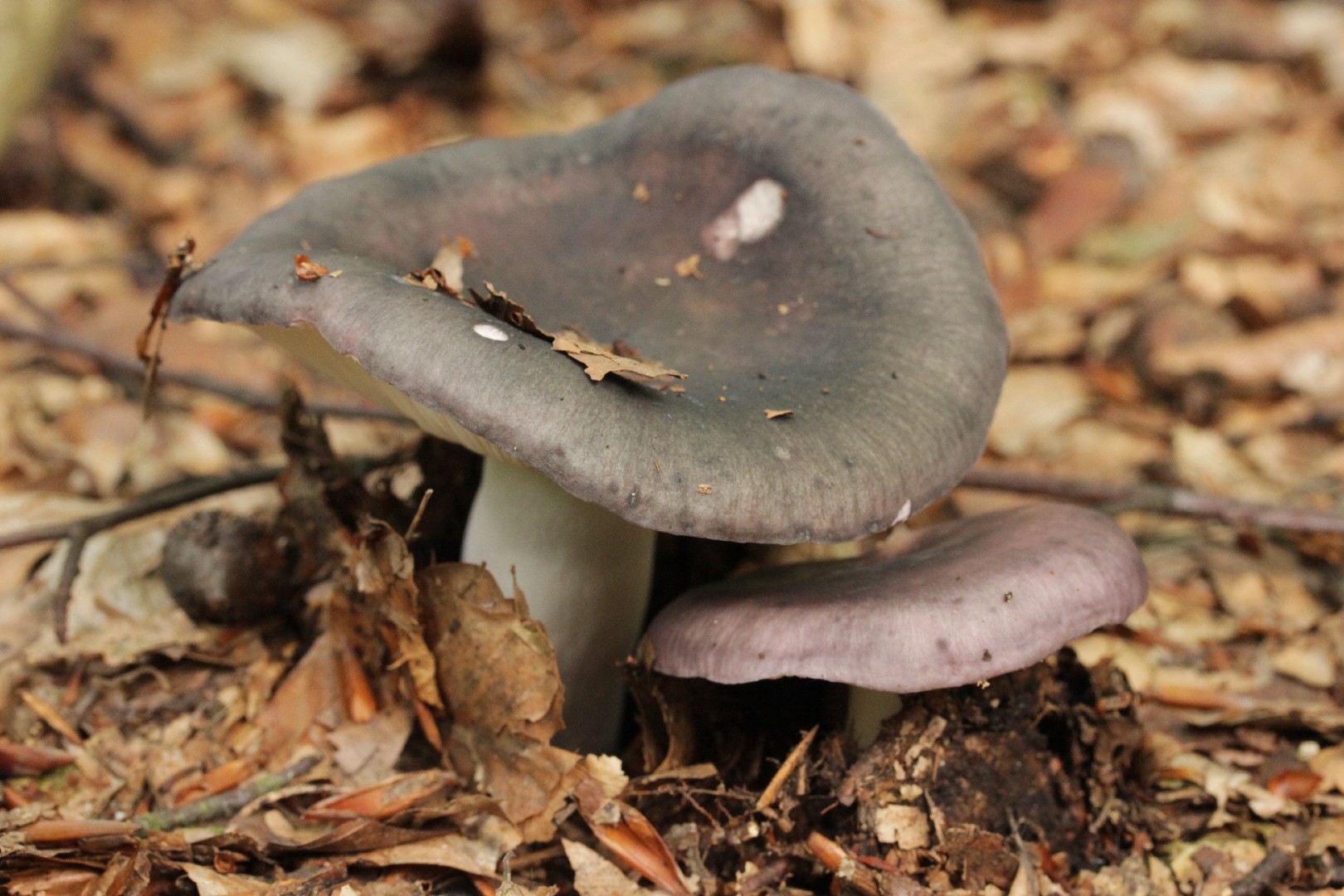
7. Charcoal burner
Most commonly found under beeches in forests or parks, this crumbly mushroom can appear in colors ranging from red and yellow to violet, blue-grey, or even green. Its scientific name represents this variability: Russula cyanoxantha means “reddish blue-blonde.”
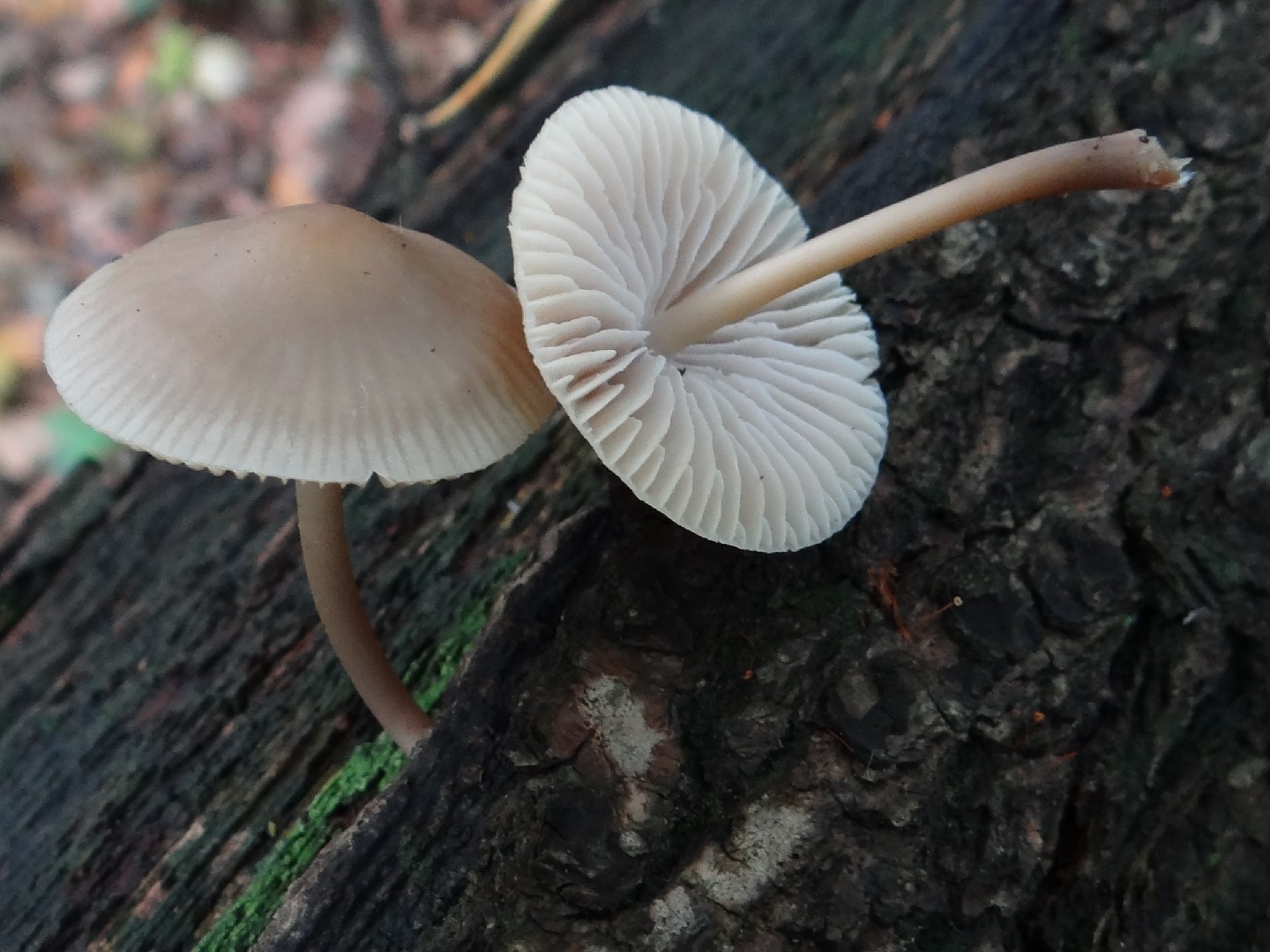
8. Common mycena
These mushrooms favor deeply shaded deciduous forests, growing in tufts and clusters on heavily decayed trunks and mossy stumps. Common mycena can be found throughout the northern hemisphere in summer and autumn. They do not appear to be toxic but have no edible value.
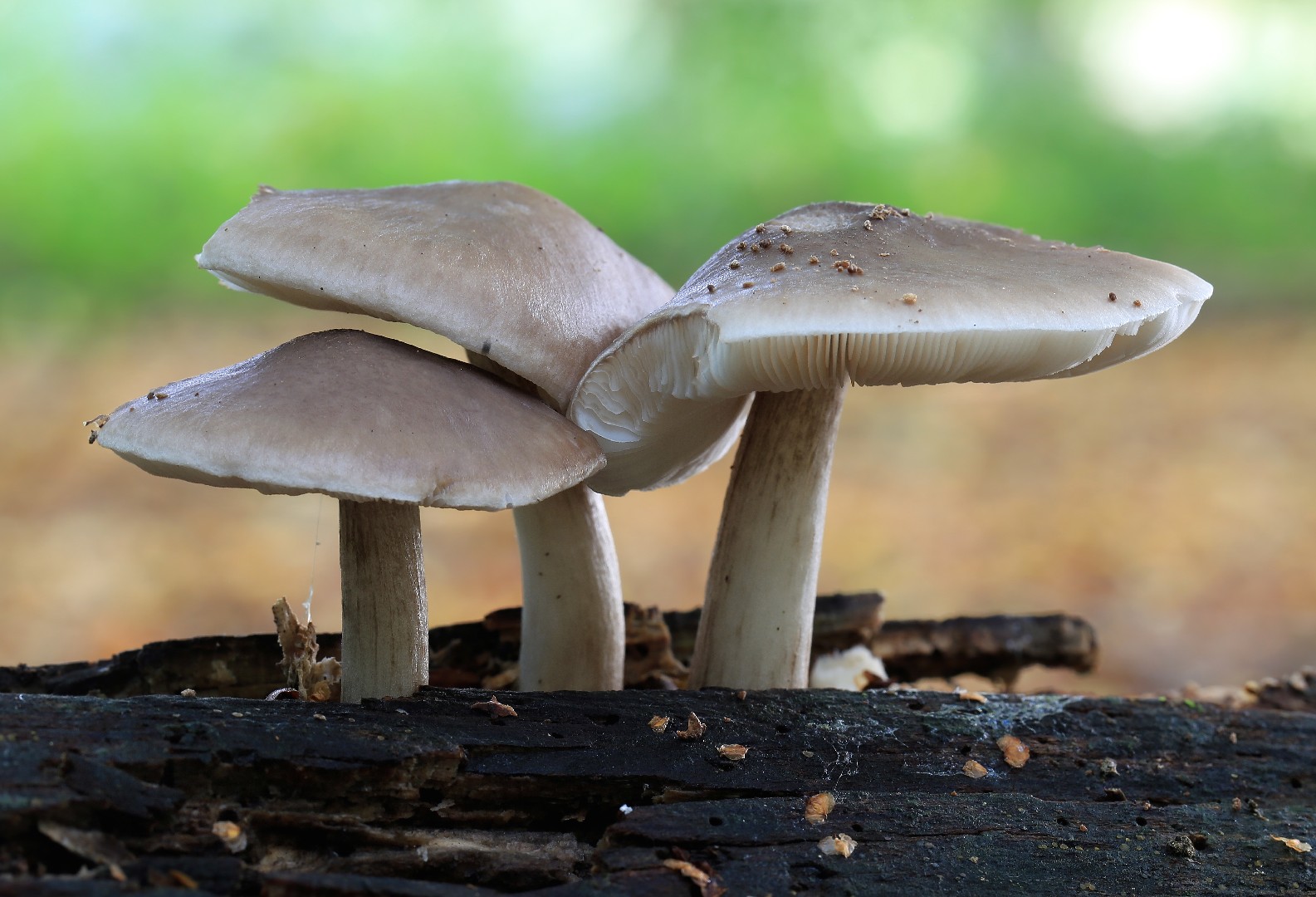
9. Deer mushroom
The deer mushroom is can be found sprouting up from rotting logs, branches, and roots, and while it may have a preference for hardwoods it isn't very picky. Unlike many other mushroom species, the fruitbodies can be found blooming across a wide range of seasons. They have a faint, radish-like odor.
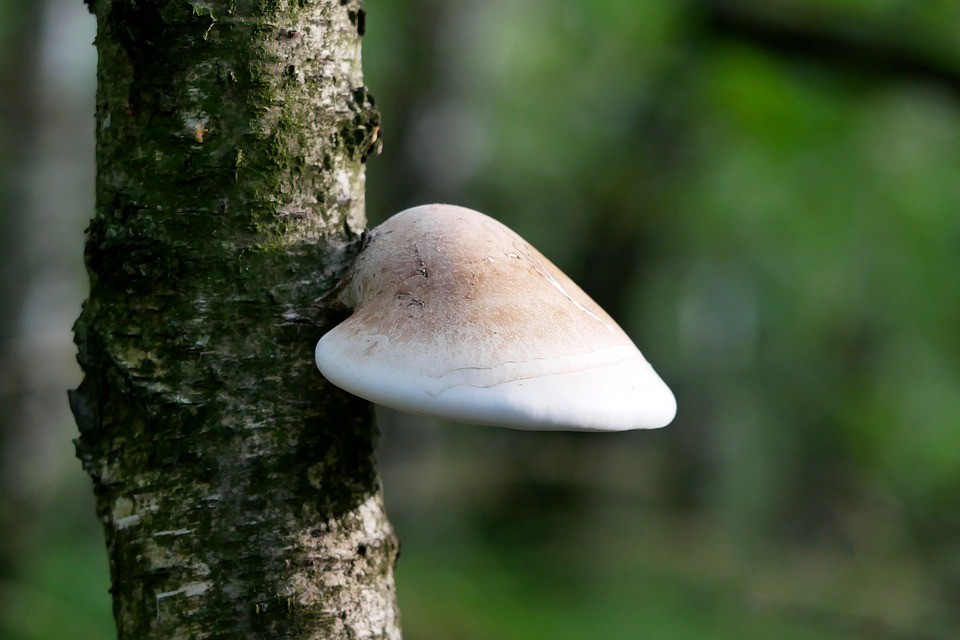
10. Birch polypore
The birch polypore has a variety of applications. Its thick skin has been used by barbers as a razor sharpener and as a mount for insect collectors. When dried, this mushroom was also used to carry fire over long distances because it burns slowly. The historical use of birch polypore doesn't stop there; pieces of this mushroom were found being carried by the five-thousand-year-old mummy Ötzi the Iceman.
More







