




Top 20 Edible Mushrooms Popular in Kennewick
Dotted with vast green parks and a mild, wet climate, Kennewick hosts a delectable and diverse assortment of fungi. This guide will lead you through 20 of the most common edible mushrooms sprouting in this region. Each detailed entry covers fungi's distinct characteristic, from their captivating aesthetics to tantalizing flavors, their preferred organic habitat, and acclaimed culinary applications. Prepare to delve into Kennewick's fungi treasures, knowledgeably and safely. Your edible mushroom journey starts here.
* Disclaimer: Content feedback CAN NOT be used as any basis for EATING ANY PLANTS. Some plants can be VERY POISONOUS, please purchase edible plants through regular channels.

Most Popular Edible Mushrooms

1. Shaggy mane
The shaggy mane mushroom is commonly found in North American and European grasslands. Some peoples foraged for its young egg-shaped caps, but it has more recently been found to be a bioaccumulator of heavy metals, meaning it pulls toxic metals up from the soil where it grows. As a result, shaggy manes should not be eaten. The mushrooms usually appear in clusters or “fairy rings.”
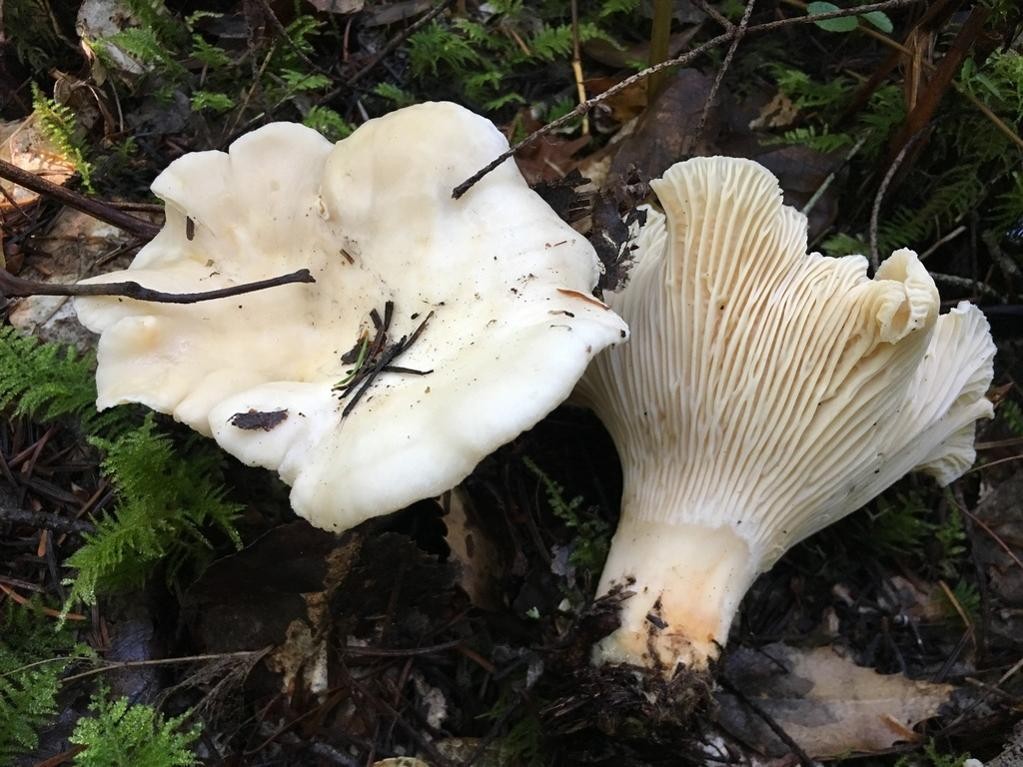
2. White chanterelle
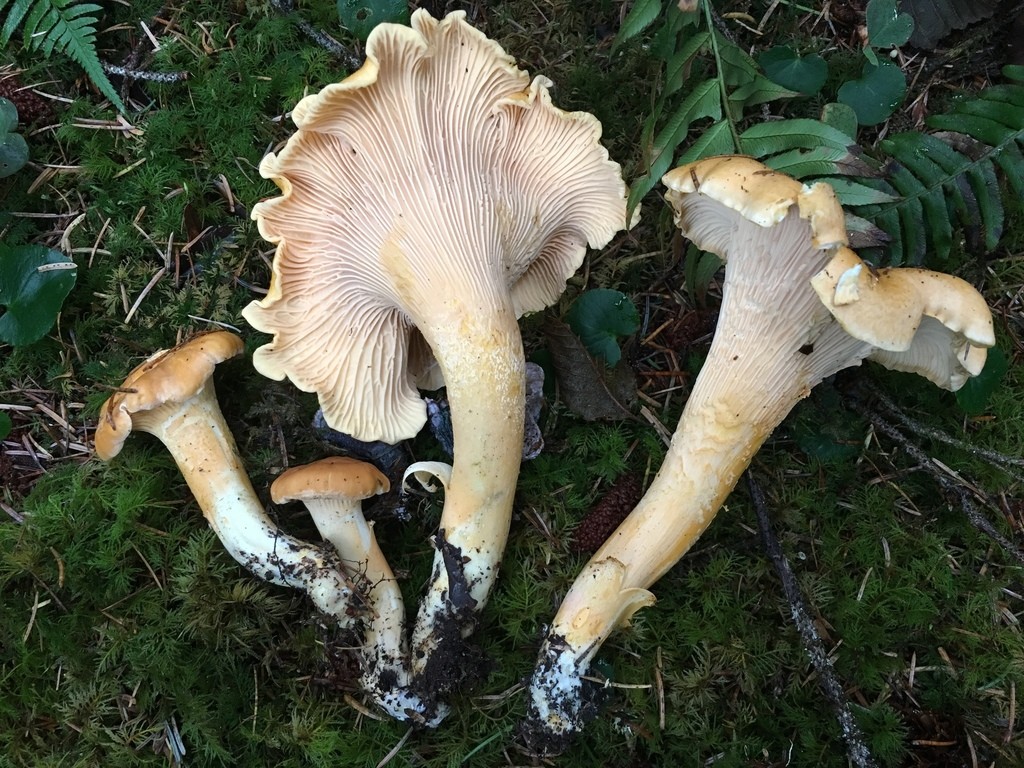
The white chanterelle differs from other chanterelles by its extremely pale, almost white fruitbody. Due to its well-developed false gills, it can be confused with members of the Clitocybe genus at first glance. But, like all chantarelles and unlike the Clitocybe species, it's almost never attacked by maggots!
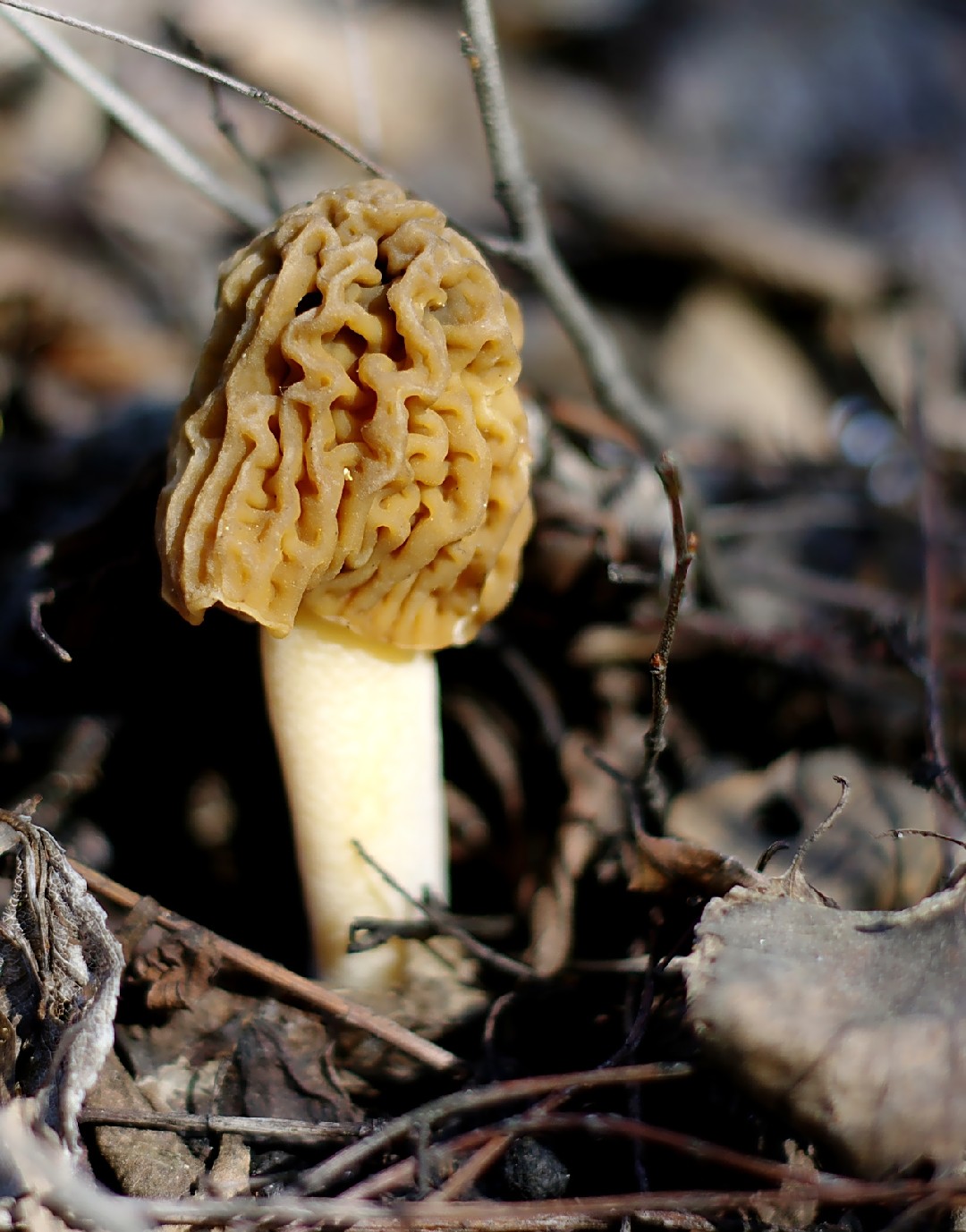
3. Early morel
The early morel can be found in wooded areas of North America, Asia, and Europe. It is called the Early morel because it is one of the first mushrooms to emerge early in spring. It is distinctive for its wrinkled and thimble-like cap.
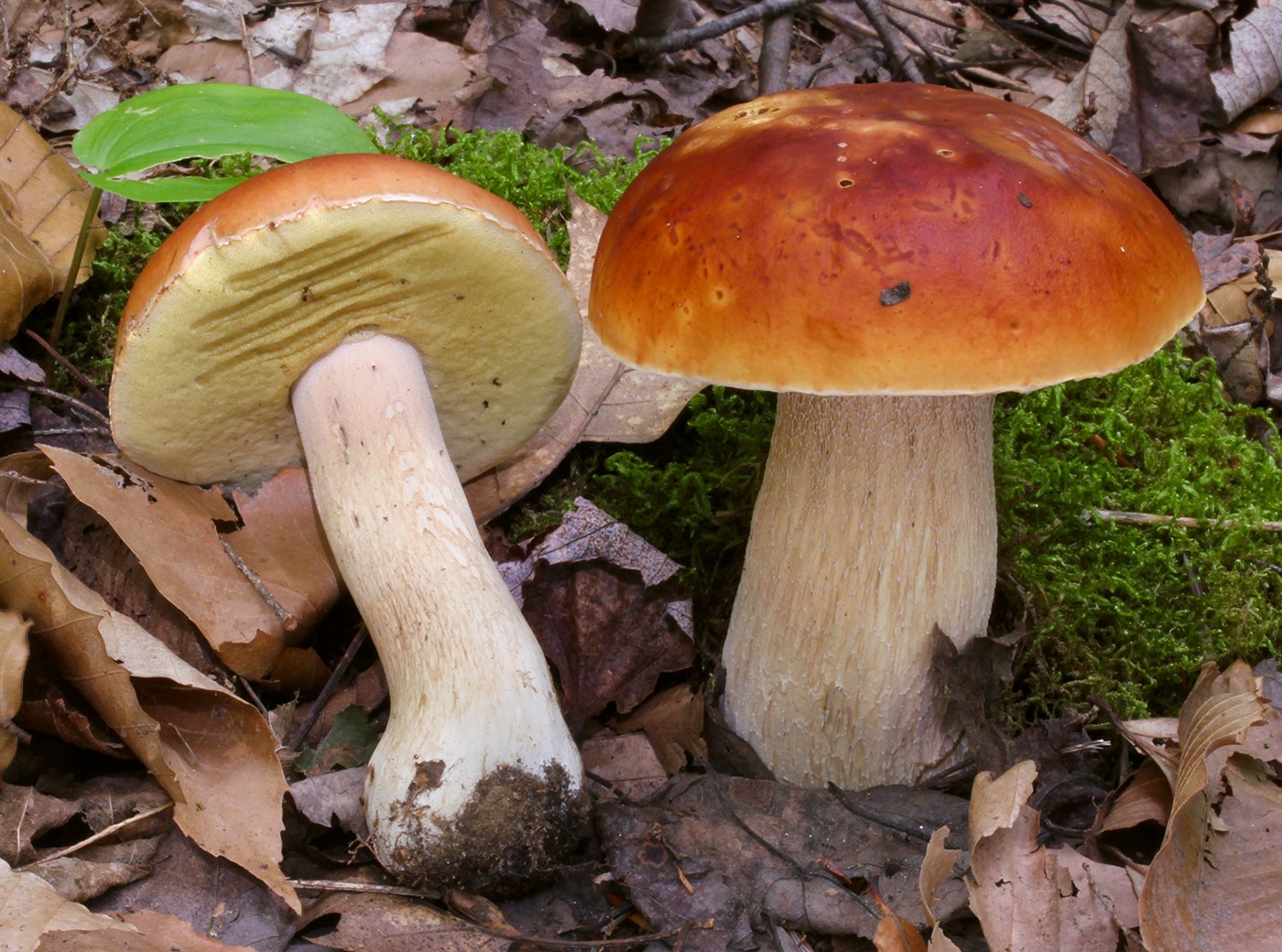
4. King bolete
Extremely popular in many cuisines, this edible wild mushroom grows around the world near the roots of forest trees. In some regions, king bolete mushrooms are collected in great enough volumes that their sale can support entire families during the harvest season. King boletes are reported to be high in fiber, vitamins B and C, calcium, potassium, magnesium, zinc, and several antioxidants.
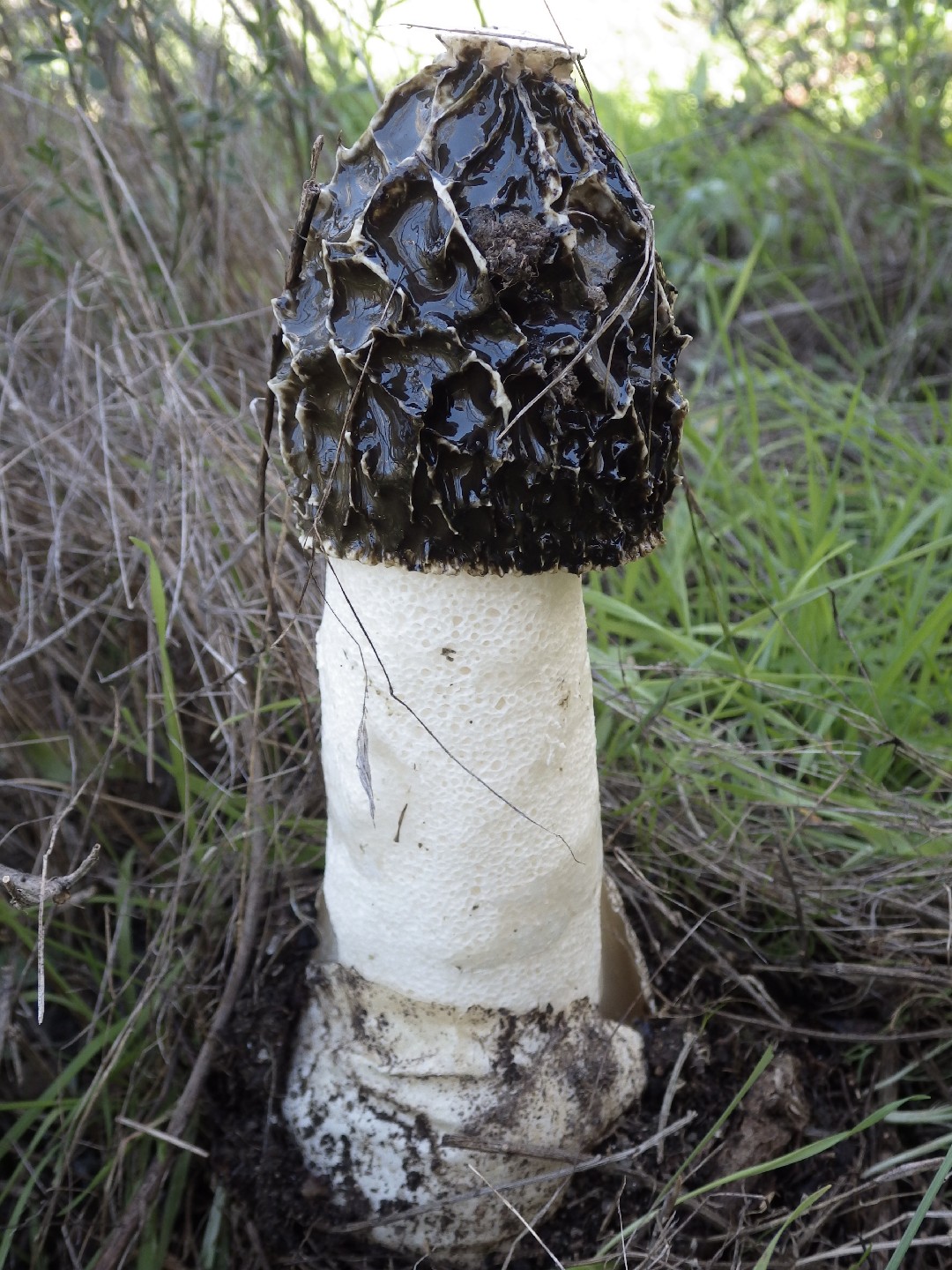
5. Common stinkhorn
The common stinkhorn (Phallus impudicus) grows incredibly quickly, sometimes nearing 30 cm in a single afternoon. Their caps are pitted in a way which makes them reminiscent of morels. However, there's little mistaking the common stinkhorn for a morel; the former, in addition to sporting a much longer stalk, has a clear and pungent odor.
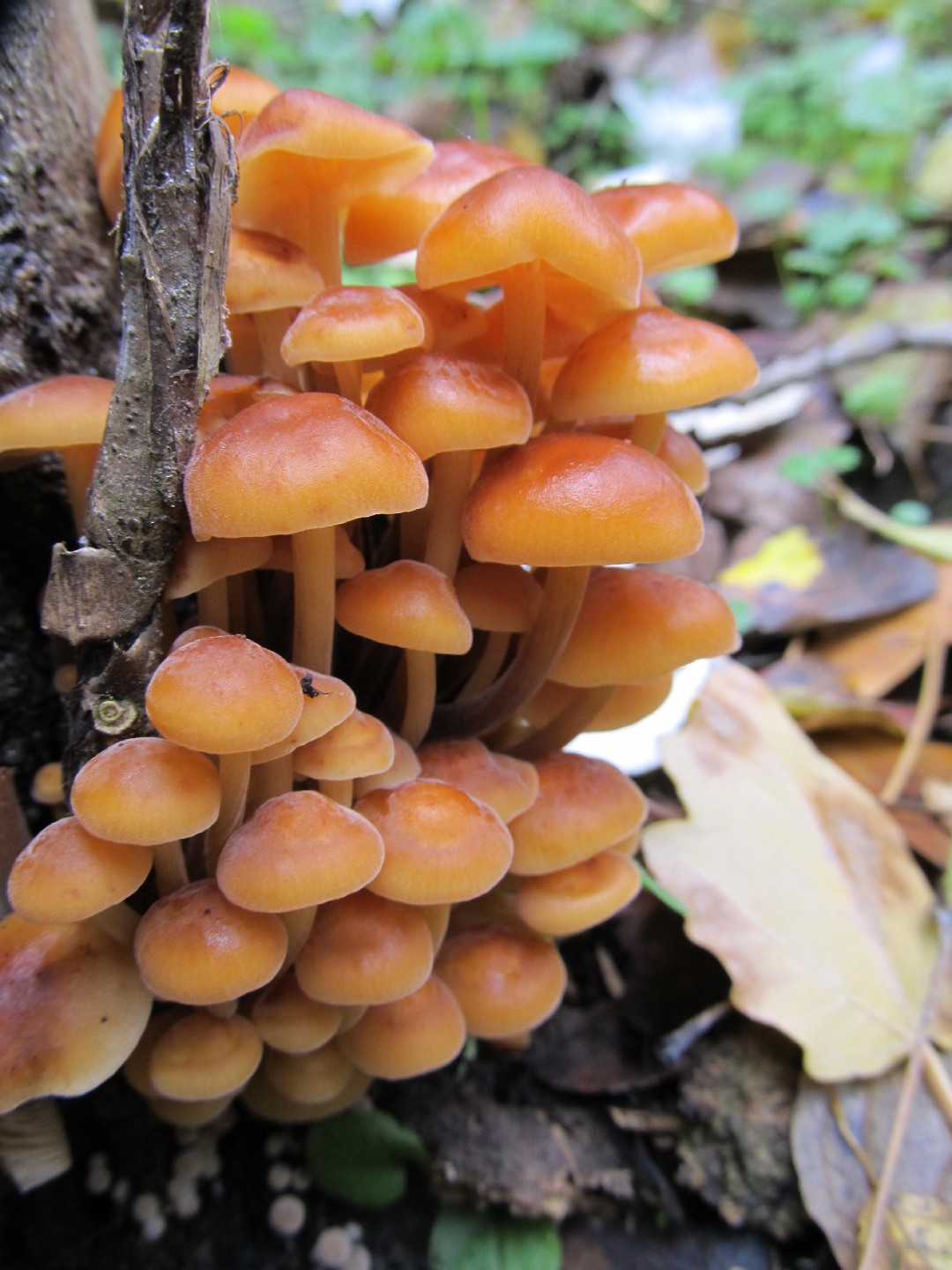
6. Enoki
The enoki grows wild on dead elm trees, and is also cultivated for human use. This flavorful species (Flammulina velutipes) has been used in dishes around the world for generations, being particularly high in nutrients. Though store-bought enoki are often plain white, wild ones can be found in a range of colors.
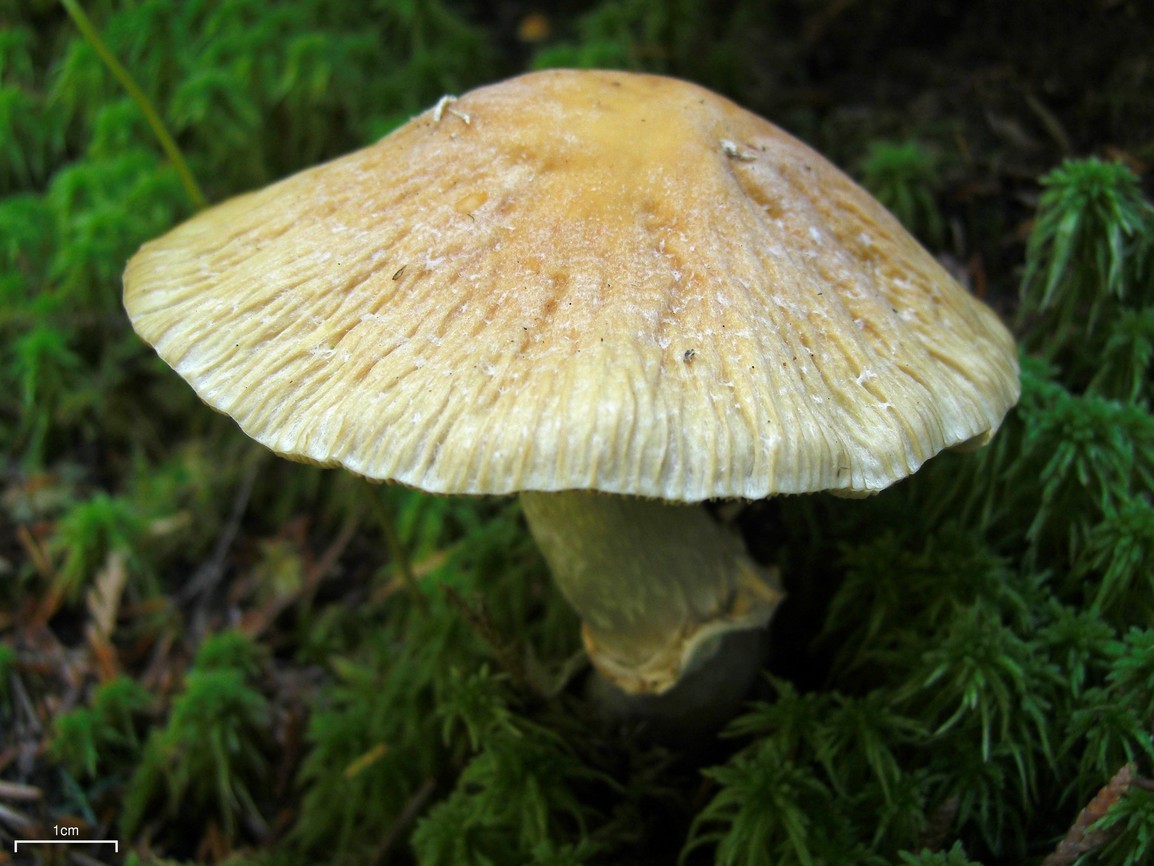
7. Gypsy mushroom
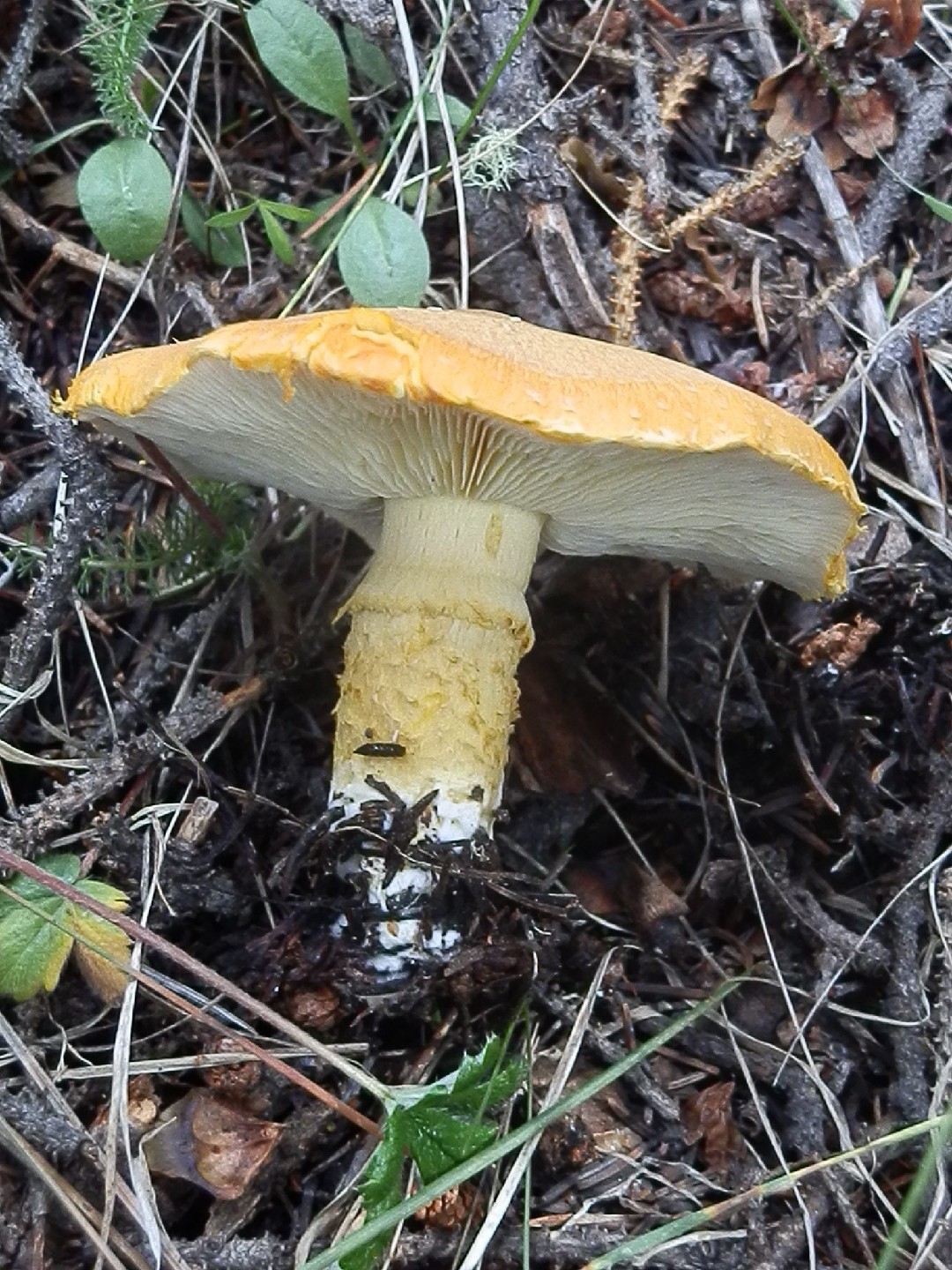
Cortinarius caperatus, commonly referred to as the gypsy mushroom, is a sought-after species that grows across the temperate regions of the Northern Hemisphere. The fruitbodies sport ochre-colored caps and pale gills and stems - their cap color fades over time though, which may lead to their being confused with other, more toxic species.
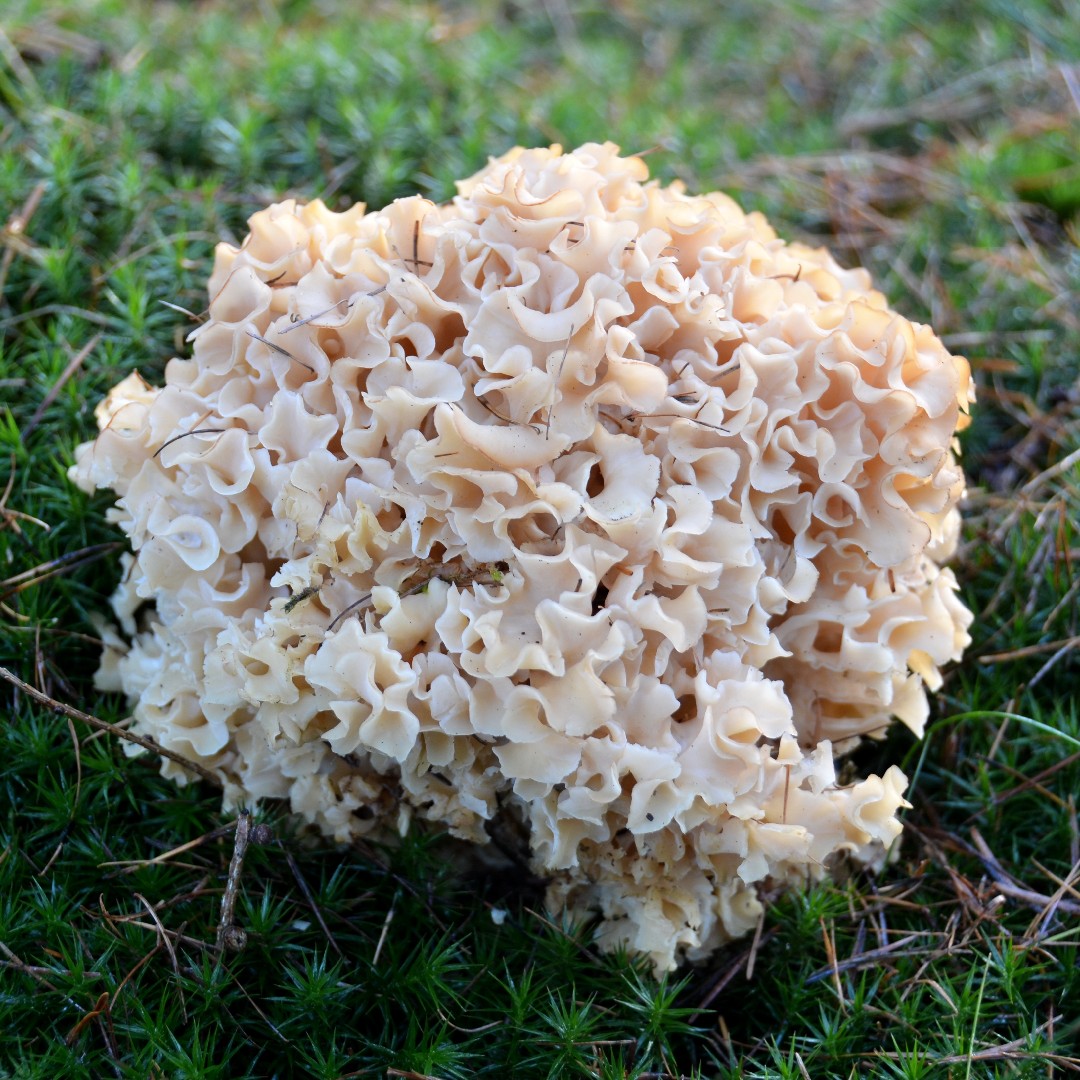
8. Cauliflower mushroom
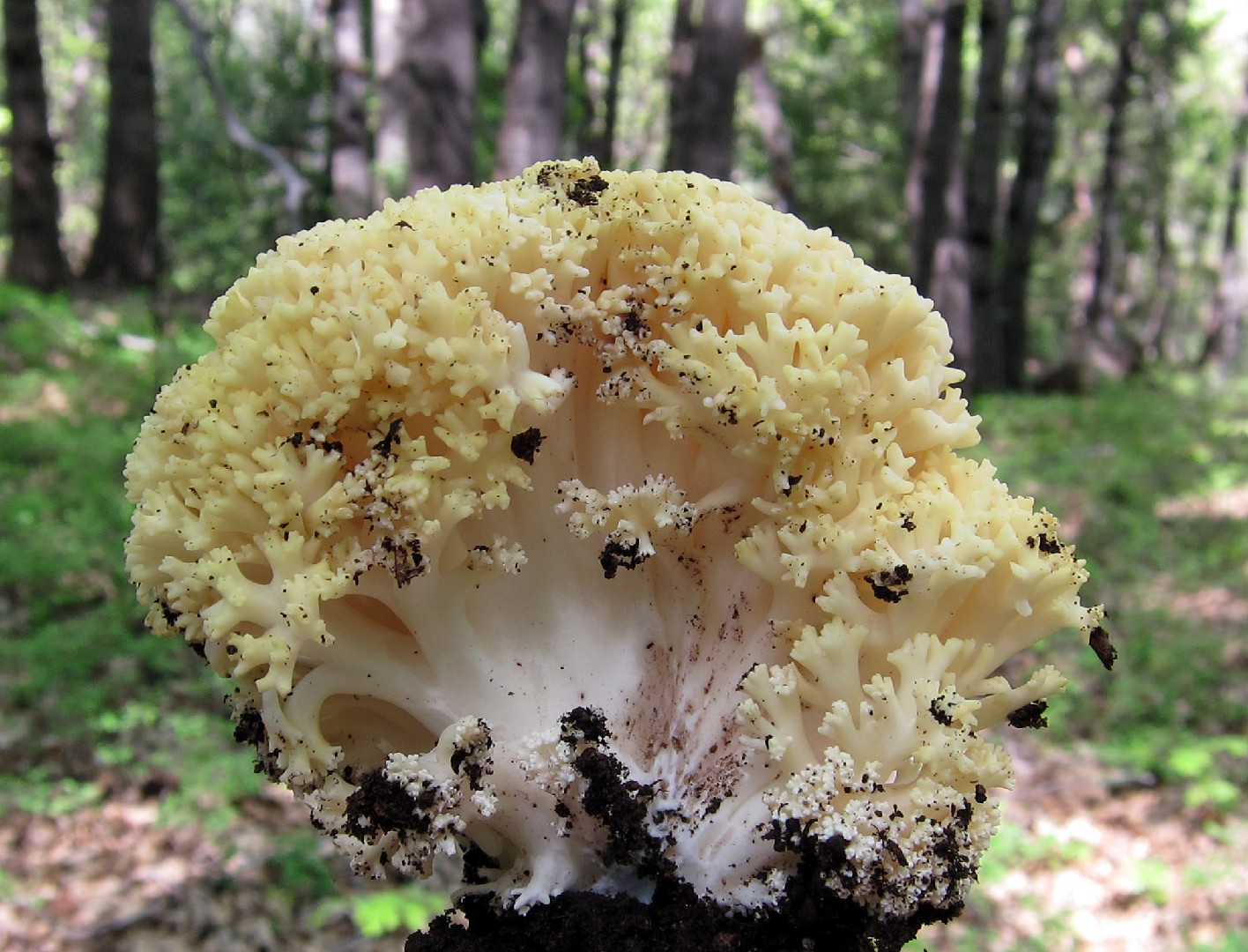
Instantly recognizable and highly sought-after, cauliflower mushroom (Sparassis crispa) forms a distinct-looking fruitbody that can be found across temperate North America and Europe. The species resembles cauliflower in both color and overall shape, although instead of bearing florets, its appendages look more like wavy, partially-cooked pasta.
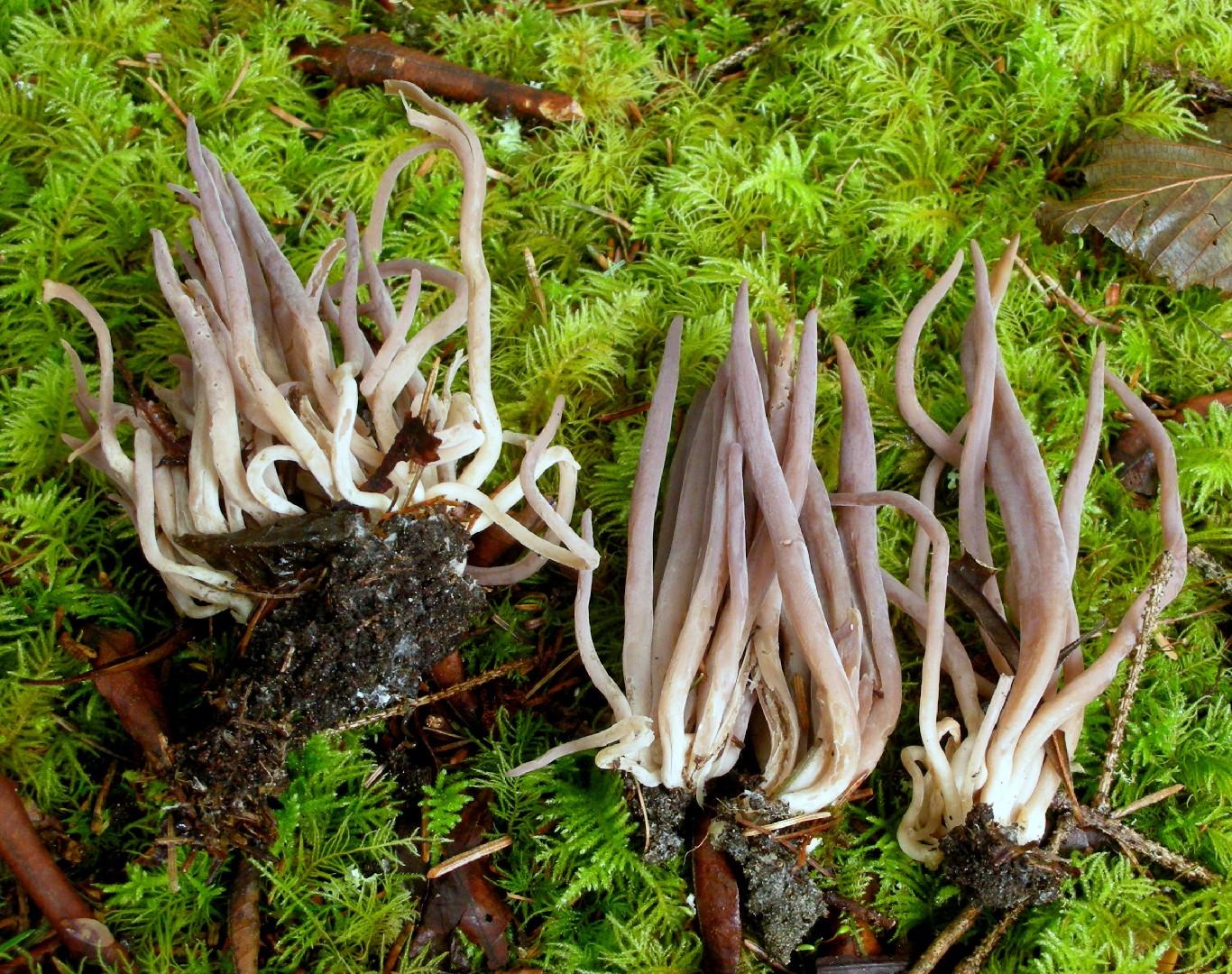
9. Purple coral
The purple coral is a tiny, but beautiful and impressive fungus that can be immediately distinguished from other Alloclavaria and Clavaria species by its distinctive purple colour. This mushroom grows in large clusters, but it's still unclear whether it's a saprobic or mycorrhizal species.
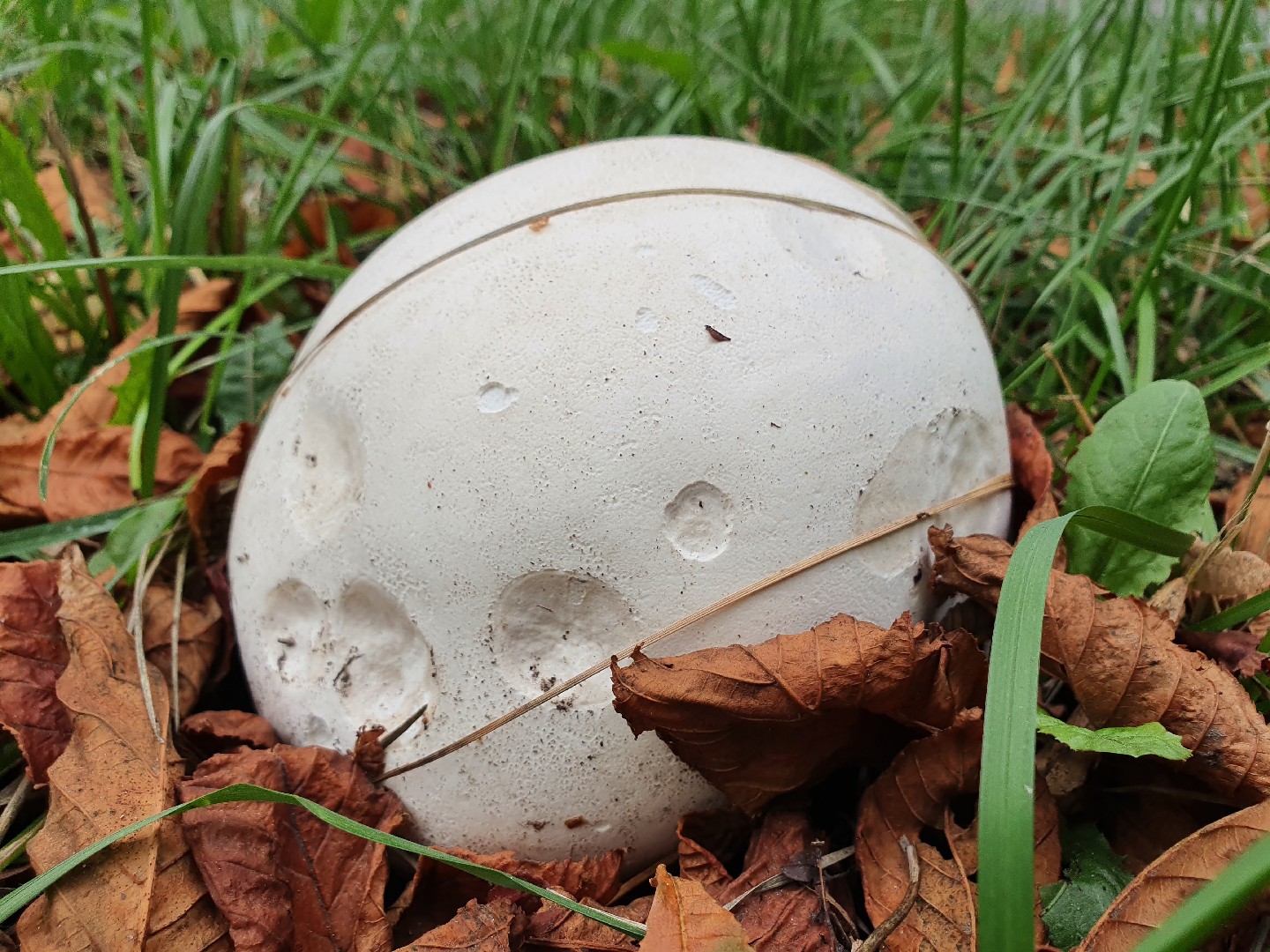
10. Giant puffball
These distinctive round, white fungi appear around the world in fields and at the edges of wooded areas. Living up to its name, a single giant puffball can grow as large as a watermelon. They have no stems, and produce trillions of spores that release into the air through holes in “puffs.” They have been used as slow-burning tinder and produce copious smoke when set aflame. Giant puffballs are technically edible, but should only be consumed when the mushroom is young and firm.

More







