




Top 20 Edible Mushrooms Popular in Sherwood
Offering a diverse habitat of woodlands and grasslands, Sherwood is a prime location for mycophiles seeking the 'Top 20 Most Common Edible Mushrooms.' The region's unique climate and topography foster some of the world's best-loved fungi, each distinct in appearance, taste, and culinary uses. Displaying a rich tapestry of tastes from earthy to nutty, these edible mushrooms not only promise gastronomical delight but also offer important nutritional benefits worth exploring. This guide will enlighten you about the diverse world of edible mushrooms in Sherwood, prompting an unforgettable foraging adventure.
* Disclaimer: Content feedback CAN NOT be used as any basis for EATING ANY PLANTS. Some plants can be VERY POISONOUS, please purchase edible plants through regular channels.

Most Popular Edible Mushrooms
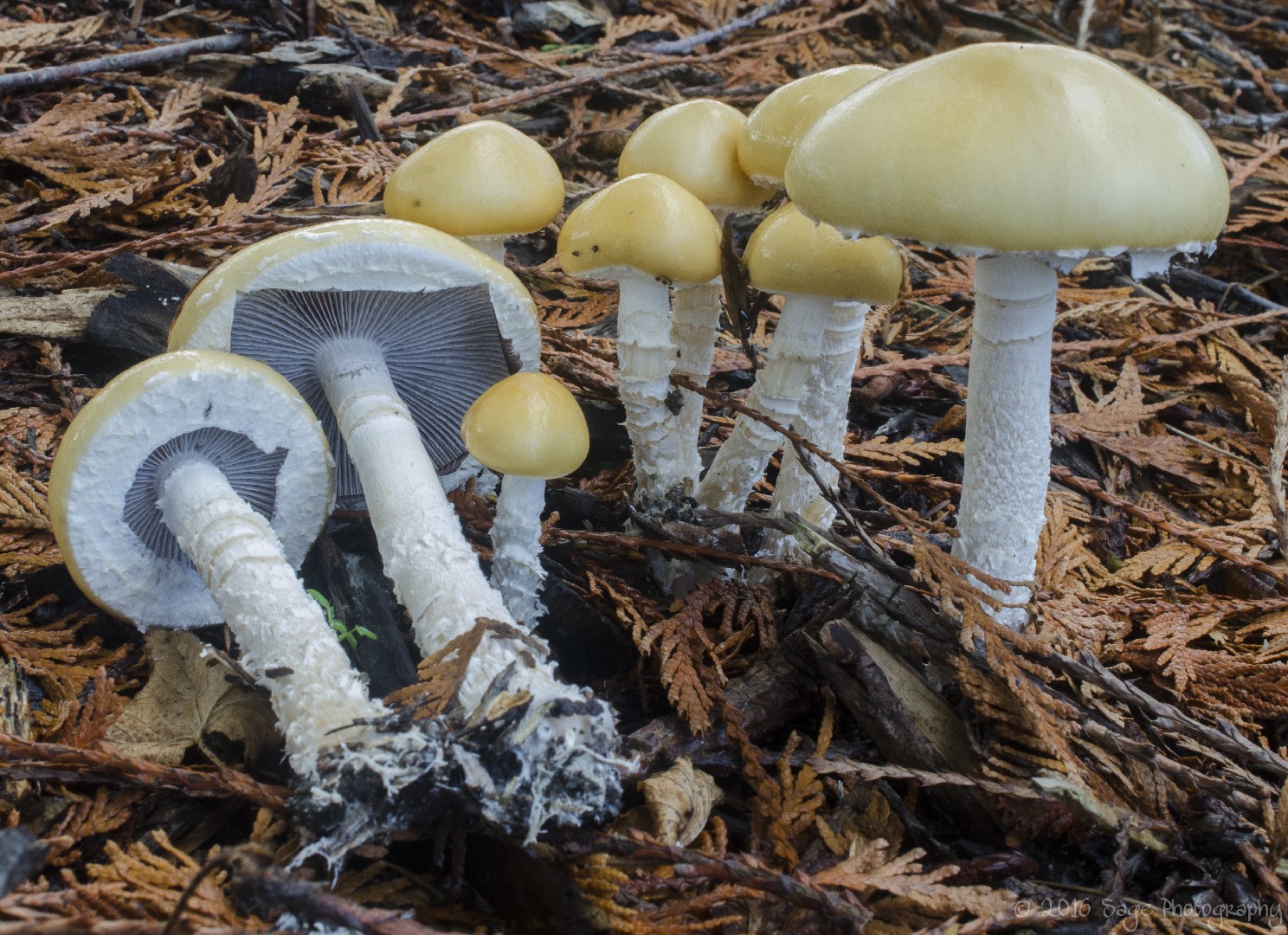
1. Questionable stropharia
The questionable stropharia is an odd-looking species that thrives in rich, wet soils along the western coast of North America. The species sports a shiny, yellow-brown cap with a white partial veil that looks almost as though it is dripping off the cap. "Questionable" is a fair title for this species, about which there are conflicting reports on edibility. Most experts recommend staying on the safe side and avoiding eating this mushroom.

2. Shaggy mane
The shaggy mane mushroom is commonly found in North American and European grasslands. Some peoples foraged for its young egg-shaped caps, but it has more recently been found to be a bioaccumulator of heavy metals, meaning it pulls toxic metals up from the soil where it grows. As a result, shaggy manes should not be eaten. The mushrooms usually appear in clusters or “fairy rings.”
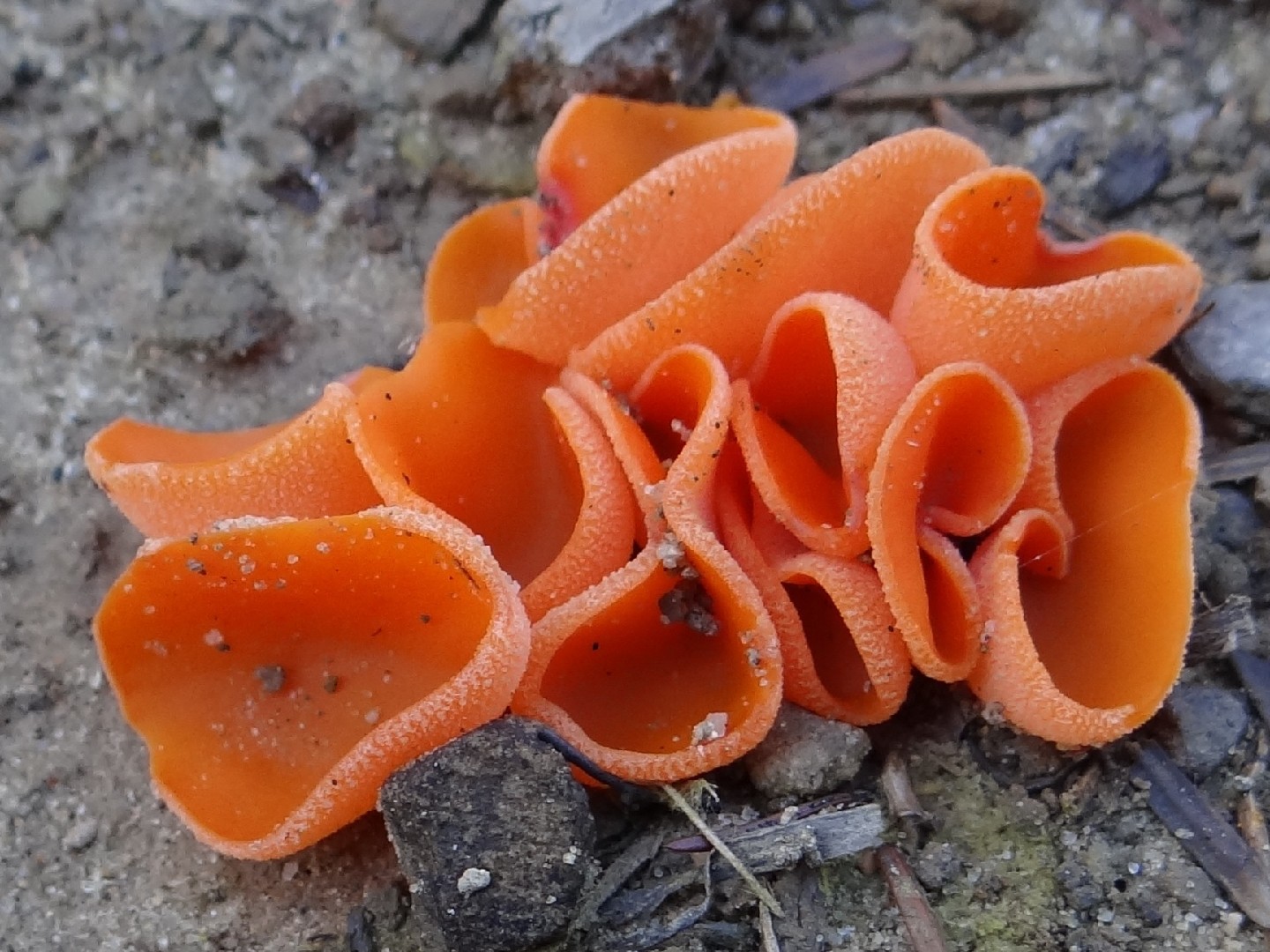
3. Orange peel fungus
The aptly-titled orange peel fungus (Aleuria aurantia) forms fruitbodies that strongly resemble peeled-off rinds of oranges. The species has an irregular folded shape and boasts a bright orange hue. Orange peel fungus usually grows directly out of soil and can be found across temperate regions of North America, Europe, and a few parts of Chile.
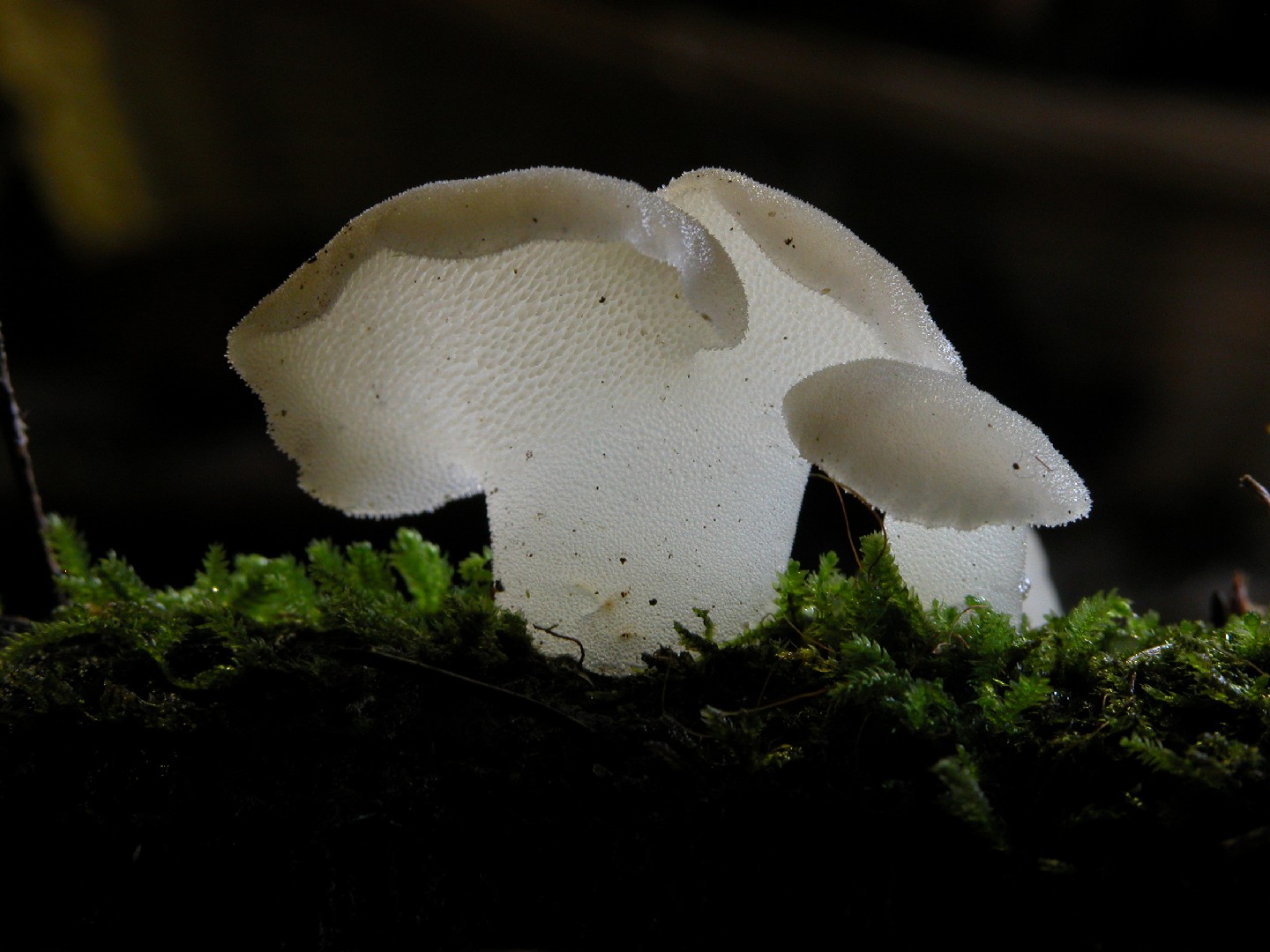
4. Toothed jelly fungus
This whimsically-named mushroom has a global distribution and a unique appearance. Toothed jelly fungus has a white, translucent - almost spectral - coloration and sports little downward pointing "teeth" on the underside of its cap. Although its toothed underside may scream "hedgehog mushroom", it is actually a member of a separate genus (Pseudohydnum, as opposed to Hydnum).
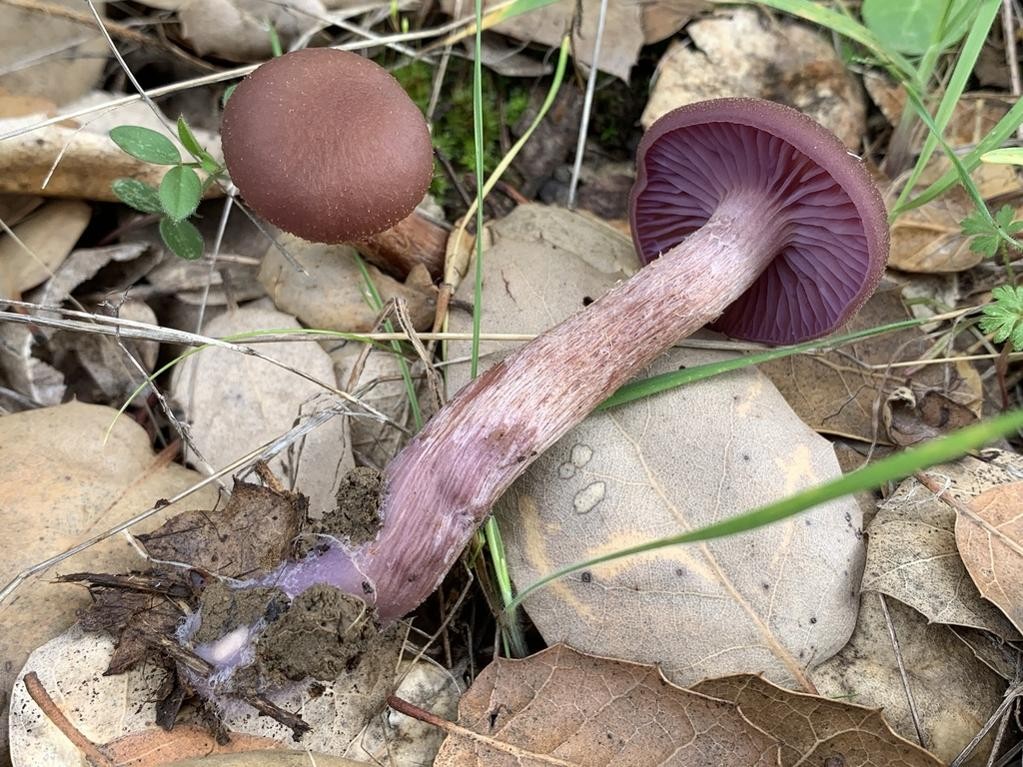
5. Western amethyst laccaria
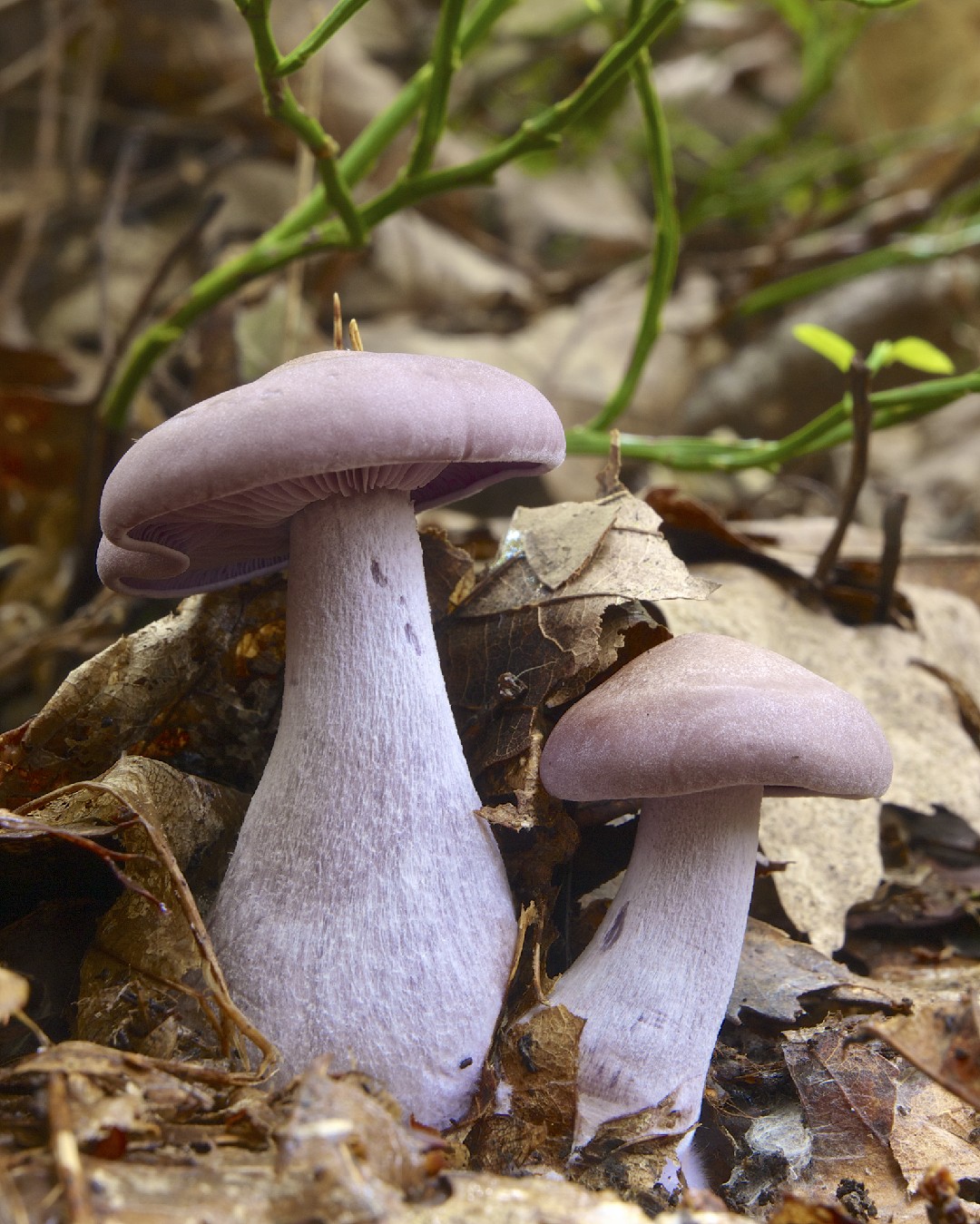
The western amethyst laccaria is a beautiful species that is a very close cousin of Laccaria amethysteo. Like Laccaria amethysteo, the western amethyst laccaria boasts a cap and stalk that are of lavender or purple. Unlike Laccaria amethysteo, Laccaria amethysteo-occidentalis' range spreads across western North America, and is associated with conifers, rather than hardwoods. The species is considered edible, but not choice.
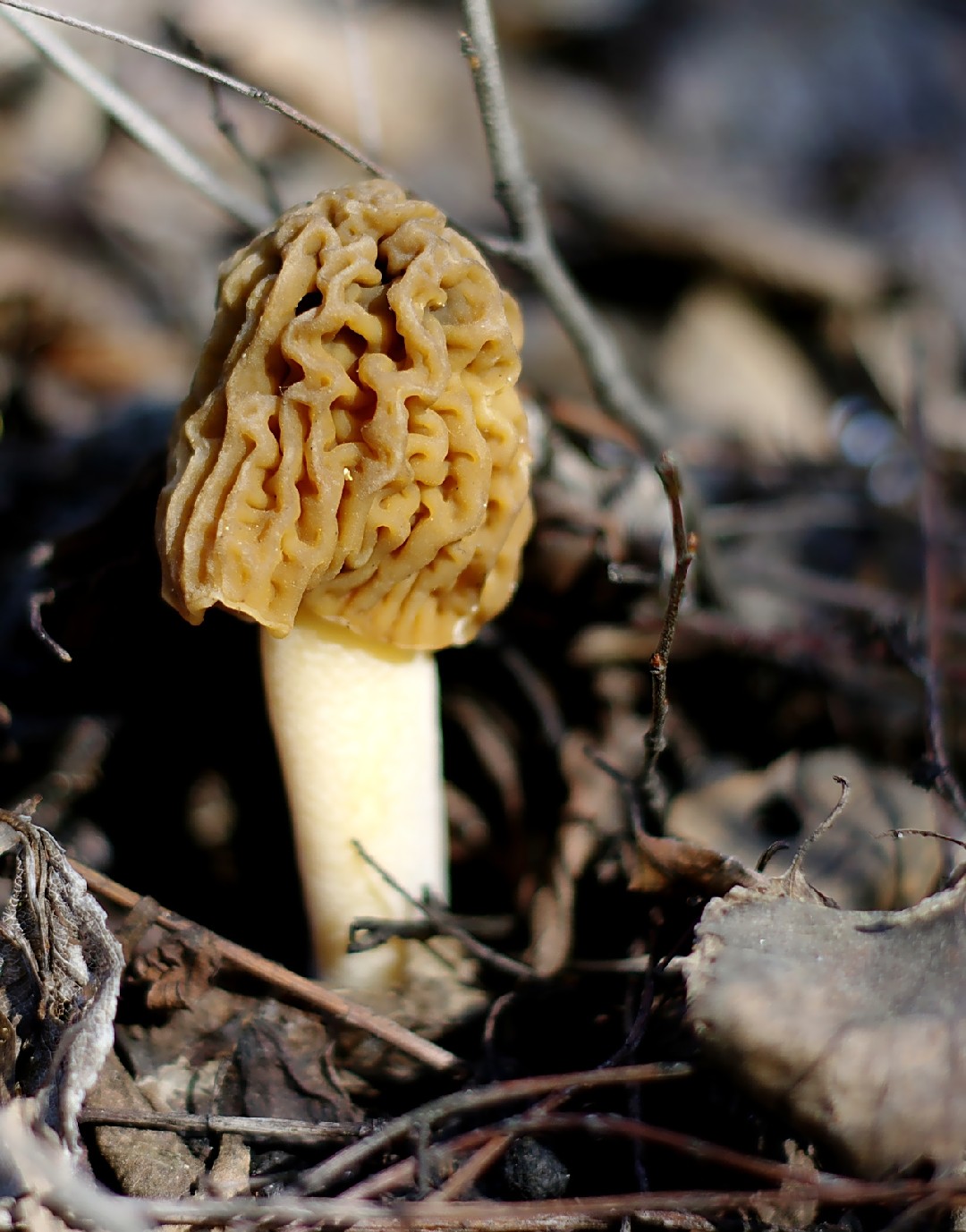
6. Early morel
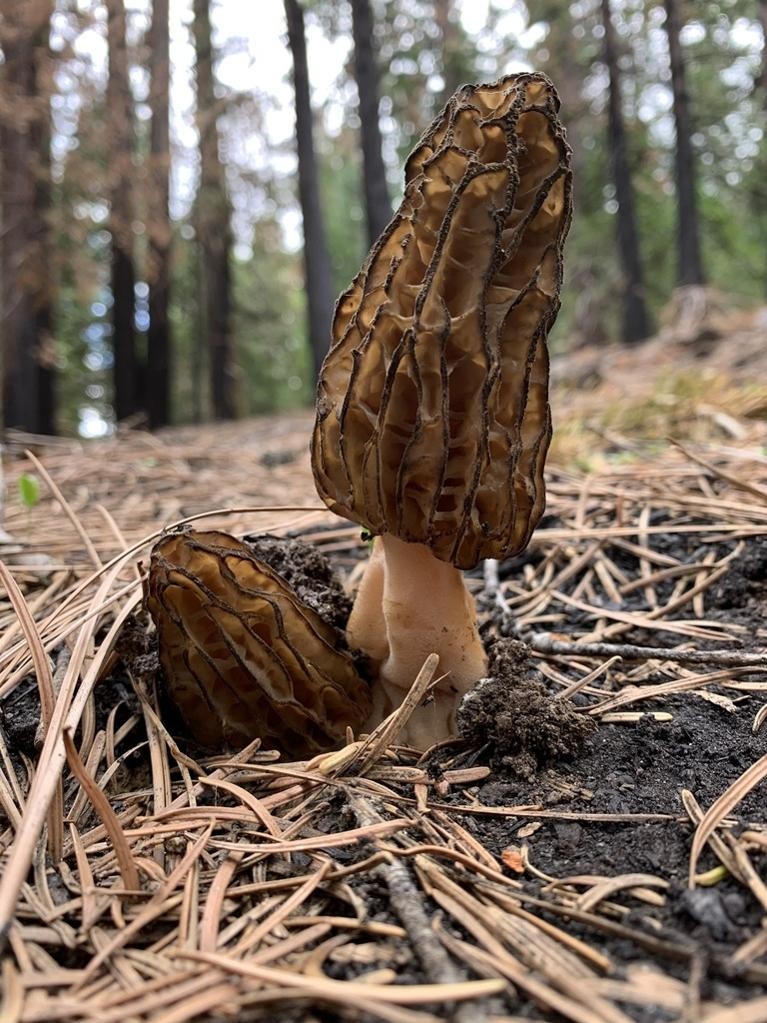
The early morel can be found in wooded areas of North America, Asia, and Europe. It is called the Early morel because it is one of the first mushrooms to emerge early in spring. It is distinctive for its wrinkled and thimble-like cap.
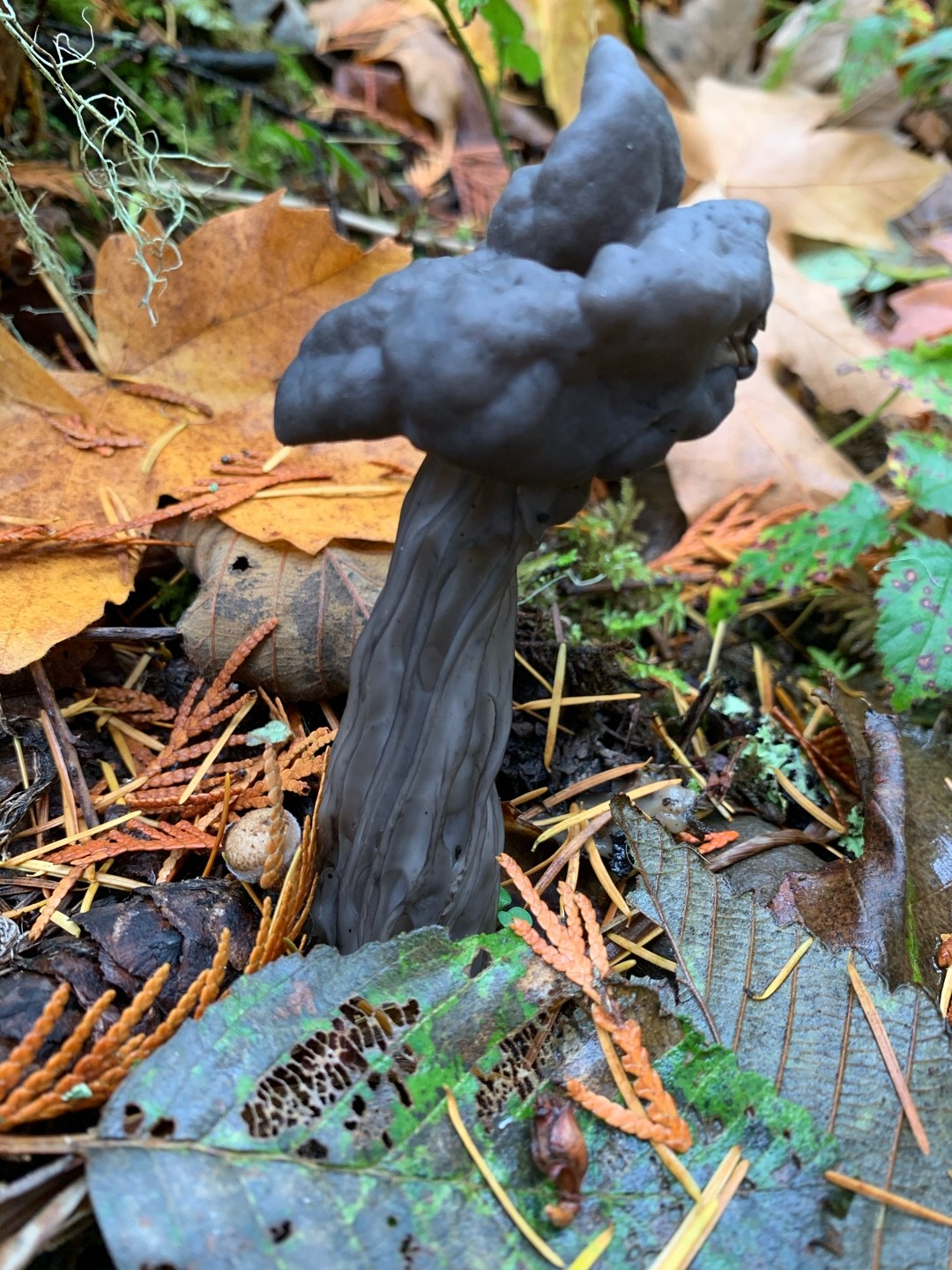
7. Western elfin saddle
The western elfin saddle (Helvella vespertina) has a striking, brain-shaped cap that becomes even more fissured as it ages. They appear and flourish amidst the leaf litter on forest floors in the western United States. The shape of the cap makes it a wonderful hiding place for insects, especially millipedes.
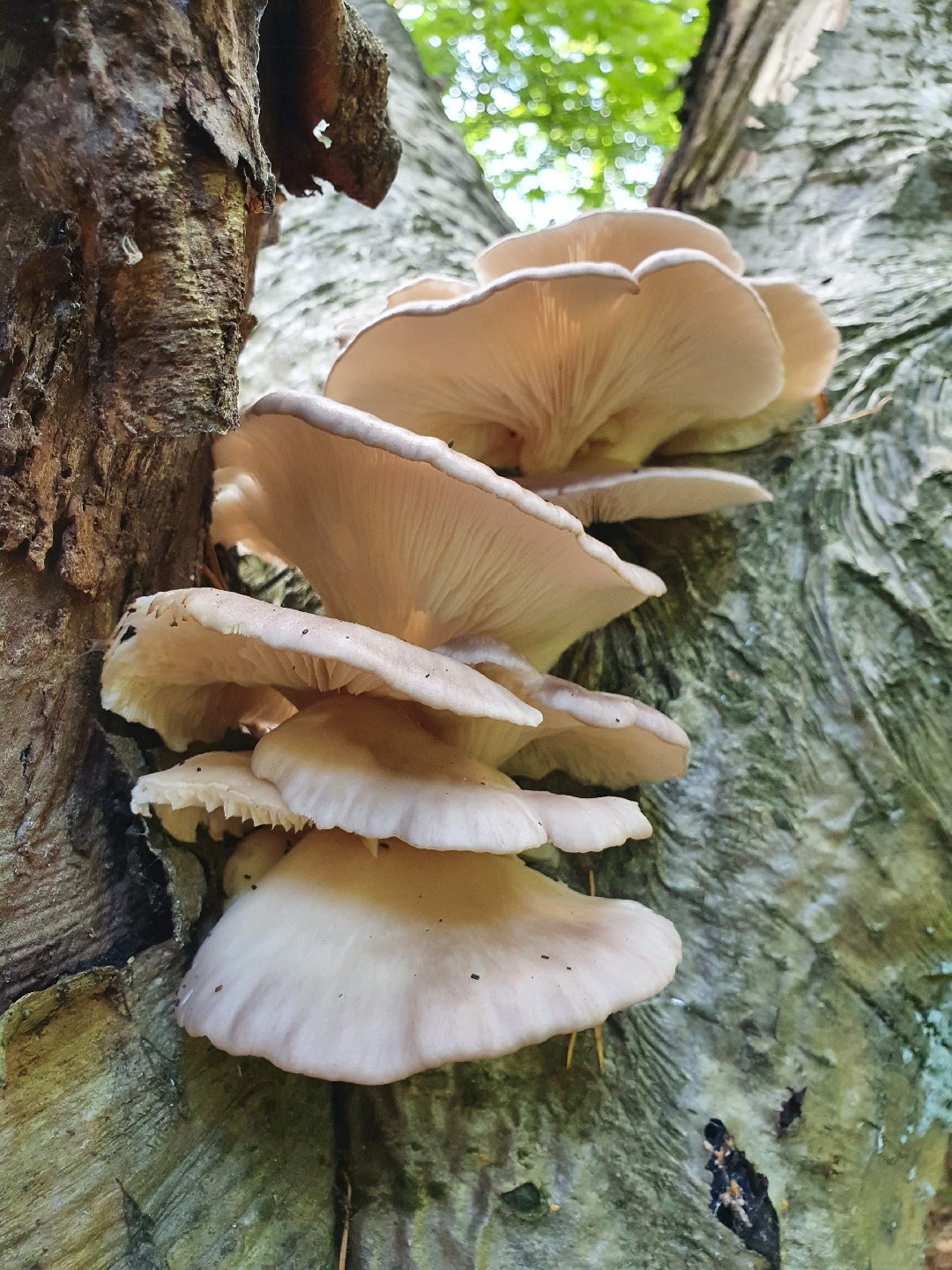
8. Oyster mushroom
Oyster mushrooms grow wild but are also cultivated for sale in supermarkets. They can even be cultivated at home. They will grow on coffee grounds and spent grain, and are occasionally even fashioned into an environmentally-friendly substitute for styrofoam. There are several toxic look-alike species, so it is best to buy these mushrooms at the store.
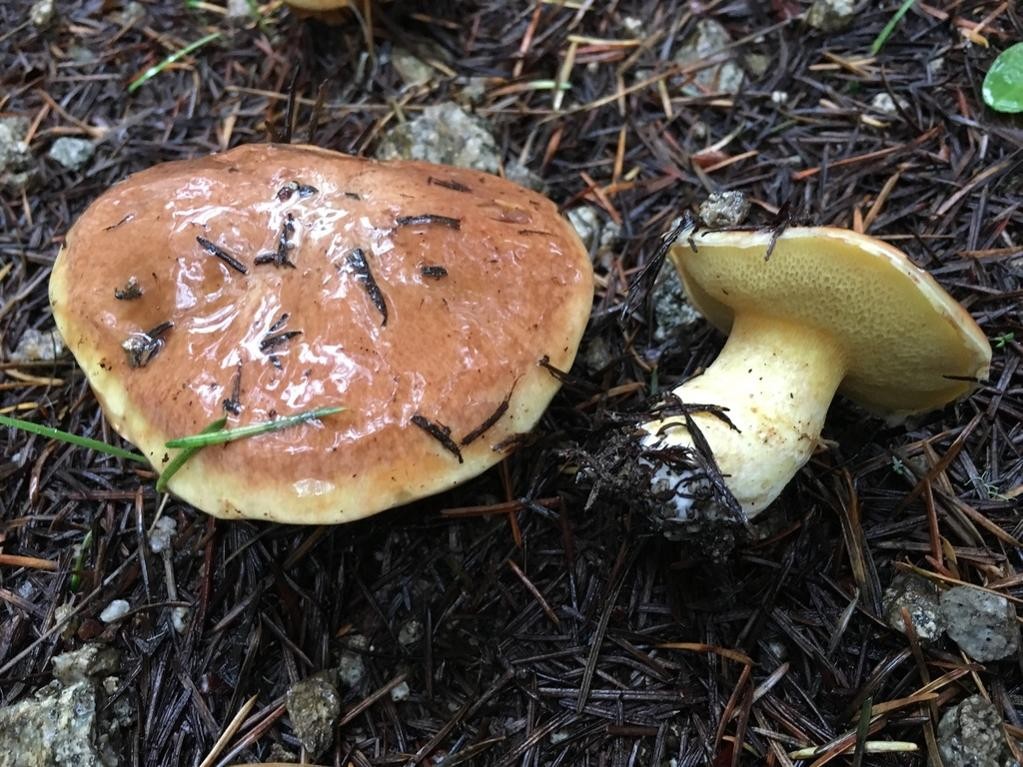
9. Fat jack
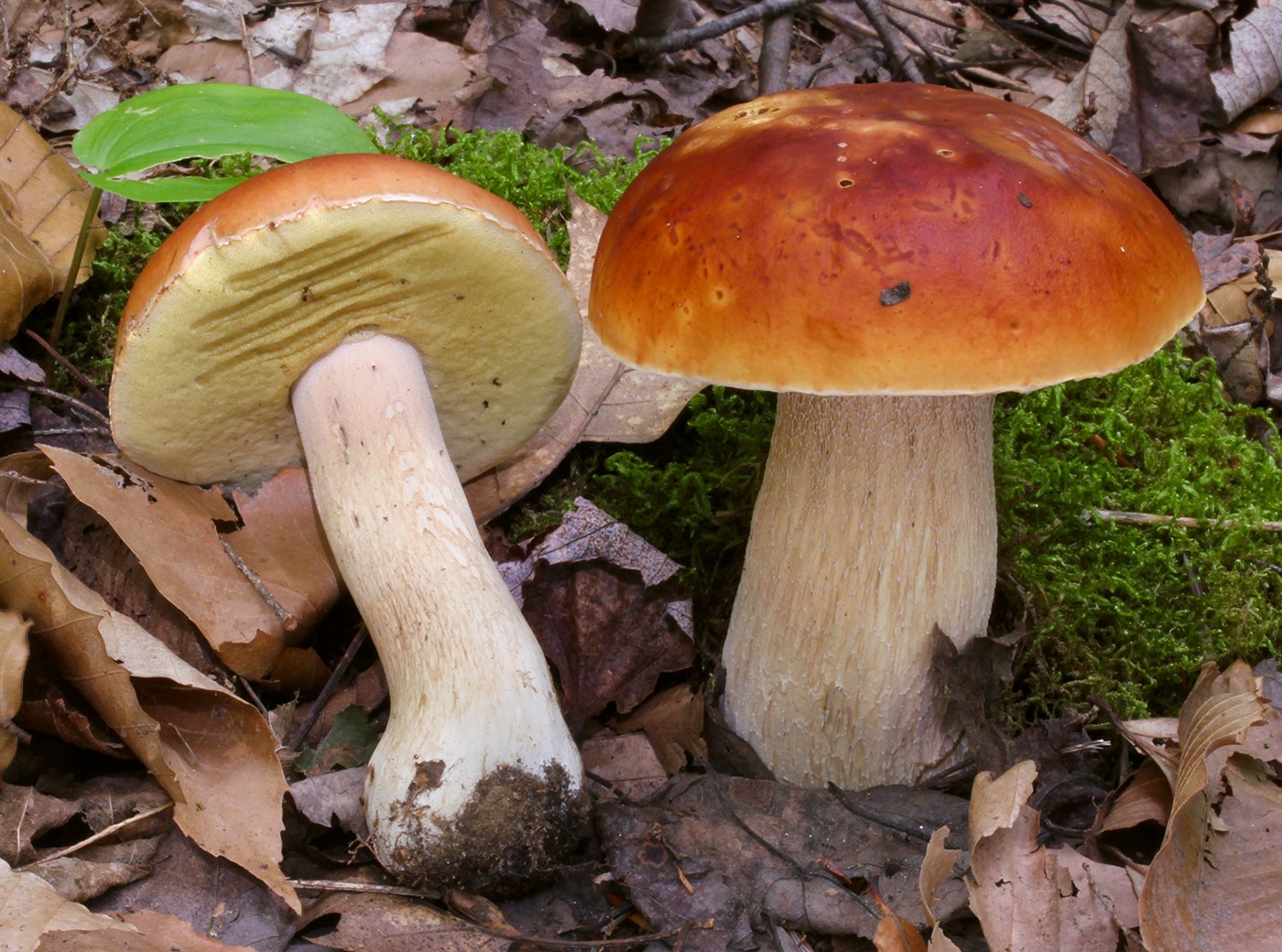
The fat jack is a member of the bolete family that can be found growing underneath Douglas Firs along the western coast of North America. The species' light yellow pore surface turns to brown when damaged or rubbed. Fat jacks also tend to have mild and pleasant, sometimes lemony, odors.
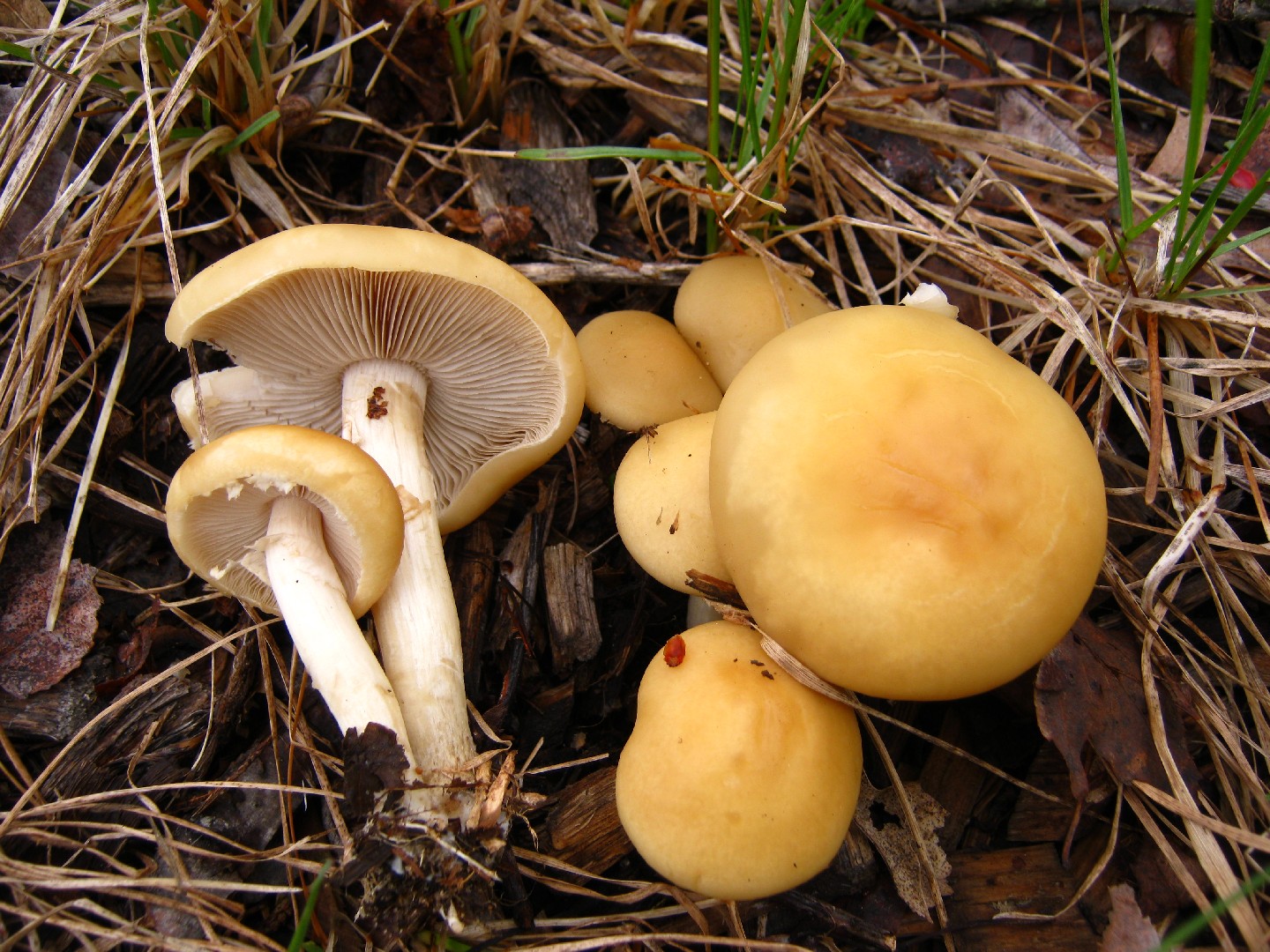
10. Spring fieldcap
The spring fieldcap (Agrocybe praecox) appears in spring and early summer, in scattered groups or in tufts across the edges of woodland paths. They may be a common sight in urban areas with wood chip mulch or compost piles. The species' scientific name comes from the same Latin root as the word "precocious," giving another clue regarding the early appearance one can expect from these little mushrooms.
More







