




Top 20 Edible Mushrooms Popular in Lake Placid
In the verdant landscapes surrounding Lake Placid, a myriad of edible fungi await discovery. Known for its distinctive climate and rich terrains, Lake Placid is home to a selection of 20 common edible mushrooms. This informative piece aims to navigate you through their distinct features - from their unique appearance and habitat, to their delectable taste and enticing culinary uses. Expand your knowledge and palate as we delve into the wonderful world of Lake Placid's most common edible mushrooms.
* Disclaimer: Content feedback CAN NOT be used as any basis for EATING ANY PLANTS. Some plants can be VERY POISONOUS, please purchase edible plants through regular channels.

Most Popular Edible Mushrooms
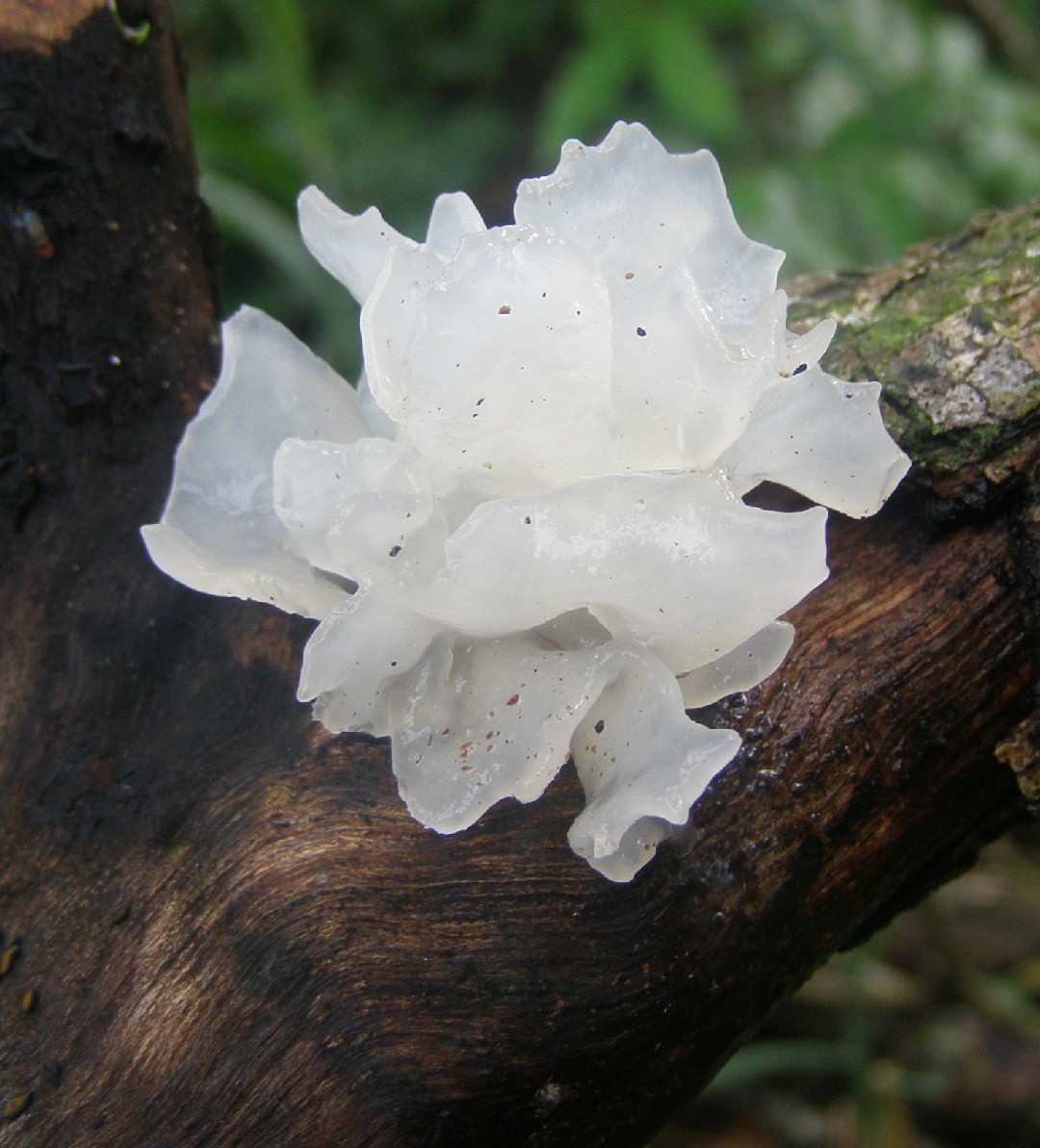
1. Snow fungus
Snow fungus (Tremella fuciformis) is so-named not because it is associated with winter, but, rather, because its fruitbodies look like little piles of snow fungus on the ground. This fungus actually inhabits very warm - tropical and subtropical - locations around the globe. Snow fungus does not have much taste, but it is cultivated for culinary use across East Asia, where it is often added to thicken soups and desserts.
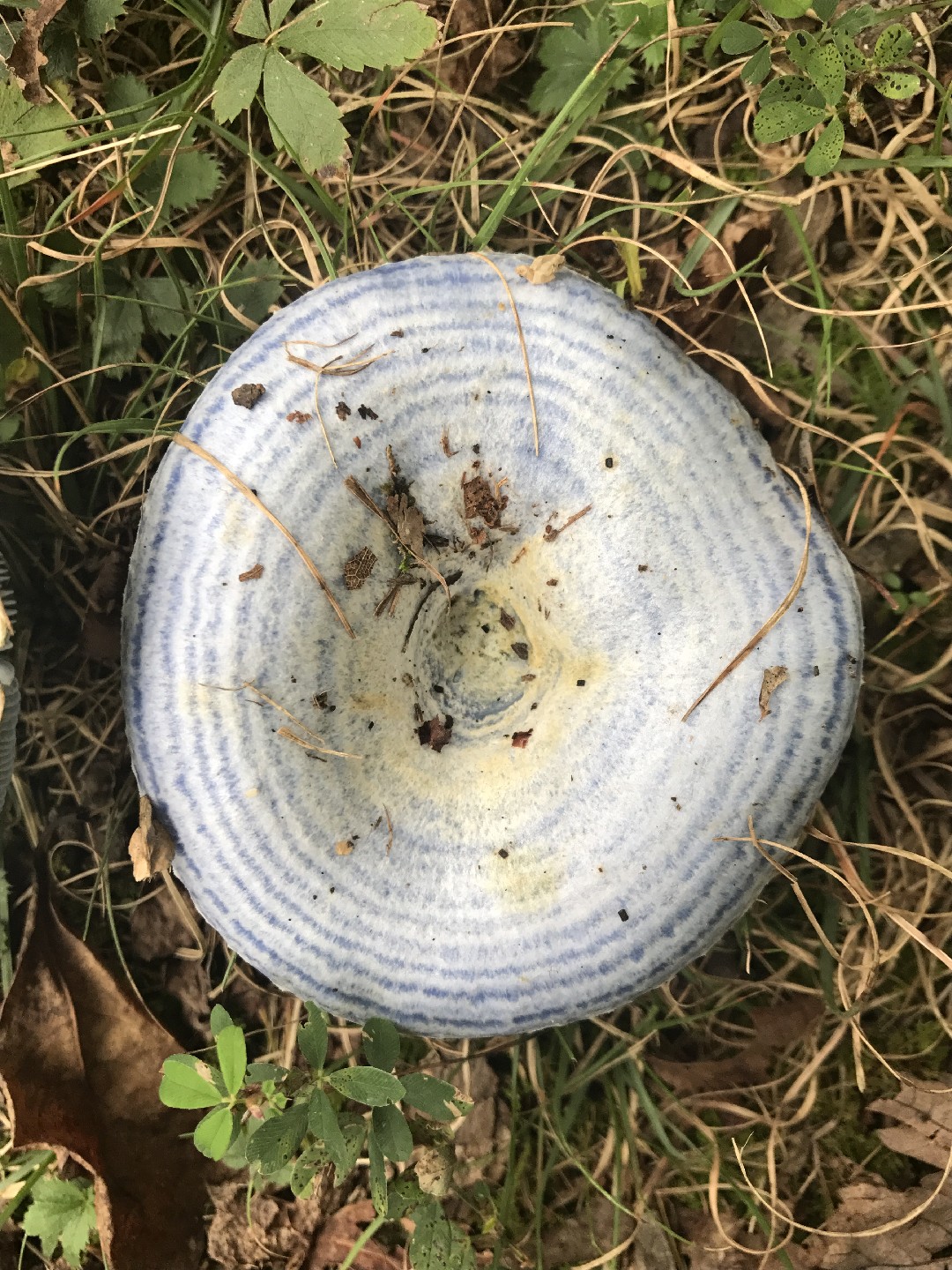
2. Indigo milk cap
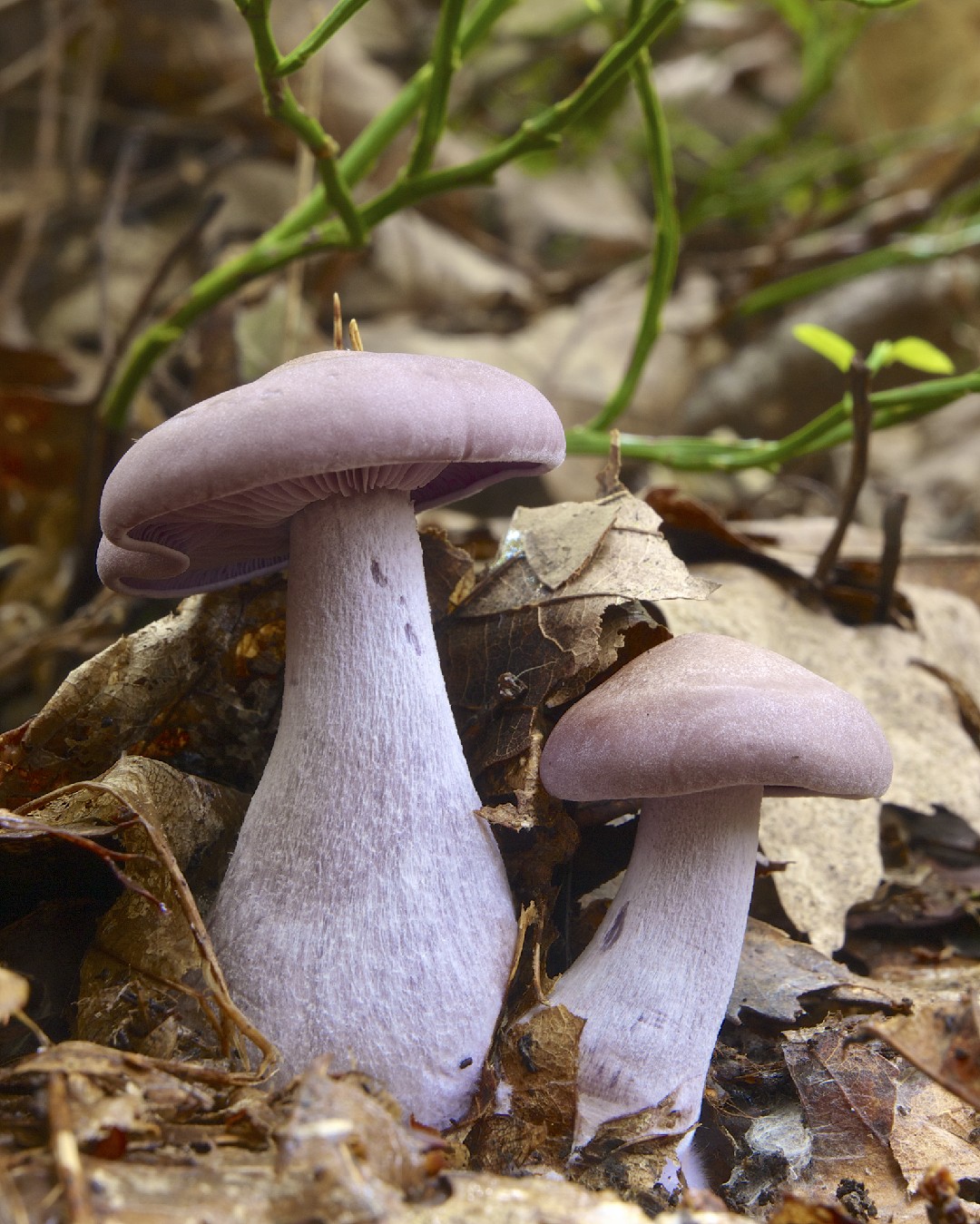
This gorgeous species is unlike any other. The indigo milk cap, a member of the often-drab russula family, is deep blue in color. Like other milk caps, it bleeds a latex-like substance when cut or damaged, but instead of the usual white this species bleeds deep blue.
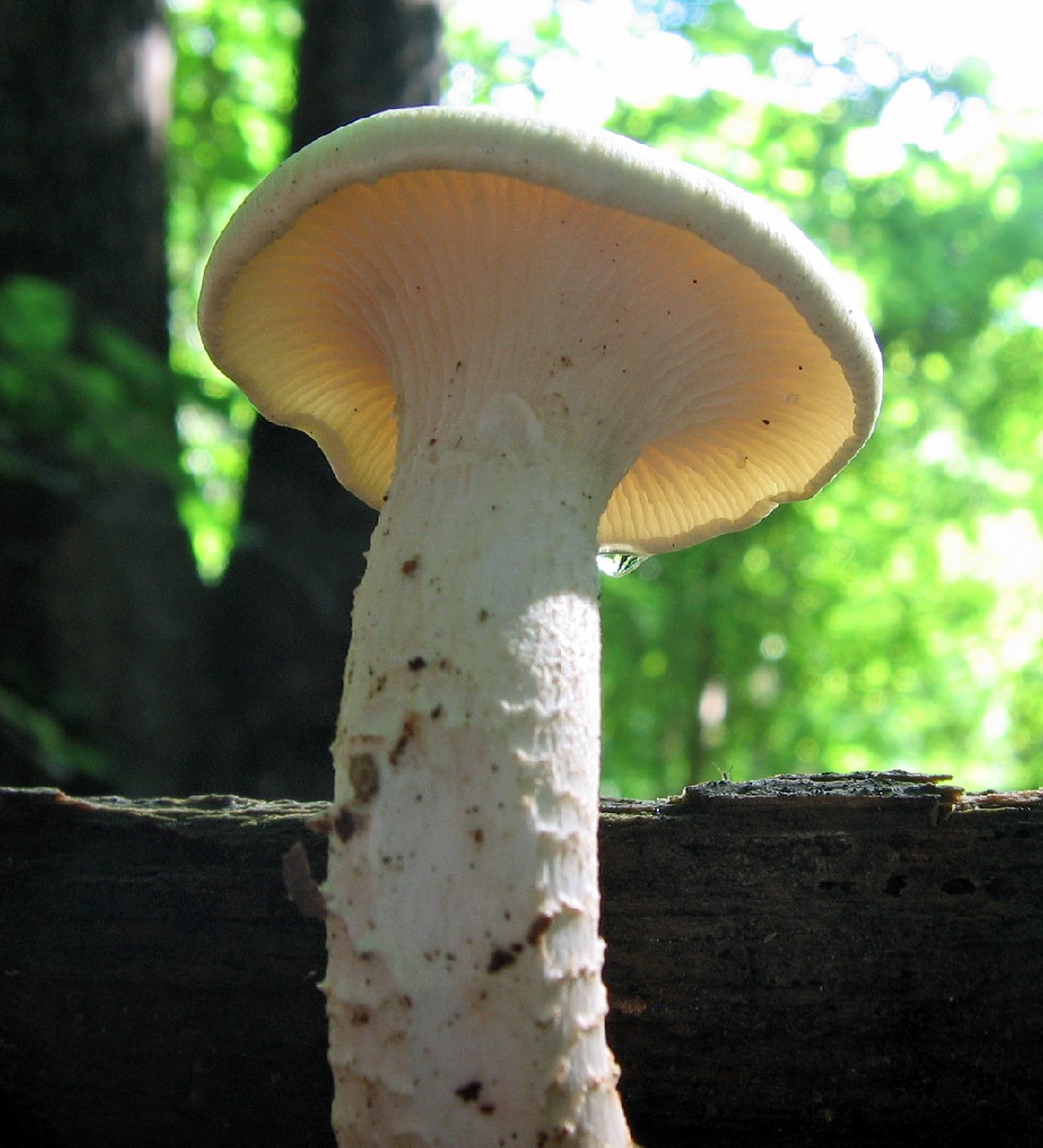
3. Scaly lentinus
Scaly lentinus(Neolentinus lepideus) may be found alone or in groups along dead or decaying pieces of timber. Due to its ability to colonize even chemically treated wood, including railroad tracks, it has been given the nickname "train wrecker." Due to inconsistent reports of safety, consumption is discouraged.
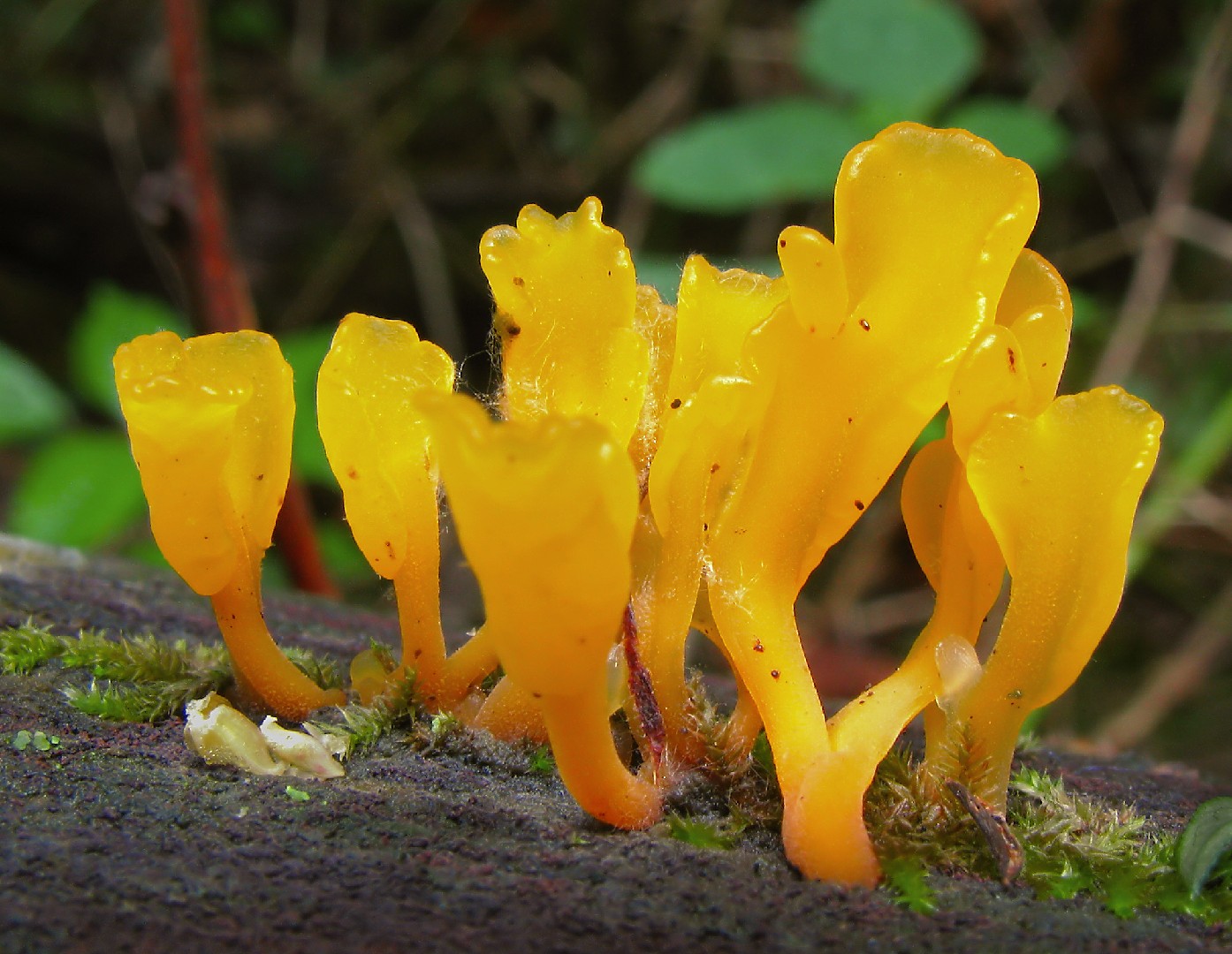
4. Fan-shaped jelly-fungus
Just as its Latin and the common English names suggest, the fan-shaped jelly-fungus (Dacryopinax spathularia) is a fan-shaped or spatula-shaped jelly-like mushroom. It commonly grows in wood cracks and it sometimes even appears in the cracks of the processed wood and lumber. Despite the word "jelly" in its name, the fan-shaped jelly-fungus is not considered edible.
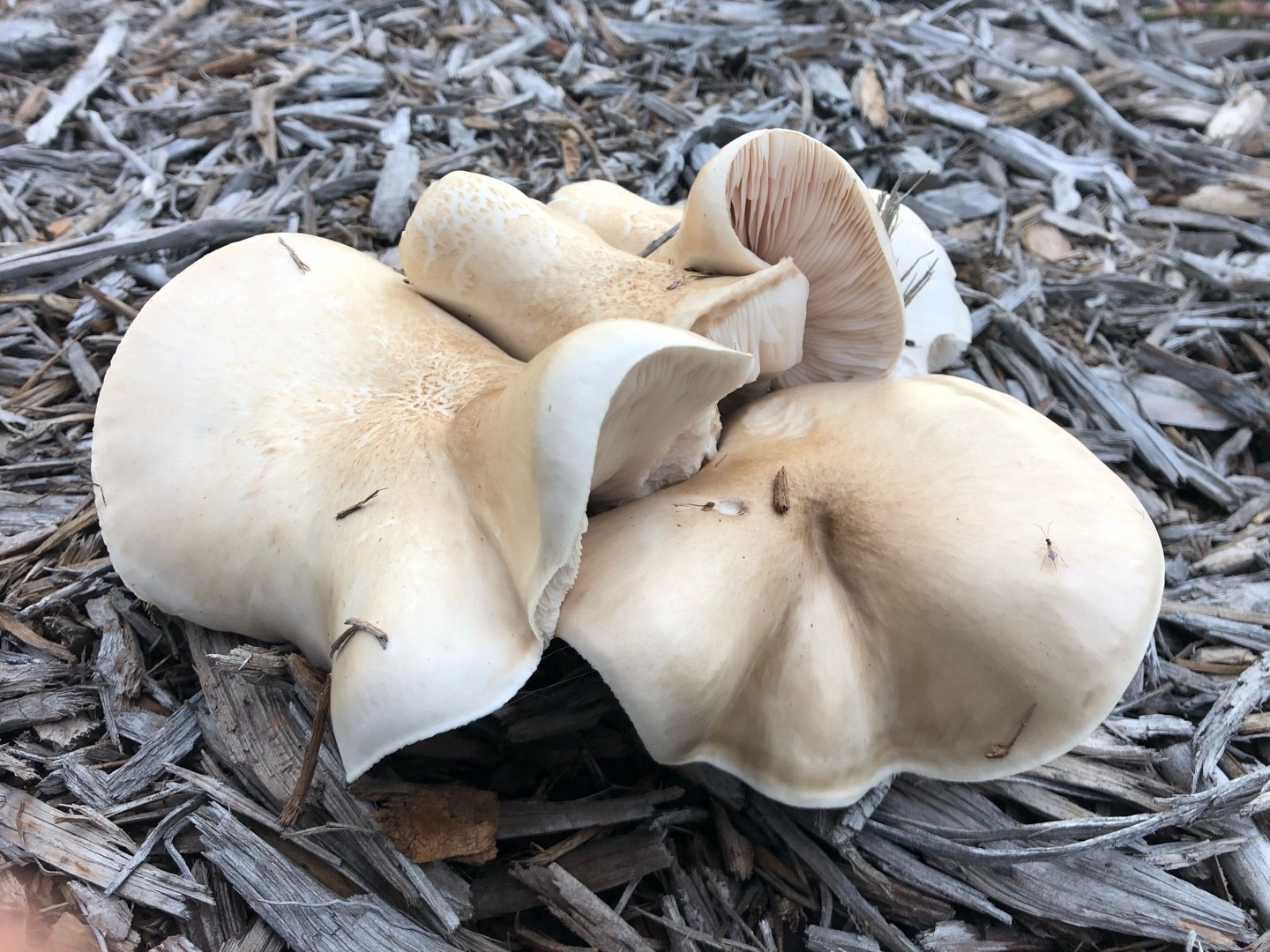
5. Scaly shield
The medium-sized fruitbodies of the scaly shield can be found across much of eastern North America. As it is fond of growing in mulch or woodchips, it is most commonly encountered in parks, yards, and gardens. The species is easily confused with its close cousin, Pluteus cervinus (also known as the "deer mushroom"), though Pluteus petasatus usually develops a distinct pinkish hue on its gills, wheras P. cervinus does not.
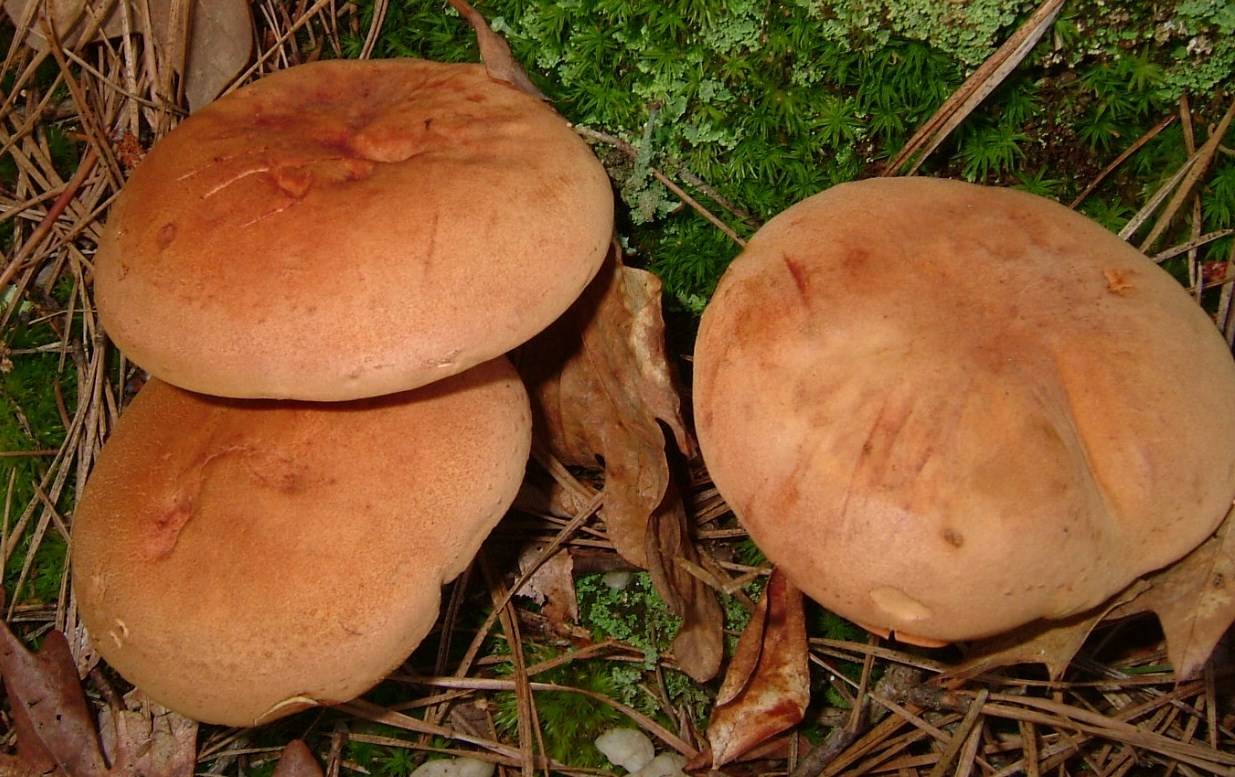
6. Gilled bolete
The gilled bolete (Phylloporus rhodoxanthus) is a unique variety of bolete because instead of having the typical pores on the underside of their caps, they have deeply-fissured gills. Since they do have traits more common to other species, it is easy to confuse these with toxic mushrooms, although they are not known to be poisonous themselves.
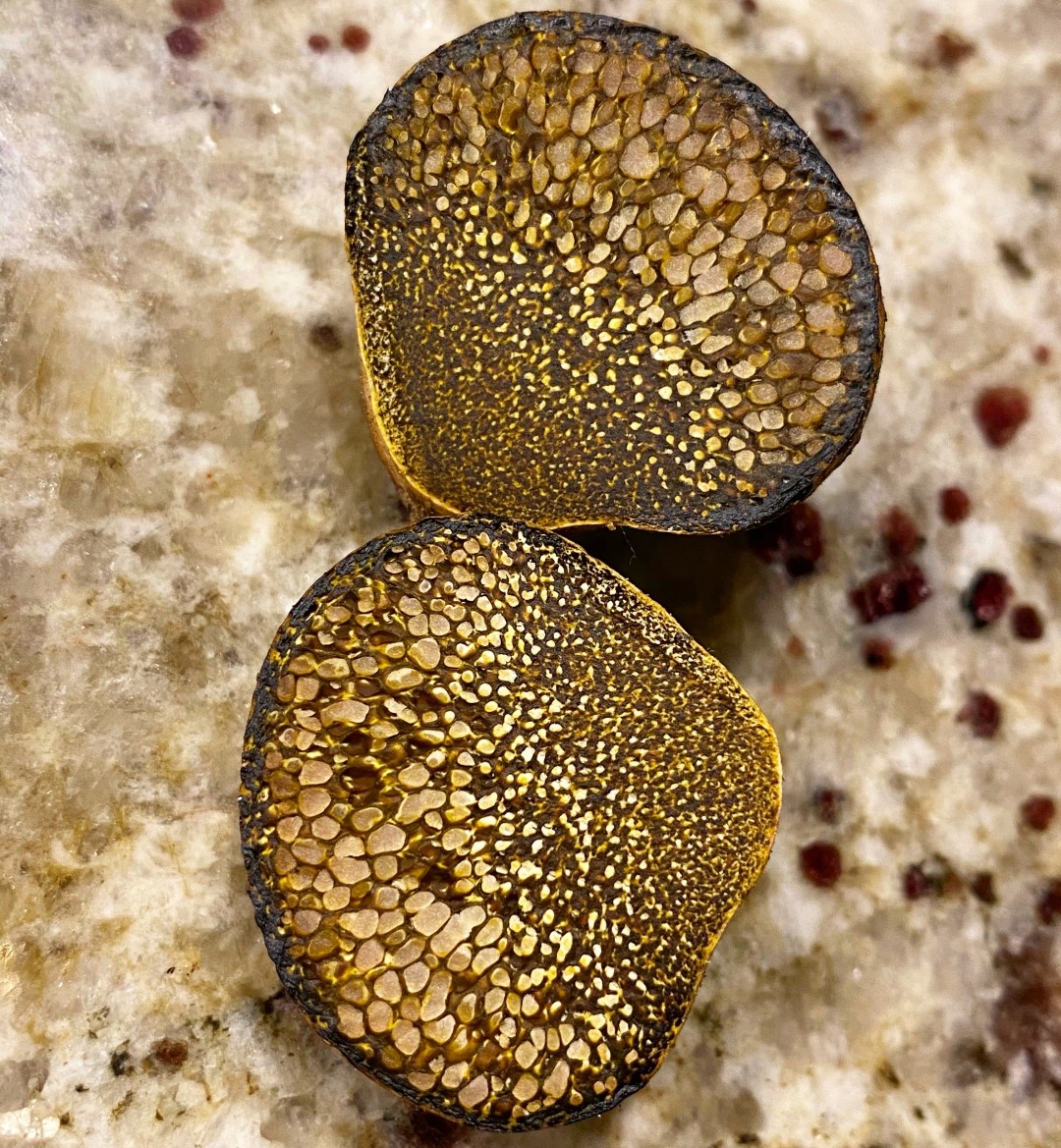
7. Dead man's foot
Dead man's foot (Pisolithus arhizus) actually bears a number of colorful names stemming from its unusual appearance, such as the horse dung fungus (Australia). It can be distilled into a viscous black gel, which is then used as a natural dye for clothing. It is considered to be inedible.
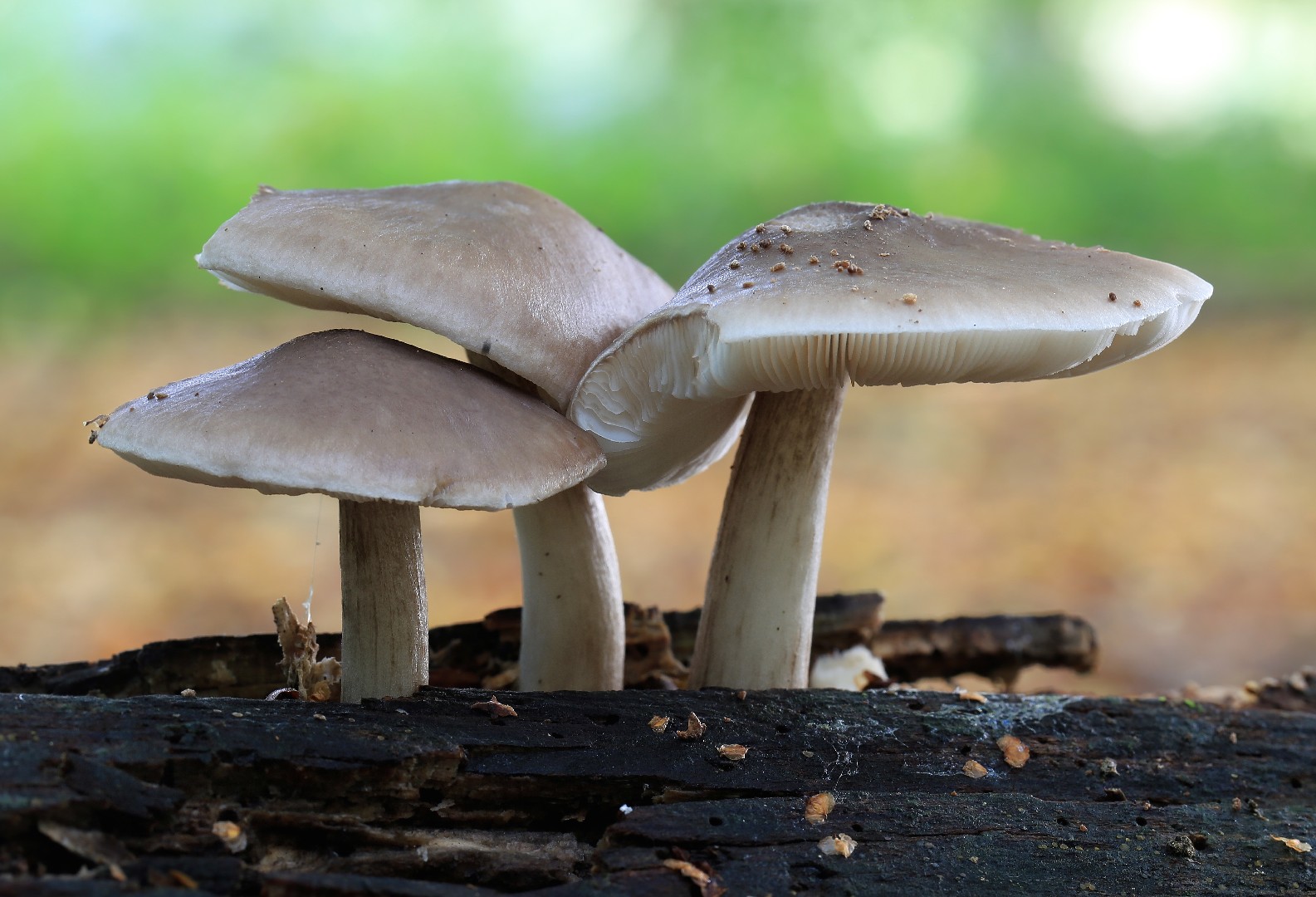
8. Deer mushroom
The deer mushroom is can be found sprouting up from rotting logs, branches, and roots, and while it may have a preference for hardwoods it isn't very picky. Unlike many other mushroom species, the fruitbodies can be found blooming across a wide range of seasons. They have a faint, radish-like odor.
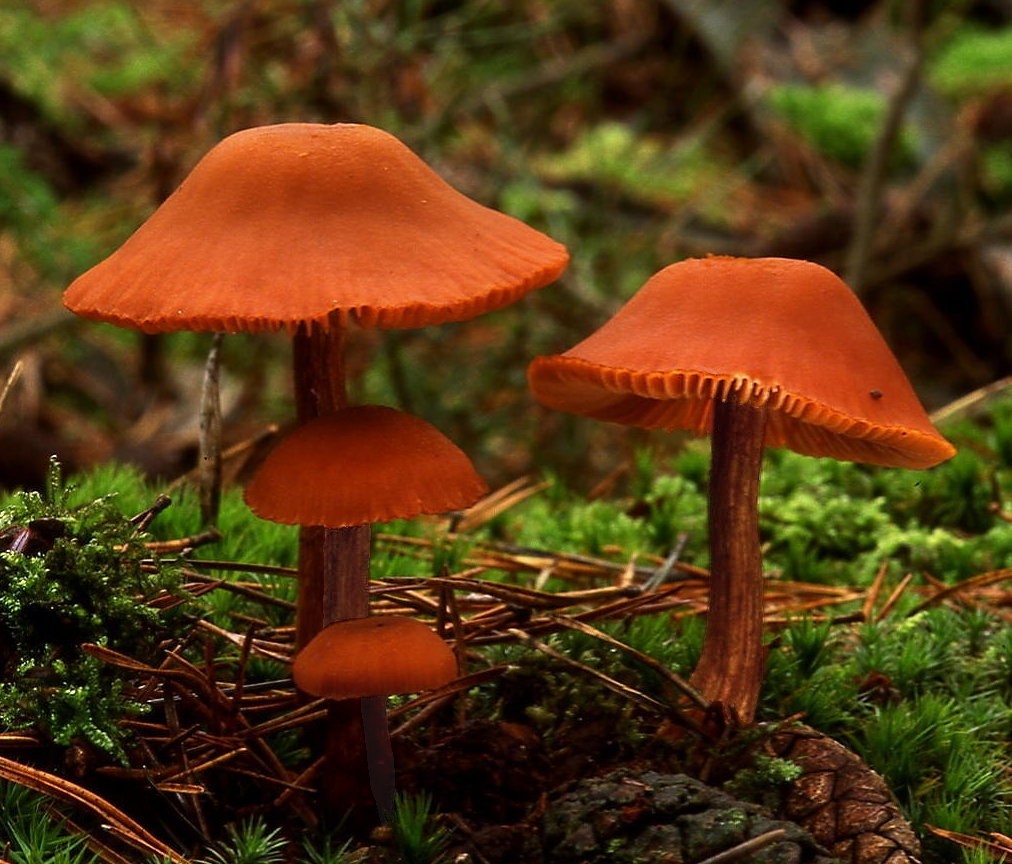
9. Common laccaria
Common laccaria may sound like a malevolent name for a mushroom, but fret not! This species is so-called because its appearance is highly variable, with individual caps taking on a whole host of colors, from whitish to pinkish to dark brown.
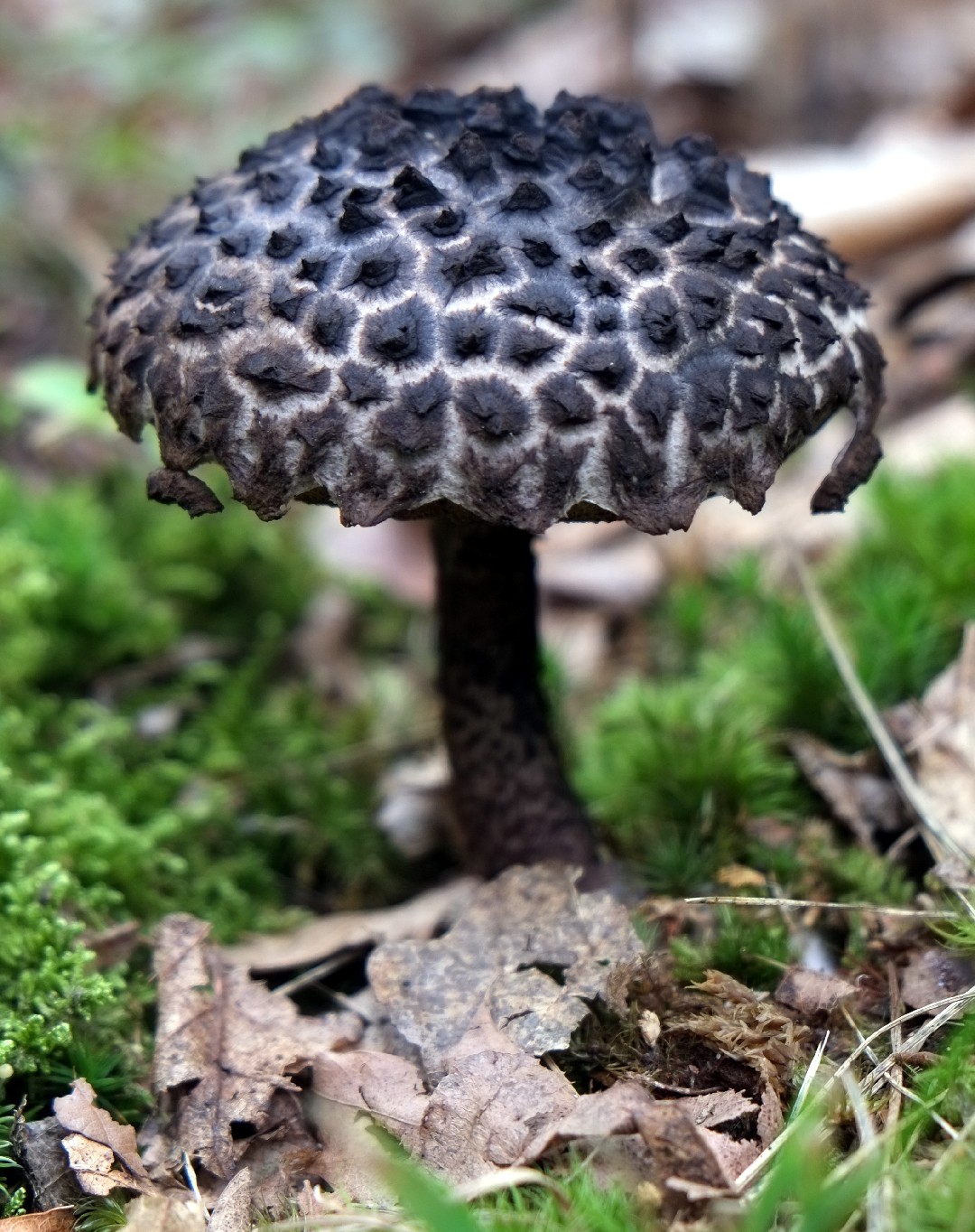
10. Old man of the woods
Native to Europe and North America, old man of the woods(Strobilomyces strobilaceus) is notable for its unusual coloring and texture, which visually resembles dark, overlapping scales against a white base. Interestingly, this mushroom has been depicted on a Swiss postal stamp worth fifty centimes.
More







