




Top 20 Edible Mushrooms Popular in Nipomo
Situated amid the enchanting landscape of Nipomo, a budding haven for mycologists and culinary enthusiasts alike, top 20 commonly found edible mushrooms rejoice in this locale's unique climate and terrain. Delve into our captivating guide, brimming with valued insights about each mushroom species' characteristics, from their distinct appearances and mysterious habitats to diverse tastes and culinary uses. Unravel the secret tapestry of Nipomo's delectable fungi flora and embark on a delightful, educational, mushroom filled journey.
* Disclaimer: Content feedback CAN NOT be used as any basis for EATING ANY PLANTS. Some plants can be VERY POISONOUS, please purchase edible plants through regular channels.

Most Popular Edible Mushrooms
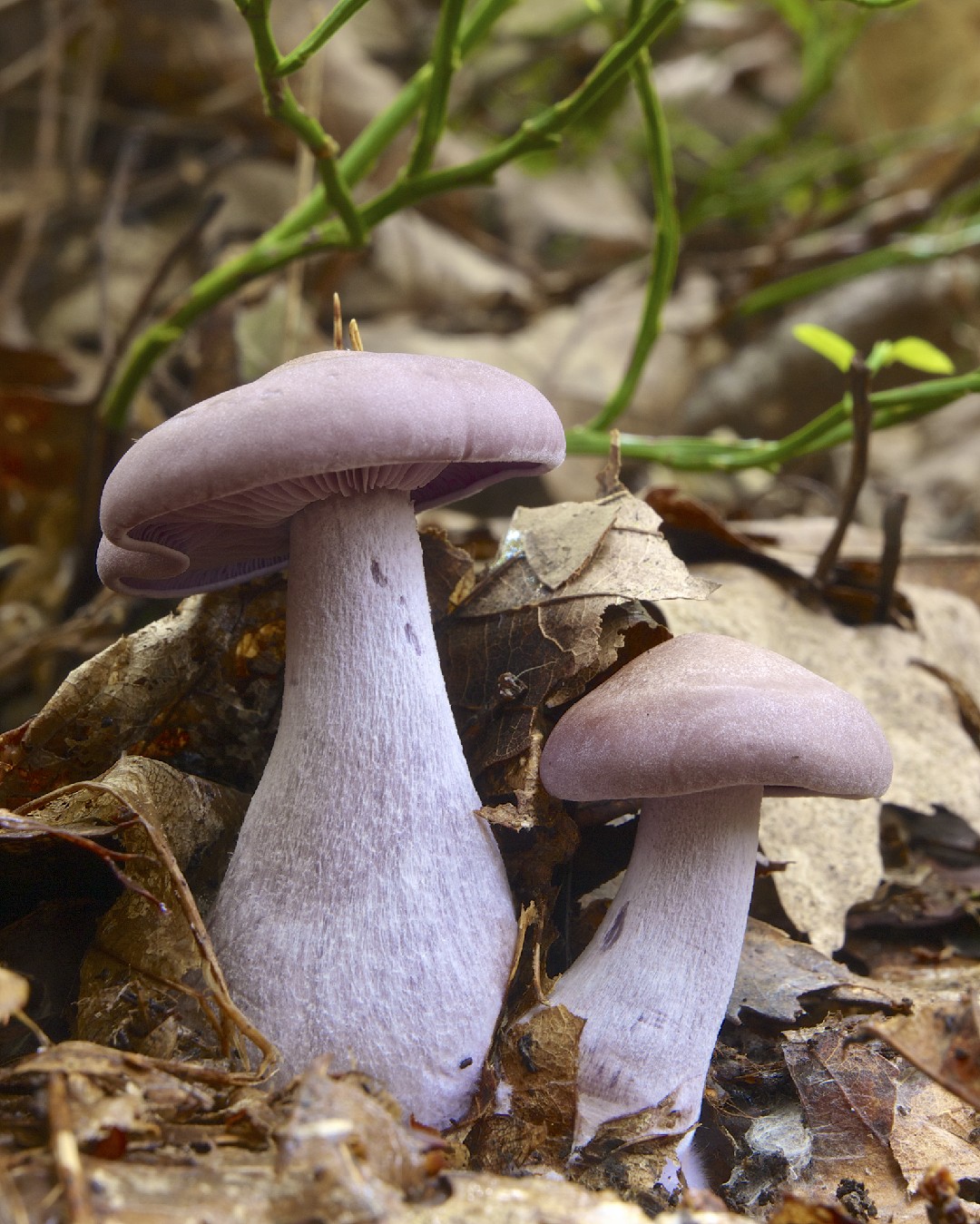
1. Blewit
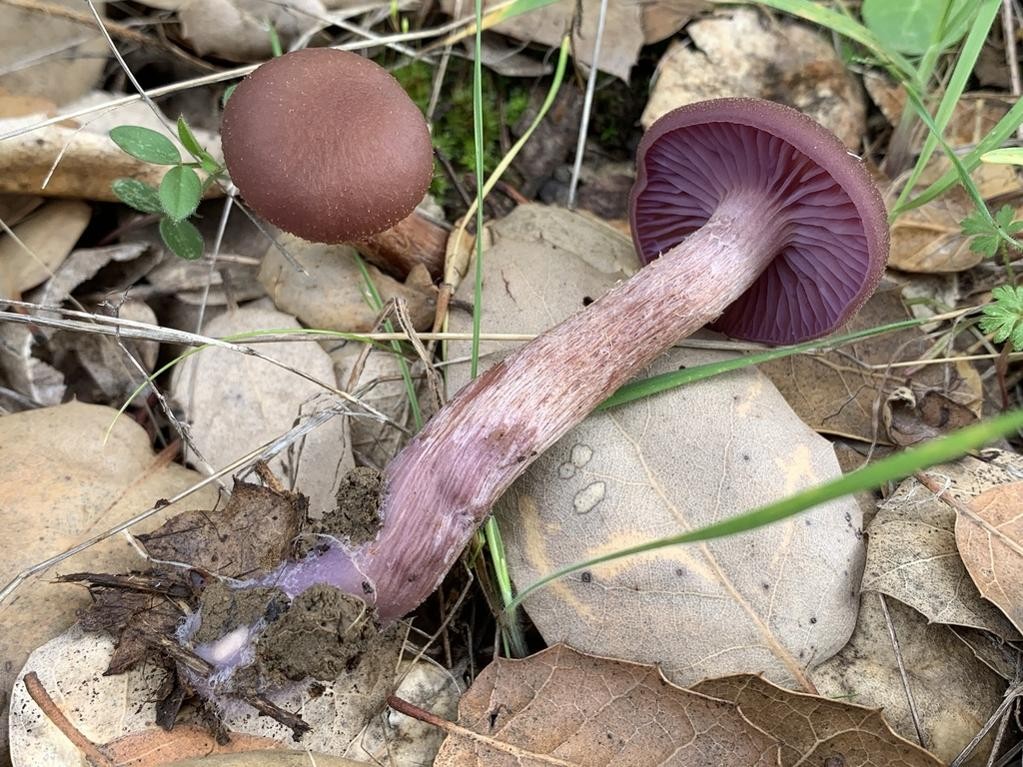
The blewit mushroom grows in fallen leaves in autumn and winter, sometimes appearing in ‘fairy ring’ circles. It can be used to make a green dye when chopped and boiled in an iron pot. The scientific name, Lepista nuda, derives from Latin words meaning “bare goblet,” a reference to the shape and texture of the mushroom.
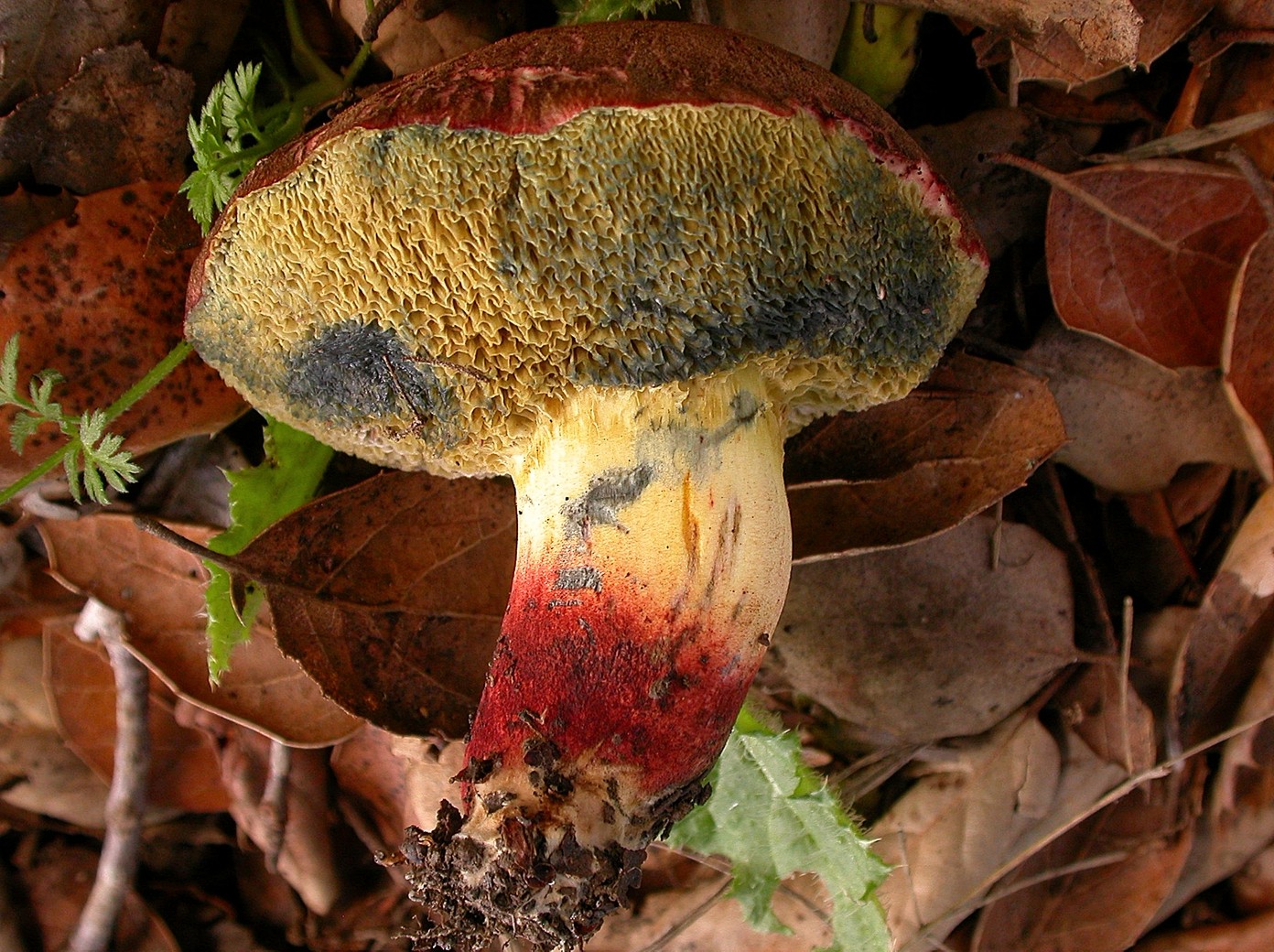
2. Oak-loving bolete
Xerocomellus dryophilus, sometimes referred to as the "cracked-cap bolete" is a bold, bulbous mushroom found in western North America. It has a cap that may range in color from pink to brick to dark wine-red. The species is not known to be toxic, but, unlike some of its more famed bolete relatives, it is not considered edible either.

3. Shaggy mane
The shaggy mane mushroom is commonly found in North American and European grasslands. Some peoples foraged for its young egg-shaped caps, but it has more recently been found to be a bioaccumulator of heavy metals, meaning it pulls toxic metals up from the soil where it grows. As a result, shaggy manes should not be eaten. The mushrooms usually appear in clusters or “fairy rings.”
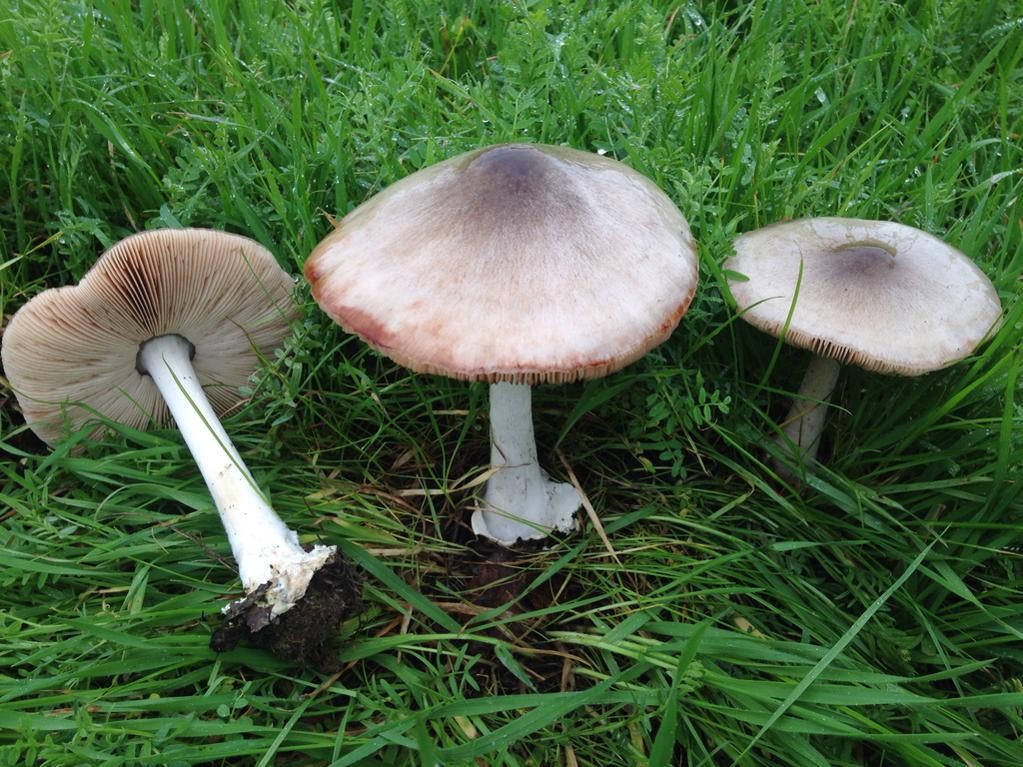
4. Big sheath mushroom
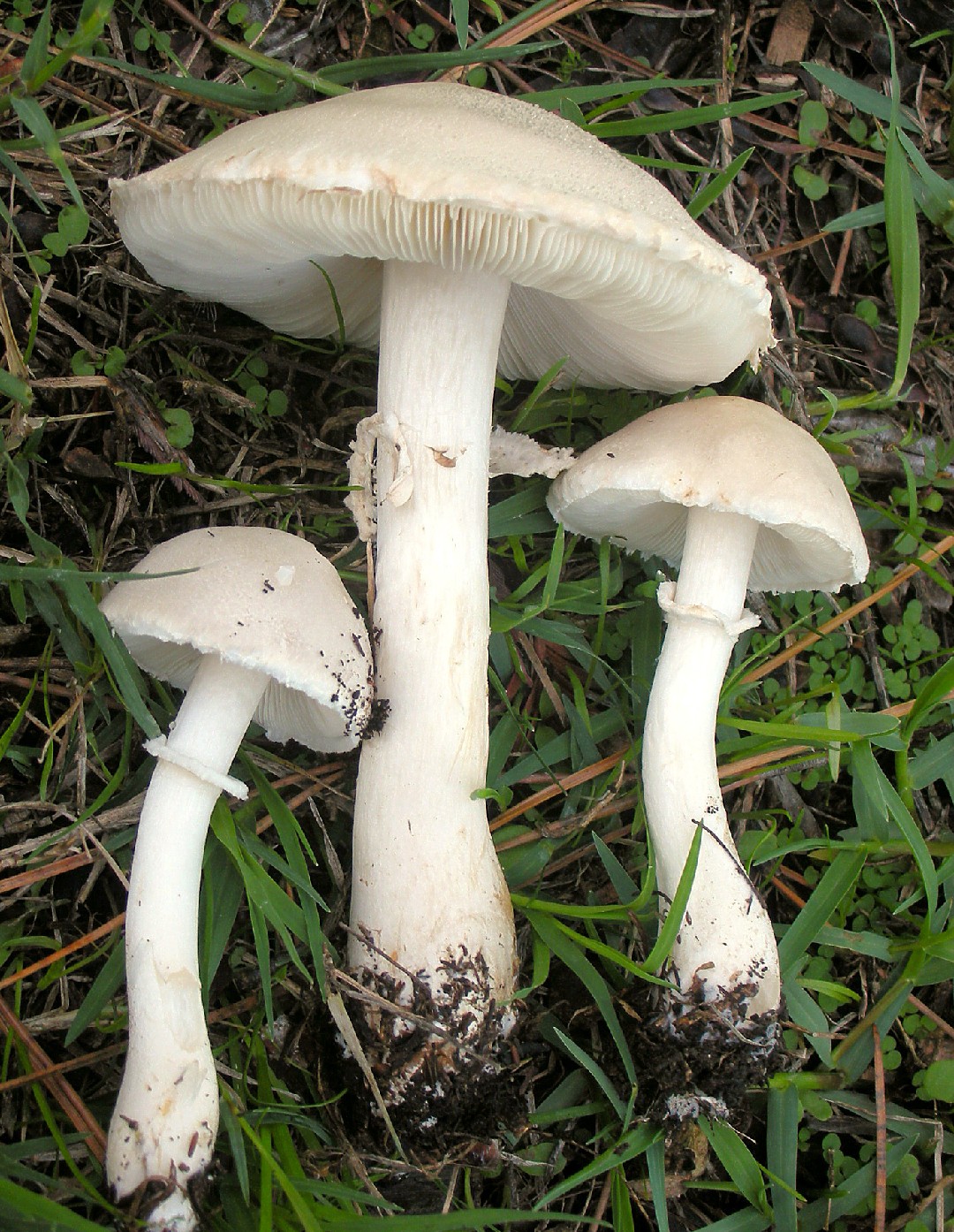
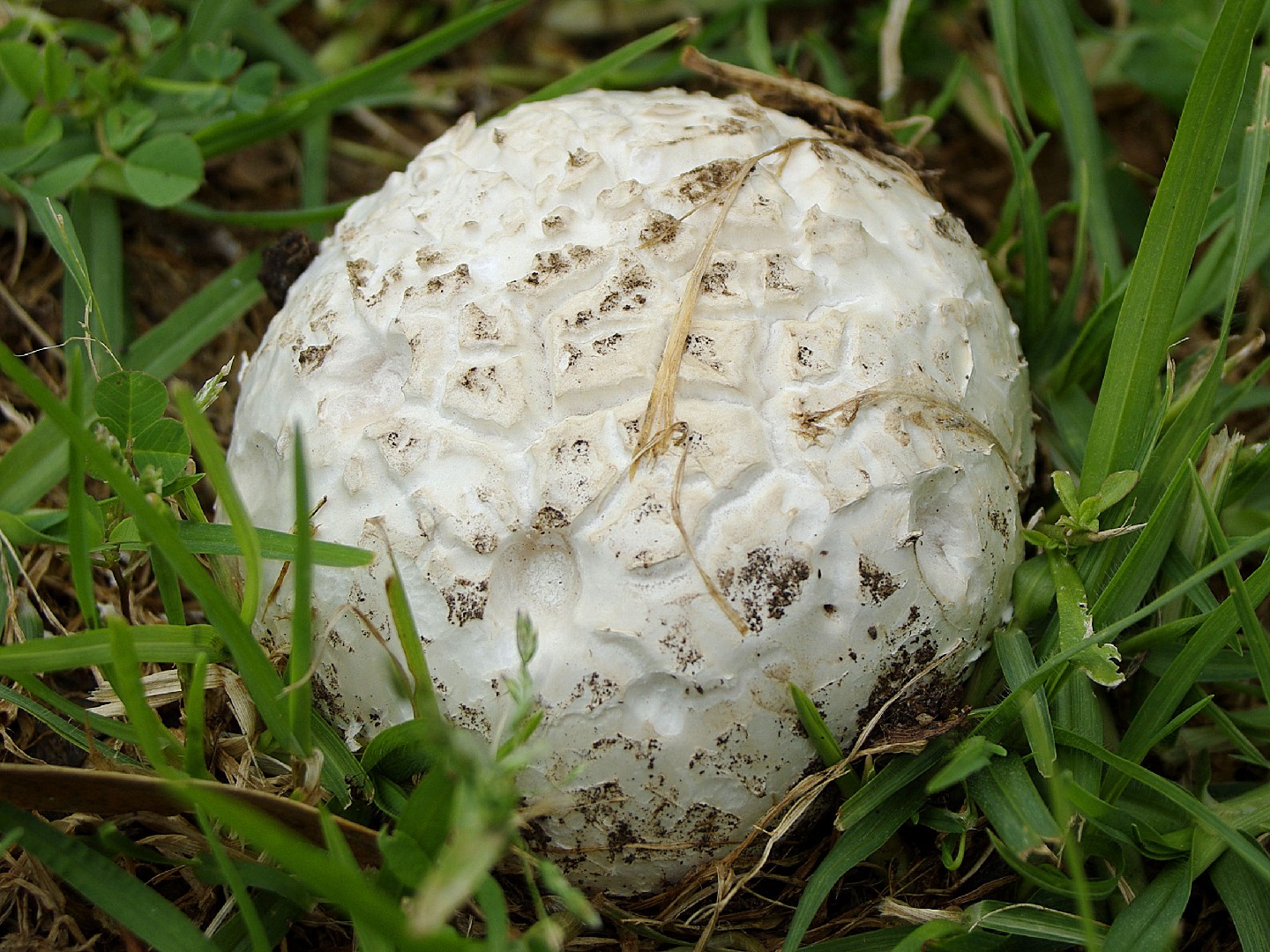
These large white mushrooms bloom all over cleared, harvested fields, as well as pastures and roadsides. The scientific species name comes from Greek words meaning “glue” (glioio) and “head” (cephalus), in reference to the sticky surface of this mushroom’s cap. The big sheath mushroom looks so similar to the poisonous Deathcap and Destroying Angel mushrooms that it should always be left alone.
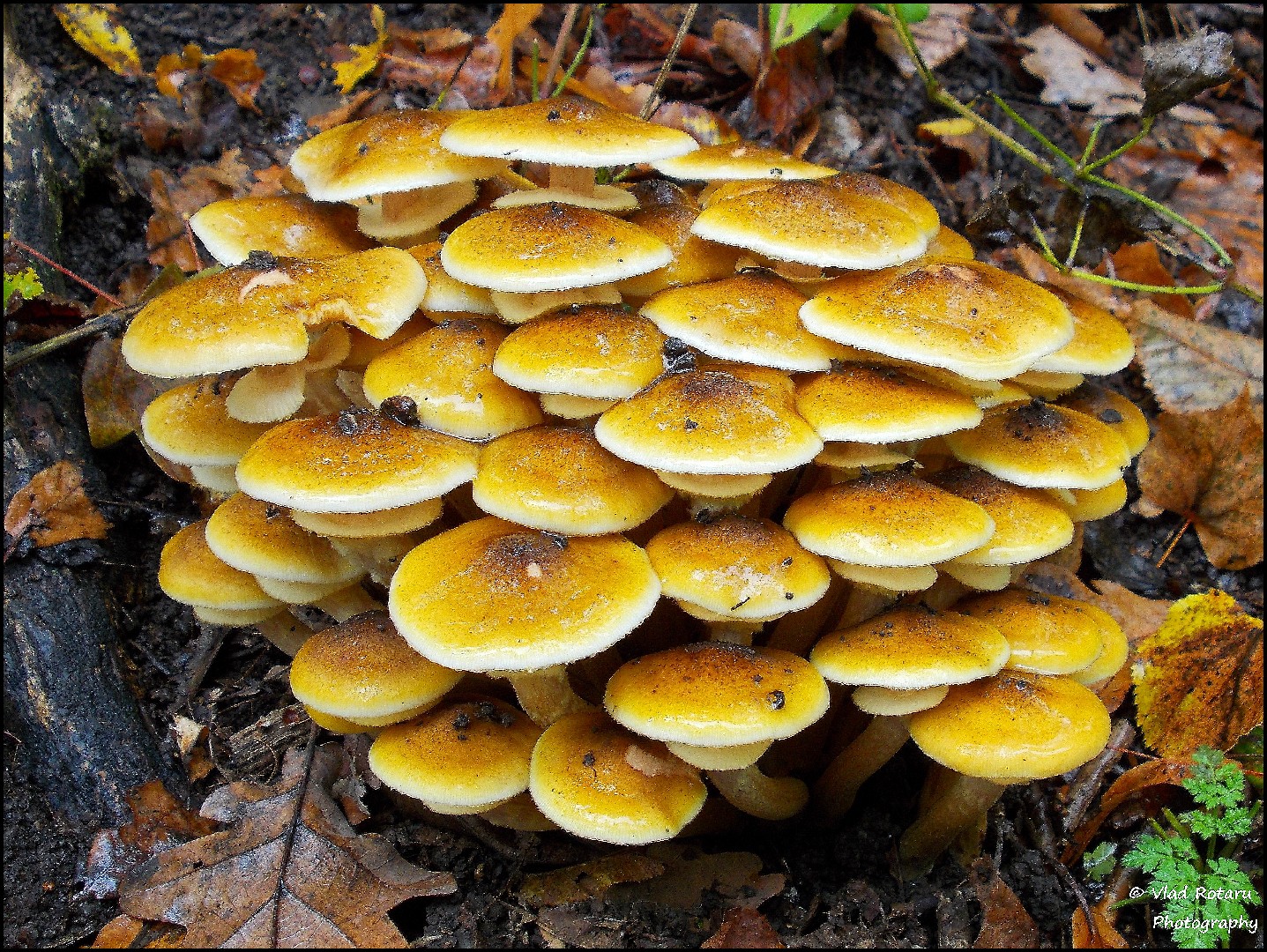
5. Honey fungus
The honey fungus is a parasitic fungus that grows on the roots of many woody and perennial plants, damaging and possibly killing its host. It spreads underground and is considered to be the most damaging fungal disease in gardens across the UK. The appearance of the mushrooms above-ground heralds a much more extensive infection below.

6. Spring coccora
The spring coccora (Amanita vernicoccora), as the name suggests, erupts from the earth as one of the first Amanita of the year. It loves to feast on decaying leaf litter but enjoys that of oak trees the most. It used to be classified as the same mushroom as its cousin, the Fall Amanita, but research has determined it is a unique species.
7. White king bolete
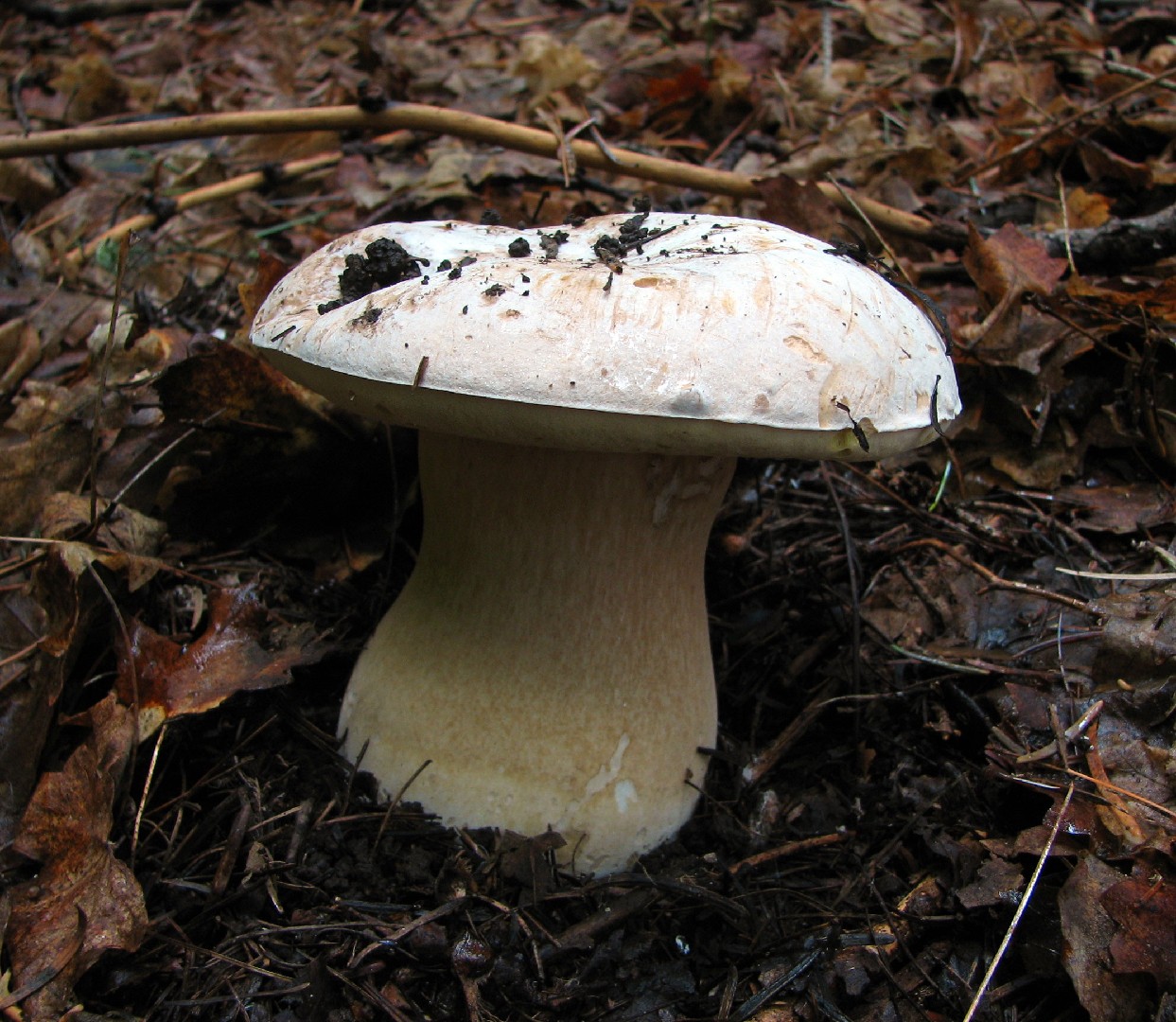
The habitat of the white king bolete is restricted to southwestern North America, but being a warm-weather species, it is most abundant in Arizona and New Mexico. The mushroom was given its scientific name Boletus barrowsii after the self-taught amateur mycologist Charles "Chuck" Barrows, who discovered the species just a few decades ago.
8. Lion's Mane Mushroom
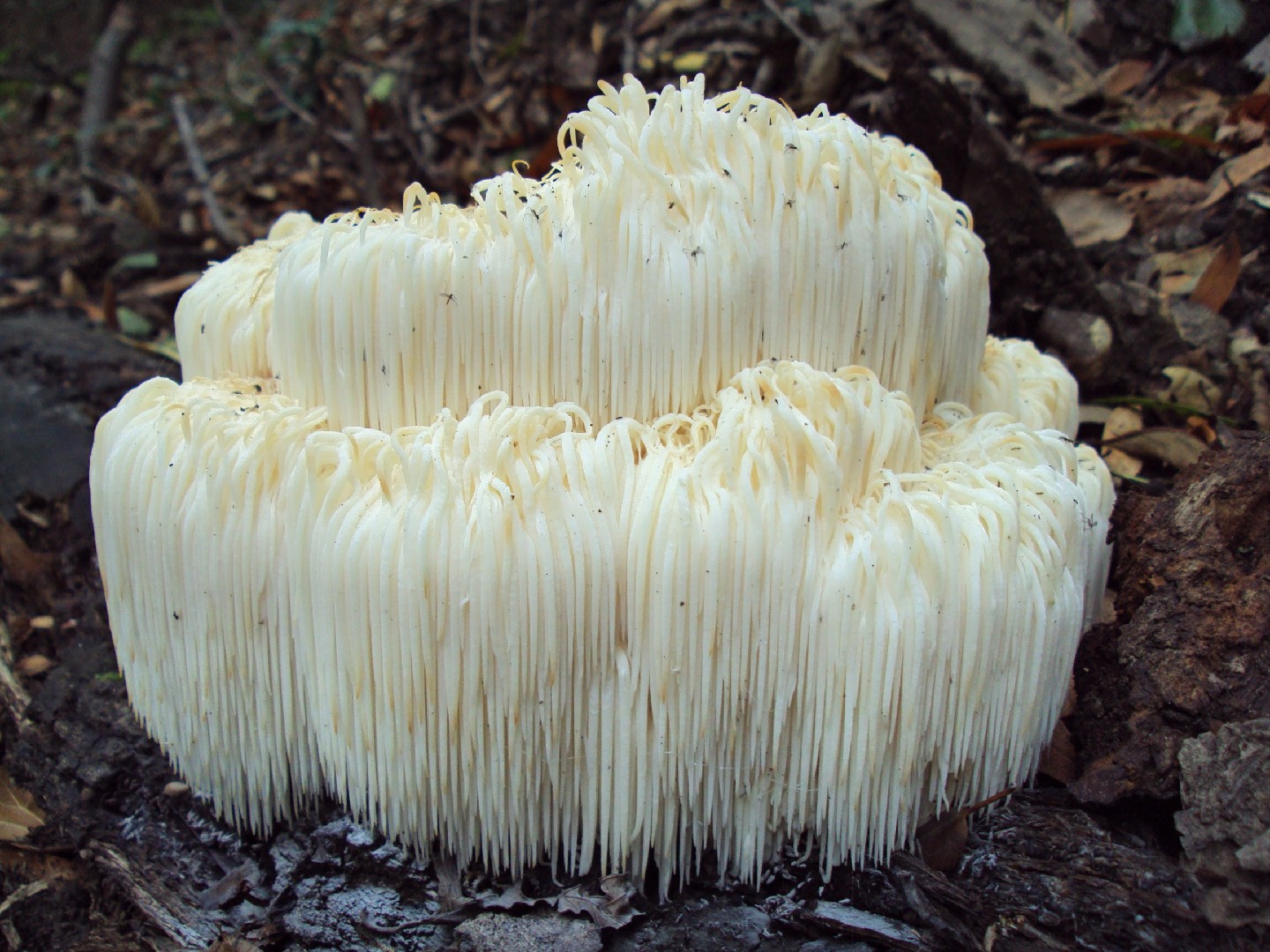
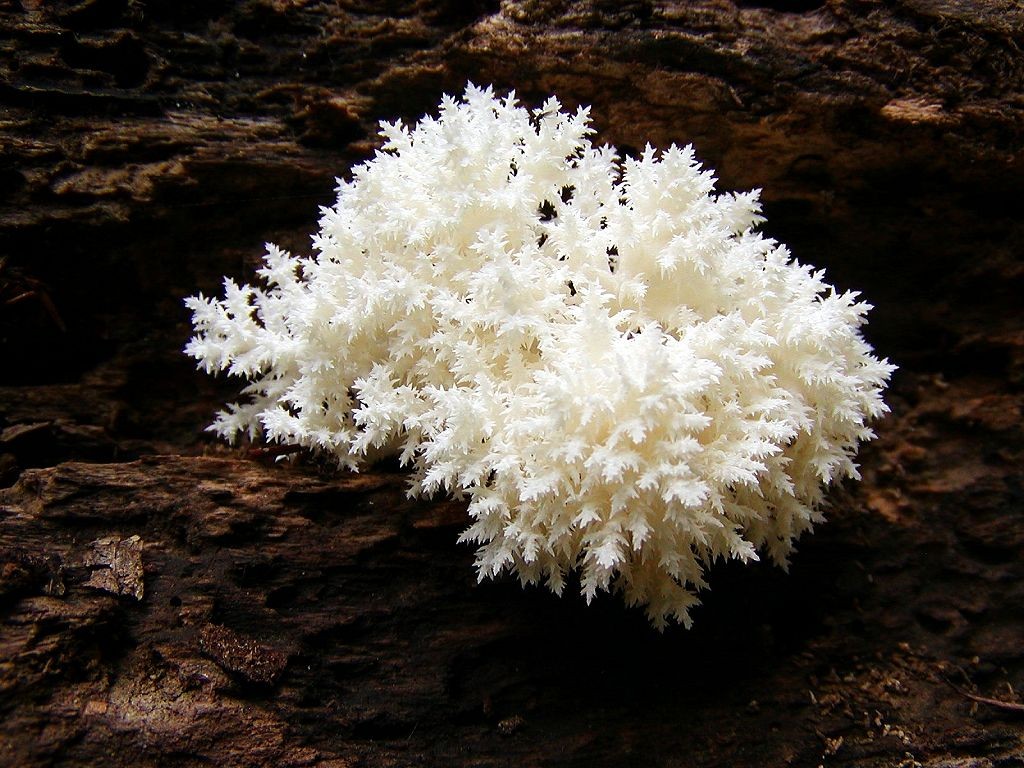
Lion's Mane Mushroom(Hericium erinaceus) is easily identifiable by its characteristic appearance, reminiscent of the majestic mane of a lion. It often sprouts along hardwoods, which may be living or dead. Scientists thus debate whether this species is truly parasitic or merely saprophytic in nature.
9. Oyster mushroom
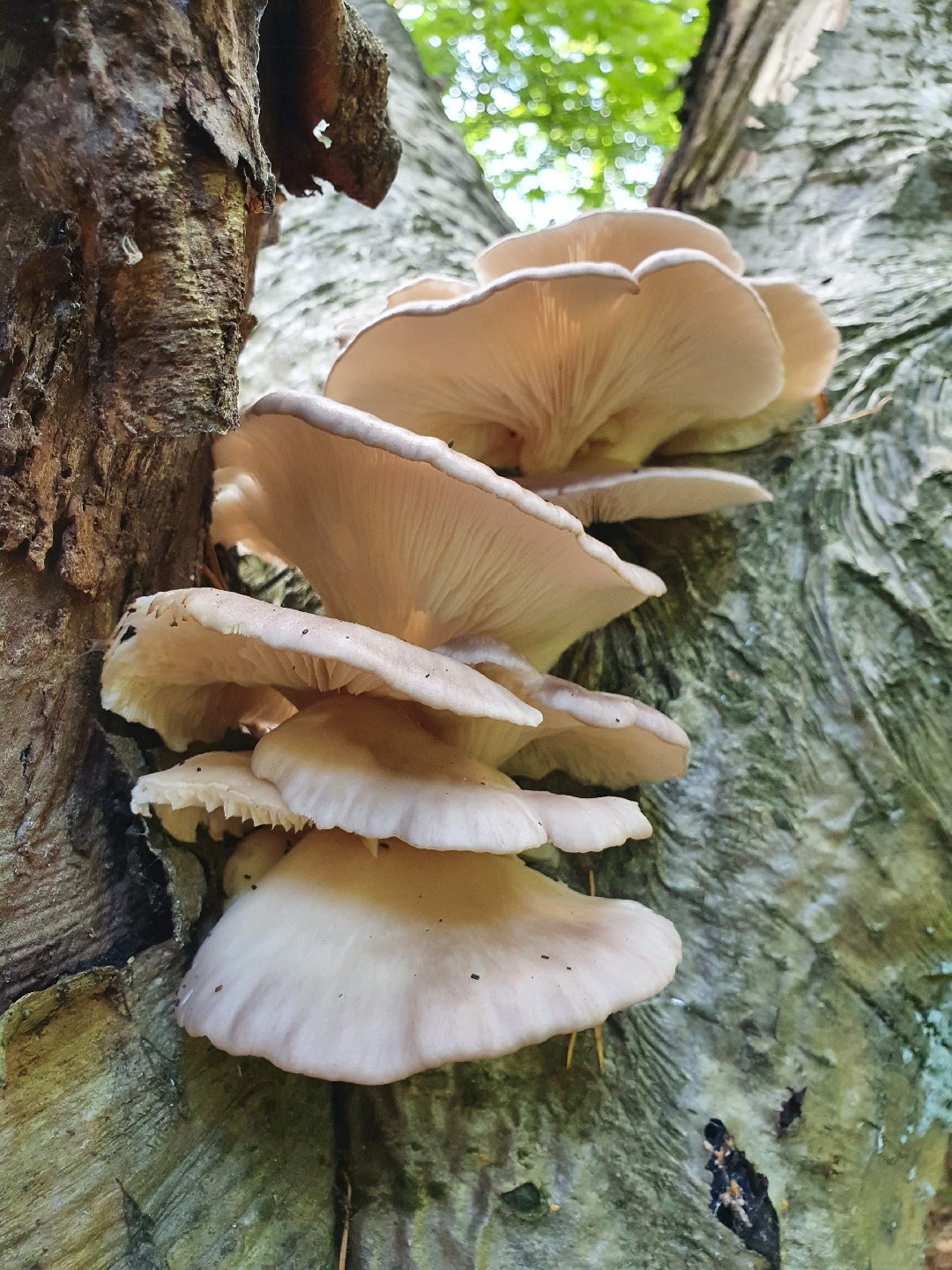
Oyster mushrooms grow wild but are also cultivated for sale in supermarkets. They can even be cultivated at home. They will grow on coffee grounds and spent grain, and are occasionally even fashioned into an environmentally-friendly substitute for styrofoam. There are several toxic look-alike species, so it is best to buy these mushrooms at the store.
10. Mud puppy
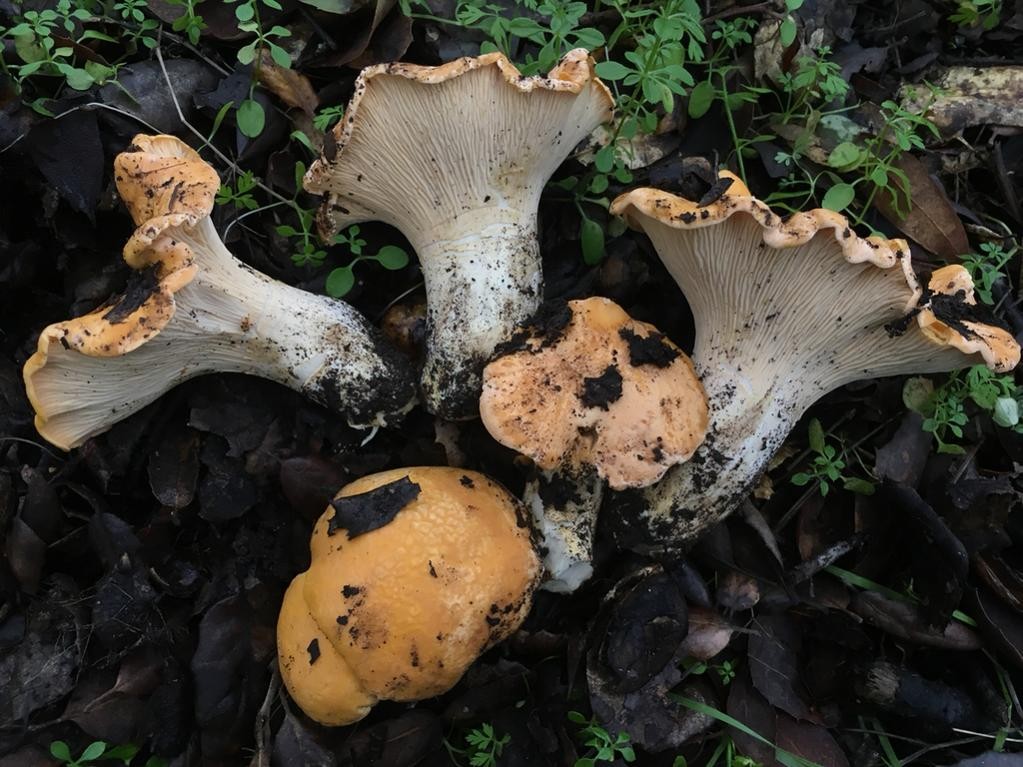
The mud puppy (Cantharellus californicus) is a gigantic golden-yellow to almost-orange chanterelle that can be found erupting from oak litter and debris during the rainy season. They first look strikingly similar to the yolk of a broken egg, but mature into solid flat caps with wavy ends. Their deeply fissured veins sometimes ooze sticky excretion. A single mushroom can reach an impressive 2 lb in weight!


More







