




Top 20 Edible Mushrooms Popular in Lakeport
Nestled within a diverse ecosystem, Lakeport boasts a range of edible mushrooms, gaining popularity among foragers and gourmands. The city's distinct climate and terrain nurture an array of fungal species, each distinguishing itself with unique appearances, tastes, and culinary uses. From the delicate yet robust flavor of morels to the earthy richness of porcinis, Lakeport provides an ideal habitat for a variety of mushrooms. Our expert-guided tour of 20 most common edible mushrooms in Lakeport, will enlighten you about these nature's gourmet treats' peculiarities, making your next mushroom hunting or cooking endeavor a remarkable one. Join us as we delve deeper into the fascinating world of fungi.
* Disclaimer: Content feedback CAN NOT be used as any basis for EATING ANY PLANTS. Some plants can be VERY POISONOUS, please purchase edible plants through regular channels.

Most Popular Edible Mushrooms
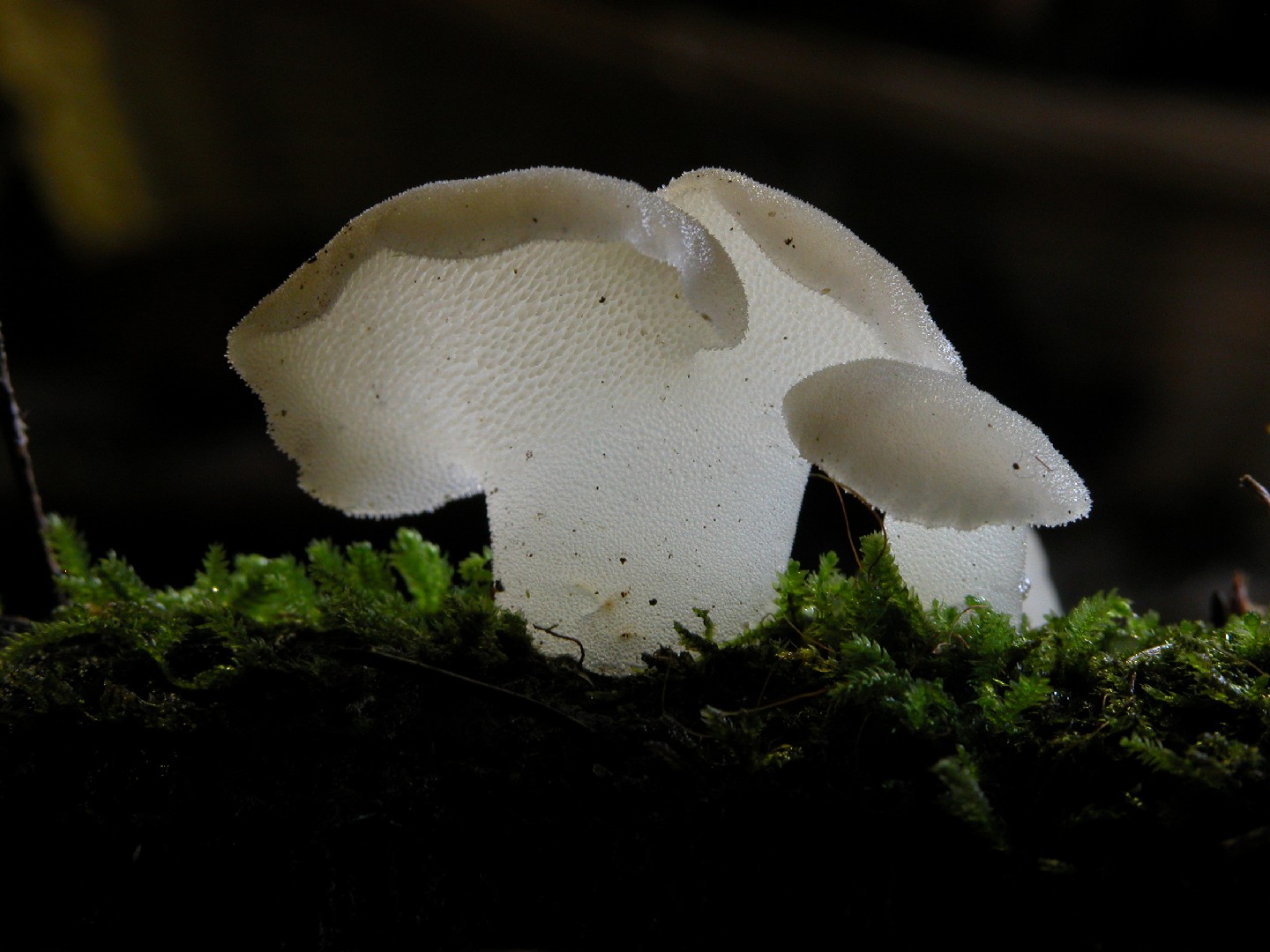
1. Toothed jelly fungus
This whimsically-named mushroom has a global distribution and a unique appearance. Toothed jelly fungus has a white, translucent - almost spectral - coloration and sports little downward pointing "teeth" on the underside of its cap. Although its toothed underside may scream "hedgehog mushroom", it is actually a member of a separate genus (Pseudohydnum, as opposed to Hydnum).
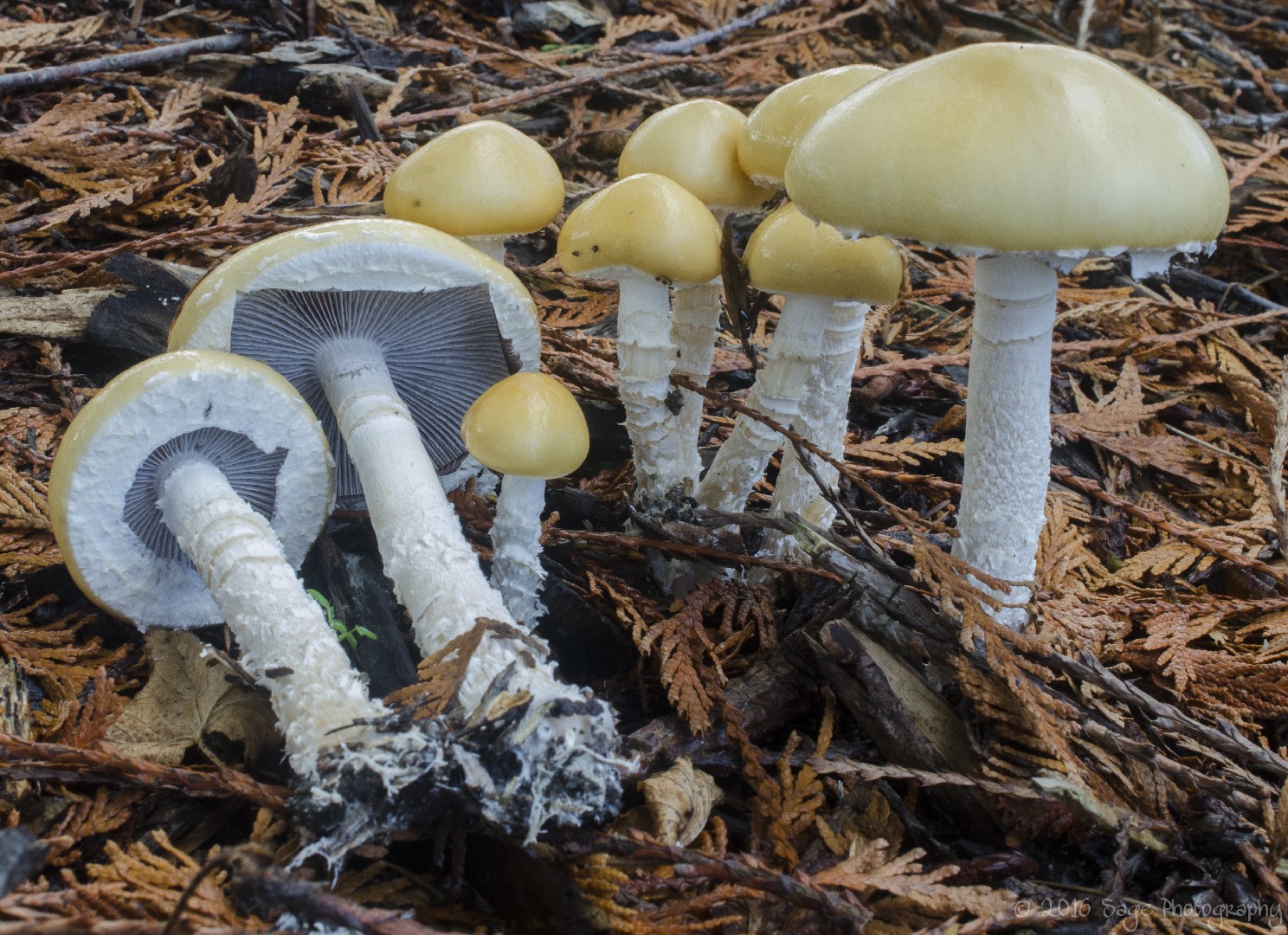
2. Questionable stropharia
The questionable stropharia is an odd-looking species that thrives in rich, wet soils along the western coast of North America. The species sports a shiny, yellow-brown cap with a white partial veil that looks almost as though it is dripping off the cap. "Questionable" is a fair title for this species, about which there are conflicting reports on edibility. Most experts recommend staying on the safe side and avoiding eating this mushroom.
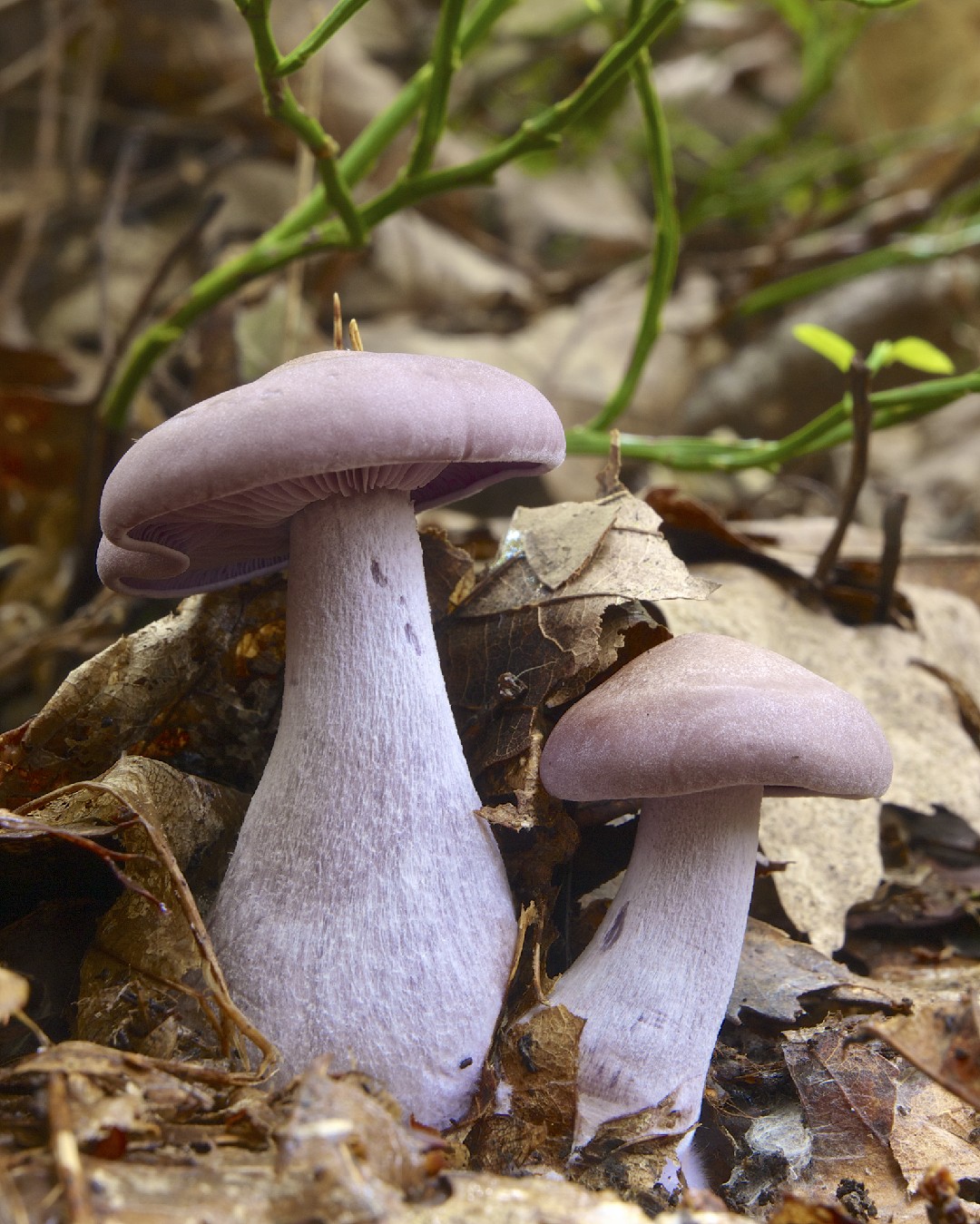
3. Blewit
The blewit mushroom grows in fallen leaves in autumn and winter, sometimes appearing in ‘fairy ring’ circles. It can be used to make a green dye when chopped and boiled in an iron pot. The scientific name, Lepista nuda, derives from Latin words meaning “bare goblet,” a reference to the shape and texture of the mushroom.
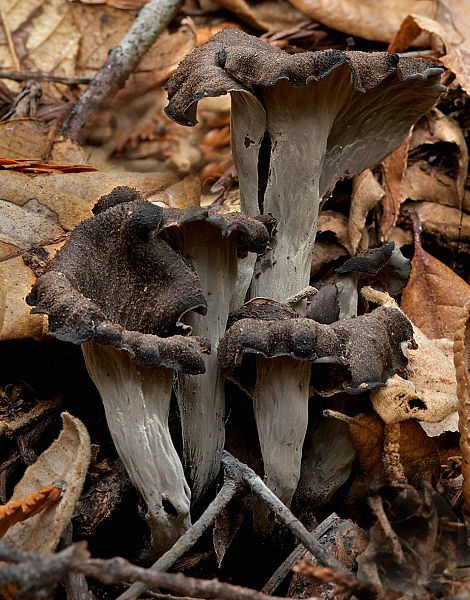
4. California black trumpet
The california black trumpet is a North American cousin of the well-known European mushroom Black trumpet (Craterellus cornucopioides). It is one of the most distinguishable trumpet-shaped mushrooms. It appears abundantly once every several years, growing in dense clusters, often appearing in the same locations.
5. Pig's ears
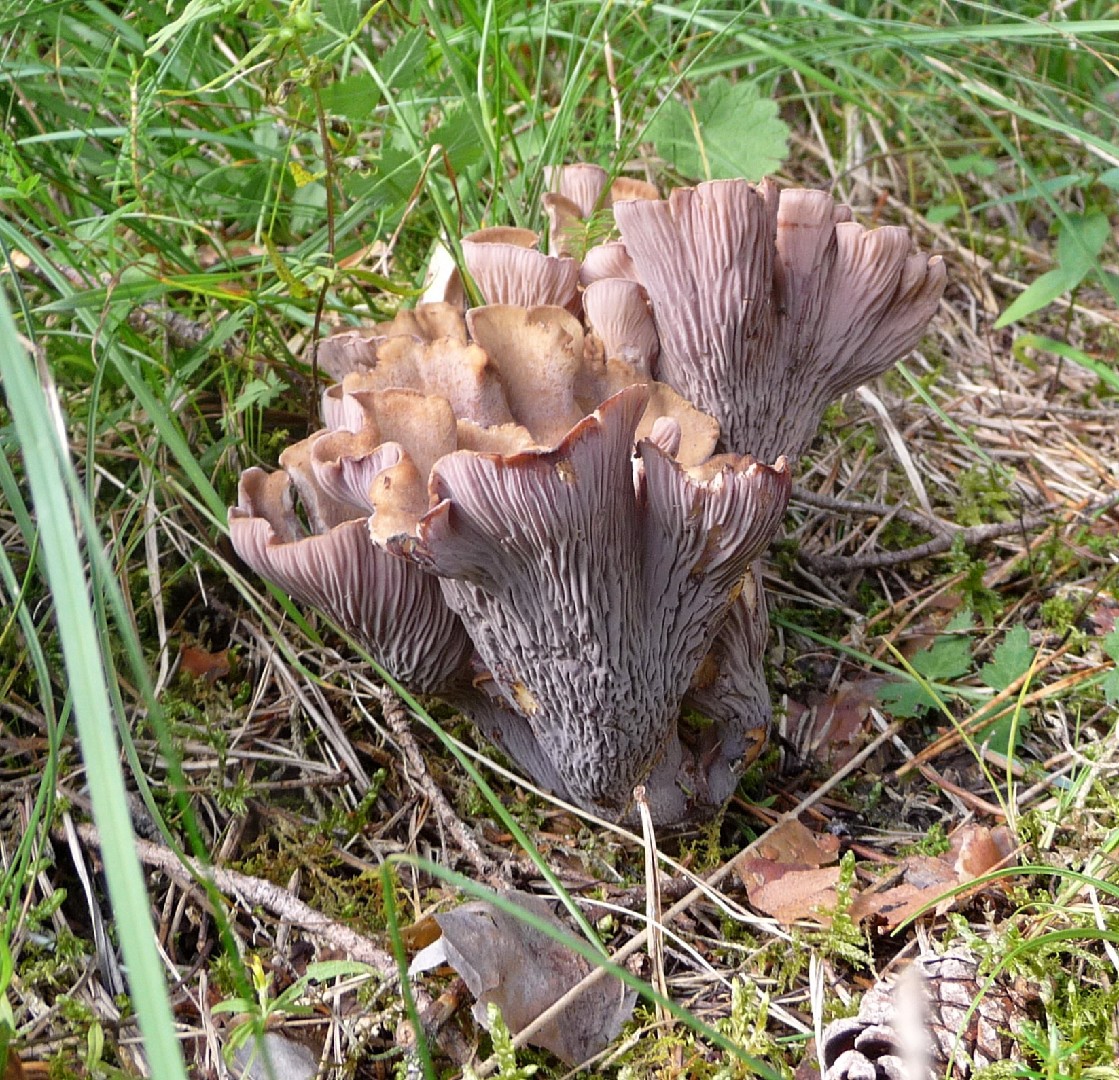
The pig's ears (Gomphus clavatus) forms unusual-looking fruitbodies. Several mushroom caps develop from a single stem, and often fuse the edges of their caps together. This growth pattern creates a shape reminiscent of the folds of an ear. Unfortunately, it is listed as a threatened species in some parts of the world, due to destruction of old-growth forests.
6. Western amethyst laccaria
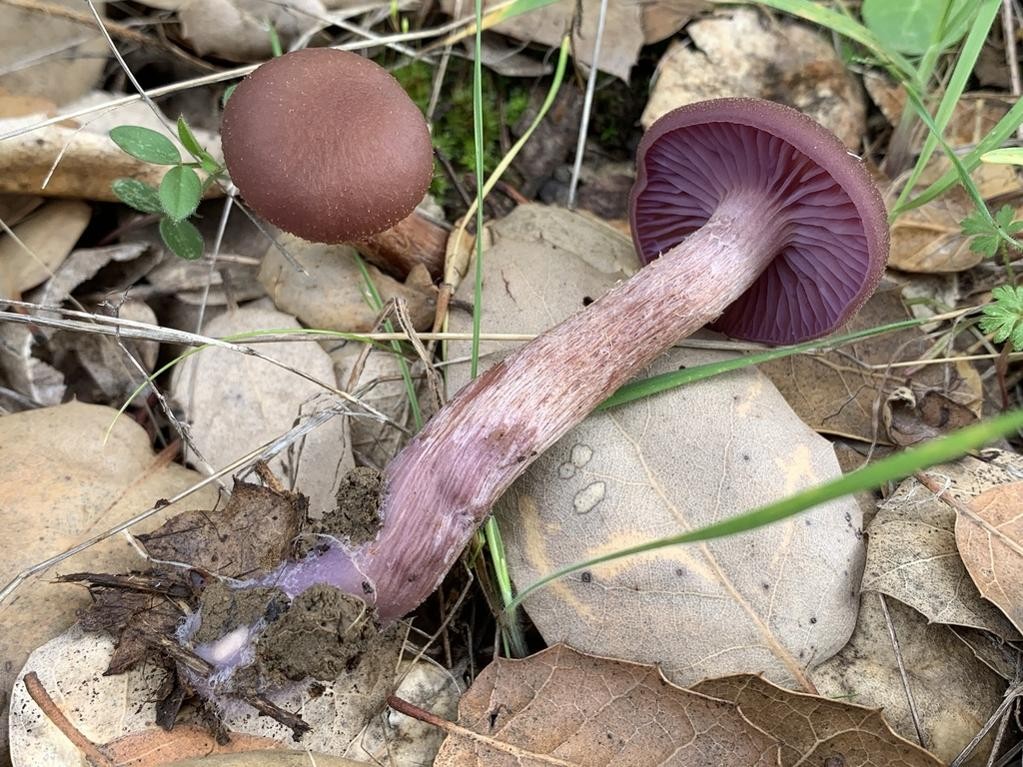
The western amethyst laccaria is a beautiful species that is a very close cousin of Laccaria amethysteo. Like Laccaria amethysteo, the western amethyst laccaria boasts a cap and stalk that are of lavender or purple. Unlike Laccaria amethysteo, Laccaria amethysteo-occidentalis' range spreads across western North America, and is associated with conifers, rather than hardwoods. The species is considered edible, but not choice.
7. Yellowfoot
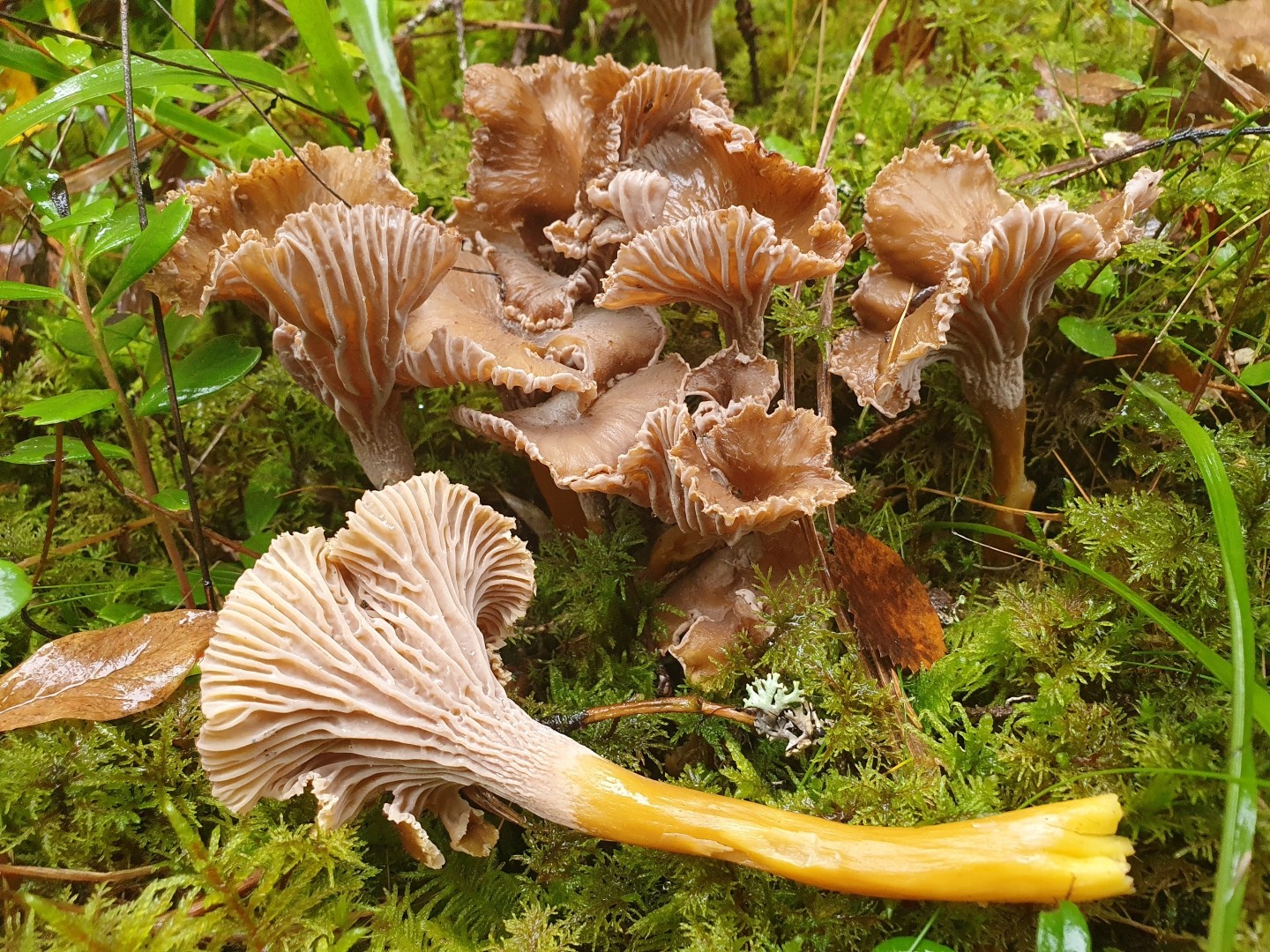
Found in temperate forests, wetlands, and bogs across the northern hemisphere, the yellowfoot is a highly sought after member of the chanterelle family. Considered a choice edible, it boasts a lovely, complex flavor (though it is somewhat less fruity and sweet then some of its more popular cousins). Yellowfoots are sometimes called "winter mushrooms", as they tend to be very late-season fruiters.

8. Spring coccora
The spring coccora (Amanita vernicoccora), as the name suggests, erupts from the earth as one of the first Amanita of the year. It loves to feast on decaying leaf litter but enjoys that of oak trees the most. It used to be classified as the same mushroom as its cousin, the Fall Amanita, but research has determined it is a unique species.

9. Shaggy mane
The shaggy mane mushroom is commonly found in North American and European grasslands. Some peoples foraged for its young egg-shaped caps, but it has more recently been found to be a bioaccumulator of heavy metals, meaning it pulls toxic metals up from the soil where it grows. As a result, shaggy manes should not be eaten. The mushrooms usually appear in clusters or “fairy rings.”
10. Fat jack
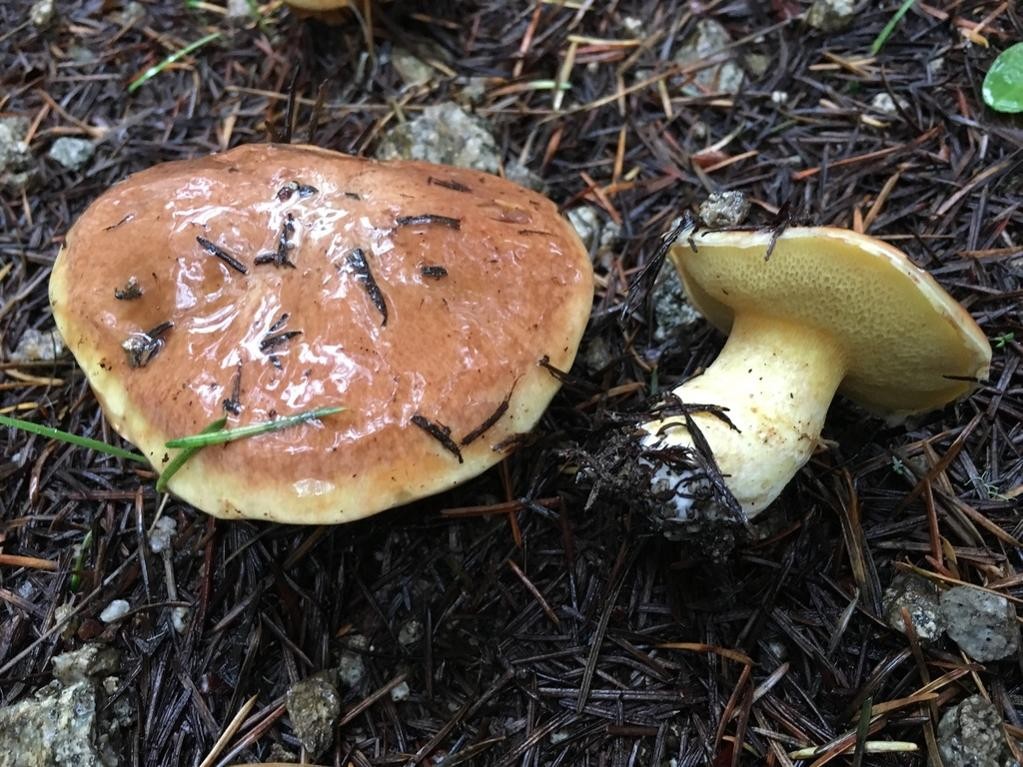
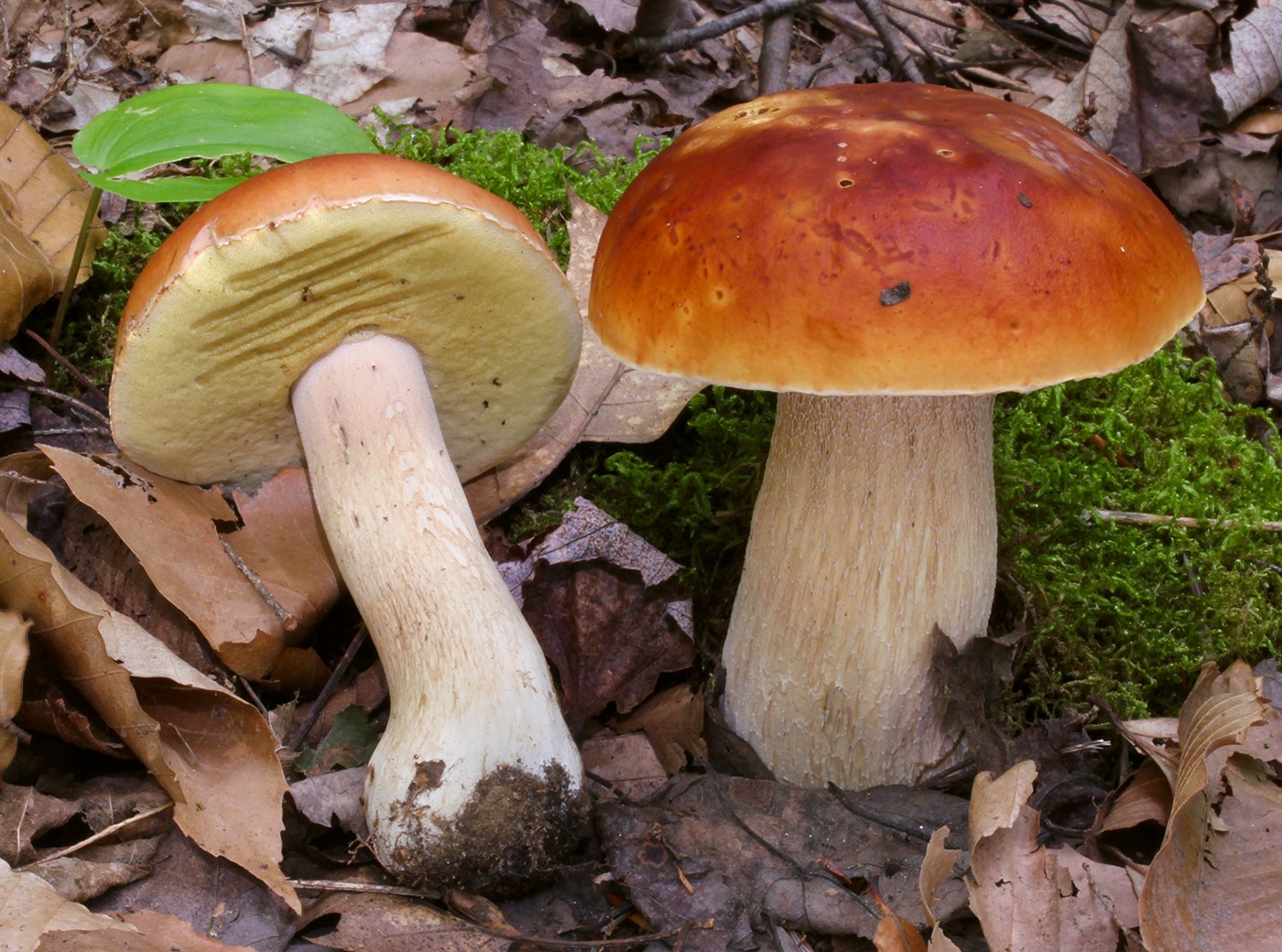
The fat jack is a member of the bolete family that can be found growing underneath Douglas Firs along the western coast of North America. The species' light yellow pore surface turns to brown when damaged or rubbed. Fat jacks also tend to have mild and pleasant, sometimes lemony, odors.

More







