




Top 20 Edible Mushrooms Popular in Arcata
Nestled amidst an array of diverse terrains, Arcata offers a fertile ground for an eclectic mix of edible mushrooms. Due to its distinct climate, 20 species of mushrooms thrive, each with unique appearances, flavors, habitats, and culinary applications, making Arcata a veritable paradise for both amateur mycologists and gourmet foragers. This guide offers an enlightening exploration of these commonly found varieties, gearing you up for your next fungal foray in Arcata.
* Disclaimer: Content feedback CAN NOT be used as any basis for EATING ANY PLANTS. Some plants can be VERY POISONOUS, please purchase edible plants through regular channels.

Most Popular Edible Mushrooms
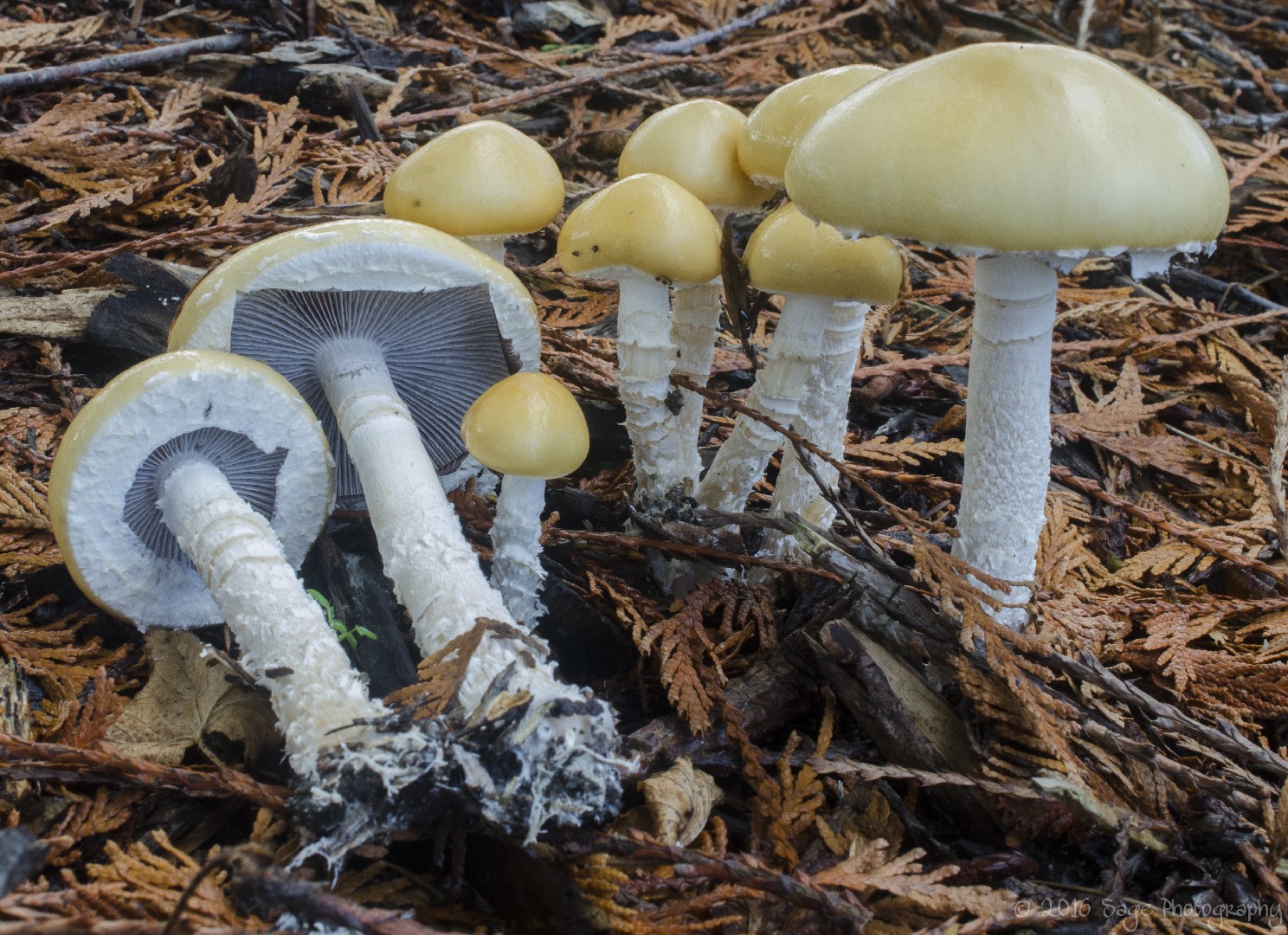
1. Questionable stropharia
The questionable stropharia is an odd-looking species that thrives in rich, wet soils along the western coast of North America. The species sports a shiny, yellow-brown cap with a white partial veil that looks almost as though it is dripping off the cap. "Questionable" is a fair title for this species, about which there are conflicting reports on edibility. Most experts recommend staying on the safe side and avoiding eating this mushroom.
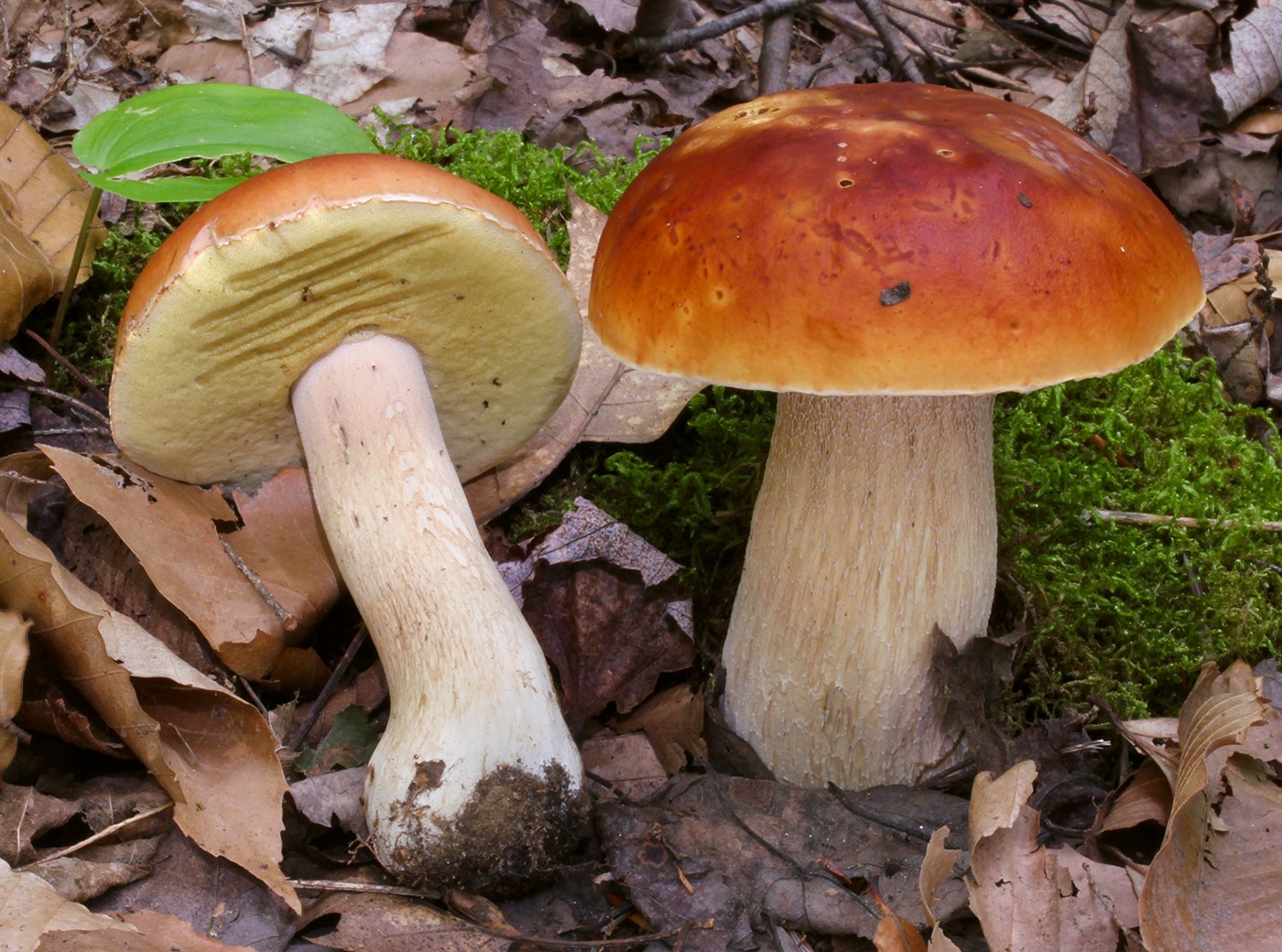
2. King bolete
Extremely popular in many cuisines, this edible wild mushroom grows around the world near the roots of forest trees. In some regions, king bolete mushrooms are collected in great enough volumes that their sale can support entire families during the harvest season. King boletes are reported to be high in fiber, vitamins B and C, calcium, potassium, magnesium, zinc, and several antioxidants.
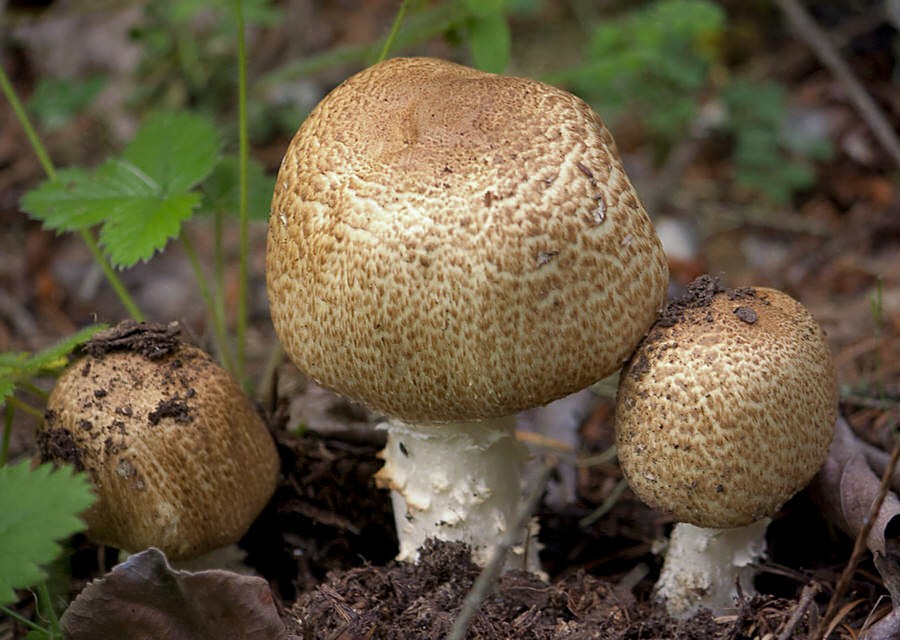
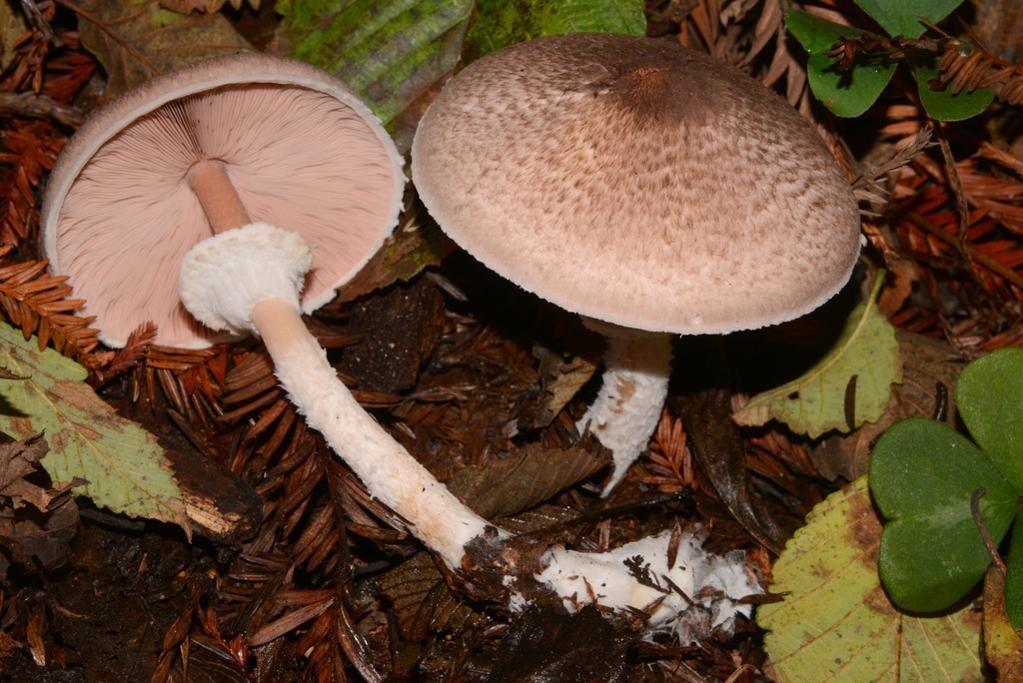
3. The prince
This attractive mushroom grows around the world in open woodlands and parks, especially near conifers. The prince has a scent reminiscent of bitter almonds. Its firm, thick caps grow quite large, but often become quickly infested by maggots. Allergic reactions have been reported to this mushroom so it is best treated as a "look, but do not touch" species.
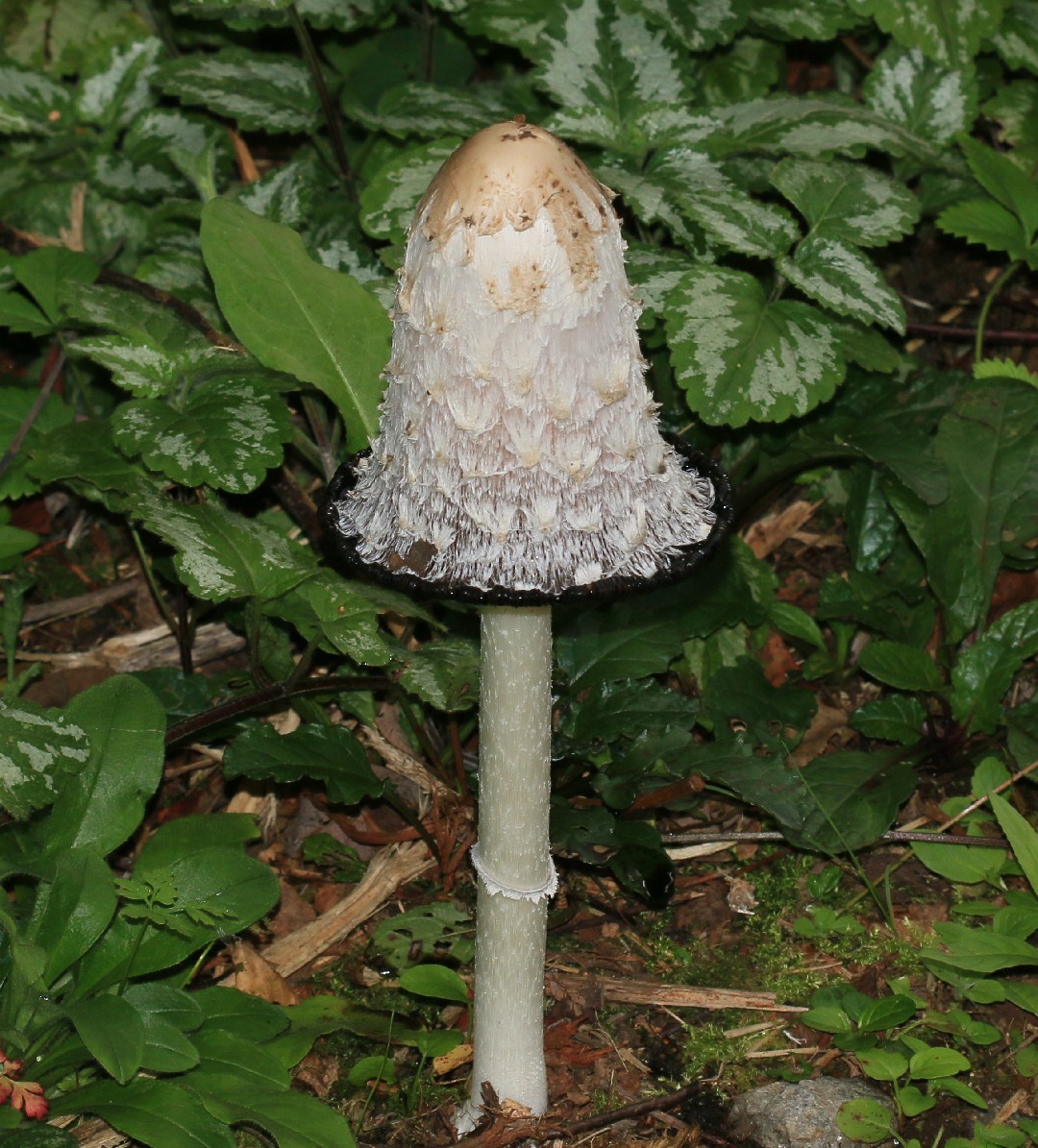
4. Shaggy mane
The shaggy mane mushroom is commonly found in North American and European grasslands. Some peoples foraged for its young egg-shaped caps, but it has more recently been found to be a bioaccumulator of heavy metals, meaning it pulls toxic metals up from the soil where it grows. As a result, shaggy manes should not be eaten. The mushrooms usually appear in clusters or “fairy rings.”
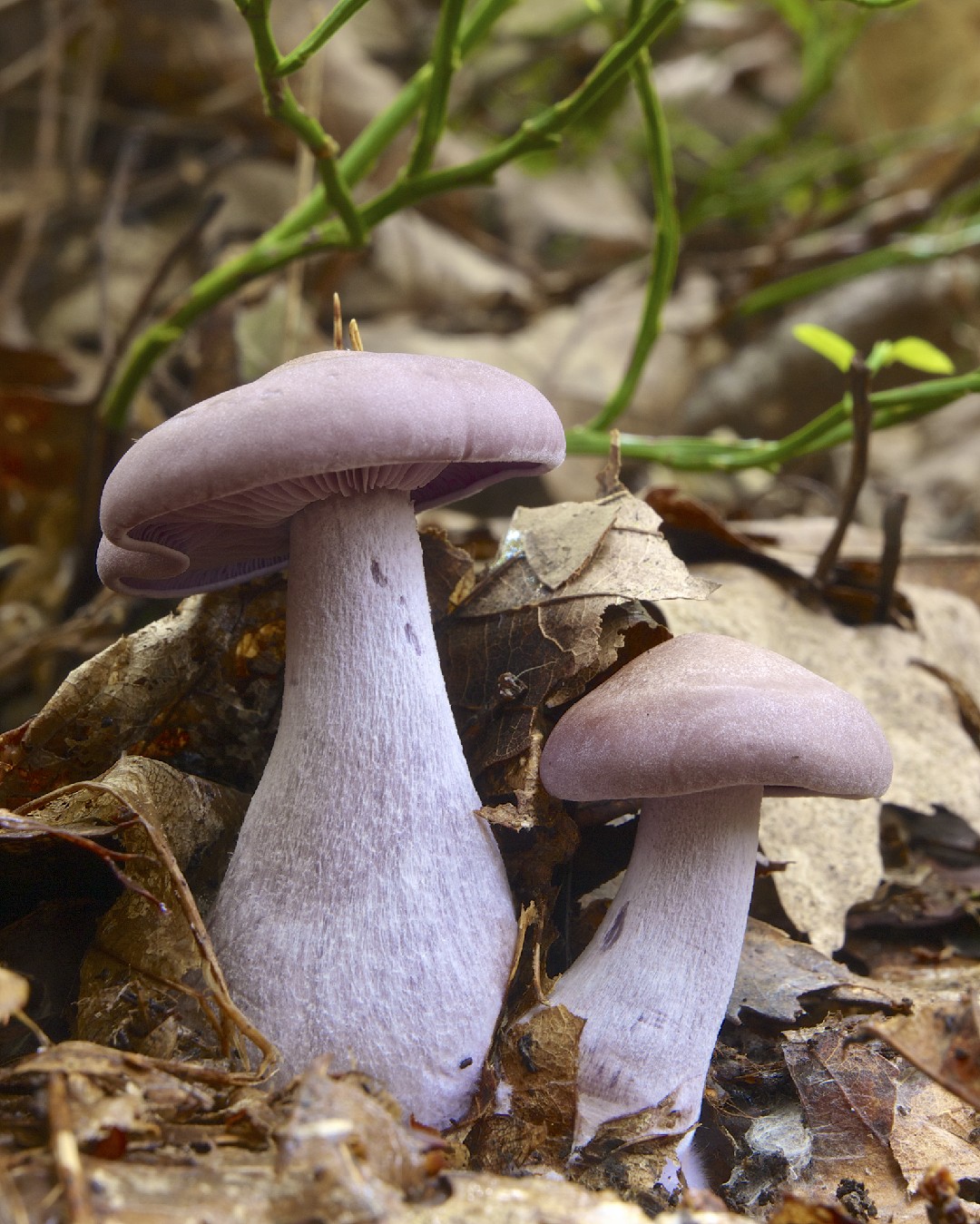
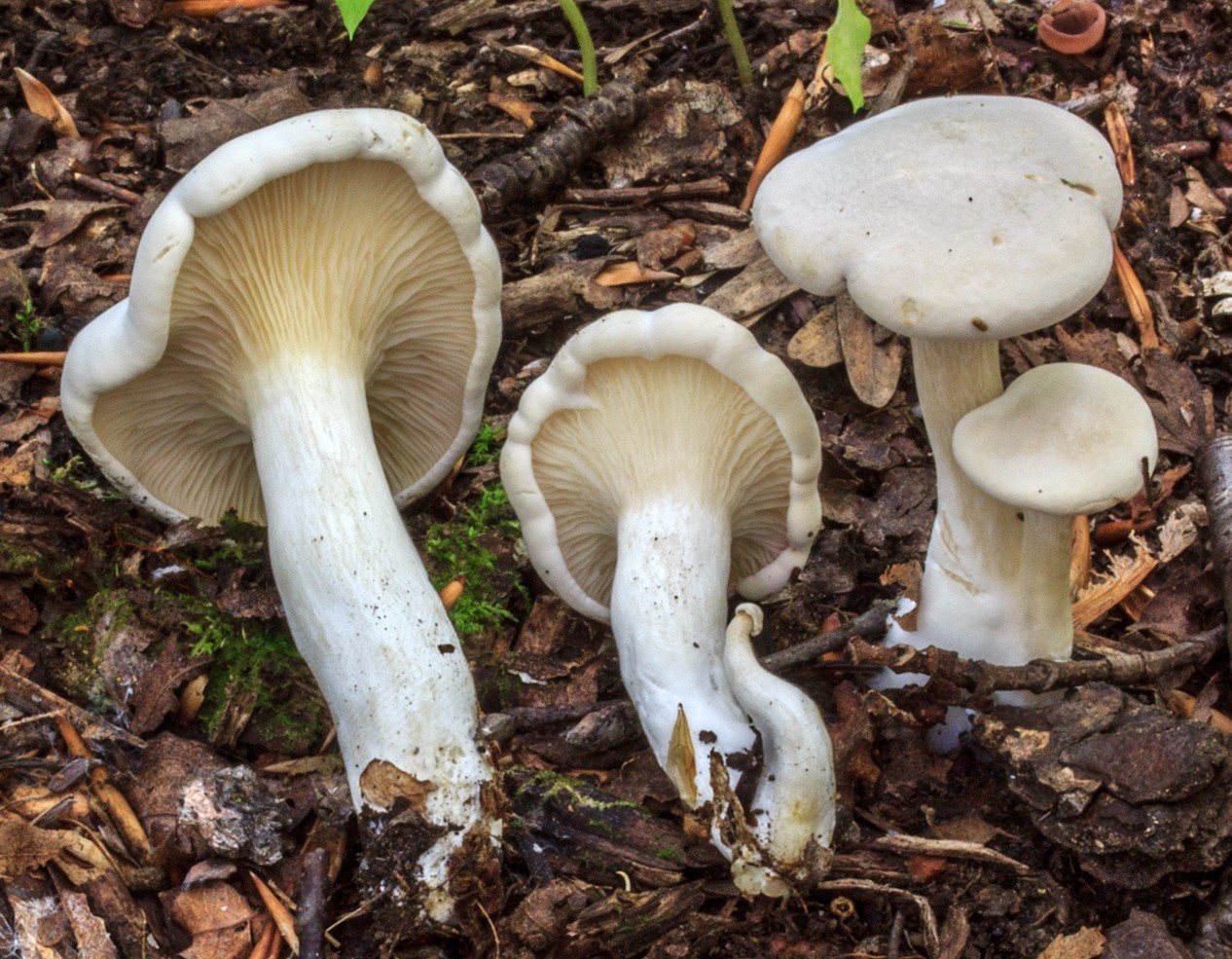
5. Blewit
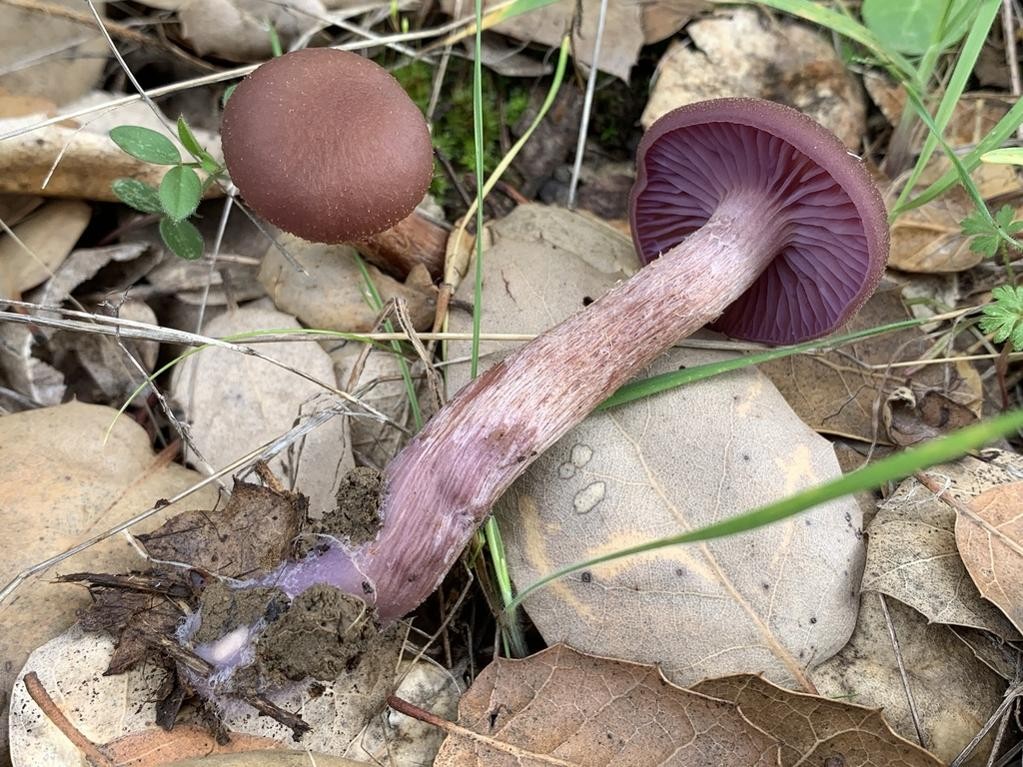
The blewit mushroom grows in fallen leaves in autumn and winter, sometimes appearing in ‘fairy ring’ circles. It can be used to make a green dye when chopped and boiled in an iron pot. The scientific name, Lepista nuda, derives from Latin words meaning “bare goblet,” a reference to the shape and texture of the mushroom.
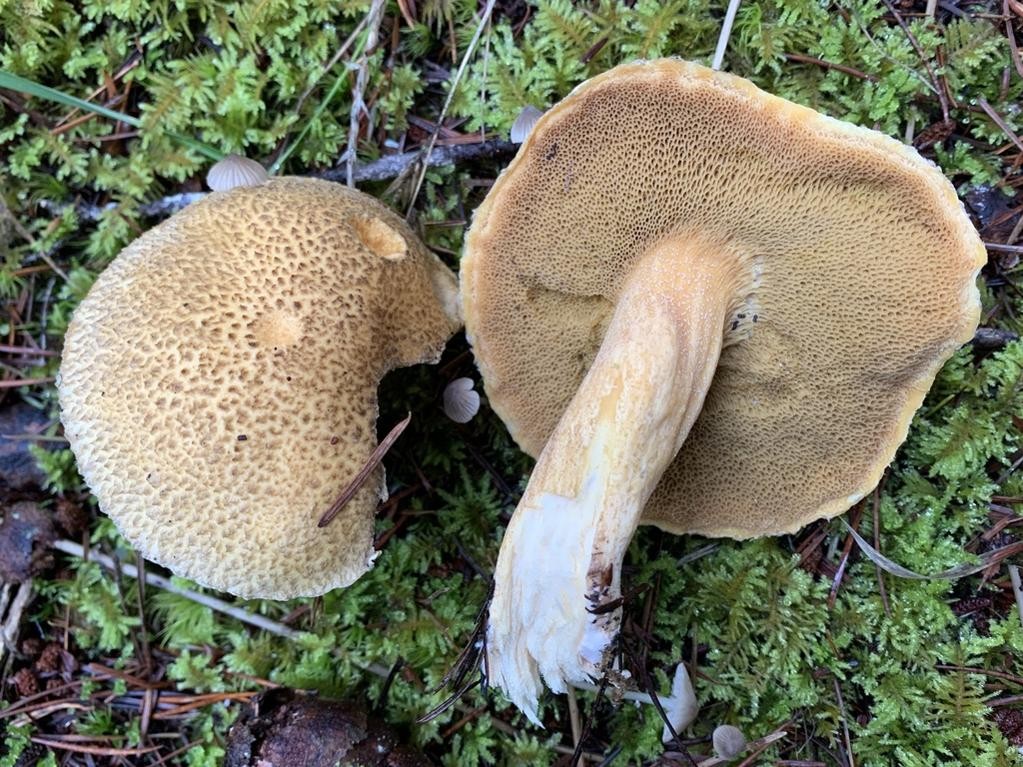
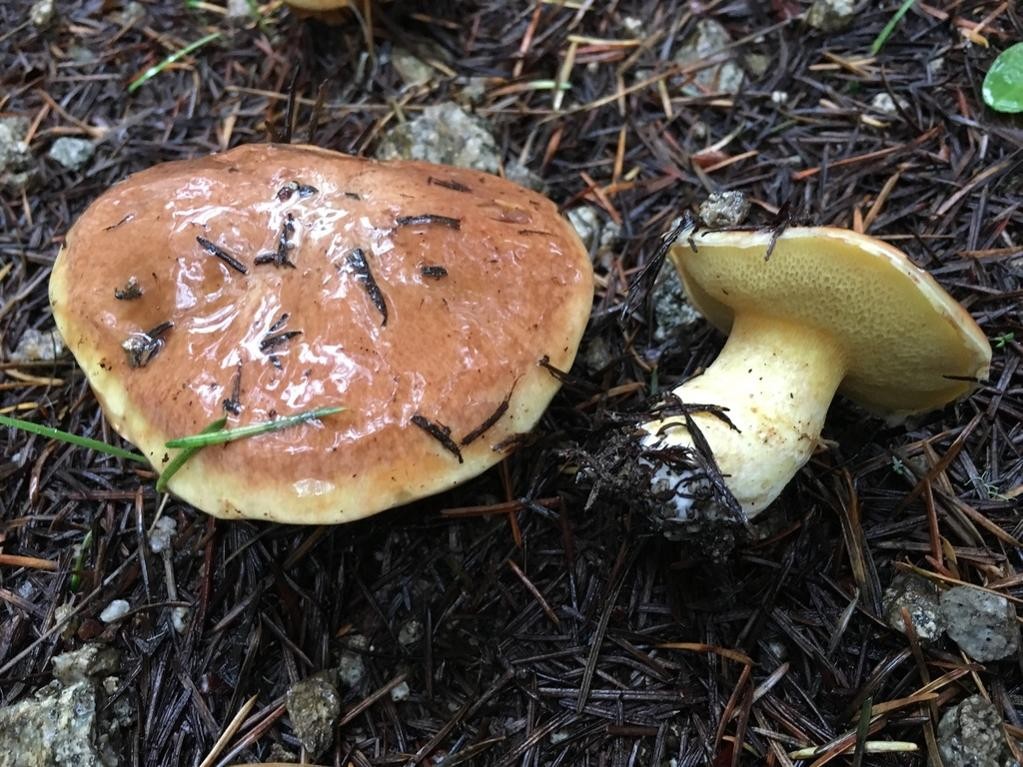
6. Blue-staining slippery jack
If you come across a blue-staining slippery jack (Suillus tomentosus) in the wilderness, chances are you're adventuring through a conifer forest after heavy rain. True to the common name, the caps can stain your hands a brownish-blue color. The surface area of the cap has a velvety texture when young.
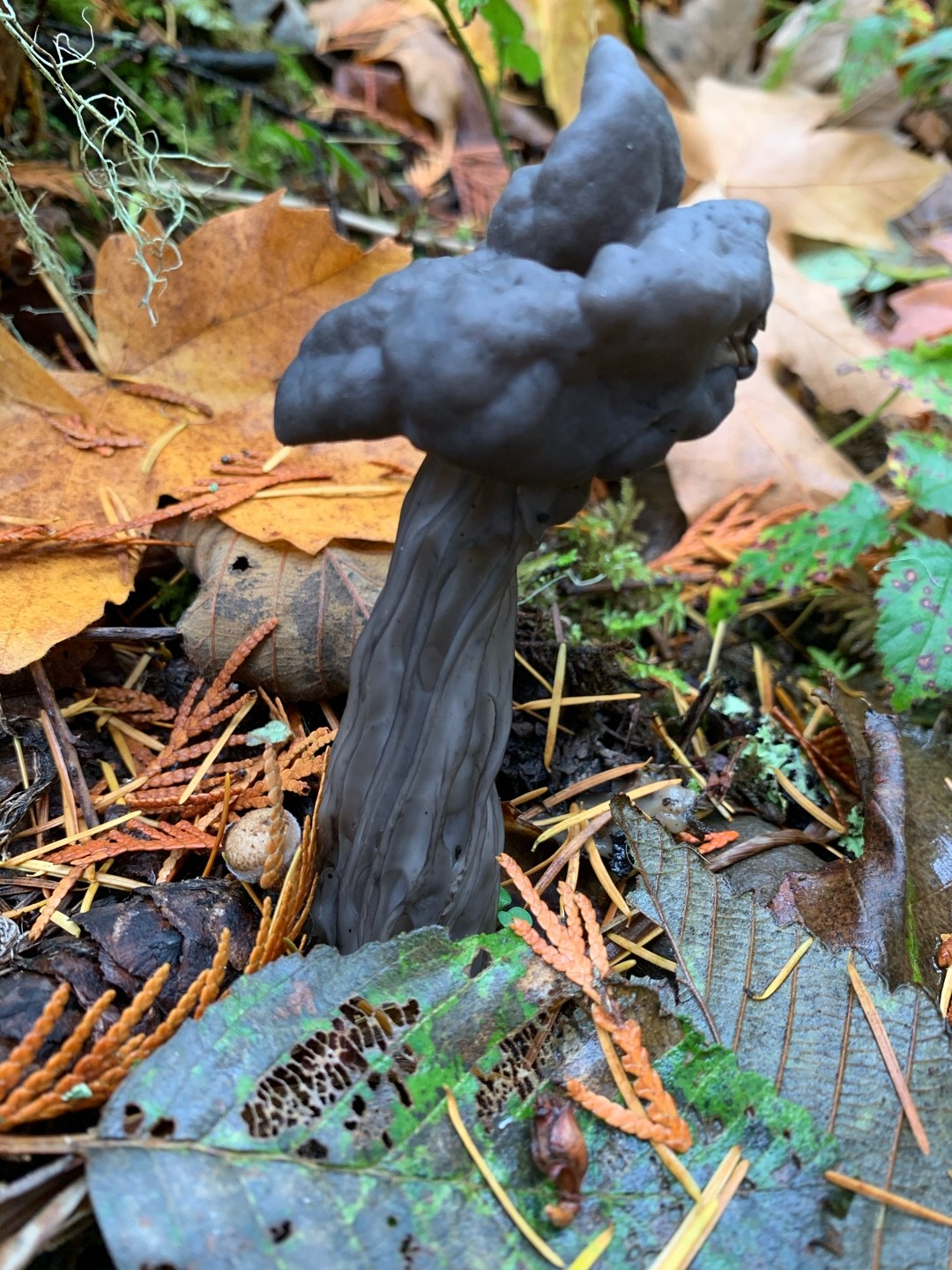
7. Western elfin saddle
The western elfin saddle (Helvella vespertina) has a striking, brain-shaped cap that becomes even more fissured as it ages. They appear and flourish amidst the leaf litter on forest floors in the western United States. The shape of the cap makes it a wonderful hiding place for insects, especially millipedes.
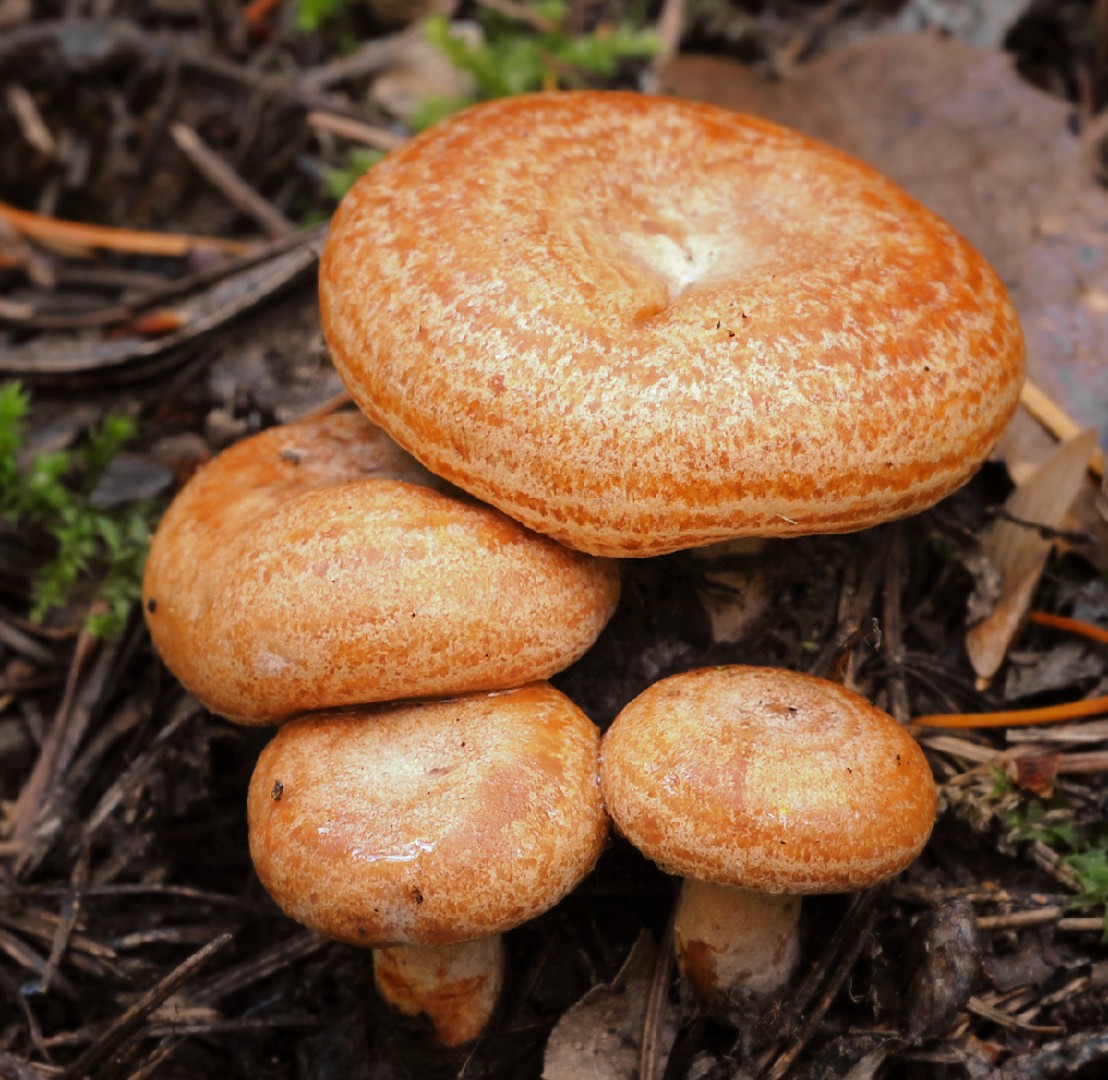
8. Saffron milk cap
Growing wild in the northern hemisphere and introduced to Australia, the saffron milk cap is found in pine forests during autumn. As the name implies, these mushrooms have been harvested for cooking for a long time. They have been known to cause stomach upset in some individuals, however, and carry a risk of being contaminated with heavy metals, so forage with caution.
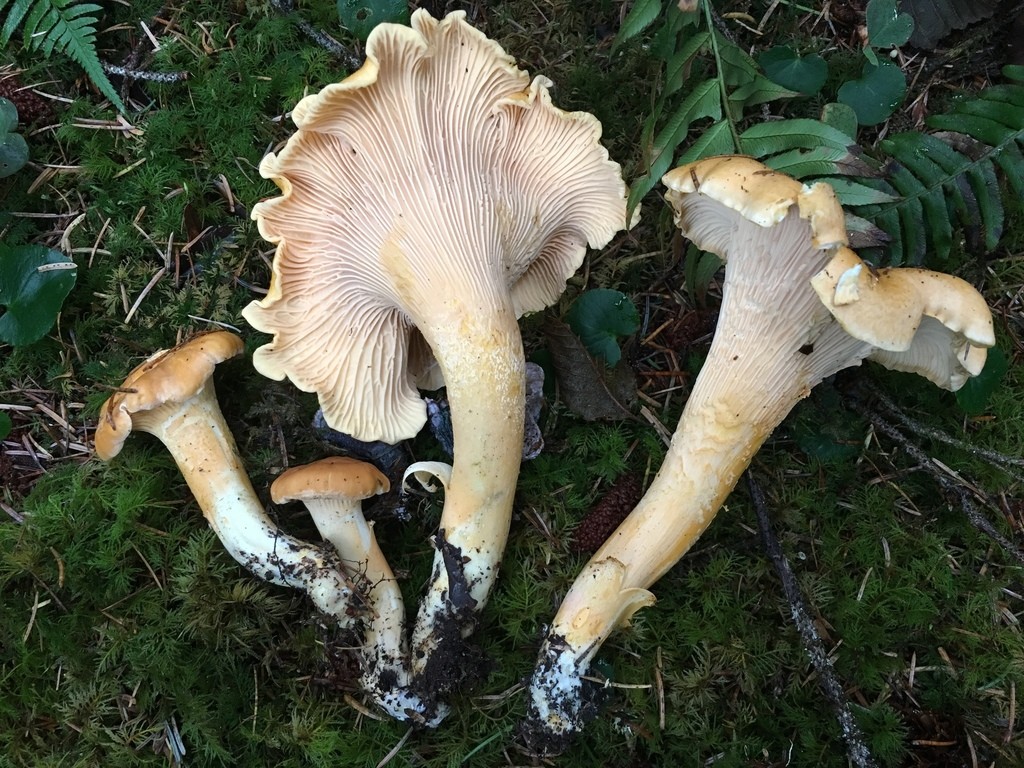
9. Pacific golden chanterelle
The pacific golden chanterelle (Cantharellus formosus) is an incredibly dense and meaty mushroom with a cap that resembles a rosette pattern instead of stereotypical dome-shaped caps. The color is an almost iridescent yellow color but may range from warm gold to salmon pink, depending on sun exposure. Highly flavorful, the pacific golden chanterelle has been named the state mushroom of Oregon because of its value and flavor.
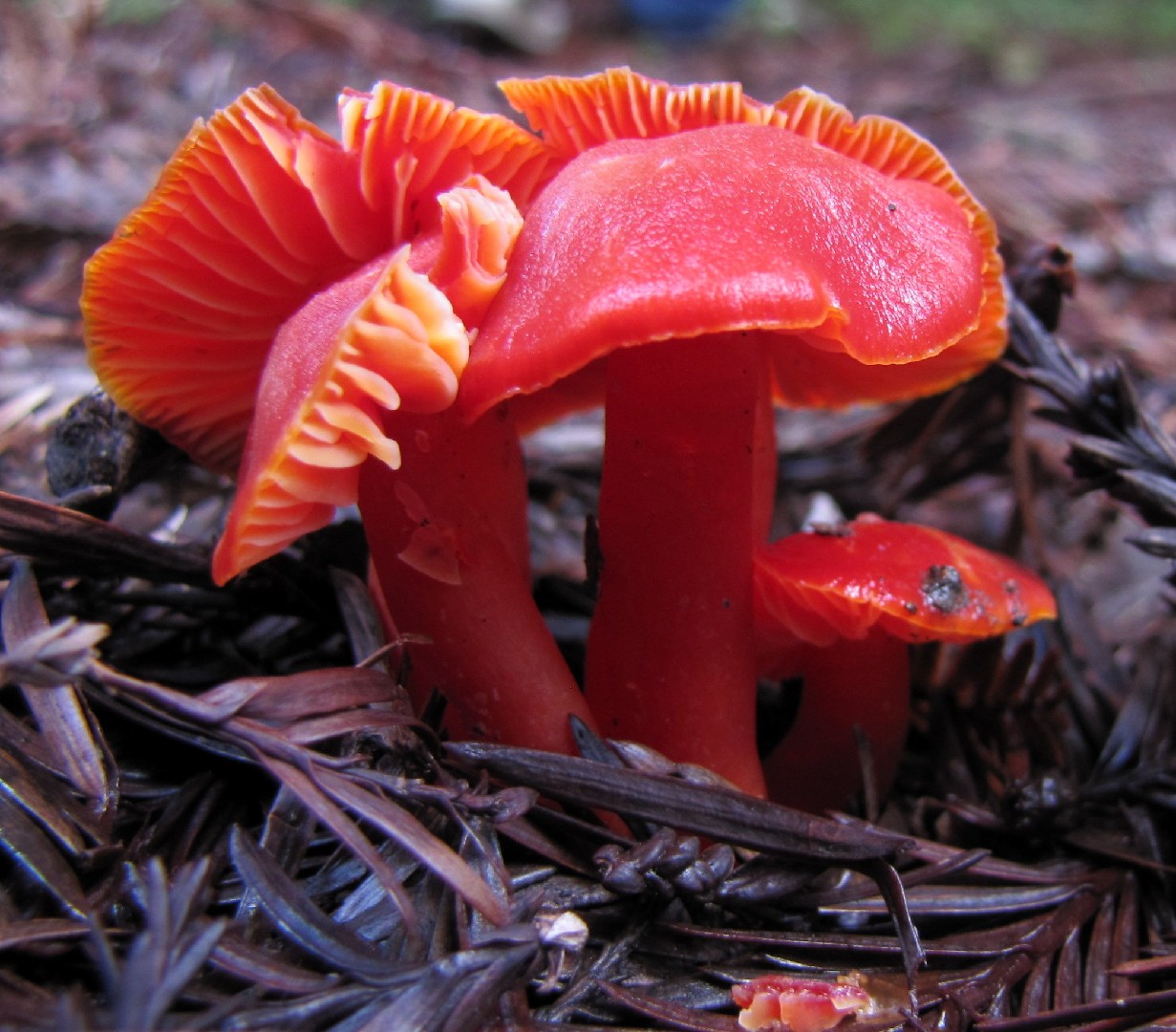
10. Scarlet hood
Scarlet hood(Hygrocybe coccinea) is named for its bright scarlet color, which renders it easy to spot among the grasses and woodlands among which it prefers to grow. Distributed across the Northern Hemisphere, it tends to be small and uncommon, making it of particular interest to photographers.
More







