




Top 20 Edible Mushrooms Popular in Ozark
Nestled in the verdant expanses of Ozark, this region boasts a favorable climate and diverse terrain that supports a plethora of thriving mushroom species. As we delve into the top 20 most common edible mushrooms in this region, we will explore various aspects including their appearance, flavor profile, habitat, and culinary uses. These fungi, each with unique traits, not only serve as a gourmet's delight but also constitute an integral part of Ozark's biological richness, promising a fascinating journey through the diverse world of mycology.
* Disclaimer: Content feedback CAN NOT be used as any basis for EATING ANY PLANTS. Some plants can be VERY POISONOUS, please purchase edible plants through regular channels.

Most Popular Edible Mushrooms
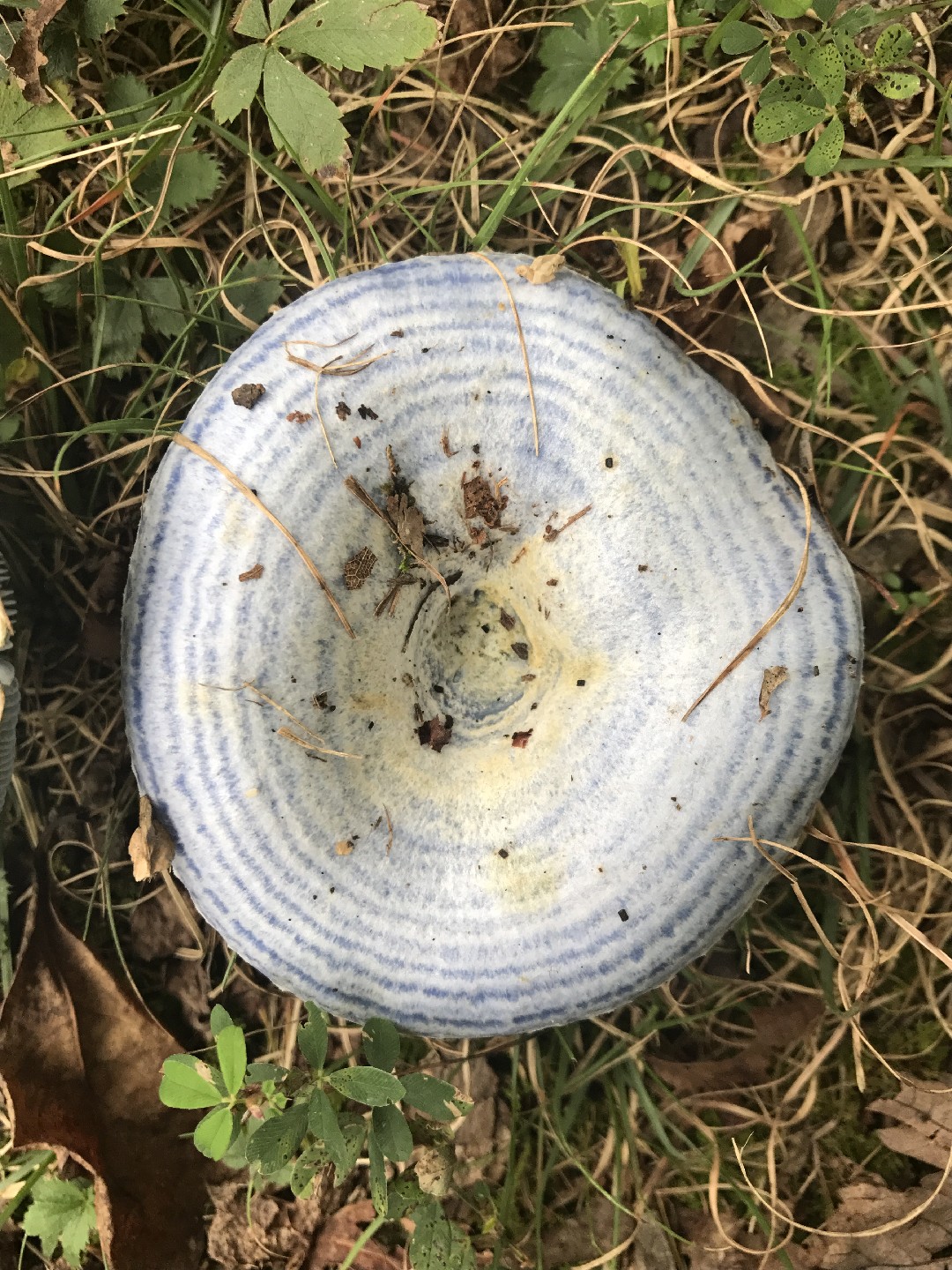
1. Indigo milk cap
This gorgeous species is unlike any other. The indigo milk cap, a member of the often-drab russula family, is deep blue in color. Like other milk caps, it bleeds a latex-like substance when cut or damaged, but instead of the usual white this species bleeds deep blue.
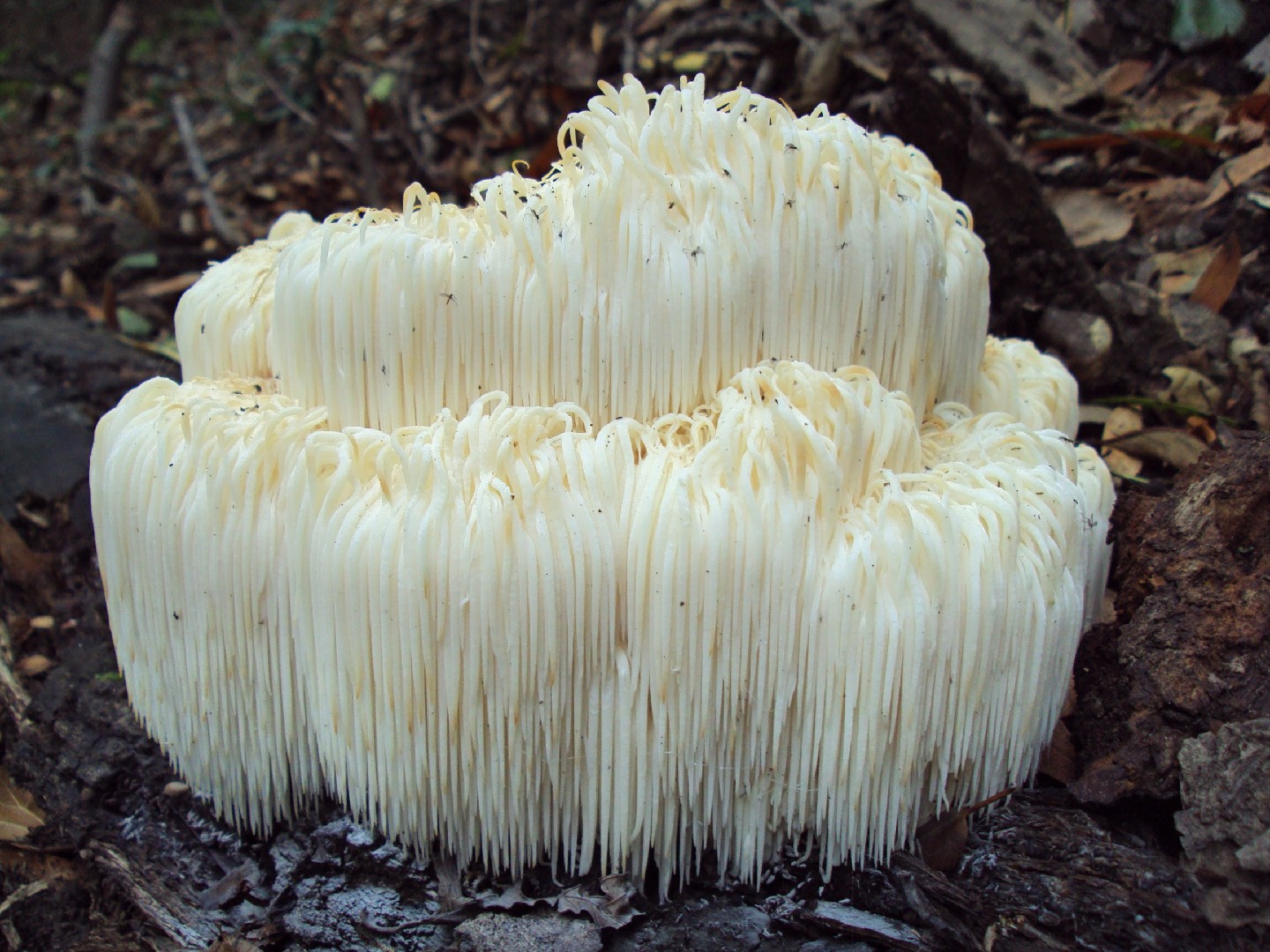
2. Lion's Mane Mushroom
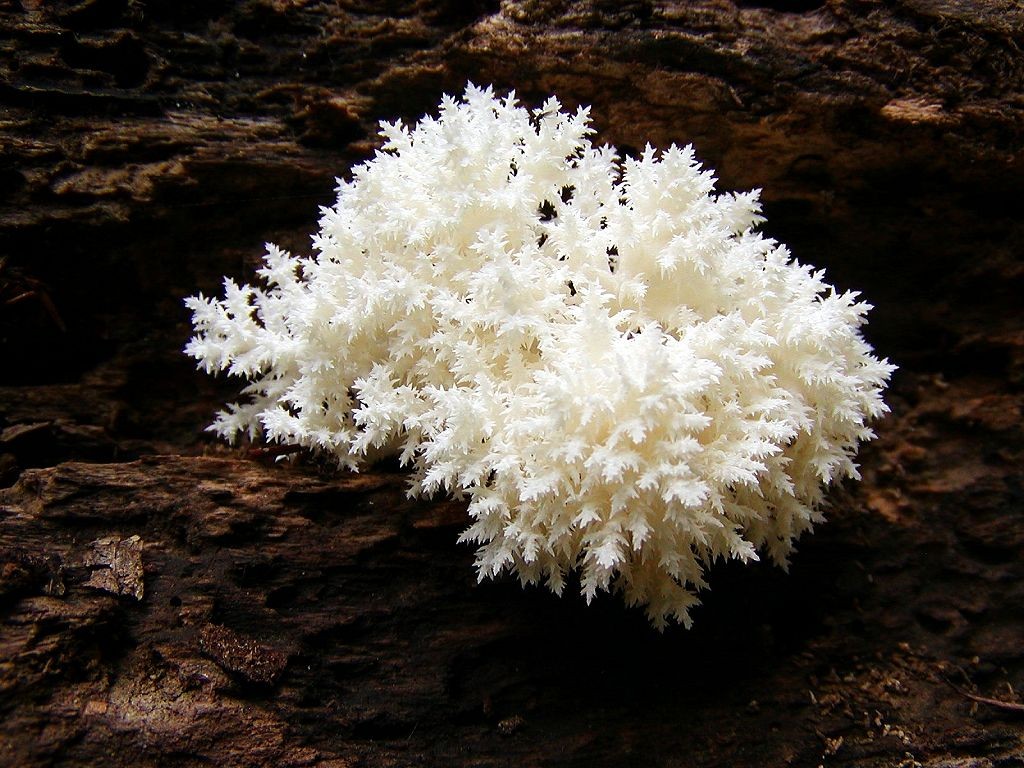
Lion's Mane Mushroom(Hericium erinaceus) is easily identifiable by its characteristic appearance, reminiscent of the majestic mane of a lion. It often sprouts along hardwoods, which may be living or dead. Scientists thus debate whether this species is truly parasitic or merely saprophytic in nature.
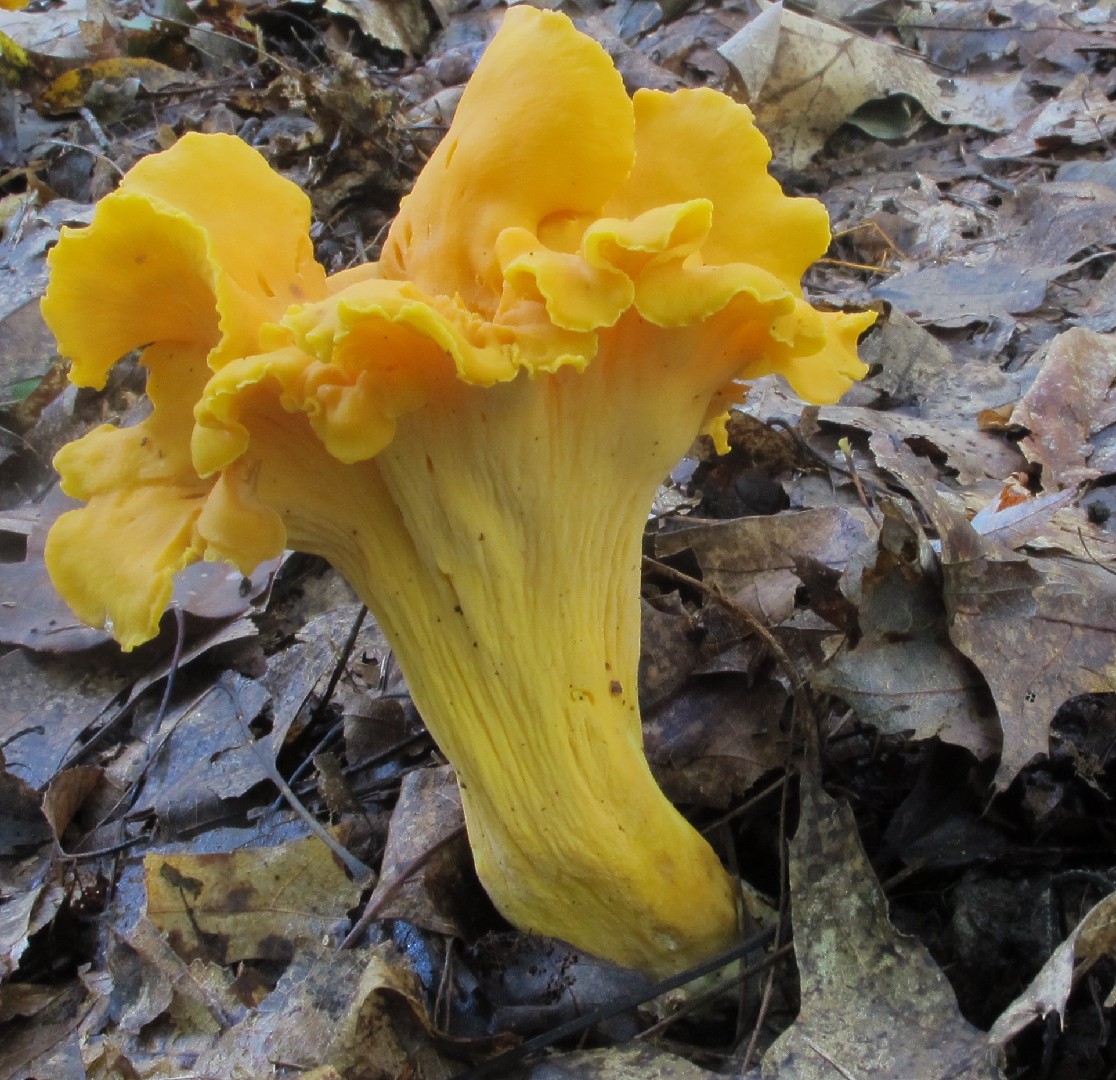
3. Smooth chanterelle
The smooth chanterelle is an orange mushroom that is said to give off an apricot-like aroma. It looks very similar to the poisonous jack-o'-lantern mushroom. This mushroom grows in association with tree roots - especially those of oaks - and forms a symbiotic relationship with the tree.
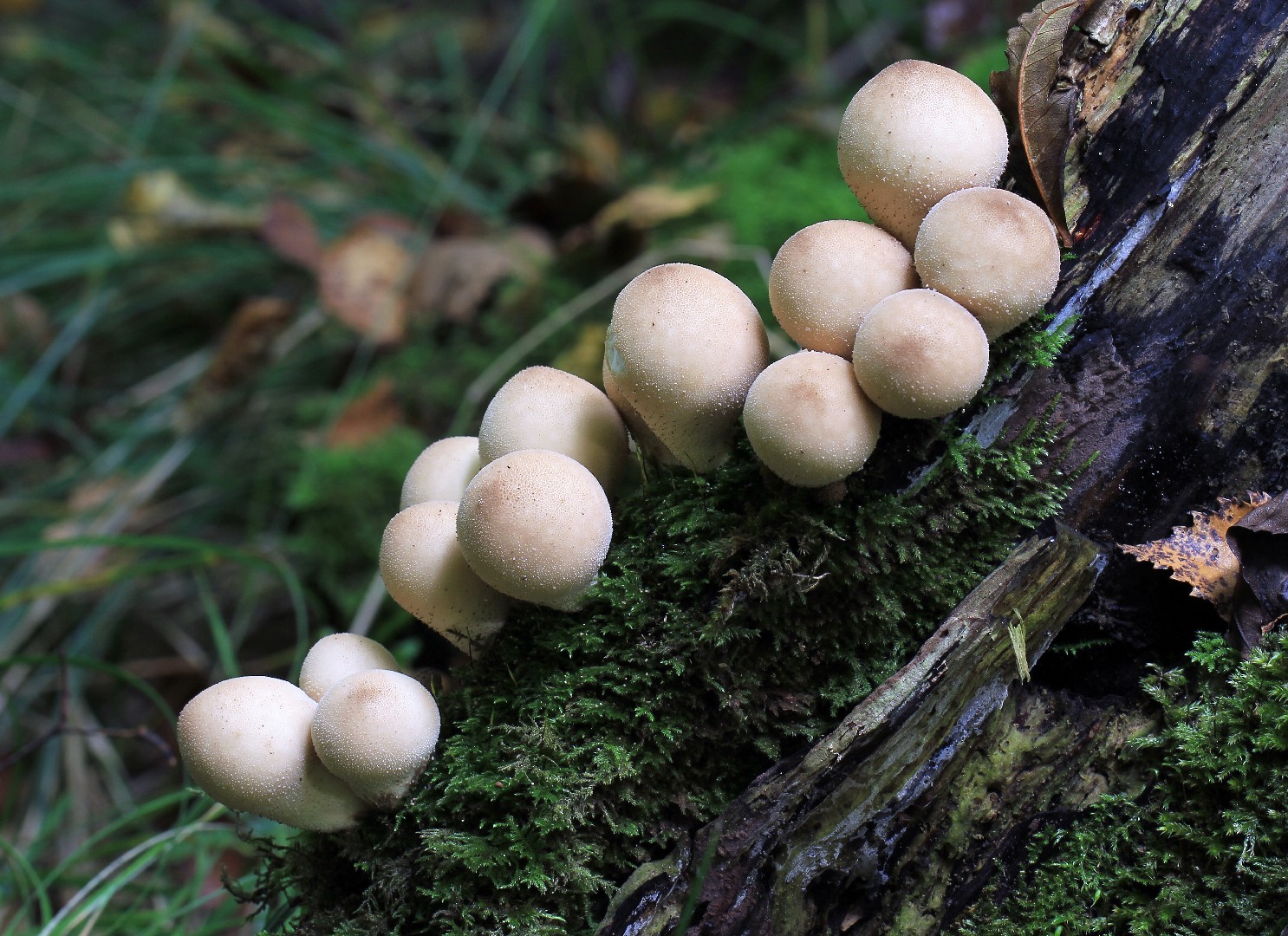
4. Pear-shaped puffball
The mushrooms of this species grow in such tight clusters that they may cover fallen trees and stumps almost entirely in a brownish, puffy coat. Pear-shaped puffballs appear all around the northern hemisphere on decaying hardwoods from fall through winter.
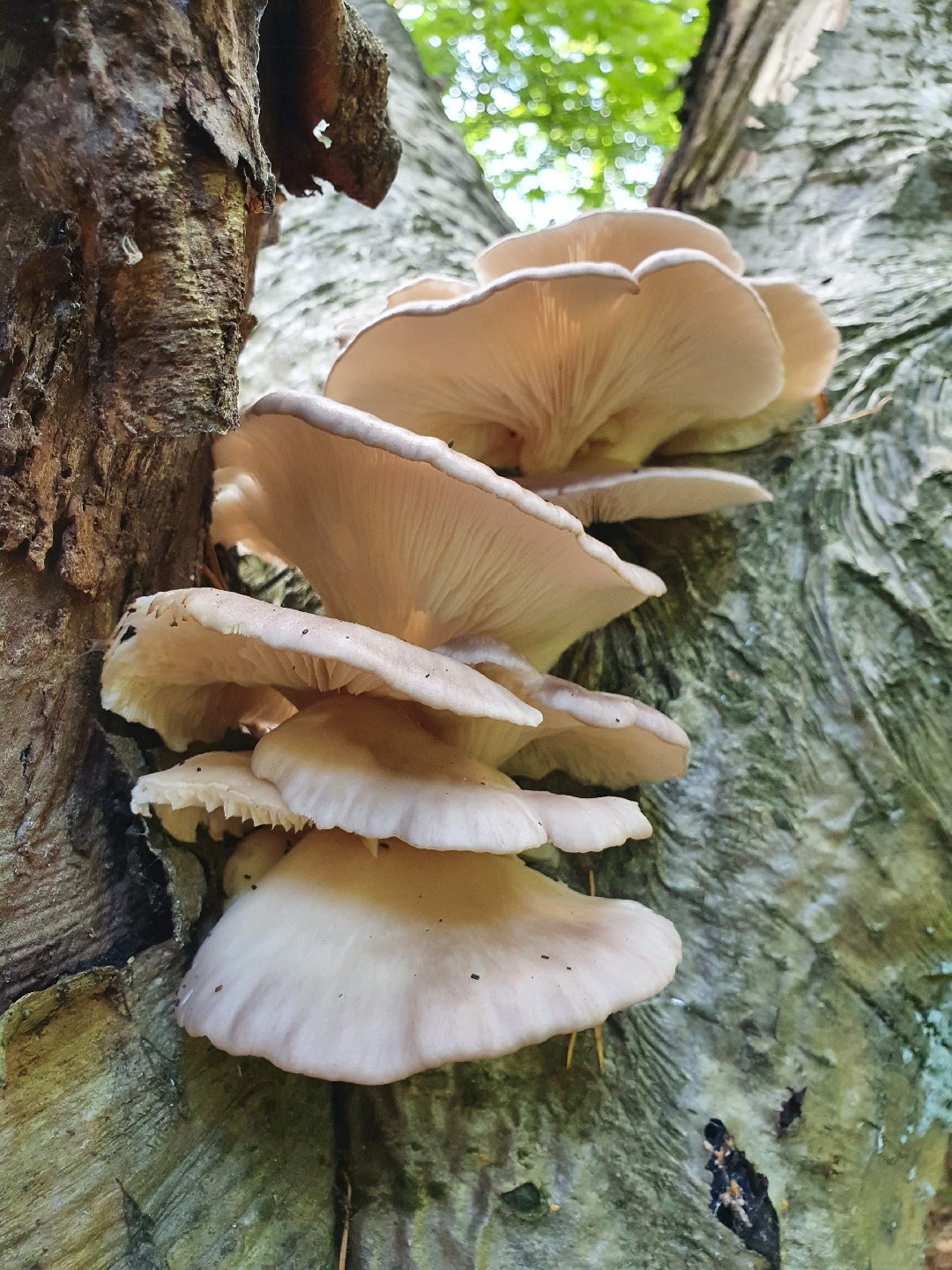
5. Oyster mushroom
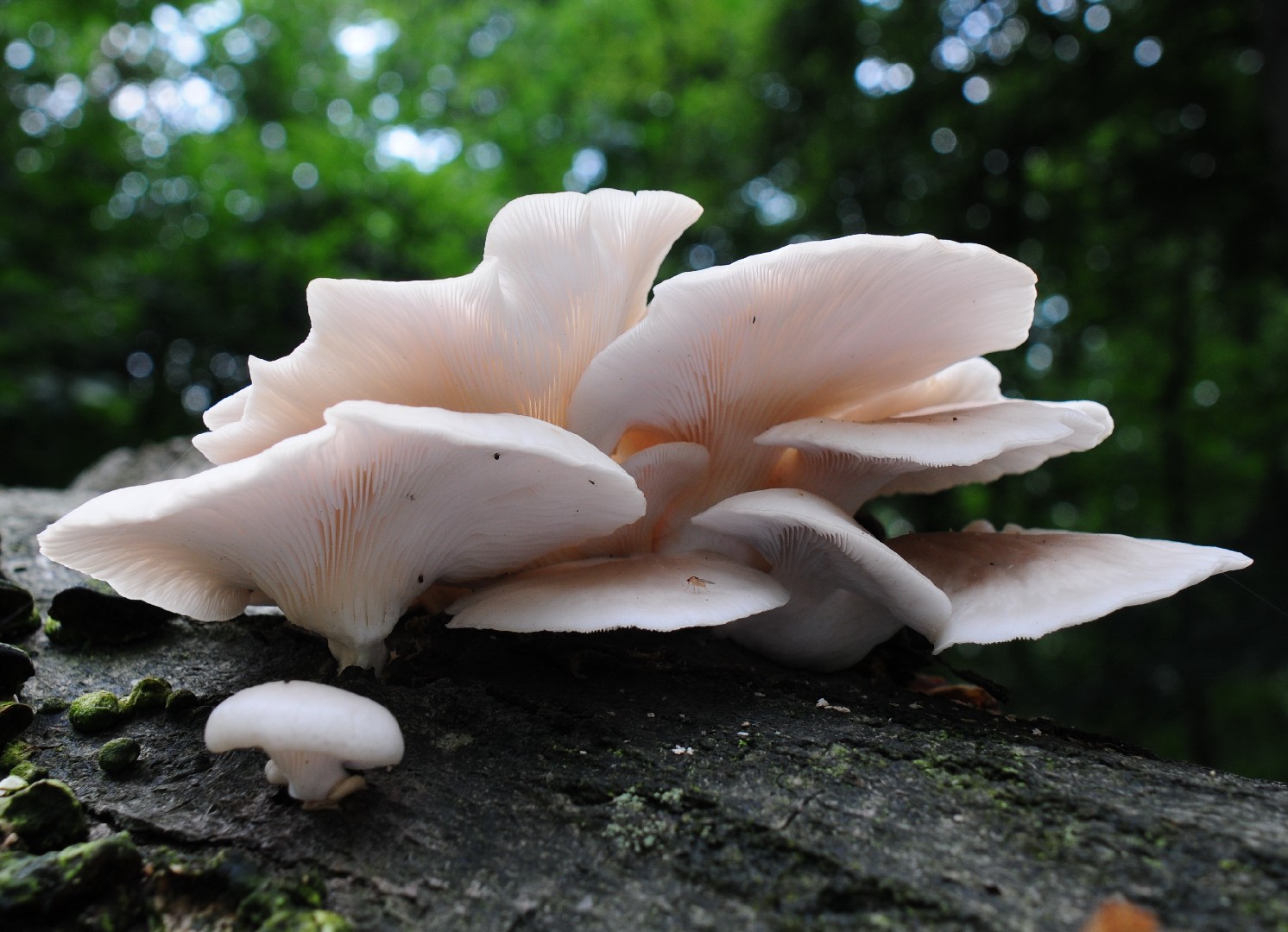
Oyster mushrooms grow wild but are also cultivated for sale in supermarkets. They can even be cultivated at home. They will grow on coffee grounds and spent grain, and are occasionally even fashioned into an environmentally-friendly substitute for styrofoam. There are several toxic look-alike species, so it is best to buy these mushrooms at the store.
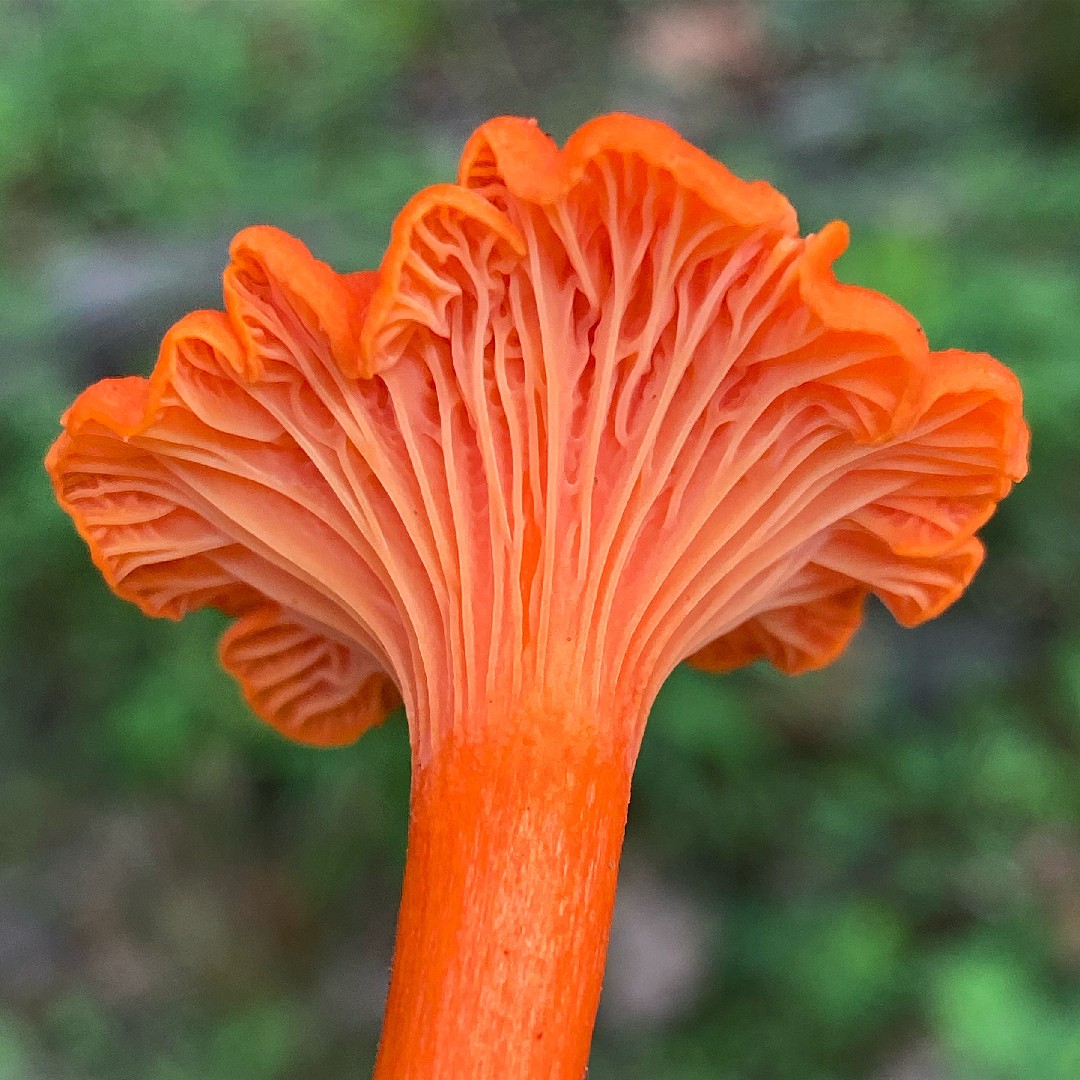
6. Red chanterelle
Red chanterelles can be found growing within hardwood forests across eastern North America. These small but striking mushrooms range from orange to red to pink in color. Edible and boasting complex flavors, many chanterelles are highly sought after. The red chanterelle, though less famous than some of its close relatives, is no exception. This species can be used in all sorts of recipes, with a vaguely sweet or piney taste.
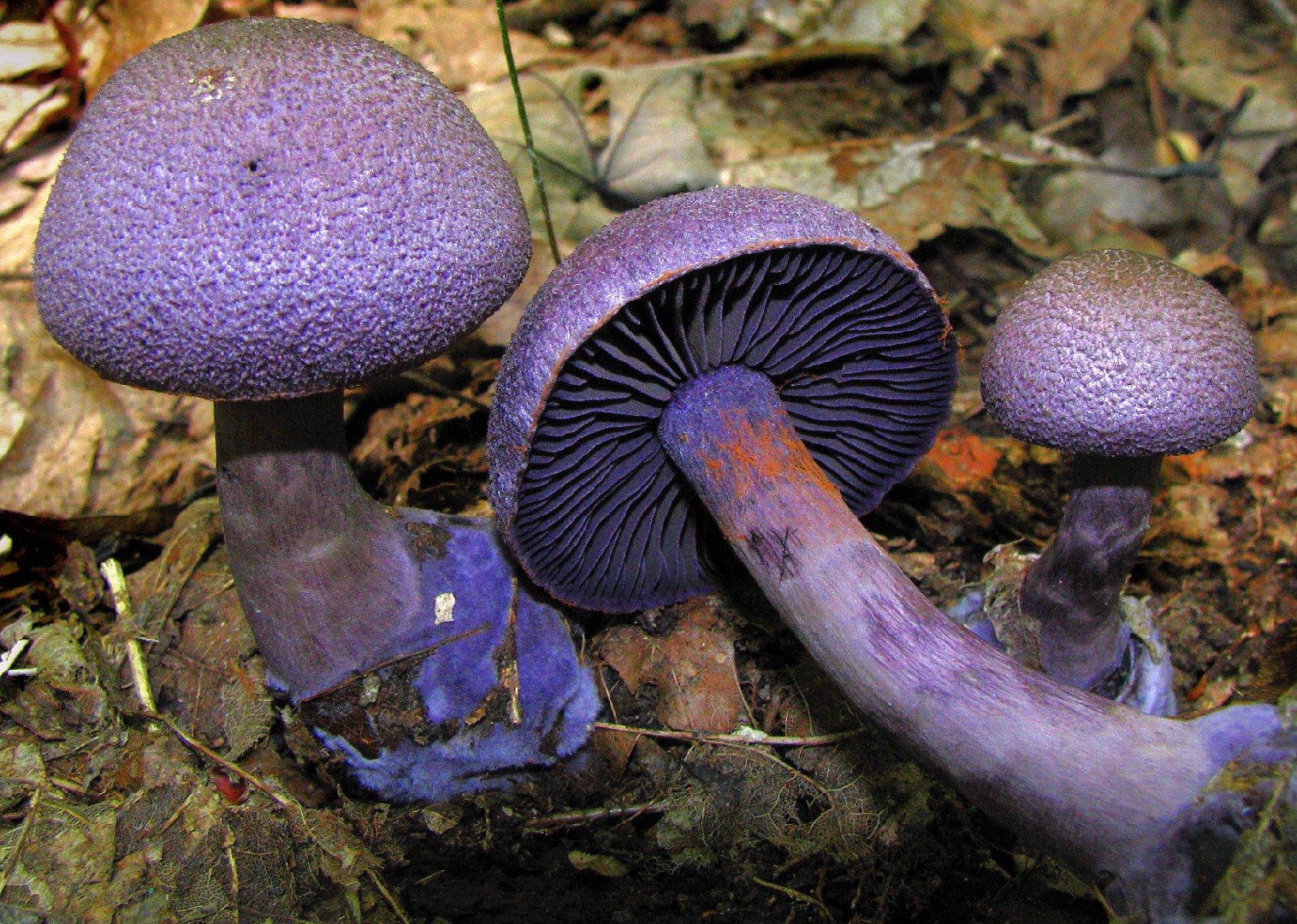
7. Violet webcap
This absolutely striking mushroom looks like something out of a fairy tale. The entire fruitbody of the violet webcap - cap, stalk, and gills - ranges in color from a light lavender to a very deep purple. The species' caps are bulbous and pockmarked, often appearing velvety. Though a feast for the eyes, this species is usually considered inedible.
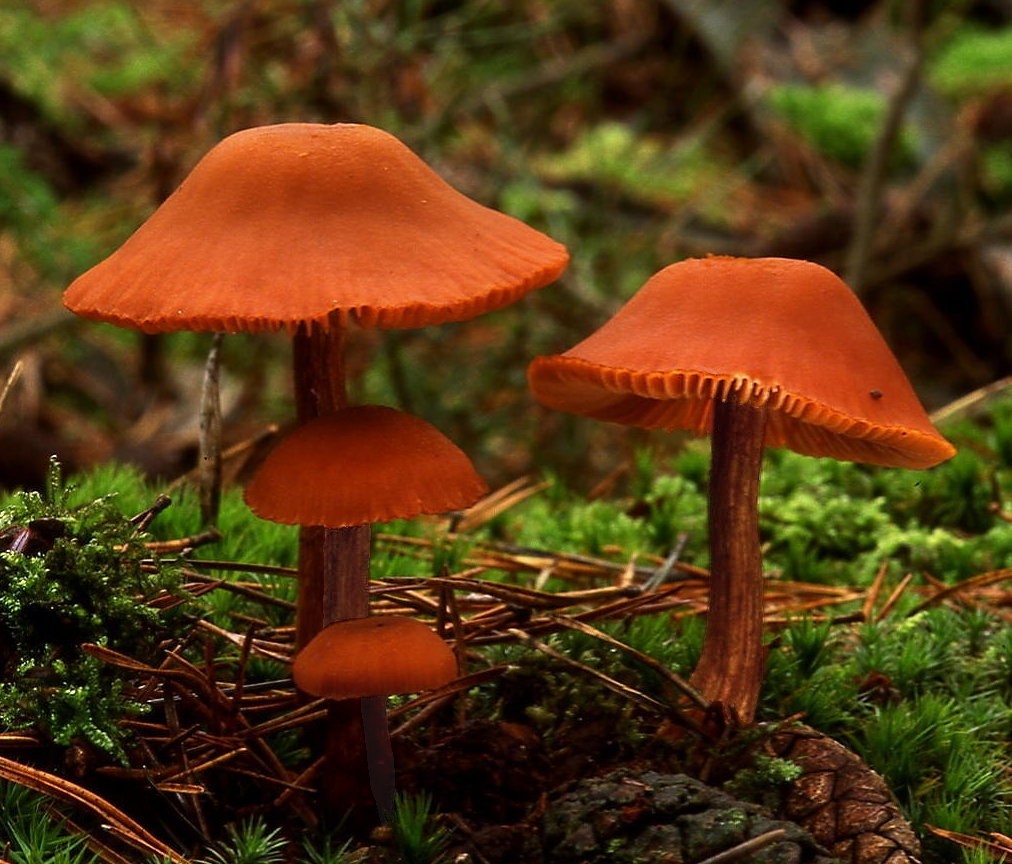
8. Common laccaria
Common laccaria may sound like a malevolent name for a mushroom, but fret not! This species is so-called because its appearance is highly variable, with individual caps taking on a whole host of colors, from whitish to pinkish to dark brown.
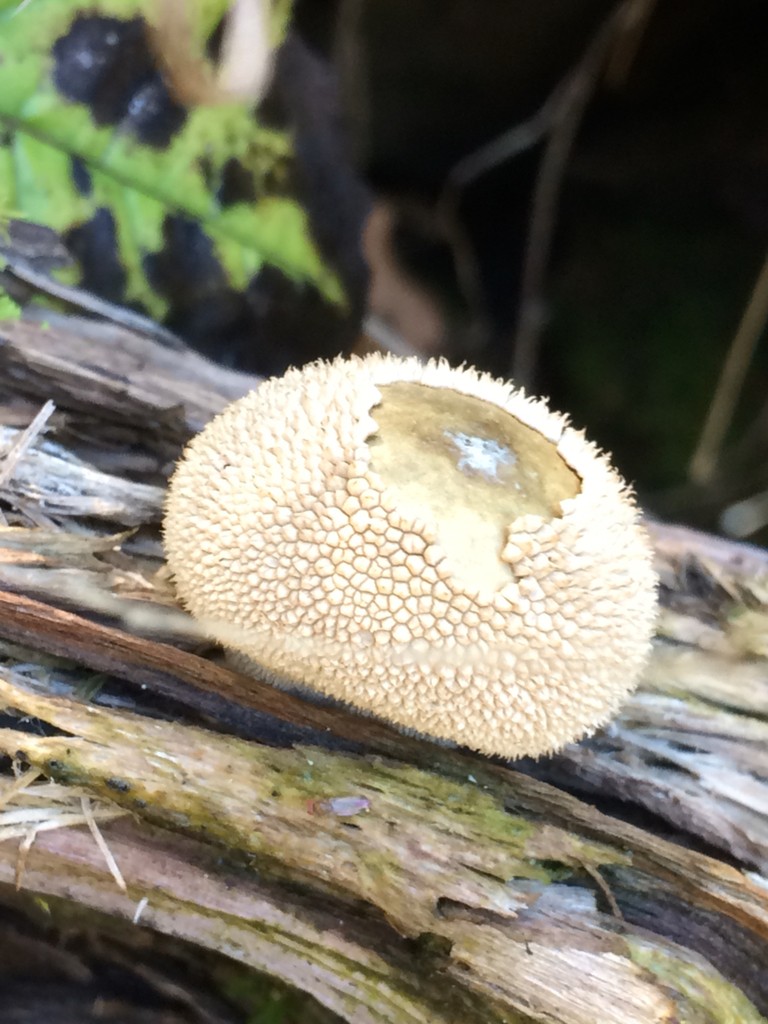
9. Peeling puffball
It is easy to spot as it resembles a puffball but has spines that gradually peel off as it ages. This appearance gave this mushroom its common name "peeling puffball." peeling puffball thrives underneath deciduous and conifer trees, getting its nutrients from decaying plant matter.
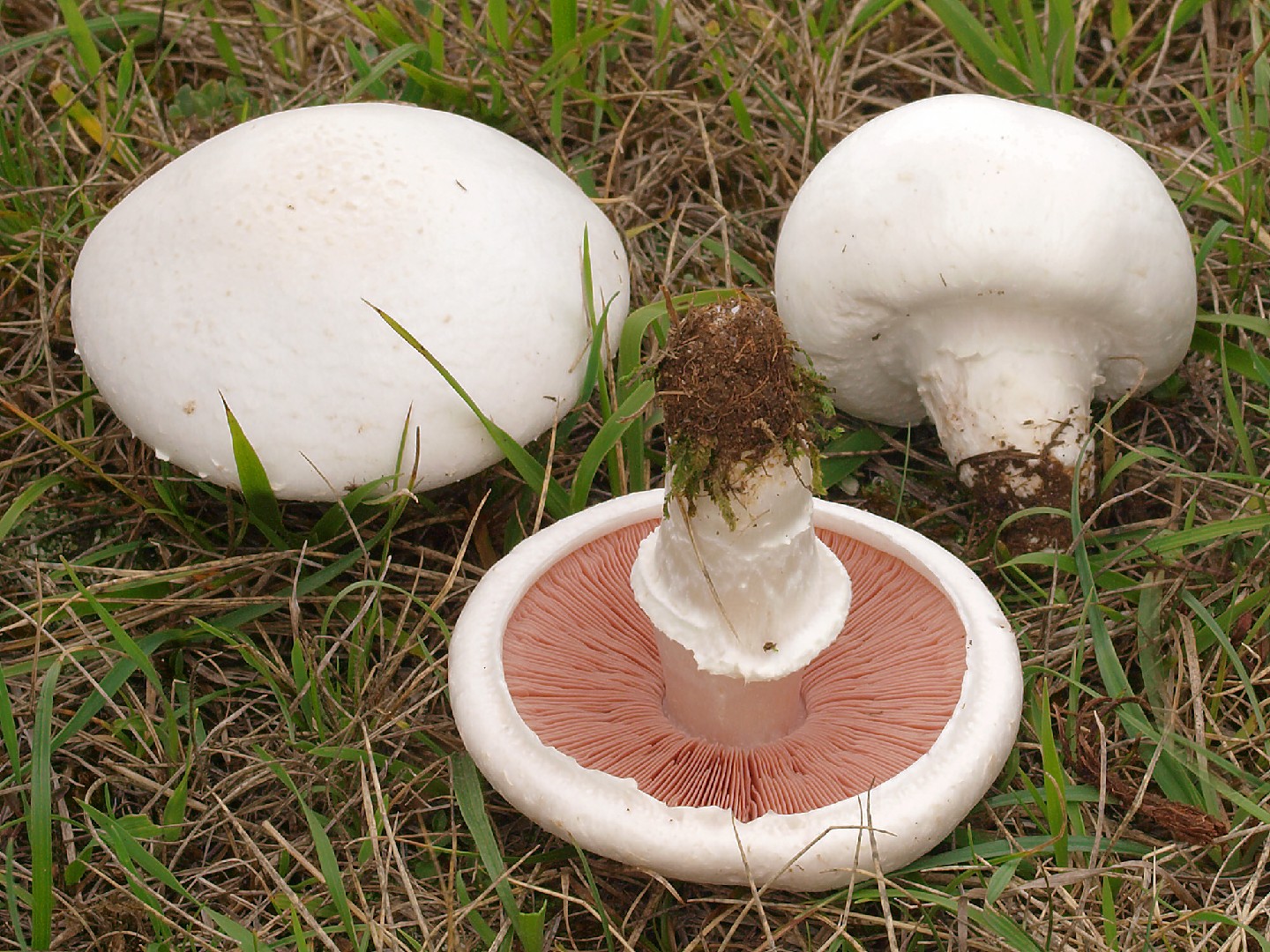
10. Meadow mushroom
The meadow mushroom grows in meadows and pastures around the world—especially those rich in manure—when the weather is warm and wet. They are known to appear in “fairy ring” shapes. Originally identified in Europe, it is possible that North American specimens identified as meadow mushrooms may genetically belong to other species.
More







