




Top 20 Edible Mushrooms Popular in Kalmar
Dive into the fascinating world of Kalmar's fungus flora with our guide to the top 20 most common edible mushrooms. Offering a rich soil composition and a climate favorable for fungal growth, Kalmar becomes a real paradise for mushroom foragers. We shall peel back the layers of mushroom mysteries, detailing each species' unique attributes ranging from their distinct flavors to preferred habitats and popular culinary uses. Equip yourself with this vital knowledge and enhance your mushroom harvesting adventures.
* Disclaimer: Content feedback CAN NOT be used as any basis for EATING ANY PLANTS. Some plants can be VERY POISONOUS, please purchase edible plants through regular channels.

Most Popular Edible Mushrooms
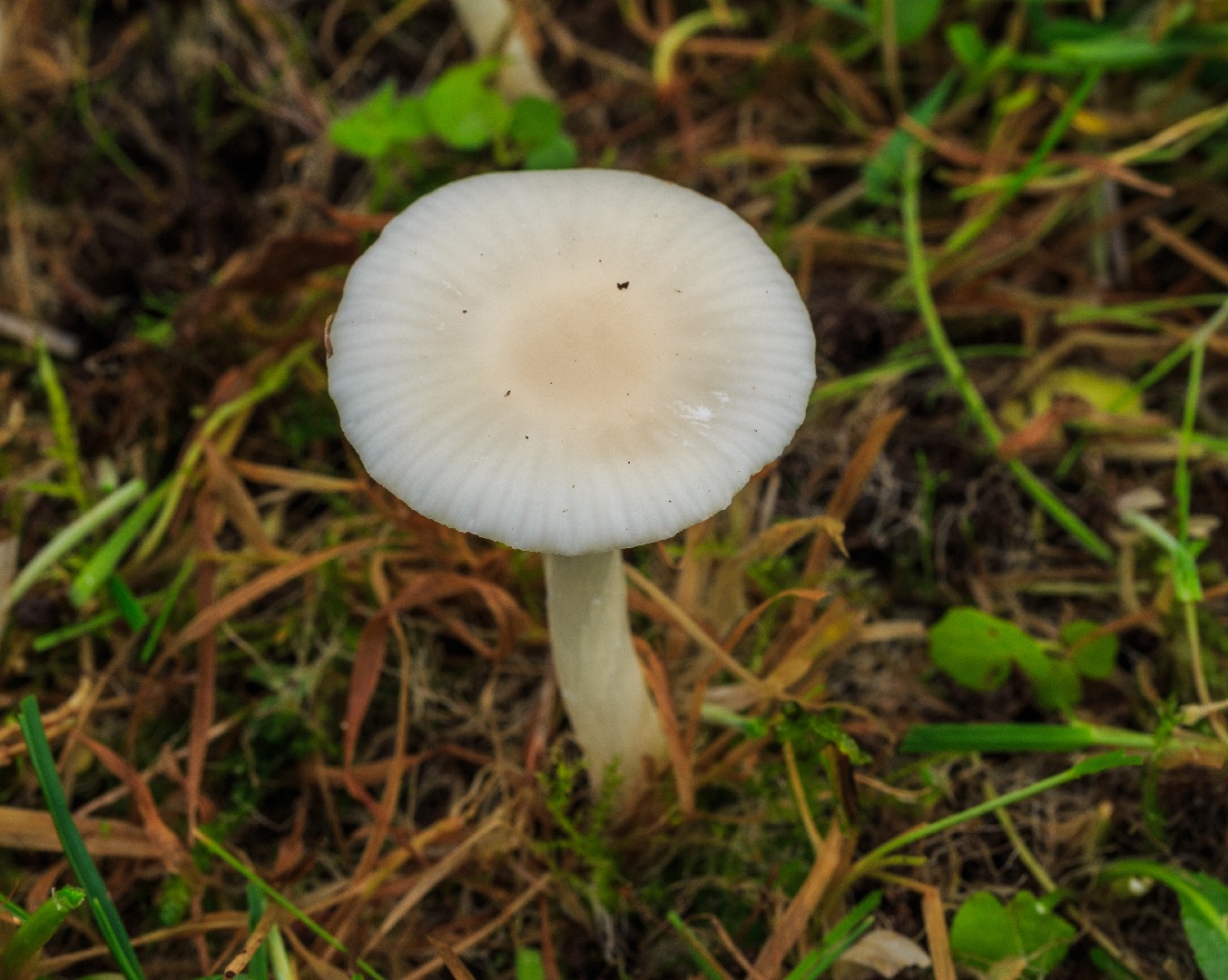
1. Snowy waxcap
The snowy waxcap is so-named because its stalk, cap, and gills are often uniformly white; however, tinges of tan or peach may occur with age, especially on the center of the cap. The species can be found in temperate grasslands and woodlands across the northern hemisphere, and in some parts of Australia.
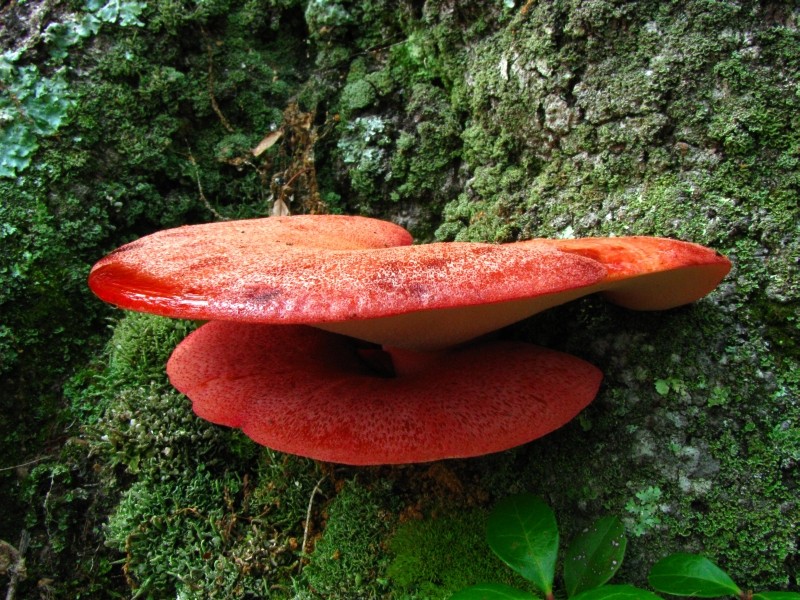
2. Beefsteak fungus
Beefsteak fungus(Fistulina hepatica) is an unusual fungus that visually resembles a slab of raw meat; cutting into it will cause a discharge of thick red liquid resembling blood, adding to this resemblance.
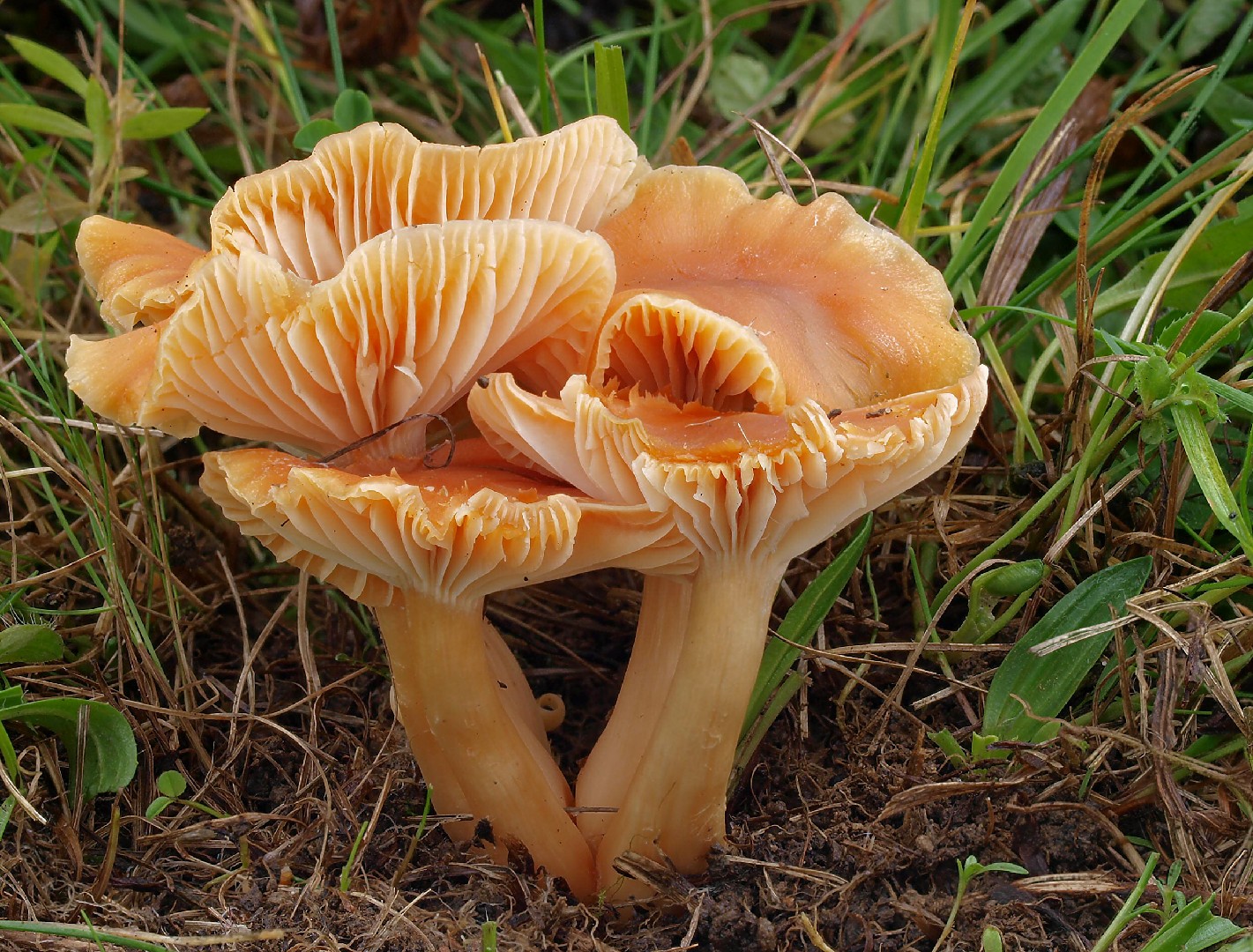
3. Meadow waxcap
The meadow waxcap is a medium-sized, salmon-colored species that can be found in temperate habitats around the world. The species has broad, thick gills and a relatively smooth (and not particularly waxy) cap.
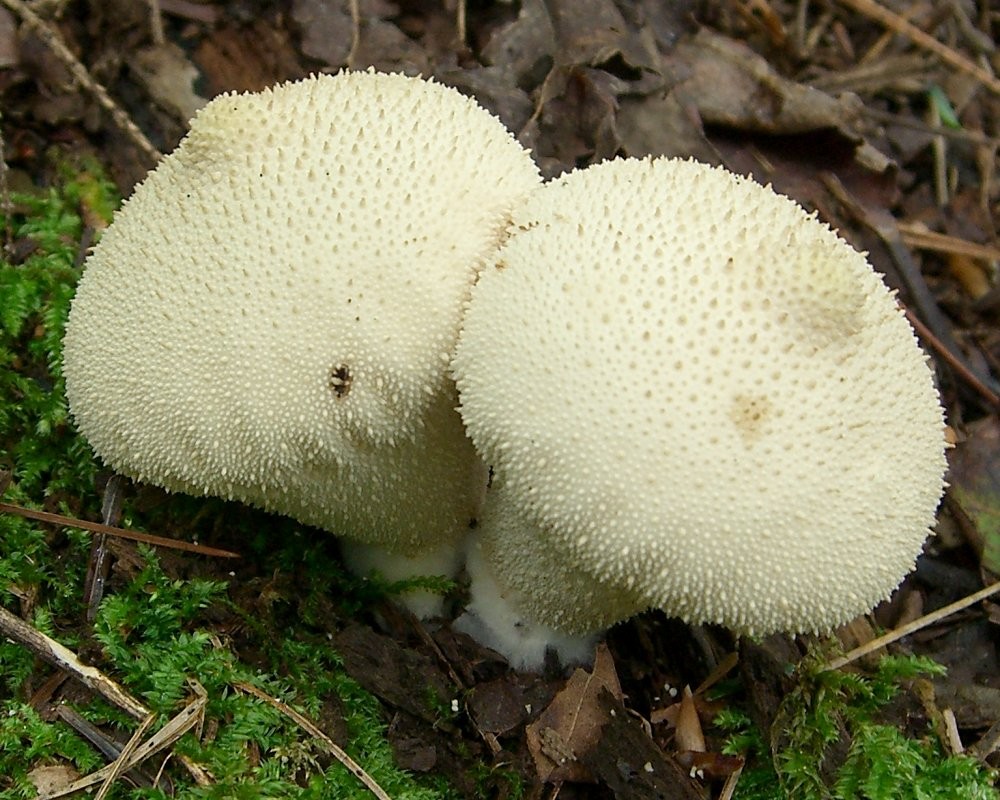
4. Common puffball
These puffy mushrooms grow in small groups on the forest floor. Once they're mature, common puffballs turn yellow and "puff out" smoke-like spore clouds when disturbed. Be very careful when identifying these mushrooms, as their young, immature form looks very similar to the lethal Deathcap.
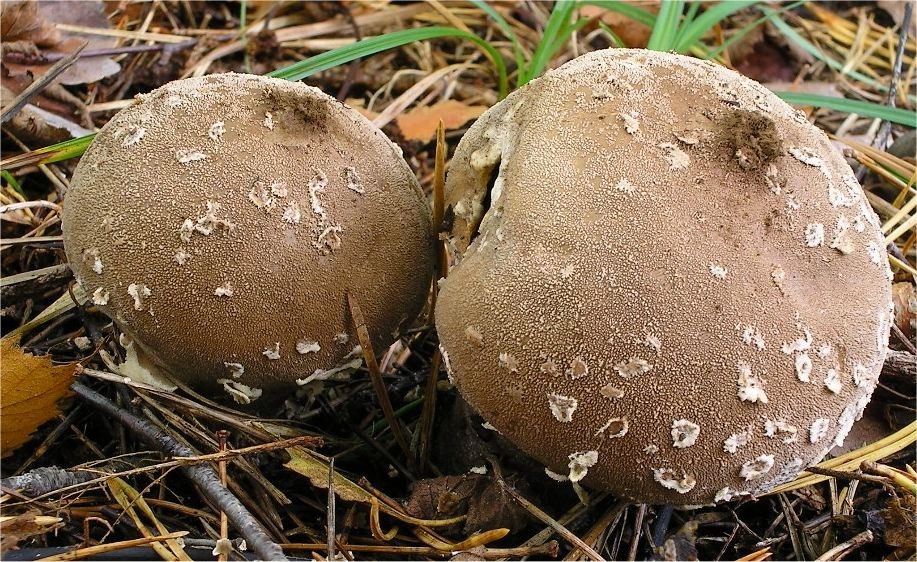
5. Flaky puffball
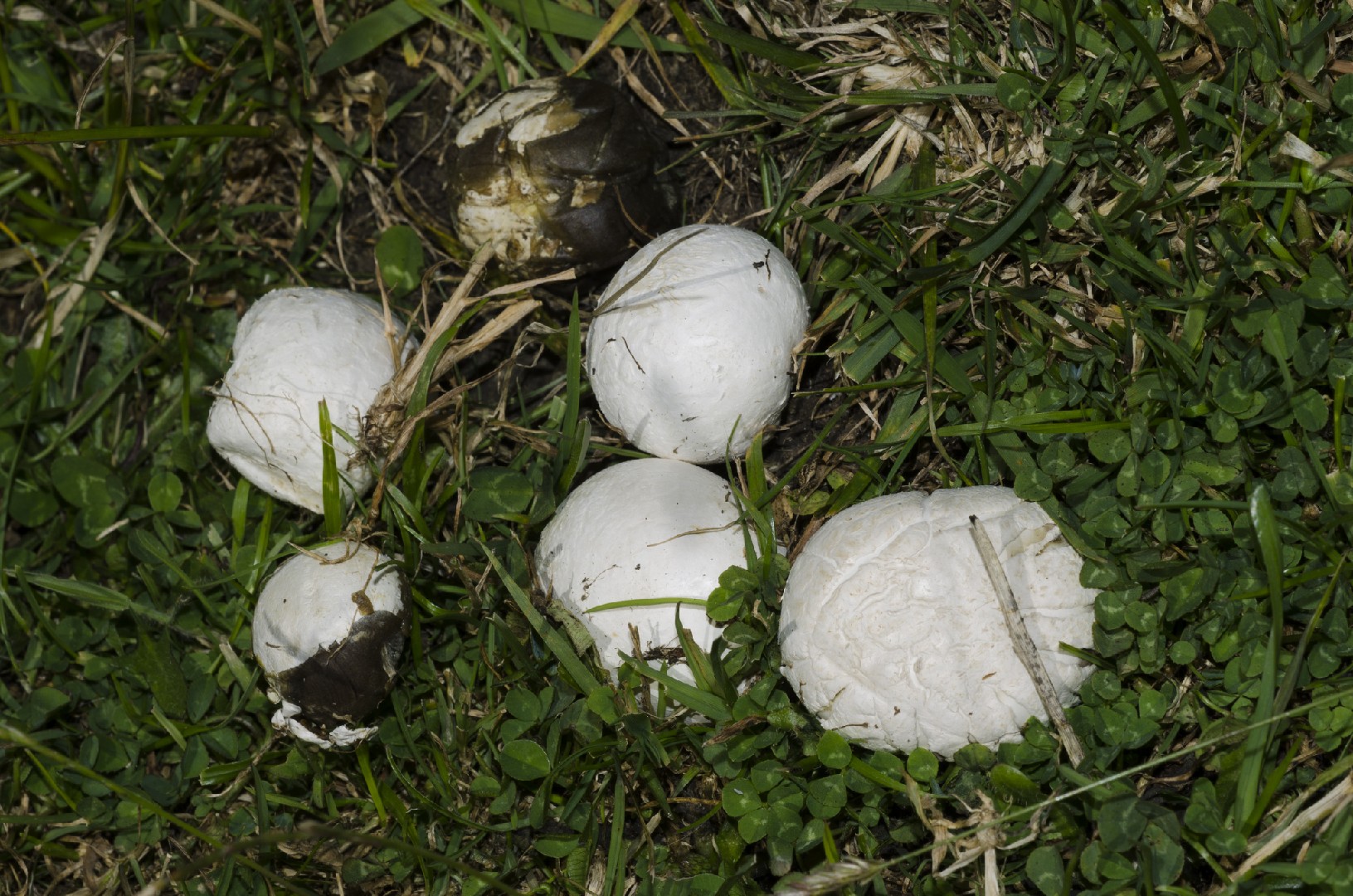
6. Grey puffball
The grey puffball grows in sparse grasslands where the wind can reach it. The 'ball' is connected to the ground only by hairlike mycelium, which fractures as it ages, allowing the spore-filled body to roll away with the wind and populate new areas. The specific epithet, plumbea, means "leaden," for the lead-like color of its inner surface.
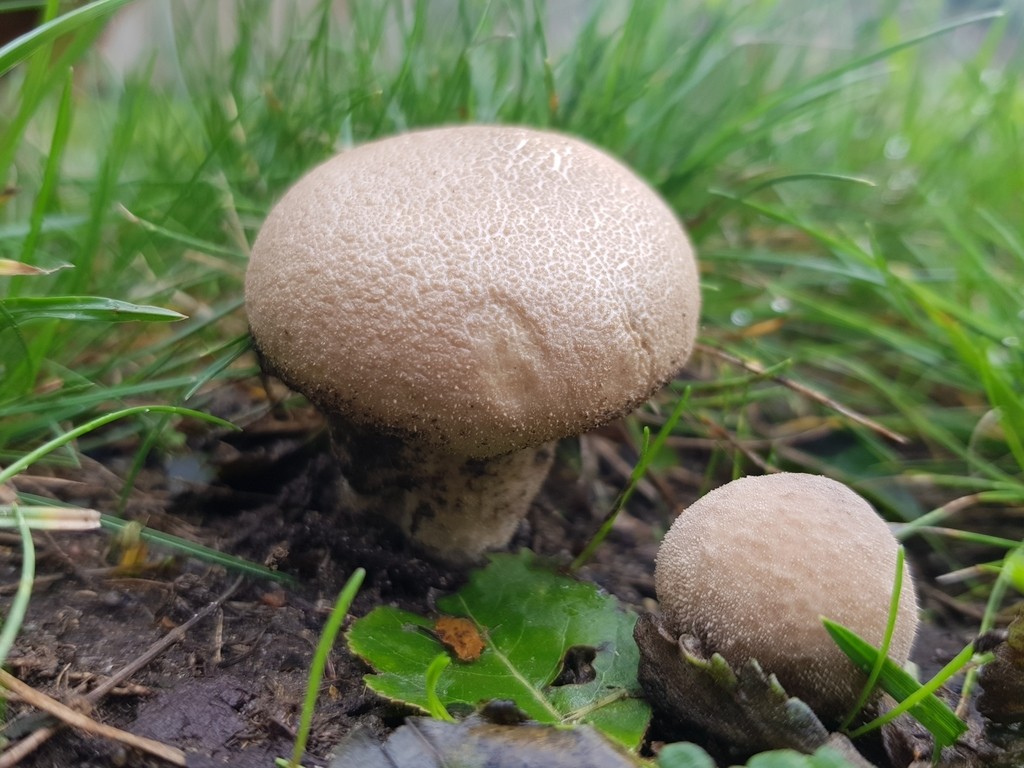
7. Grassland puffball
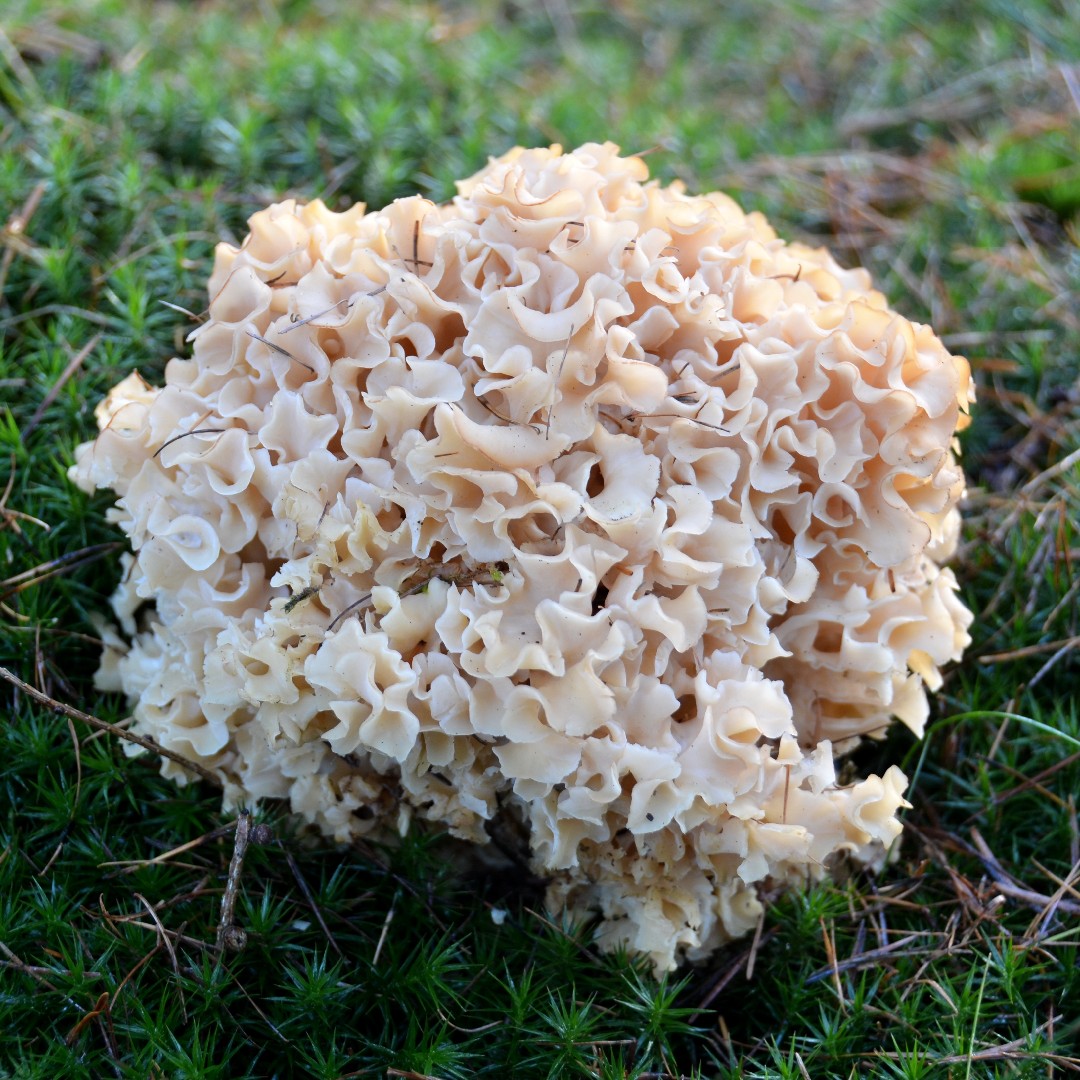
8. Cauliflower mushroom
Instantly recognizable and highly sought-after, cauliflower mushroom (Sparassis crispa) forms a distinct-looking fruitbody that can be found across temperate North America and Europe. The species resembles cauliflower in both color and overall shape, although instead of bearing florets, its appendages look more like wavy, partially-cooked pasta.
9. Golden chanterelle
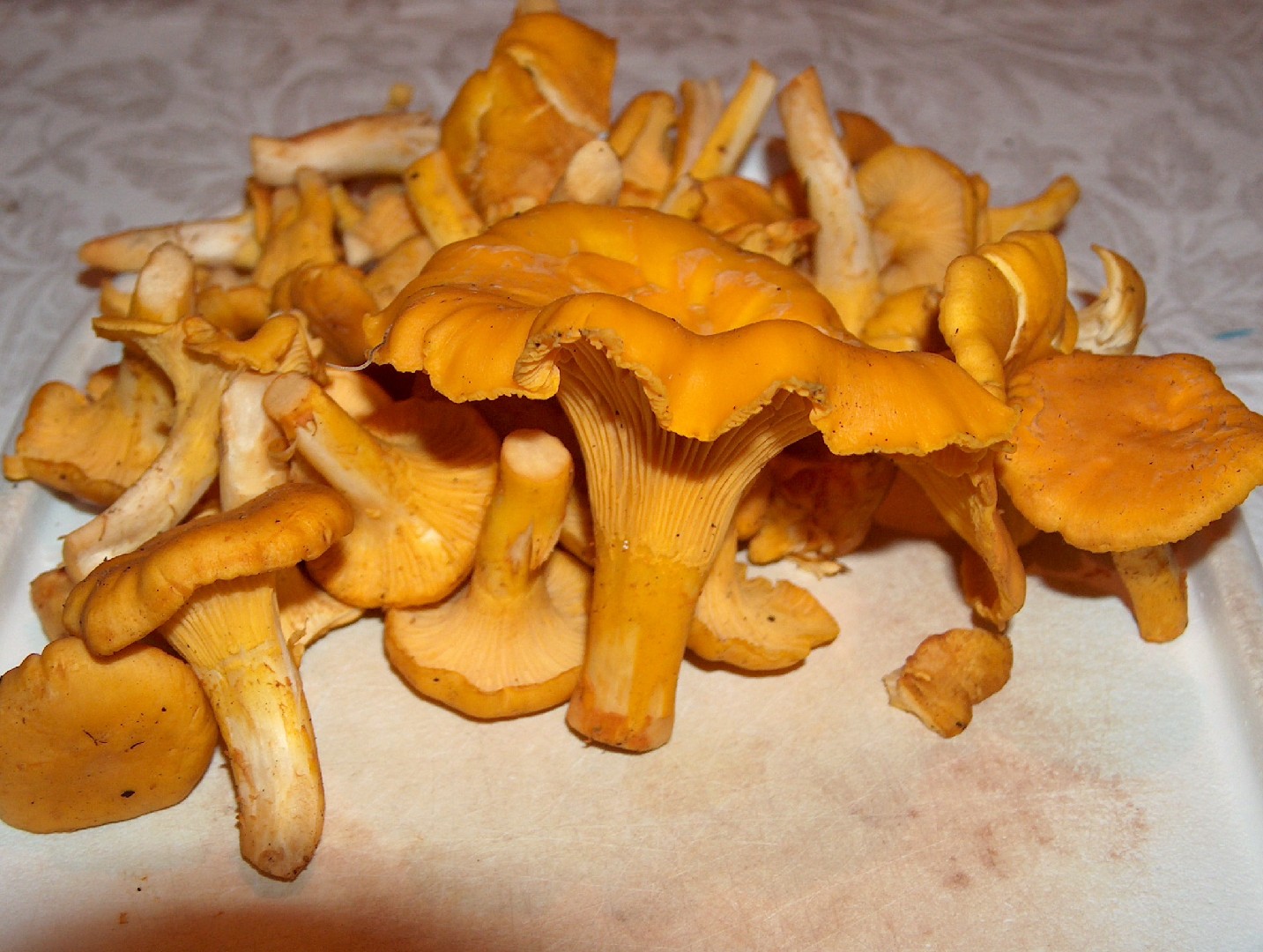
Golden chanterelle mushrooms are popular in gourmet cuisine across Europe, where they grow wild during the warm (but not too hot) months. Similar species grow in other countries. Extremely popular with foragers, the golden chanterelle emits an apricot-like scent and contains an array of nutrients that benefit the human body. Several studies suggest consuming extremely large amounts may have detrimental effects on the eyes and muscles.
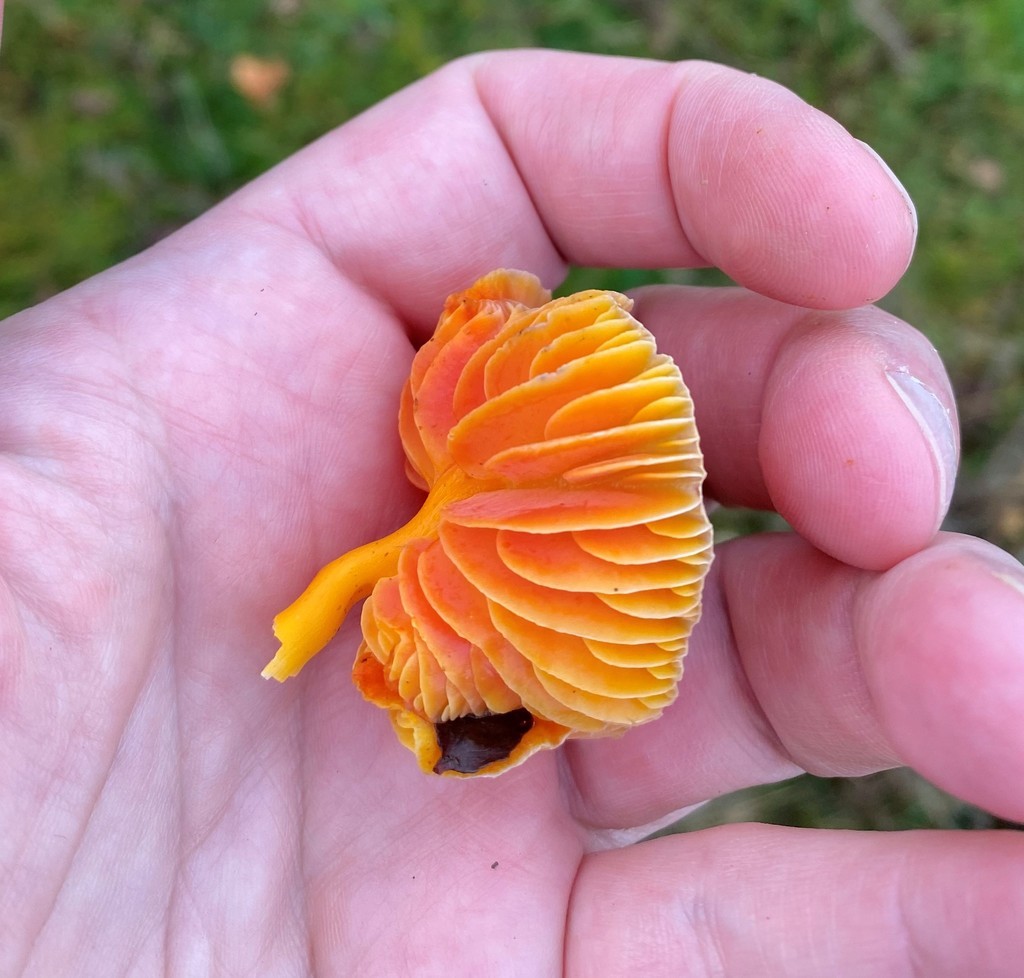
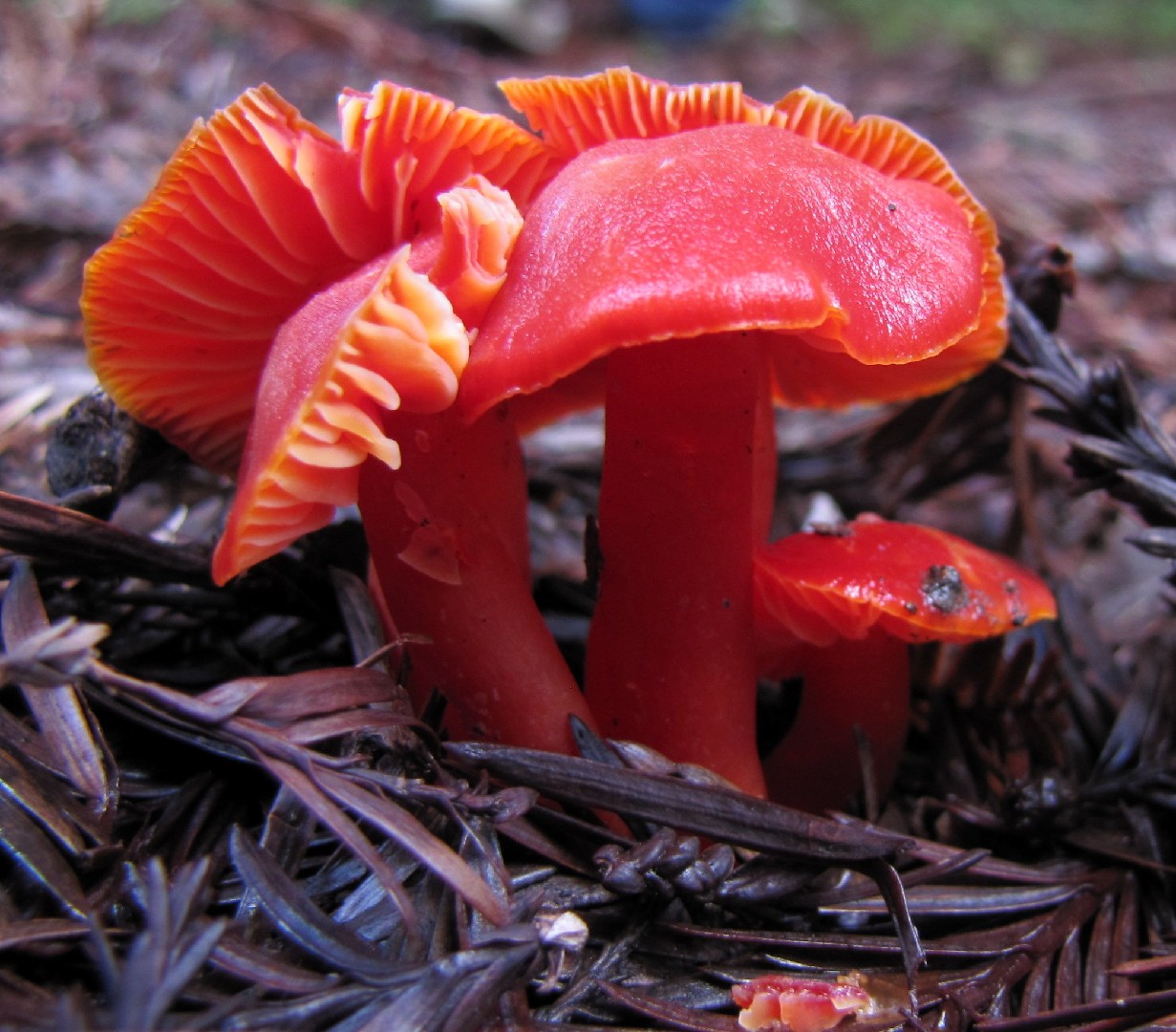
10. Lemon waxcap
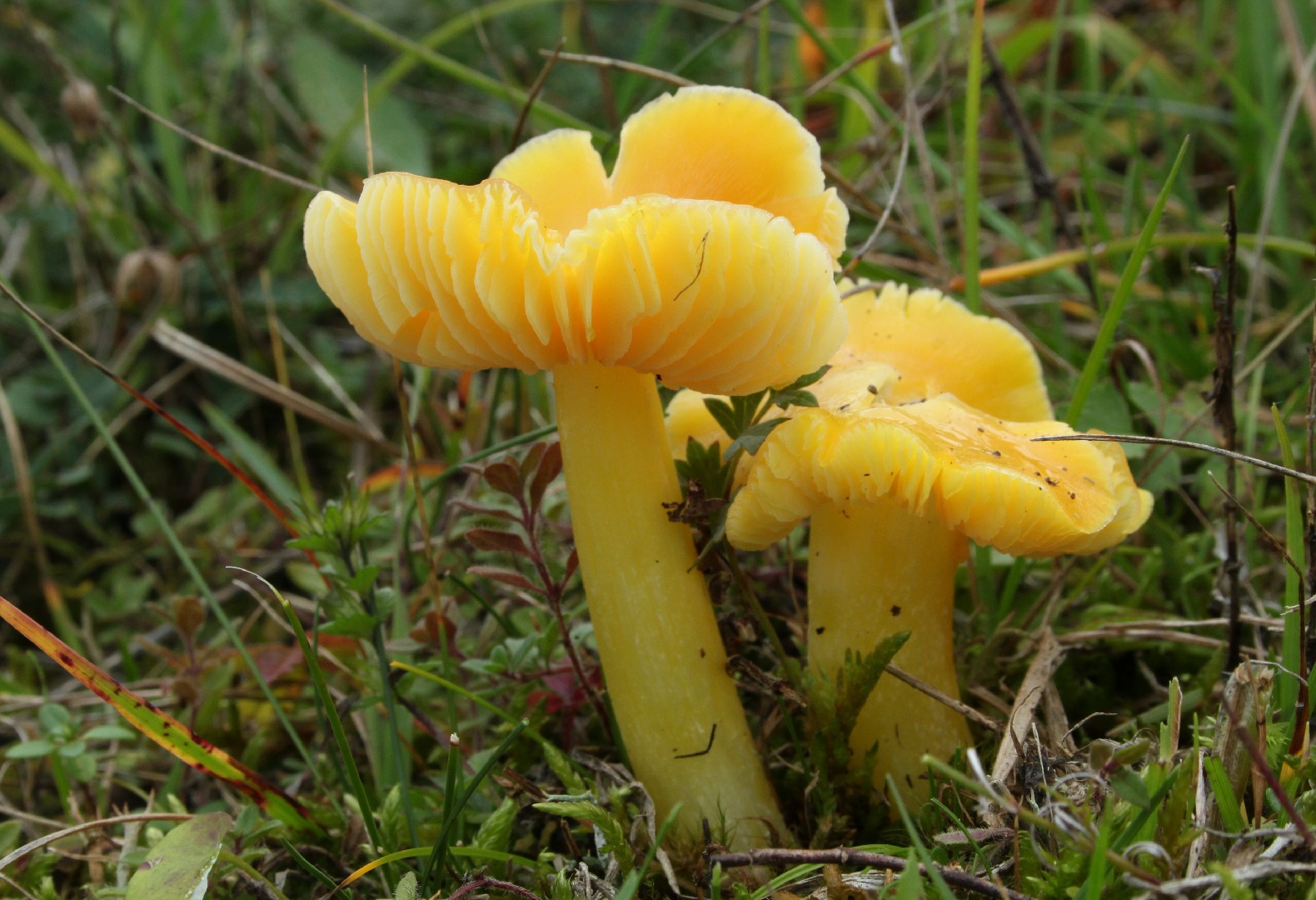
The lemon waxcap can occur in both woodlands and grasslands. Despite this, it is becoming endangered in central Europe. The specific epithet Hygrocybe translates essentially as 'watery head,' because these mushrooms are typically moist and shiny. Lemon waxcap has been featured on postage stamps from the Faroe Islands.

More







