




Top 20 Edible Mushrooms Popular in Valencia
Unveil the delights of 20 most prevalent edible mushrooms flourishing within the unique landscape of Valencia. Our city, blessed with a diverse climate and rich soil, offers a variety of fungi treasures, setting the stage for a culinary adventure. Navigate your way through descriptions of each mushroom's appearance, distinctive flavors, preferred habitats, and most importantly, their culinary uses. Let's embark on a journey through the fungi kingdom, discovering the top 20 mushrooms that Valencia has to offer. Delve deeper to educate your palate and enhance your culinary exploits with the natural bounty of our land.
* Disclaimer: Content feedback CAN NOT be used as any basis for EATING ANY PLANTS. Some plants can be VERY POISONOUS, please purchase edible plants through regular channels.

Most Popular Edible Mushrooms
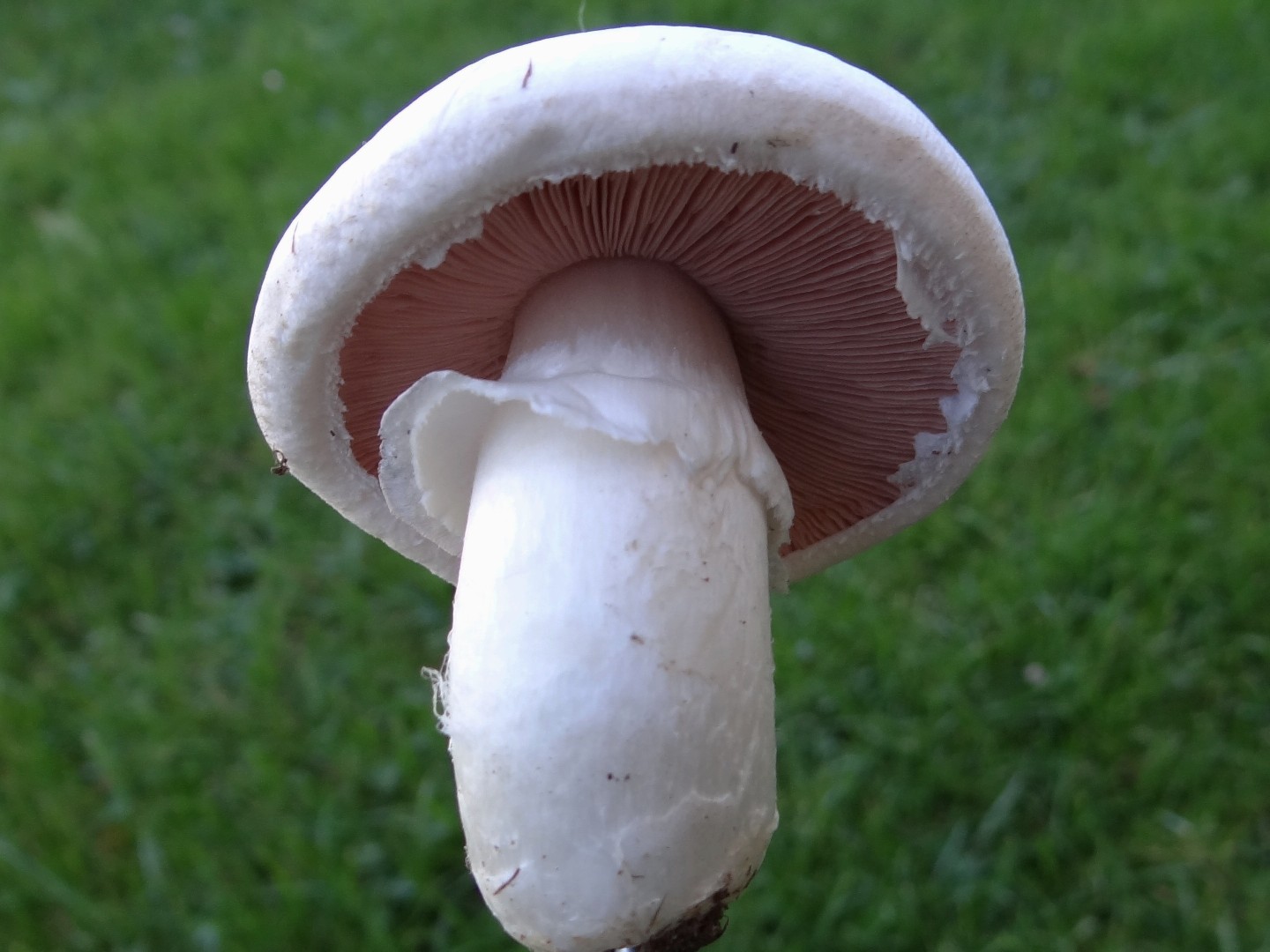
1. Button mushroom
Most of the mushrooms sold in supermarkets in the US are cultivated forms of the button mushroom. The white variants are sold as "button mushrooms", the brown as "cremini" or "baby bellas", and full-grown caps as "portobellas." They occur quite infrequently in the wild, in grassy fields around the Northern Hemisphere.
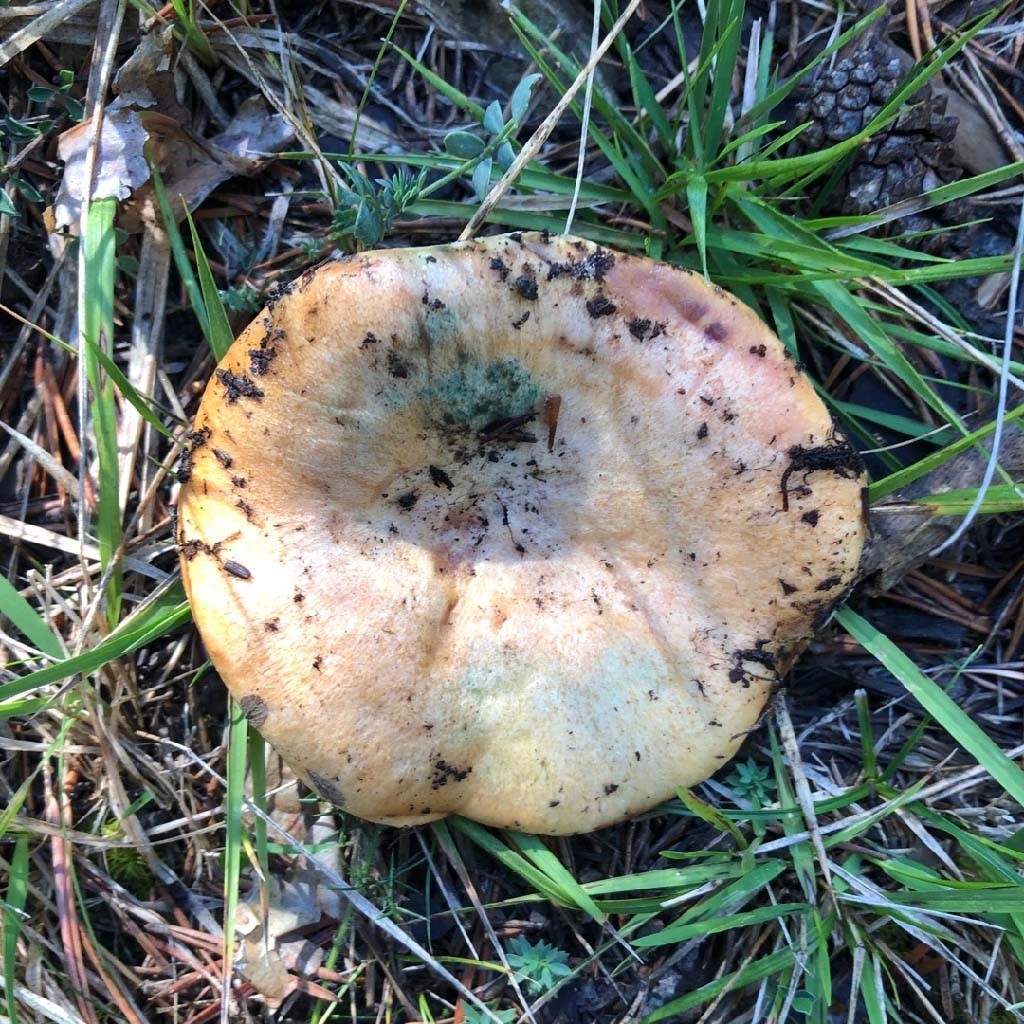
2. Bloody milk cap
Bloody milk cap (Lactarius sanguifluus) has a distinctive appearance with its pale exterior but a deep blood-red interior, for which it is named. This mushroom can be found in pine forests where it grows in a mycorrhizal relationship with the trees. Bloody milk cap is known to accumulate large quantities of toxic heavy metals.

3. Torq
The torq (Agaricus bitorquis) is a white-capped agaric that bears a resemblance to, and is closely related to, the commonly-eaten button mushroom (Agaricus bisporus). This hardy, generalist species does well even in urban environments - their white fruiting bodies can be seen poking up through woodchips, mulch, sidewalk cracks, and even asphalt.
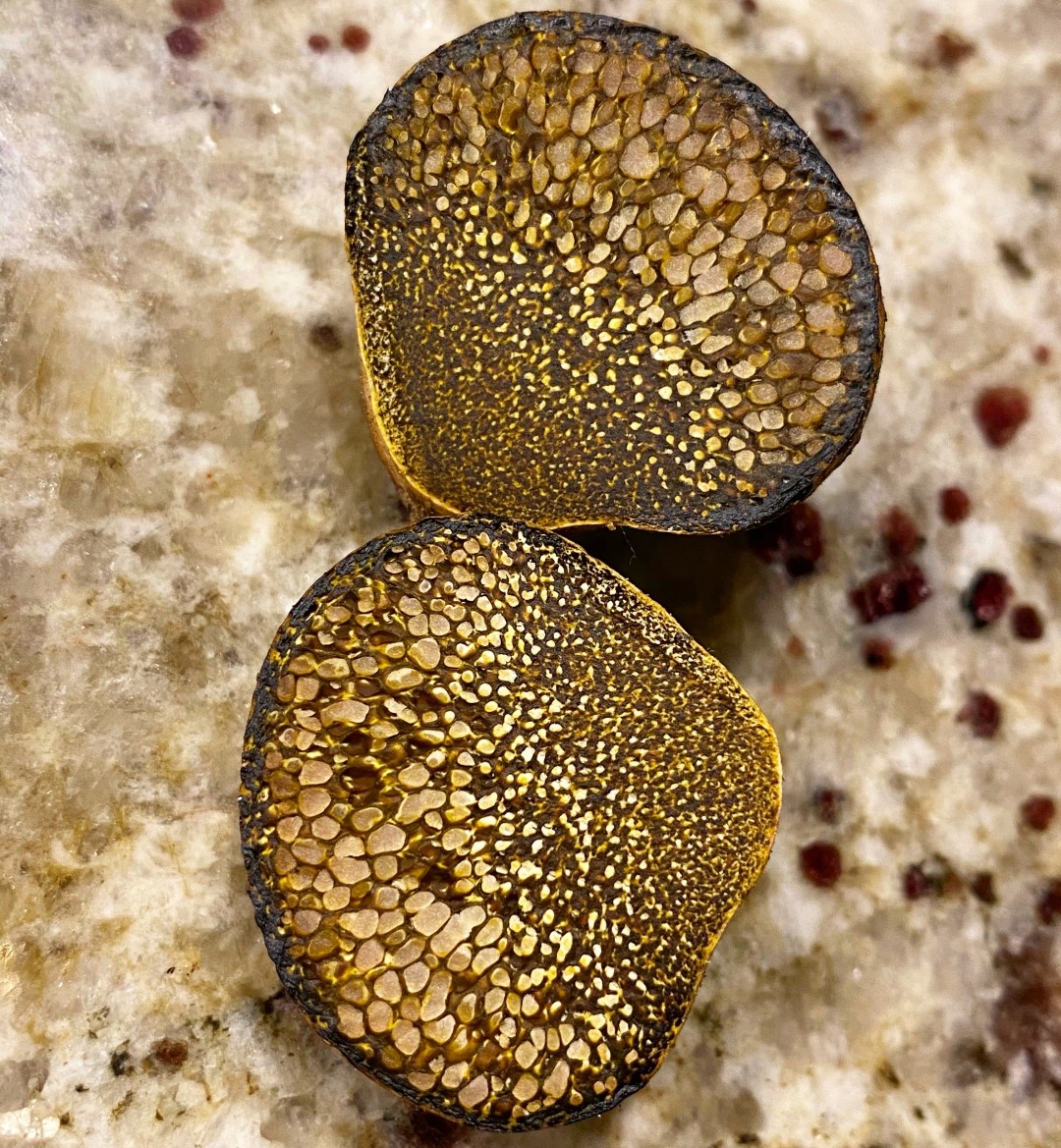
4. Dead man's foot
Dead man's foot (Pisolithus arhizus) actually bears a number of colorful names stemming from its unusual appearance, such as the horse dung fungus (Australia). It can be distilled into a viscous black gel, which is then used as a natural dye for clothing. It is considered to be inedible.
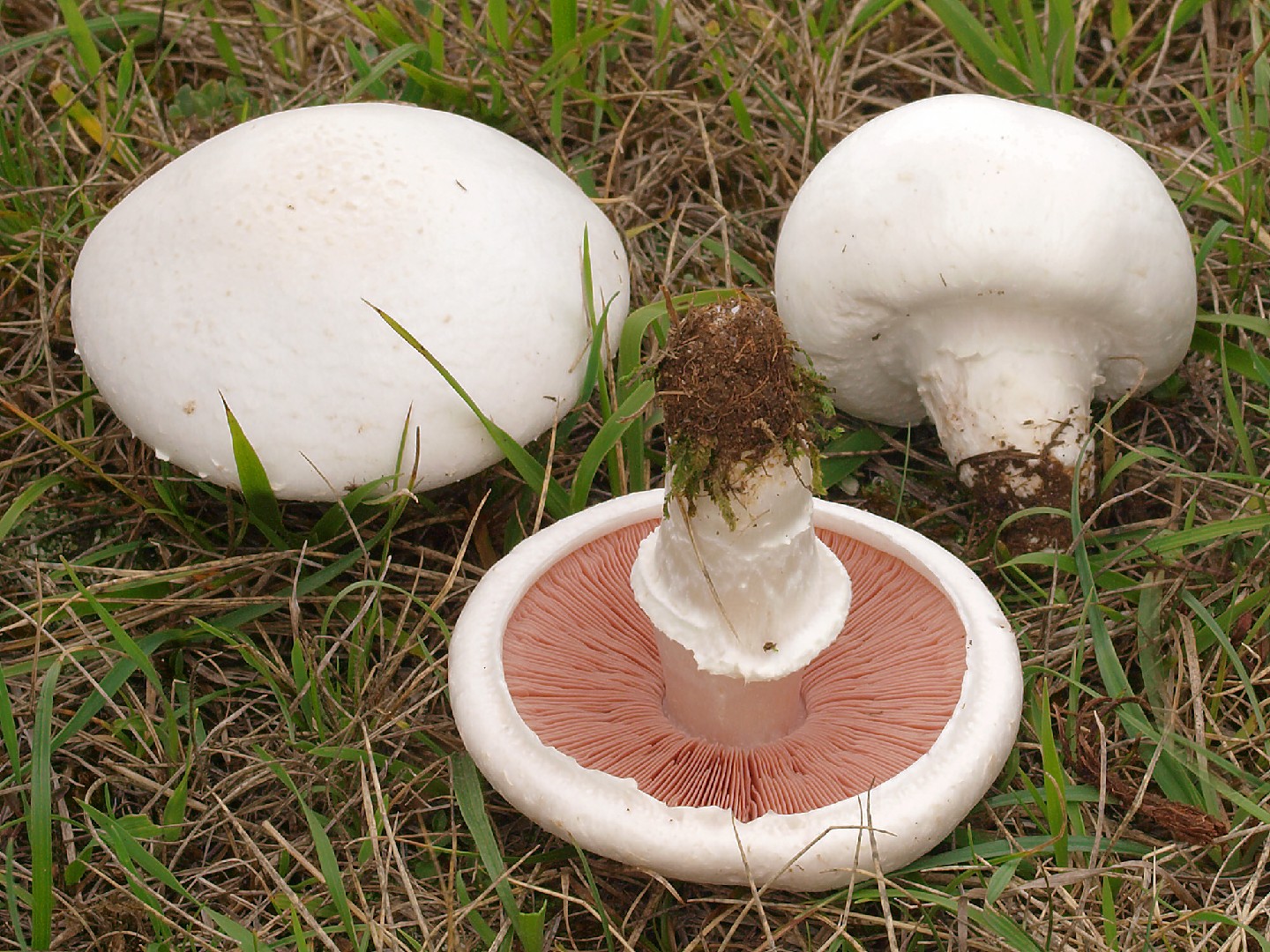
5. Meadow mushroom
The meadow mushroom grows in meadows and pastures around the world—especially those rich in manure—when the weather is warm and wet. They are known to appear in “fairy ring” shapes. Originally identified in Europe, it is possible that North American specimens identified as meadow mushrooms may genetically belong to other species.
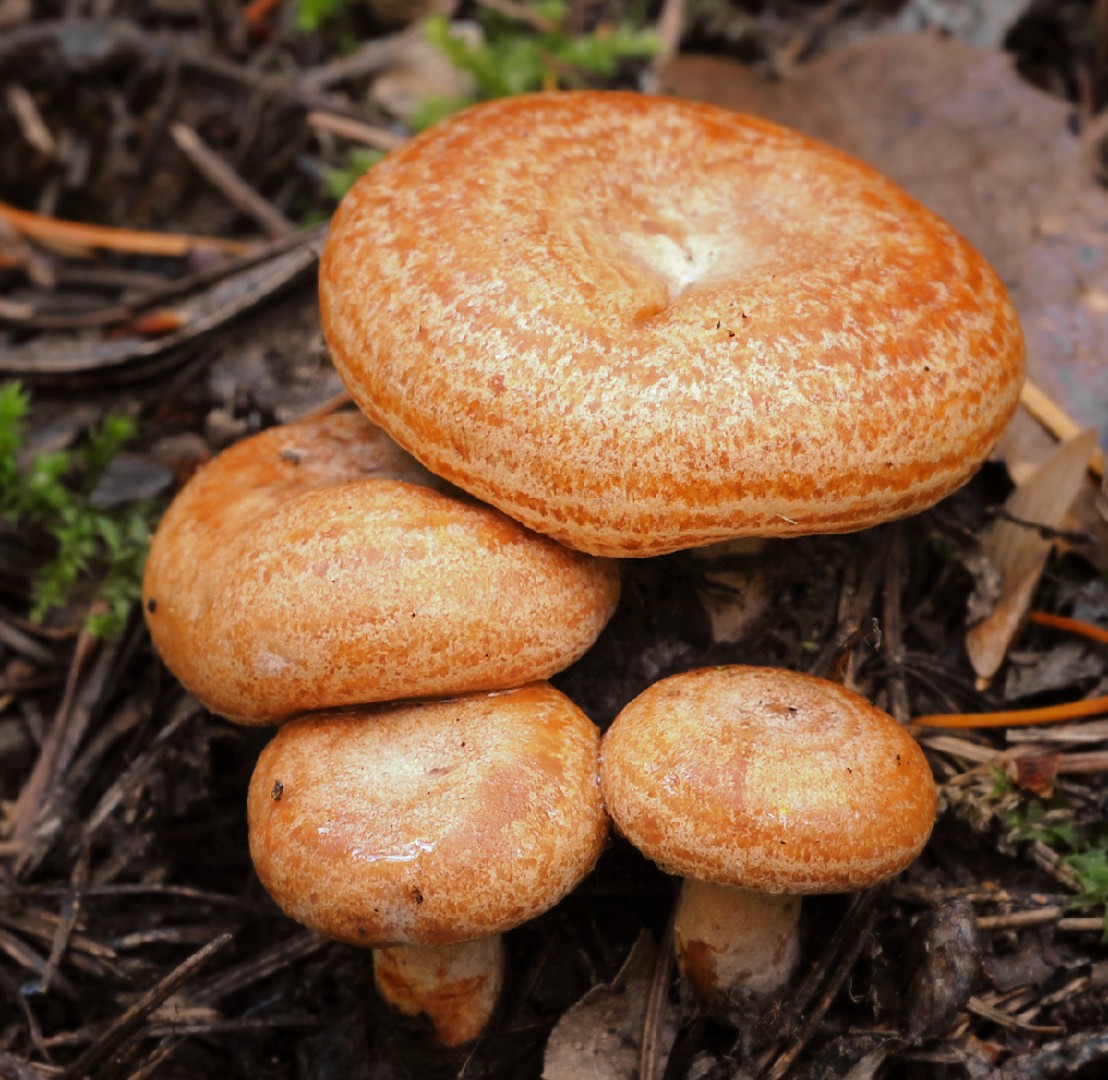
6. Saffron milk cap
Growing wild in the northern hemisphere and introduced to Australia, the saffron milk cap is found in pine forests during autumn. As the name implies, these mushrooms have been harvested for cooking for a long time. They have been known to cause stomach upset in some individuals, however, and carry a risk of being contaminated with heavy metals, so forage with caution.
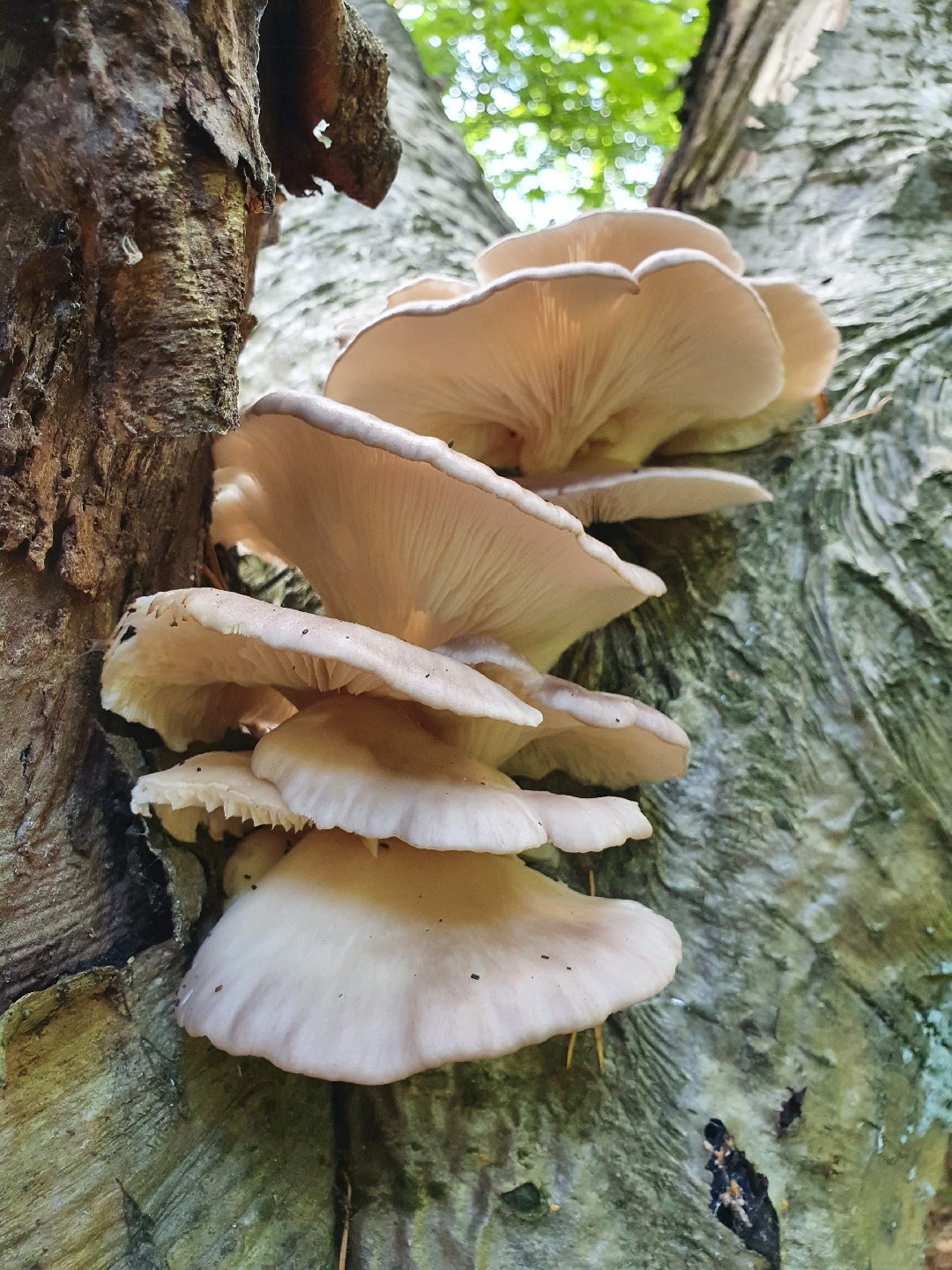
7. Oyster mushroom
Oyster mushrooms grow wild but are also cultivated for sale in supermarkets. They can even be cultivated at home. They will grow on coffee grounds and spent grain, and are occasionally even fashioned into an environmentally-friendly substitute for styrofoam. There are several toxic look-alike species, so it is best to buy these mushrooms at the store.
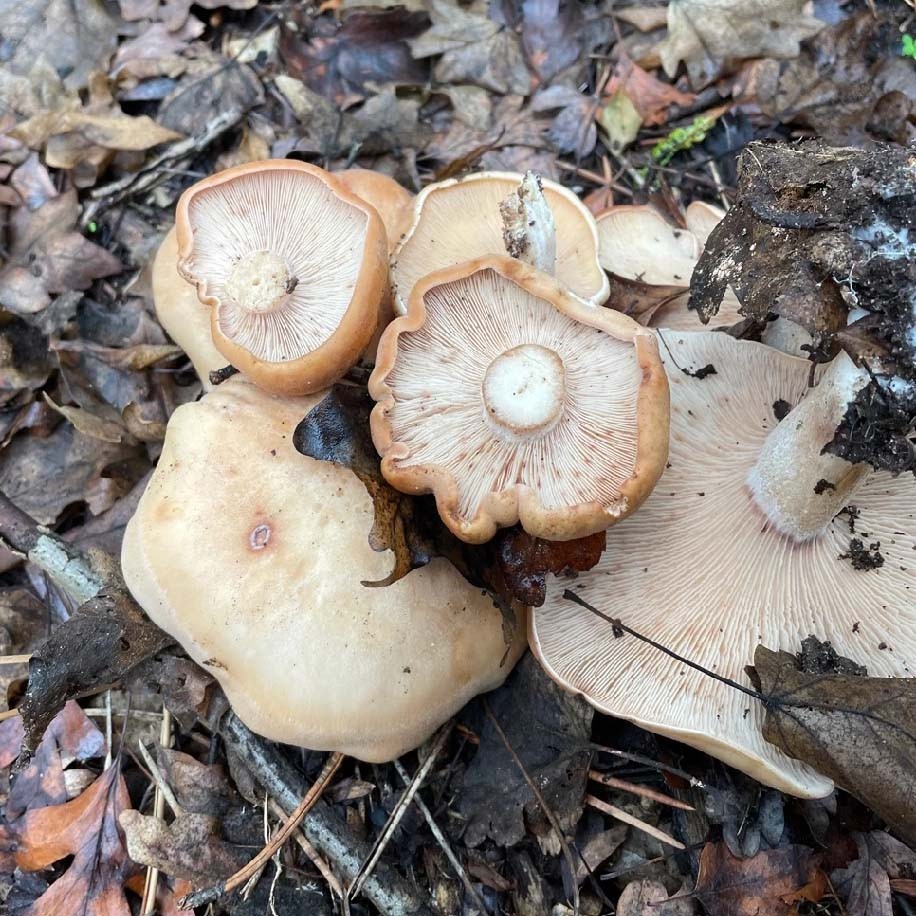
8. Tan pinkgill
Tan pinkgill is a relatively rare and uncommon mushroom that can drastically change its appearance when wet. It is reported to emit a specific mealy or fruity scent. It can be seen in forests and grassland areas, often growing together with stinging nettles. 
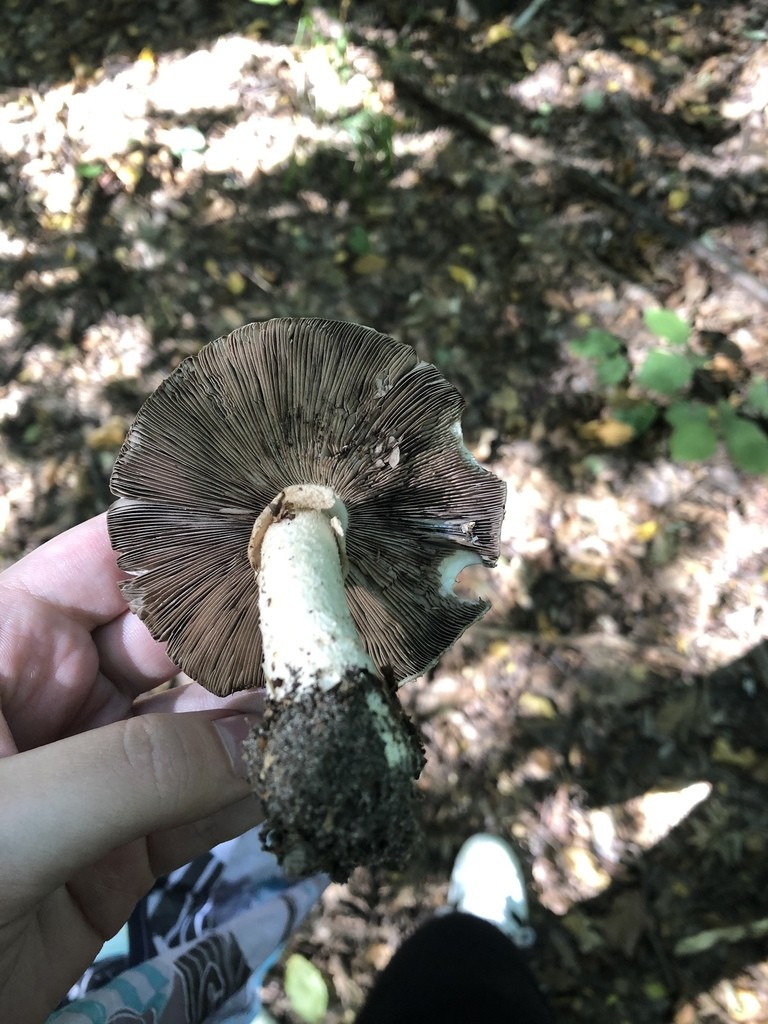
9. The princess
10. Sheathed woodtuft
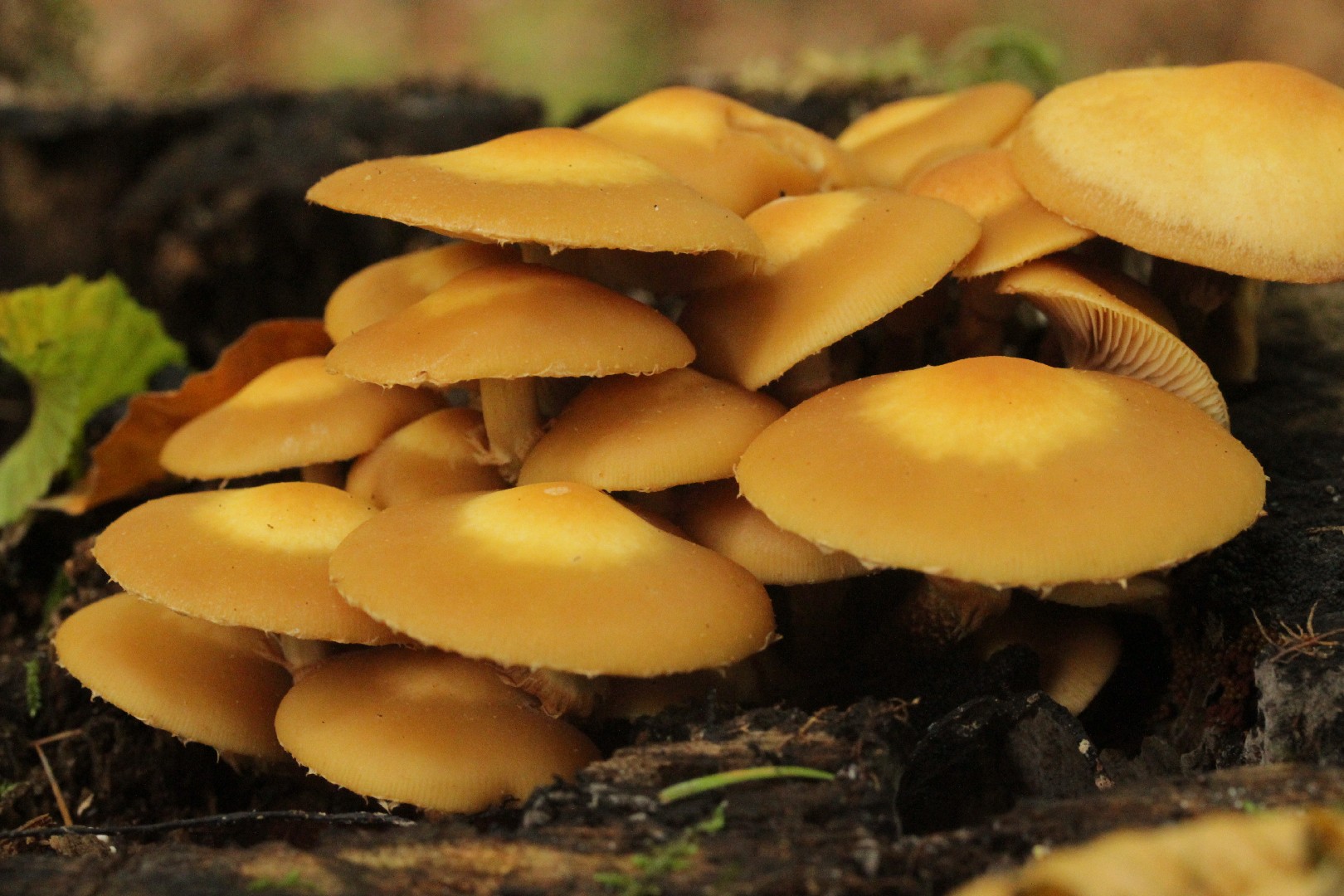
The sheathed woodtuft (Kuehneromyces mutabilis) is a fairly distinctive species that can be found growing in clusters on dead or dying wood in temperate areas across the world. This mushroom's cap has the unusual trait of being highly hygrophanous - this means that its color changes significantly with changes in moisture level. In the case of the sheathed woodtuft, moist individuals are deep orange brown while dry individuals are a lighter brown or buff color.


More







