




Top 20 Edible Mushrooms Popular in Valladolid
Nestled in the heart of Spain, Valladolid offers a diverse landscape, providing an ideal habitat for a multitude of mushrooms. This terrain variation, combined with unique climate conditions, results in the proliferation of a fascinating array of edible fungi. Our list of '20 Most Common Edible Mushrooms in Valladolid' provides detailed insights into each variety's distinct appearance, taste, habitat, and culinary applications. Drawing on reliable sources, we ensure you learn about these mushrooms in an engaging and accurate manner. Enjoy your flavorful exploration into Valladolid's mushroom scene!
* Disclaimer: Content feedback CAN NOT be used as any basis for EATING ANY PLANTS. Some plants can be VERY POISONOUS, please purchase edible plants through regular channels.

Most Popular Edible Mushrooms
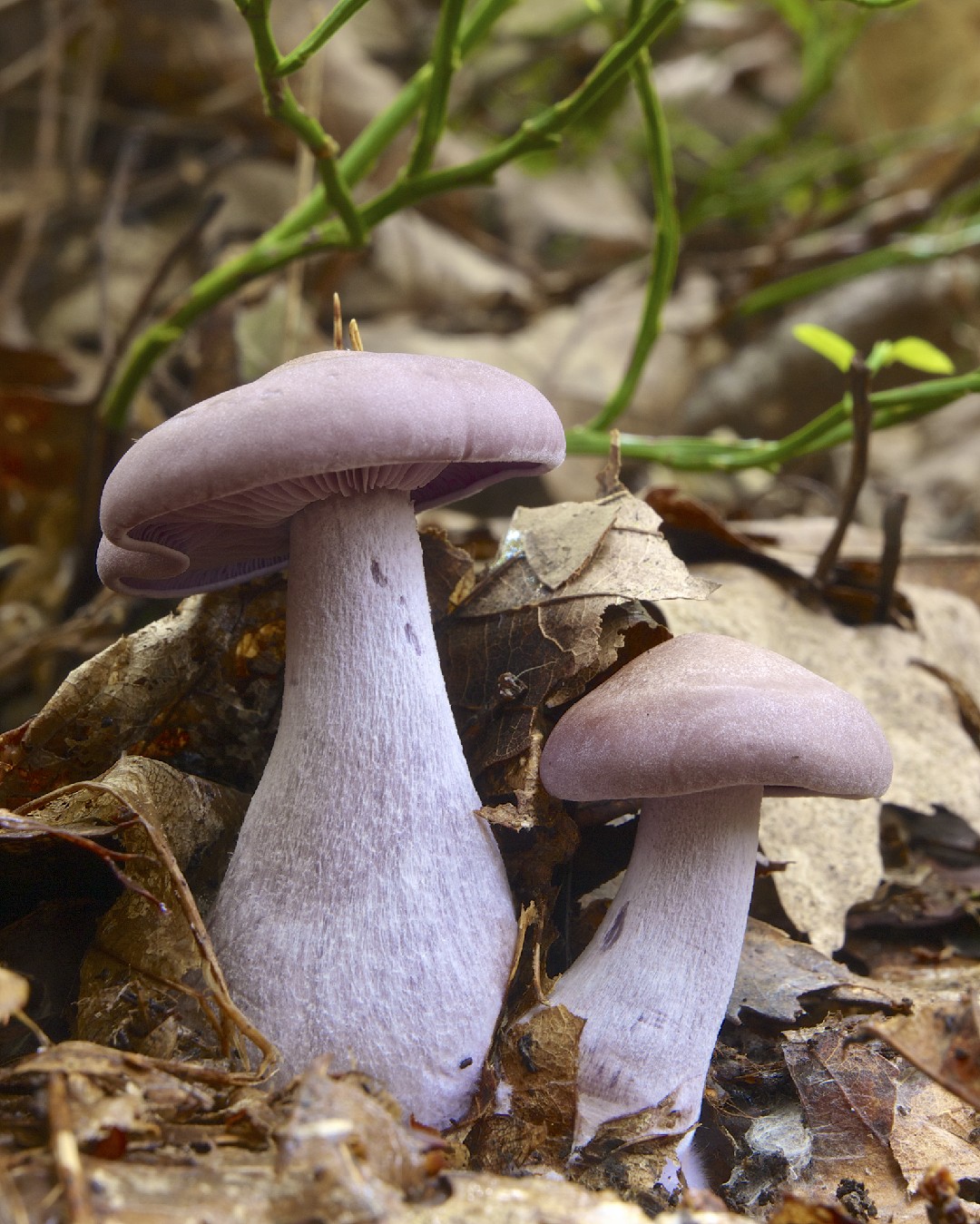
1. Blewit
The blewit mushroom grows in fallen leaves in autumn and winter, sometimes appearing in ‘fairy ring’ circles. It can be used to make a green dye when chopped and boiled in an iron pot. The scientific name, Lepista nuda, derives from Latin words meaning “bare goblet,” a reference to the shape and texture of the mushroom.
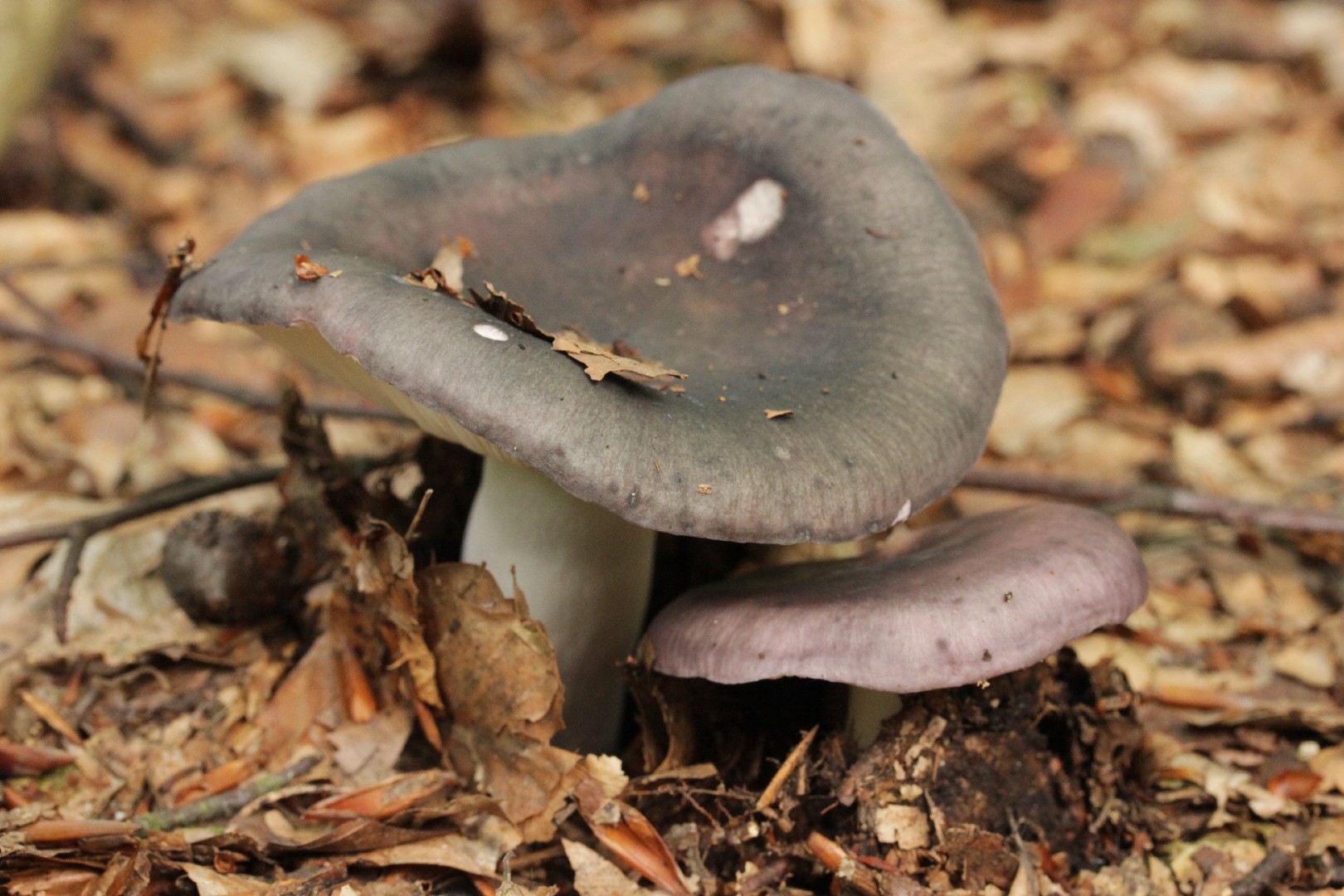
2. Charcoal burner
Most commonly found under beeches in forests or parks, this crumbly mushroom can appear in colors ranging from red and yellow to violet, blue-grey, or even green. Its scientific name represents this variability: Russula cyanoxantha means “reddish blue-blonde.”
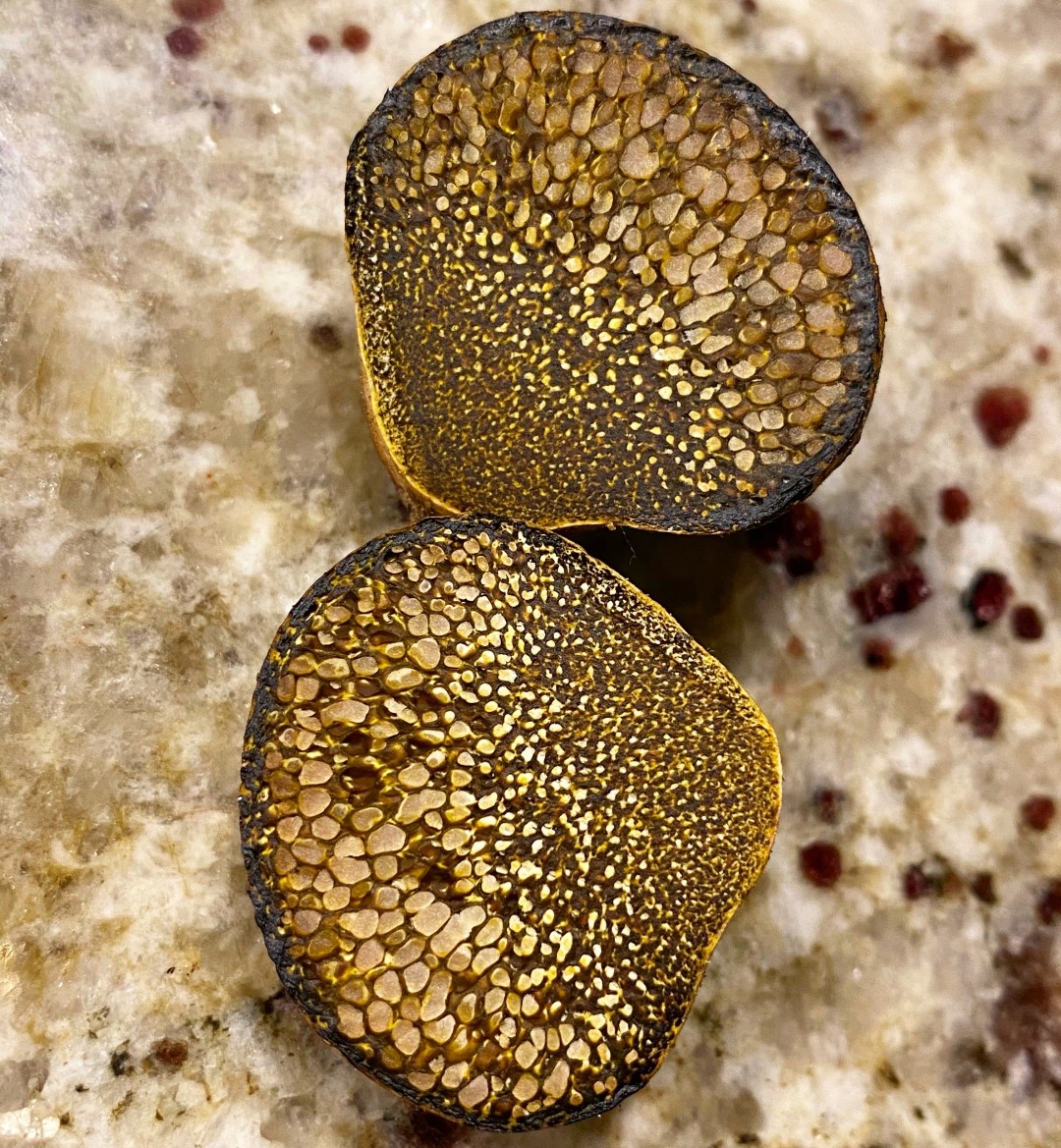
3. Dead man's foot
Dead man's foot (Pisolithus arhizus) actually bears a number of colorful names stemming from its unusual appearance, such as the horse dung fungus (Australia). It can be distilled into a viscous black gel, which is then used as a natural dye for clothing. It is considered to be inedible.

4. Salt-loving mushroom
The salt-loving mushroom (Agaricus bernardii) is a globally-distributed species that has a fondness for microhabitats that are, you guessed it, salty! Salt marshes, coastal grasslands, and even recently salted roads and sidewalks play host to this agaric species, which is stocky in stature and has a white or off-white cap.
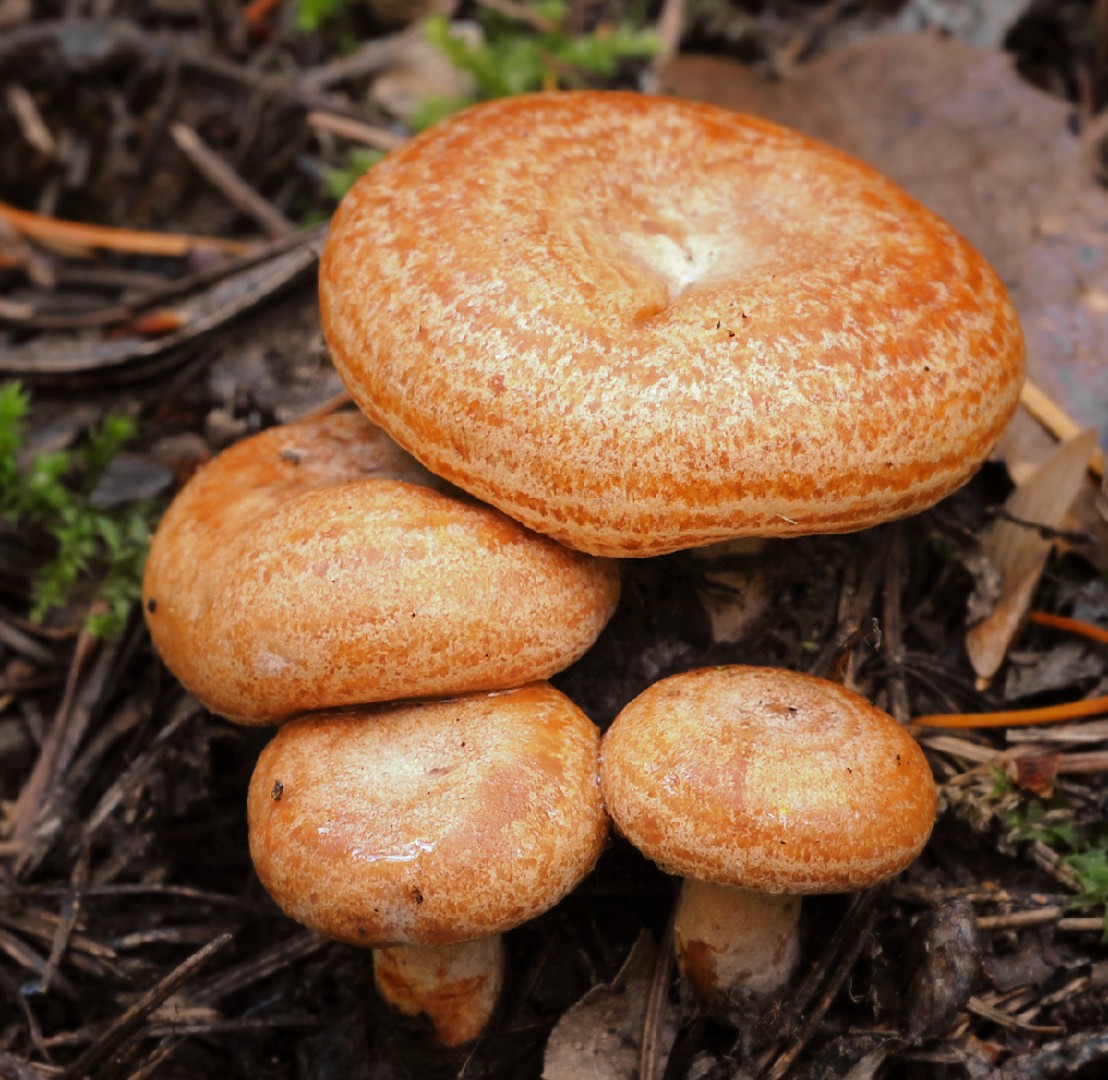
5. Saffron milk cap
Growing wild in the northern hemisphere and introduced to Australia, the saffron milk cap is found in pine forests during autumn. As the name implies, these mushrooms have been harvested for cooking for a long time. They have been known to cause stomach upset in some individuals, however, and carry a risk of being contaminated with heavy metals, so forage with caution.
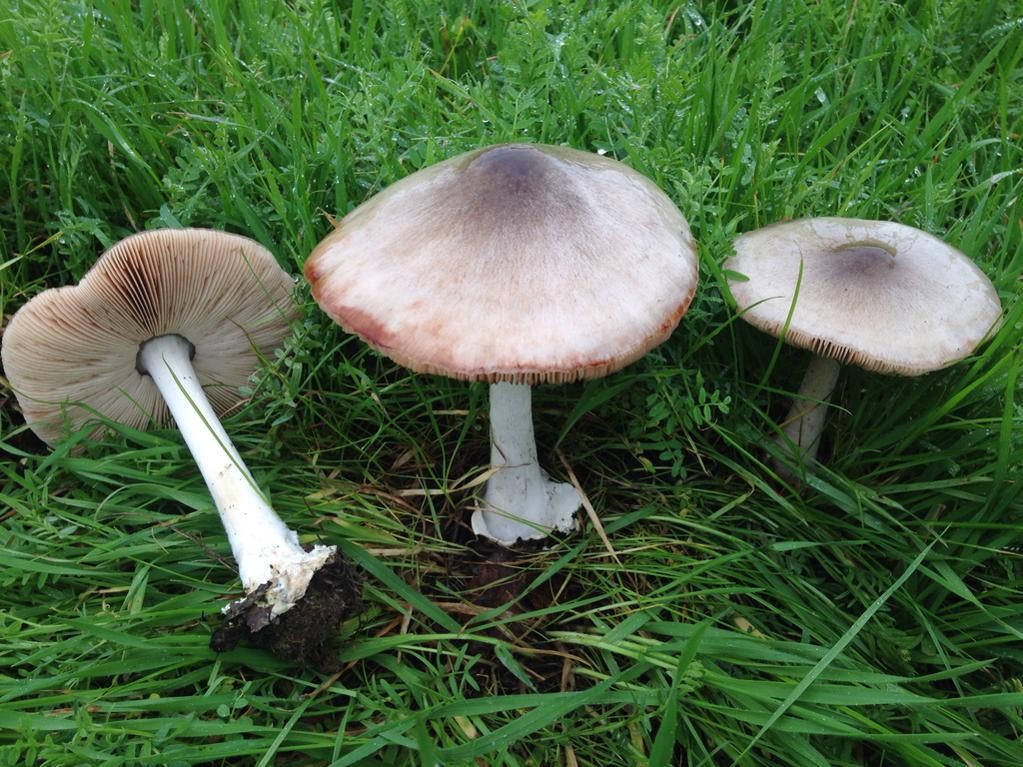
6. Big sheath mushroom
These large white mushrooms bloom all over cleared, harvested fields, as well as pastures and roadsides. The scientific species name comes from Greek words meaning “glue” (glioio) and “head” (cephalus), in reference to the sticky surface of this mushroom’s cap. The big sheath mushroom looks so similar to the poisonous Deathcap and Destroying Angel mushrooms that it should always be left alone.
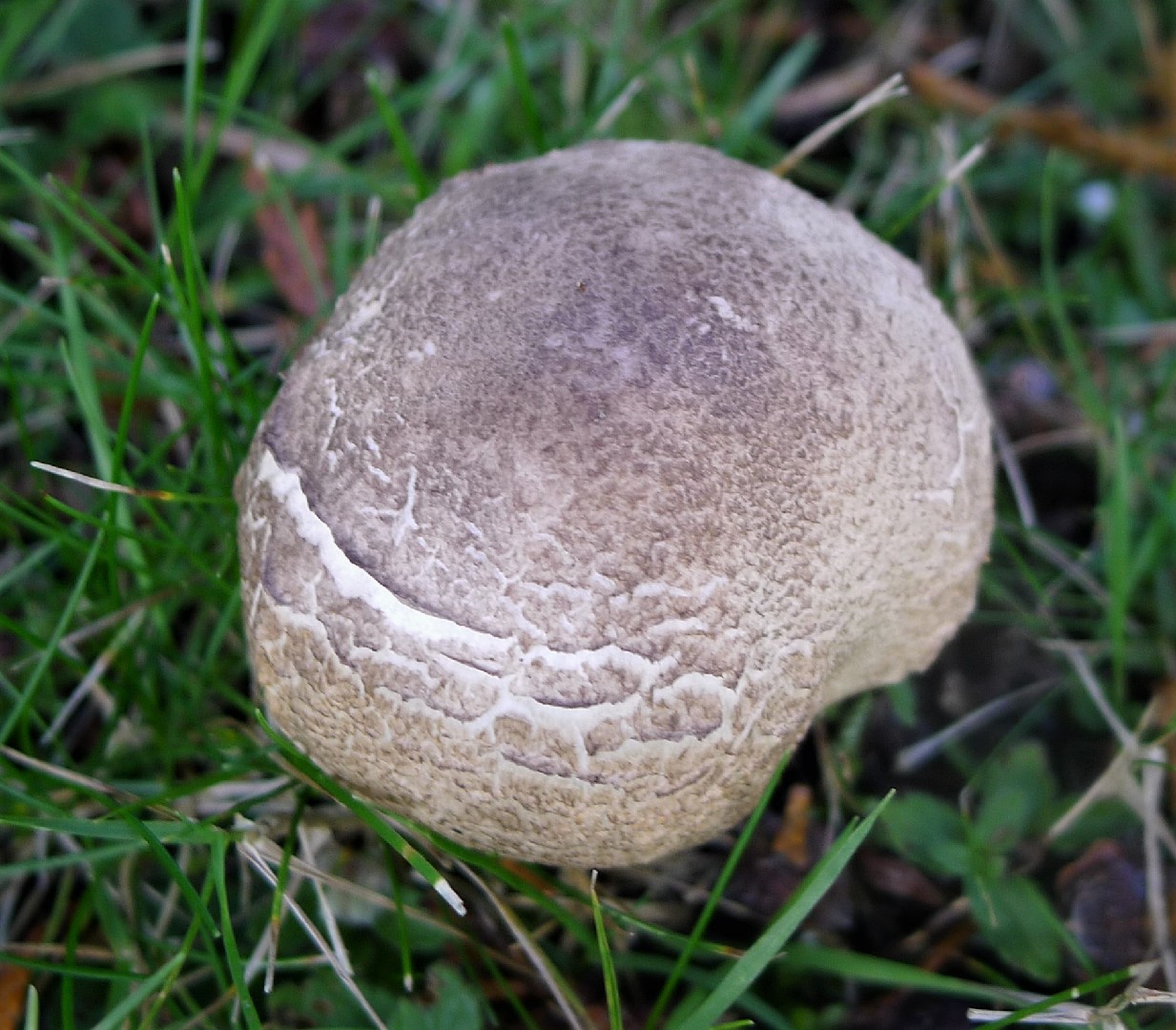
7. Macro mushroom
Macro mushroom will initially smell like almonds but with age will gradually smell of urine. This explains the scientific name urinascens. It can be found in late summer and autumn in open woodland, usually close to spruce. It is easy to be confused with poisonous mushrooms, so it is not recommended to eat.
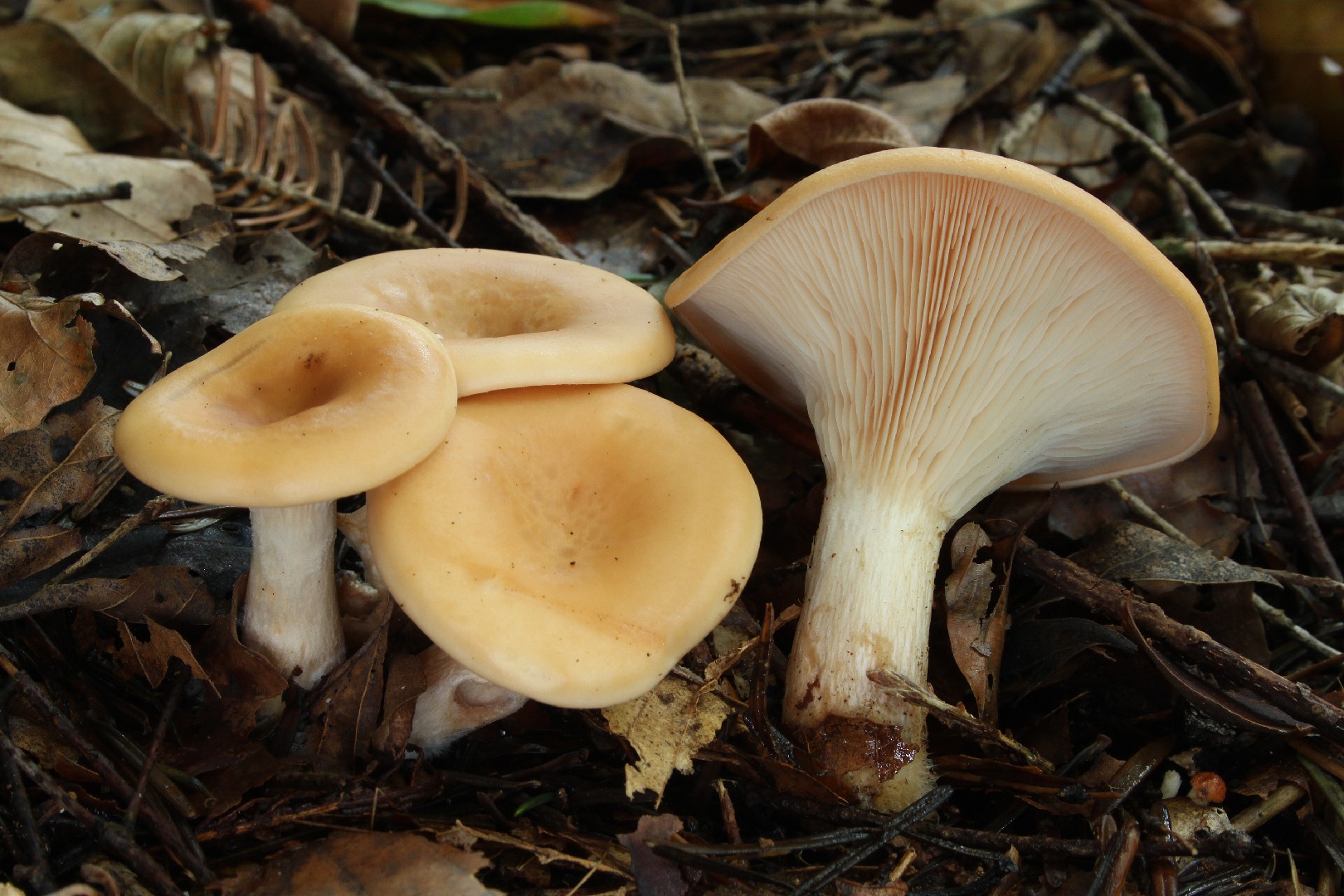
8. Tawny funnel cap
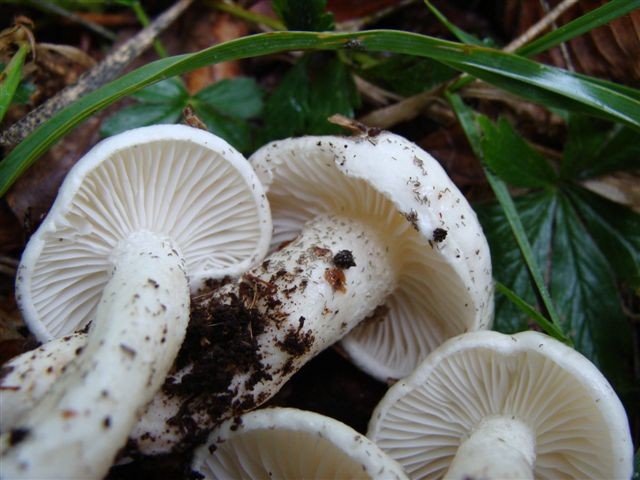
Tawny funnel cap grows in a variety of forest habitats, sometimes in fairy ring or line formations. Tawny funnel cap can have similar characteristics to a chanterelle but is lighter in color and has true gills instead of folded ridges underneath the cap.
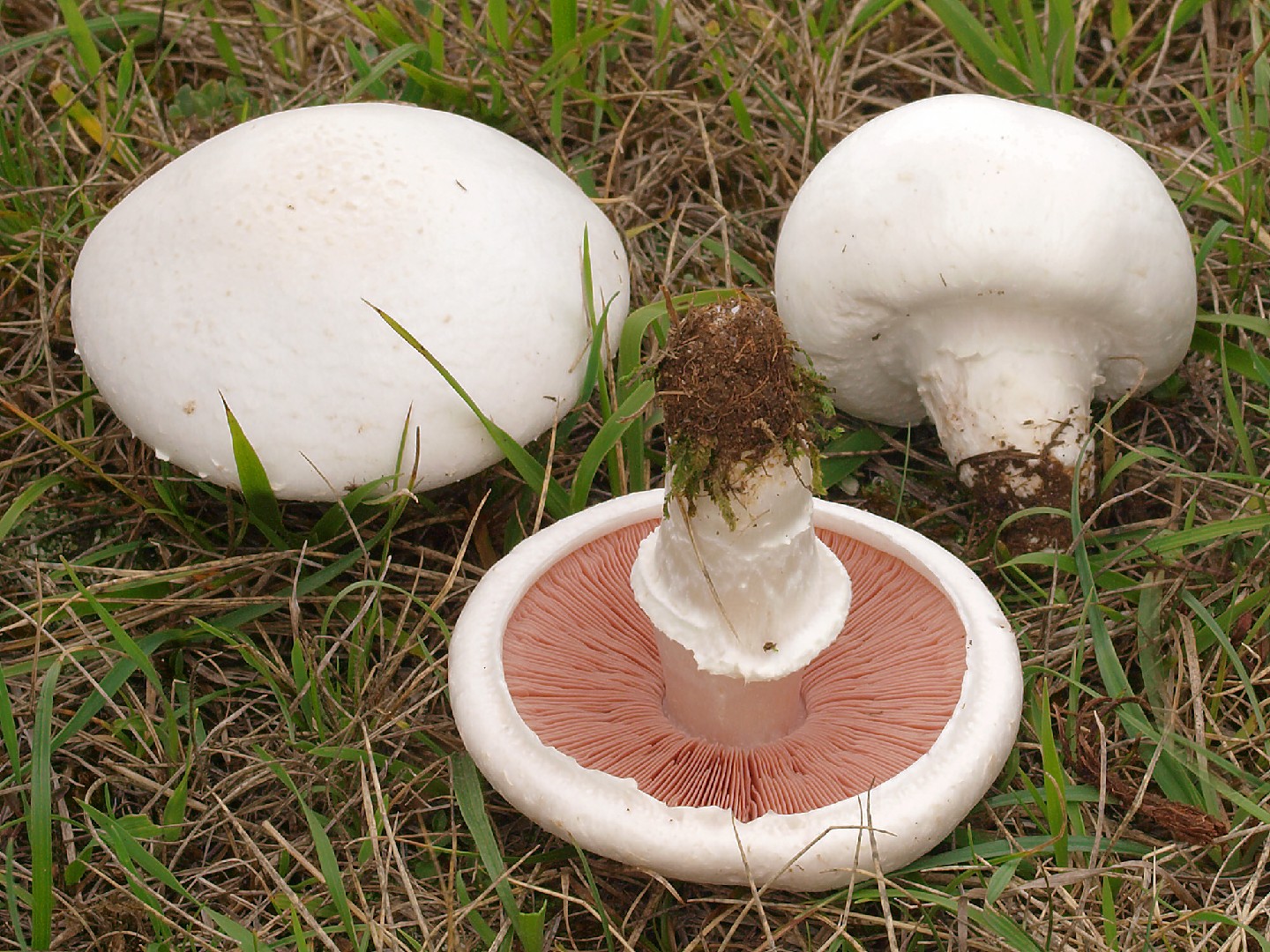
9. Meadow mushroom
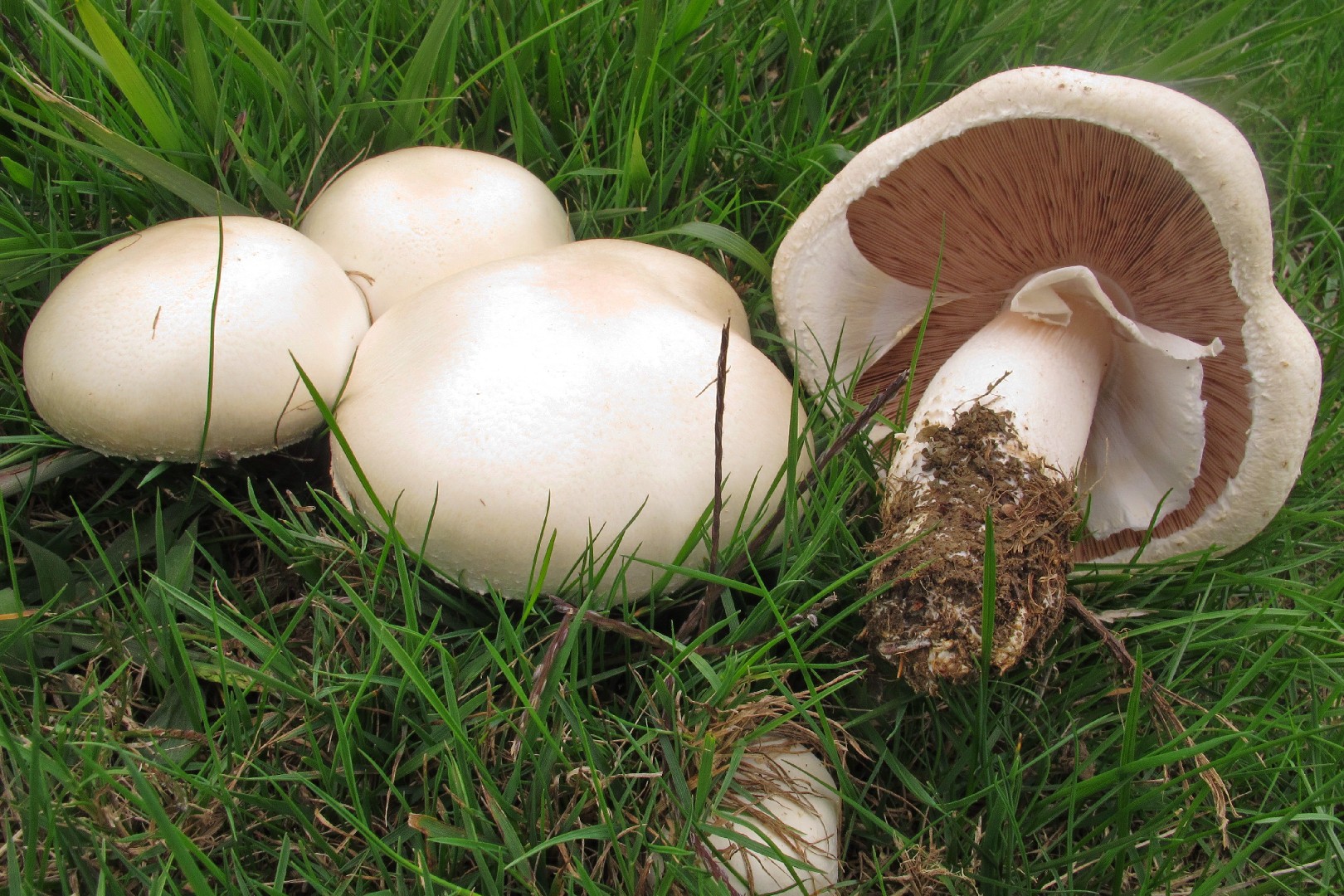
The meadow mushroom grows in meadows and pastures around the world—especially those rich in manure—when the weather is warm and wet. They are known to appear in “fairy ring” shapes. Originally identified in Europe, it is possible that North American specimens identified as meadow mushrooms may genetically belong to other species.
10. Parasol
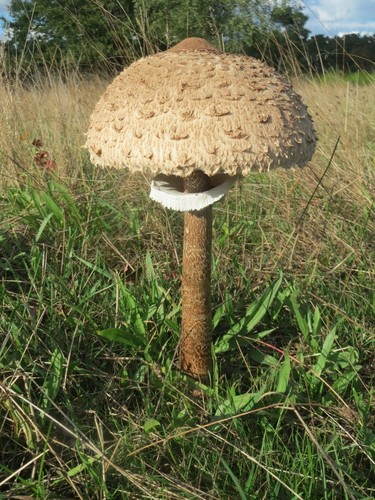
Found in clearings and grassy areas in late summer, the wild parasol mushroom has a snakeskin-patterned stem. The brown spots on its cap make it look a bit shaggy, but that name is reserved for its poisonous counterpart, the Shaggy Parasol (Chlorophyllum rhacodes). You can distinguish the two by the stems: the latter has a smooth stem and red flesh inside.



More







