




Top 20 Edible Mushrooms Popular in Santiago del Teide
Discover the fascinating world of mycology within the unique, subtropical environment of Santiago del Teide, renowned for its diverse ecological complexity. This guide explores the 20 most frequently encountered edible mushrooms on these islands, diving into their distinct characteristics, ranging from their enticing flavors to their peculiar habitats. It’s designed to pique your curiosity and offer insights into their culinary uses, enhancing your mushroom foraging skills and gourmet experiences. Let's uncover the ample bounty that Santiago del Teide's fertile, mossy soils have to share with us.
* Disclaimer: Content feedback CAN NOT be used as any basis for EATING ANY PLANTS. Some plants can be VERY POISONOUS, please purchase edible plants through regular channels.

Most Popular Edible Mushrooms
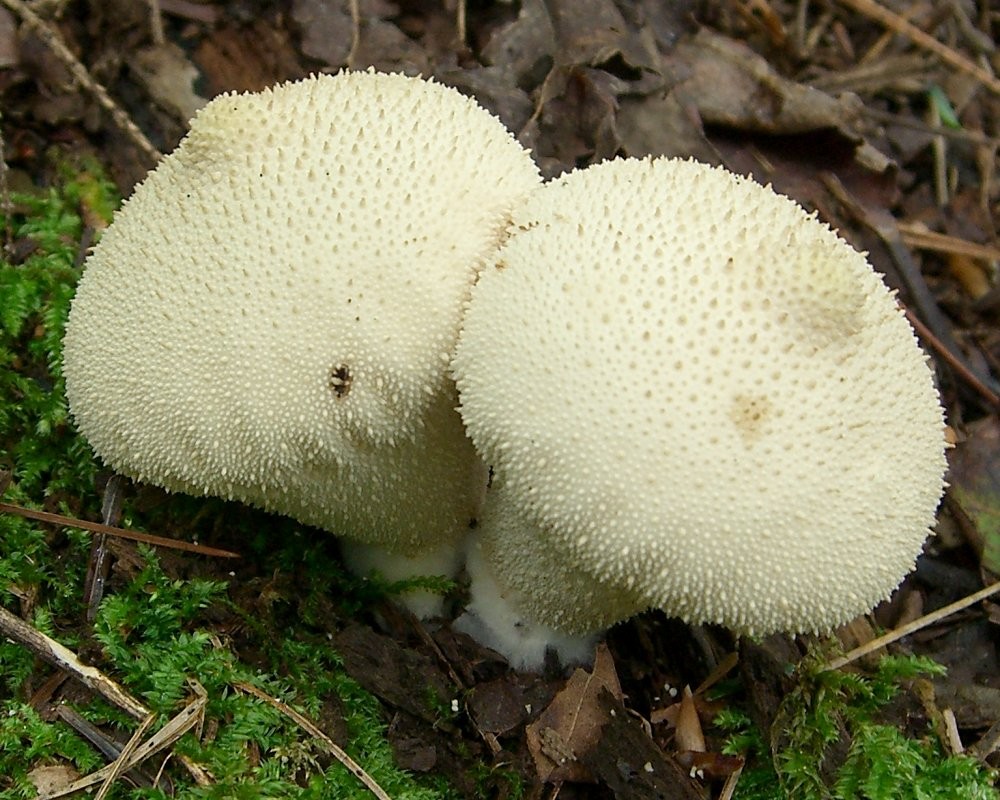
1. Common puffball
These puffy mushrooms grow in small groups on the forest floor. Once they're mature, common puffballs turn yellow and "puff out" smoke-like spore clouds when disturbed. Be very careful when identifying these mushrooms, as their young, immature form looks very similar to the lethal Deathcap.
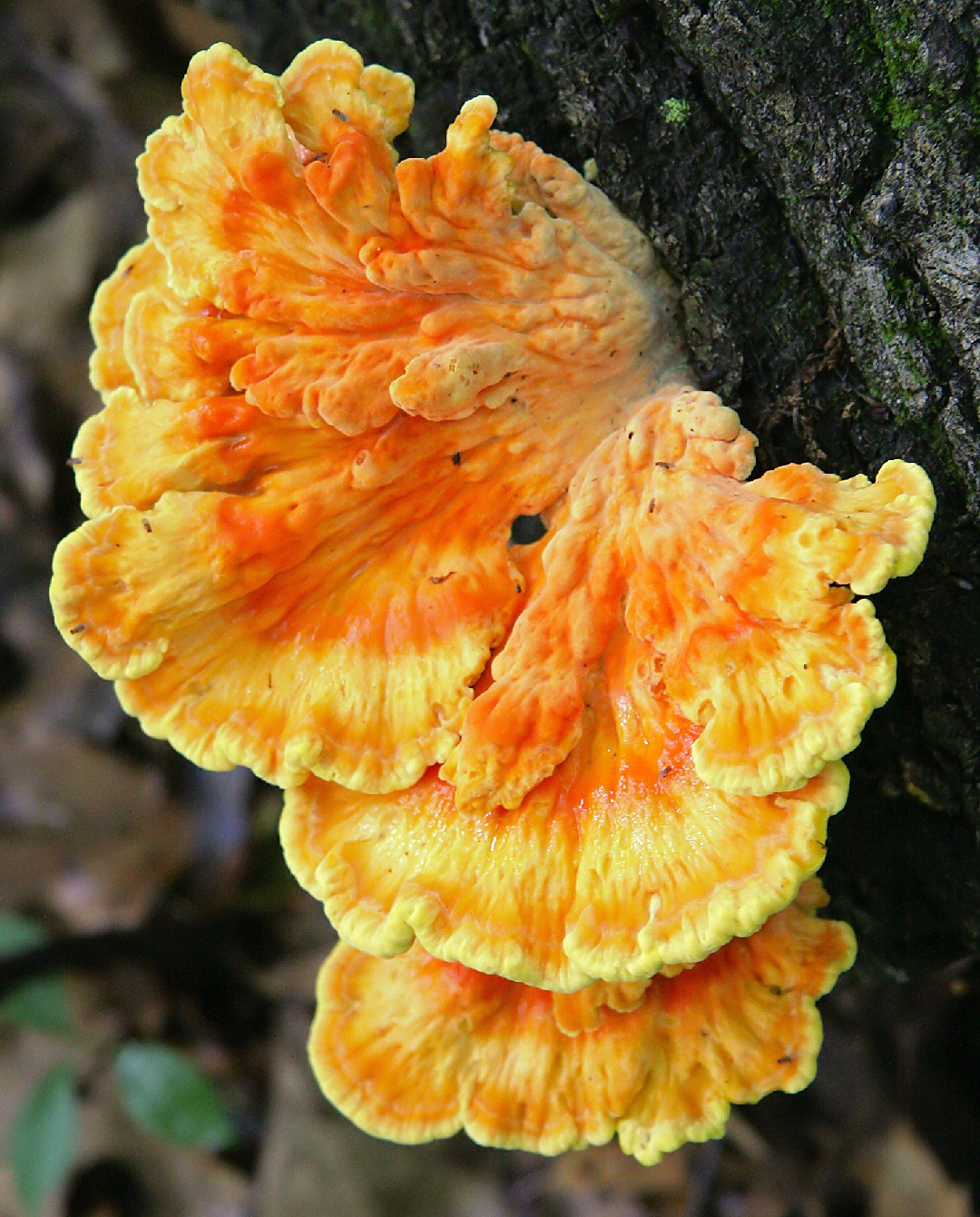
2. Chicken of the woods
Chicken of the woods is very noticeable in hardwood forests, appearing in clusters on standing tree trunks in bright orange and yellow hues that sometimes last through the entire winter. It is a parasite that causes an unfortunate brown heart rot, and is considered a particularly troublesome pest of Yew trees. If the fruitbodies can be seen, the tree is likely already beyond saving.
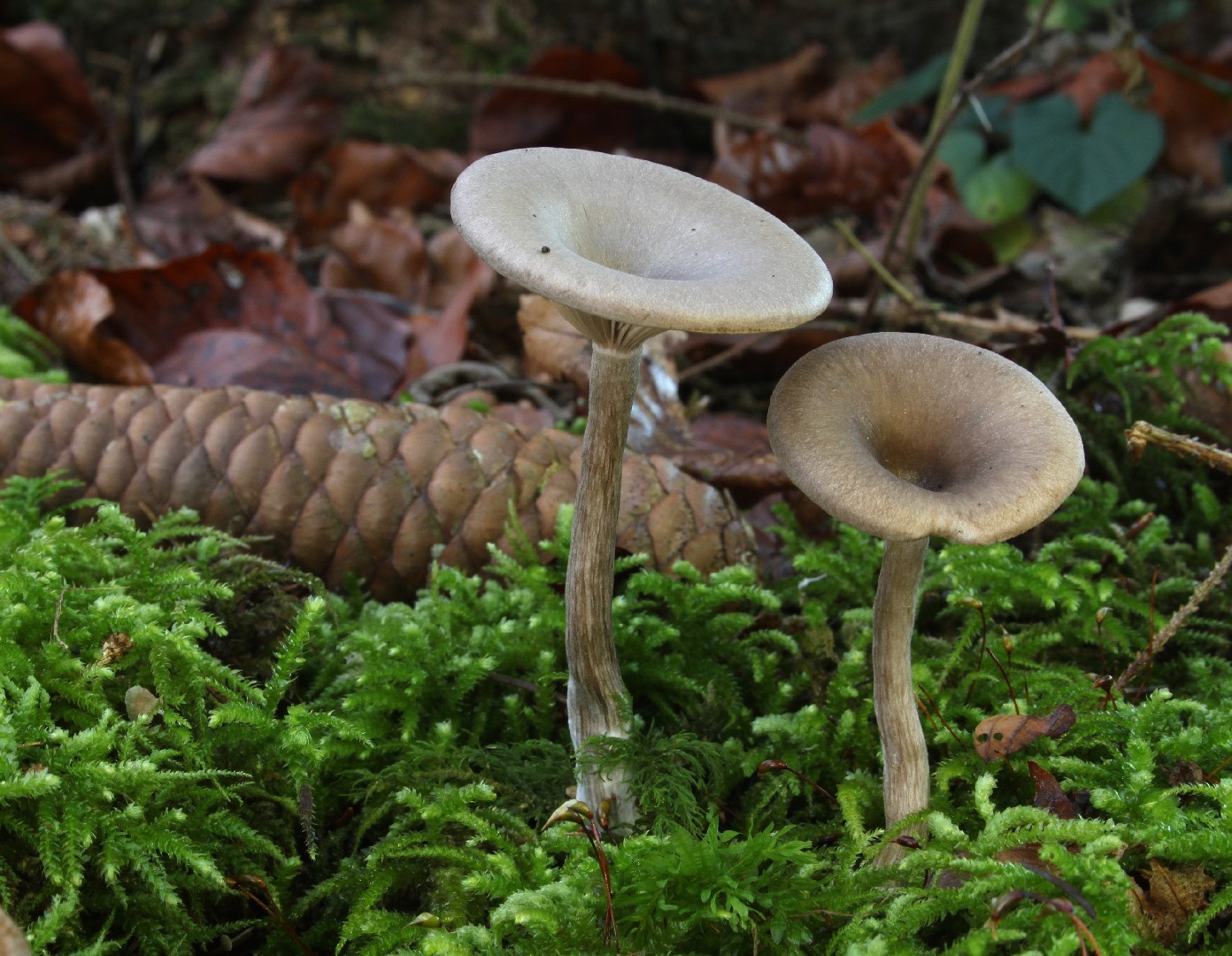
3. Goblet
This distinctively-shaped mushroom can be found pushing up tall through the detritus on forest floors all around the northern hemisphere during the late autumn. The goblet's edibility is not well known, and it looks very similar to the poisonous clitocybe rivulosa.
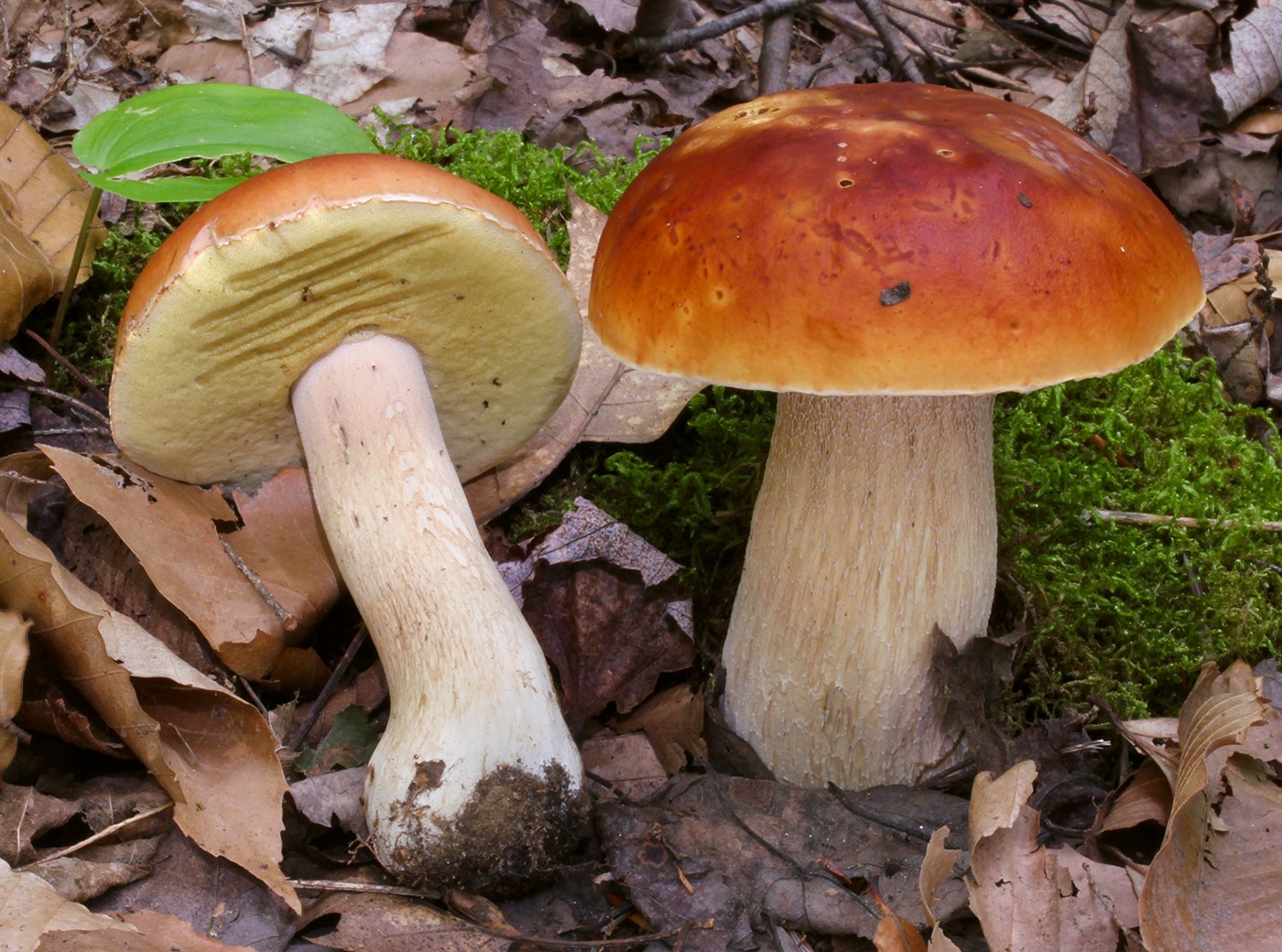
4. King bolete
Extremely popular in many cuisines, this edible wild mushroom grows around the world near the roots of forest trees. In some regions, king bolete mushrooms are collected in great enough volumes that their sale can support entire families during the harvest season. King boletes are reported to be high in fiber, vitamins B and C, calcium, potassium, magnesium, zinc, and several antioxidants.
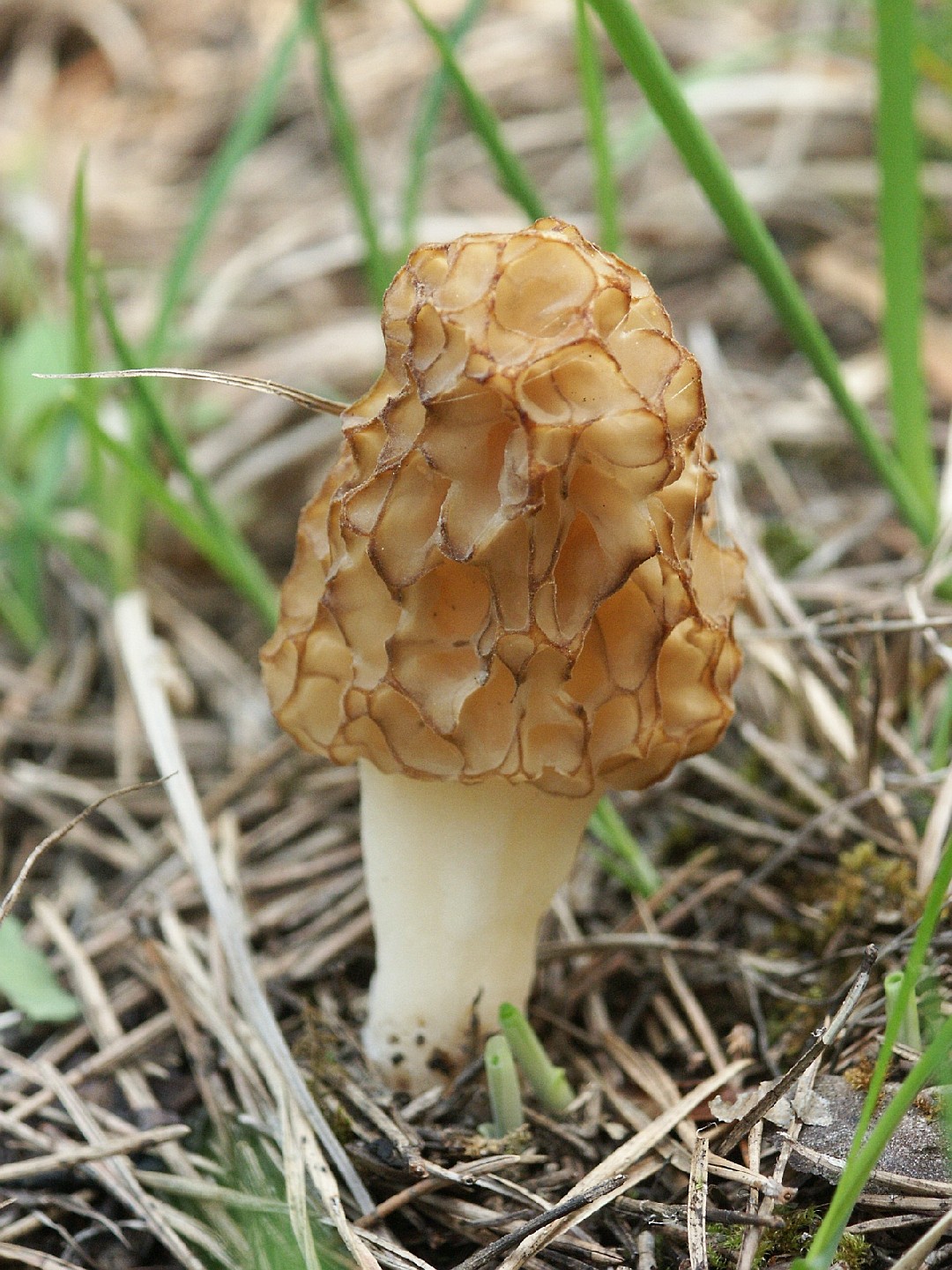
5. Yellow morel
The yellow morel (Morchella esculenta) is one of the most iconic and sought-after species of edible mushrooms. It is often one of the first species that novice mushroom gatherers will hunt for. Yellow morels have elongated caps that are "honeycombed", being filled with roughly polygonal holes. Splitting them down the middle reveals them to be hollow on the inside, a key feature that distinguishes them from toxic false morels. Experts recommend cooking or boiling this mushroom before consumption, as raw morels may cause an upset stomach.
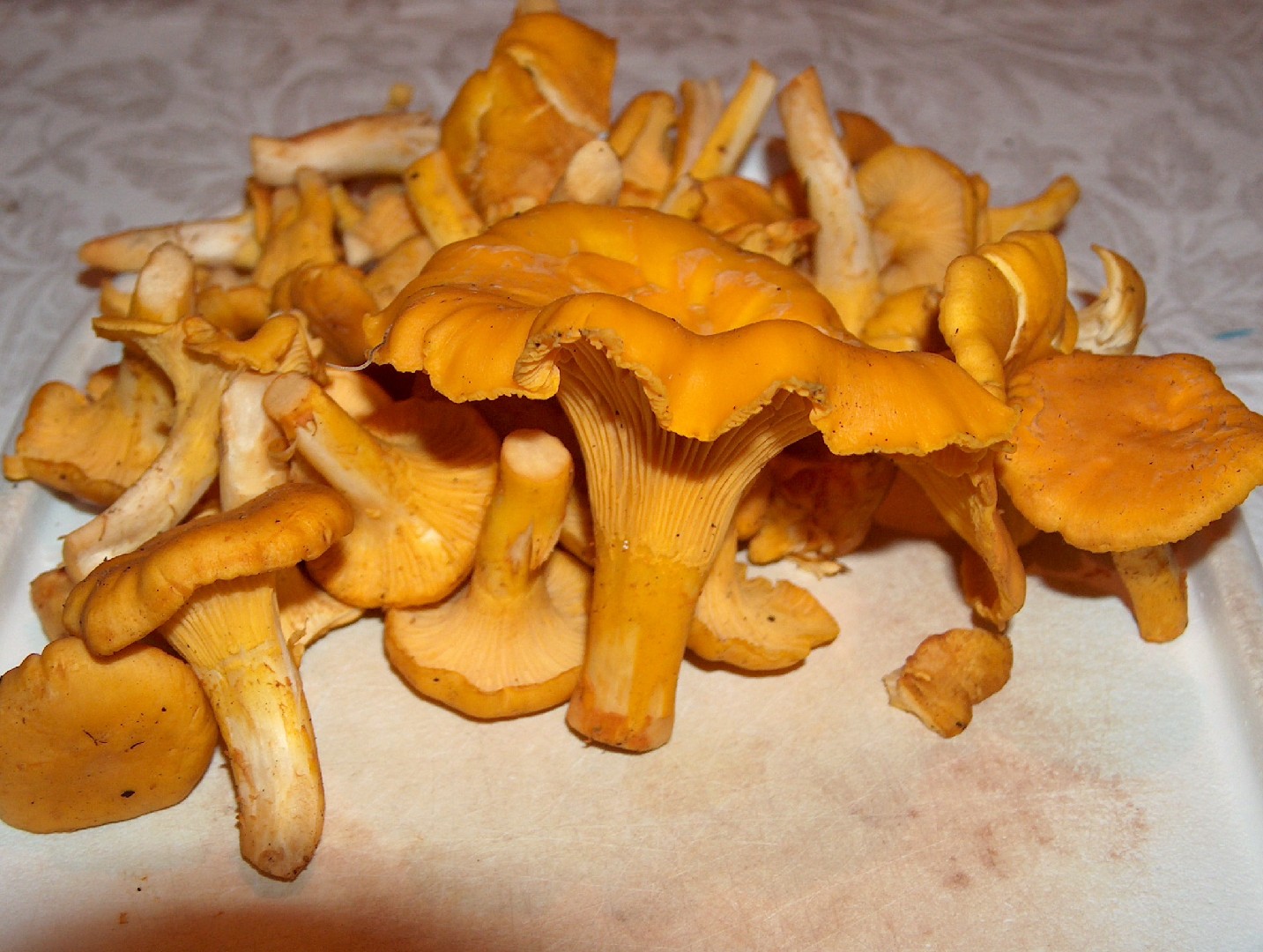
6. Golden chanterelle
Golden chanterelle mushrooms are popular in gourmet cuisine across Europe, where they grow wild during the warm (but not too hot) months. Similar species grow in other countries. Extremely popular with foragers, the golden chanterelle emits an apricot-like scent and contains an array of nutrients that benefit the human body. Several studies suggest consuming extremely large amounts may have detrimental effects on the eyes and muscles.
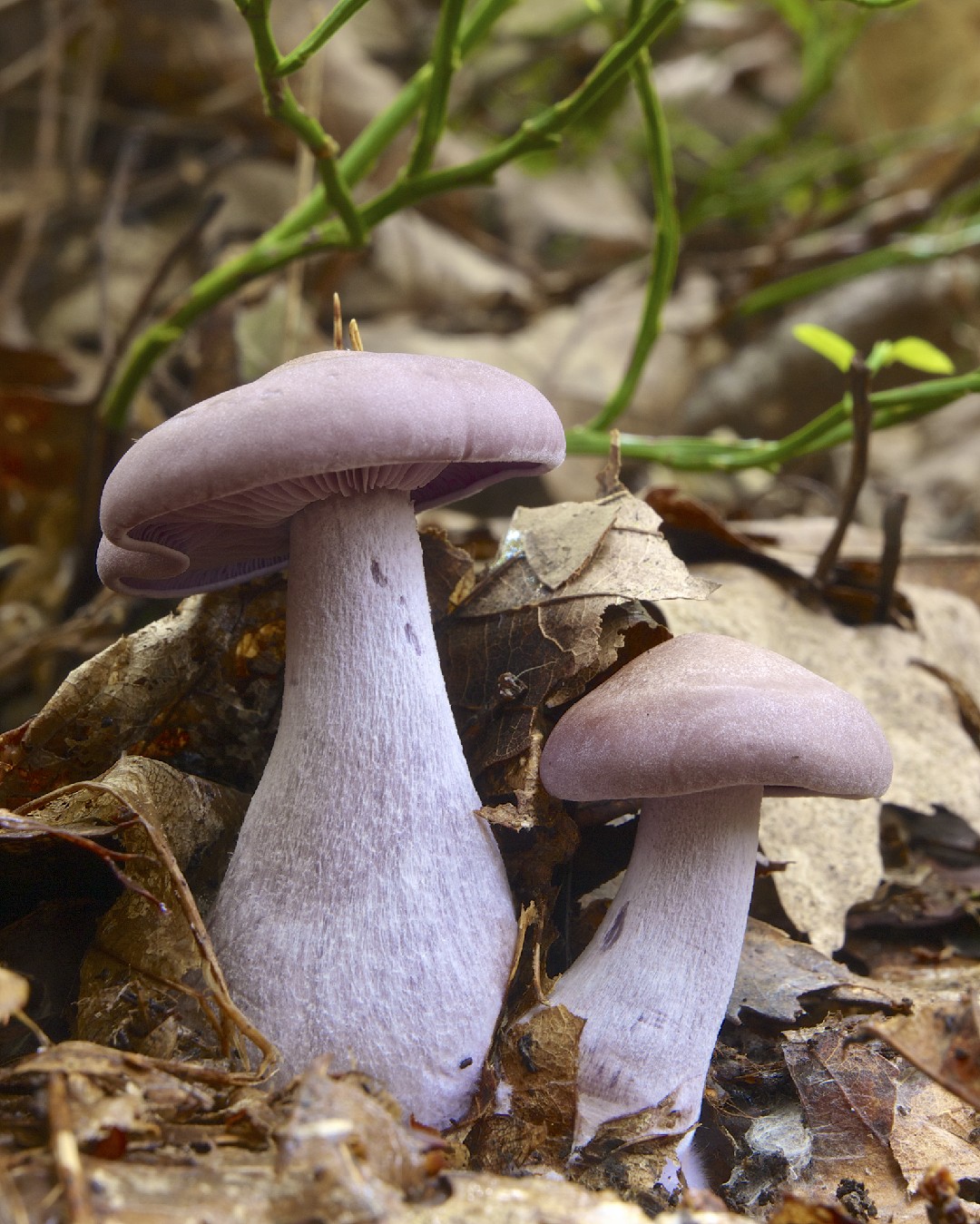
7. Blewit
The blewit mushroom grows in fallen leaves in autumn and winter, sometimes appearing in ‘fairy ring’ circles. It can be used to make a green dye when chopped and boiled in an iron pot. The scientific name, Lepista nuda, derives from Latin words meaning “bare goblet,” a reference to the shape and texture of the mushroom.
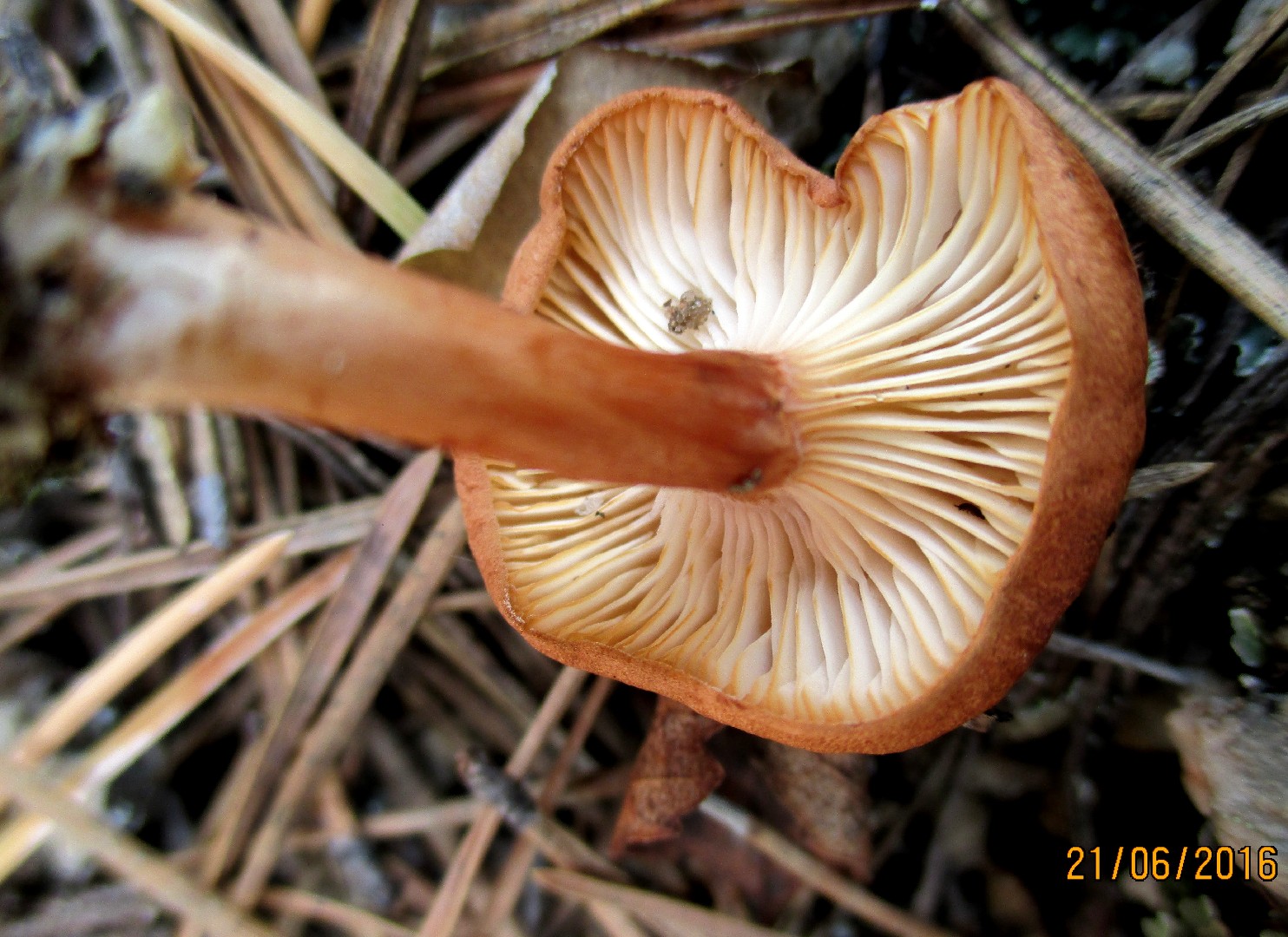
8. Bonomyces sinopicus
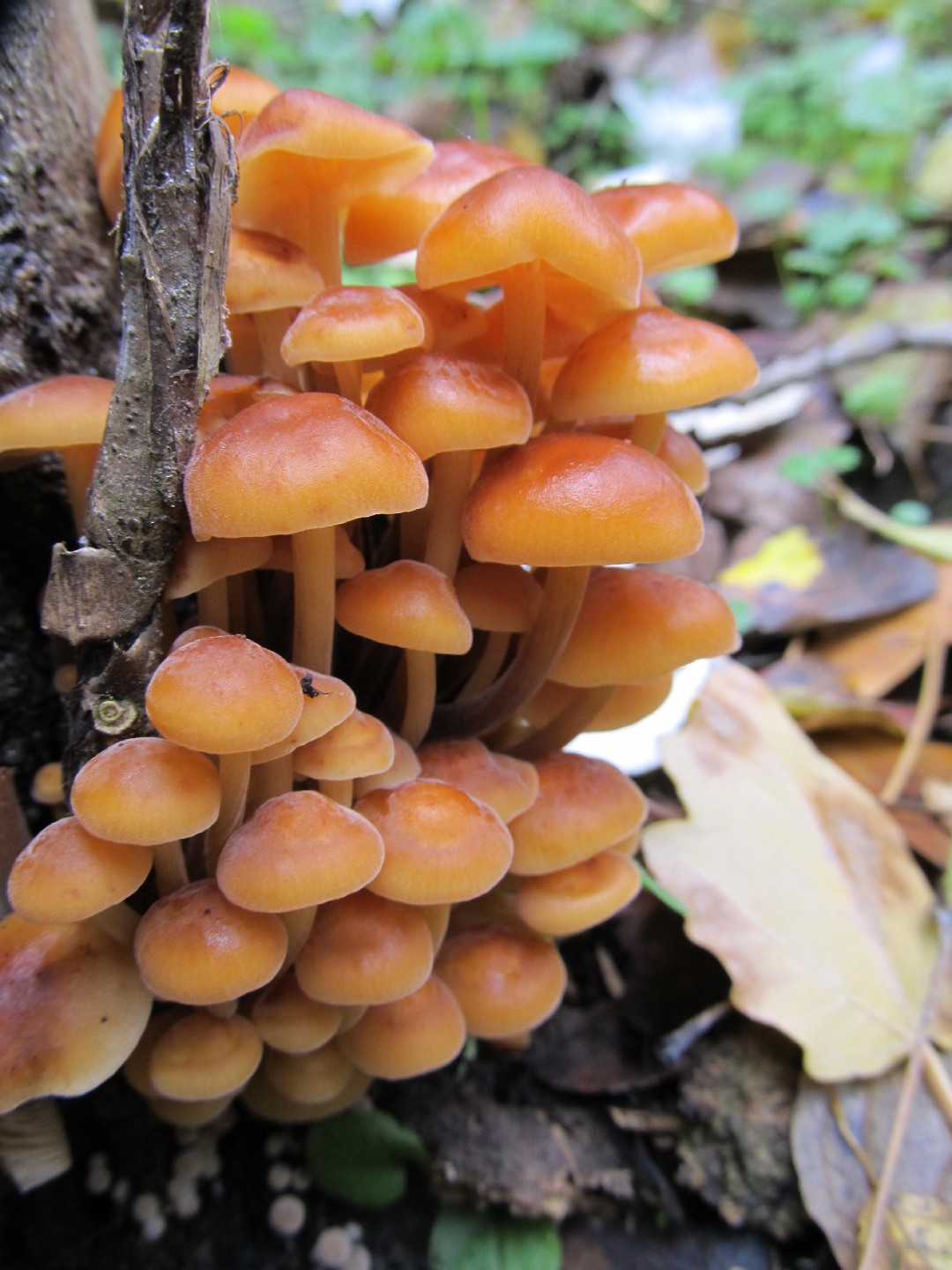
9. Enoki
The enoki grows wild on dead elm trees, and is also cultivated for human use. This flavorful species (Flammulina velutipes) has been used in dishes around the world for generations, being particularly high in nutrients. Though store-bought enoki are often plain white, wild ones can be found in a range of colors.

10. Shaggy mane
The shaggy mane mushroom is commonly found in North American and European grasslands. Some peoples foraged for its young egg-shaped caps, but it has more recently been found to be a bioaccumulator of heavy metals, meaning it pulls toxic metals up from the soil where it grows. As a result, shaggy manes should not be eaten. The mushrooms usually appear in clusters or “fairy rings.”

More







