




Top 20 Edible Mushrooms Popular in Asuncion Nochixtlan
Delve into the rich biodiversity that pervades Asuncion Nochixtlan's unique climate, fostering an unparalleled array of exquisite mushrooms. Our exploration of the top 20 most frequent edible fungi will engage enthusiasts with features, tastes, preferred habitats, and culinary uses, providing a comprehensive guide for gourmands and foragers alike. This eco-tour through mycological wonders promotes education and sustainability, while emphasizing Asuncion Nochixtlan's remarkable fungal fauna.
* Disclaimer: Content feedback CAN NOT be used as any basis for EATING ANY PLANTS. Some plants can be VERY POISONOUS, please purchase edible plants through regular channels.

Most Popular Edible Mushrooms
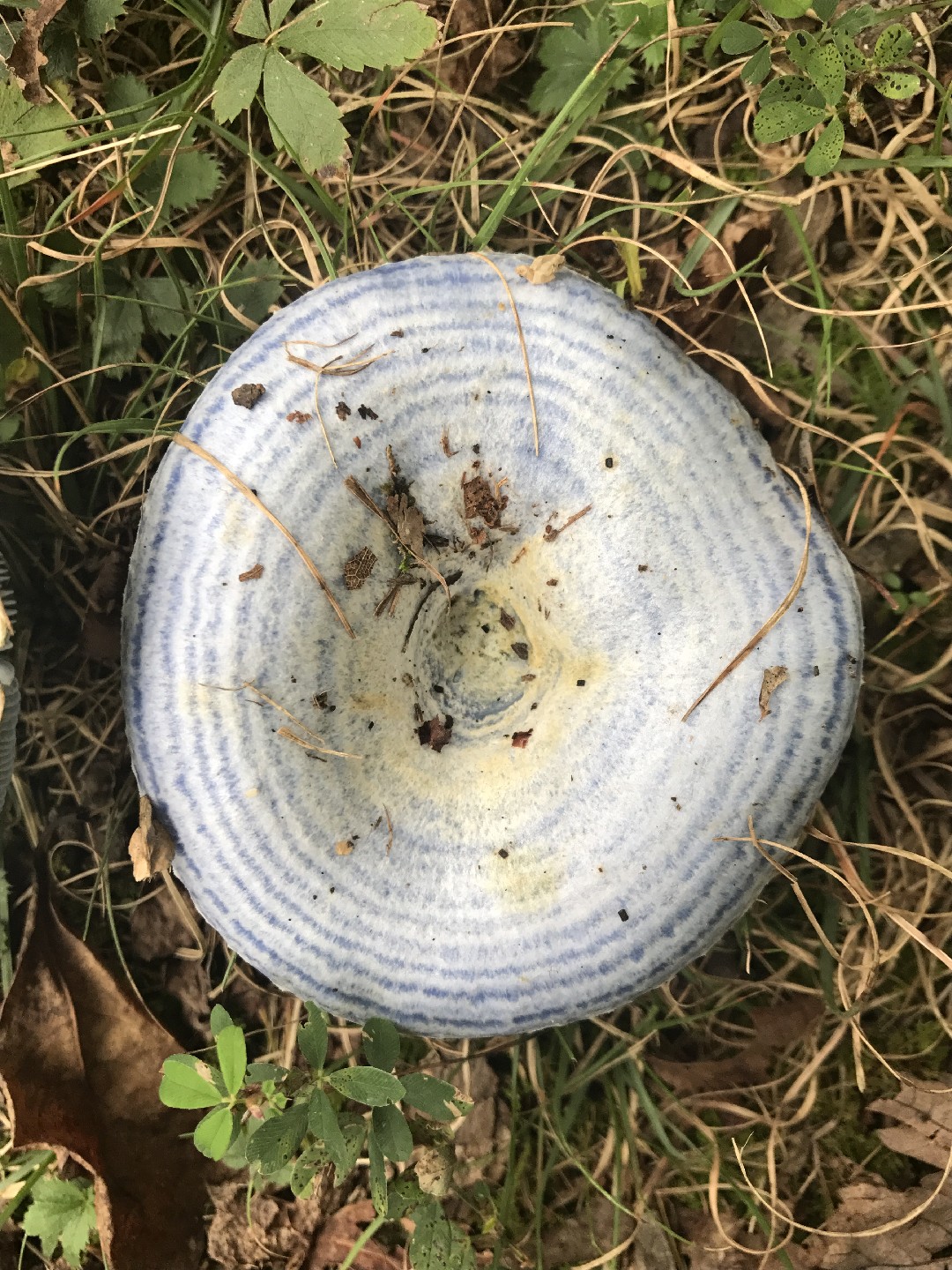
1. Indigo milk cap
This gorgeous species is unlike any other. The indigo milk cap, a member of the often-drab russula family, is deep blue in color. Like other milk caps, it bleeds a latex-like substance when cut or damaged, but instead of the usual white this species bleeds deep blue.
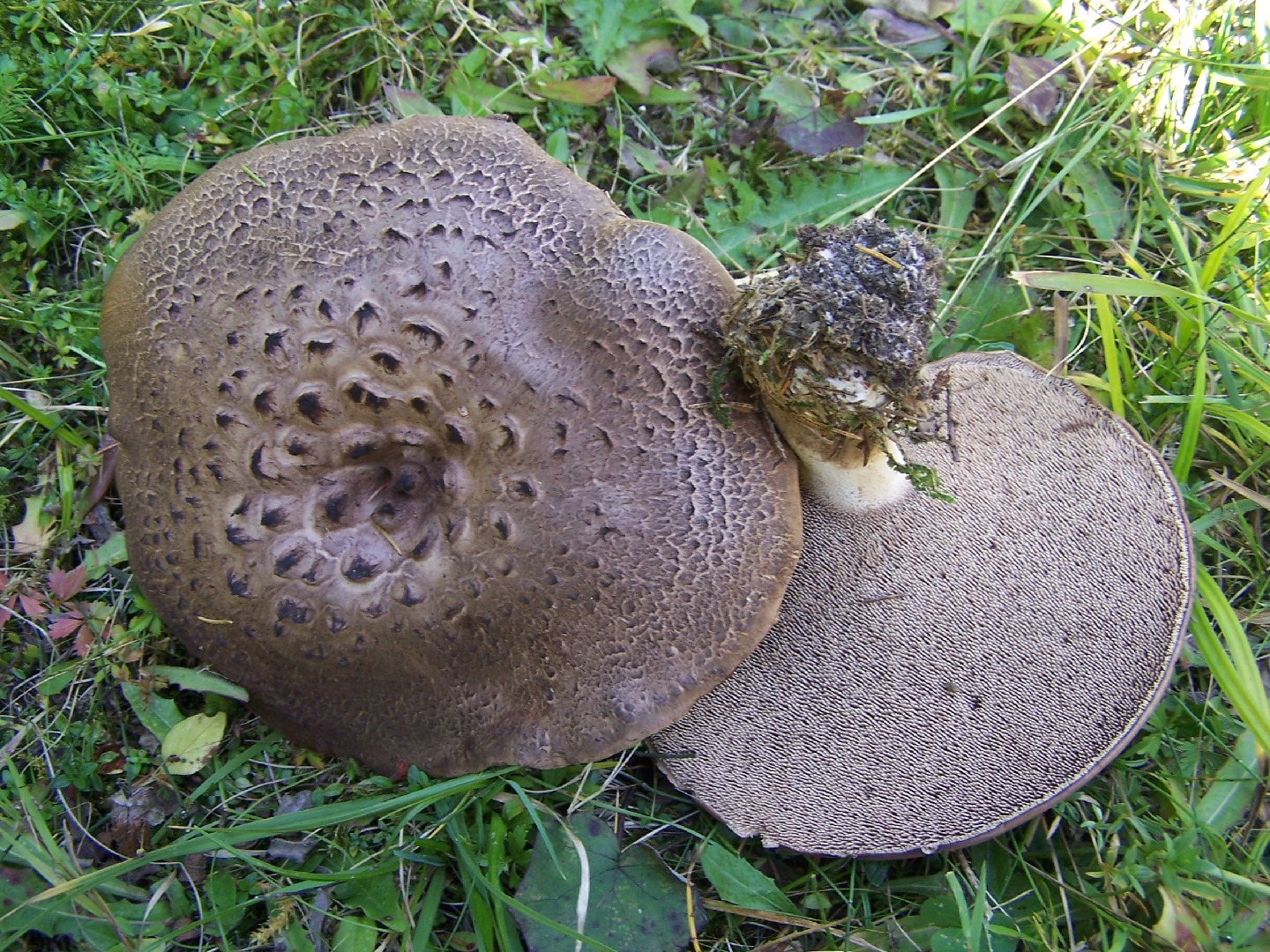
2. Shingled hedgehog
Shingled hedgehog(Sarcodon imbricatus) is often found in the company of fir trees, and it is therefore partial to mountainous or hilly regions. Endemic to Europe and North America, the species is prone to forming fairy rings. It fruits in early autumn.
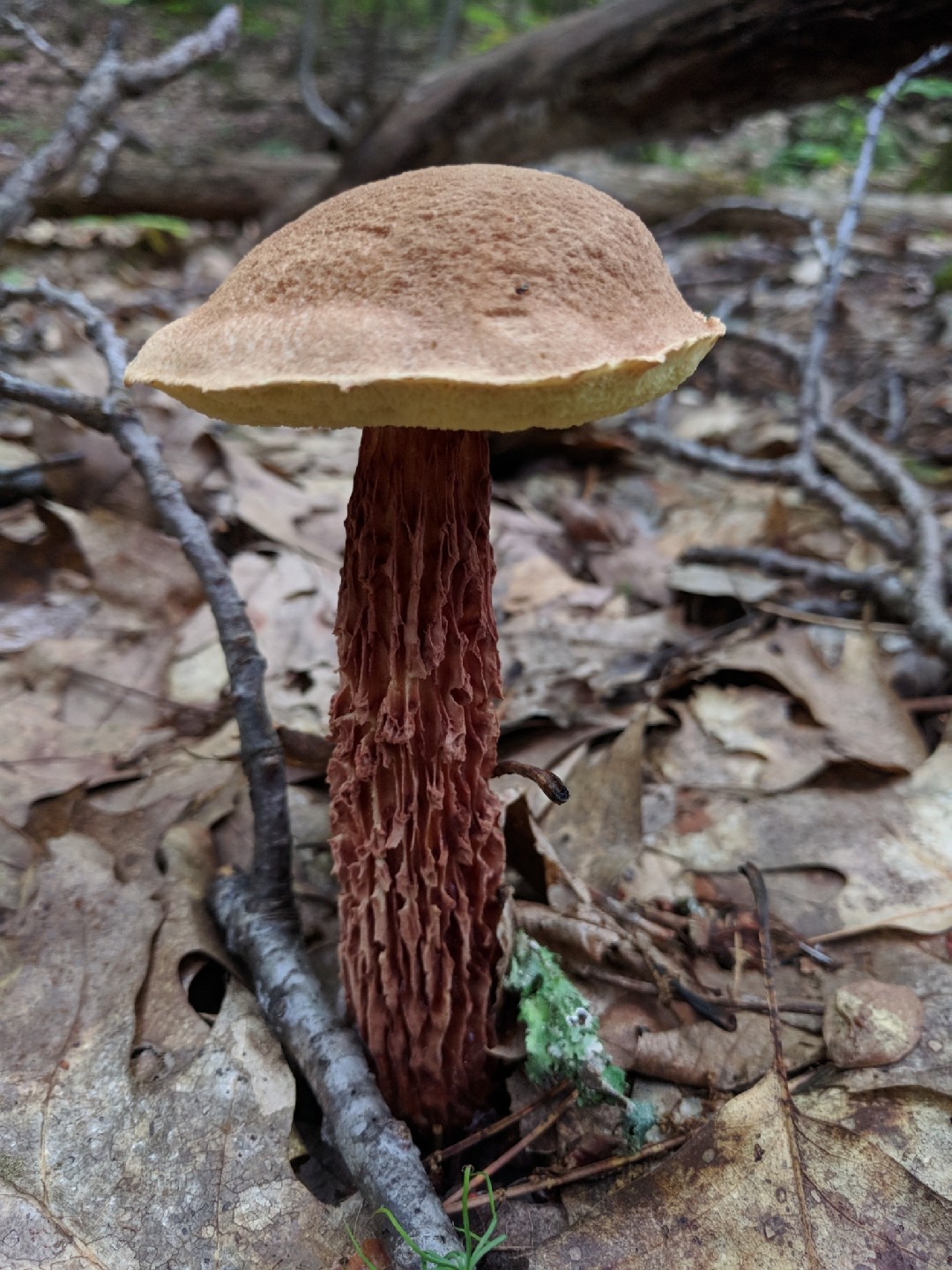
3. Russell's bolete
Russell's bolete is a unique-looking bolete with an attractive appearance that makes it easy to spot underneath oaks and other hardwood trees. It is distinctive for its slender stem which is also shaggy and pocketed. Unlike similar species, russell's bolete’s cap does not become sticky.
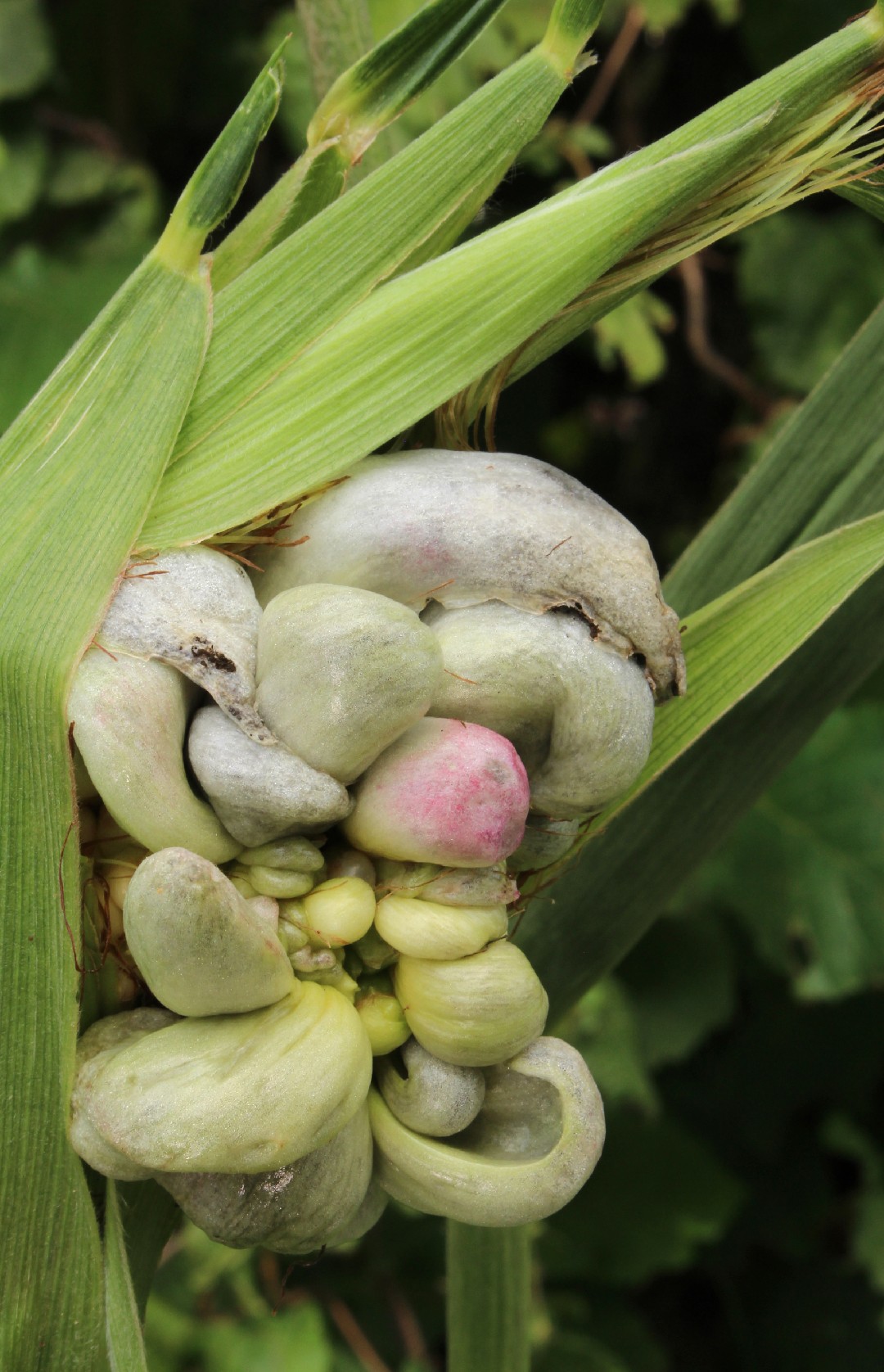
4. Corn smut
With a common name such as "corn smut," it is easy to guess that the most common place to find this crop-devastating fungus is on corn plants. The gall-shaped growths of corn smut (Ustilago maydis) are black in color with hues of grey and white closer to where they attach to the host plant. The corn will develop a scorched appearance, which is actually the smut rot.
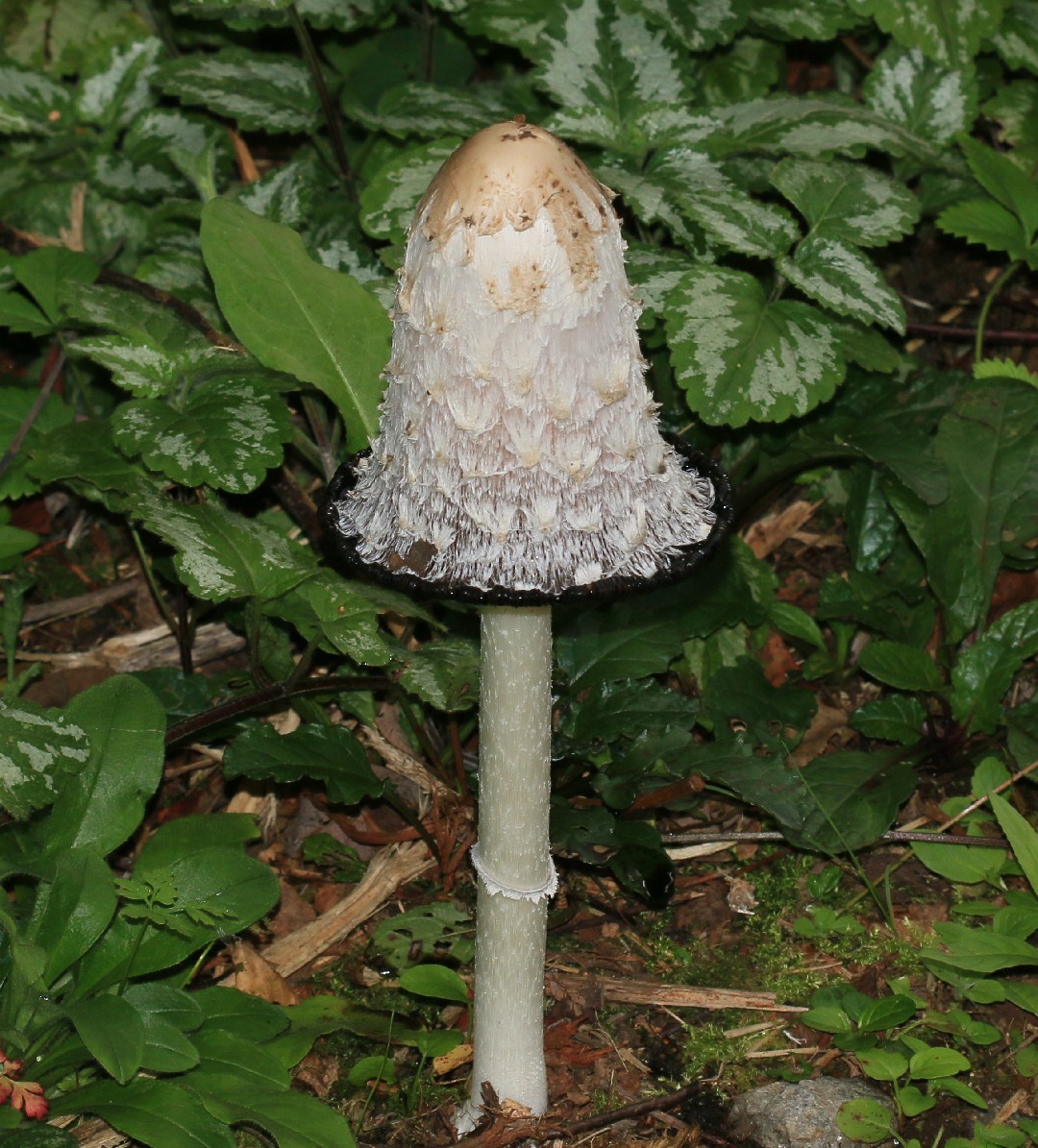
5. Shaggy mane
The shaggy mane mushroom is commonly found in North American and European grasslands. Some peoples foraged for its young egg-shaped caps, but it has more recently been found to be a bioaccumulator of heavy metals, meaning it pulls toxic metals up from the soil where it grows. As a result, shaggy manes should not be eaten. The mushrooms usually appear in clusters or “fairy rings.”
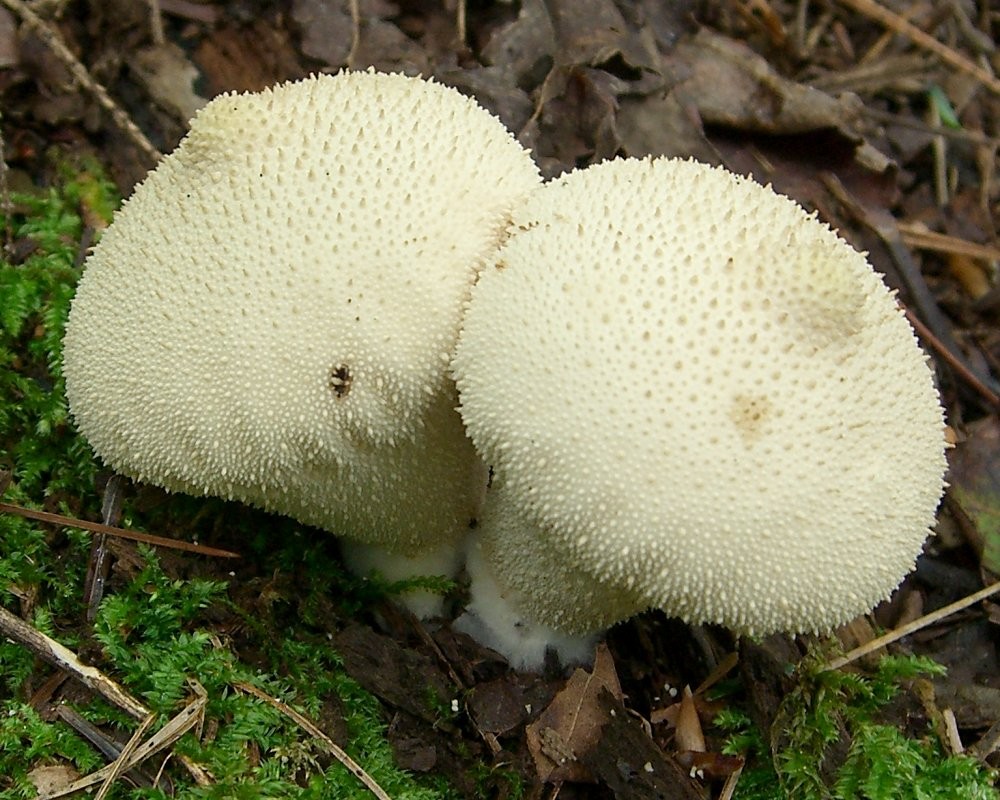
6. Common puffball
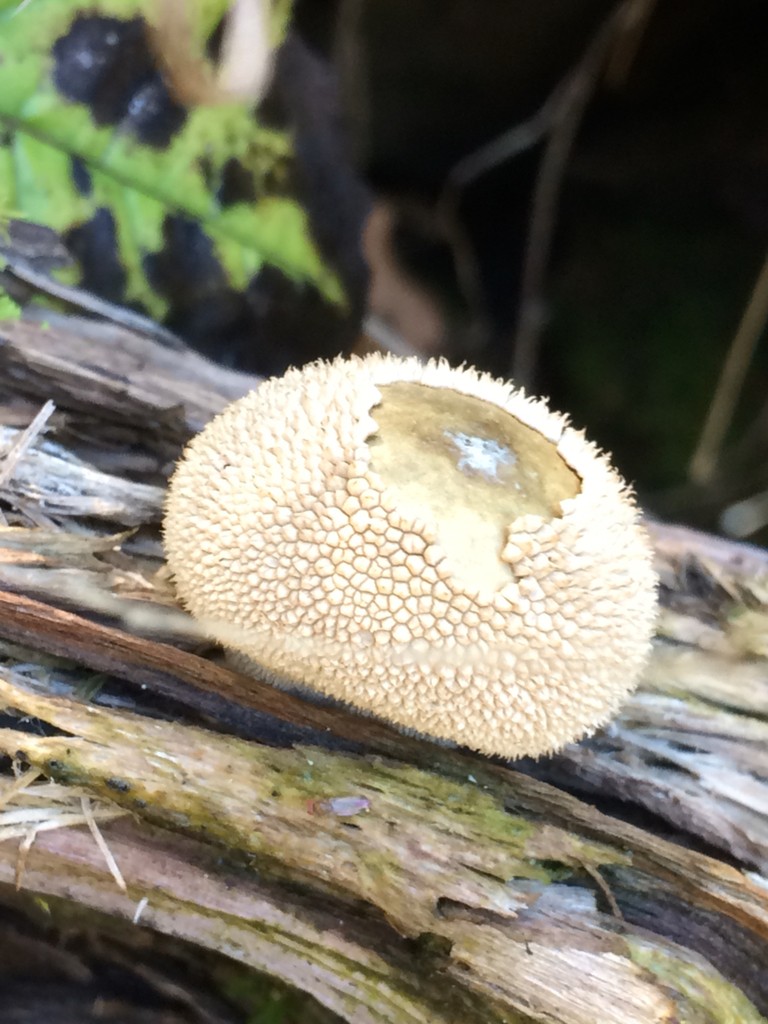
These puffy mushrooms grow in small groups on the forest floor. Once they're mature, common puffballs turn yellow and "puff out" smoke-like spore clouds when disturbed. Be very careful when identifying these mushrooms, as their young, immature form looks very similar to the lethal Deathcap.
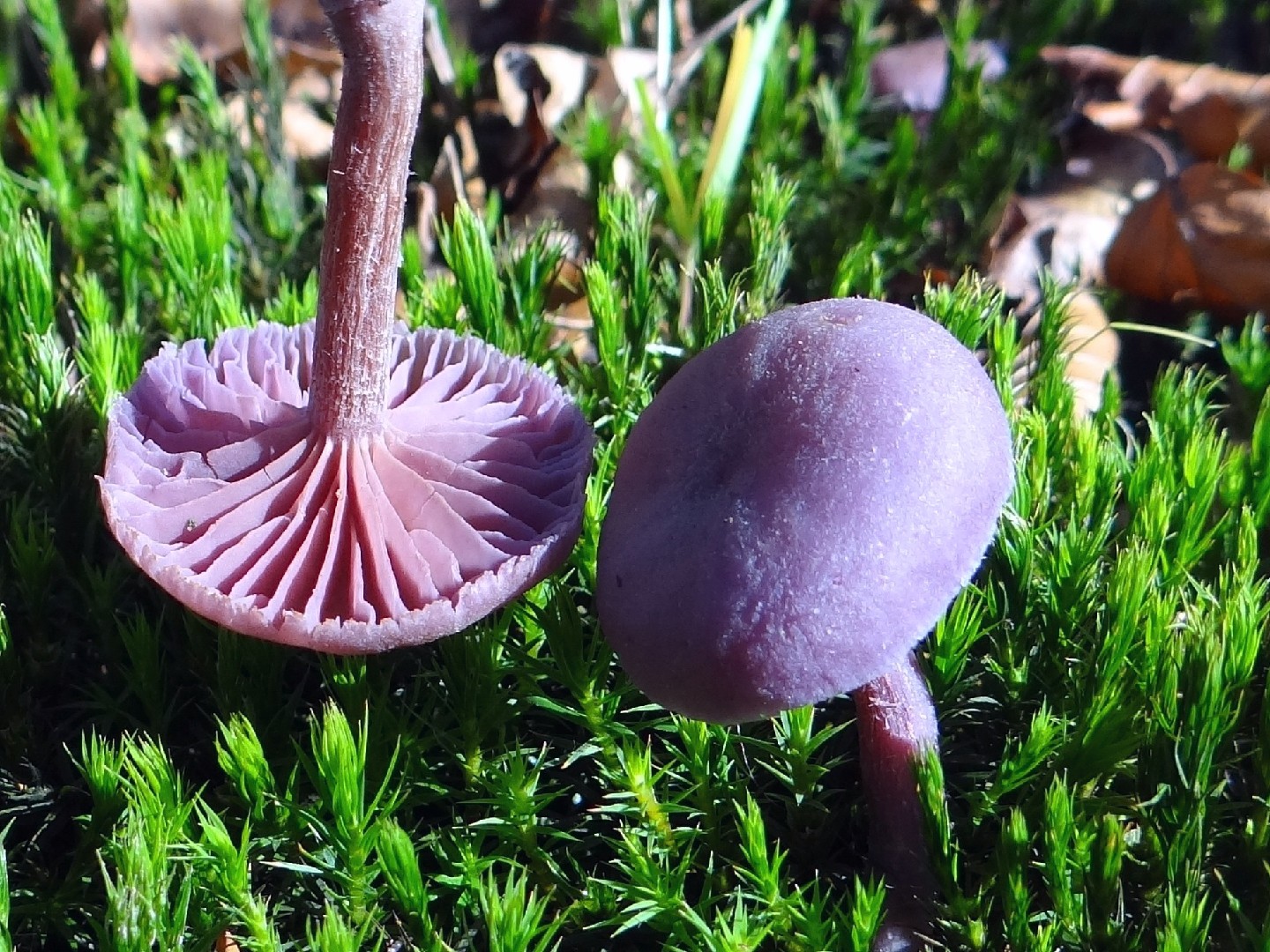
7. Amethyst deceiver
The amethyst deceiver (Laccaria amethystina) is a breathtaking mushroom that pops up from coniferous forest floors. The caps are a striking violet color in youth and are generally flat with a small indentation when the stem connects. As they mature, this violet color transforms to a less than breathtaking grey color, making it quite hard to identify after a certain age positively. Not edible.
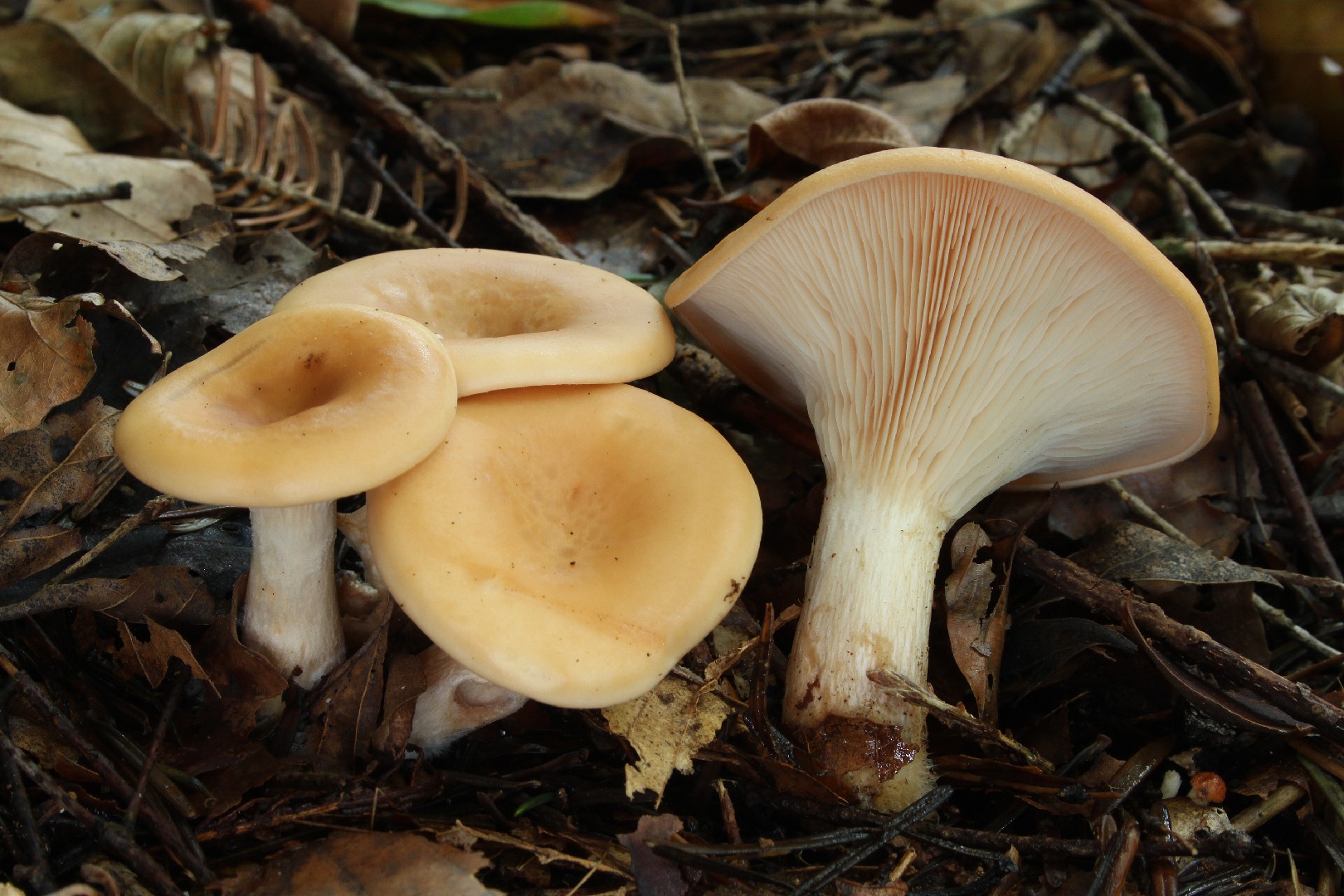
8. Tawny funnel cap
Tawny funnel cap grows in a variety of forest habitats, sometimes in fairy ring or line formations. Tawny funnel cap can have similar characteristics to a chanterelle but is lighter in color and has true gills instead of folded ridges underneath the cap.
9. Decorated mop
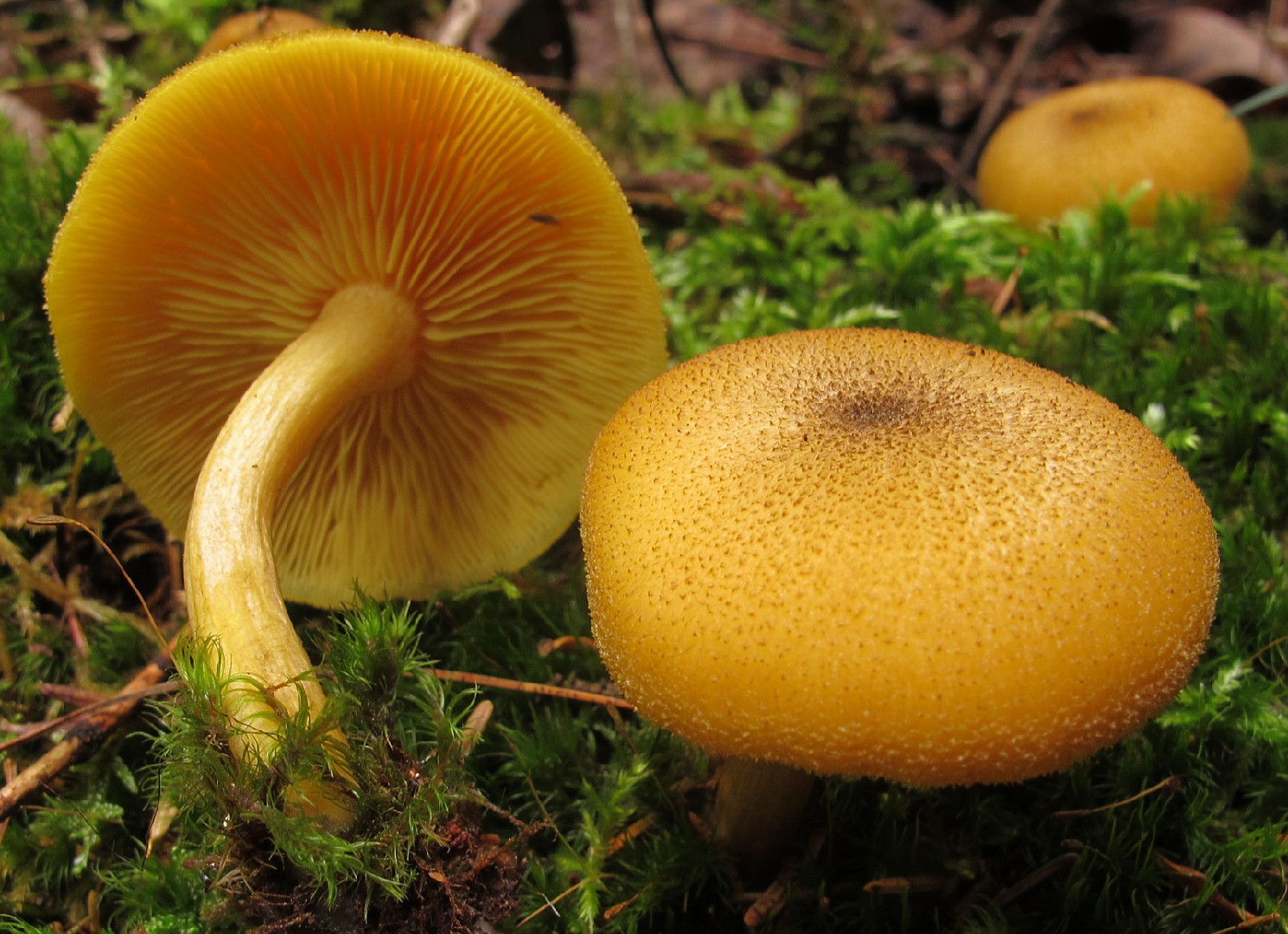
Characterized by a wide, flat cap, the decorated mop grows mushrooms of a yellow-brown hue with a scaly surface. Despite at least one of its common names referencing food, this mushroom is reportedly bitter and in 2006 was identified as possibly containing a life-threatening poison.
10. Honey fungus
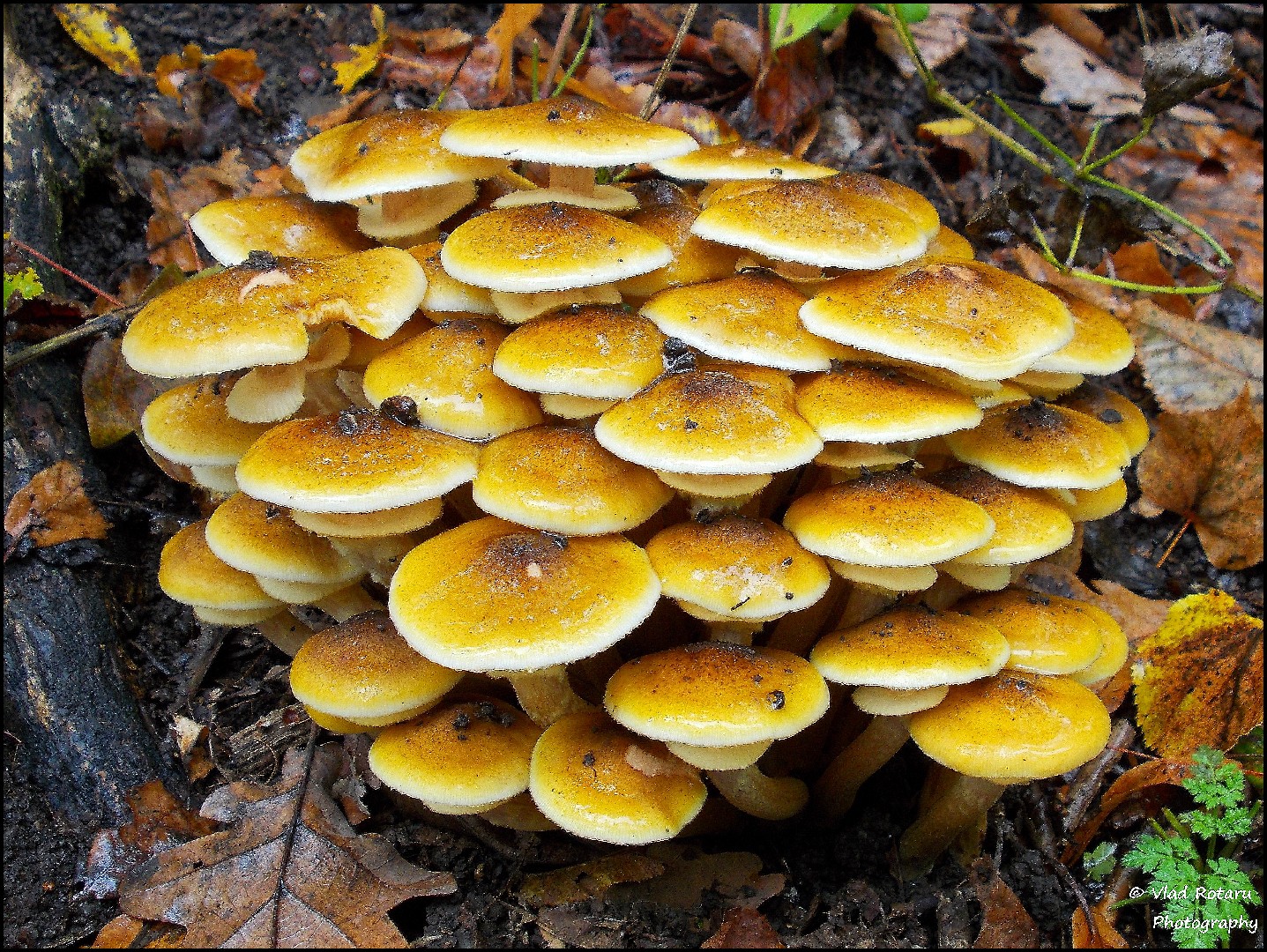
The honey fungus is a parasitic fungus that grows on the roots of many woody and perennial plants, damaging and possibly killing its host. It spreads underground and is considered to be the most damaging fungal disease in gardens across the UK. The appearance of the mushrooms above-ground heralds a much more extensive infection below.
More







