




Top 20 Edible Mushrooms Popular in Zacualtipan
Immerse yourself in the world of mushrooms nestled in the rich environment of Zacualtipan. Blessed with diverse habitats conducive for mushroom growth, Zacualtipan is renowned for its array of edible mushrooms. Discover the 20 most common varieties, distinguished by their distinctive taste, appearance, and culinary uses, each revealing fascinating insights into the unique mushroom ecology of this region. Whether you're a seasoned forager, a culinary enthusiast, or a novice mycologist, let's dive into the fascinating kingdom of edible fungi.
* Disclaimer: Content feedback CAN NOT be used as any basis for EATING ANY PLANTS. Some plants can be VERY POISONOUS, please purchase edible plants through regular channels.

Most Popular Edible Mushrooms

1. Shaggy mane
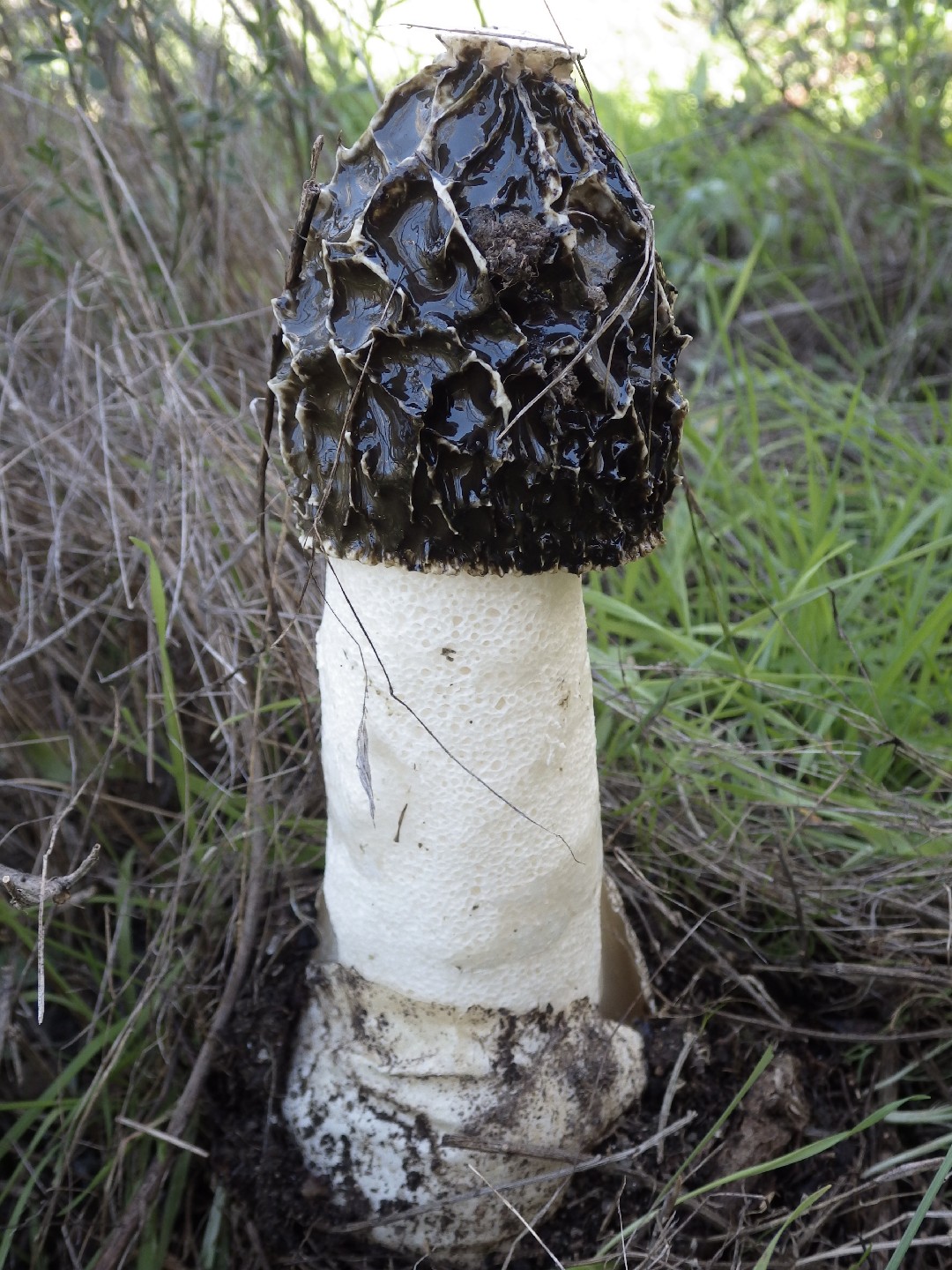
The shaggy mane mushroom is commonly found in North American and European grasslands. Some peoples foraged for its young egg-shaped caps, but it has more recently been found to be a bioaccumulator of heavy metals, meaning it pulls toxic metals up from the soil where it grows. As a result, shaggy manes should not be eaten. The mushrooms usually appear in clusters or “fairy rings.”
2. Indigo milk cap
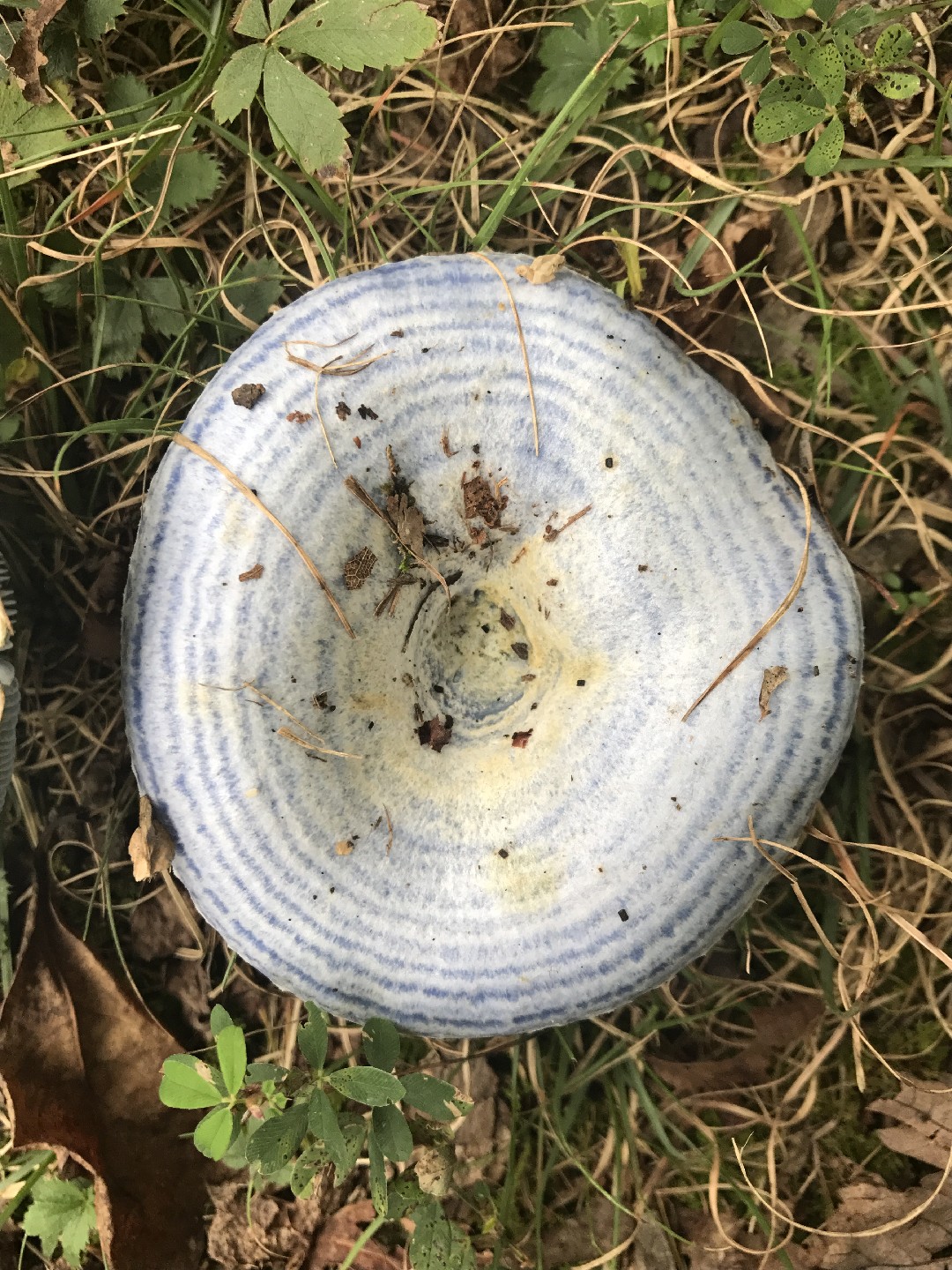
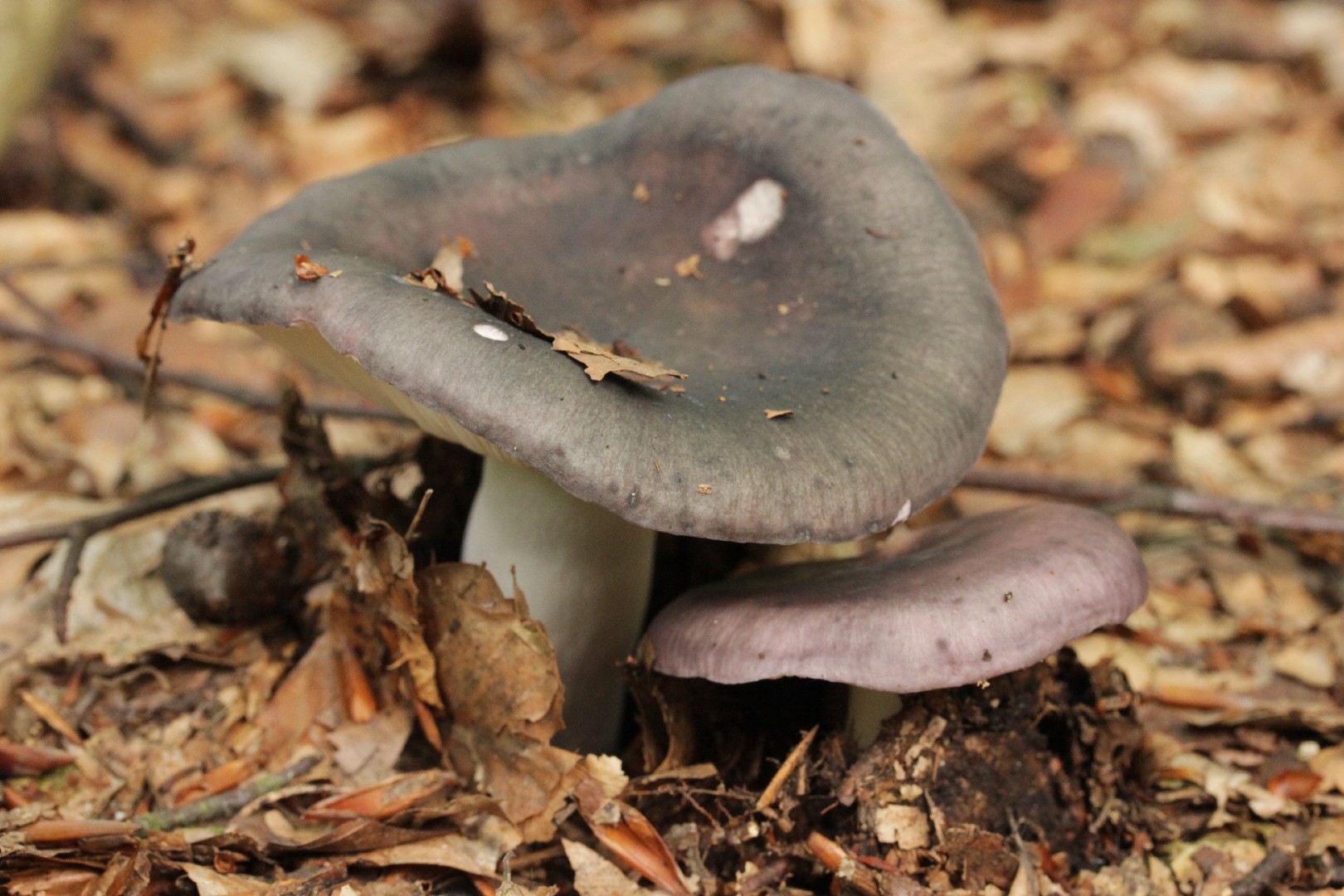
This gorgeous species is unlike any other. The indigo milk cap, a member of the often-drab russula family, is deep blue in color. Like other milk caps, it bleeds a latex-like substance when cut or damaged, but instead of the usual white this species bleeds deep blue.
3. Russell's bolete
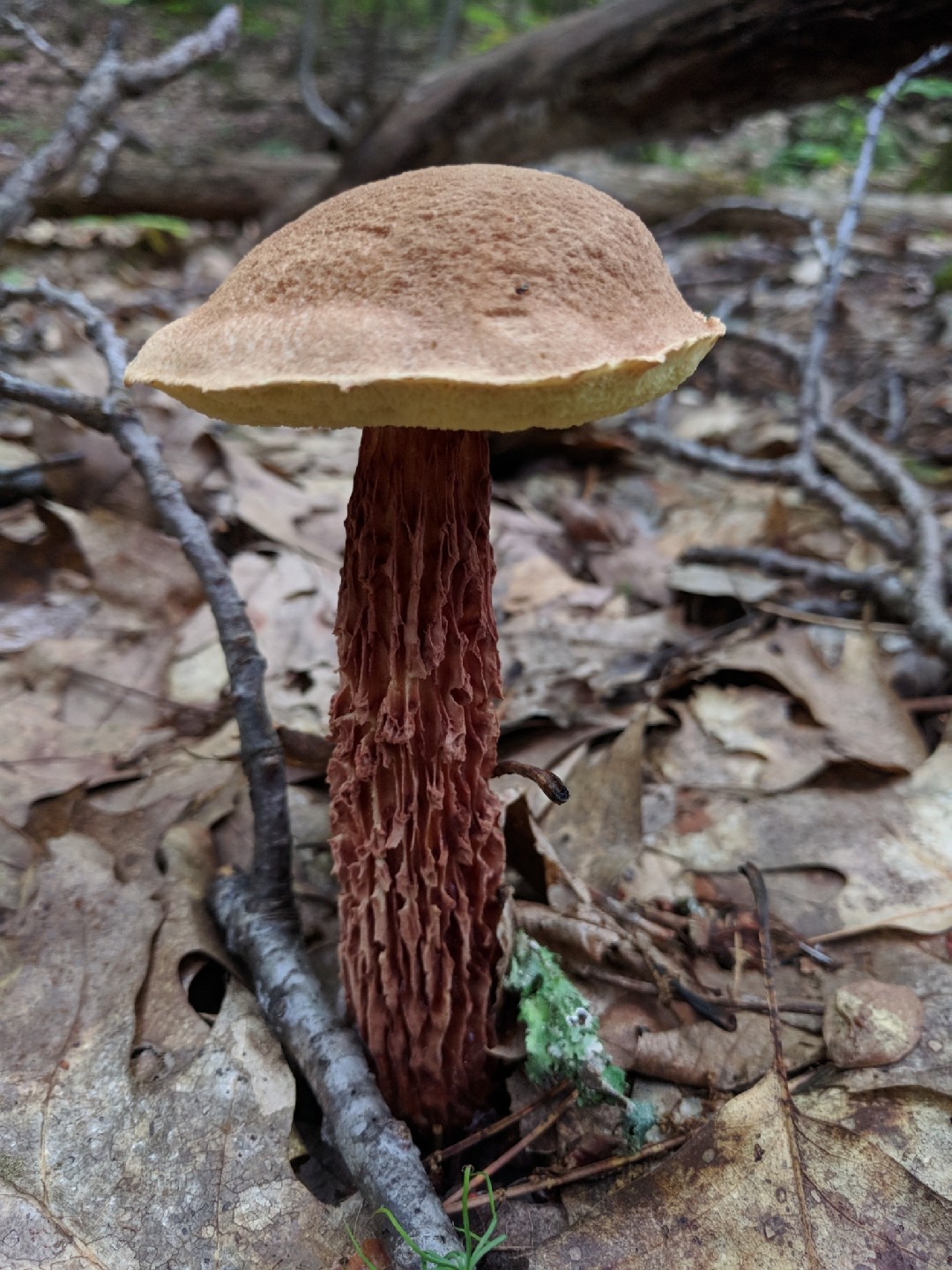
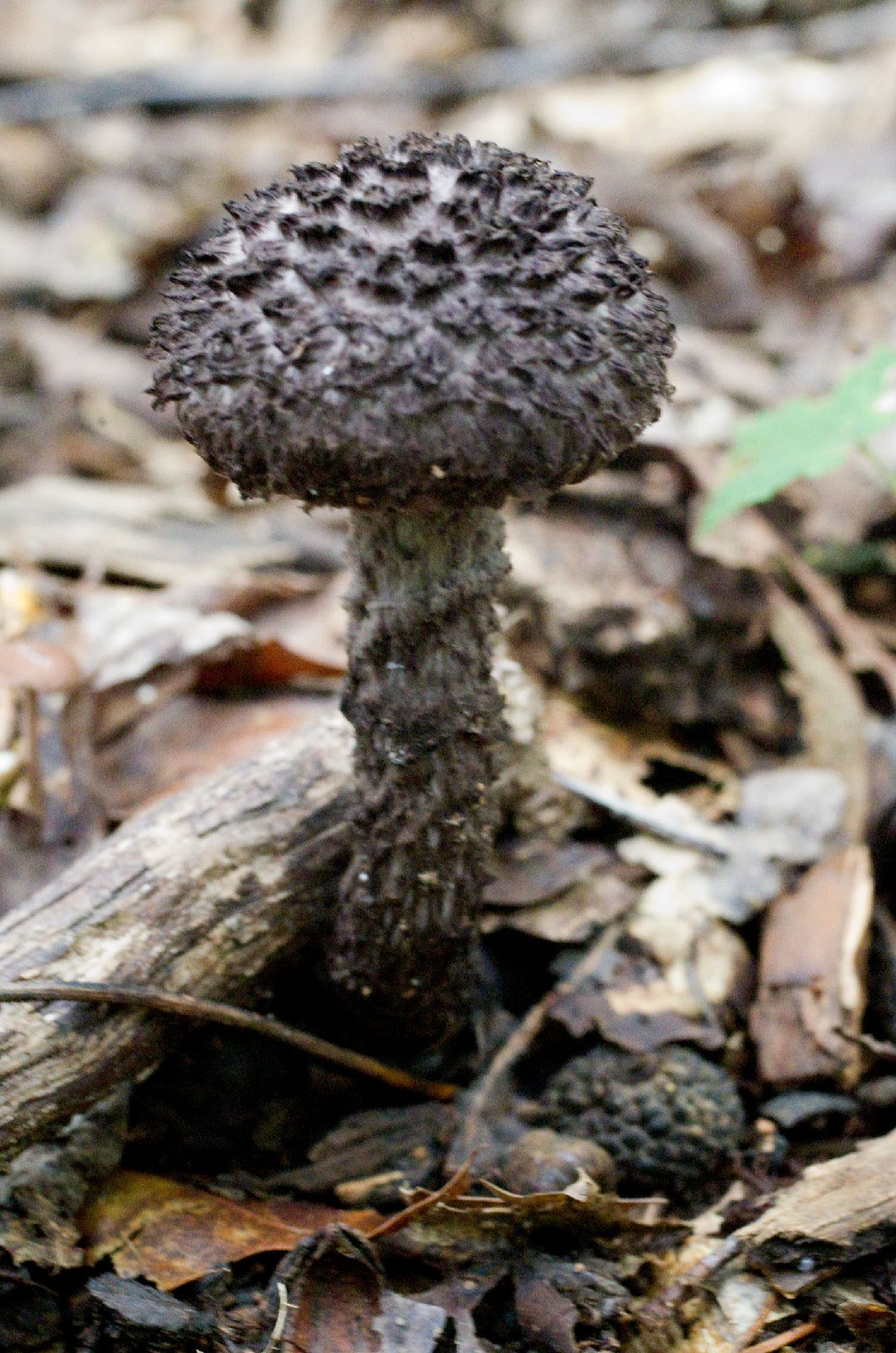
Russell's bolete is a unique-looking bolete with an attractive appearance that makes it easy to spot underneath oaks and other hardwood trees. It is distinctive for its slender stem which is also shaggy and pocketed. Unlike similar species, russell's bolete’s cap does not become sticky.

4. Common puffball
These puffy mushrooms grow in small groups on the forest floor. Once they're mature, common puffballs turn yellow and "puff out" smoke-like spore clouds when disturbed. Be very careful when identifying these mushrooms, as their young, immature form looks very similar to the lethal Deathcap.
5. Corn smut
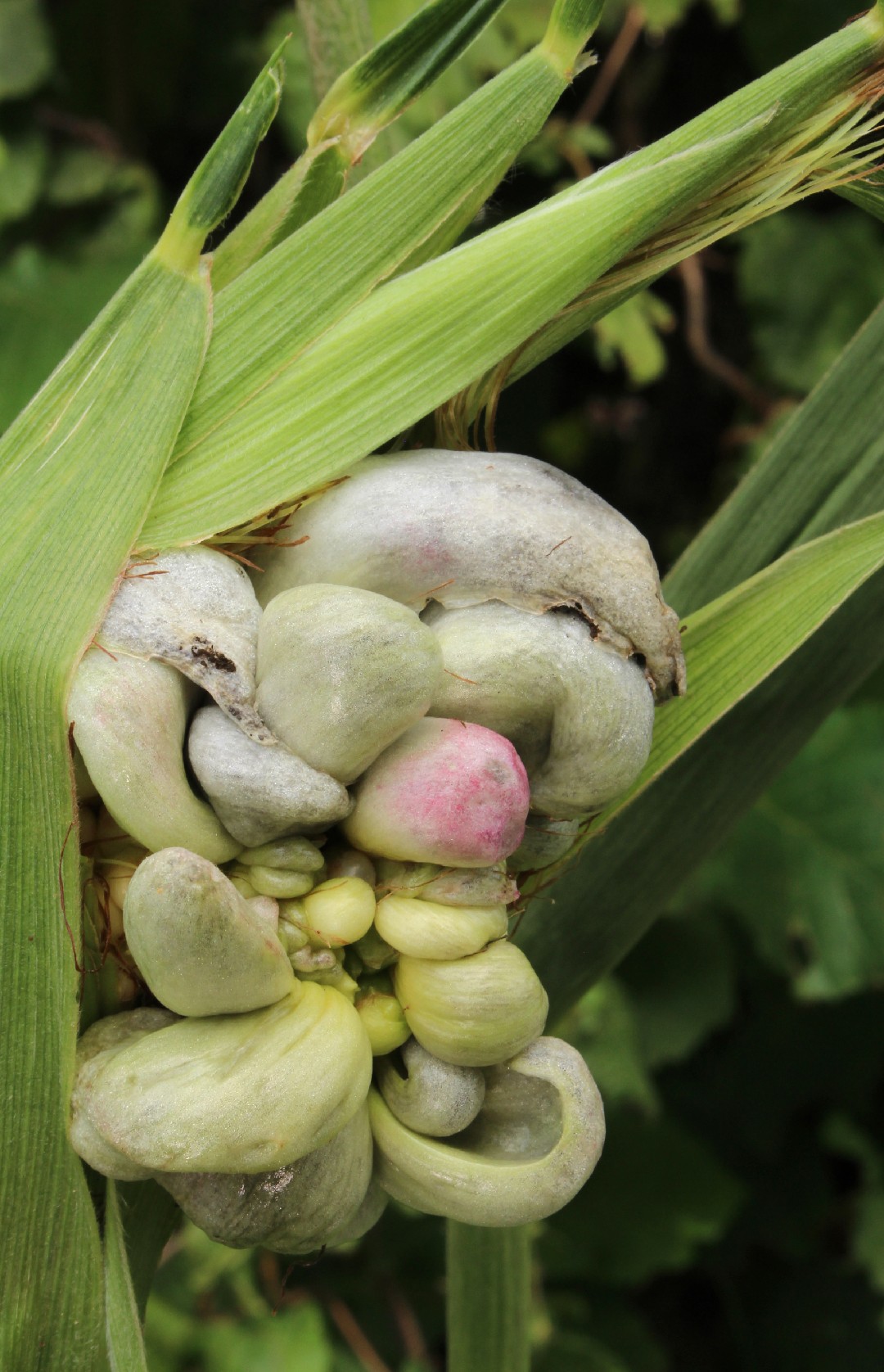
With a common name such as "corn smut," it is easy to guess that the most common place to find this crop-devastating fungus is on corn plants. The gall-shaped growths of corn smut (Ustilago maydis) are black in color with hues of grey and white closer to where they attach to the host plant. The corn will develop a scorched appearance, which is actually the smut rot.
6. Meadow mushroom
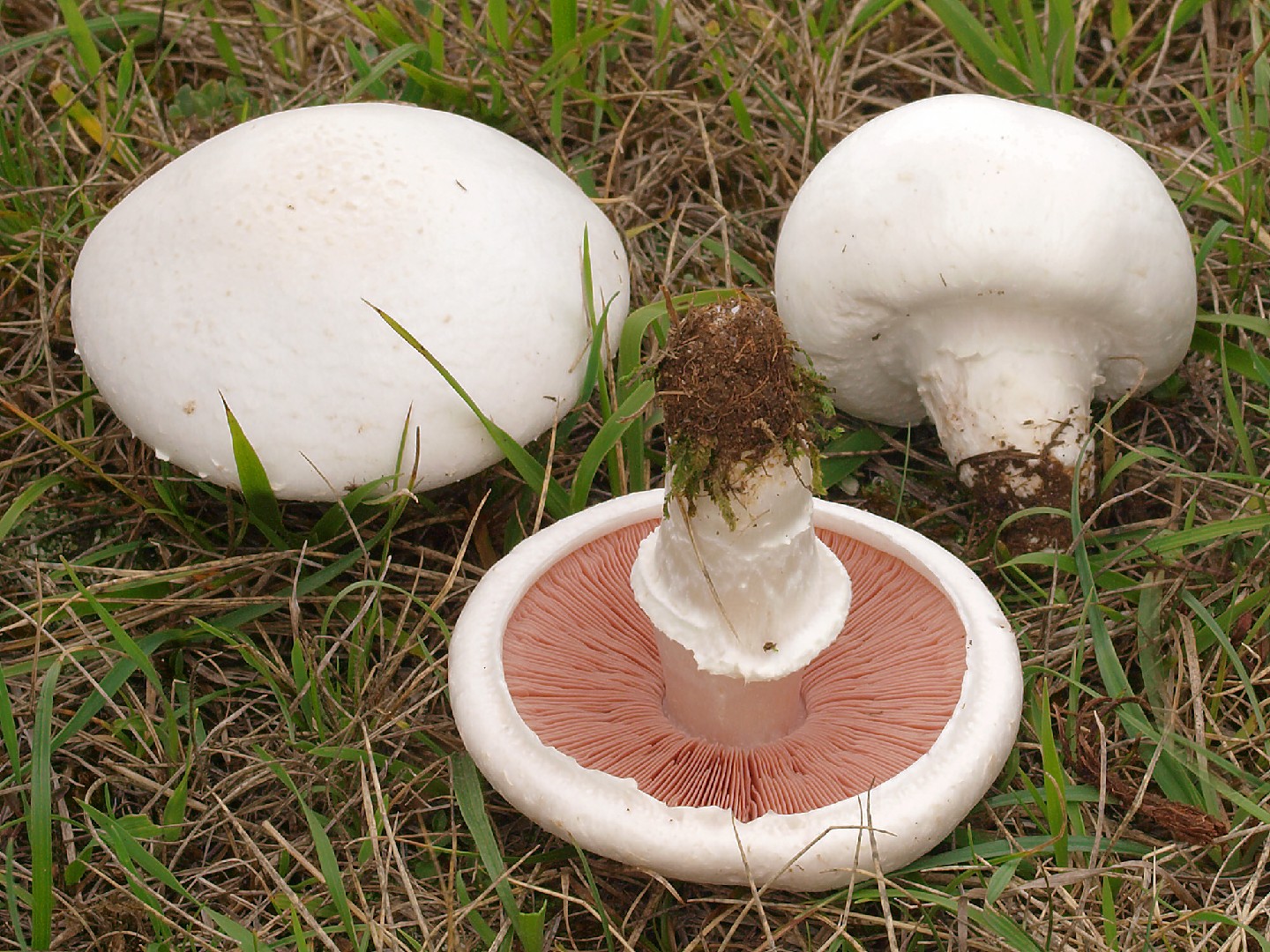
The meadow mushroom grows in meadows and pastures around the world—especially those rich in manure—when the weather is warm and wet. They are known to appear in “fairy ring” shapes. Originally identified in Europe, it is possible that North American specimens identified as meadow mushrooms may genetically belong to other species.
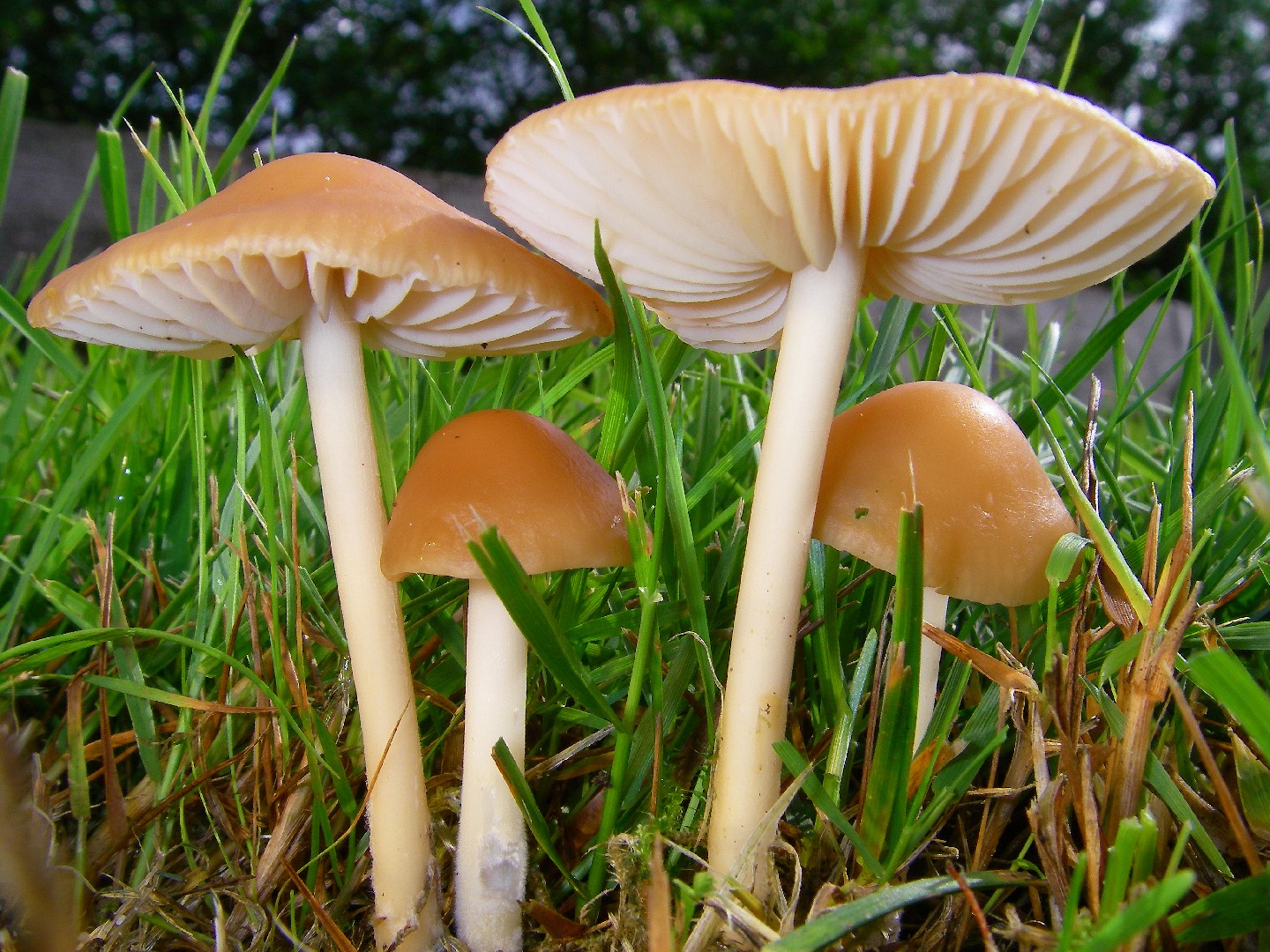
7. Fairy ring mushroom
Fairy ring mushrooms may dry out completely in the sun, but will “resurrect” during the next rain and regain their ability to make new spores. This is due to a sugar called trehalose which protects their cells. They appear in lawns and fields, sometimes in “fairy ring” configurations.

8. Torq
The torq (Agaricus bitorquis) is a white-capped agaric that bears a resemblance to, and is closely related to, the commonly-eaten button mushroom (Agaricus bisporus). This hardy, generalist species does well even in urban environments - their white fruiting bodies can be seen poking up through woodchips, mulch, sidewalk cracks, and even asphalt.
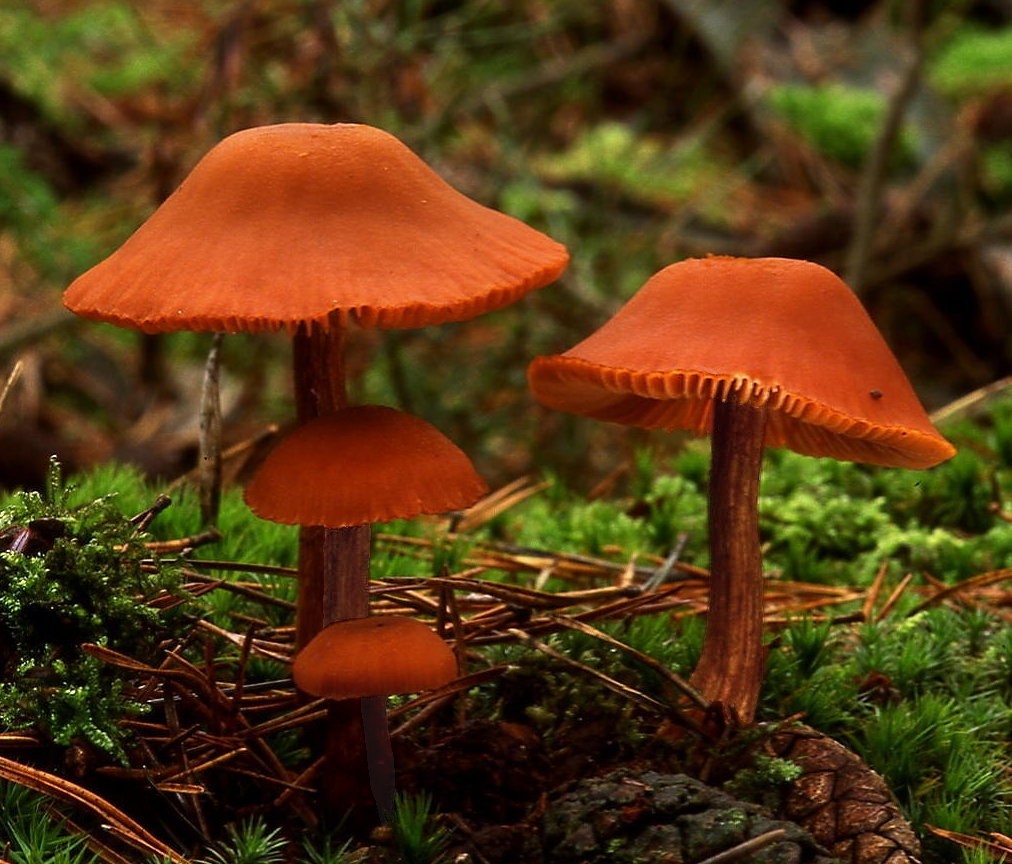
9. Common laccaria
Common laccaria may sound like a malevolent name for a mushroom, but fret not! This species is so-called because its appearance is highly variable, with individual caps taking on a whole host of colors, from whitish to pinkish to dark brown.

10. Blushing morel
Blushing morel (Morchella rufobrunnea) is most commonly found clustered near piles of woodchips or decaying bark. Because such woodchips are commonly used in landscaping work, this species has also been nicknamed the "Landscaping Morel" for its tendency to sprout in such conditions.
More







