




Top 20 Edible Mushrooms Popular in Malaysia
Discover the top 20 most common edible mushrooms in Malaysia, a country blessed with a humid, tropical climate that fosters a diverse range of fungi species. As varied as their environment, these mushrooms differ in taste and appearance, each carrying their unique culinary significance in different local cultures — a testament to Malaysia's rich mycological flora. This guide provides an insight into their habitats, characteristics, and delectable uses in Malaysia cuisine. Taste the mushroom's wild side, one spore-bearing species at a time.
* Disclaimer: Content feedback CAN NOT be used as any basis for EATING ANY PLANTS. Some plants can be VERY POISONOUS, please purchase edible plants through regular channels.

Most Popular Edible Mushrooms
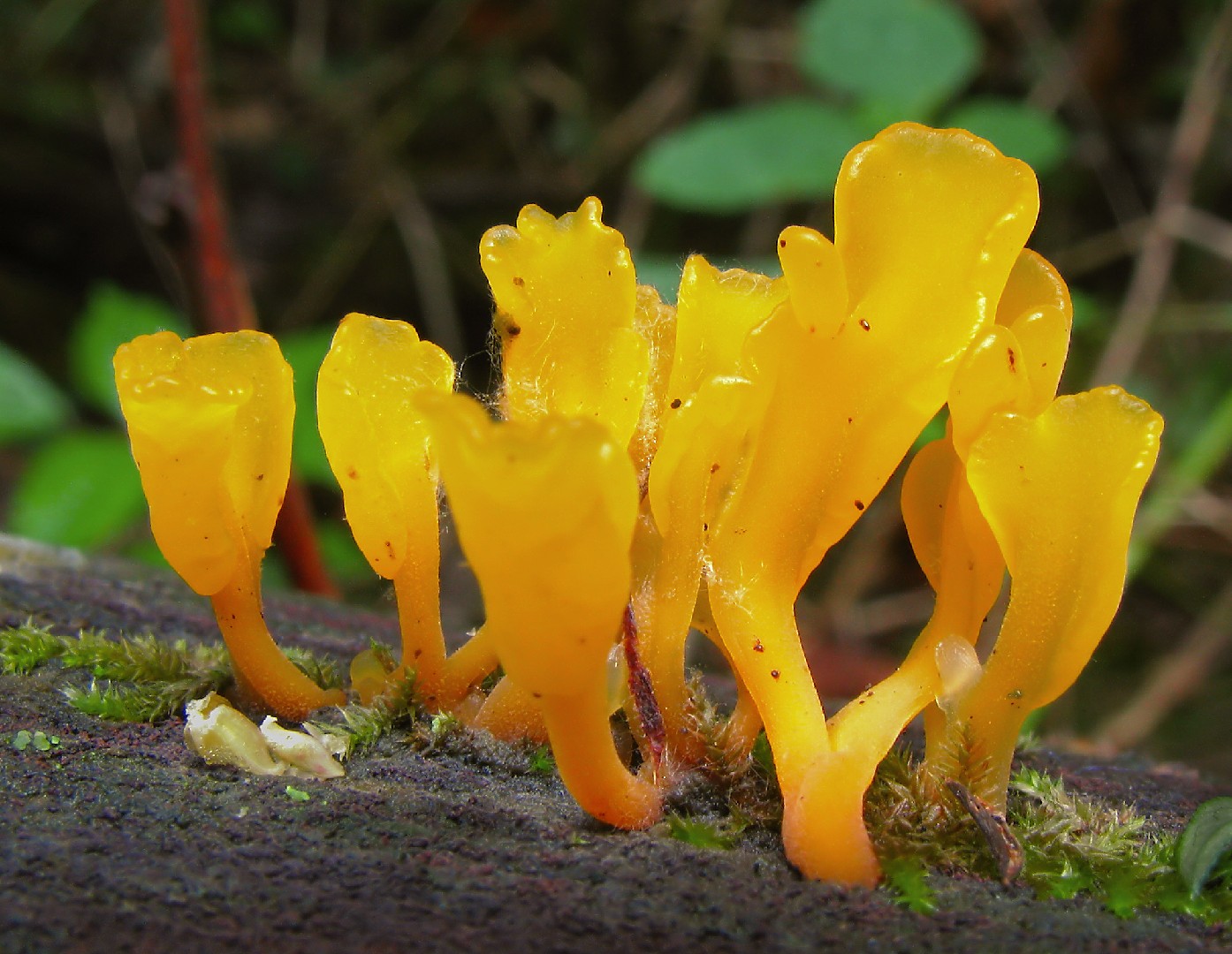
1. Fan-shaped jelly-fungus
Just as its Latin and the common English names suggest, the fan-shaped jelly-fungus (Dacryopinax spathularia) is a fan-shaped or spatula-shaped jelly-like mushroom. It commonly grows in wood cracks and it sometimes even appears in the cracks of the processed wood and lumber. Despite the word "jelly" in its name, the fan-shaped jelly-fungus is not considered edible.
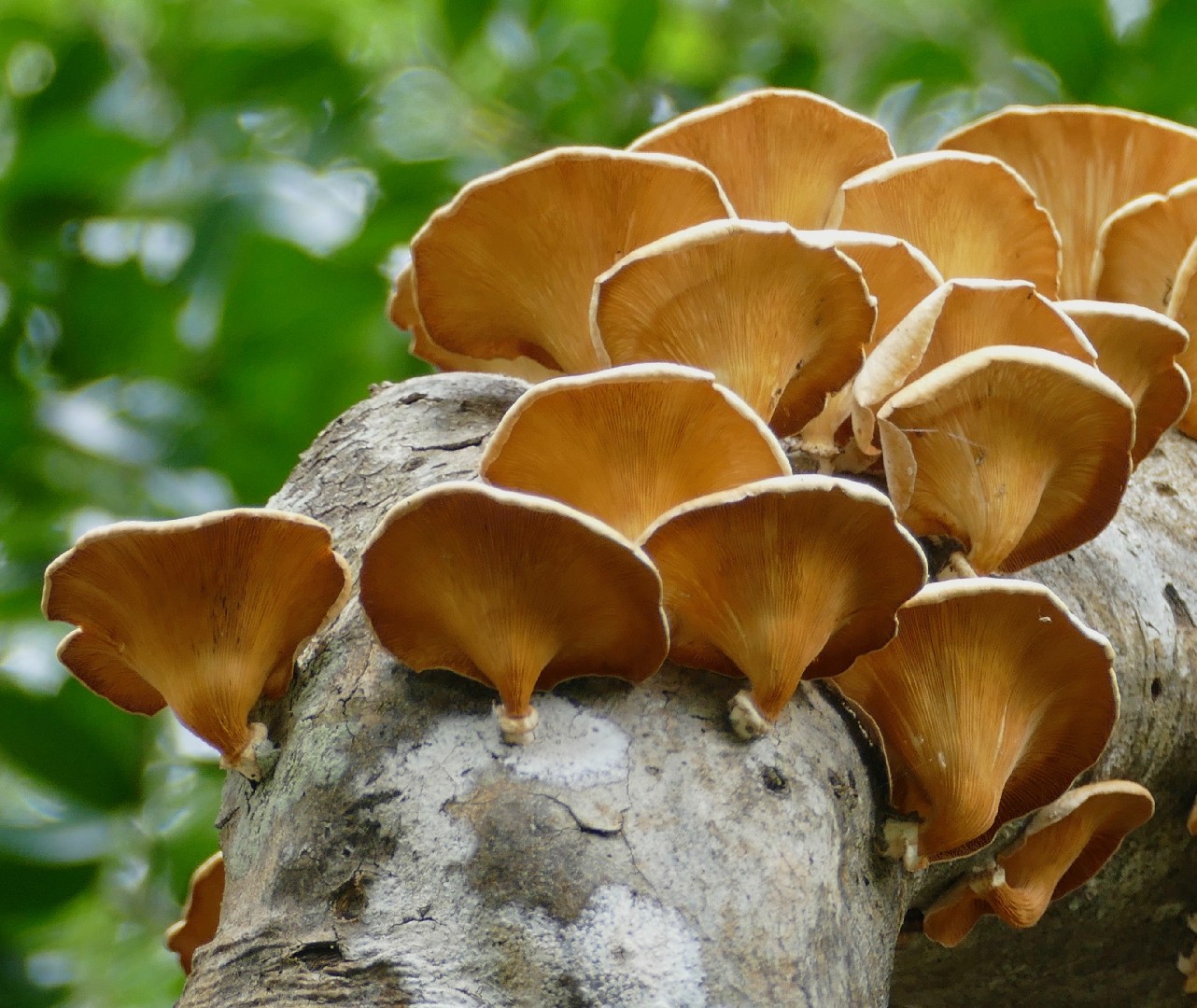
2. White-rot fungus
The white-rot fungus is known as a white-rot fungus and it's usually found growing on dead wood. When young, the mushroom is soft and leathery, but it becomes extremely tough as it matures, obtaining a funnel-shaped fruiting body.
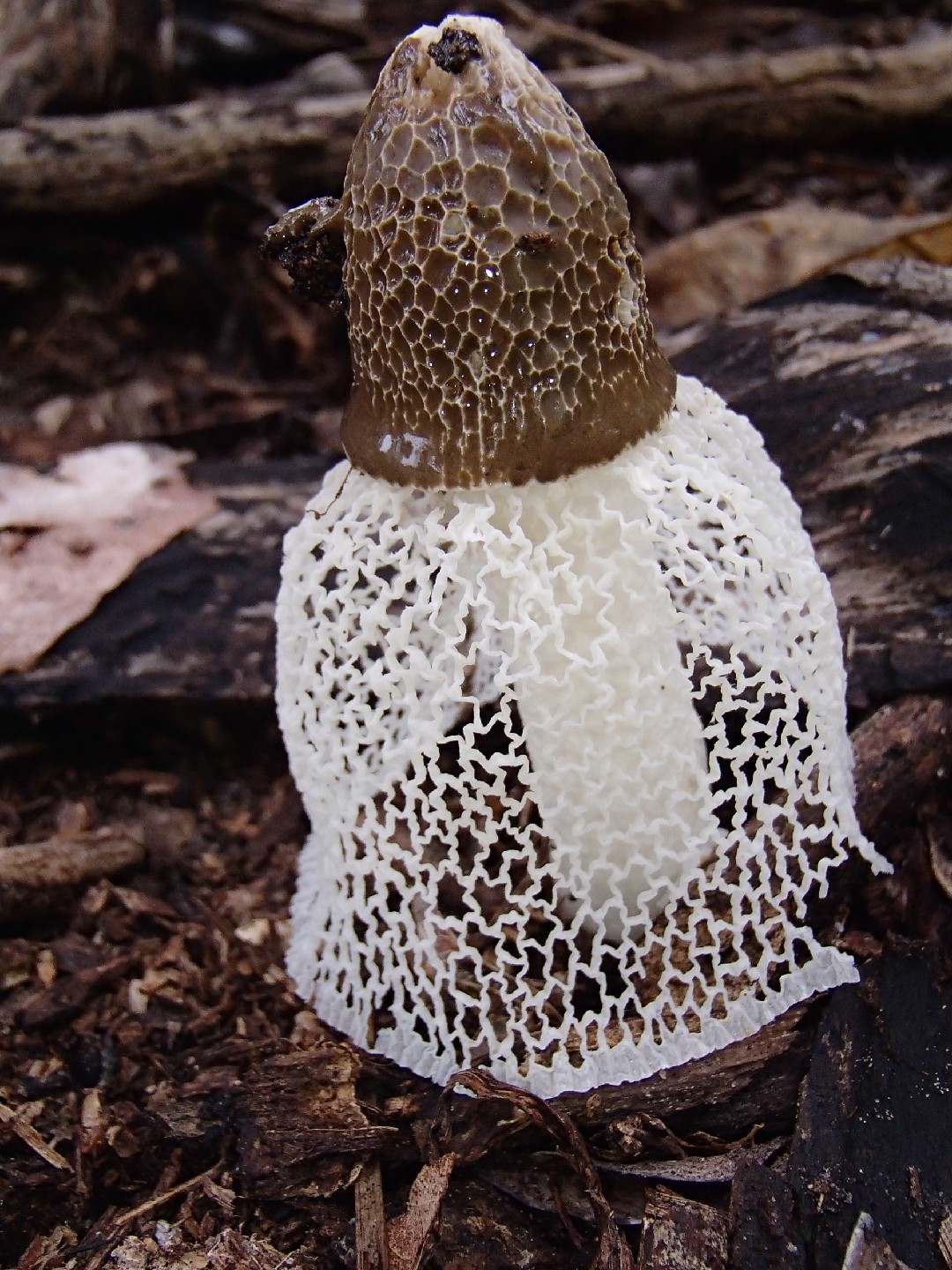
3. Bridal veil stinkhorn
Bridal veil stinkhorn (Phallus indusiatus) can be found rising up from the ground in tropical forests around the world. A distinctive netted fringe “skirt” descends from the cap along the length of the stalk. A type of “stinkhorn,” the fruitbodies of this species produce scents that vary between sickly-sweet to just plain unpleasant. The odor is meant to attract insects that usually lay their eggs in carrion.
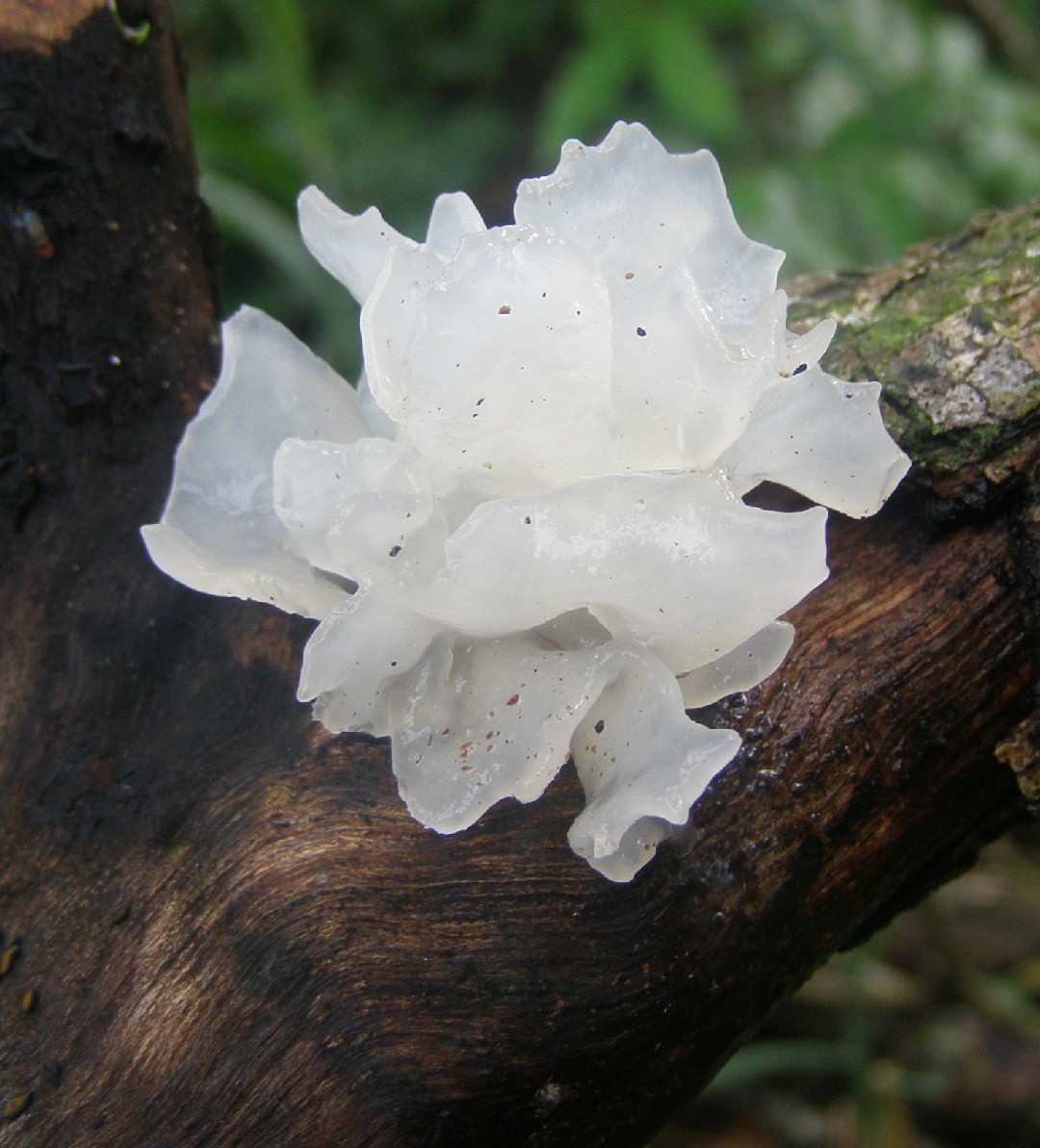
4. Snow fungus
Snow fungus (Tremella fuciformis) is so-named not because it is associated with winter, but, rather, because its fruitbodies look like little piles of snow fungus on the ground. This fungus actually inhabits very warm - tropical and subtropical - locations around the globe. Snow fungus does not have much taste, but it is cultivated for culinary use across East Asia, where it is often added to thicken soups and desserts.
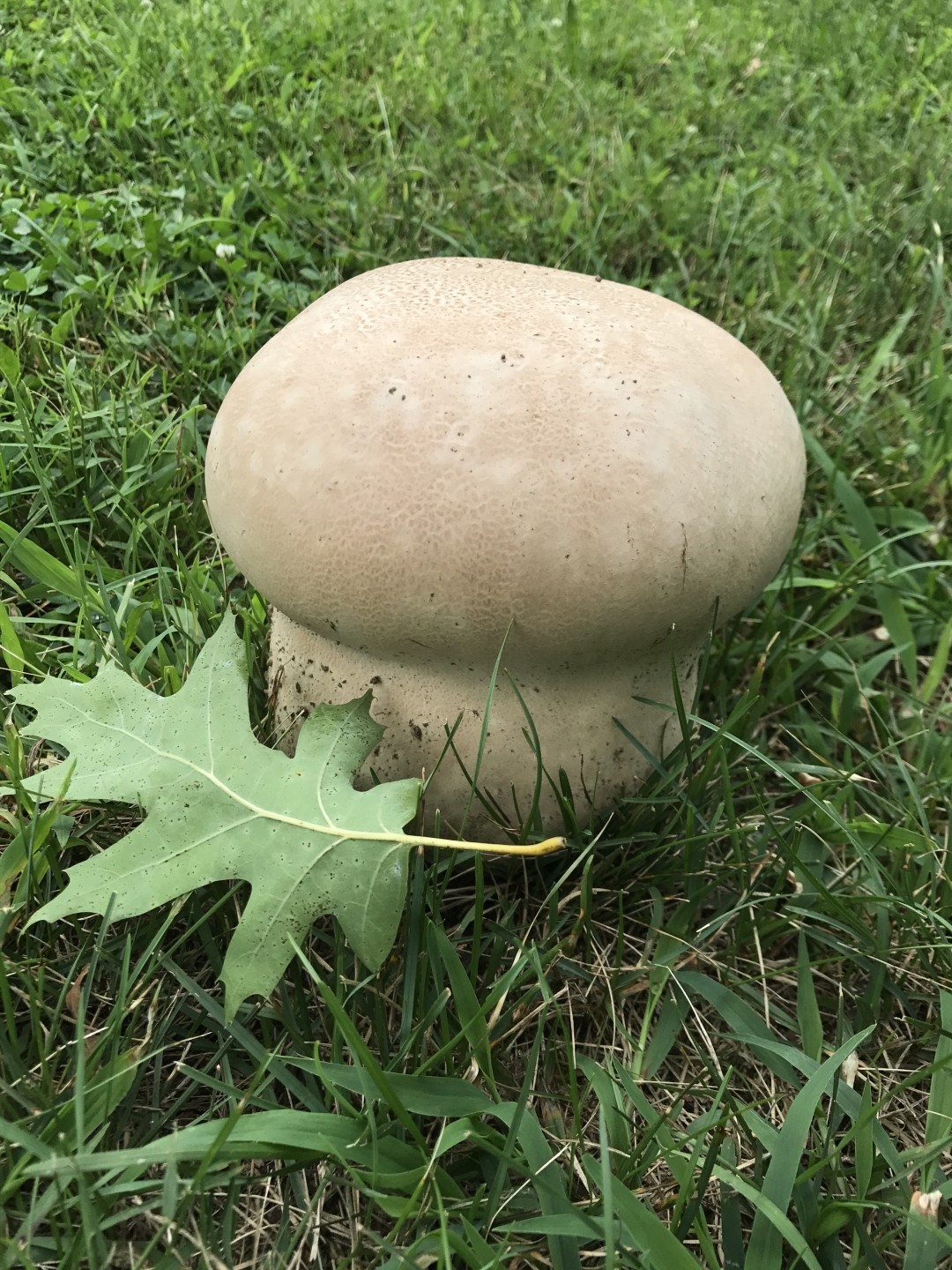
5. Purple-spored puffball
It's hard to mistake this mushroom for another. The aptly-named purple-spored puffball has a large, round, or pear-shaped fruiting body and is purple or chocolate-brown in color (with spores to match). Purple-spored puffballs are found in prairies and meadows across North America and Australia.
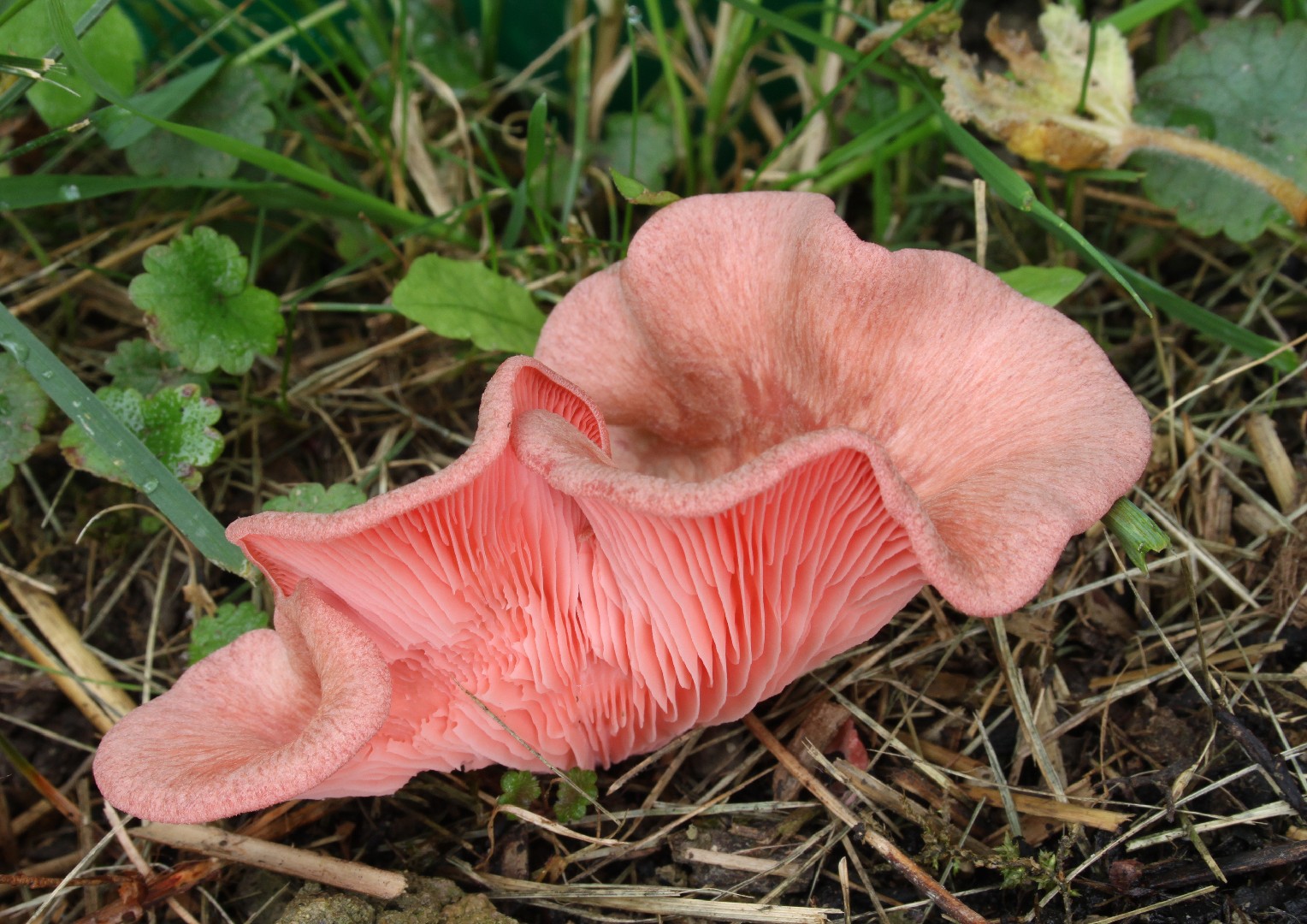
6. Pink oyster mushroom
Pink oyster mushroom is a striking mushroom that grows in the shape of an oyster shell. It has a brilliant pink color that fades as the mushroom ages. Pink oyster mushroom is primarily found in warmer climates growing on tropical hardwood trees.
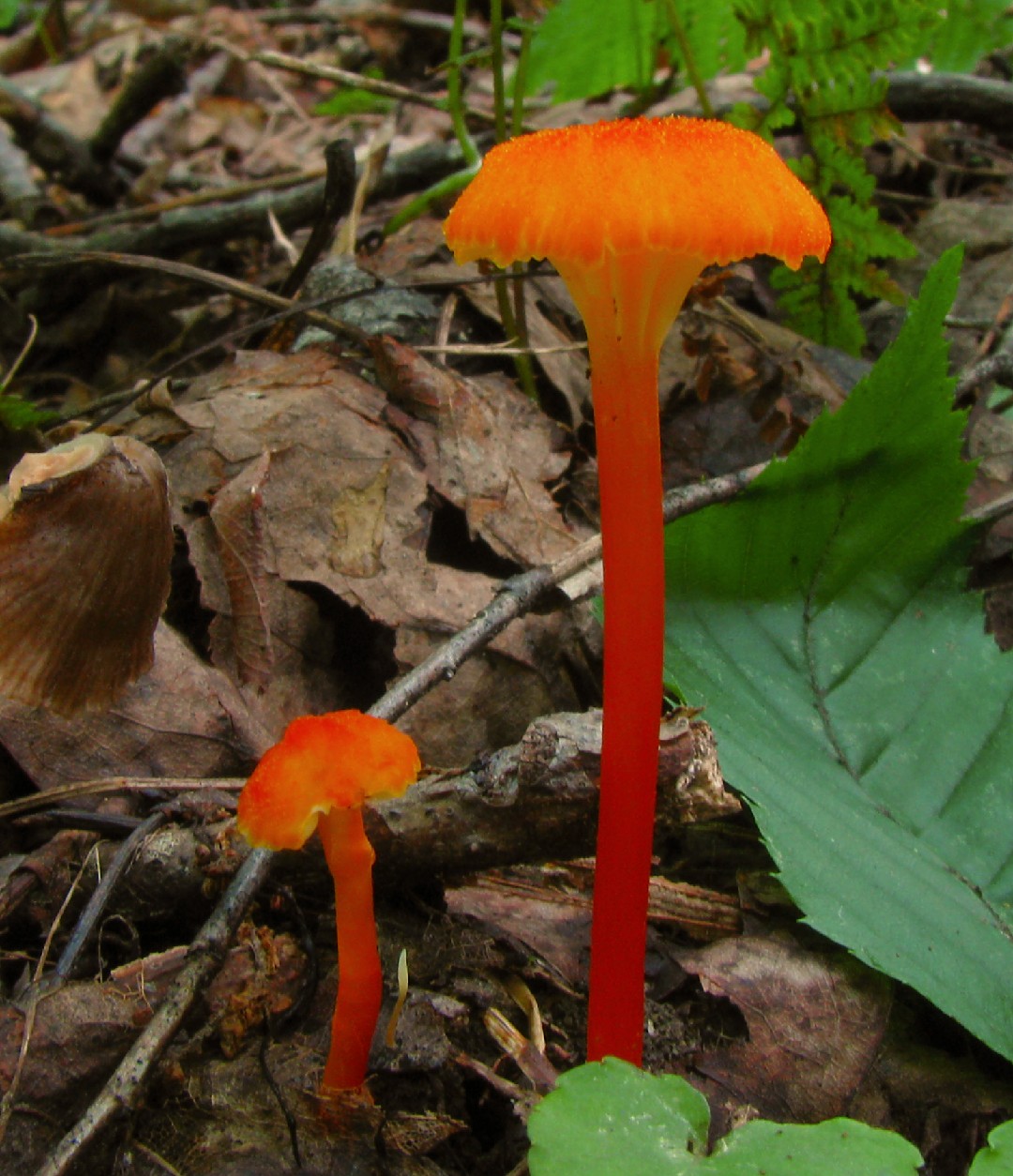
7. Goblet waxcap
Small but brilliantly colored, the goblet waxcap (Hygrocybe cantharellus) can be found in temperate, grassy areas of Europe and temperate, forested areas of North America. The species bears a vague resemblance to the common chanterelle, being red-orange in color and sometimes taking on a vase-like shape. Goblet waxcaps typically fruit late, cropping up in autumn.
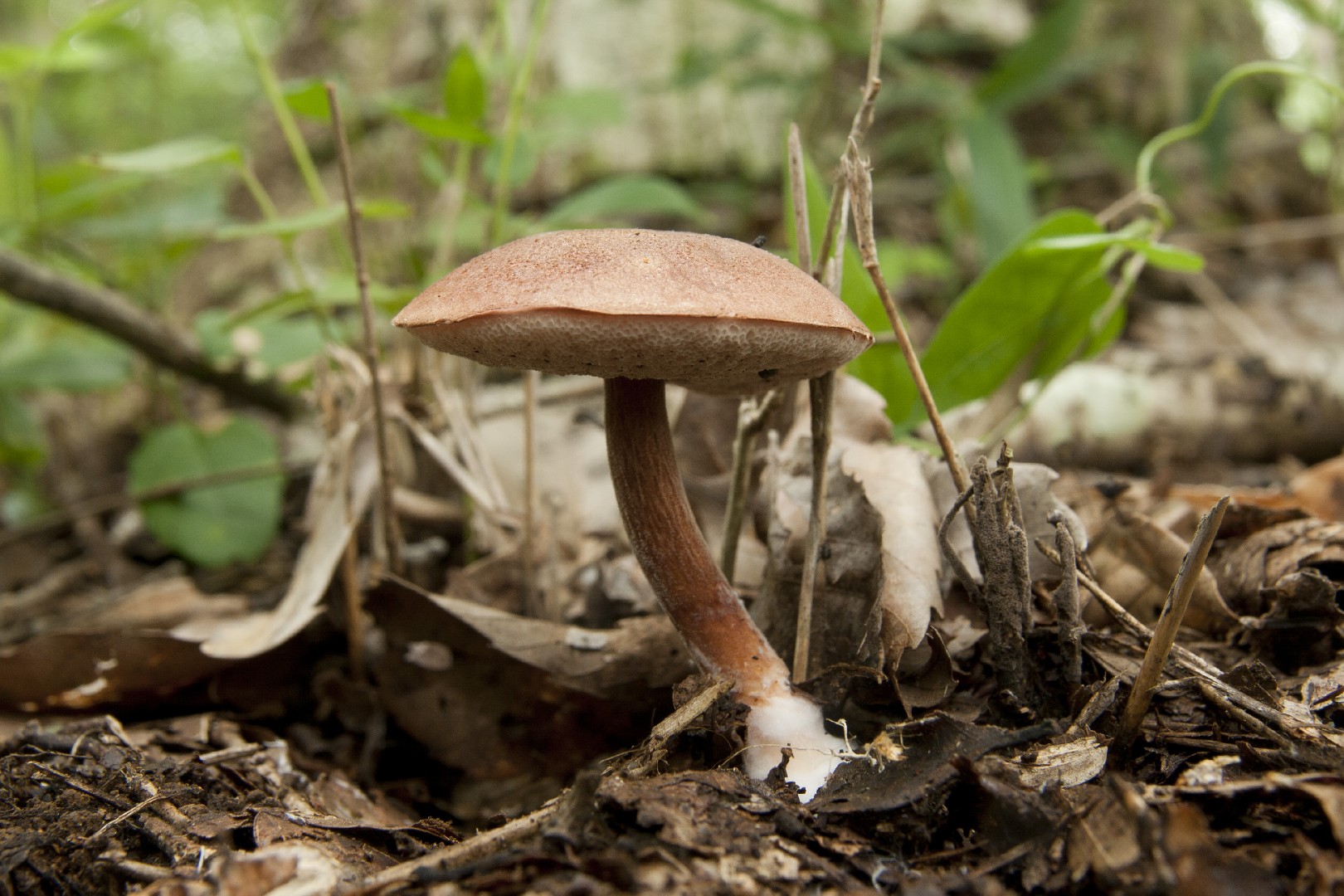
8. Graceful bolete
Graceful bolete(Austroboletus gracilis) fruitbodies are often found standing alone or in small groups near patches of decaying wood. They enjoy the shade of conifers and most particularly of hemlocks. They are known as "graceful" for the elegance of their drooping form and gentle coloring of reddish brown.
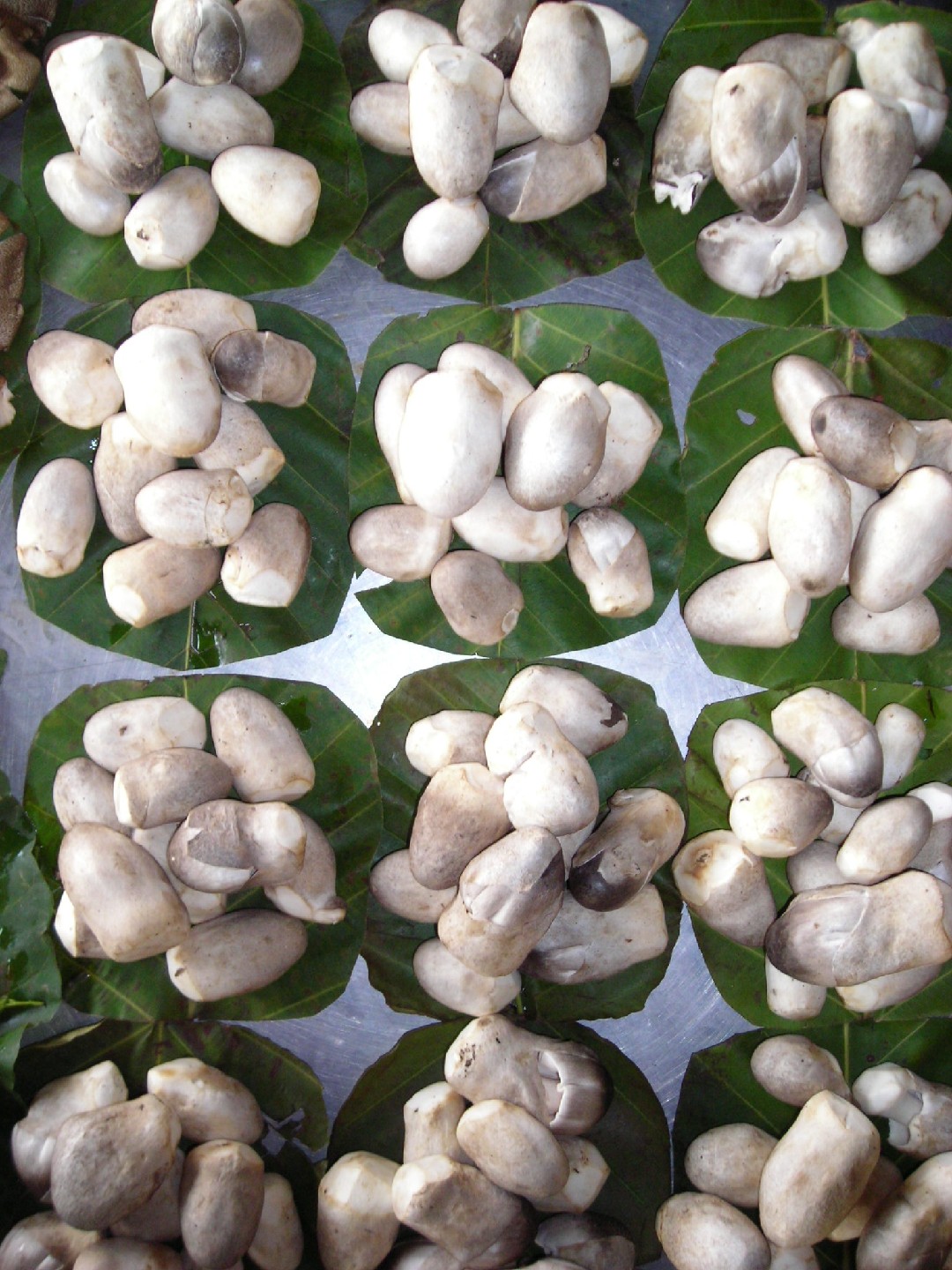
9. Paddy straw mushroom
The paddy straw mushroom is a highly popular mushroom, regularly cultivated on rice straw in East and Southeast Asia. Highly nutritious, it is the third most-eaten mushroom in the world, though mostly available in canned form. It's an important part of many Asian cuisines, particularly Thai.
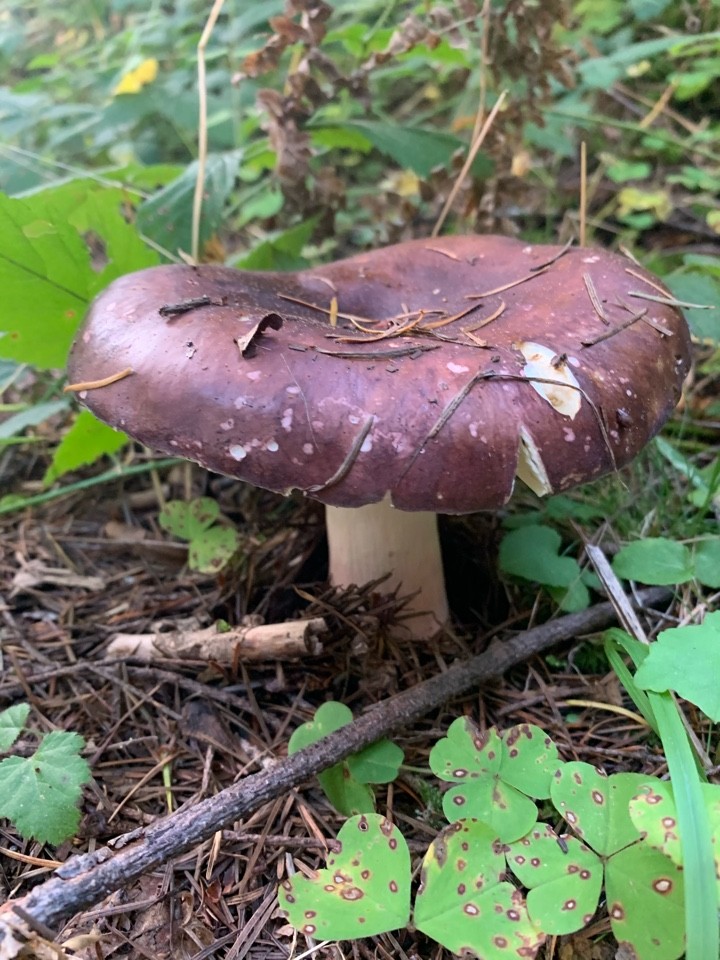
10. Crab brittlegill
The large, dark red caps of the crab brittlegill can be found popping up from the floors of coniferous forests. Its common name refers to the smell emitted by the mushrooms, which is similar to shellfish and gets stronger as specimens age.
More







