




Top 20 Edible Mushrooms Popular in Tortoli
In the verdant realm of Tortoli, an oasis for mycology enthusiasts, the diverse landscape nurtures a bounty of 20 most common edible mushrooms. Each species distinct in their appearance and flavor, abounds in the terrain ranging from woodlands to grasslands. Immerse yourself in an exploration of the rich tastes, habitats, and culinary potential of these fungi in the captivating surroundings of Tortoli. Learn in detail, evolving your understanding of the earth's bountiful produce.
* Disclaimer: Content feedback CAN NOT be used as any basis for EATING ANY PLANTS. Some plants can be VERY POISONOUS, please purchase edible plants through regular channels.

Most Popular Edible Mushrooms
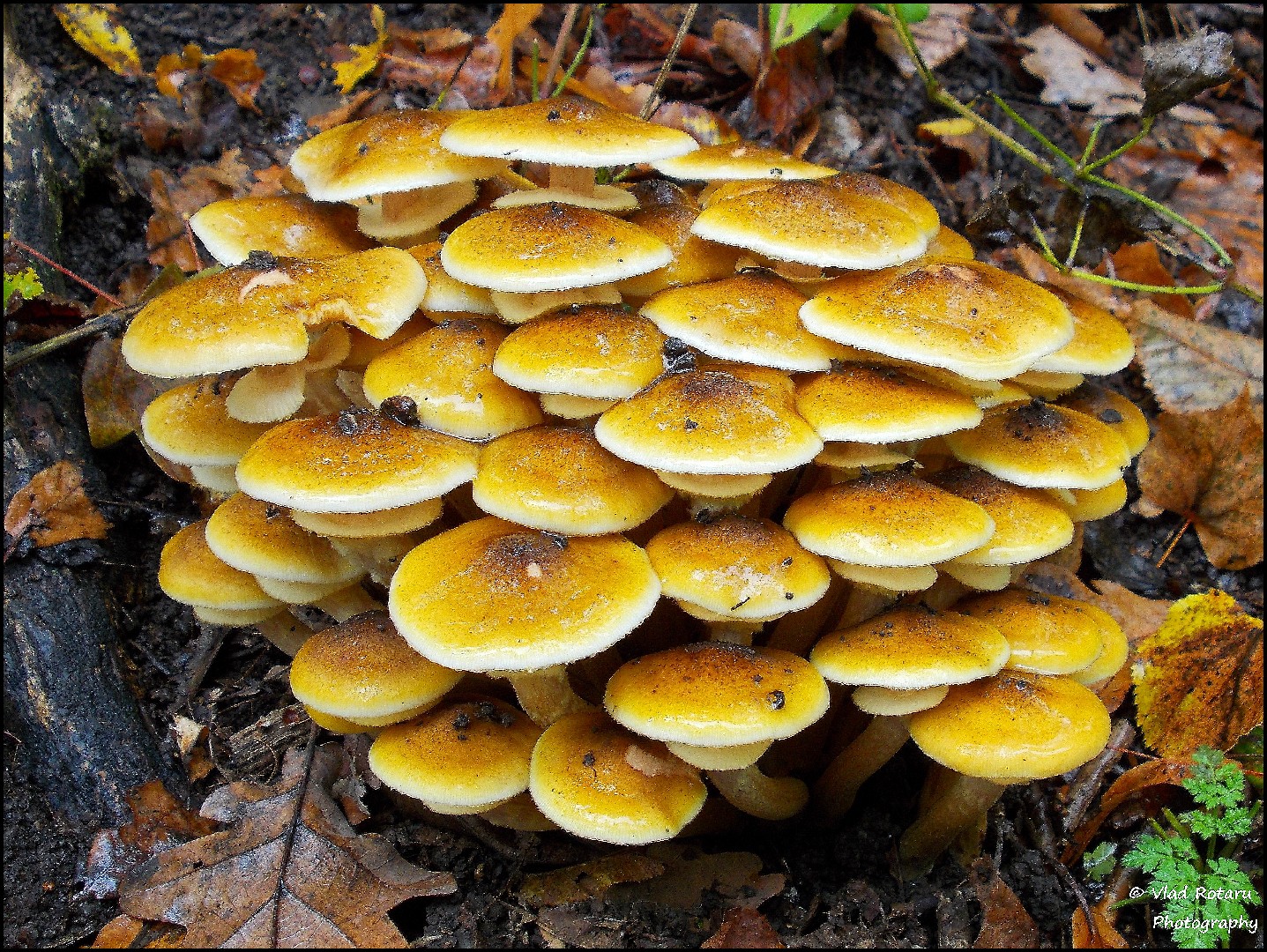
1. Honey fungus
The honey fungus is a parasitic fungus that grows on the roots of many woody and perennial plants, damaging and possibly killing its host. It spreads underground and is considered to be the most damaging fungal disease in gardens across the UK. The appearance of the mushrooms above-ground heralds a much more extensive infection below.
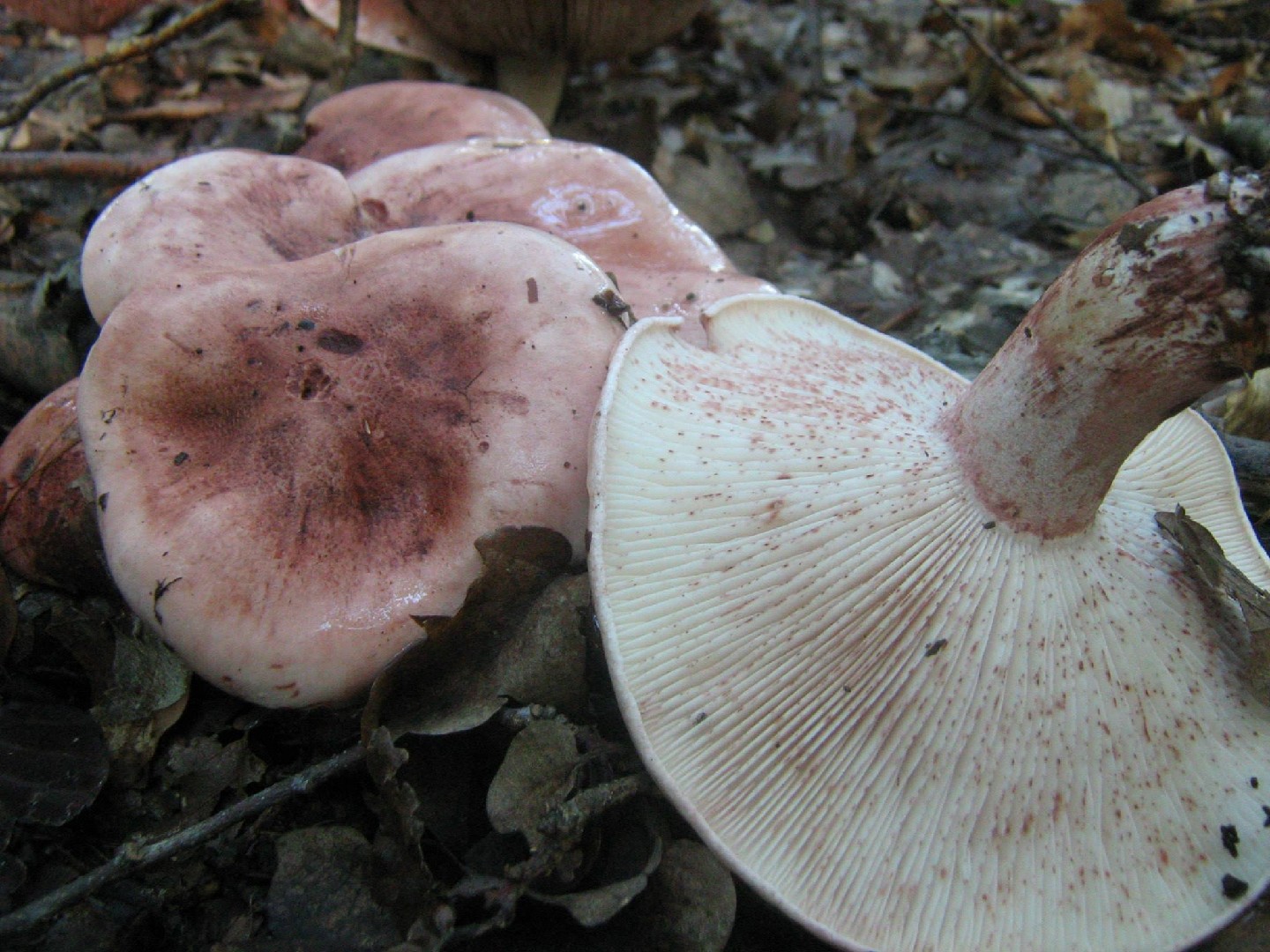
2. Pinkmottle woodwax
Although the species name references this mushroom’s physical similarity to a russula, the pinkmottle woodwax (Hygrophorus russula) is a waxy cap. The characteristic sticky cap of that genus dries out quickly in this tricky species. They are quite resistant to insect infestations.
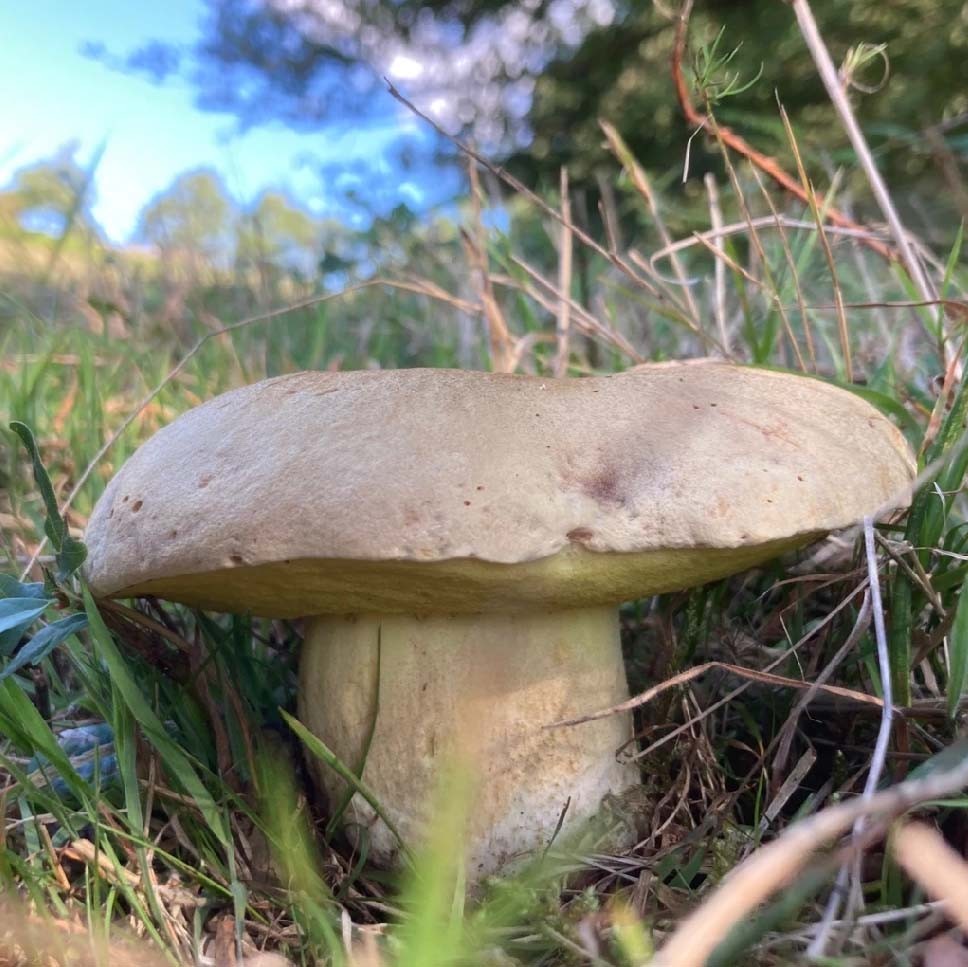
3. Iodine bolete
The name of Iodine bolete gives you a good tip on how to identify this mushroom because it gives off a strong iodine smell when it is damaged. Iodine bolete is a widely-distributed mushroom that is always found in association with broad-leaved trees, especially oak, with which it has a symbiotic relationship.
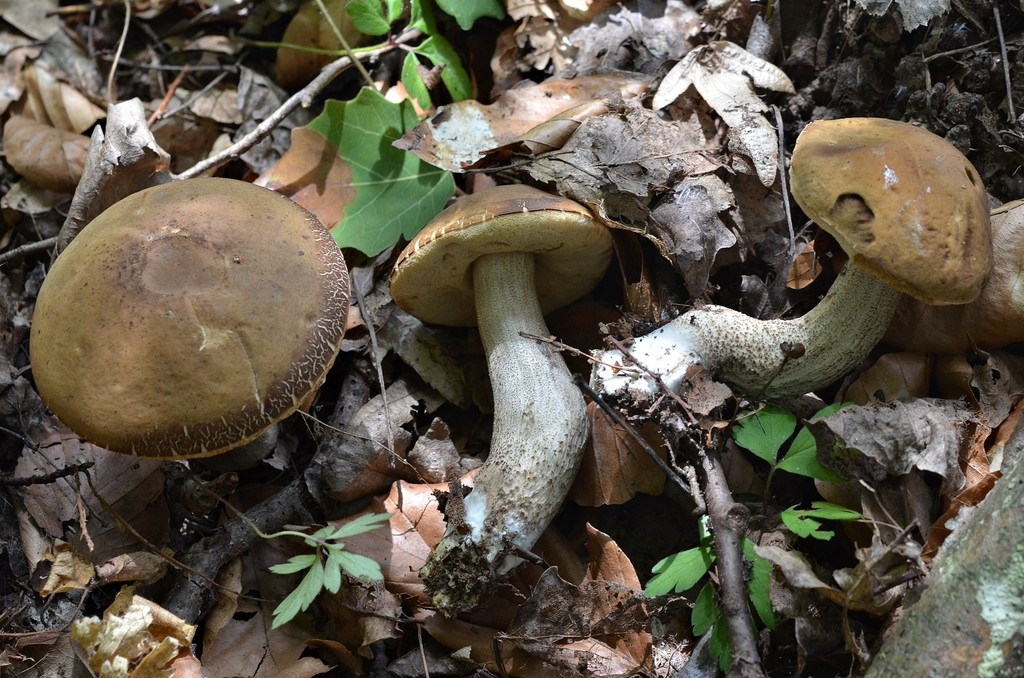
4. Hazel bolete
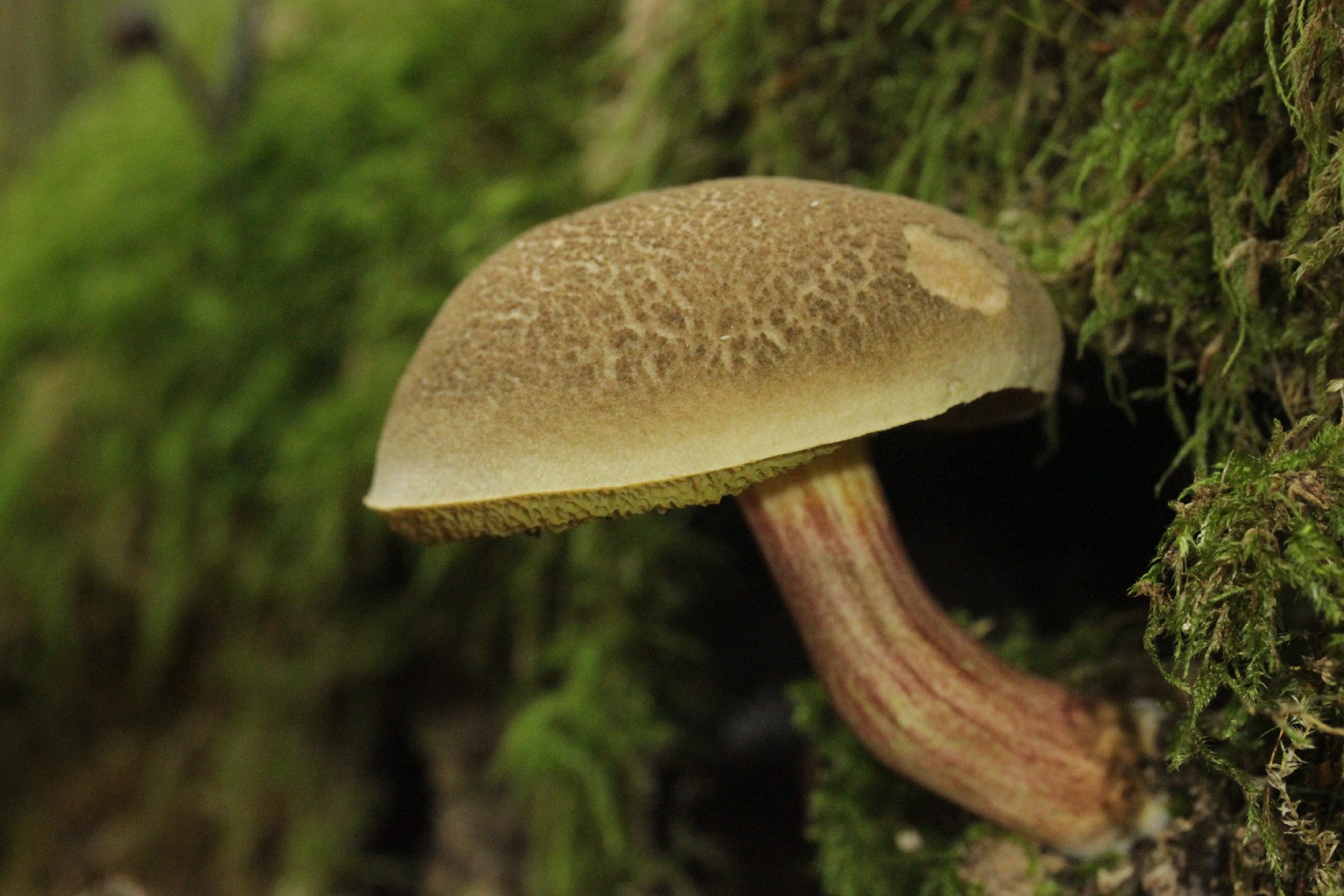
The hazel bolete is a fairly common mushroom that is often found near hornbeam trees, rather than around hazels. When cut or bruised, the flesh first goes red and then turns very dark blue. This mushroom is similar to Leccinum scabrum, but the latter one grows strictly near birch.
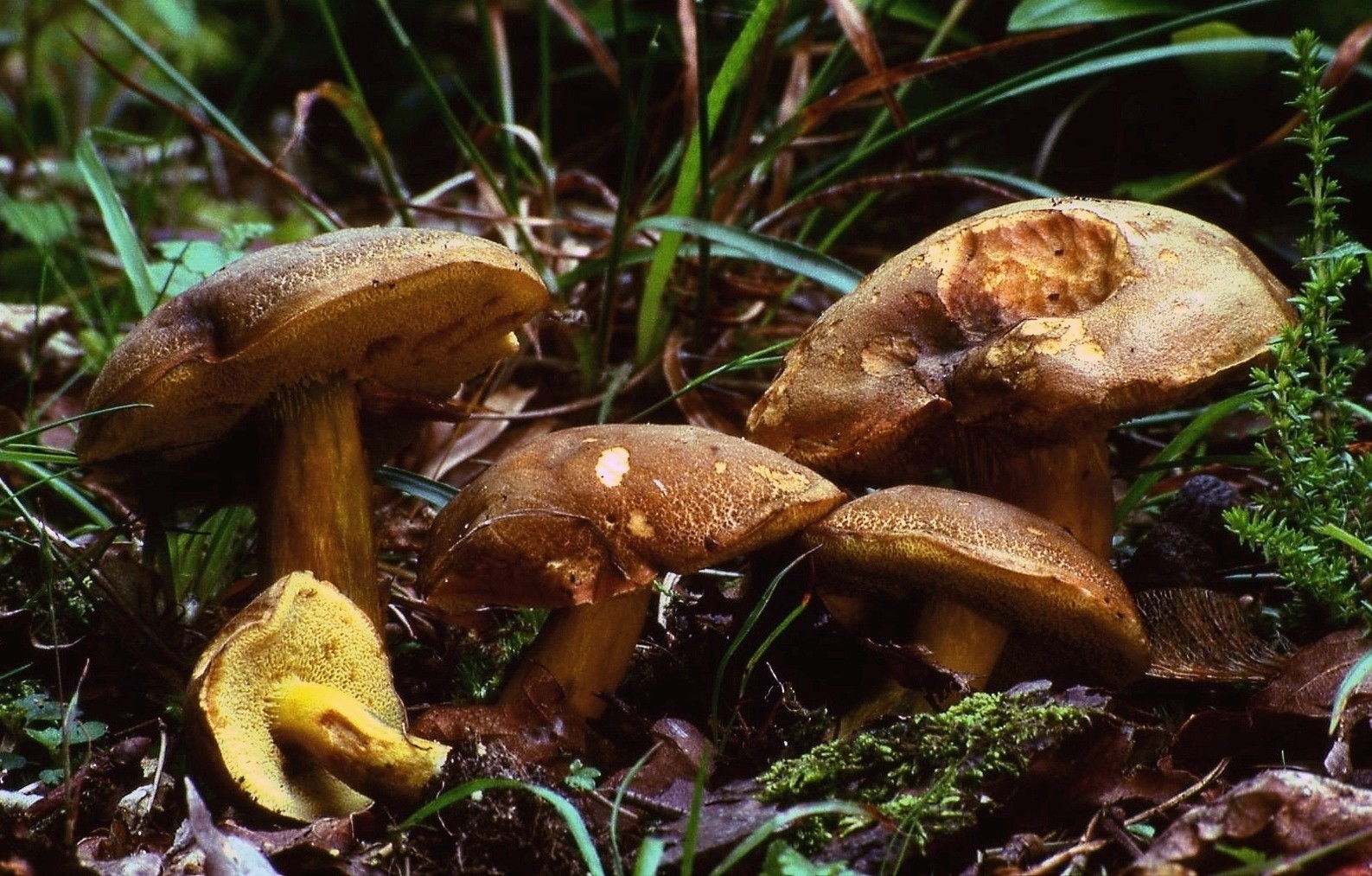
5. Sepia bolete
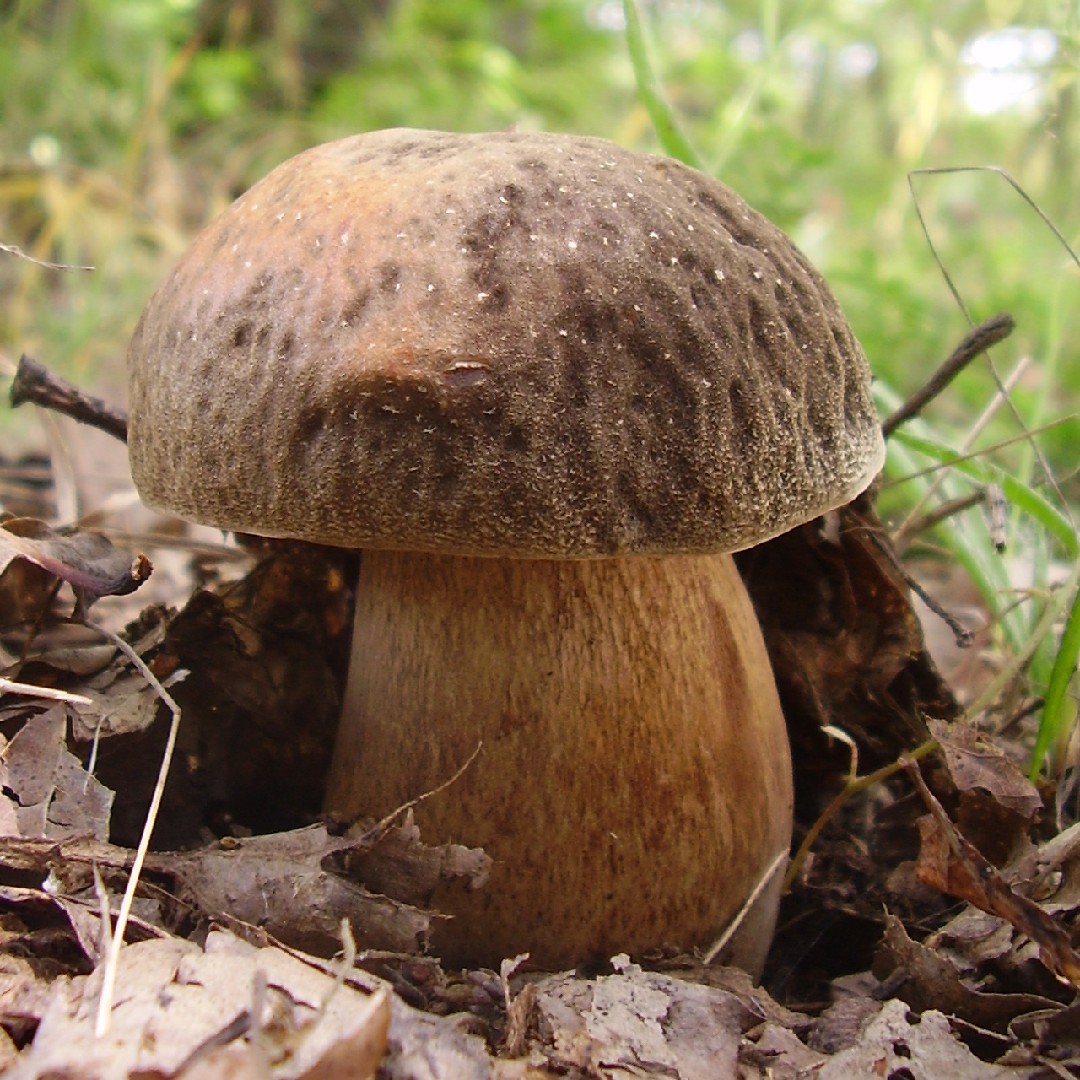
6. Bronze bolete
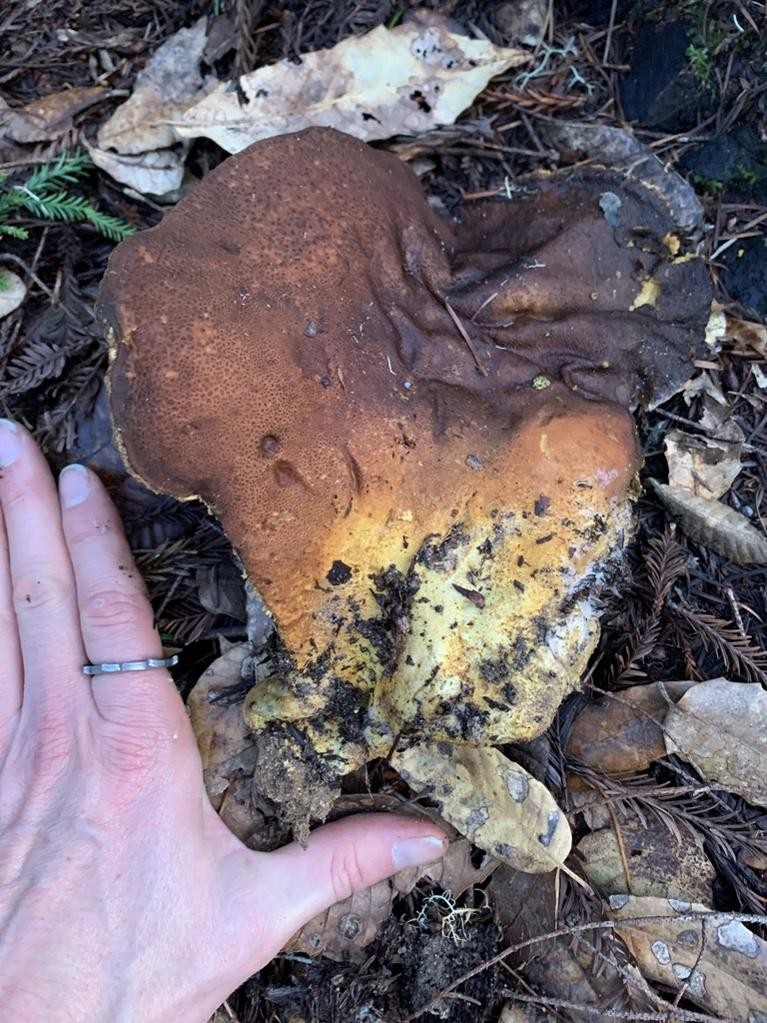
The bronze bolete is originally described from Europe. For many years, the species is thought to be present in North America as well, until molecular studies have shown that the North American counterpart, named Boletus regineus, was actually a different species. The bronze bolete is often found during hot and dry summer days. The specific Latin epithet "aereus" means "fitted with bronze" and it refers to the color of its velvety cap.

7. Sordid blewit
The sordid blewit is a beautiful and attractive mushroom of the northern temperate zones around the world. The flesh is pink or purple when young, and it turns brownish as the mushroom matures. It forms so-called fairy rings. Although the sordid blewit is easily identified, inexperienced mushroom hunters can confuse it for certain Clitocybe species.
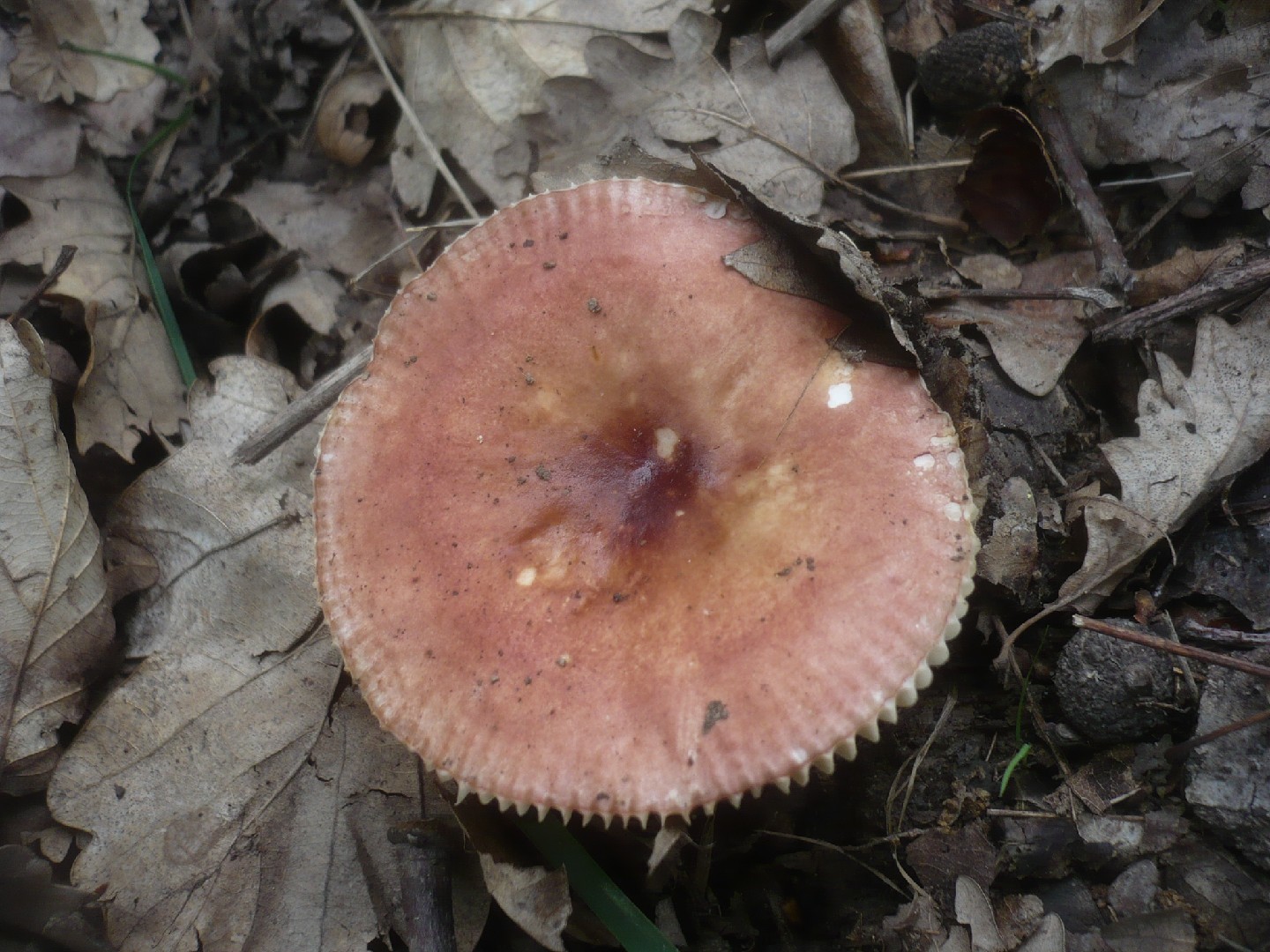
8. Russula odorata
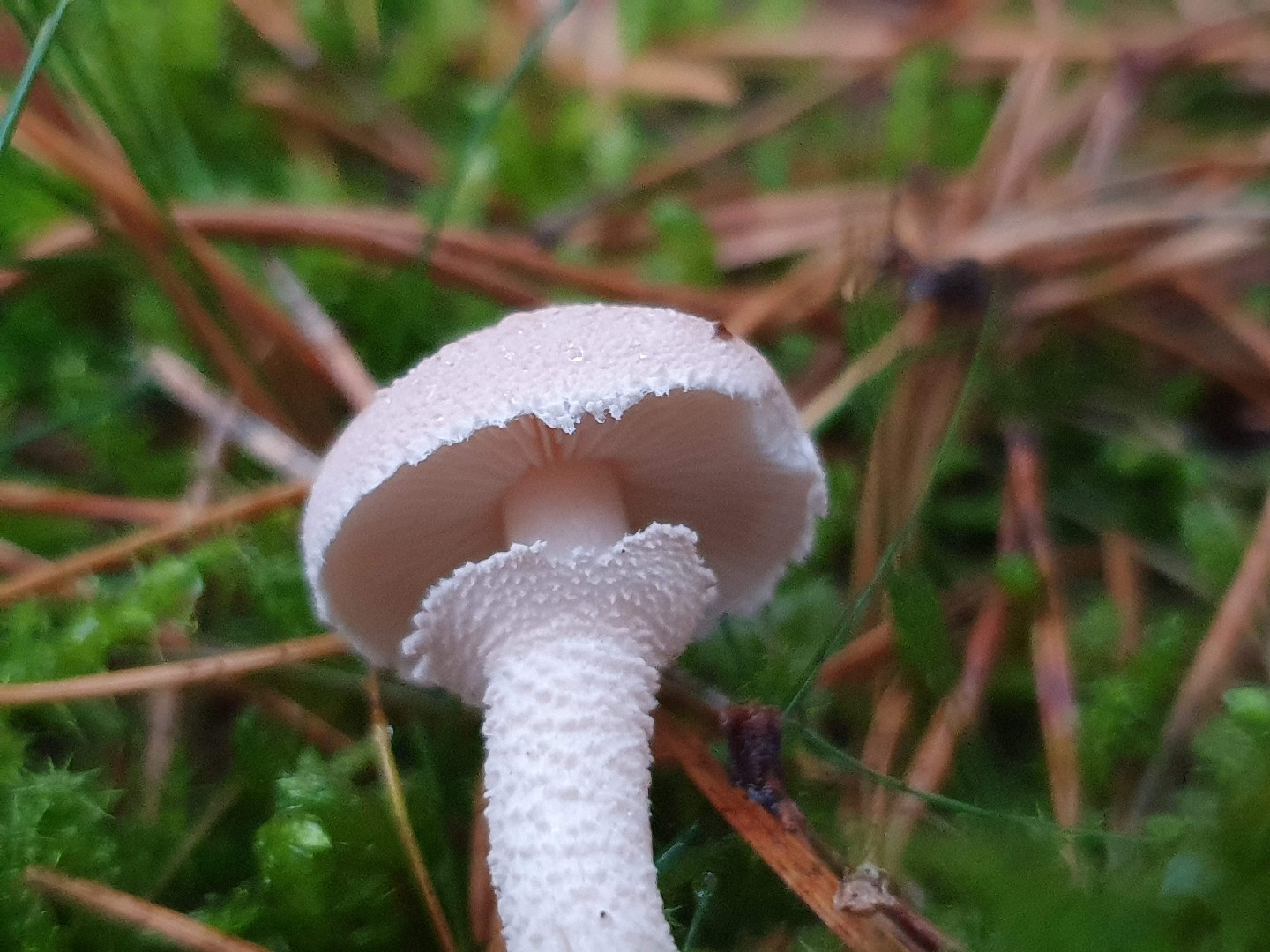
9. Pearly powdercap
Pearly powdercap gives off a moldy or earthy scent. It typically grows in the litter below conifer trees but has paradoxically also been found on the treeless Macquarie Island in the Antarctic Ocean. Pearly powdercap has a tendency to accumulate metals - and cadmium in particular - from its environment, leading researchers to evaluate its potential for environmental restoration work.
10. Big sheath mushroom
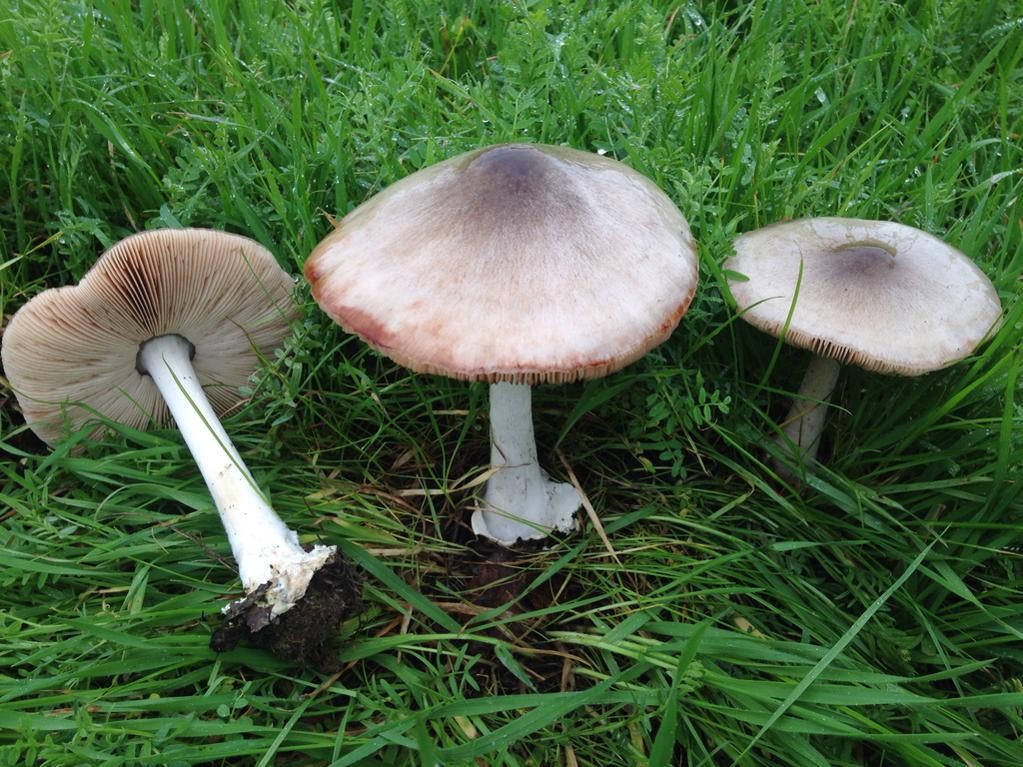
These large white mushrooms bloom all over cleared, harvested fields, as well as pastures and roadsides. The scientific species name comes from Greek words meaning “glue” (glioio) and “head” (cephalus), in reference to the sticky surface of this mushroom’s cap. The big sheath mushroom looks so similar to the poisonous Deathcap and Destroying Angel mushrooms that it should always be left alone.

More







