




Top 20 Edible Mushrooms Popular in Cagliari
In the verdant realm of Cagliari, an oasis for mycology enthusiasts, the diverse landscape nurtures a bounty of 20 most common edible mushrooms. Each species distinct in their appearance and flavor, abounds in the terrain ranging from woodlands to grasslands. Immerse yourself in an exploration of the rich tastes, habitats, and culinary potential of these fungi in the captivating surroundings of Cagliari. Learn in detail, evolving your understanding of the earth's bountiful produce.
* Disclaimer: Content feedback CAN NOT be used as any basis for EATING ANY PLANTS. Some plants can be VERY POISONOUS, please purchase edible plants through regular channels.

Most Popular Edible Mushrooms
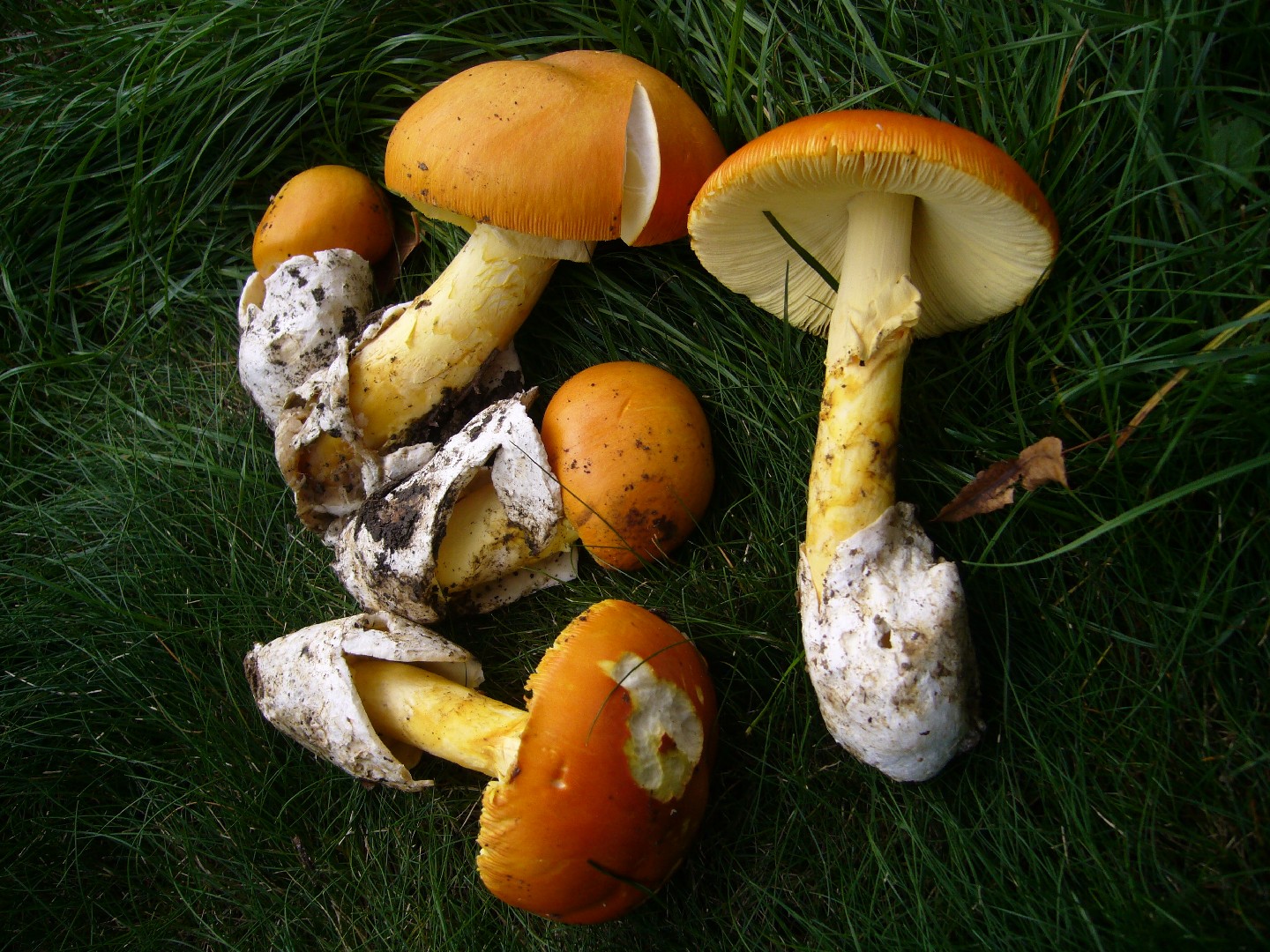
1. Caesar's mushroom
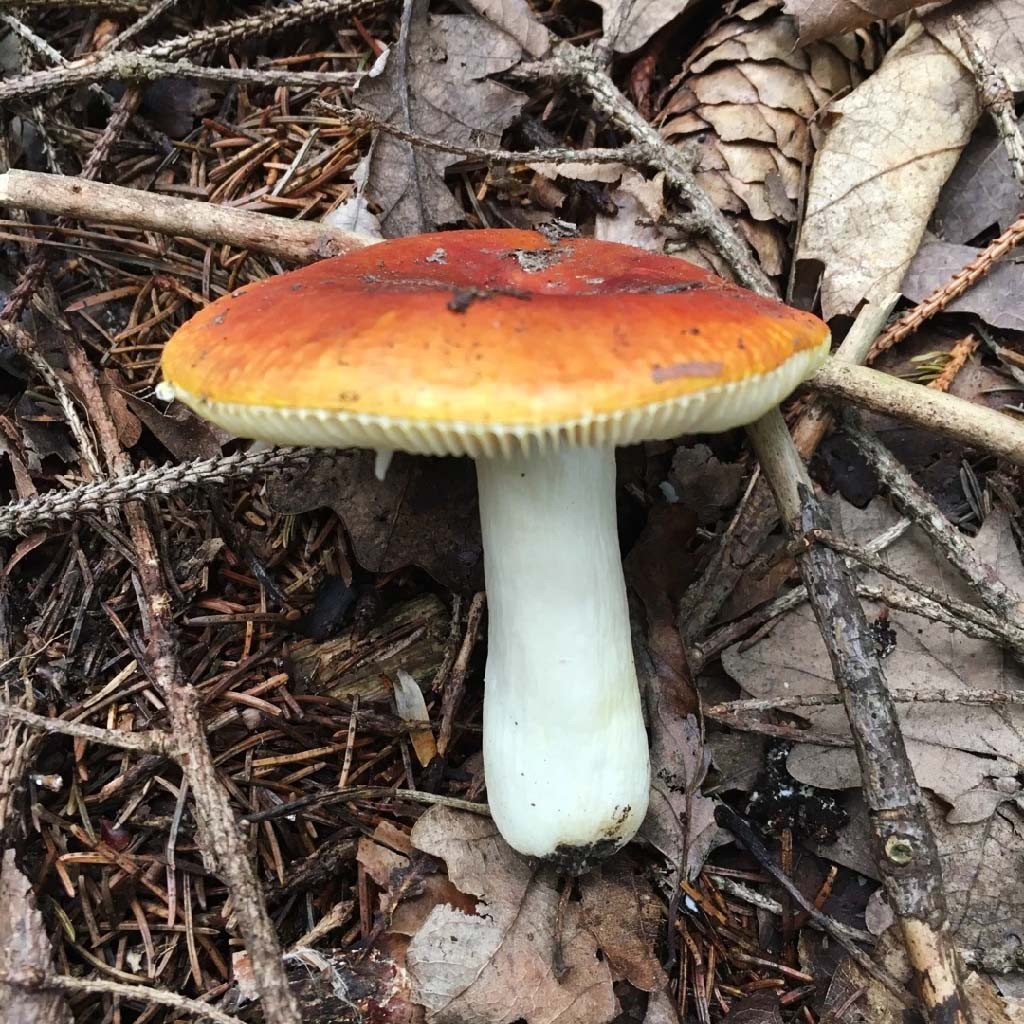
Caesar's mushroom (Amanita caesarea) is a brightly colored Amanita associated with ancient Roman nobility. Sporting a vivid orange cap and a yellow stalk and gills, this mushroom is an exciting find - however, because faded or young individuals may resemble the highly deadly Death Cap, it is recommended that this species be treated with a "look but do not touch" policy.
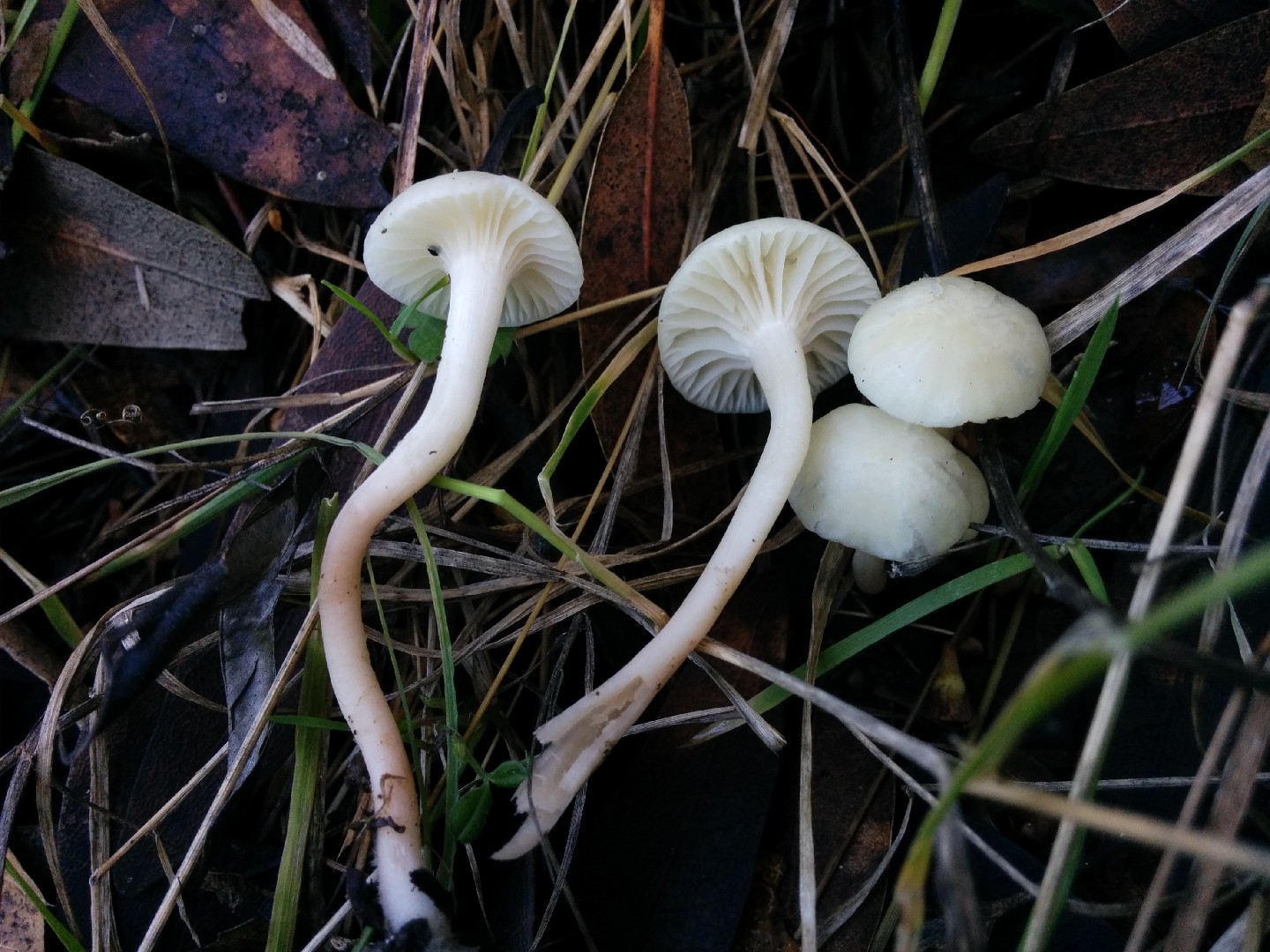
2. Cedarwood waxcap

3. Slate bolete
Slate bolete is a mushroom rich in vitamins such as potassium and magnesium. It is known as a useful mushroom for extracting elements from the soil. This symbiotic fungus is not cultivated and can most commonly be found under poplar trees, where it usually grows in groups.
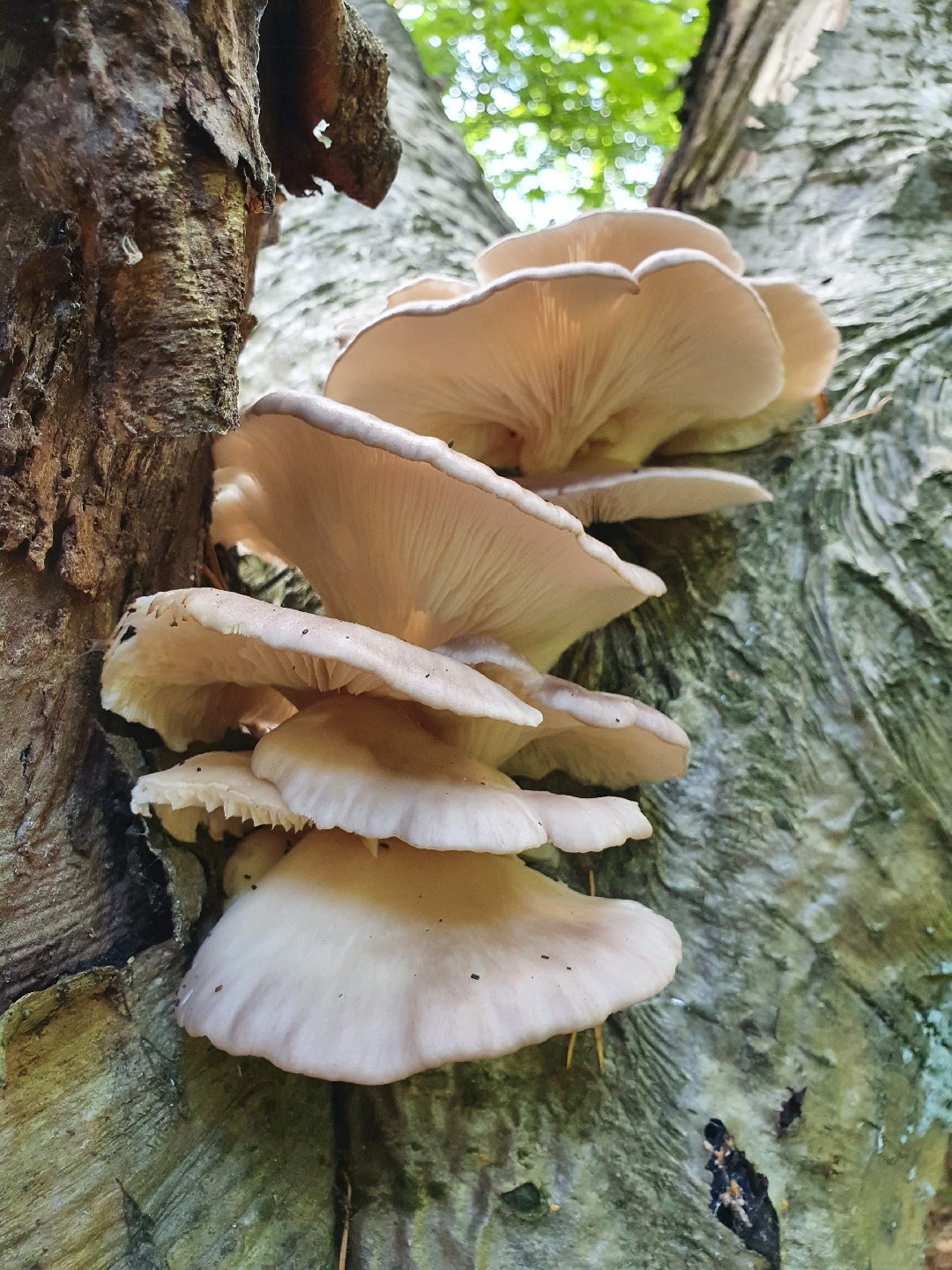
4. Oyster mushroom
Oyster mushrooms grow wild but are also cultivated for sale in supermarkets. They can even be cultivated at home. They will grow on coffee grounds and spent grain, and are occasionally even fashioned into an environmentally-friendly substitute for styrofoam. There are several toxic look-alike species, so it is best to buy these mushrooms at the store.
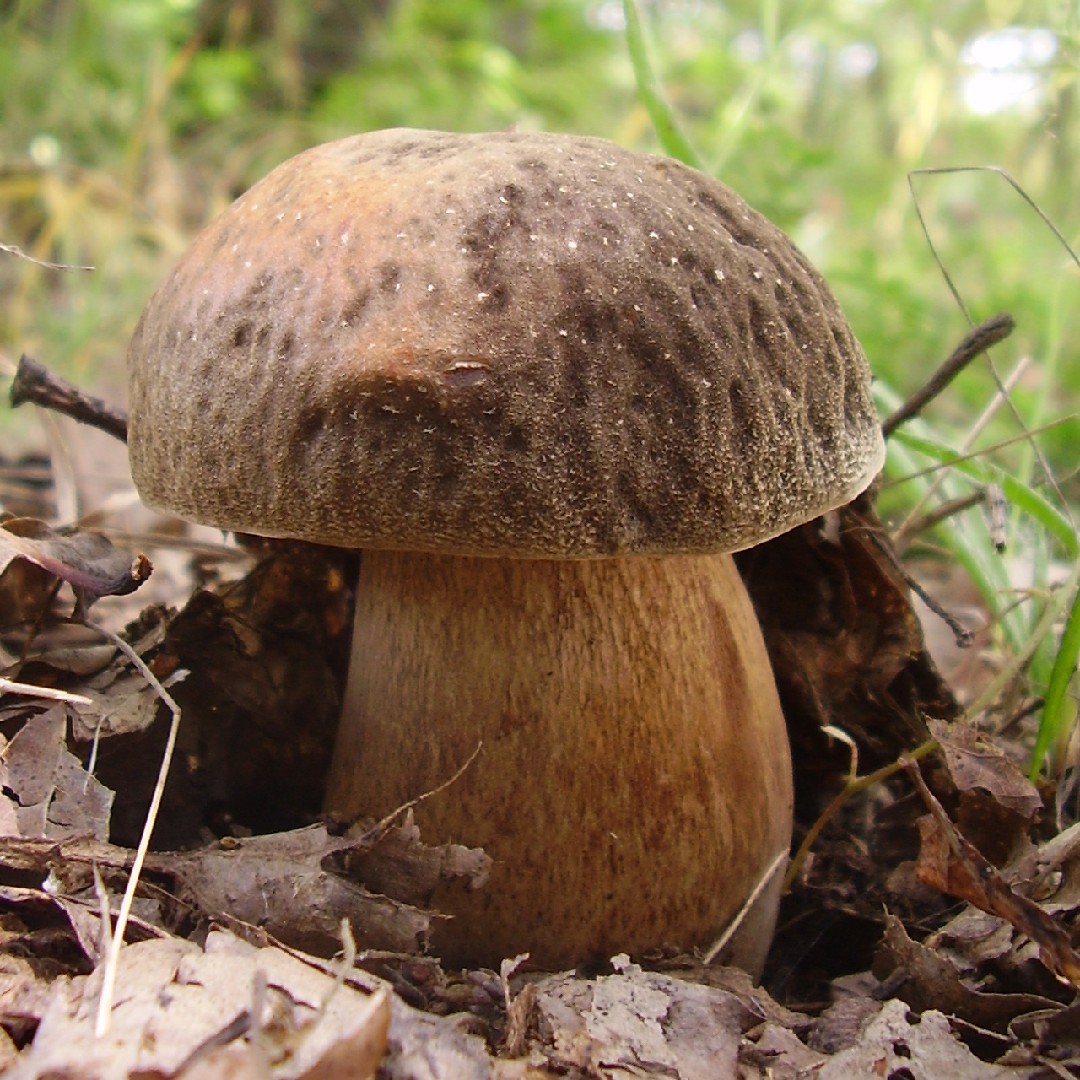
5. Bronze bolete
The bronze bolete is originally described from Europe. For many years, the species is thought to be present in North America as well, until molecular studies have shown that the North American counterpart, named Boletus regineus, was actually a different species. The bronze bolete is often found during hot and dry summer days. The specific Latin epithet "aereus" means "fitted with bronze" and it refers to the color of its velvety cap.
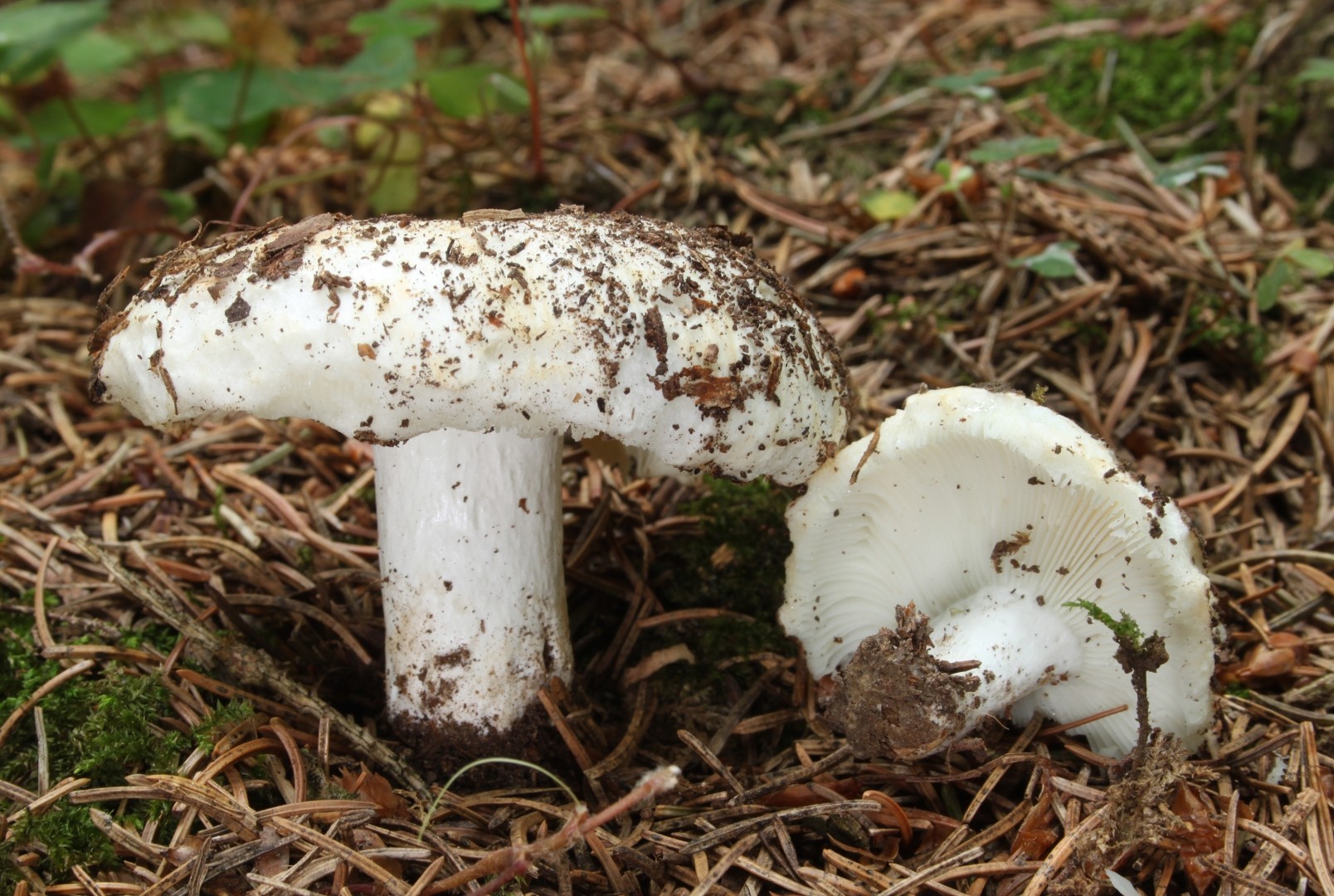
6. Milk-white brittlegill
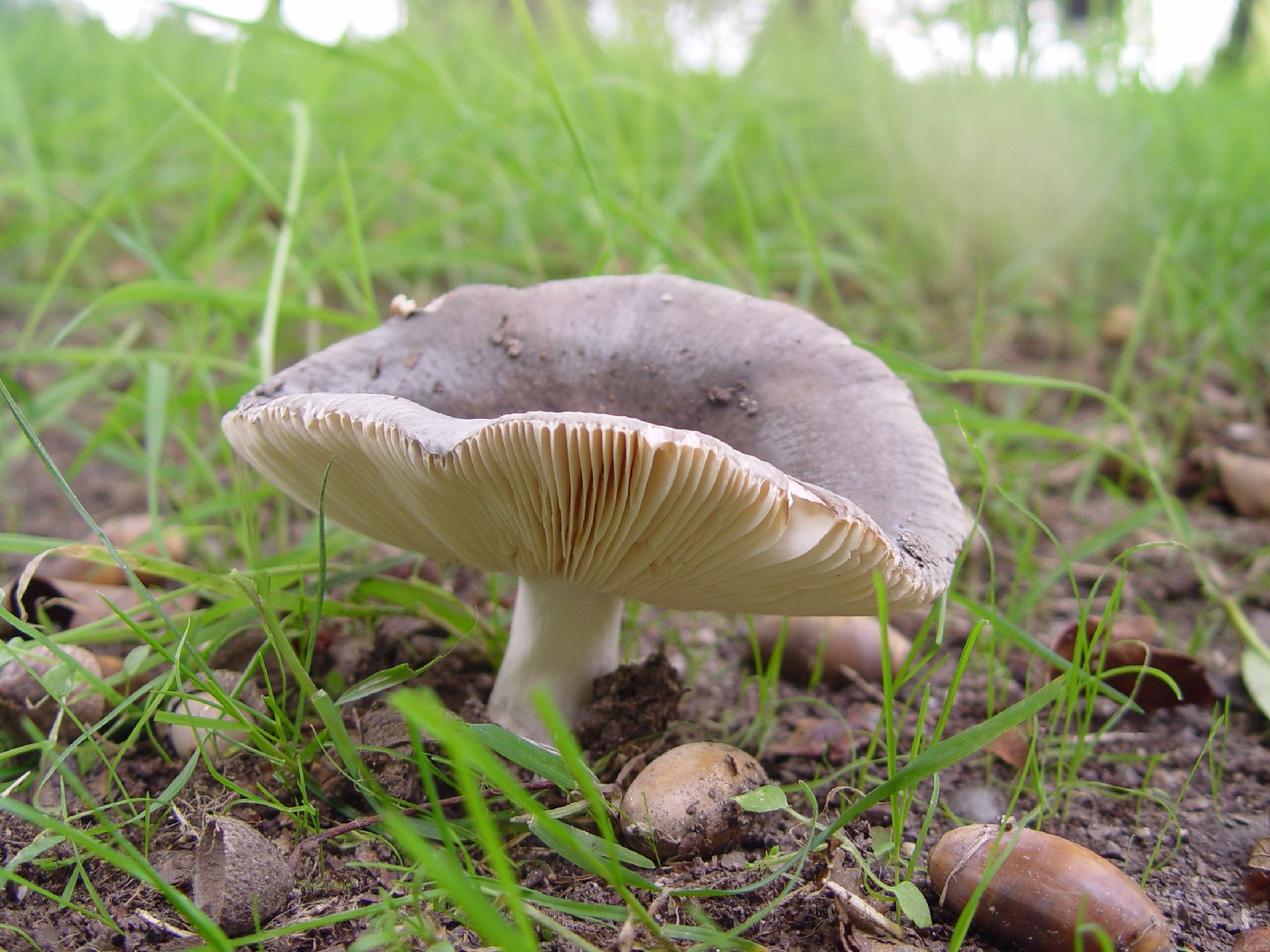
Fruitbodies of the large milk-white brittlegill (Russula delica) arise from the forest floor already quite formed, a fact which results in dirty and pockmarked caps. “Delica” means “without milk,” and this mushroom can be most readily distinguished from the lookalike Fleecy Milkcap by its lack of milky latex exudate.
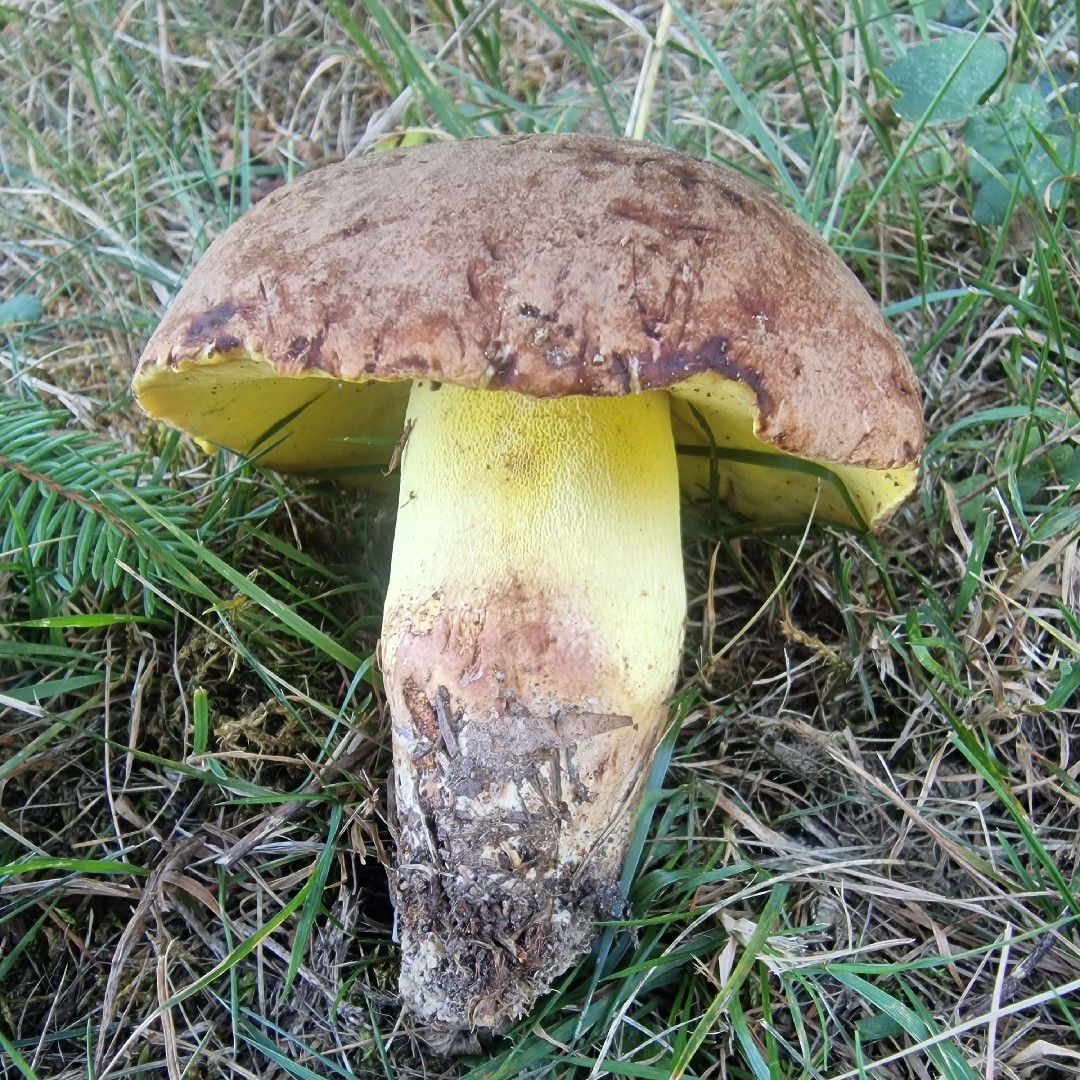
7. Oak bolete
As you can probably guess from its name, Oak bolete is most commonly found beneath oak trees. Both the stem and cap of oak bolete turn a vivid blue color when damaged. The specific name pendiculatus means with a small appendage.
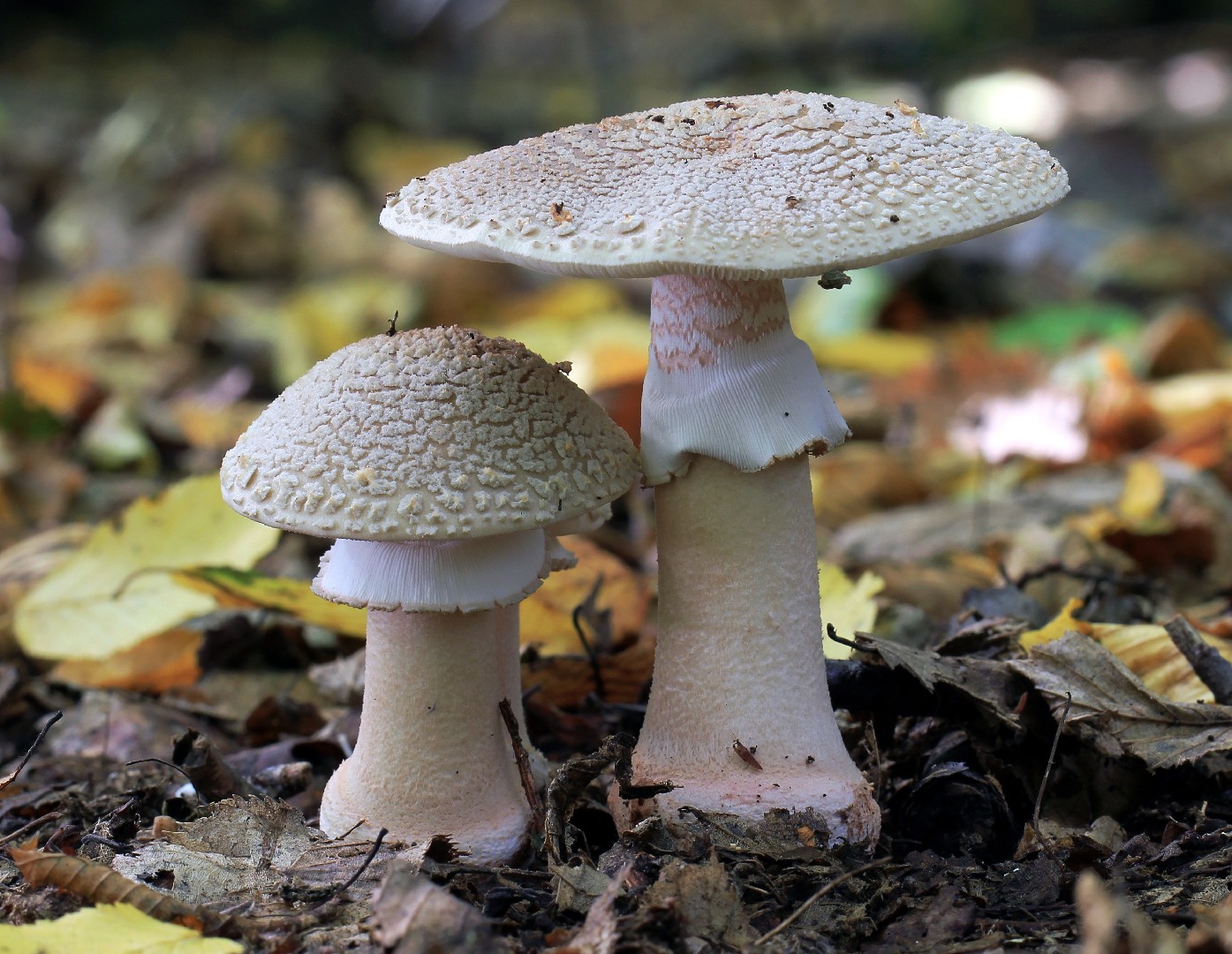
8. Blusher
The blusher mushroom is so named because it “blushes” to a pinkish red color when cut or bruised. It is found in many countries around the world, although it may not be native to the southern hemisphere. It contains a hemolytic toxin that can cause anemia if eaten.
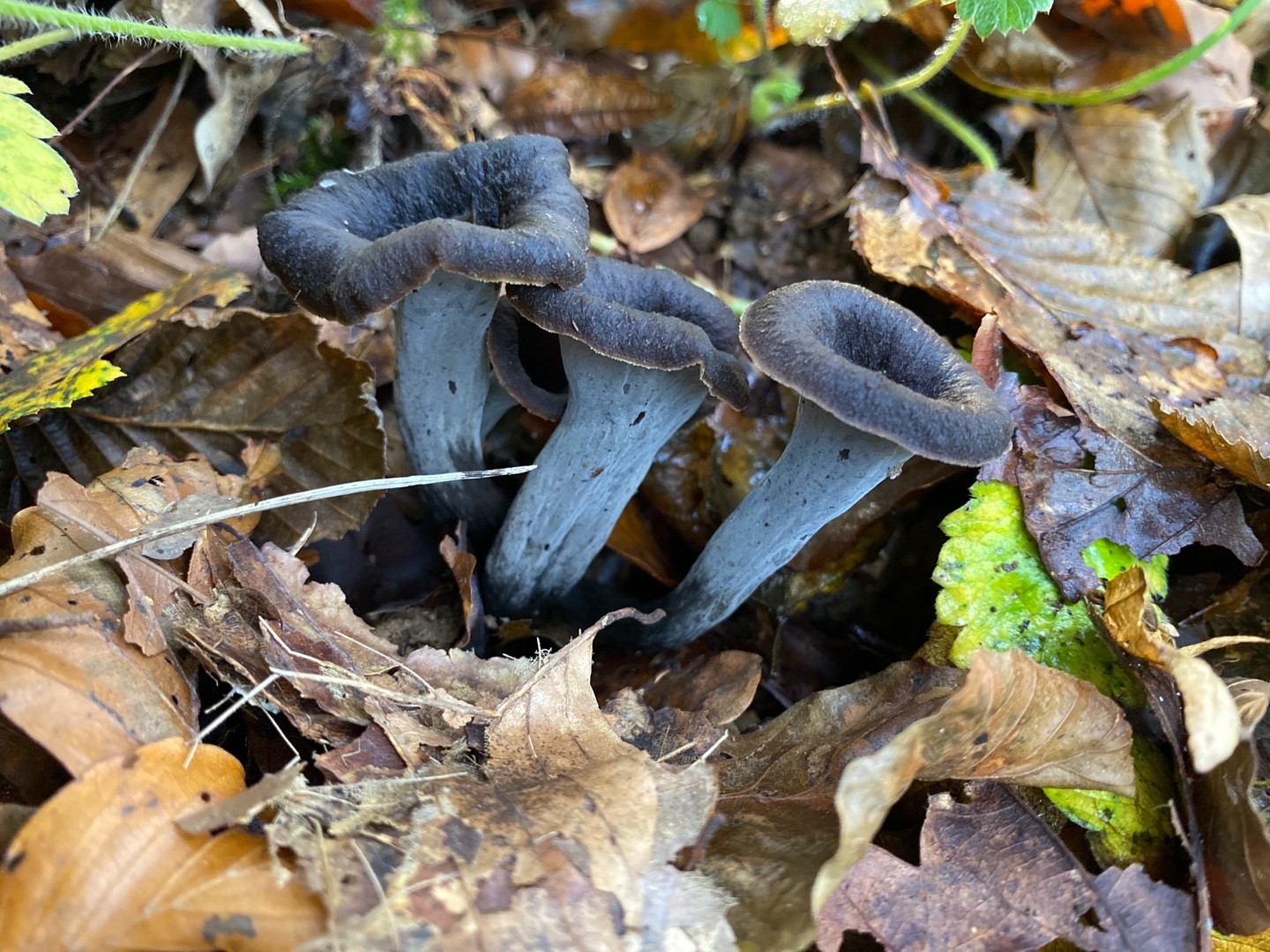
9. Horn of plenty
The Craterellus cornucopioides is an edible and highly sought-after species of mushroom that is usually grouped with the chanterelles. It has a black, trumpet-like shape due to its highly upturned cap. Sometimes called the 'trumpet of the dead,' this is not a reference to danger, but rather an old European belief that these mushrooms spring up over the graves of the dead.

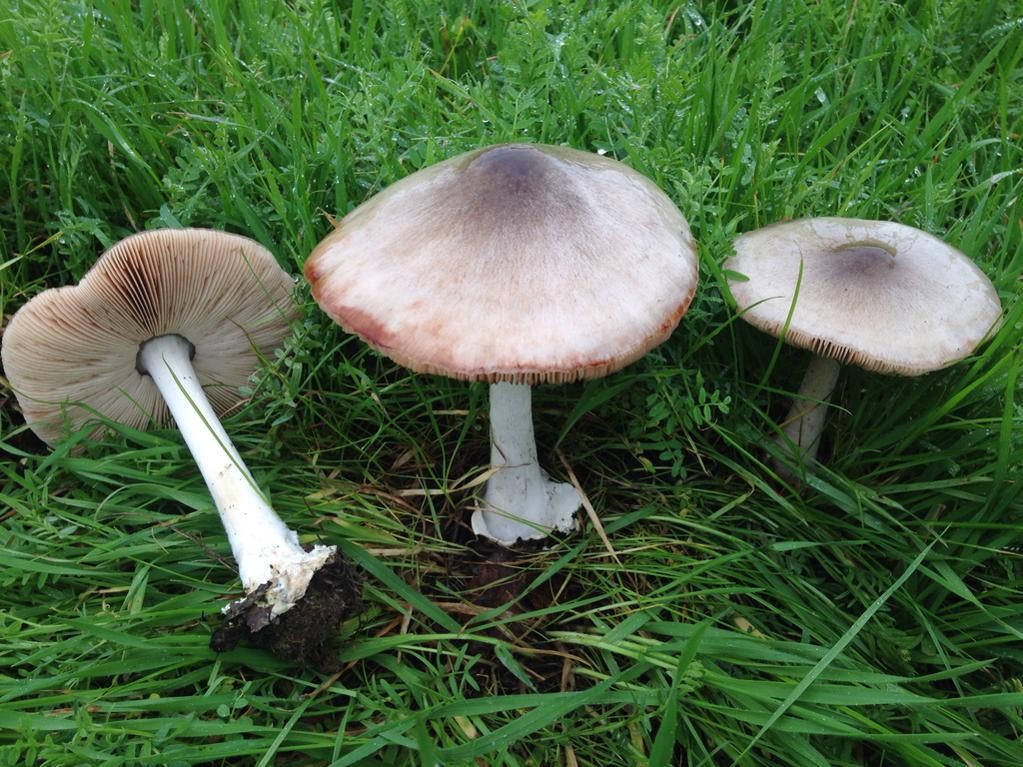
10. Gumtree deceiver


More







