




Top 20 Edible Mushrooms Popular in Limerick
Dive into the rich and diverse world of mushrooms in the heart of Limerick. Blessed with a favorable climate and fertile ground, this region is home to an array of the 20 most common edible mushrooms. From cap shape and colour to unique taste profiles and culinary applications, become an expert in identifying these lovely and savoury fungi. Amidst the verdant fields of Limerick, each species blossoms into an unforgettable gastronomic adventure. Rich knowledge awaits behind each mushroom's texture, flavour, and habitat. Stick around to get the full scoop!
* Disclaimer: Content feedback CAN NOT be used as any basis for EATING ANY PLANTS. Some plants can be VERY POISONOUS, please purchase edible plants through regular channels.

Most Popular Edible Mushrooms
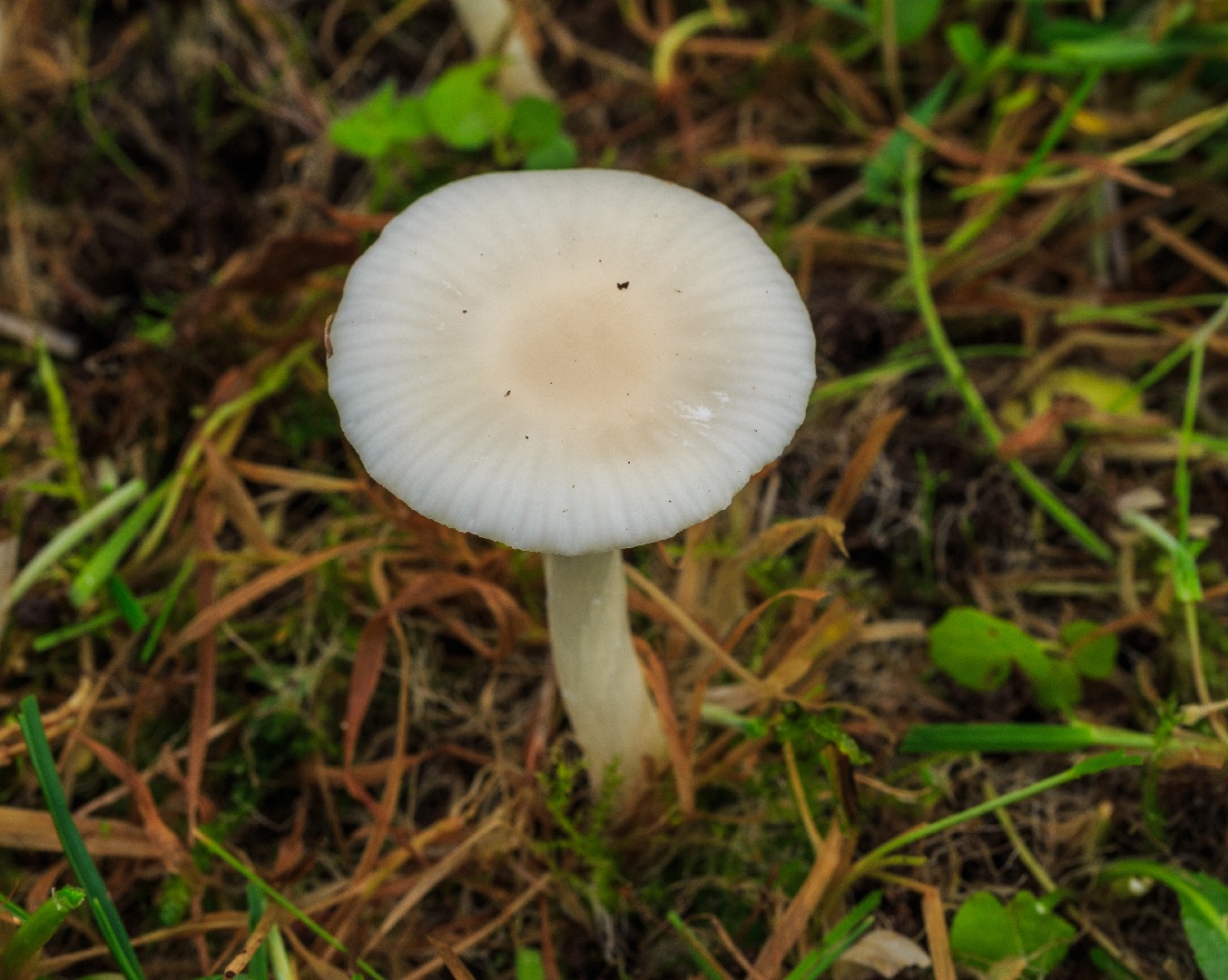
1. Snowy waxcap
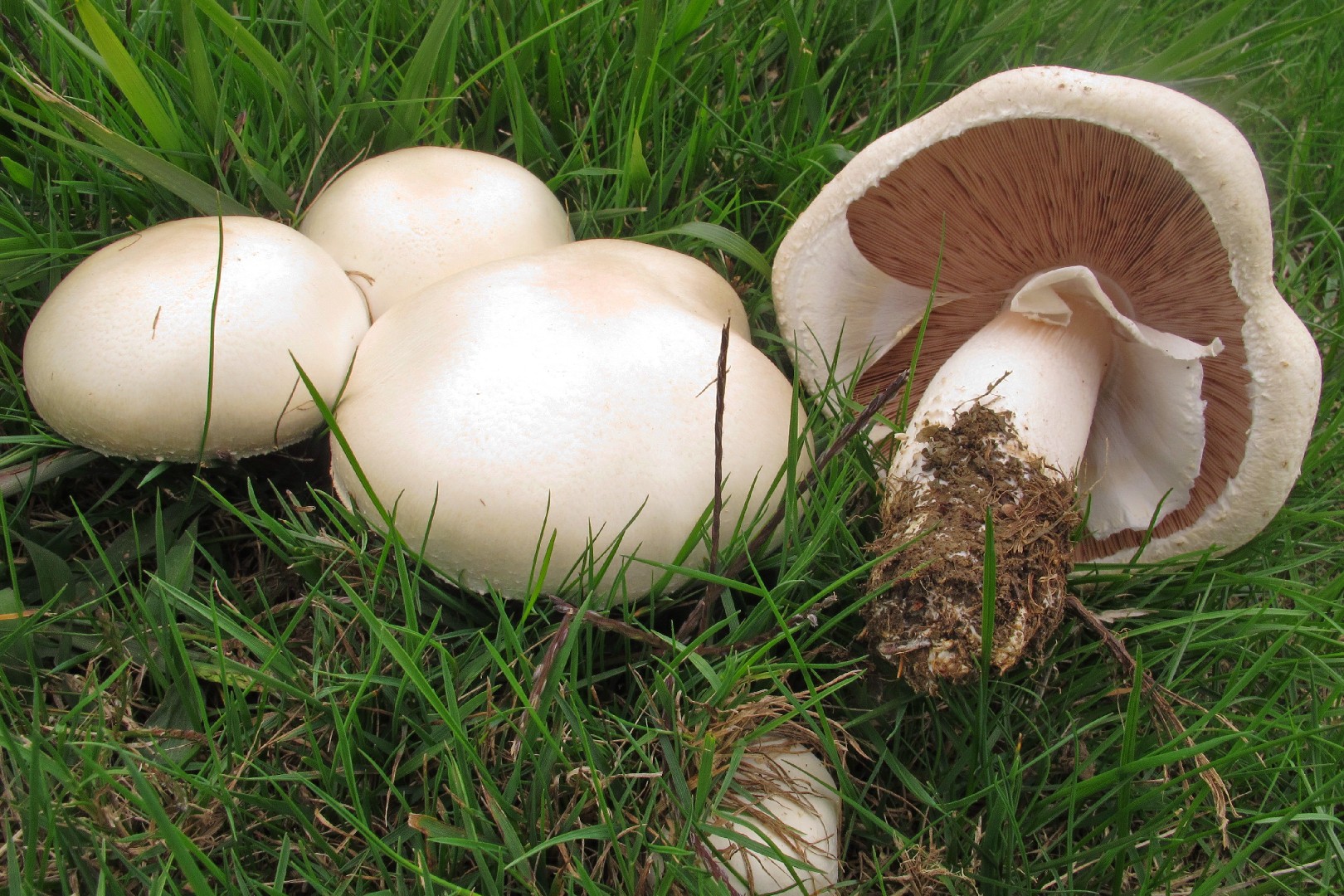
The snowy waxcap is so-named because its stalk, cap, and gills are often uniformly white; however, tinges of tan or peach may occur with age, especially on the center of the cap. The species can be found in temperate grasslands and woodlands across the northern hemisphere, and in some parts of Australia.
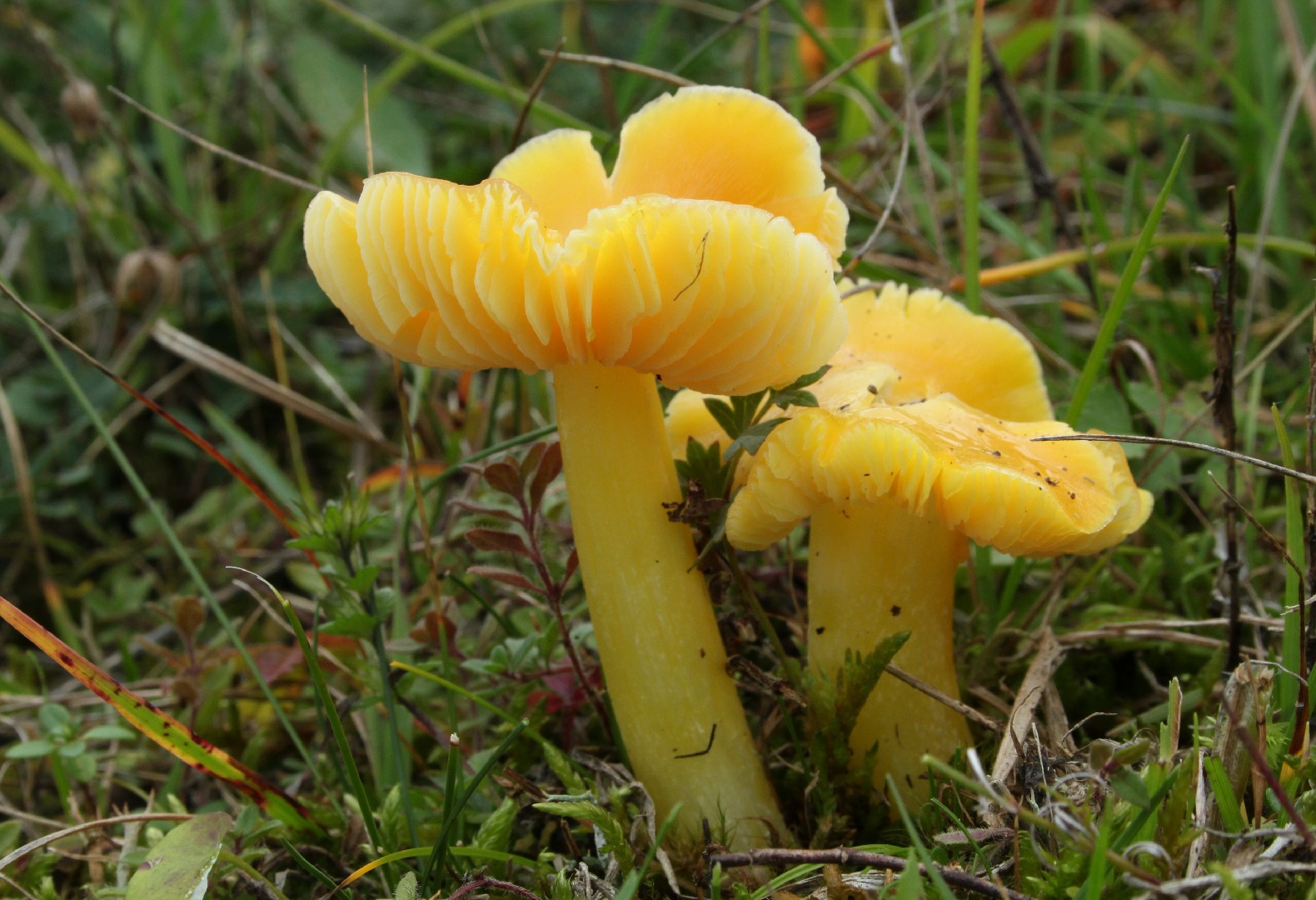
2. Lemon waxcap
The lemon waxcap can occur in both woodlands and grasslands. Despite this, it is becoming endangered in central Europe. The specific epithet Hygrocybe translates essentially as 'watery head,' because these mushrooms are typically moist and shiny. Lemon waxcap has been featured on postage stamps from the Faroe Islands.
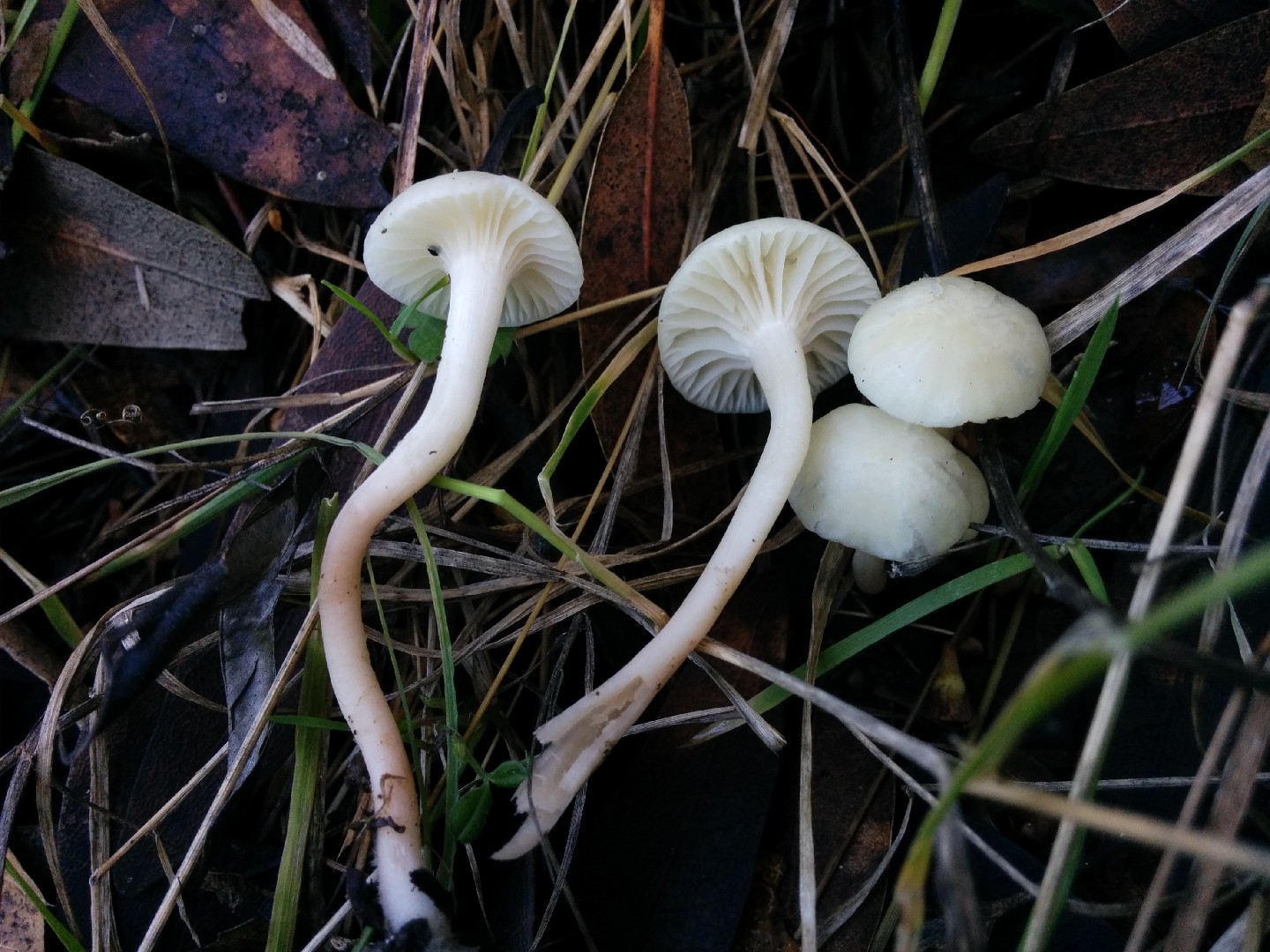
3. Cedarwood waxcap
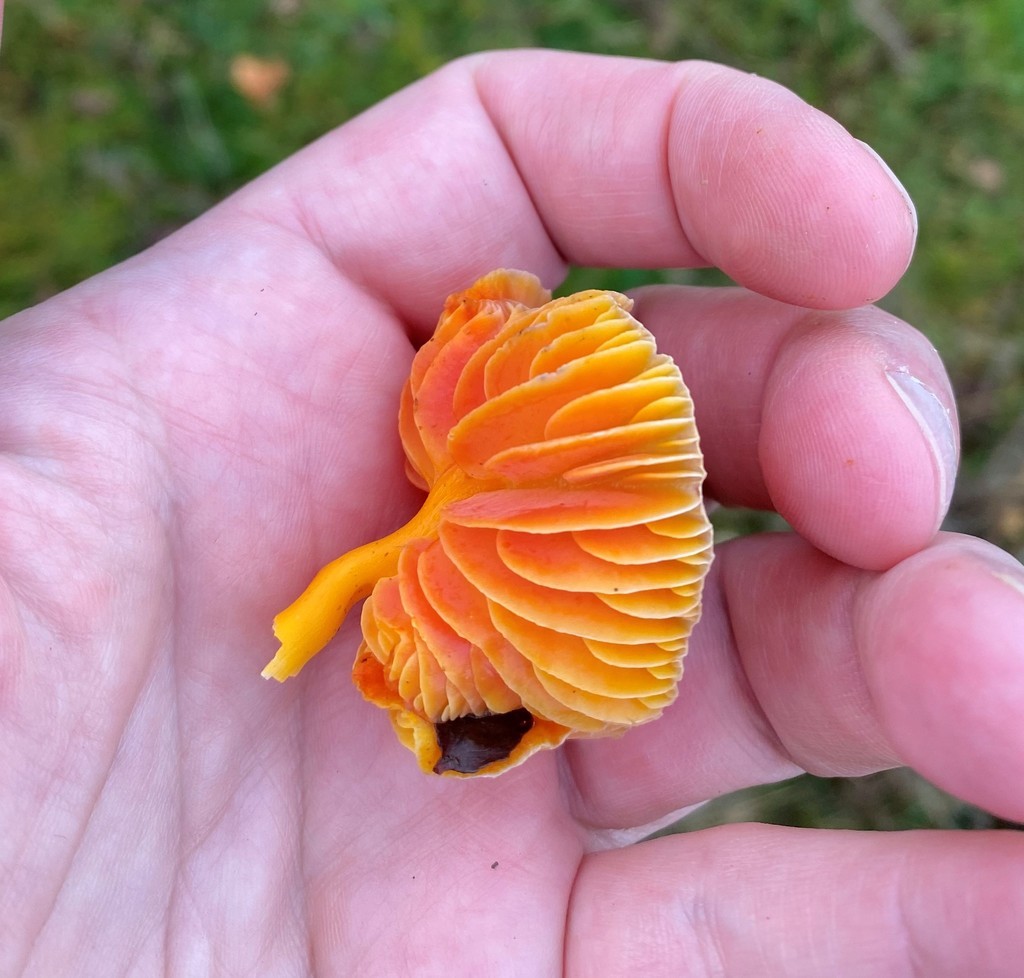
4. Oily waxcap
Basidiocarps are agaricoid, up to 100 mm (4 in) tall, the cap convex at first (never conical), becoming shallowly convex to flat when expanded, up to 75 mm (3 in) across. The cap surface is smooth, dry to slightly greasy when damp, bright yellow to orange-yellow becoming duller with age and sometimes developing a greyish sheen. The lamellae (gills) are waxy, yellow-orange to orange, rather widely spaced and broadly attached to the stipe. The stipe (stem) is smooth, cylindrical, often compressed and grooved, and cap-coloured. The spore print is white, the spores (under a microscope) smooth, inamyloid, ellipsoid to oblong, often constricted in the middle, about 7.5 to 9.0 by 4.0 to 5 μm. When fruitbodies are cut or rubbed, they release a distinctive, oily smell, said to resemble that of pentatomid bugs. 
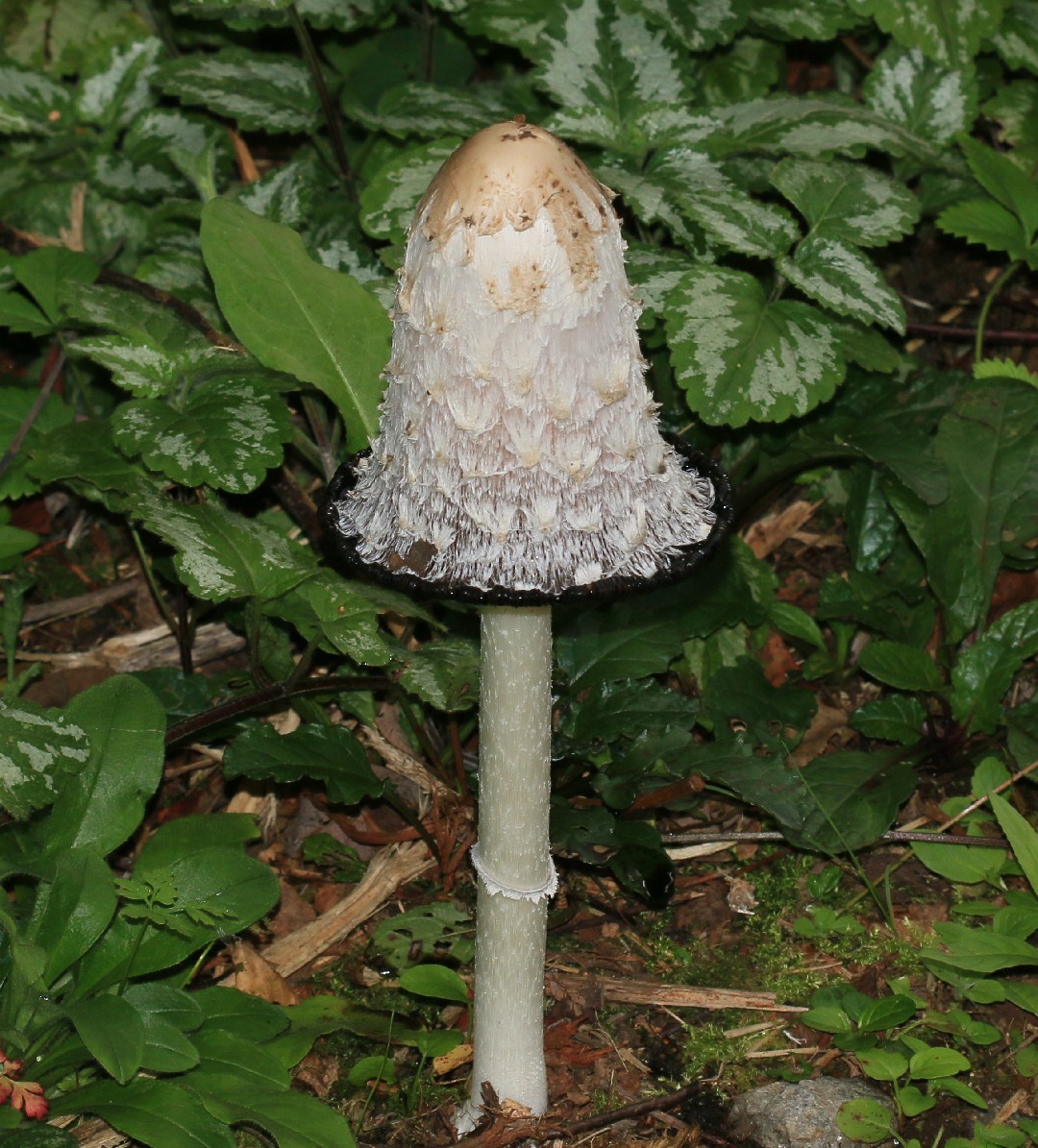
5. Shaggy mane
The shaggy mane mushroom is commonly found in North American and European grasslands. Some peoples foraged for its young egg-shaped caps, but it has more recently been found to be a bioaccumulator of heavy metals, meaning it pulls toxic metals up from the soil where it grows. As a result, shaggy manes should not be eaten. The mushrooms usually appear in clusters or “fairy rings.”
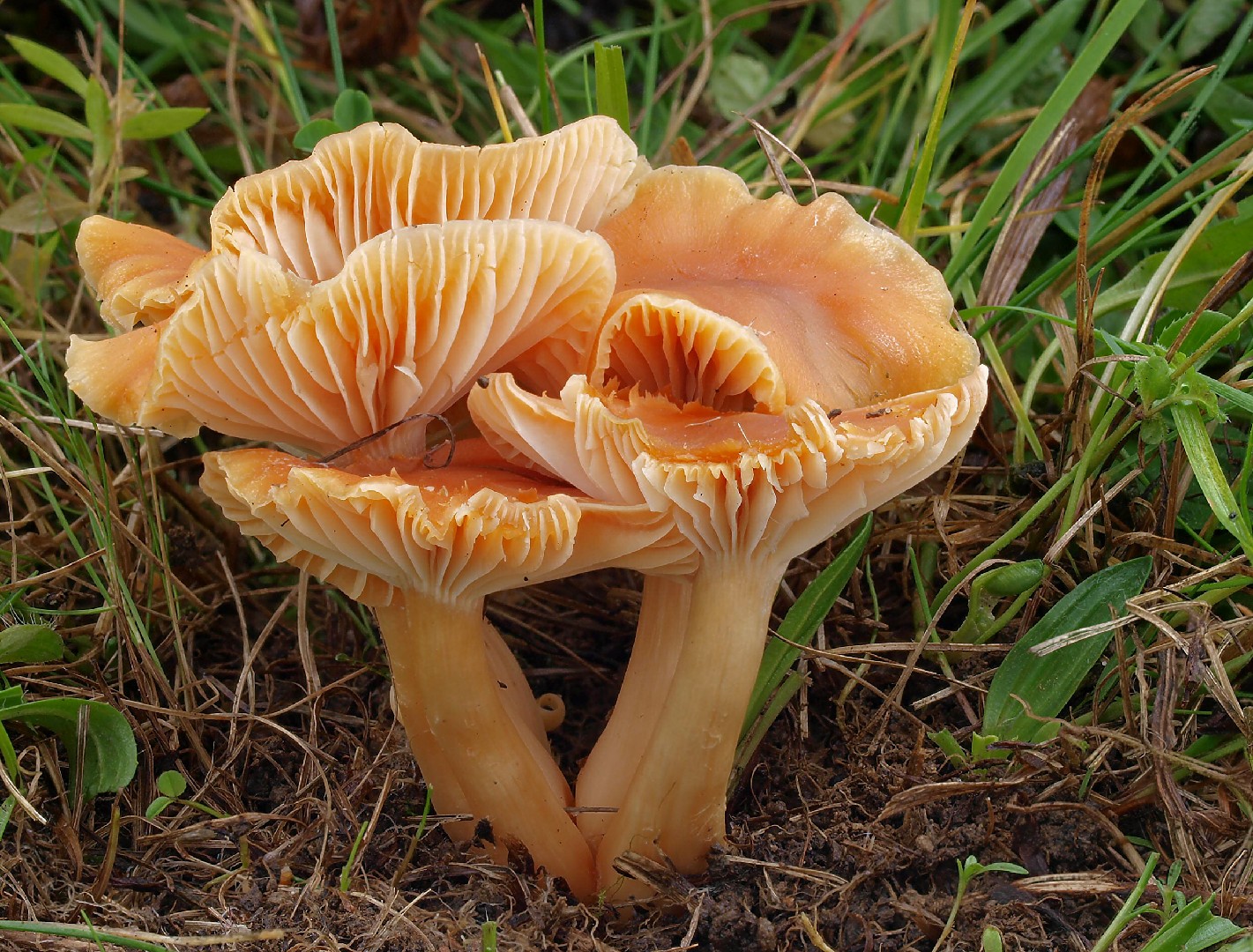
6. Meadow waxcap
The meadow waxcap is a medium-sized, salmon-colored species that can be found in temperate habitats around the world. The species has broad, thick gills and a relatively smooth (and not particularly waxy) cap.
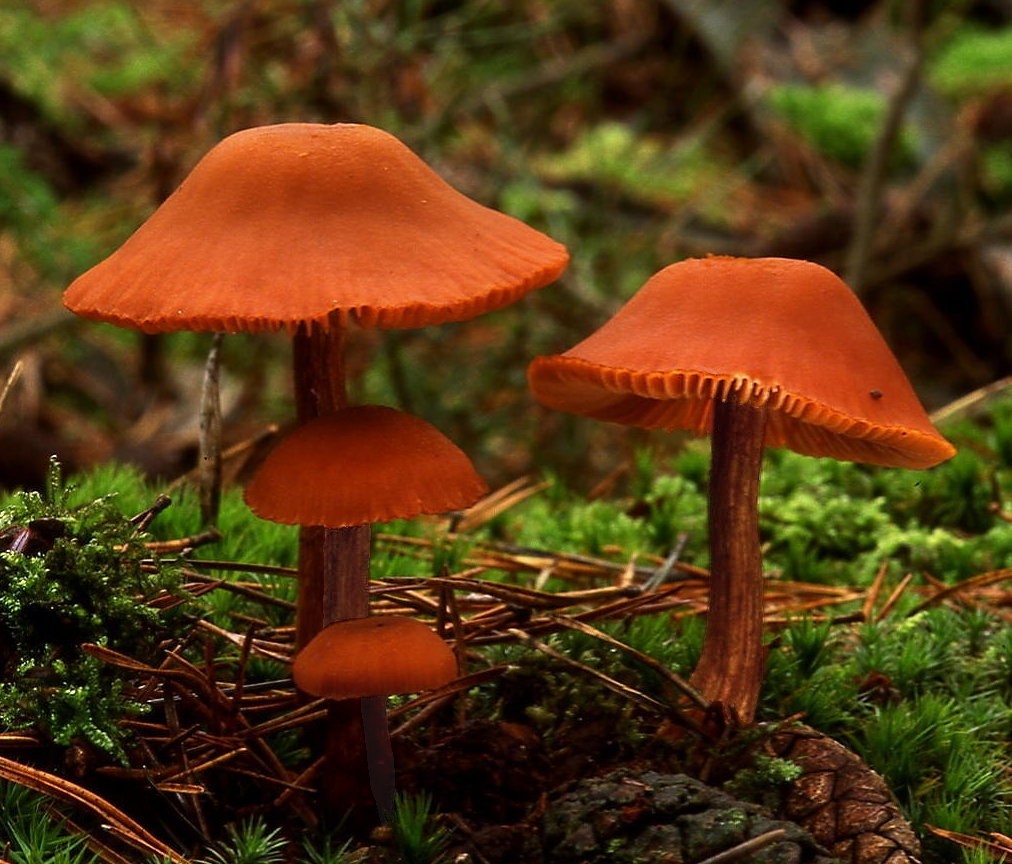
7. Common laccaria
Common laccaria may sound like a malevolent name for a mushroom, but fret not! This species is so-called because its appearance is highly variable, with individual caps taking on a whole host of colors, from whitish to pinkish to dark brown.
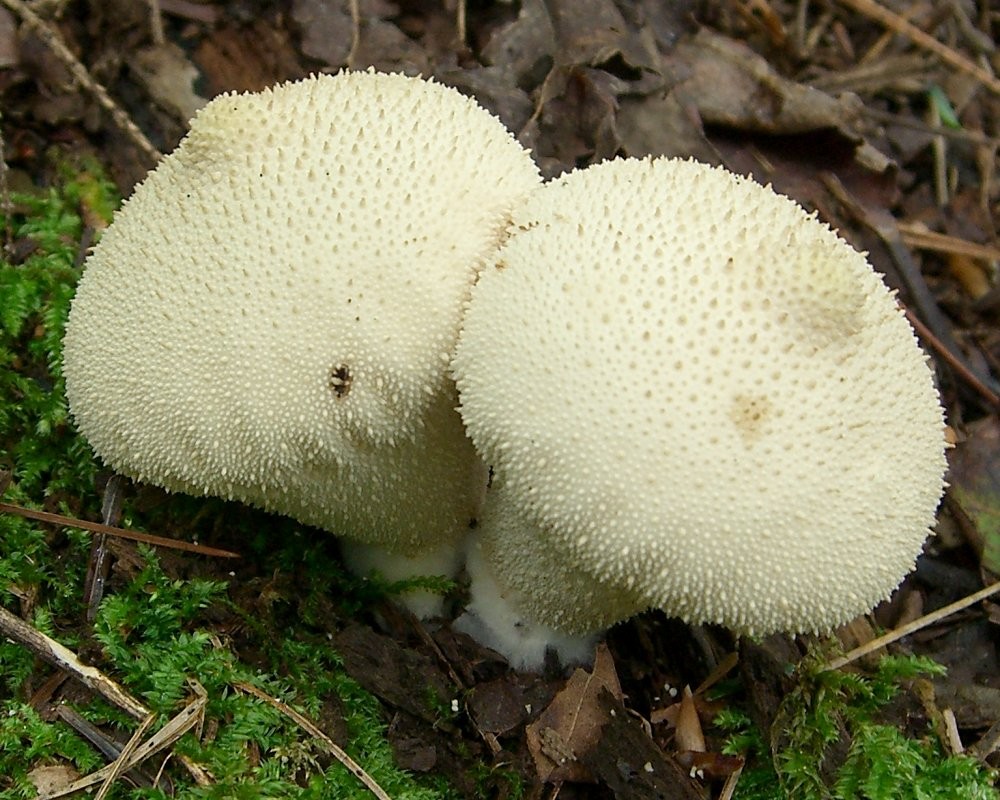
8. Common puffball
These puffy mushrooms grow in small groups on the forest floor. Once they're mature, common puffballs turn yellow and "puff out" smoke-like spore clouds when disturbed. Be very careful when identifying these mushrooms, as their young, immature form looks very similar to the lethal Deathcap.
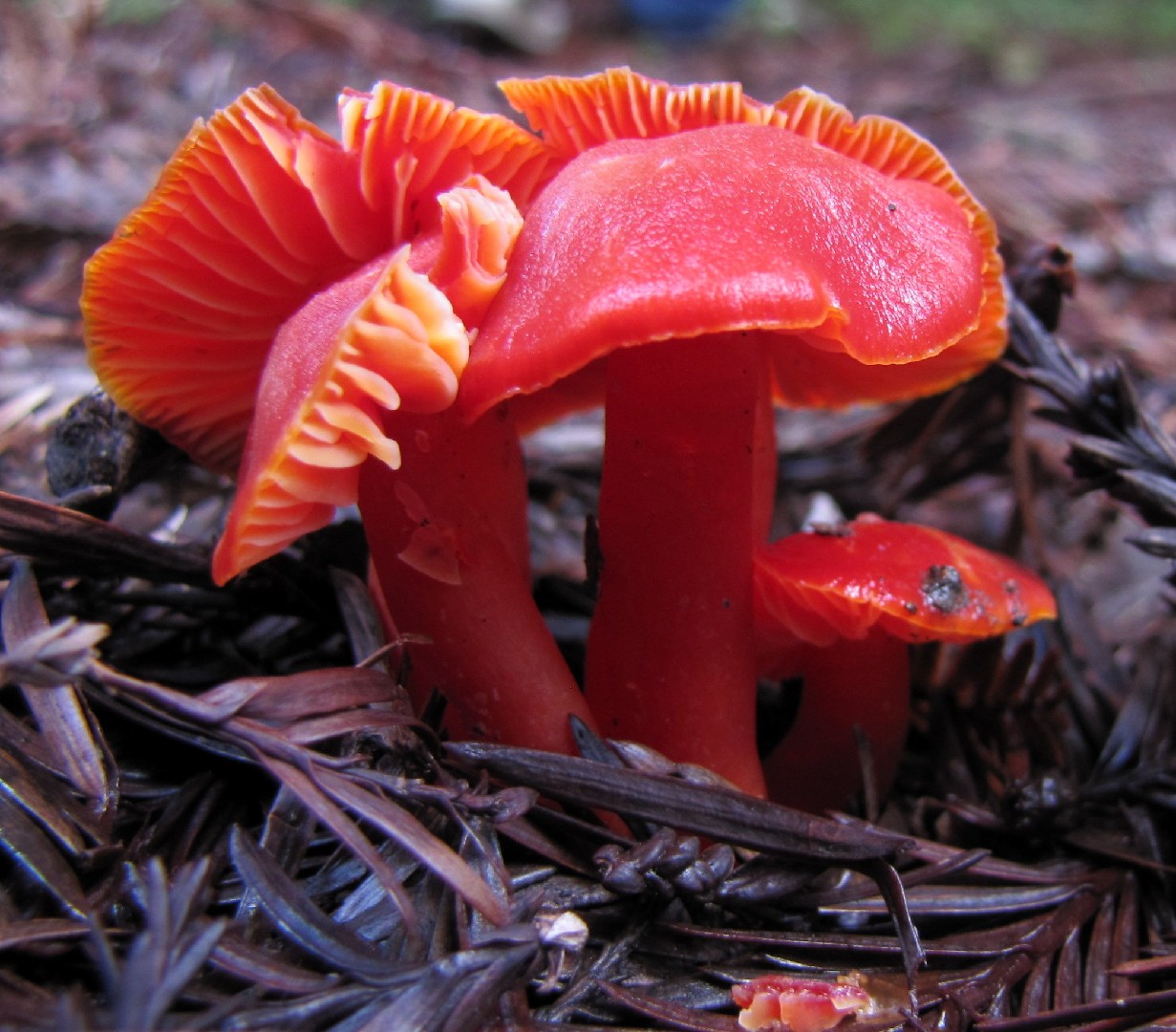
9. Scarlet hood
Scarlet hood(Hygrocybe coccinea) is named for its bright scarlet color, which renders it easy to spot among the grasses and woodlands among which it prefers to grow. Distributed across the Northern Hemisphere, it tends to be small and uncommon, making it of particular interest to photographers.
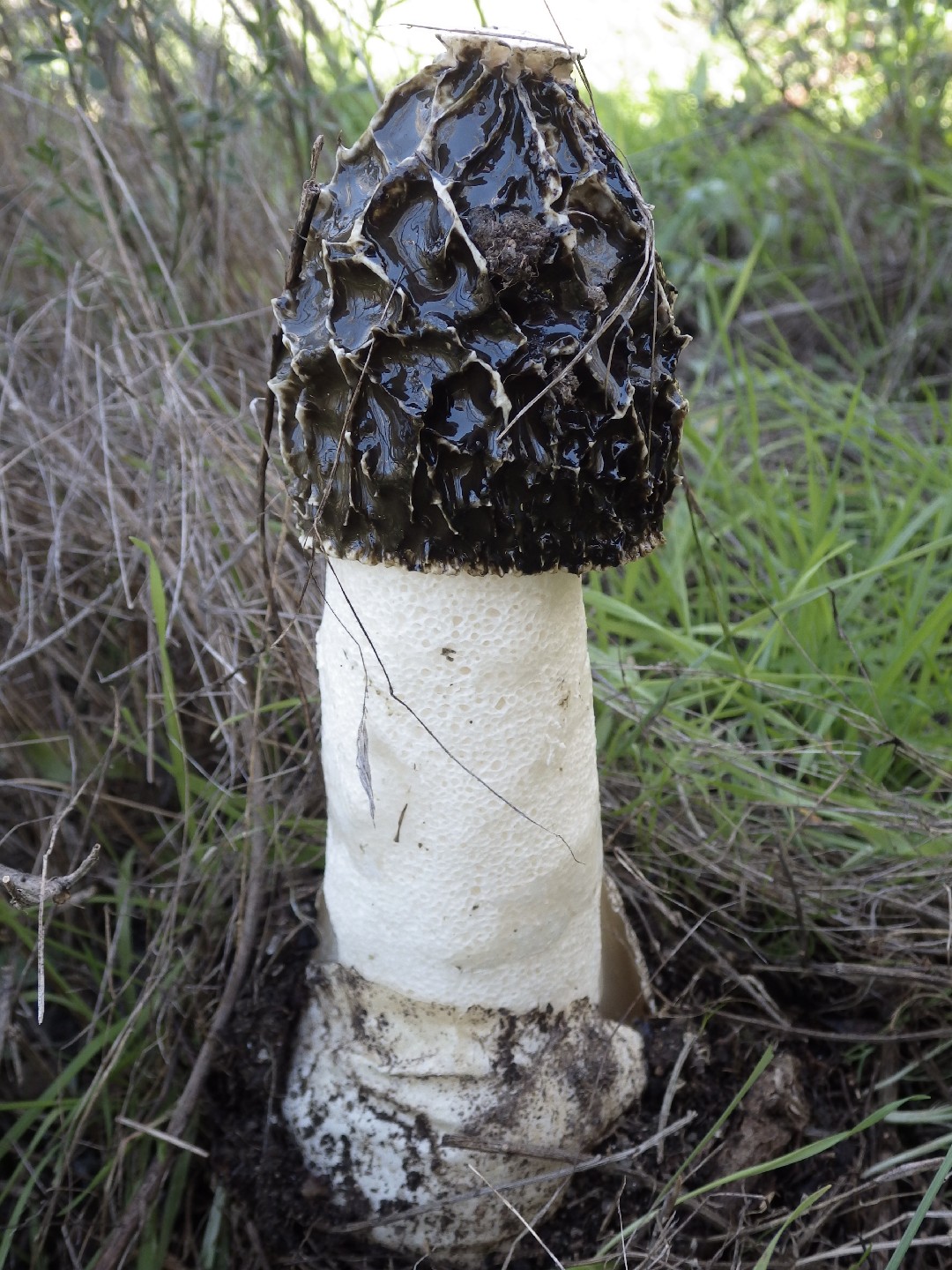
10. Common stinkhorn
The common stinkhorn (Phallus impudicus) grows incredibly quickly, sometimes nearing 30 cm in a single afternoon. Their caps are pitted in a way which makes them reminiscent of morels. However, there's little mistaking the common stinkhorn for a morel; the former, in addition to sporting a much longer stalk, has a clear and pungent odor.
More







