




Top 20 Edible Mushrooms Popular in Valdivia
Explore the fascinating world of fungal foraging in the diverse landscapes of Valdivia. This fruitful region, known for its rich ecological variety, offers a haven for an array of edible mushrooms. Delve into our thoughtfully curated list of 20 most common mushrooms, offering insight into each one's unique appearance, flavor profiles, natural habitats, and culinary uses. Unearth the secrets of nature's bounty, through this comprehensive guide, opening your world to the culinary and nutritional benefits of these edible marvels.
* Disclaimer: Content feedback CAN NOT be used as any basis for EATING ANY PLANTS. Some plants can be VERY POISONOUS, please purchase edible plants through regular channels.

Most Popular Edible Mushrooms
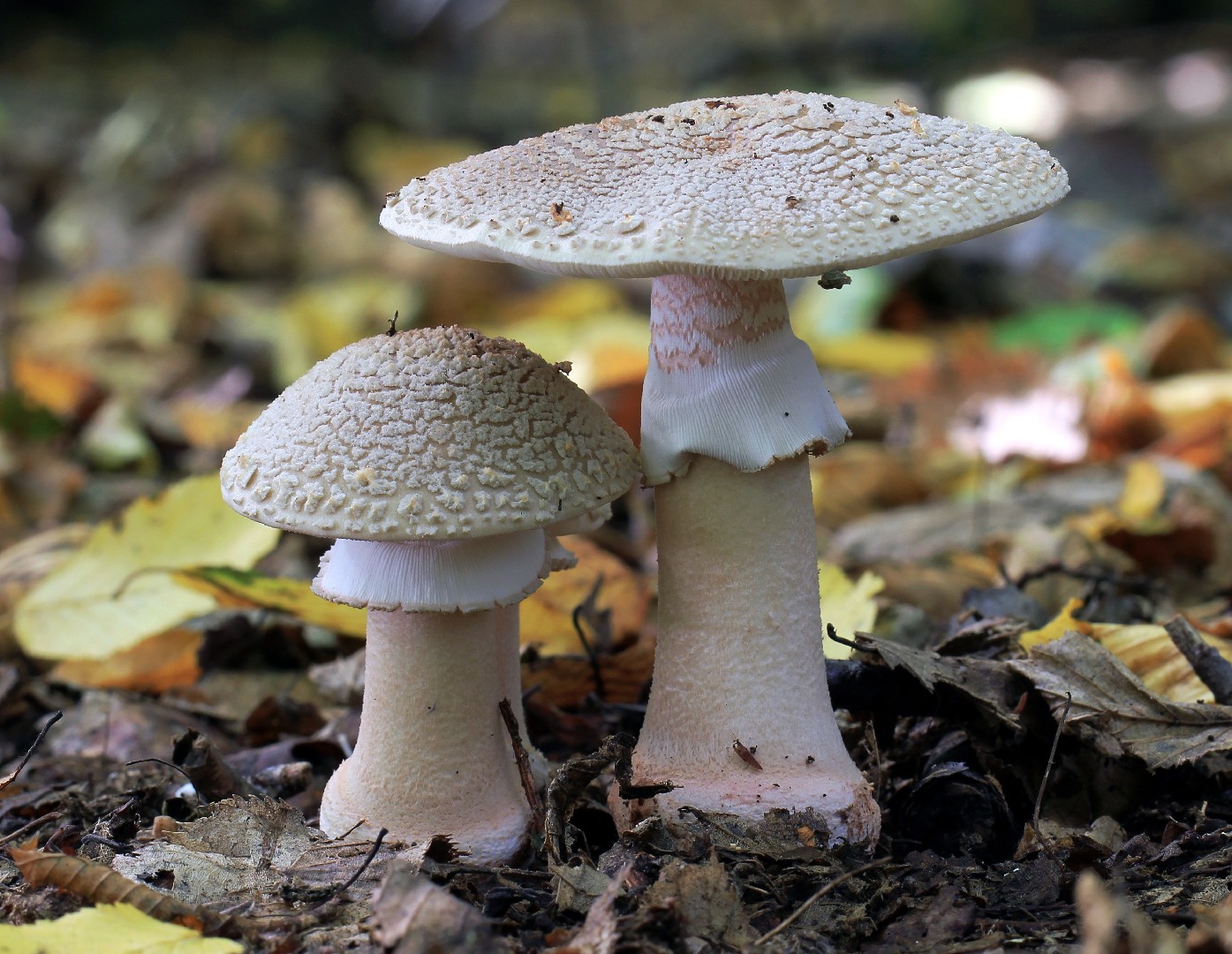
1. Blusher
The blusher mushroom is so named because it “blushes” to a pinkish red color when cut or bruised. It is found in many countries around the world, although it may not be native to the southern hemisphere. It contains a hemolytic toxin that can cause anemia if eaten.
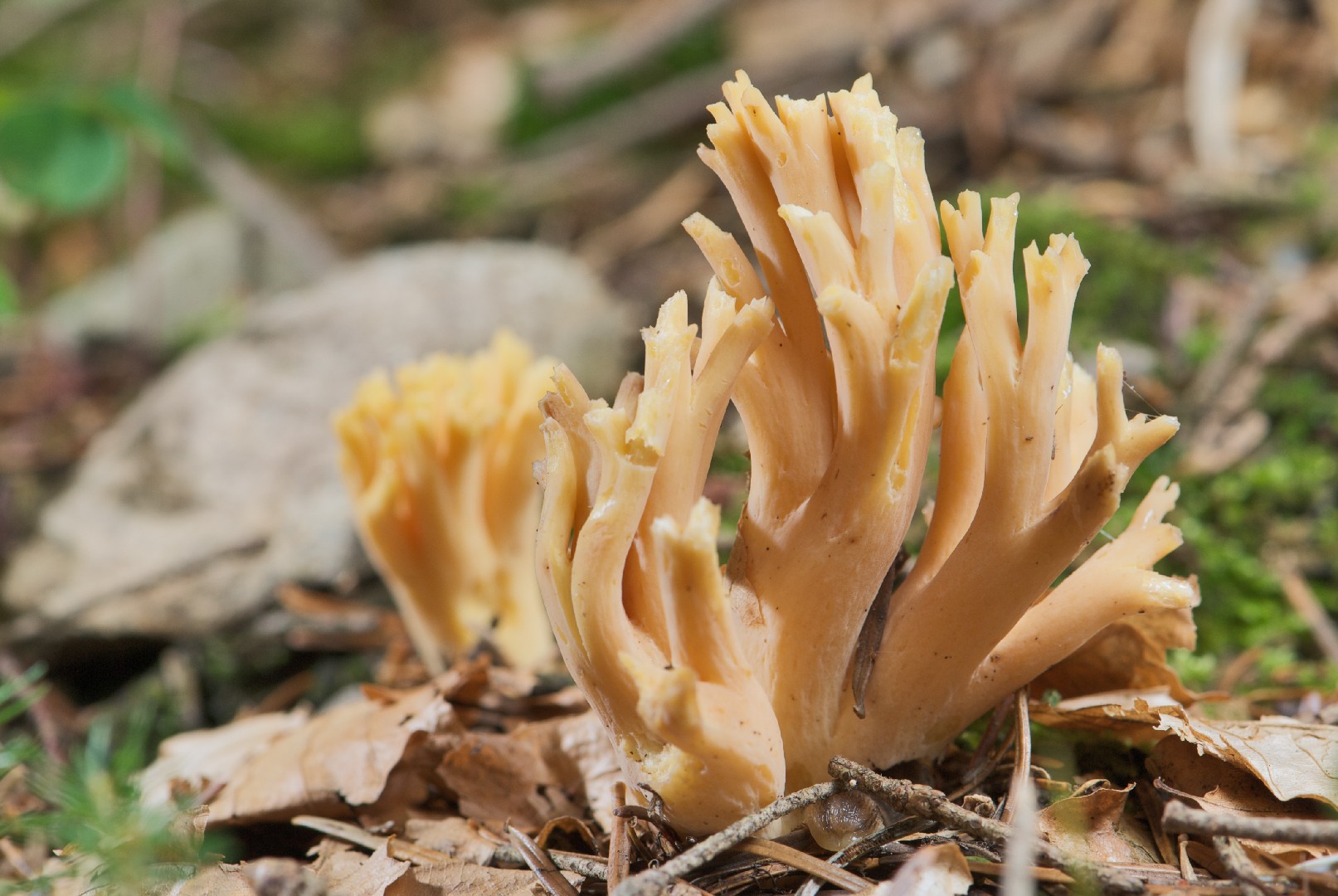
2. Changle
A beautiful fungus resembling undersea coral, the changle (Ramaria flava) appears as a bright tuft of lemony or sulfurous yellow when young. It fades into a deeper brown shade with age. The changle's cluster of branches is hard to distinguish from other coral species, some of which are quite poisonous.
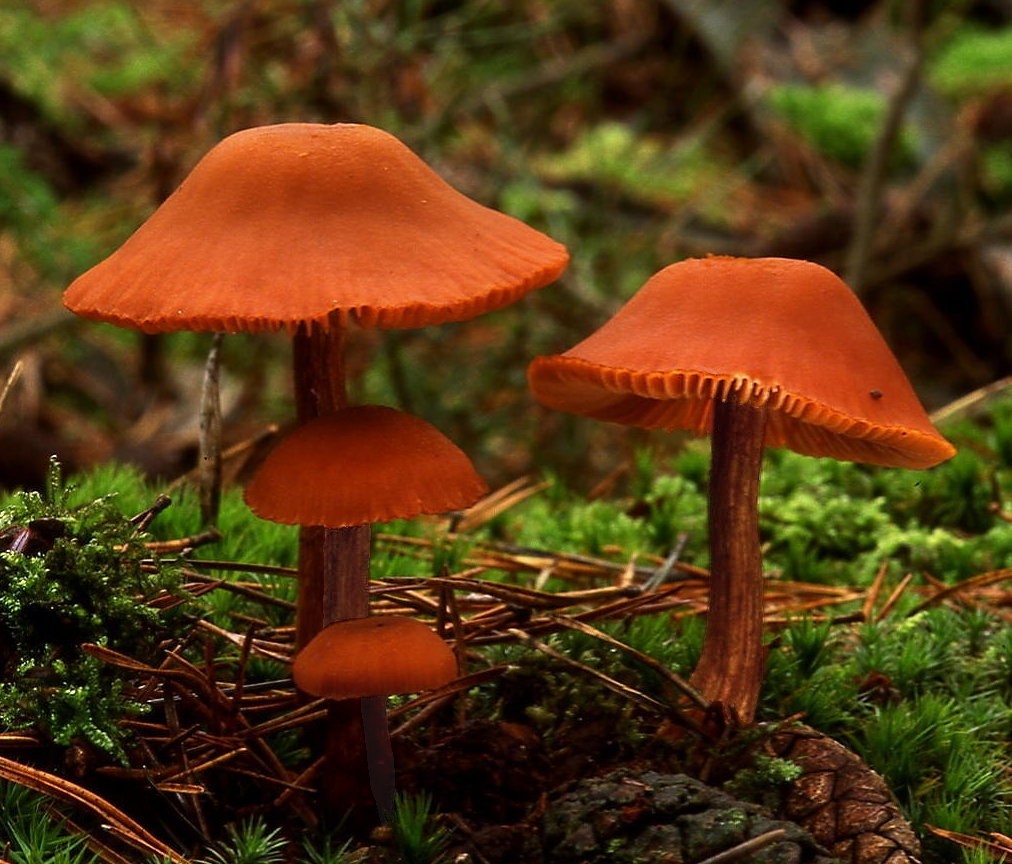
3. Common laccaria
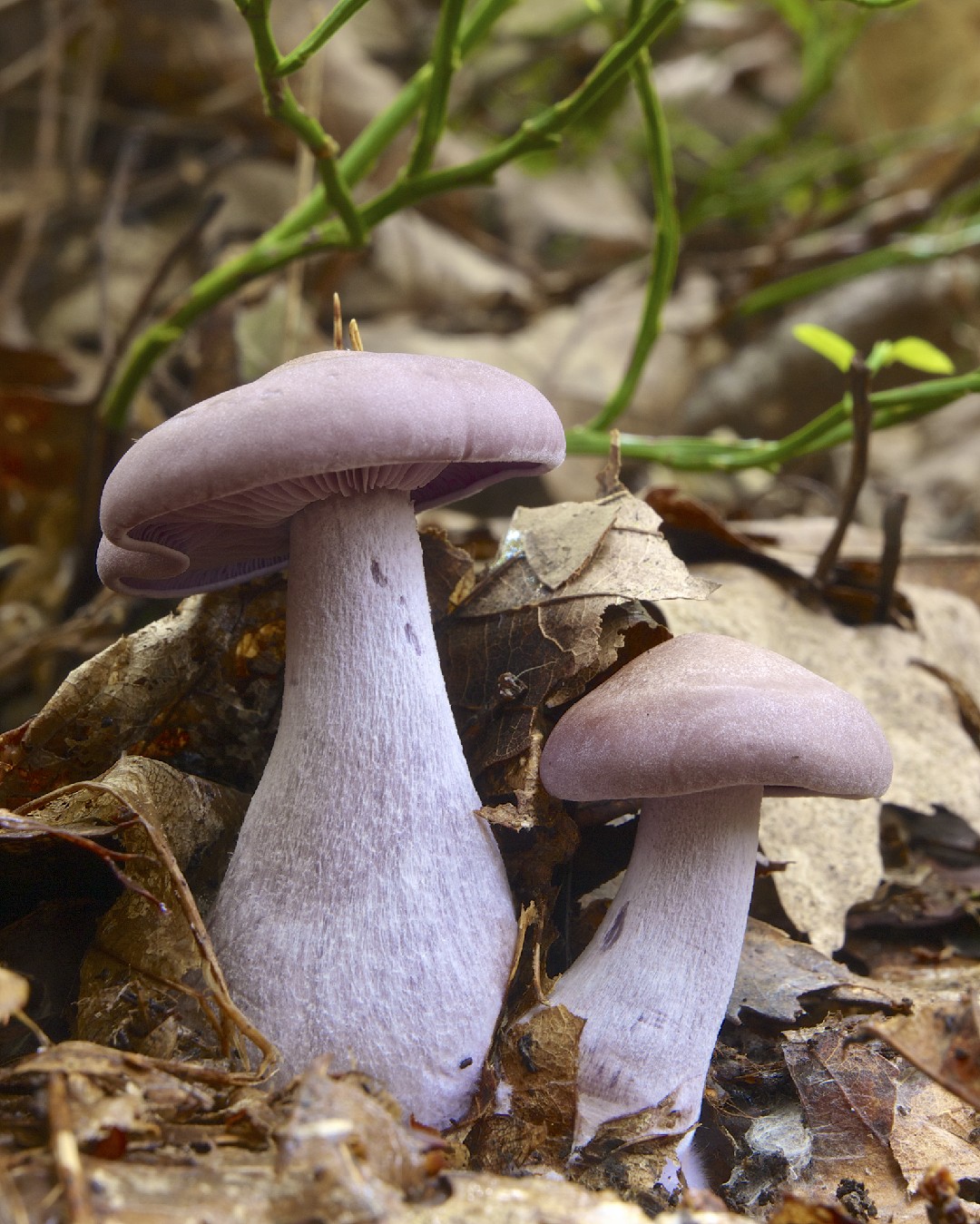
Common laccaria may sound like a malevolent name for a mushroom, but fret not! This species is so-called because its appearance is highly variable, with individual caps taking on a whole host of colors, from whitish to pinkish to dark brown.
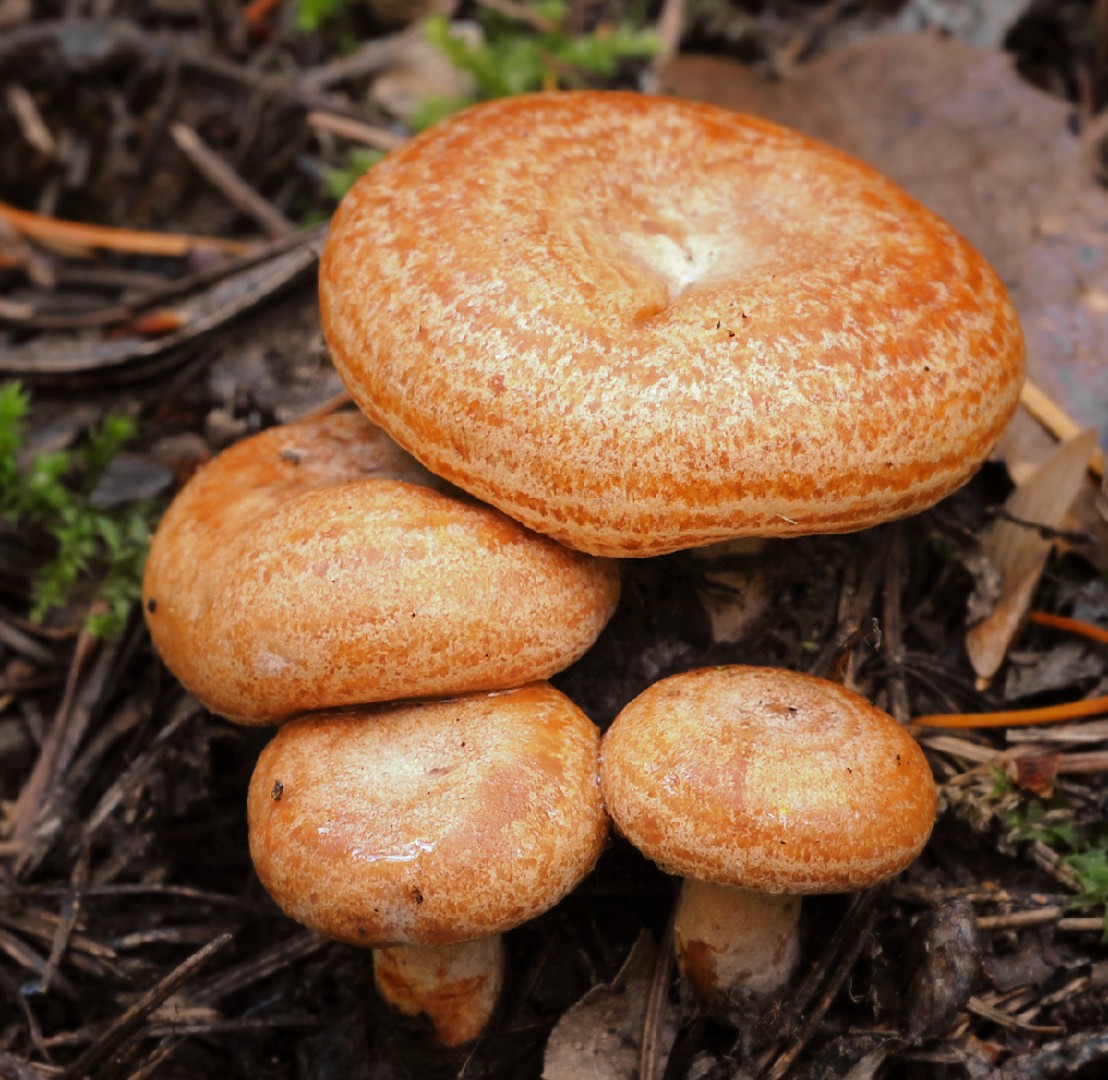
4. Saffron milk cap
Growing wild in the northern hemisphere and introduced to Australia, the saffron milk cap is found in pine forests during autumn. As the name implies, these mushrooms have been harvested for cooking for a long time. They have been known to cause stomach upset in some individuals, however, and carry a risk of being contaminated with heavy metals, so forage with caution.
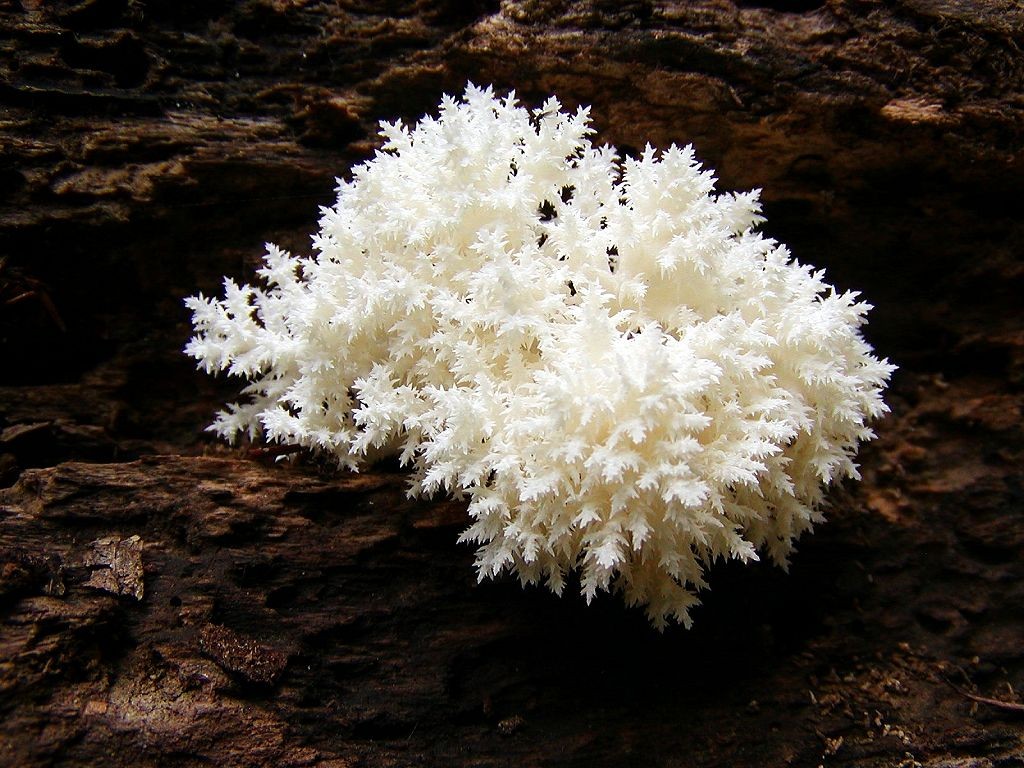
5. Coral tooth fungus
Coral tooth fungus (Hericium coralloides) is a species of coral mushroom most frequently sighted on dead or decaying hardwoods. Generally, younger specimens are white and become increasingly yellowish as they mature. Found around the world, the Māori refer to this species as pekepekekiore.
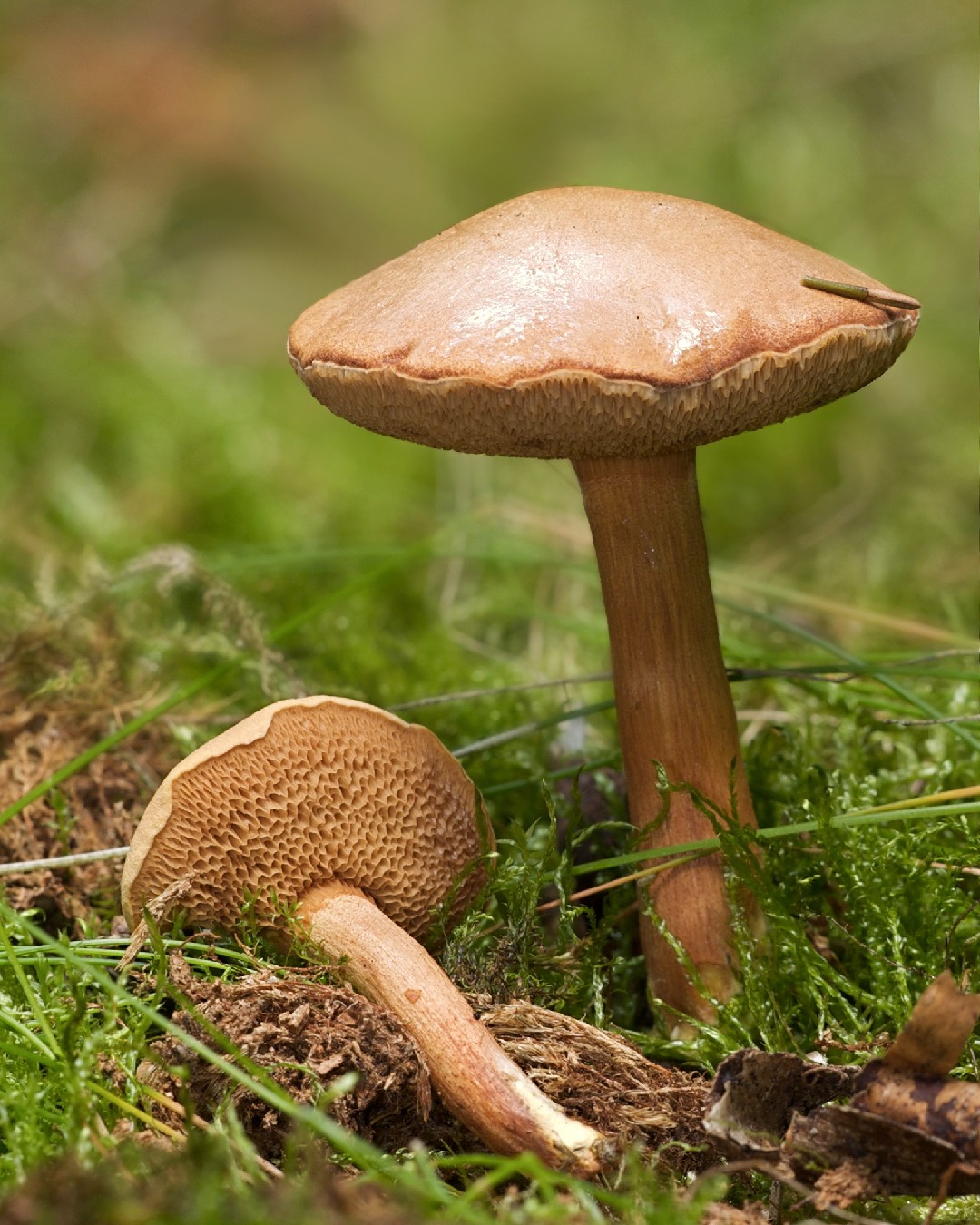
6. Peppery bolete
Peppery bolete(Chalciporus piperatus) has coloration ranging from browns to oranges, from pigments that lend themselves to the creation of natural dyes. Not only does peppery bolete prefer sandy soils and coniferous/beech trees, but it is also known to maintain parasitic relationships with certain other species of mushroom.
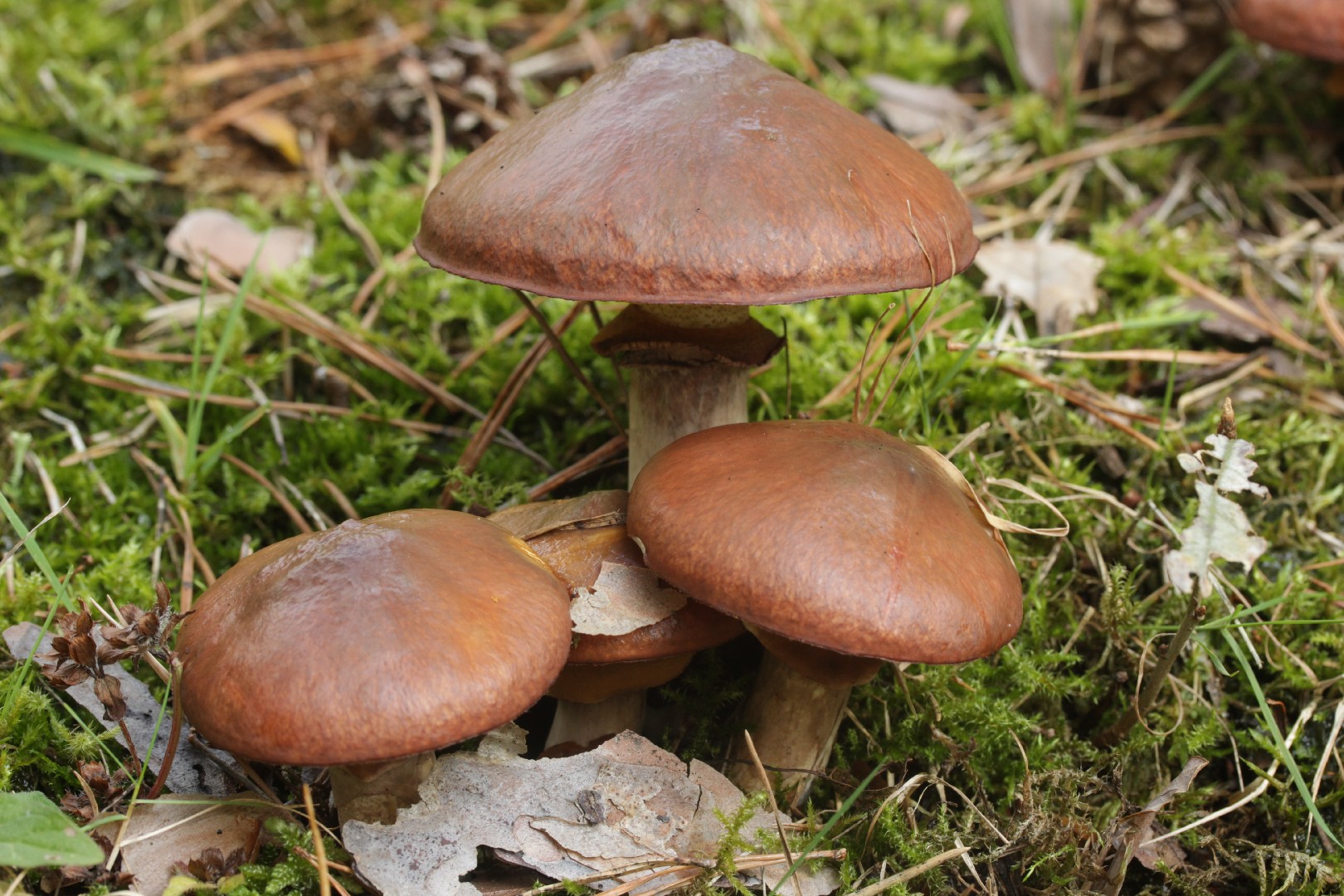
7. Slippery jack
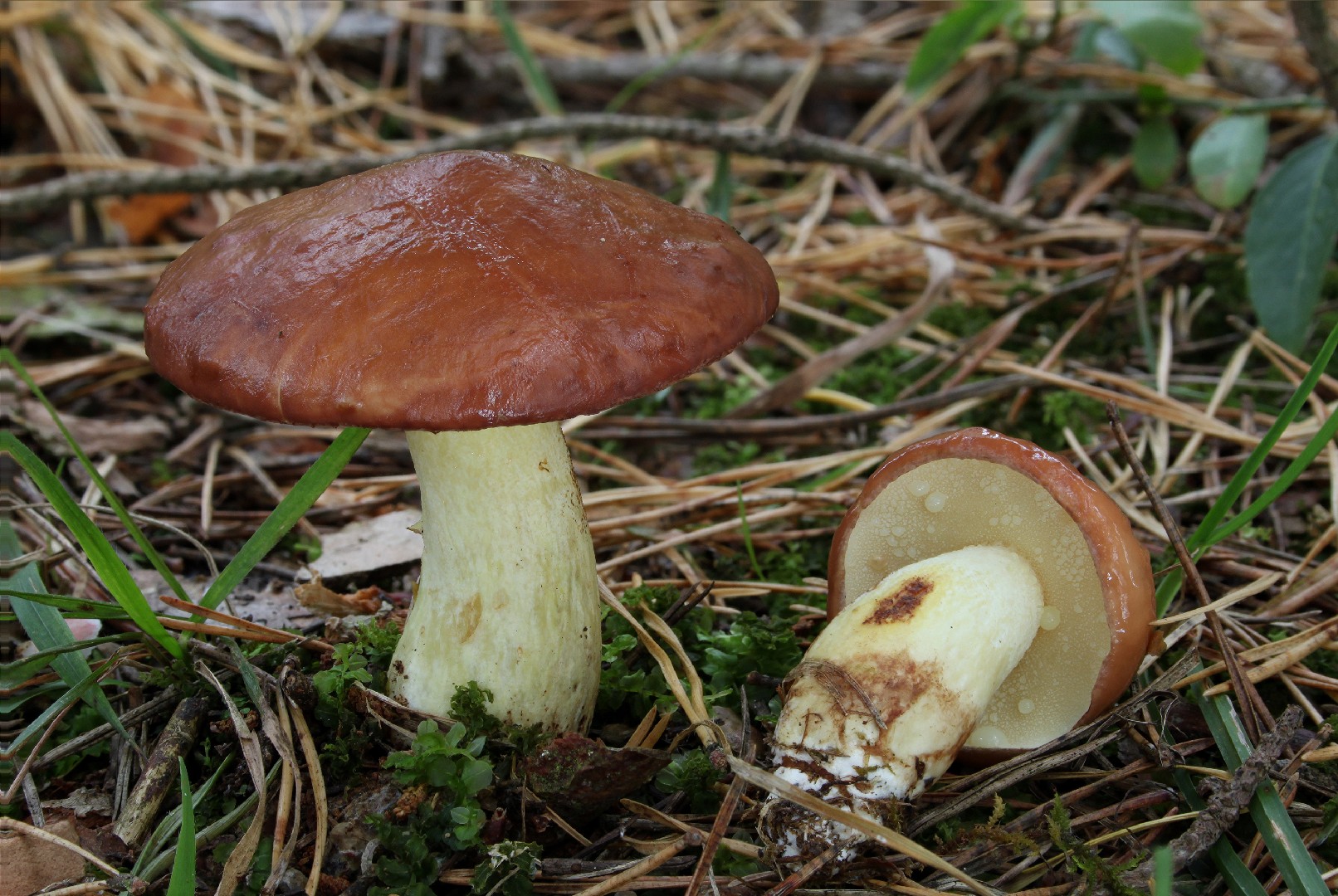
This mushroom blooms in summer and autumn, usually near or beneath pine trees. It does well in cold climates, but can also be found further south all around the northern hemisphere. During moist weather, the slippery jack's caps become quite slimy, leading to their common name.
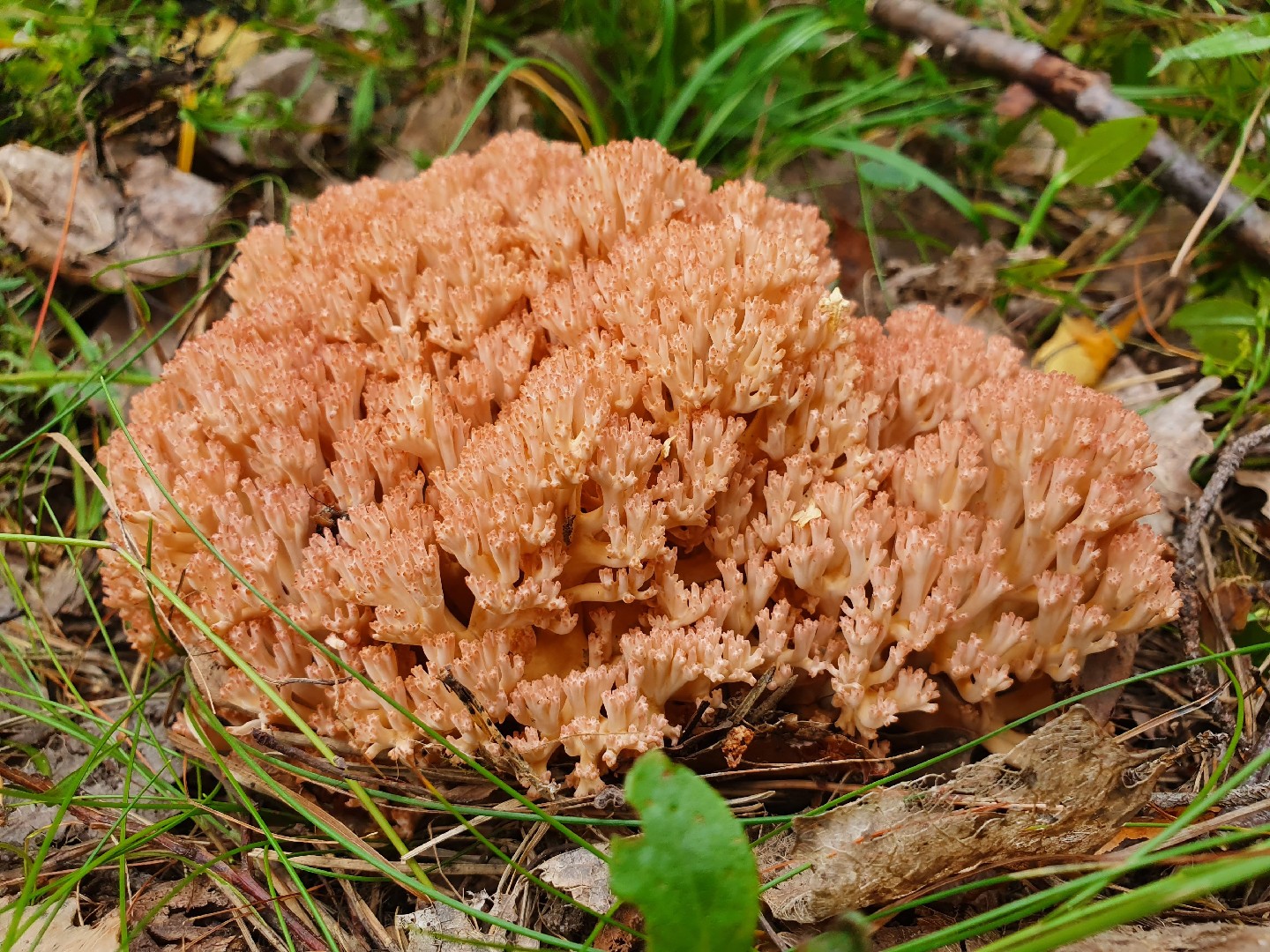
8. Rosso coral fungus
Rosso coral fungus's coral cap and short, white base makes it easy to distinguish from other species. It is often found either growing alone or in groups under conifers and hardwood trees. Its resemblance to coral also gives the mushroom its common name, "coral fungus."
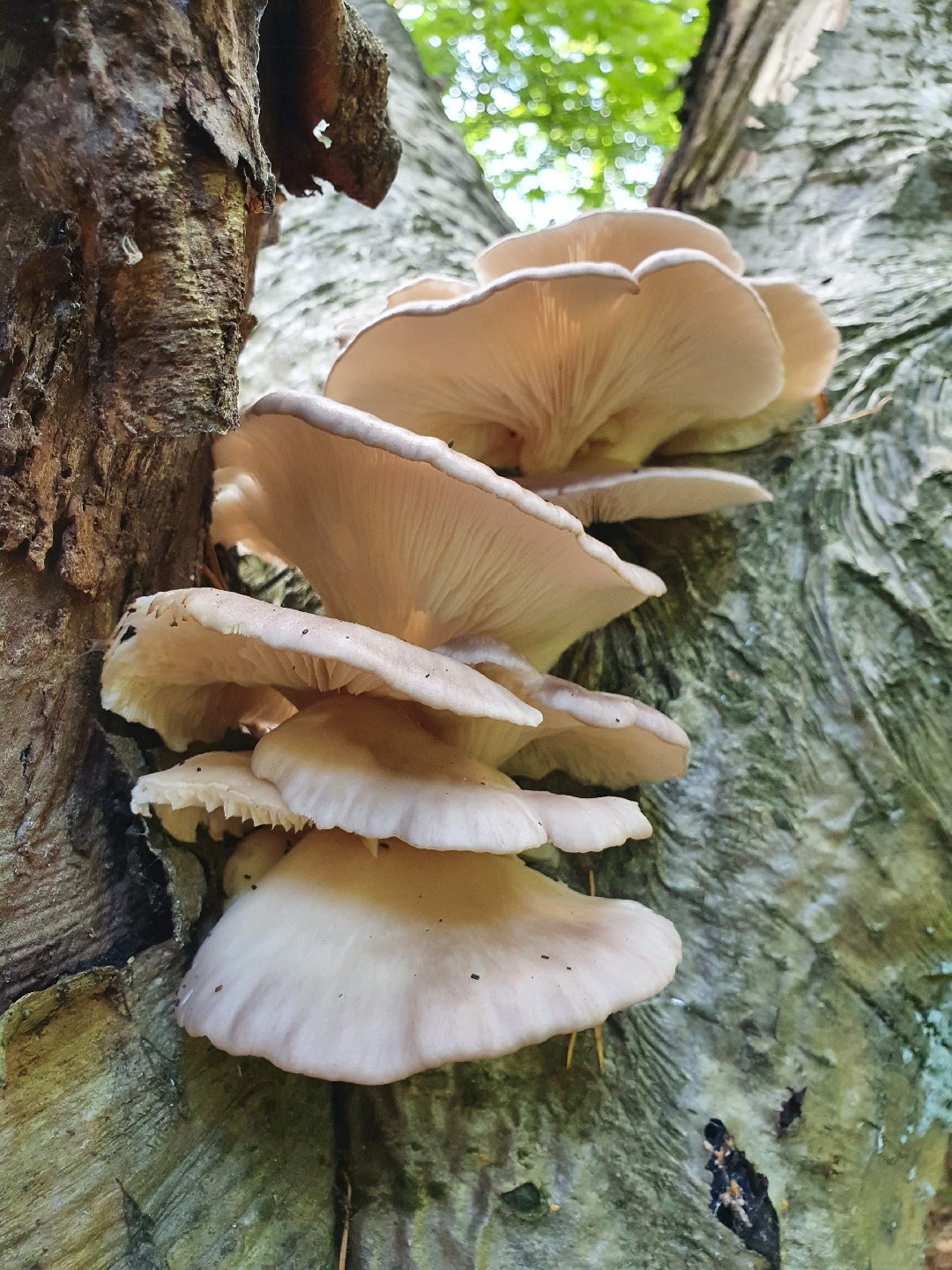
9. Oyster mushroom
Oyster mushrooms grow wild but are also cultivated for sale in supermarkets. They can even be cultivated at home. They will grow on coffee grounds and spent grain, and are occasionally even fashioned into an environmentally-friendly substitute for styrofoam. There are several toxic look-alike species, so it is best to buy these mushrooms at the store.
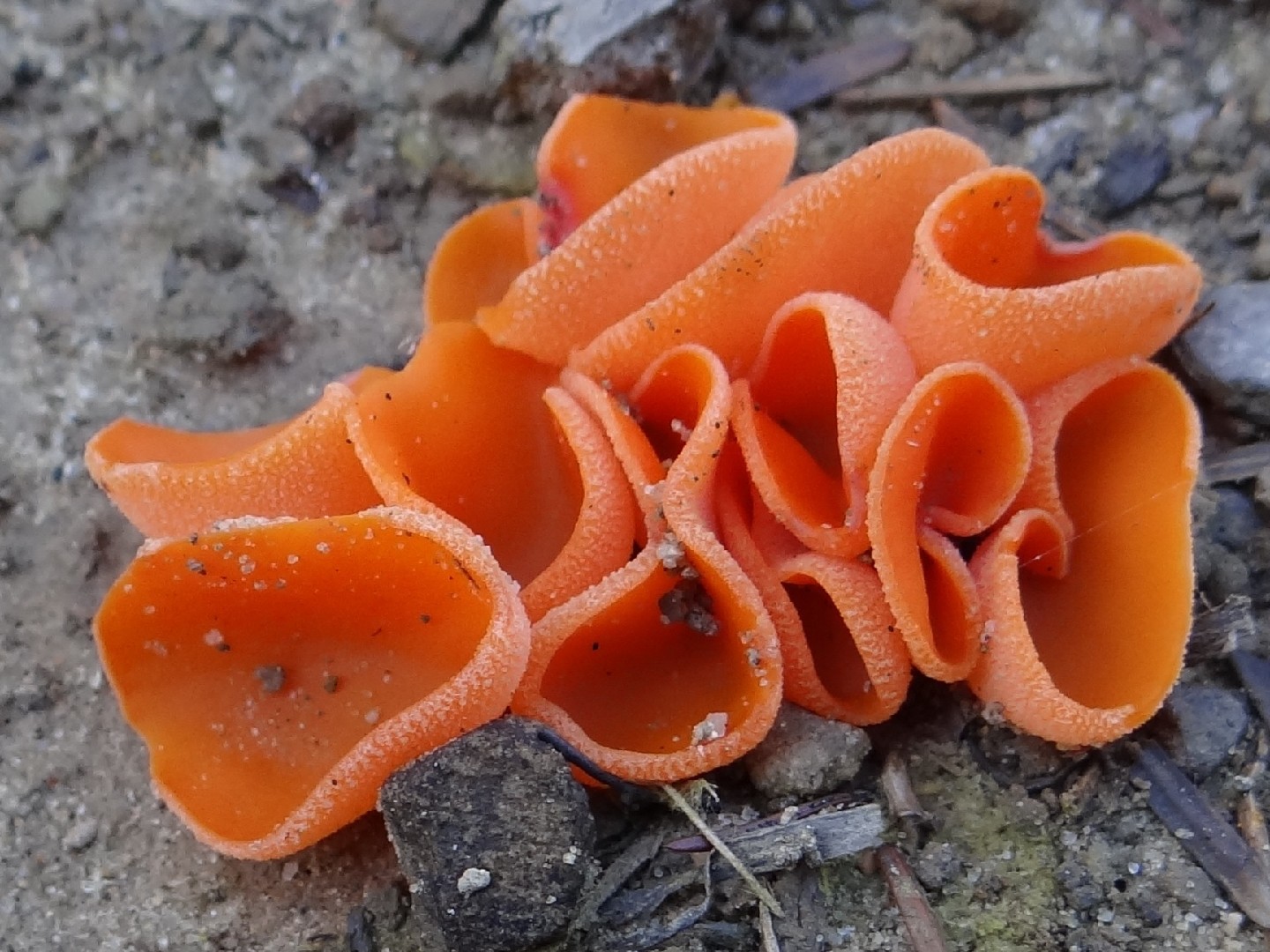
10. Orange peel fungus
The aptly-titled orange peel fungus (Aleuria aurantia) forms fruitbodies that strongly resemble peeled-off rinds of oranges. The species has an irregular folded shape and boasts a bright orange hue. Orange peel fungus usually grows directly out of soil and can be found across temperate regions of North America, Europe, and a few parts of Chile.

More







