




Top 20 Edible Mushrooms Popular in Newfoundland and Labrador
Dive into the majestic wilderness of Newfoundland and Labrador, known for its diverse terrains that foster an array of edible fungi. Our guide explores the 20 most prevalent edible mushrooms, each of which represents the uniqueness of this region. Immerse yourself as we detail their distinctive appearances, versatile flavours, preferences for different habitats, and wide-ranging culinary uses. Let's delve deeper to uncover this hidden gourmet treasure right beneath our feet.
* Disclaimer: Content feedback CAN NOT be used as any basis for EATING ANY PLANTS. Some plants can be VERY POISONOUS, please purchase edible plants through regular channels.

Most Popular Edible Mushrooms
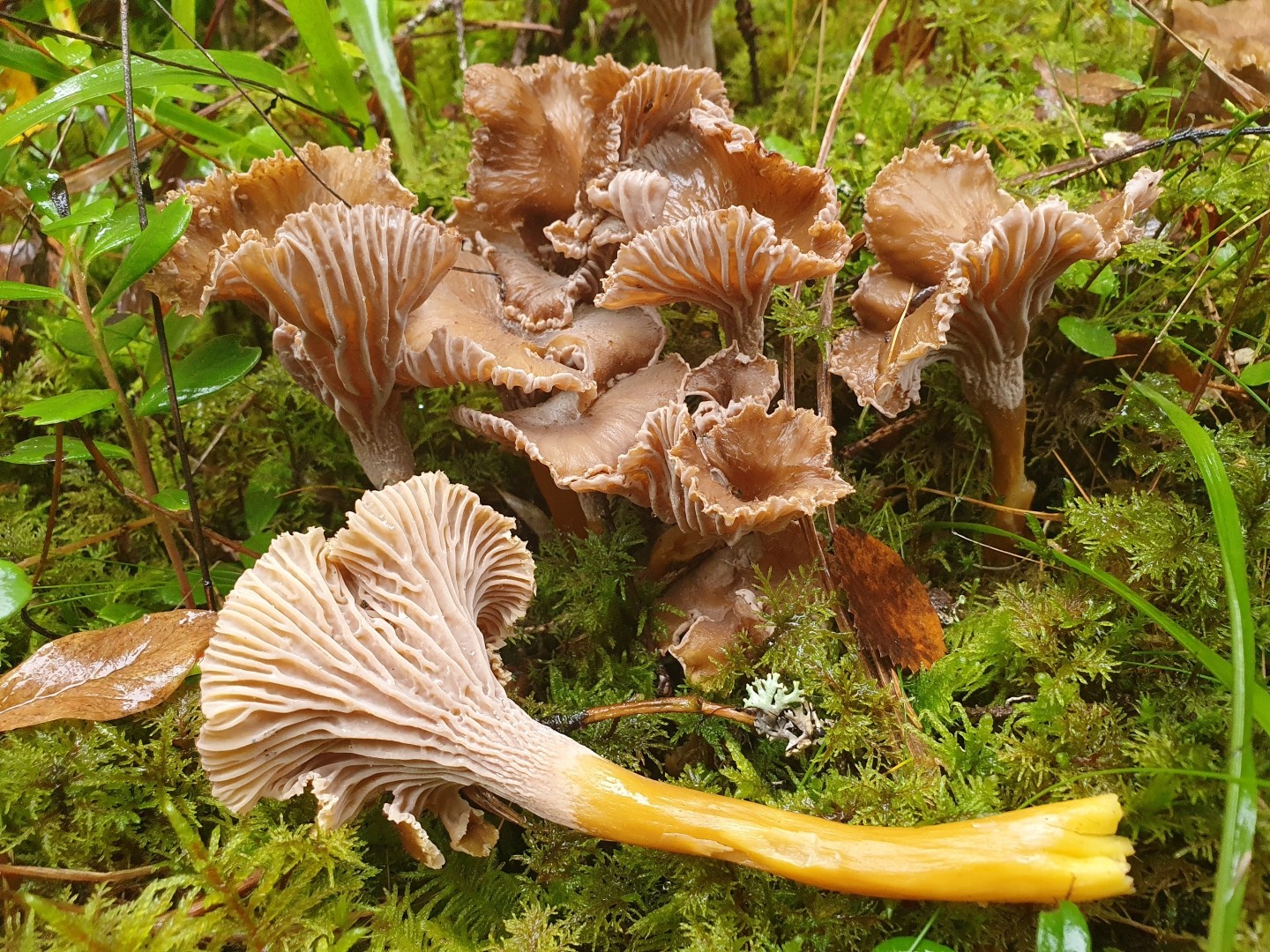
1. Yellowfoot
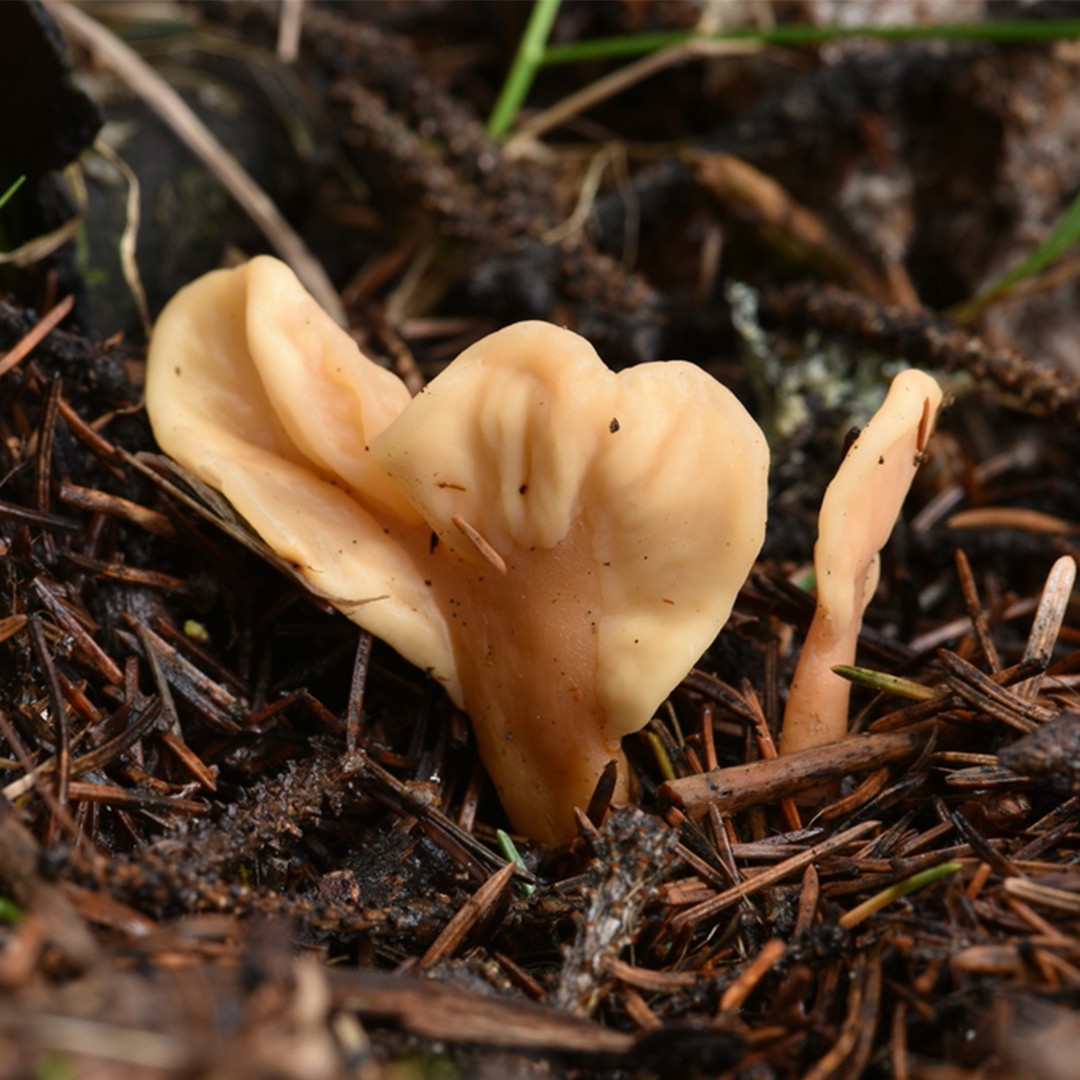
Found in temperate forests, wetlands, and bogs across the northern hemisphere, the yellowfoot is a highly sought after member of the chanterelle family. Considered a choice edible, it boasts a lovely, complex flavor (though it is somewhat less fruity and sweet then some of its more popular cousins). Yellowfoots are sometimes called "winter mushrooms", as they tend to be very late-season fruiters.
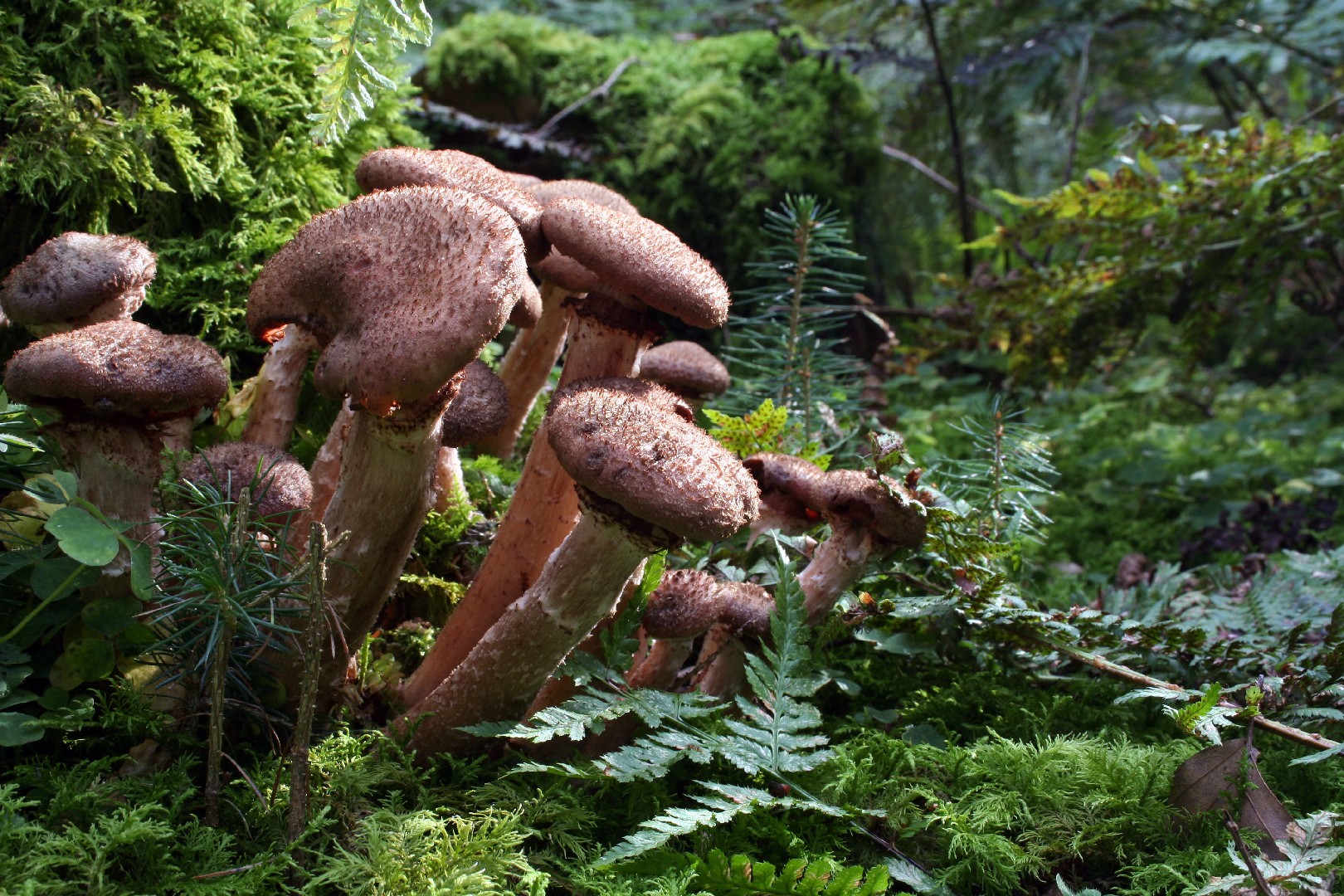
2. Dark honey mushroom
This parasitic fungus species has the ability to damage large swathes of forest. It lives as interwoven underground threads that only occasionally sprout surface mushrooms. A single specimen of dark honey mushroom can grow for thousands of years, and one found in the US covers 2200 acres, earning it the title of the world’s largest living organism.
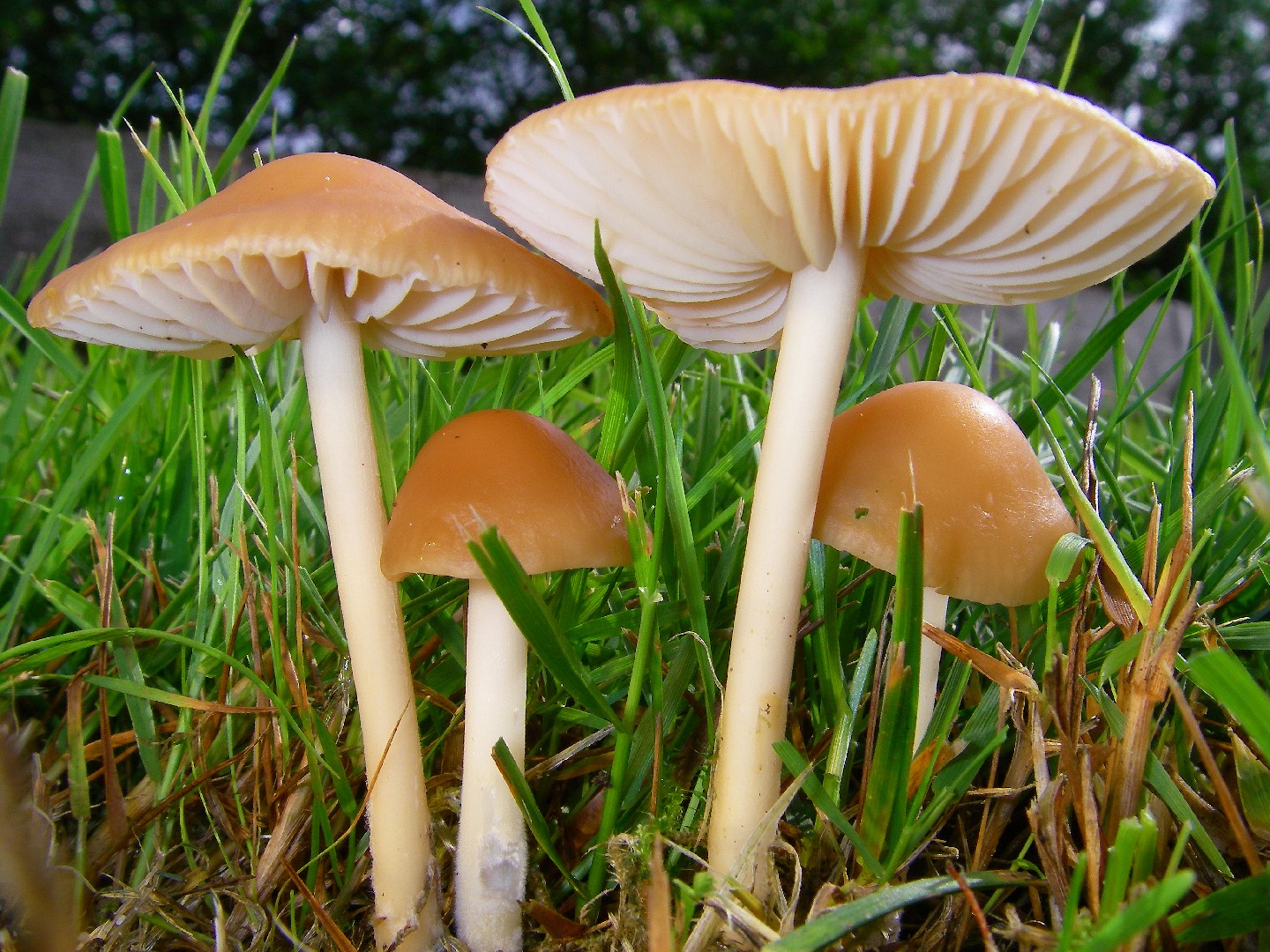
3. Fairy ring mushroom
Fairy ring mushrooms may dry out completely in the sun, but will “resurrect” during the next rain and regain their ability to make new spores. This is due to a sugar called trehalose which protects their cells. They appear in lawns and fields, sometimes in “fairy ring” configurations.
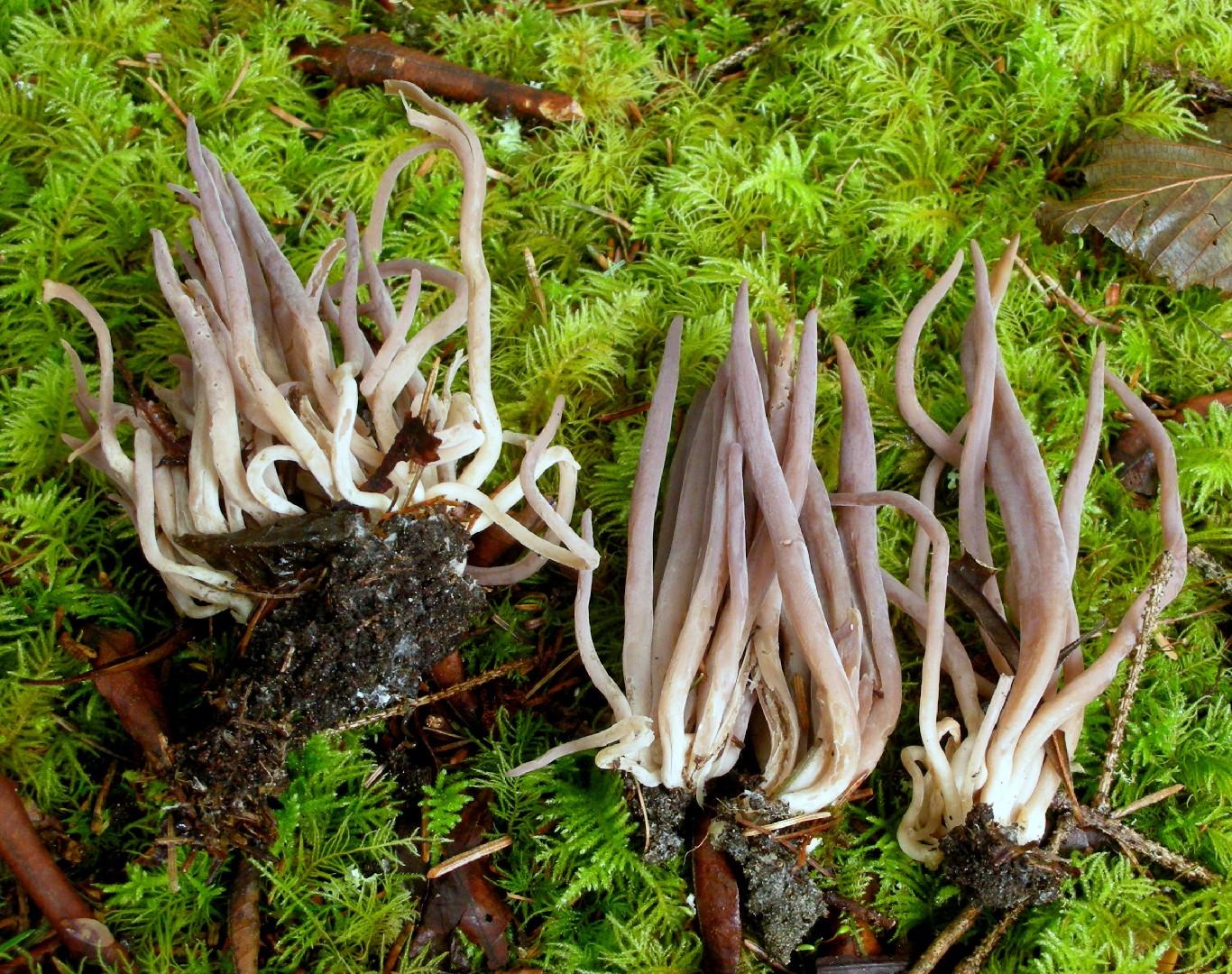
4. Purple coral
The purple coral is a tiny, but beautiful and impressive fungus that can be immediately distinguished from other Alloclavaria and Clavaria species by its distinctive purple colour. This mushroom grows in large clusters, but it's still unclear whether it's a saprobic or mycorrhizal species.
5. Gypsy mushroom
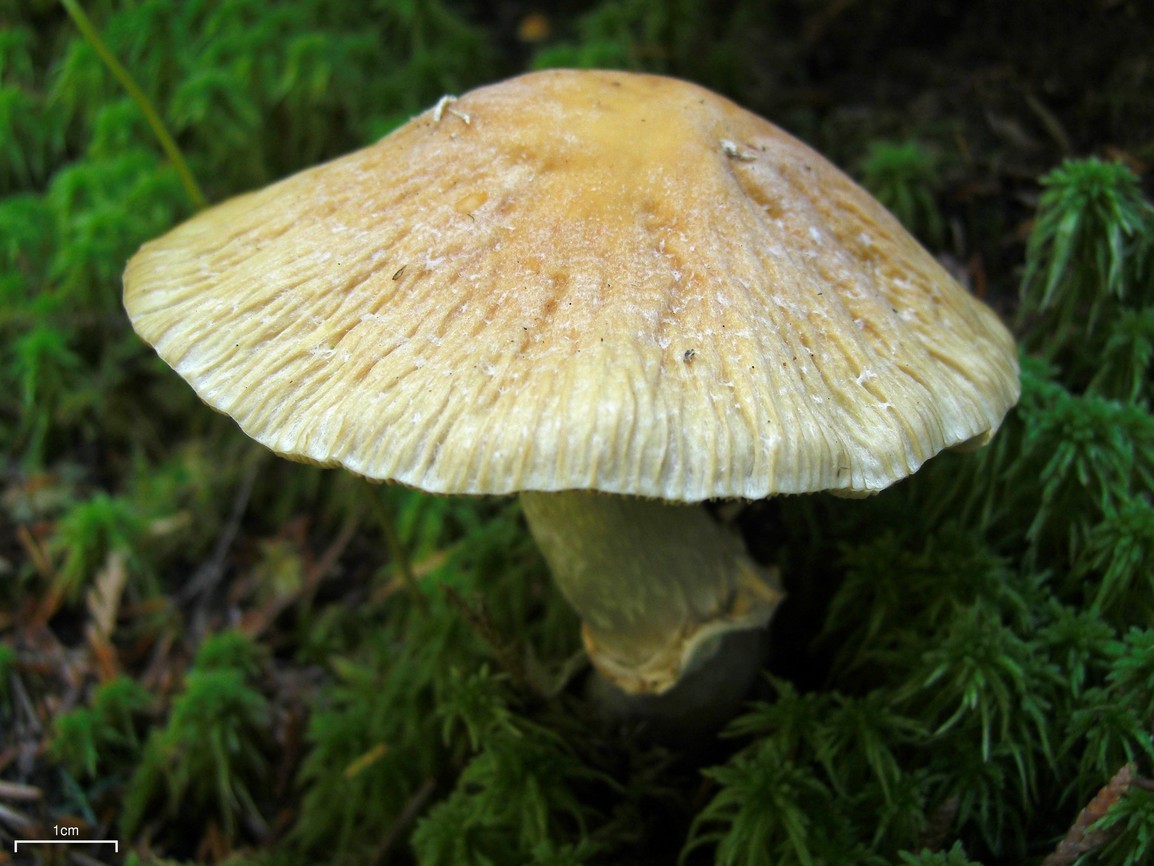
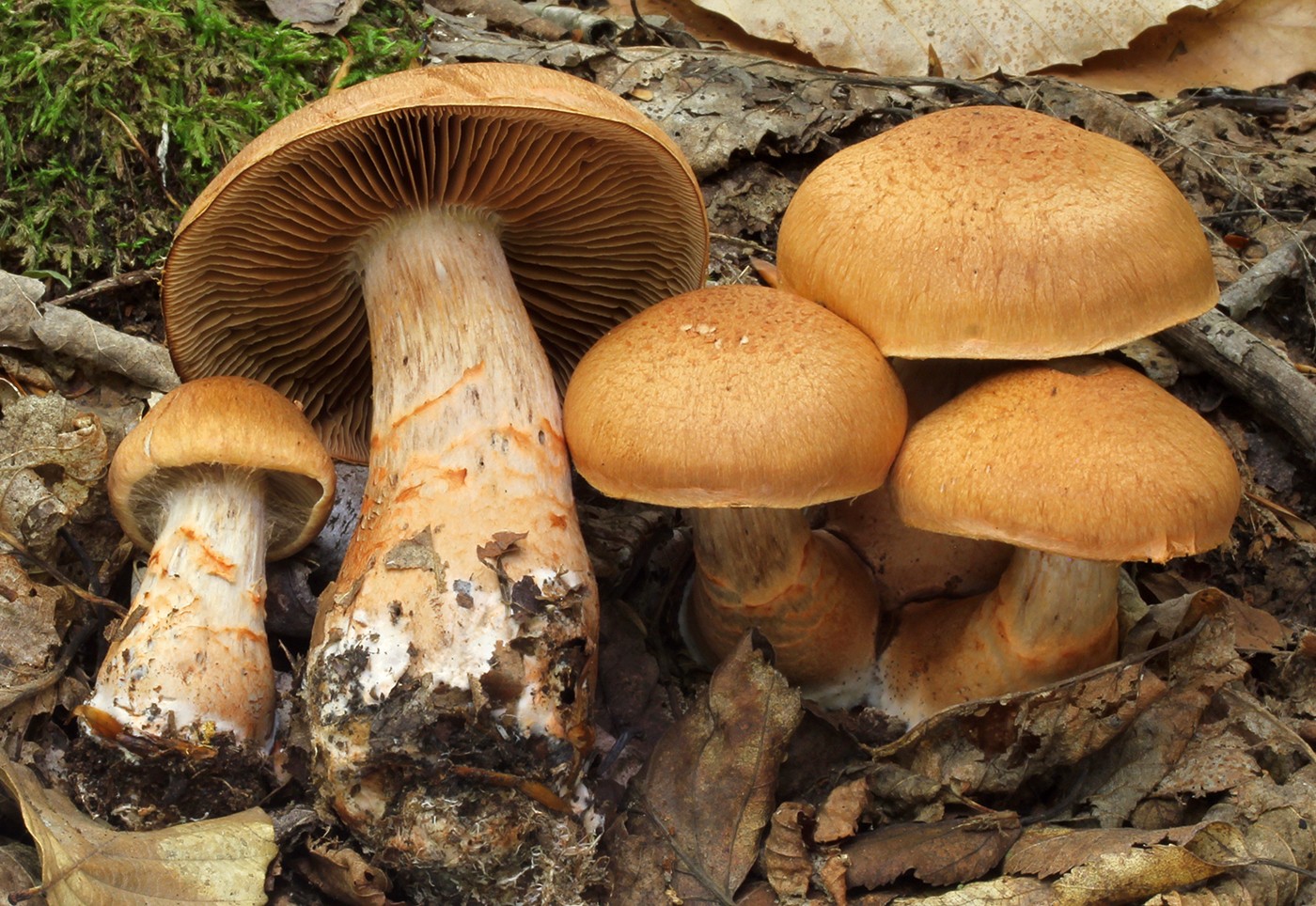
Cortinarius caperatus, commonly referred to as the gypsy mushroom, is a sought-after species that grows across the temperate regions of the Northern Hemisphere. The fruitbodies sport ochre-colored caps and pale gills and stems - their cap color fades over time though, which may lead to their being confused with other, more toxic species.
6. Apricot jelly
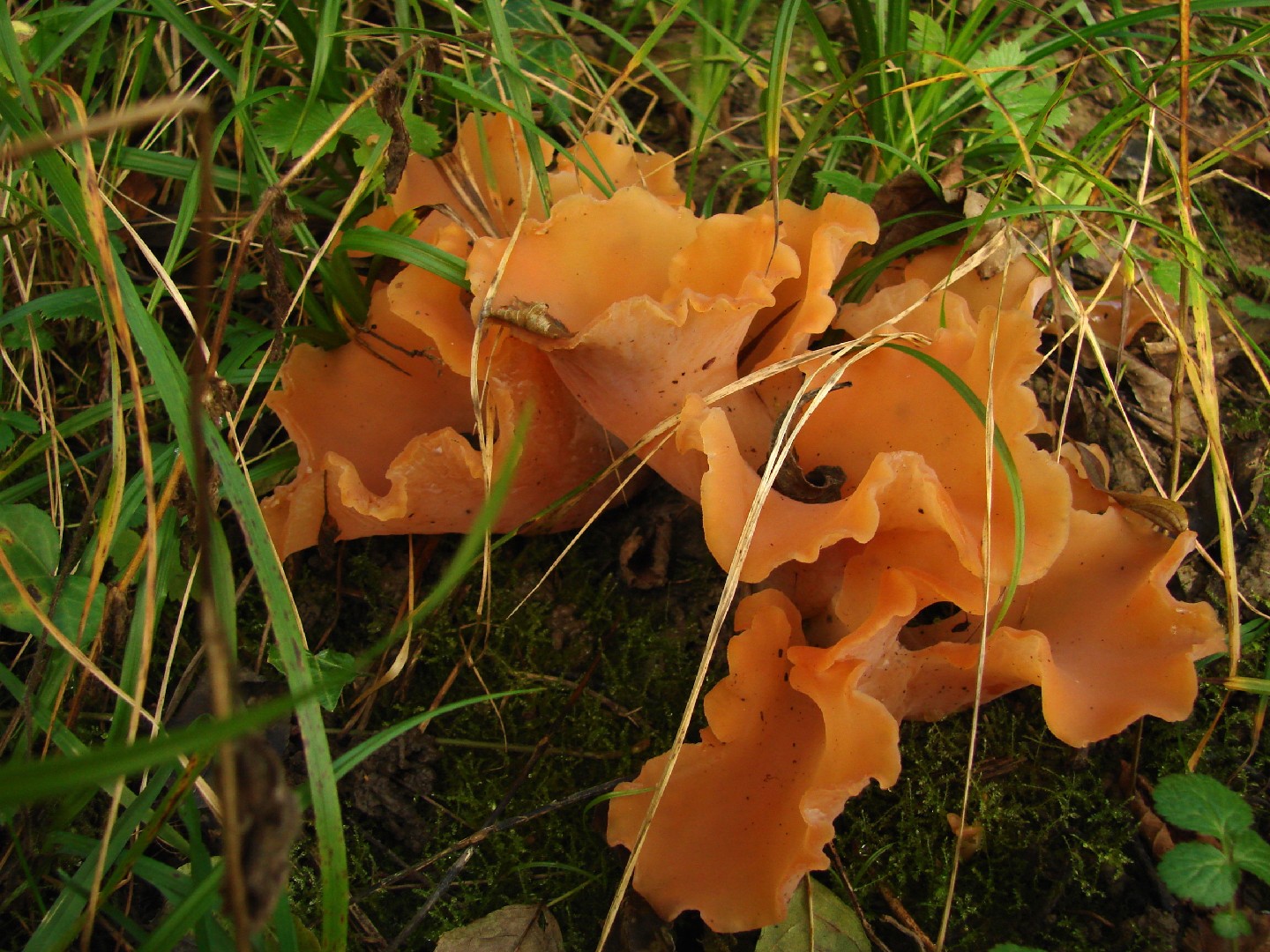
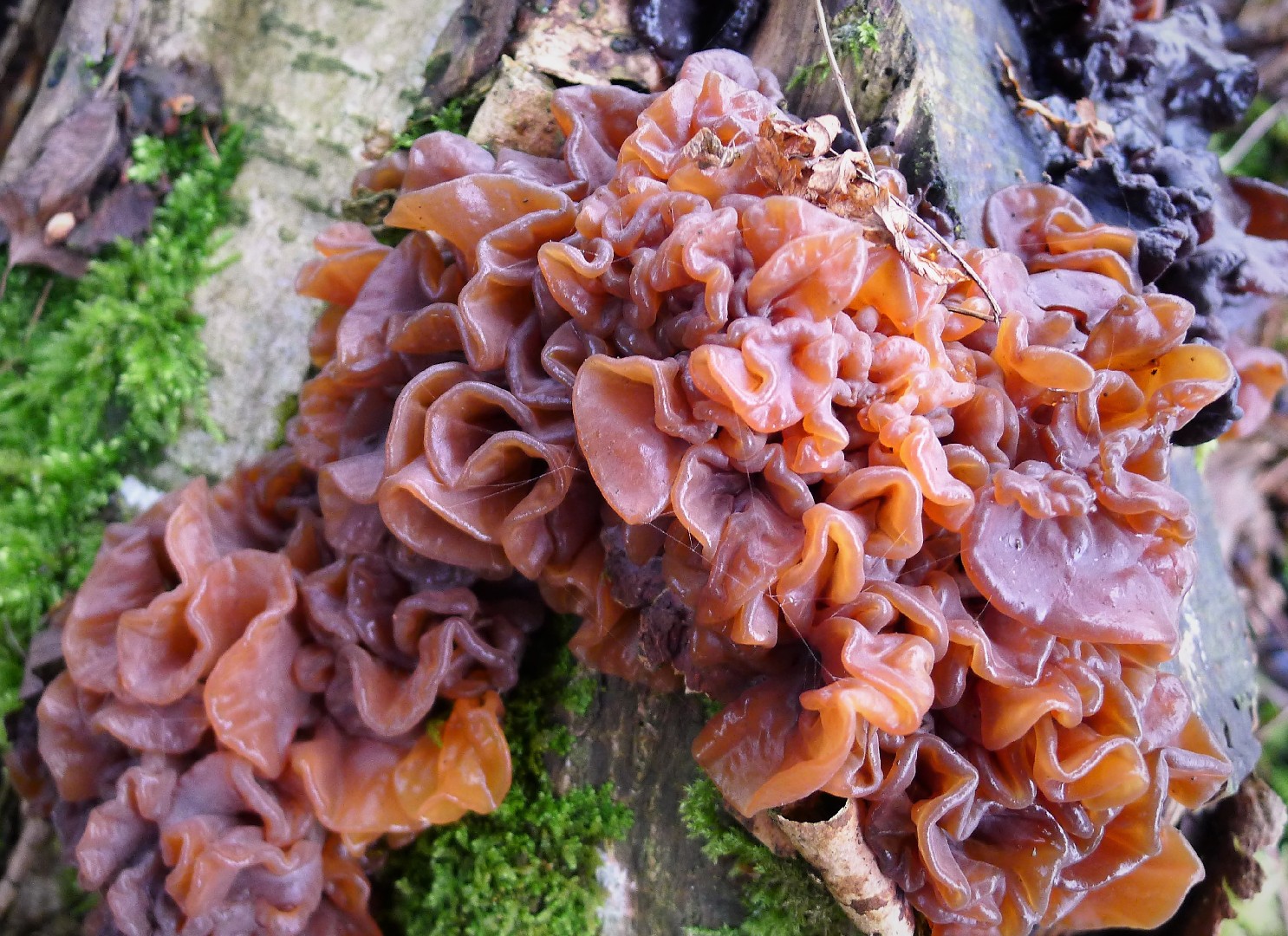
This distinctive, rubbery fungus has an entirely unique appearance. Occurring in temperate regions around the world, the apricot jelly grows in tongue-like funnels in varying shades of orange or pink. While it may look like candy, it is reported to have almost no taste and no culinary value.
7. Velvet milkcap
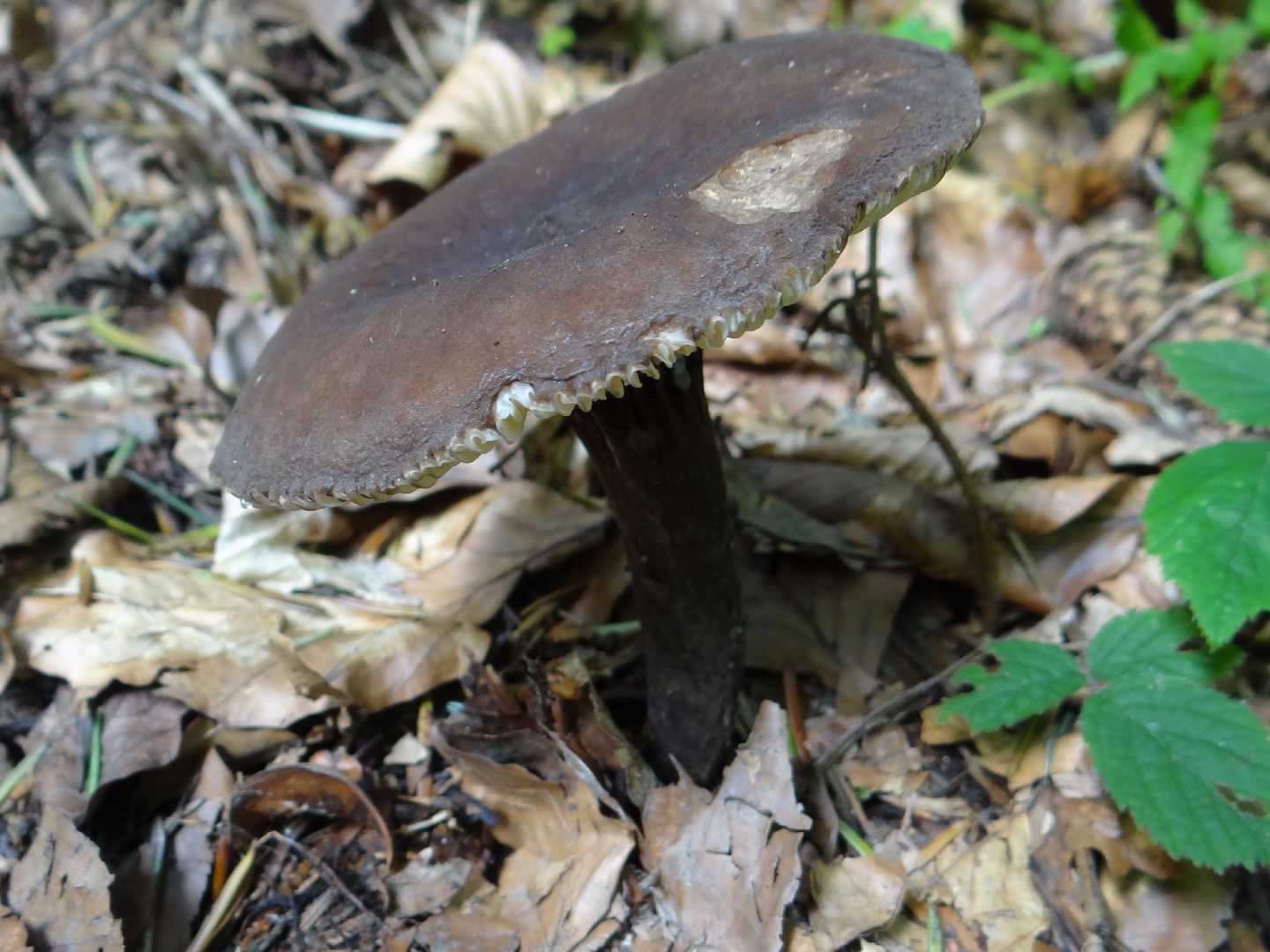
The velvet milkcap grows naturally across Europe and North America. However, the European species is quite stable in its appearance, while the North American specimens are highly variable. Numerous forms of the velvet milkcap are yet to be described, and until then, this chocolate-looking mushroom should not be considered safe to eat.
8. Decorated mop
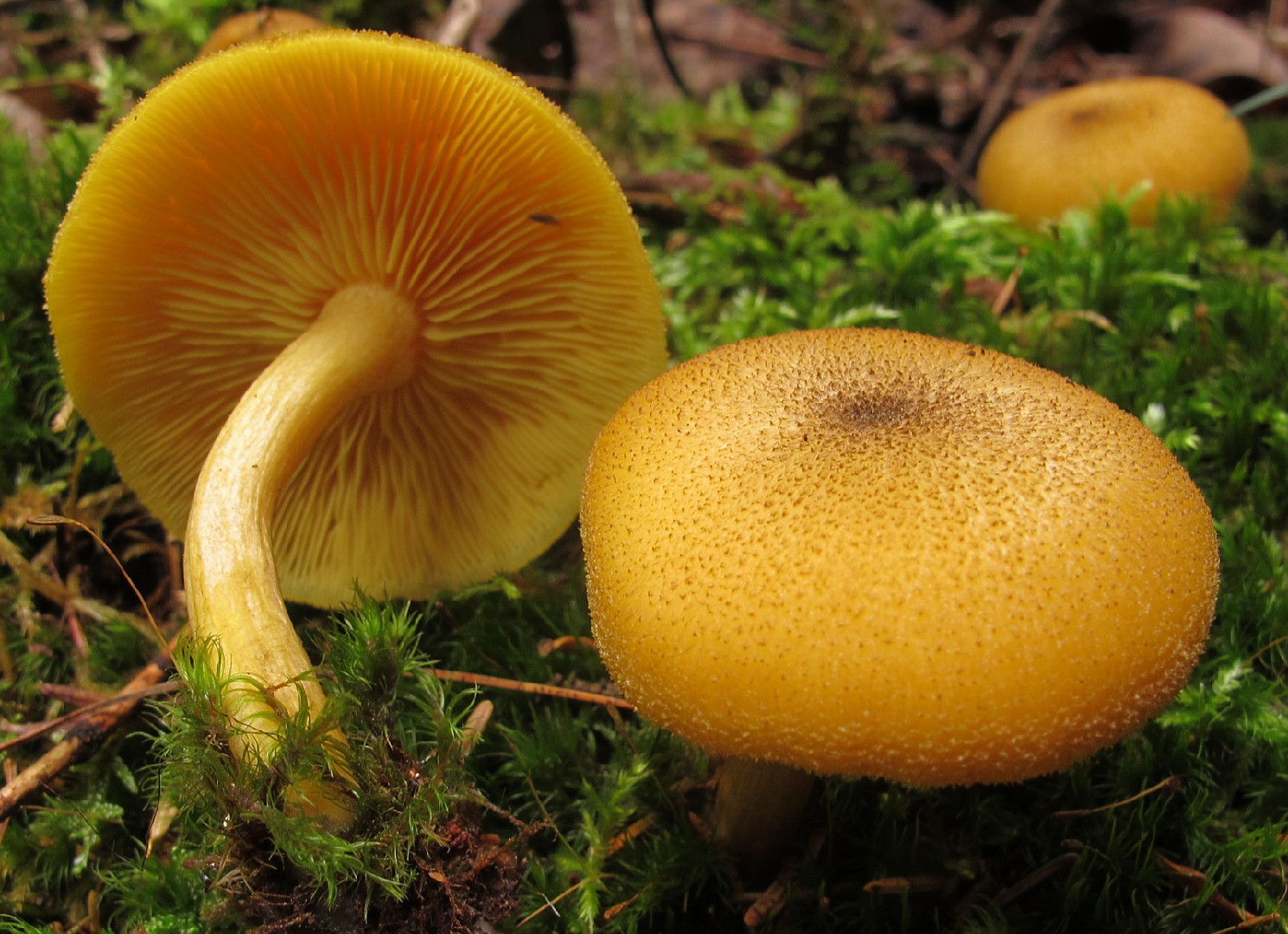
Characterized by a wide, flat cap, the decorated mop grows mushrooms of a yellow-brown hue with a scaly surface. Despite at least one of its common names referencing food, this mushroom is reportedly bitter and in 2006 was identified as possibly containing a life-threatening poison.
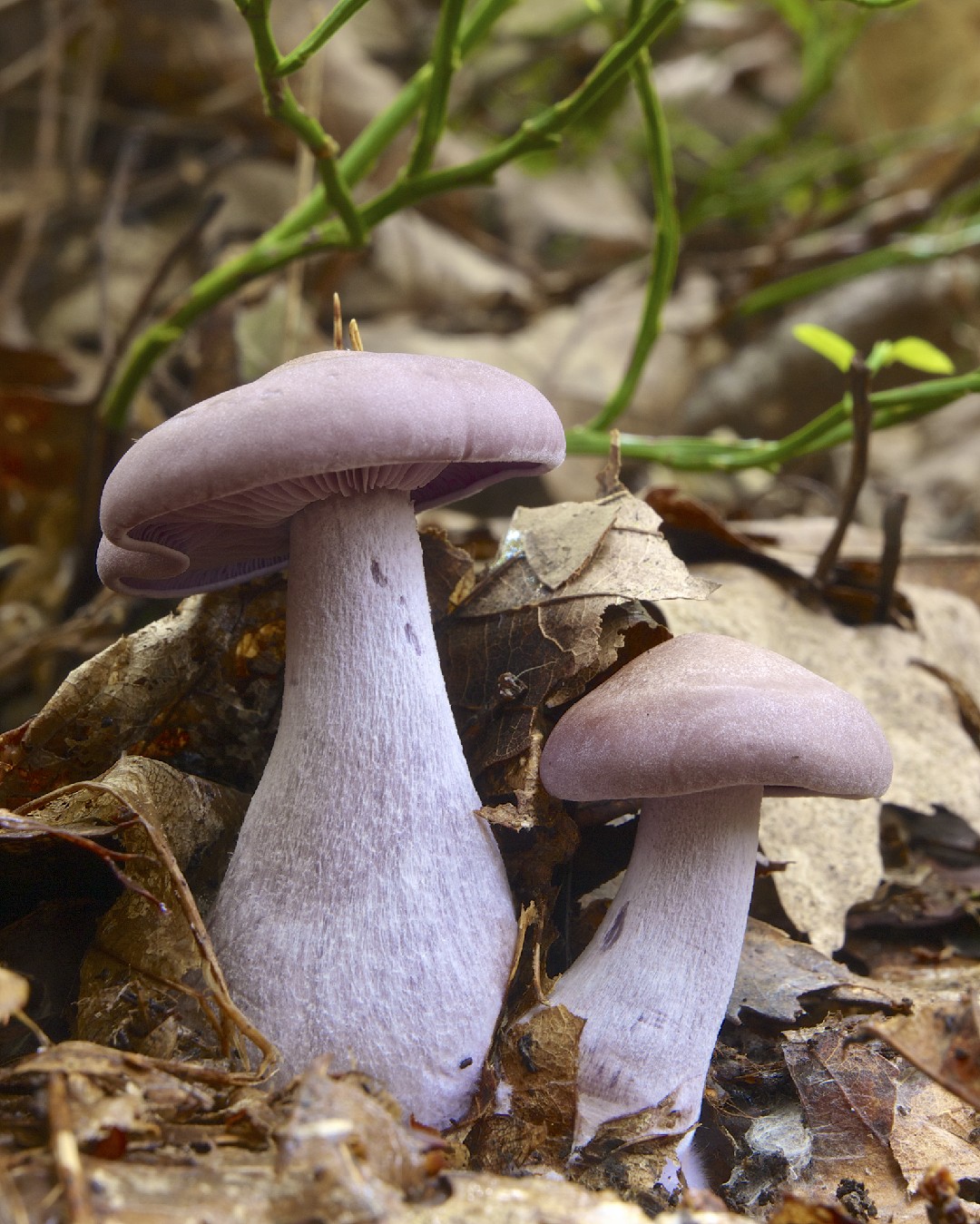
9. Blewit
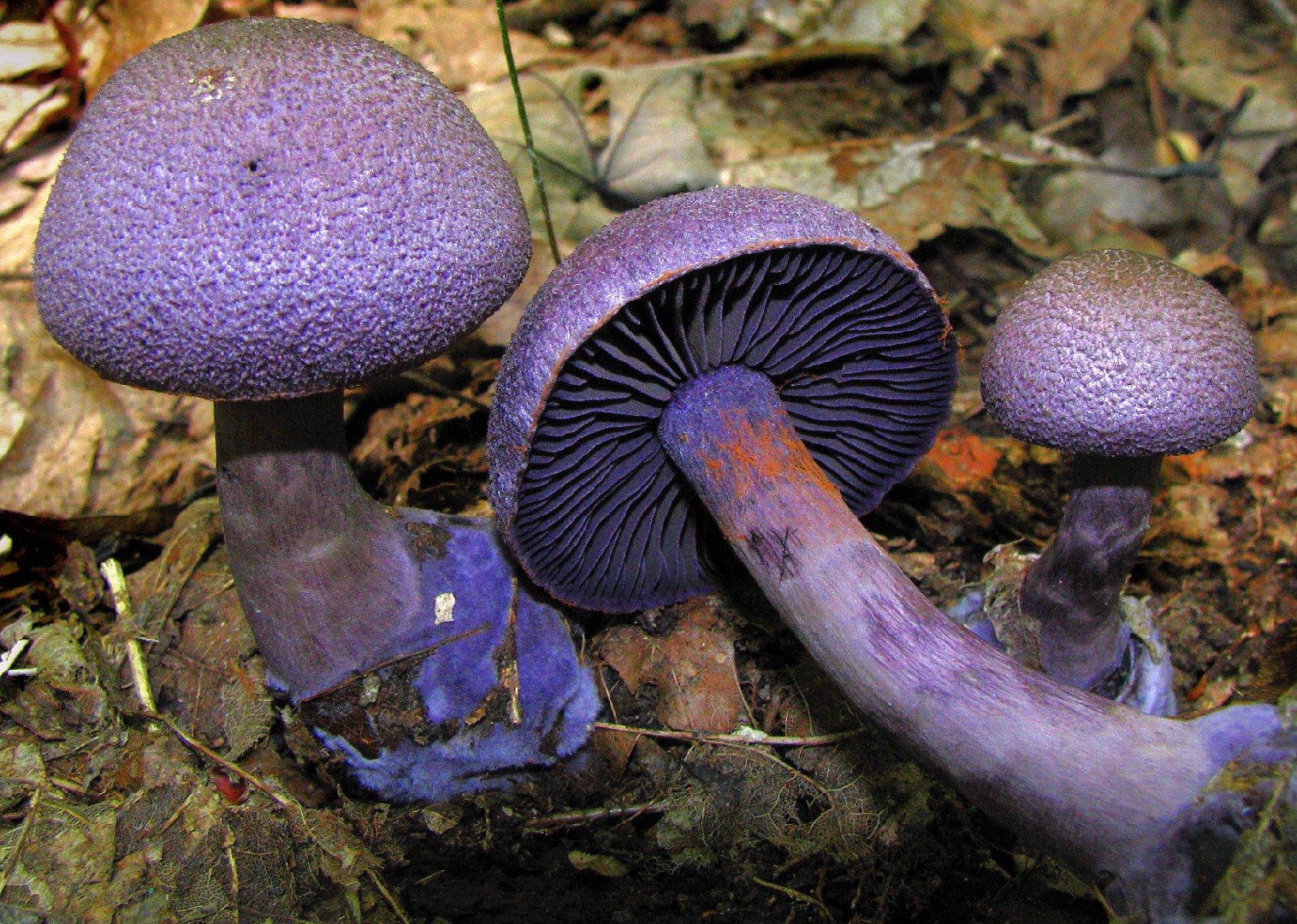
The blewit mushroom grows in fallen leaves in autumn and winter, sometimes appearing in ‘fairy ring’ circles. It can be used to make a green dye when chopped and boiled in an iron pot. The scientific name, Lepista nuda, derives from Latin words meaning “bare goblet,” a reference to the shape and texture of the mushroom.
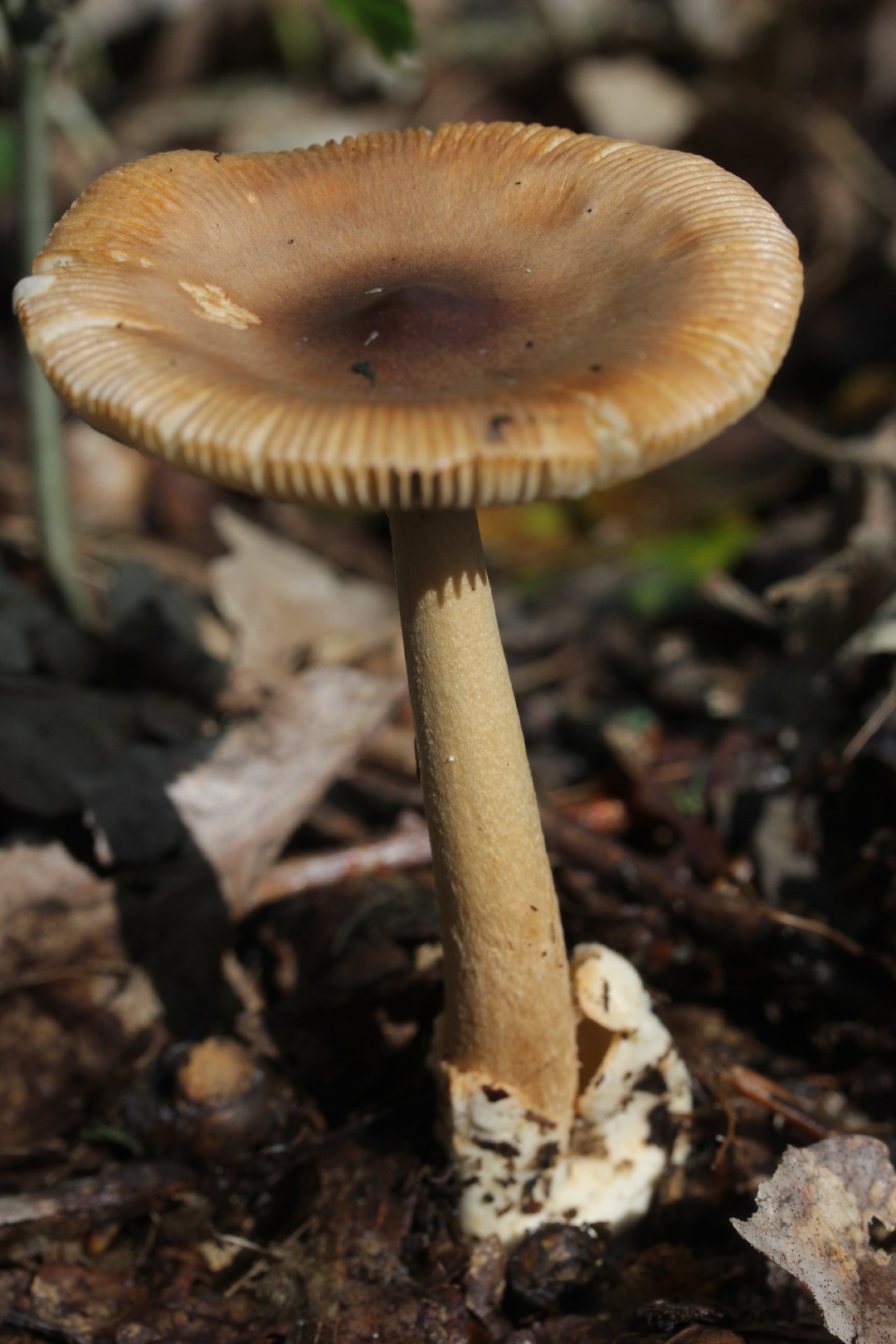
10. Tawny grisette
Tawny grisette (Amanita fulva) is a common species most commonly found in Europe's broadleaf and coniferous forests, with a potential but unverified range in North America. Its name comes from the burnished orange color of its cap, which sits atop a cream-colored stem.



More







