




Top 20 Edible Mushrooms Popular in New Brunswick
In the lush and forested region of New Brunswick, a wide variety of edible mushrooms thrive, giving mycologists and culinary enthusiasts a fascinating playground. In this comprehensive guide, we'll be delving into the 20 most common edible mushrooms found in New Brunswick. Each species will be meticulously described, highlighting identifying features, natural habitat, flavor profiles, and best culinary applications. Rest assured, you'll be perfectly equipped to identify and enjoy these common fungal dwellers of our beautiful state.
* Disclaimer: Content feedback CAN NOT be used as any basis for EATING ANY PLANTS. Some plants can be VERY POISONOUS, please purchase edible plants through regular channels.

Most Popular Edible Mushrooms

1. Shaggy mane
The shaggy mane mushroom is commonly found in North American and European grasslands. Some peoples foraged for its young egg-shaped caps, but it has more recently been found to be a bioaccumulator of heavy metals, meaning it pulls toxic metals up from the soil where it grows. As a result, shaggy manes should not be eaten. The mushrooms usually appear in clusters or “fairy rings.”
2. Dryad's saddle
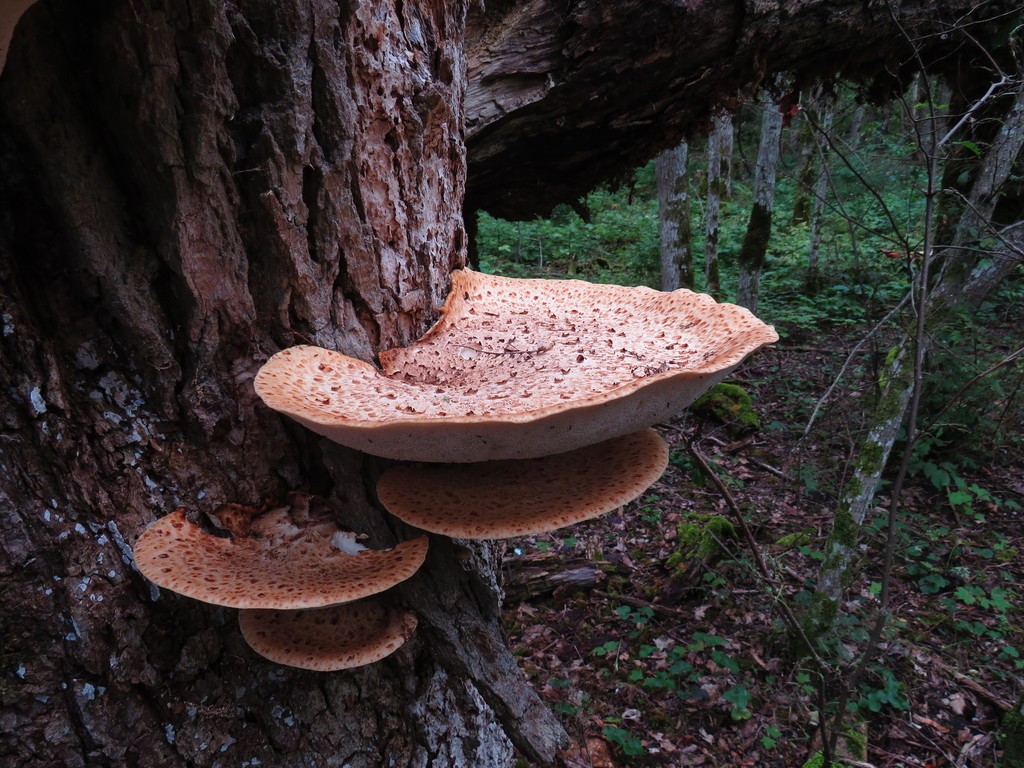
A familiar sight to spring morel hunters, dryad's saddle is noteworthy for its large size, striking scales, and watermelon-like smell. Similar to other mushrooms in the bracket fungi family, dryad's saddle can be used to make paper. Younger mushrooms are better suited for this purpose due to their smaller and more consistent fibers.
3. King bolete
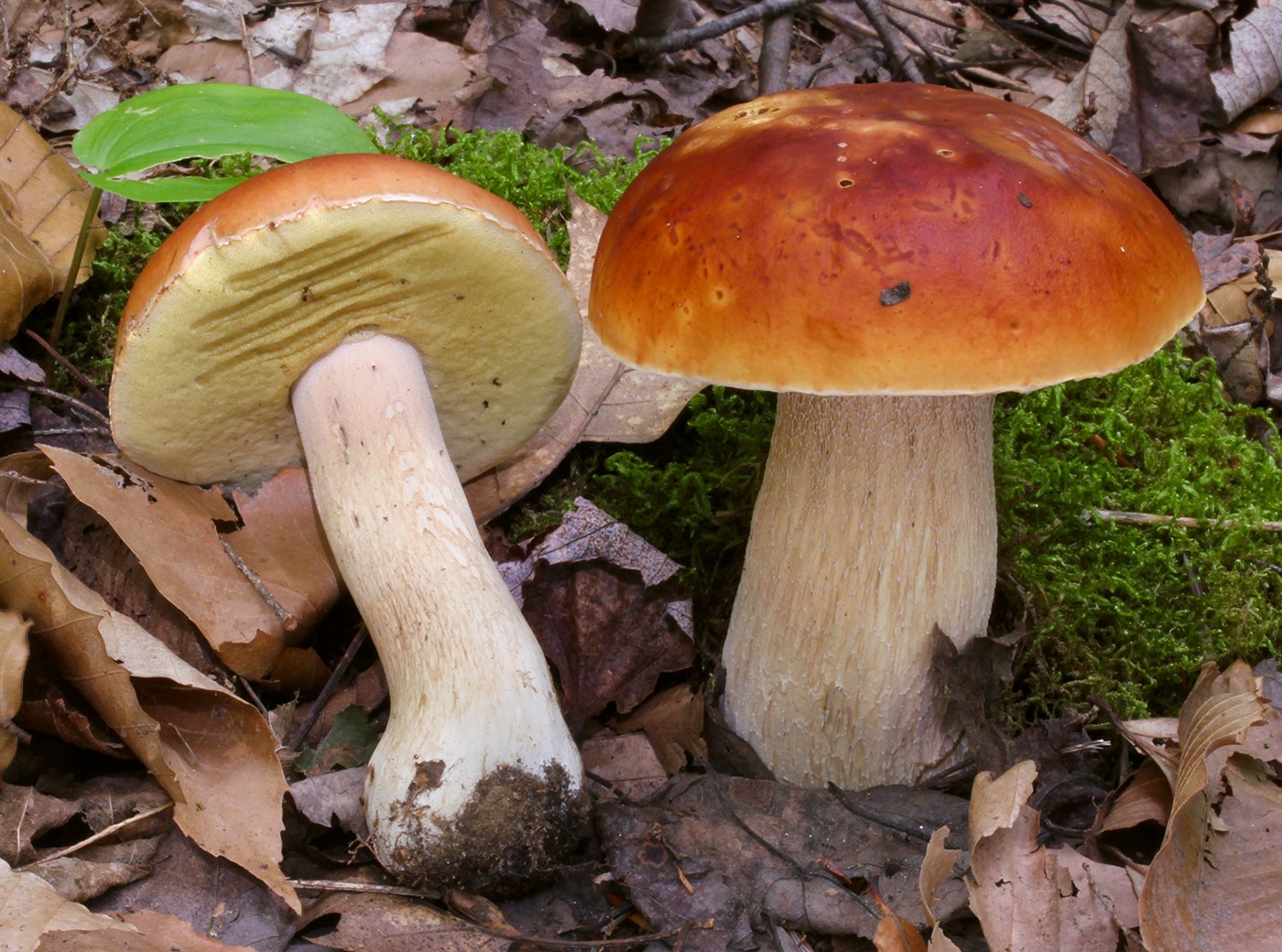
Extremely popular in many cuisines, this edible wild mushroom grows around the world near the roots of forest trees. In some regions, king bolete mushrooms are collected in great enough volumes that their sale can support entire families during the harvest season. King boletes are reported to be high in fiber, vitamins B and C, calcium, potassium, magnesium, zinc, and several antioxidants.
4. Yellowfoot
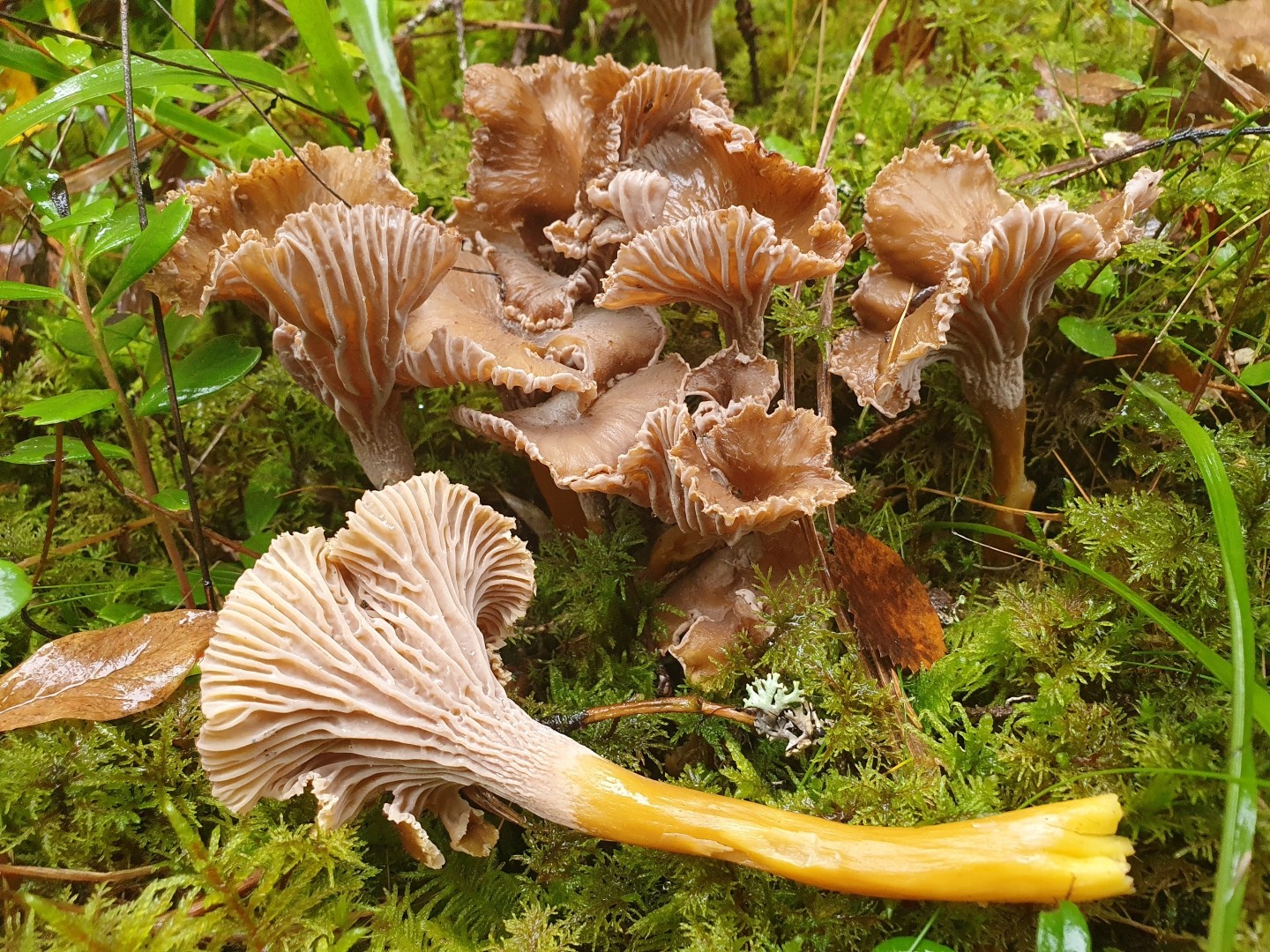
Found in temperate forests, wetlands, and bogs across the northern hemisphere, the yellowfoot is a highly sought after member of the chanterelle family. Considered a choice edible, it boasts a lovely, complex flavor (though it is somewhat less fruity and sweet then some of its more popular cousins). Yellowfoots are sometimes called "winter mushrooms", as they tend to be very late-season fruiters.
5. Coral tooth fungus
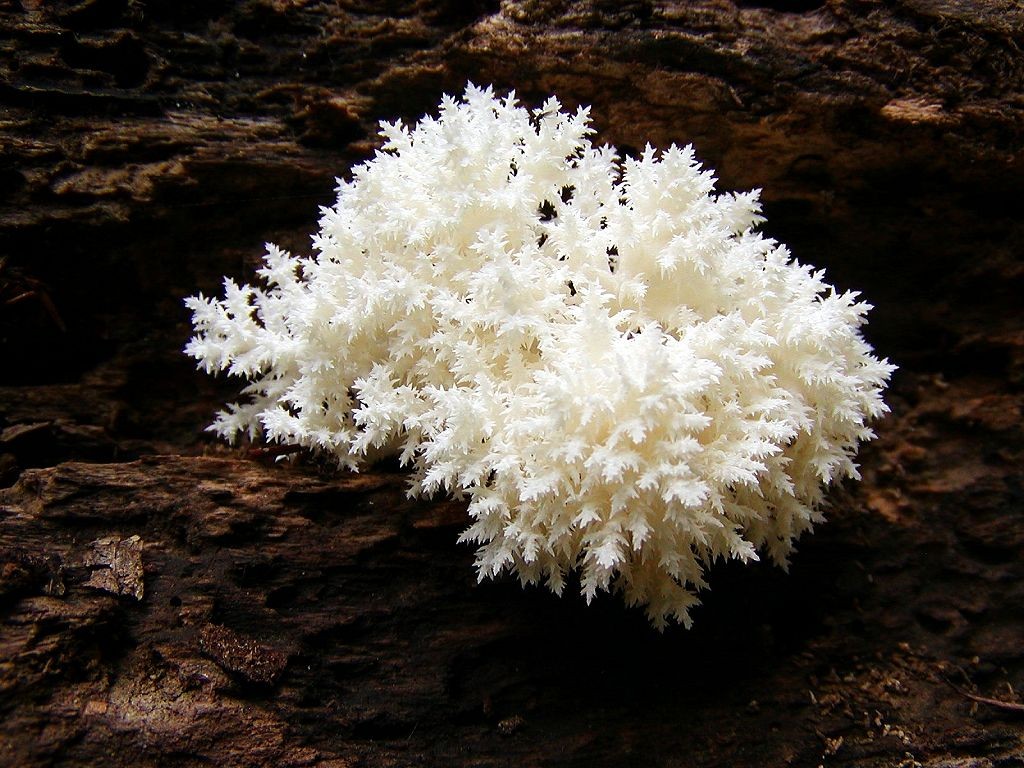
Coral tooth fungus (Hericium coralloides) is a species of coral mushroom most frequently sighted on dead or decaying hardwoods. Generally, younger specimens are white and become increasingly yellowish as they mature. Found around the world, the Māori refer to this species as pekepekekiore.
6. Bridal veil stinkhorn
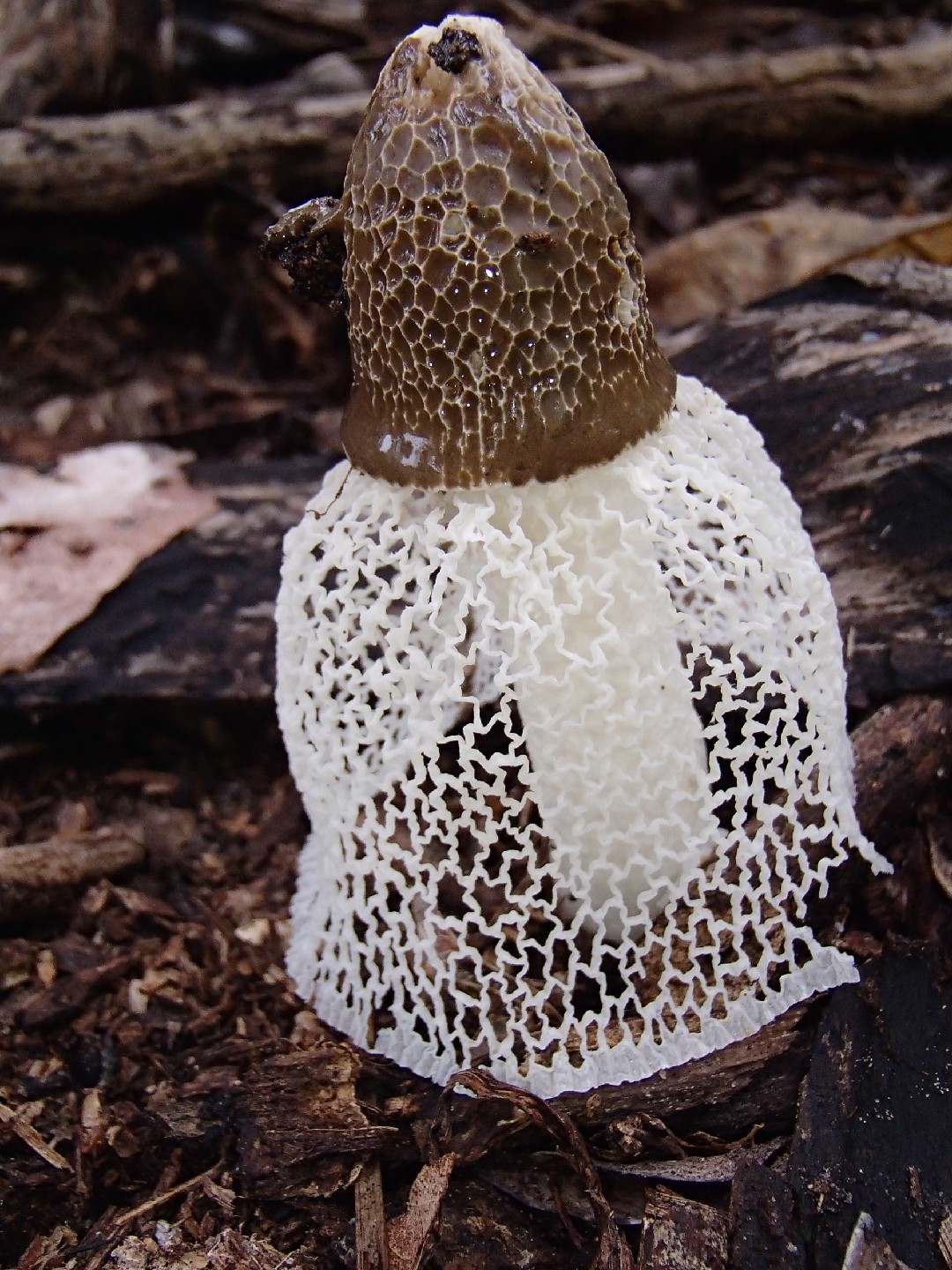
Bridal veil stinkhorn (Phallus indusiatus) can be found rising up from the ground in tropical forests around the world. A distinctive netted fringe “skirt” descends from the cap along the length of the stalk. A type of “stinkhorn,” the fruitbodies of this species produce scents that vary between sickly-sweet to just plain unpleasant. The odor is meant to attract insects that usually lay their eggs in carrion.
7. Red-banded cortinarius
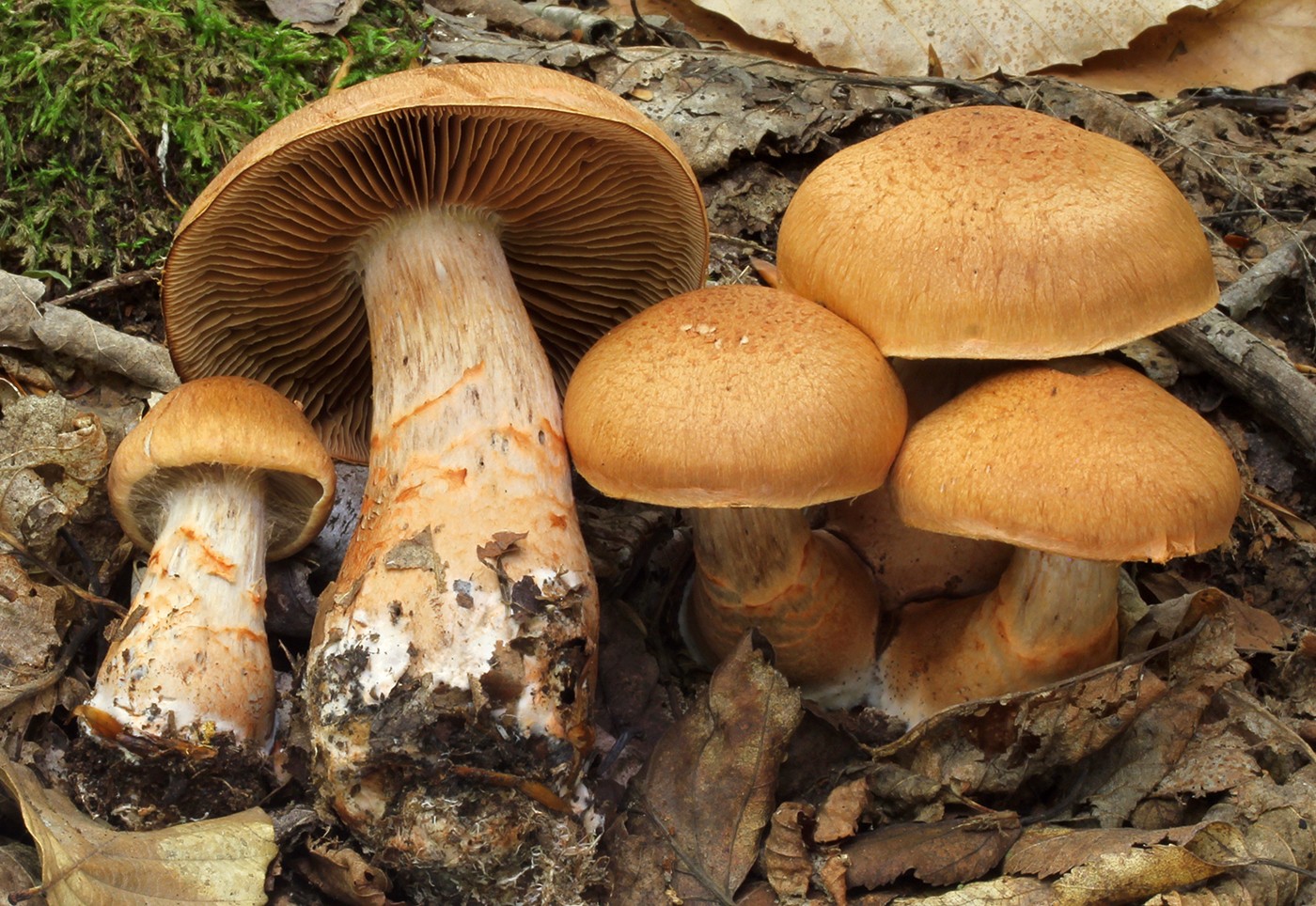
Red-banded cortinarius (Cortinarius armillatus) usually sports a clear, red or reddish brown band at the base of its stalk. The species is found in temperate areas across Europe and eastern North America. It is often seen associating with conifers in the former area but birches in the latter area. While not edible, this species is sometimes used for dye-making.
8. Common puffball
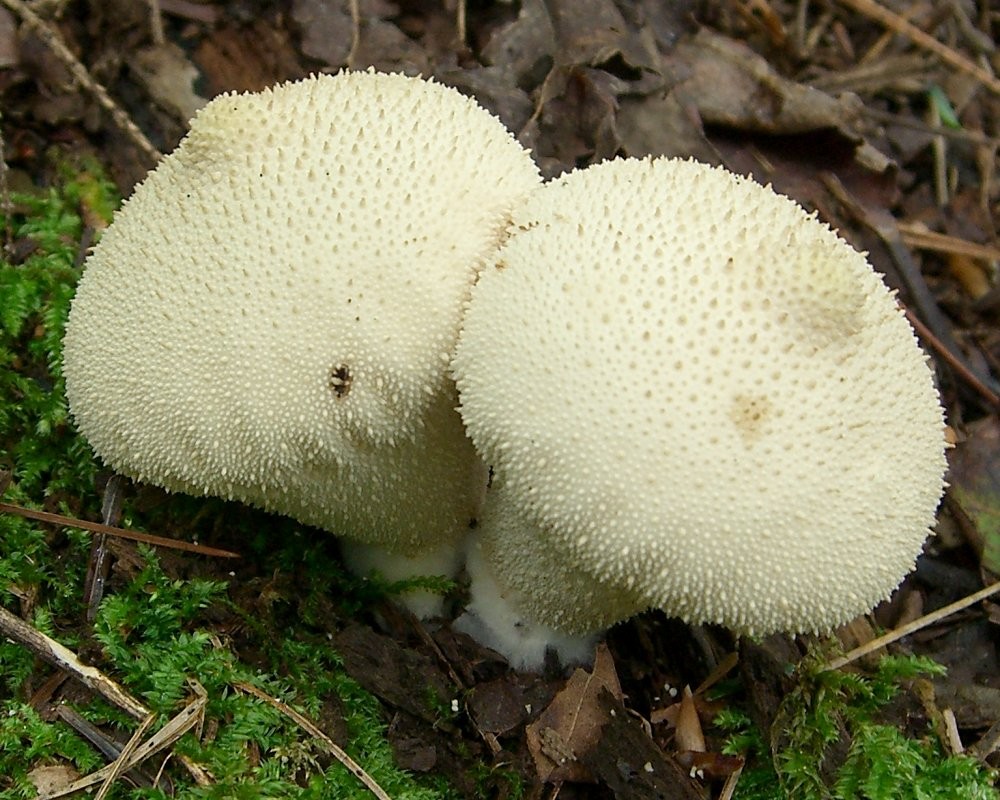
These puffy mushrooms grow in small groups on the forest floor. Once they're mature, common puffballs turn yellow and "puff out" smoke-like spore clouds when disturbed. Be very careful when identifying these mushrooms, as their young, immature form looks very similar to the lethal Deathcap.
9. Violet coral
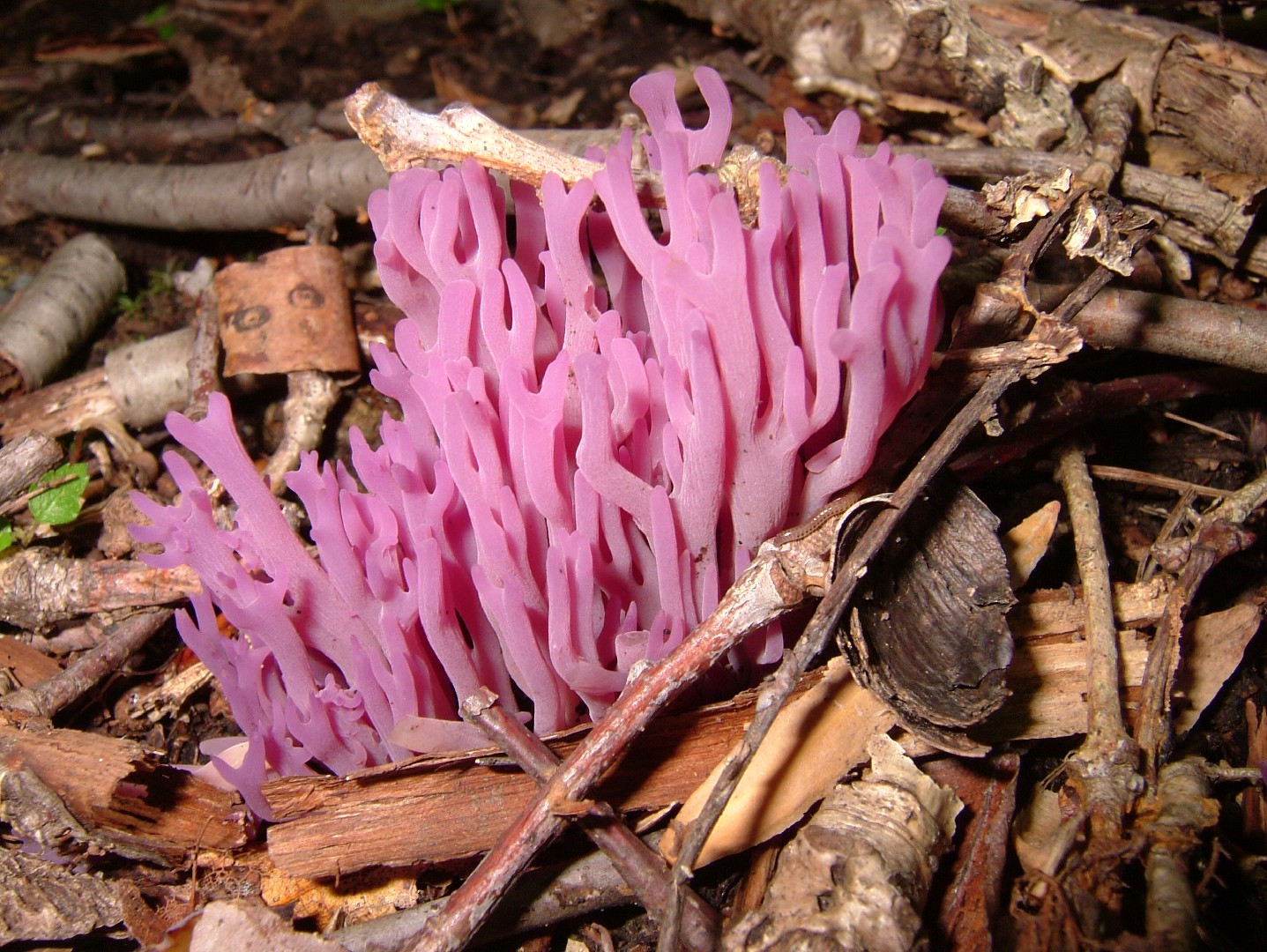
The striking violet coral (Clavaria zollingeri) is most common in the eastern part of North America, although it can also be found elsewhere. The clustered, branching fruitbody looks spectacularly similar to an underwater coral, in both shape and color. This species is distinguished by the antler-like pattern with which each frond branches.
10. Crested coral
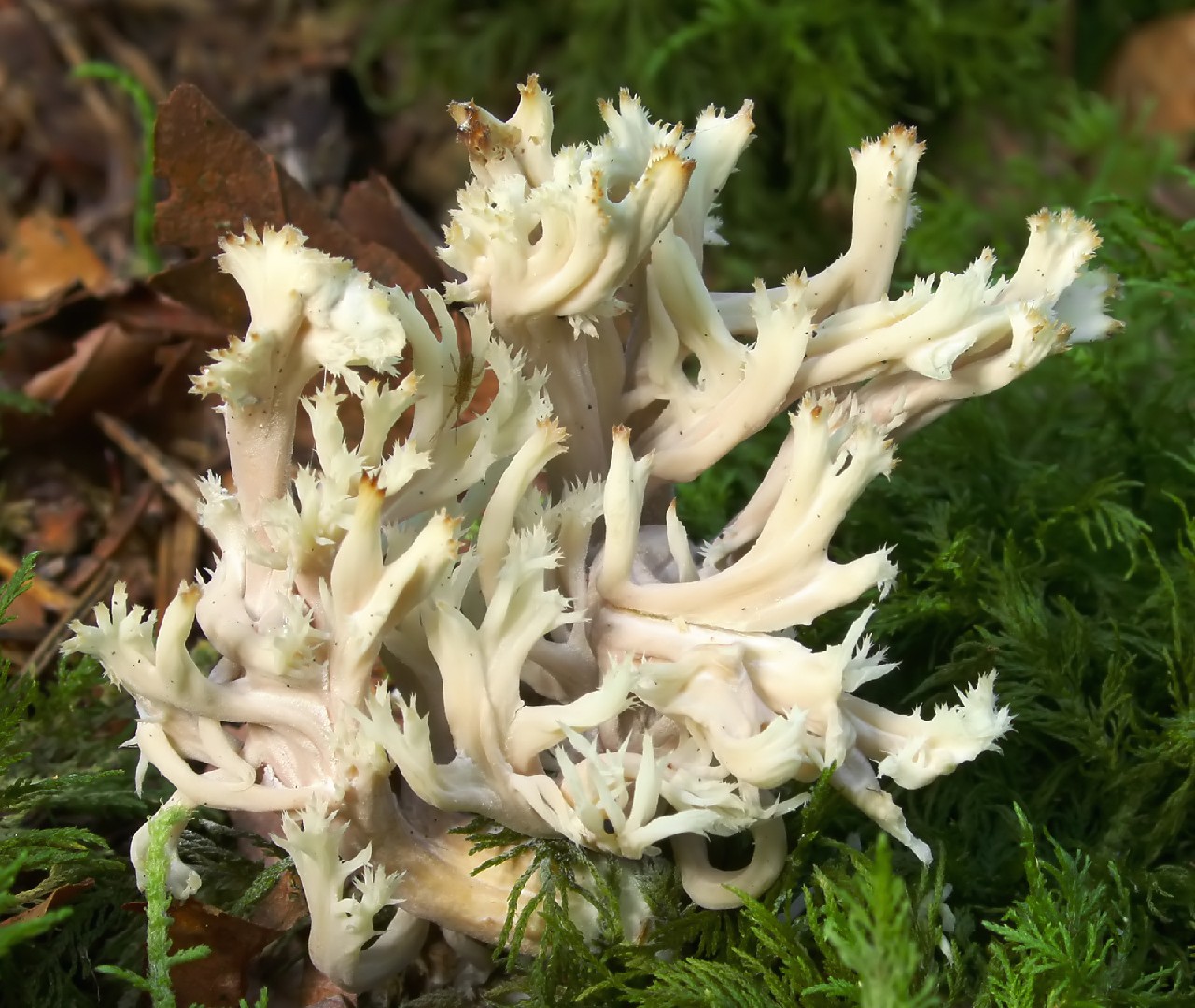
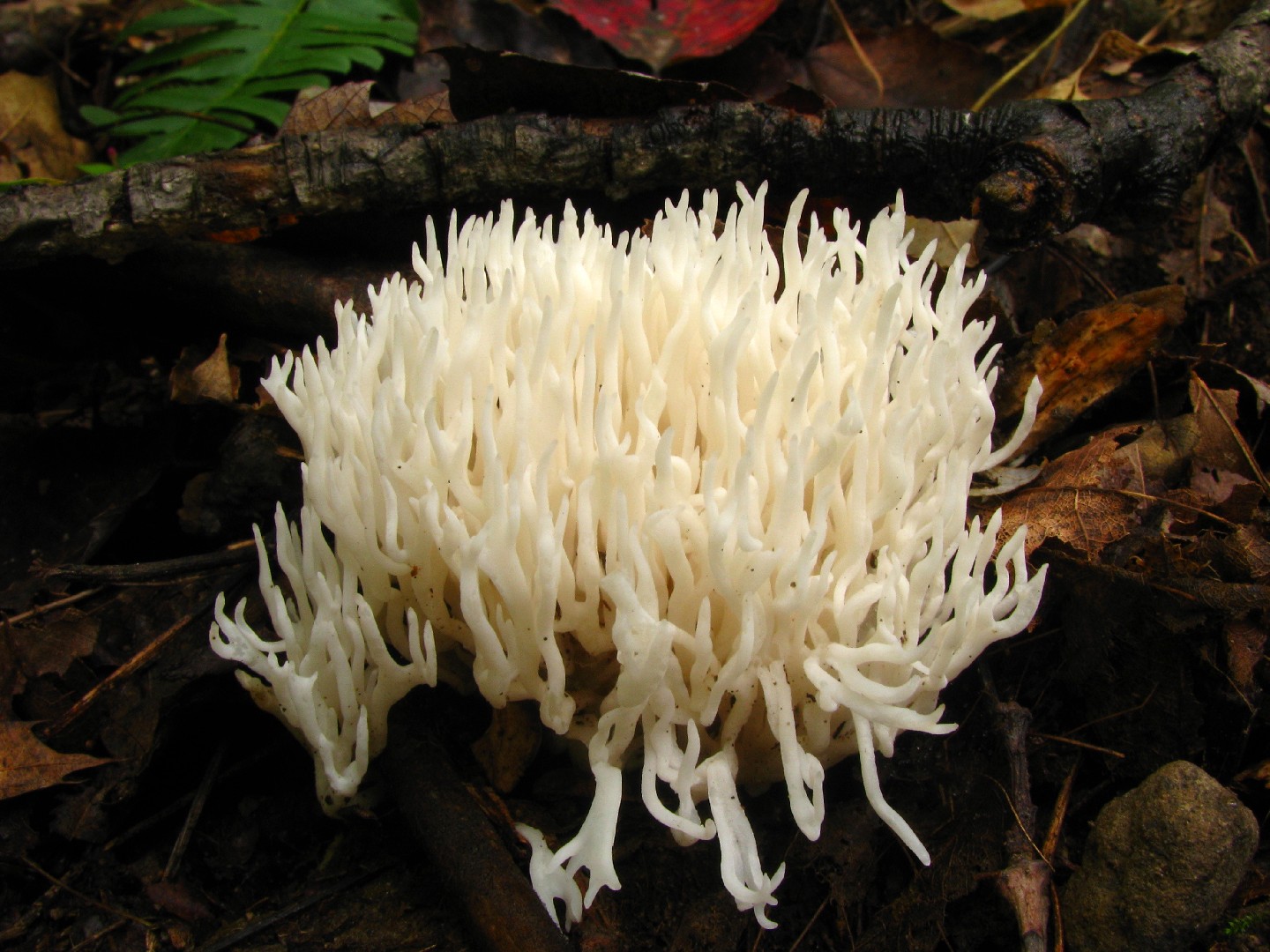
Crested coral(Clavulina coralloides) is a distinctive coral mushroom that is widespread in coniferous and hardwood forests, acting as a decomposer of dead and decaying timber. Endemic to the temperate zones of North America and Europe, it sprouts from late summer to winter.

More







