




Top 20 Edible Mushrooms Popular in Tasmania
Immerse yourself in the diverse and vibrant world of 20 outstandingly common edible mushrooms flourishing in the cool climate and lush forests of Tasmania. From the delicate chanterelle to the robust porcini, each specimen offers unique culinary delights with its distinct tastes and textures. This detailed guide will introduce each mushroom's visually striking features, favored habitats, and potential gastronomic uses, ensuring you're well-educated on these naturally-nurturing treasures of Tasmania.
* Disclaimer: Content feedback CAN NOT be used as any basis for EATING ANY PLANTS. Some plants can be VERY POISONOUS, please purchase edible plants through regular channels.

Most Popular Edible Mushrooms
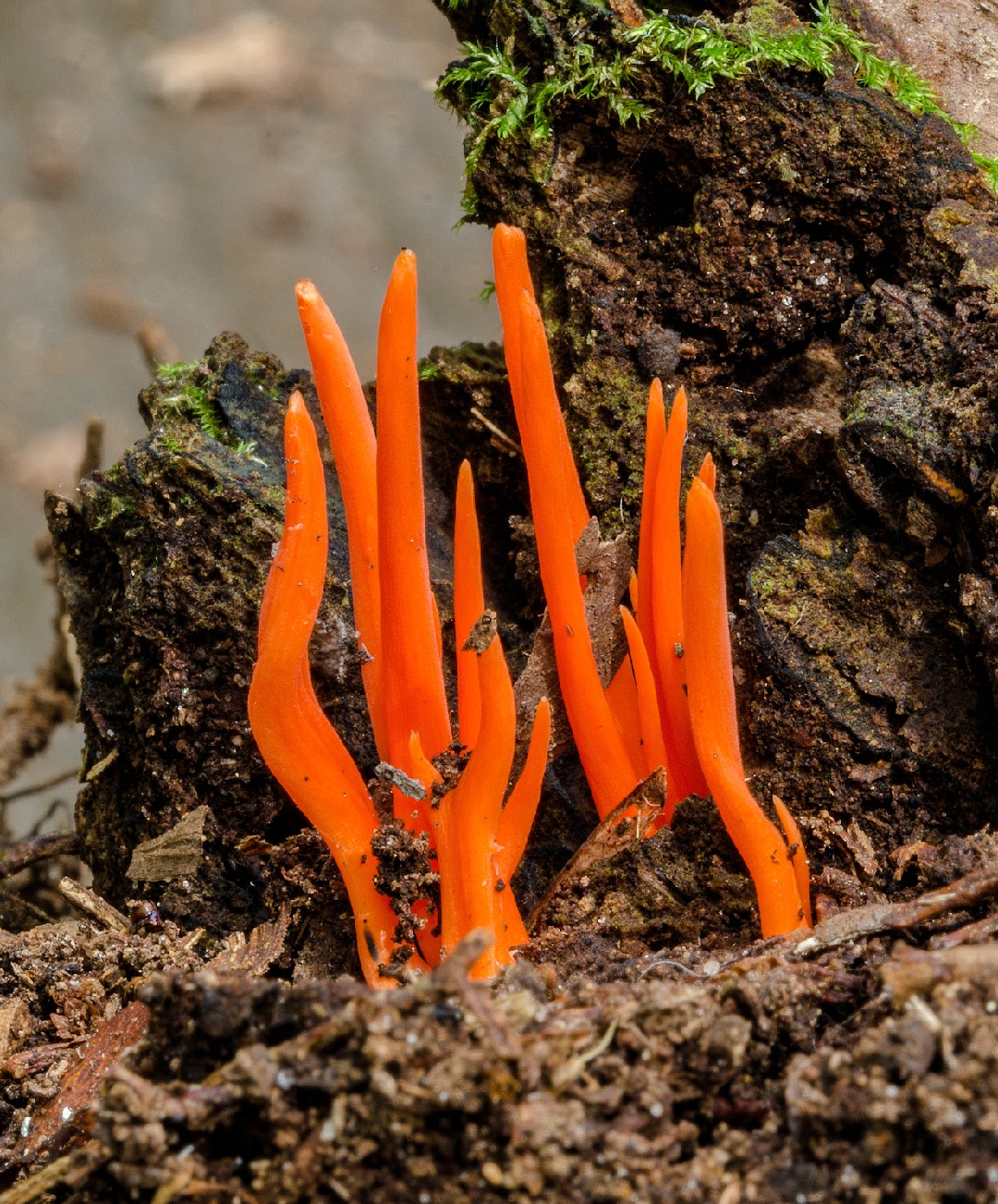
1. Flame fungus
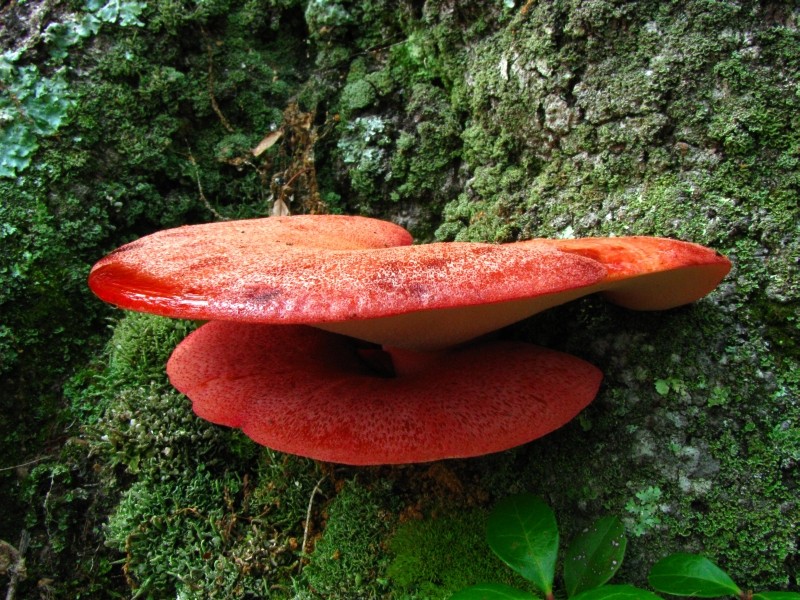
Flame fungus is hard to miss, with its bright colors that range from pink to brilliant red and orange. It is often found singularly or in groups on forest floors and looks similar to a small flame. The tapering stem fills out and becomes waxy as flame fungus matures.
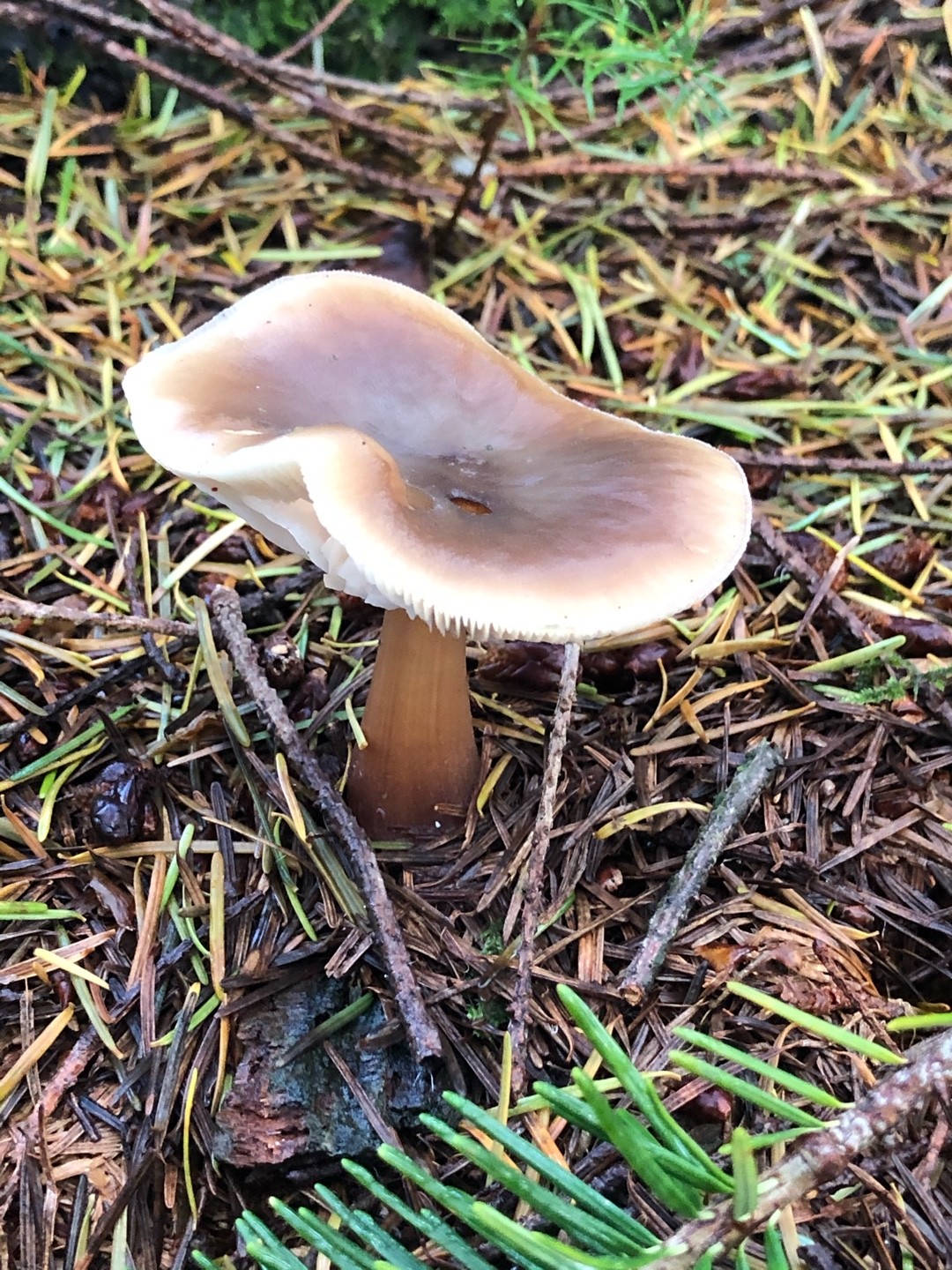
2. Buttery collybia
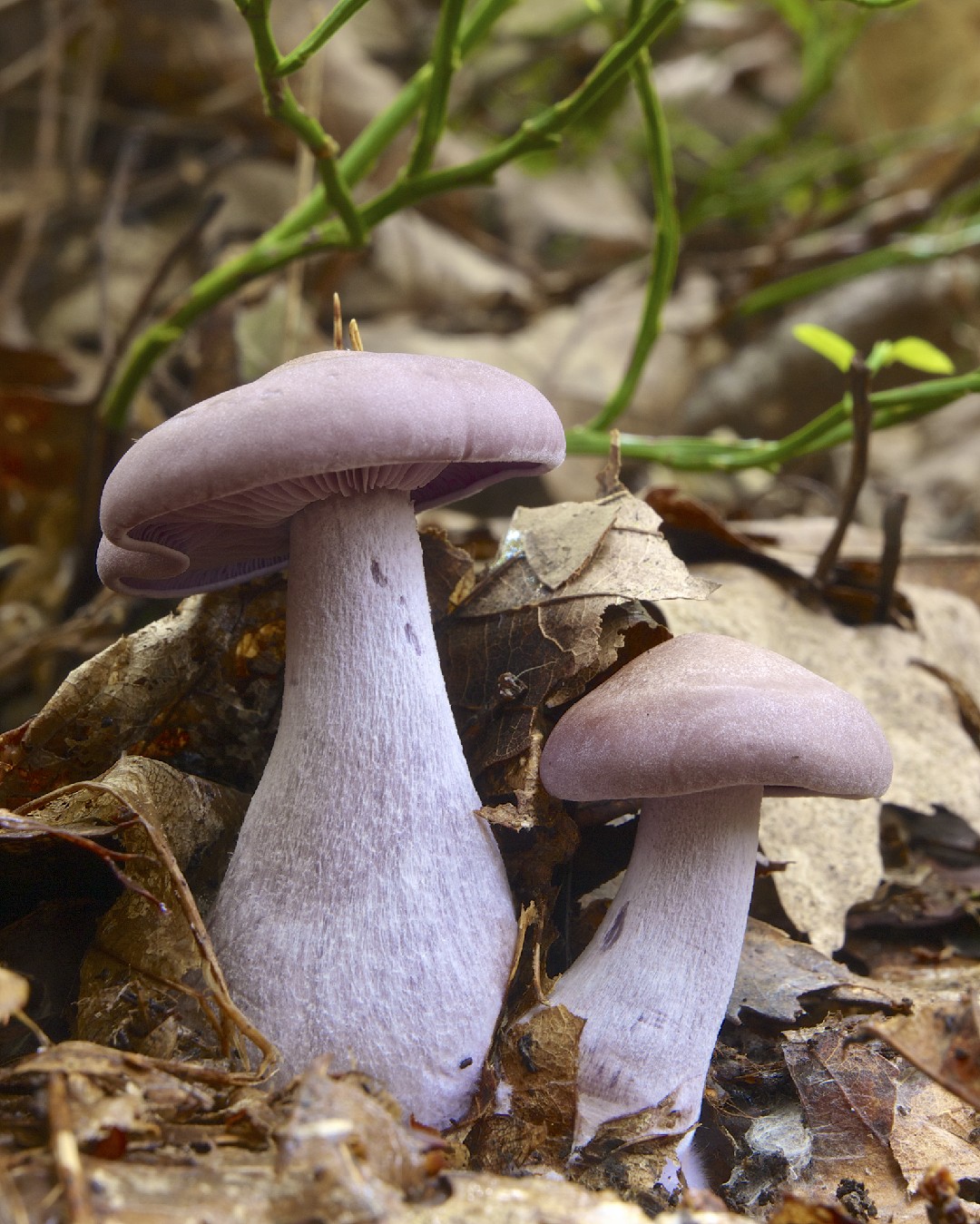
Buttery collybia mushrooms grow mainly on the floors of coniferous forests, from summer to winter across Europe and North America. This mushroom is called “buttery” not for its flavor, but rather the greasy texture of its surface. In the genus name, “rhodo” means pink, a reference to the shade of the gills beneath its cap.
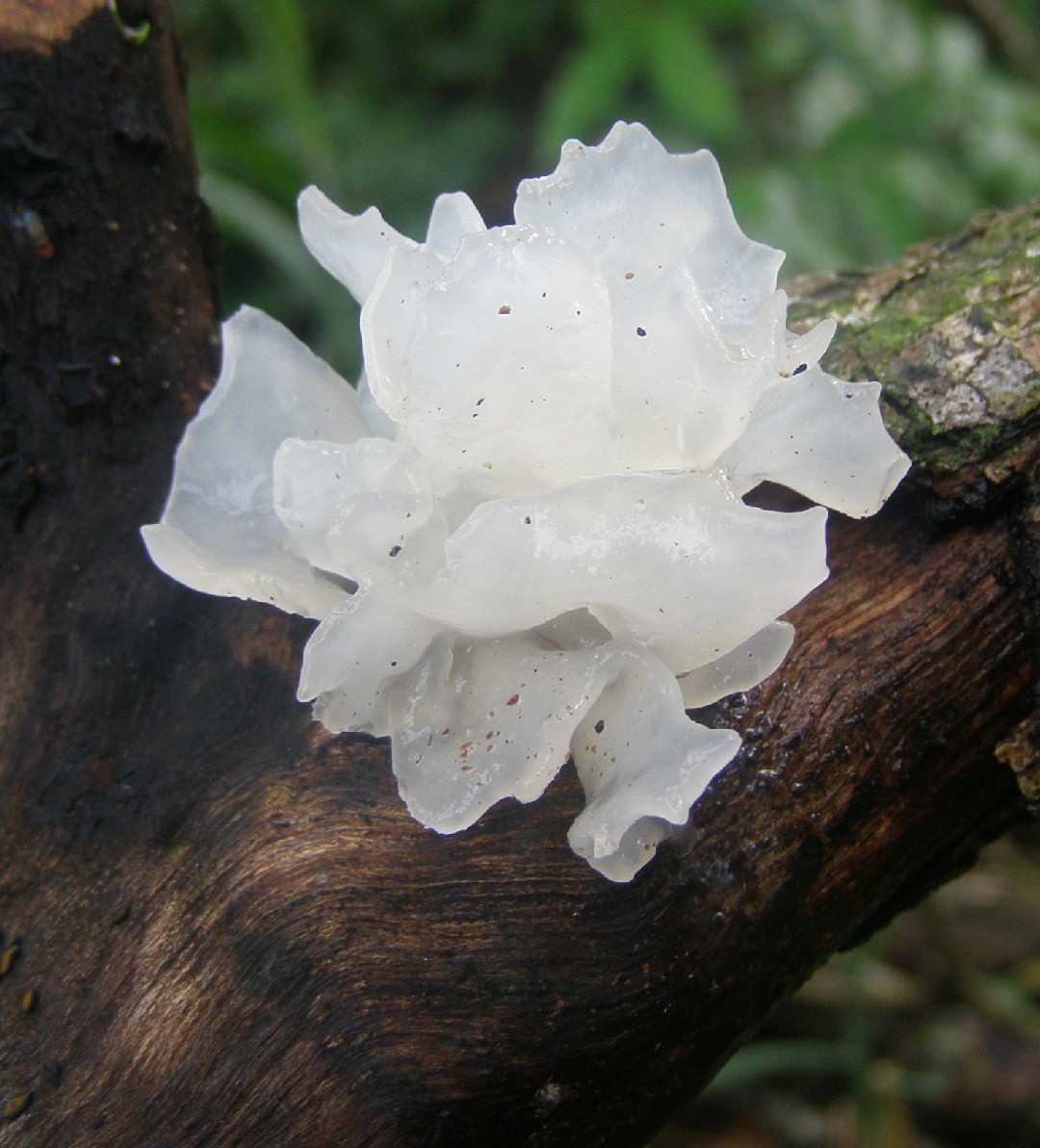
3. Snow fungus
Snow fungus (Tremella fuciformis) is so-named not because it is associated with winter, but, rather, because its fruitbodies look like little piles of snow fungus on the ground. This fungus actually inhabits very warm - tropical and subtropical - locations around the globe. Snow fungus does not have much taste, but it is cultivated for culinary use across East Asia, where it is often added to thicken soups and desserts.
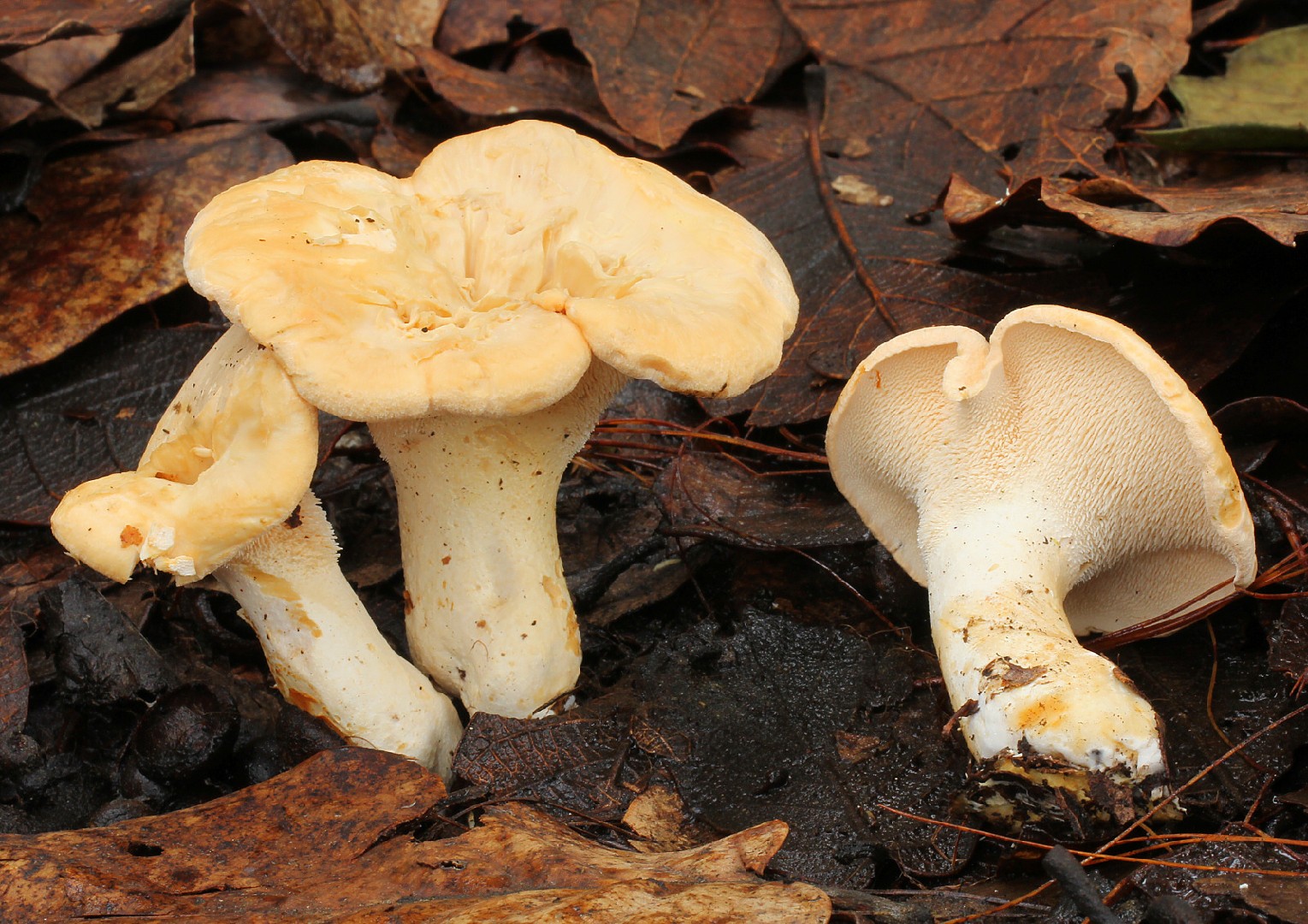
4. Sweet tooth
This mushroom is distinctive for the spines, or teeth, that hang down from the underside of its cap. It can be found on forest floors singly or in groups. In spite of the name, sweet tooth, it has a slightly spicy bite and bitter aftertaste. This wild mushroom needs to be cooked before it is truly edible, and only young, parasite-free mushrooms should be harvested.

5. Rooting shank
Rooting shank has been known by over a dozen names throughout the years. Despite this identity crisis, this rooting shank is not difficult to recognize due to its distinctive long stem, much of which is often hiding in the soil. This mushroom can most frequently be found on stumps or deadwood beneath the ground.
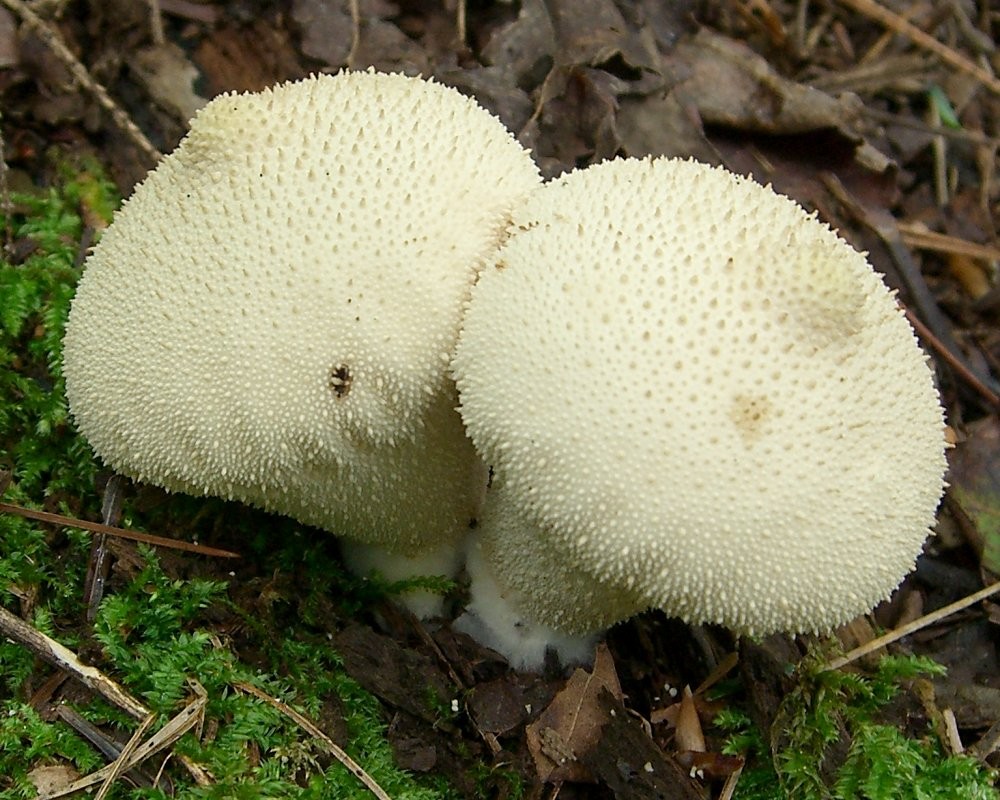
6. Common puffball
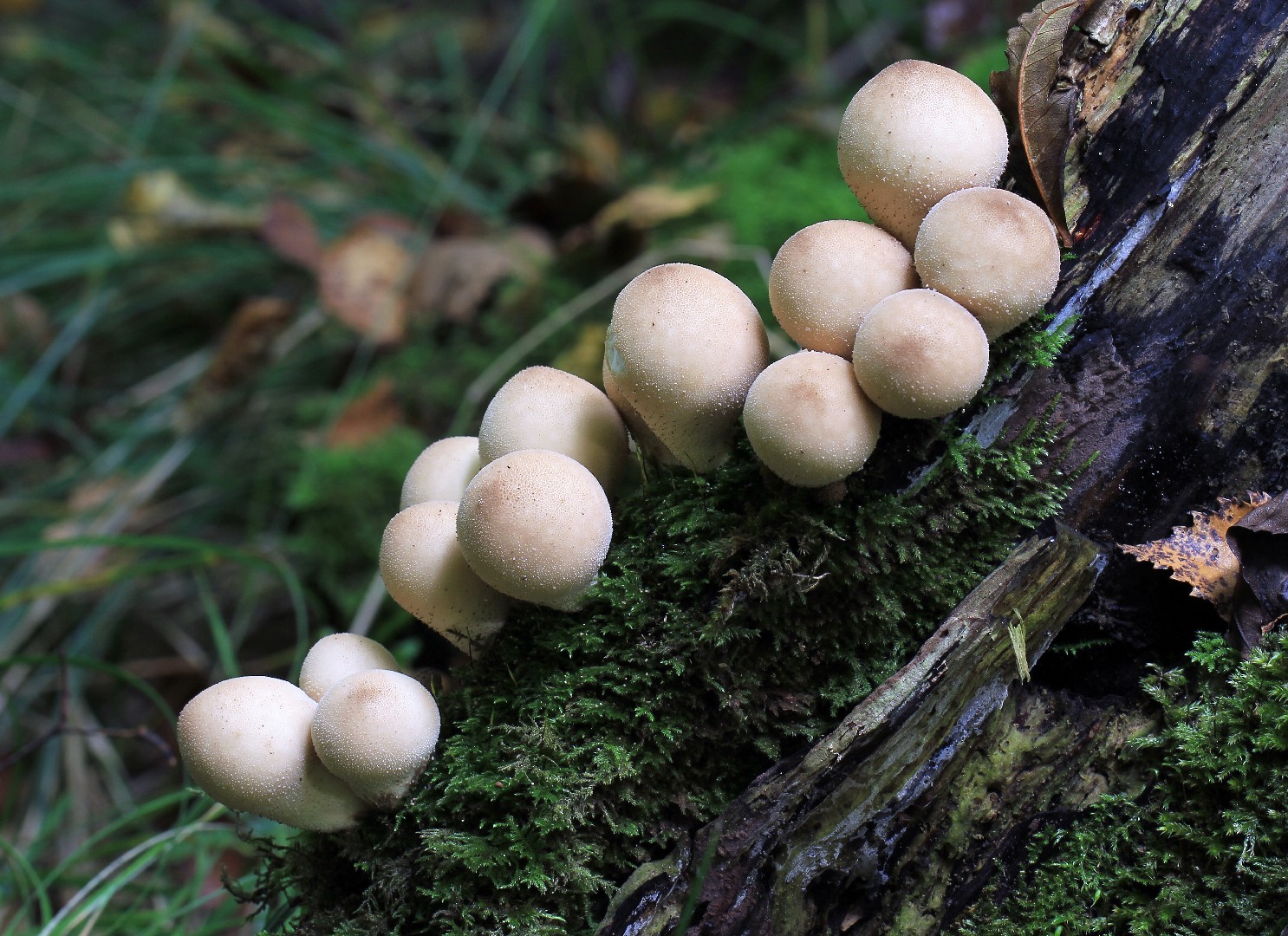
These puffy mushrooms grow in small groups on the forest floor. Once they're mature, common puffballs turn yellow and "puff out" smoke-like spore clouds when disturbed. Be very careful when identifying these mushrooms, as their young, immature form looks very similar to the lethal Deathcap.
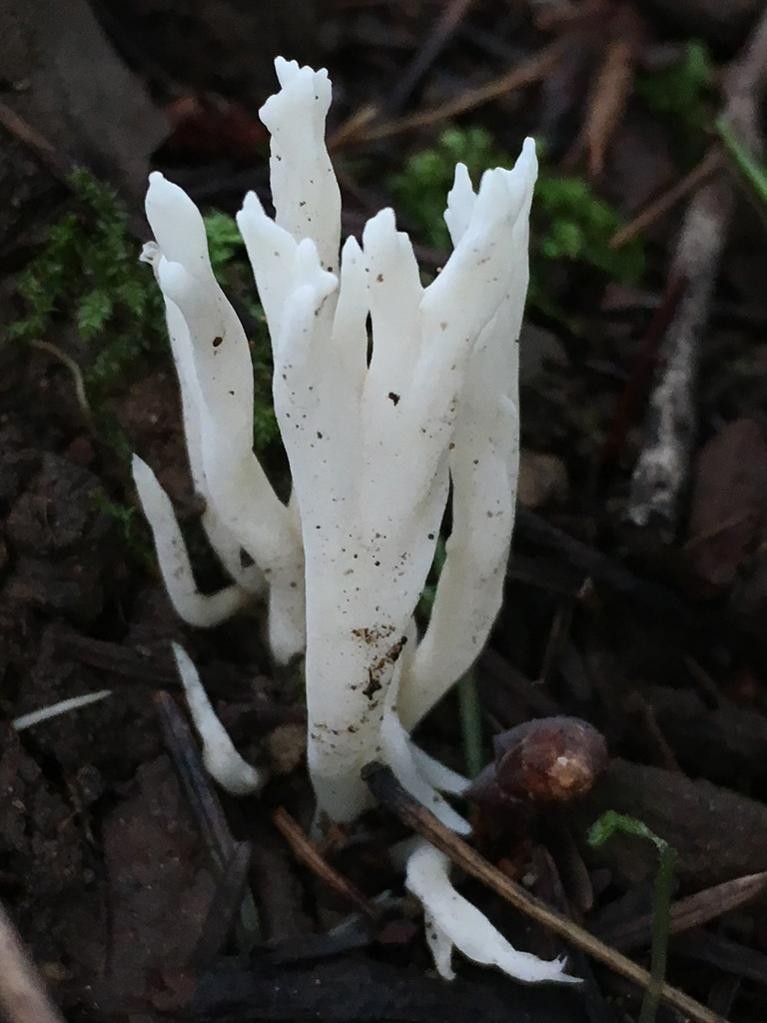
7. Wrinkled coral
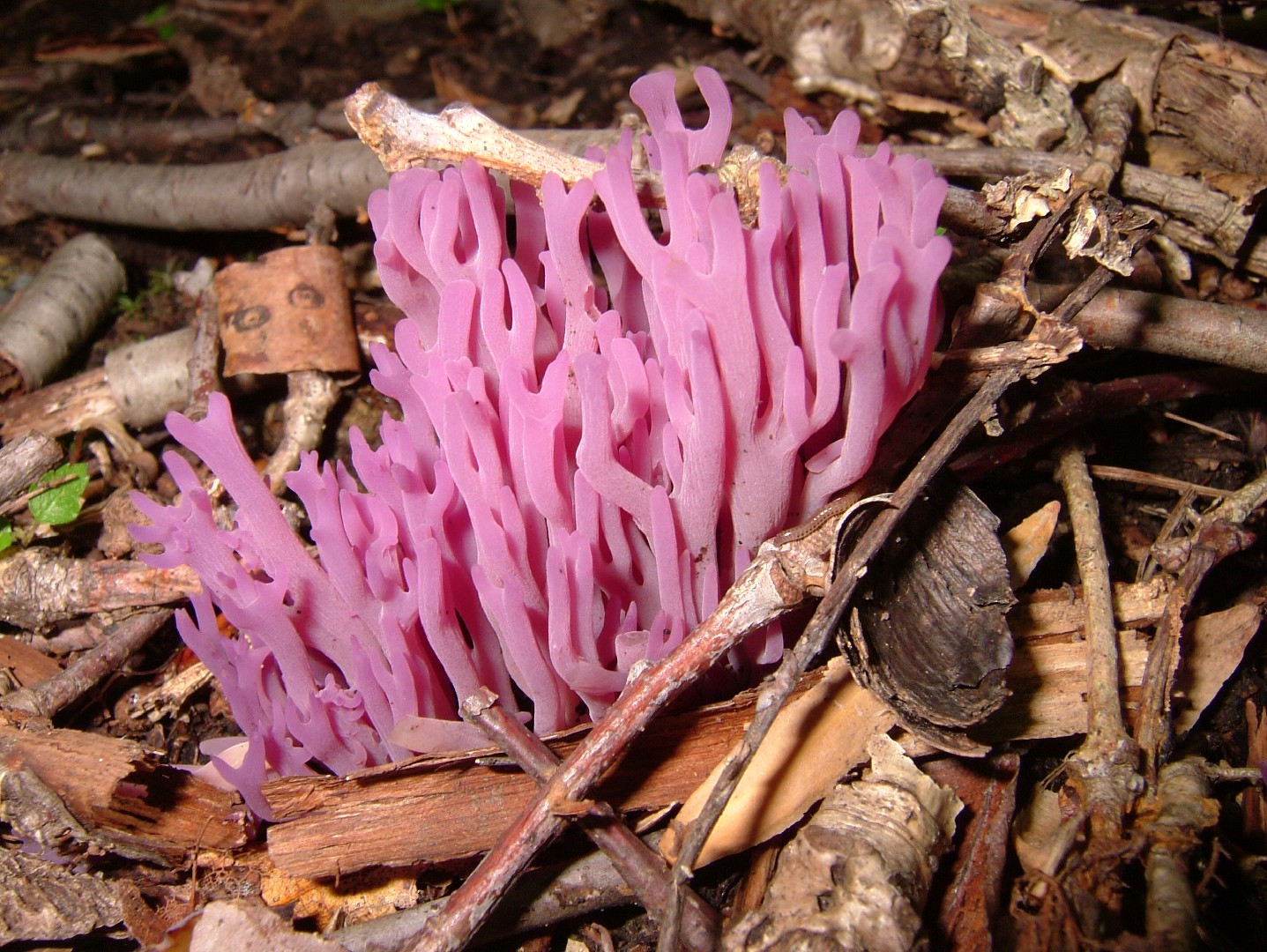
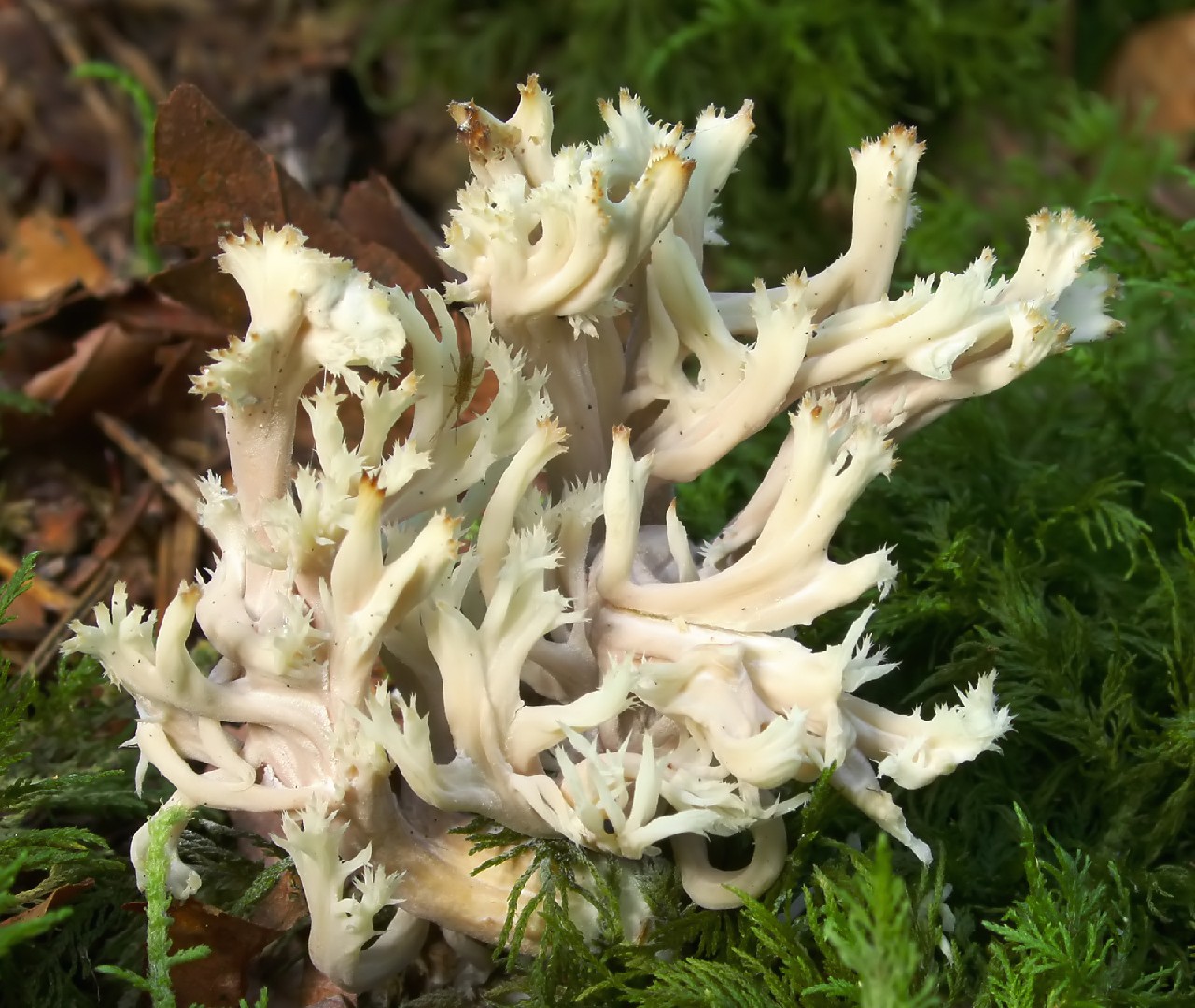
The wrinkled coral (Clavulina rugosa) is distinctive, even among coral fungi. Whereas most species of coral fungi have smooth, single-stalked tendrils, the wrinkled coral has irregular branching tendrils, giving it a particularly otherworldly appearance. Its fruitbodies grow singly or in groups and can be found in wet, temperate forests across the world.
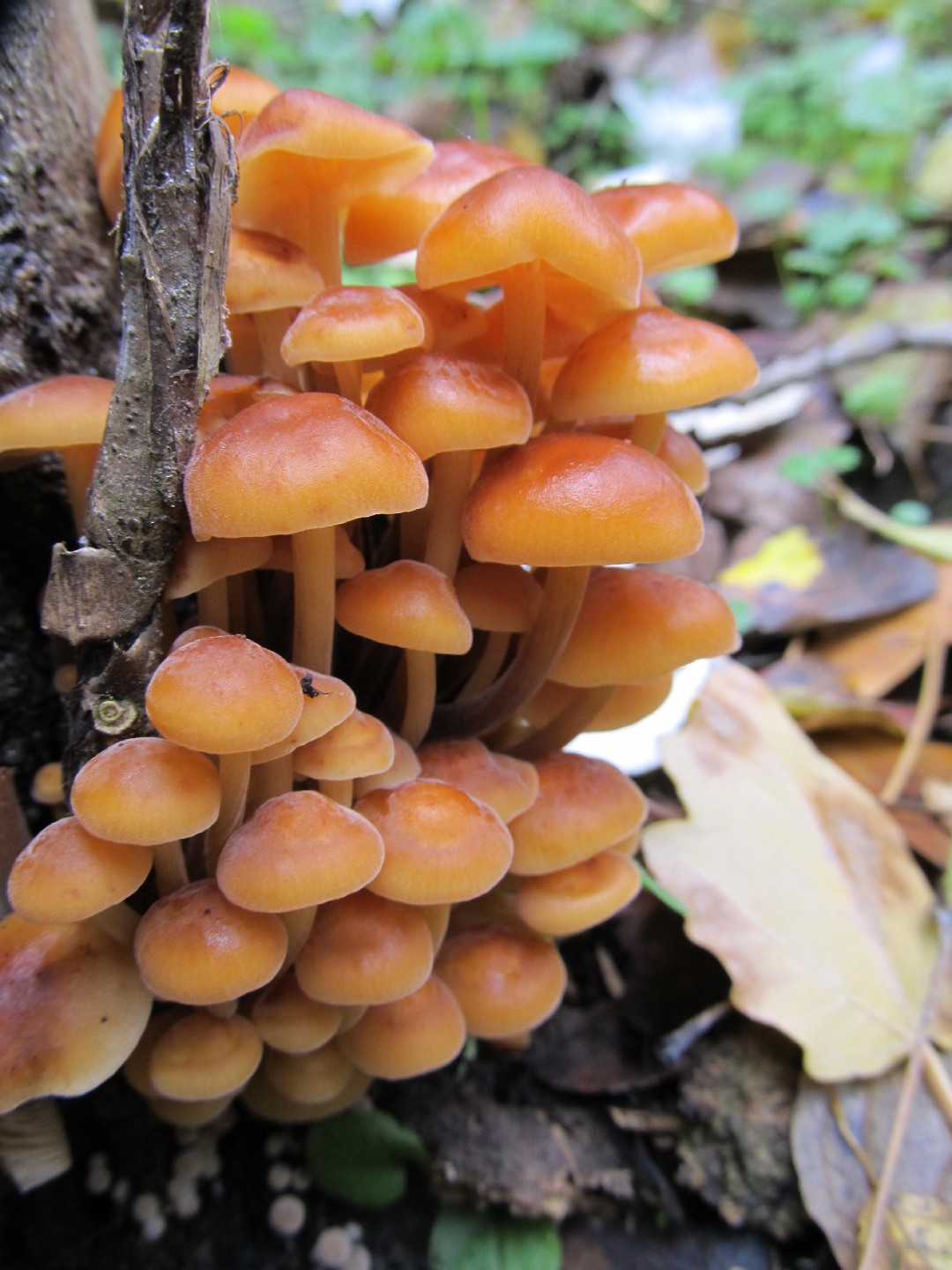
8. Enoki
The enoki grows wild on dead elm trees, and is also cultivated for human use. This flavorful species (Flammulina velutipes) has been used in dishes around the world for generations, being particularly high in nutrients. Though store-bought enoki are often plain white, wild ones can be found in a range of colors.
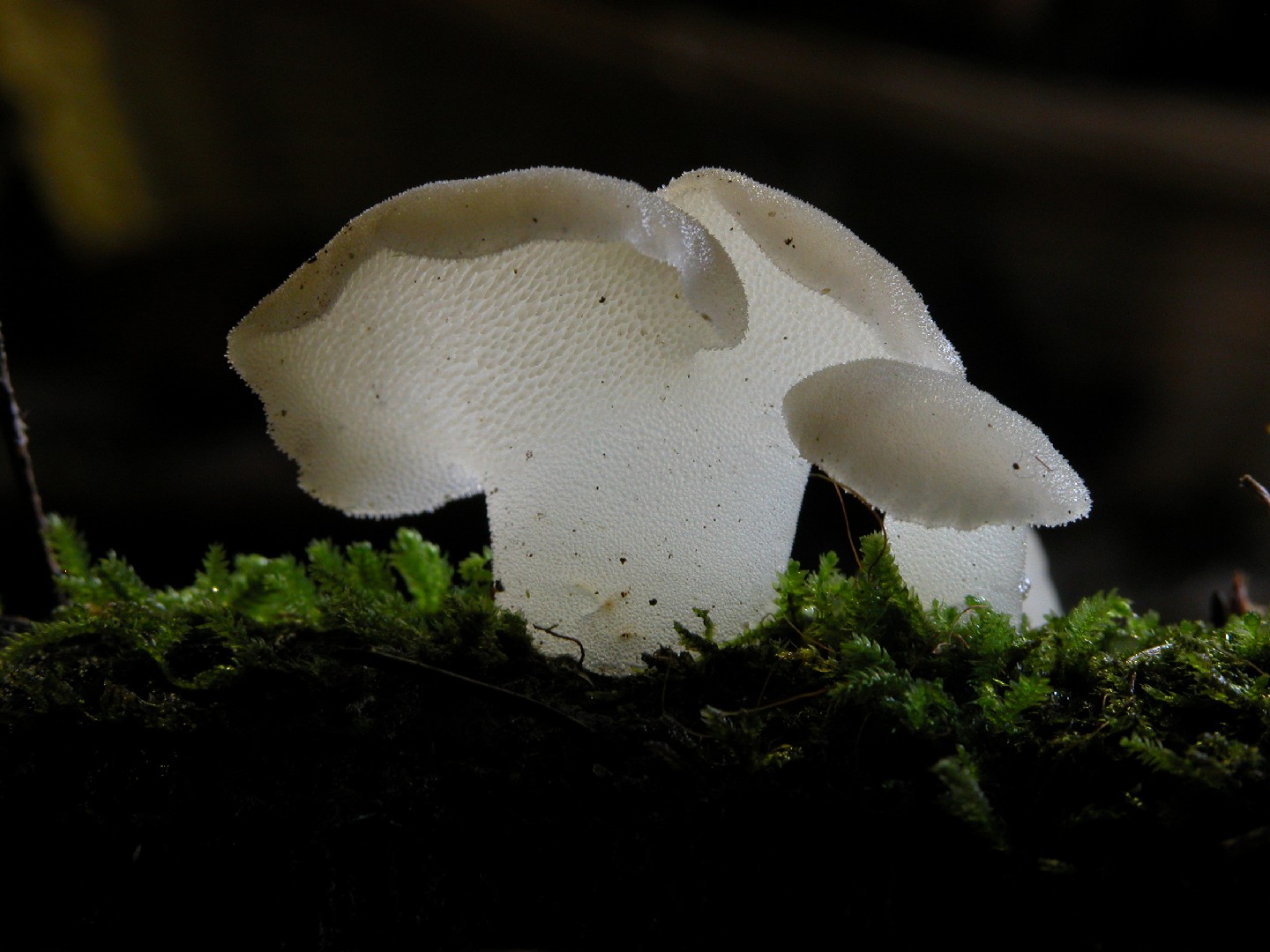
9. Toothed jelly fungus
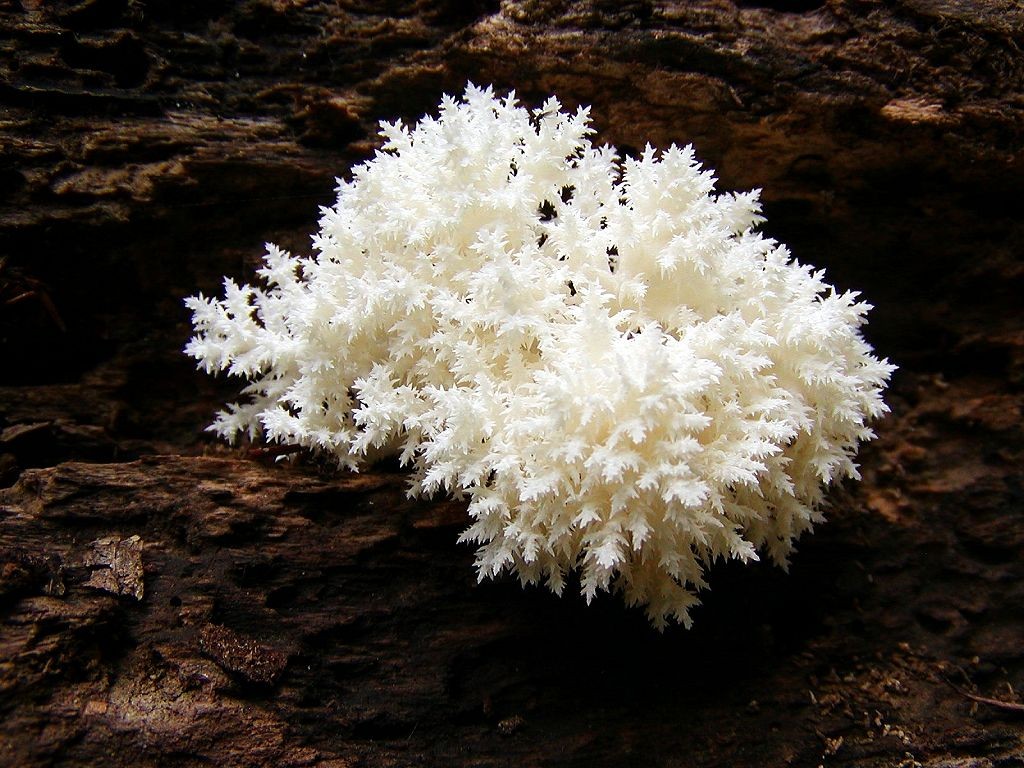
This whimsically-named mushroom has a global distribution and a unique appearance. Toothed jelly fungus has a white, translucent - almost spectral - coloration and sports little downward pointing "teeth" on the underside of its cap. Although its toothed underside may scream "hedgehog mushroom", it is actually a member of a separate genus (Pseudohydnum, as opposed to Hydnum).
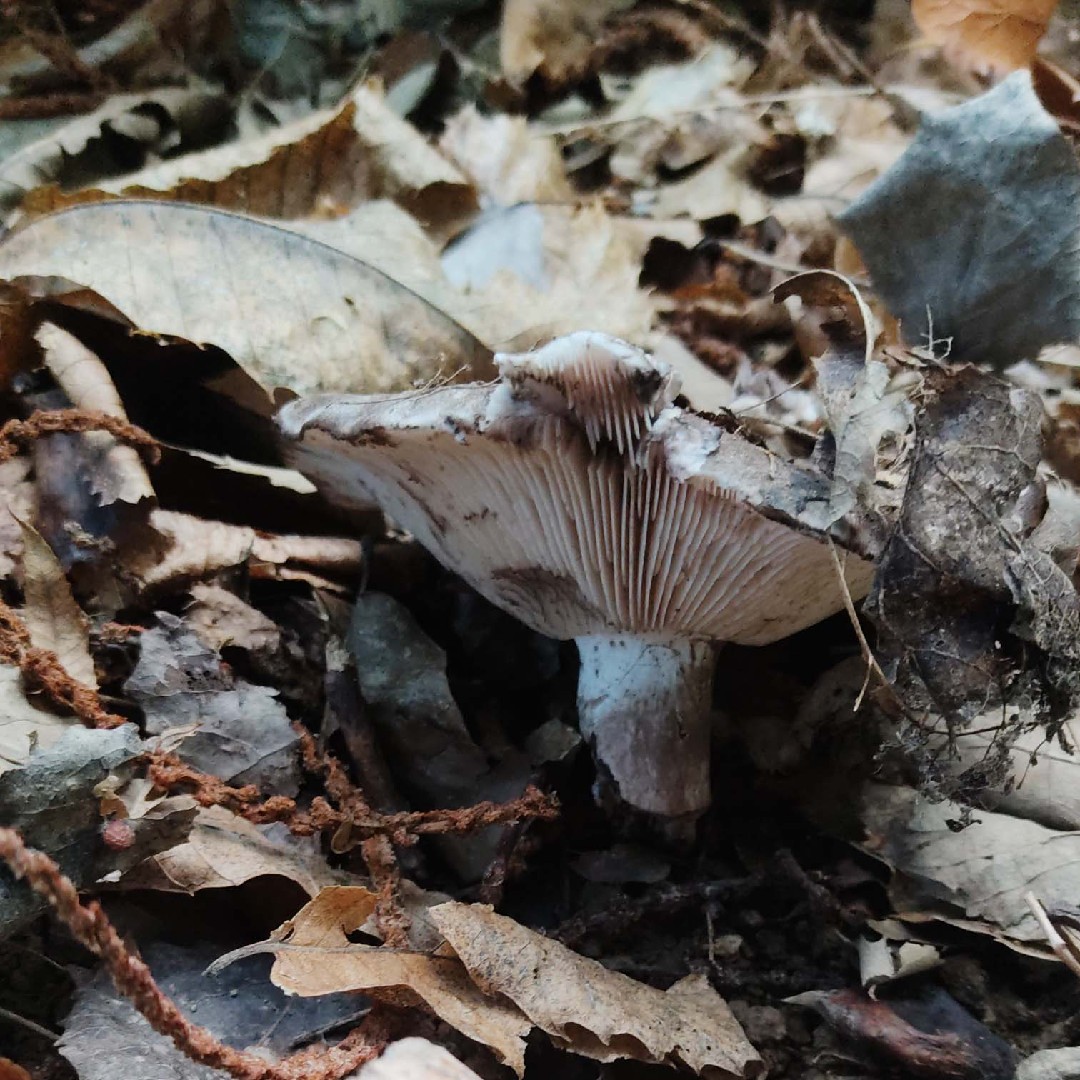
10. Menthol brittlegill
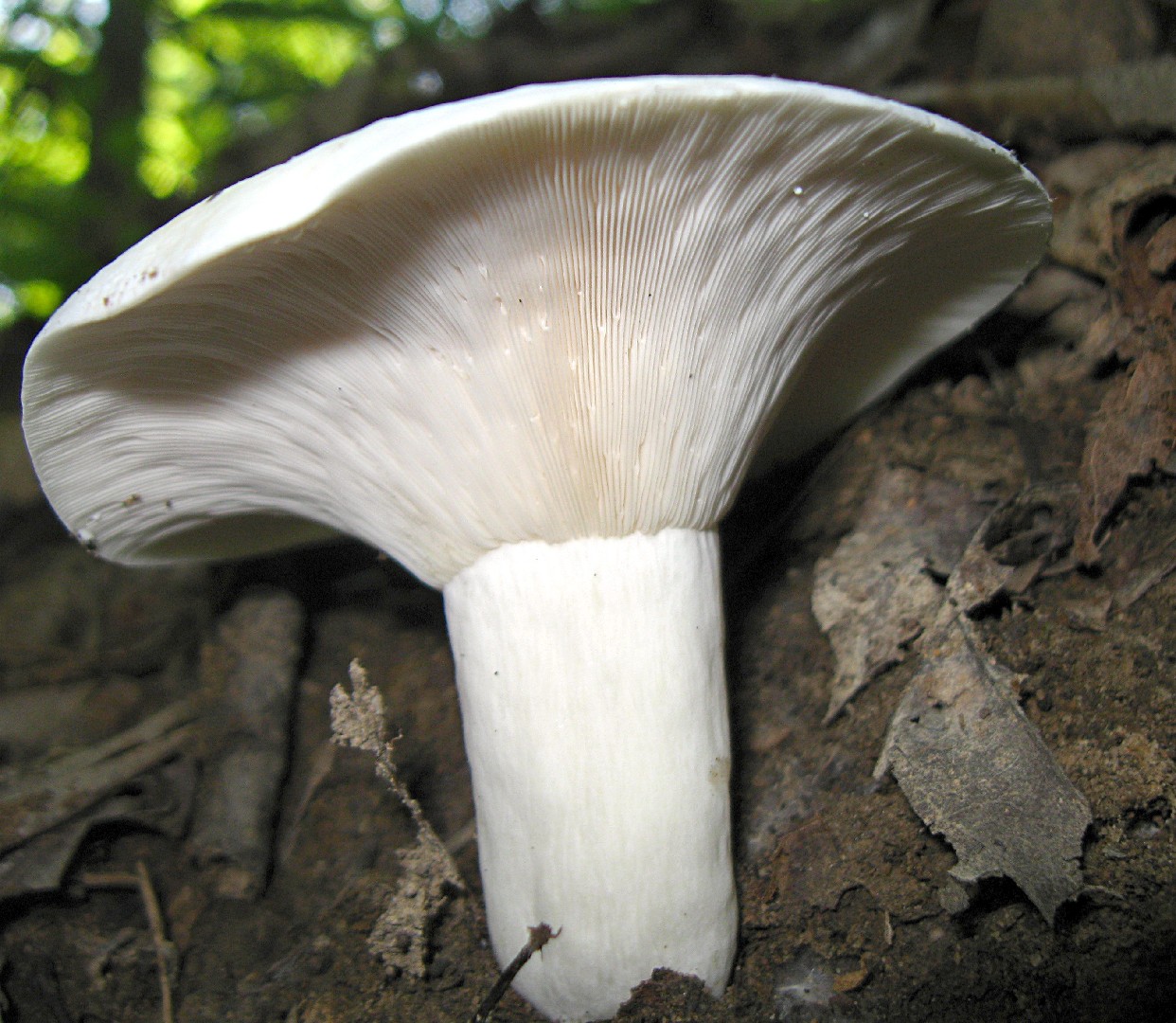
The cap is convex to infundibuliform, whitish, sticky. The stipe is dusky, or white above, pale grey-ochreous towards the base. The gills are decurrent, crowded, thick, unequal, connected by veins, dusky whitish or yellowish.The flesh is white, turns black or sooty. The taste is somewhat bitter and unpleasant to mild. 

More







