




Top 20 Most Common Mushrooms in Chaparral
Welcome to our exploration of the most common mushrooms in Chaparral, with a spotlight on our top 20. Known for its incredible biodiversity, Chaparral is a true treasure trove of unique creatures, among which mushrooms play a vital role. Our focus is to accurately portray these fungi—educate, engage, and enrich your understanding of their distinctive features and immense prevalence in Chaparral. So, gear up for a fascinating journey into the world of Chaparral's captivating fungal kingdom.

Most Common Mushrooms
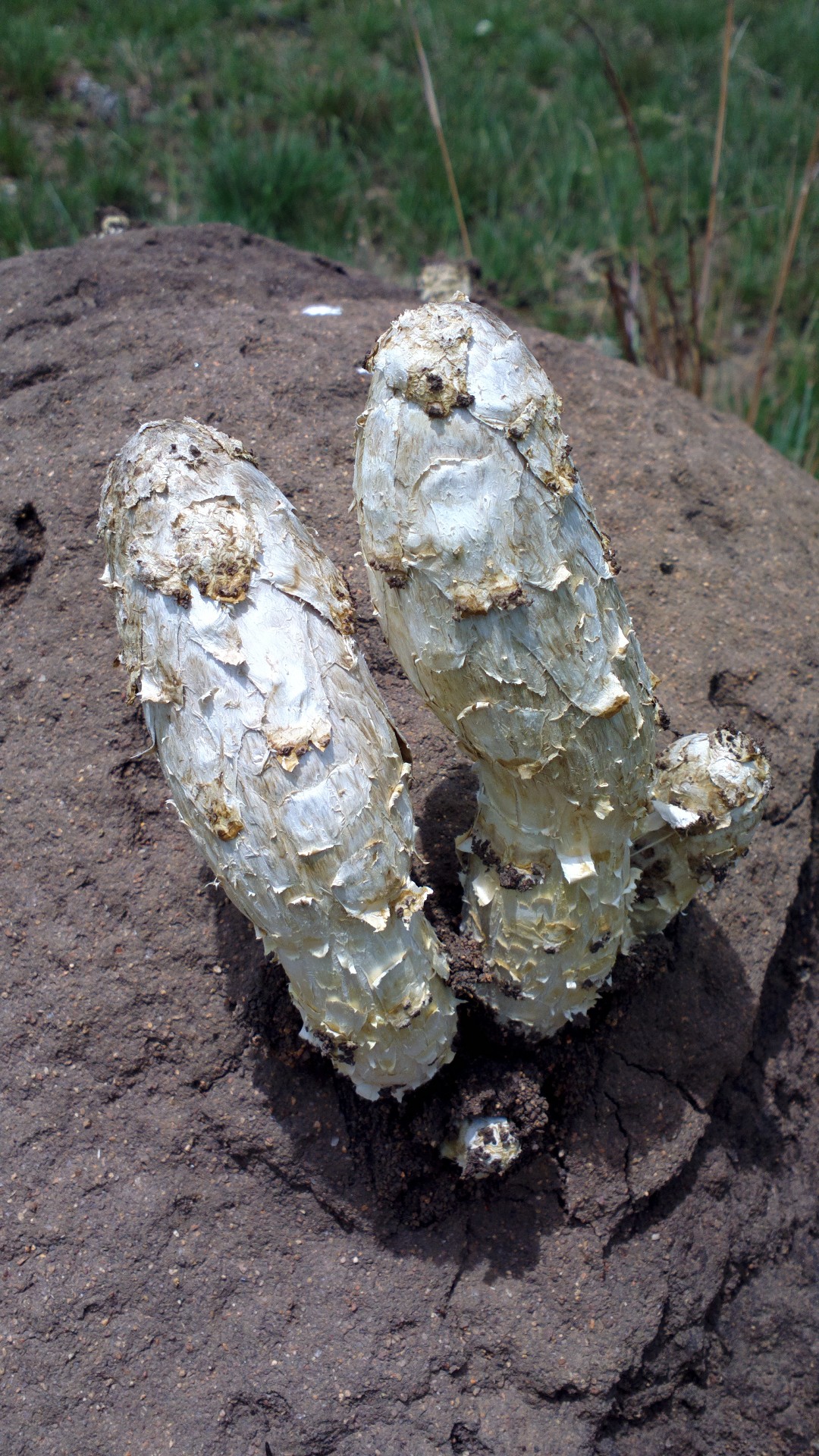
1. Desert shaggy mane
As its name suggests, the desert shaggy mane (Podaxis pistillaris) erupts from seemingly improbably conditions, out of the hot and arid ground in North American deserts. They are commonly found living harmoniously with colonies of termites in termite mounds. The desert shaggy mane is toxic and not safe to consume.
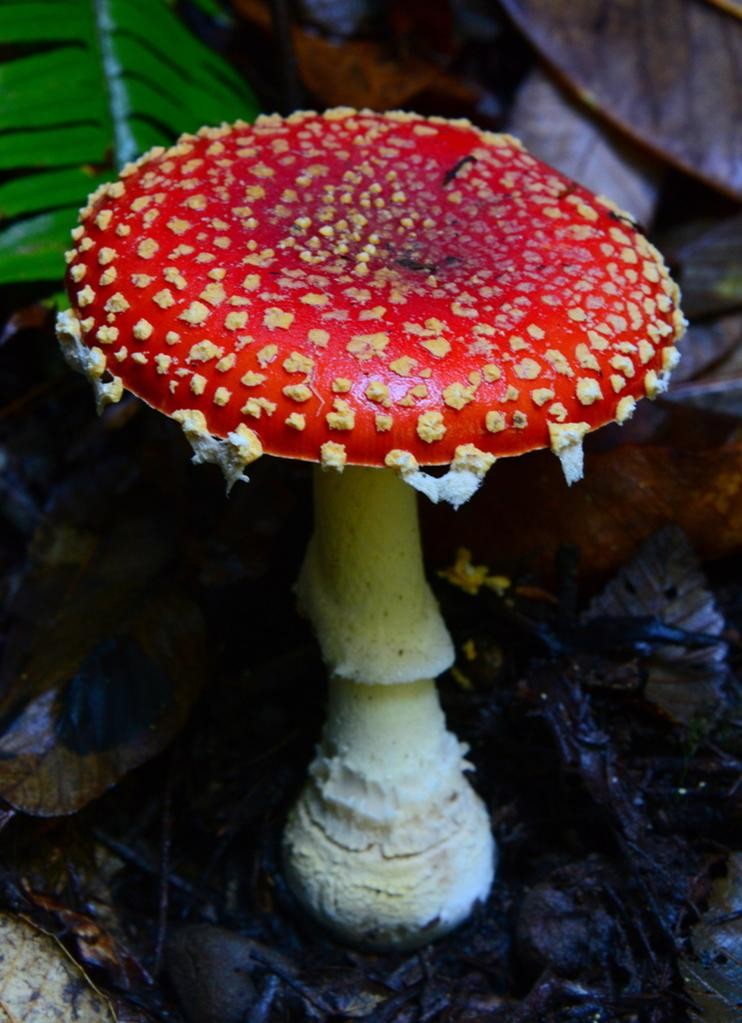
2. Fly agaric
In Northern Asia and Europe, fly agaric grows under trees near the winter solstice and is collected for ritual use tied to the season. Its characteristic shape and coloring are still ubiquitous in many European fairy tale illustrations and Christmas traditions. It is highly toxic.
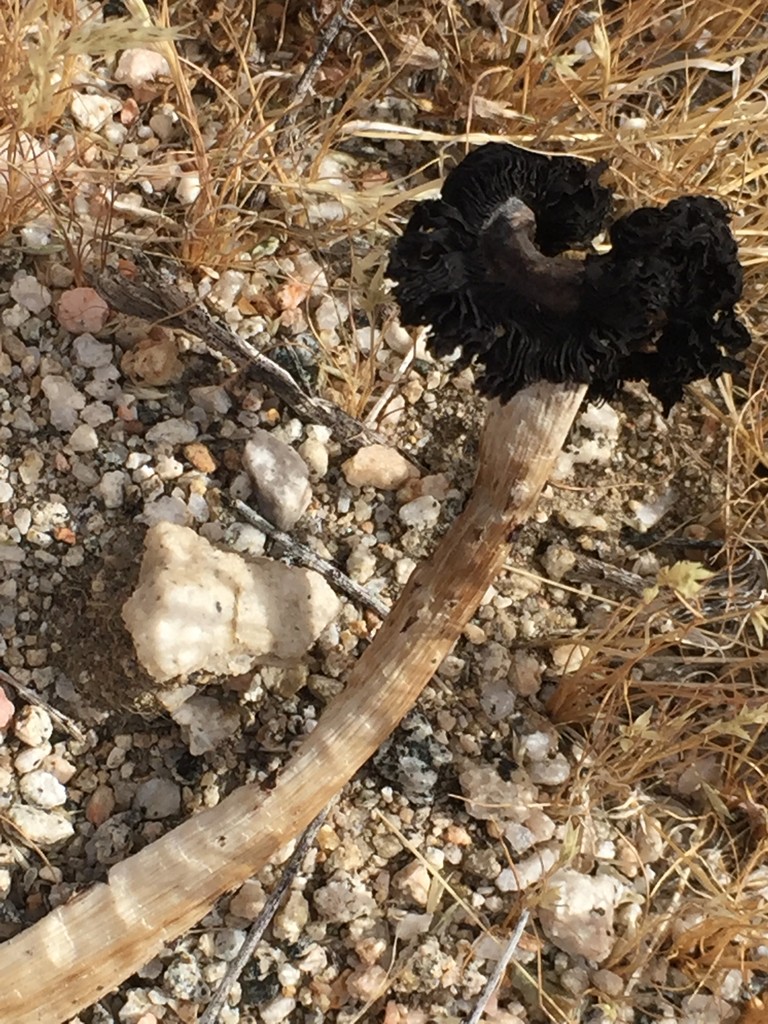
3. Montagnea arenaria
The cap of montagnea arenaria (Montagnea arenaria) has tough skin that acts as a shield to protect its dark spores until they are mature. Although the cap is rigid, it is commonly found looking tattered and weather-worn, almost fringe-like. Unlike many other mushrooms, they thrive in arid areas and are seen in deserts and other places with very little rainfall.
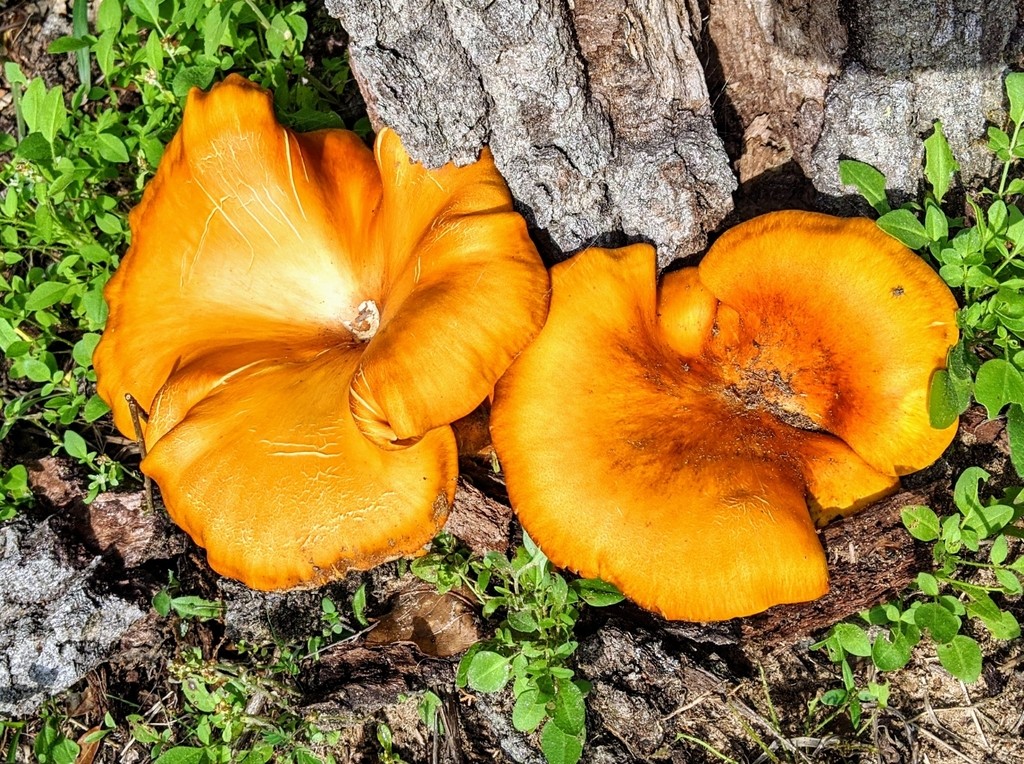
4. Southern jack o'lantern
As the name implies, the Southern jack o'lantern is not only a striking pumpkin-like orange color, but it also has the ability to glow in the dark — resembling carved Halloween jack o'lanterns with candles in them. This phenomenon that the southern jack o'lantern produces is called bioluminescence and is most evident at the peak of spore production.
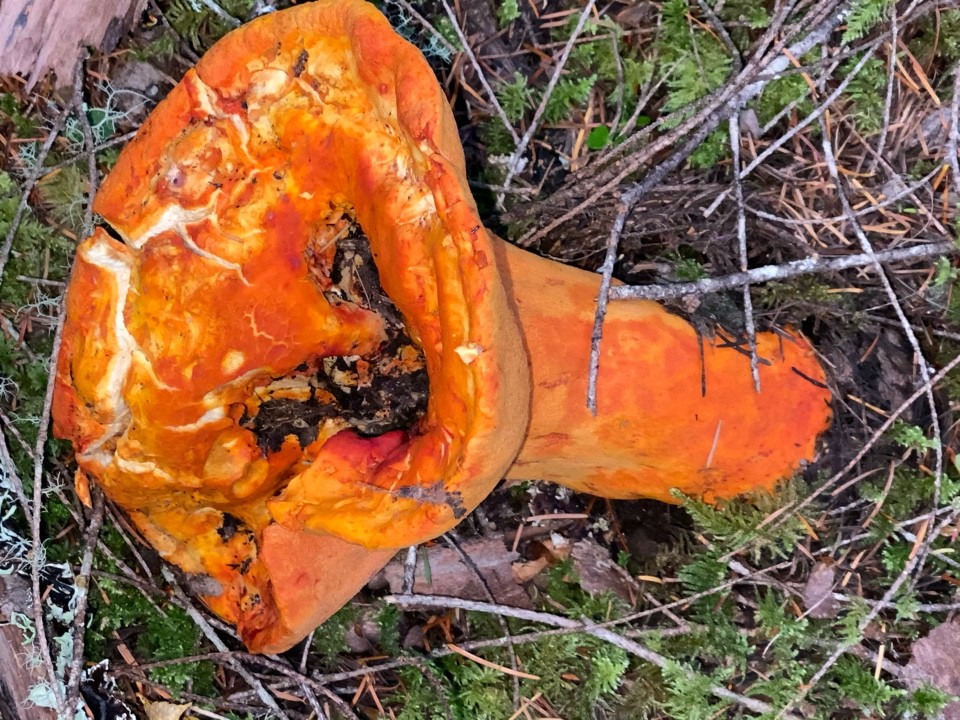
5. Lobster mushroom
The lobster mushroom is actually not a species of mushroom, per-se. When Hypomyces lactifluorum mold attacks one of several common species of Russula mushrooms, it transforms them into lobster mushrooms: they shrivel, harden slightly, and turn bright orange or vermillion. Surprisingly, this only makes them more flavorful. Lobster mushrooms are highly sought after for their distinctive, seafood-like flavor when cooked. Upset stomachs have been reported when eaten raw.
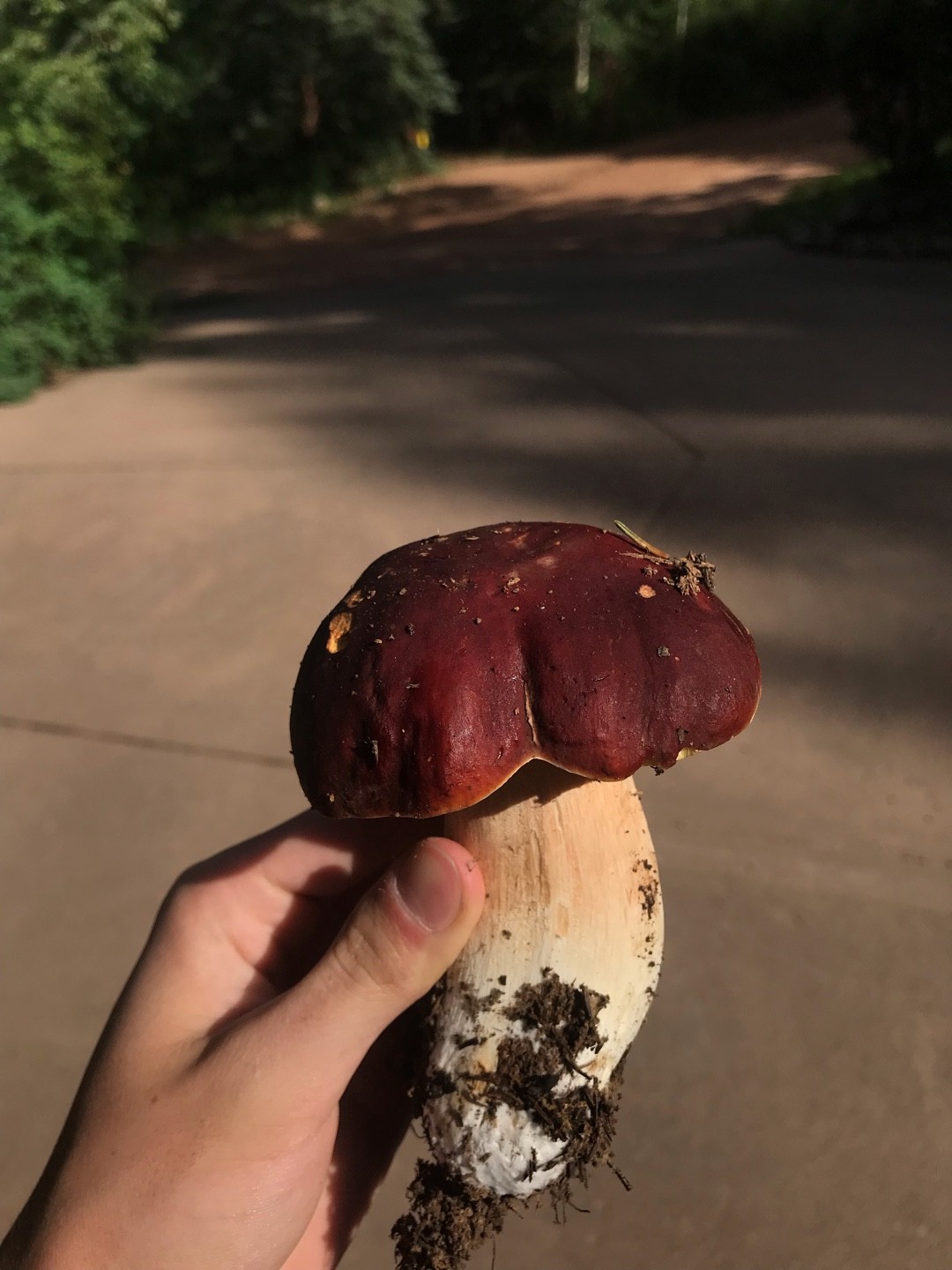
6. Rocky mountain red
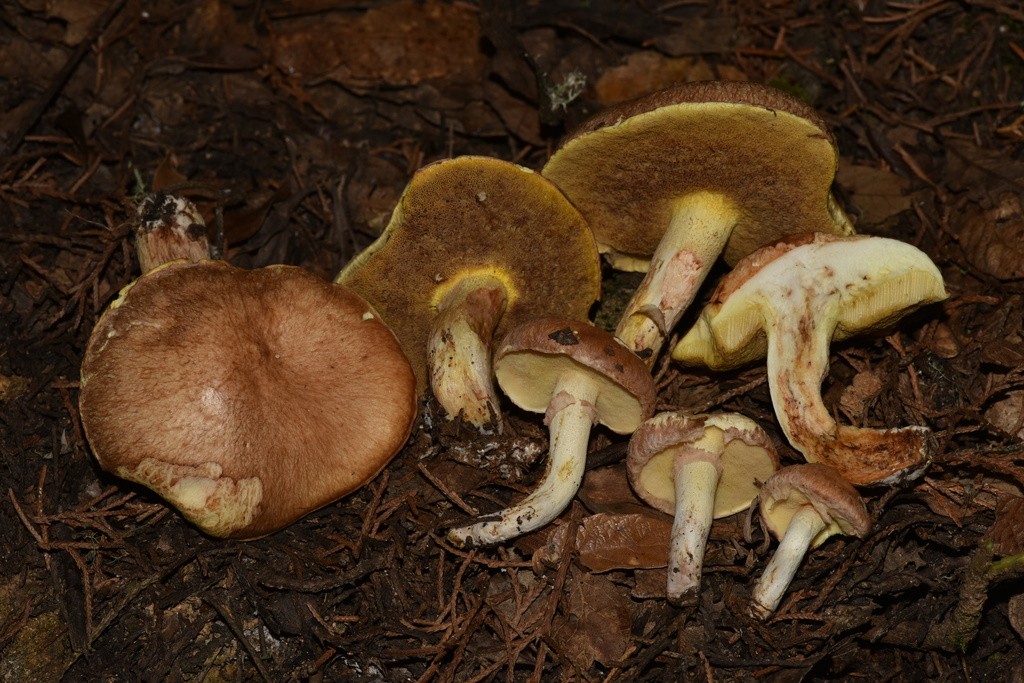
Rocky mountain red is a bold mushroom that is easy to identify. Only recently classified in 2014, this reddish-brown capped bolete is found in the Rocky Mountains beneath spruces. It has been observed to have a symbiotic relationship with Engelmann Spruce. Rocky mountain red was previously classed under B. Edulis and mature specimens can host small fly larvae.
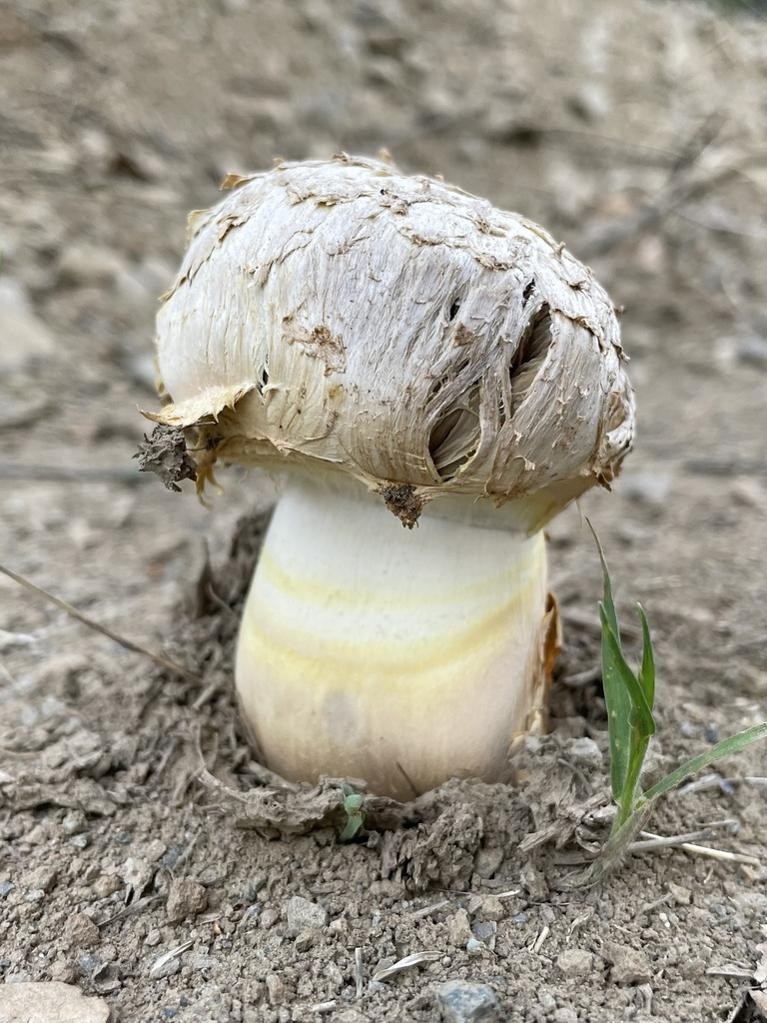
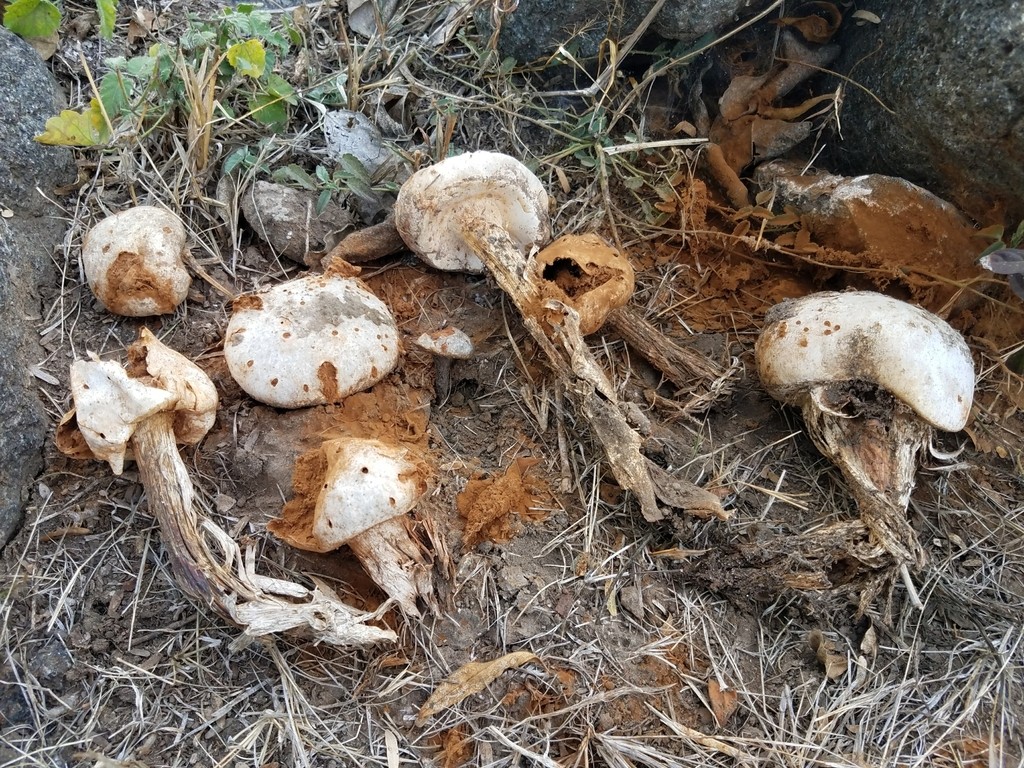
7. Gasteroid agaricus
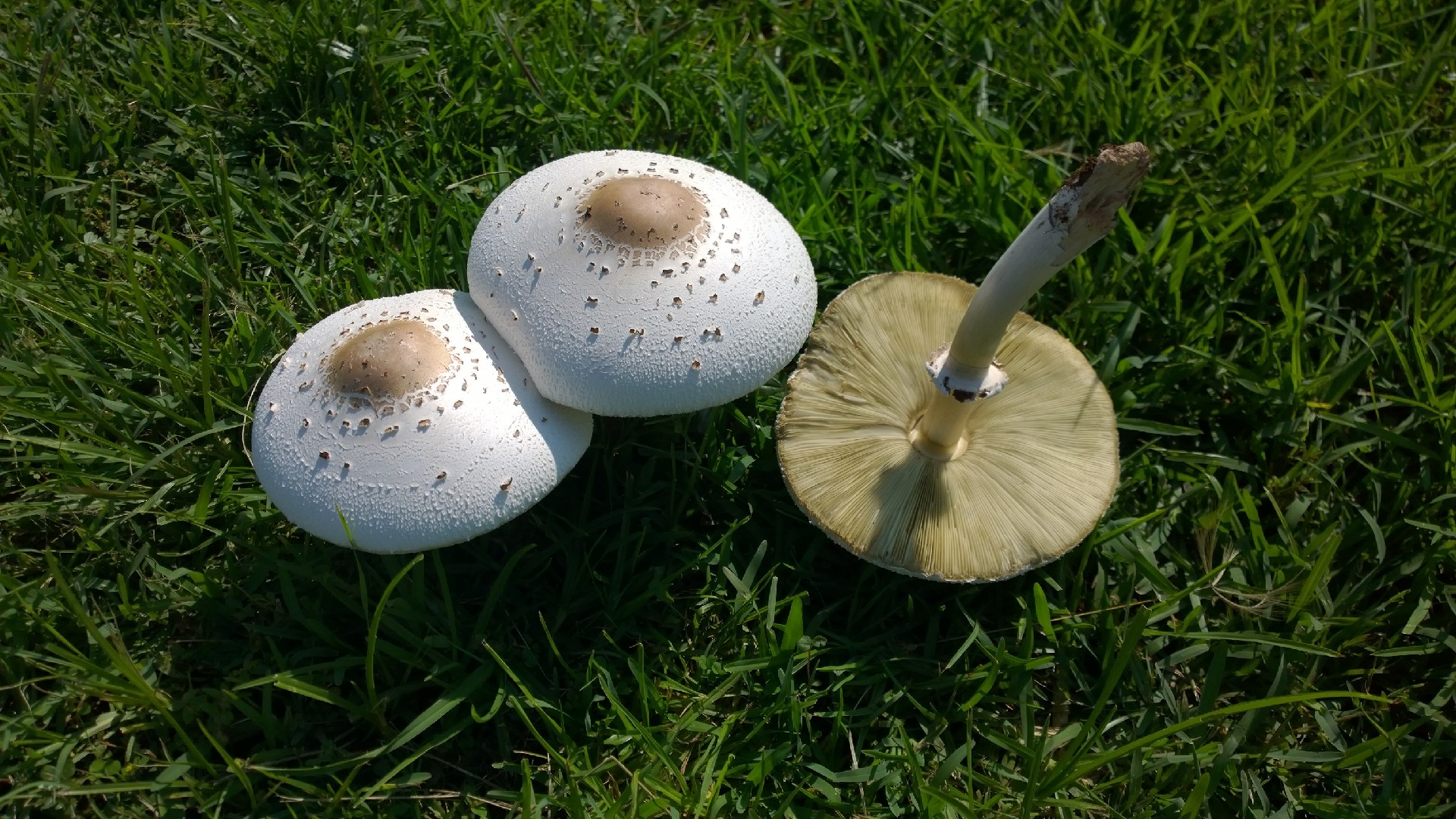
Gasteroid agaricus has evolved to flourish in arid or semi-arid environments. Noted for its distinctive bulbous cap that does not fully expand, this mushroom was only recently transferred to the Agaricus genus. Gasteroid agaricus can be found singly or on groups and retains a partial veil despite its maturity.
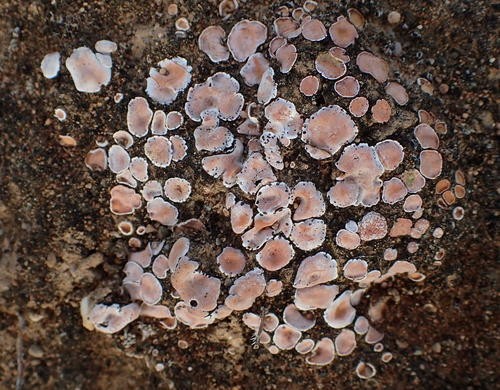
8. Brick scale
9. Rusty gilled polypore
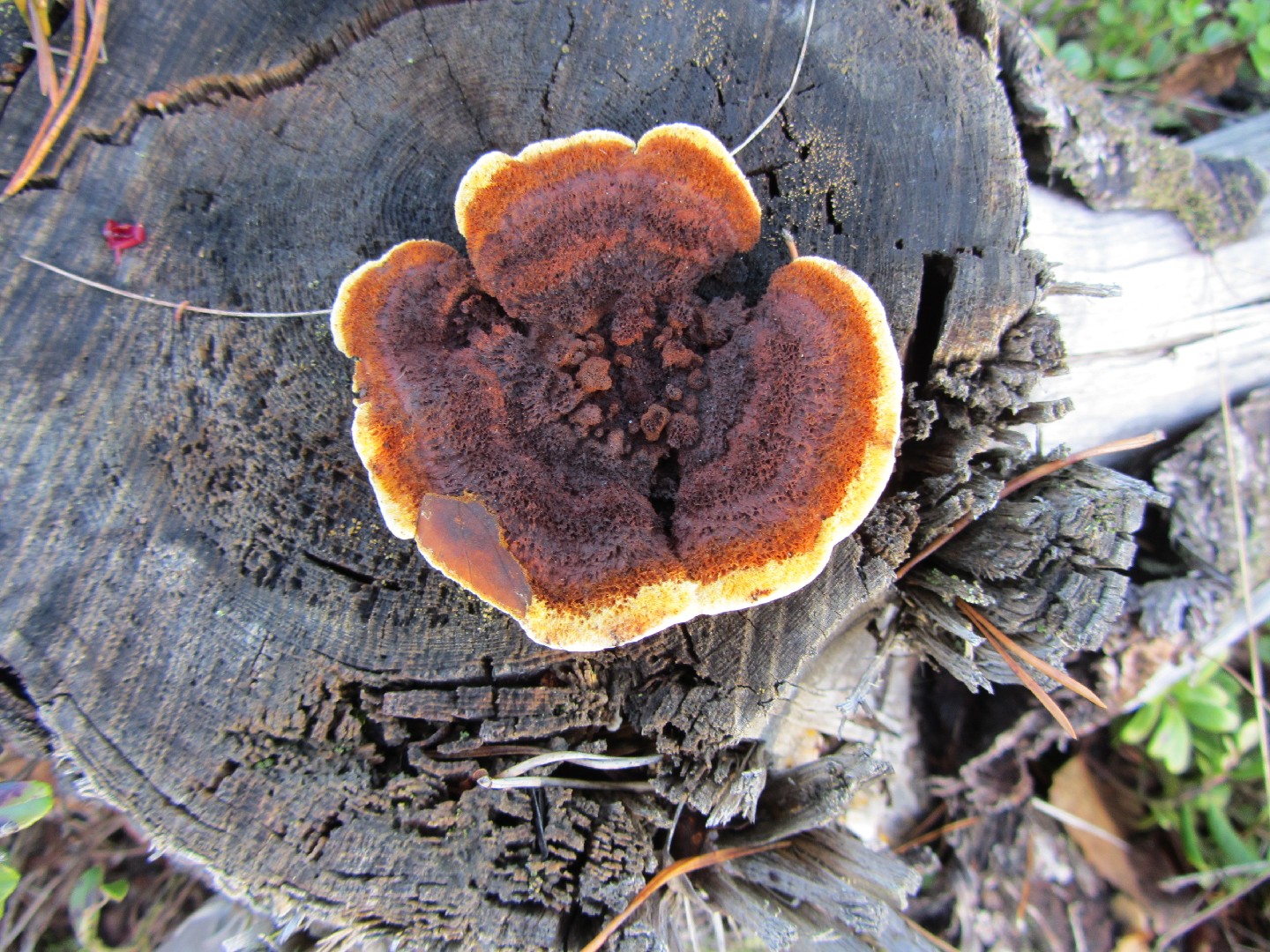
Rusty gilled polypore(Gloeophyllum sepiarium) is a fungus most commonly found on dead pieces of conifer wood, and it is a common visitor to lumberyards. The growing zone on the fruiting body is easily demarcated by its yellow, orange or white coloring, resembling a strip along the outside of the structure. This species is considered inedible.
10. Chicken-of-the-woods
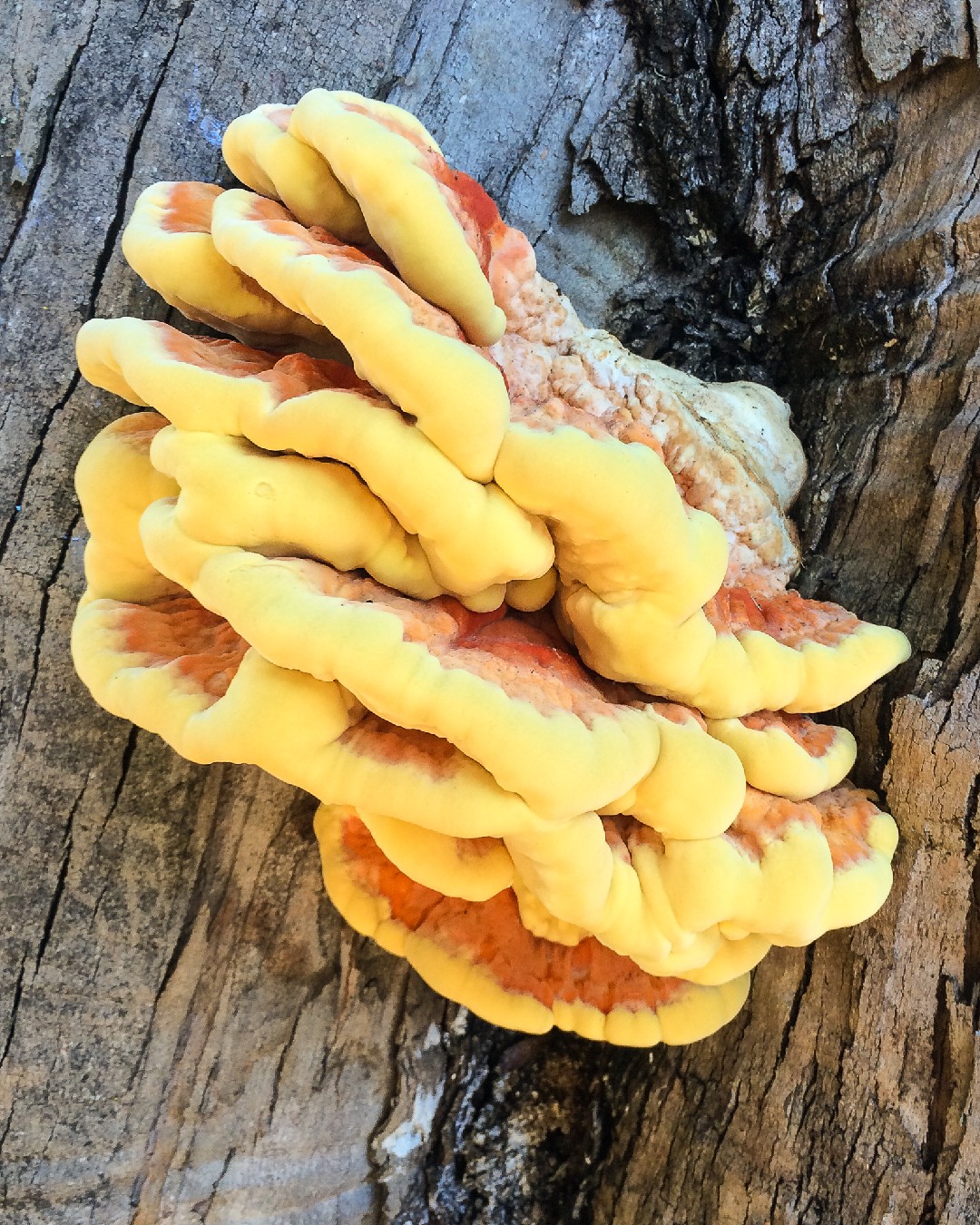
Chicken-of-the-woods is a brightly-colored polypore related to the famed Chicken-of-the-Woods (Laetiporus sulphereus). The species are so closely related, that it was not until the 2000s that mycologists considered them to be distinct. Unlike its famed relative, the species is not considered a choice edible - there are conflicting reports as to its edibility, with some probable cases of gastrointestinal distress noted.

More







