




Top 20 Most Common Mushrooms in Oakland
Welcome to our exploration of the top 20 commonly found fungi in the verdant and vibrant Oakland. Nestled amidst the scenic landscapes, Oakland is a hotspot for unique mushroom species. Encapsulated in a maritime Mediterranean climate, Oakland's thriving mushroom population is in fact a fascinating subject. Dive in with us to discover these captivating organisms, backed by well-documented data and reliable sources.

Most Common Mushrooms
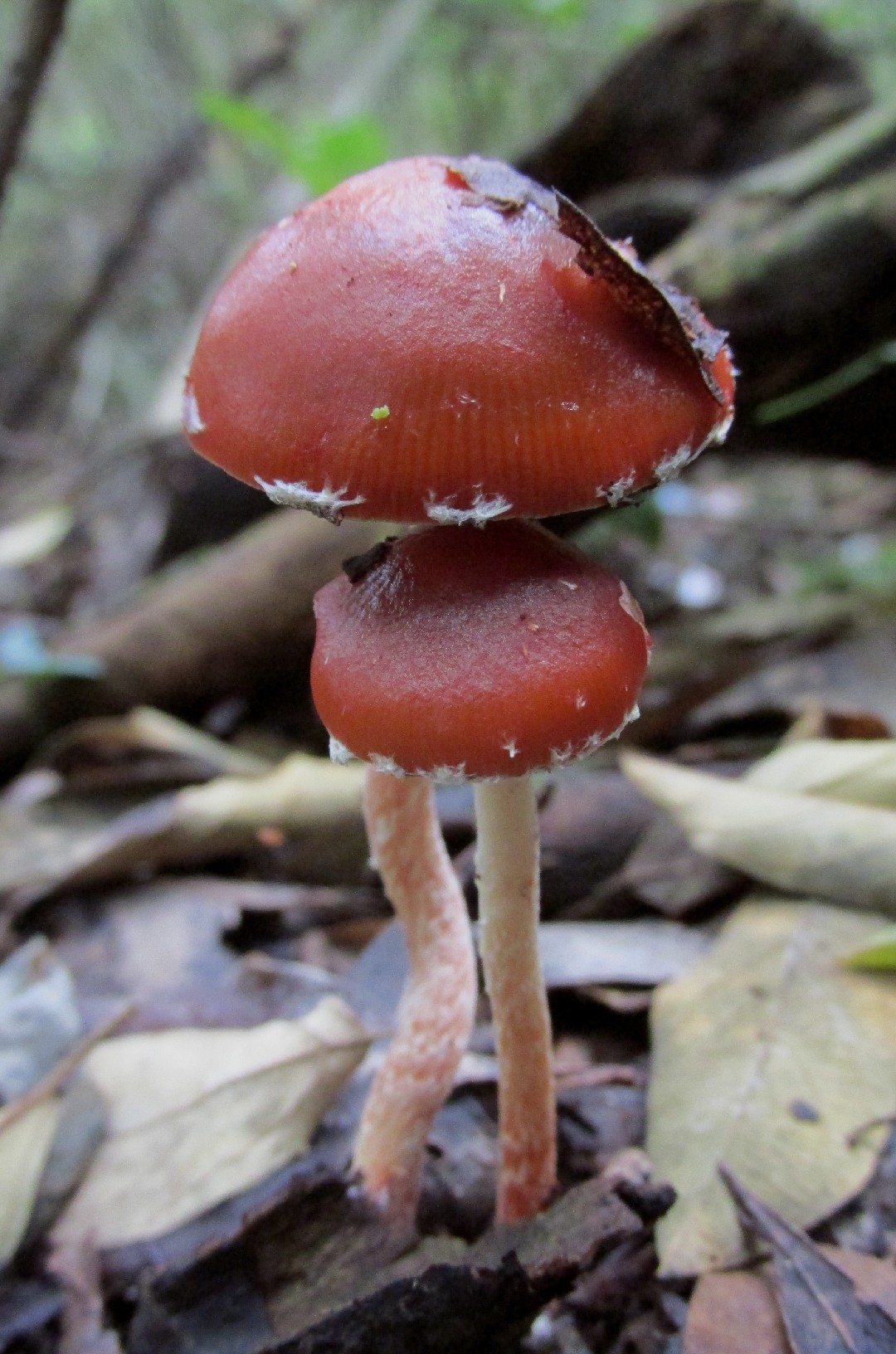
1. Redlead roundhead
This colorful mushroom grows most commonly on woodchip mulch and in sandy pine forests of coastal areas around the world. The redlead roundhead is believed to have originated in Australia. It may look pretty enough to eat, but don’t; it is bitter, toxic, non-digestible, and likely to cause an upset stomach.
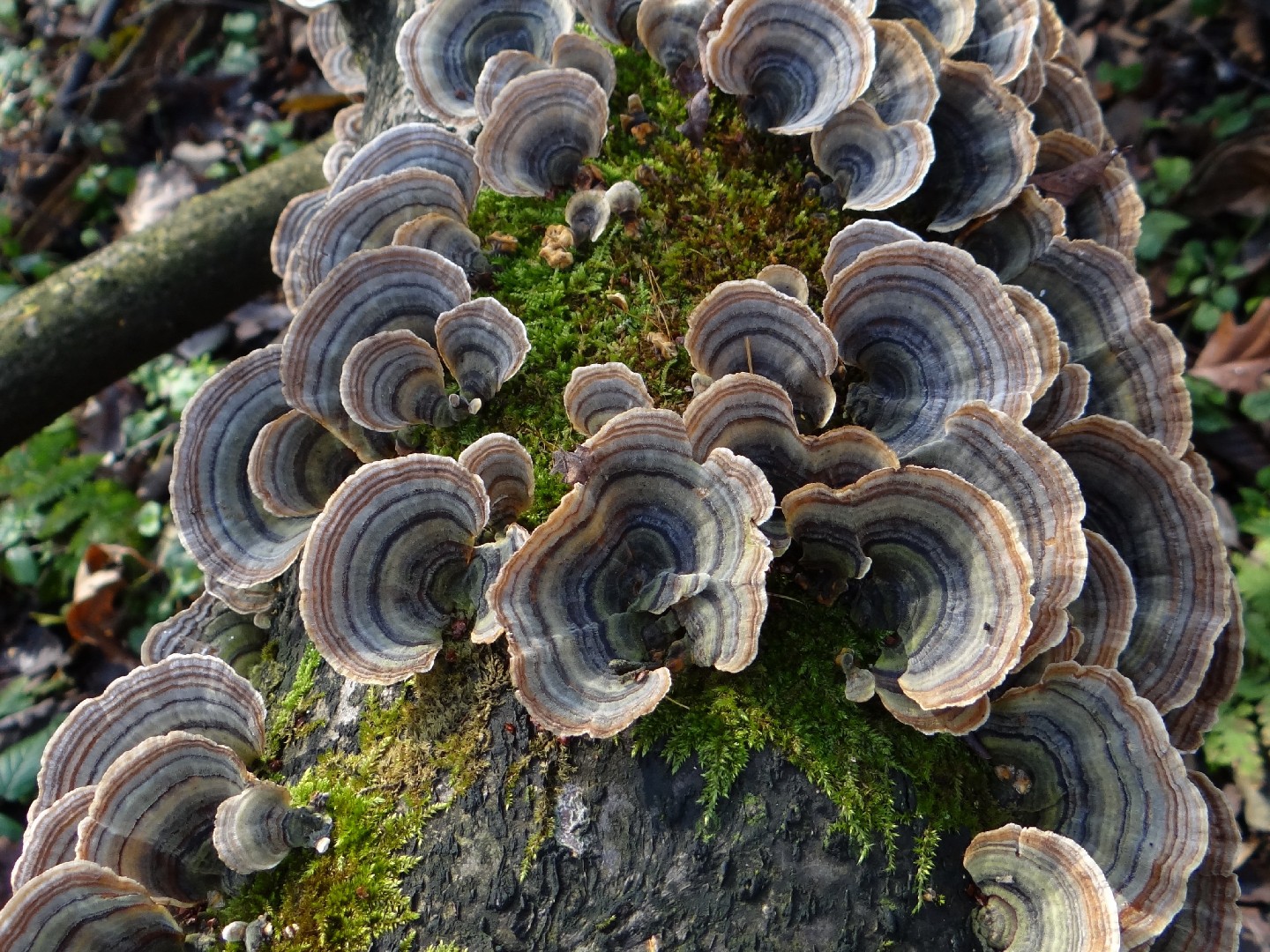
2. Turkey tail
The distinctively-striped turkey tail fungus grows on stumps and logs all over the forests of the northern hemisphere. It is, in fact, probably the most common species you will find. That doesn't mean this mushroom is plain, however; each cap is uniquely patterned. Look for bands of alternating textures as well as color.
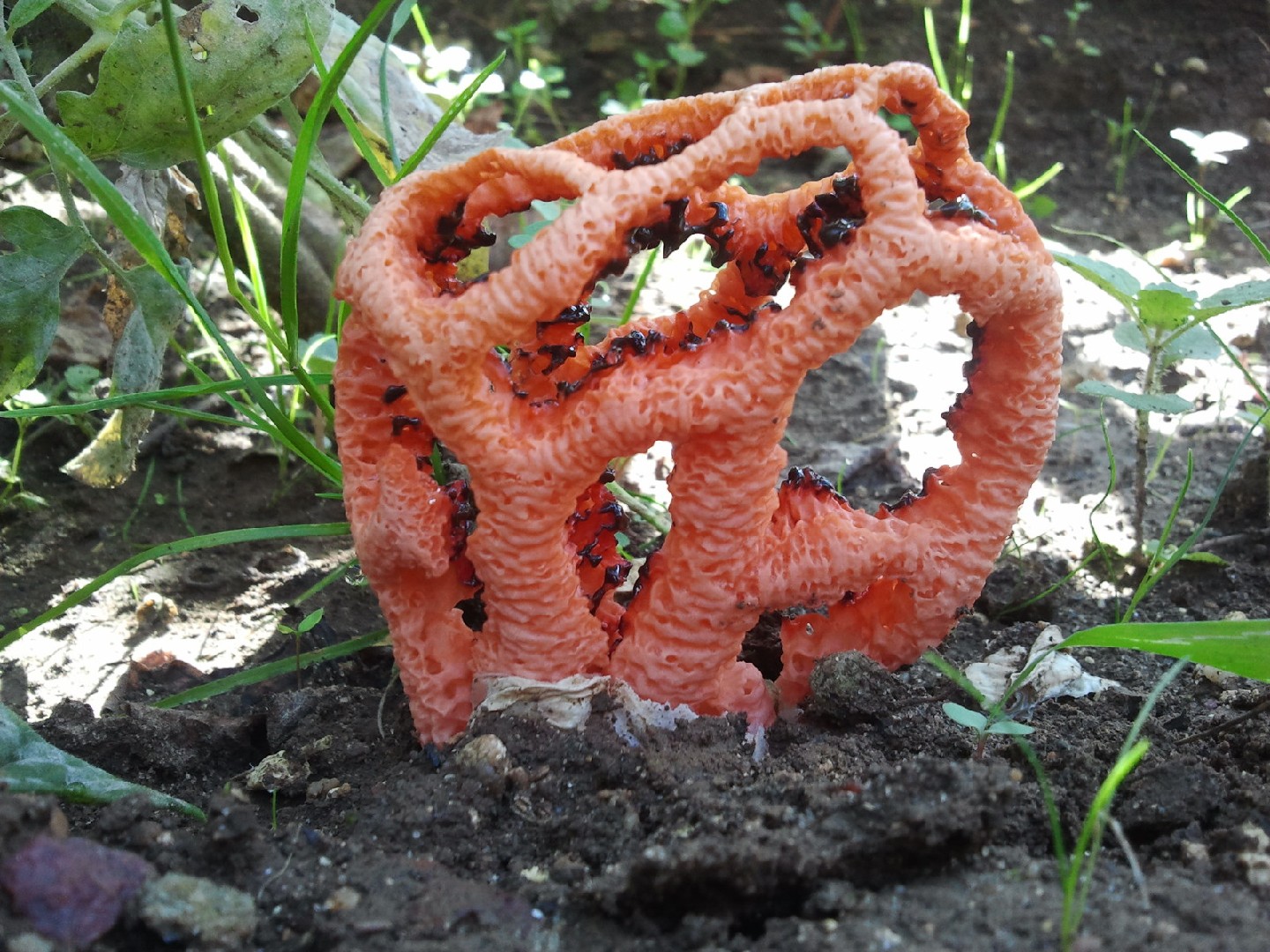
3. Red cage
The red cage is a highly distinctive mushroom with a wild shape, even for a stinkhorn. Its fruitbody grows as a hollow, latticed structure, usually red or pinkish in color, that gives it the appearance of a rubber or plastic children's toy. A true stinkhorn, this species secretes a pungent-smelling slime that attracts flies - but repels humans!
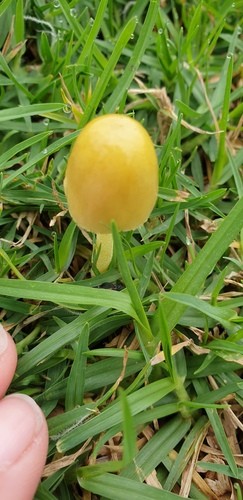
4. Yellow fieldcap
Yellow fieldcap can be found across Europe and North America, with dung patties or heavily-manured fields being its favorite fruiting habitat. The species sometimes goes by the common name Yellow Fieldcap because its young cap sports a bold yellow or golden hue (that color often fades as the mushroom cap matures and flattens). Yellow fieldcap is not know to be edible.
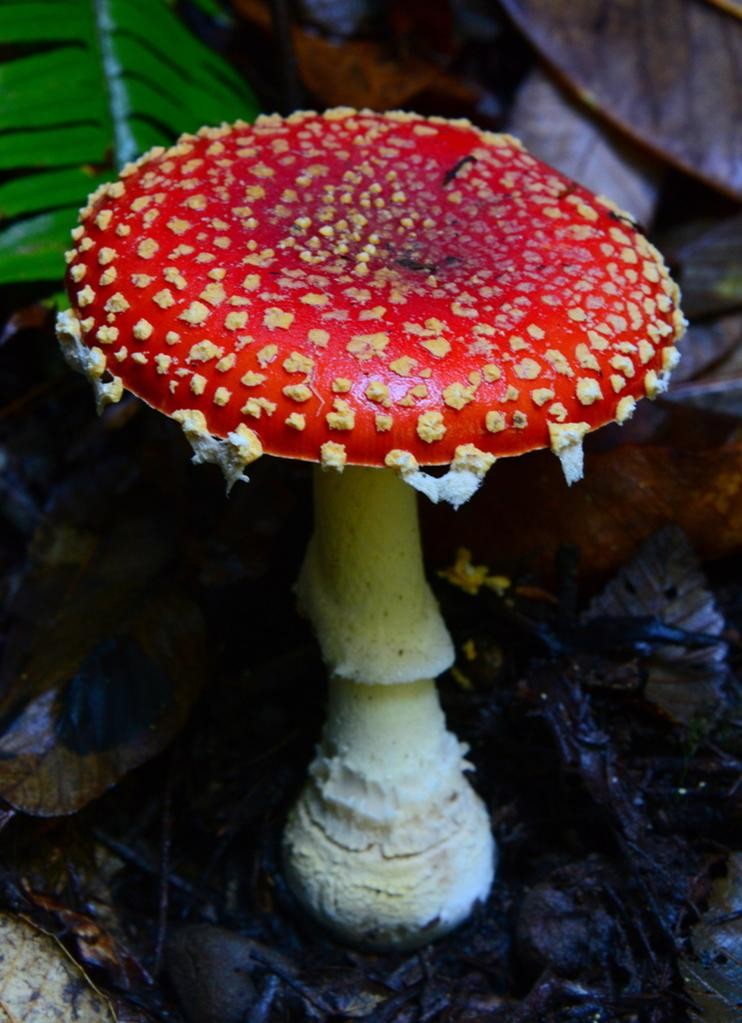
5. Fly agaric
In Northern Asia and Europe, fly agaric grows under trees near the winter solstice and is collected for ritual use tied to the season. Its characteristic shape and coloring are still ubiquitous in many European fairy tale illustrations and Christmas traditions. It is highly toxic.
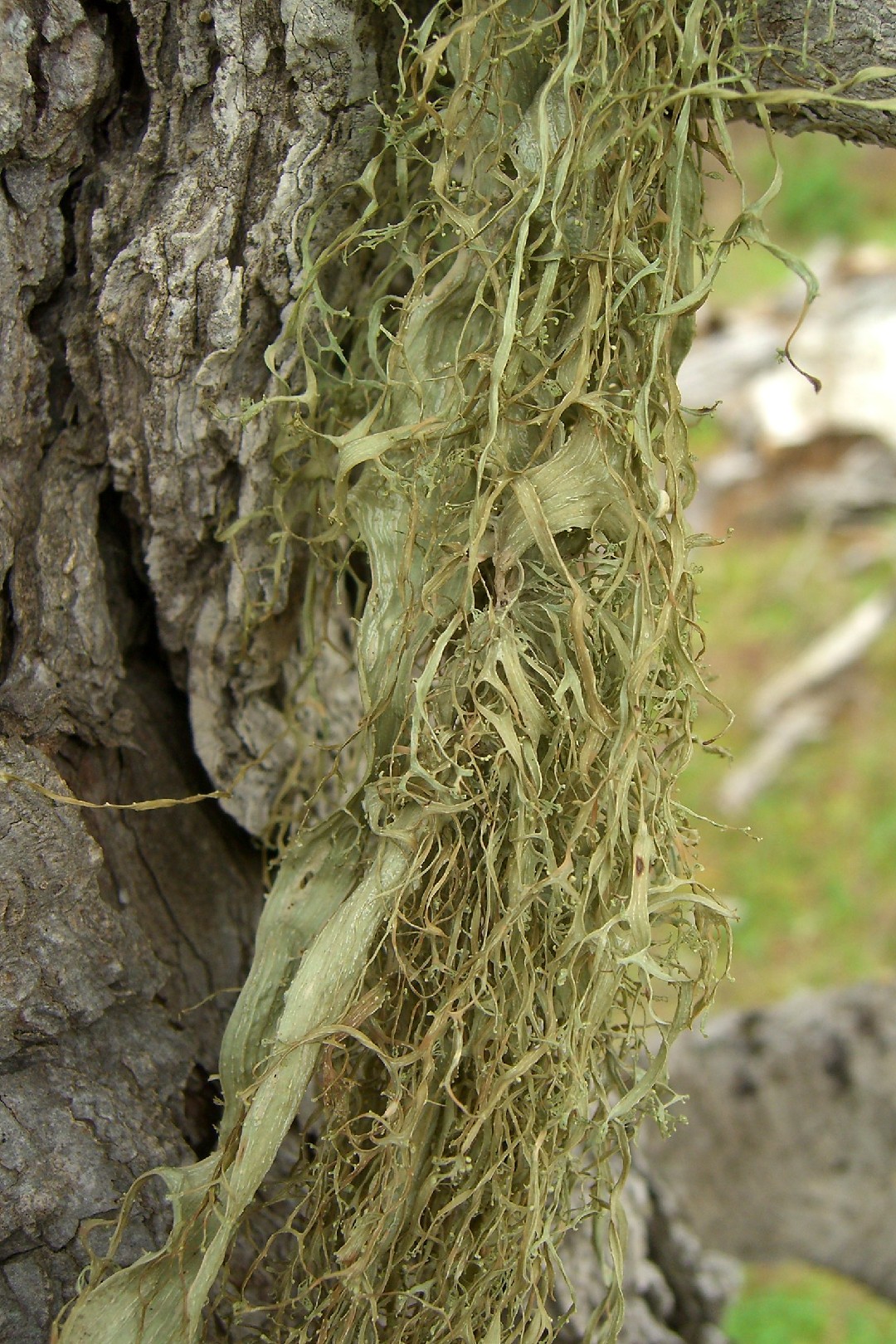
6. Lace lichen
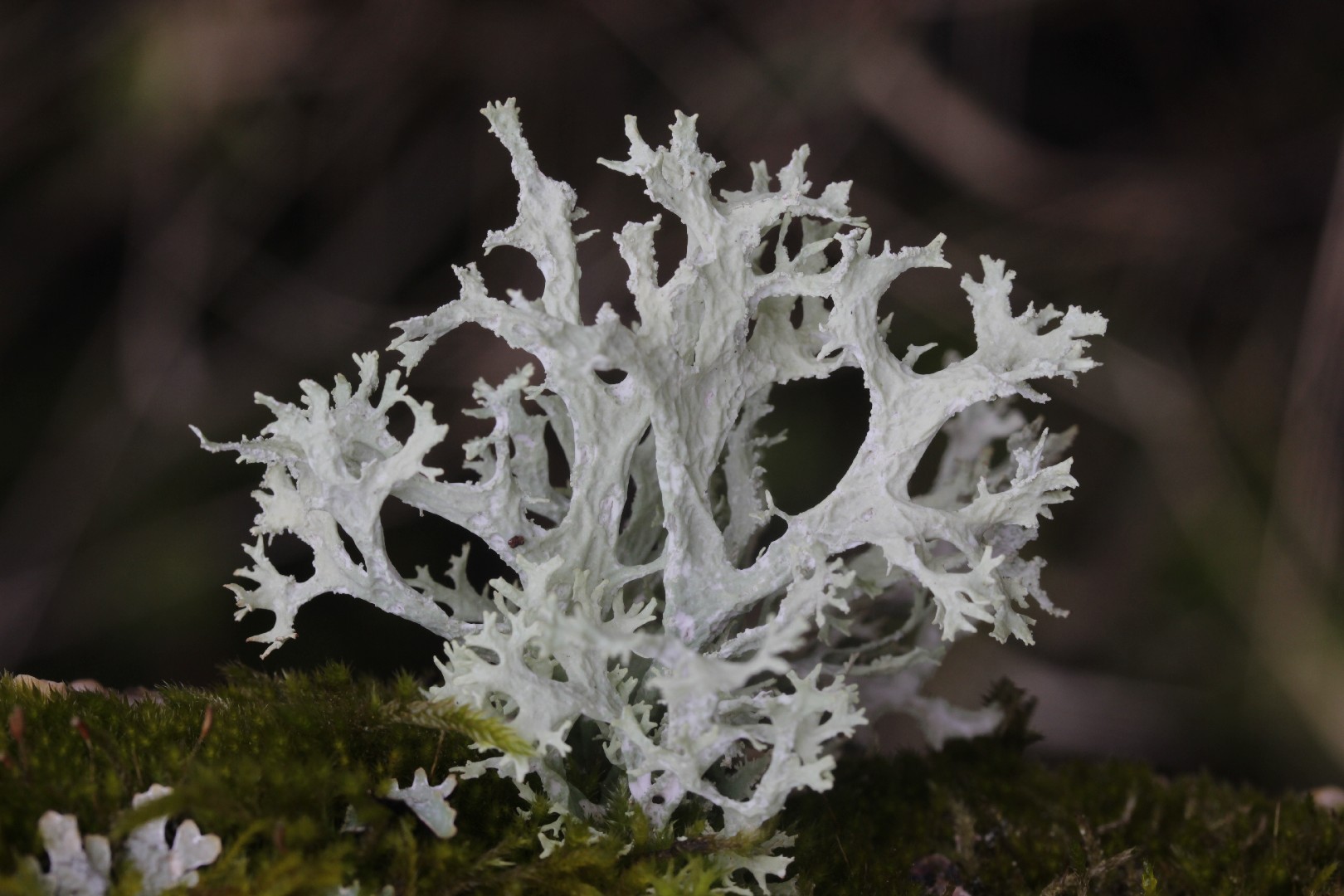
Lace lichen stands out for its net-like, pendulous structure, making it easily distinguishable from others. It's not a mushroom but a lichen, a unique partnership between fungi and algae. Living mainly on oak trees, it's considered a sensitive air quality indicator. Its presence often indicates good air quality, since it's sensitive to pollutants. This lace lichen plays a vital role in its ecosystem, providing shelter and food for numerous species.
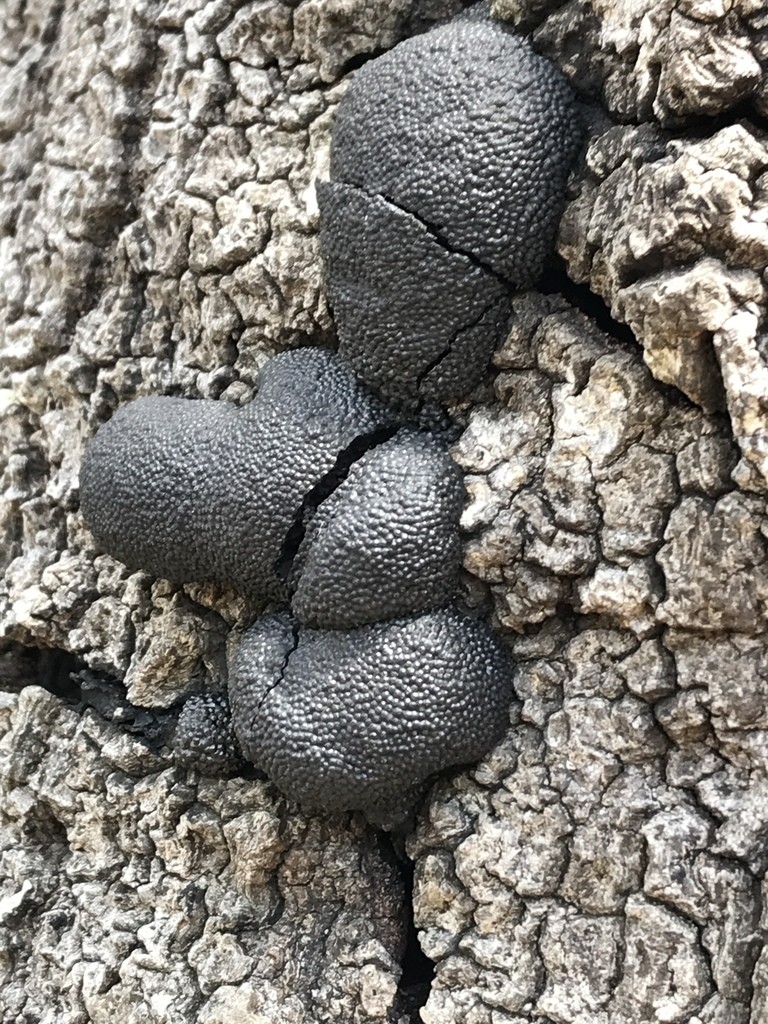
7. Cramp balls
Most commonly found on the surface of dead or dying oak trees, the pathogenic fungus cramp balls(Annulohypoxylon thouarsianum) is seen as an indicator of the health of any individual oak. The rapid proliferation of Sudden Oak Death, a blight increasingly common in the northwestern United States, has led to an increase in appearance of this fungus there.
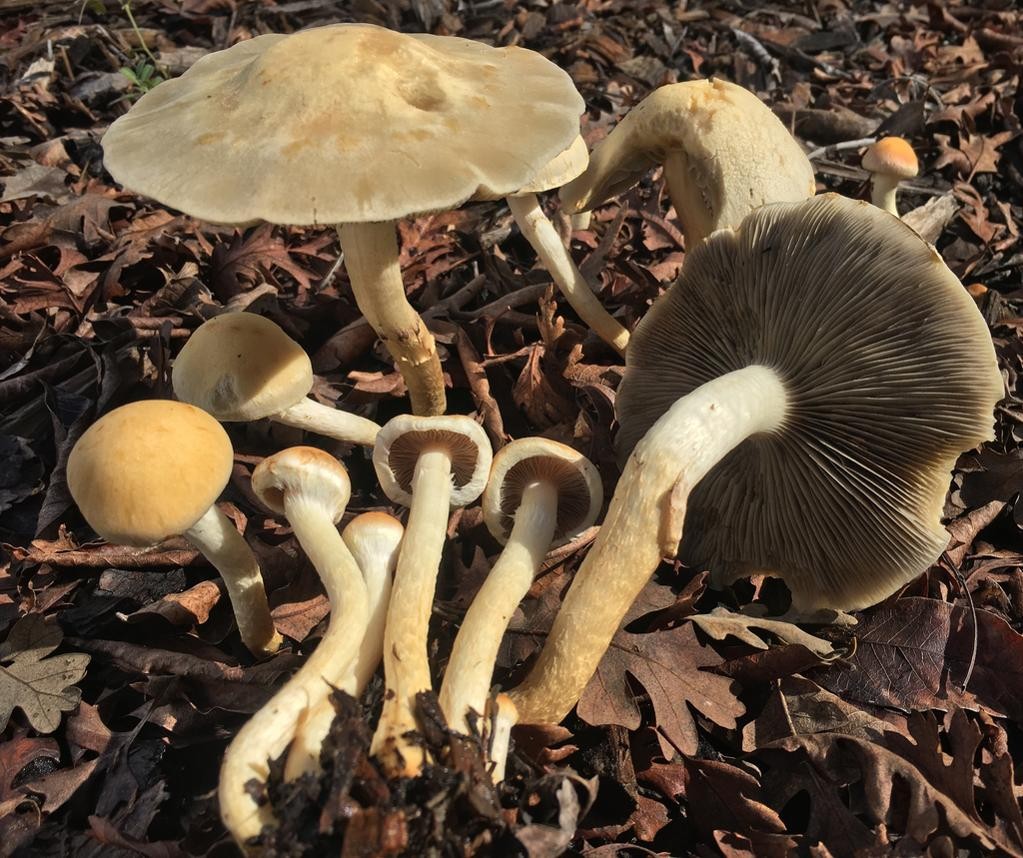
8. Leratiomyces percevalii
Leratiomyces percevalii mushrooms grow on the Pacific coast from summer to winter. They are frequently seen in urban areas, on woodchips, grassy fields, and waste areas, or along the sides of roads and trails. Very little is known about the edibility of this species, so don't risk it!
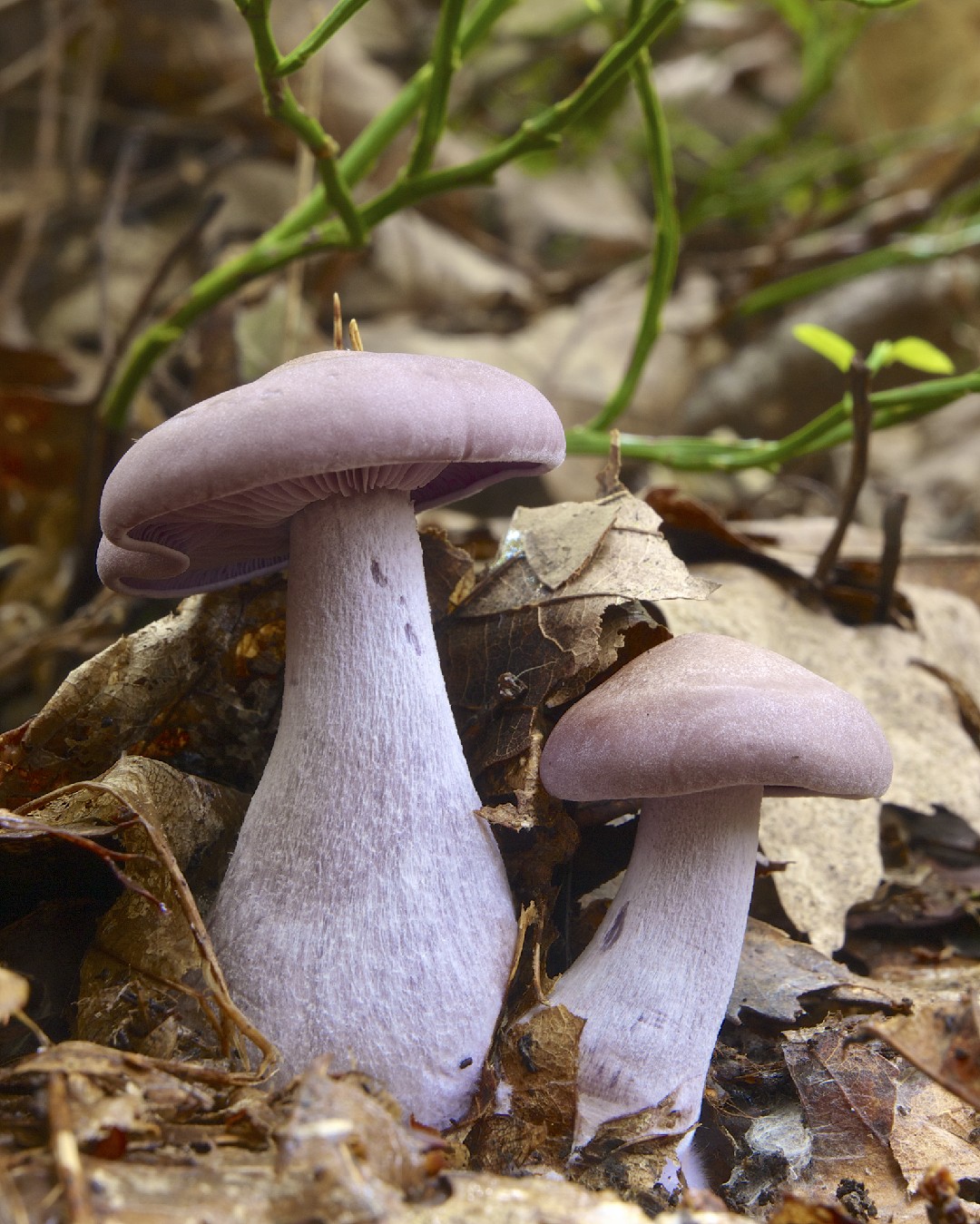
9. Blewit
The blewit mushroom grows in fallen leaves in autumn and winter, sometimes appearing in ‘fairy ring’ circles. It can be used to make a green dye when chopped and boiled in an iron pot. The scientific name, Lepista nuda, derives from Latin words meaning “bare goblet,” a reference to the shape and texture of the mushroom.
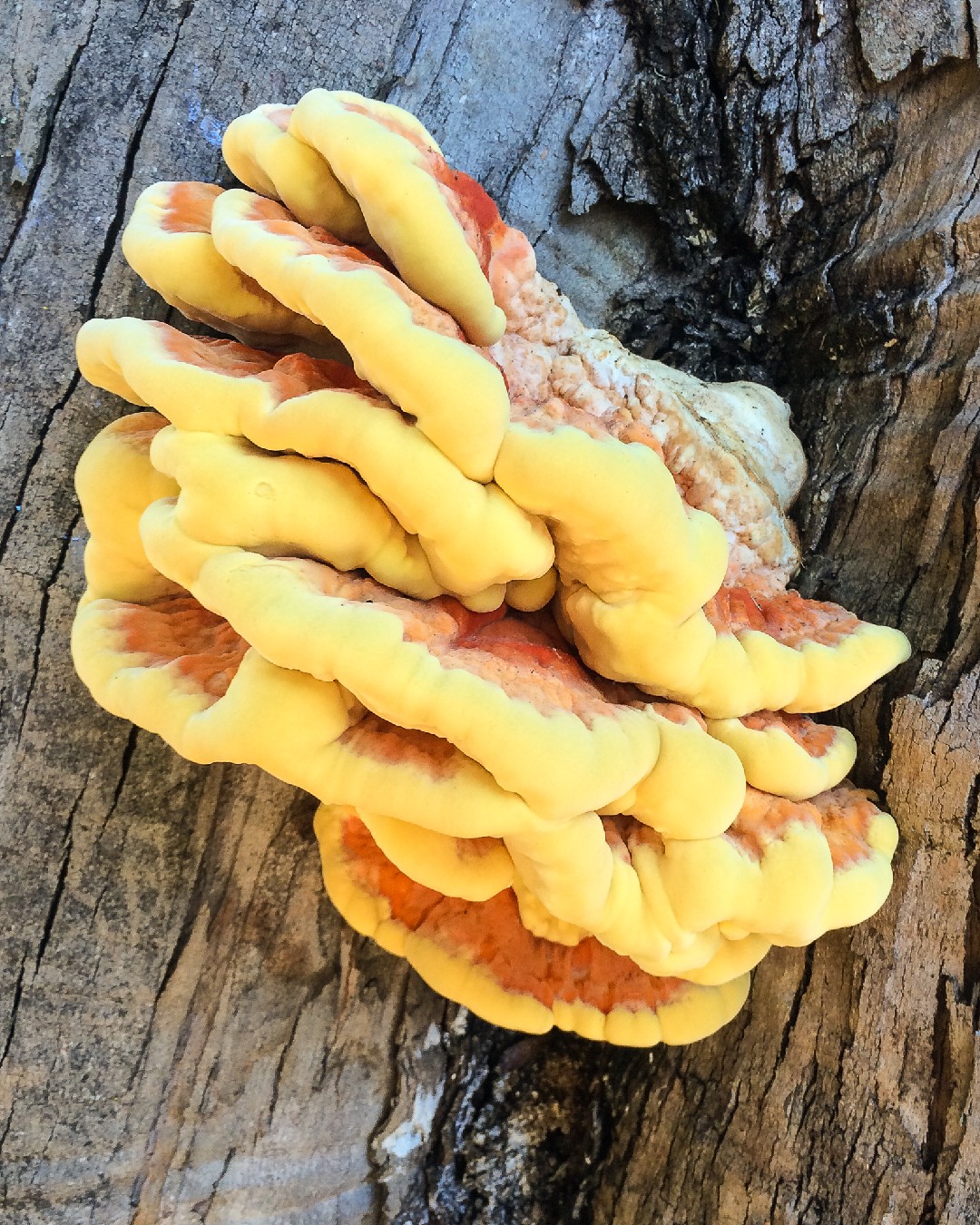
10. Chicken-of-the-woods
Chicken-of-the-woods is a brightly-colored polypore related to the famed Chicken-of-the-Woods (Laetiporus sulphereus). The species are so closely related, that it was not until the 2000s that mycologists considered them to be distinct. Unlike its famed relative, the species is not considered a choice edible - there are conflicting reports as to its edibility, with some probable cases of gastrointestinal distress noted.

More







