




Top 20 Most Common Mushrooms in Clayton
Welcome to our exploration of Clayton, a region known for its thriving biodiversity, particularly, its rich abundance of mushroom species. Housing the 20 most common mushroom in the United States, Clayton serves as a hotbed of fascinating fungal growth where mushroom lovers converge. Join us, as we delve deep into the fungi flora unique to this region.

Most Common Mushrooms
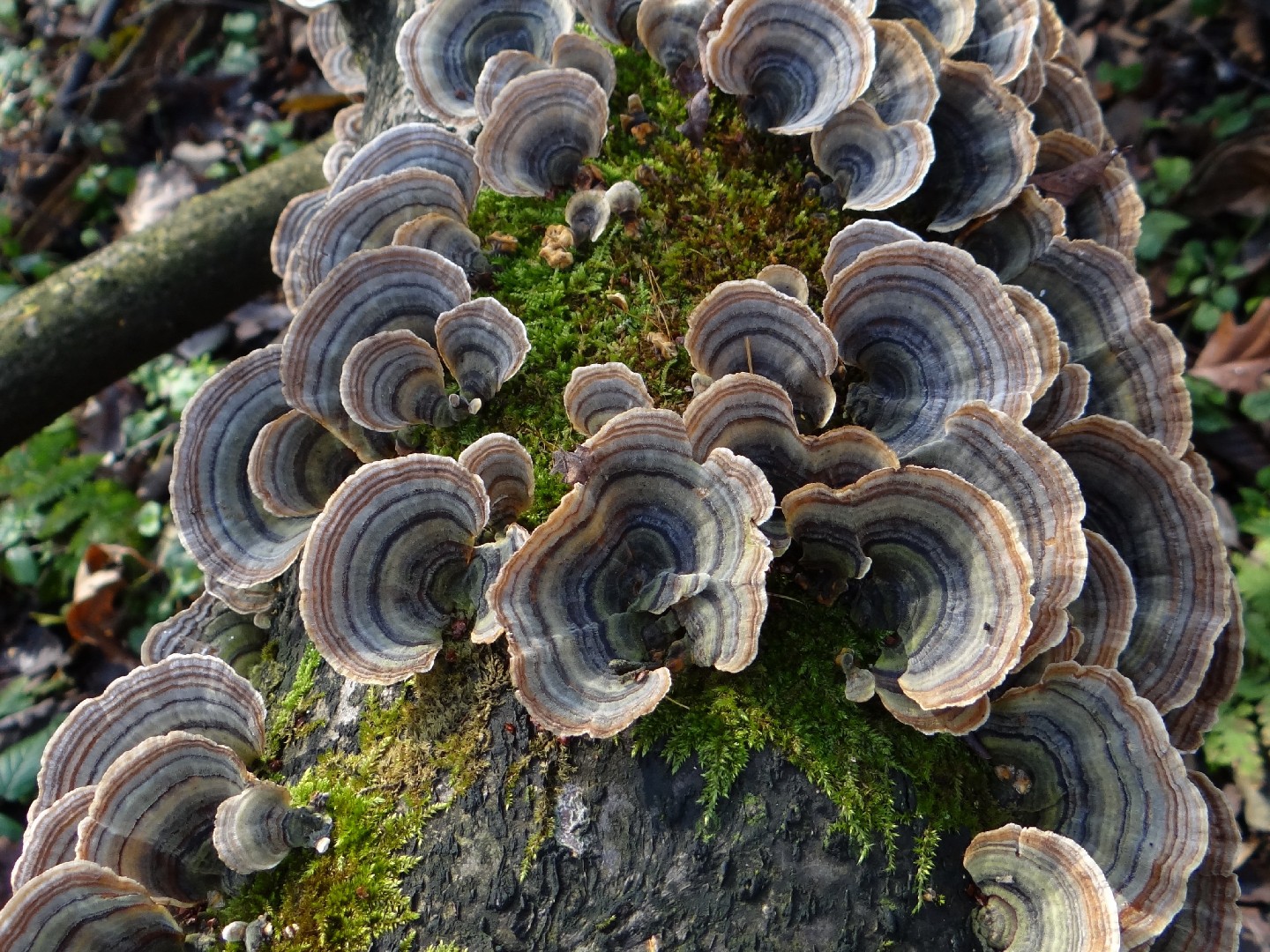
1. Turkey tail
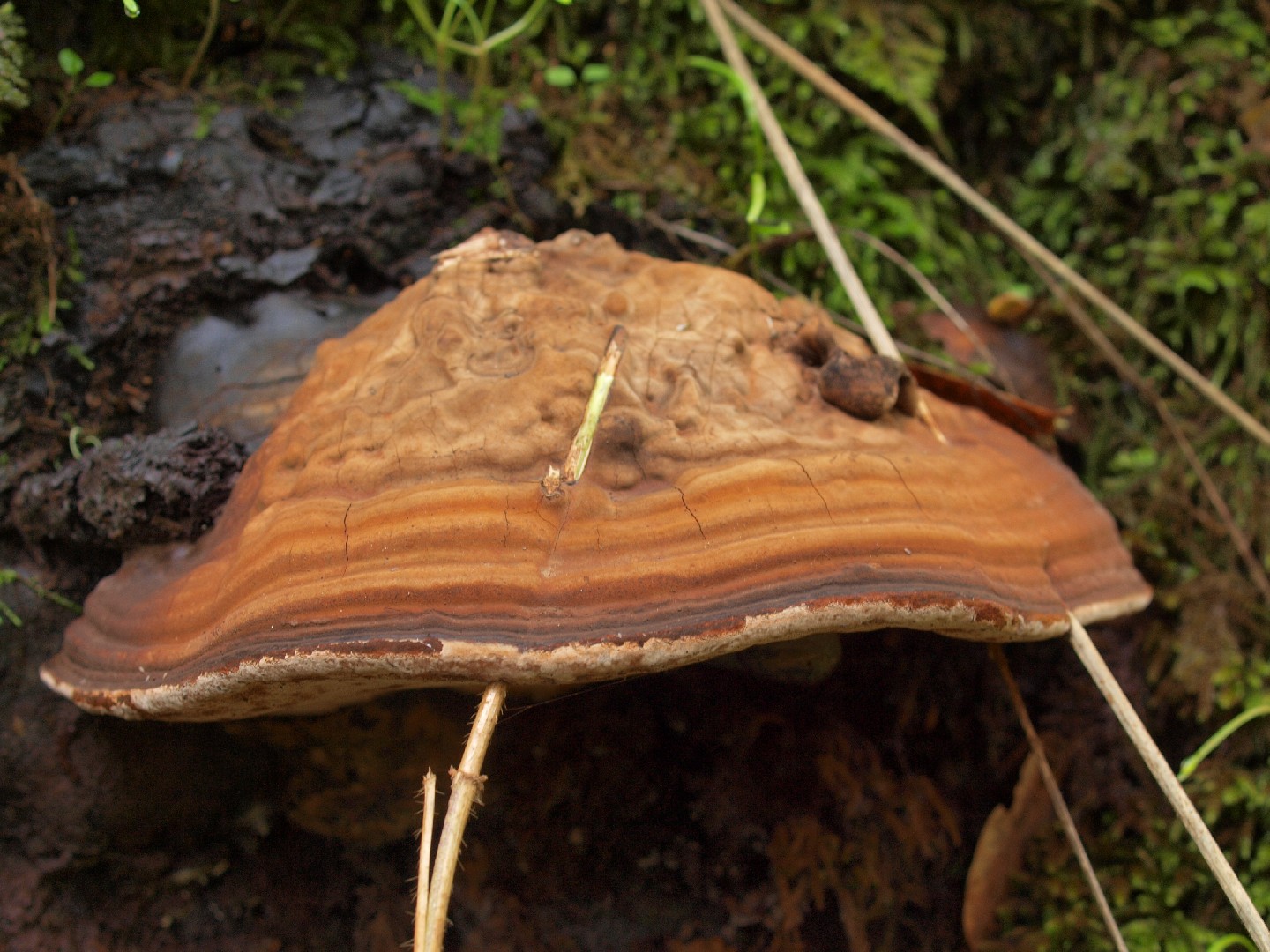
The distinctively-striped turkey tail fungus grows on stumps and logs all over the forests of the northern hemisphere. It is, in fact, probably the most common species you will find. That doesn't mean this mushroom is plain, however; each cap is uniquely patterned. Look for bands of alternating textures as well as color.
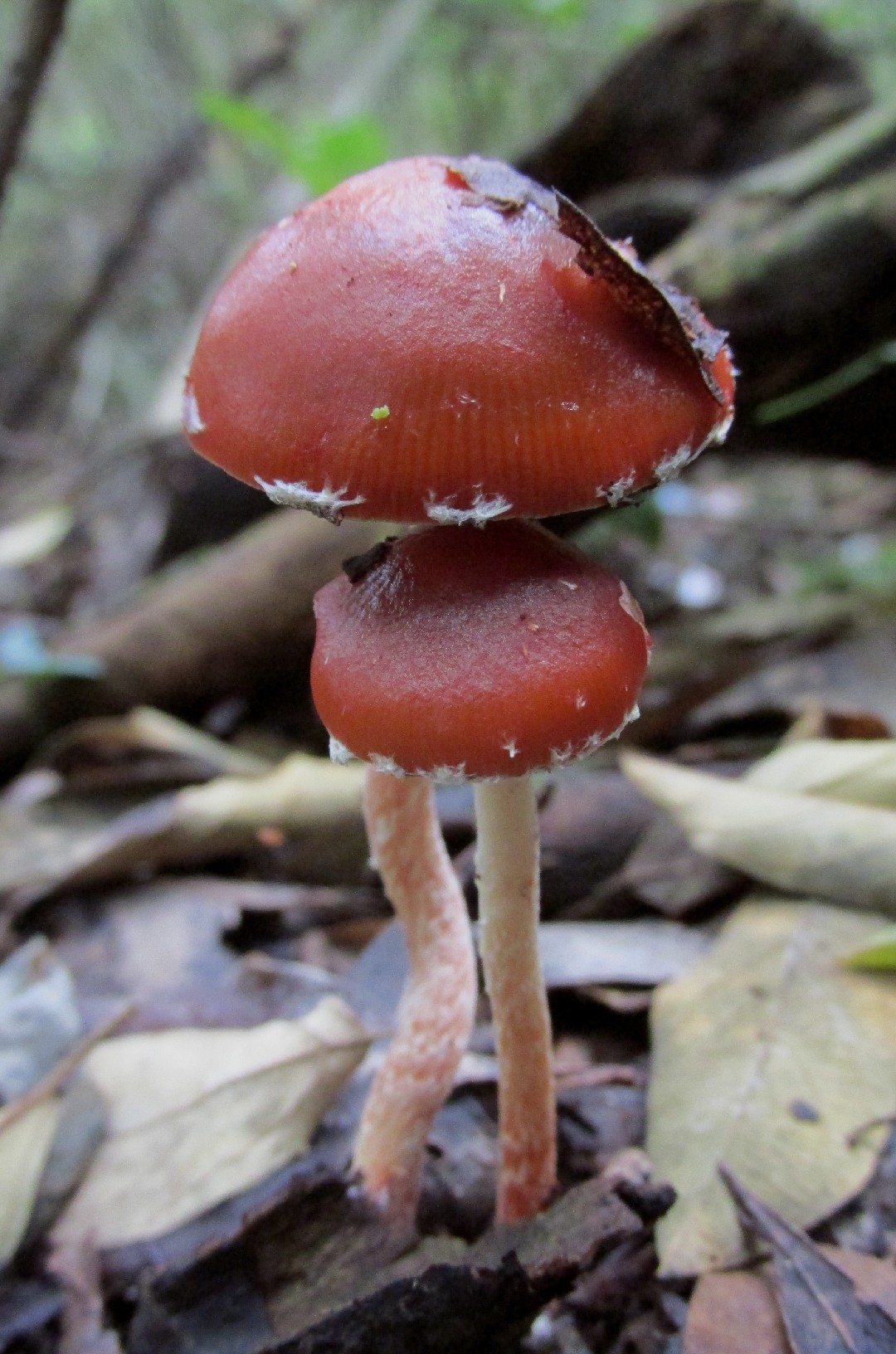
2. Redlead roundhead
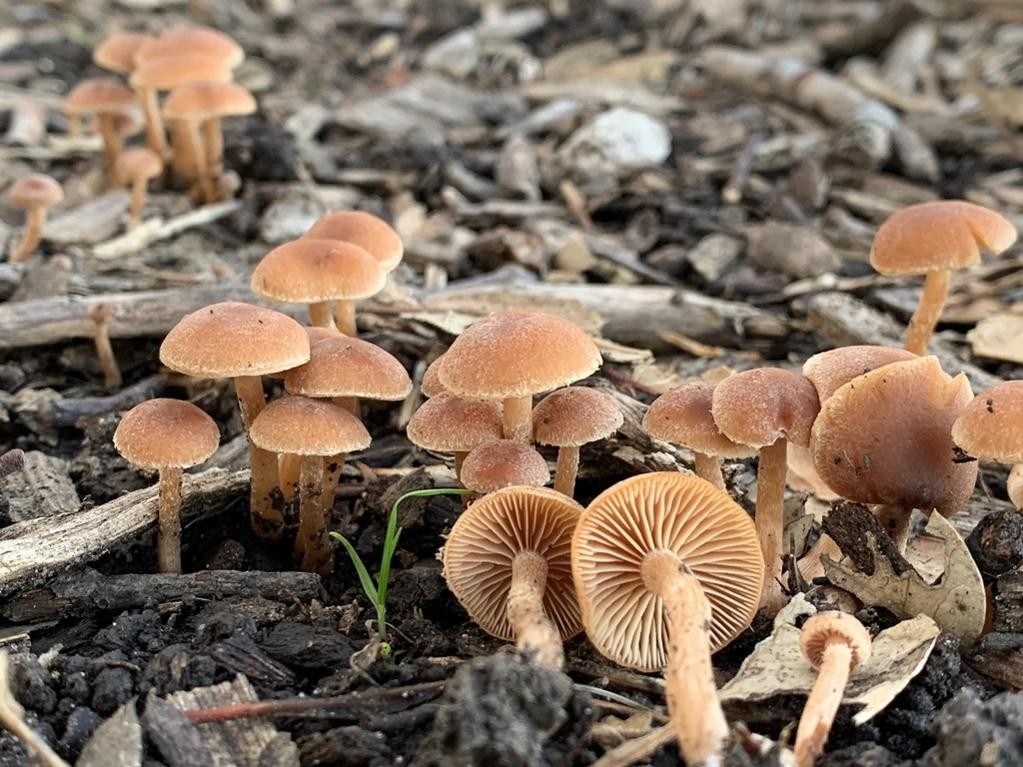
This colorful mushroom grows most commonly on woodchip mulch and in sandy pine forests of coastal areas around the world. The redlead roundhead is believed to have originated in Australia. It may look pretty enough to eat, but don’t; it is bitter, toxic, non-digestible, and likely to cause an upset stomach.
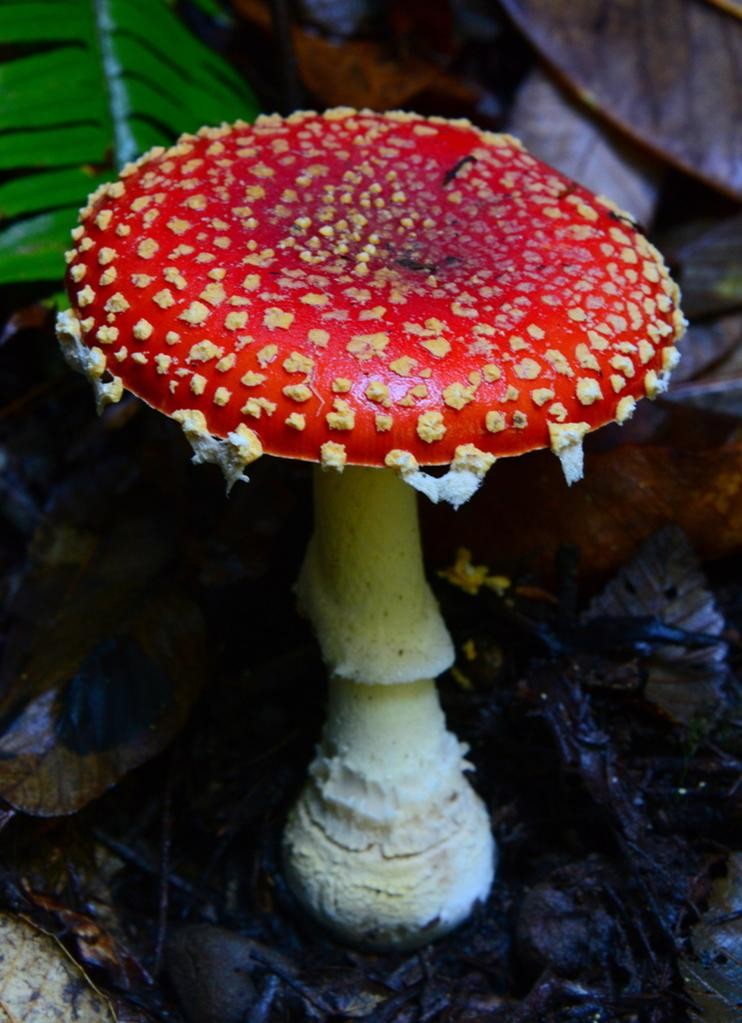
3. Fly agaric
In Northern Asia and Europe, fly agaric grows under trees near the winter solstice and is collected for ritual use tied to the season. Its characteristic shape and coloring are still ubiquitous in many European fairy tale illustrations and Christmas traditions. It is highly toxic.
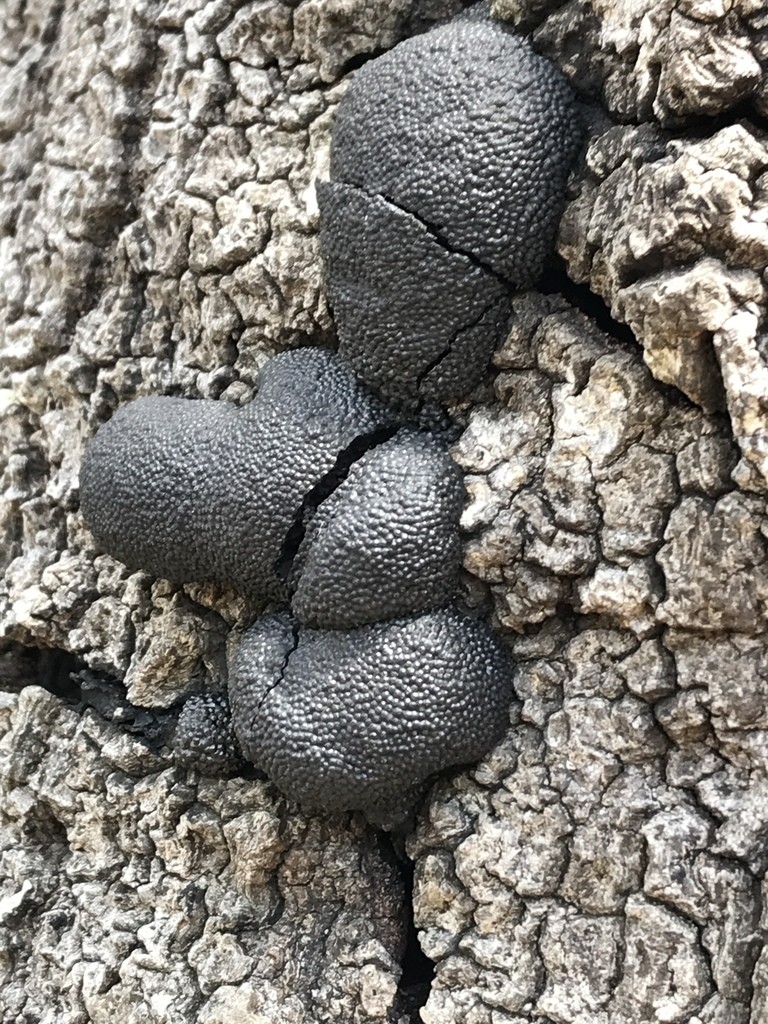
4. Cramp balls
Most commonly found on the surface of dead or dying oak trees, the pathogenic fungus cramp balls(Annulohypoxylon thouarsianum) is seen as an indicator of the health of any individual oak. The rapid proliferation of Sudden Oak Death, a blight increasingly common in the northwestern United States, has led to an increase in appearance of this fungus there.
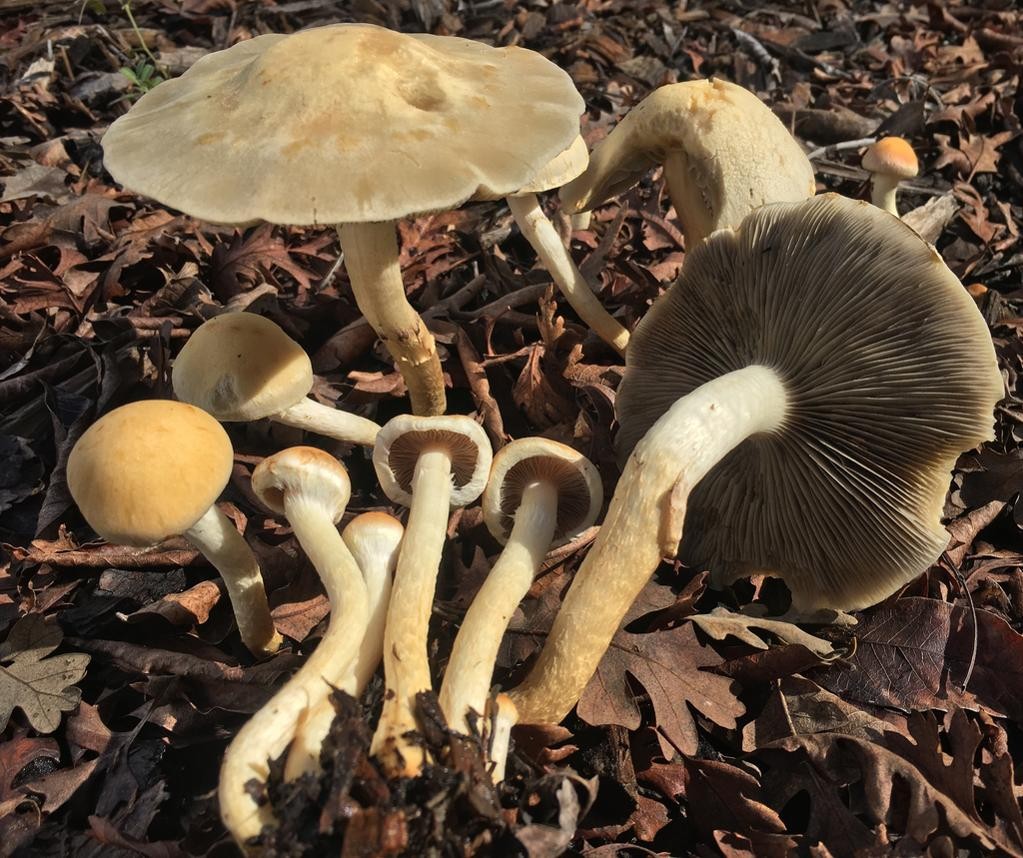
5. Leratiomyces percevalii
Leratiomyces percevalii mushrooms grow on the Pacific coast from summer to winter. They are frequently seen in urban areas, on woodchips, grassy fields, and waste areas, or along the sides of roads and trails. Very little is known about the edibility of this species, so don't risk it!
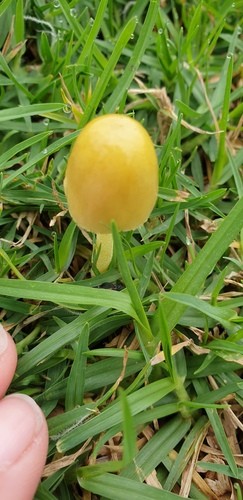
6. Yellow fieldcap
Yellow fieldcap can be found across Europe and North America, with dung patties or heavily-manured fields being its favorite fruiting habitat. The species sometimes goes by the common name Yellow Fieldcap because its young cap sports a bold yellow or golden hue (that color often fades as the mushroom cap matures and flattens). Yellow fieldcap is not know to be edible.
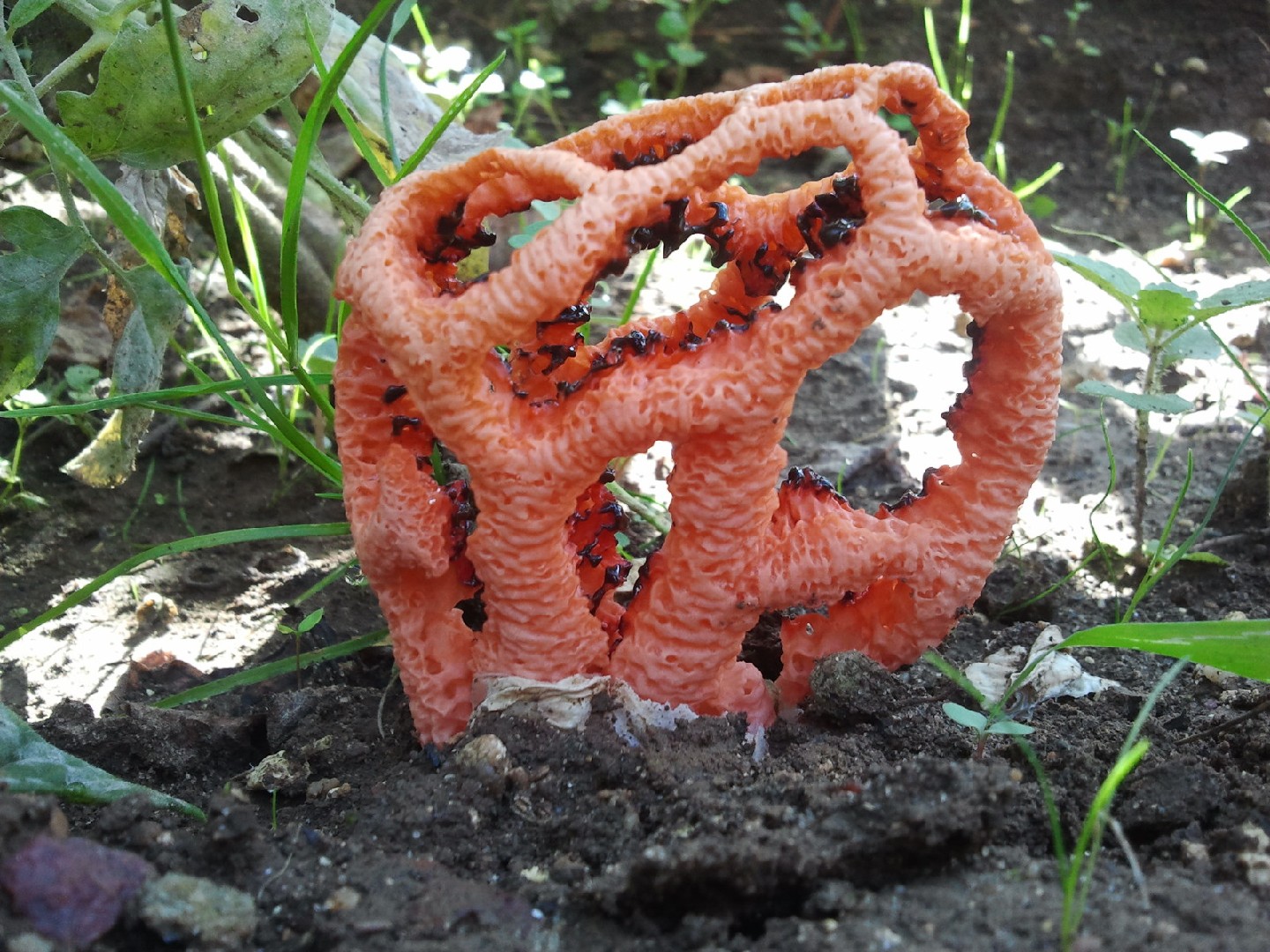
7. Red cage
The red cage is a highly distinctive mushroom with a wild shape, even for a stinkhorn. Its fruitbody grows as a hollow, latticed structure, usually red or pinkish in color, that gives it the appearance of a rubber or plastic children's toy. A true stinkhorn, this species secretes a pungent-smelling slime that attracts flies - but repels humans!
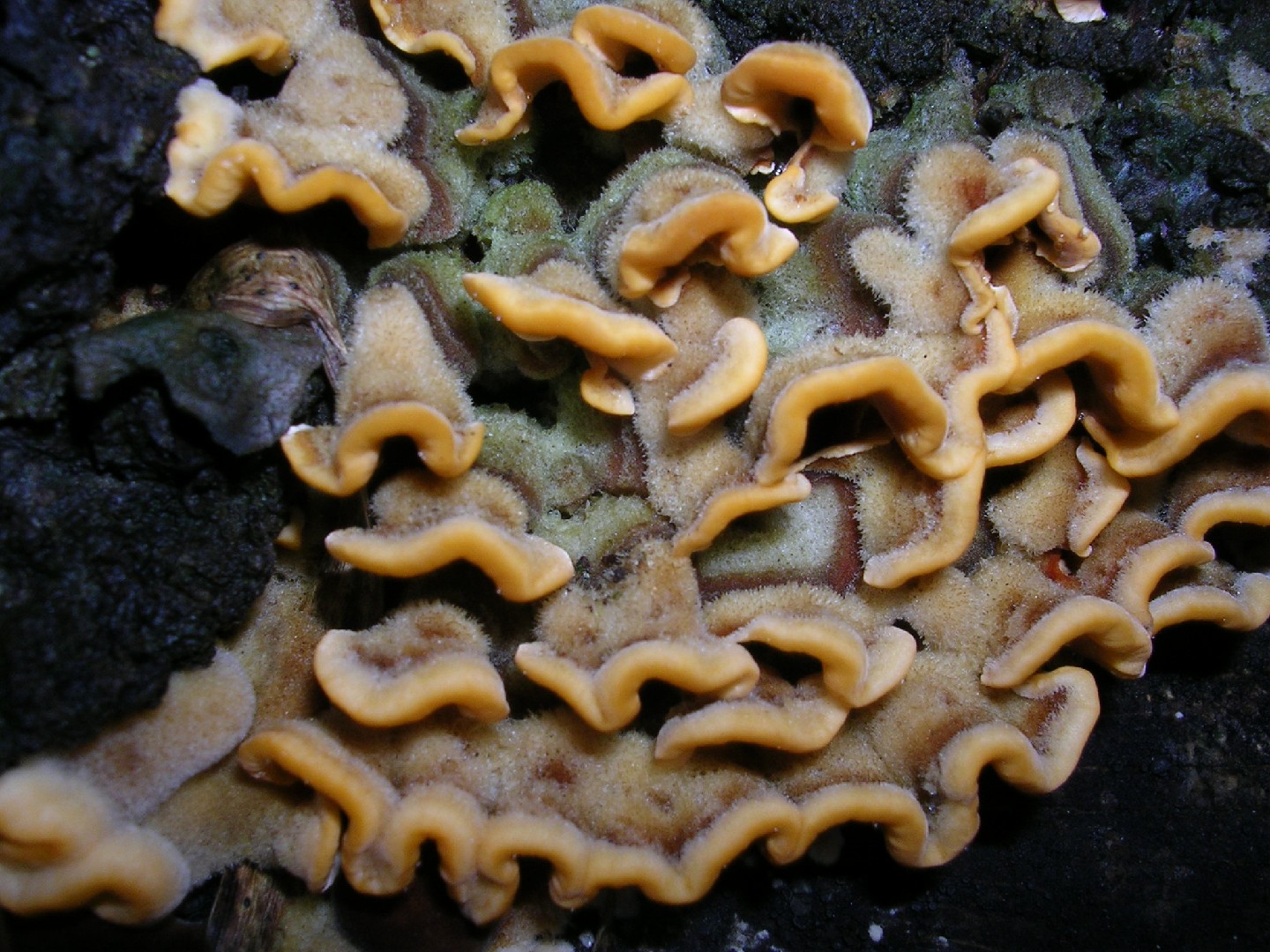
8. Hairy curtain crust
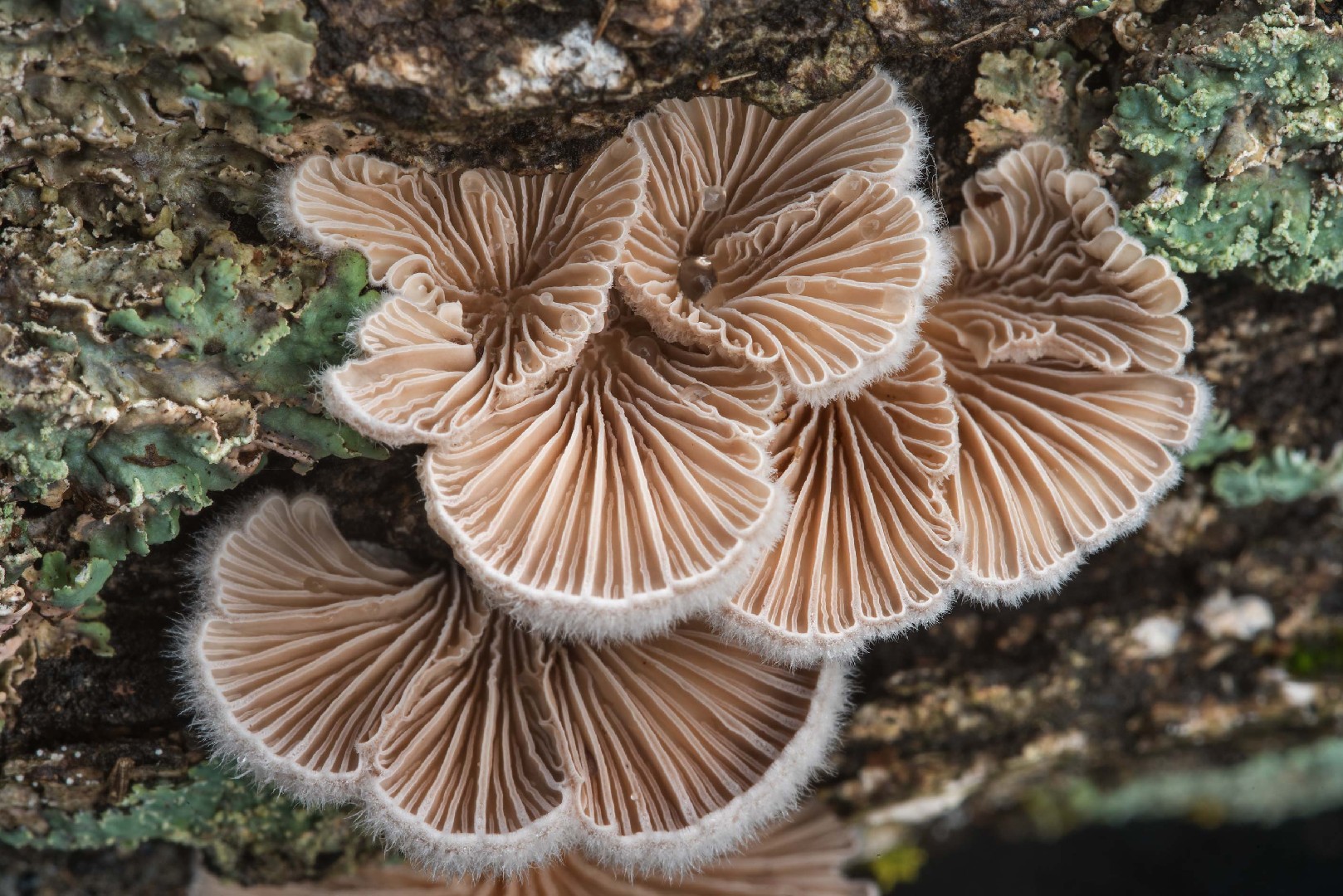
This clustered, overlapping fungus is found all over the world, and is considered native across both the northern and southern hemispheres. Both its common name, hairy curtain crust, and its scientific name, Stereum hirsutum, aptly describe its most obvious features: it is quite tough (stereum) and the younger fruitbodies are notably hairy (hirsutum).
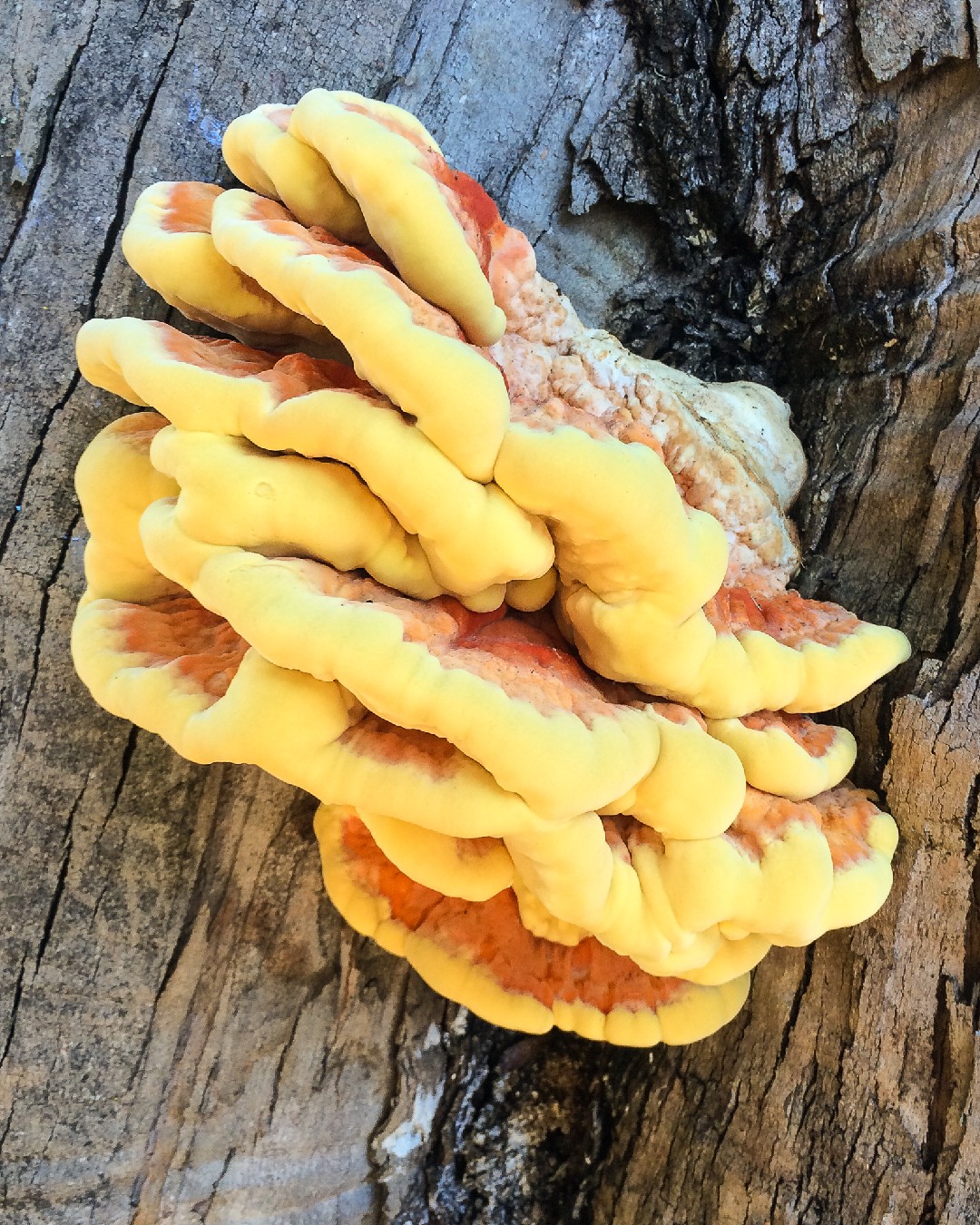
9. Chicken-of-the-woods
Chicken-of-the-woods is a brightly-colored polypore related to the famed Chicken-of-the-Woods (Laetiporus sulphereus). The species are so closely related, that it was not until the 2000s that mycologists considered them to be distinct. Unlike its famed relative, the species is not considered a choice edible - there are conflicting reports as to its edibility, with some probable cases of gastrointestinal distress noted.
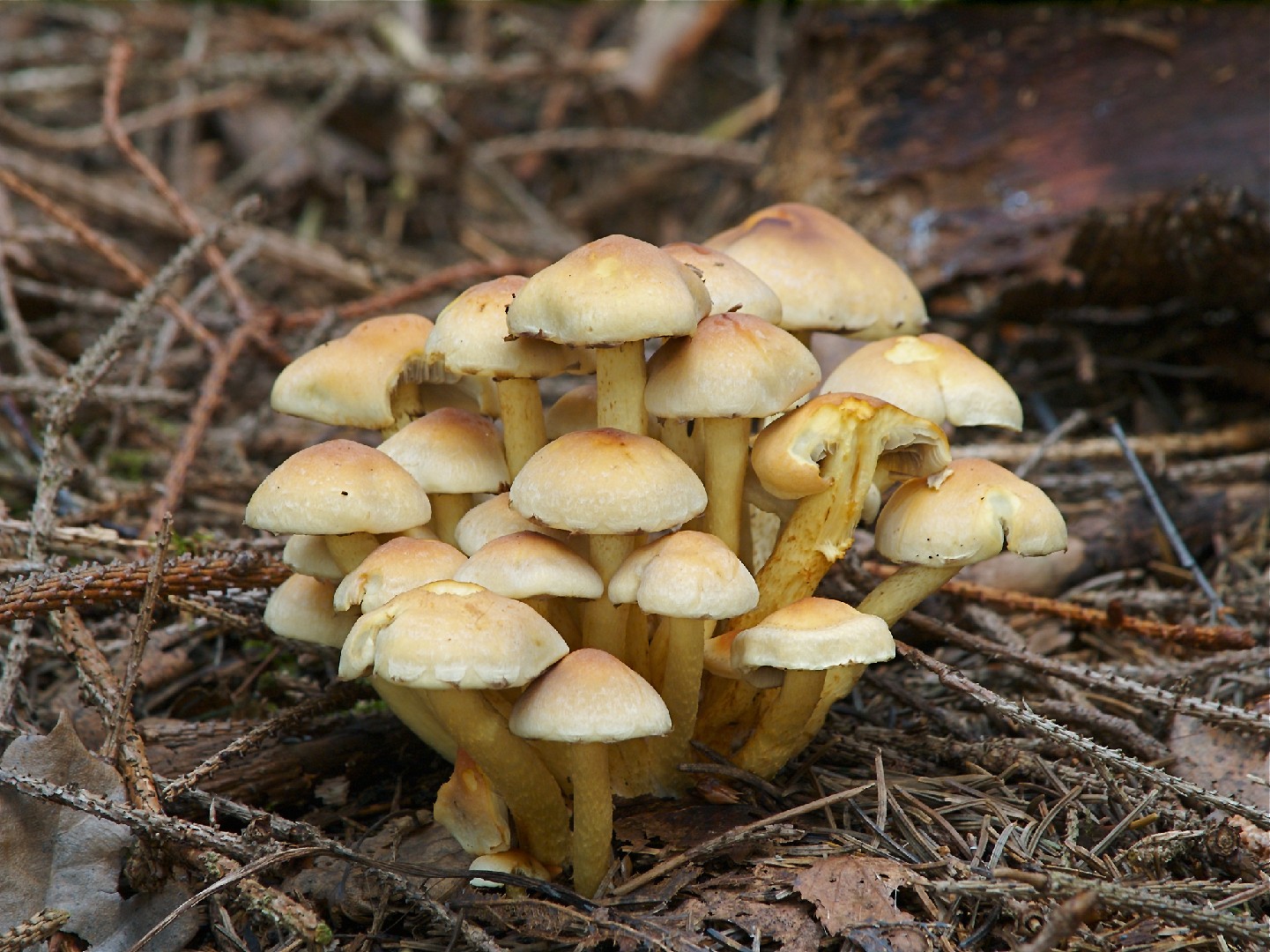
10. Sulphur tuft
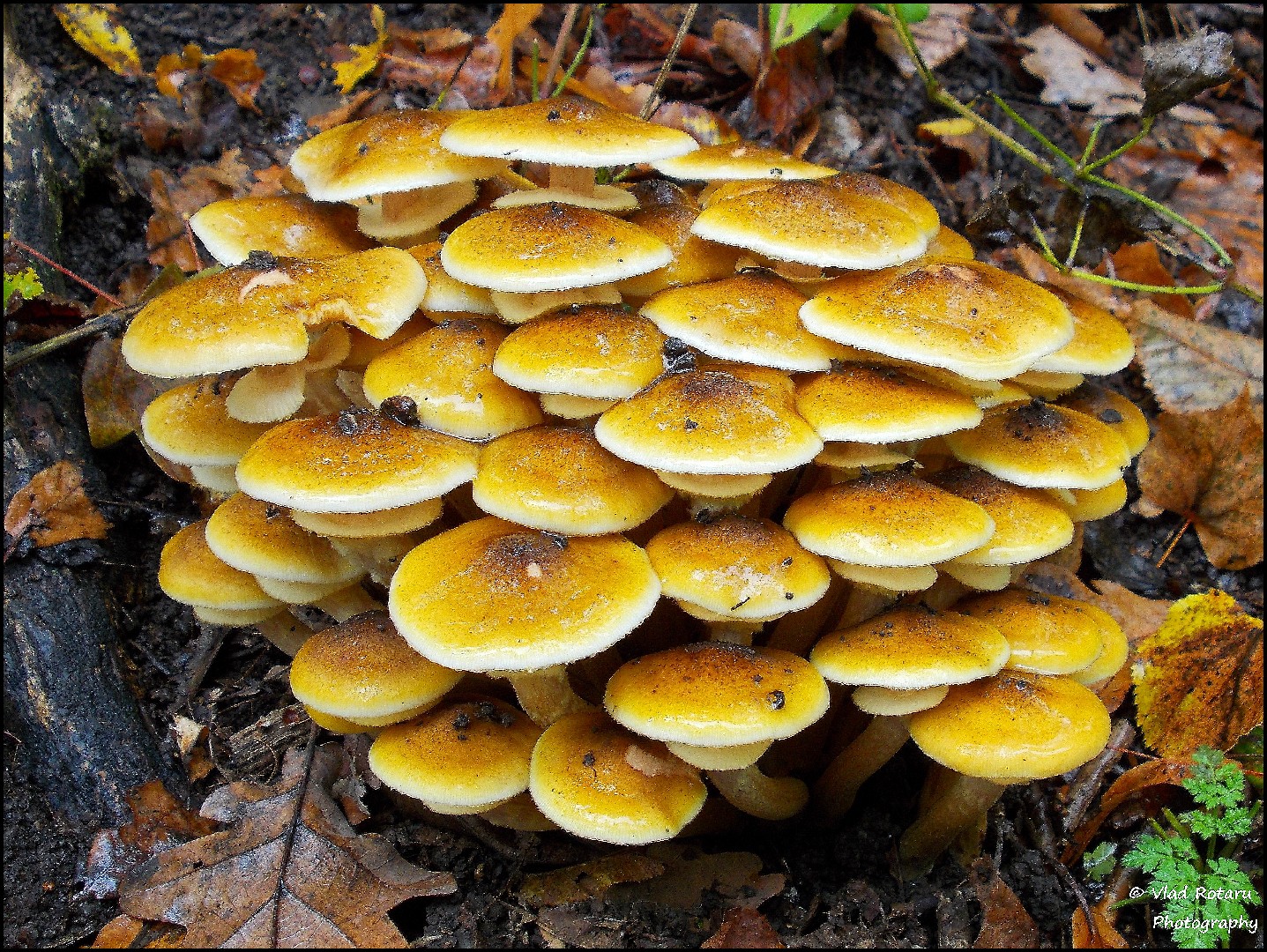
The sulphur tuft grows on rotting wood of all types of trees; it is a particularly efficient decomposer of hardwoods. The mushrooms appear from spring to autumn and are often so tightly packed that they interfere with each other’s shape. This poisonous mushroom can cause temporary paralysis, distorted vision, and stomach pain if consumed.
More







