




Top 20 Most Common Mushrooms in Logrono
Nestled in the lush expanse of northern Spain, Logrono offers an unparalleled breadth of mycological diversity. This verdant city, with its captivating landscapes, serves as a fertile breeding ground for a multitude of mushrooms. Enveloped in an ecological utopia, Logrono boasts of an extensive range of 20 common mushrooms. Each mushroom species perfectly celebrates this region's rich biodiversity, presenting a vibrant array of shapes, sizes, colors, and taste profiles. Enlighten yourself on the mycological treasures available in Logrono and embrace the wonders of nature's flavorful gifts.

Most Common Mushrooms
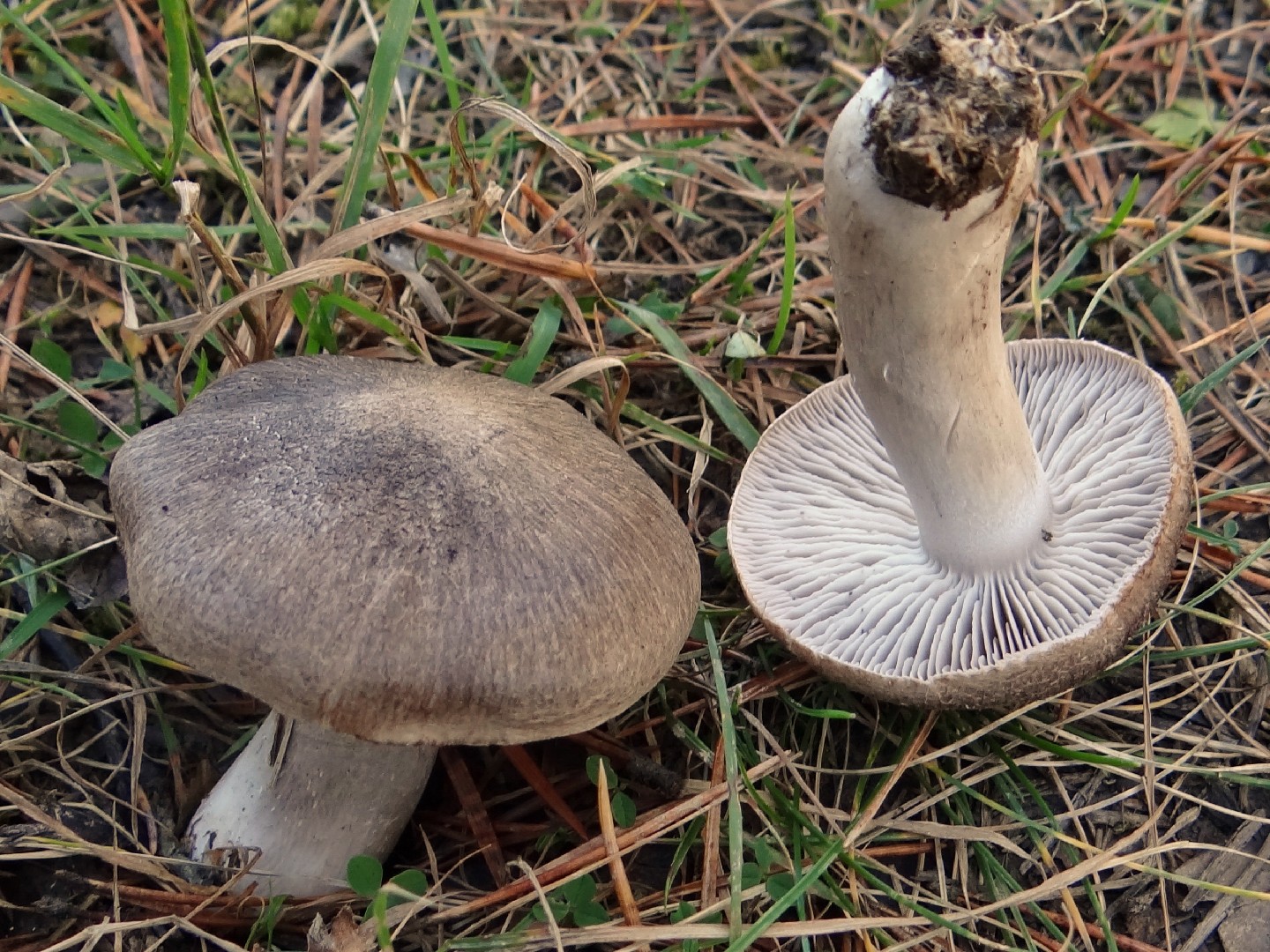
1. Grey knight
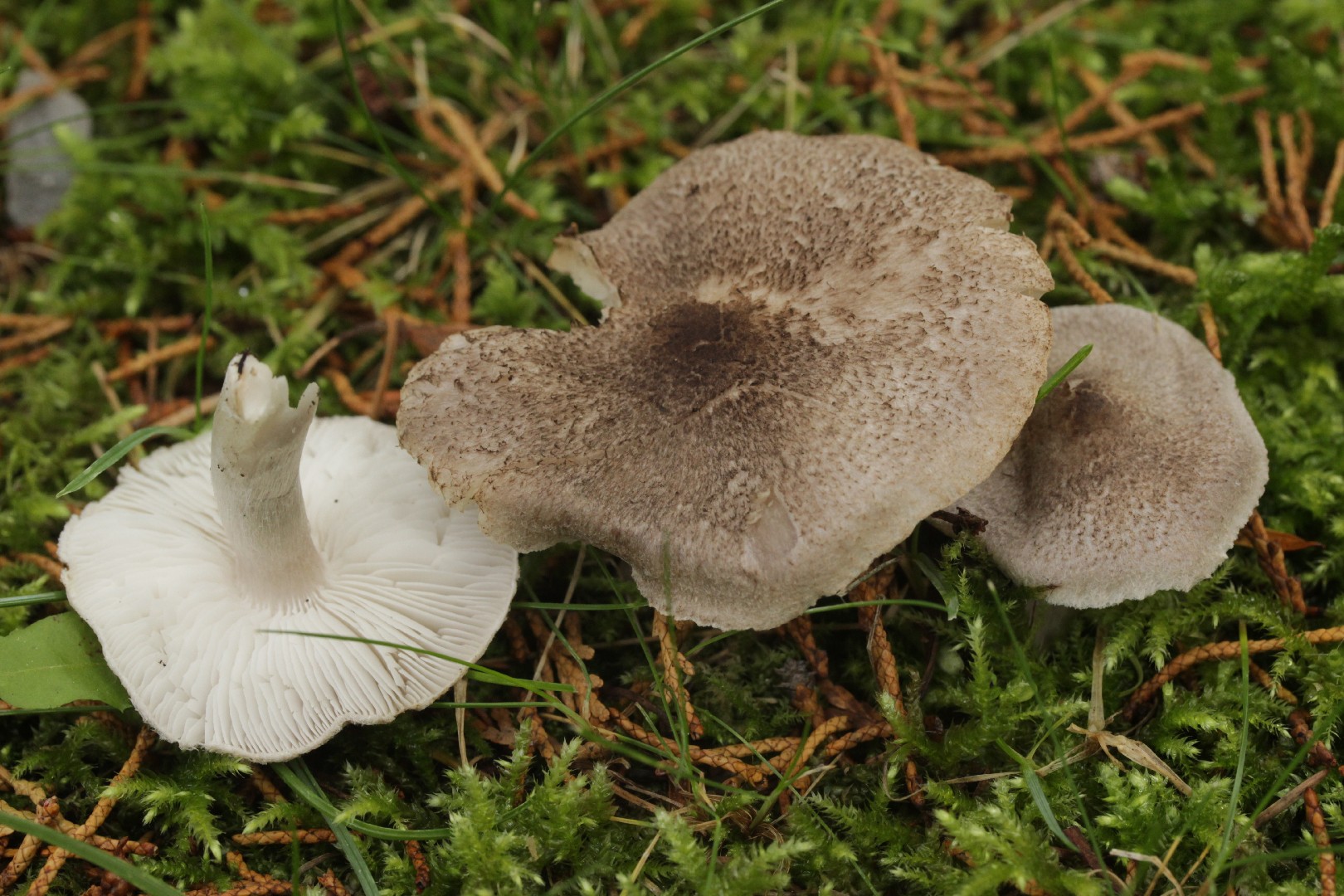
The wide-capped grey knight mushroom grows in large groups, mainly on the floor of coniferous forests. Foraging them for food is not recommended, as they contain a toxin that can cause kidney damage with repeated ingestion. They are also extremely difficult to distinguish from other grey and grey-brown mushrooms that are more immediately poisonous.
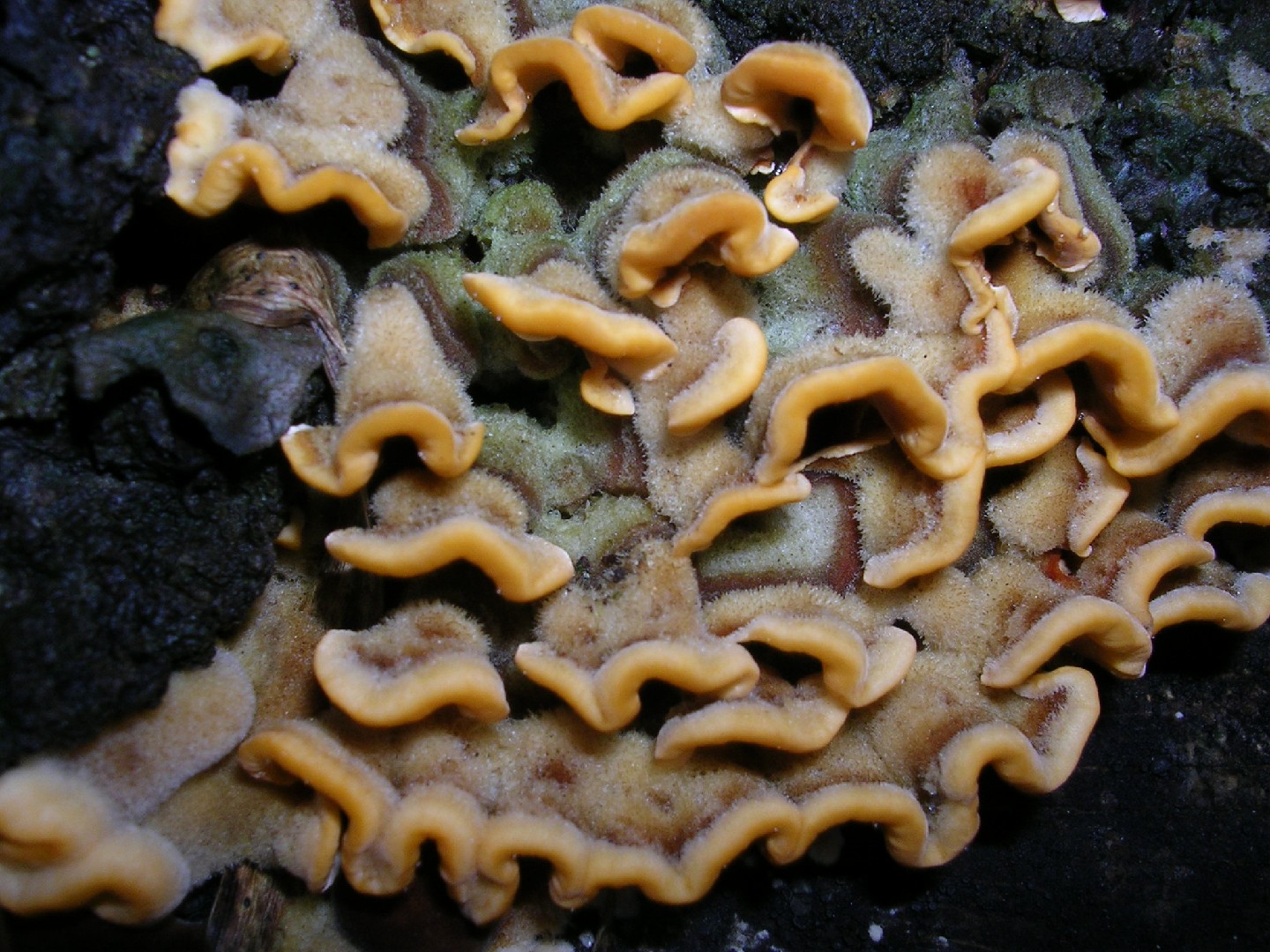
2. Hairy curtain crust
This clustered, overlapping fungus is found all over the world, and is considered native across both the northern and southern hemispheres. Both its common name, hairy curtain crust, and its scientific name, Stereum hirsutum, aptly describe its most obvious features: it is quite tough (stereum) and the younger fruitbodies are notably hairy (hirsutum).
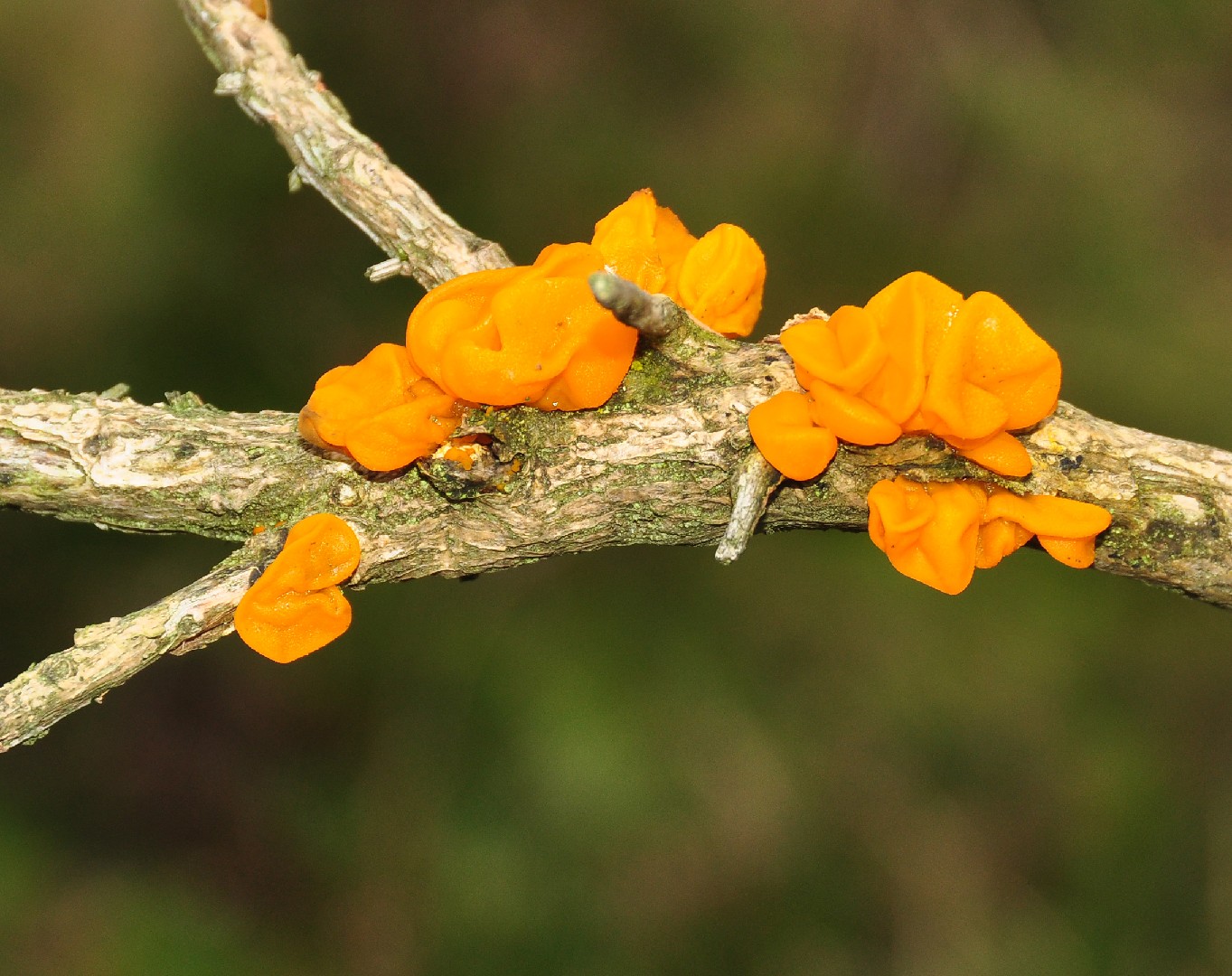
3. Witches' butter
Witches' butter (Tremella mesenterica) has an irregularly-shaped fruitbody that can be found growing on dead hardwood branches. It has a global distribution, being found in both temperate and tropical forests. Usually yellow in color, its hues may range from subdued lemon to bright canary.
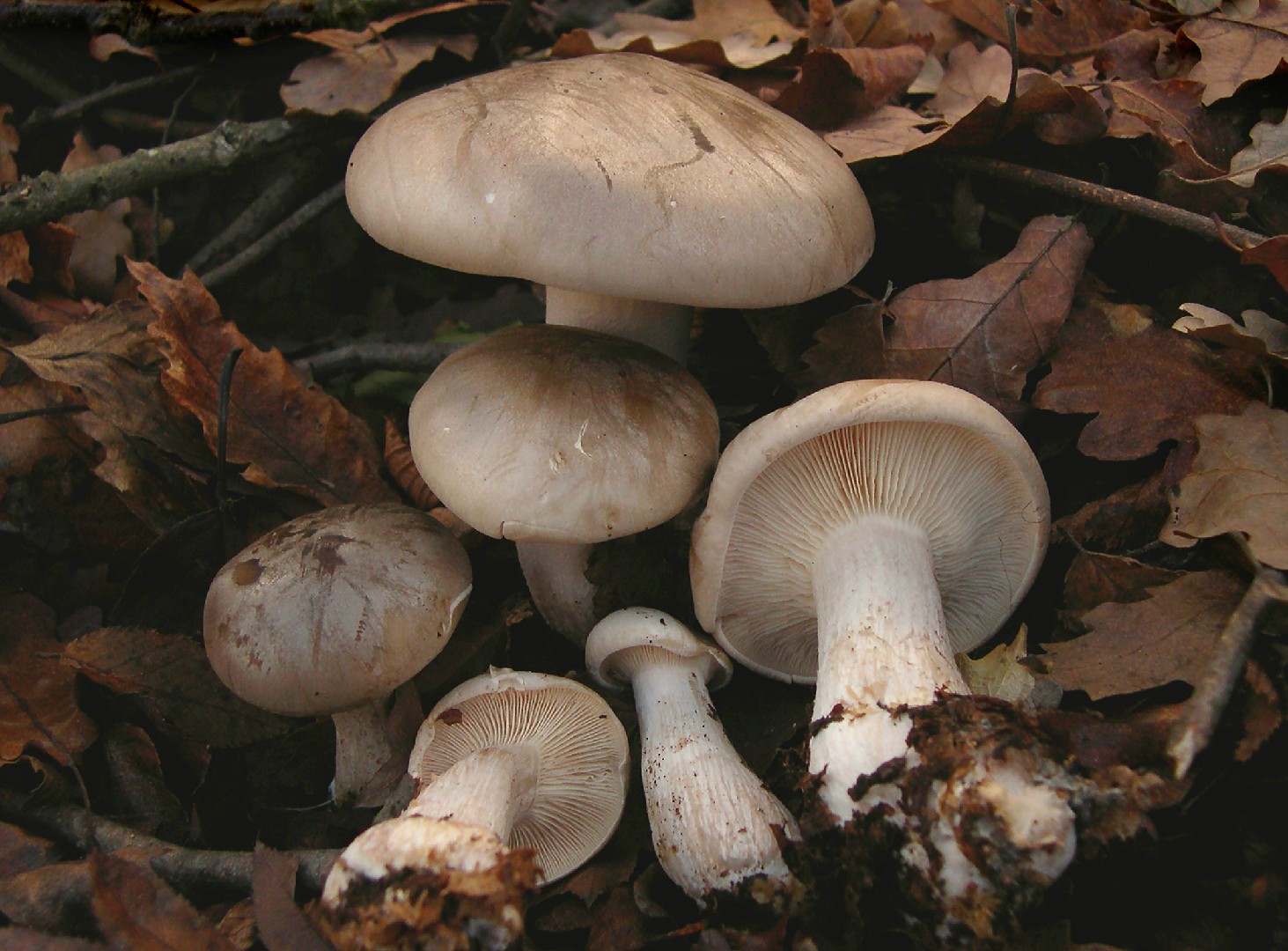
4. Clouded funnel
The mushrooms of the clouded funnel grow in rings on the forest floor across Europe and North America. In Britain and Ireland these have been called “fairy rings.” clouded funnels were once said to be edible, but modern research has found them to be mildly toxic and best avoided, as they cause extreme stomach upset in some people.
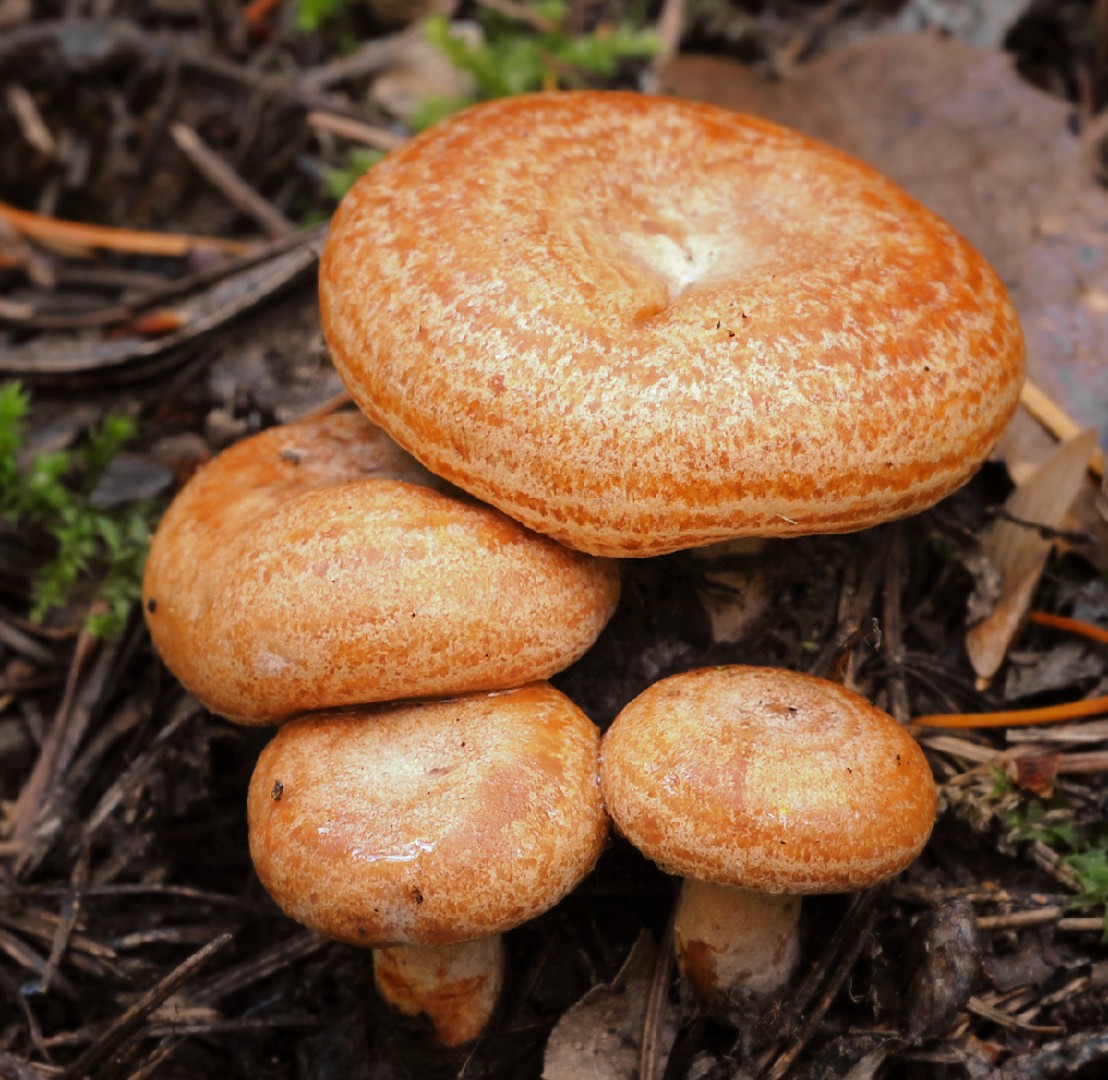
5. Saffron milk cap
Growing wild in the northern hemisphere and introduced to Australia, the saffron milk cap is found in pine forests during autumn. As the name implies, these mushrooms have been harvested for cooking for a long time. They have been known to cause stomach upset in some individuals, however, and carry a risk of being contaminated with heavy metals, so forage with caution.
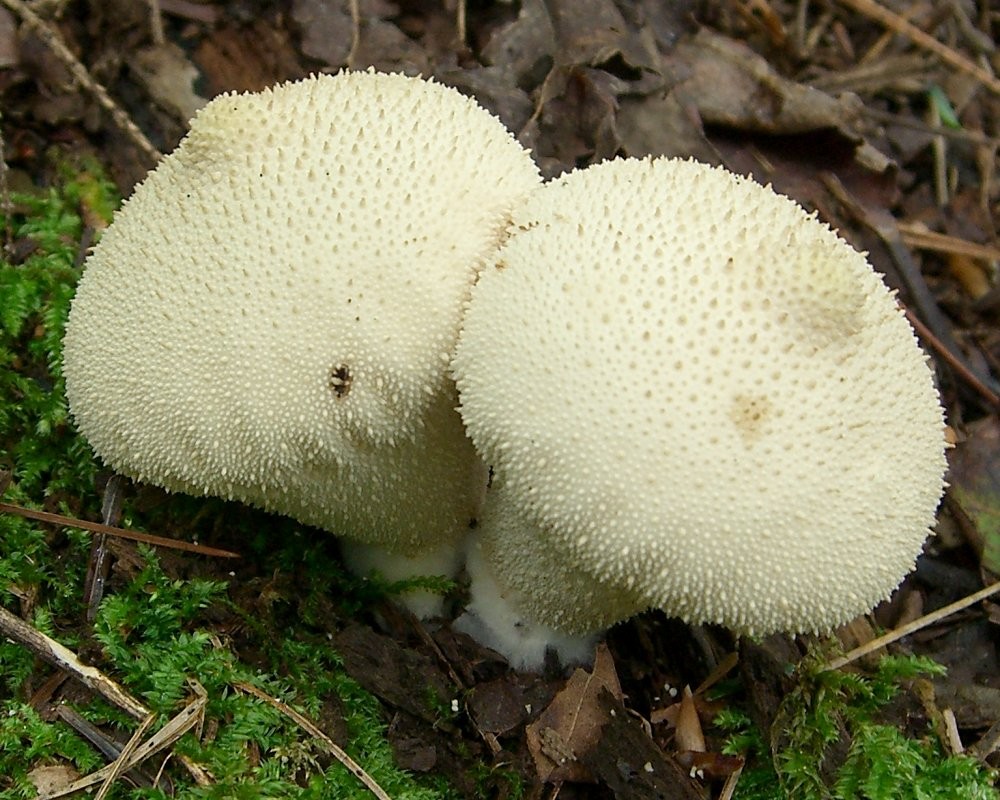
6. Common puffball
These puffy mushrooms grow in small groups on the forest floor. Once they're mature, common puffballs turn yellow and "puff out" smoke-like spore clouds when disturbed. Be very careful when identifying these mushrooms, as their young, immature form looks very similar to the lethal Deathcap.
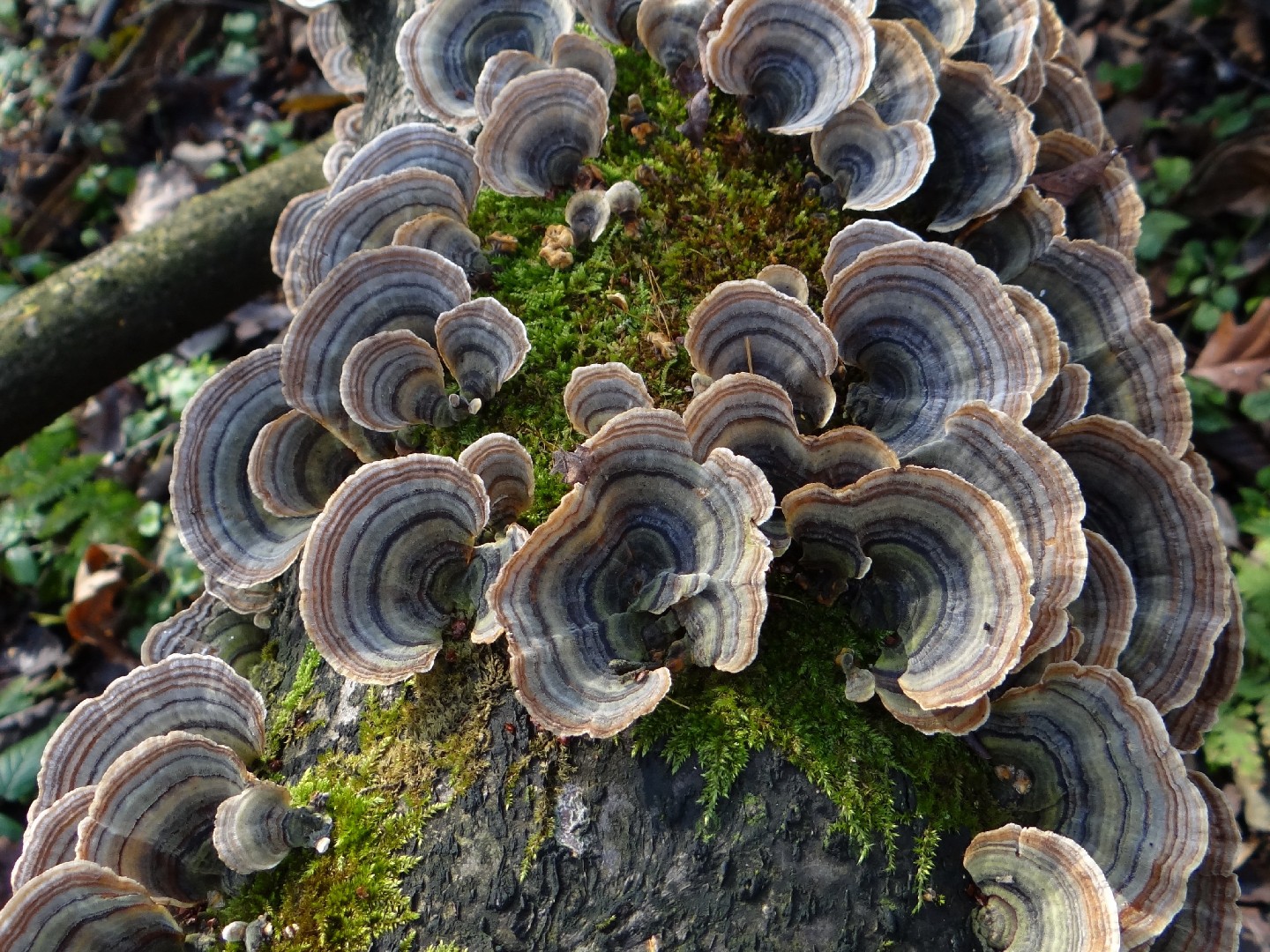
7. Turkey tail
The distinctively-striped turkey tail fungus grows on stumps and logs all over the forests of the northern hemisphere. It is, in fact, probably the most common species you will find. That doesn't mean this mushroom is plain, however; each cap is uniquely patterned. Look for bands of alternating textures as well as color.
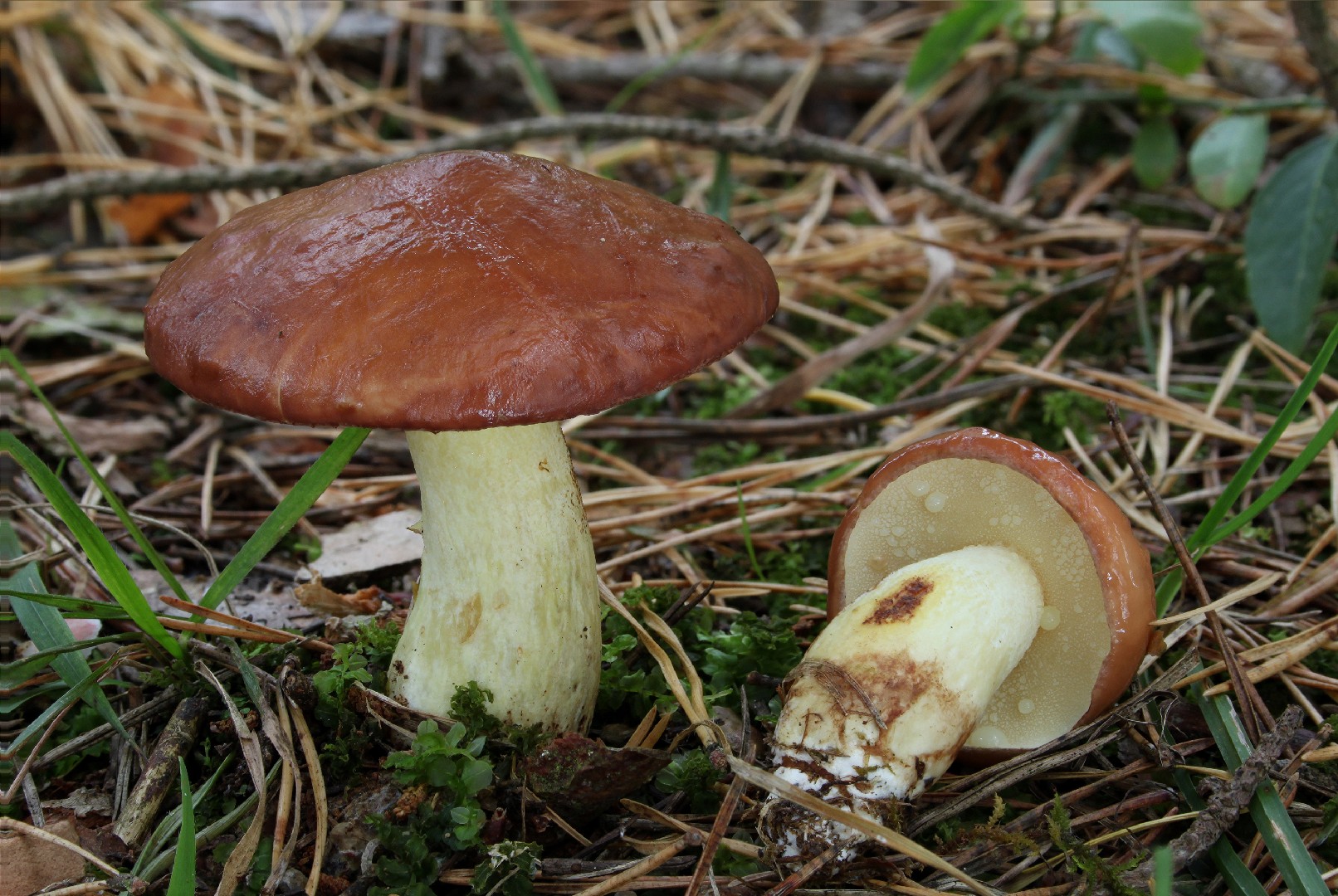
8. Weeping bolete
The weeping bolete features a greasy, sticky cap surface. When young, milky droplets are released through pores on its surface. It appears most commonly beneath Scots pine or other coniferous trees and forms a mutually beneficial relationship with its host.
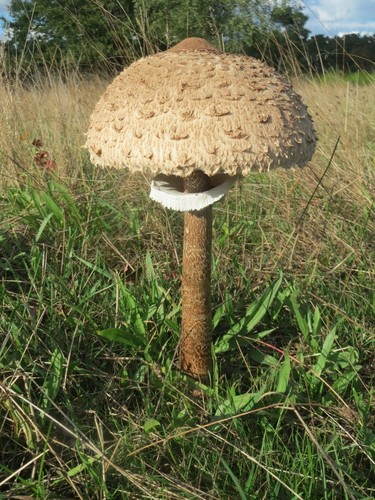
9. Parasol
Found in clearings and grassy areas in late summer, the wild parasol mushroom has a snakeskin-patterned stem. The brown spots on its cap make it look a bit shaggy, but that name is reserved for its poisonous counterpart, the Shaggy Parasol (Chlorophyllum rhacodes). You can distinguish the two by the stems: the latter has a smooth stem and red flesh inside.
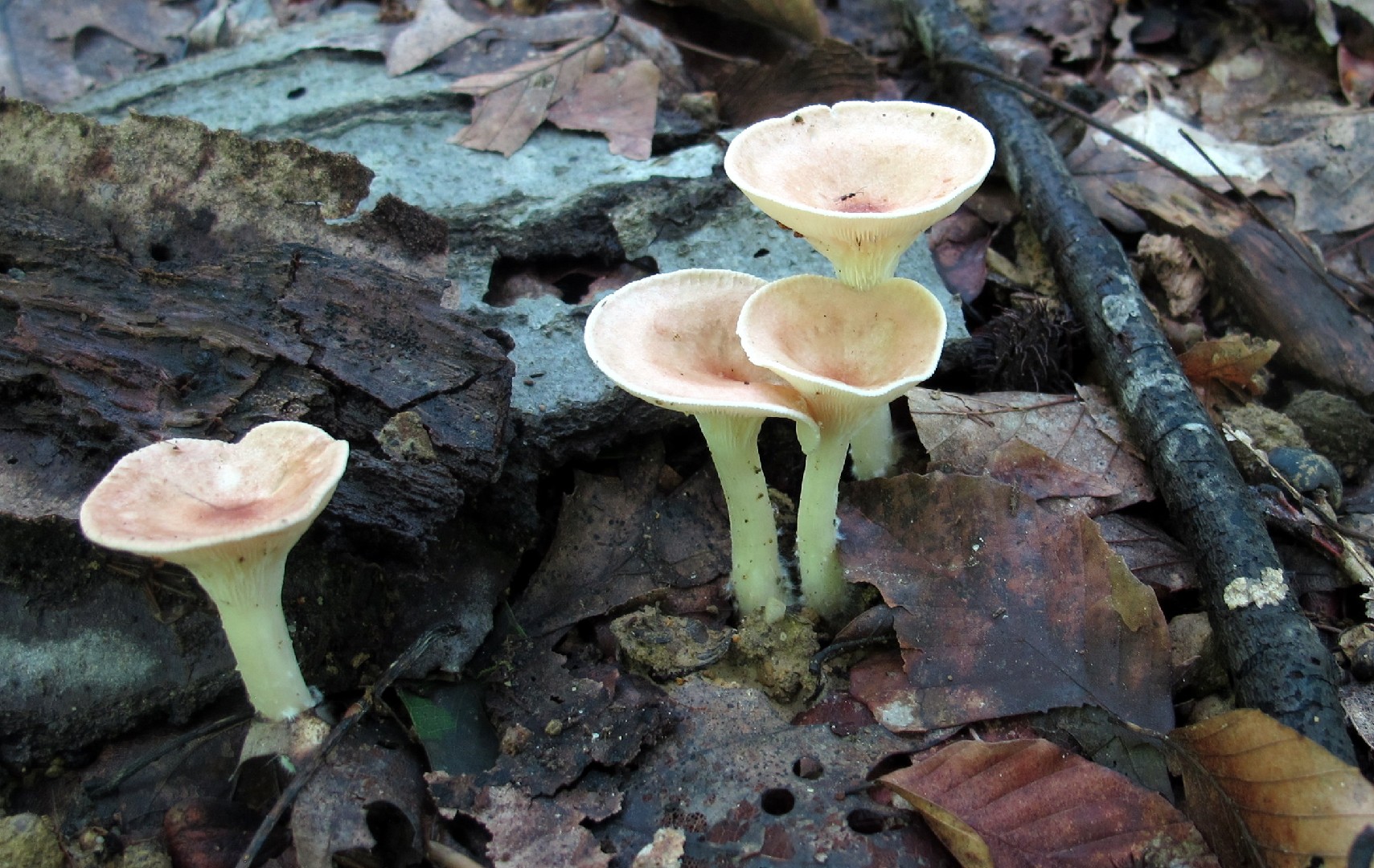
10. Common funnel
A common sight across European forests, and also seen in parts of Asia and North America, common funnel(Clitocybe gibba) is named for its delightfully evocative appearance. Preferring the company of groups, it is prone to forming fairy rings, historically thought to mark the dancing places of elves.


More







