




Top 20 Most Common Mushrooms in Brunico
Tucked away amidst the lush green forests of Brunico, thrives a rich species diversity in its undergrowth - mushrooms. A region bursting with natural beauty, Brunico provides the quintessential environment for mushroom growth boasting moist soil, plentiful shade, and organic debris. It's no wonder Brunico is renowned for its vast array of the 20 most common edible and medicinal mushroom varieties. Get ready for an epicurean adventure as we delve into getting to know these forest treasures better!

Most Common Mushrooms
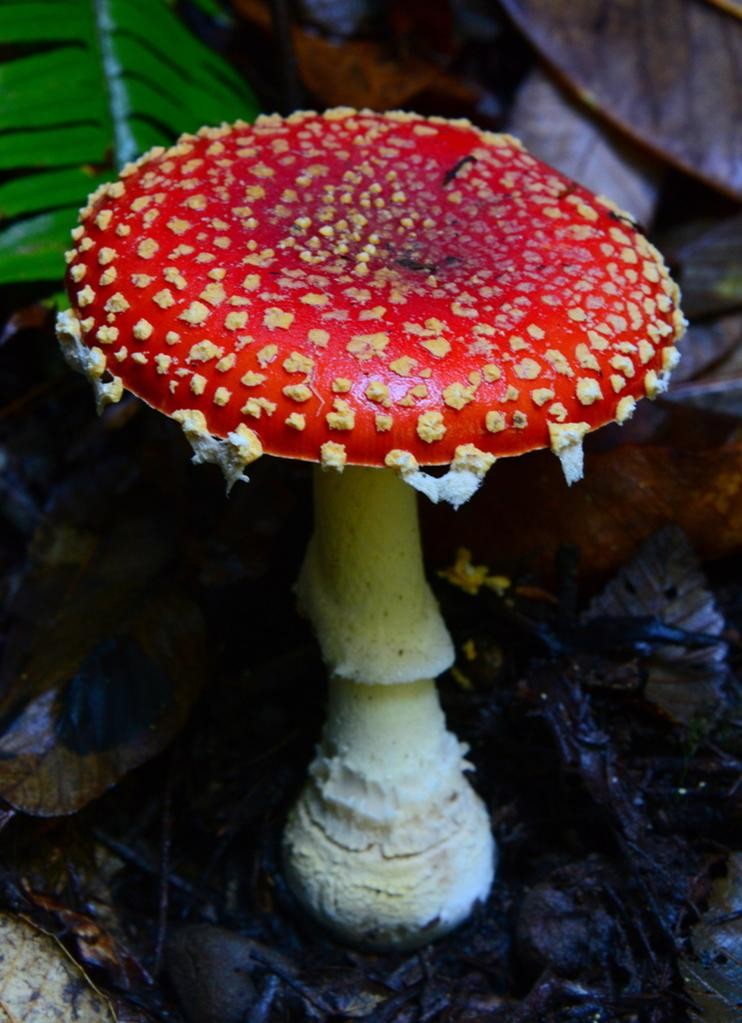
1. Fly agaric
In Northern Asia and Europe, fly agaric grows under trees near the winter solstice and is collected for ritual use tied to the season. Its characteristic shape and coloring are still ubiquitous in many European fairy tale illustrations and Christmas traditions. It is highly toxic.
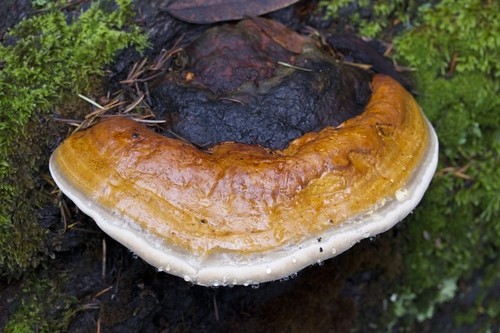
2. Red-belted conk
This bracket or shelf fungus grows for years on both living and dead conifer trees. Its annual growth creates distinctive rings or ridges, with a bright red or orange band separating the old layers from the current growth. Red-belted conk is only a danger to living trees if it colonizes a very deep cut or broken top.
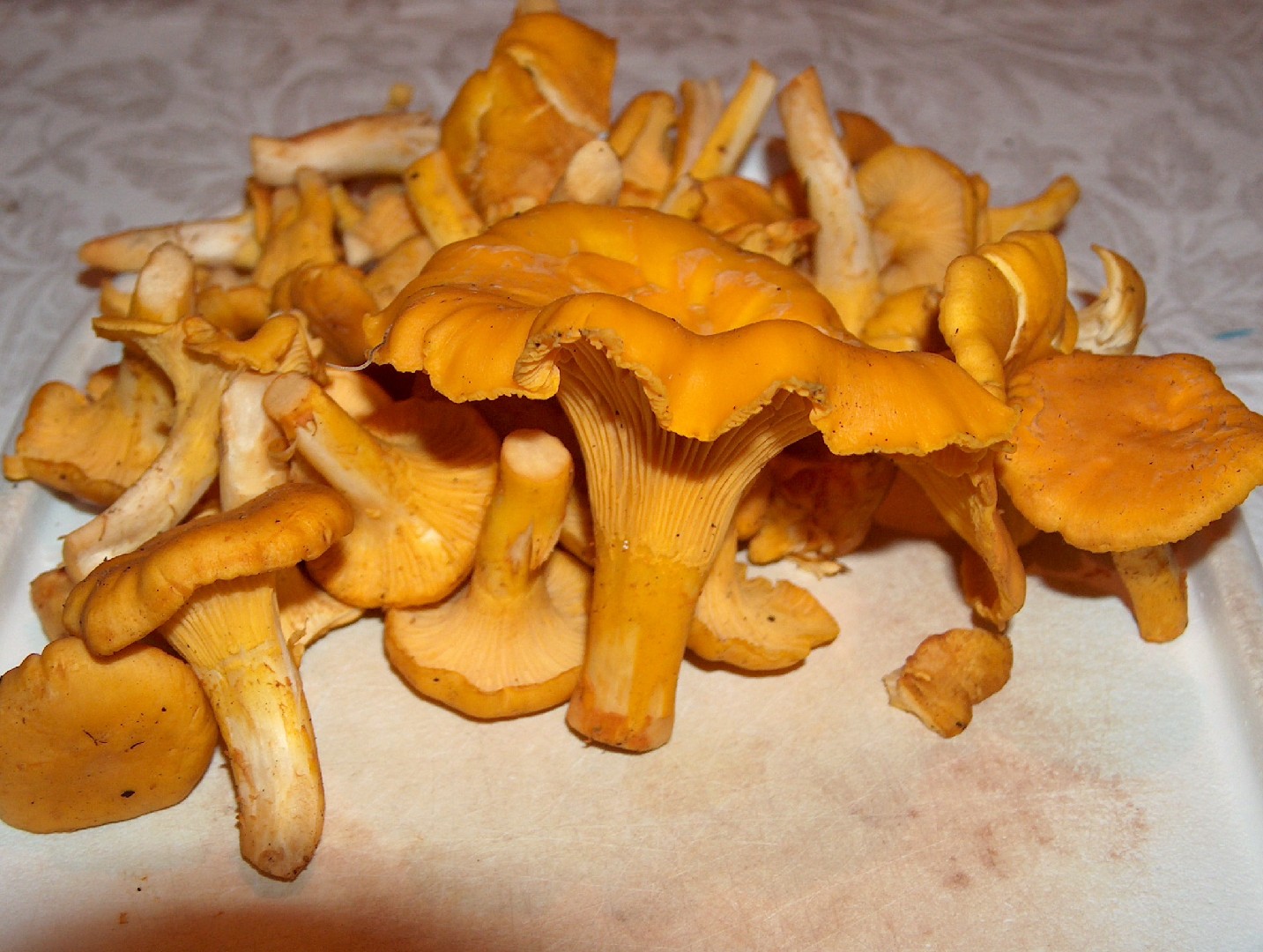
3. Golden chanterelle
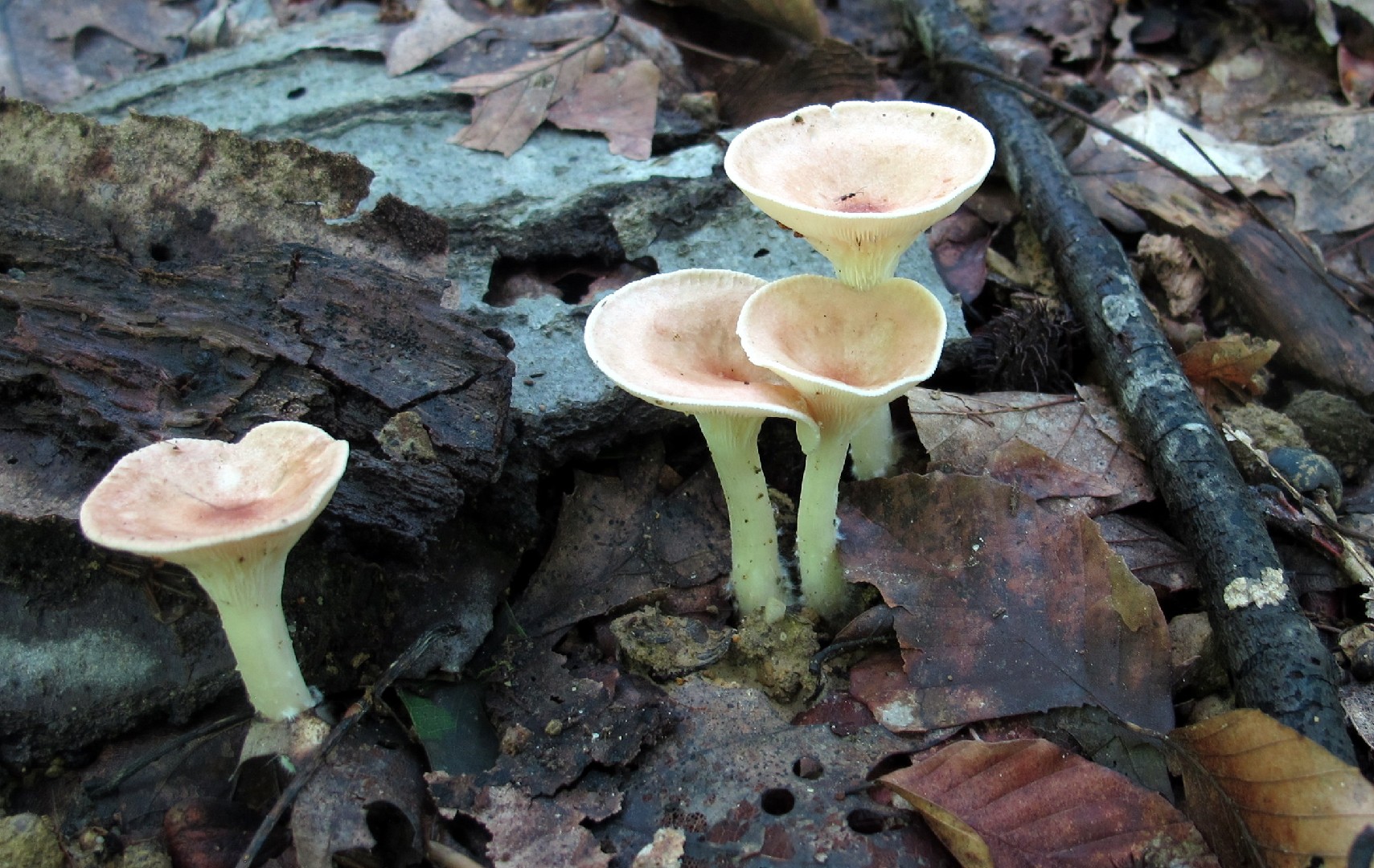
Golden chanterelle mushrooms are popular in gourmet cuisine across Europe, where they grow wild during the warm (but not too hot) months. Similar species grow in other countries. Extremely popular with foragers, the golden chanterelle emits an apricot-like scent and contains an array of nutrients that benefit the human body. Several studies suggest consuming extremely large amounts may have detrimental effects on the eyes and muscles.
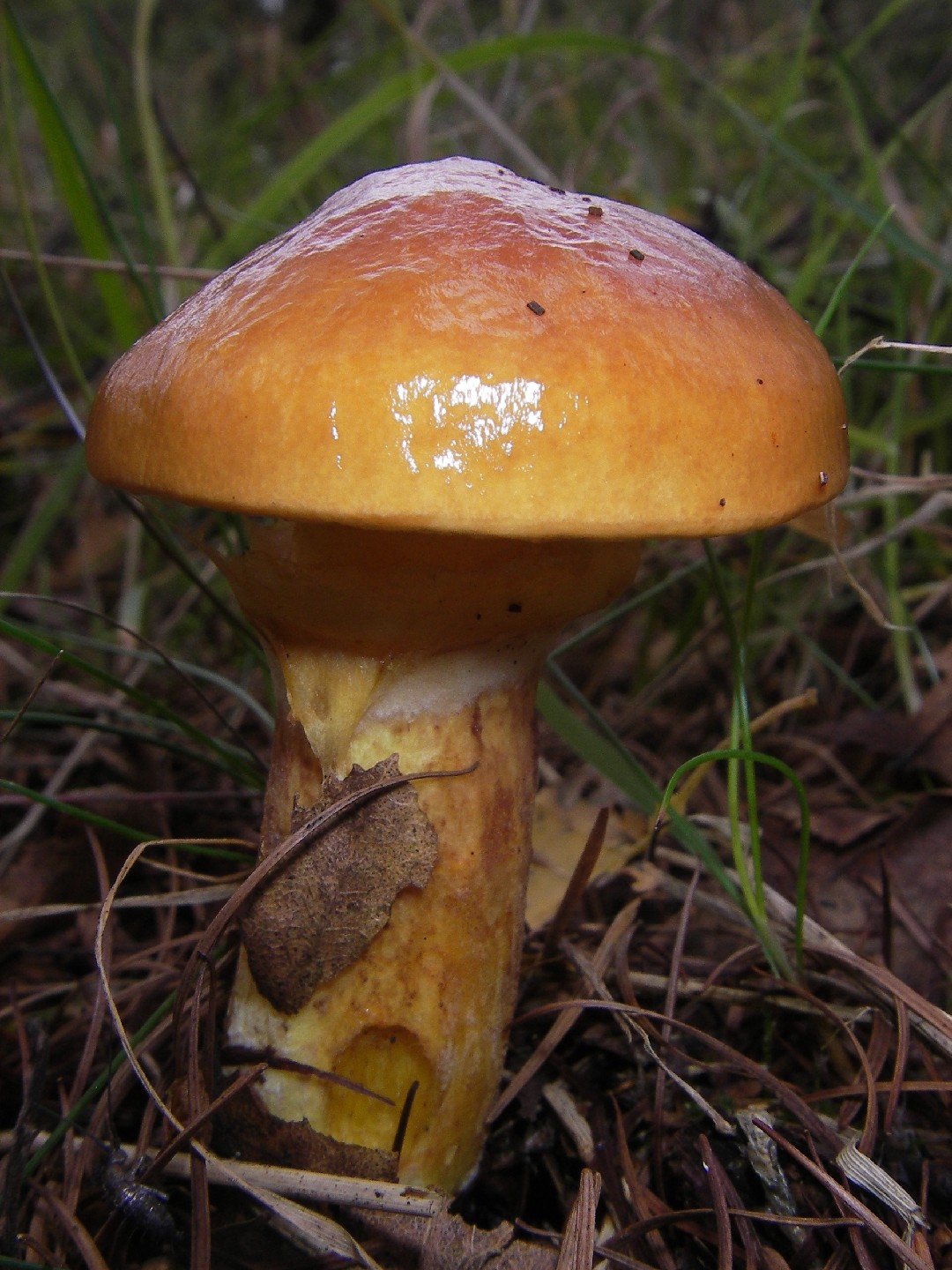
4. Larch bolete
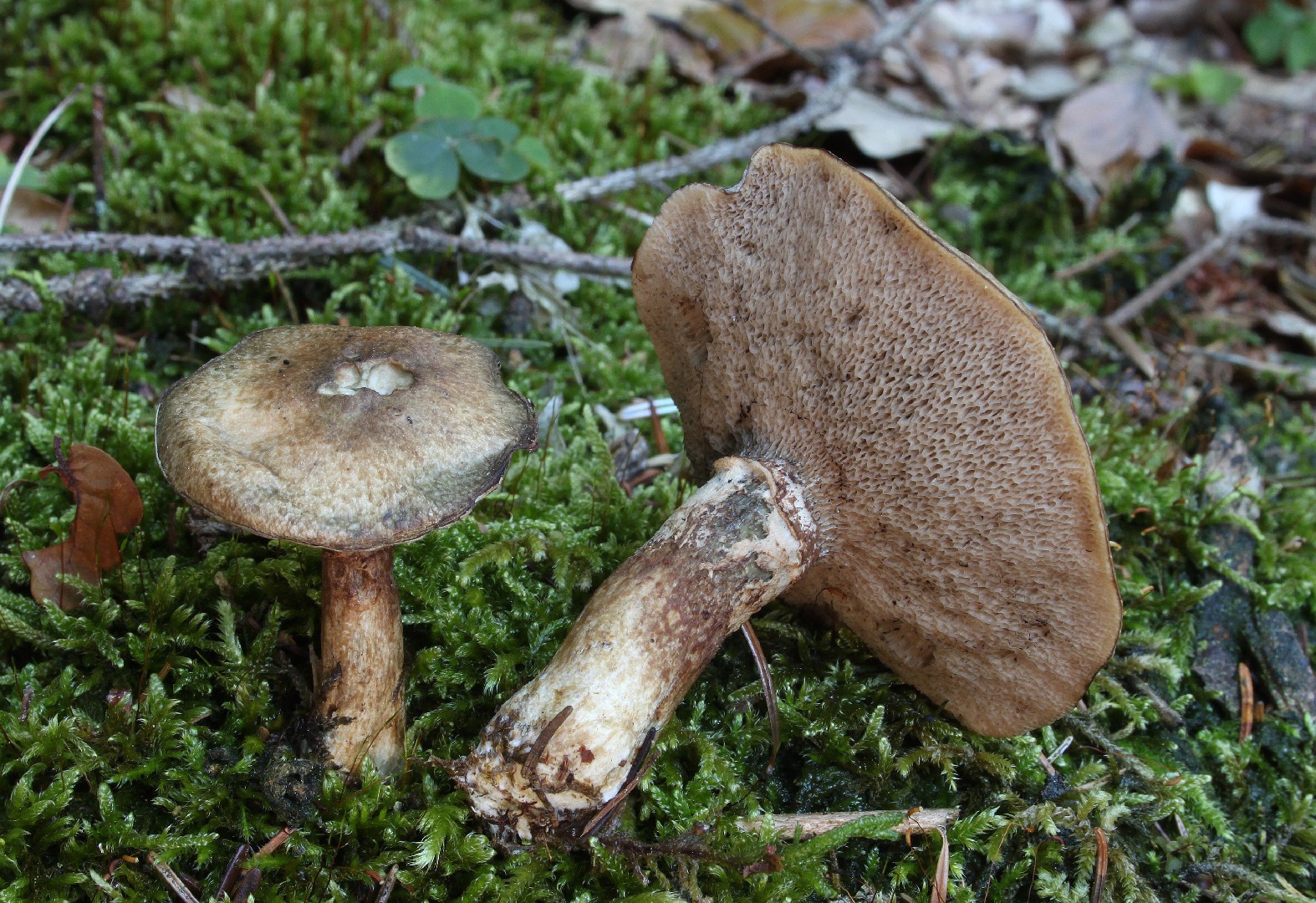
Larch bolete is a vibrant member of the "slippery jack" genus. Like other members of that family, this species sports a slick or slimy cap and has a somewhat bulbous form. Suillus grevillei is also commonly called a "Larch Bolete" because it only associates with larch trees, with which it has a symbiotic relationship.
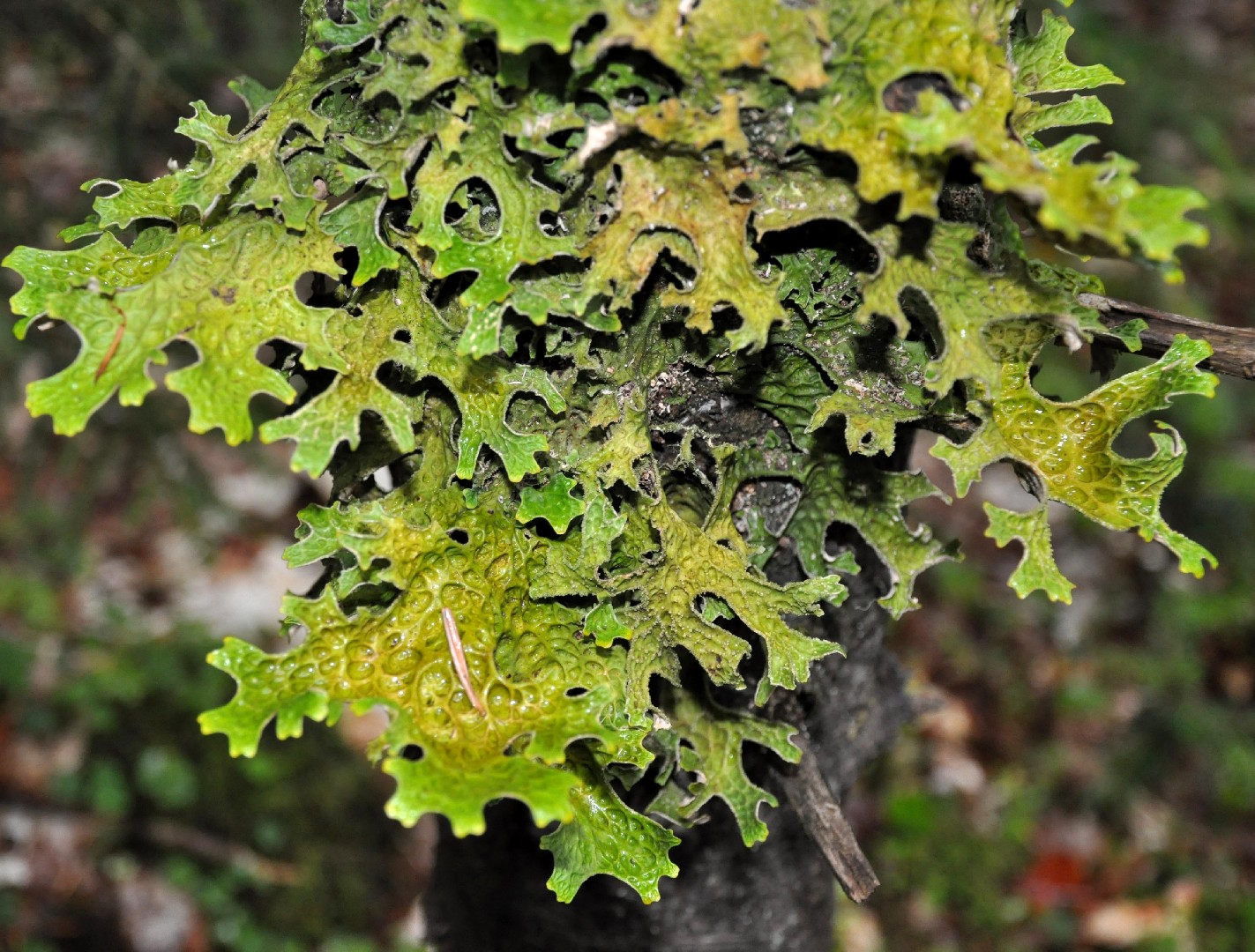
5. Iceland moss
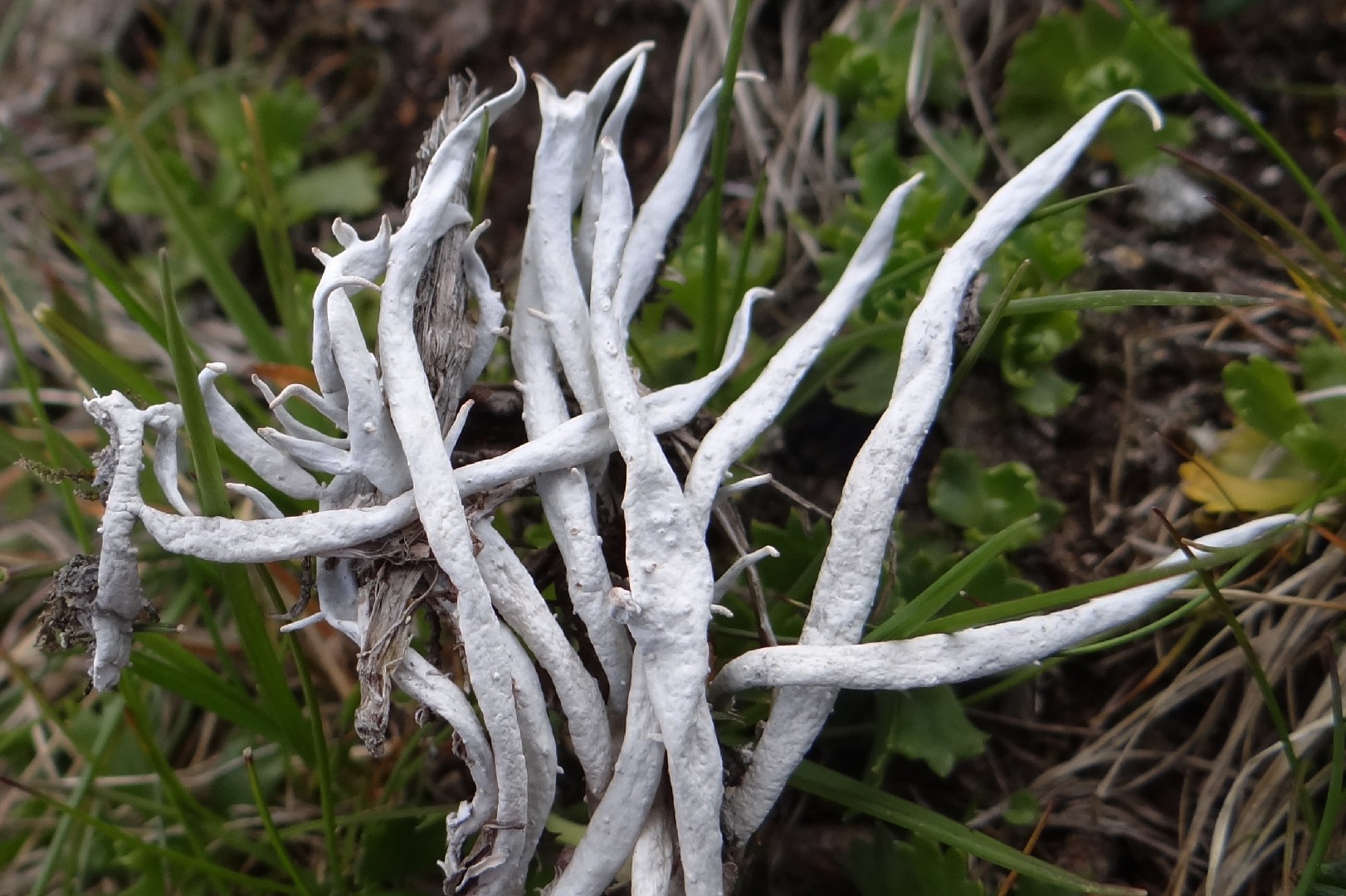
It is often of a pale chestnut color, but varies considerably, being sometimes almost entirely greyish-white; and grows to a height of from 3 to 4 in., the branches being channelled or rolled into tubes, which end in flattened lobes with fringed edges. 
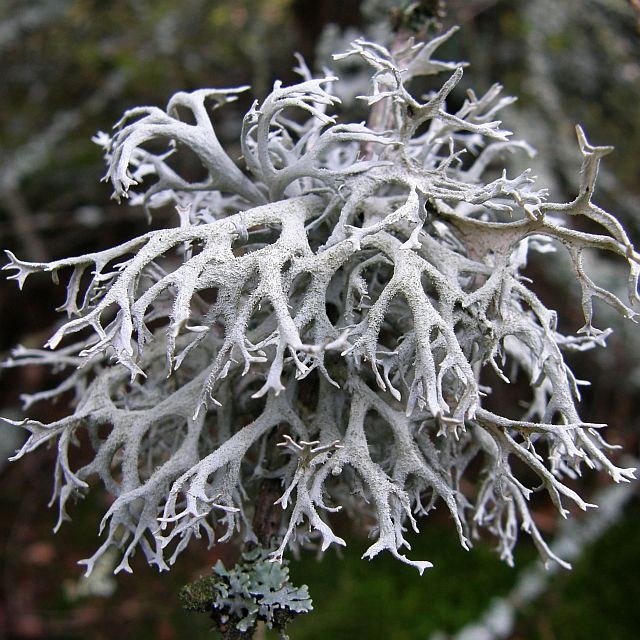
6. Tree moss
Pseudevernia furfuracea is associated with photobionts from the green algae genus Trebouxia. It reproduces asexually by isidia. The ontogeny of isidia development and its role in CO2 gas exchange in P. furfuracea has been investigated. The preferred growing surfaces for P. furfuracea are the so-called "nutrient poor" bark trees, including birch, pine and spruce. The species has two morphologically identical varieties that are distinguished by the secondary metabolites they produce: var. ceratea Zopf. produces olivetoric acid and other physodic acids, while var. furfuracea produces physodic but not olivetoric acid. Some authors (e.g., Hale 1968) have separated the chemotypes at the species level, designating the olivetoric acid-containing specimens as Pseudevernia olivetorina, but more recent literature separates them at the varietal level.
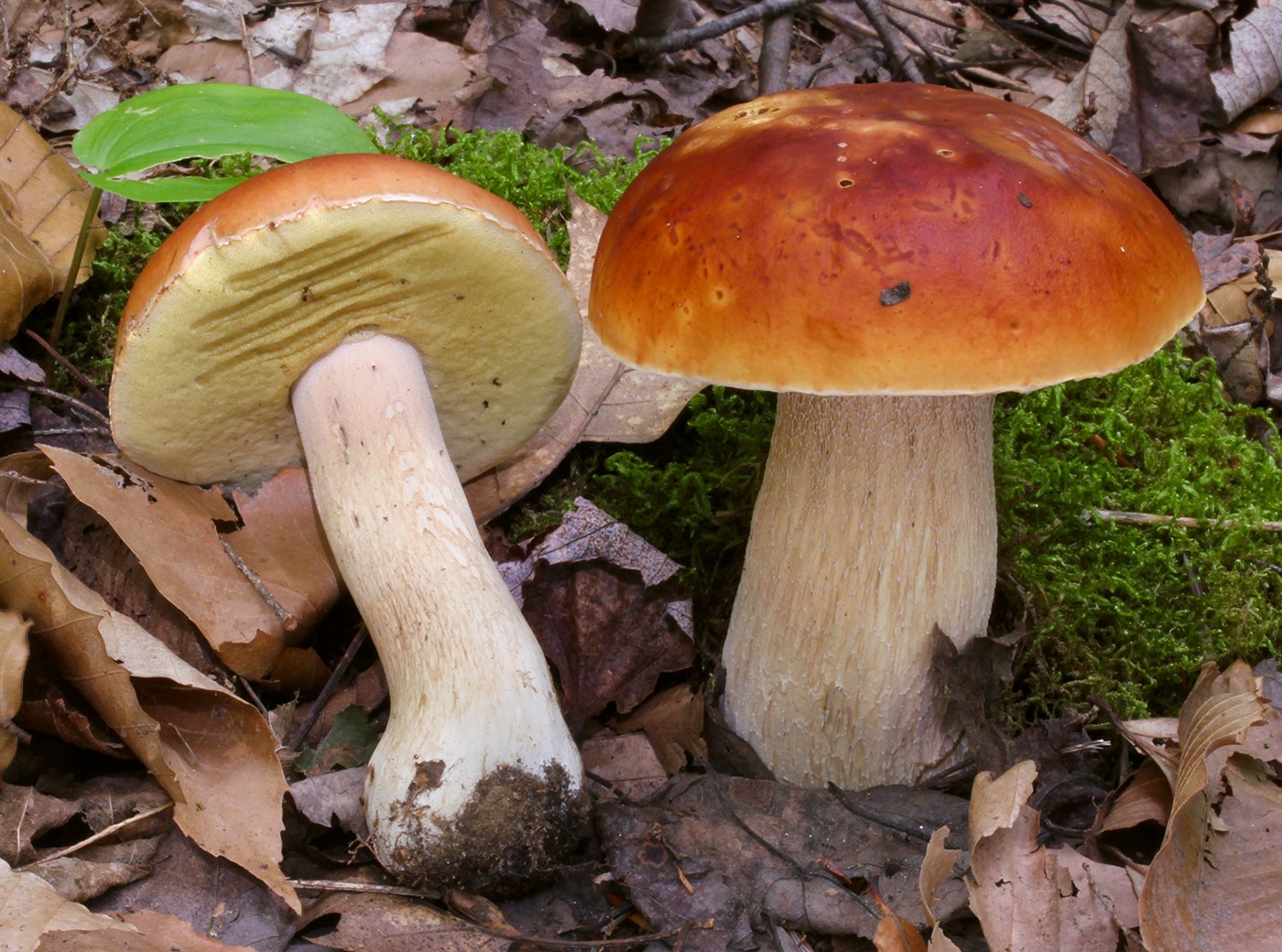
7. King bolete
Extremely popular in many cuisines, this edible wild mushroom grows around the world near the roots of forest trees. In some regions, king bolete mushrooms are collected in great enough volumes that their sale can support entire families during the harvest season. King boletes are reported to be high in fiber, vitamins B and C, calcium, potassium, magnesium, zinc, and several antioxidants.
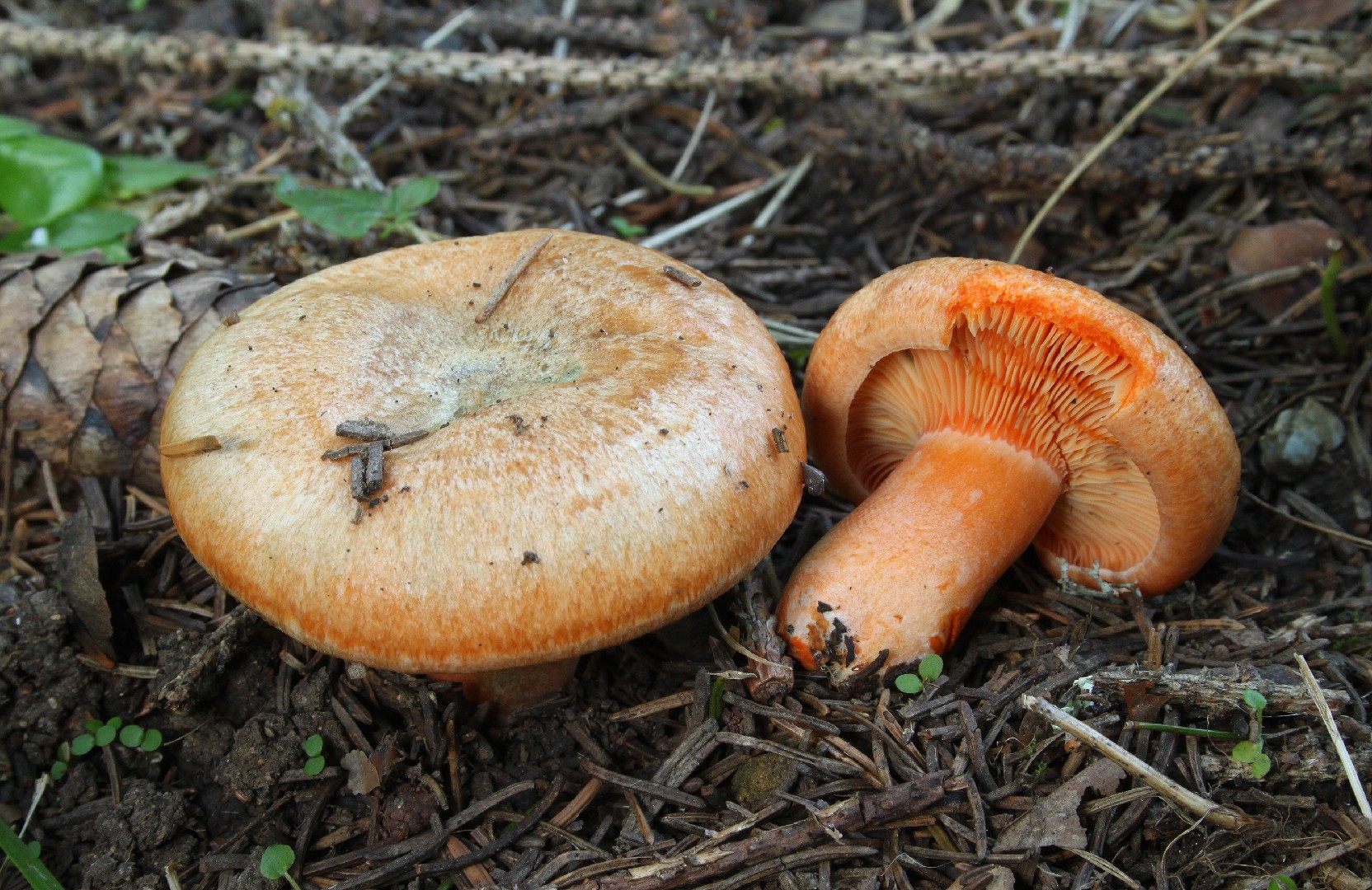
8. False saffron milkcap
A less-tasty cousin of the Saffron milkcap (Lactarius deliciosus), the false saffron milkcap is closely associated with spruce. When it appears in forests, it usually forms a large carpet. Species within the Lactarius genus are hard to differentiate from other, more poisonous mushrooms, and should not be foraged for food by the inexperienced.
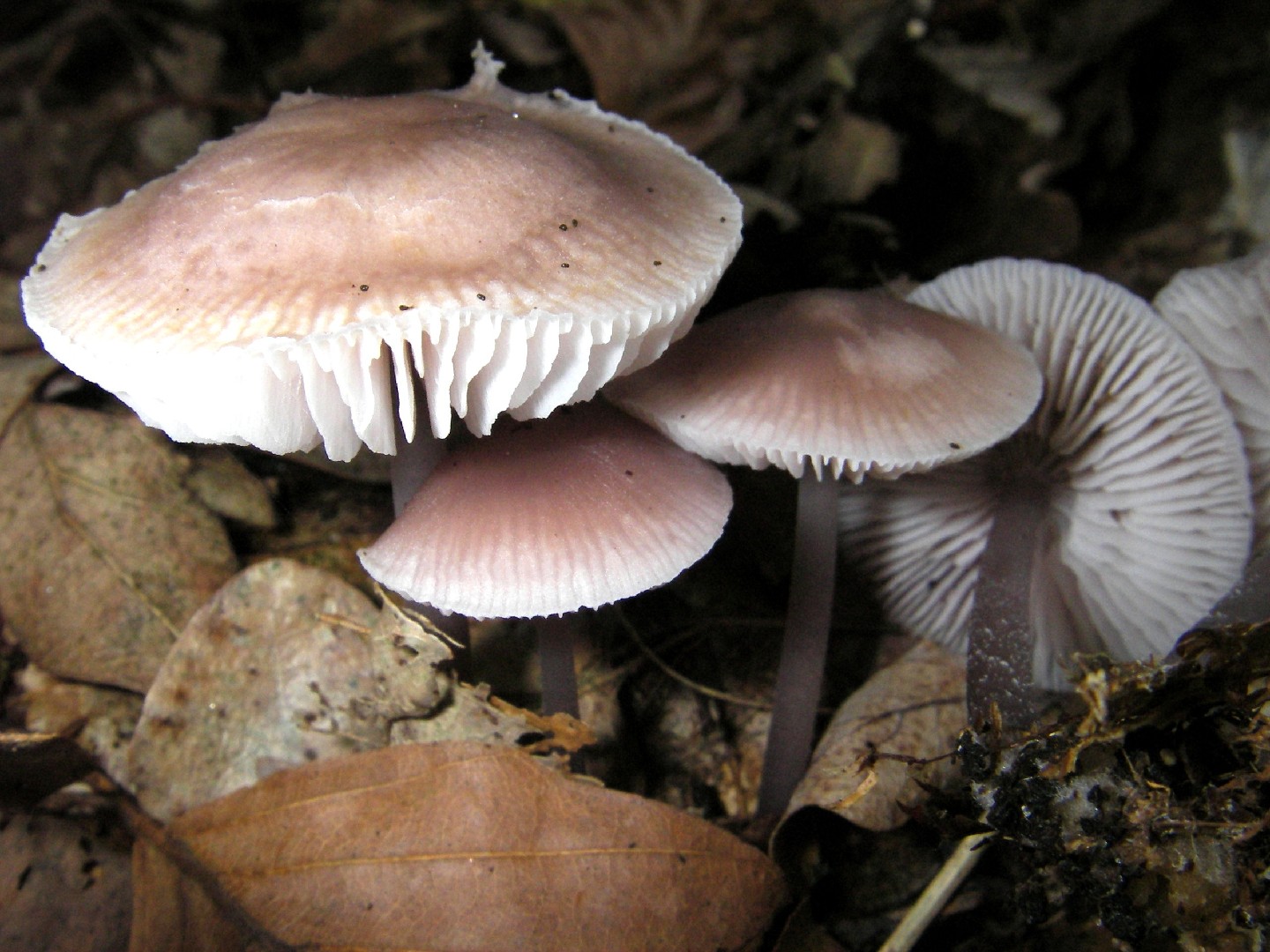
9. Lilac bonnet
The lilac bonnet is common around the northern hemisphere in woodlands of all types, and can sometimes also be seen in grasslands. It is toxic to humans due to its muscarine content, a poison that can cause convulsions and death after ingestion.
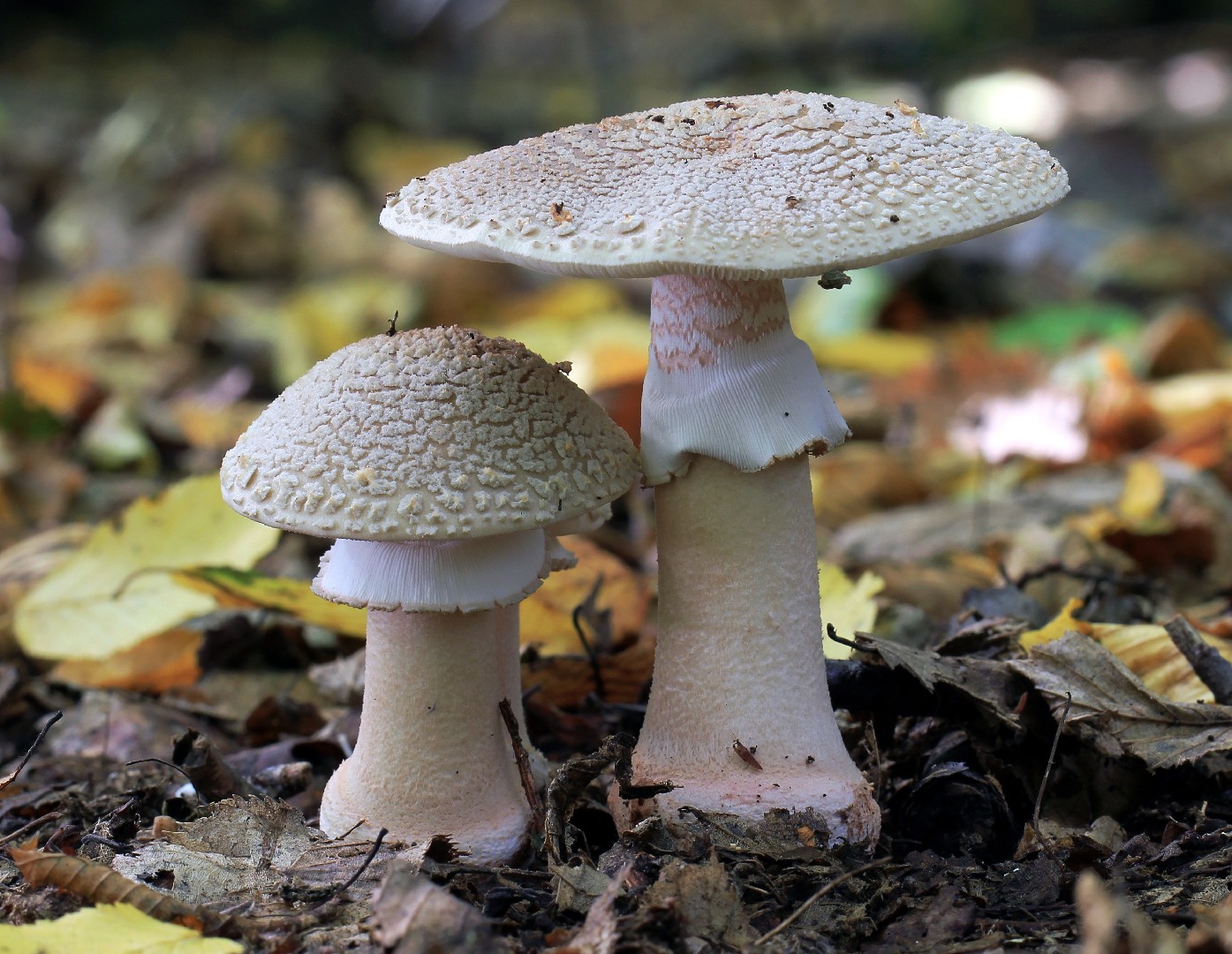
10. Blusher
The blusher mushroom is so named because it “blushes” to a pinkish red color when cut or bruised. It is found in many countries around the world, although it may not be native to the southern hemisphere. It contains a hemolytic toxin that can cause anemia if eaten.
More







