




Top 20 Most Common Mushrooms in Sondrio
Nestled in the majestic beauty of the Italian Alps, Sondrio possesses a diverse ecosystem teeming with mycological marvels. Its unique climate and fertile seclusion cultivate an abundant yield of the 20 most prevalent mushroom species. Through an intimate exploration of Sondrio's lush valleys and verdant slopes, one unveils a spectacular array of these fungal treasures, making it a true haven for mycology enthusiasts. Embarking on this journey unveils an impressively diverse array of mushroom species, each encapsulating the essence of Sondrio's vibrant natural wonders.

Most Common Mushrooms
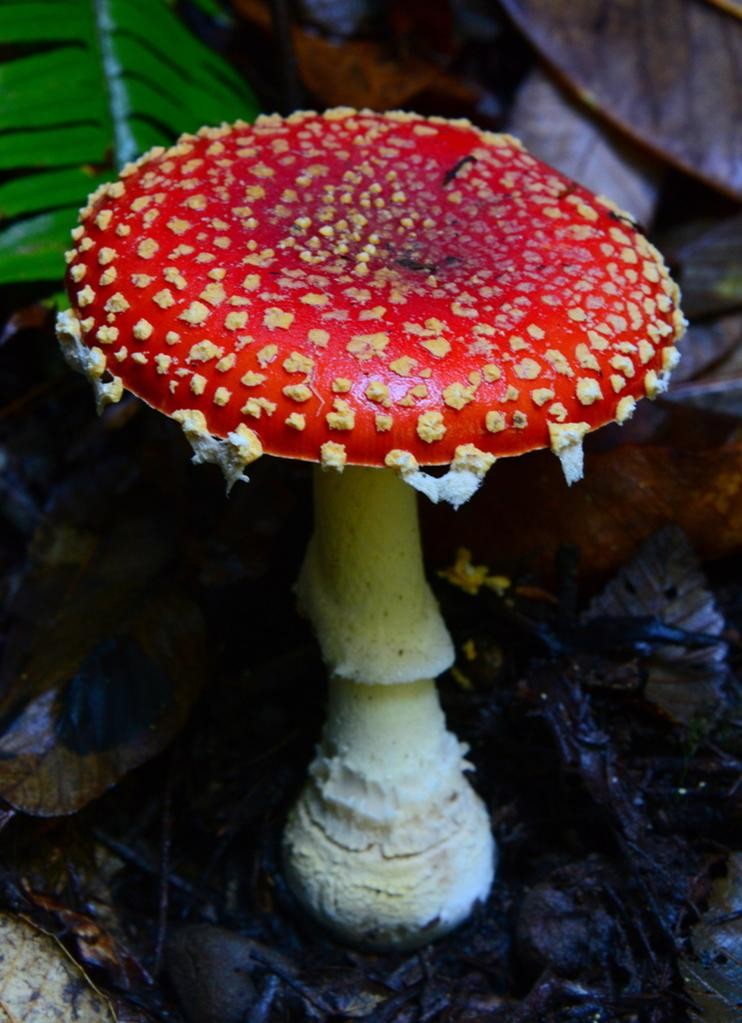
1. Fly agaric
In Northern Asia and Europe, fly agaric grows under trees near the winter solstice and is collected for ritual use tied to the season. Its characteristic shape and coloring are still ubiquitous in many European fairy tale illustrations and Christmas traditions. It is highly toxic.
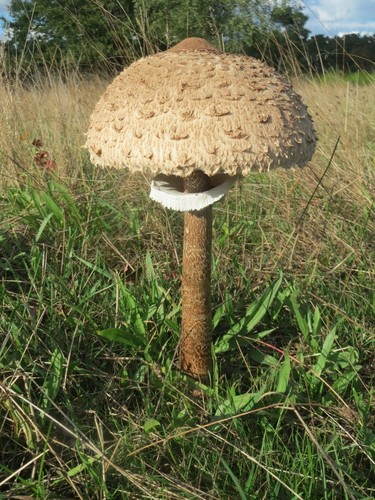
2. Parasol
Found in clearings and grassy areas in late summer, the wild parasol mushroom has a snakeskin-patterned stem. The brown spots on its cap make it look a bit shaggy, but that name is reserved for its poisonous counterpart, the Shaggy Parasol (Chlorophyllum rhacodes). You can distinguish the two by the stems: the latter has a smooth stem and red flesh inside.
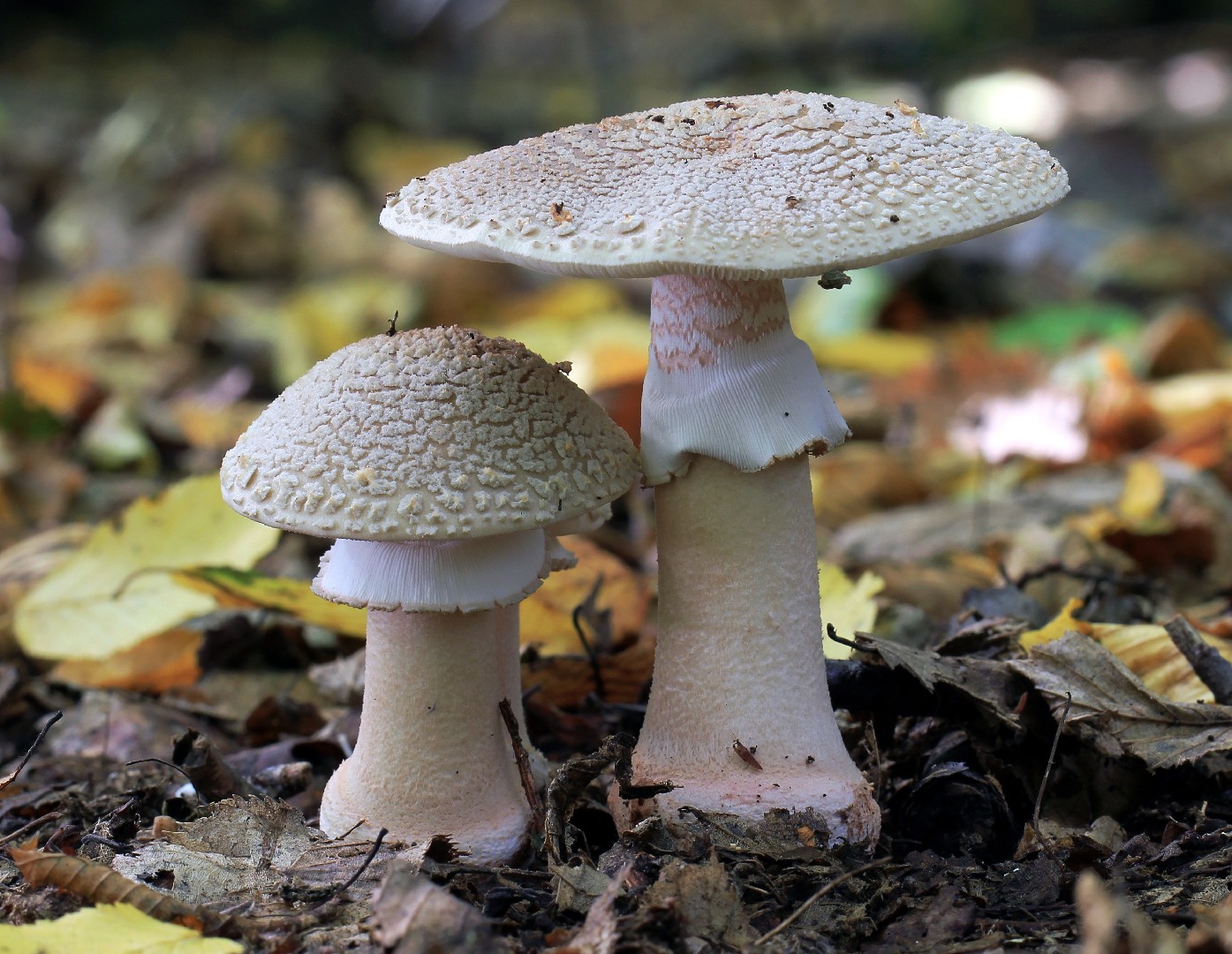
3. Blusher
The blusher mushroom is so named because it “blushes” to a pinkish red color when cut or bruised. It is found in many countries around the world, although it may not be native to the southern hemisphere. It contains a hemolytic toxin that can cause anemia if eaten.
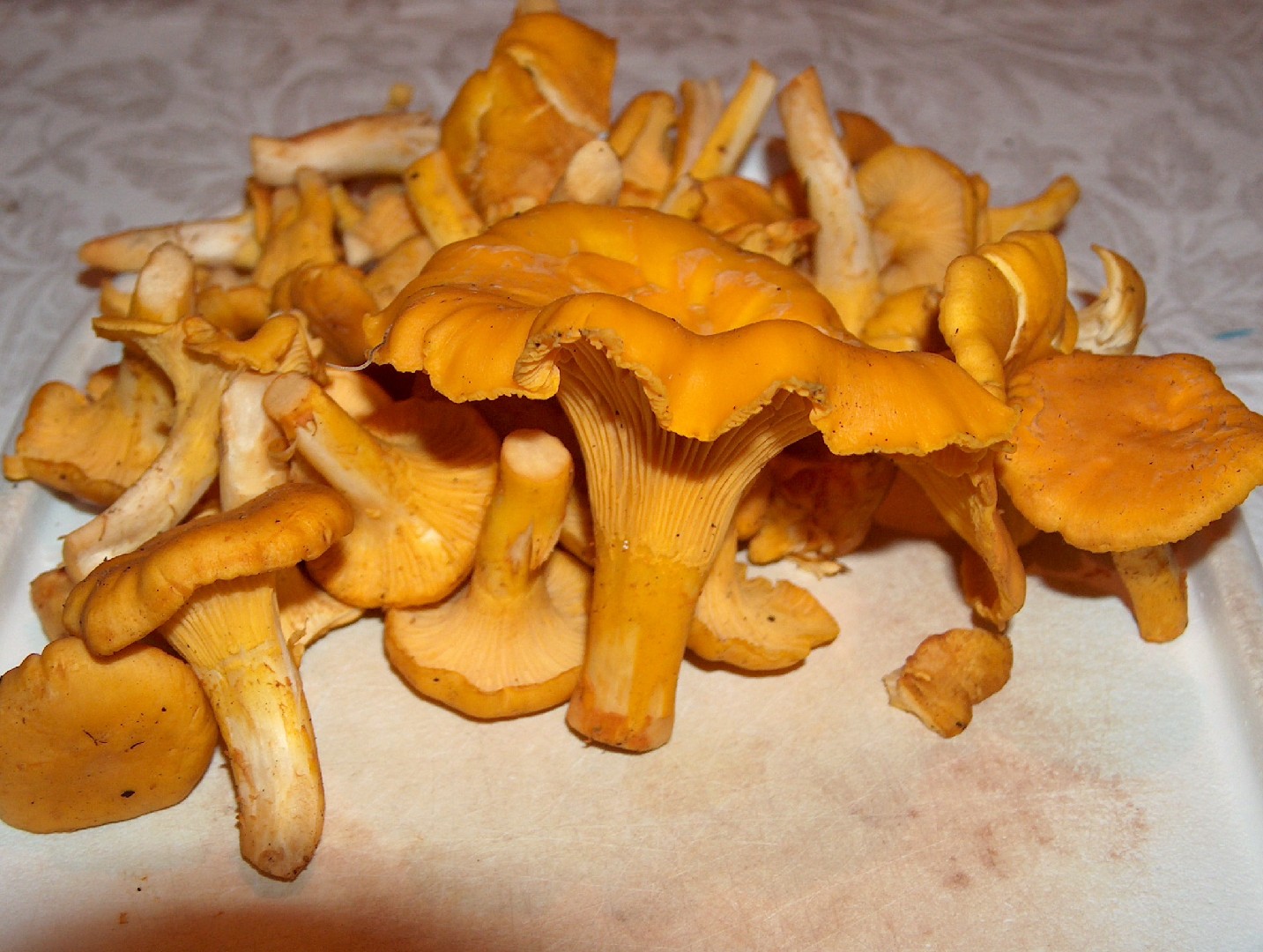
4. Golden chanterelle
Golden chanterelle mushrooms are popular in gourmet cuisine across Europe, where they grow wild during the warm (but not too hot) months. Similar species grow in other countries. Extremely popular with foragers, the golden chanterelle emits an apricot-like scent and contains an array of nutrients that benefit the human body. Several studies suggest consuming extremely large amounts may have detrimental effects on the eyes and muscles.
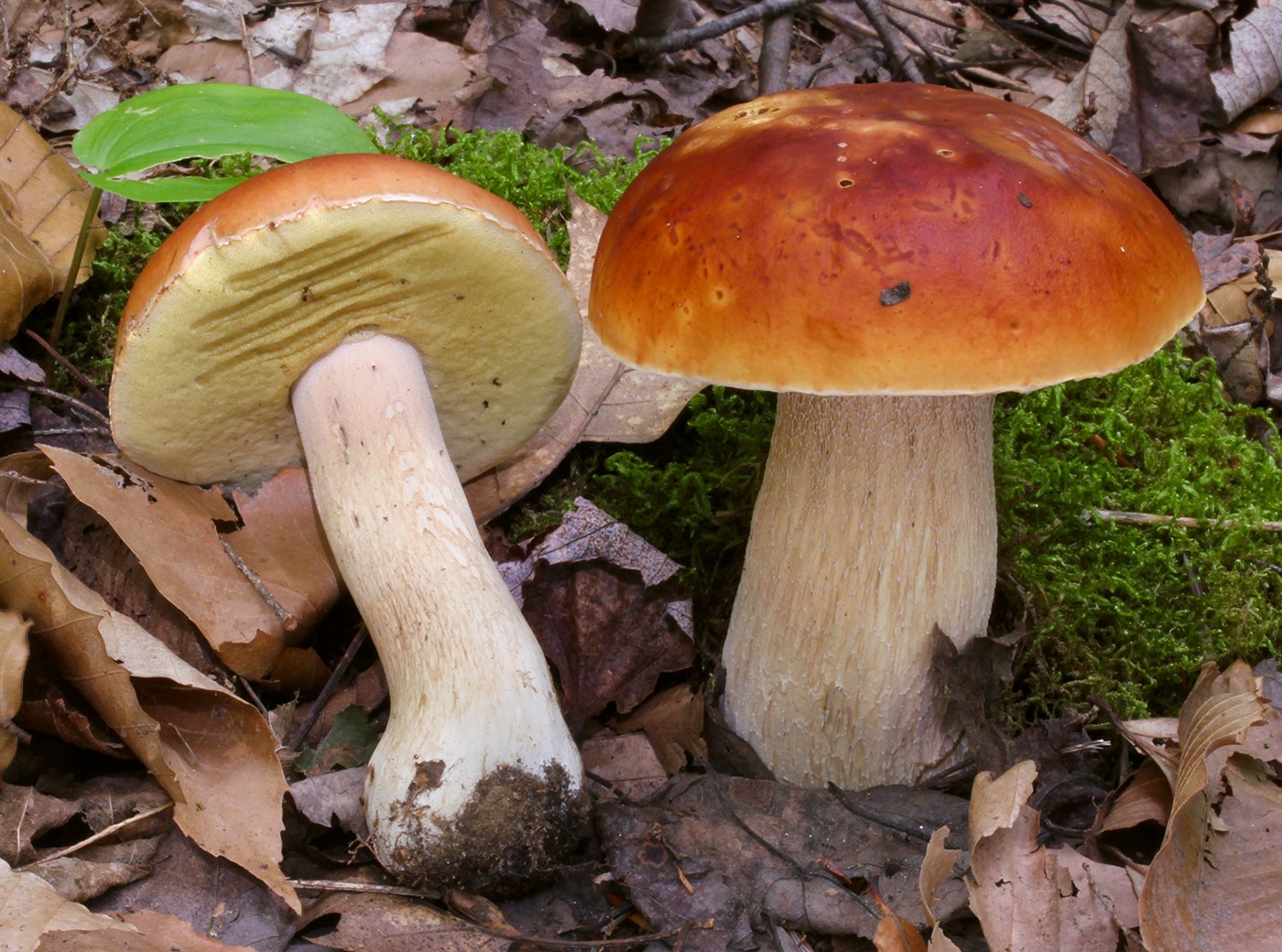
5. King bolete
Extremely popular in many cuisines, this edible wild mushroom grows around the world near the roots of forest trees. In some regions, king bolete mushrooms are collected in great enough volumes that their sale can support entire families during the harvest season. King boletes are reported to be high in fiber, vitamins B and C, calcium, potassium, magnesium, zinc, and several antioxidants.
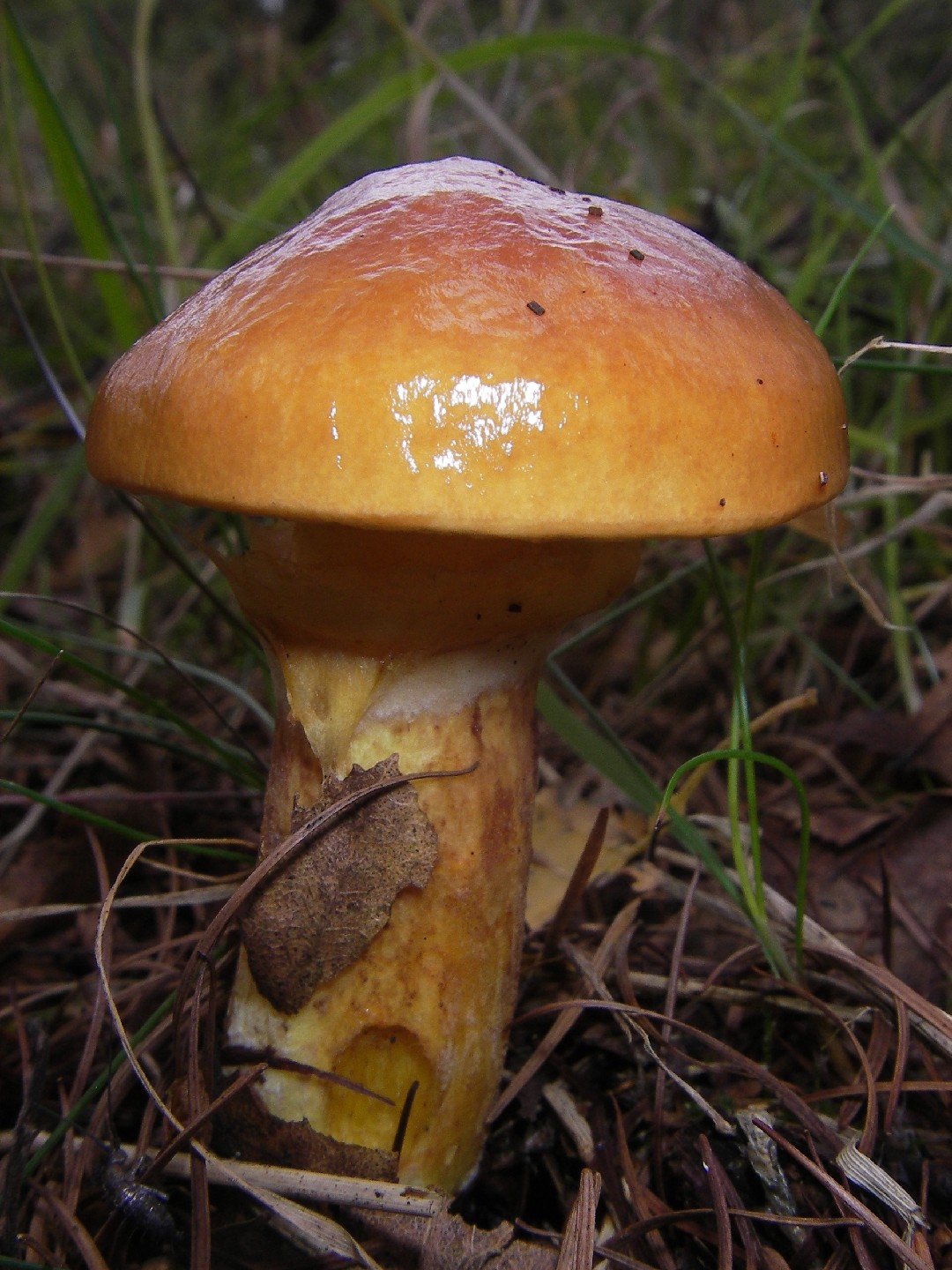
6. Larch bolete
Larch bolete is a vibrant member of the "slippery jack" genus. Like other members of that family, this species sports a slick or slimy cap and has a somewhat bulbous form. Suillus grevillei is also commonly called a "Larch Bolete" because it only associates with larch trees, with which it has a symbiotic relationship.
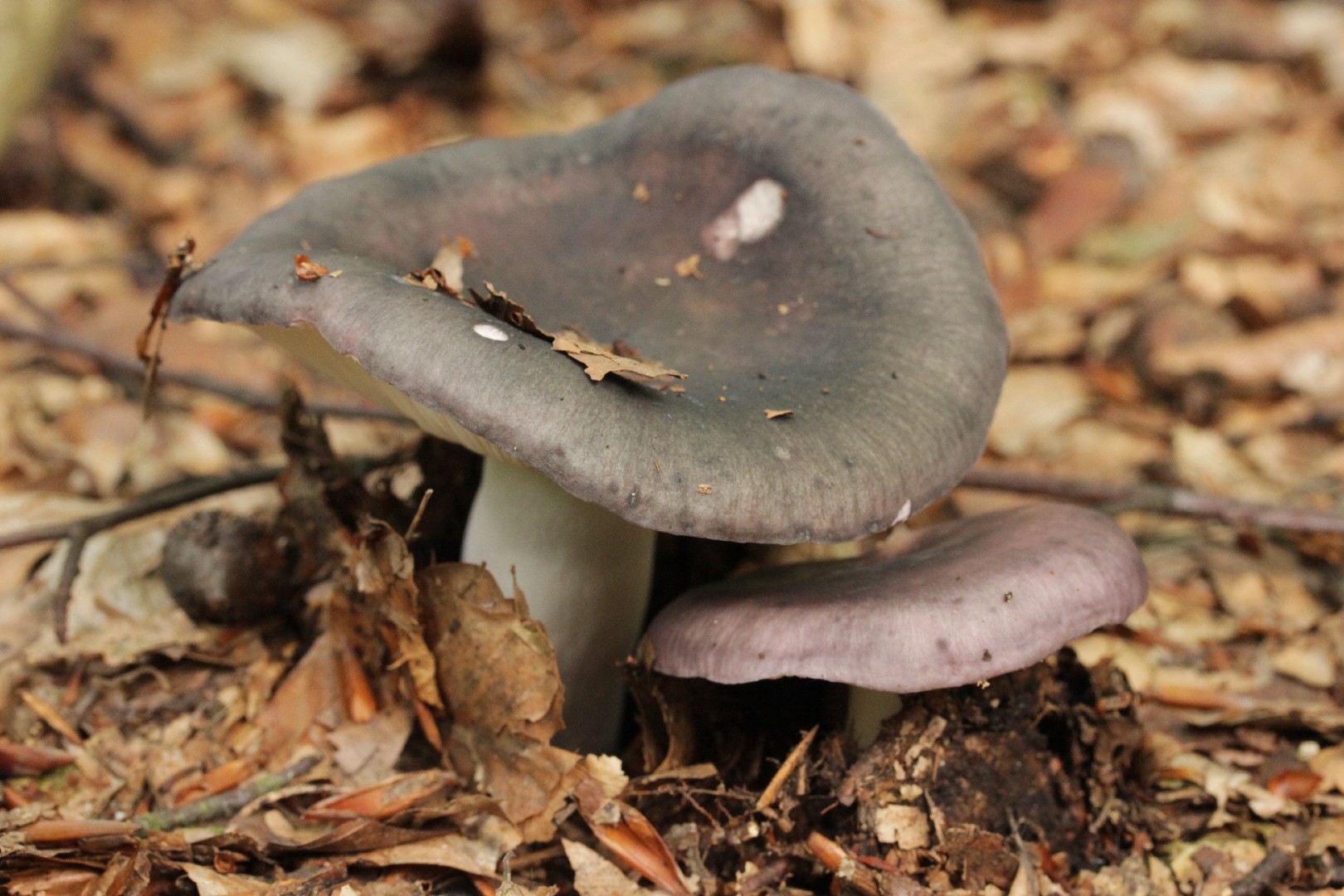
7. Charcoal burner
Most commonly found under beeches in forests or parks, this crumbly mushroom can appear in colors ranging from red and yellow to violet, blue-grey, or even green. Its scientific name represents this variability: Russula cyanoxantha means “reddish blue-blonde.”
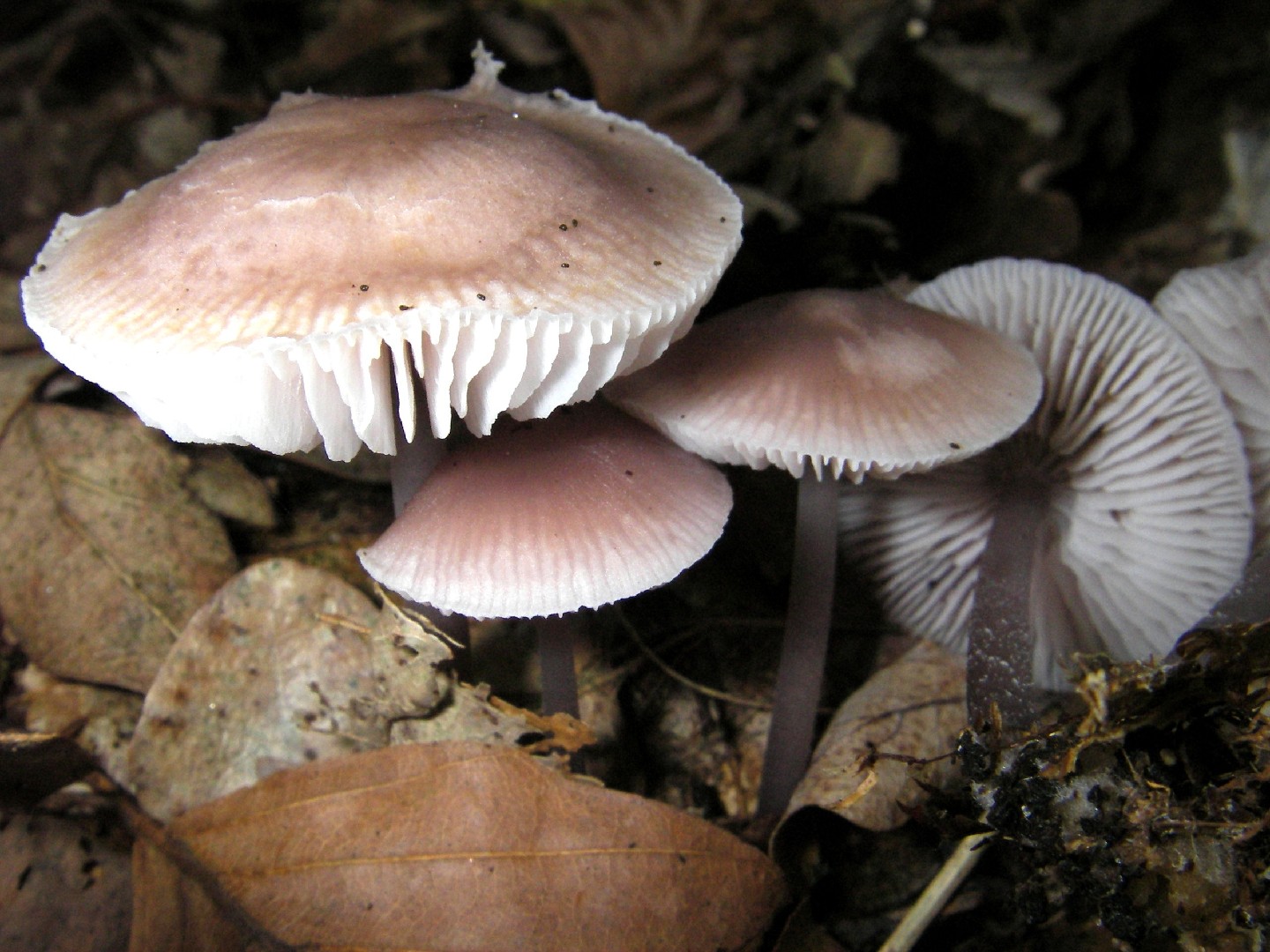
8. Lilac bonnet
The lilac bonnet is common around the northern hemisphere in woodlands of all types, and can sometimes also be seen in grasslands. It is toxic to humans due to its muscarine content, a poison that can cause convulsions and death after ingestion.
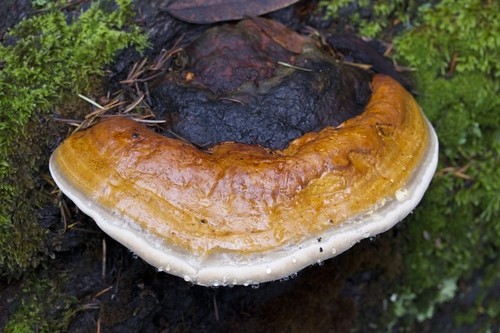
9. Red-belted conk
This bracket or shelf fungus grows for years on both living and dead conifer trees. Its annual growth creates distinctive rings or ridges, with a bright red or orange band separating the old layers from the current growth. Red-belted conk is only a danger to living trees if it colonizes a very deep cut or broken top.
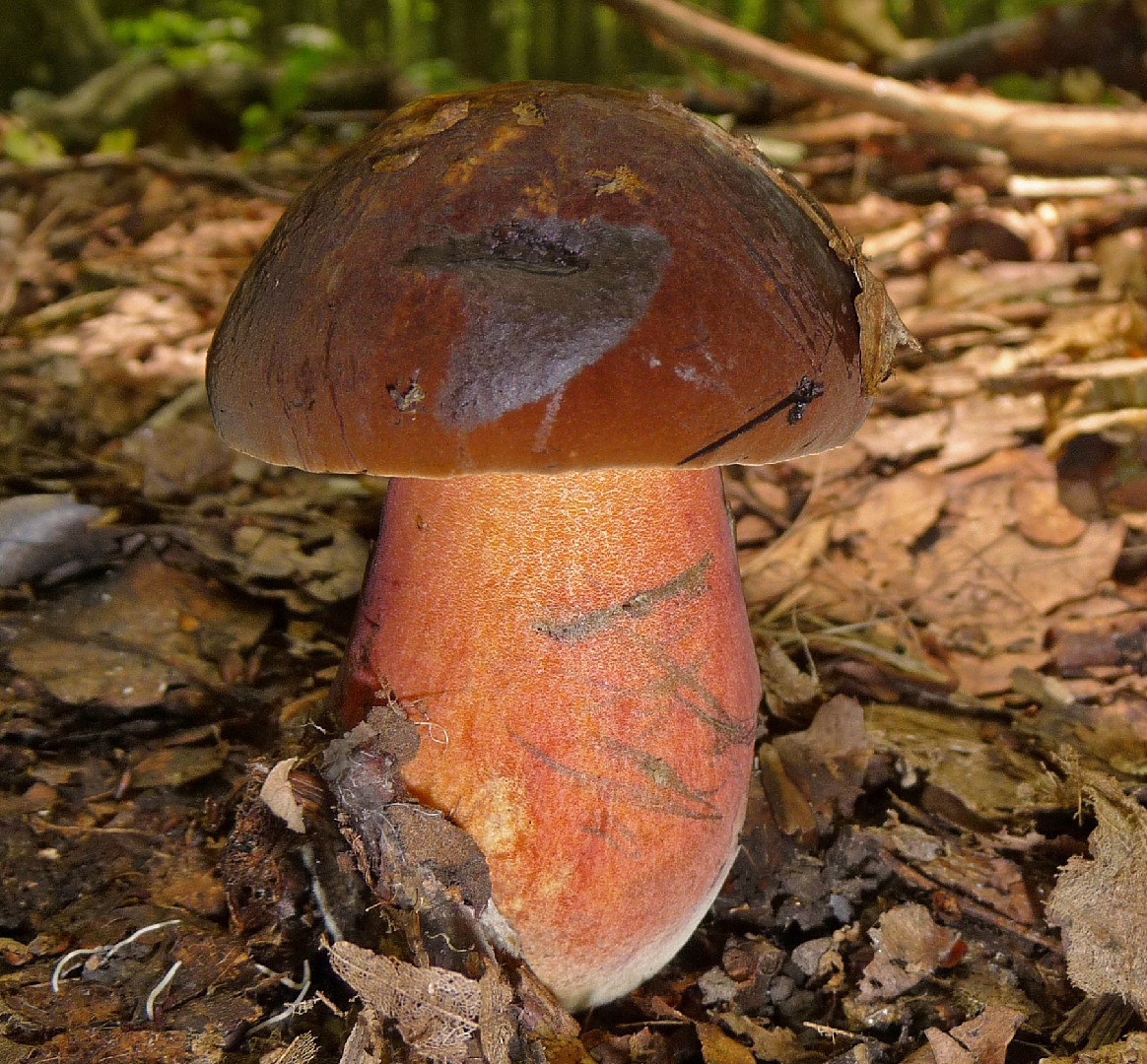
10. Dotted stem bolete
The name of the dotted stem bolete is also an accurate description of this mushroom, which indeed does have a wide and dotted red and yellow stem. This species can be found in both coniferous and deciduous woodlands, often in the same locations as its relative the edible Boletus edulis.
More







