




Top 20 Most Common Mushrooms in Burnaby

Most Common Mushrooms
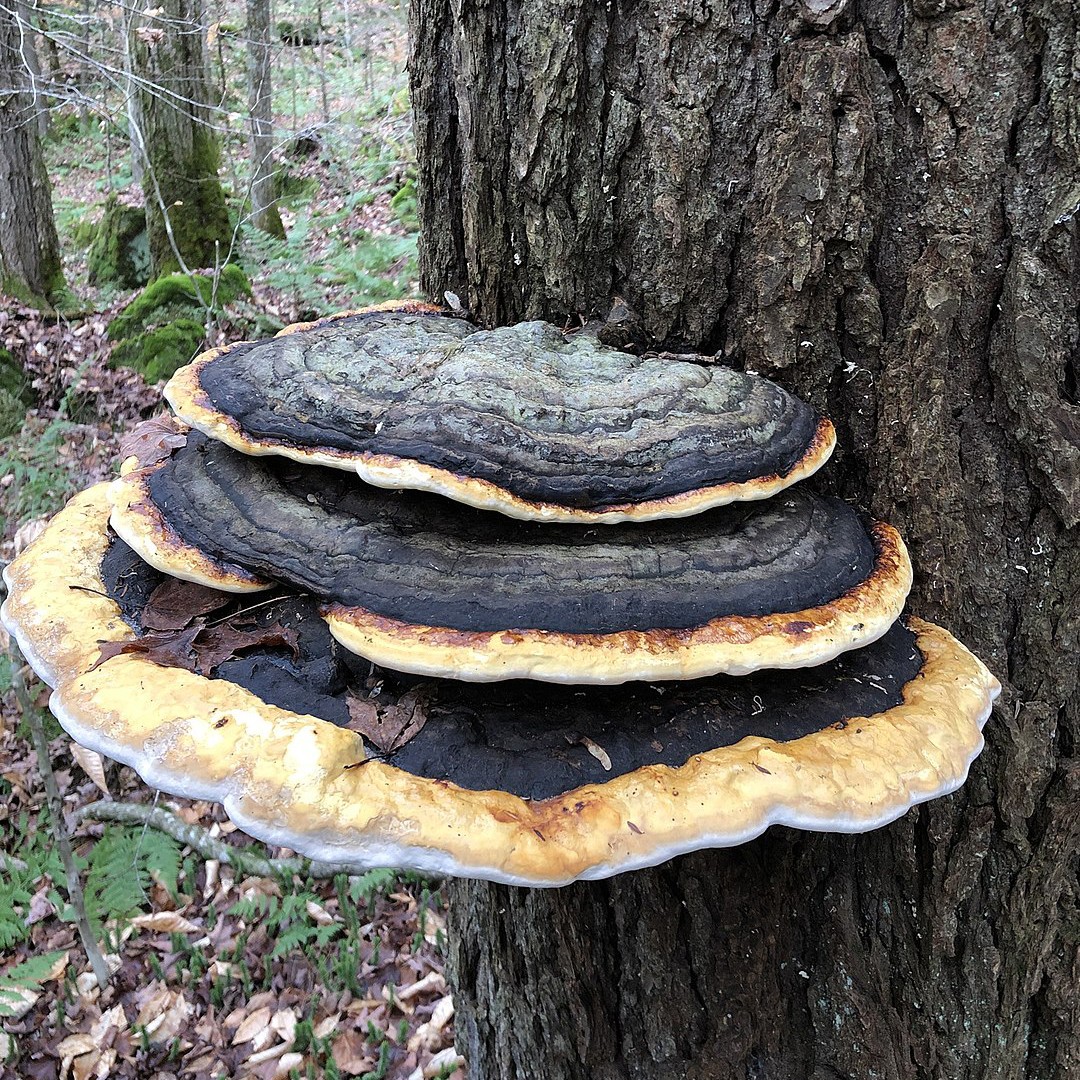
1. Red-belted polypore
Red-belted polypore is a shelf fungus that's usually seen on aspen, birch, and various conifer trees. This perennial mushroom is known to cause the cubical brown rot in host trees. A species new to science, it was named in honor of Irene Mounce, a Canadian mycologist. 
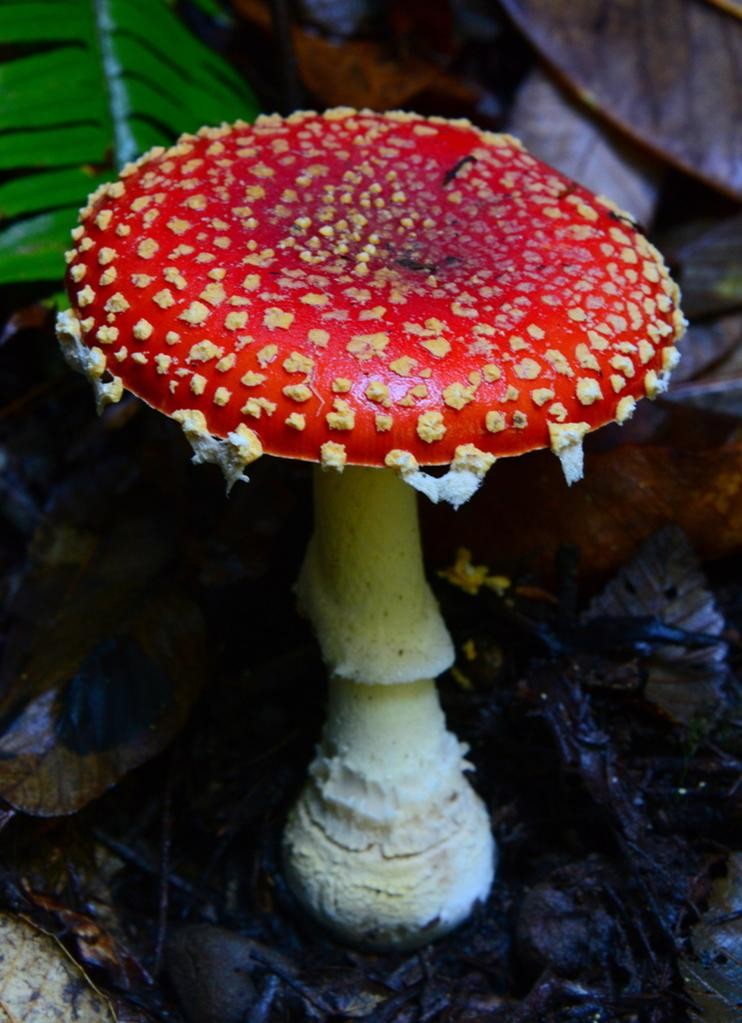
2. Fly agaric
In Northern Asia and Europe, fly agaric grows under trees near the winter solstice and is collected for ritual use tied to the season. Its characteristic shape and coloring are still ubiquitous in many European fairy tale illustrations and Christmas traditions. It is highly toxic.
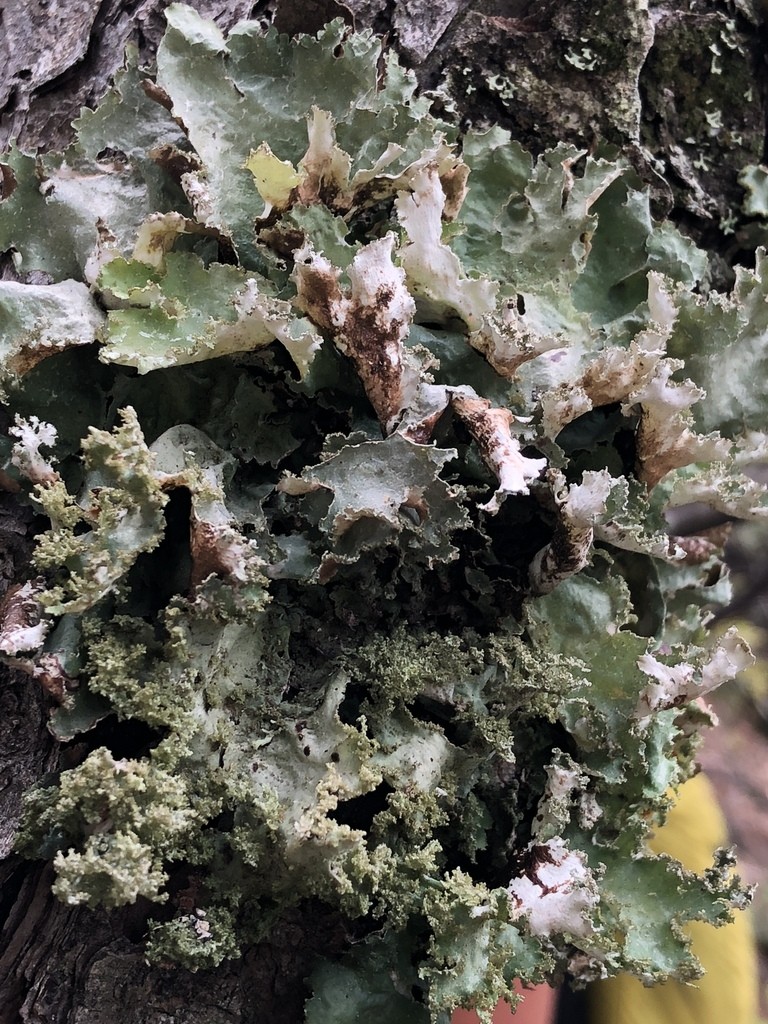
3. Varied rag lichen
Varied rag lichen grows on rocks, soil, and especially wood. Research has suggested that certain extracts from varied rag lichen can inhibit the growth of biofilms, which may lead to future commercial uses. The specific name, glauca, means "bluish-gray or green," though occasionally this species can appear a pale white color as well.

4. Shaggy mane
The shaggy mane mushroom is commonly found in North American and European grasslands. Some peoples foraged for its young egg-shaped caps, but it has more recently been found to be a bioaccumulator of heavy metals, meaning it pulls toxic metals up from the soil where it grows. As a result, shaggy manes should not be eaten. The mushrooms usually appear in clusters or “fairy rings.”
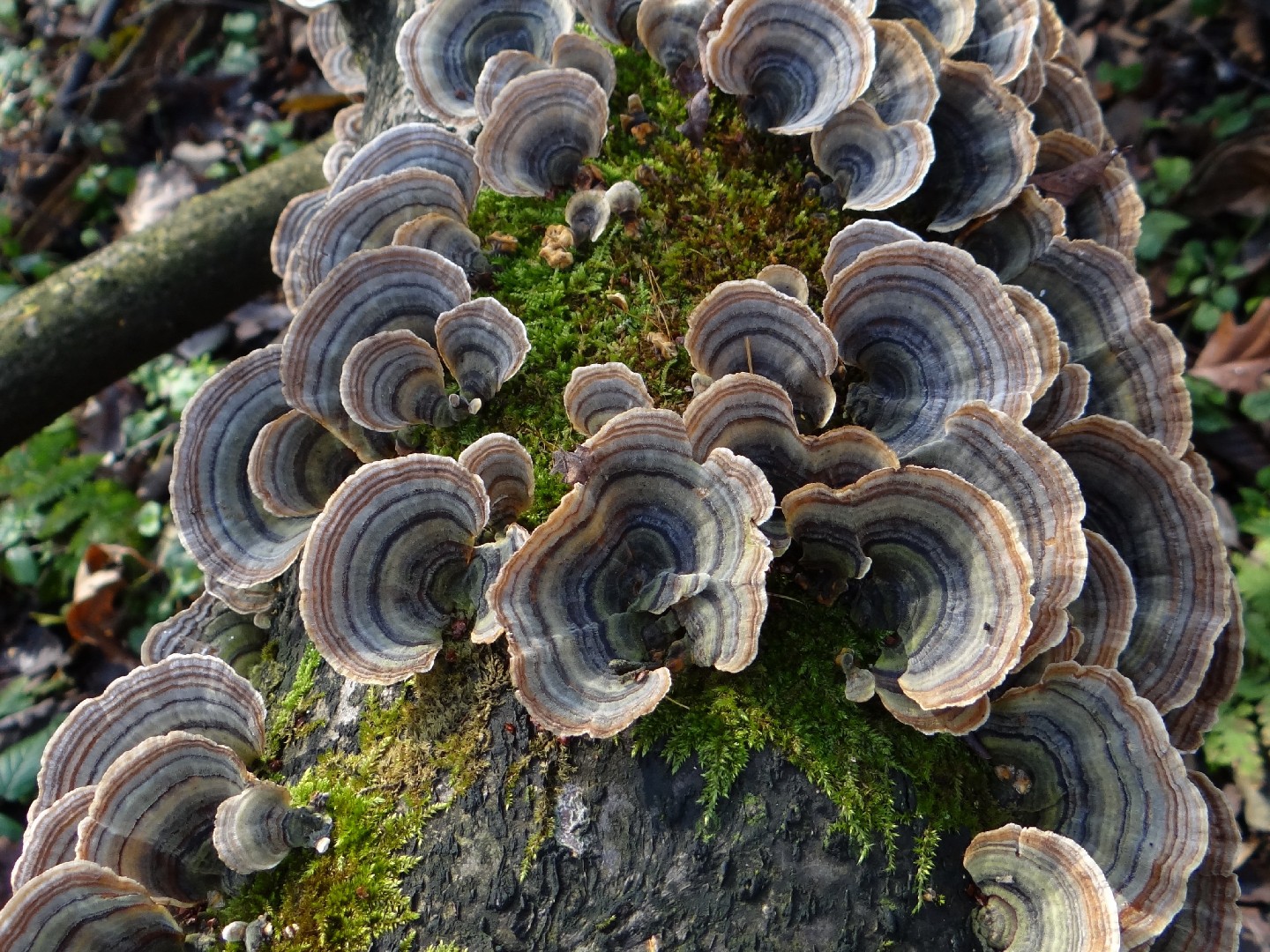
5. Turkey tail
The distinctively-striped turkey tail fungus grows on stumps and logs all over the forests of the northern hemisphere. It is, in fact, probably the most common species you will find. That doesn't mean this mushroom is plain, however; each cap is uniquely patterned. Look for bands of alternating textures as well as color.
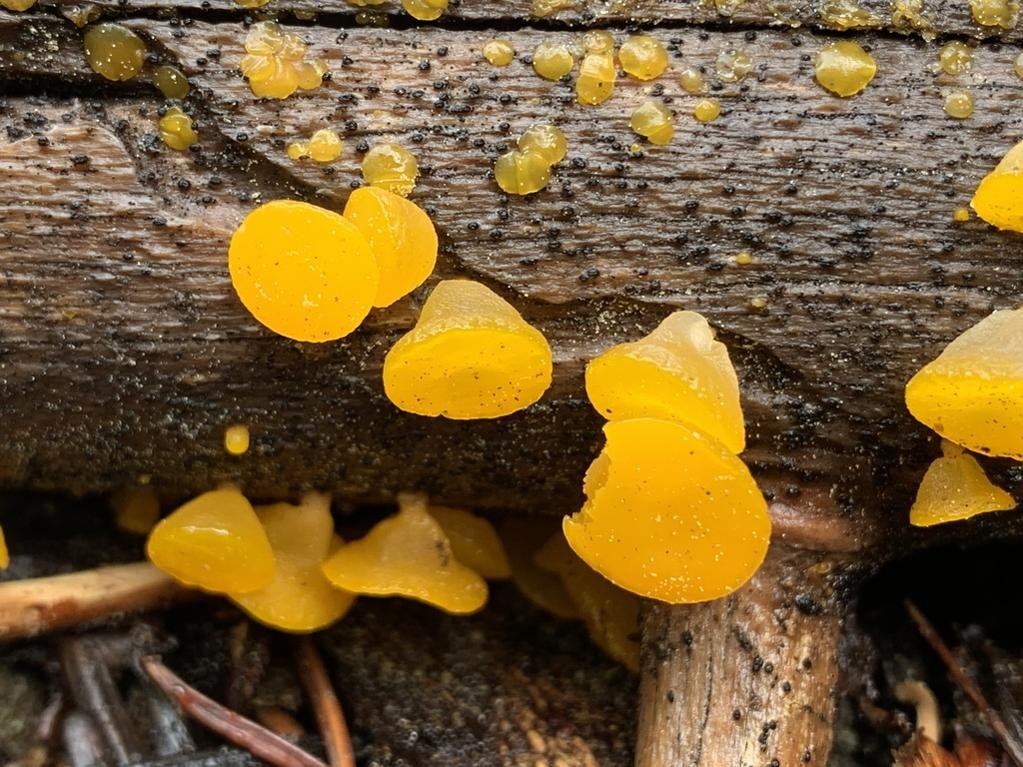
6. Jelly cup
Jelly cup fungus grows on decaying conifer wood that has lost its bark. It is considered a snowbank fungus and appears soon after the mountain snows melt away. The specific epithet, alpina, reflects this mountain habitat. Jelly cup is a nuisance species for construction work - it can cause even treated lumber (especially red cedar) to deteriorate.
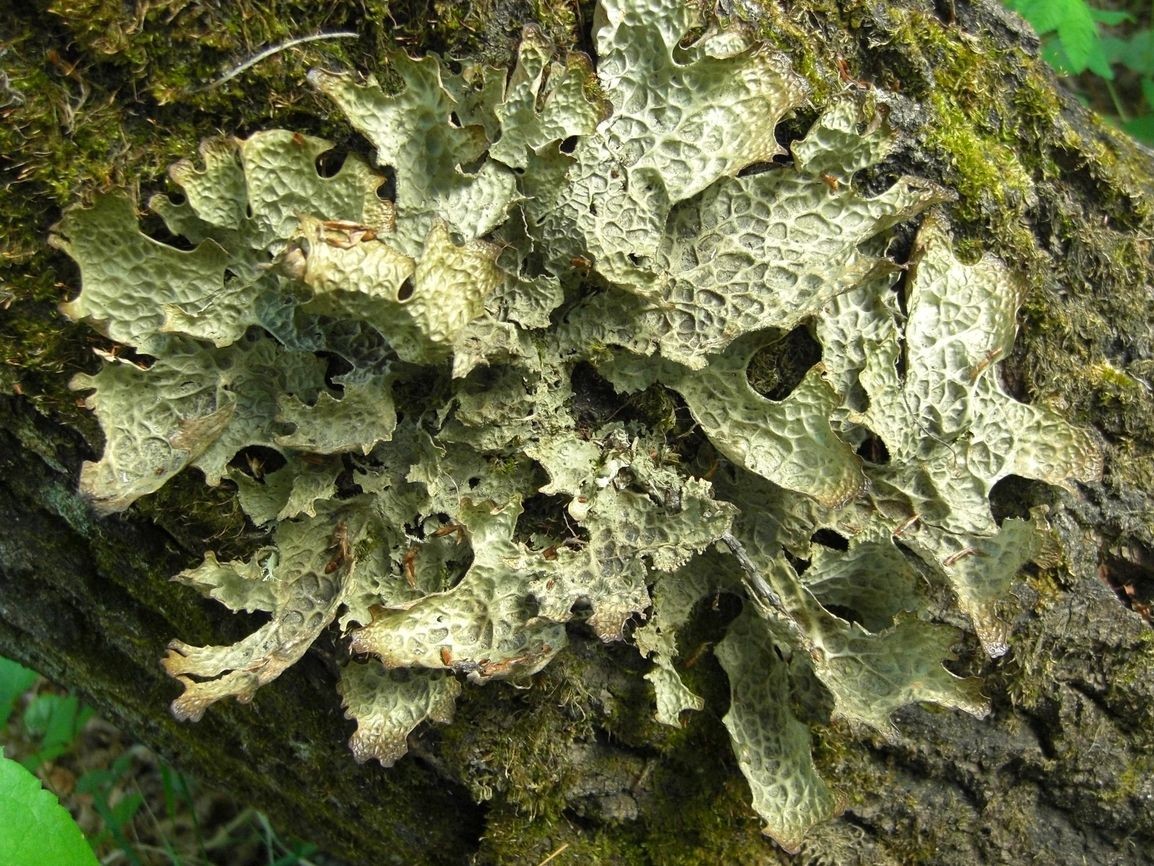
7. Tree lungwort
Tree lungwort is a green lichen that can be found in humid areas of North America, Europe, and Asia. It grows regularly on trees, rocks, and in urban areas rich with moss. It can be used as a dye. Animals may consume tree lungwort or use it as nesting material.
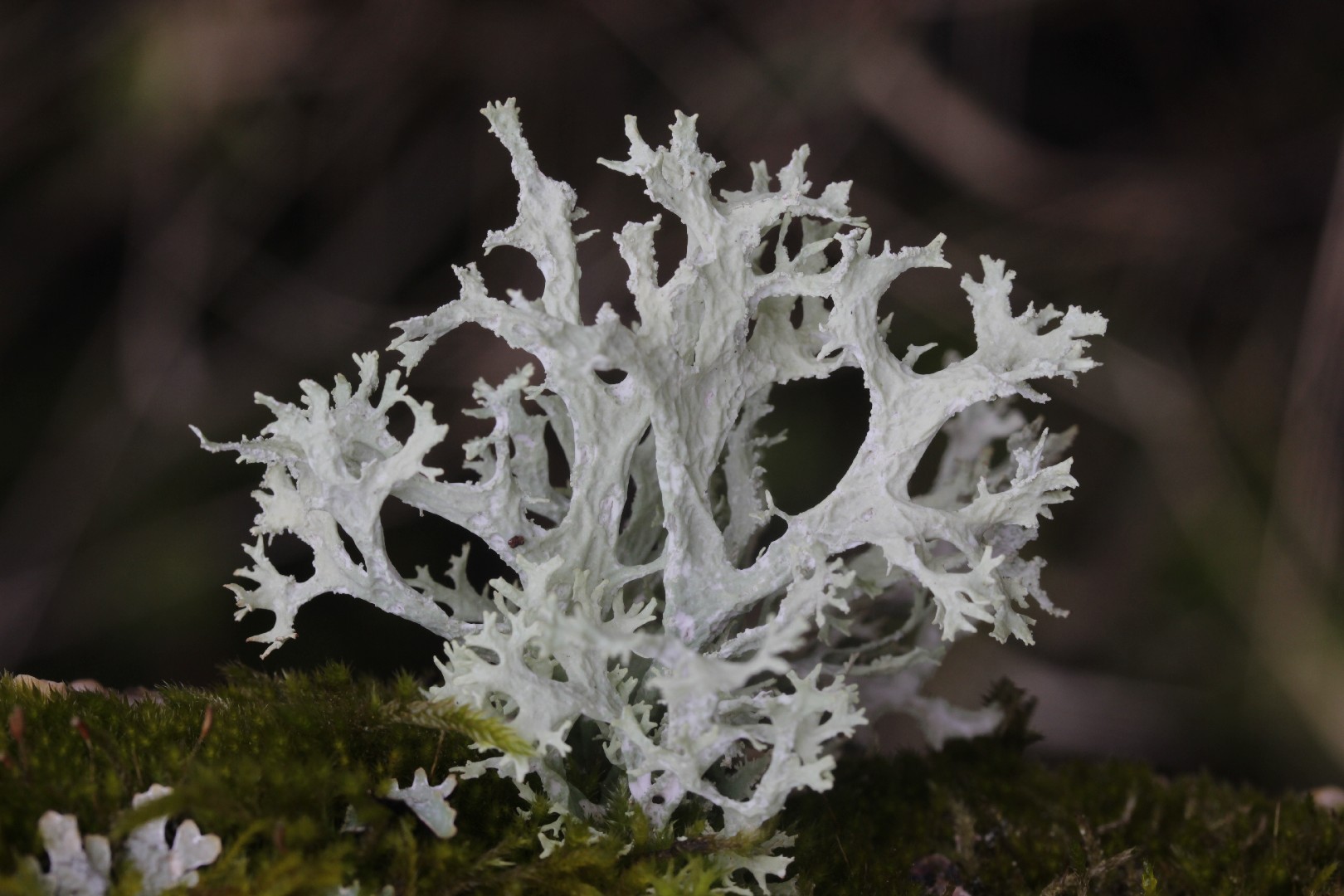
8. Oakmoss
Evernia prunastri grows shrubby on trees. The yellow-green lichen grows up to 10 cm. It consists of up to five millimeters wide shrubby branched bands with a light underside. At the edges of these open dusty (Sorale). Apothecias (with shiny brown disc) are rarely formed.
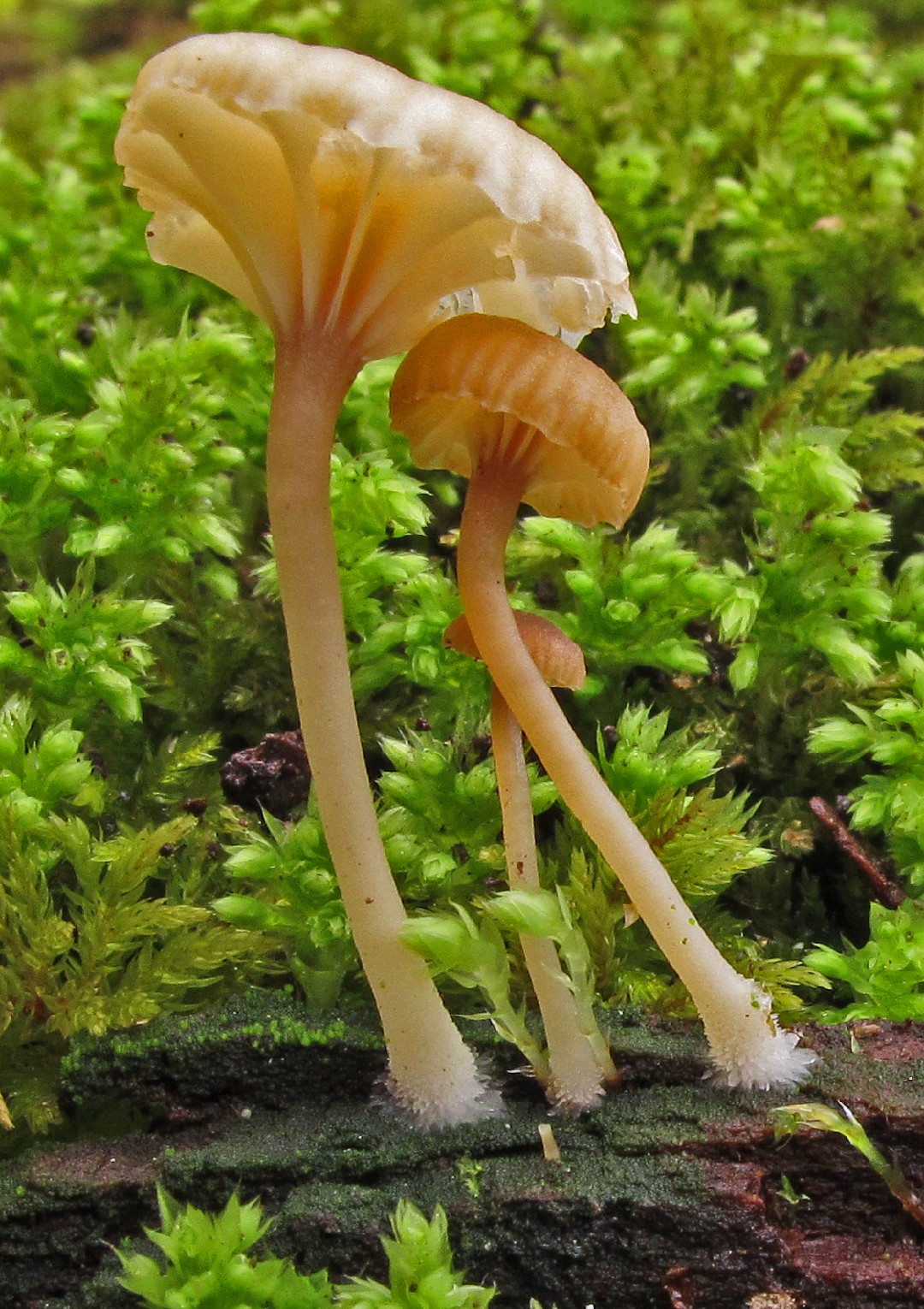
9. Heath navel
The heath navel (Lichenomphalia umbellifera) is technically a lichen. Lichen are composite organisms that consist of both fungi and algae, which live together symbiotically. In the case of the heath navel, the fungus is an agaric mushroom, and the algae are a species of Coccomyxa that live in small structures at the base of the agaric's stalk.
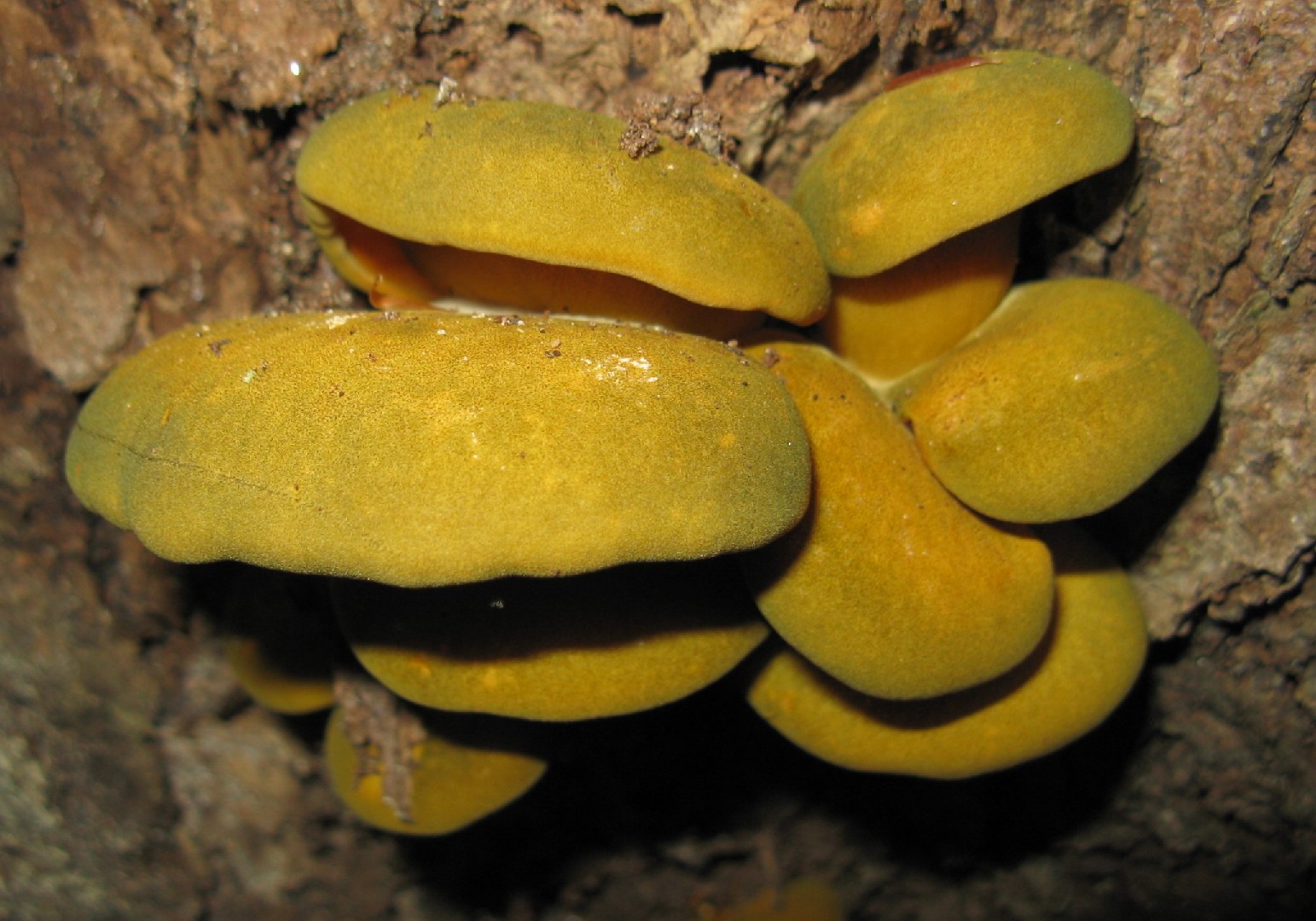
10. Late fall oyster mushroom
As hinted by its name, late fall oyster mushroom is one of the latest mushrooms of the frost-free season. Though not a true oyster mushroom, late fall oyster mushroom bears a striking resemblance to them. This mushroom grows on hardwoods and has a slimy cap that reduces water loss and deters insects.
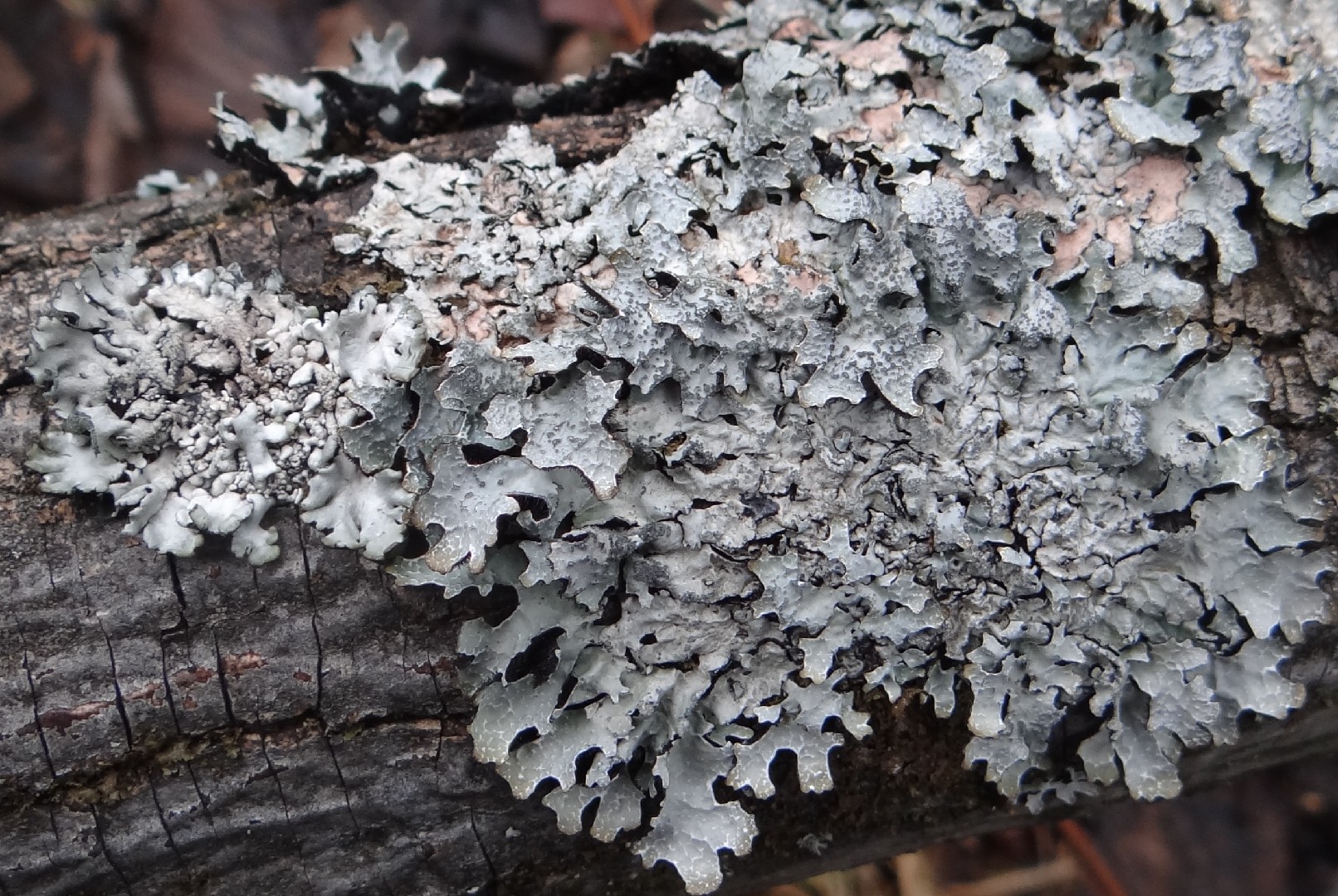
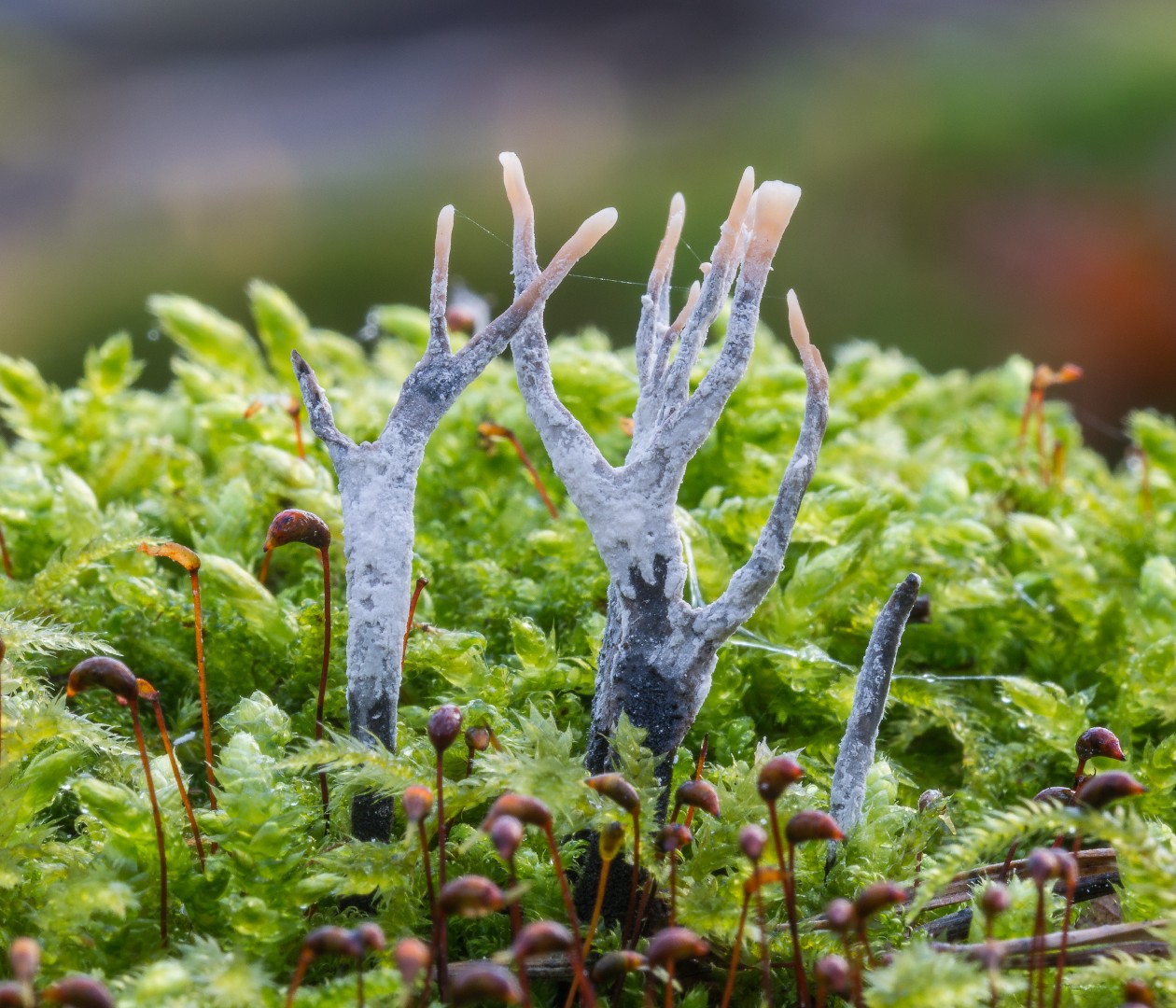
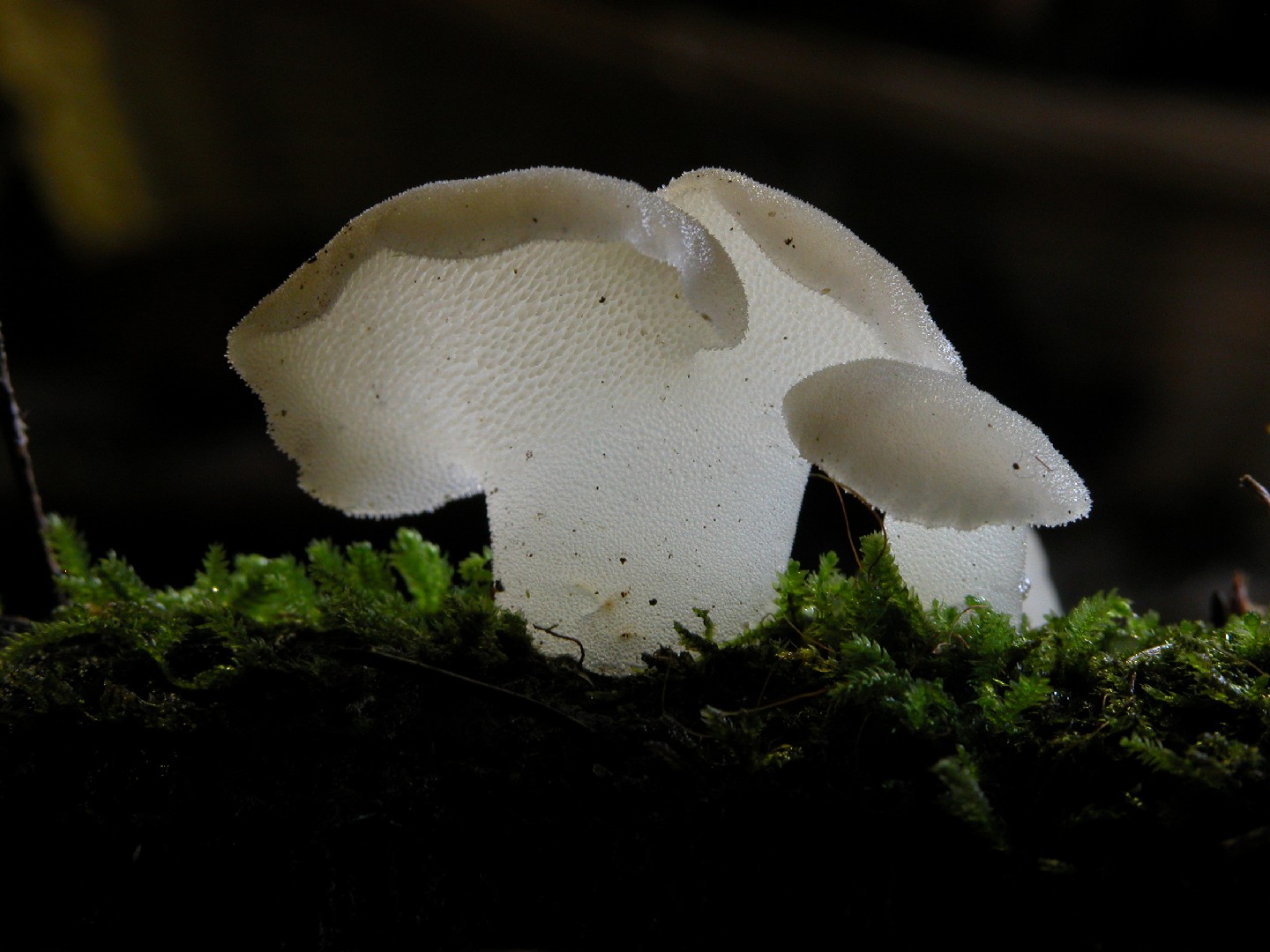
More







