




Top 20 Most Common Toxic or Poisonous Mushrooms in Oswego
Embarking on a mushroom hunting adventure in Oswego's unique climate, marked by a symphony of varied seasons and terrain, can be an enthralling experience - from the cool, thick woodlands to the damp, arable farmlands. Yet with the delights of foraging comes a sobering necessity: safety. This guide outlines 20 most common poisonous mushrooms in Oswego, delivering key identification tips and detailed images to ensure a safe, yet captivating mushroom hunting journey.
* Disclaimer: Content feedback CAN NOT be used as any basis for EATING ANY PLANTS. Some plants can be VERY POISONOUS, please purchase edible plants through regular channels.

Most Common Toxic or Poisonous Mushrooms
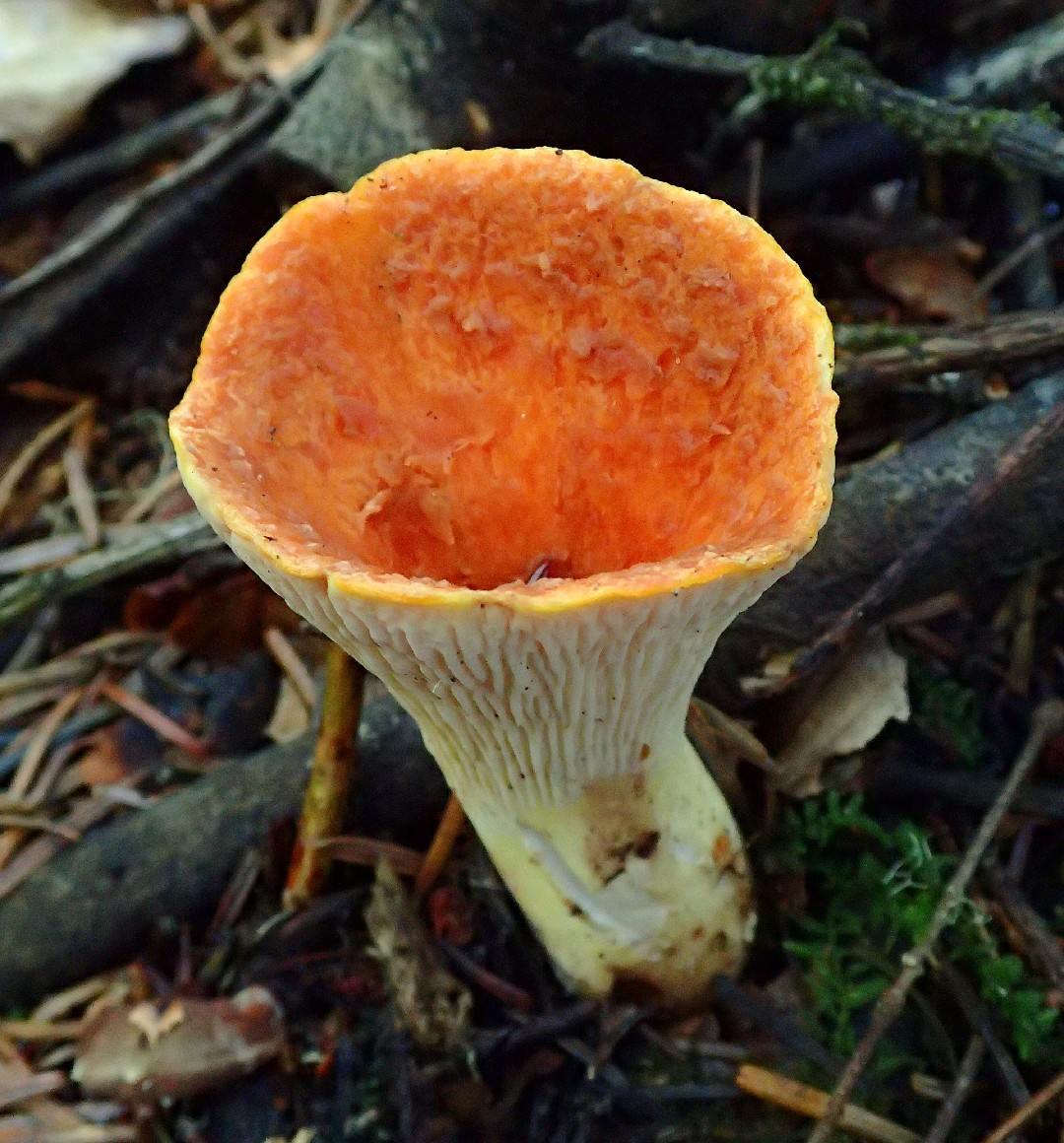
1. Woolly chanterelle
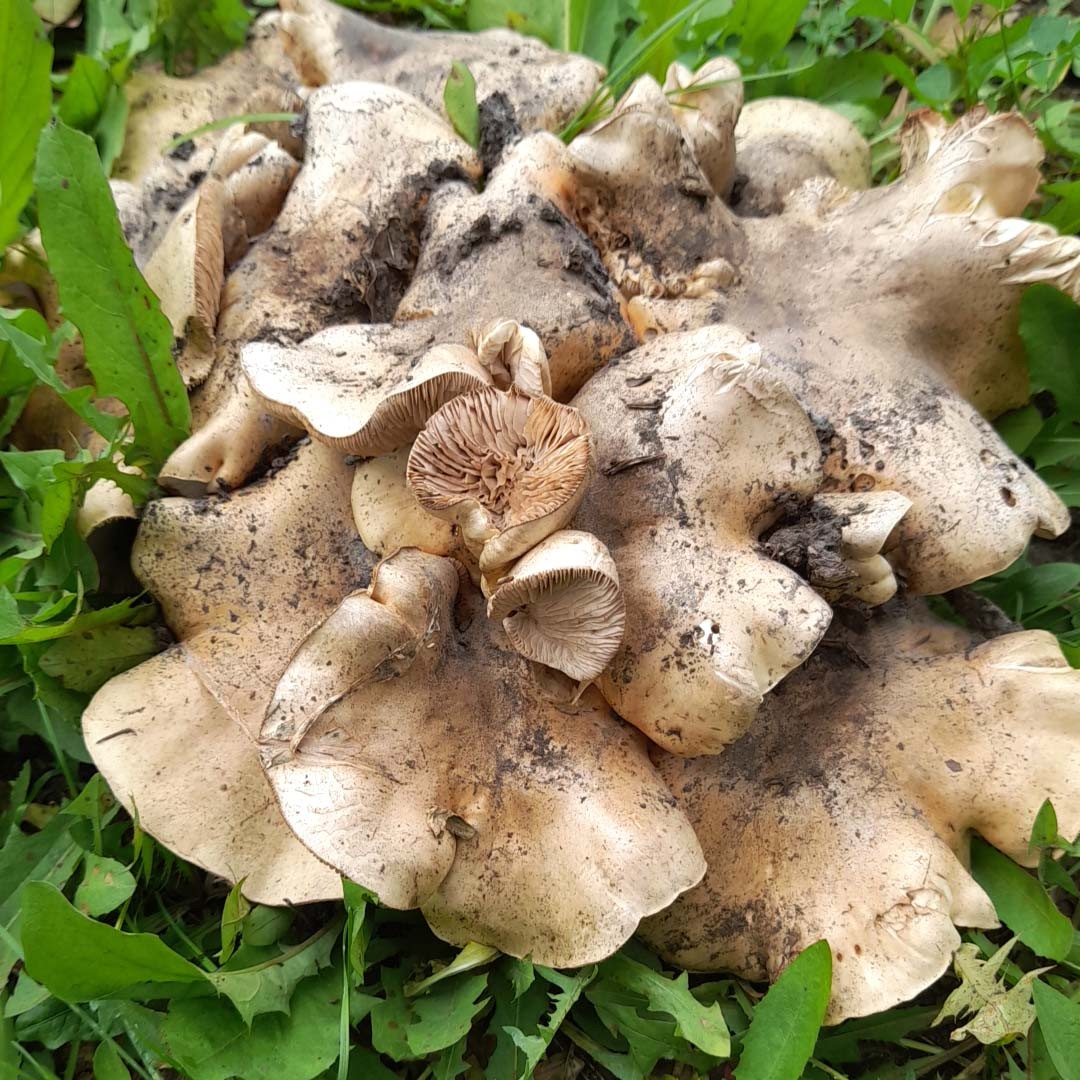
The woolly chanterelle, which looks only vaguely similar to its famed, edible chanterelle cousins, is vase-shaped and has large, pale folds and wrinkles on its underside (as opposed to having gills, like those of more sought-after chanterelles). Woolly chanterelles can cause upset stomach, vomiting, and diarrhea in some who eat them, while leaving others completely unaffected. Needless to say, the species is not considered a "choice edible".
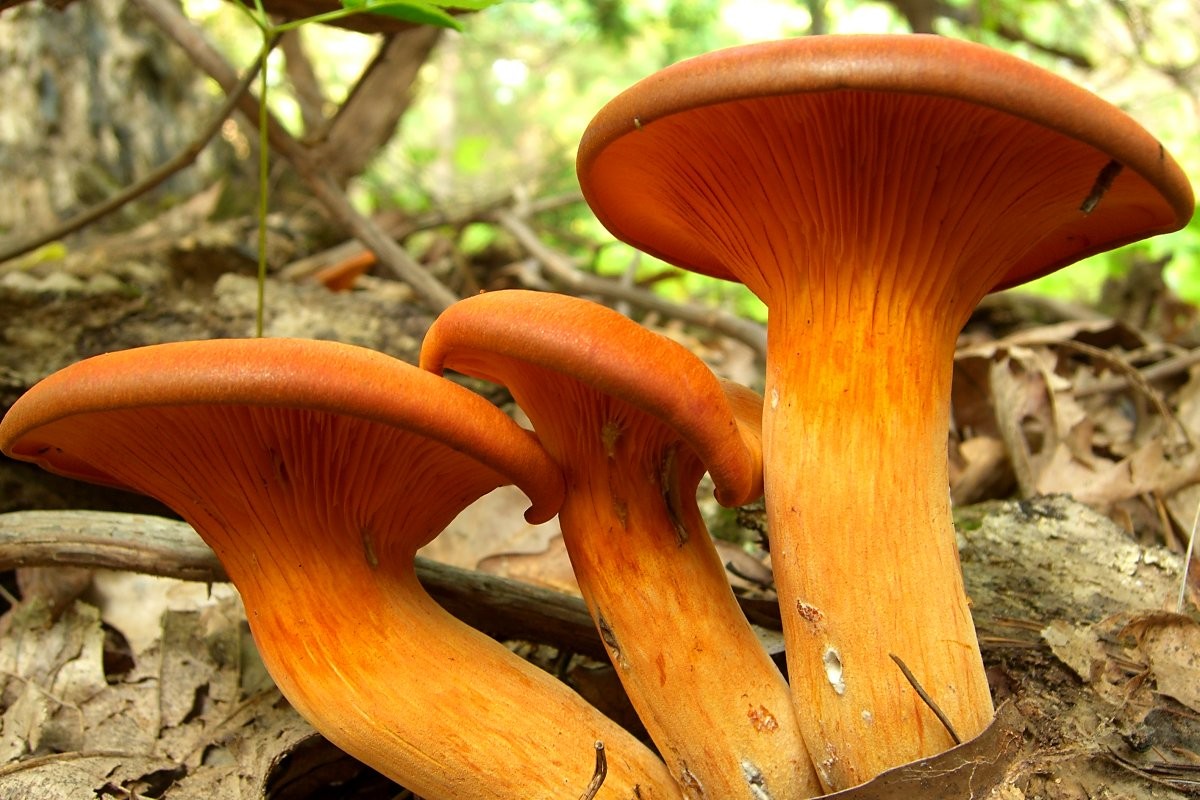
2. Jack-o'lantern mushroom
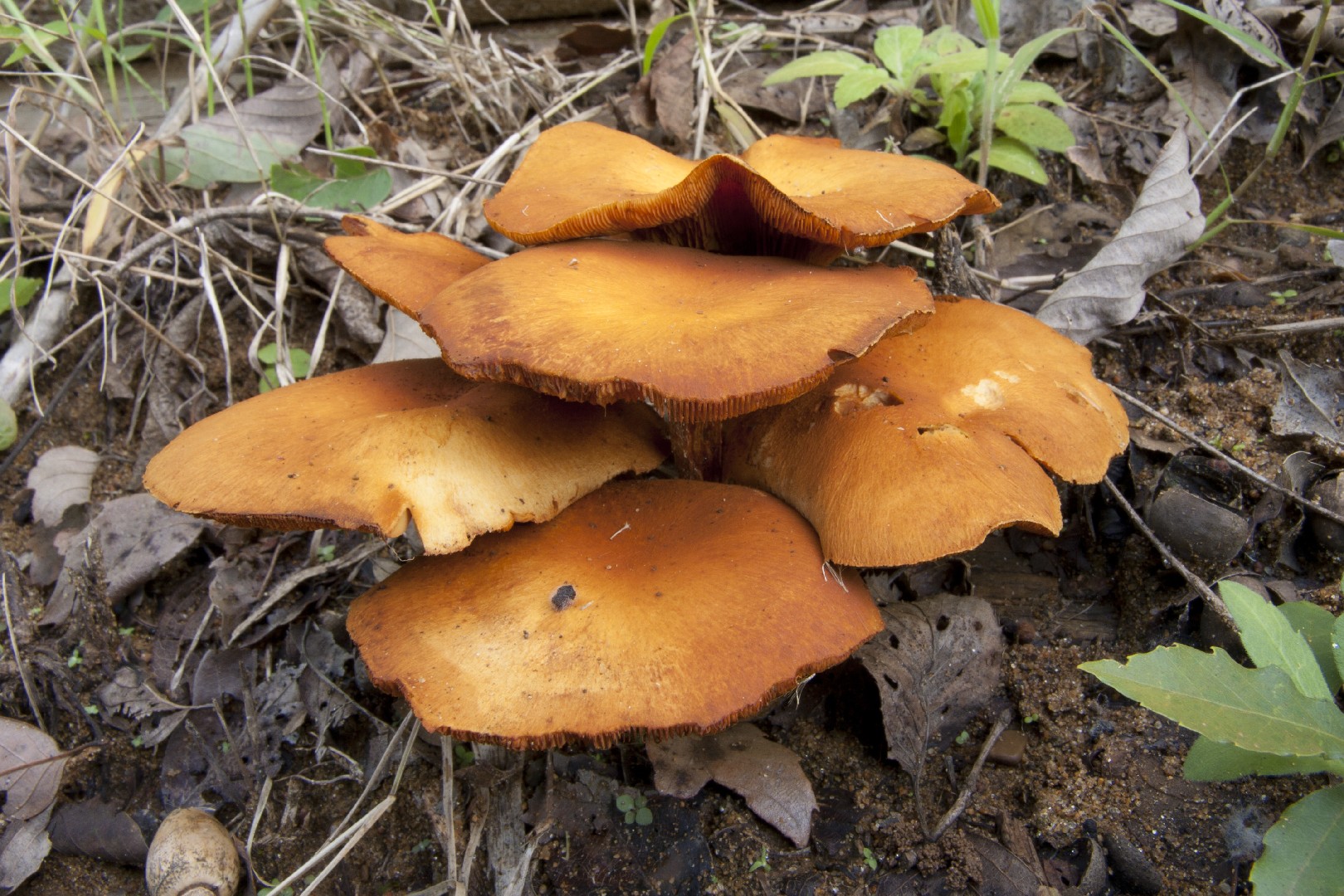
The jack-o'lantern mushroom is so-called because of its bright orange color, and because it often appears in the fall (usually before Halloween, though). This vibrant little mushroom can be found growing on decaying hardwood stumps and logs. The species does have some superficial resemblances to the highly edible chanterelle (Cantharellus cibarius), but it is toxic and should be avoided!
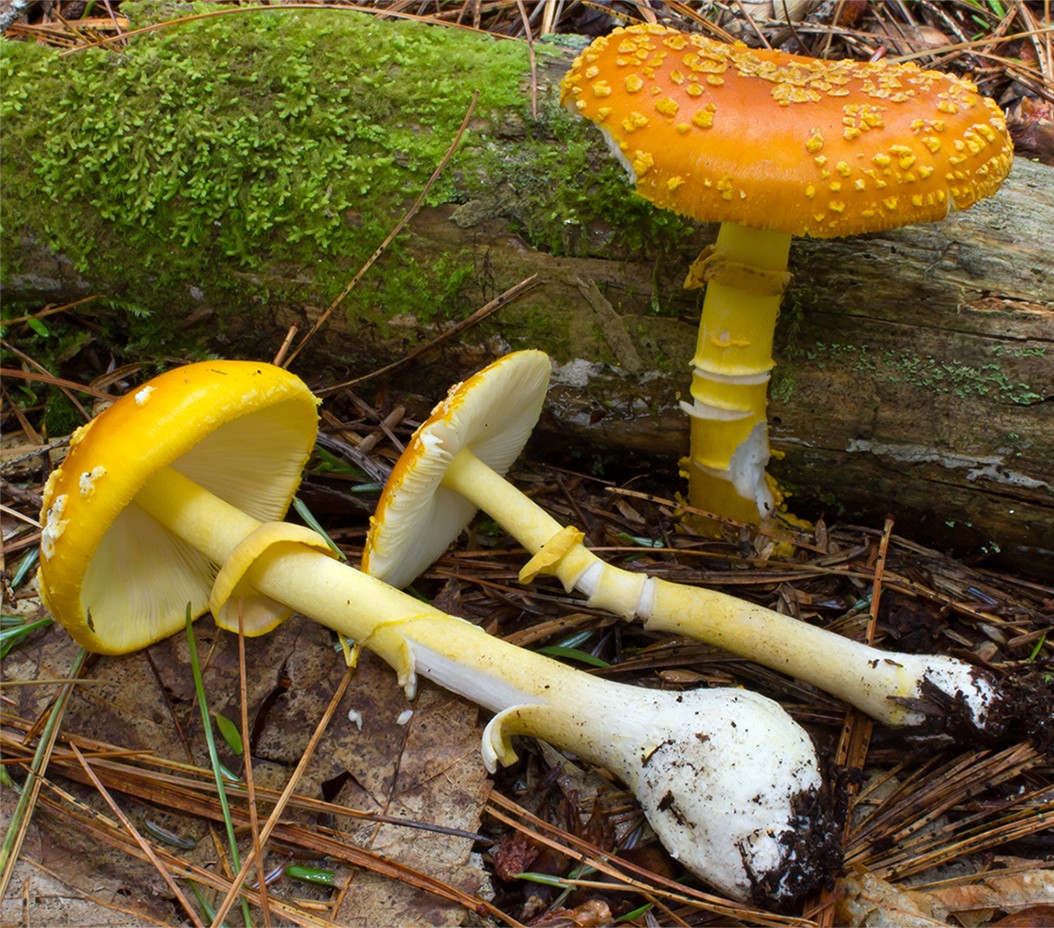
3. Yellow patches
The yellow patches is a gorgeous, striking species with a deep marigold or vermillion cap that sometimes appears as a blend of the two. Like some other members of the Amanita genus, it also sports patchy white worts - when it's cap is still very convex, it somewhat resembles the famous white and red mushrooms from the Mario Bros video games. While beautiful to look at, this species is toxic and should not be harvested.
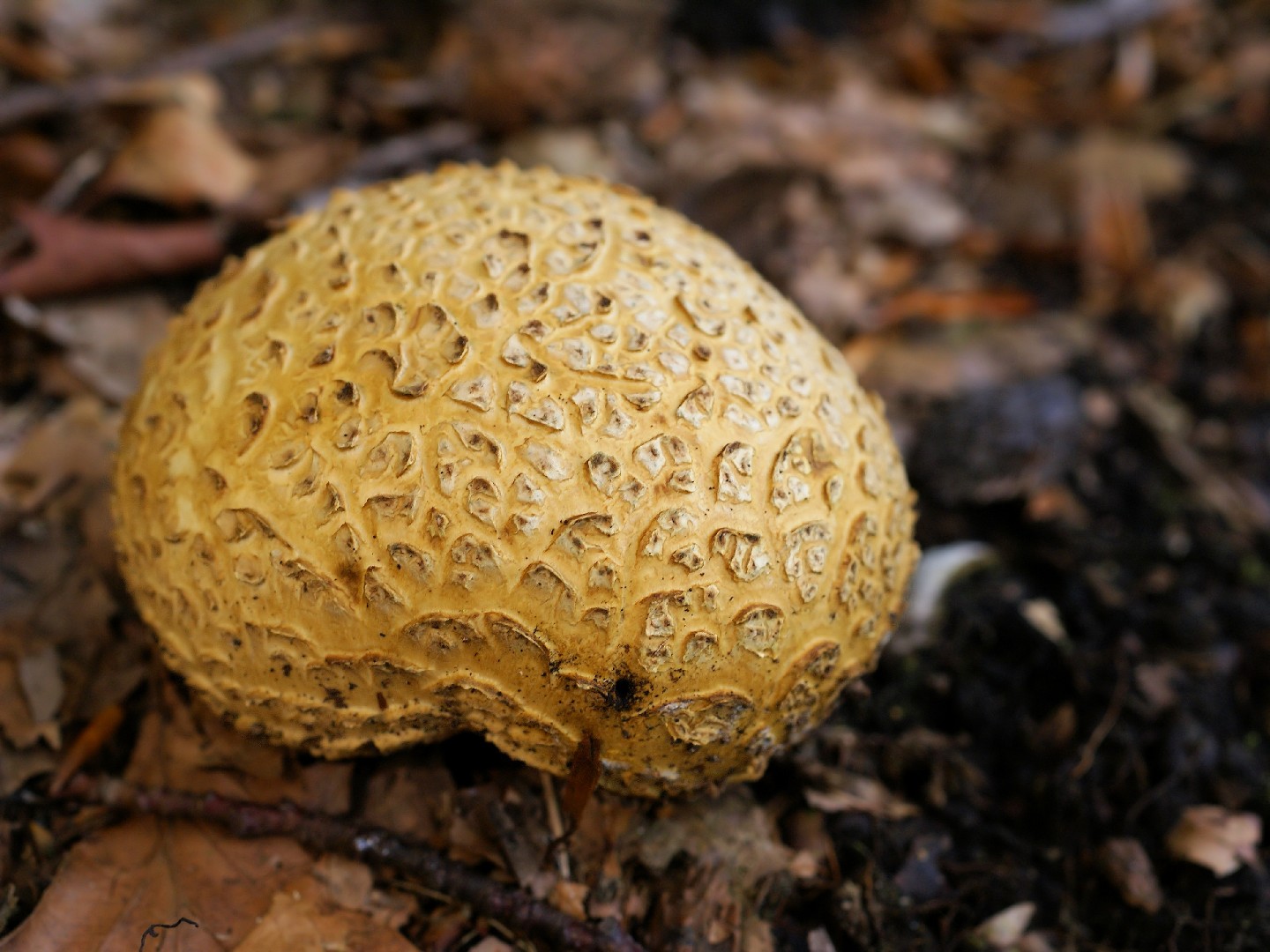
4. Common earthball
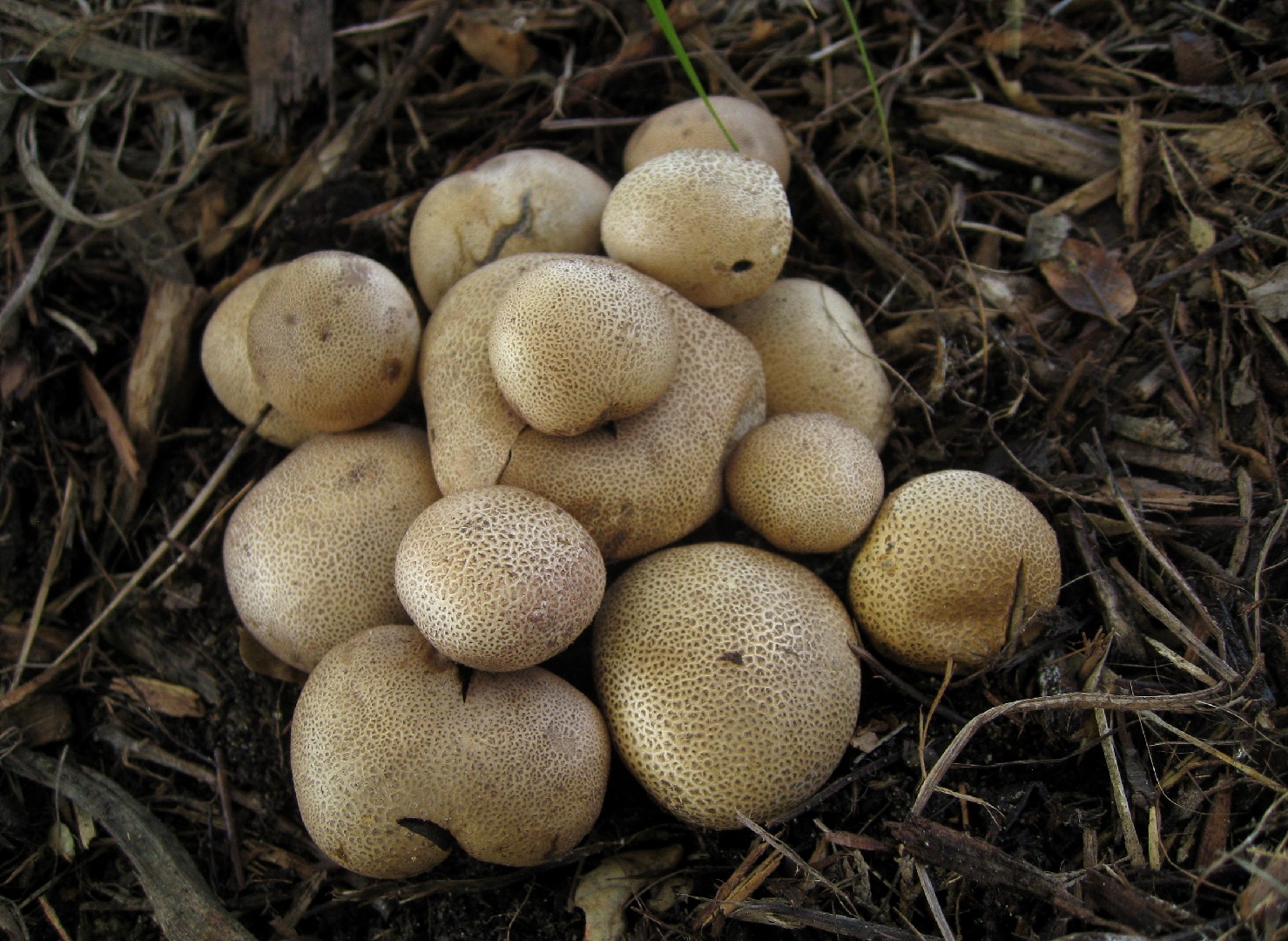
With an appearance similar to a crusty potato, the common earthball blooms from acidic soils, including compacted paths on the forest floor. It matures to a yellowish tinge and is found across the northern hemisphere. It is a close cousin to bolete mushrooms but is considered to be poisonous and is never eaten.
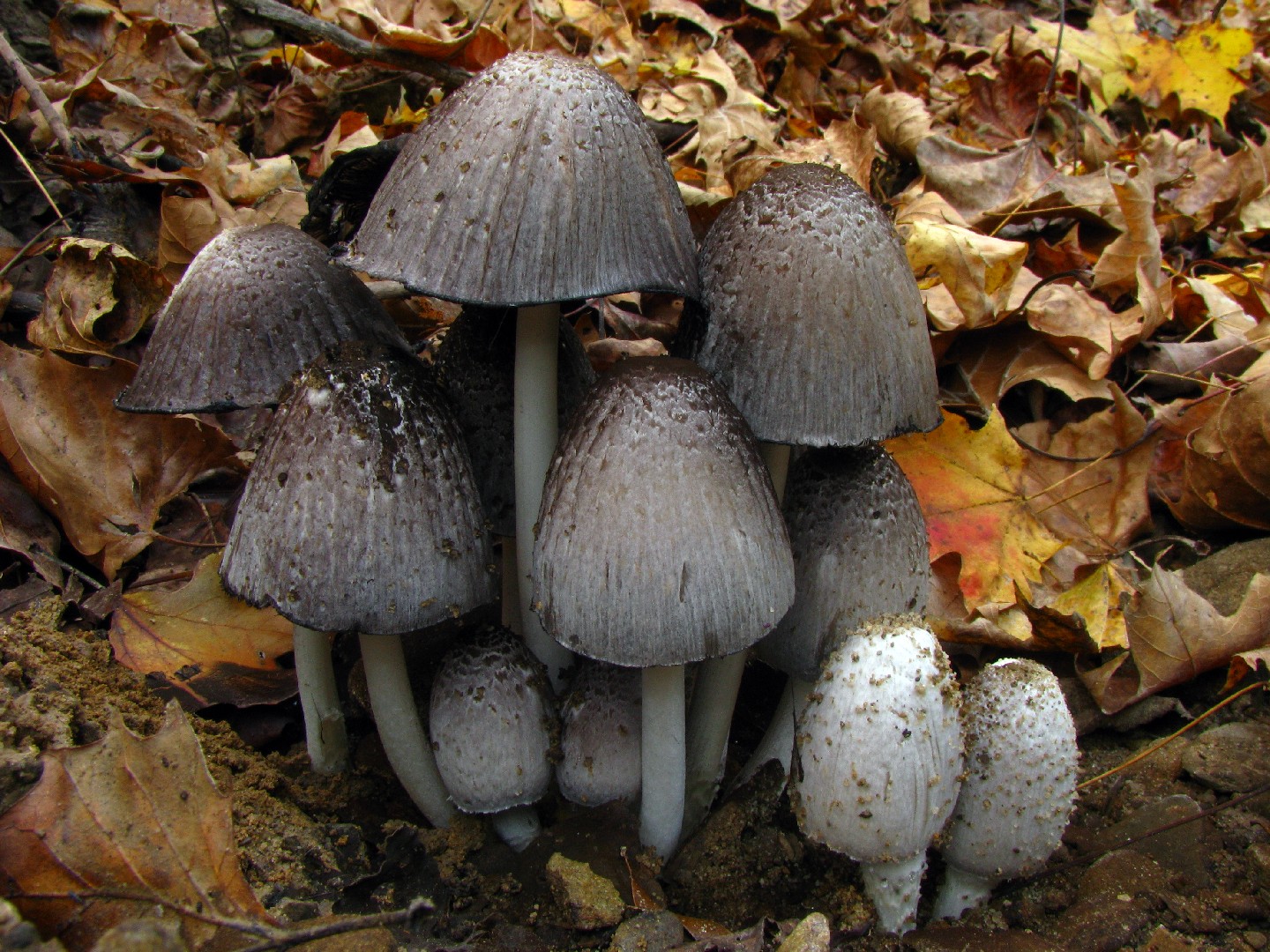
5. Common ink cap
Common ink cap mushrooms grow in clumps from buried wood or tree stumps. They come up with such strength that they have been known to lift pavement or break through asphalt. As they age, their gills will turn black and liquefy, creating the "inky" substance for which they are named.
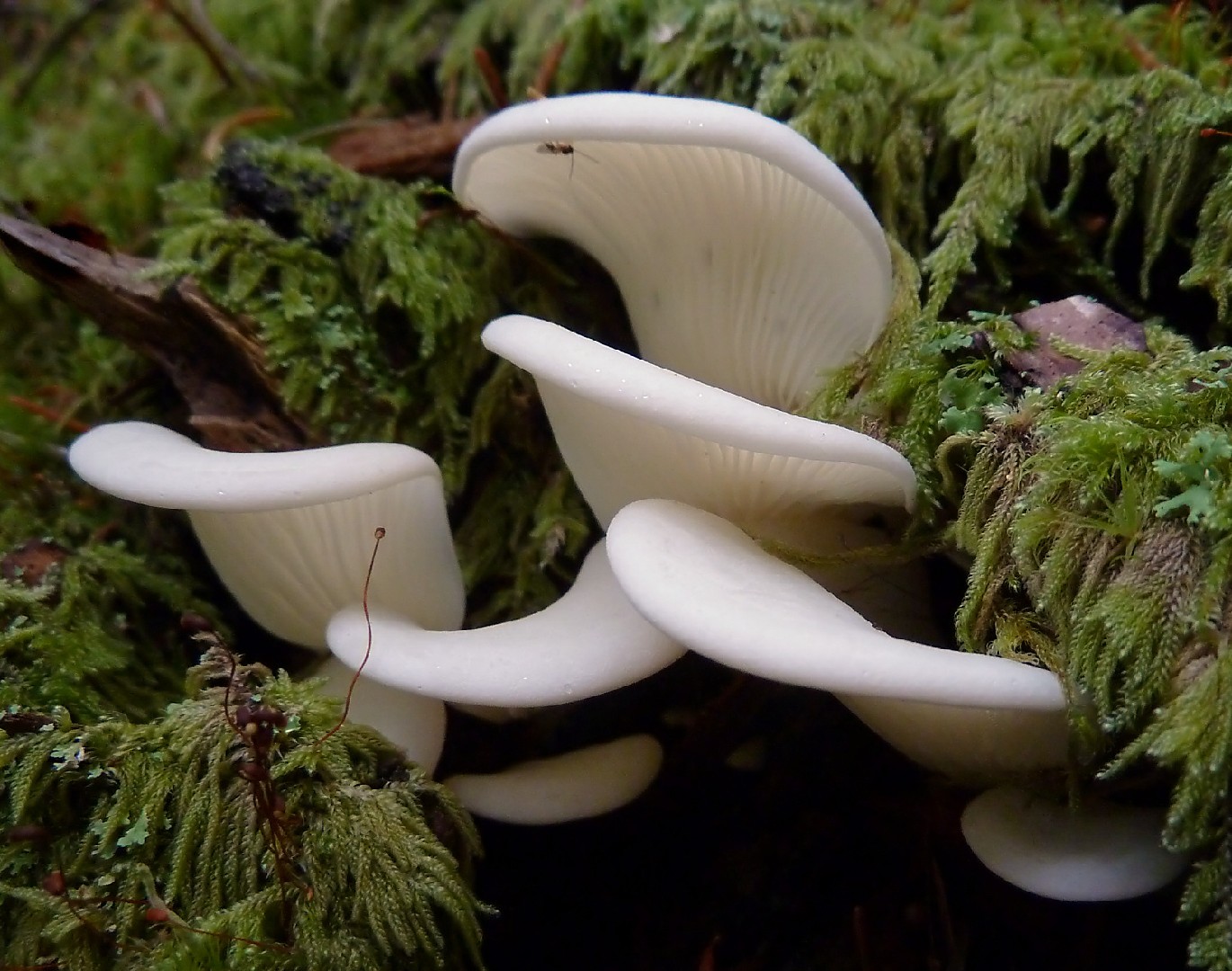
6. Angel wings
Angel wings(Pleurocybella porrigens) is a delicate, almost ethereal mushroom most commonly found on decaying conifer logs and stumps. In spite of its disarming name, this species is highly toxic and should not be consumed under any circumstances; once considered edible, it has been responsible for numerous deaths in Japan.
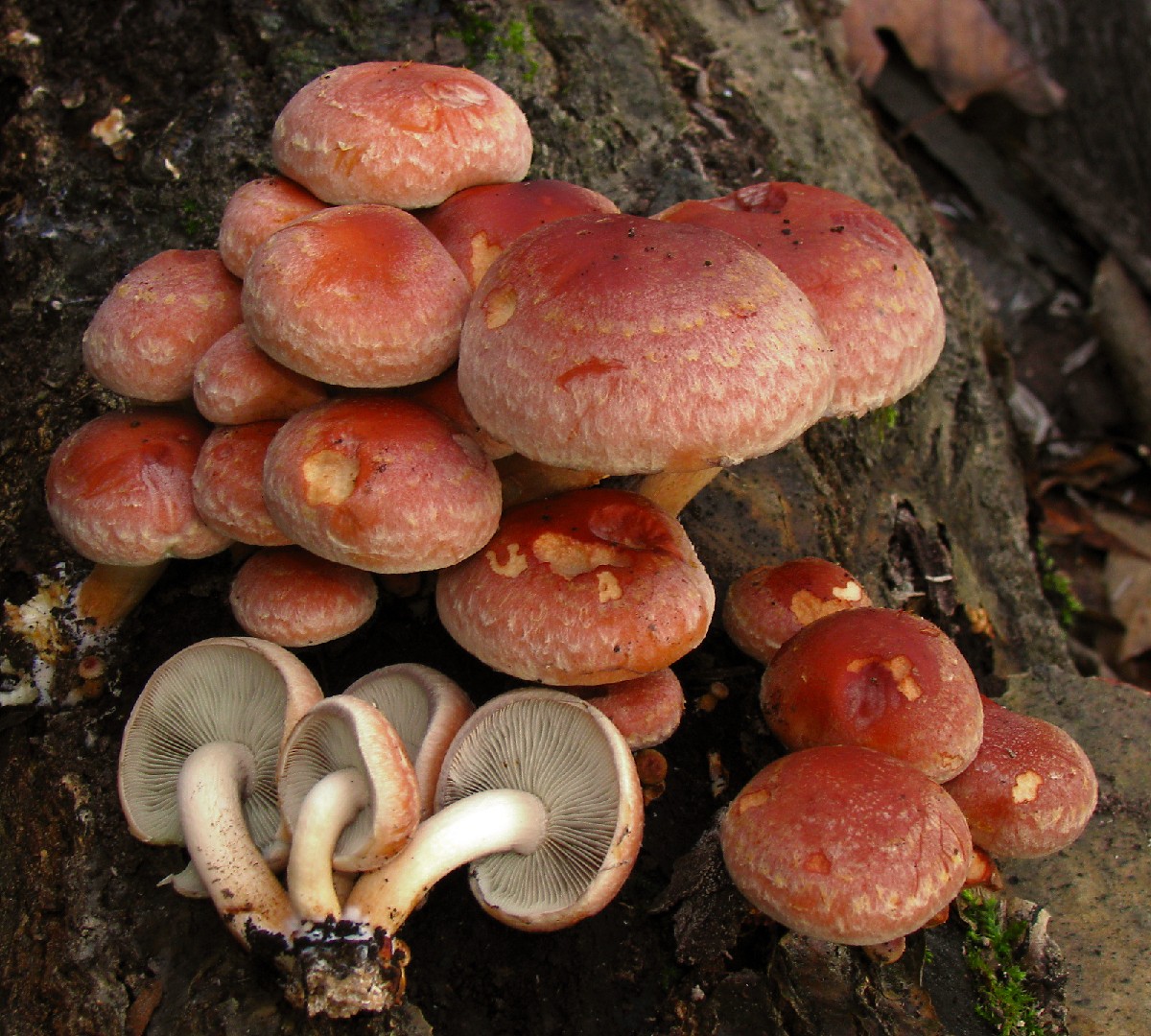
7. Brick cap
This tufting mushroom grows on hardwood stumps and deadwood. The brick cap seems particularly fond of oak wood. It is similar in most respects to the Sulfur Tuft or Conifer Tuft, except that its cap is a brick red color. Brick caps should be regarded as inedible and are likely to cause stomach problems if consumed.
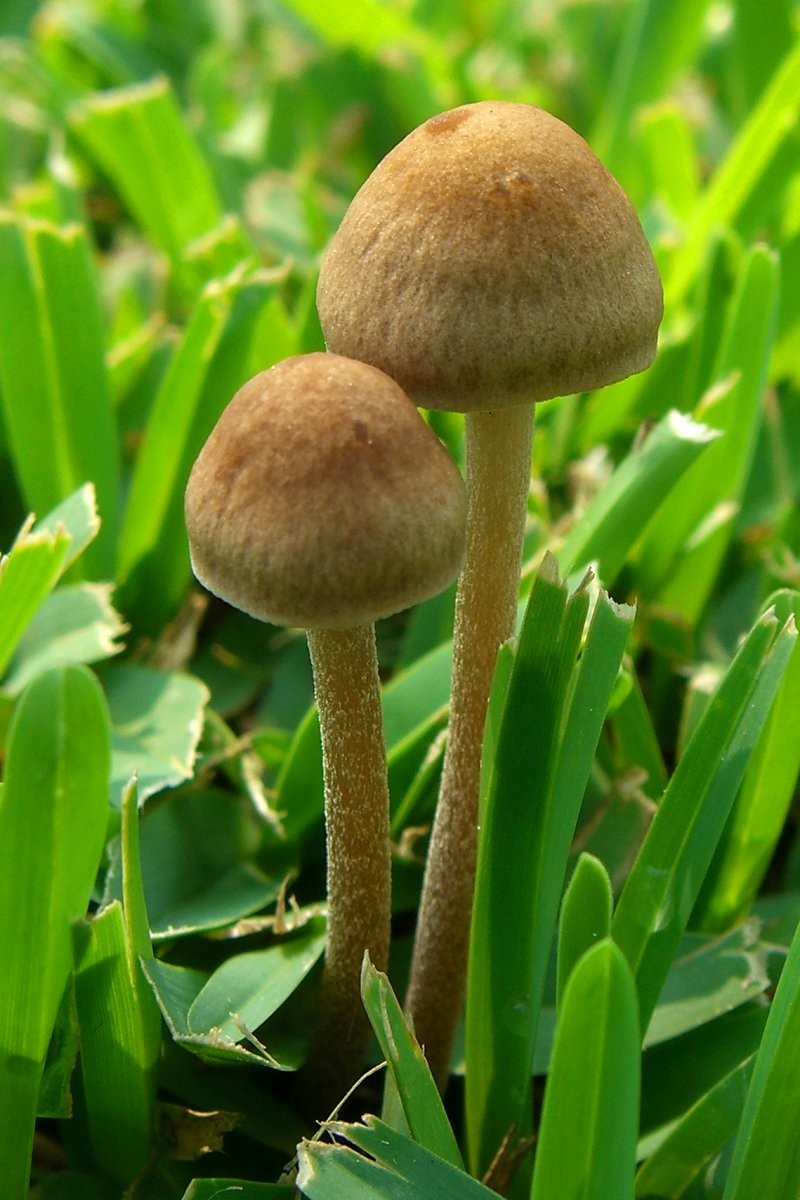
8. Mower's mushroom
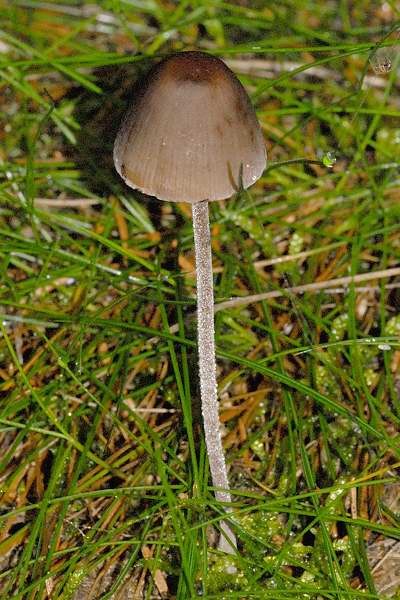
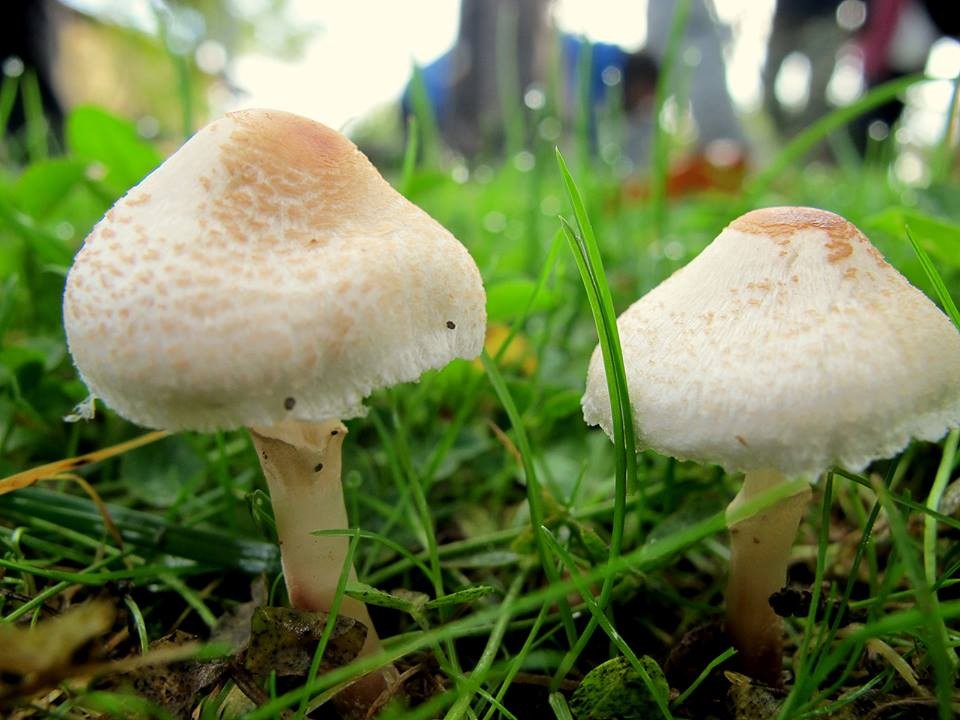
The mower's mushroom, also referred to as the lawnmower's mushroom, is so named because it frequently crops up in lawns. The species is rather nondescript, and it is considered a member of the infamously hard-to-distinguish "Little Brown Mushroom" (LBM) family. While the mower's mushroom is not known to be toxic to humans or dogs, several of these close look-alikes are.
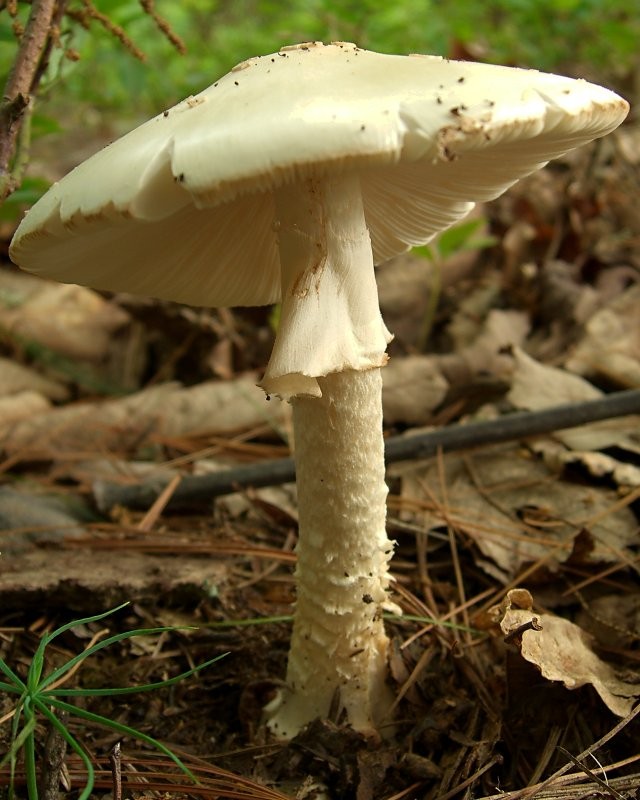
9. Cleft-footed amanita
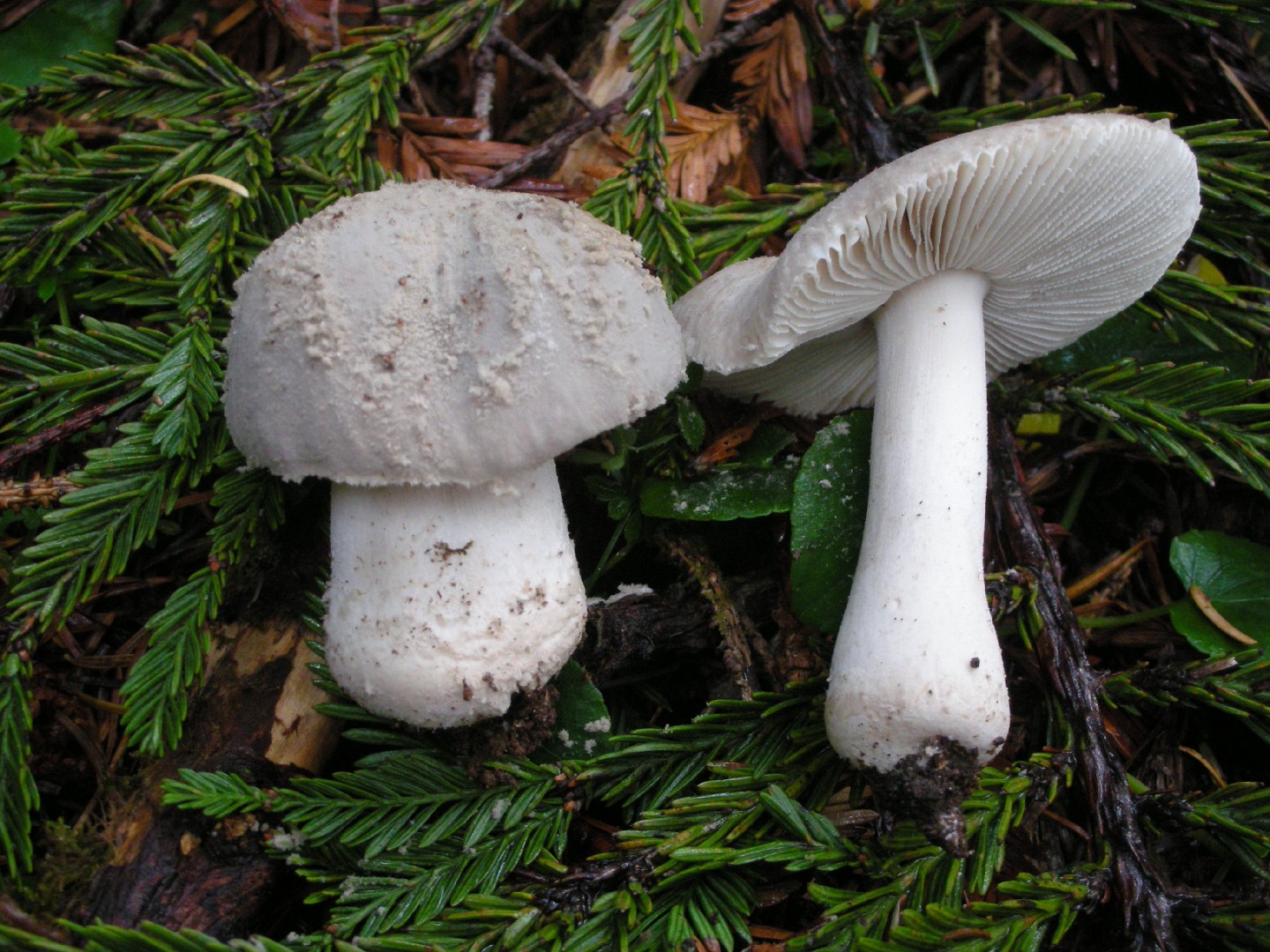
The cleft-footed amanita is a North American mushroom species that was once classified as the notorious Amanita phalloides (the Death cap). Although later found to be less deadly, the cleft-footed amanita is a highly variable species that is not considered safe to forage for consumption.
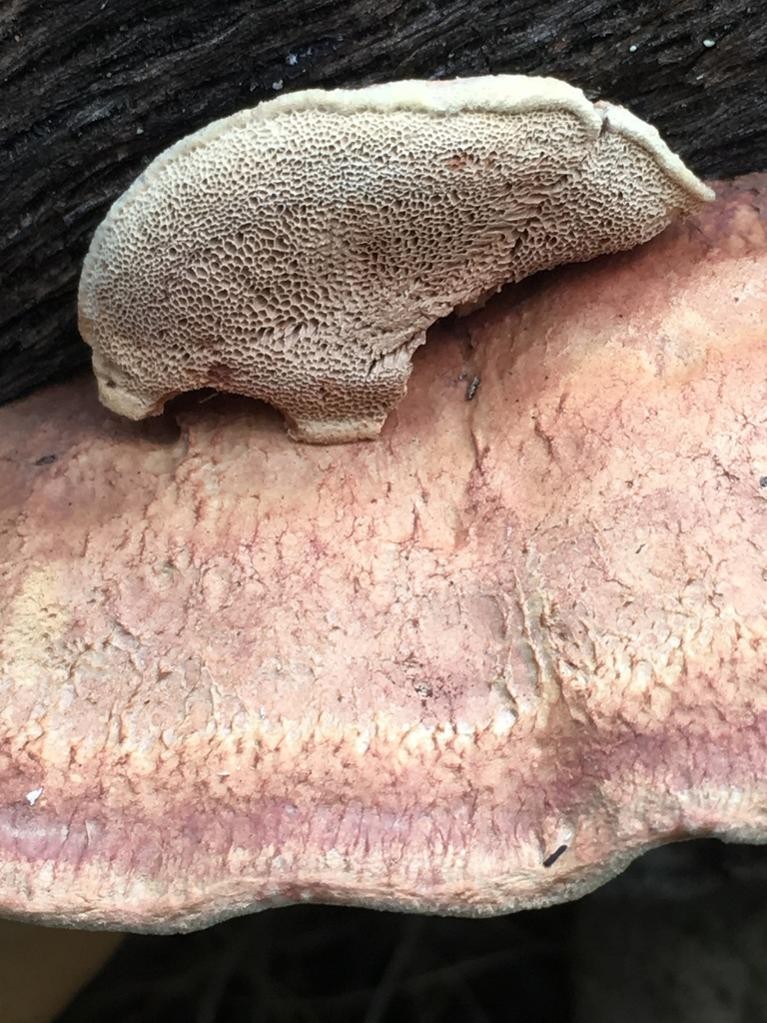
10. Cinnamon bracket
The cinnamon bracket (Hapalopilus rutilans) is a fungus that causes a white rot on dead wood. Its poisonous fruit bodies appear as brackets, and tend to grow in a dull orangish shade. A chemical reaction with ammonia, however, turns it purple. This fact can be exploited for the creation of wool dyes, with colors ranging from light lavender to deep purple.
More







