




Top 20 Edible Mushrooms Popular in Tuckahoe
Immerse yourself in the world of fungi as we delve into the most common edible mushrooms, specially focusing on the 'Tuckahoe', thriving in Tuckahoe. Renowned for its bountiful terrains and unique climatic conditions, Tuckahoe breathes life into a diverse range of these fascinating organisms. Our comprehensive guide will detail the key characteristics of the top 20 edible mushrooms, including their unique physical traits, robust flavor profiles, native habitats, and versatile culinary uses. Equip yourself with enlightening information that captures the essence of these incredible species.
* Disclaimer: Content feedback CAN NOT be used as any basis for EATING ANY PLANTS. Some plants can be VERY POISONOUS, please purchase edible plants through regular channels.

Most Popular Edible Mushrooms
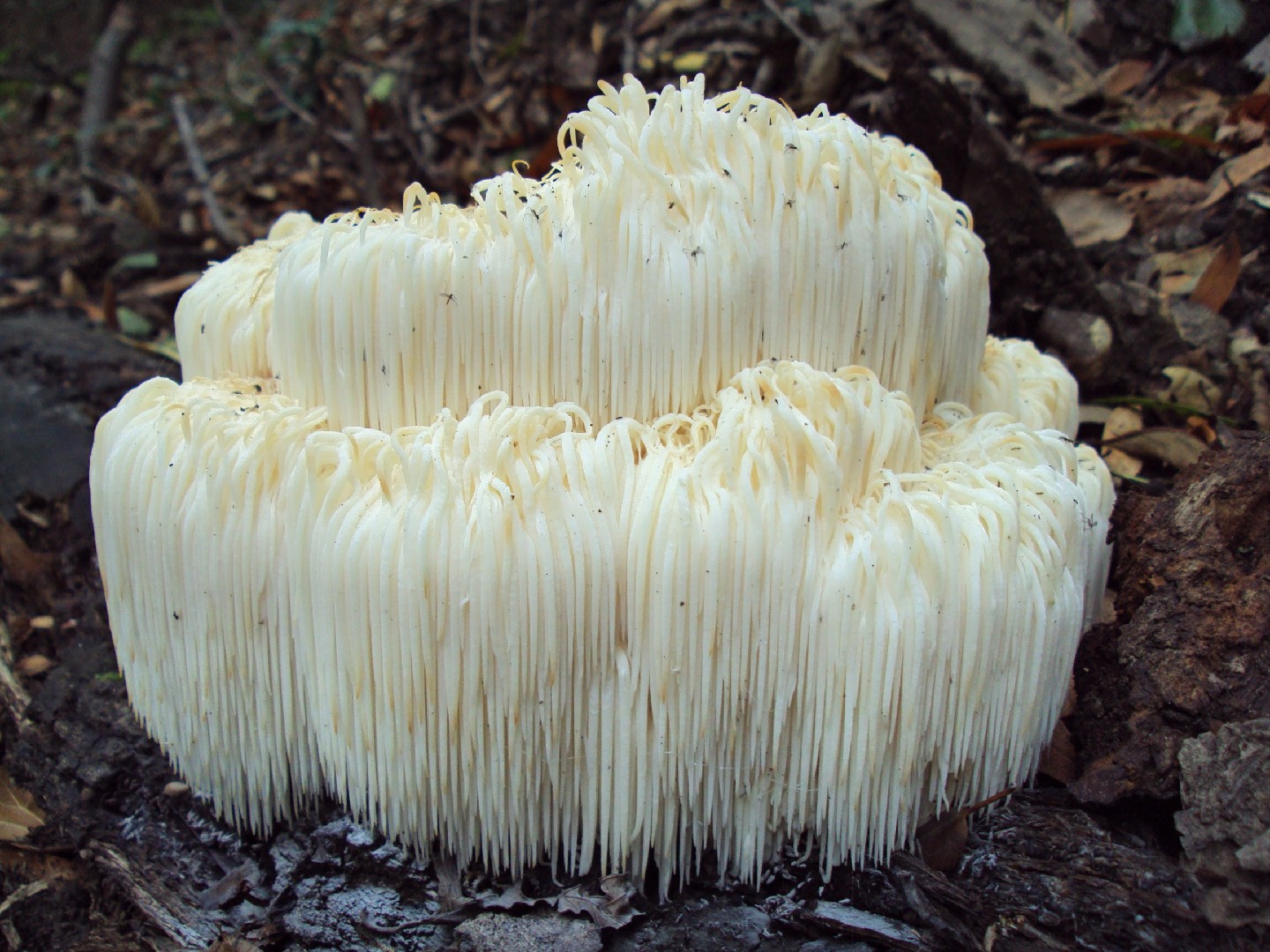
1. Lion's Mane Mushroom
Lion's Mane Mushroom(Hericium erinaceus) is easily identifiable by its characteristic appearance, reminiscent of the majestic mane of a lion. It often sprouts along hardwoods, which may be living or dead. Scientists thus debate whether this species is truly parasitic or merely saprophytic in nature.
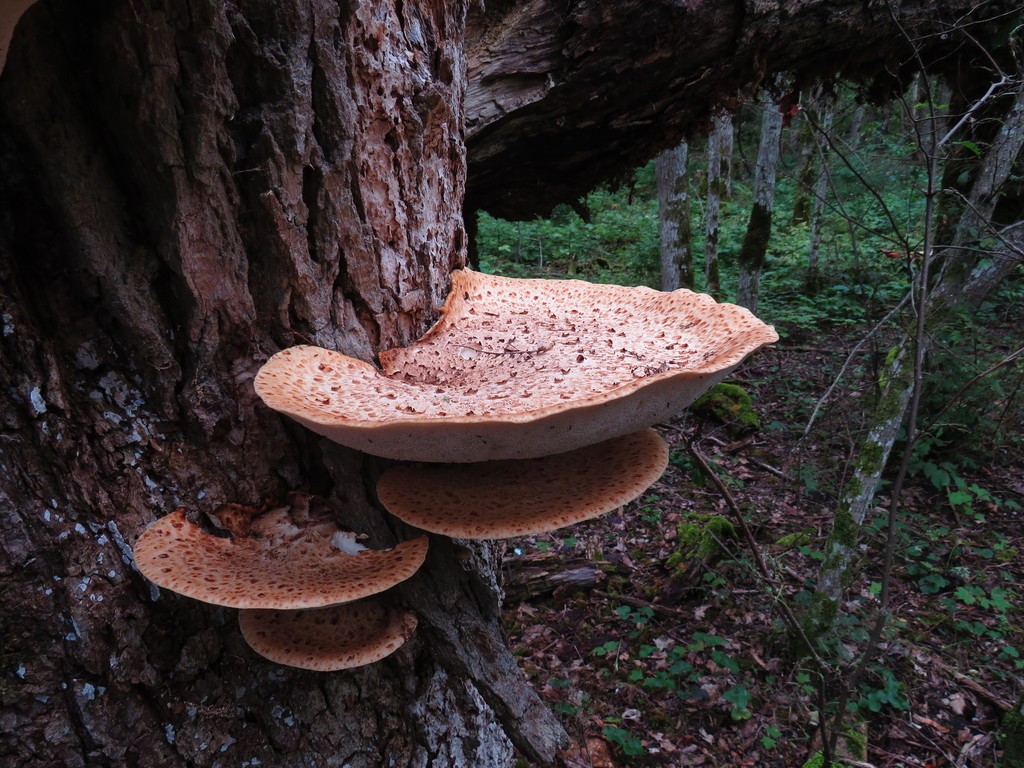
2. Dryad's saddle
A familiar sight to spring morel hunters, dryad's saddle is noteworthy for its large size, striking scales, and watermelon-like smell. Similar to other mushrooms in the bracket fungi family, dryad's saddle can be used to make paper. Younger mushrooms are better suited for this purpose due to their smaller and more consistent fibers.
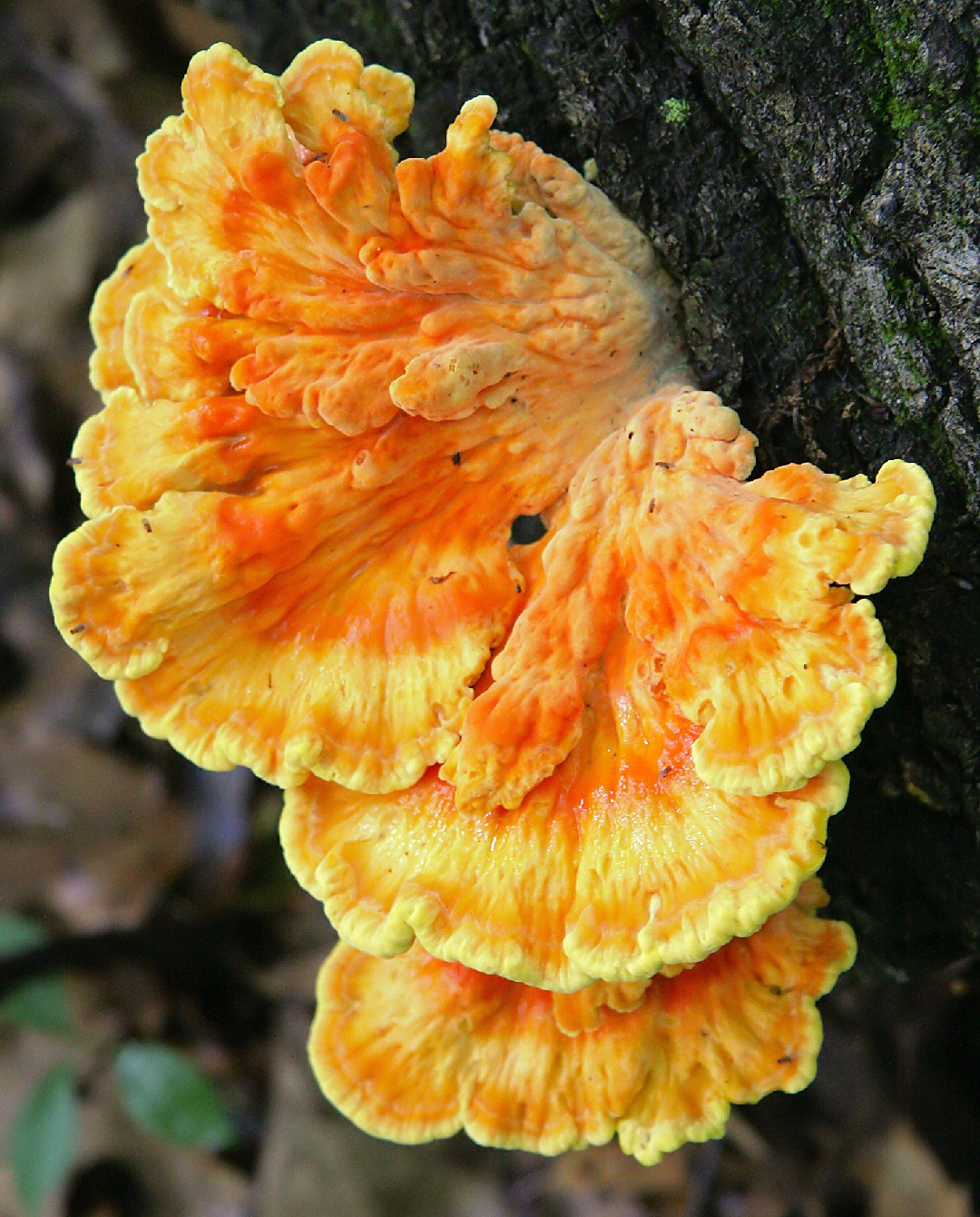
3. Chicken of the woods
Chicken of the woods is very noticeable in hardwood forests, appearing in clusters on standing tree trunks in bright orange and yellow hues that sometimes last through the entire winter. It is a parasite that causes an unfortunate brown heart rot, and is considered a particularly troublesome pest of Yew trees. If the fruitbodies can be seen, the tree is likely already beyond saving.
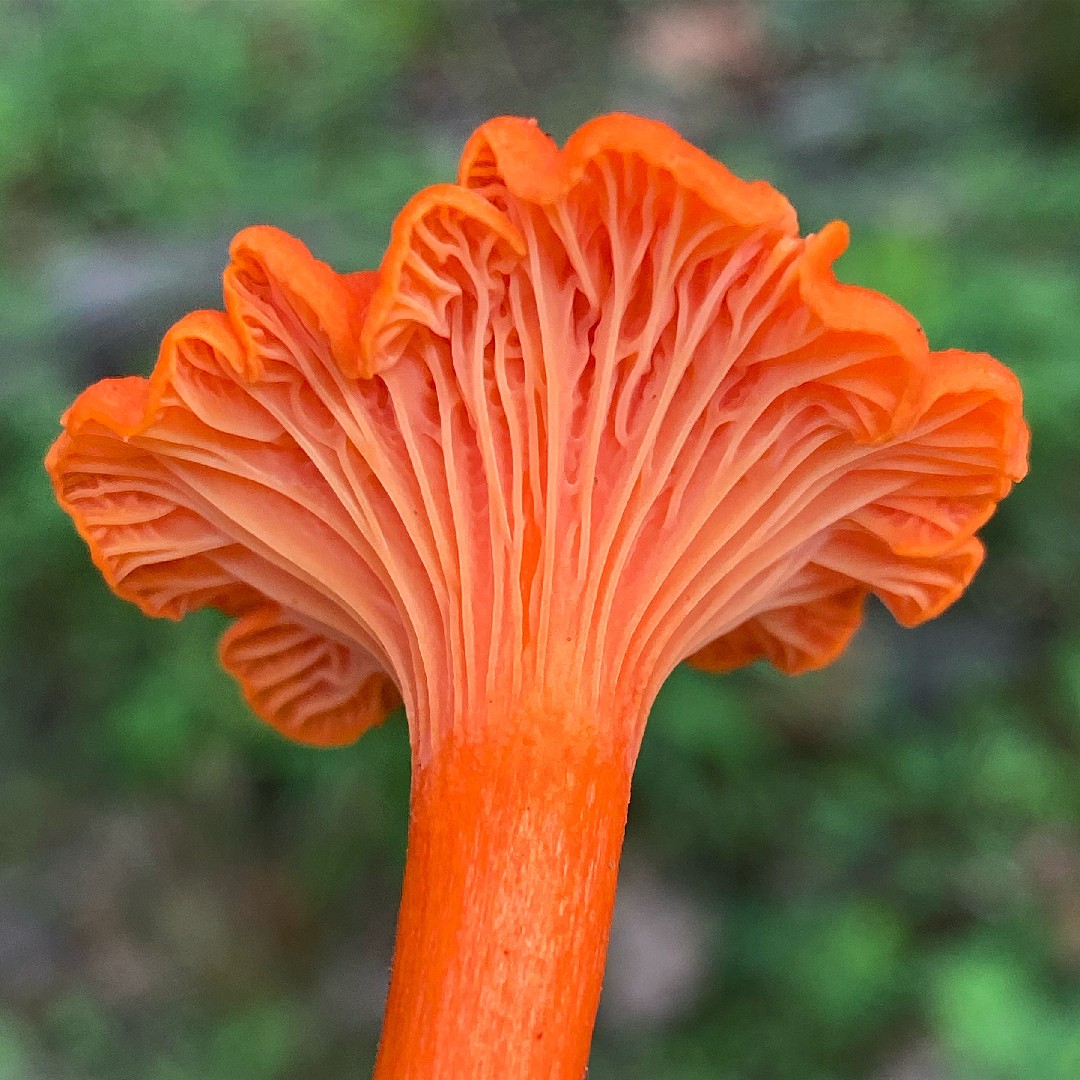
4. Red chanterelle
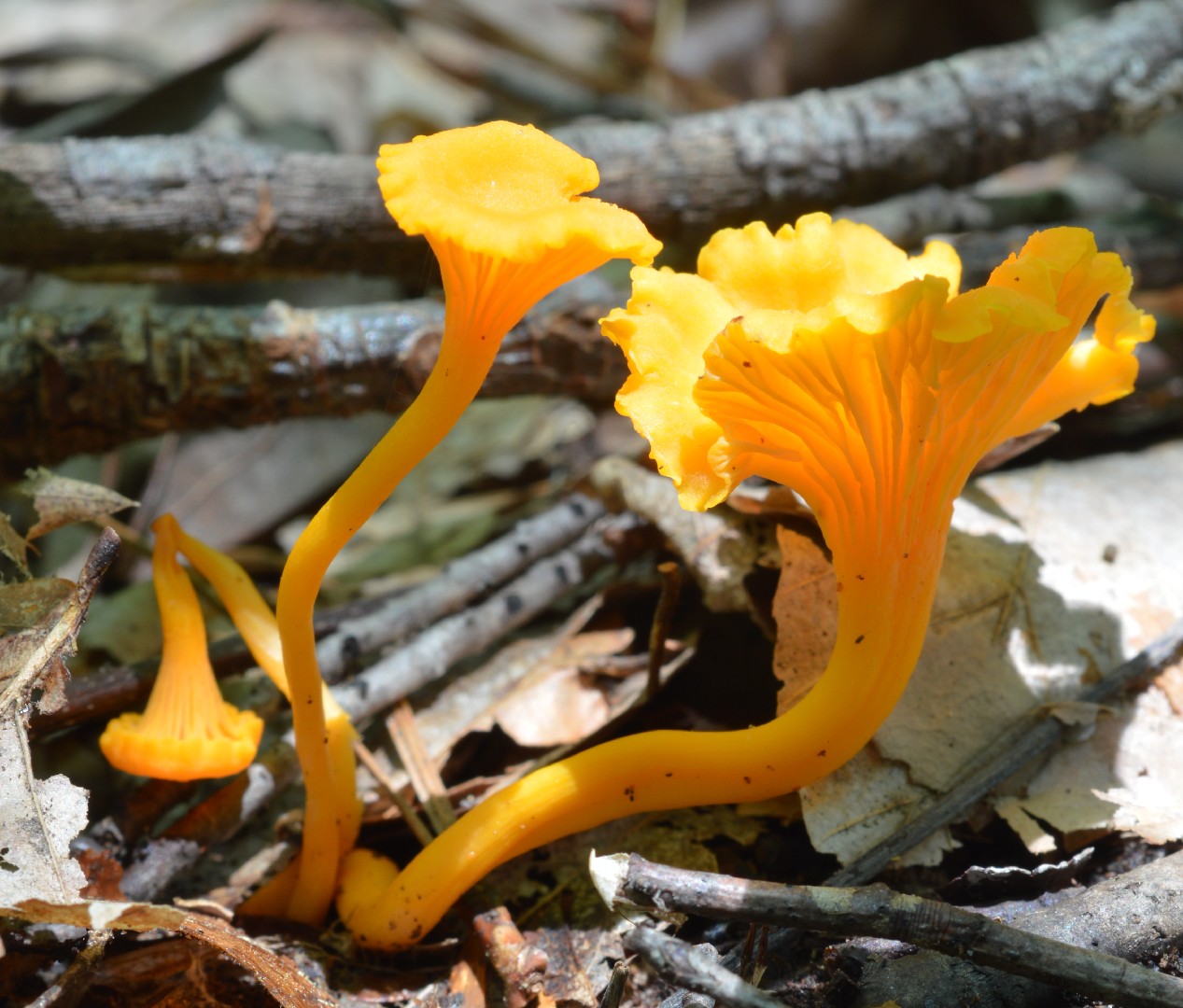
Red chanterelles can be found growing within hardwood forests across eastern North America. These small but striking mushrooms range from orange to red to pink in color. Edible and boasting complex flavors, many chanterelles are highly sought after. The red chanterelle, though less famous than some of its close relatives, is no exception. This species can be used in all sorts of recipes, with a vaguely sweet or piney taste.
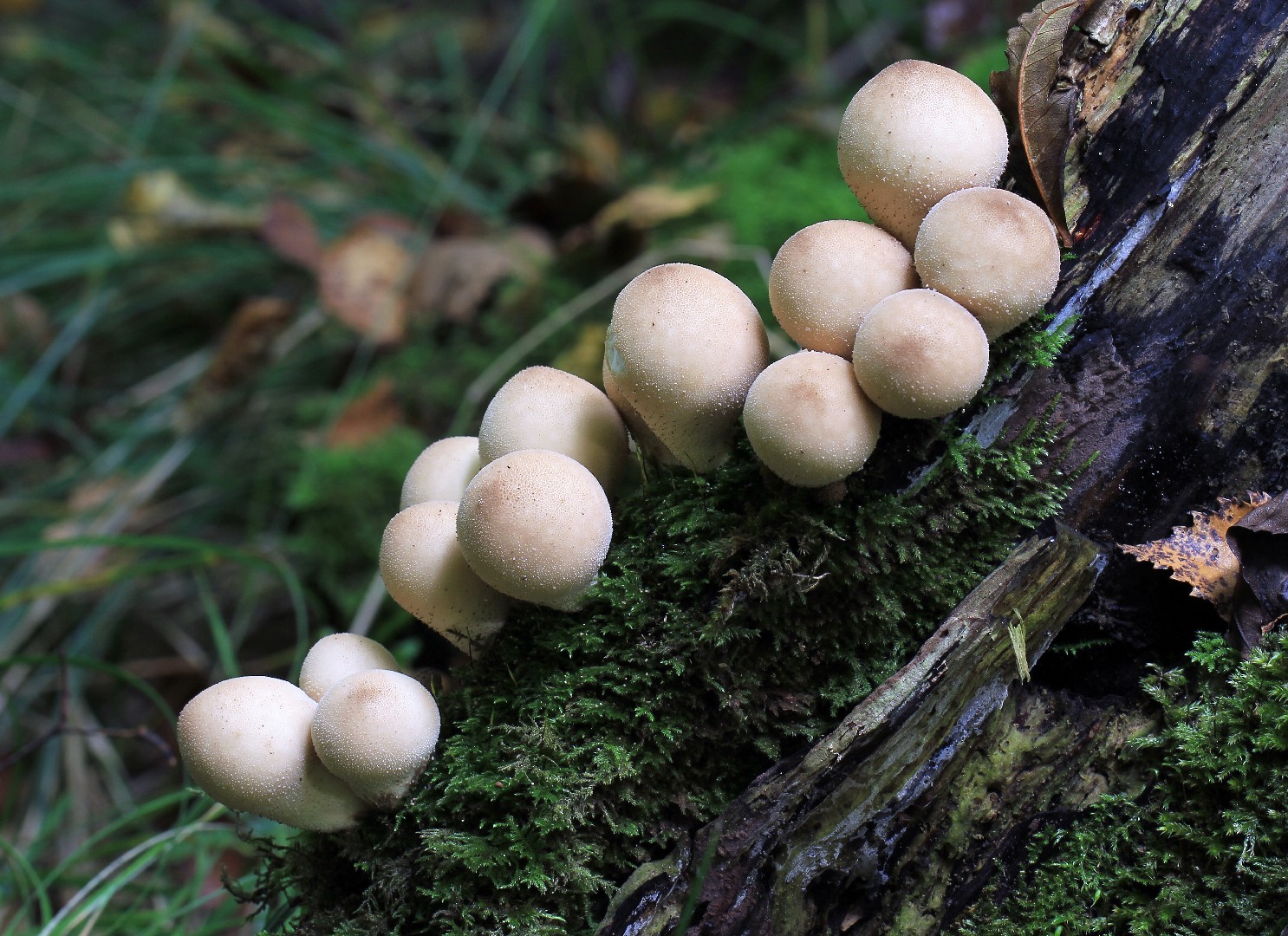
5. Pear-shaped puffball
The mushrooms of this species grow in such tight clusters that they may cover fallen trees and stumps almost entirely in a brownish, puffy coat. Pear-shaped puffballs appear all around the northern hemisphere on decaying hardwoods from fall through winter.
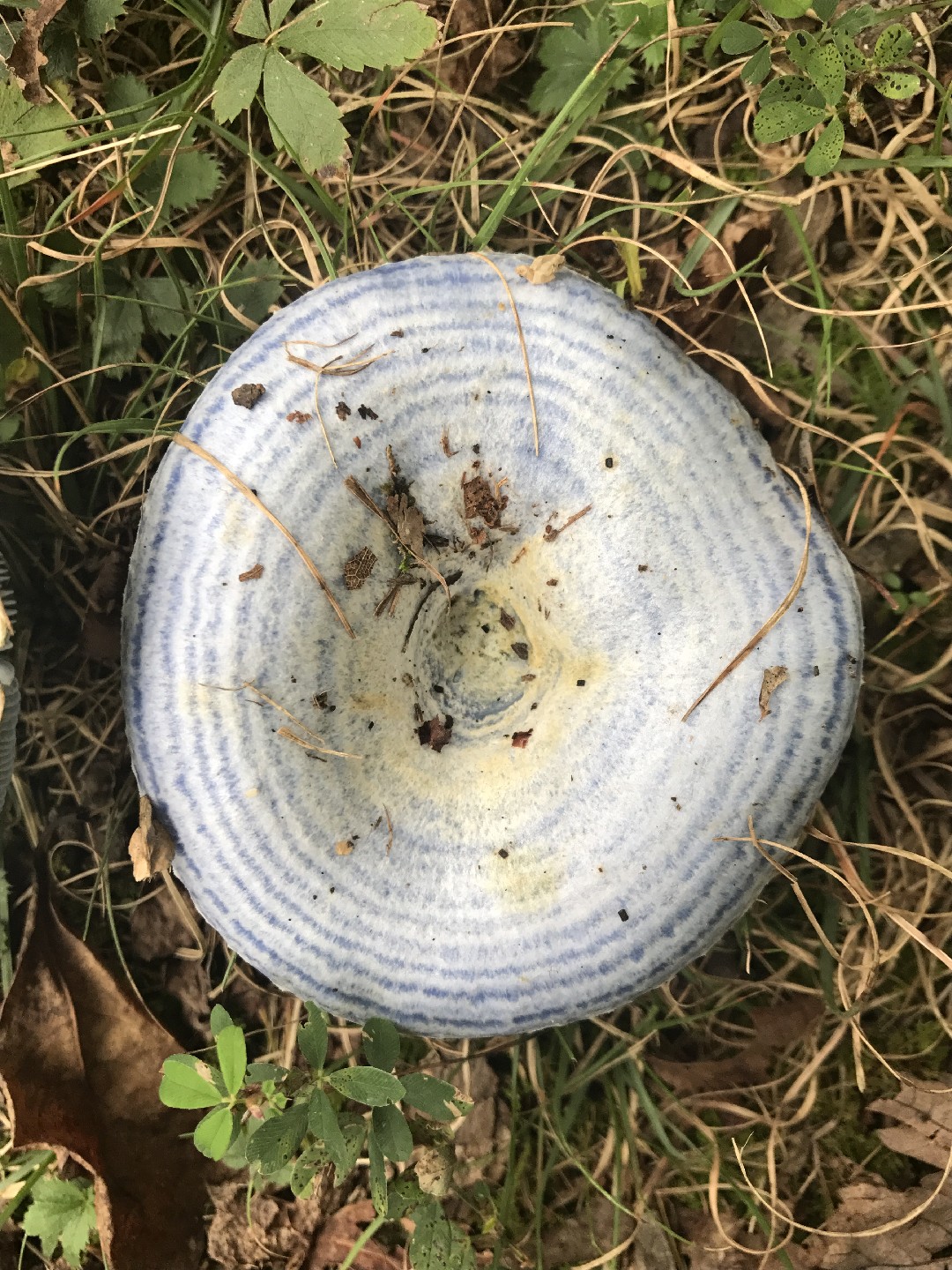
6. Indigo milk cap
This gorgeous species is unlike any other. The indigo milk cap, a member of the often-drab russula family, is deep blue in color. Like other milk caps, it bleeds a latex-like substance when cut or damaged, but instead of the usual white this species bleeds deep blue.
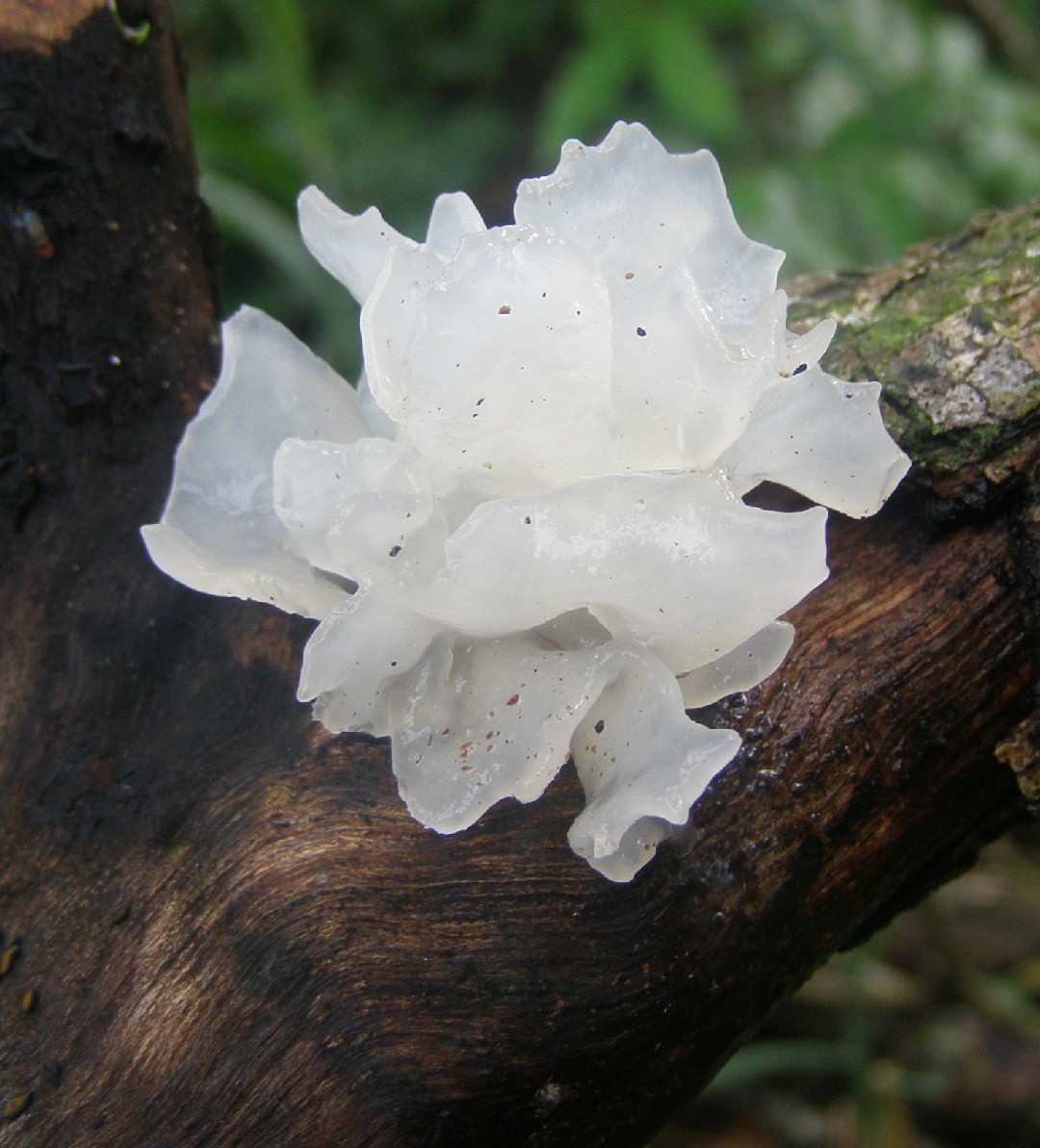
7. Snow fungus
Snow fungus (Tremella fuciformis) is so-named not because it is associated with winter, but, rather, because its fruitbodies look like little piles of snow fungus on the ground. This fungus actually inhabits very warm - tropical and subtropical - locations around the globe. Snow fungus does not have much taste, but it is cultivated for culinary use across East Asia, where it is often added to thicken soups and desserts.
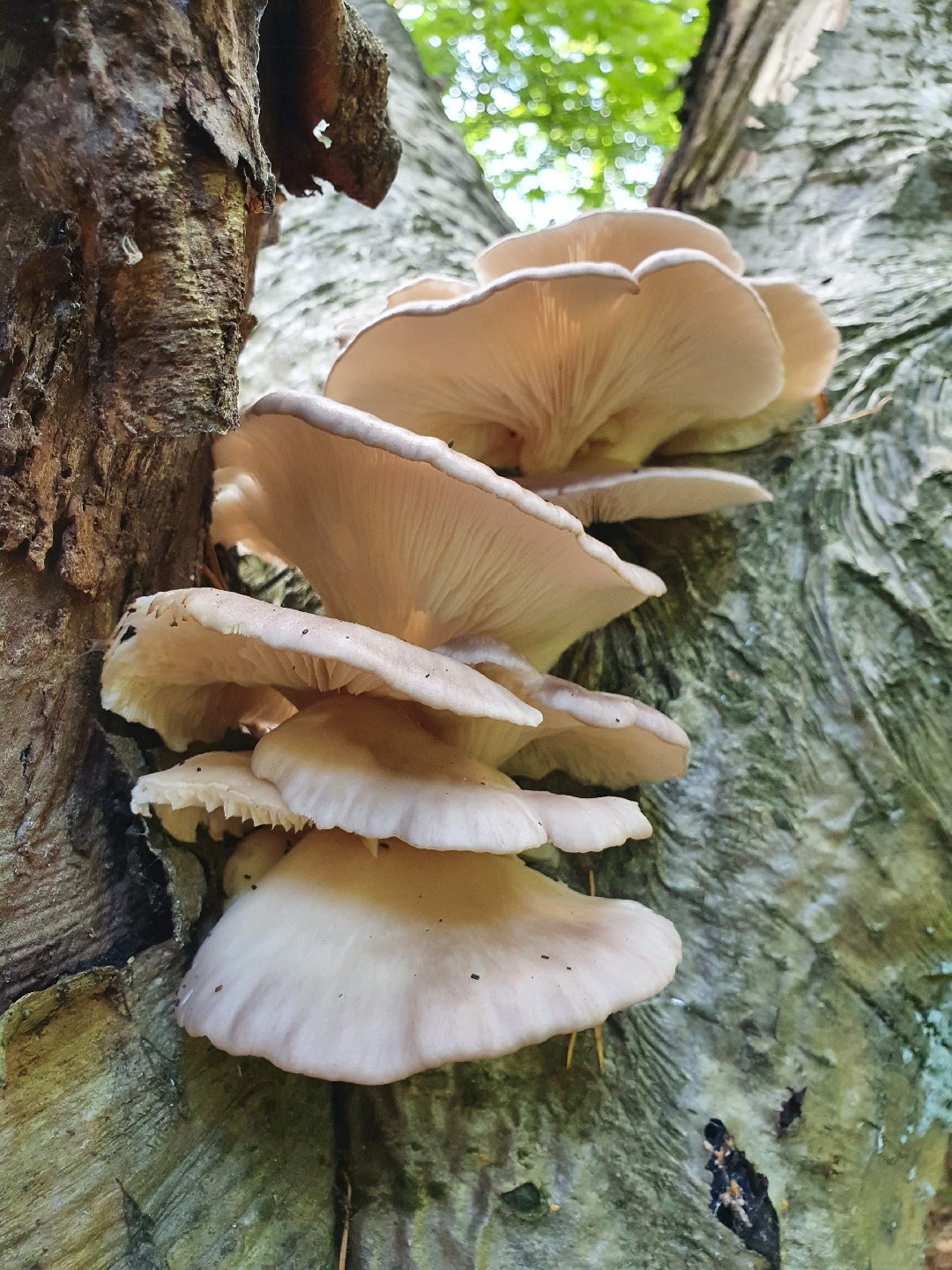
8. Oyster mushroom
Oyster mushrooms grow wild but are also cultivated for sale in supermarkets. They can even be cultivated at home. They will grow on coffee grounds and spent grain, and are occasionally even fashioned into an environmentally-friendly substitute for styrofoam. There are several toxic look-alike species, so it is best to buy these mushrooms at the store.
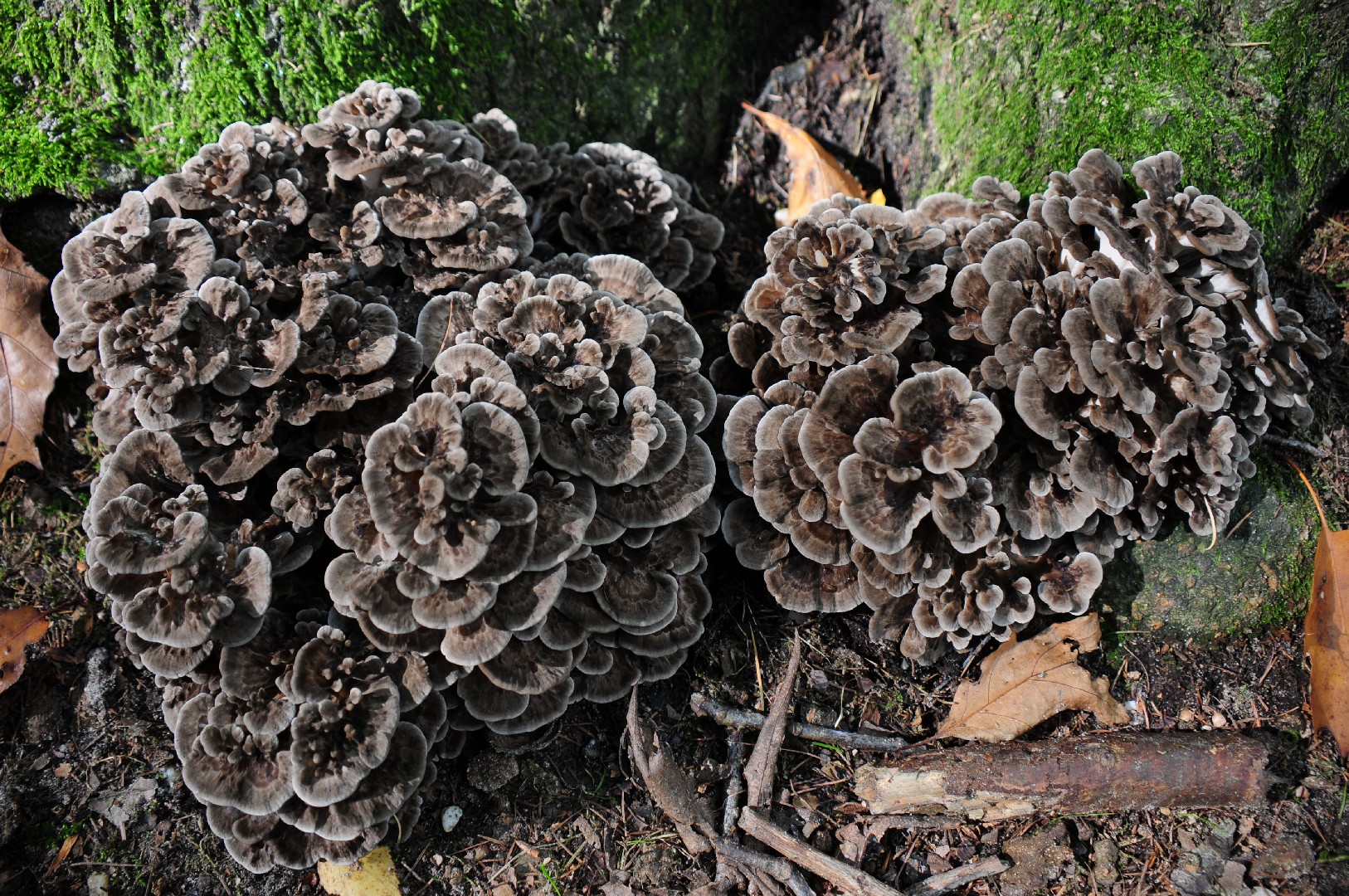
9. Hen-of-the-woods
Often found at the base of oak trees, this clustered fungus grows in distinctive rosettes. It attacks the roots of living hardwood trees. Hen-of-the-woods is considered edible when harvested young, and is cultivated in Japan on top of compressed sawdust.
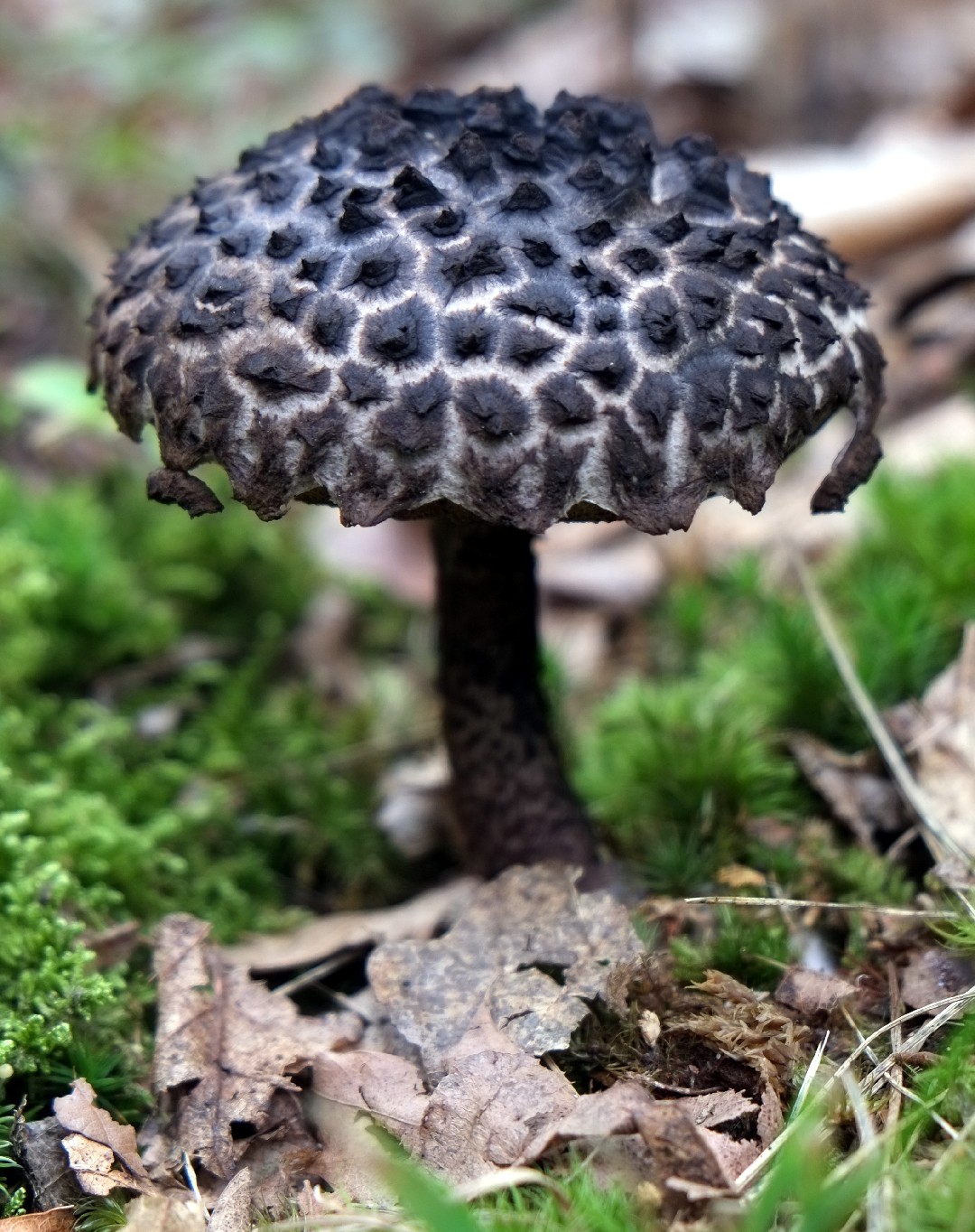
10. Old man of the woods
Native to Europe and North America, old man of the woods(Strobilomyces strobilaceus) is notable for its unusual coloring and texture, which visually resembles dark, overlapping scales against a white base. Interestingly, this mushroom has been depicted on a Swiss postal stamp worth fifty centimes.

More







