




Top 20 Edible Mushrooms Popular in Roseburg
Roseburg, renowned for its rich woodland expanses and supporting lush undergrowth, is truly a paradise for mushroom enthusiasts. This region harbors a variety of 20 common, edible mushrooms, making it a playground for amateur mycologists and culinary experts alike. More than just their stunning looks, these fungi have unique taste profiles, habitats, and culinary applications begging to be explored. Step into this fascinating world of mushroom diversity and uncover the magic lurking beneath every fallen leaf.
* Disclaimer: Content feedback CAN NOT be used as any basis for EATING ANY PLANTS. Some plants can be VERY POISONOUS, please purchase edible plants through regular channels.

Most Popular Edible Mushrooms
1. Western elfin saddle
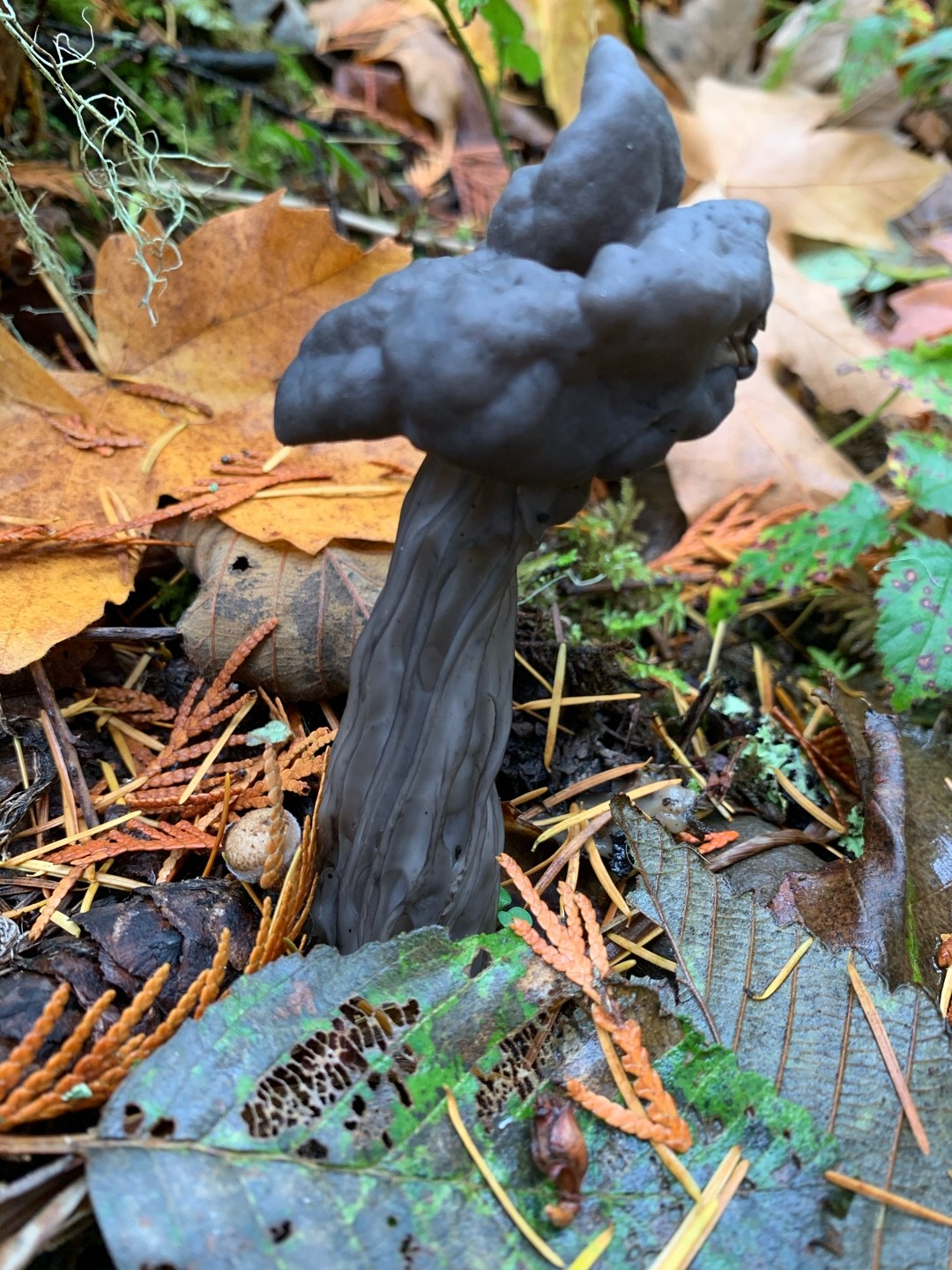
The western elfin saddle (Helvella vespertina) has a striking, brain-shaped cap that becomes even more fissured as it ages. They appear and flourish amidst the leaf litter on forest floors in the western United States. The shape of the cap makes it a wonderful hiding place for insects, especially millipedes.

2. Shaggy mane
The shaggy mane mushroom is commonly found in North American and European grasslands. Some peoples foraged for its young egg-shaped caps, but it has more recently been found to be a bioaccumulator of heavy metals, meaning it pulls toxic metals up from the soil where it grows. As a result, shaggy manes should not be eaten. The mushrooms usually appear in clusters or “fairy rings.”
3. Orange peel fungus
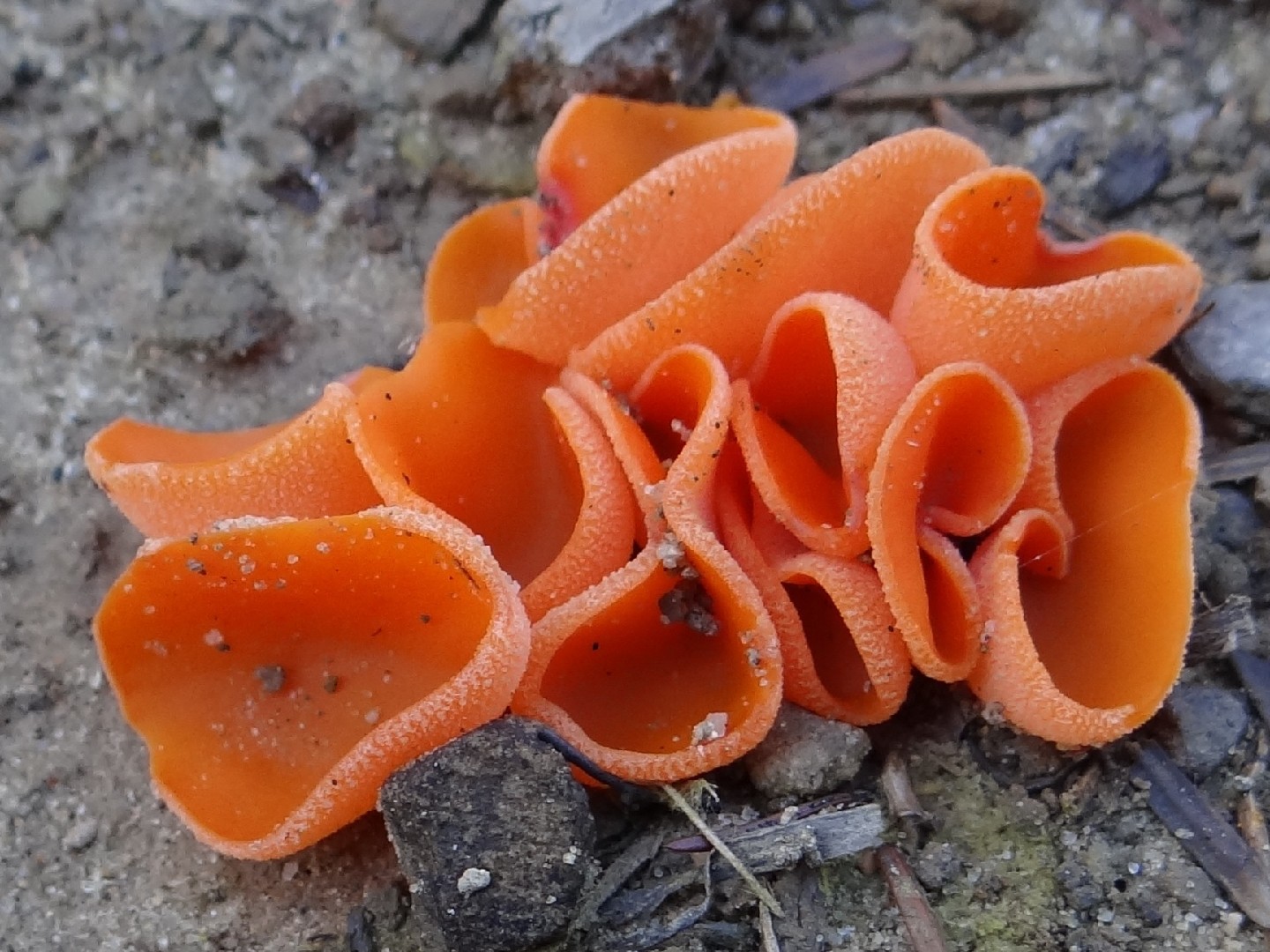
The aptly-titled orange peel fungus (Aleuria aurantia) forms fruitbodies that strongly resemble peeled-off rinds of oranges. The species has an irregular folded shape and boasts a bright orange hue. Orange peel fungus usually grows directly out of soil and can be found across temperate regions of North America, Europe, and a few parts of Chile.
4. Yellowfoot
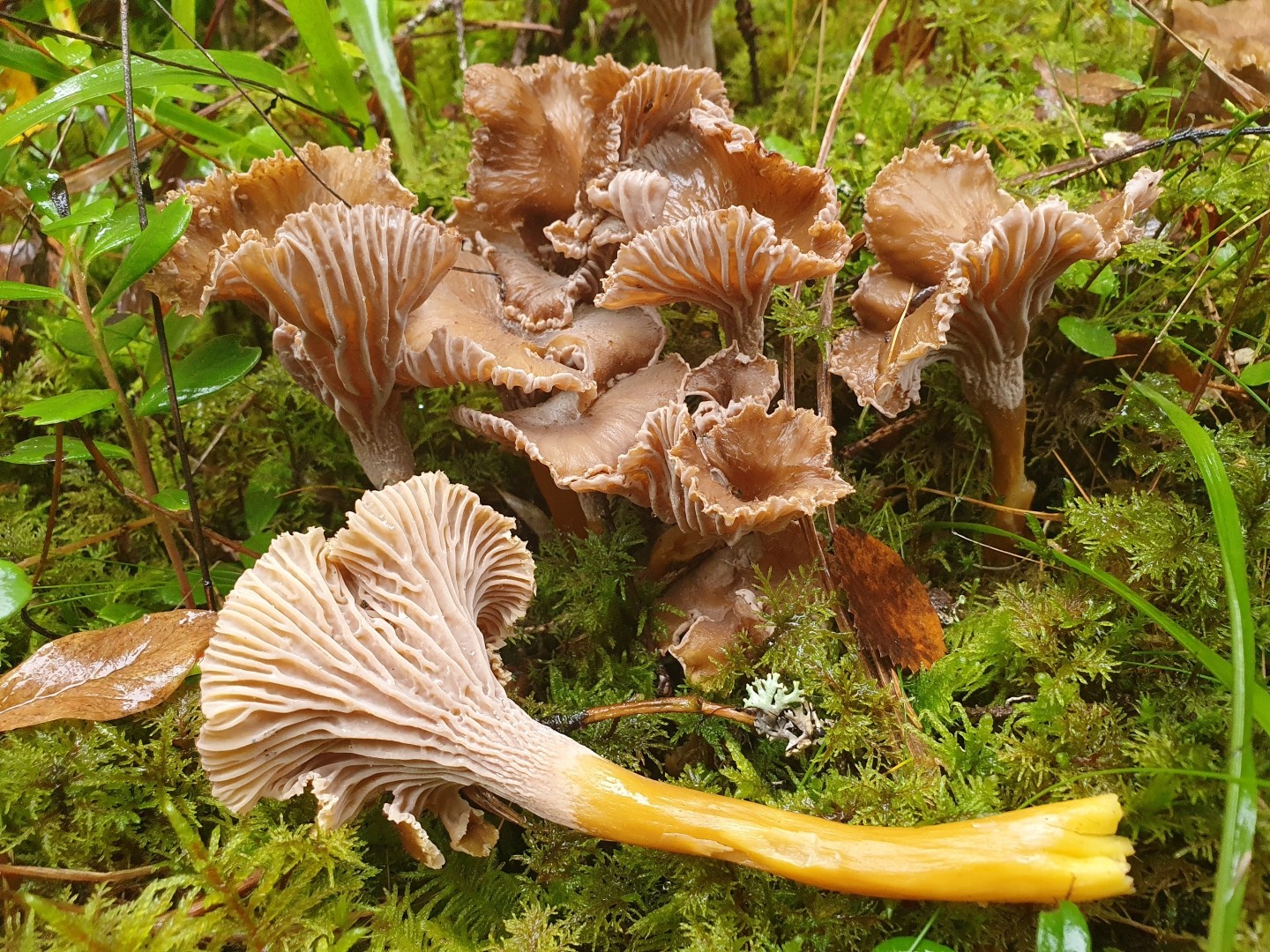
Found in temperate forests, wetlands, and bogs across the northern hemisphere, the yellowfoot is a highly sought after member of the chanterelle family. Considered a choice edible, it boasts a lovely, complex flavor (though it is somewhat less fruity and sweet then some of its more popular cousins). Yellowfoots are sometimes called "winter mushrooms", as they tend to be very late-season fruiters.
5. White chanterelle
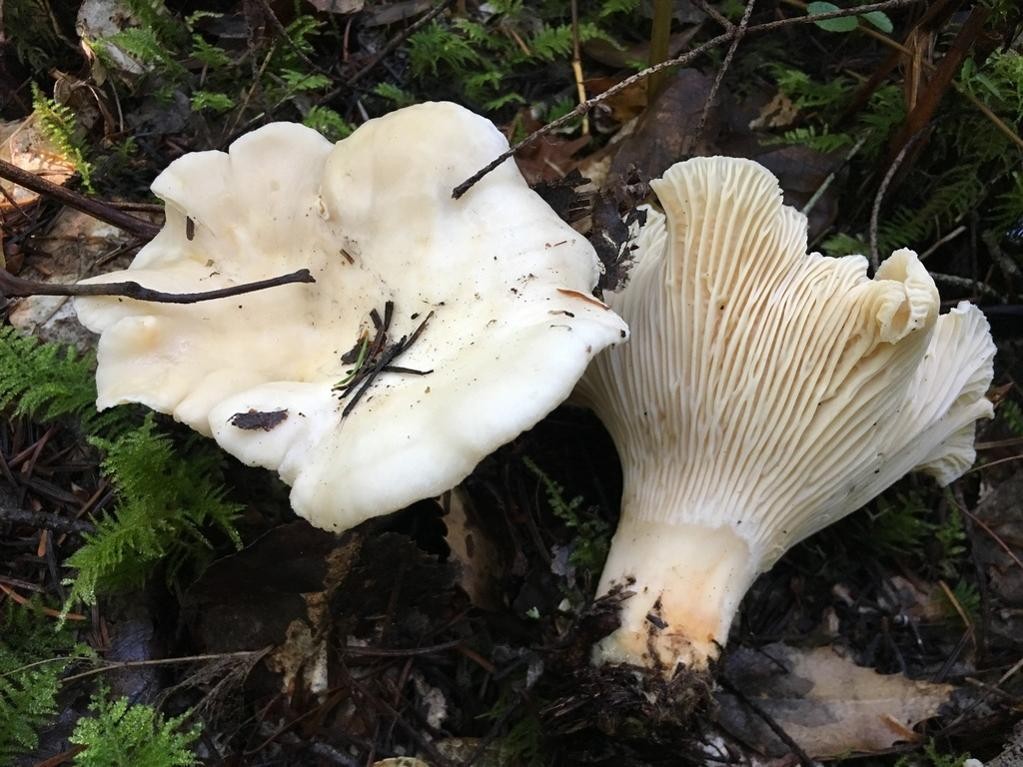
The white chanterelle differs from other chanterelles by its extremely pale, almost white fruitbody. Due to its well-developed false gills, it can be confused with members of the Clitocybe genus at first glance. But, like all chantarelles and unlike the Clitocybe species, it's almost never attacked by maggots!
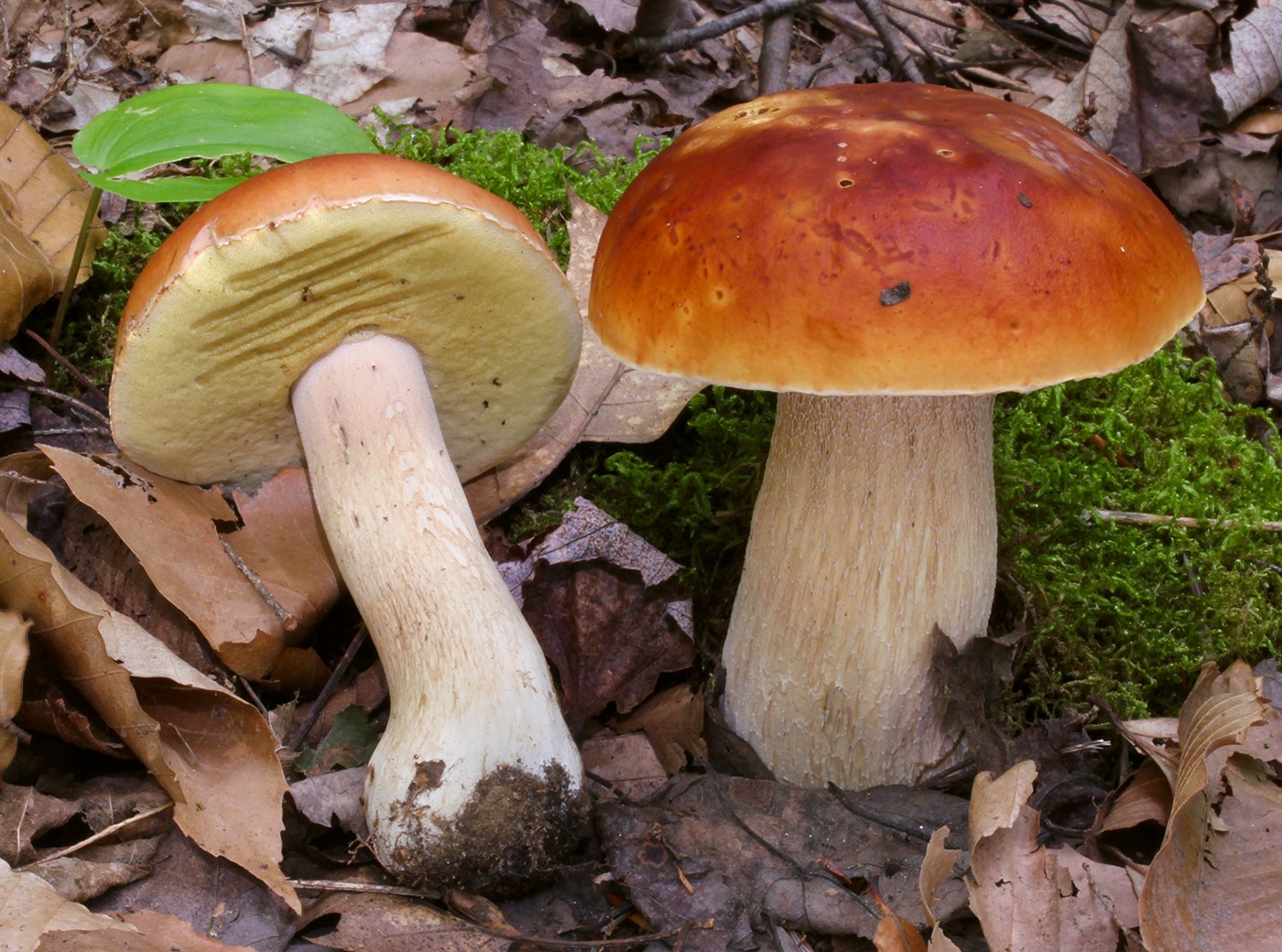
6. King bolete
Extremely popular in many cuisines, this edible wild mushroom grows around the world near the roots of forest trees. In some regions, king bolete mushrooms are collected in great enough volumes that their sale can support entire families during the harvest season. King boletes are reported to be high in fiber, vitamins B and C, calcium, potassium, magnesium, zinc, and several antioxidants.
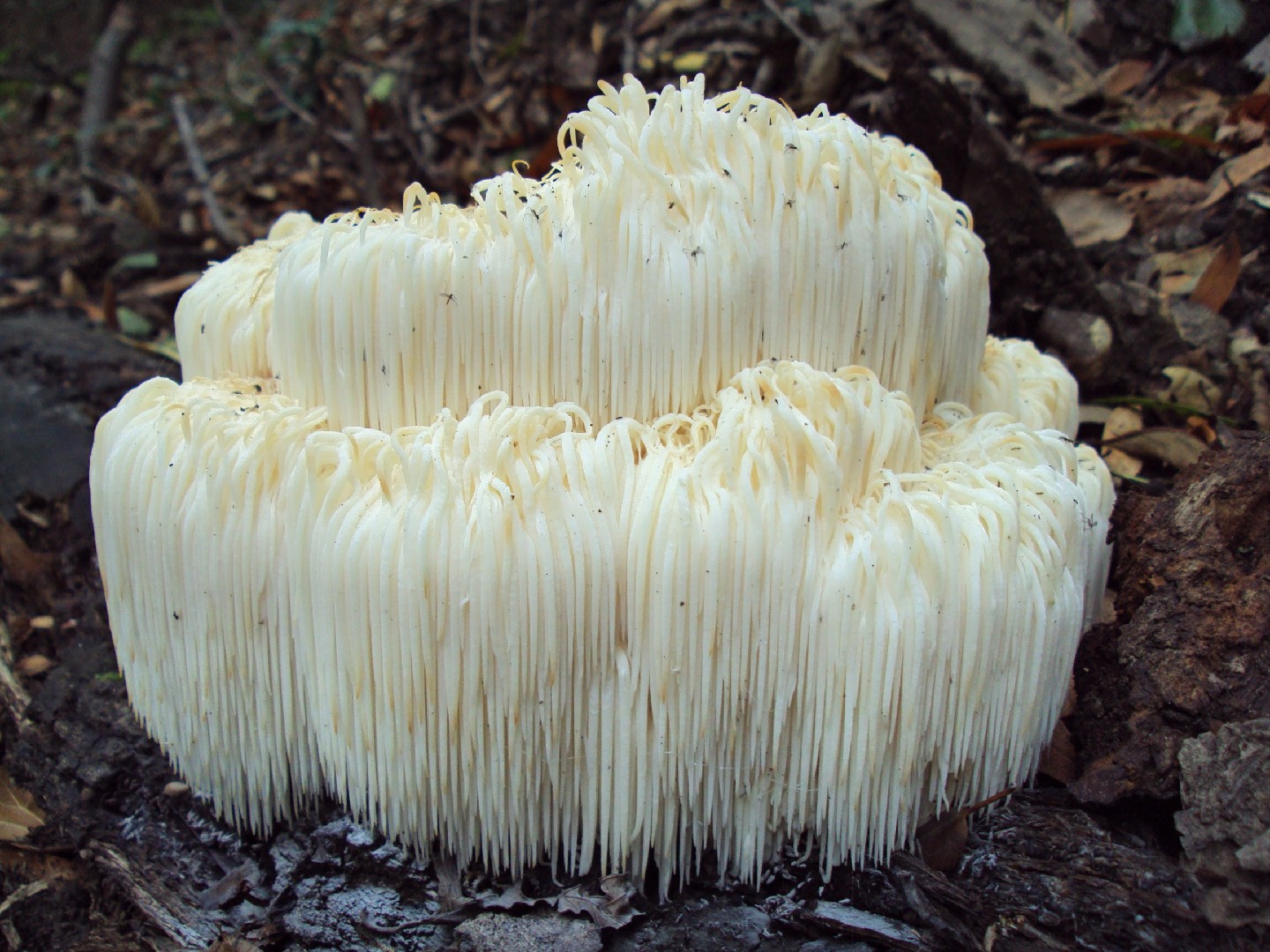
7. Lion's Mane Mushroom
Lion's Mane Mushroom(Hericium erinaceus) is easily identifiable by its characteristic appearance, reminiscent of the majestic mane of a lion. It often sprouts along hardwoods, which may be living or dead. Scientists thus debate whether this species is truly parasitic or merely saprophytic in nature.
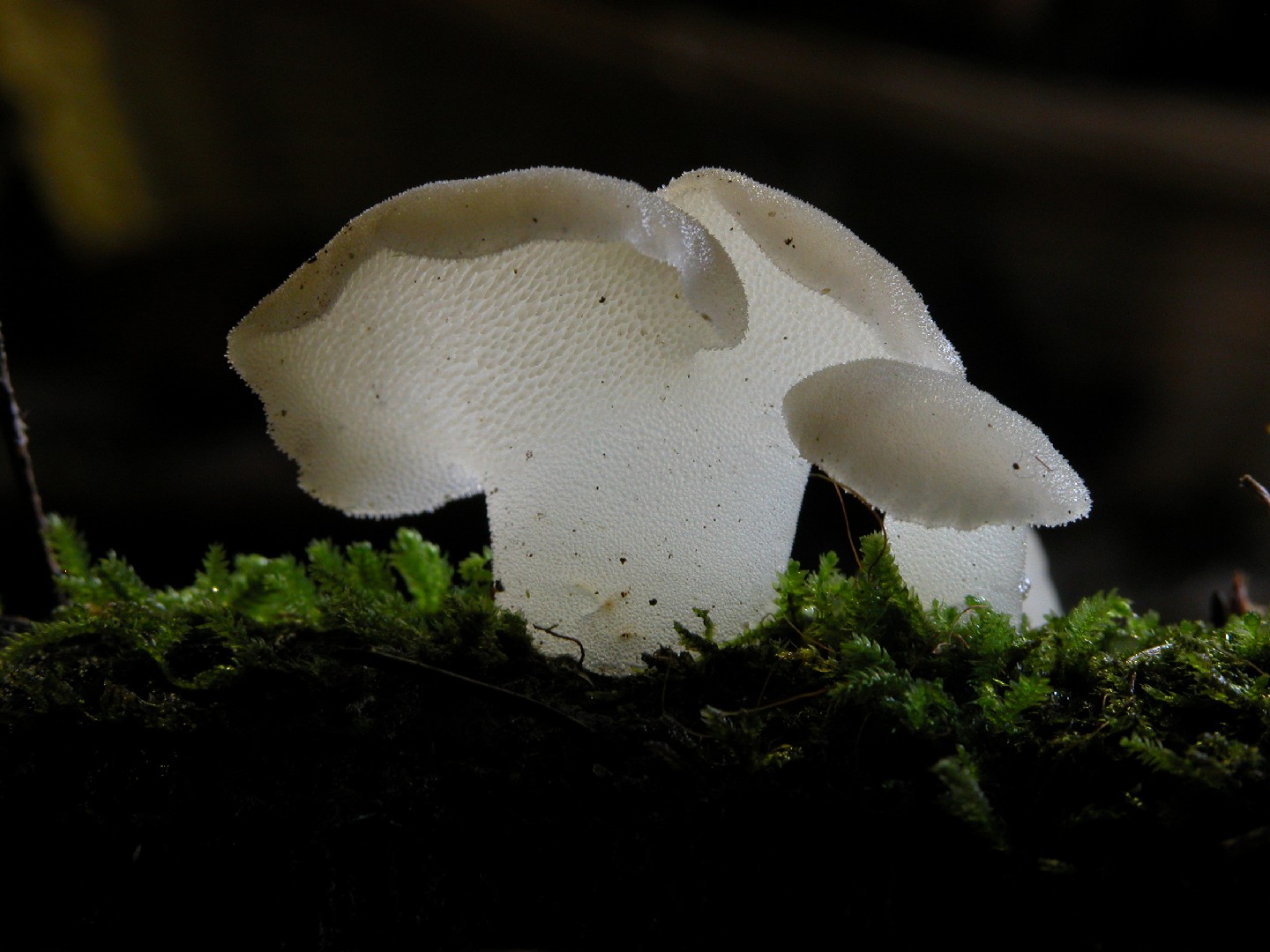
8. Toothed jelly fungus
This whimsically-named mushroom has a global distribution and a unique appearance. Toothed jelly fungus has a white, translucent - almost spectral - coloration and sports little downward pointing "teeth" on the underside of its cap. Although its toothed underside may scream "hedgehog mushroom", it is actually a member of a separate genus (Pseudohydnum, as opposed to Hydnum).
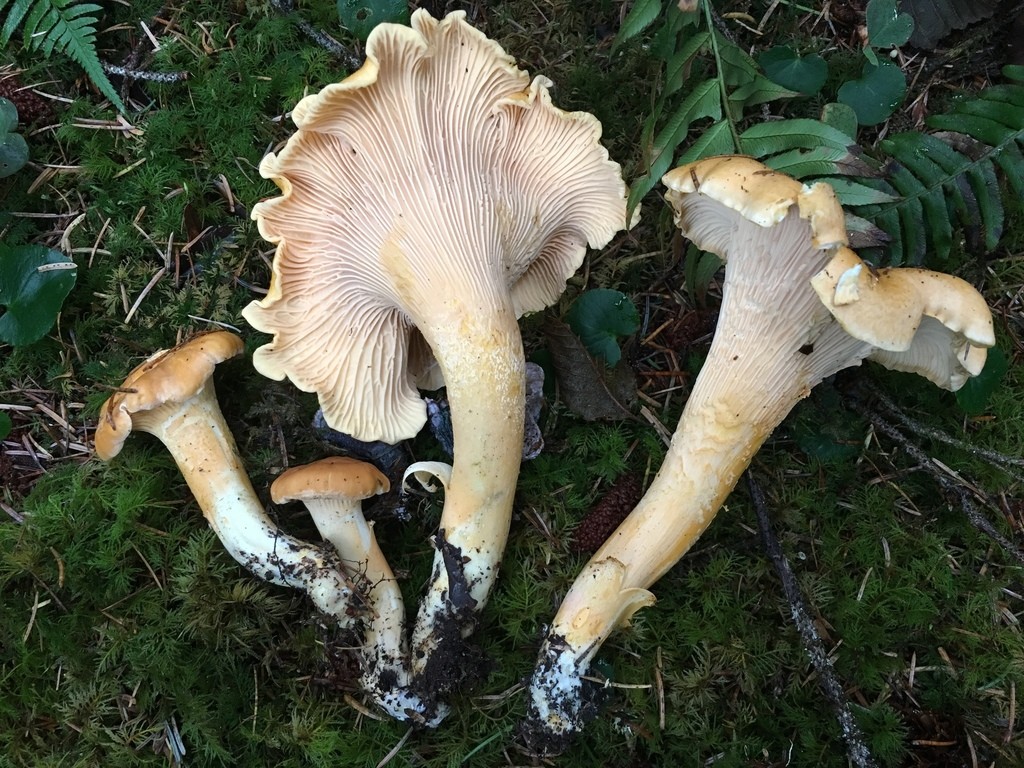
9. Pacific golden chanterelle
The pacific golden chanterelle (Cantharellus formosus) is an incredibly dense and meaty mushroom with a cap that resembles a rosette pattern instead of stereotypical dome-shaped caps. The color is an almost iridescent yellow color but may range from warm gold to salmon pink, depending on sun exposure. Highly flavorful, the pacific golden chanterelle has been named the state mushroom of Oregon because of its value and flavor.
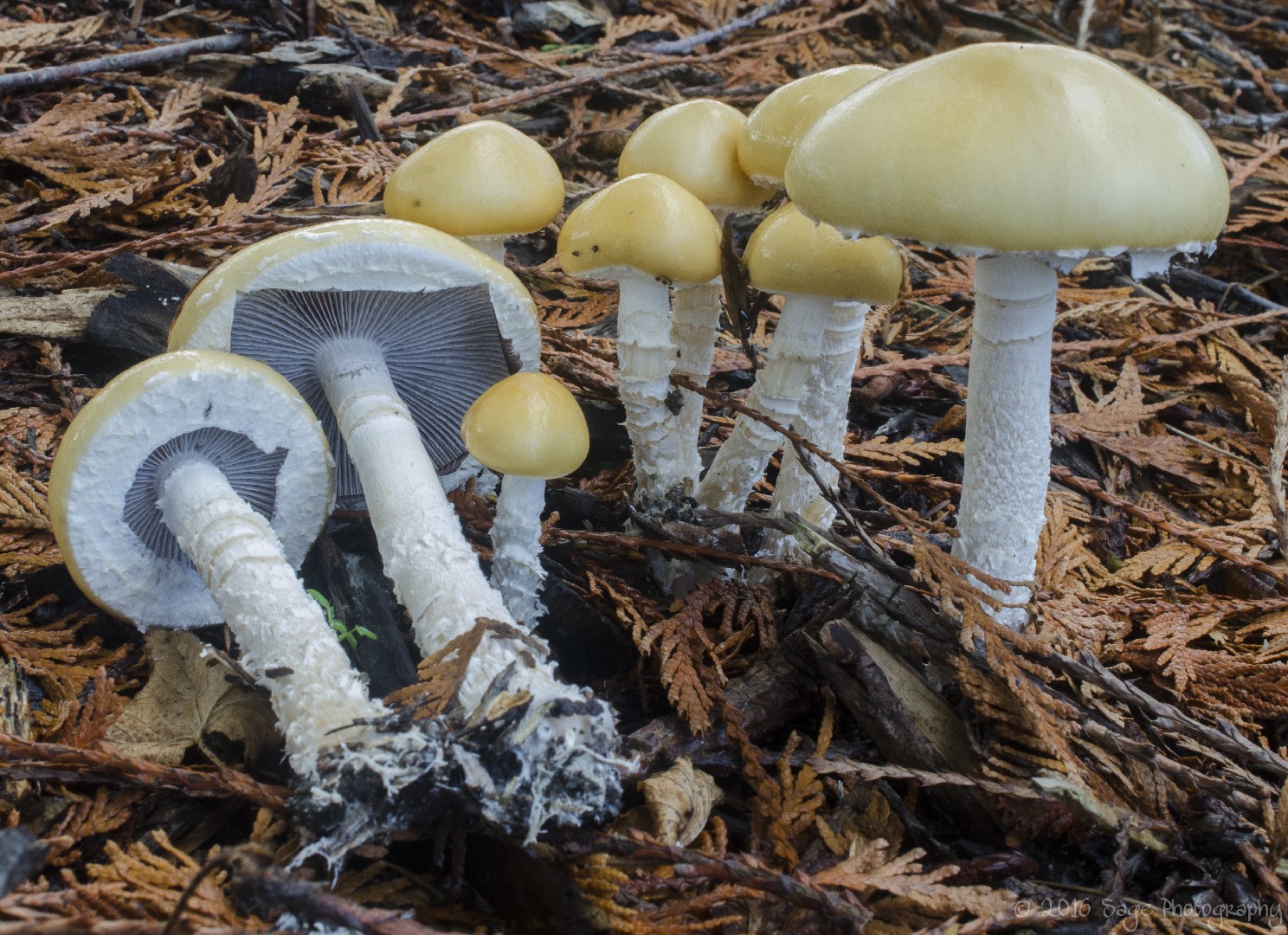
10. Questionable stropharia
The questionable stropharia is an odd-looking species that thrives in rich, wet soils along the western coast of North America. The species sports a shiny, yellow-brown cap with a white partial veil that looks almost as though it is dripping off the cap. "Questionable" is a fair title for this species, about which there are conflicting reports on edibility. Most experts recommend staying on the safe side and avoiding eating this mushroom.
More







