




Top 20 Edible Mushrooms Popular in Carson City
Boasting a diverse climate, lush landscapes and ample rainfall, Carson City provides the ideal habitat for a myriad of edible mushrooms. Through this guide, you'll discover the top 20 most common mushrooms of the region, each marked by distinct features, scrumptious tastes, and unique culinary uses. With our comprehensive descriptions, you'll be ready to forage these fabulous fungi, contributing to your understanding of local biodiversity and spicing up your meals with nature's hidden treasures.
* Disclaimer: Content feedback CAN NOT be used as any basis for EATING ANY PLANTS. Some plants can be VERY POISONOUS, please purchase edible plants through regular channels.

Most Popular Edible Mushrooms
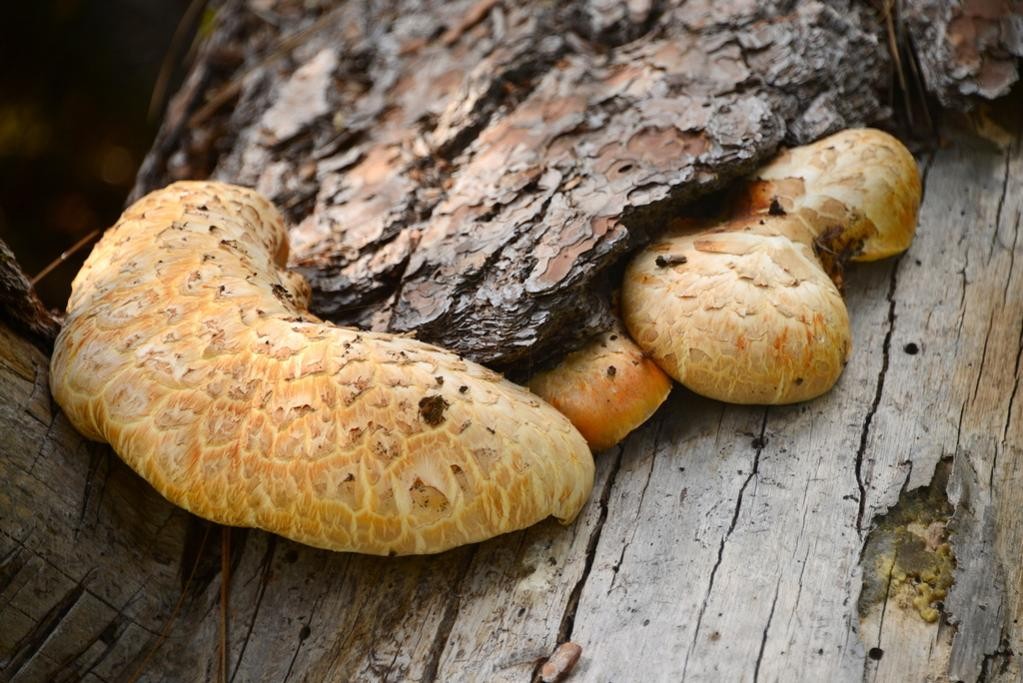
1. Giant sawgill
The impressively large caps of the giant sawgill (Neolentinus ponderosus) can spread up 30 cm across and encompass entire decaying stumps and logs. Unlike other mushrooms, the giant sawgill thrives in the hotter, drier months. Look for them near Ponderosa Pines.
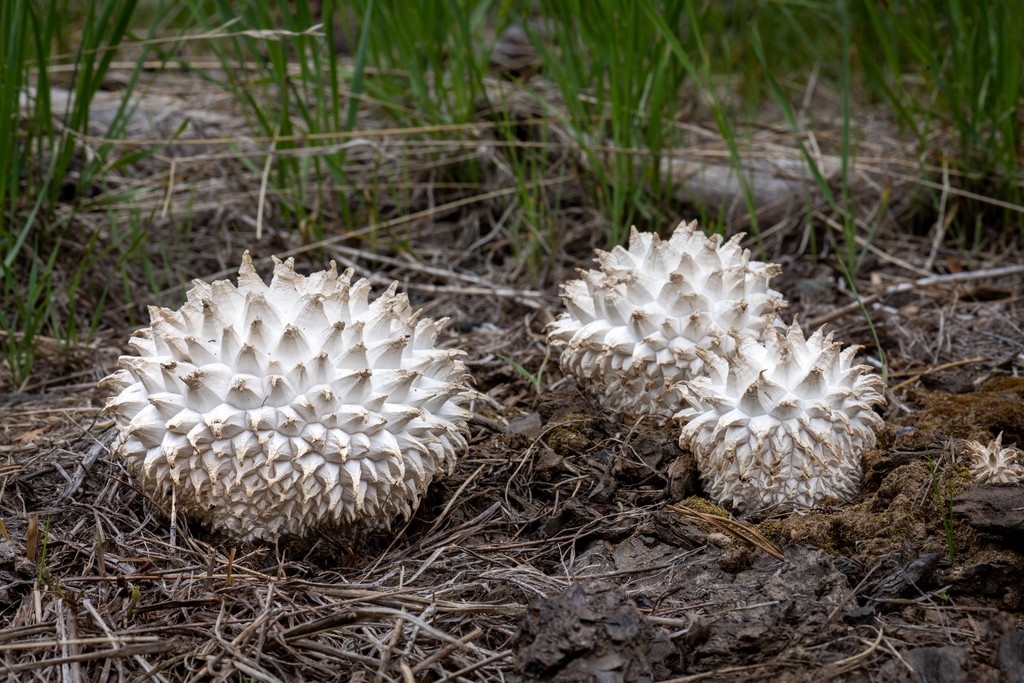
2. Sculpted puffball
Sculpted puffball is an eye-catching and unique puffball that appears to have been sculpted with pyramidal warts, giving rise to its name. Sculpted puffball fruits during the late spring/early summer in the soil of conifer forests at altitude. It can be mistaken for the larger C. subsculpta.

3. Spring coccora
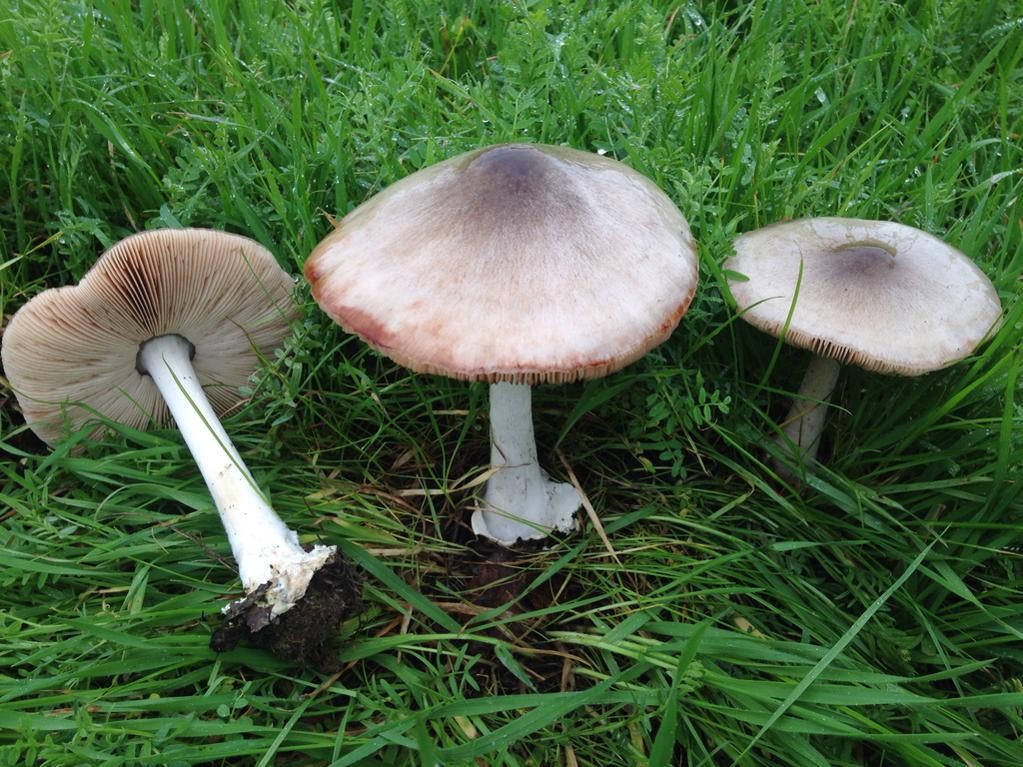
The spring coccora (Amanita vernicoccora), as the name suggests, erupts from the earth as one of the first Amanita of the year. It loves to feast on decaying leaf litter but enjoys that of oak trees the most. It used to be classified as the same mushroom as its cousin, the Fall Amanita, but research has determined it is a unique species.
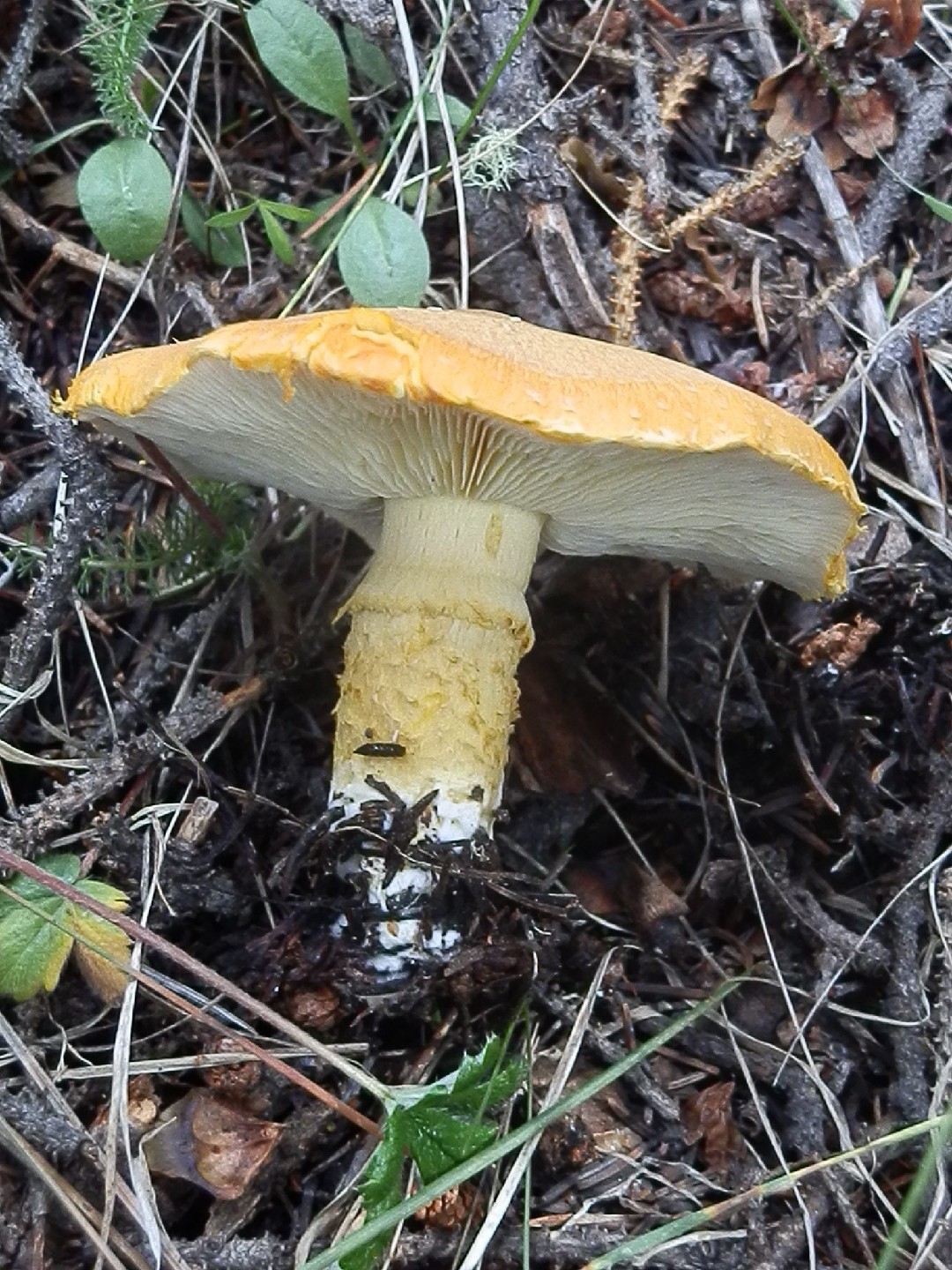
4. Floccularia Albolanaripes
Associated with conifers of the Rocky Mountains, the floccularia Albolanaripes can be found prominently during fall rains from fall to winter. It has a vibrant yellow orange-brown cap when young, developing into a drab yellowish-brown in its maturity.

5. Shaggy mane
The shaggy mane mushroom is commonly found in North American and European grasslands. Some peoples foraged for its young egg-shaped caps, but it has more recently been found to be a bioaccumulator of heavy metals, meaning it pulls toxic metals up from the soil where it grows. As a result, shaggy manes should not be eaten. The mushrooms usually appear in clusters or “fairy rings.”
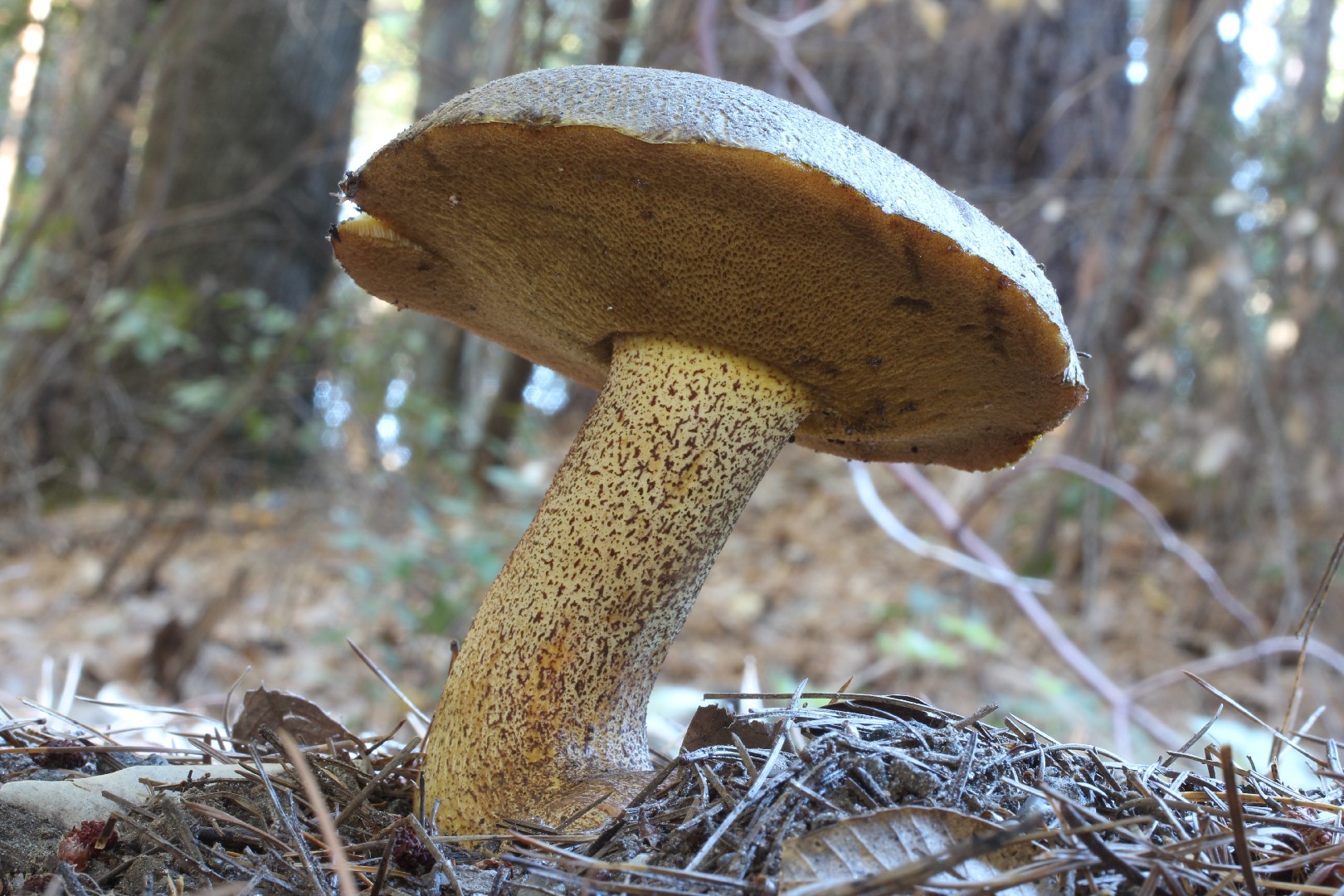
6. Poor man's slippery jack
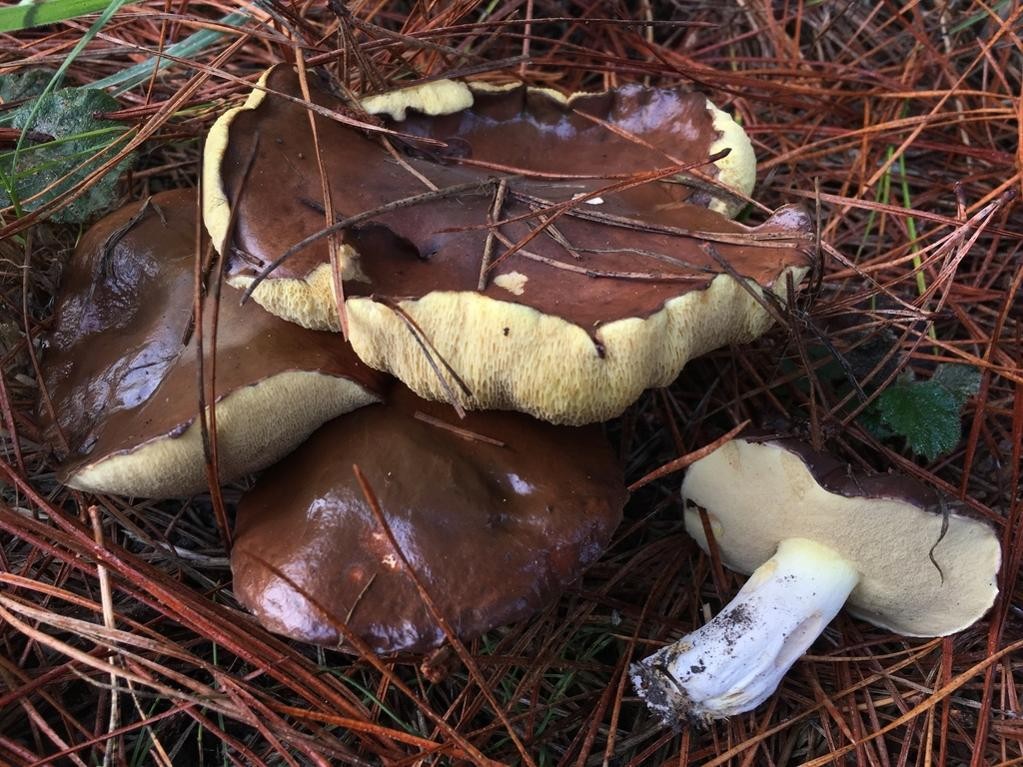
The poor man's slippery jack is a relatively new mushroom species to be identified by scientists - it was first described in 1964. The species is exclusively associated with pine forests, particularly with 3-needle pines, unlike its close cousin Suillus tomentosus that is associated with 2-needle pines. The poor man's slippery jack doesn't bruise blue, while Suillus tomentosus does.
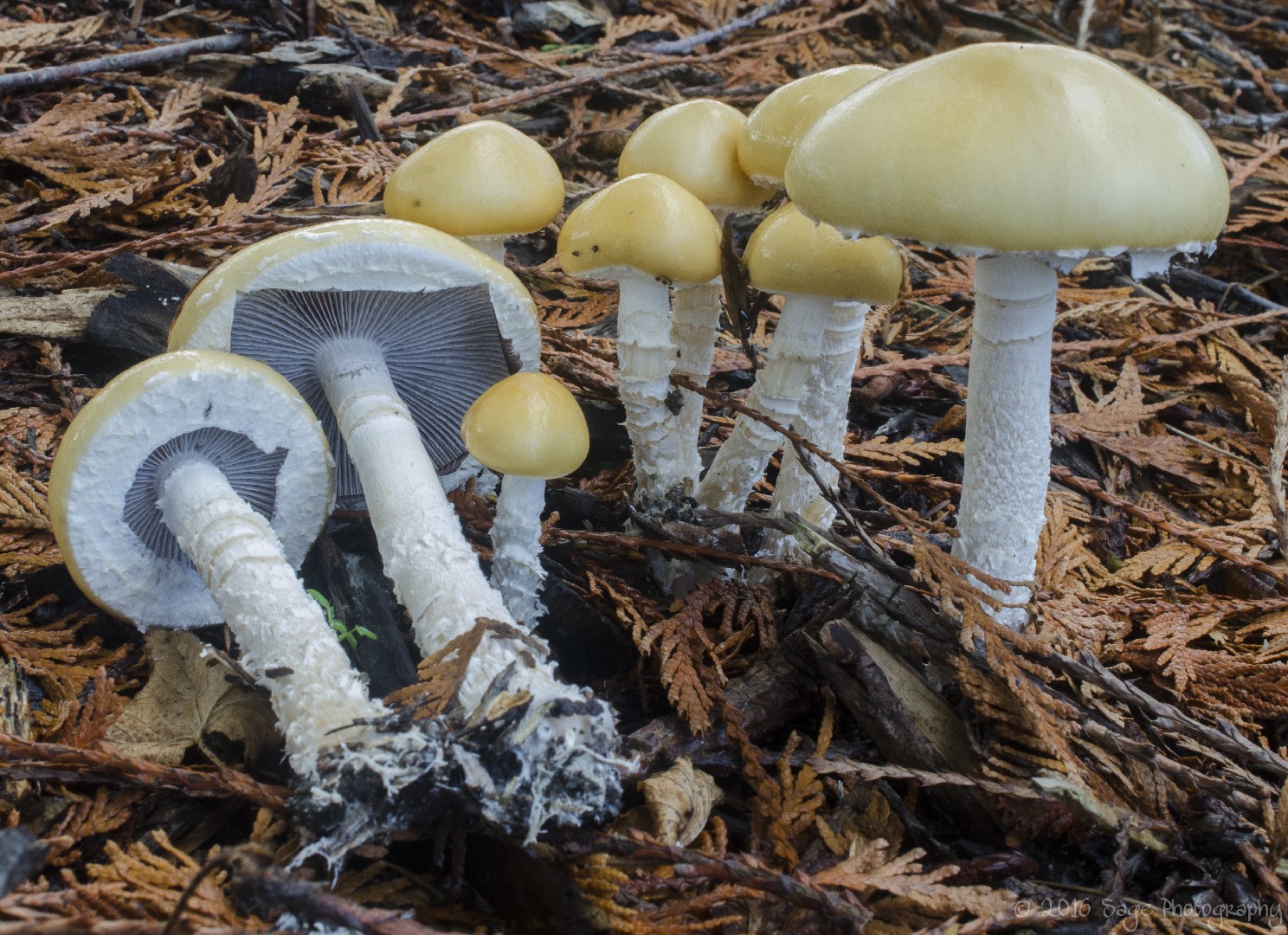
7. Questionable stropharia
The questionable stropharia is an odd-looking species that thrives in rich, wet soils along the western coast of North America. The species sports a shiny, yellow-brown cap with a white partial veil that looks almost as though it is dripping off the cap. "Questionable" is a fair title for this species, about which there are conflicting reports on edibility. Most experts recommend staying on the safe side and avoiding eating this mushroom.
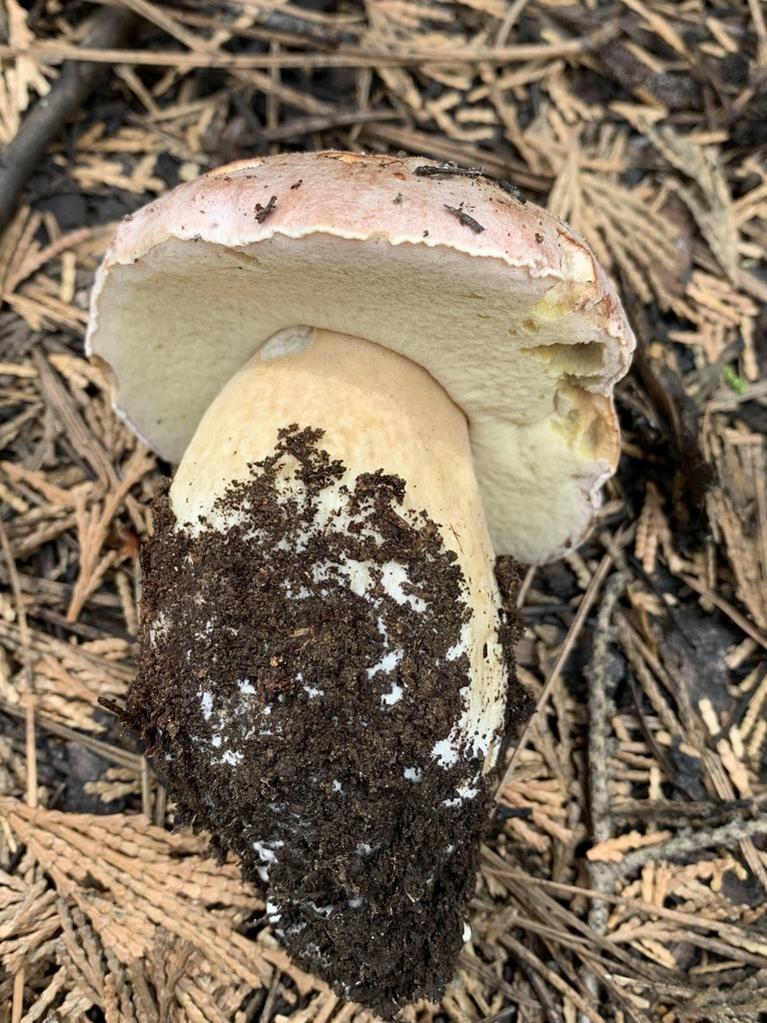
8. Spring king bolete
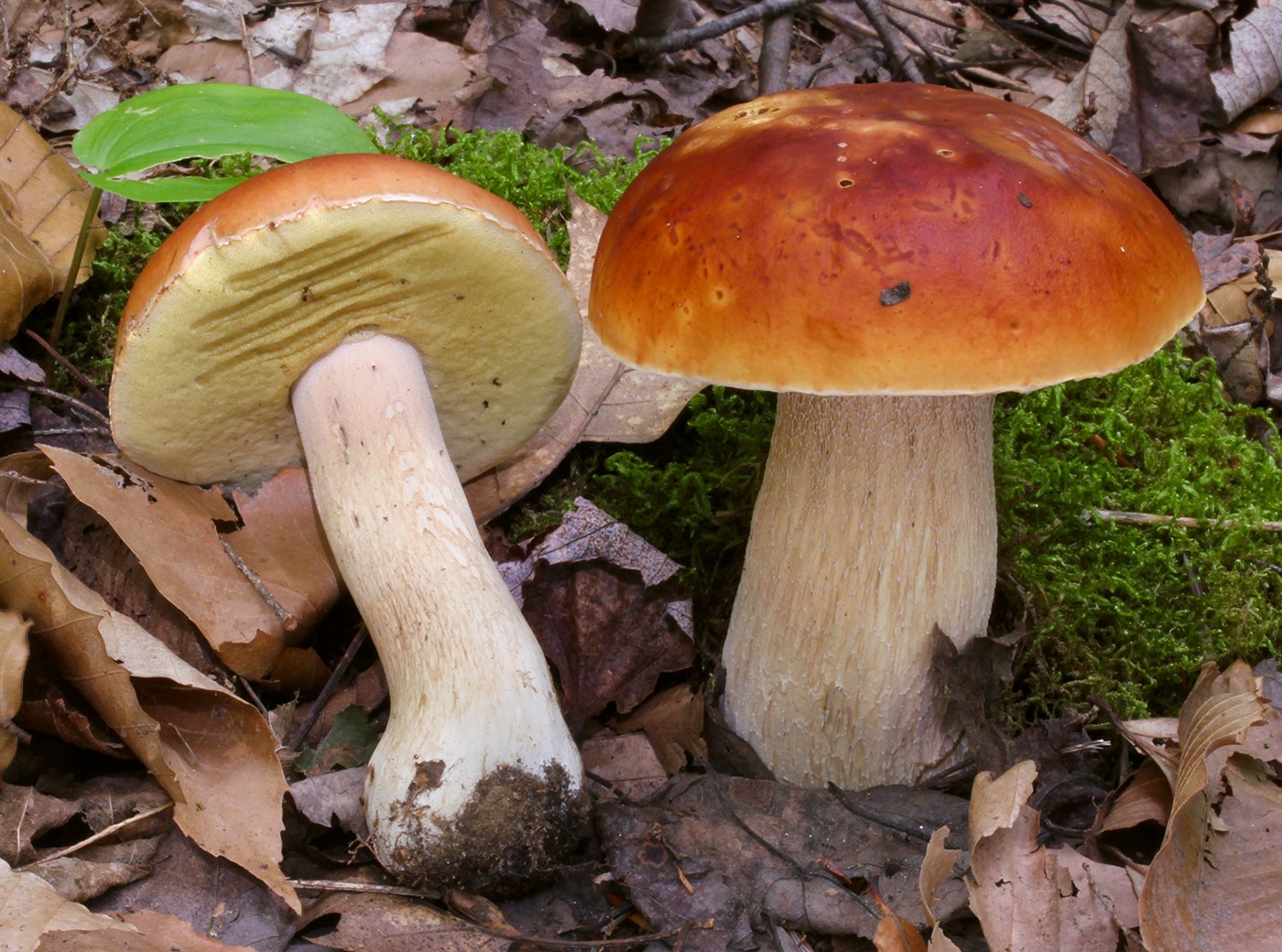
The beautiful spring king bolete is often referred to as the North American relative of Boletus edulis. It occurs in the western mountains, mostly in pine forests. It was once considered a subspecies of Boletus edulis, but it was classified as a new species not long ago.
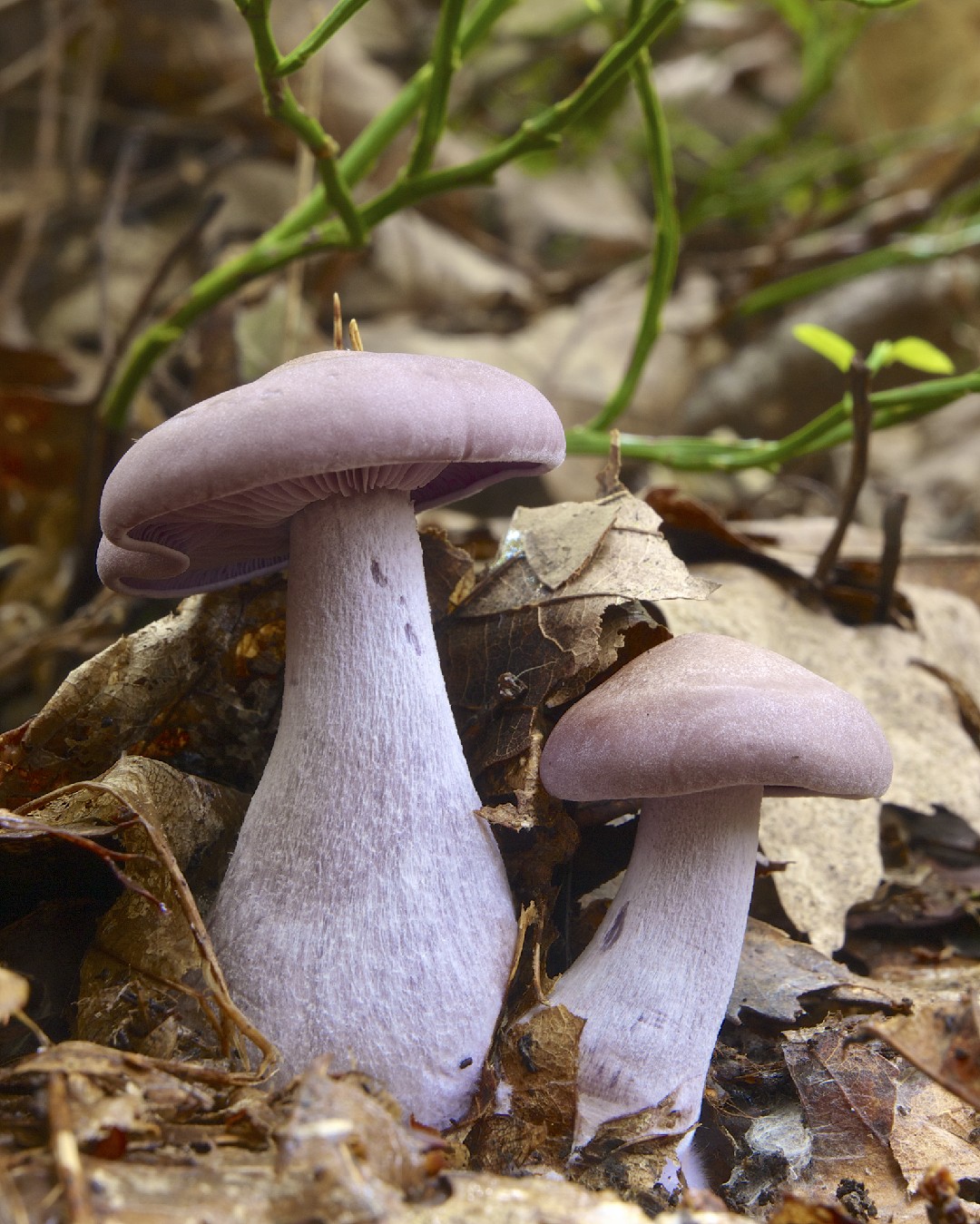
9. Blewit
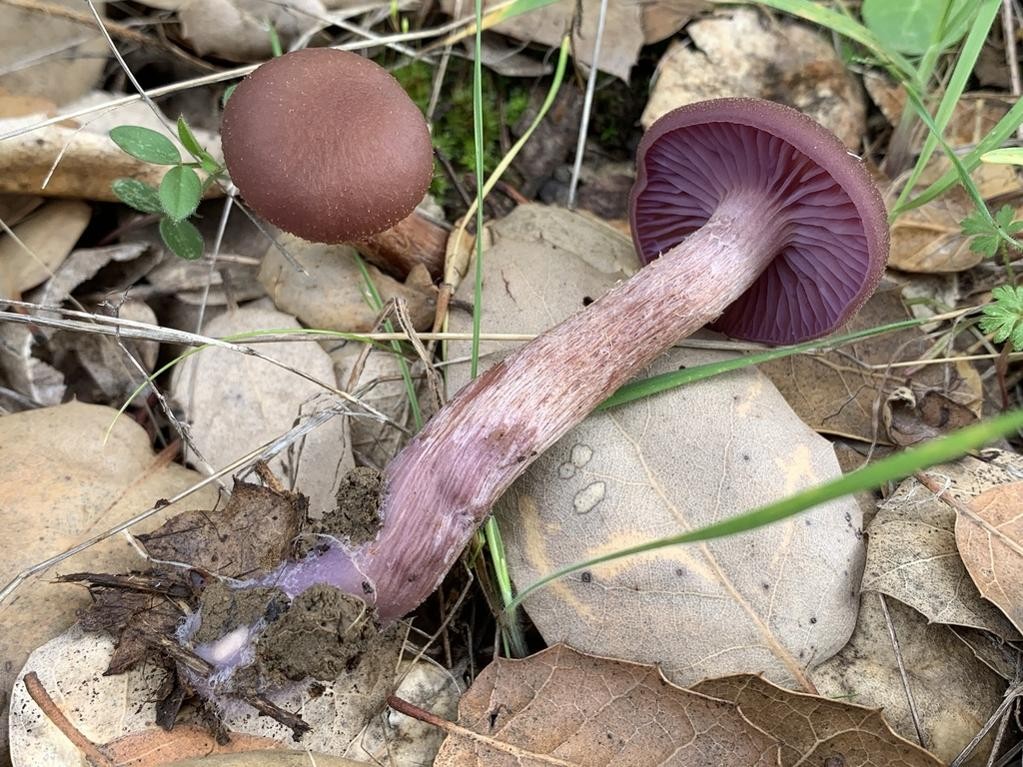
The blewit mushroom grows in fallen leaves in autumn and winter, sometimes appearing in ‘fairy ring’ circles. It can be used to make a green dye when chopped and boiled in an iron pot. The scientific name, Lepista nuda, derives from Latin words meaning “bare goblet,” a reference to the shape and texture of the mushroom.
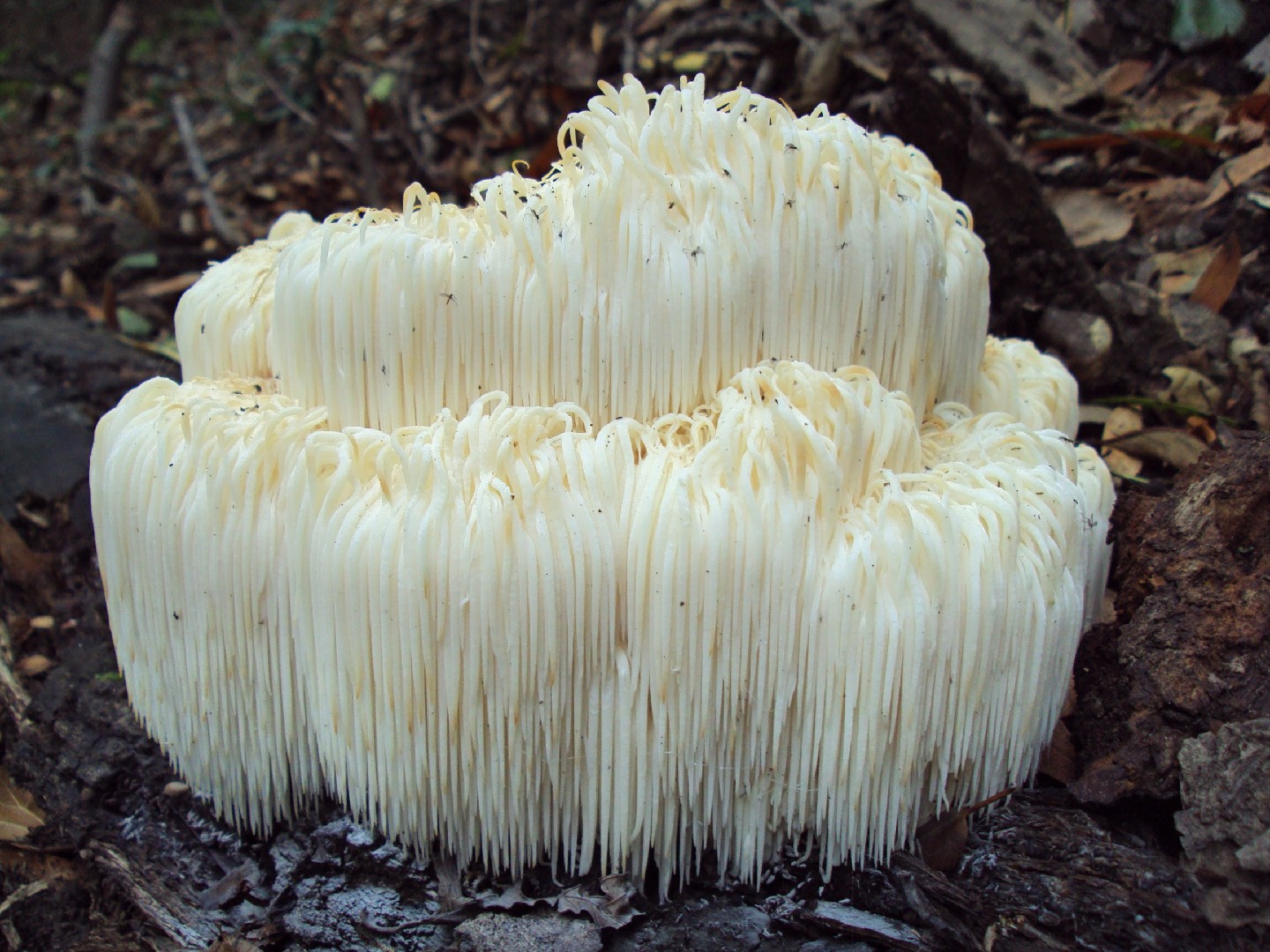
10. Lion's Mane Mushroom
Lion's Mane Mushroom(Hericium erinaceus) is easily identifiable by its characteristic appearance, reminiscent of the majestic mane of a lion. It often sprouts along hardwoods, which may be living or dead. Scientists thus debate whether this species is truly parasitic or merely saprophytic in nature.
More







