




Top 20 Edible Mushrooms Popular in Virginia
Steeped in natural beauty, Virginia flaunts a biodiverse haven, seamlessly coupling conventional landscapes with mushroom-friendly habitats. In Virginia, where diverse climates and terrains are the norm, a plentiful assortment of edible mushrooms awaits discovery. Our list of 20 most common edible mushrooms in Virginia covers everything: appearance, flavor profiles, natural habitats, and culinary applications. Arm yourself with knowledge and join us for a fascinating journey of taste and discovery into the enticing world of Virginia's fungal treasures.
* Disclaimer: Content feedback CAN NOT be used as any basis for EATING ANY PLANTS. Some plants can be VERY POISONOUS, please purchase edible plants through regular channels.

Most Popular Edible Mushrooms
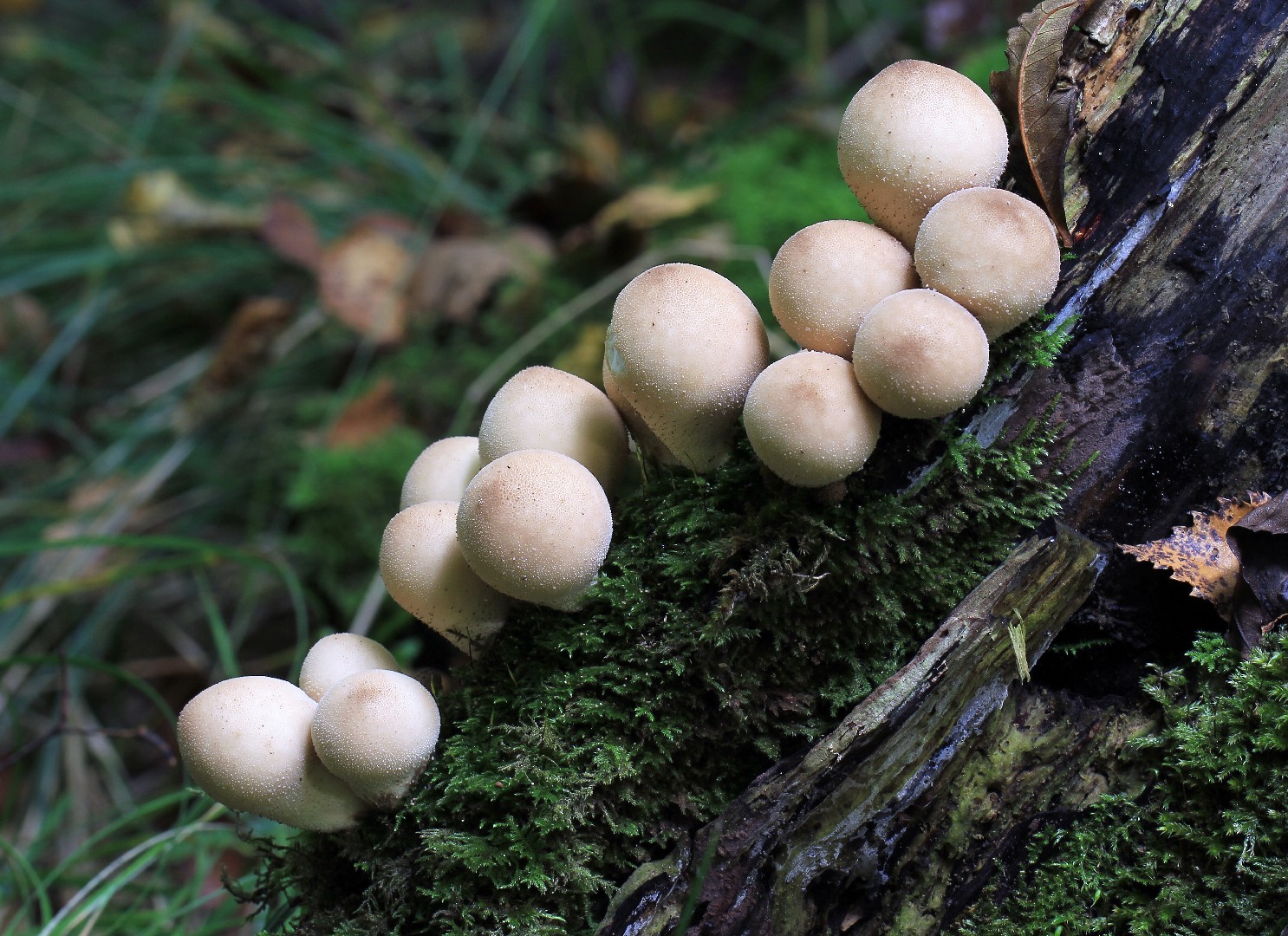
1. Pear-shaped puffball
The mushrooms of this species grow in such tight clusters that they may cover fallen trees and stumps almost entirely in a brownish, puffy coat. Pear-shaped puffballs appear all around the northern hemisphere on decaying hardwoods from fall through winter.

2. Shaggy mane
The shaggy mane mushroom is commonly found in North American and European grasslands. Some peoples foraged for its young egg-shaped caps, but it has more recently been found to be a bioaccumulator of heavy metals, meaning it pulls toxic metals up from the soil where it grows. As a result, shaggy manes should not be eaten. The mushrooms usually appear in clusters or “fairy rings.”
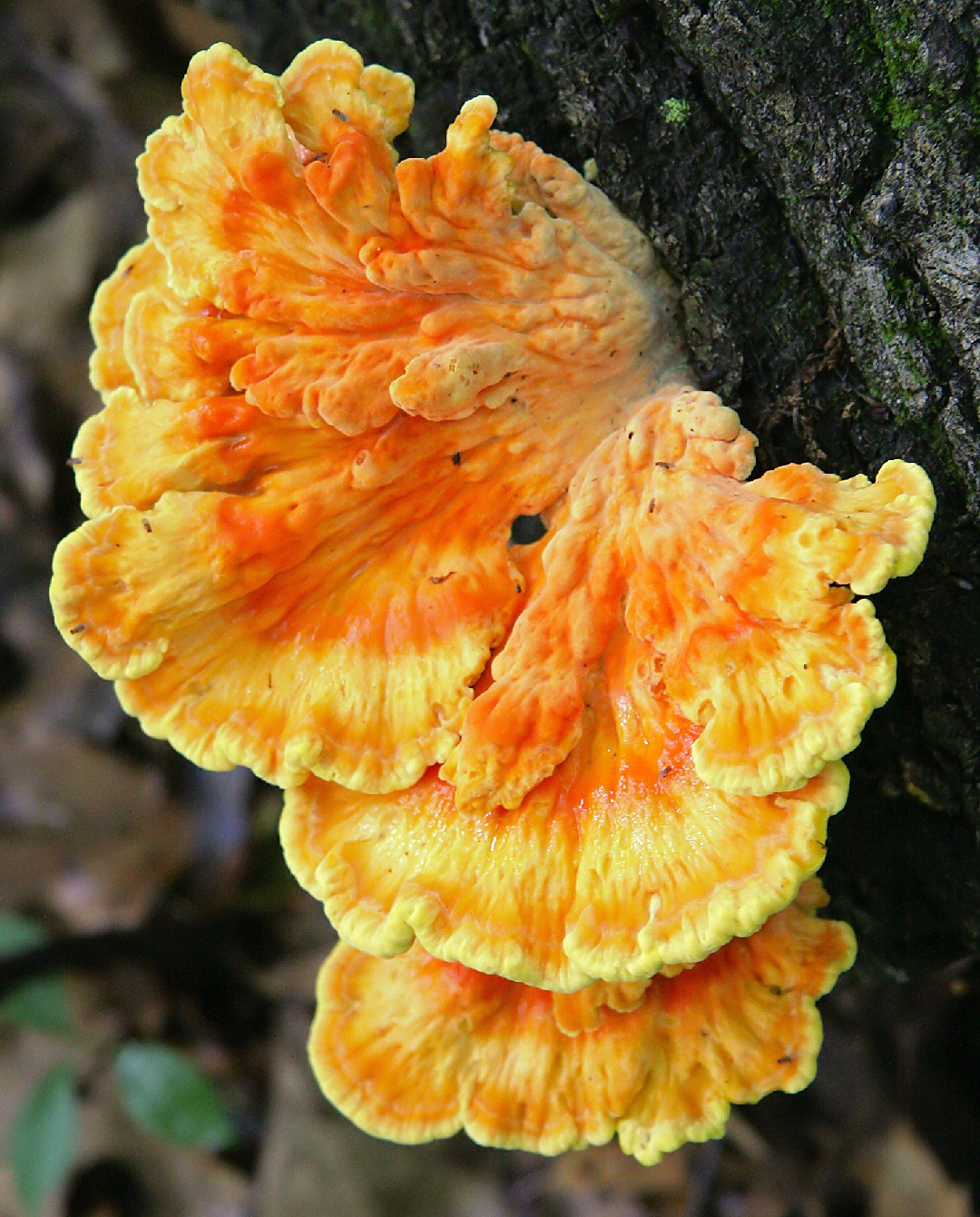
3. Chicken of the woods
Chicken of the woods is very noticeable in hardwood forests, appearing in clusters on standing tree trunks in bright orange and yellow hues that sometimes last through the entire winter. It is a parasite that causes an unfortunate brown heart rot, and is considered a particularly troublesome pest of Yew trees. If the fruitbodies can be seen, the tree is likely already beyond saving.
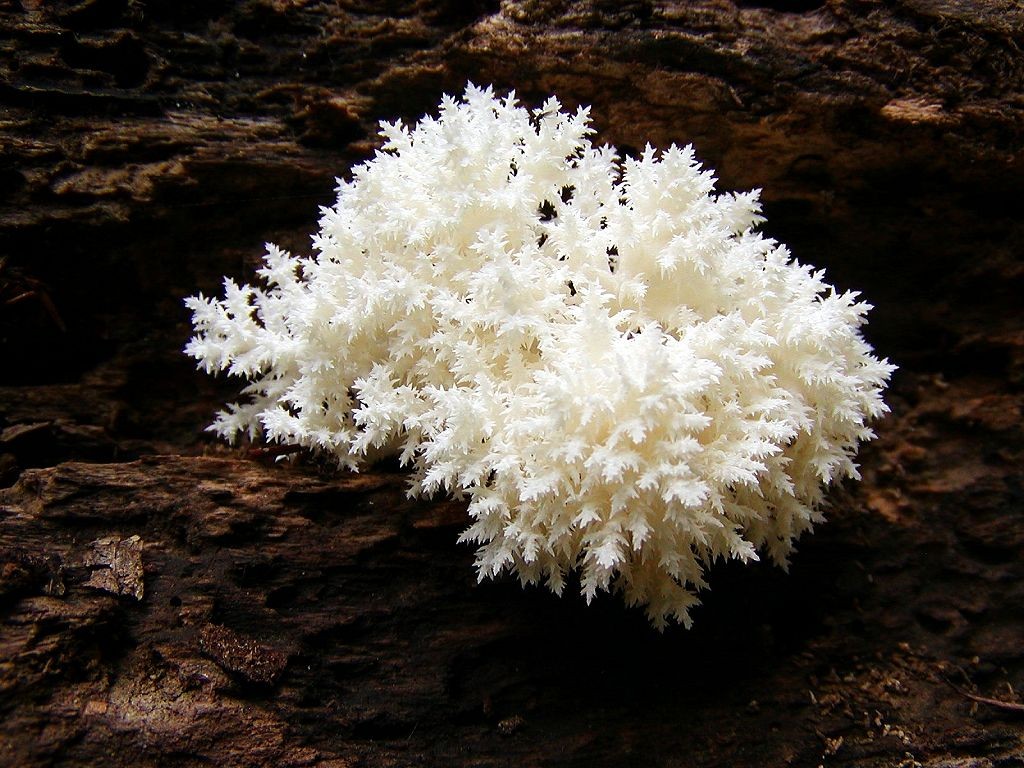
4. Coral tooth fungus
Coral tooth fungus (Hericium coralloides) is a species of coral mushroom most frequently sighted on dead or decaying hardwoods. Generally, younger specimens are white and become increasingly yellowish as they mature. Found around the world, the Māori refer to this species as pekepekekiore.
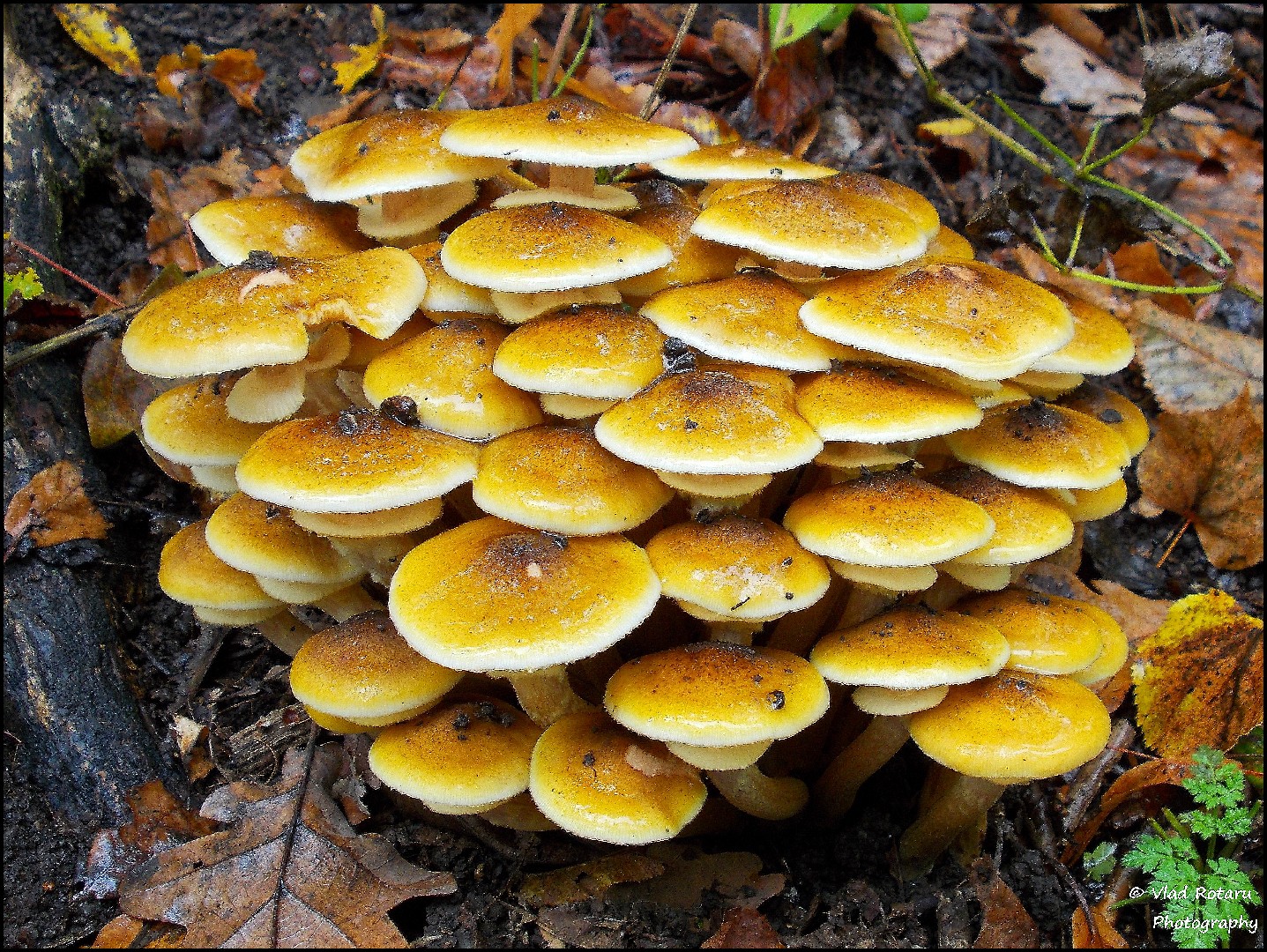
5. Honey fungus
The honey fungus is a parasitic fungus that grows on the roots of many woody and perennial plants, damaging and possibly killing its host. It spreads underground and is considered to be the most damaging fungal disease in gardens across the UK. The appearance of the mushrooms above-ground heralds a much more extensive infection below.

6. Common puffball
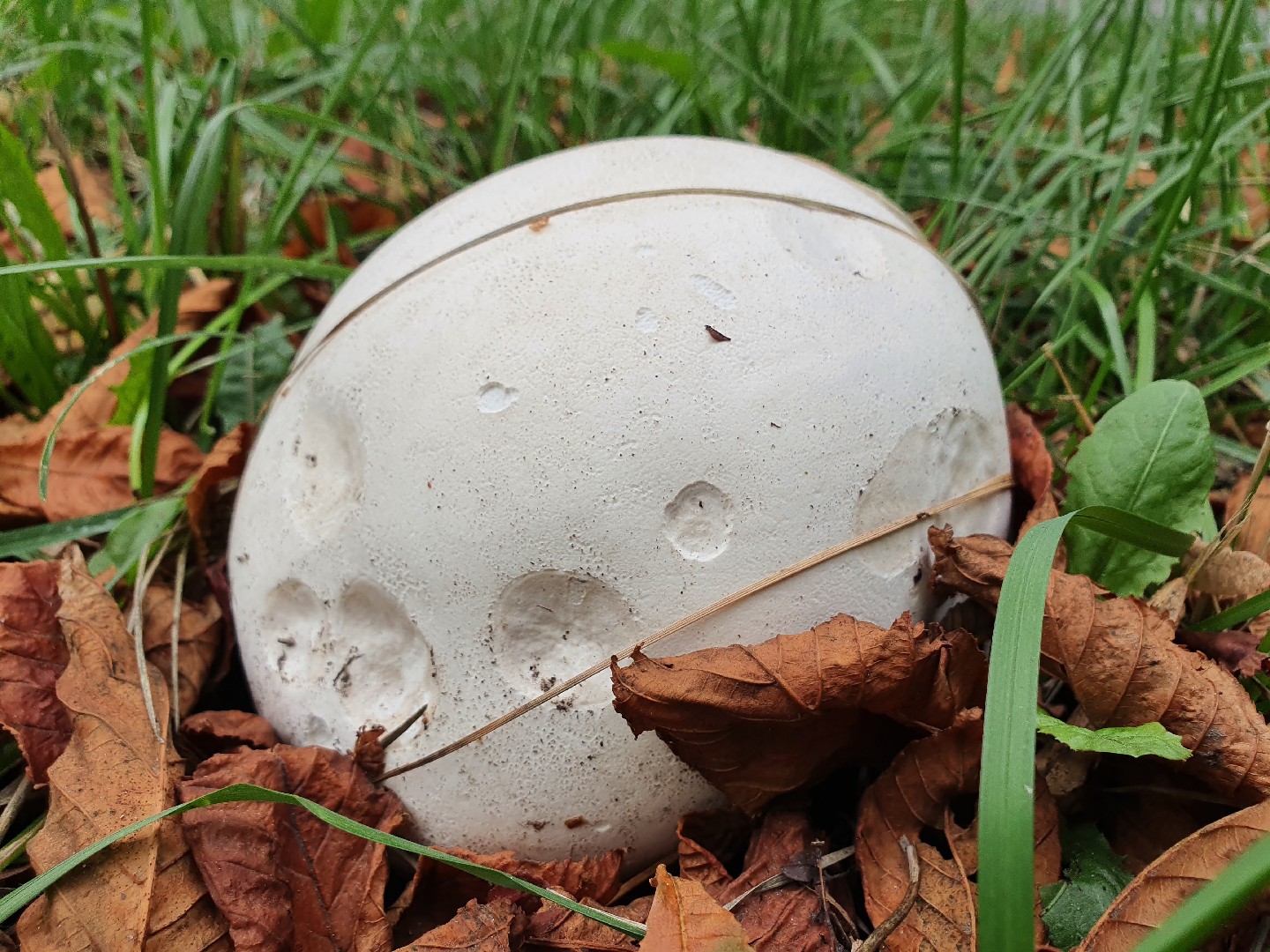
These puffy mushrooms grow in small groups on the forest floor. Once they're mature, common puffballs turn yellow and "puff out" smoke-like spore clouds when disturbed. Be very careful when identifying these mushrooms, as their young, immature form looks very similar to the lethal Deathcap.
7. Scarlet hood
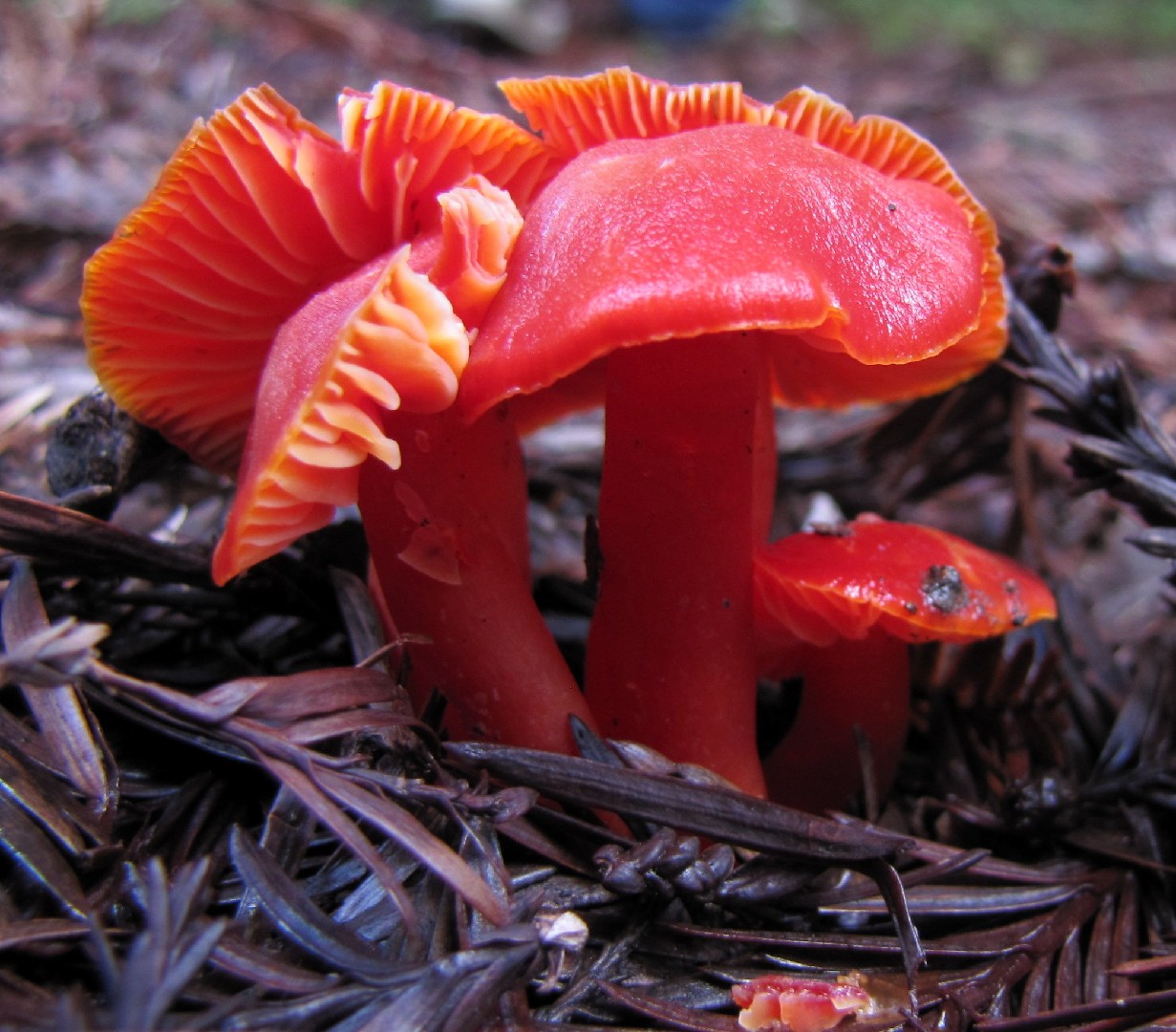
Scarlet hood(Hygrocybe coccinea) is named for its bright scarlet color, which renders it easy to spot among the grasses and woodlands among which it prefers to grow. Distributed across the Northern Hemisphere, it tends to be small and uncommon, making it of particular interest to photographers.
8. Orange peel fungus
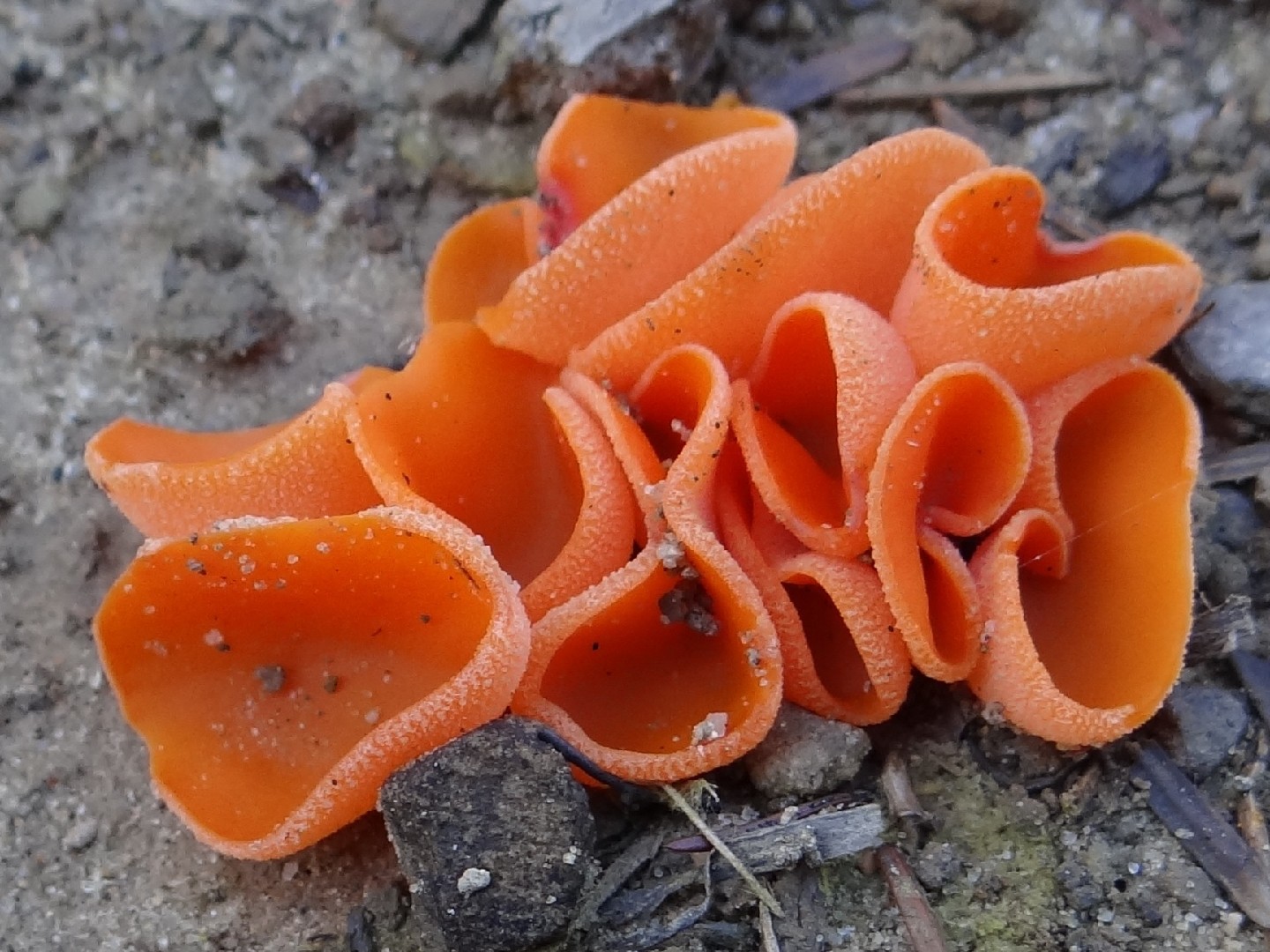
The aptly-titled orange peel fungus (Aleuria aurantia) forms fruitbodies that strongly resemble peeled-off rinds of oranges. The species has an irregular folded shape and boasts a bright orange hue. Orange peel fungus usually grows directly out of soil and can be found across temperate regions of North America, Europe, and a few parts of Chile.
9. King bolete
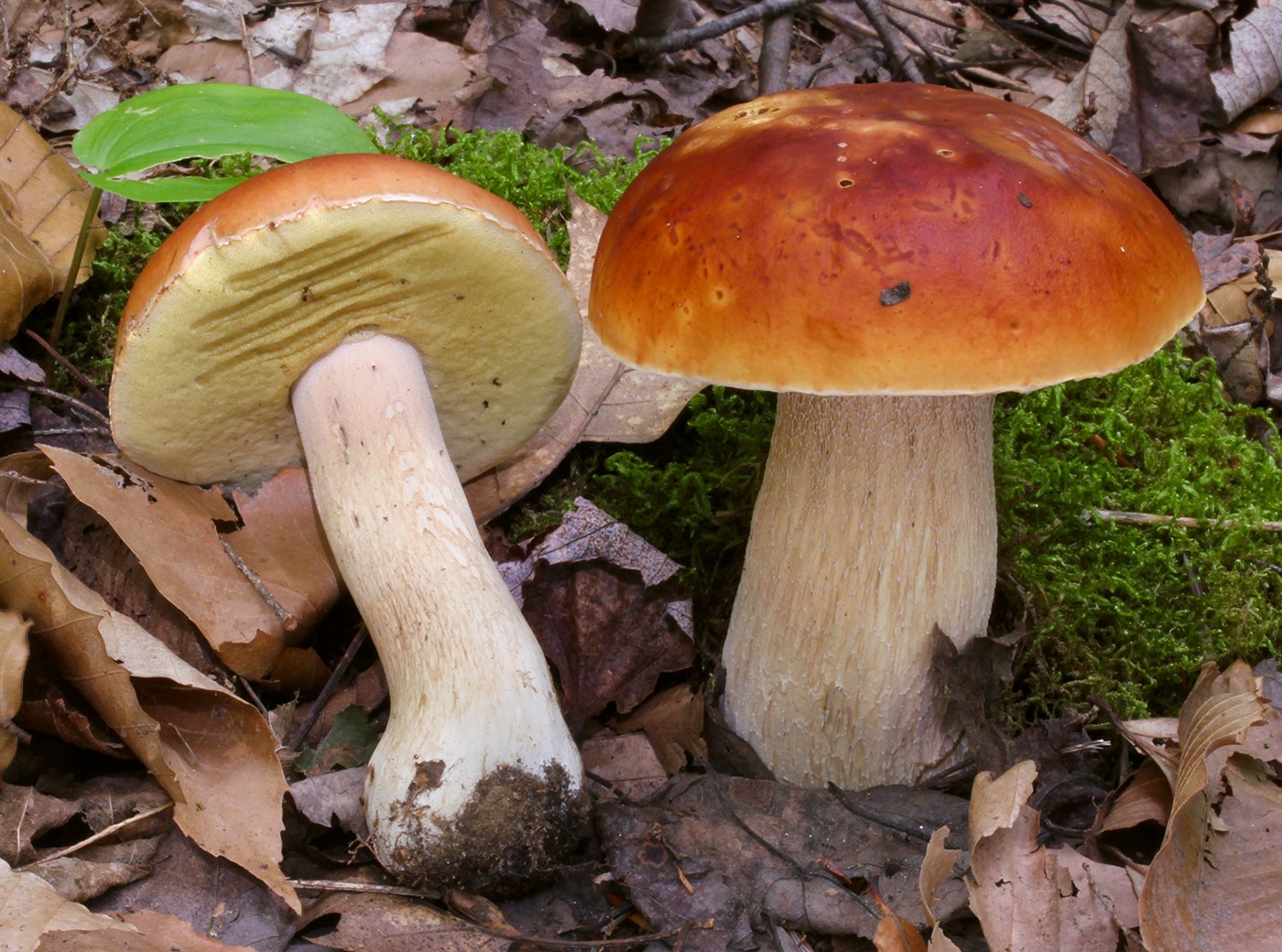
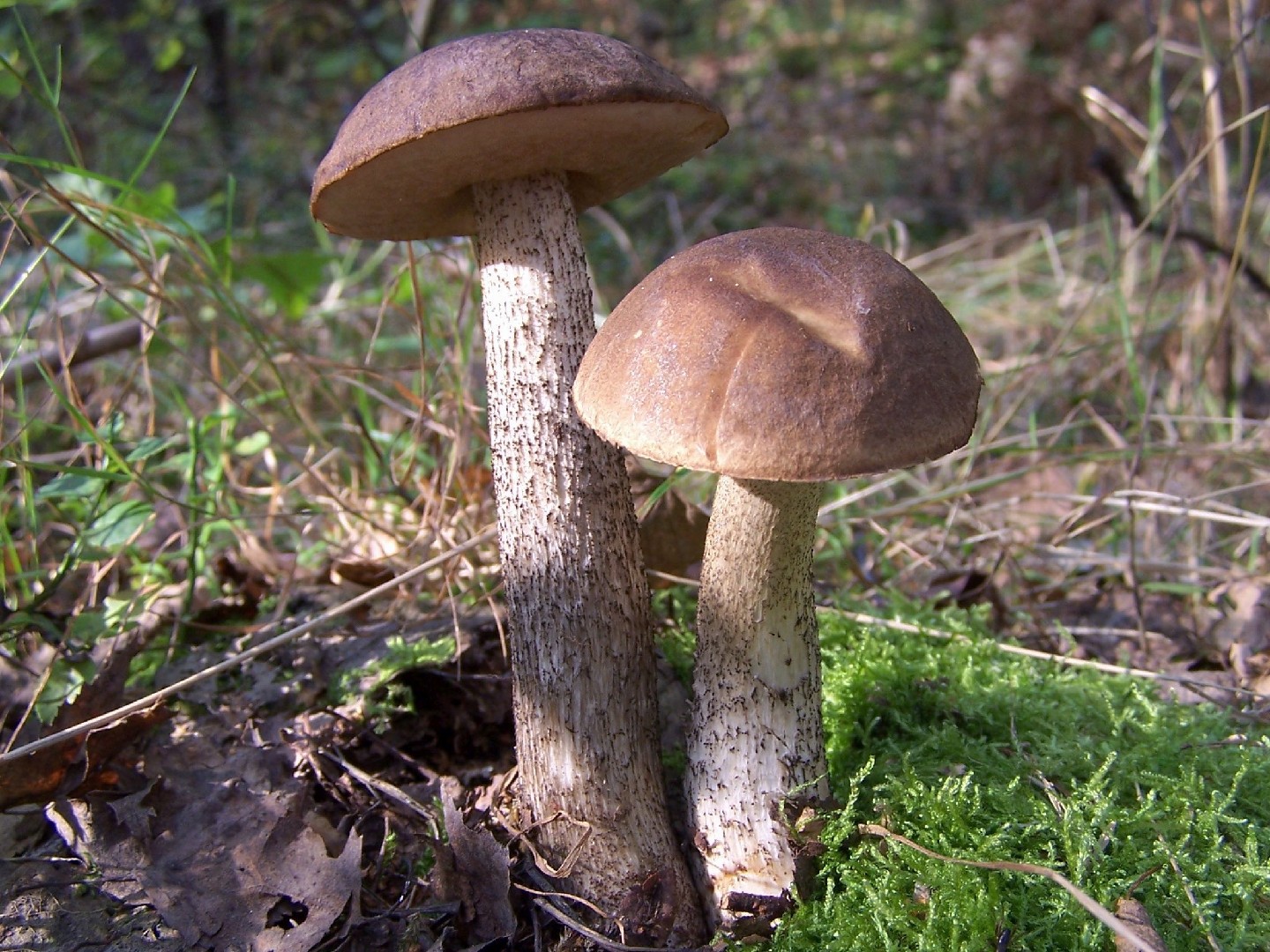
Extremely popular in many cuisines, this edible wild mushroom grows around the world near the roots of forest trees. In some regions, king bolete mushrooms are collected in great enough volumes that their sale can support entire families during the harvest season. King boletes are reported to be high in fiber, vitamins B and C, calcium, potassium, magnesium, zinc, and several antioxidants.
10. Violet webcap
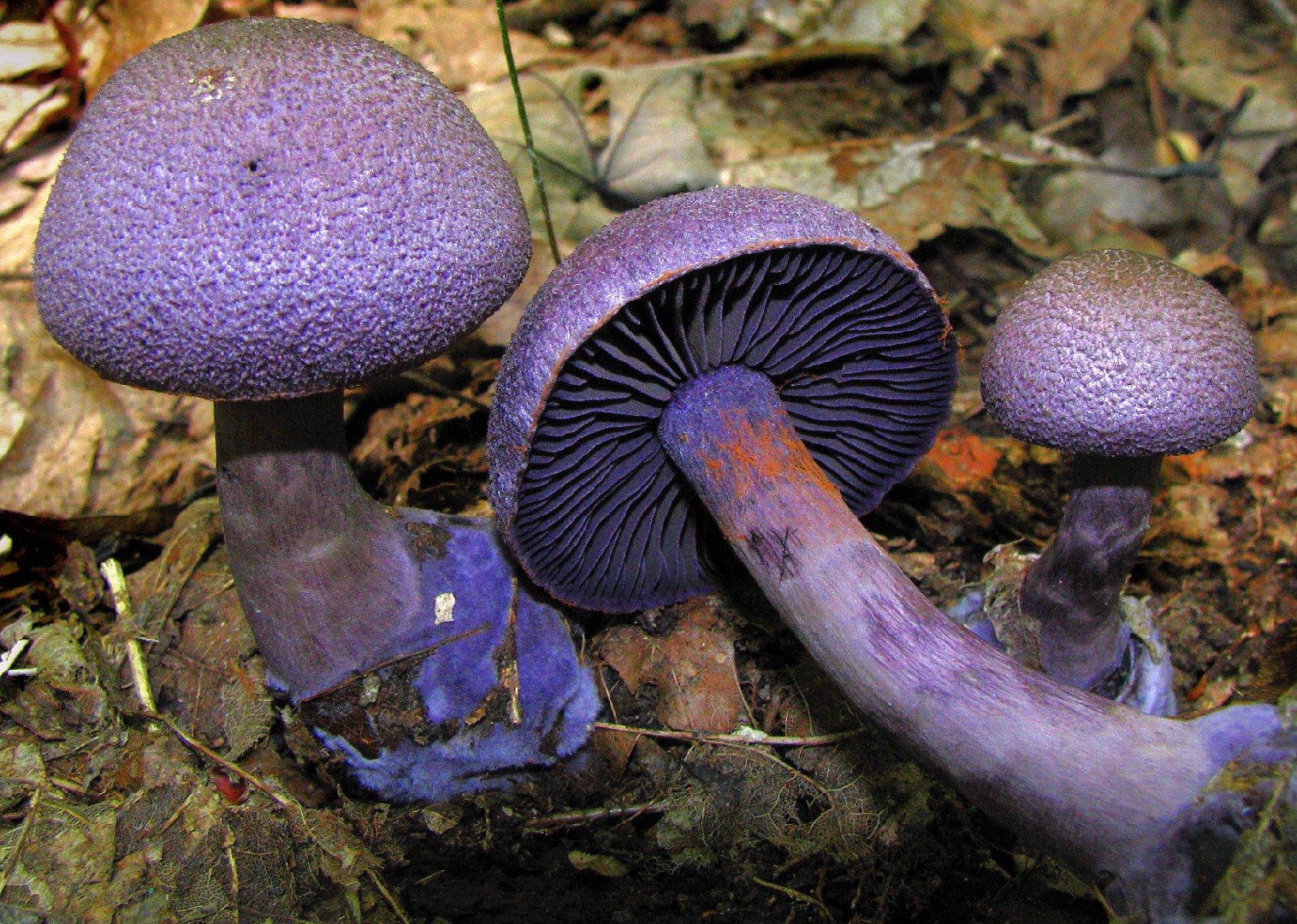
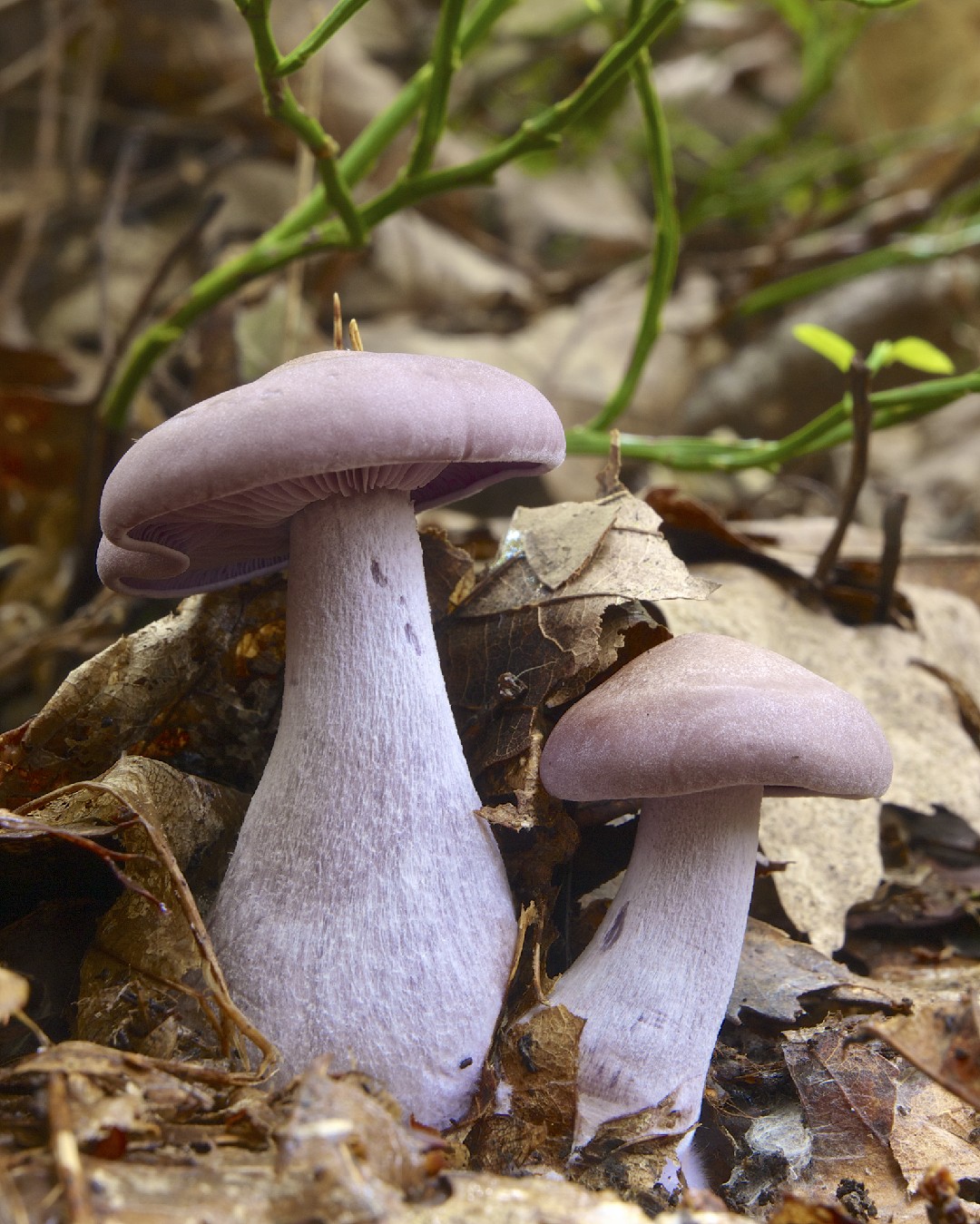
This absolutely striking mushroom looks like something out of a fairy tale. The entire fruitbody of the violet webcap - cap, stalk, and gills - ranges in color from a light lavender to a very deep purple. The species' caps are bulbous and pockmarked, often appearing velvety. Though a feast for the eyes, this species is usually considered inedible.

More







