




Top 20 Edible Mushrooms Popular in Bangor
Foraging enthusiasts and mushroom lovers, delight in exploring the remarkable variety of edible fungi in Bangor. Famed for its conducive climate and diverse landscape, Bangor is home to 20 commonly found edible mushrooms. From the subtly sweet Cremini to the earthy Chanterelle, these fungi vary in flavor, texture, and culinary uses. Each mushroom harbors its unique identity in appearance, growing conditions, and applicability in food preparation. Immerse yourself in the fascinating mycological journey through Bangor, unveiling the natural treasures concealed within its terrains.
* Disclaimer: Content feedback CAN NOT be used as any basis for EATING ANY PLANTS. Some plants can be VERY POISONOUS, please purchase edible plants through regular channels.

Most Popular Edible Mushrooms

1. Shaggy mane
The shaggy mane mushroom is commonly found in North American and European grasslands. Some peoples foraged for its young egg-shaped caps, but it has more recently been found to be a bioaccumulator of heavy metals, meaning it pulls toxic metals up from the soil where it grows. As a result, shaggy manes should not be eaten. The mushrooms usually appear in clusters or “fairy rings.”
2. Dryad's saddle
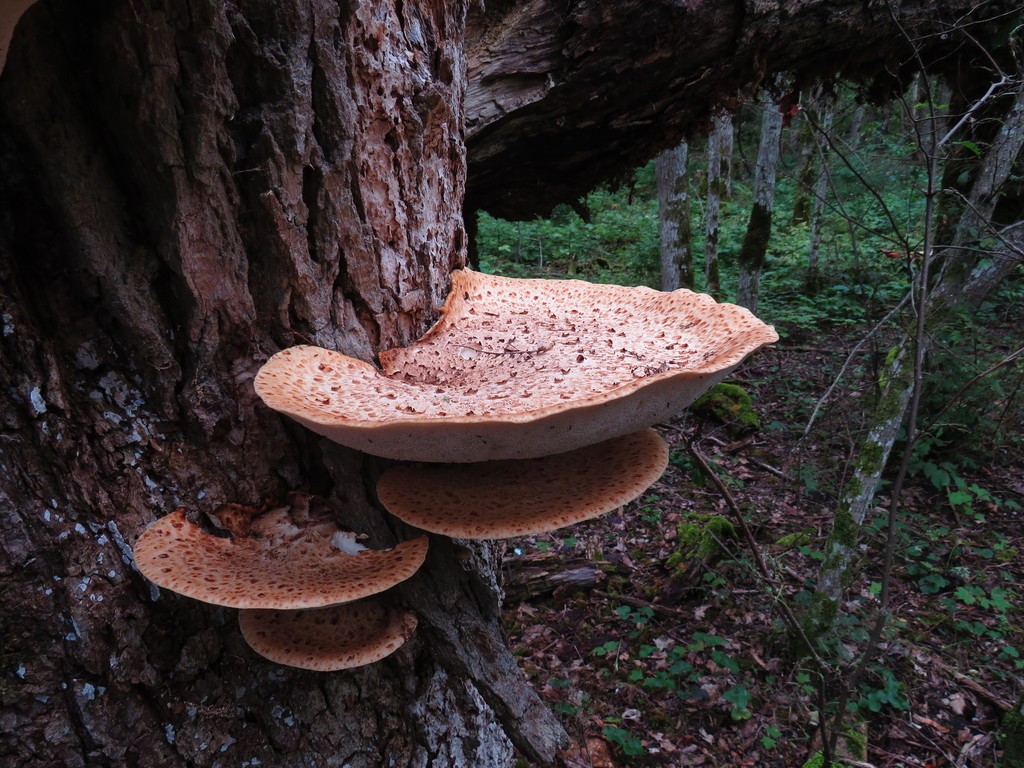
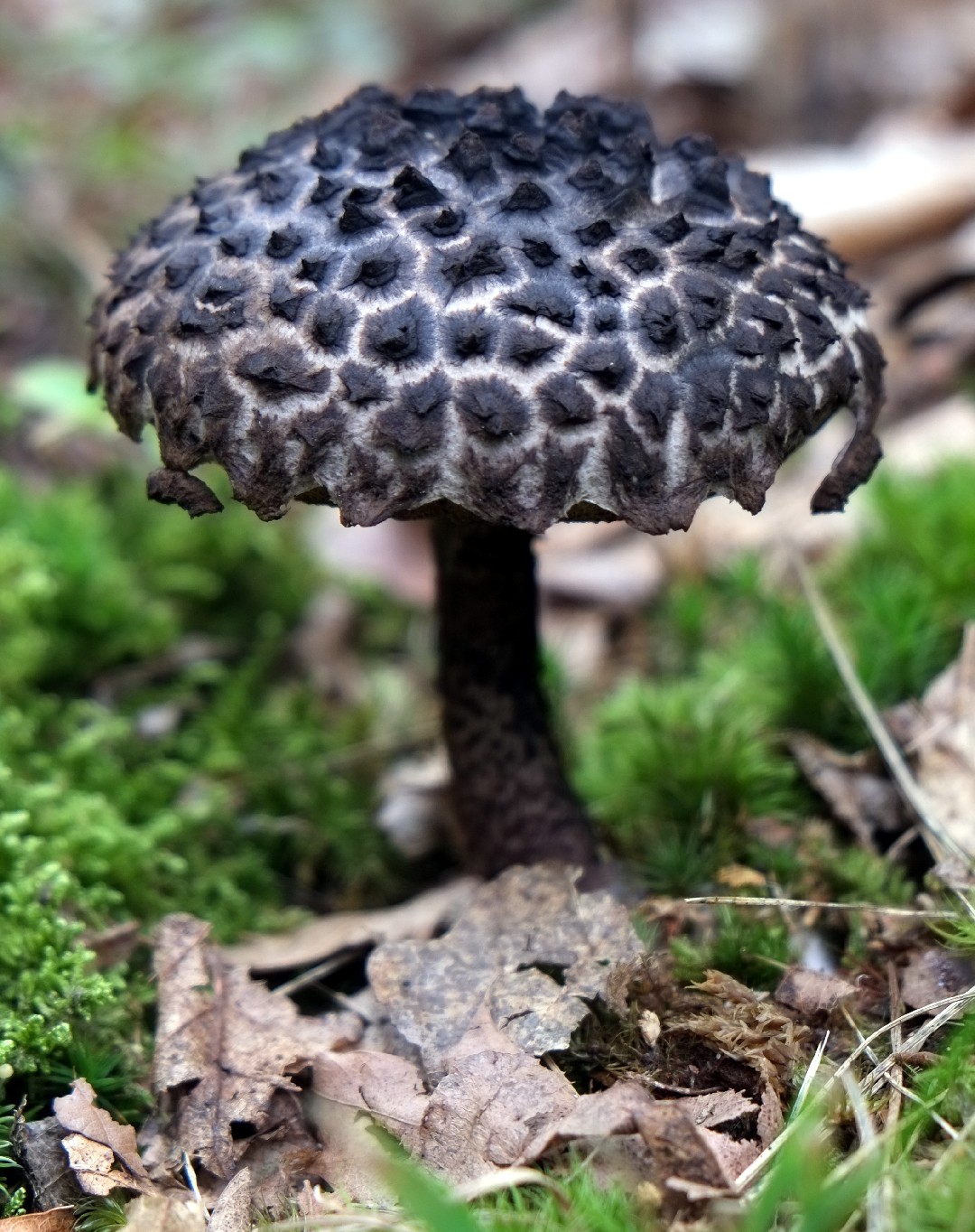
A familiar sight to spring morel hunters, dryad's saddle is noteworthy for its large size, striking scales, and watermelon-like smell. Similar to other mushrooms in the bracket fungi family, dryad's saddle can be used to make paper. Younger mushrooms are better suited for this purpose due to their smaller and more consistent fibers.

3. American slippery jack
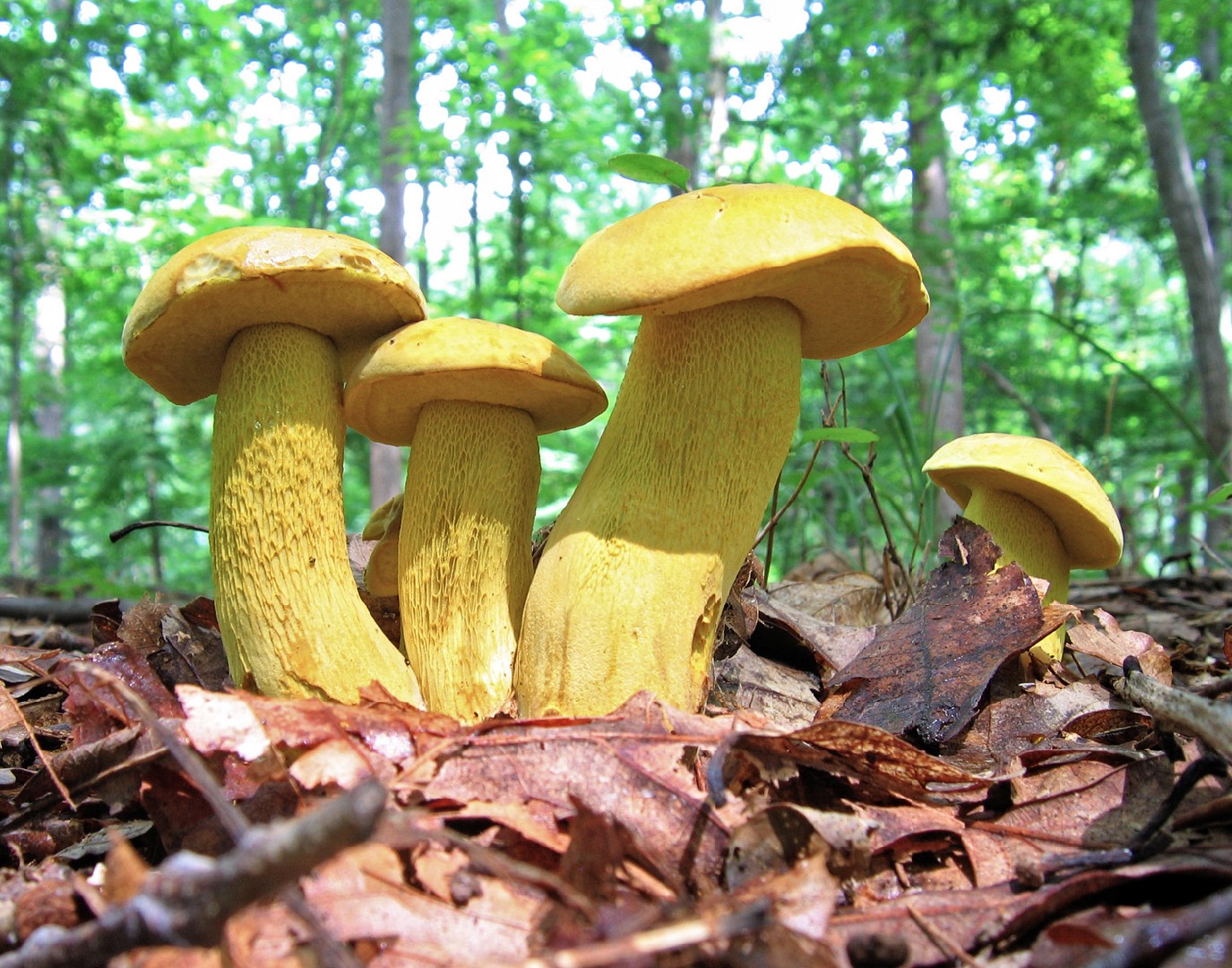
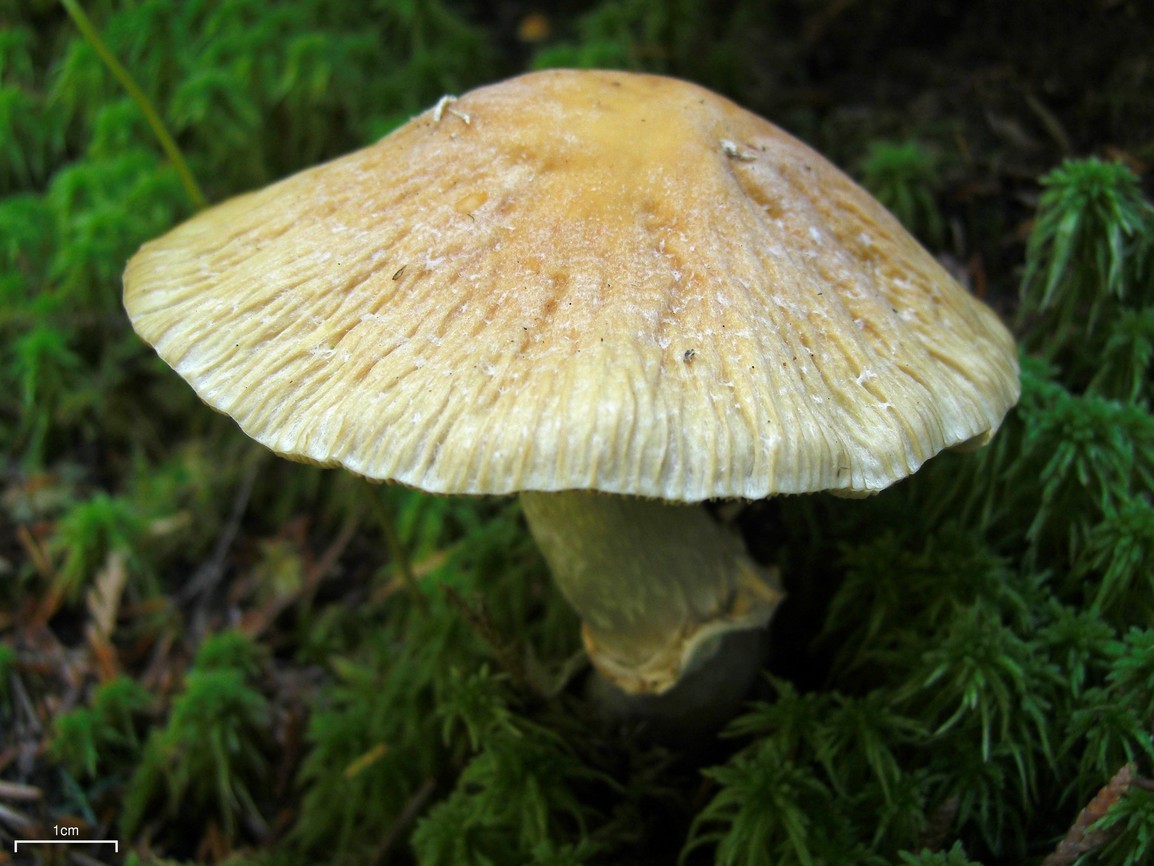
A common sight underneath white pines in the summertime, the american slippery jack lives up to its name with its slimy cap, reminiscent of chicken fat's consistency. The subdued, yellow-brown hue is also the same color.
4. Pear-shaped puffball
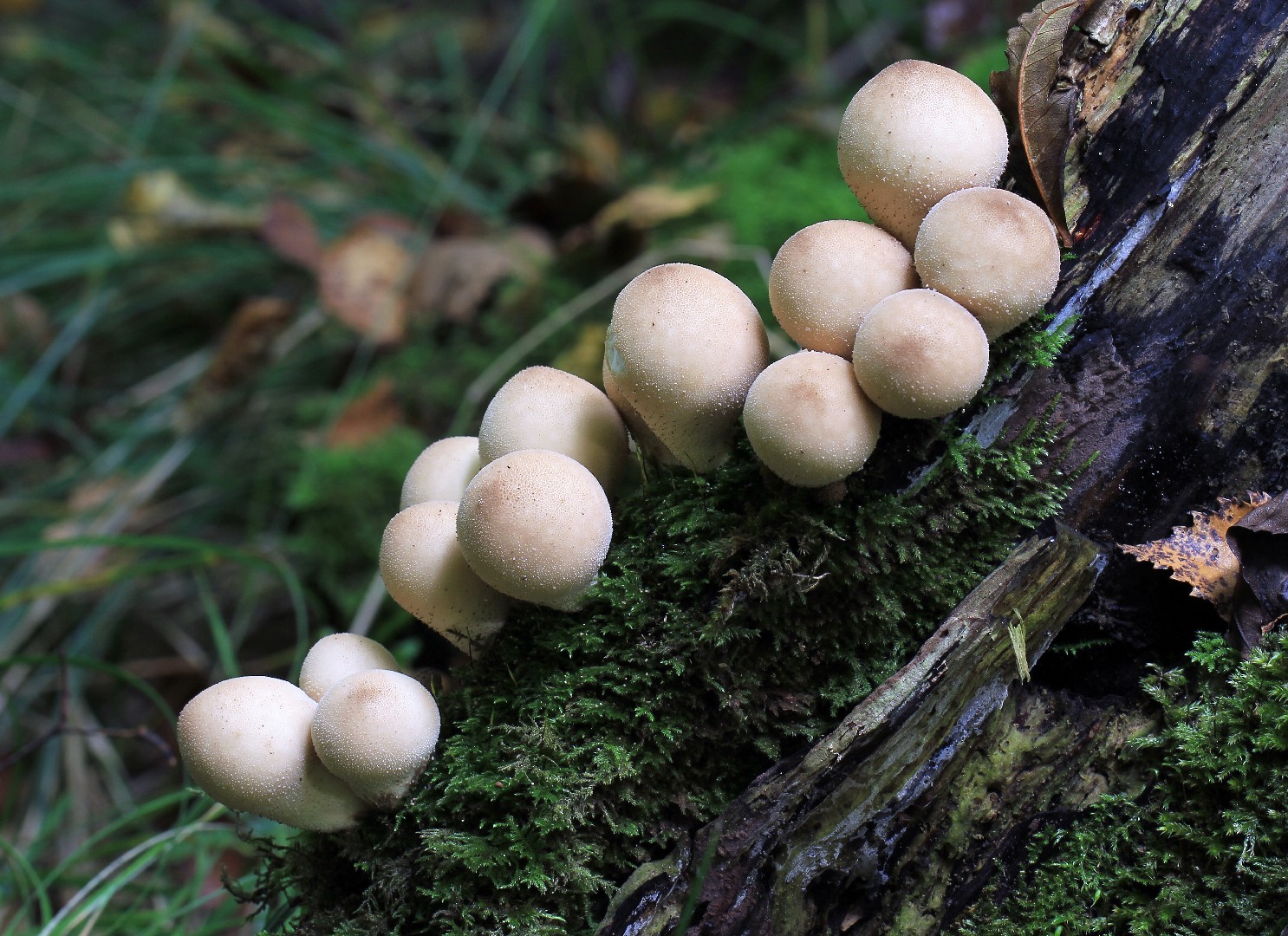
The mushrooms of this species grow in such tight clusters that they may cover fallen trees and stumps almost entirely in a brownish, puffy coat. Pear-shaped puffballs appear all around the northern hemisphere on decaying hardwoods from fall through winter.
5. Toothed jelly fungus
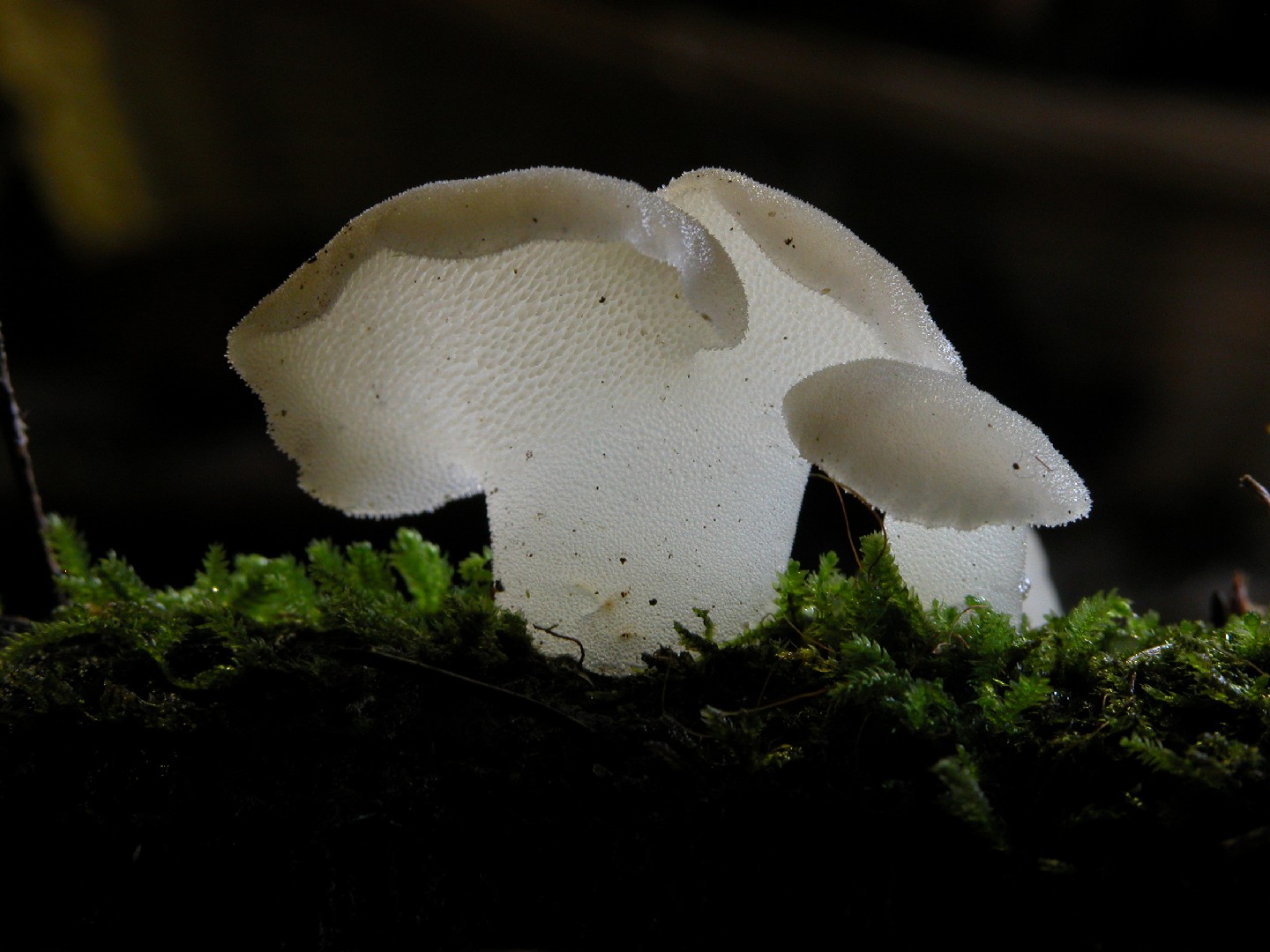
This whimsically-named mushroom has a global distribution and a unique appearance. Toothed jelly fungus has a white, translucent - almost spectral - coloration and sports little downward pointing "teeth" on the underside of its cap. Although its toothed underside may scream "hedgehog mushroom", it is actually a member of a separate genus (Pseudohydnum, as opposed to Hydnum).
6. King bolete
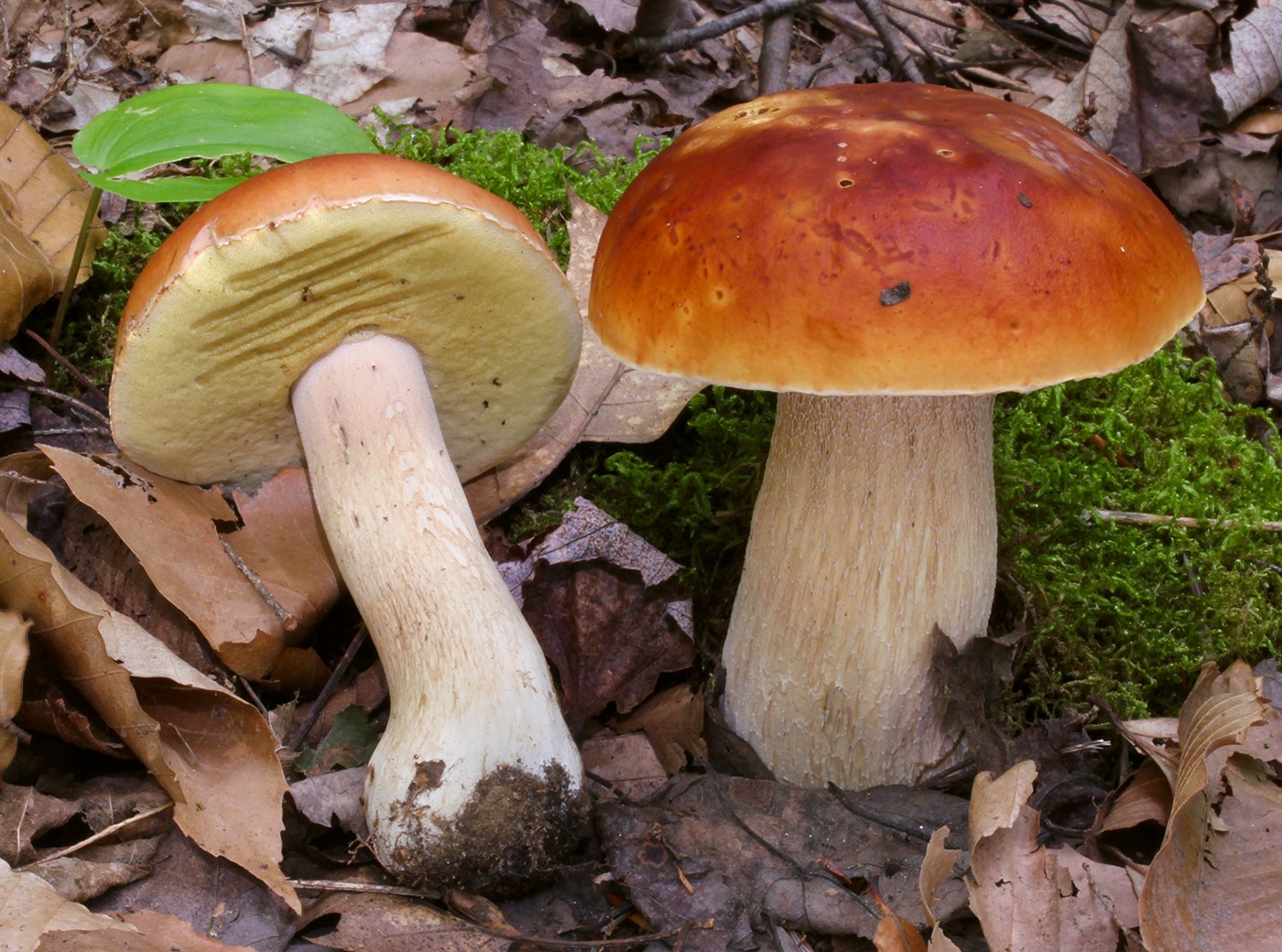
Extremely popular in many cuisines, this edible wild mushroom grows around the world near the roots of forest trees. In some regions, king bolete mushrooms are collected in great enough volumes that their sale can support entire families during the harvest season. King boletes are reported to be high in fiber, vitamins B and C, calcium, potassium, magnesium, zinc, and several antioxidants.

7. Chicken of the woods
Chicken of the woods is very noticeable in hardwood forests, appearing in clusters on standing tree trunks in bright orange and yellow hues that sometimes last through the entire winter. It is a parasite that causes an unfortunate brown heart rot, and is considered a particularly troublesome pest of Yew trees. If the fruitbodies can be seen, the tree is likely already beyond saving.
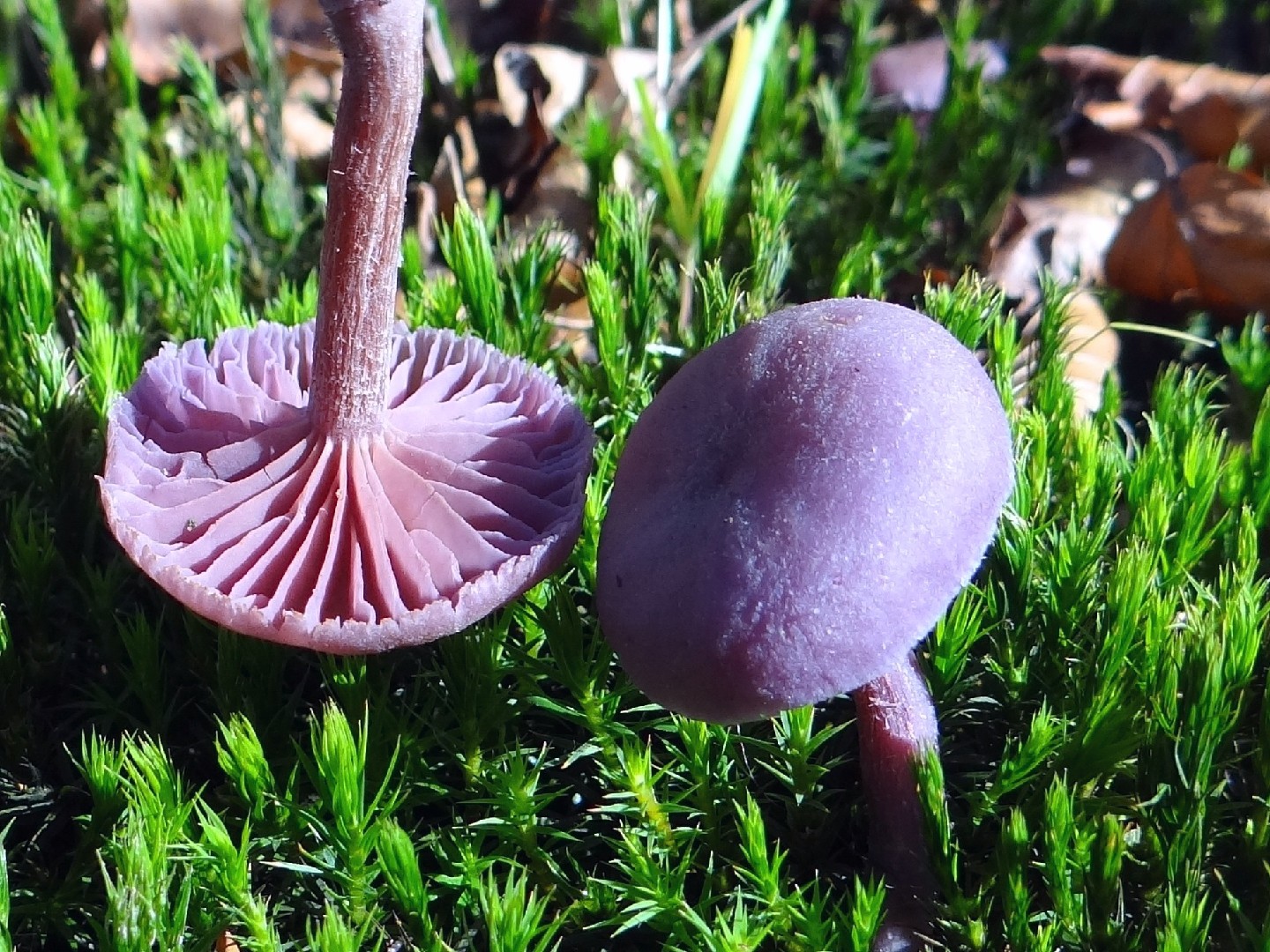
8. Amethyst deceiver
The amethyst deceiver (Laccaria amethystina) is a breathtaking mushroom that pops up from coniferous forest floors. The caps are a striking violet color in youth and are generally flat with a small indentation when the stem connects. As they mature, this violet color transforms to a less than breathtaking grey color, making it quite hard to identify after a certain age positively. Not edible.

9. Common puffball
These puffy mushrooms grow in small groups on the forest floor. Once they're mature, common puffballs turn yellow and "puff out" smoke-like spore clouds when disturbed. Be very careful when identifying these mushrooms, as their young, immature form looks very similar to the lethal Deathcap.
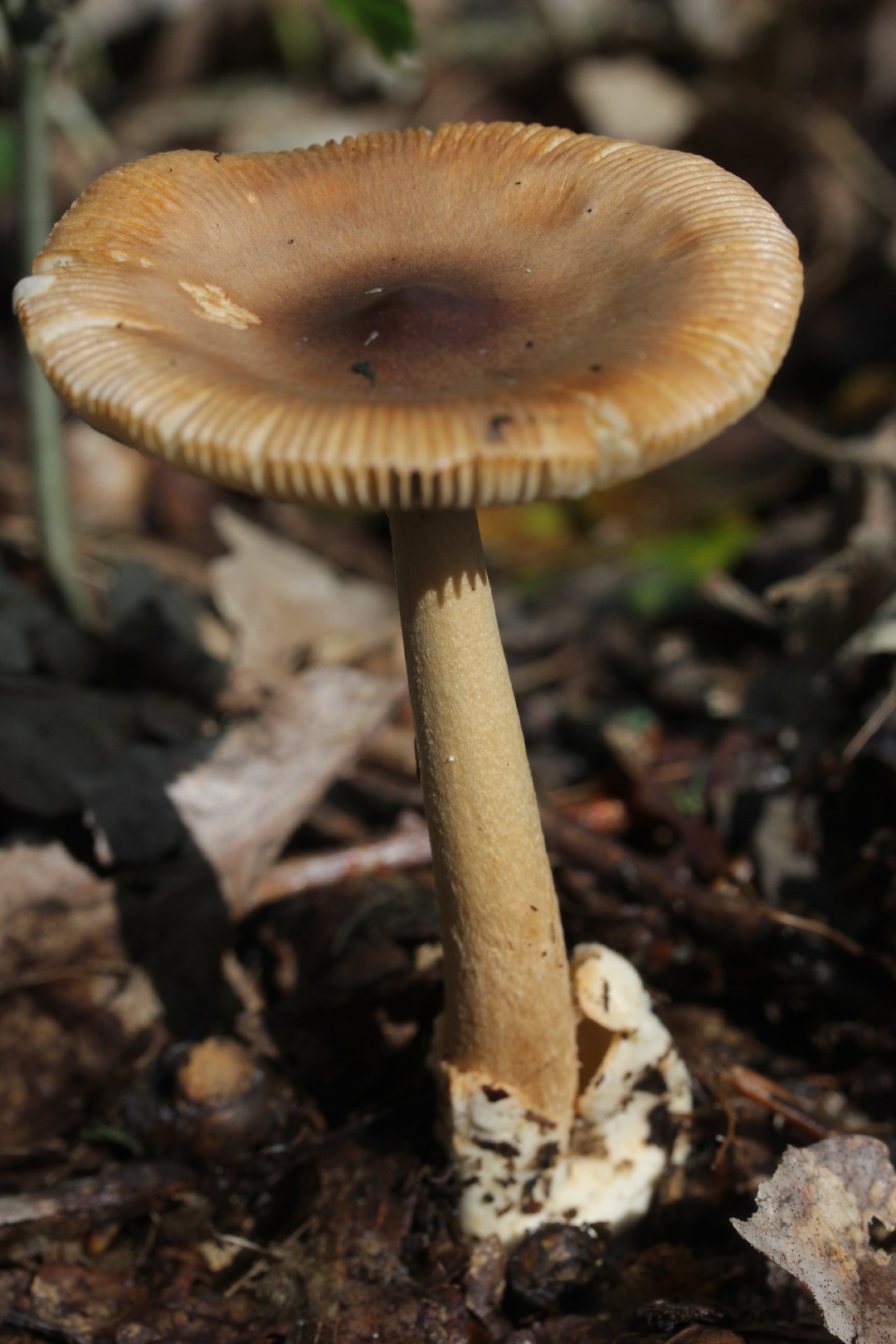
10. Tawny grisette
Tawny grisette (Amanita fulva) is a common species most commonly found in Europe's broadleaf and coniferous forests, with a potential but unverified range in North America. Its name comes from the burnished orange color of its cap, which sits atop a cream-colored stem.



More







