




Top 20 Edible Mushrooms Popular in Boise
Boise's distinctive climate, characterized by varying temperatures and moist environments, offer an unparalleled habitat that fosters the growth of diverse mushroom species. Within this urban oasis, you will encounter 20 of the most prevalent, edible mushrooms. Identifiable by their unique visual attributes, varied taste profiles, and typical environments, these fungi are not just incredibly versatile in culinary applications, but also contribute to Boise's dynamic ecosystem. This guide endeavors to educate mycophiles or budding mushroom foragers on the characteristics and uses of these prevalent species.
* Disclaimer: Content feedback CAN NOT be used as any basis for EATING ANY PLANTS. Some plants can be VERY POISONOUS, please purchase edible plants through regular channels.

Most Popular Edible Mushrooms

1. Shaggy mane
The shaggy mane mushroom is commonly found in North American and European grasslands. Some peoples foraged for its young egg-shaped caps, but it has more recently been found to be a bioaccumulator of heavy metals, meaning it pulls toxic metals up from the soil where it grows. As a result, shaggy manes should not be eaten. The mushrooms usually appear in clusters or “fairy rings.”
2. Spring fieldcap
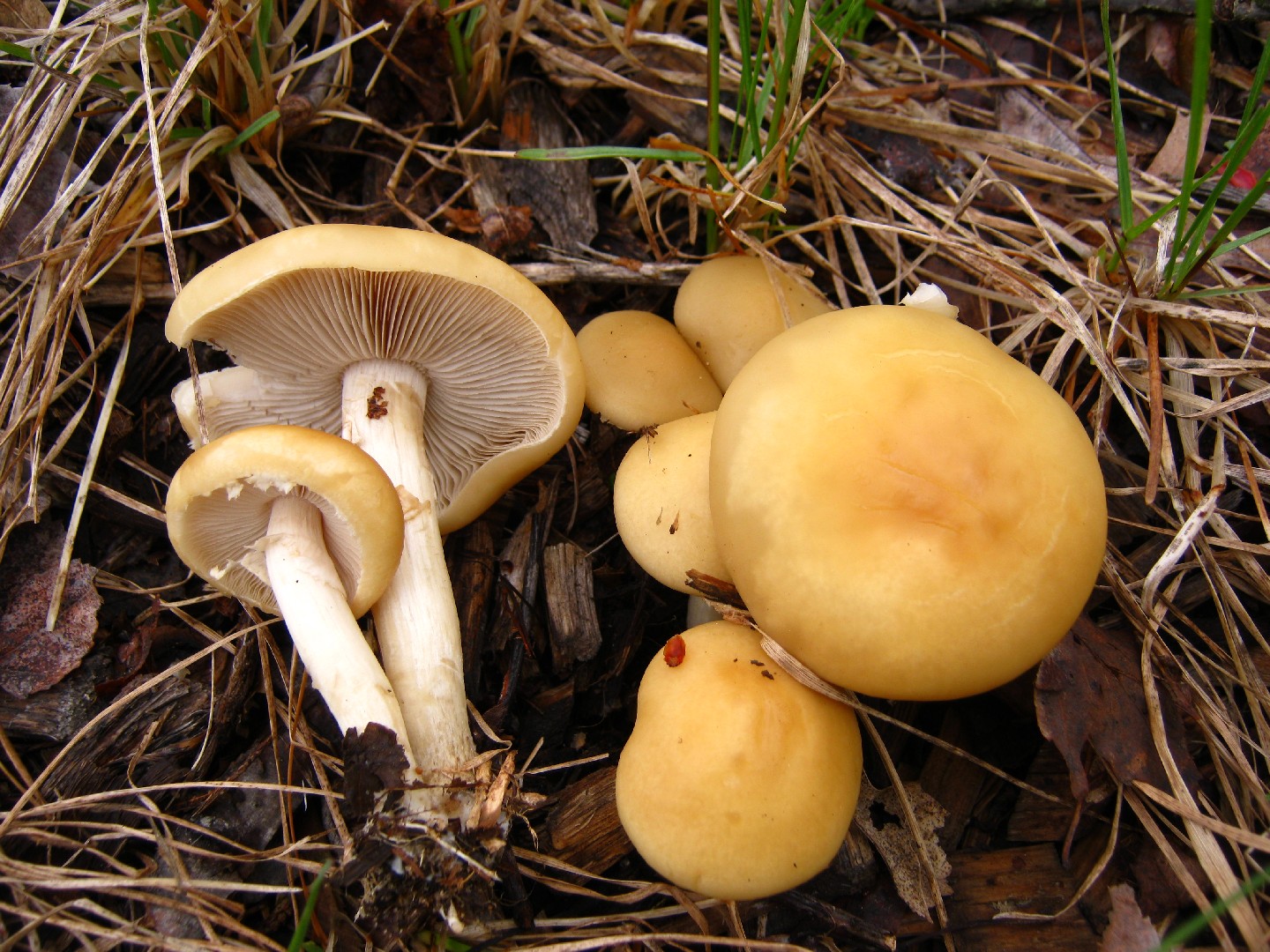
The spring fieldcap (Agrocybe praecox) appears in spring and early summer, in scattered groups or in tufts across the edges of woodland paths. They may be a common sight in urban areas with wood chip mulch or compost piles. The species' scientific name comes from the same Latin root as the word "precocious," giving another clue regarding the early appearance one can expect from these little mushrooms.
3. Meadow mushroom
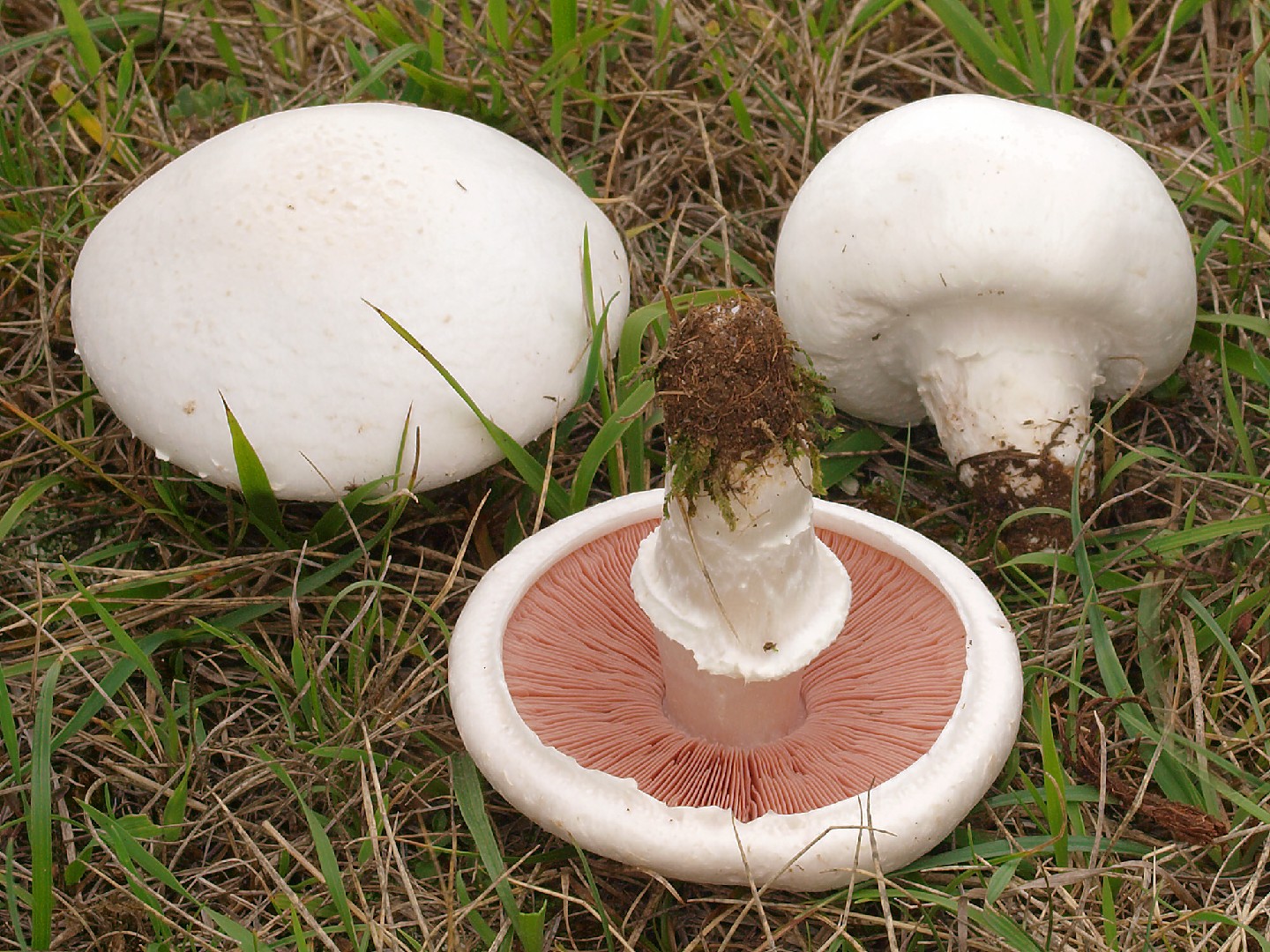
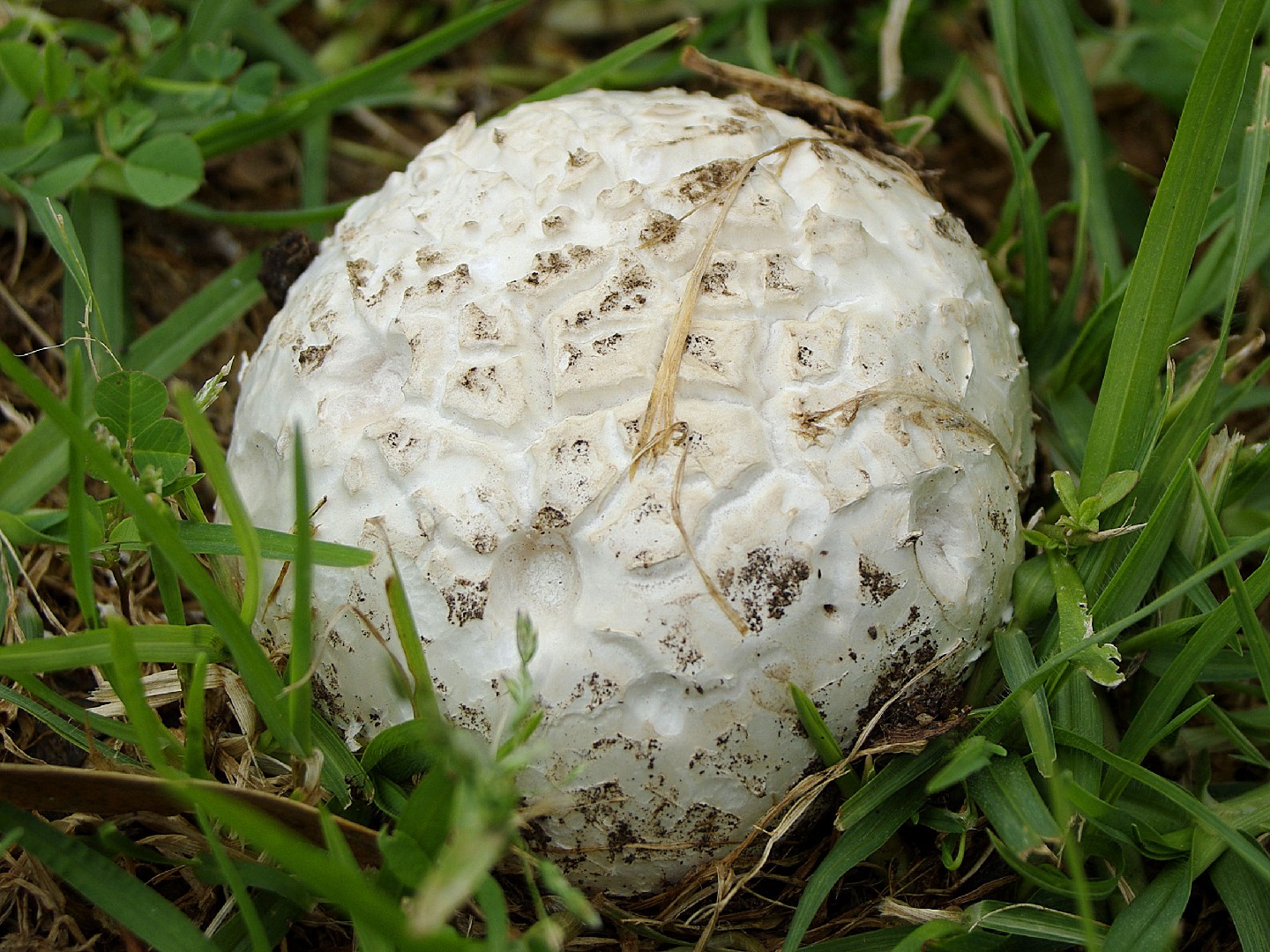
The meadow mushroom grows in meadows and pastures around the world—especially those rich in manure—when the weather is warm and wet. They are known to appear in “fairy ring” shapes. Originally identified in Europe, it is possible that North American specimens identified as meadow mushrooms may genetically belong to other species.
4. Early morel
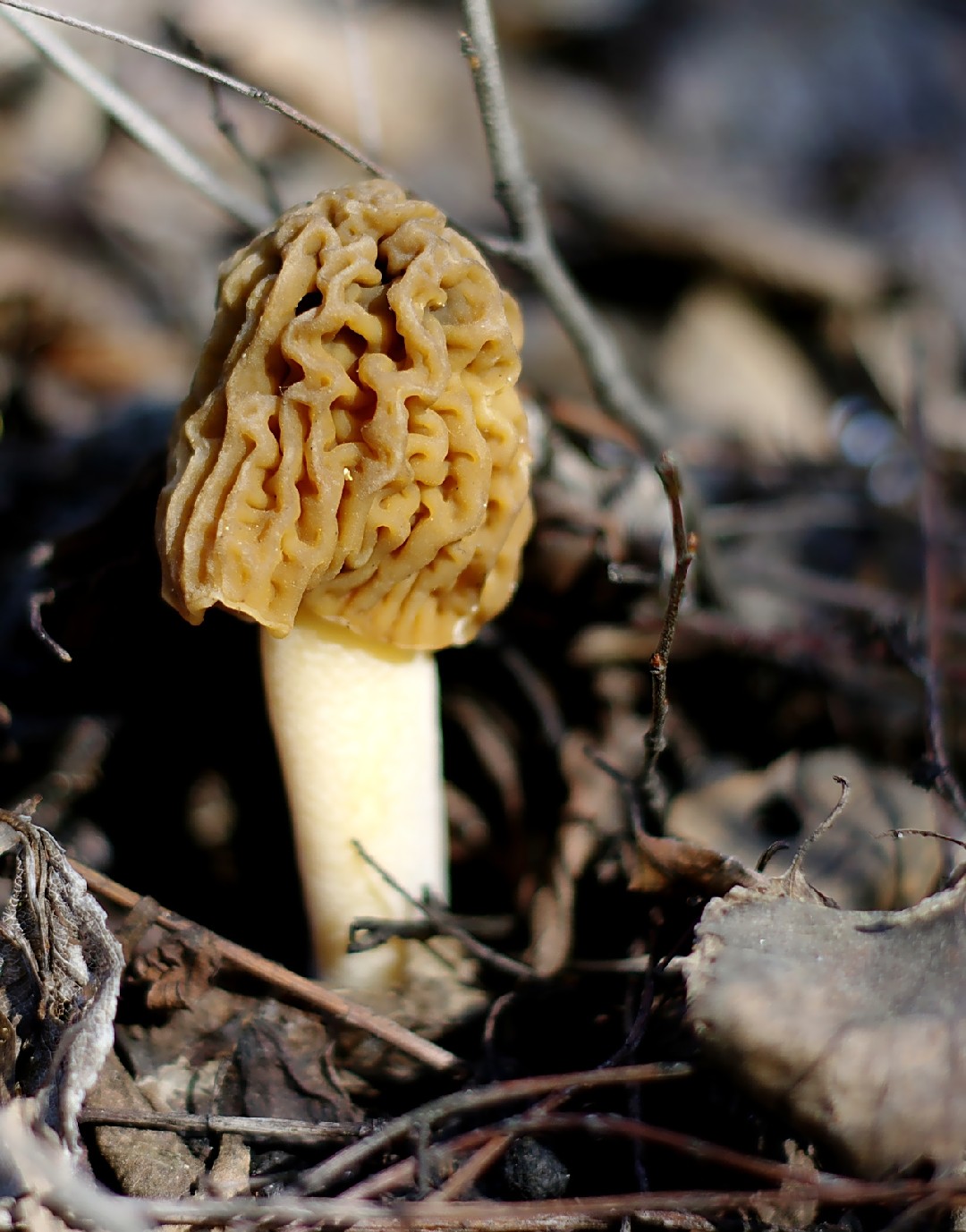
The early morel can be found in wooded areas of North America, Asia, and Europe. It is called the Early morel because it is one of the first mushrooms to emerge early in spring. It is distinctive for its wrinkled and thimble-like cap.
5. Enoki
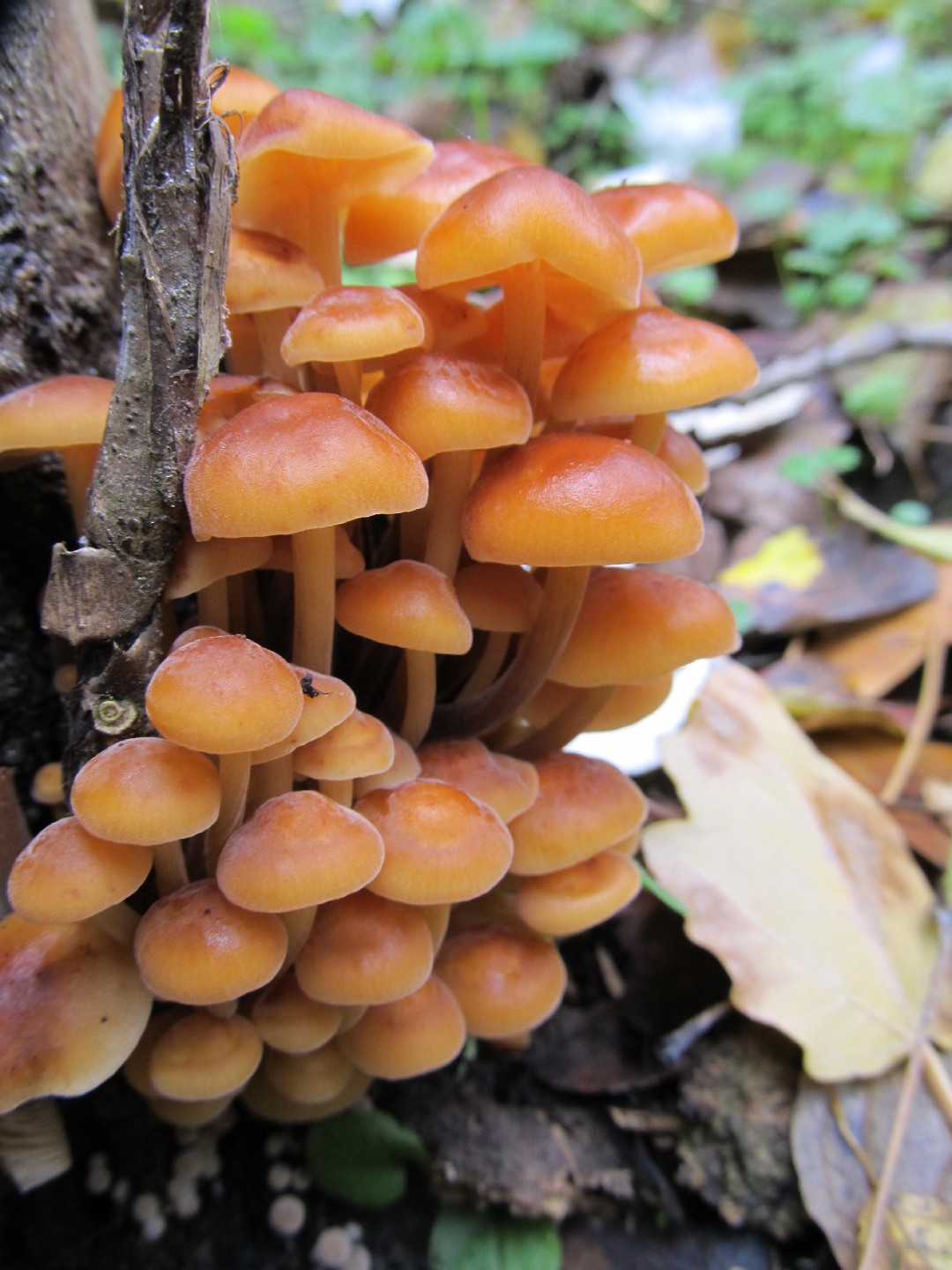
The enoki grows wild on dead elm trees, and is also cultivated for human use. This flavorful species (Flammulina velutipes) has been used in dishes around the world for generations, being particularly high in nutrients. Though store-bought enoki are often plain white, wild ones can be found in a range of colors.
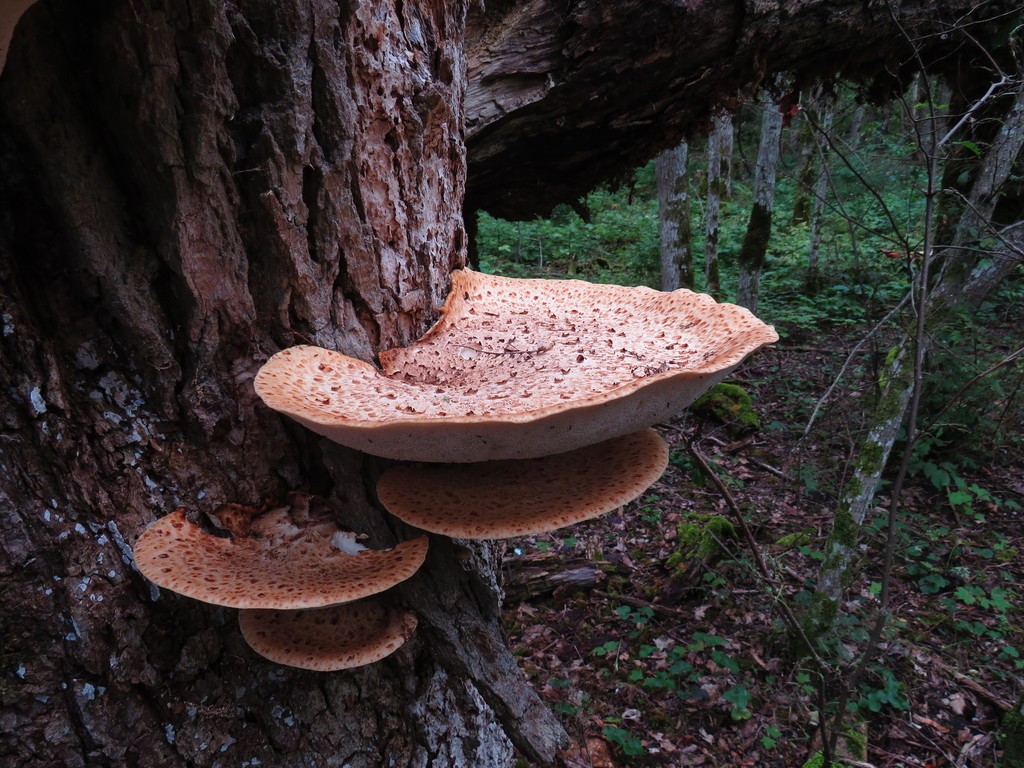
6. Dryad's saddle
A familiar sight to spring morel hunters, dryad's saddle is noteworthy for its large size, striking scales, and watermelon-like smell. Similar to other mushrooms in the bracket fungi family, dryad's saddle can be used to make paper. Younger mushrooms are better suited for this purpose due to their smaller and more consistent fibers.
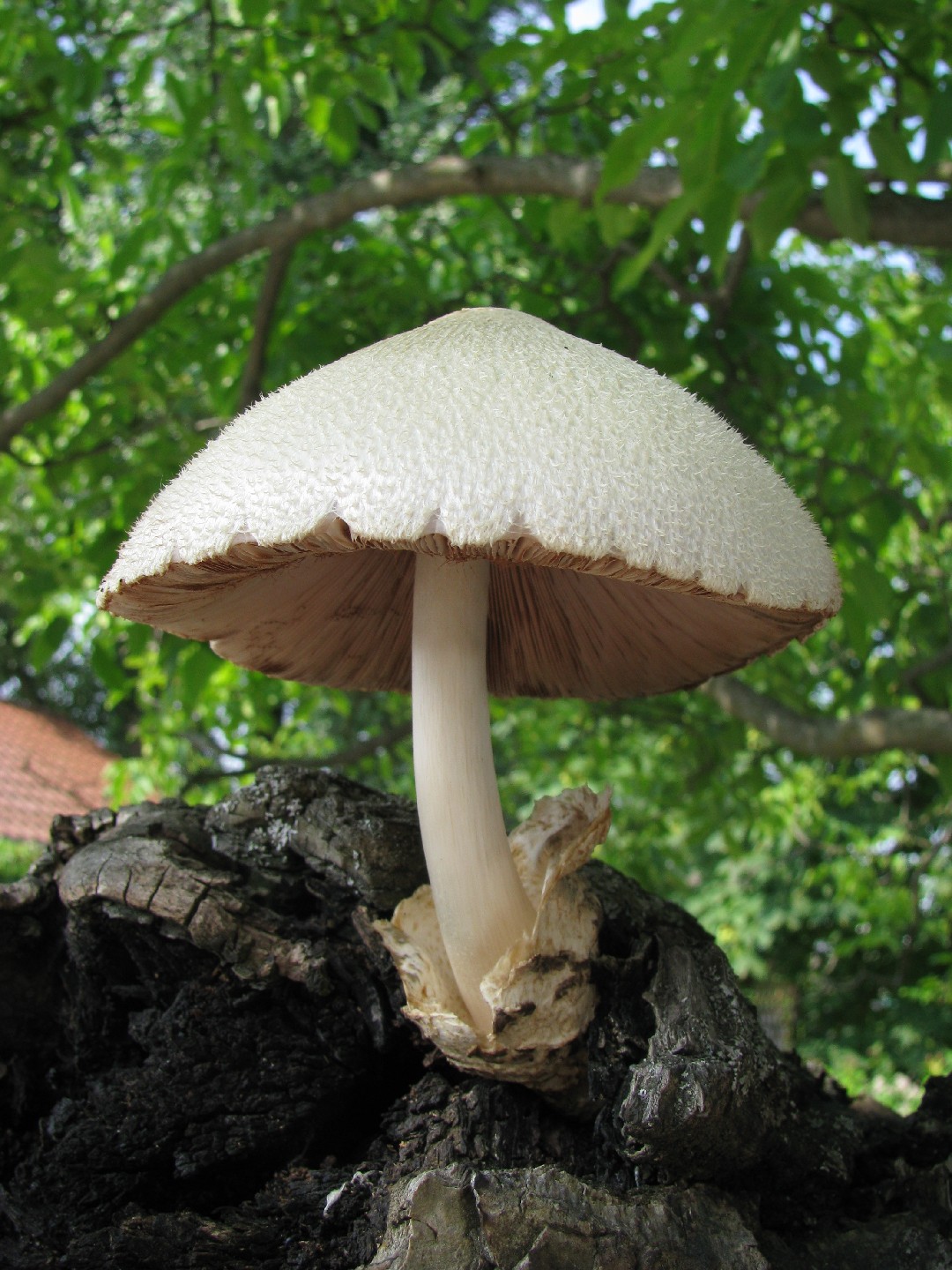
7. Silky sheath
Silky sheaths (Volvariella bombycina) are widely distributed, being found in temperate and sub-tropical forests around the world, but rare. The fruitbody emerges from a silky-textured volva, and the mushroom's white or off-white cap is usually quite smooth as well. One of this species' favored microhabitats is the rotted knotholes of mature maples, elms, oaks, or beeches.
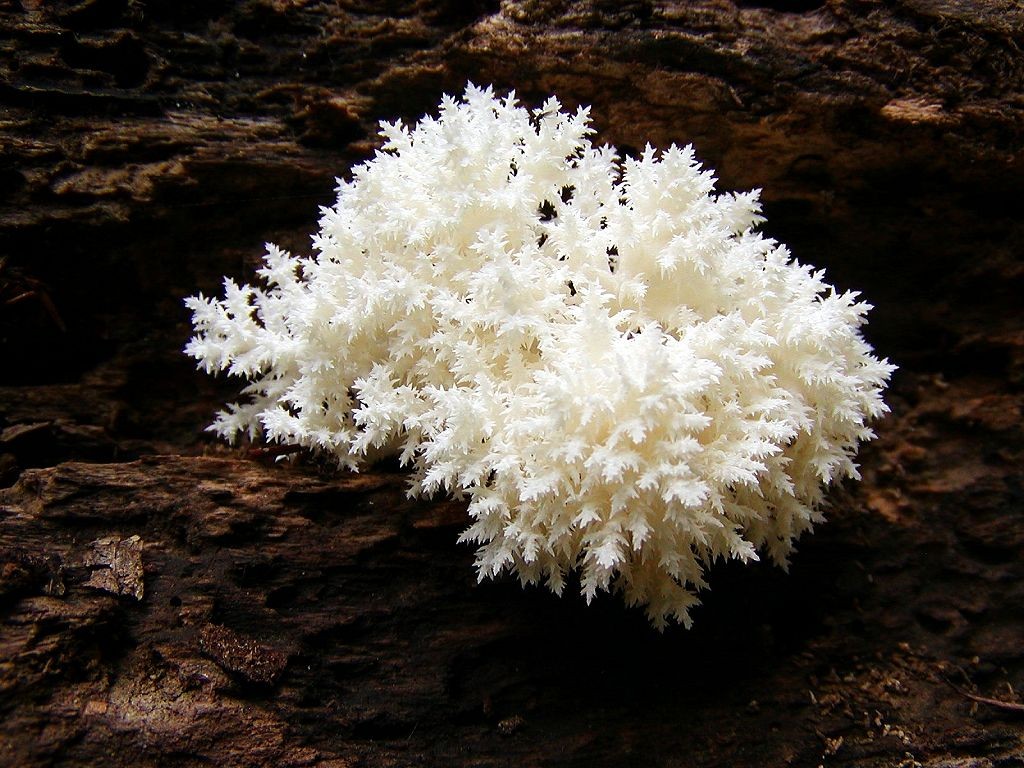
8. Coral tooth fungus
Coral tooth fungus (Hericium coralloides) is a species of coral mushroom most frequently sighted on dead or decaying hardwoods. Generally, younger specimens are white and become increasingly yellowish as they mature. Found around the world, the Māori refer to this species as pekepekekiore.
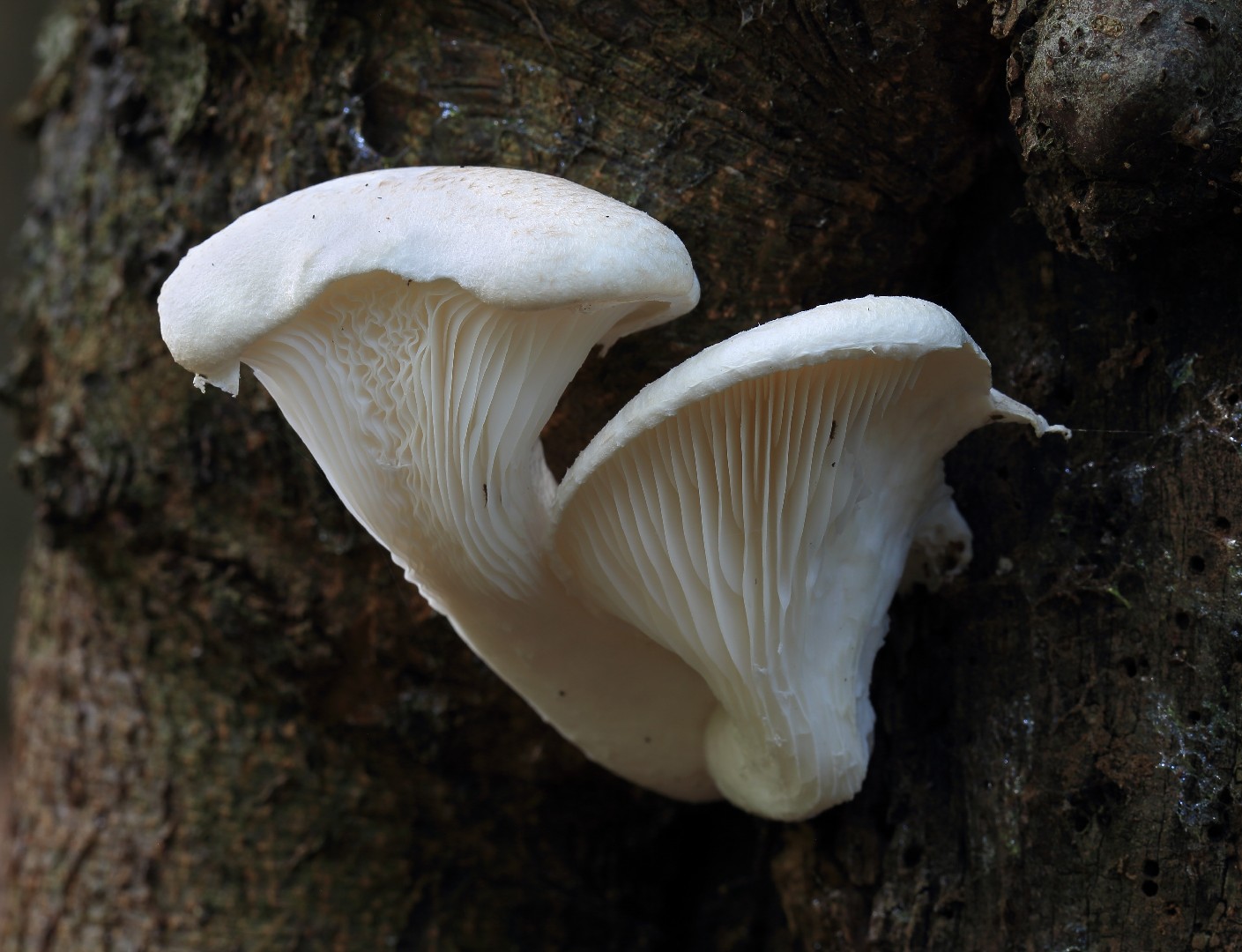
9. Veiled oyster
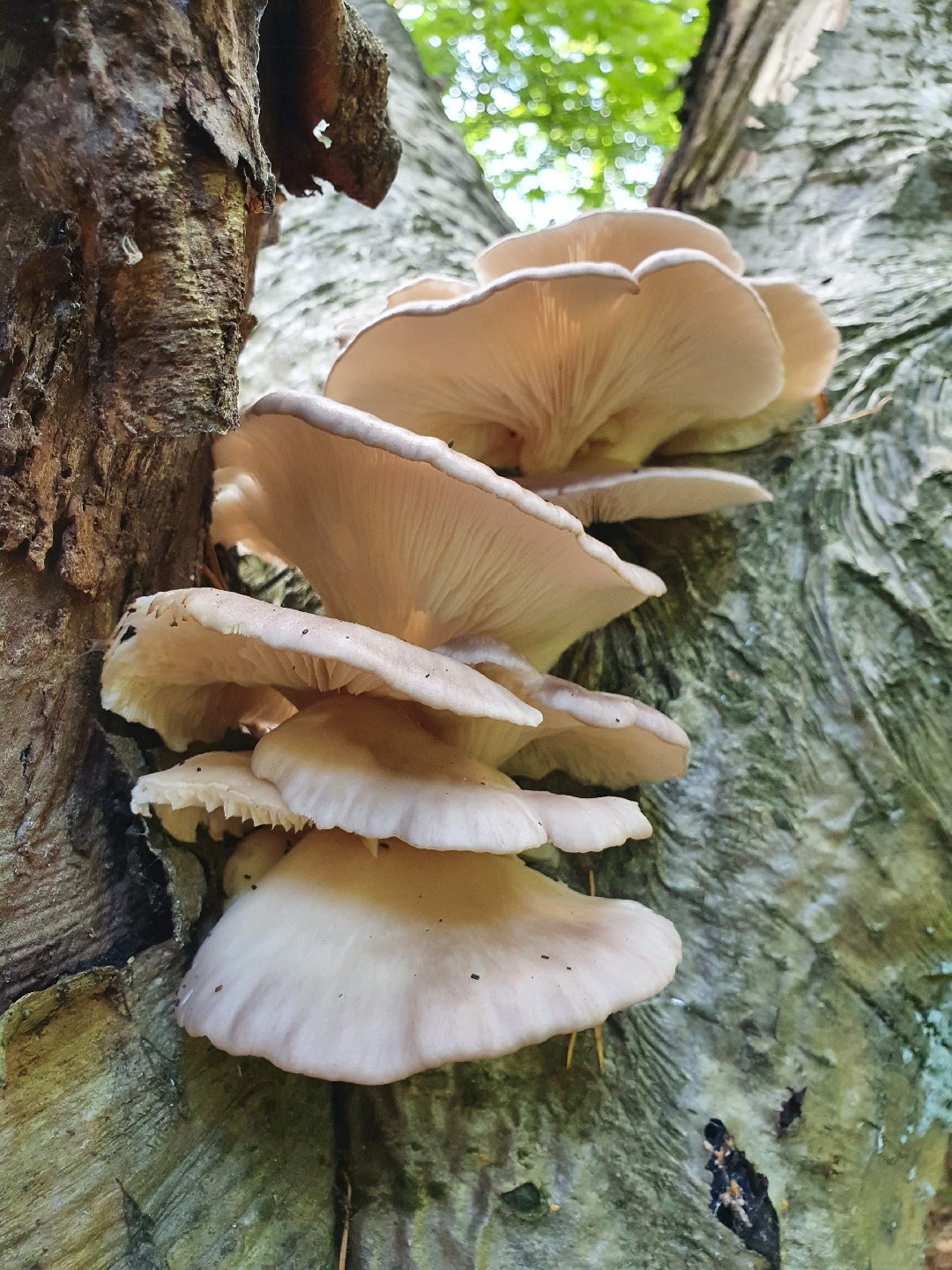
Veiled oyster(Pleurotus dryinus) becomes increasingly yellowish with age, and it may sprout on either dead or living wood (bearing a noted relationship with oaks). This species eschews others of its kind, most commonly appearing alone or in small groups. Foraging for consumption is not recommended.
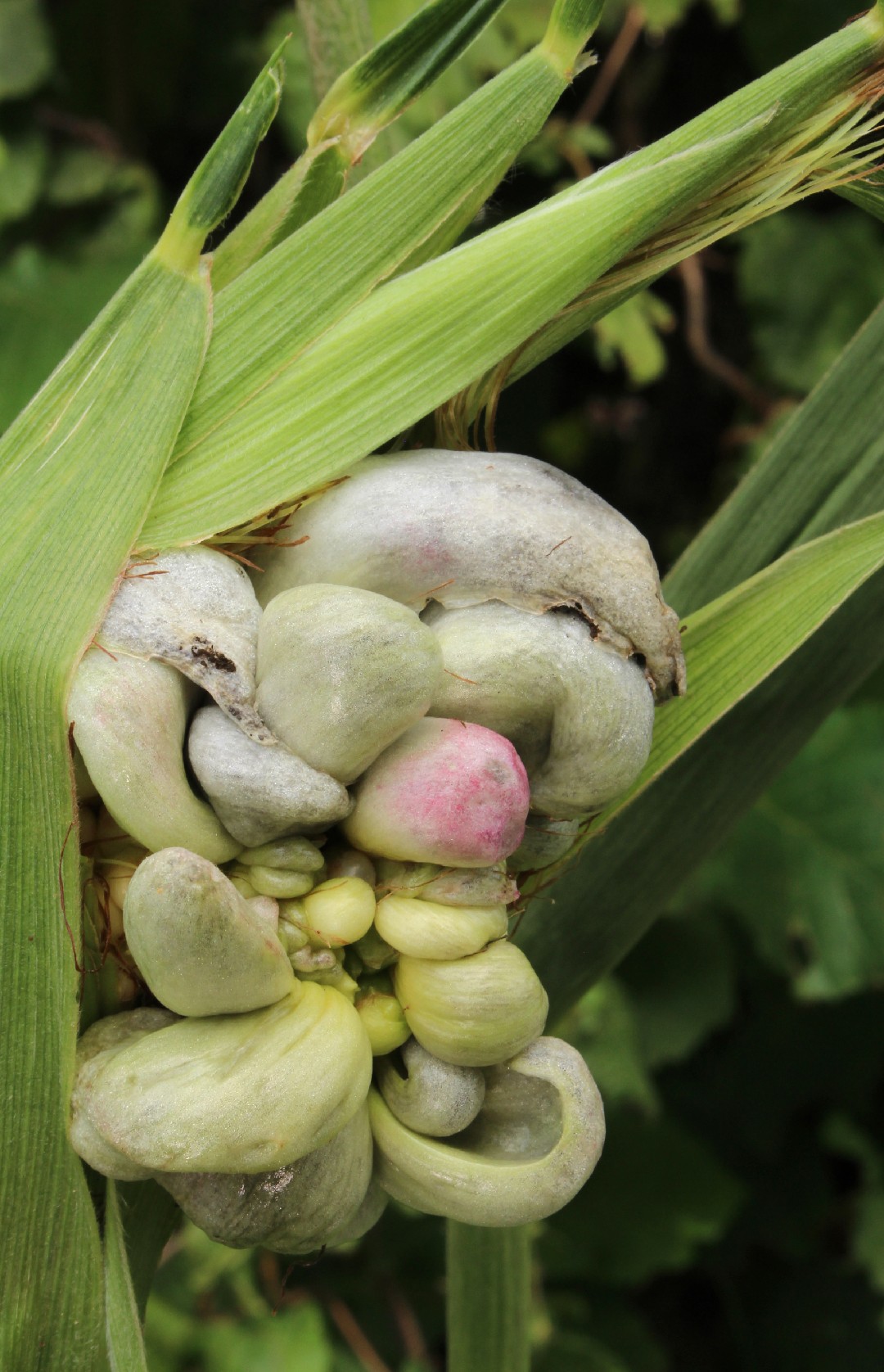
10. Corn smut
With a common name such as "corn smut," it is easy to guess that the most common place to find this crop-devastating fungus is on corn plants. The gall-shaped growths of corn smut (Ustilago maydis) are black in color with hues of grey and white closer to where they attach to the host plant. The corn will develop a scorched appearance, which is actually the smut rot.

More







