




Top 20 Edible Mushrooms Popular in Lone Tree
Enriched with varying terrains and a climate conducive to botanical variety, Lone Tree is a treasure trove of edible mushrooms. Discover the 20 most common local varieties, each unique in appearance, taste, and culinary use. In this guide, we dive into the mushroom habitat of Lone Tree, sharing insights about their preferred environments while making forays into flavors these fungi offer. Adapting to Lone Tree's conditions, these mushrooms underscore the city's biodiversity, promising a gastronomic adventure. Learn, and you might uncover a new favorite dish or a fun pastime!
* Disclaimer: Content feedback CAN NOT be used as any basis for EATING ANY PLANTS. Some plants can be VERY POISONOUS, please purchase edible plants through regular channels.

Most Popular Edible Mushrooms

1. Shaggy mane
The shaggy mane mushroom is commonly found in North American and European grasslands. Some peoples foraged for its young egg-shaped caps, but it has more recently been found to be a bioaccumulator of heavy metals, meaning it pulls toxic metals up from the soil where it grows. As a result, shaggy manes should not be eaten. The mushrooms usually appear in clusters or “fairy rings.”
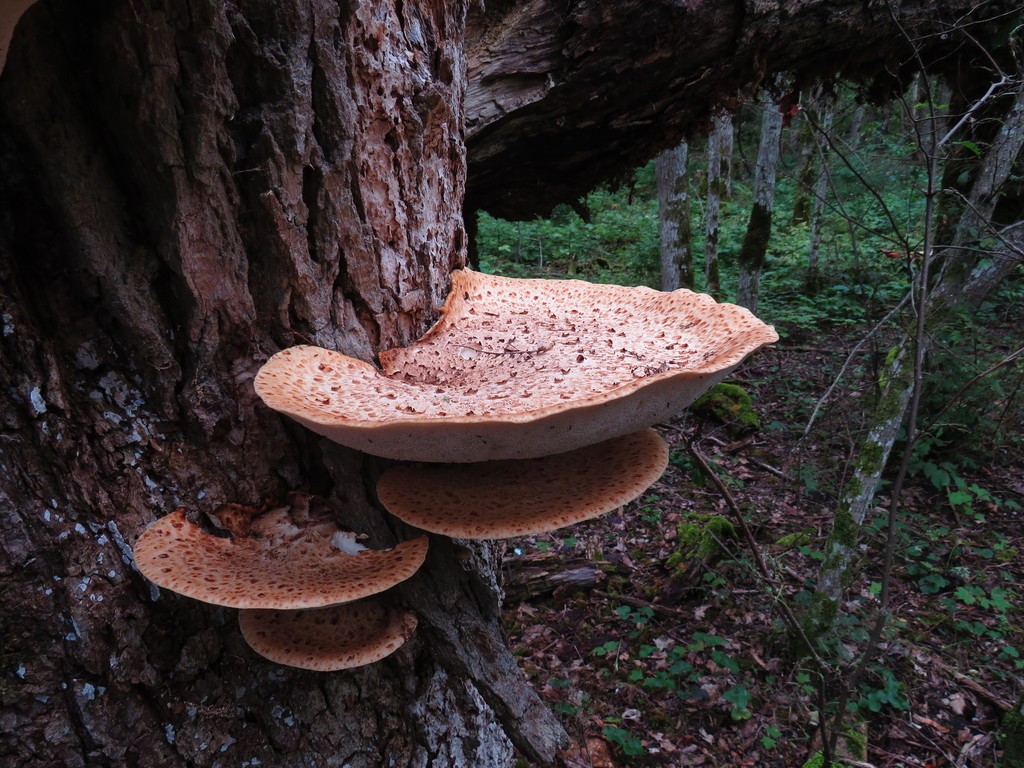
2. Dryad's saddle
A familiar sight to spring morel hunters, dryad's saddle is noteworthy for its large size, striking scales, and watermelon-like smell. Similar to other mushrooms in the bracket fungi family, dryad's saddle can be used to make paper. Younger mushrooms are better suited for this purpose due to their smaller and more consistent fibers.
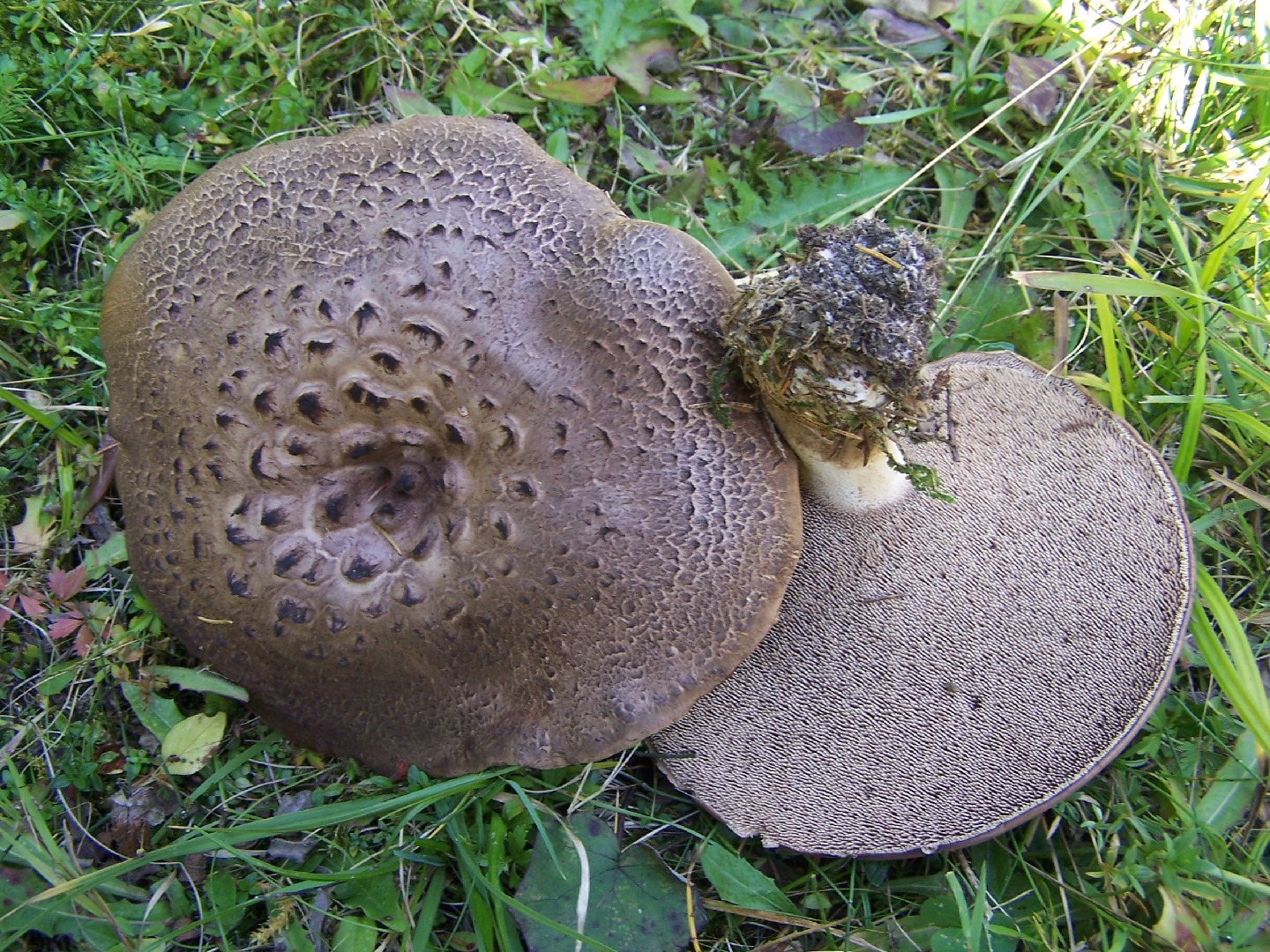
3. Shingled hedgehog
Shingled hedgehog(Sarcodon imbricatus) is often found in the company of fir trees, and it is therefore partial to mountainous or hilly regions. Endemic to Europe and North America, the species is prone to forming fairy rings. It fruits in early autumn.
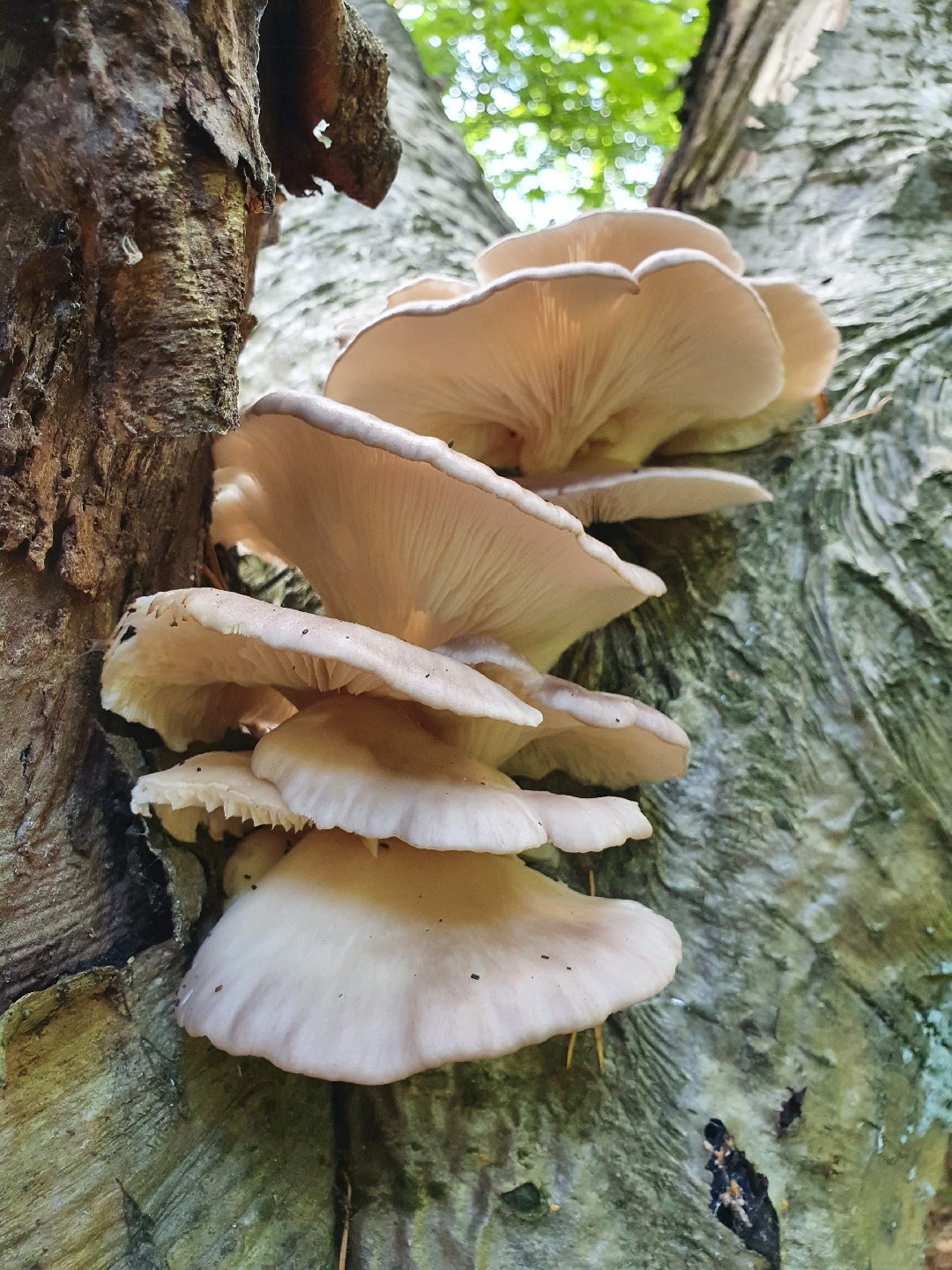
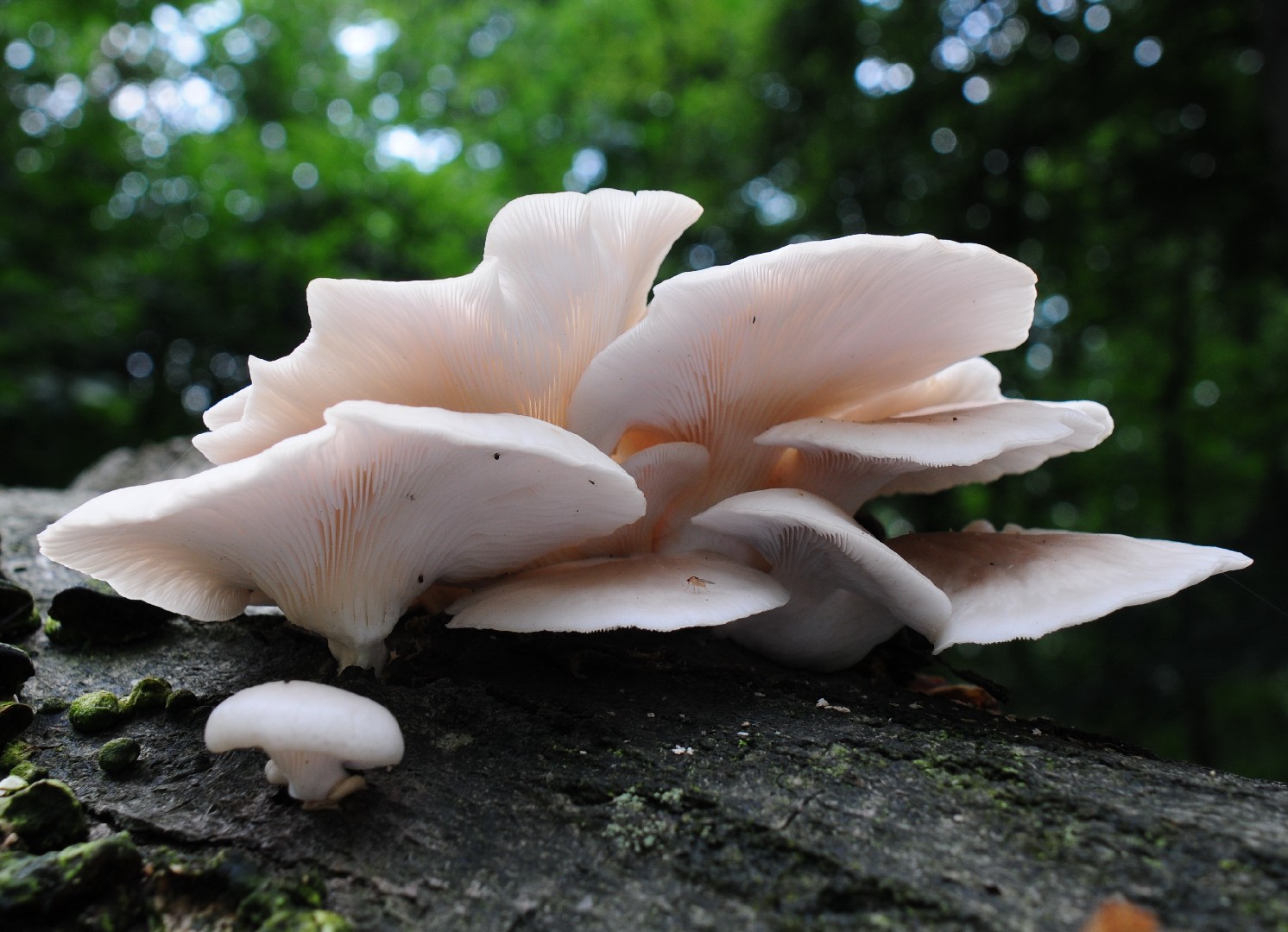
4. Oyster mushroom
Oyster mushrooms grow wild but are also cultivated for sale in supermarkets. They can even be cultivated at home. They will grow on coffee grounds and spent grain, and are occasionally even fashioned into an environmentally-friendly substitute for styrofoam. There are several toxic look-alike species, so it is best to buy these mushrooms at the store.
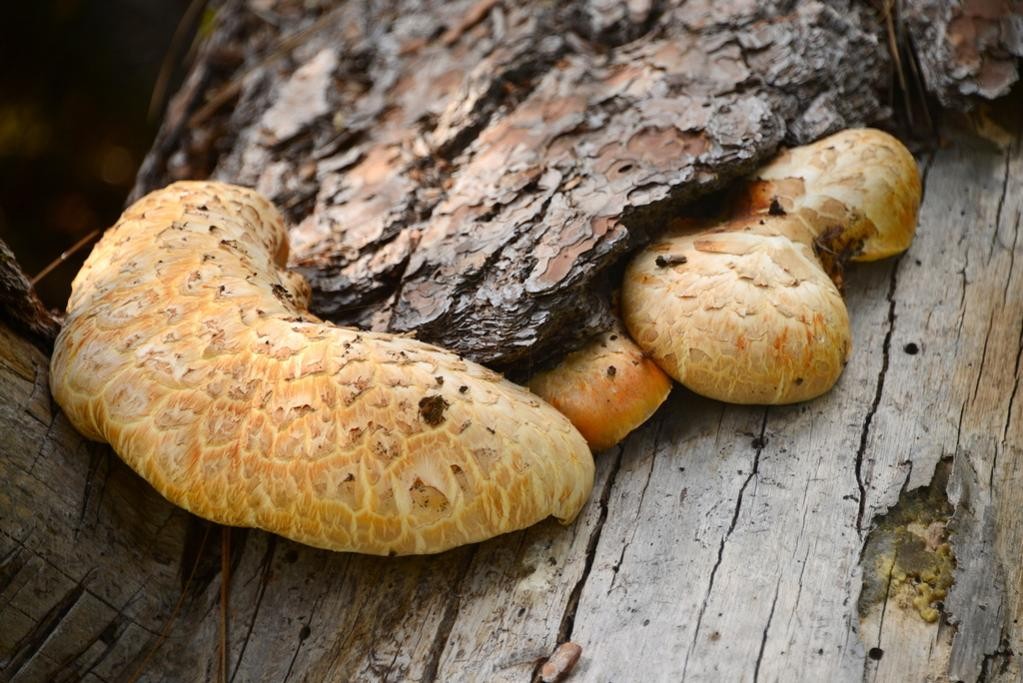
5. Giant sawgill
The impressively large caps of the giant sawgill (Neolentinus ponderosus) can spread up 30 cm across and encompass entire decaying stumps and logs. Unlike other mushrooms, the giant sawgill thrives in the hotter, drier months. Look for them near Ponderosa Pines.

6. Orange-capped bolete
Orange-capped bolete (Leccinum aurantiacum) is easily recognizable for its thick stalk and colorful red-orange cap. Bruised skin may turn burgundy before becoming gray. It sprouts in summer and autumn throughout North America and Europe, where it is particularly associated with the poplar tree.
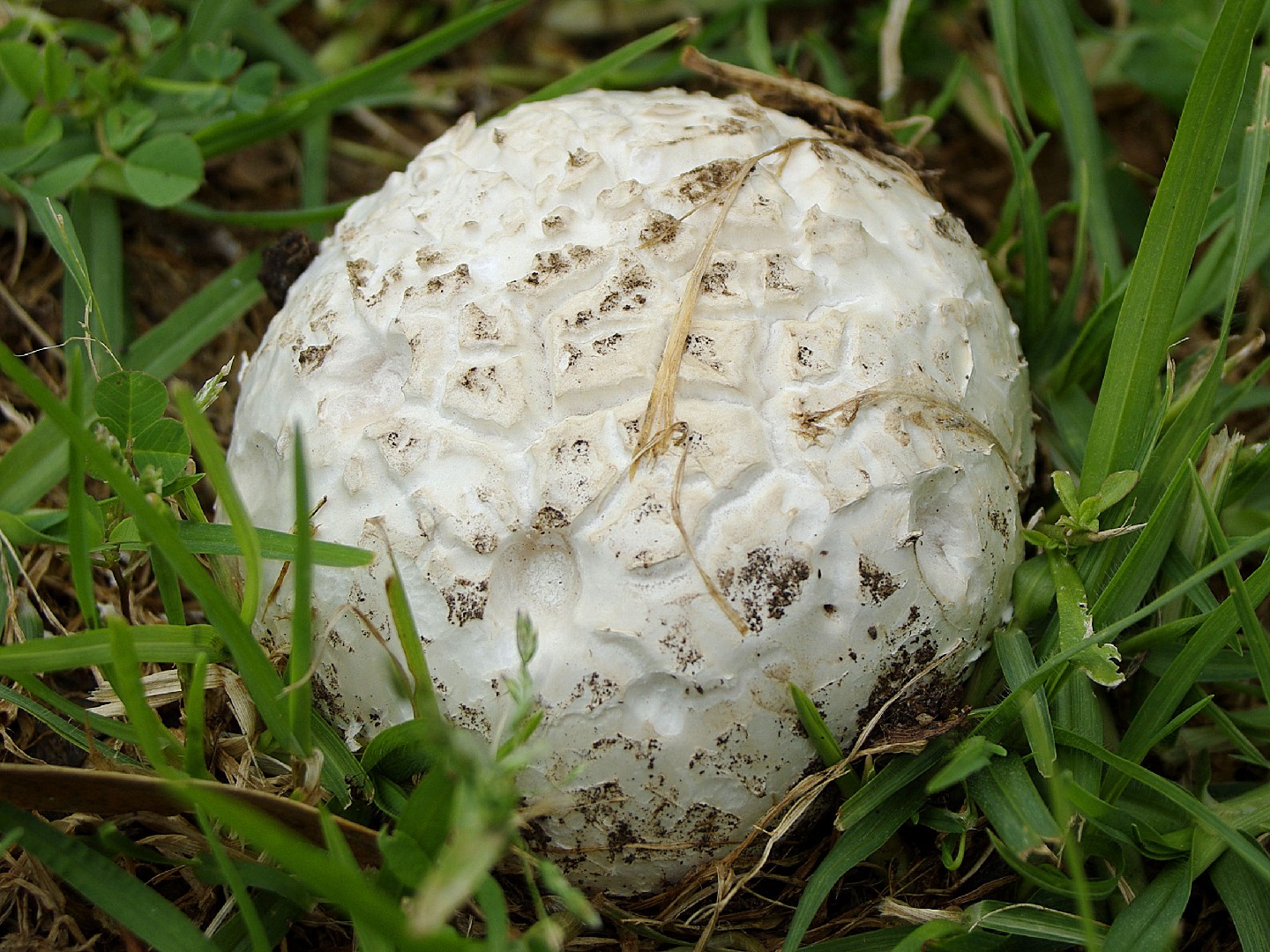
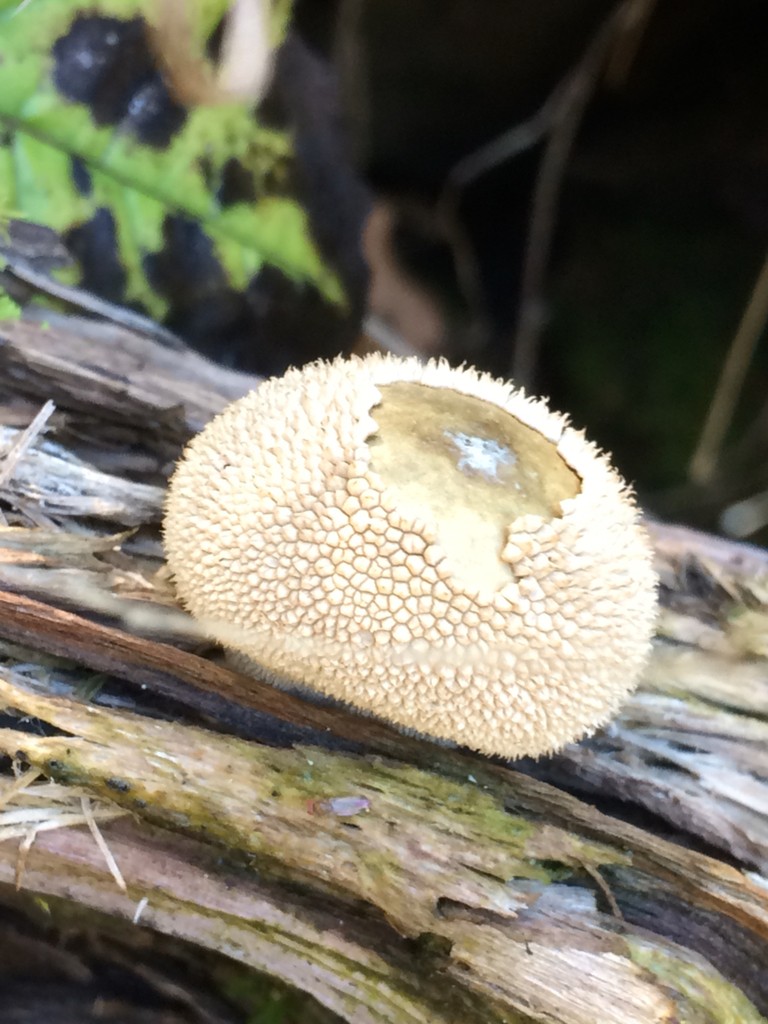
7. Western giant puffball
The western giant puffball is the largest puffball in North America, reaching up to 70 cm in diameter. It is as large as its European counterpart the Giant puffball (Calvatia gigantea), although it features a more irregular shape than its European cousin.
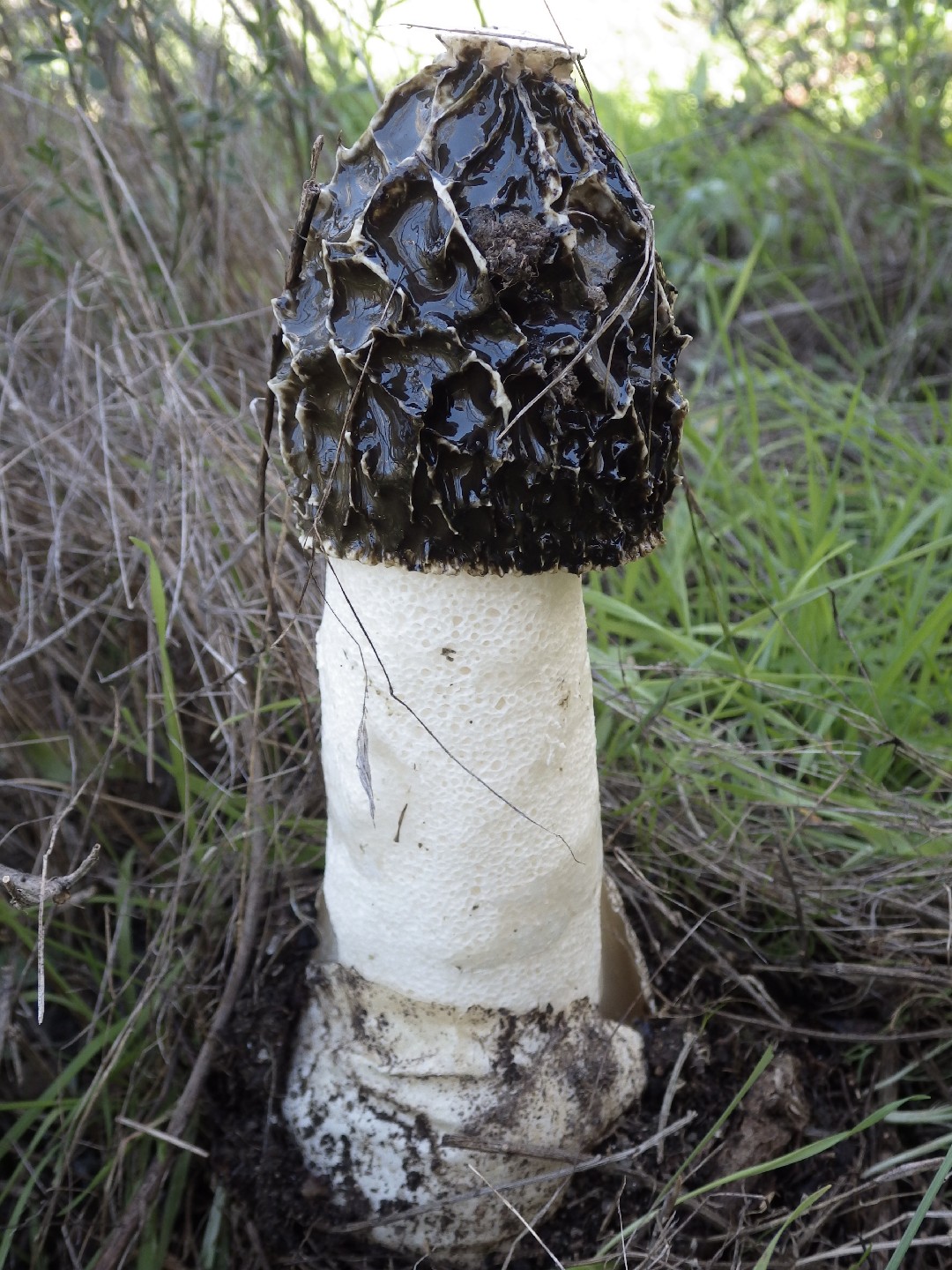
8. Common stinkhorn
The common stinkhorn (Phallus impudicus) grows incredibly quickly, sometimes nearing 30 cm in a single afternoon. Their caps are pitted in a way which makes them reminiscent of morels. However, there's little mistaking the common stinkhorn for a morel; the former, in addition to sporting a much longer stalk, has a clear and pungent odor.
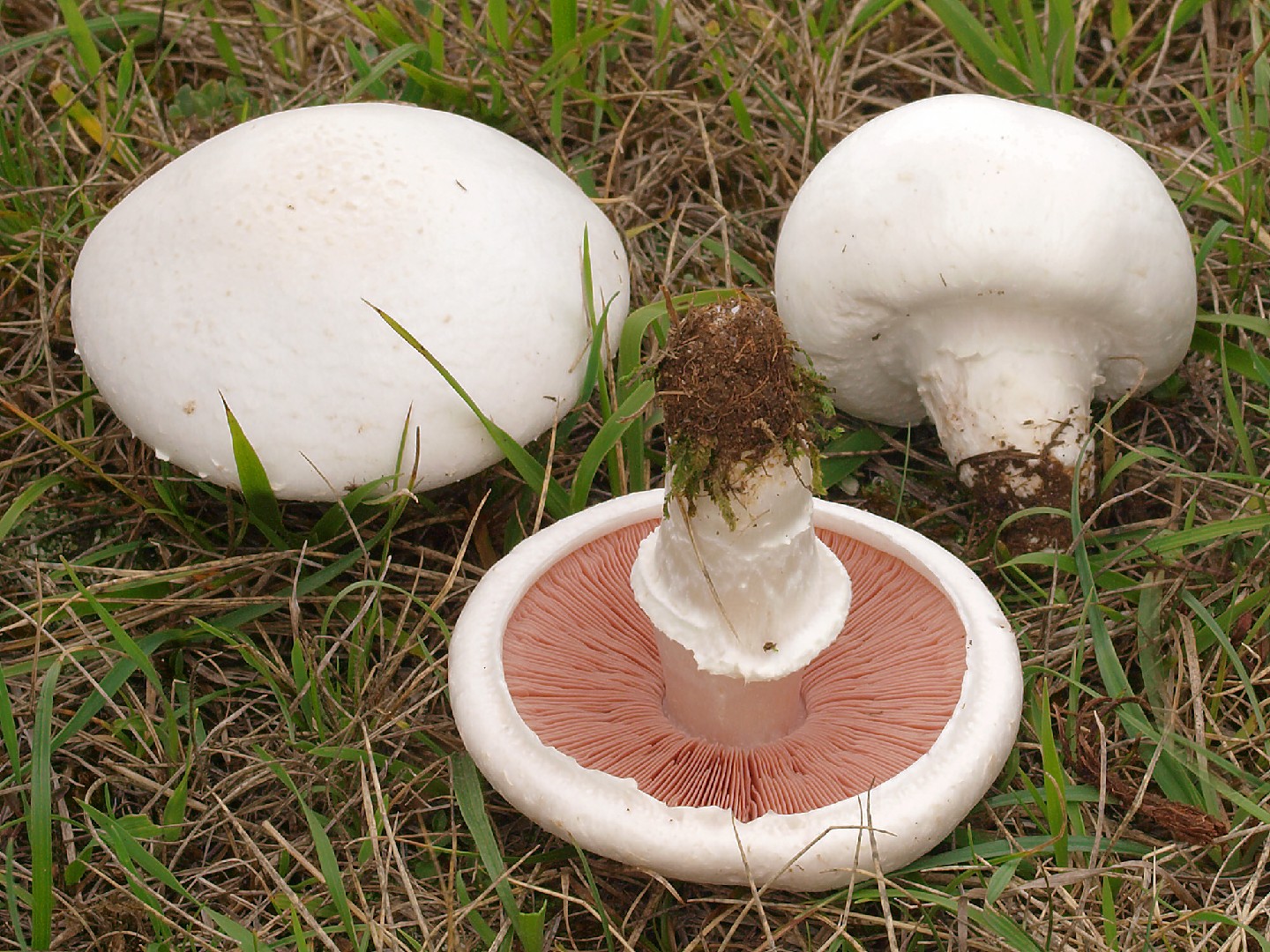
9. Meadow mushroom
The meadow mushroom grows in meadows and pastures around the world—especially those rich in manure—when the weather is warm and wet. They are known to appear in “fairy ring” shapes. Originally identified in Europe, it is possible that North American specimens identified as meadow mushrooms may genetically belong to other species.
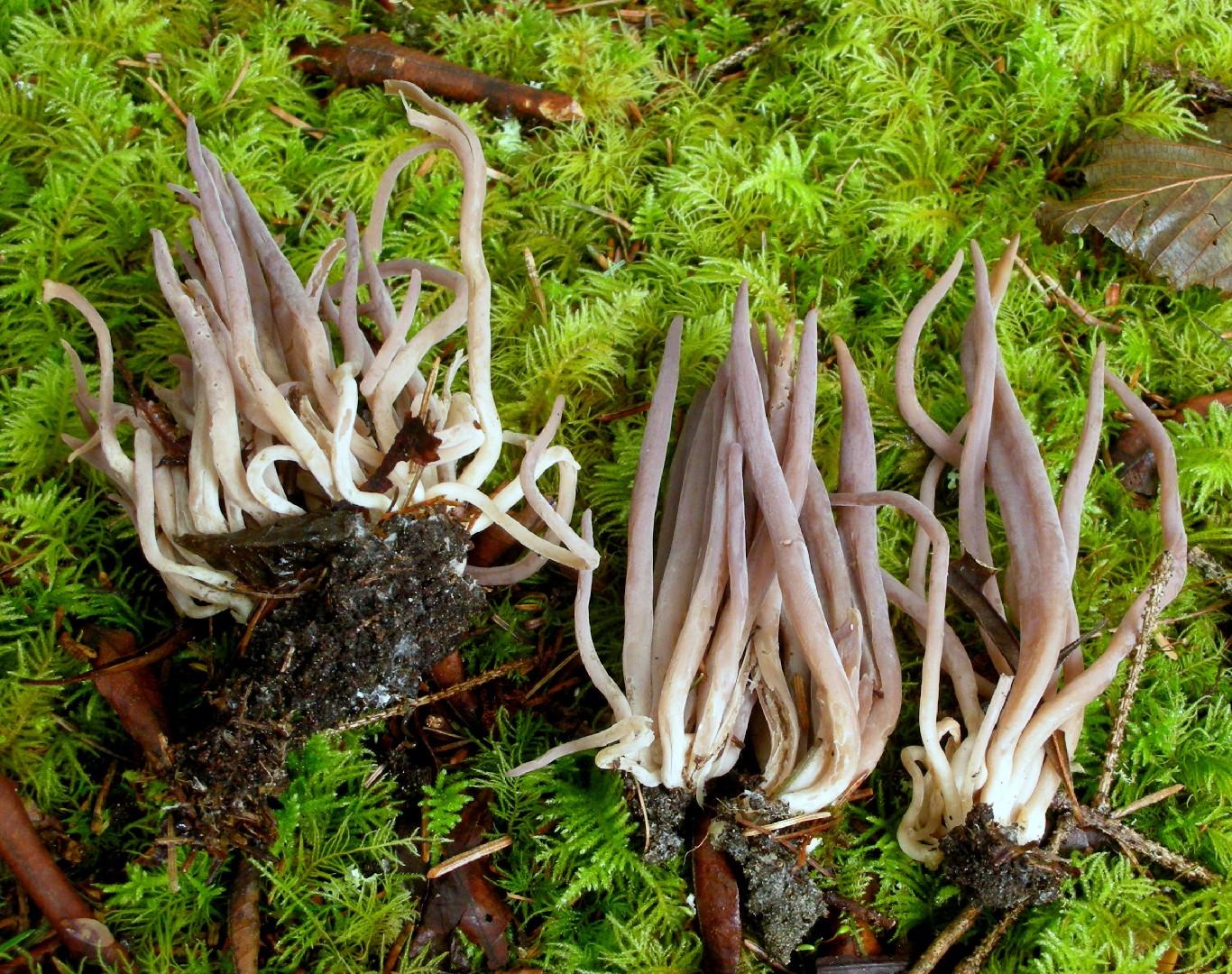
10. Purple coral
The purple coral is a tiny, but beautiful and impressive fungus that can be immediately distinguished from other Alloclavaria and Clavaria species by its distinctive purple colour. This mushroom grows in large clusters, but it's still unclear whether it's a saprobic or mycorrhizal species.

More







