




Top 20 Edible Mushrooms Popular in Boulder
Boulder is a haven for mushroom enthusiasts due to its rich, moist soil, high-altitude climate, and diverse flora. A prime habitat for various fungi, the city is known for its 20 most common edible mushrooms. These varieties not only differ in shape, color, and size, but also exhibit distinctive flavors and gastronomic profiles. This guide provides essential details about each mushroom's appearance, tastes, preferred environments, and culinary uses, delivering fact-based knowledge valuable for both novice foragers and seasoned chefs. Explore Boulder's incredible mycological landscape through our informative insights.
* Disclaimer: Content feedback CAN NOT be used as any basis for EATING ANY PLANTS. Some plants can be VERY POISONOUS, please purchase edible plants through regular channels.

Most Popular Edible Mushrooms

1. Shaggy mane
The shaggy mane mushroom is commonly found in North American and European grasslands. Some peoples foraged for its young egg-shaped caps, but it has more recently been found to be a bioaccumulator of heavy metals, meaning it pulls toxic metals up from the soil where it grows. As a result, shaggy manes should not be eaten. The mushrooms usually appear in clusters or “fairy rings.”
2. Dryad's saddle
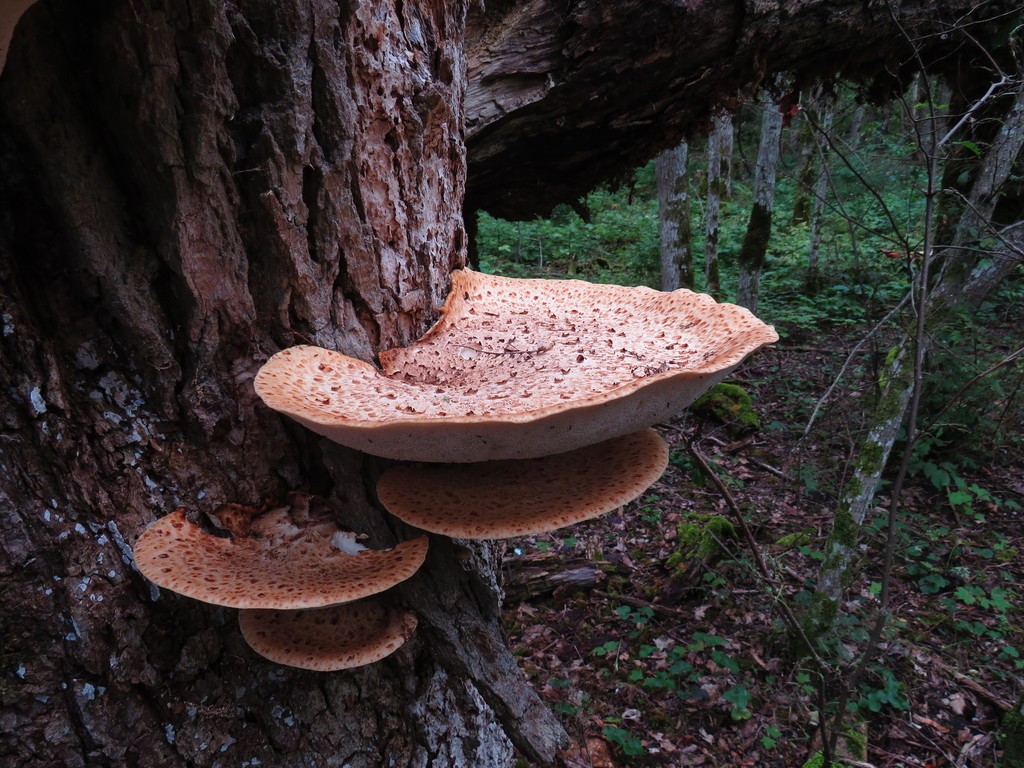
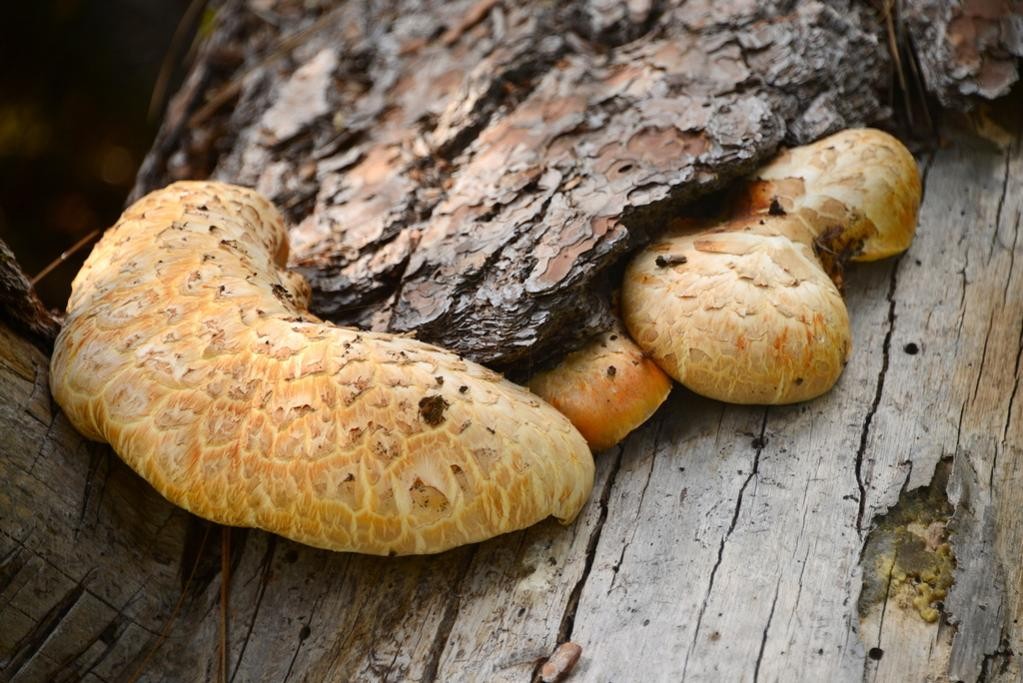
A familiar sight to spring morel hunters, dryad's saddle is noteworthy for its large size, striking scales, and watermelon-like smell. Similar to other mushrooms in the bracket fungi family, dryad's saddle can be used to make paper. Younger mushrooms are better suited for this purpose due to their smaller and more consistent fibers.
3. Fairy ring mushroom
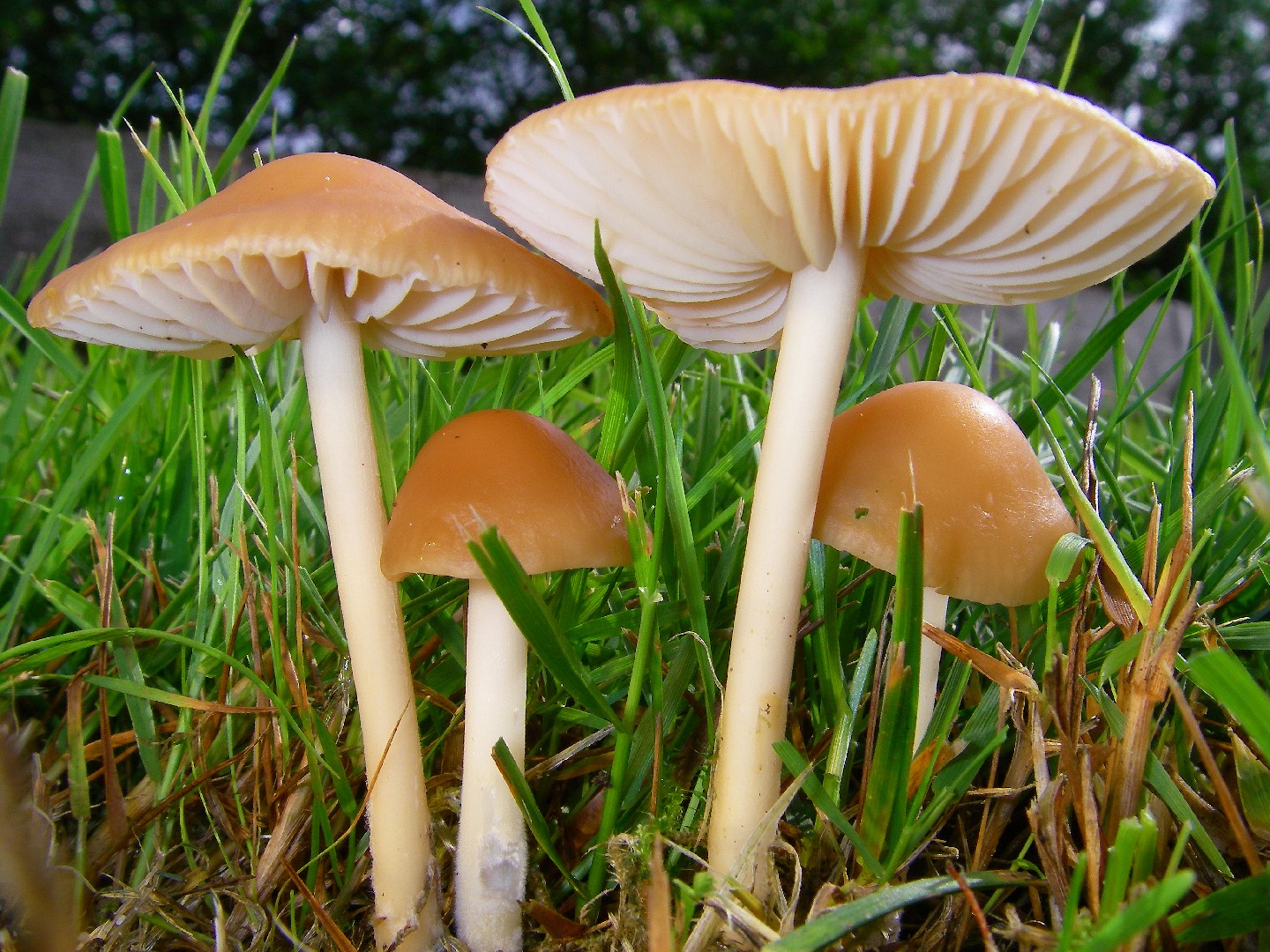
Fairy ring mushrooms may dry out completely in the sun, but will “resurrect” during the next rain and regain their ability to make new spores. This is due to a sugar called trehalose which protects their cells. They appear in lawns and fields, sometimes in “fairy ring” configurations.
4. Shingled hedgehog
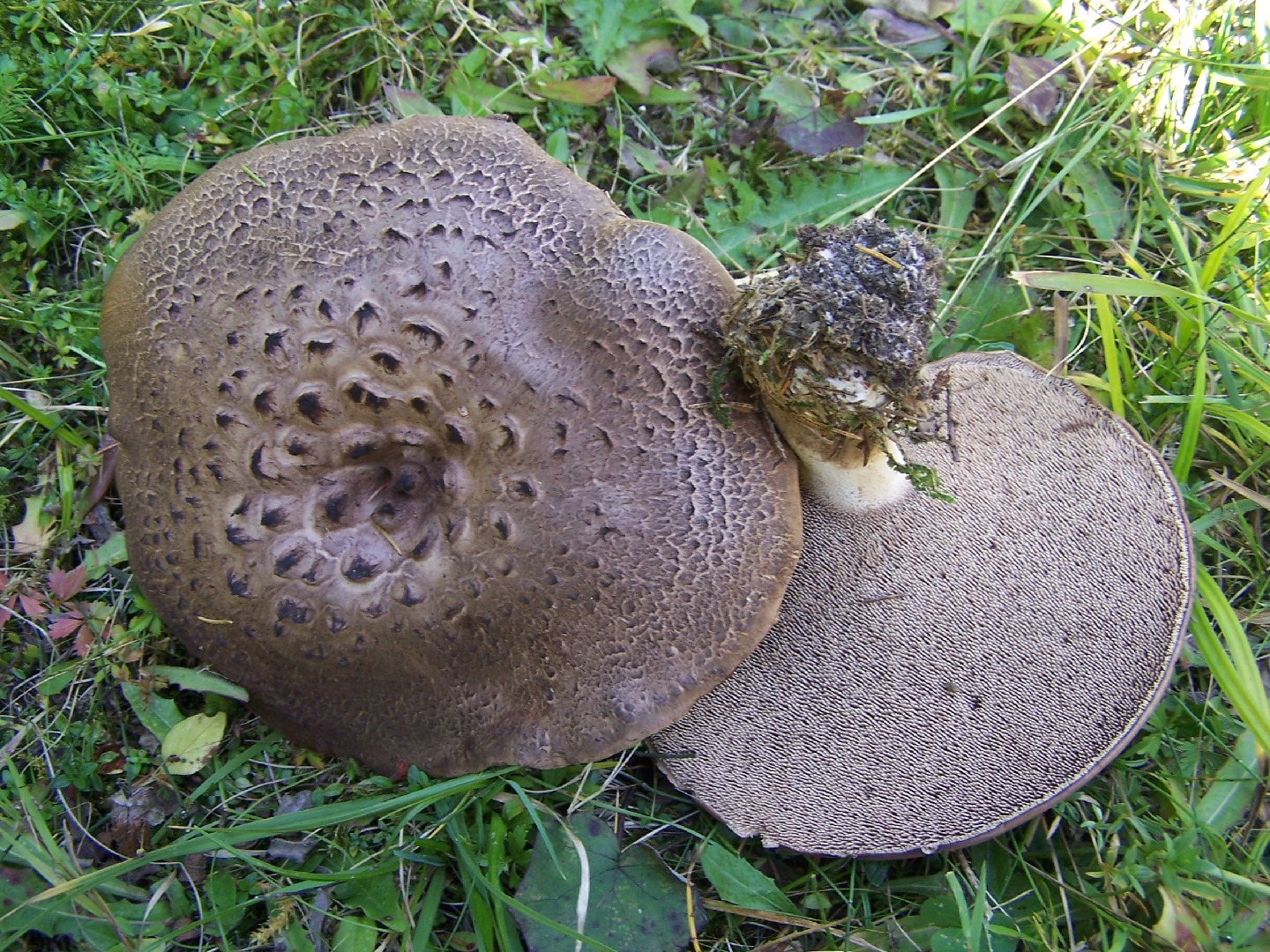
Shingled hedgehog(Sarcodon imbricatus) is often found in the company of fir trees, and it is therefore partial to mountainous or hilly regions. Endemic to Europe and North America, the species is prone to forming fairy rings. It fruits in early autumn.
5. Blue-staining slippery jack
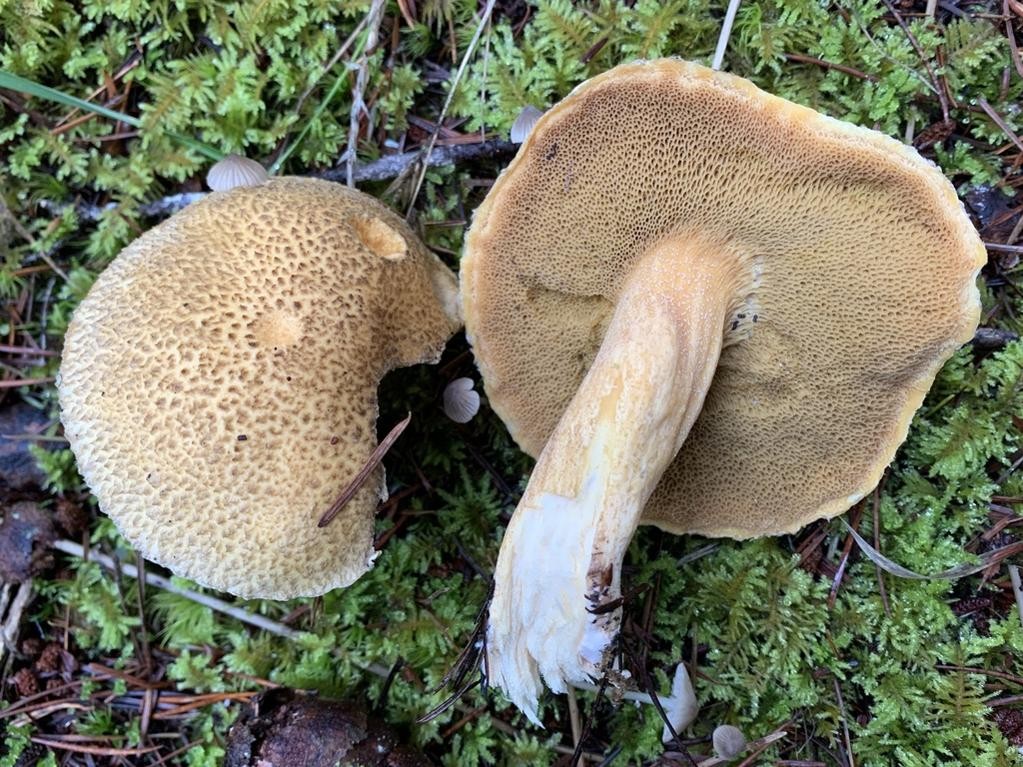
If you come across a blue-staining slippery jack (Suillus tomentosus) in the wilderness, chances are you're adventuring through a conifer forest after heavy rain. True to the common name, the caps can stain your hands a brownish-blue color. The surface area of the cap has a velvety texture when young.
6. Short-stemmed slippery jack
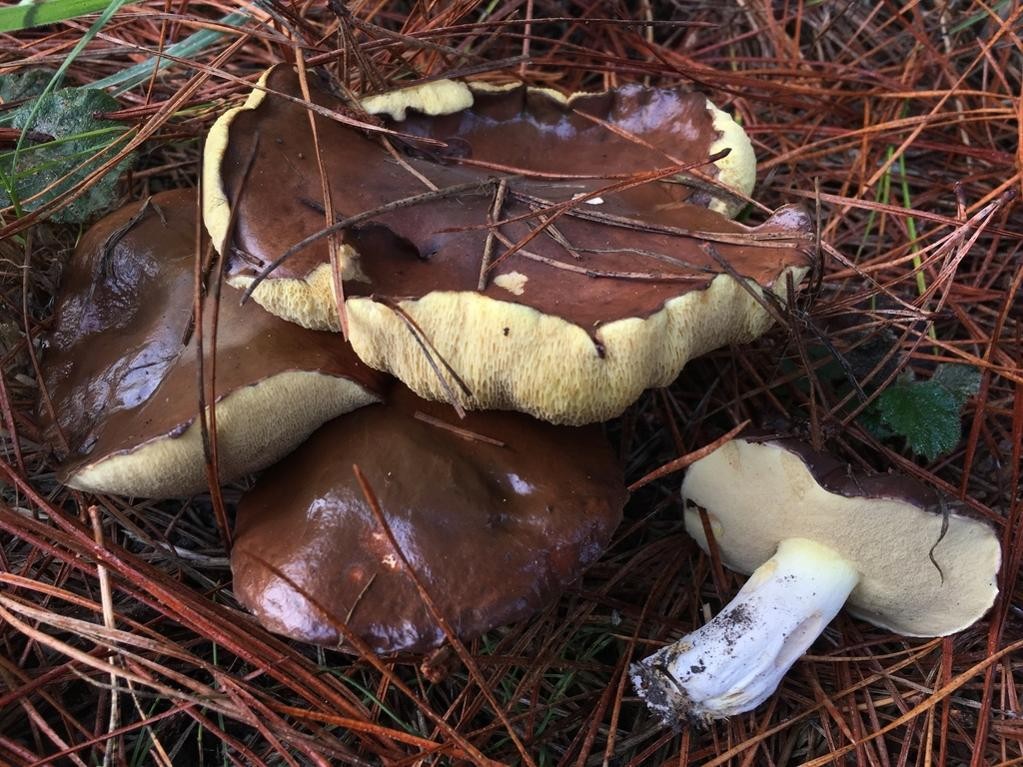
The semi-viscous cap of the short-stemmed slippery jack (Suillus brevipes) is one of the older species of classified mushrooms and was first noted in scientific journals over 140 years ago. They grow quickly in fallen pine needles and are a favorite snacks of Grizzly bears.

7. Orange-capped bolete
Orange-capped bolete (Leccinum aurantiacum) is easily recognizable for its thick stalk and colorful red-orange cap. Bruised skin may turn burgundy before becoming gray. It sprouts in summer and autumn throughout North America and Europe, where it is particularly associated with the poplar tree.
8. Oyster mushroom
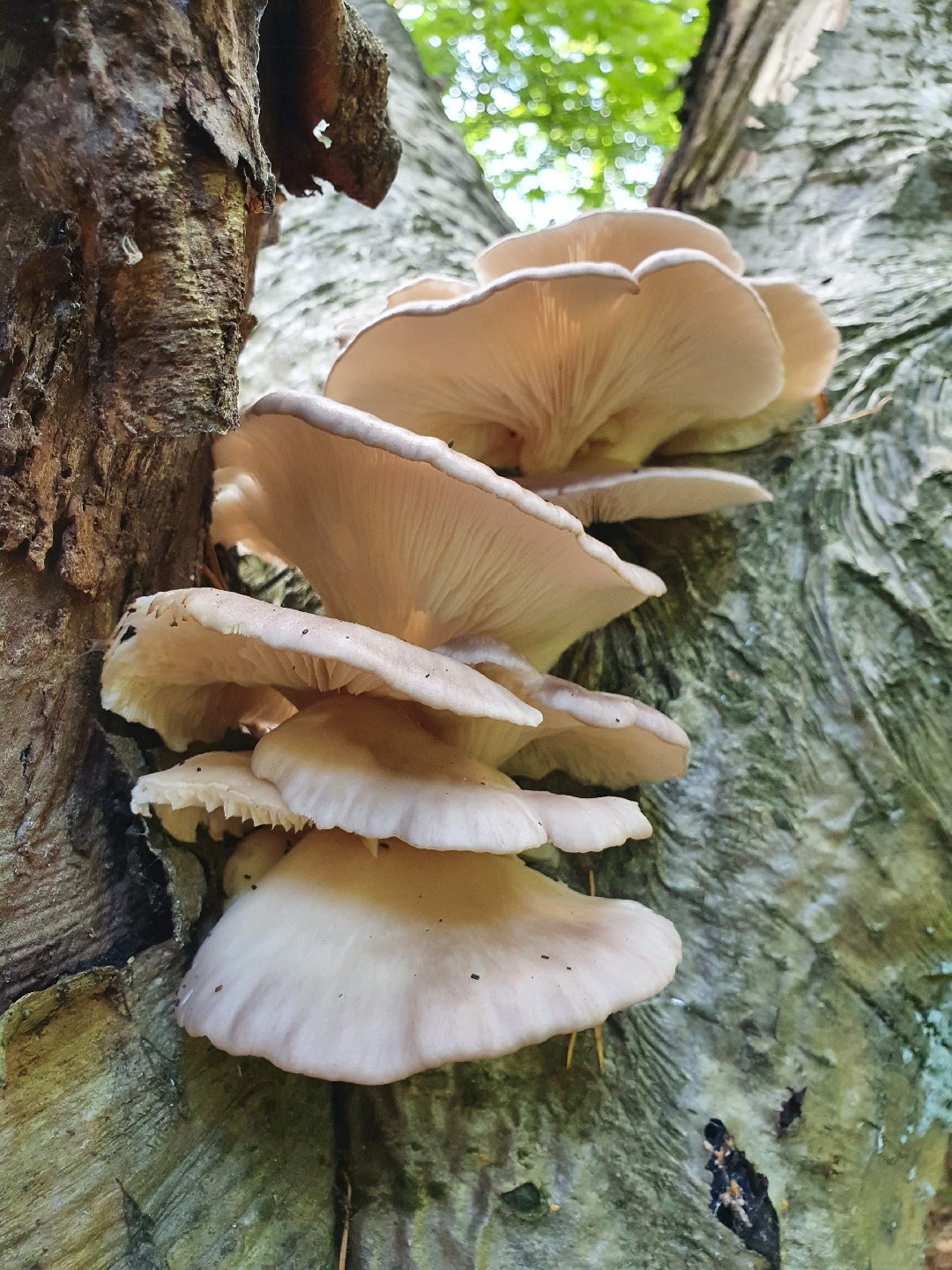
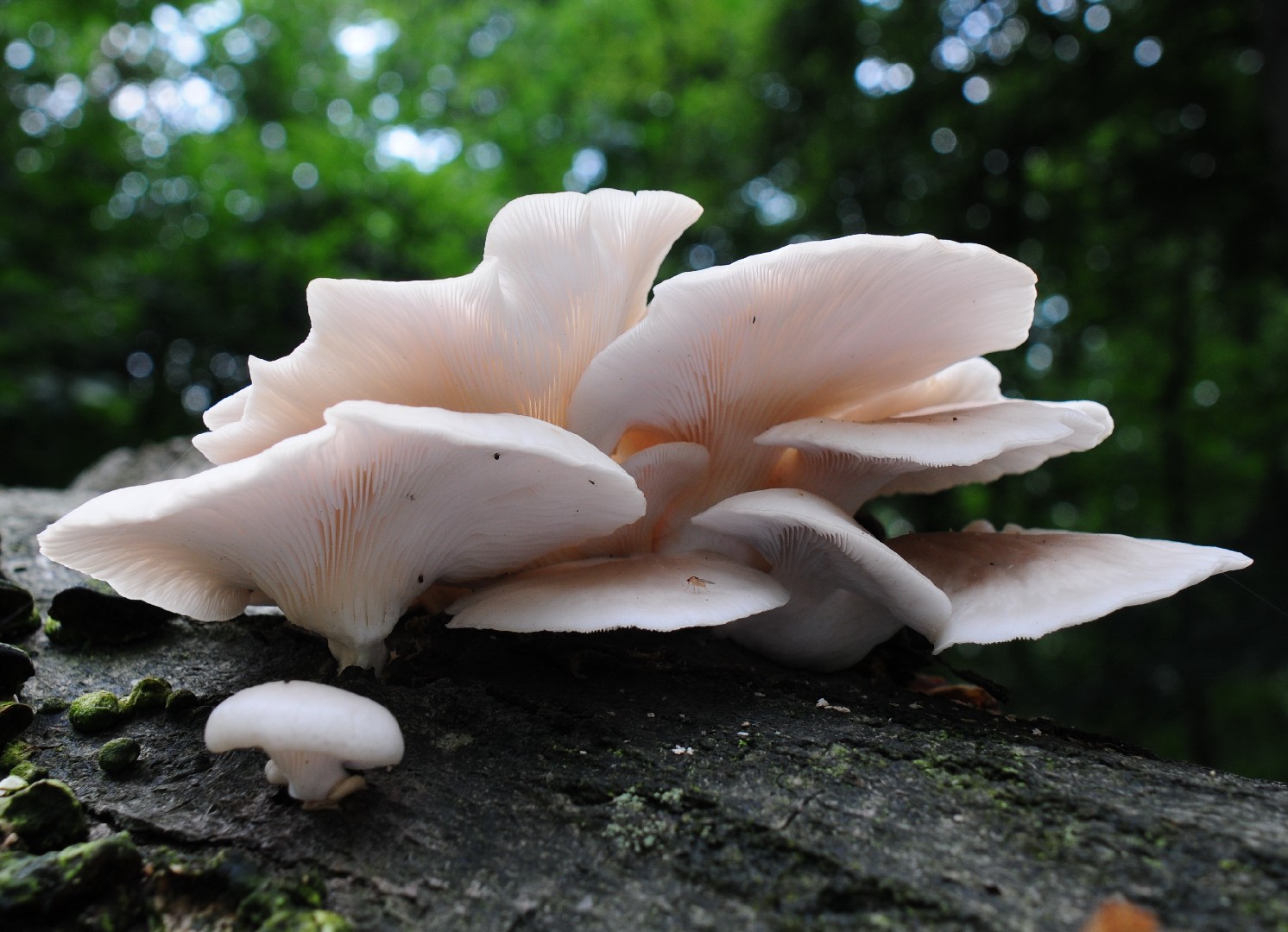
Oyster mushrooms grow wild but are also cultivated for sale in supermarkets. They can even be cultivated at home. They will grow on coffee grounds and spent grain, and are occasionally even fashioned into an environmentally-friendly substitute for styrofoam. There are several toxic look-alike species, so it is best to buy these mushrooms at the store.
9. Blotched woodwax
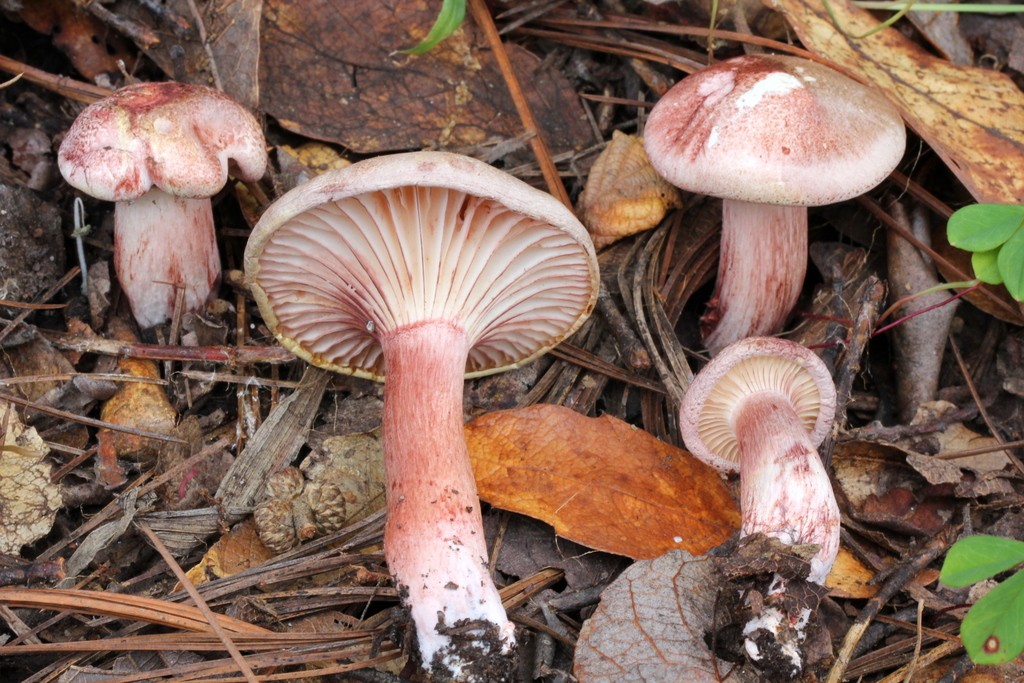
Blotched woodwax has a bright white to pink cap that helps distinguish it from similar species. The gills have a reddish-pink discoloration and juveniles do not have partial veils. Blotched woodwax thrives in spruce and conifer forests and grows in chalky soil.
10. Western giant puffball
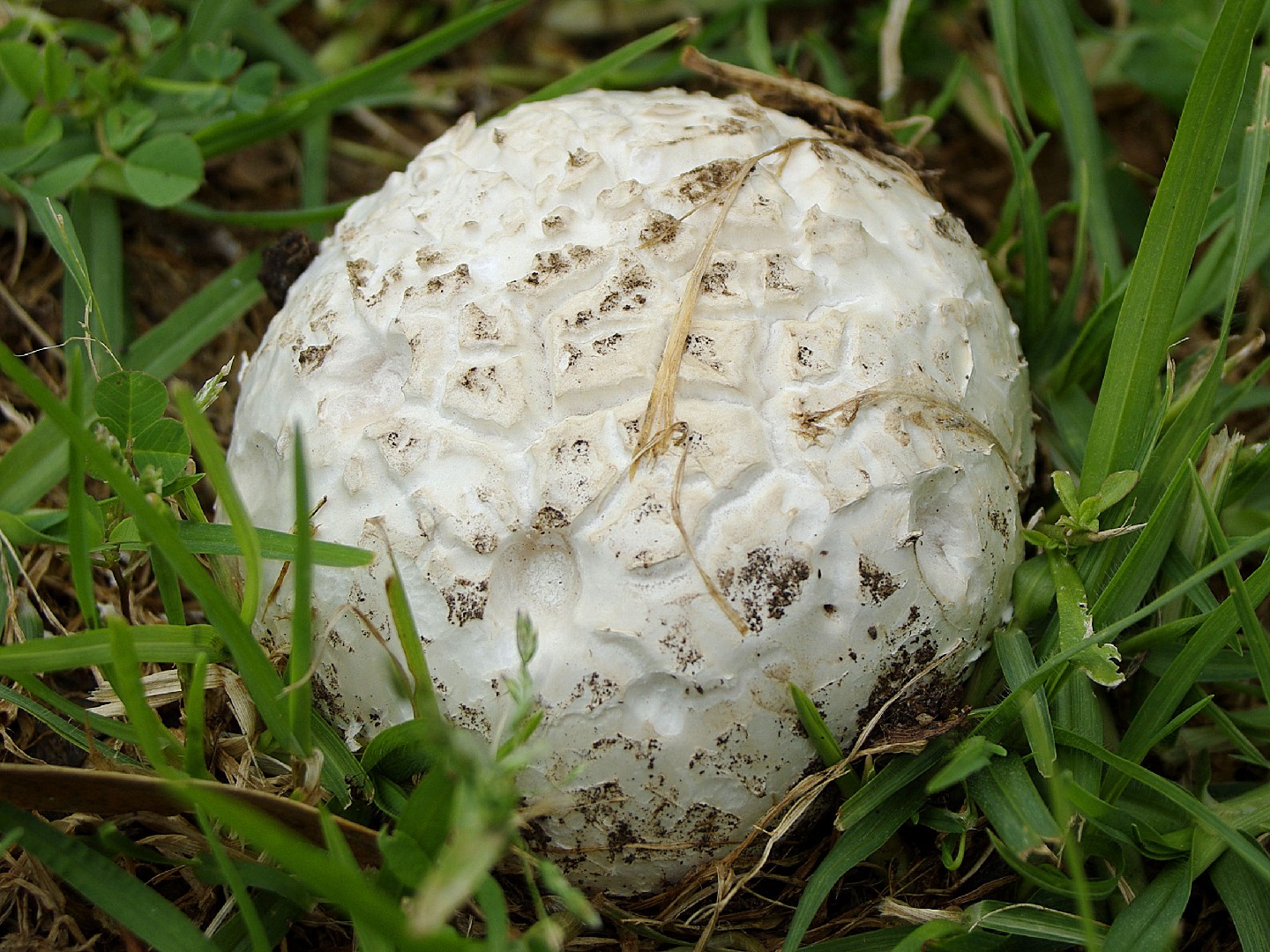
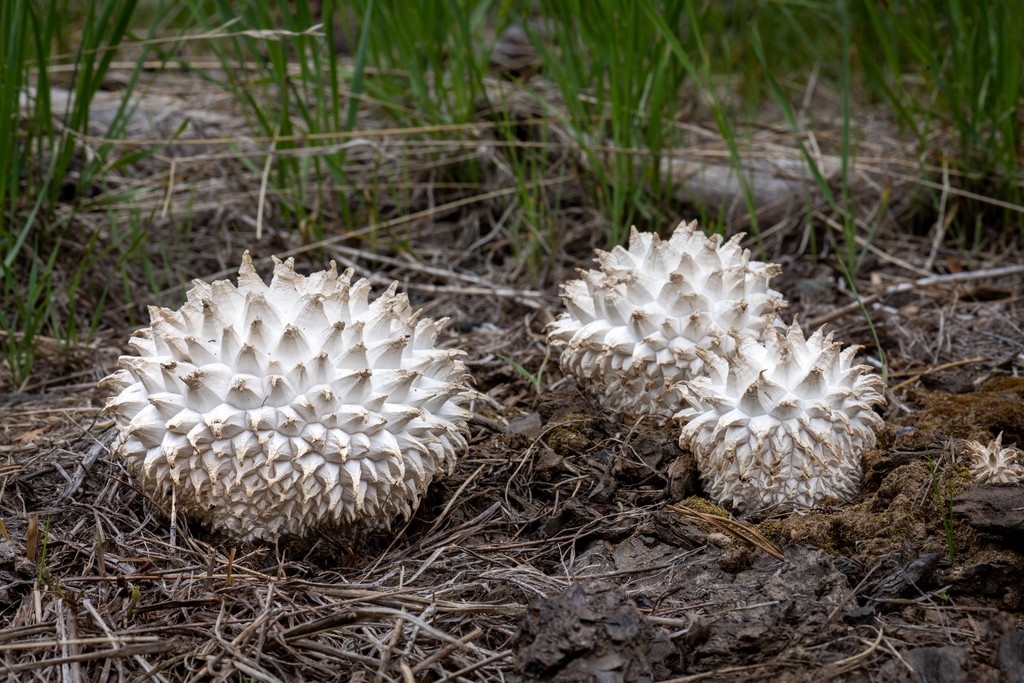
The western giant puffball is the largest puffball in North America, reaching up to 70 cm in diameter. It is as large as its European counterpart the Giant puffball (Calvatia gigantea), although it features a more irregular shape than its European cousin.

More







