




Top 20 Edible Mushrooms Popular in Tucson
Nestled in the heart of Tucson, a mycological paradise awaits the mushroom enthusiast. This stunning city's unique climate, rich soil, and diversity of habitats support a fascinating array of fungus. Ranging from humble soil dwellers to high-altitude specialists, our list highlights the top 20 most common edible mushrooms in this region. Each entry explores the mushroom's distinct features, culinary uses and where you're most likely to spot them. This comprehensive guide allows you to discover Tucson from a whole new perspective - through its remarkable fungal flora. Let's embark on a gourmet's hiking trip, filled with natural beauty, exploration, and tasty trails.
* Disclaimer: Content feedback CAN NOT be used as any basis for EATING ANY PLANTS. Some plants can be VERY POISONOUS, please purchase edible plants through regular channels.

Most Popular Edible Mushrooms
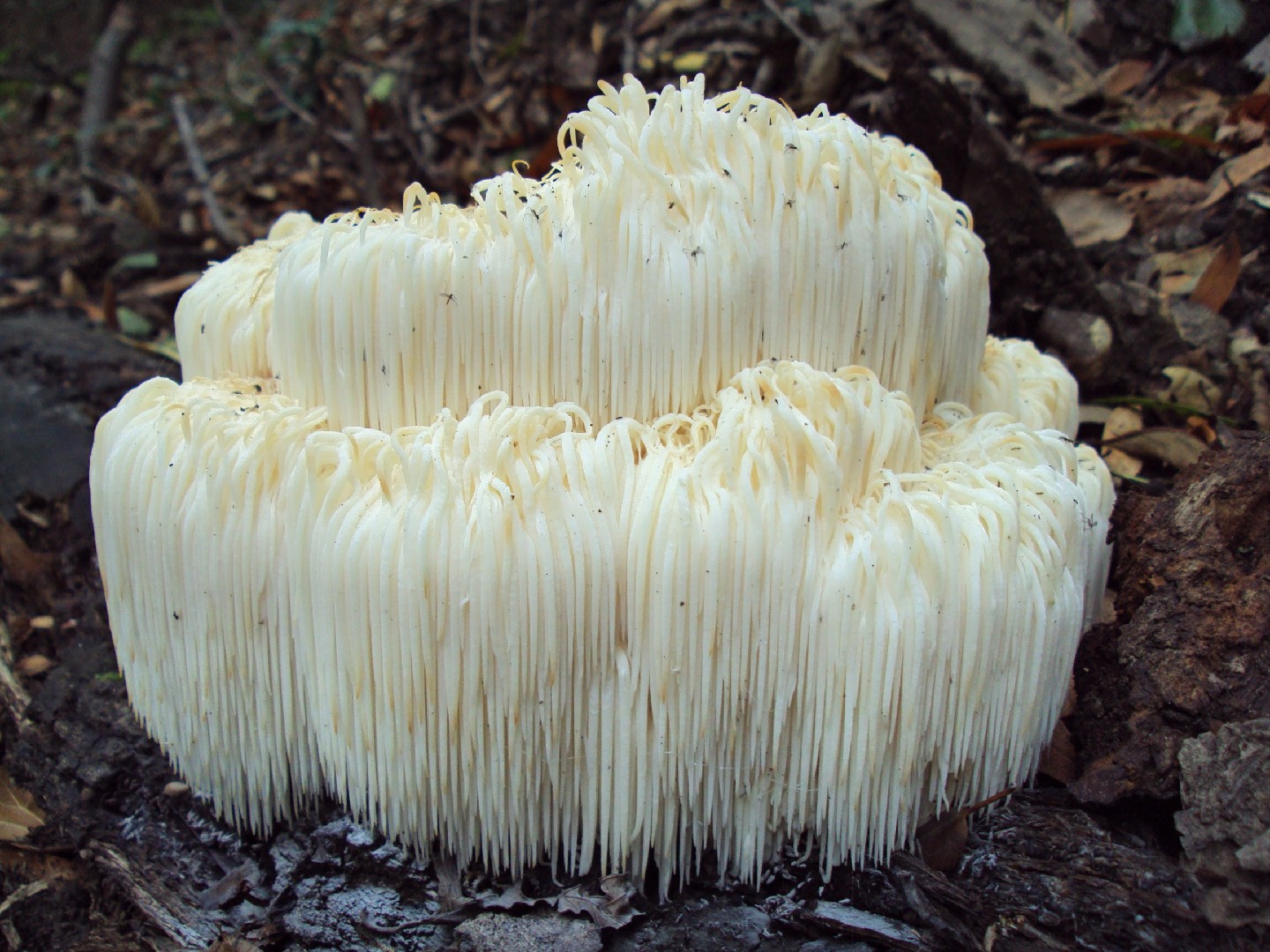
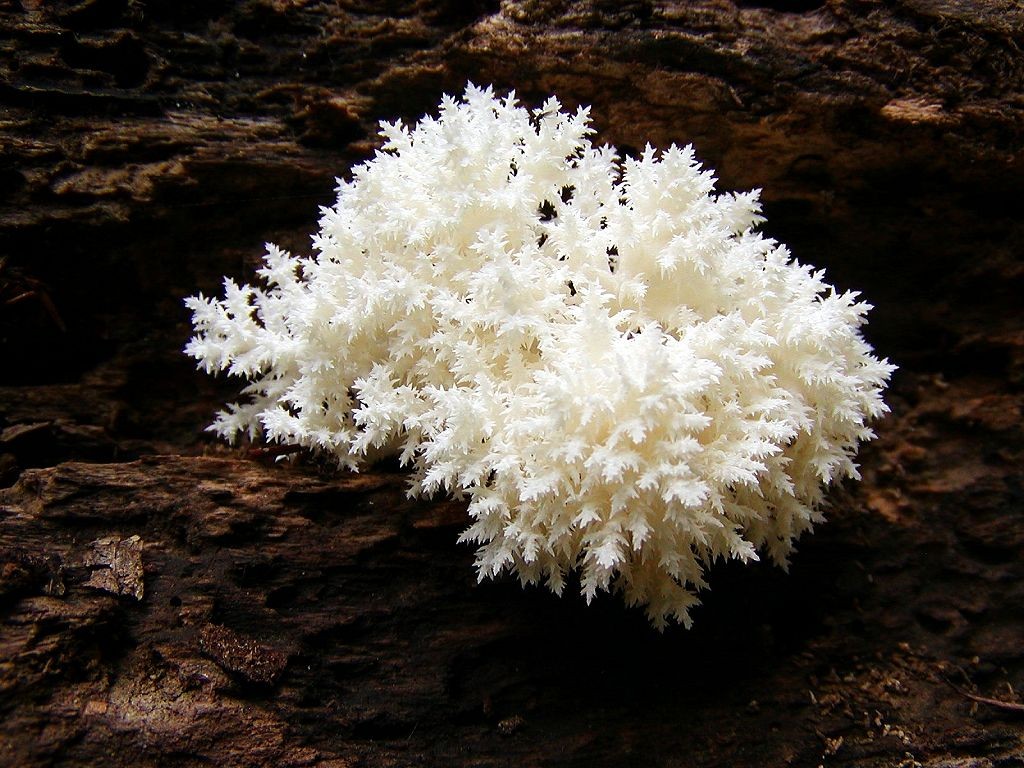
1. Lion's Mane Mushroom
Lion's Mane Mushroom(Hericium erinaceus) is easily identifiable by its characteristic appearance, reminiscent of the majestic mane of a lion. It often sprouts along hardwoods, which may be living or dead. Scientists thus debate whether this species is truly parasitic or merely saprophytic in nature.

2. Shaggy mane
The shaggy mane mushroom is commonly found in North American and European grasslands. Some peoples foraged for its young egg-shaped caps, but it has more recently been found to be a bioaccumulator of heavy metals, meaning it pulls toxic metals up from the soil where it grows. As a result, shaggy manes should not be eaten. The mushrooms usually appear in clusters or “fairy rings.”
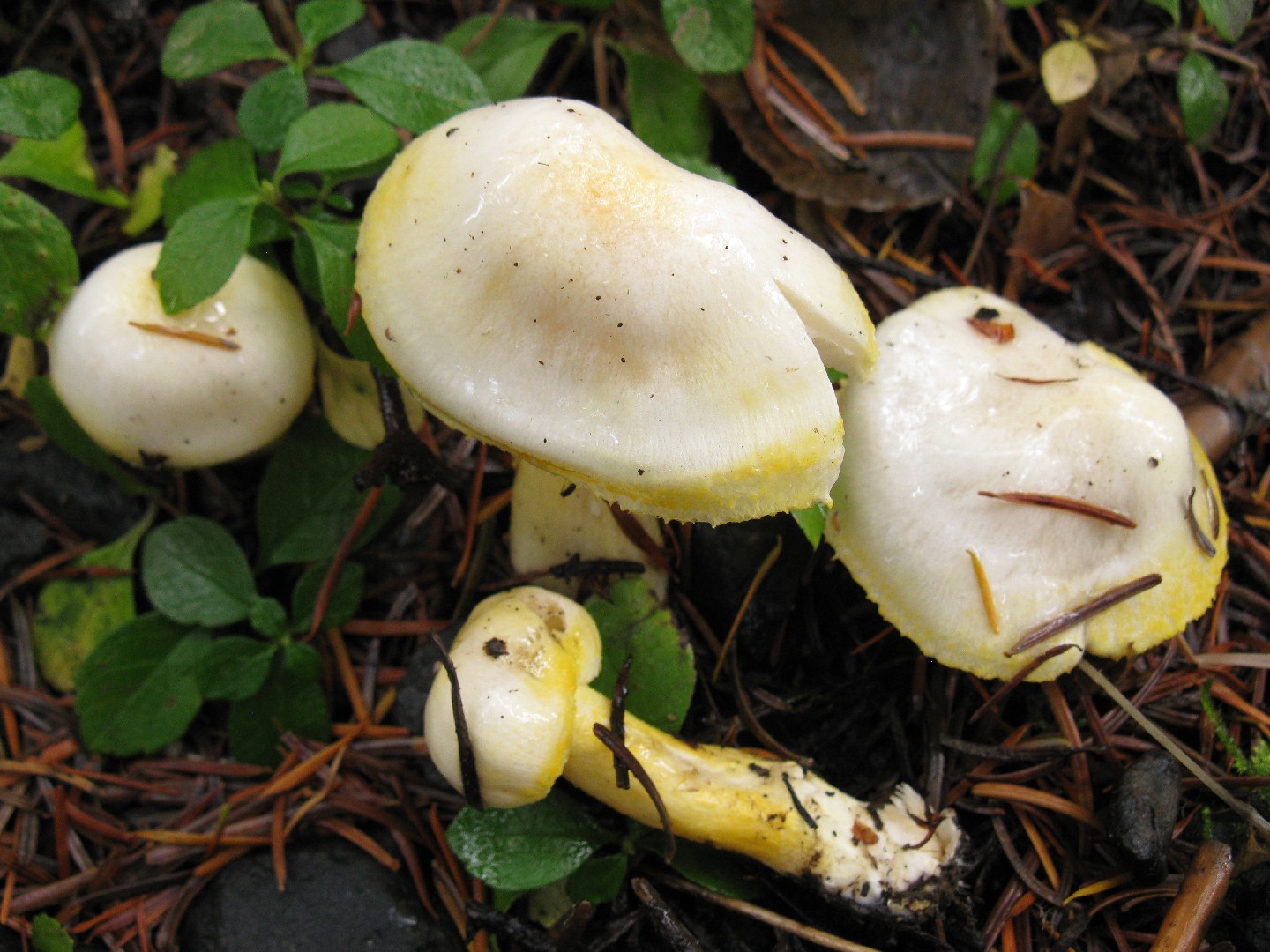
3. Gold-flecked woodwax
This rare mushroom’s claim to fame comes from the remarkable yellow scales scattered over an otherwise ivory fruitbody. However, not every specimen of the gold-flecked woodwax (Hygrophorus chrysodon) species boasts these brightly-colored speckles. Examples of this species can usually be found under conifers.
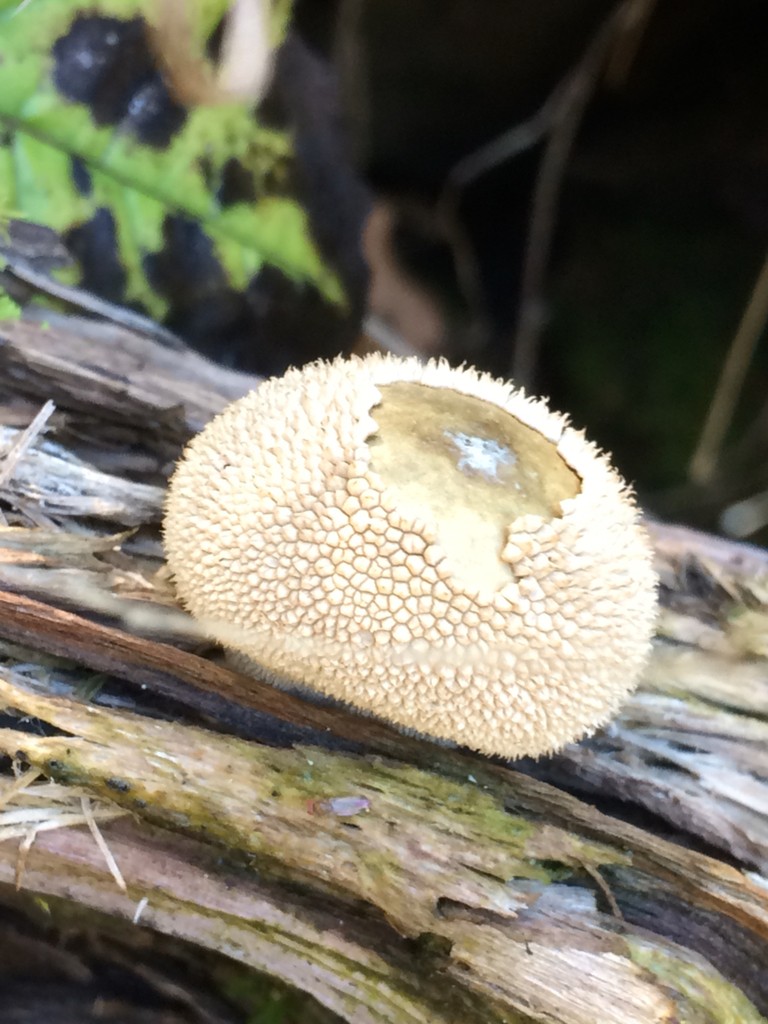
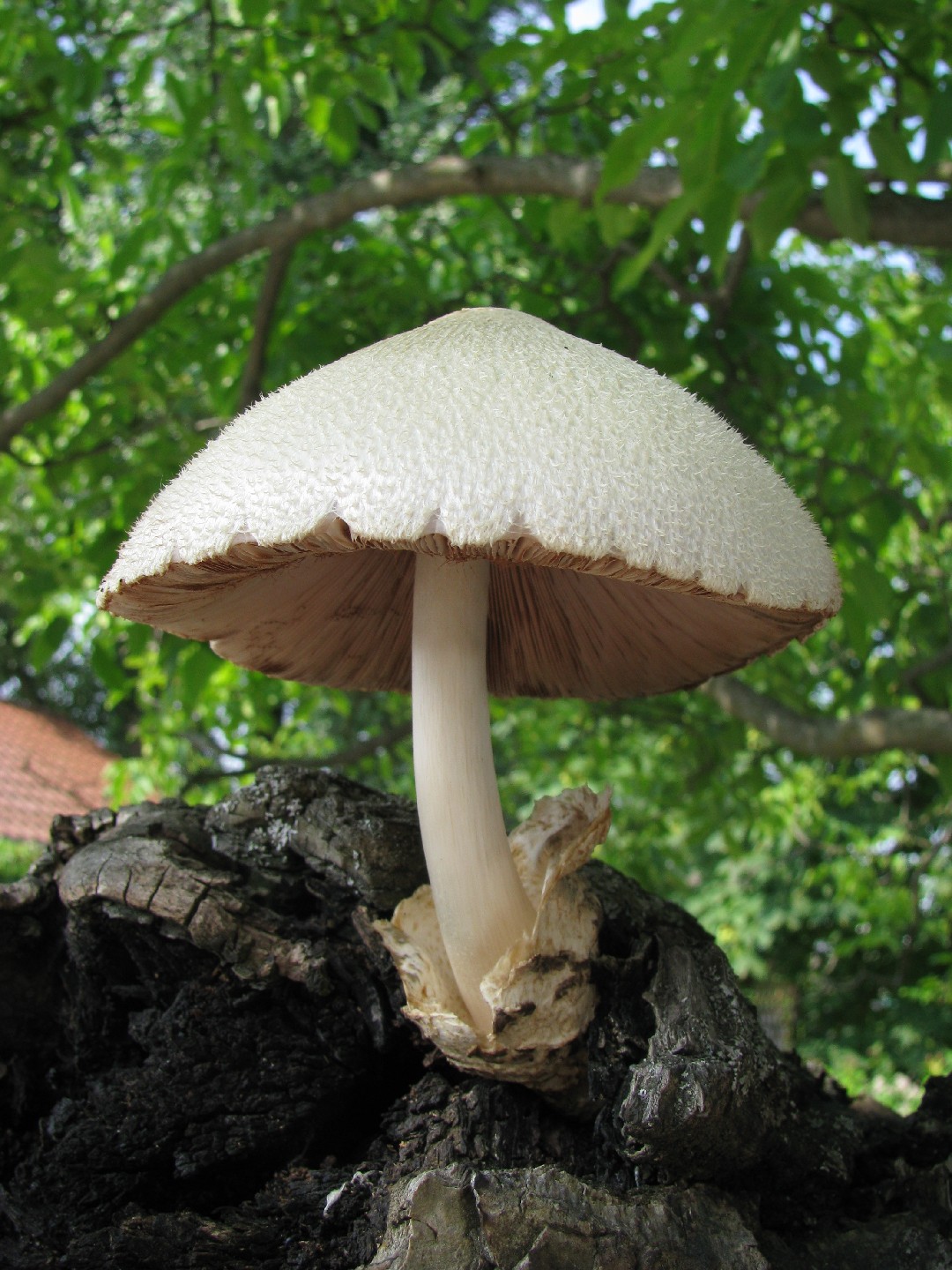
4. Peeling puffball
It is easy to spot as it resembles a puffball but has spines that gradually peel off as it ages. This appearance gave this mushroom its common name "peeling puffball." peeling puffball thrives underneath deciduous and conifer trees, getting its nutrients from decaying plant matter.
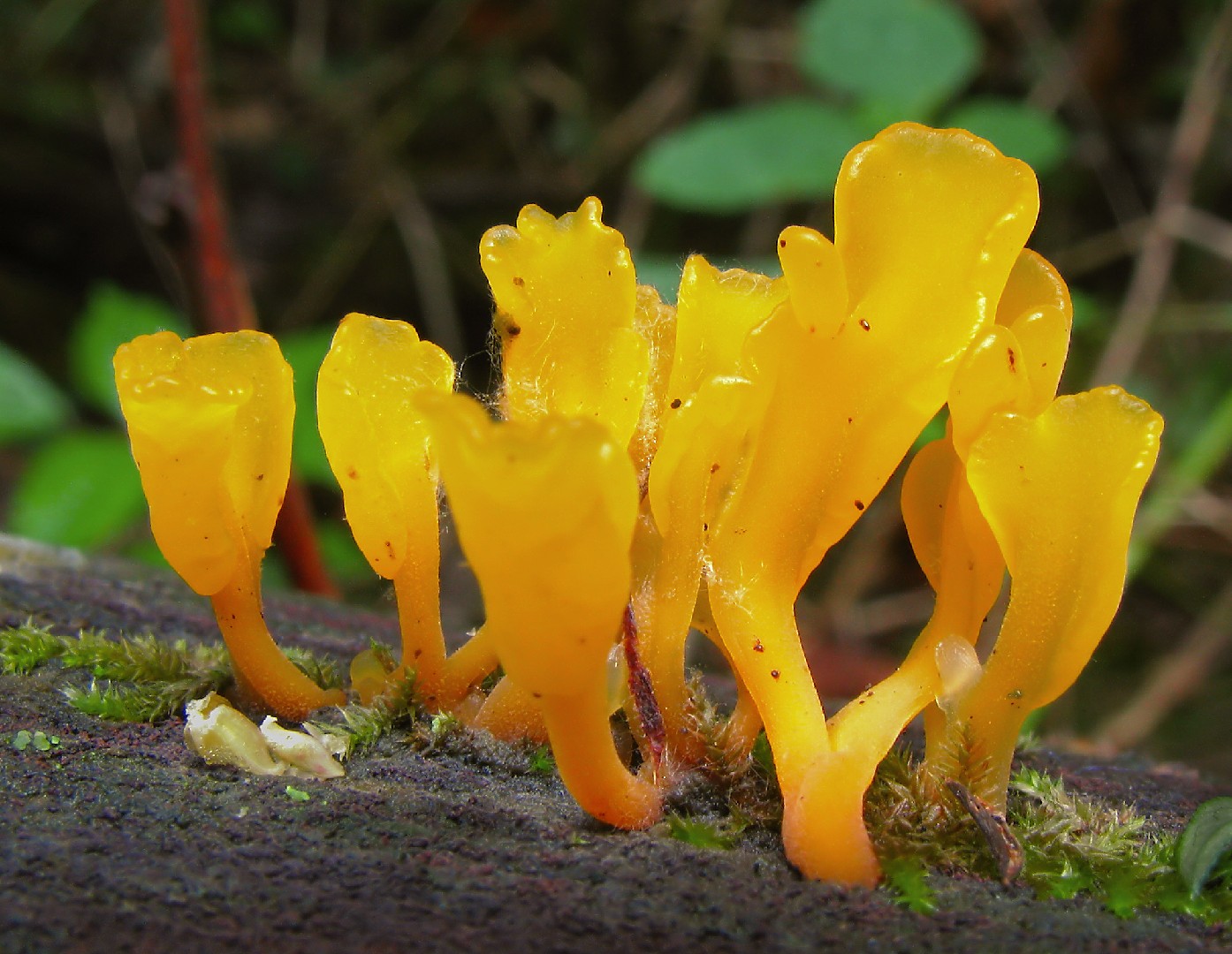
5. Fan-shaped jelly-fungus
Just as its Latin and the common English names suggest, the fan-shaped jelly-fungus (Dacryopinax spathularia) is a fan-shaped or spatula-shaped jelly-like mushroom. It commonly grows in wood cracks and it sometimes even appears in the cracks of the processed wood and lumber. Despite the word "jelly" in its name, the fan-shaped jelly-fungus is not considered edible.

6. American slippery jack
A common sight underneath white pines in the summertime, the american slippery jack lives up to its name with its slimy cap, reminiscent of chicken fat's consistency. The subdued, yellow-brown hue is also the same color.
7. White king bolete
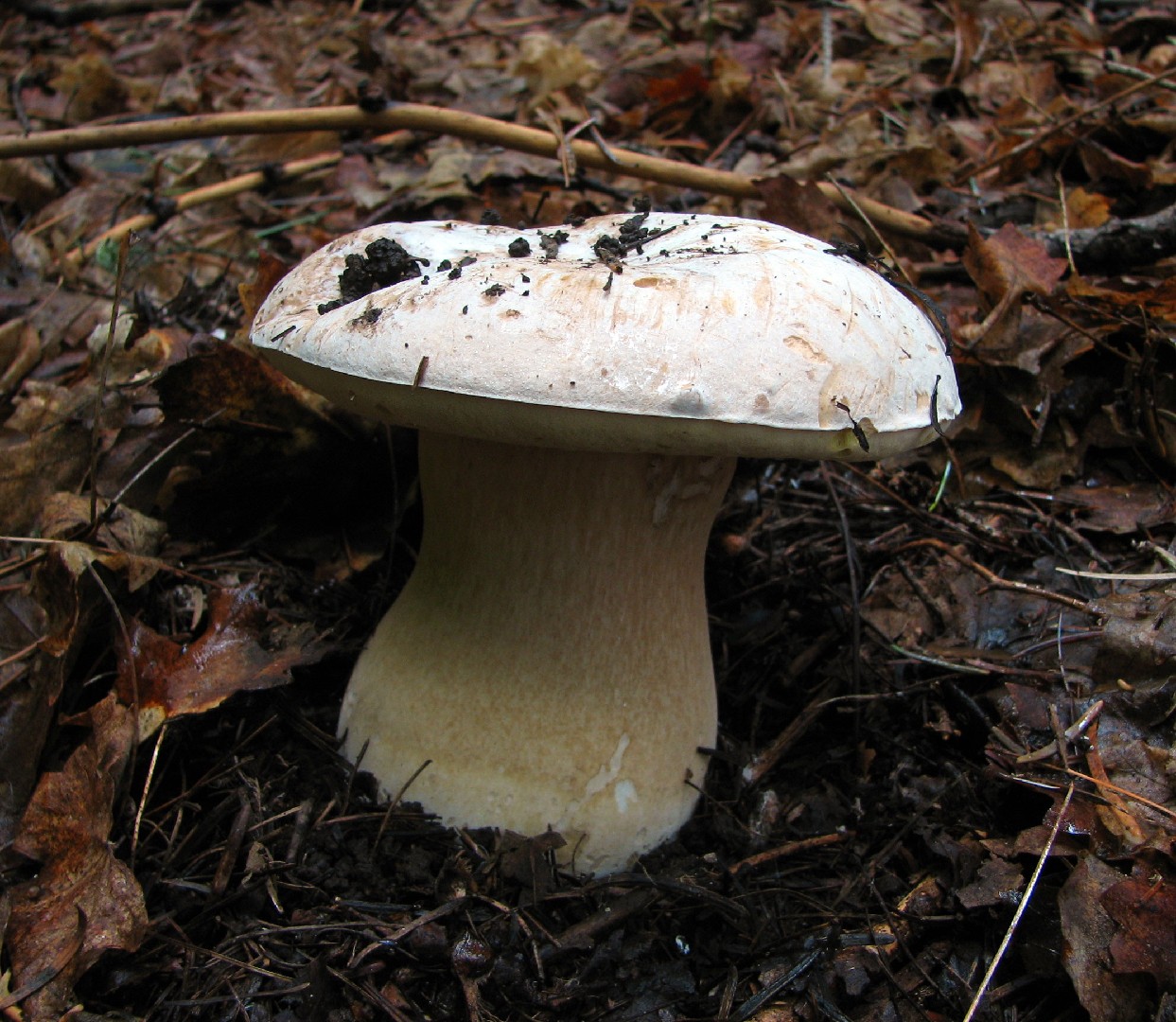
The habitat of the white king bolete is restricted to southwestern North America, but being a warm-weather species, it is most abundant in Arizona and New Mexico. The mushroom was given its scientific name Boletus barrowsii after the self-taught amateur mycologist Charles "Chuck" Barrows, who discovered the species just a few decades ago.

8. Felt saddle fungus
9. Vinegar cup
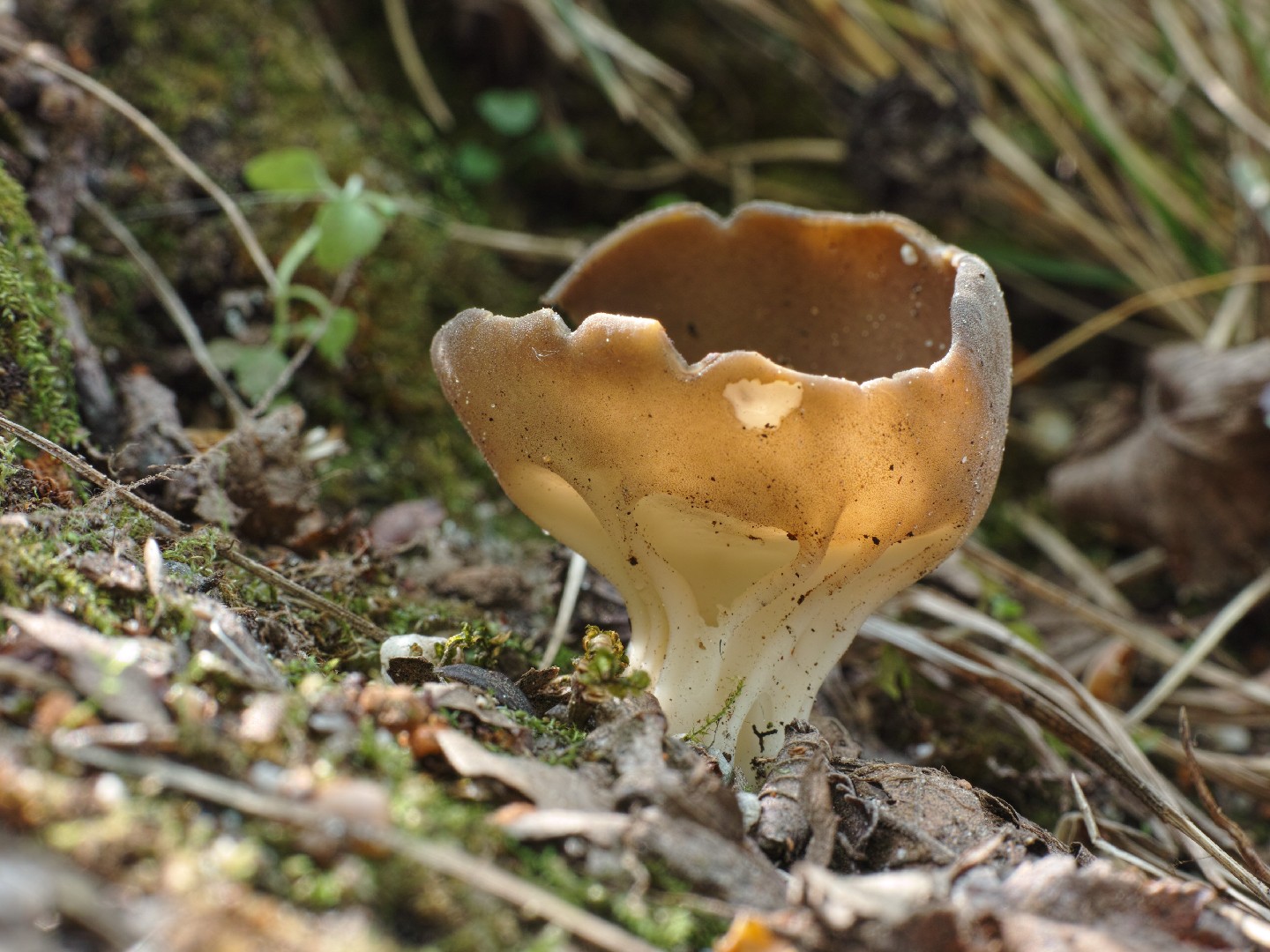
The vinegar cup (Helvella acetabulum) forms fruitbodies in the shape of vases or chalices with deeply convex caps. Its distinguishing feature is the way the stem’s ribs extend all the way up the sides of the “cup,” in some specimens resembling the folds of cabbage leaves. Common name aside, it is not considered edible.
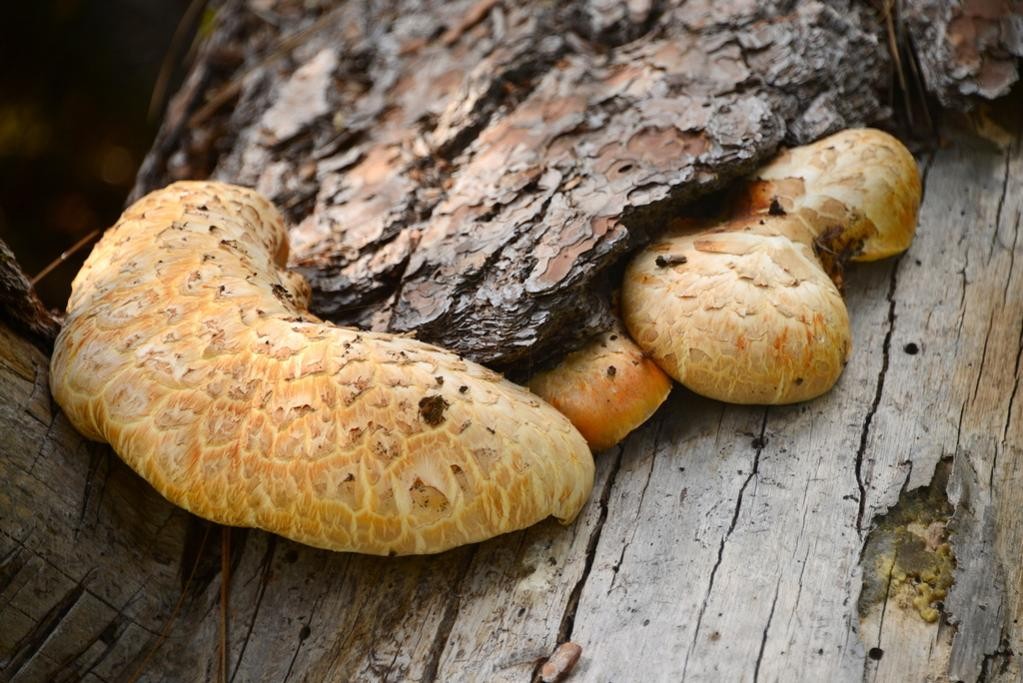
10. Tiger sawgill
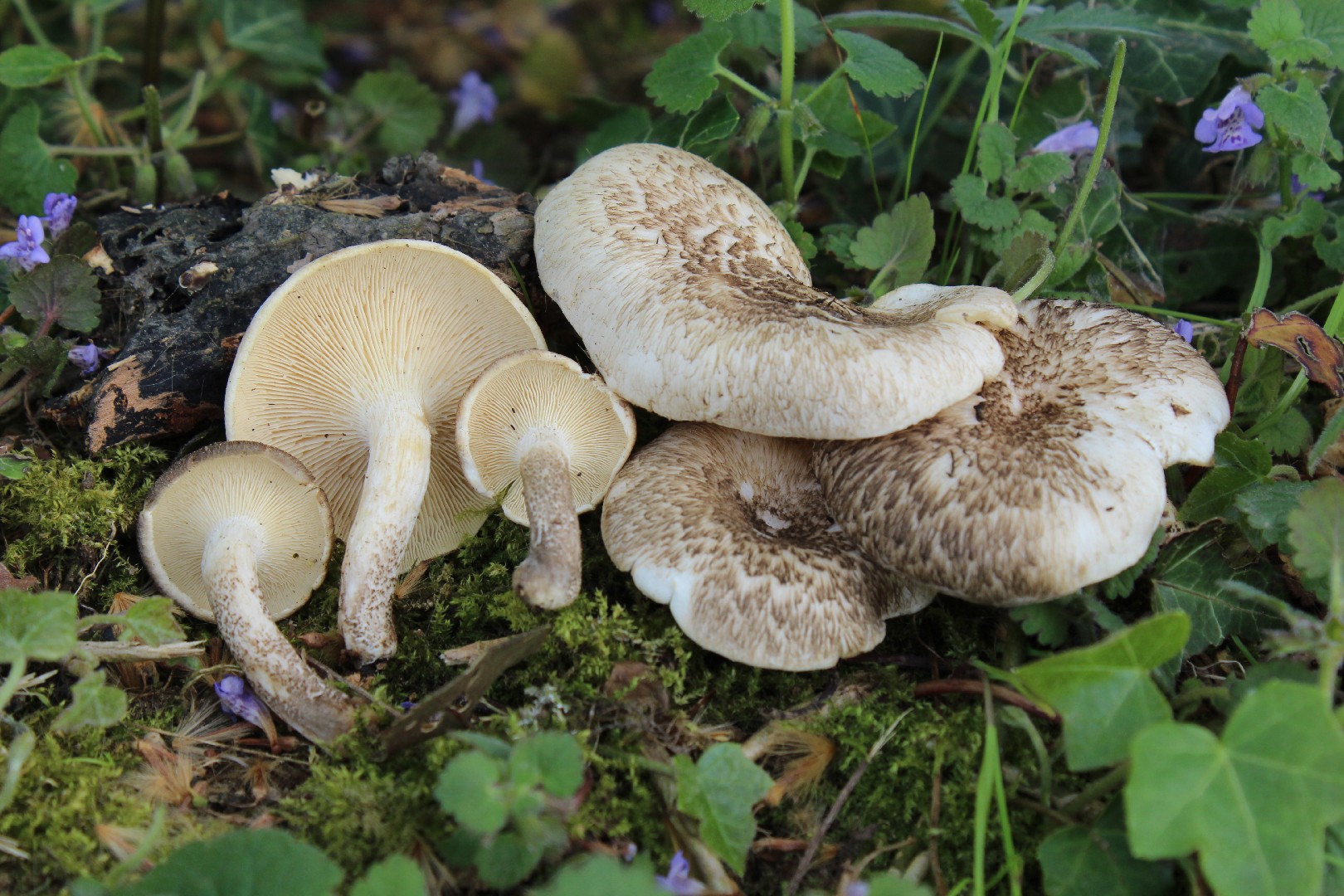
The tiger sawgill (Lentinus tigrinus) is a small mushroom with a name that is not particularly accurate. Sporting neither the color nor the pattern that we commonly associate with the tiger, it has a subdued, pale cap that is usually covered in brown patches. The eighteenth-century European that named the species may have been thinking of a leopard.

More







