




Top 20 Edible Mushrooms Popular in Anthem
Nestled within the diverse landscape of Anthem, a myriad of common edible mushrooms thrive, each with their unique features. This 'Top 20 Most Common Edible Mushrooms, Anthem' provides substantial information about each specimen's unique appearance, tantalizing taste, natural habitat, and culinary potential. Anthem’s climate and terrain variations have an array of stunning mushroom varieties to explore. So, whether you're a seasoned mycologist, a culinary enthusiast, or a nature lover, stay tuned to acquire new knowledge about these terrestrial treasures.
* Disclaimer: Content feedback CAN NOT be used as any basis for EATING ANY PLANTS. Some plants can be VERY POISONOUS, please purchase edible plants through regular channels.

Most Popular Edible Mushrooms

1. Shaggy mane
The shaggy mane mushroom is commonly found in North American and European grasslands. Some peoples foraged for its young egg-shaped caps, but it has more recently been found to be a bioaccumulator of heavy metals, meaning it pulls toxic metals up from the soil where it grows. As a result, shaggy manes should not be eaten. The mushrooms usually appear in clusters or “fairy rings.”
2. Floccularia Albolanaripes
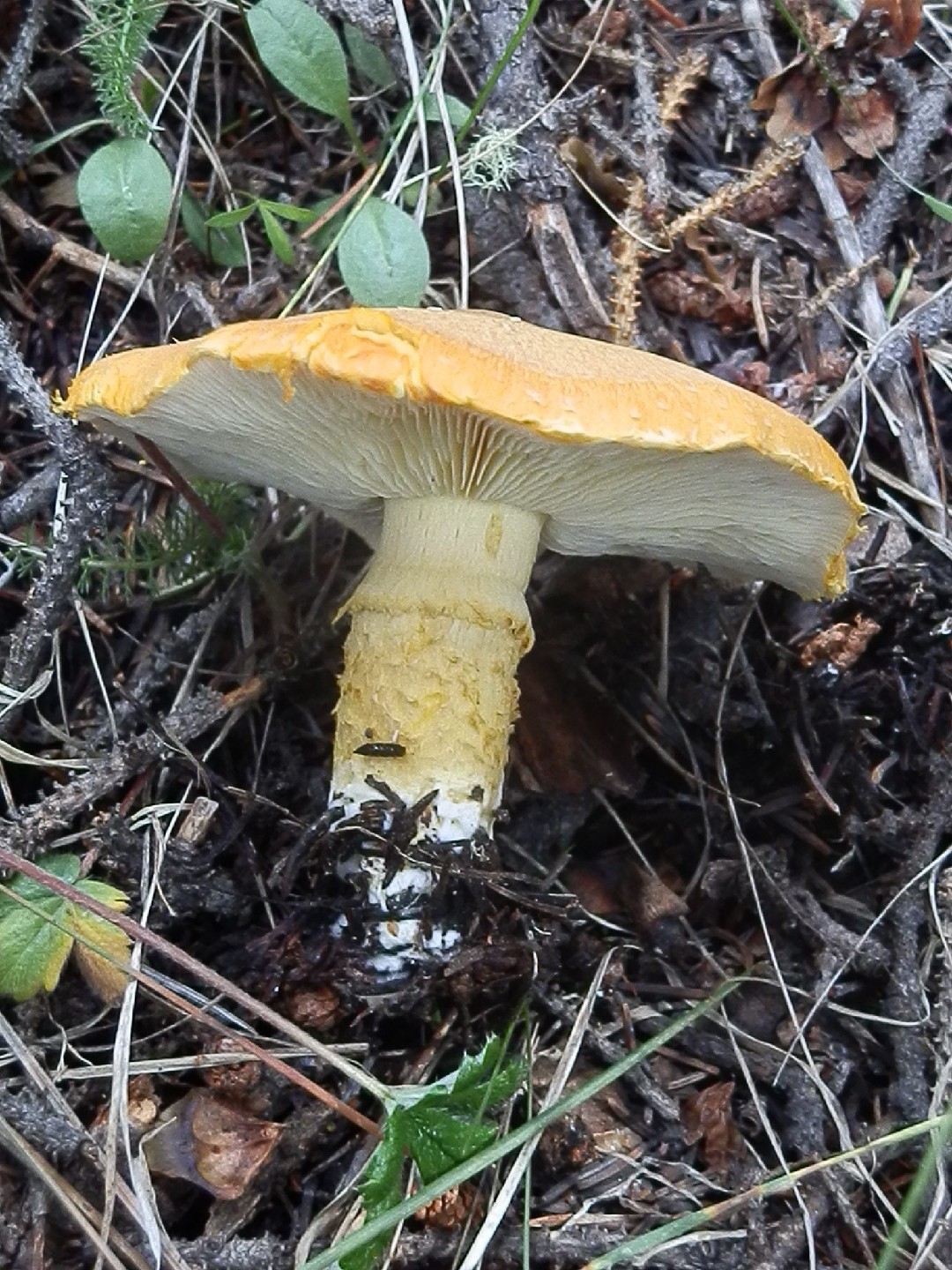
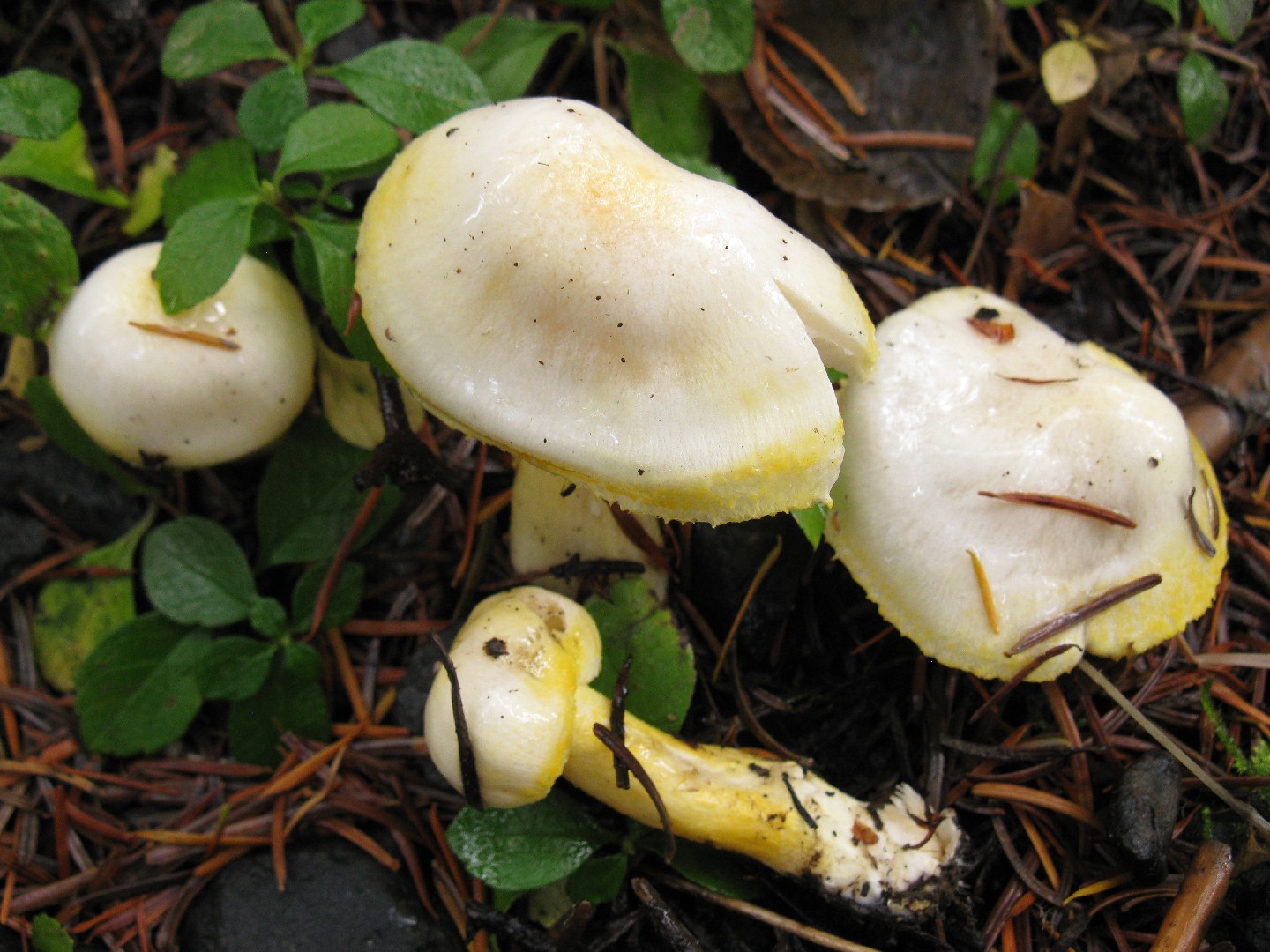
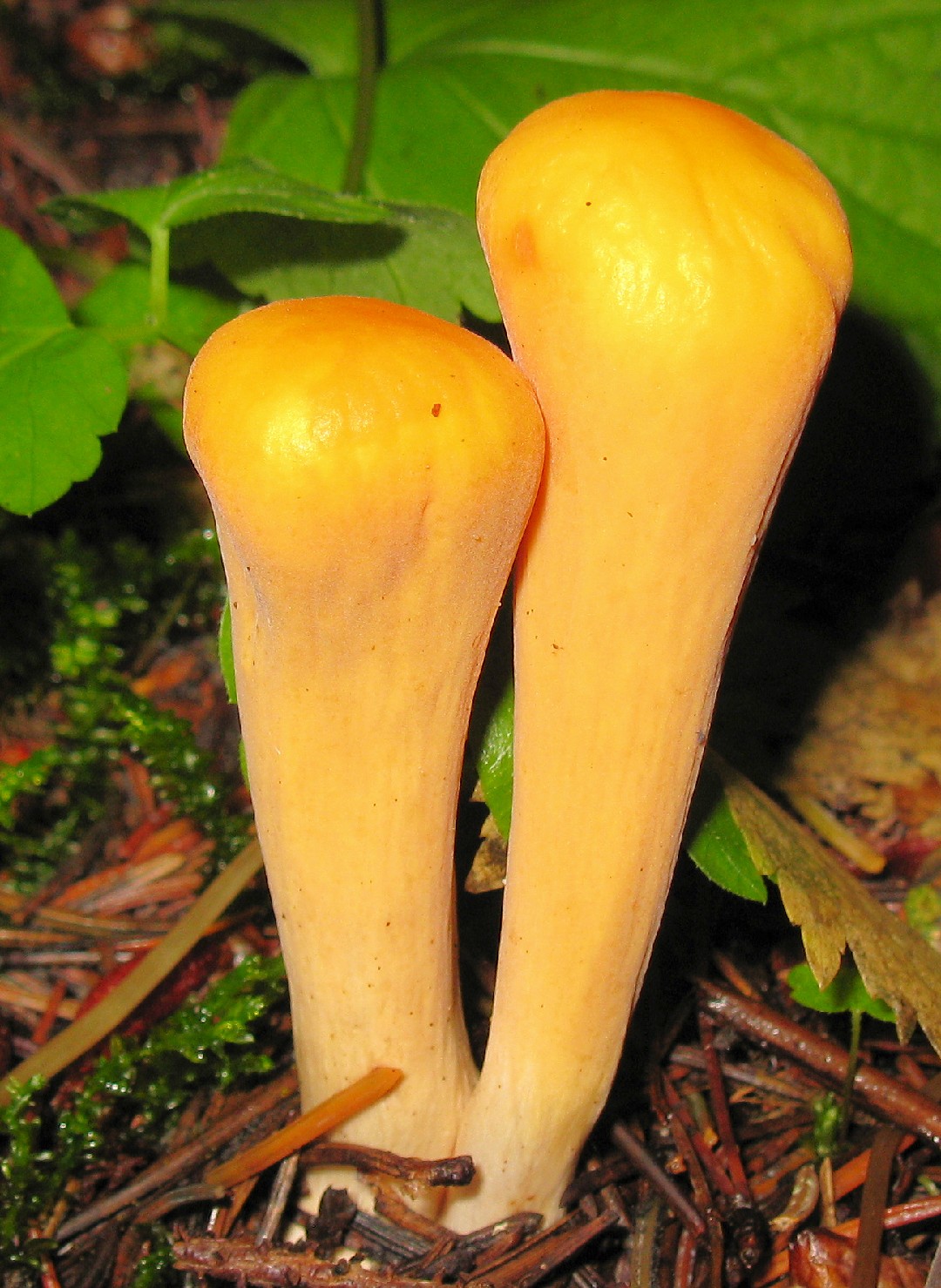
Associated with conifers of the Rocky Mountains, the floccularia Albolanaripes can be found prominently during fall rains from fall to winter. It has a vibrant yellow orange-brown cap when young, developing into a drab yellowish-brown in its maturity.
3. Giant sawgill
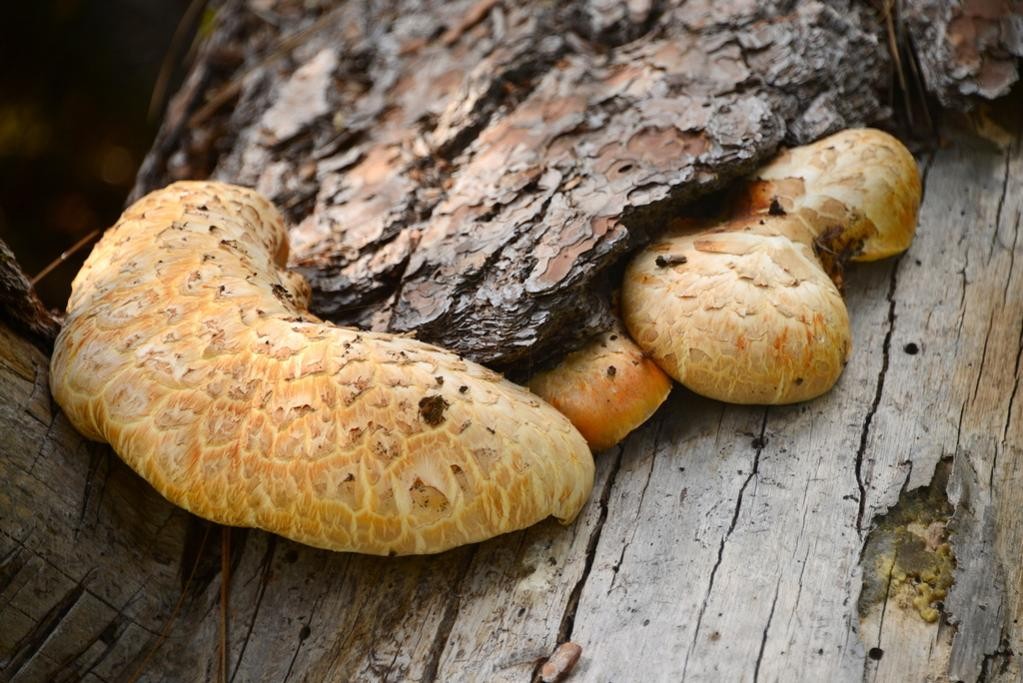
The impressively large caps of the giant sawgill (Neolentinus ponderosus) can spread up 30 cm across and encompass entire decaying stumps and logs. Unlike other mushrooms, the giant sawgill thrives in the hotter, drier months. Look for them near Ponderosa Pines.

4. Armillaria solidipes
5. Oyster mushroom
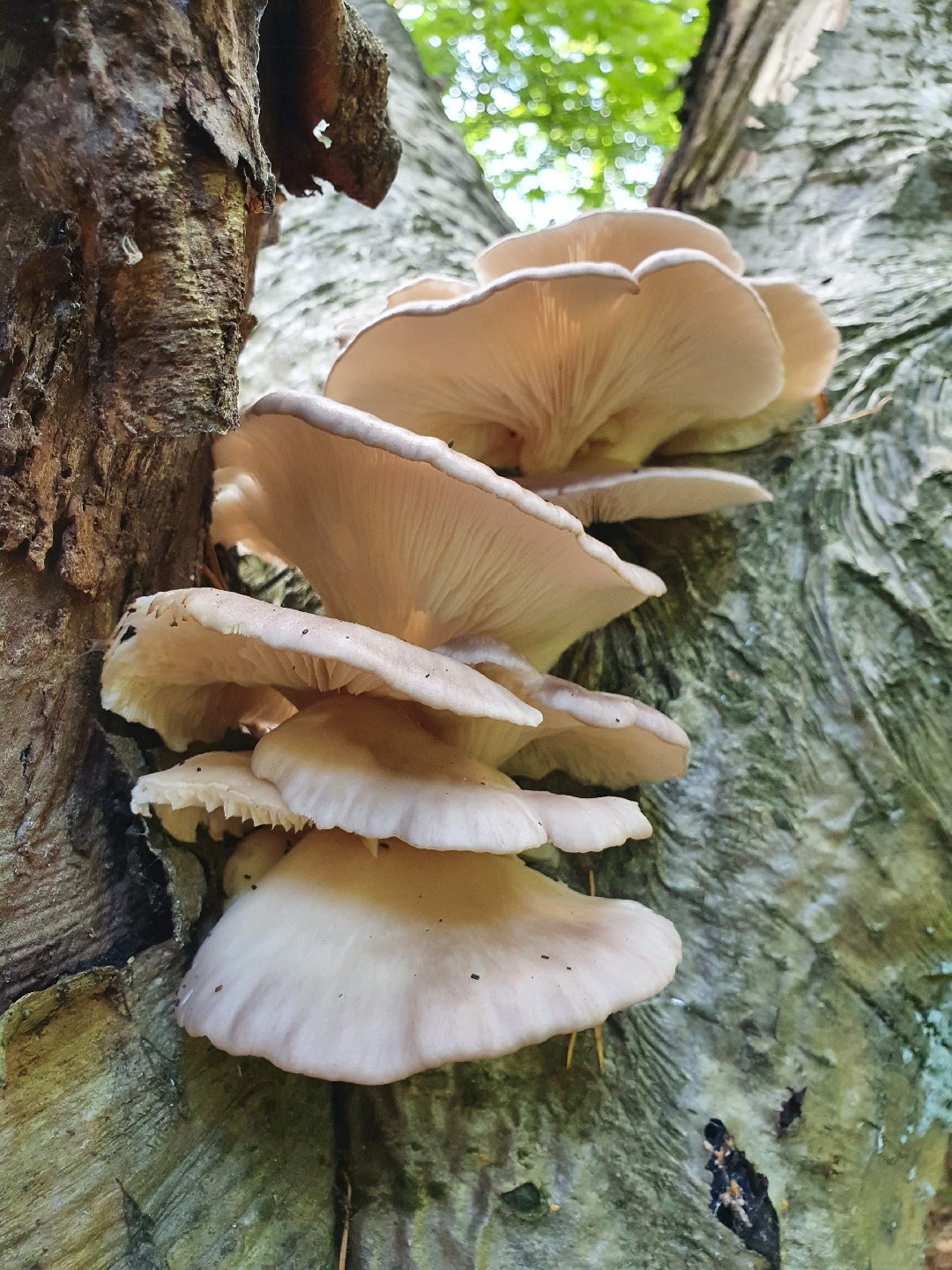
Oyster mushrooms grow wild but are also cultivated for sale in supermarkets. They can even be cultivated at home. They will grow on coffee grounds and spent grain, and are occasionally even fashioned into an environmentally-friendly substitute for styrofoam. There are several toxic look-alike species, so it is best to buy these mushrooms at the store.
6. White king bolete
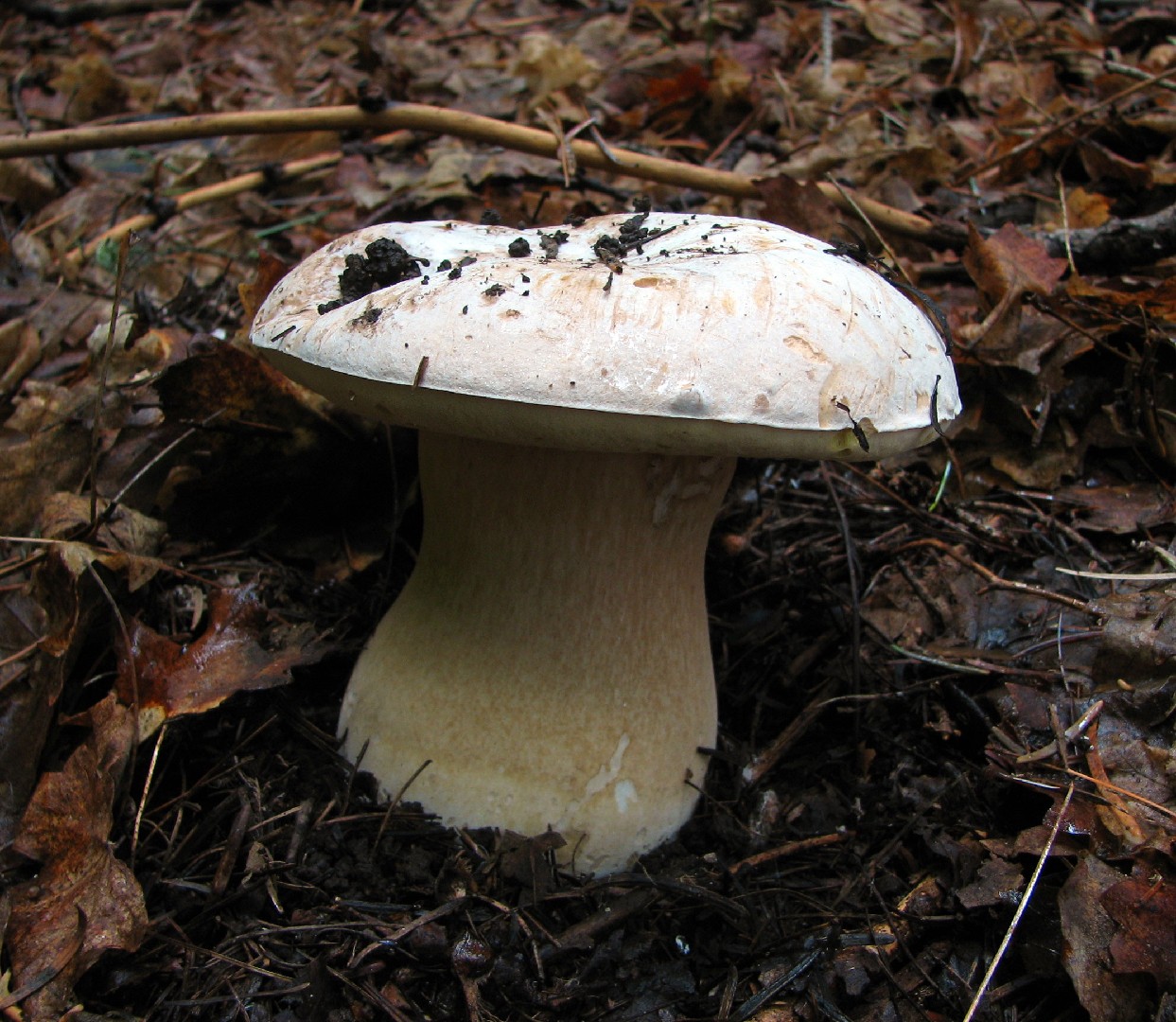
The habitat of the white king bolete is restricted to southwestern North America, but being a warm-weather species, it is most abundant in Arizona and New Mexico. The mushroom was given its scientific name Boletus barrowsii after the self-taught amateur mycologist Charles "Chuck" Barrows, who discovered the species just a few decades ago.
7. Shingled hedgehog
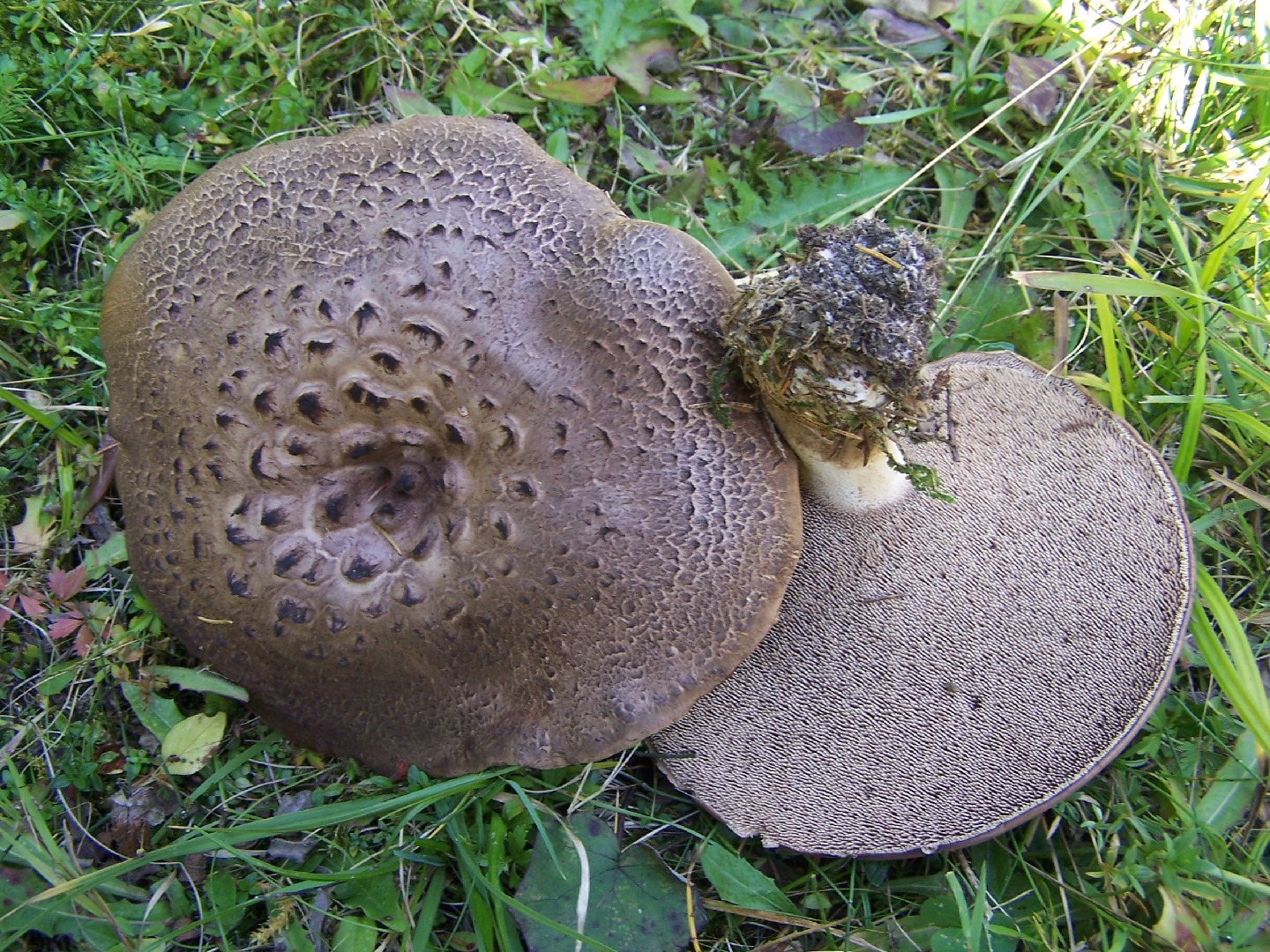
Shingled hedgehog(Sarcodon imbricatus) is often found in the company of fir trees, and it is therefore partial to mountainous or hilly regions. Endemic to Europe and North America, the species is prone to forming fairy rings. It fruits in early autumn.
8. Toothed jelly fungus
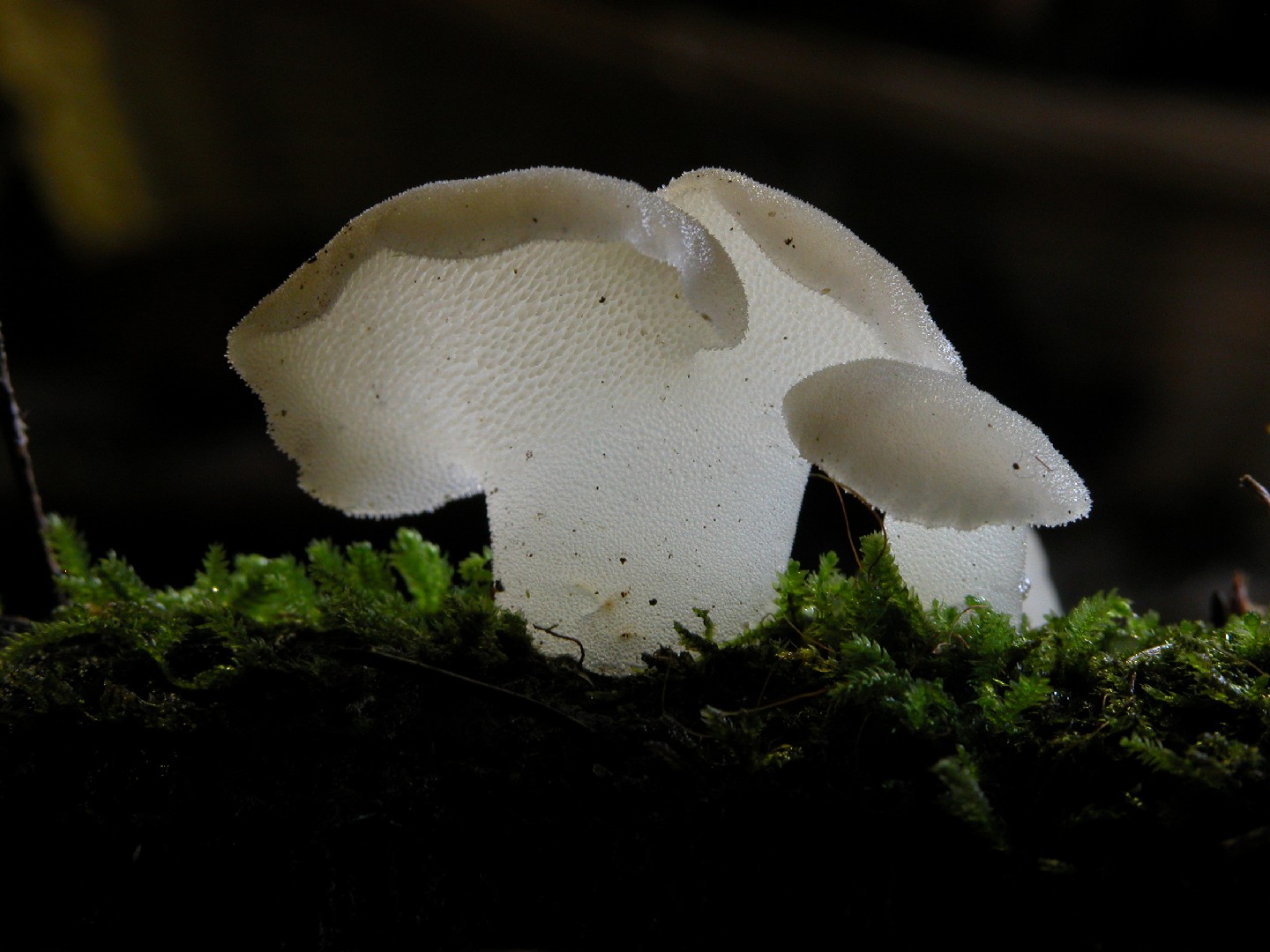
This whimsically-named mushroom has a global distribution and a unique appearance. Toothed jelly fungus has a white, translucent - almost spectral - coloration and sports little downward pointing "teeth" on the underside of its cap. Although its toothed underside may scream "hedgehog mushroom", it is actually a member of a separate genus (Pseudohydnum, as opposed to Hydnum).
9. False saffron milkcap
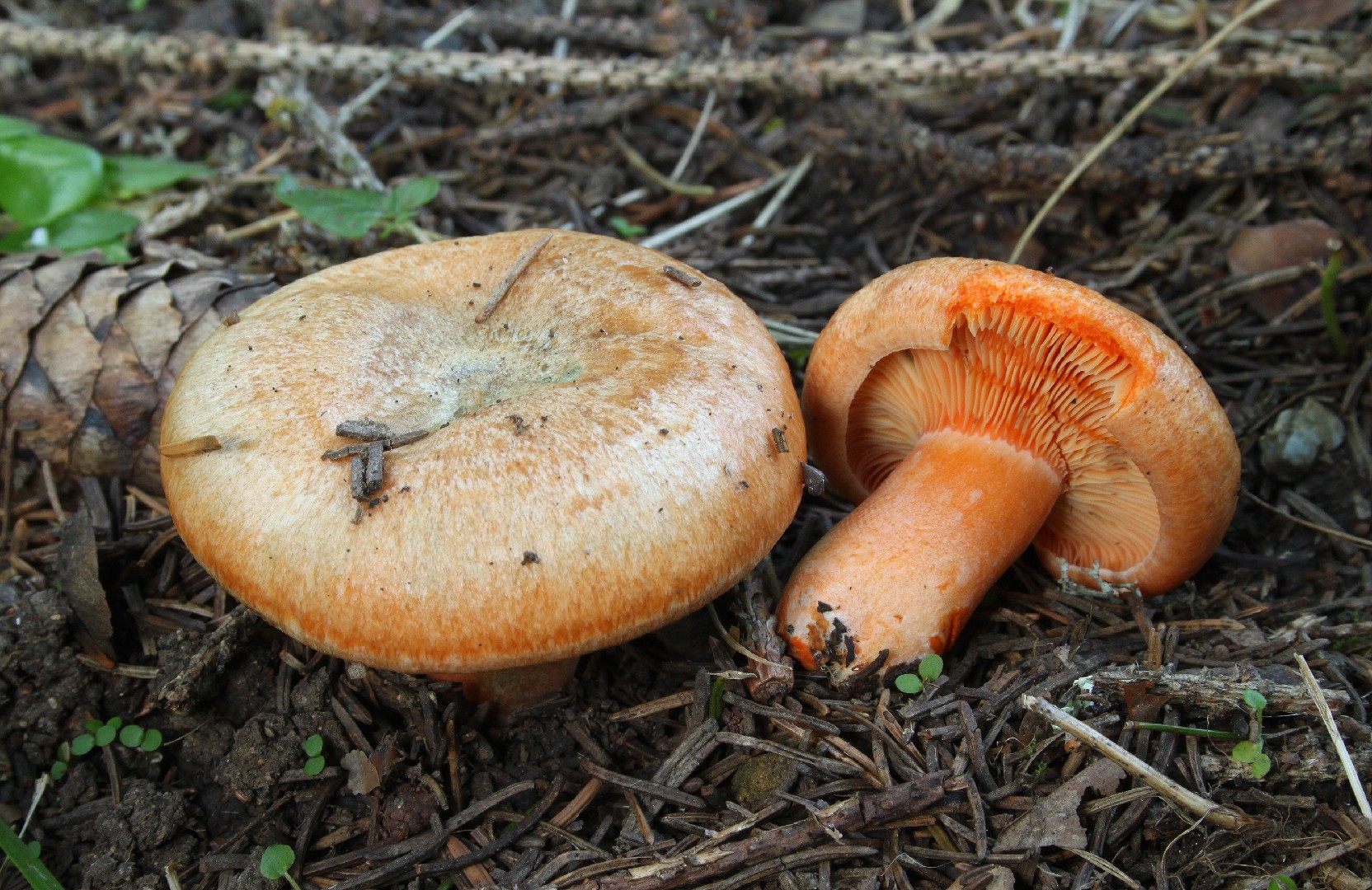
A less-tasty cousin of the Saffron milkcap (Lactarius deliciosus), the false saffron milkcap is closely associated with spruce. When it appears in forests, it usually forms a large carpet. Species within the Lactarius genus are hard to differentiate from other, more poisonous mushrooms, and should not be foraged for food by the inexperienced.
10. Lung oyster
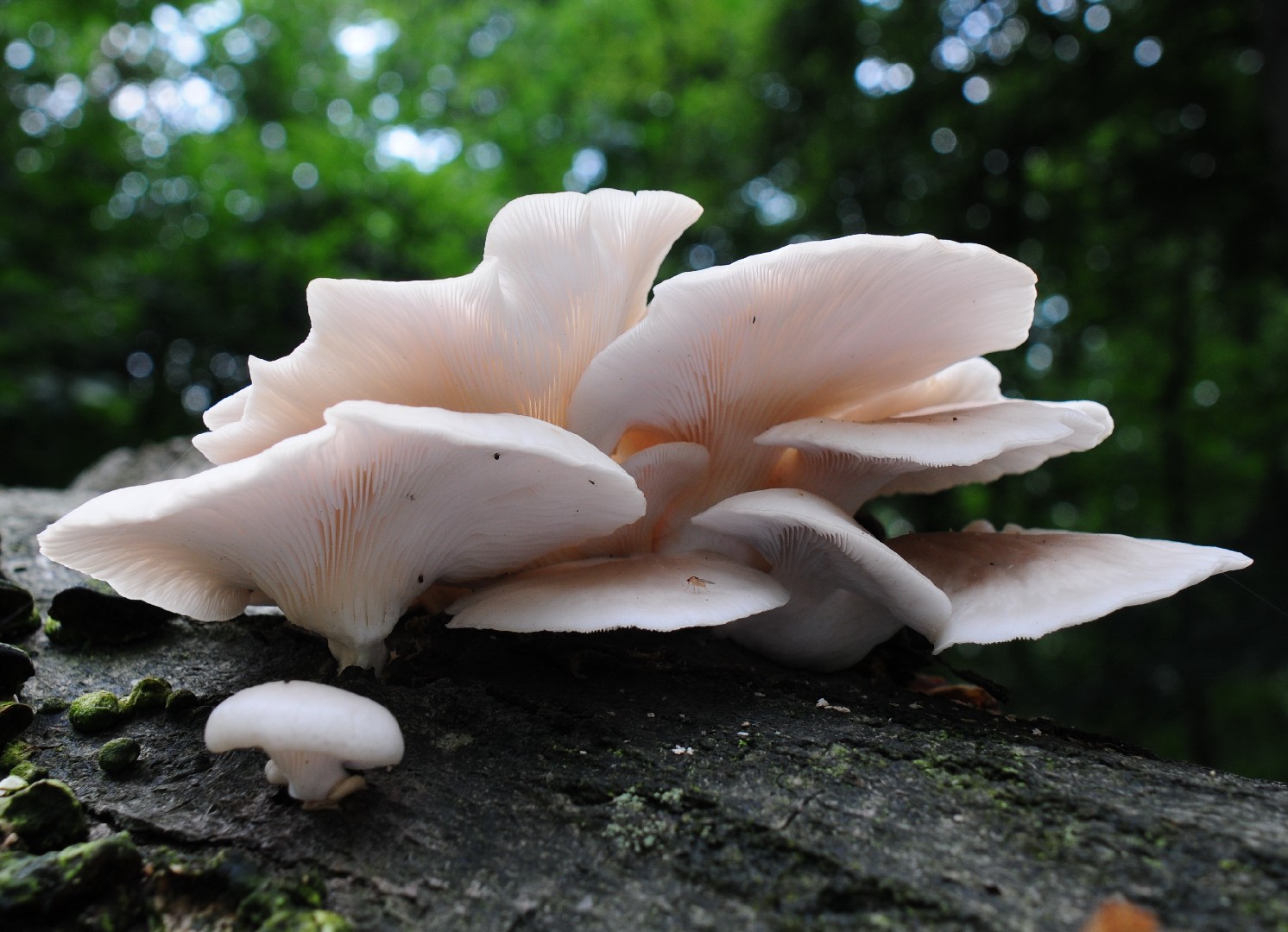
Developing all around the northern hemisphere, lung oyster mushrooms grow in overlapping shelf-like clusters on deciduous branches, trunks, and fallen logs in the wild. They are easy to cultivate on other substrates, like spent coffee grounds and sawdust, for commercial production. They are generally considered safe to eat, although some people may develop allergies.
More







