




Top 20 Edible Mushrooms Popular in Svatove
Expanding across a vast expanse of dense green forestry and fertile lands, Svatove harbors a rich variety of mushrooms, offering a fascinating glimpse into the world of fungi. This list unveils the top 20 edible mushrooms found in this region, celebrating their unique qualities including their distinctive appearance, nuanced flavors, preferred habitat, and widely appreciated culinary uses. Immerse yourself in this enlightening exploration, taking a captivating journey through nature's esteemed fungal wonders.
* Disclaimer: Content feedback CAN NOT be used as any basis for EATING ANY PLANTS. Some plants can be VERY POISONOUS, please purchase edible plants through regular channels.

Most Popular Edible Mushrooms
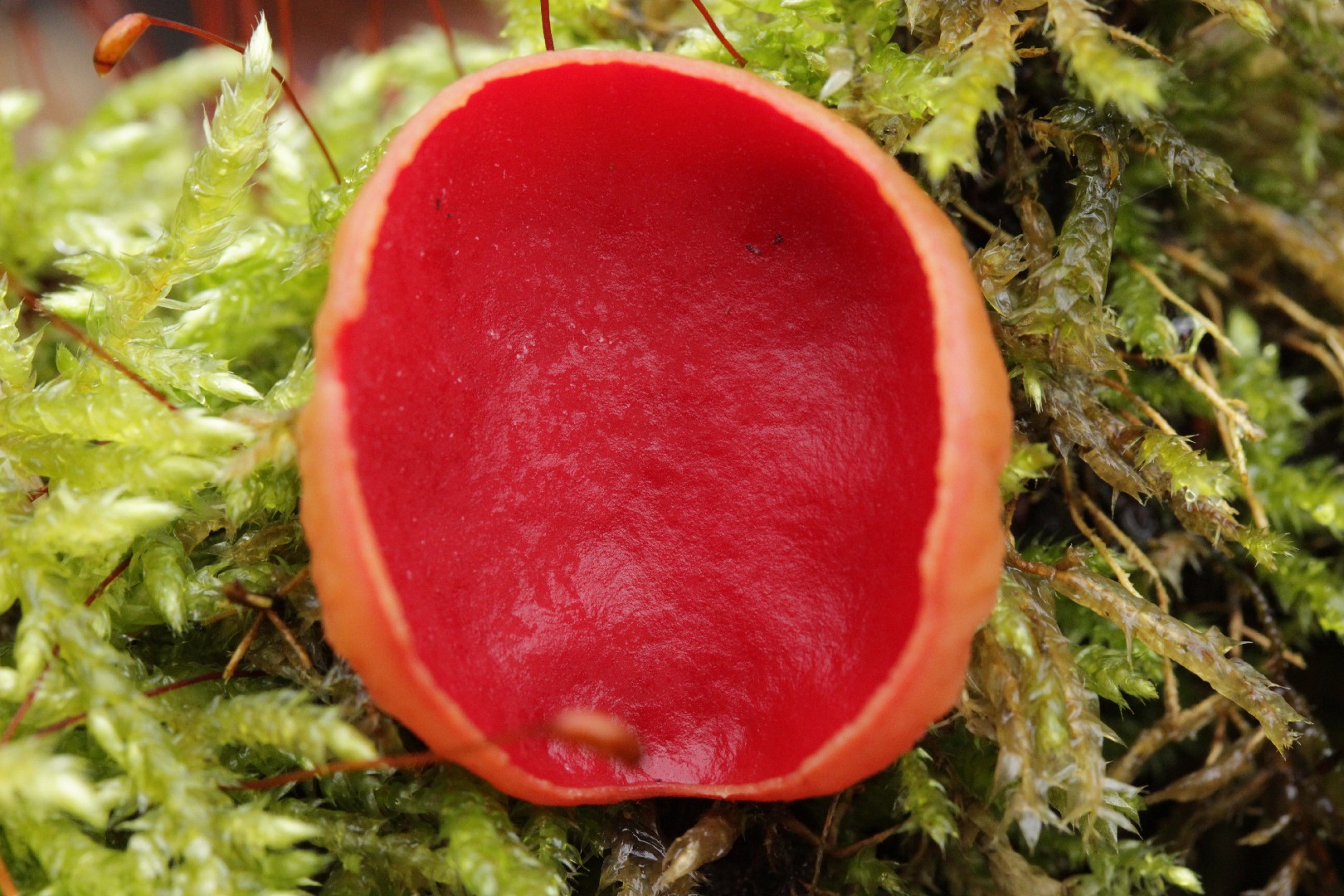
1. Scarlet cup
One of the first mushrooms to appear in the spring, the scarlet cup sometimes pops out of snow. Definitely a cool-season mushroom, the scarlet cup also prefers areas with high rainfall. It forms large colonies and it's very abundant. Slugs and various rodents like to feed on this mushroom.
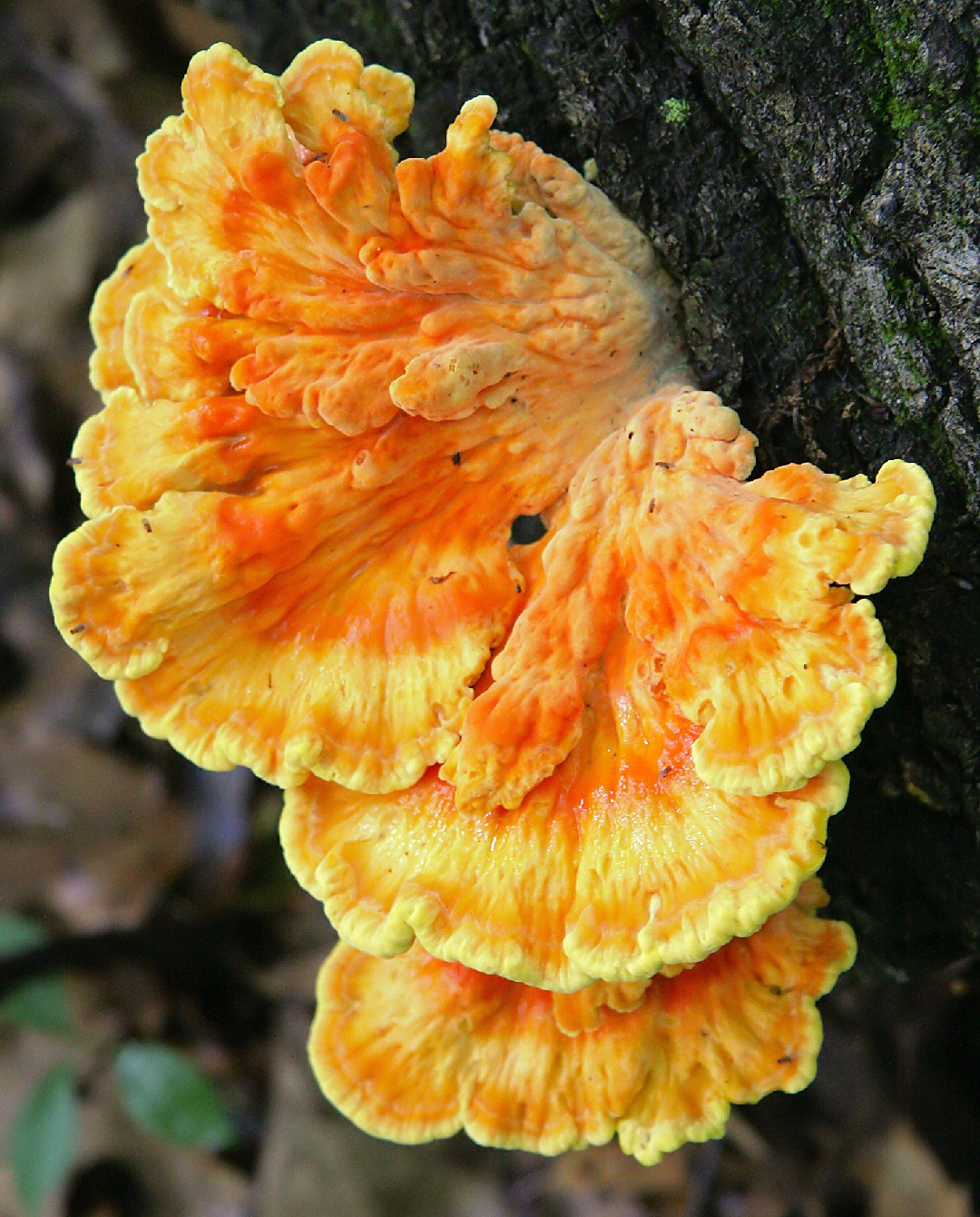
2. Chicken of the woods
Chicken of the woods is very noticeable in hardwood forests, appearing in clusters on standing tree trunks in bright orange and yellow hues that sometimes last through the entire winter. It is a parasite that causes an unfortunate brown heart rot, and is considered a particularly troublesome pest of Yew trees. If the fruitbodies can be seen, the tree is likely already beyond saving.
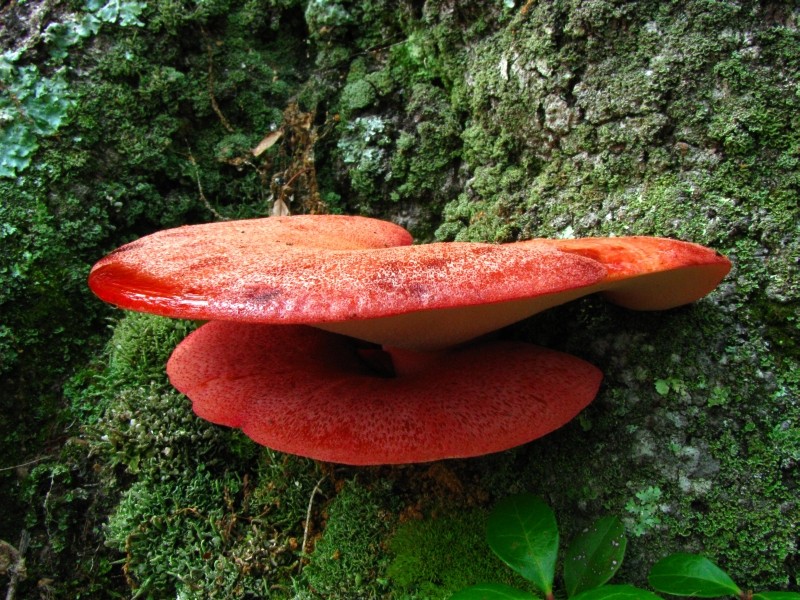
3. Beefsteak fungus
Beefsteak fungus(Fistulina hepatica) is an unusual fungus that visually resembles a slab of raw meat; cutting into it will cause a discharge of thick red liquid resembling blood, adding to this resemblance.
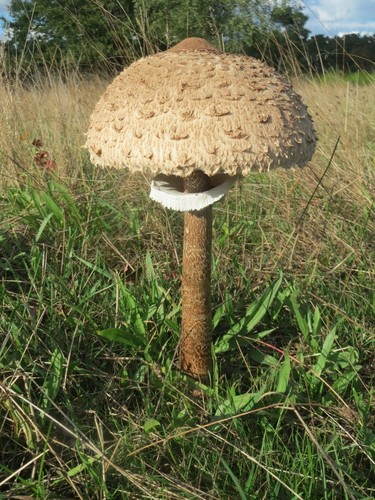
4. Parasol
Found in clearings and grassy areas in late summer, the wild parasol mushroom has a snakeskin-patterned stem. The brown spots on its cap make it look a bit shaggy, but that name is reserved for its poisonous counterpart, the Shaggy Parasol (Chlorophyllum rhacodes). You can distinguish the two by the stems: the latter has a smooth stem and red flesh inside.
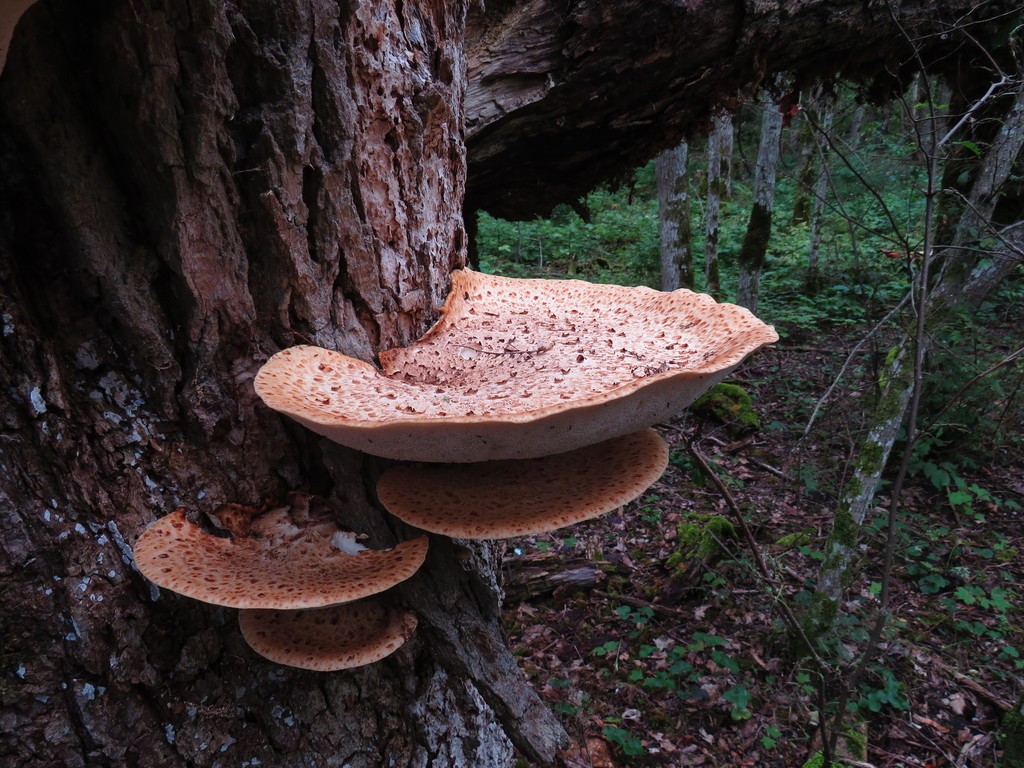
5. Dryad's saddle
A familiar sight to spring morel hunters, dryad's saddle is noteworthy for its large size, striking scales, and watermelon-like smell. Similar to other mushrooms in the bracket fungi family, dryad's saddle can be used to make paper. Younger mushrooms are better suited for this purpose due to their smaller and more consistent fibers.
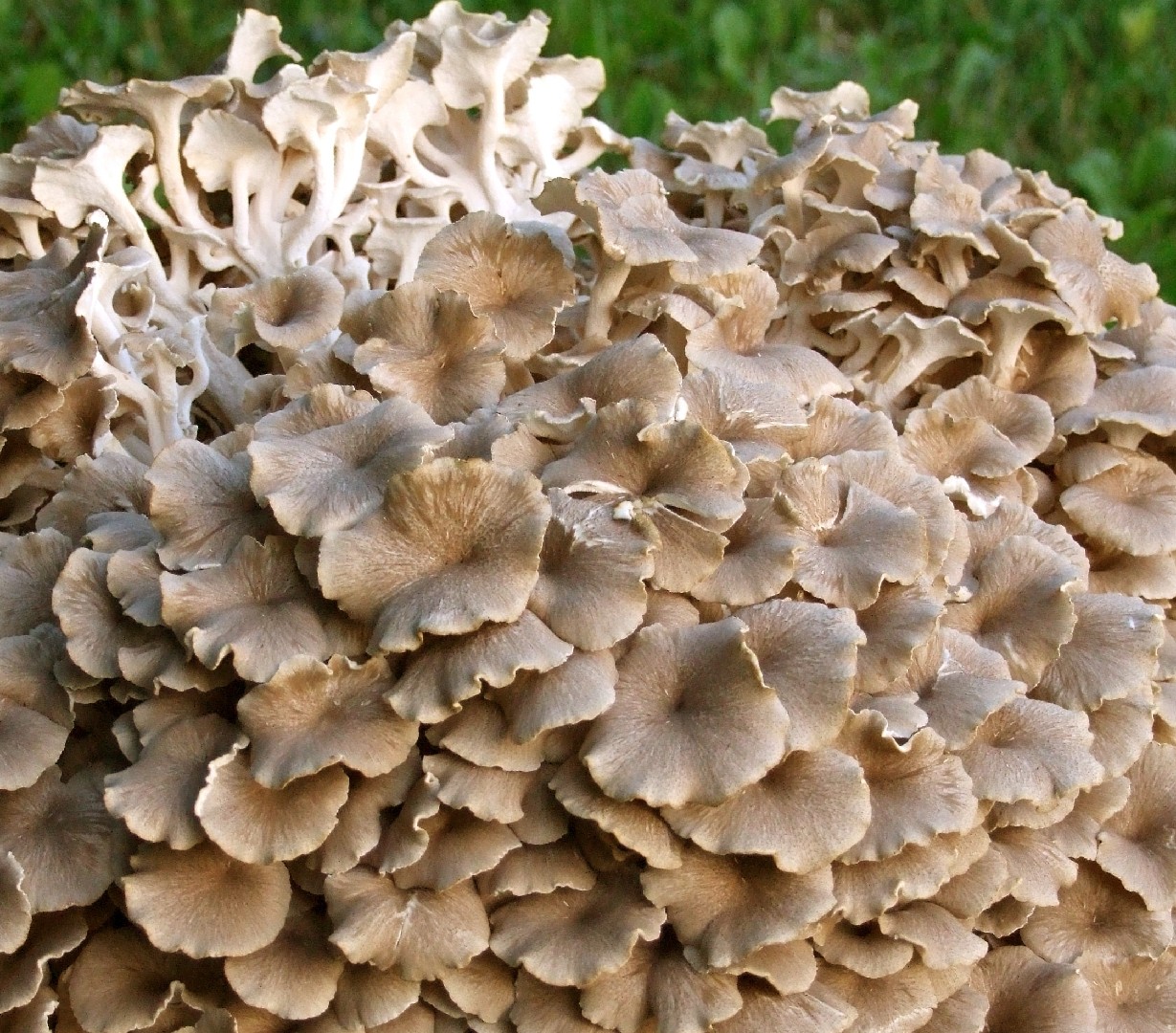
6. Umbrella polypore
The ball of clustered caps produced by the umbrella polypore (Polyporus umbellatus) resembles an extremely large hydrangea flower, blooming at the base of a tree infected by this white-rot fungus. This parasite will usually reappear in summer or autumn in the same place for several years, as long as the host tree stays alive.
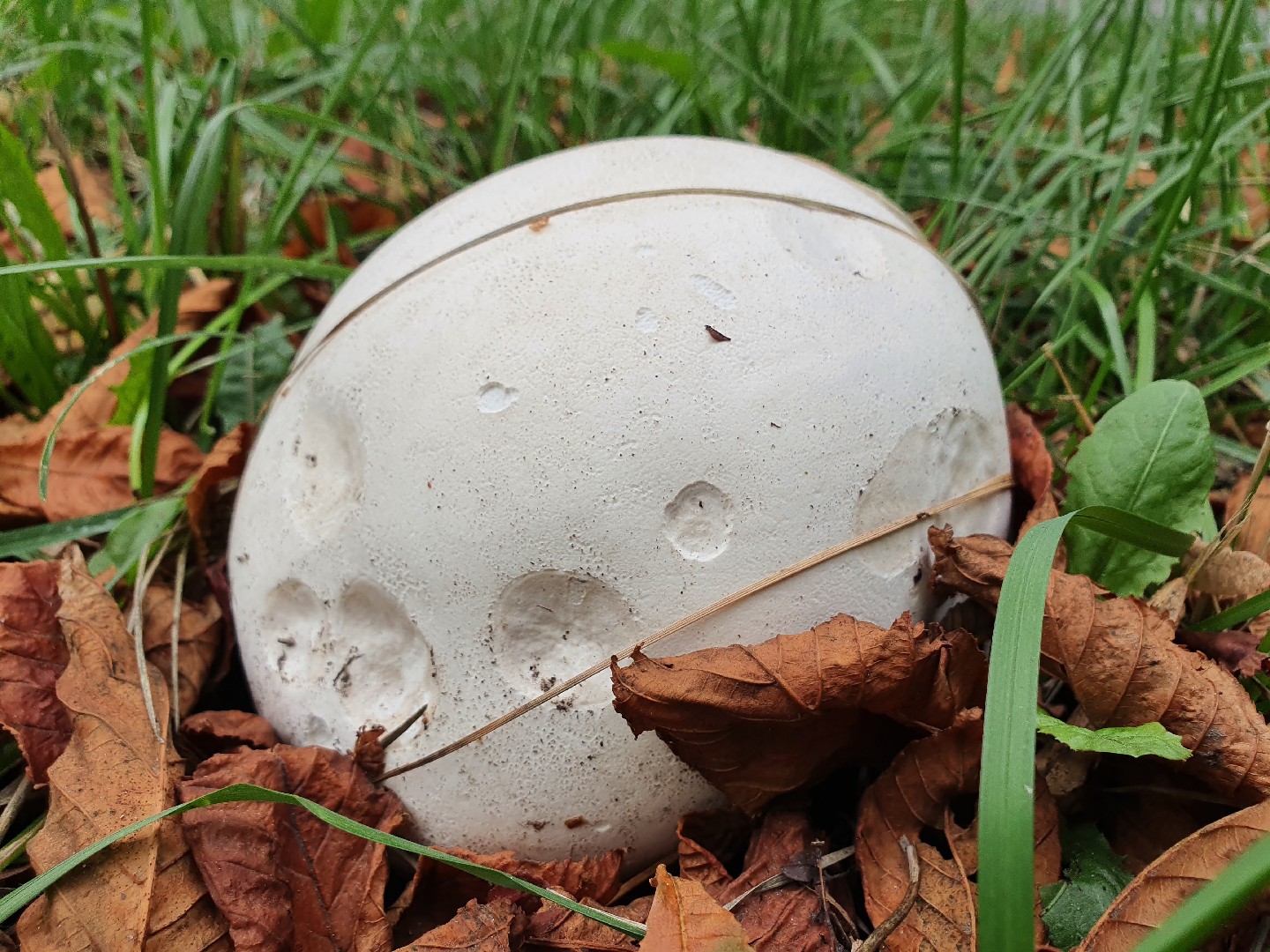
7. Giant puffball
These distinctive round, white fungi appear around the world in fields and at the edges of wooded areas. Living up to its name, a single giant puffball can grow as large as a watermelon. They have no stems, and produce trillions of spores that release into the air through holes in “puffs.” They have been used as slow-burning tinder and produce copious smoke when set aflame. Giant puffballs are technically edible, but should only be consumed when the mushroom is young and firm.
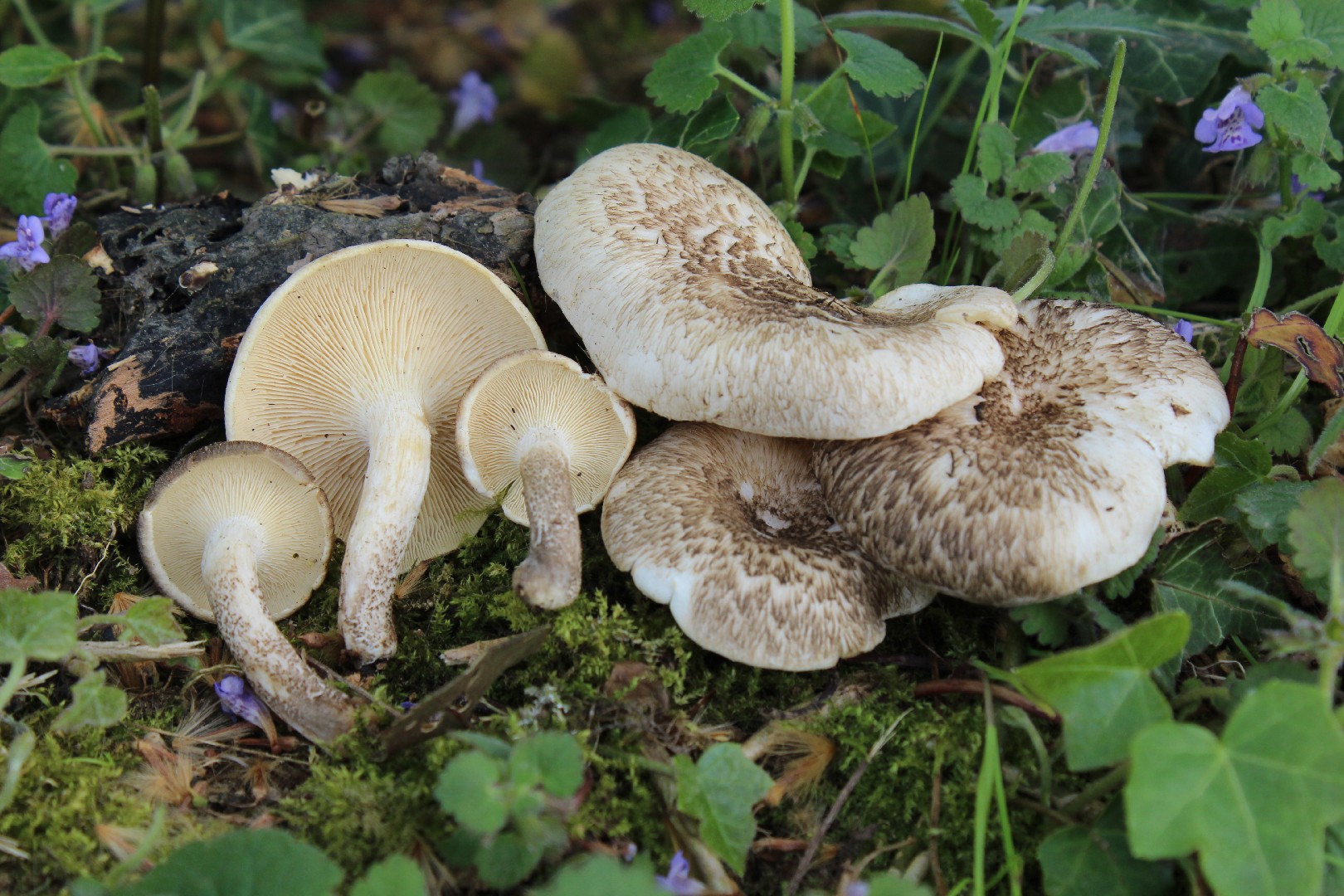
8. Tiger sawgill
The tiger sawgill (Lentinus tigrinus) is a small mushroom with a name that is not particularly accurate. Sporting neither the color nor the pattern that we commonly associate with the tiger, it has a subdued, pale cap that is usually covered in brown patches. The eighteenth-century European that named the species may have been thinking of a leopard.
9. Silky sheath
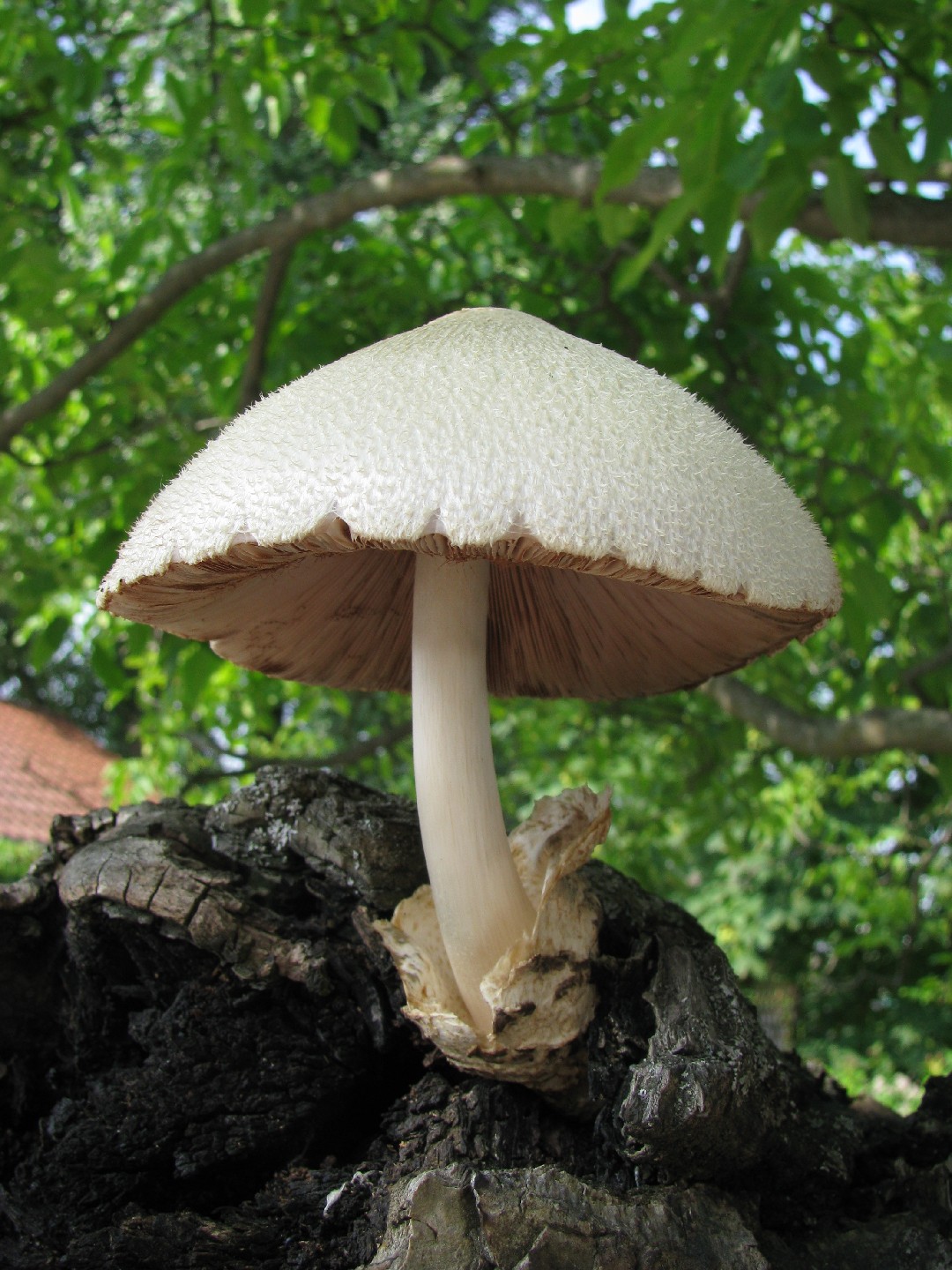
Silky sheaths (Volvariella bombycina) are widely distributed, being found in temperate and sub-tropical forests around the world, but rare. The fruitbody emerges from a silky-textured volva, and the mushroom's white or off-white cap is usually quite smooth as well. One of this species' favored microhabitats is the rotted knotholes of mature maples, elms, oaks, or beeches.
10. Goblet
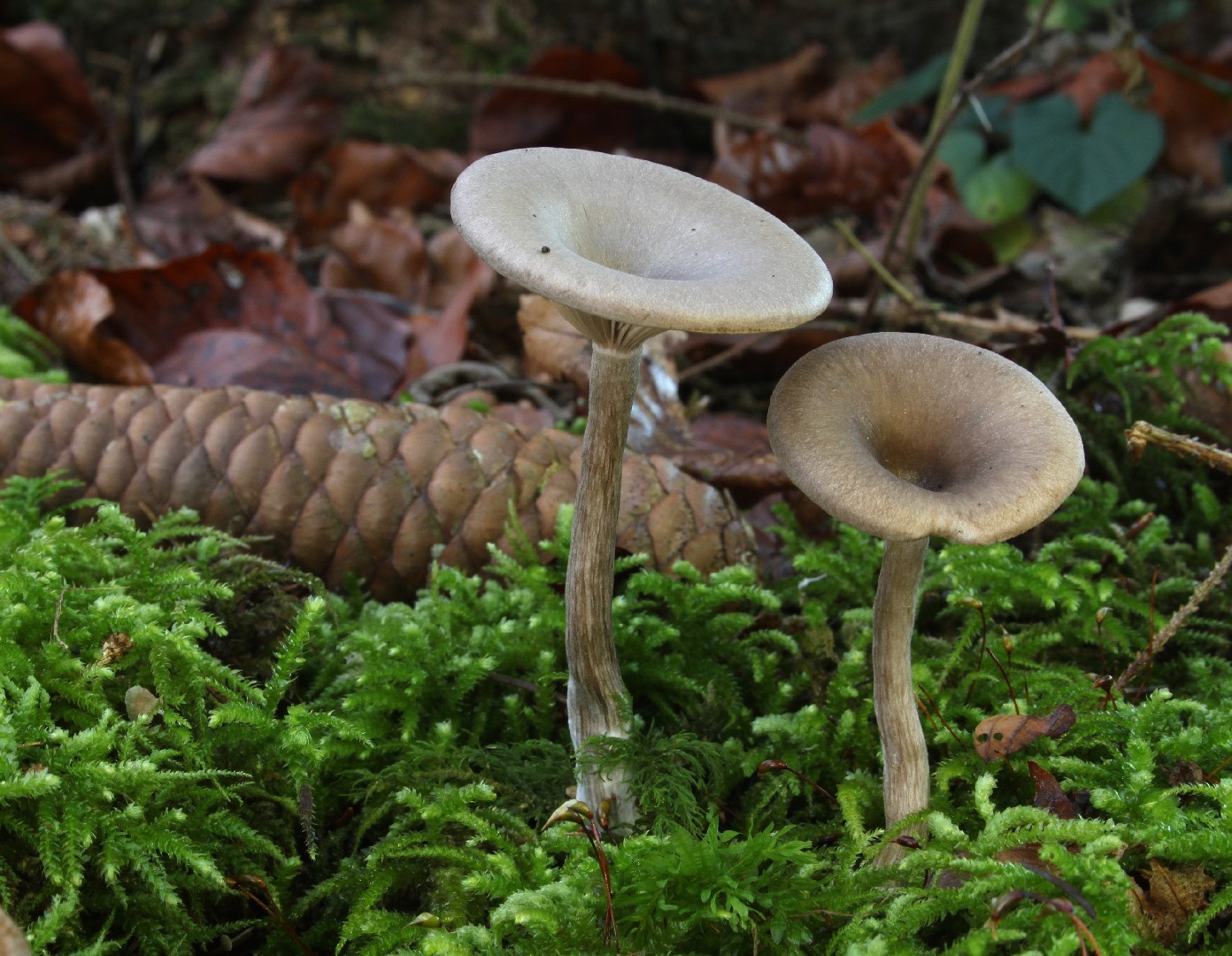
This distinctively-shaped mushroom can be found pushing up tall through the detritus on forest floors all around the northern hemisphere during the late autumn. The goblet's edibility is not well known, and it looks very similar to the poisonous clitocybe rivulosa.

More







