




Top 20 Edible Mushrooms Popular in Valencia
Explore the gastronomic richness of Valencia, a land renowned for its sublime blend of Mediterranean climate and fertile soils, perfect for nurturing a diverse array of edible mushrooms. Join us as we delve into the unique profiles of the 20 most common varieties. Learn about their distinct appearances, flavor profiles, natural habitats, and delectable culinary applications. Each mushroom possesses characteristics that make it an essential element in Valencia's rich culinary arsenal. Understanding them can reveal a new layer of appreciation for local culinary traditions. Let's start this enlightening journey with our list of 20 most commonly found edible mushrooms in Valencia.
* Disclaimer: Content feedback CAN NOT be used as any basis for EATING ANY PLANTS. Some plants can be VERY POISONOUS, please purchase edible plants through regular channels.

Most Popular Edible Mushrooms
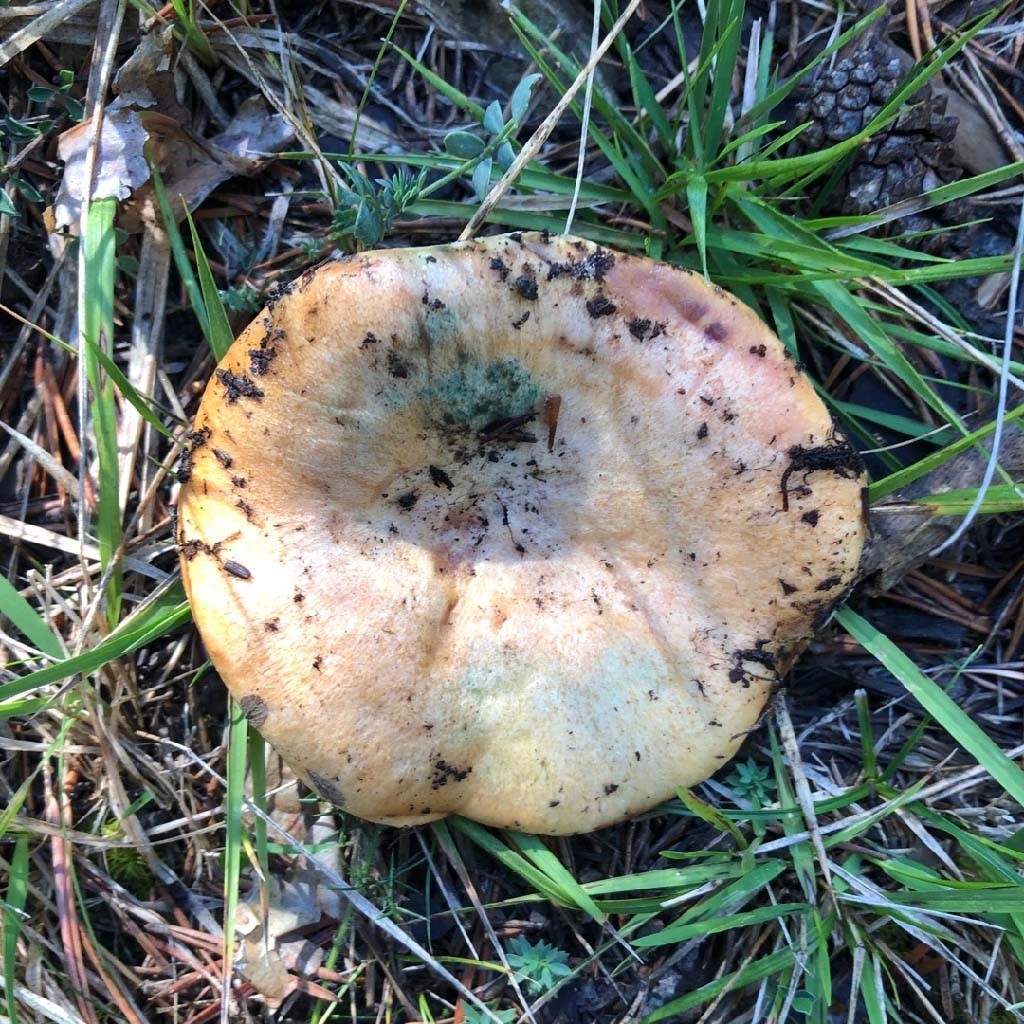
1. Bloody milk cap
Bloody milk cap (Lactarius sanguifluus) has a distinctive appearance with its pale exterior but a deep blood-red interior, for which it is named. This mushroom can be found in pine forests where it grows in a mycorrhizal relationship with the trees. Bloody milk cap is known to accumulate large quantities of toxic heavy metals.
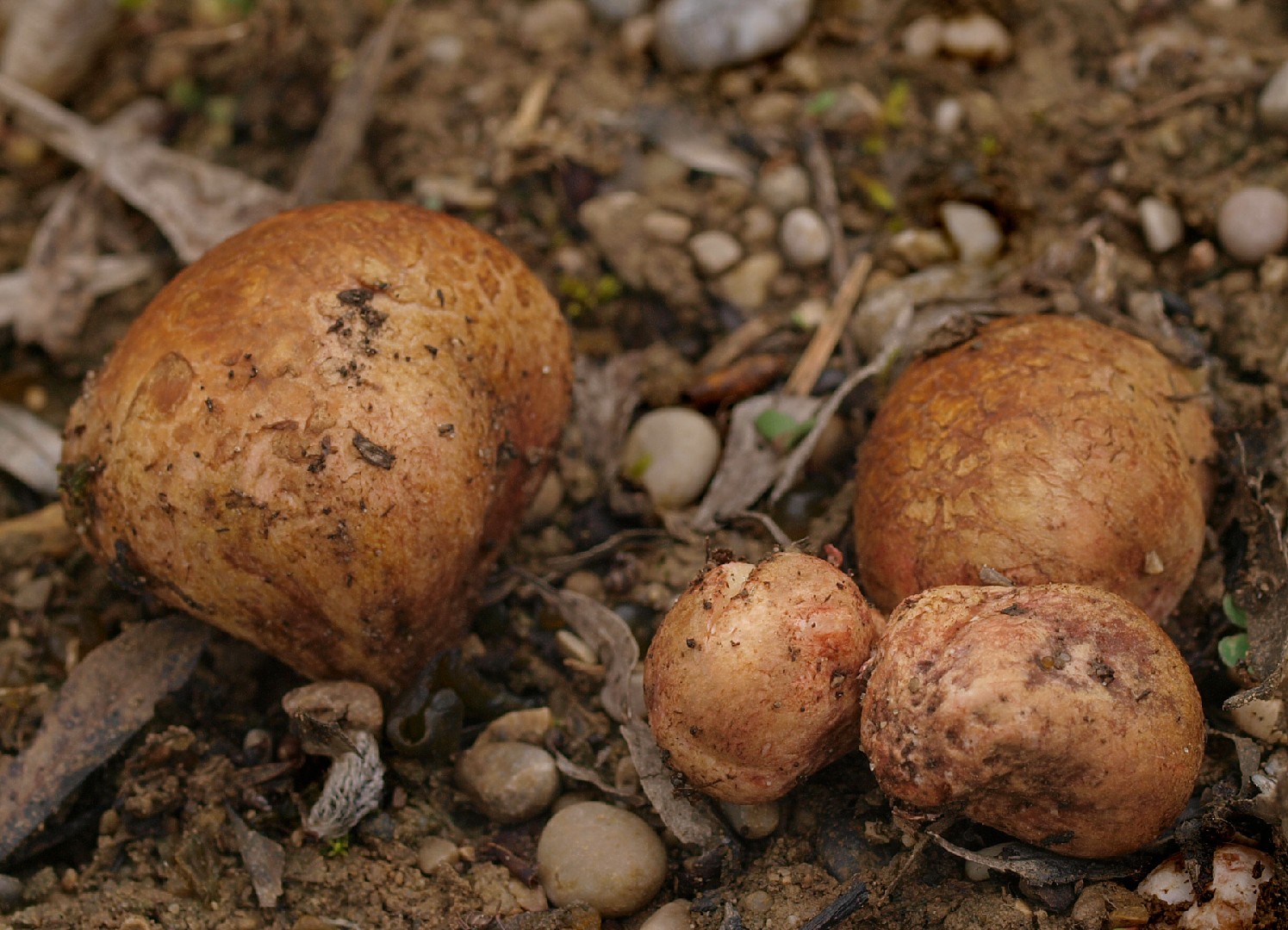
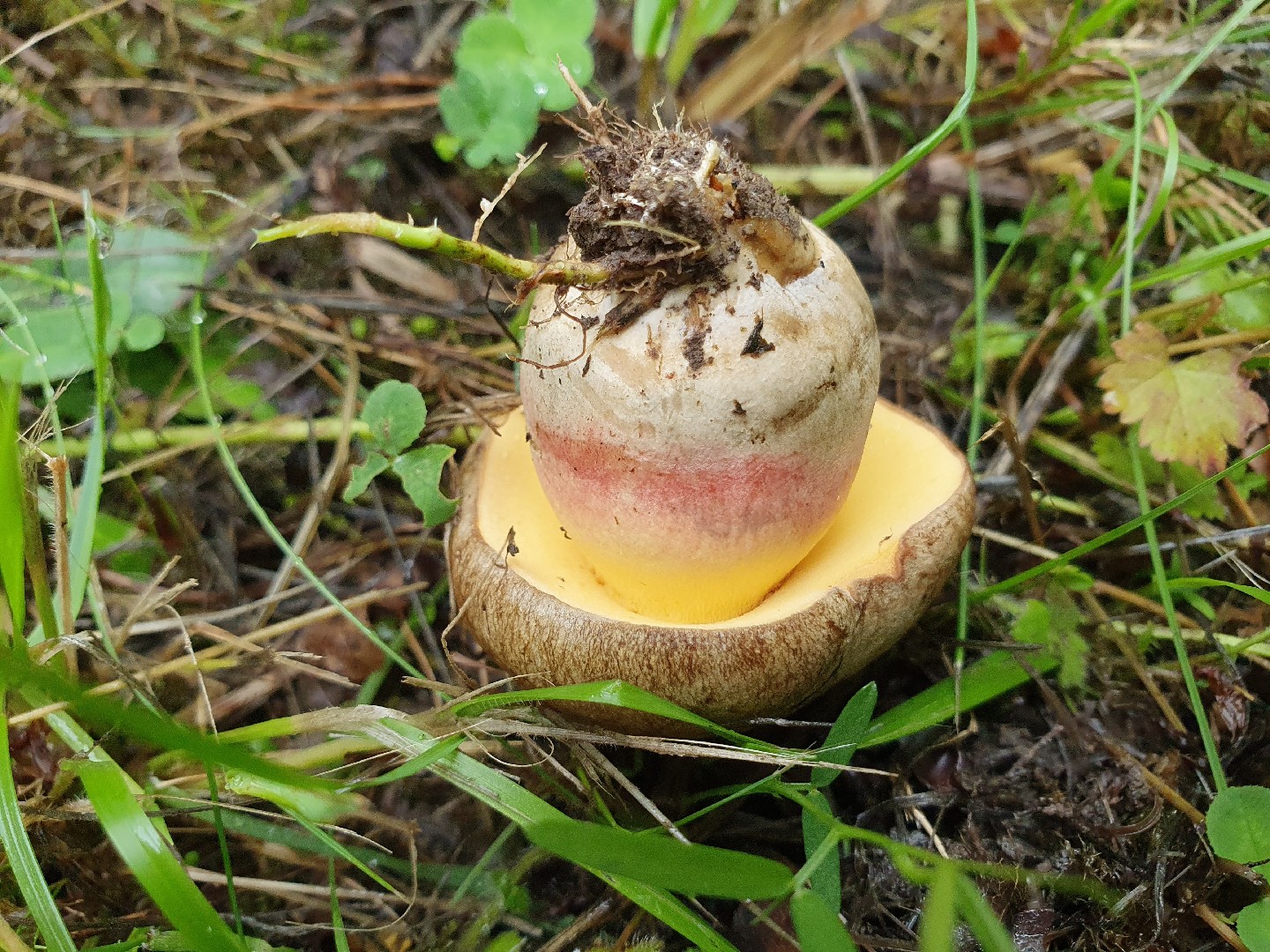
2. Blushing beard truffle
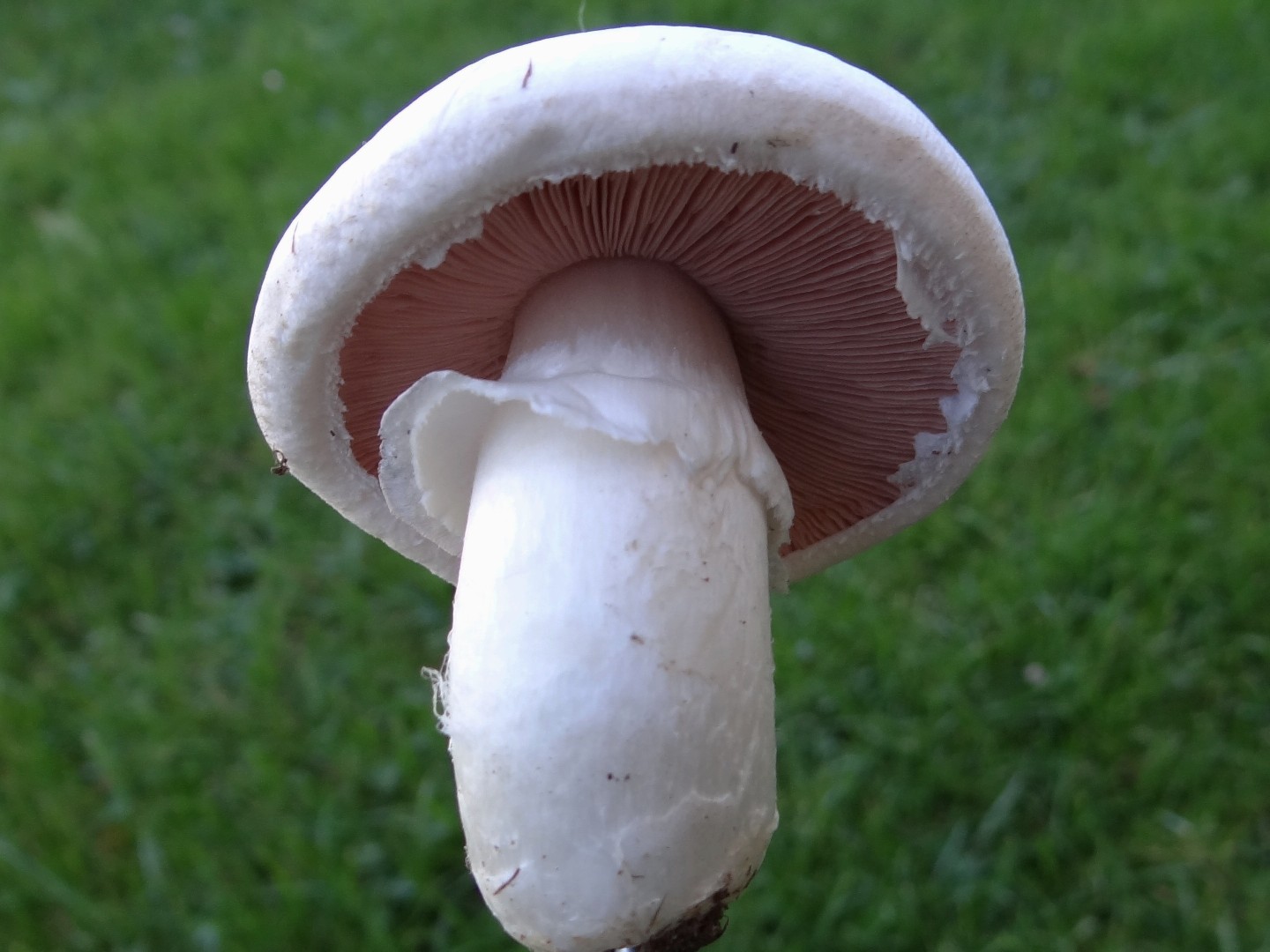
3. Button mushroom
Most of the mushrooms sold in supermarkets in the US are cultivated forms of the button mushroom. The white variants are sold as "button mushrooms", the brown as "cremini" or "baby bellas", and full-grown caps as "portobellas." They occur quite infrequently in the wild, in grassy fields around the Northern Hemisphere.
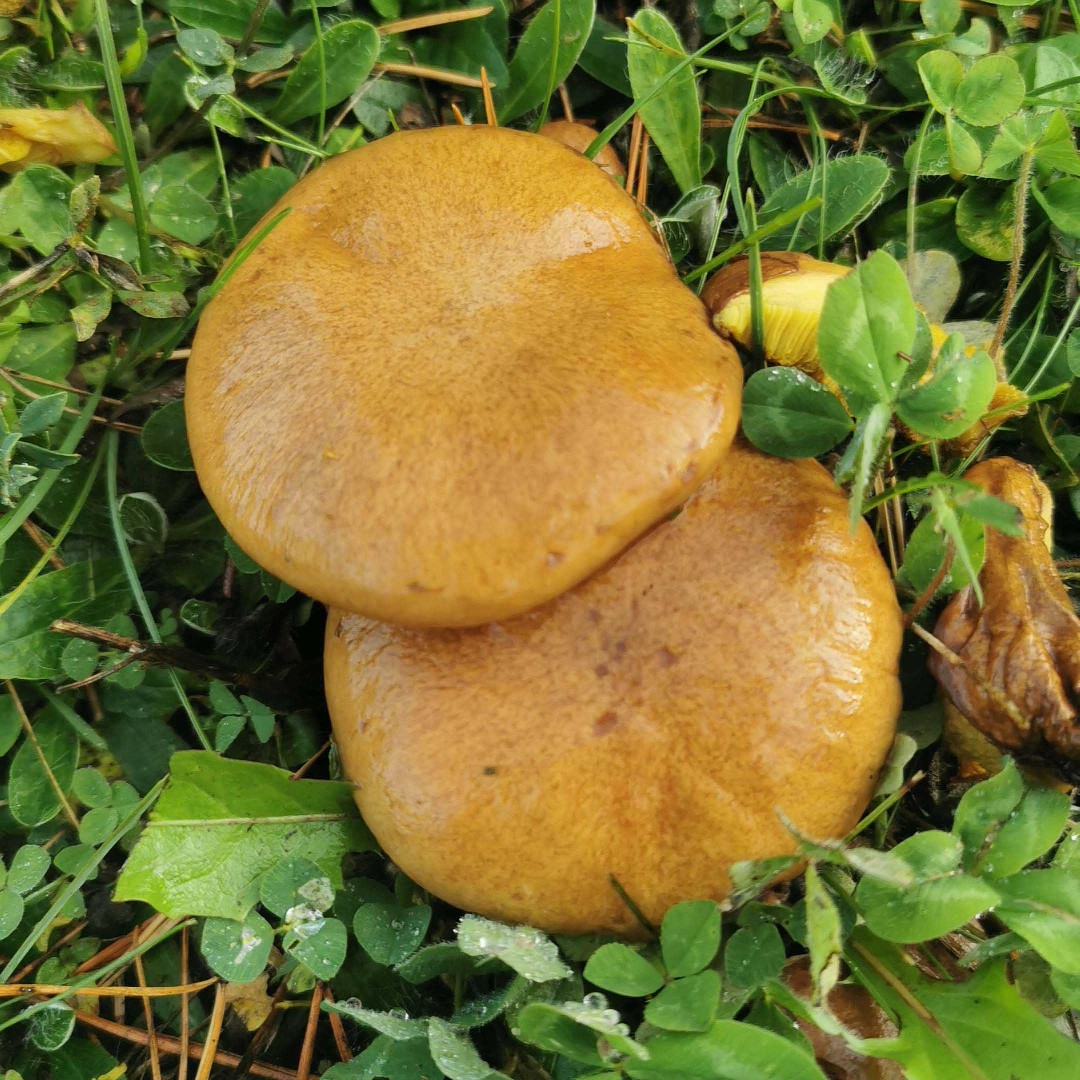
4. Suillus collinitus
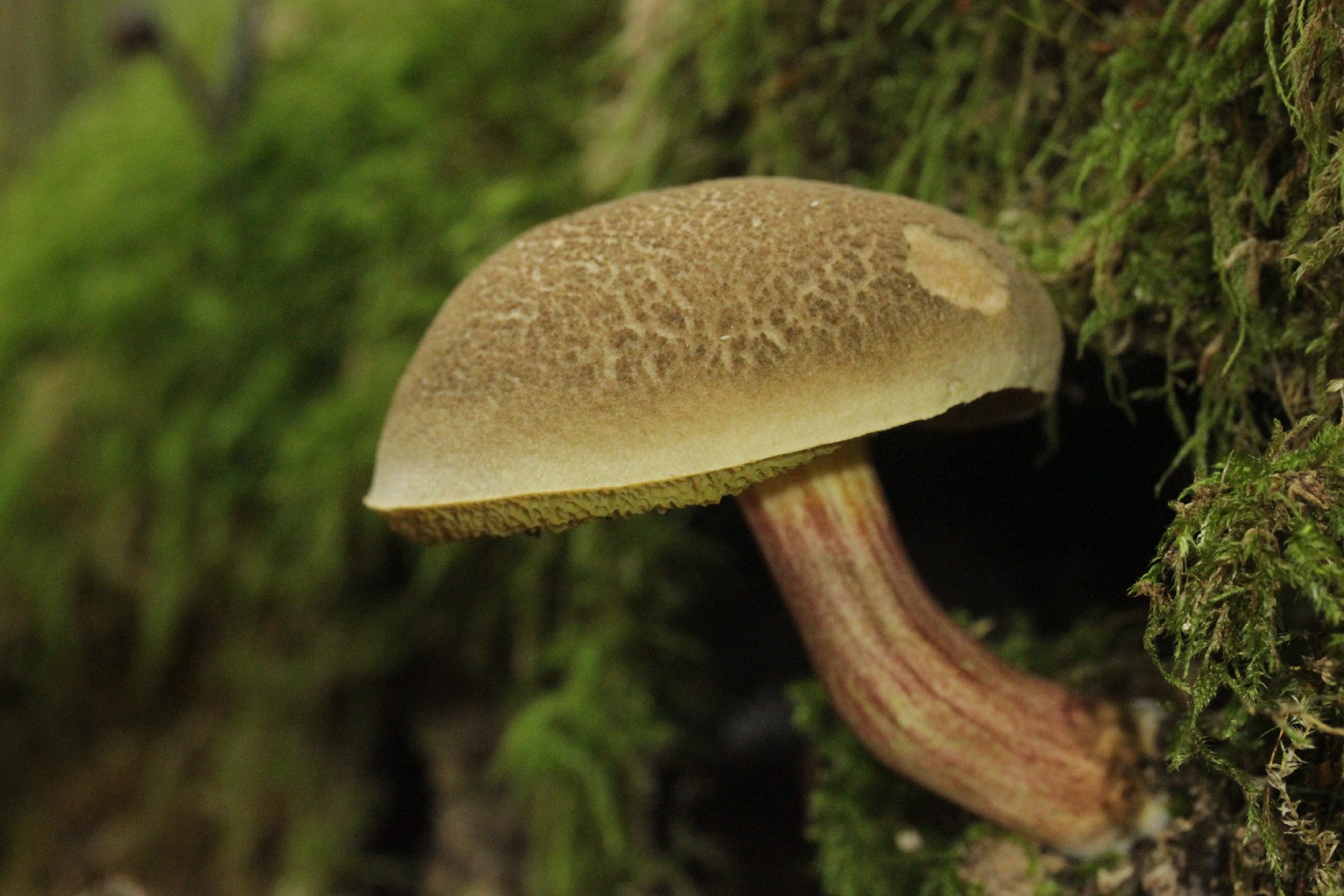
Suillus collinitus is a mushroom that grows in a symbiotic relationship with pine trees, particularly the Aleppo pine. This fungus is sometimes introduced to young pine trees to help them to become established in poor soils. It was listed as an endangered species in the United Kingdom, but its 'vulnerable' classification was removed from that nation's Red Data List in 2006.
5. Lurid bolete
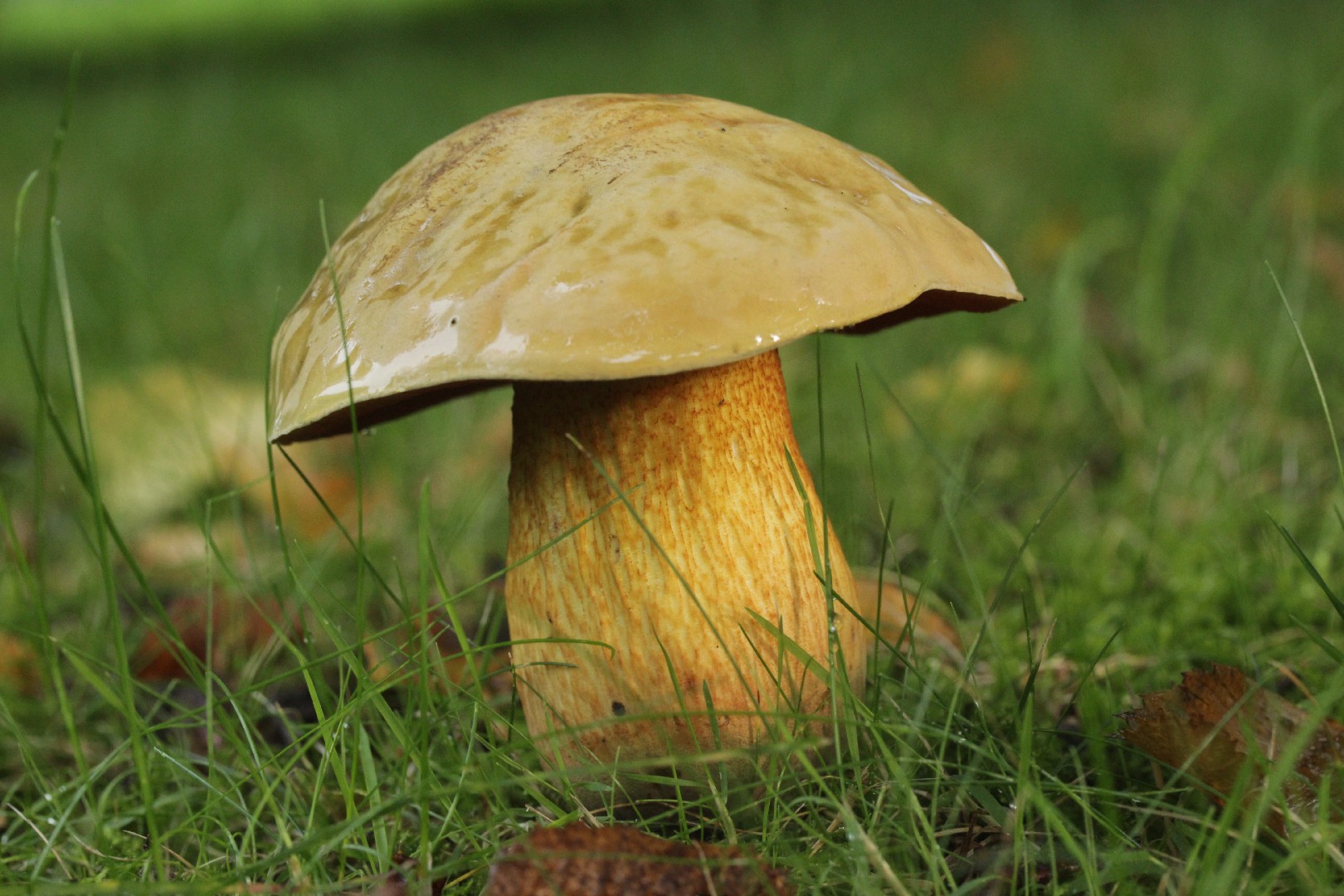
Once considered a member of the Boletus genus, the lurid bolete is a mushroom that is best avoided. Inexperienced mushroom hunters could easily confuse it with the severely poisonous European species Satan's bolete (Rubroboletus satanas) or its North American cousin Rubroboletus eastwoodiae. When cut, the stem of this bolete goes dark blue. Its smell is a bit sour.
6. Saffron milk cap
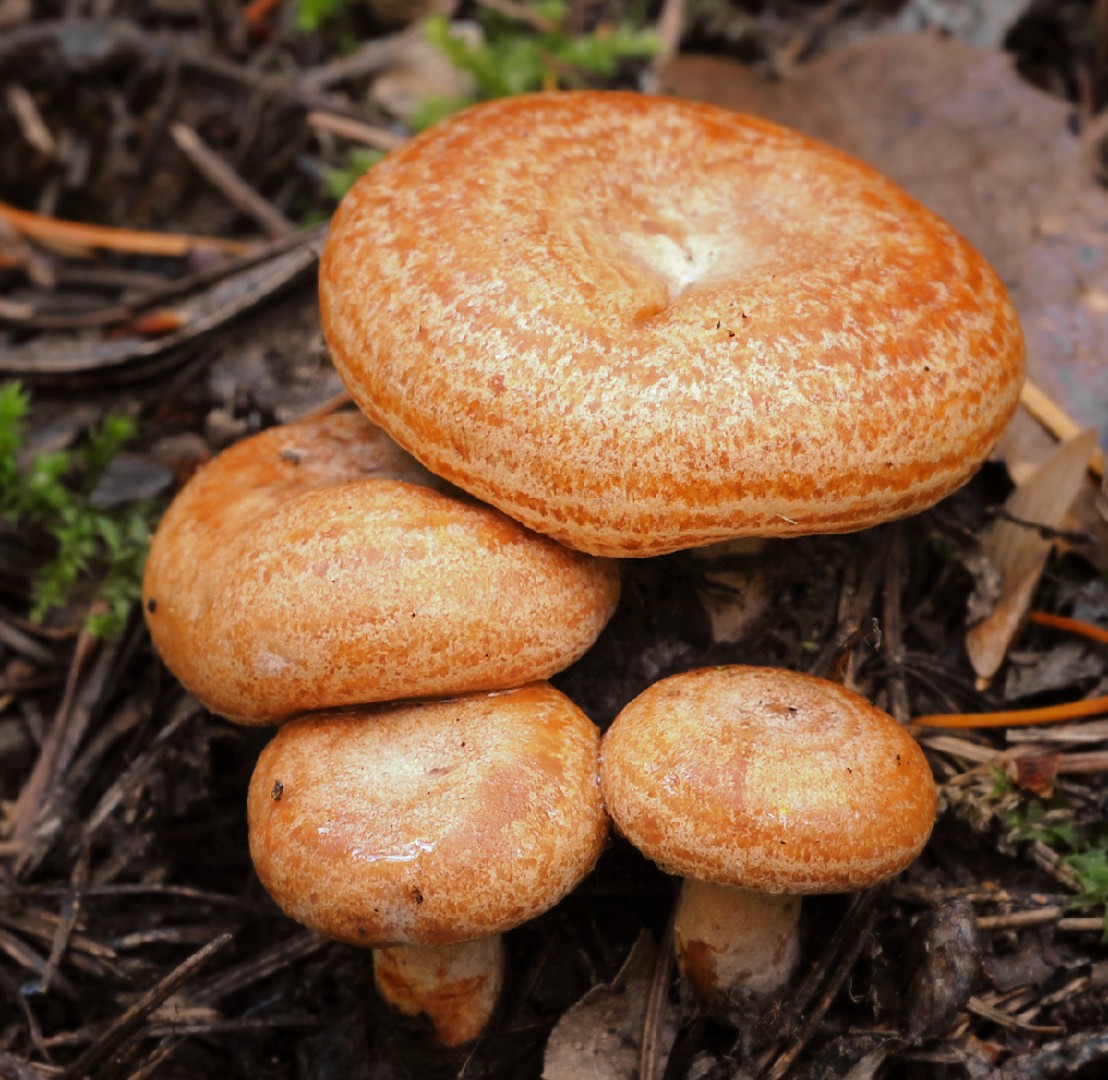
Growing wild in the northern hemisphere and introduced to Australia, the saffron milk cap is found in pine forests during autumn. As the name implies, these mushrooms have been harvested for cooking for a long time. They have been known to cause stomach upset in some individuals, however, and carry a risk of being contaminated with heavy metals, so forage with caution.

7. Torq
The torq (Agaricus bitorquis) is a white-capped agaric that bears a resemblance to, and is closely related to, the commonly-eaten button mushroom (Agaricus bisporus). This hardy, generalist species does well even in urban environments - their white fruiting bodies can be seen poking up through woodchips, mulch, sidewalk cracks, and even asphalt.
8. Meadow mushroom
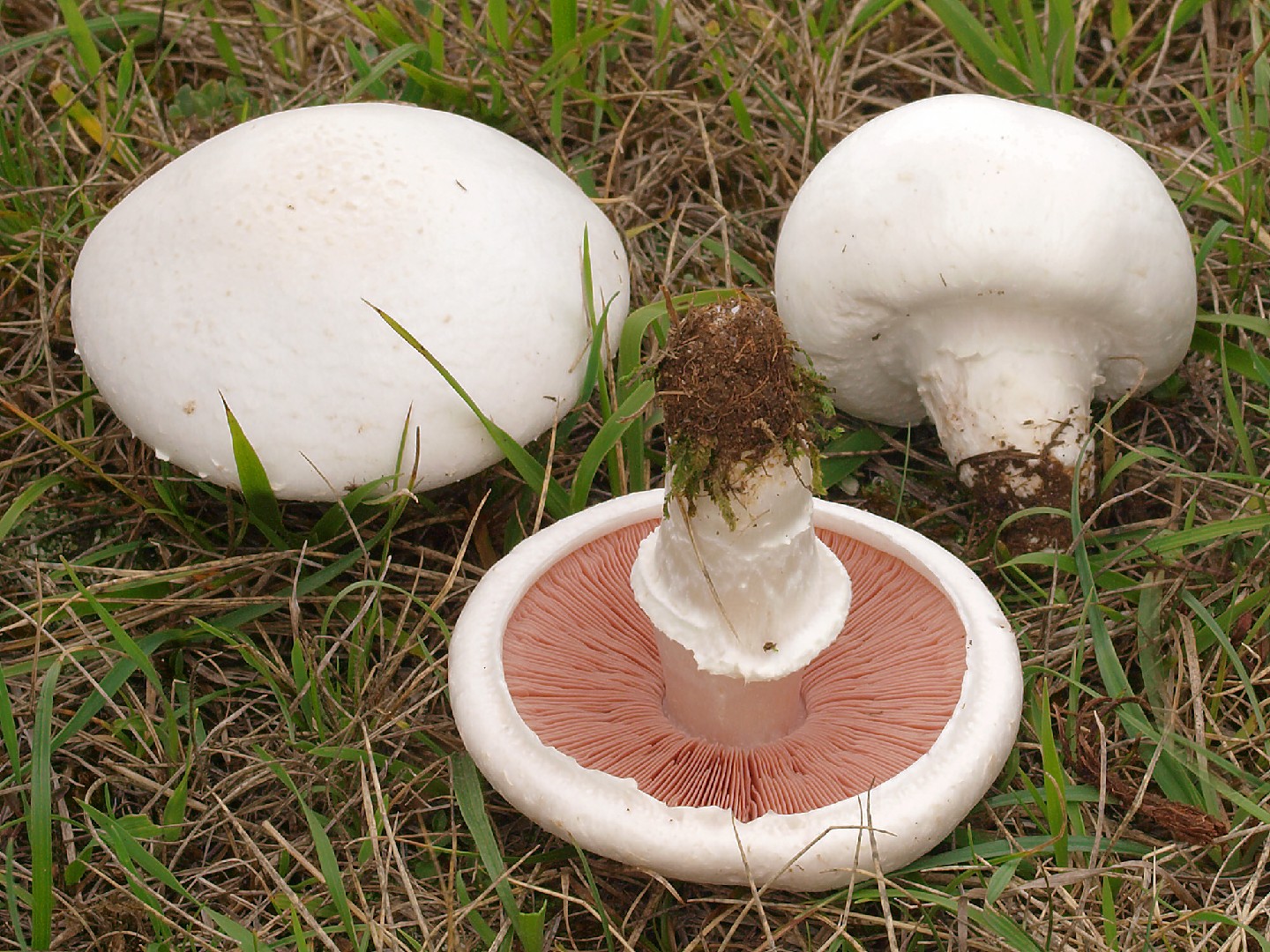
The meadow mushroom grows in meadows and pastures around the world—especially those rich in manure—when the weather is warm and wet. They are known to appear in “fairy ring” shapes. Originally identified in Europe, it is possible that North American specimens identified as meadow mushrooms may genetically belong to other species.
9. Copper spike
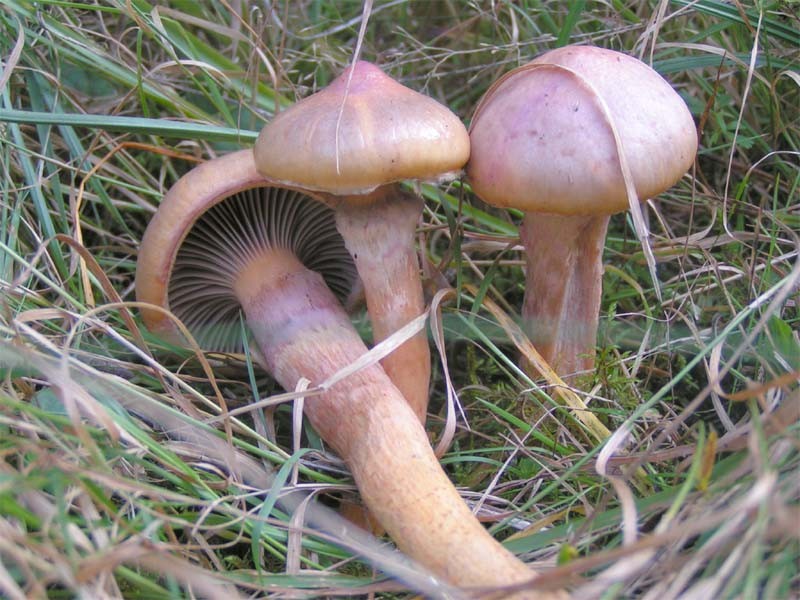
A European fungus, the copper spike is is visually almost indistinguishable from its North American counterpart - Chroogomphus ochraceus, although molecular studies have shown that these two are different species. Its cap becomes slimy when wet, hence the common name. The cap color is highly variable and it can range from yellowish, to orange, purplish, reddish, and brown.
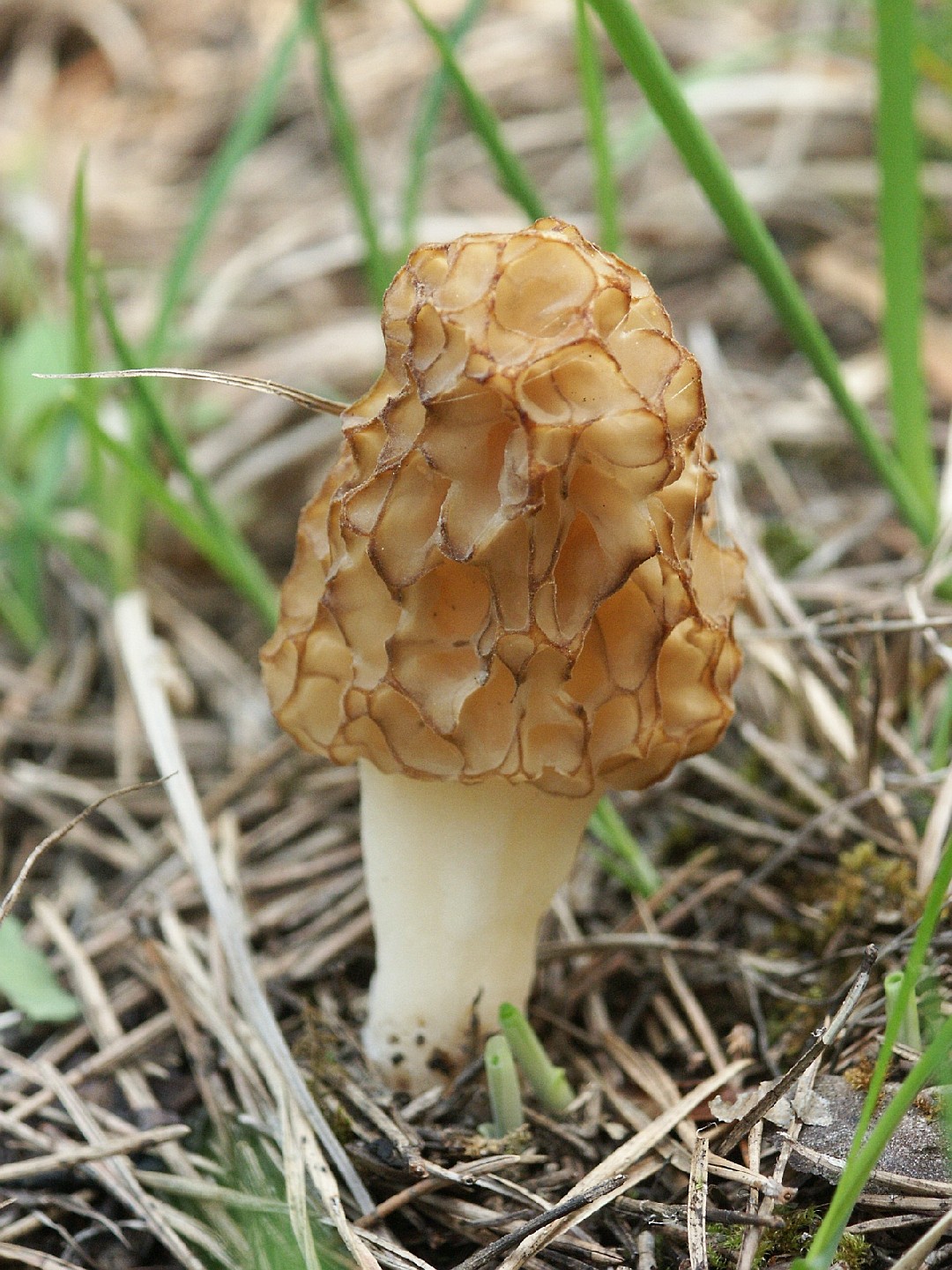
10. Yellow morel
The yellow morel (Morchella esculenta) is one of the most iconic and sought-after species of edible mushrooms. It is often one of the first species that novice mushroom gatherers will hunt for. Yellow morels have elongated caps that are "honeycombed", being filled with roughly polygonal holes. Splitting them down the middle reveals them to be hollow on the inside, a key feature that distinguishes them from toxic false morels. Experts recommend cooking or boiling this mushroom before consumption, as raw morels may cause an upset stomach.


More







