




Top 20 Edible Mushrooms Popular in Castellon de la Plana
Castellon de la Plana, nestled within Spain's Valencia region, boasts a rich biodiverse ecosystem that nurtures a variety of exquisite mushrooms. With its warm, humid climate and a varying terrain, Castellon de la Plana makes an idyllic habitat for mycology enthusiasts. In this informative compilation, we uncover the top 20 most common edible mushrooms prevalent in this city. Each mushroom featured will detail unique attributes such as appearance, taste, and culinary uses. Dive into this enchanting world of fungi and they may just become your next favorite ingredient.
* Disclaimer: Content feedback CAN NOT be used as any basis for EATING ANY PLANTS. Some plants can be VERY POISONOUS, please purchase edible plants through regular channels.

Most Popular Edible Mushrooms
1. Bloody milk cap
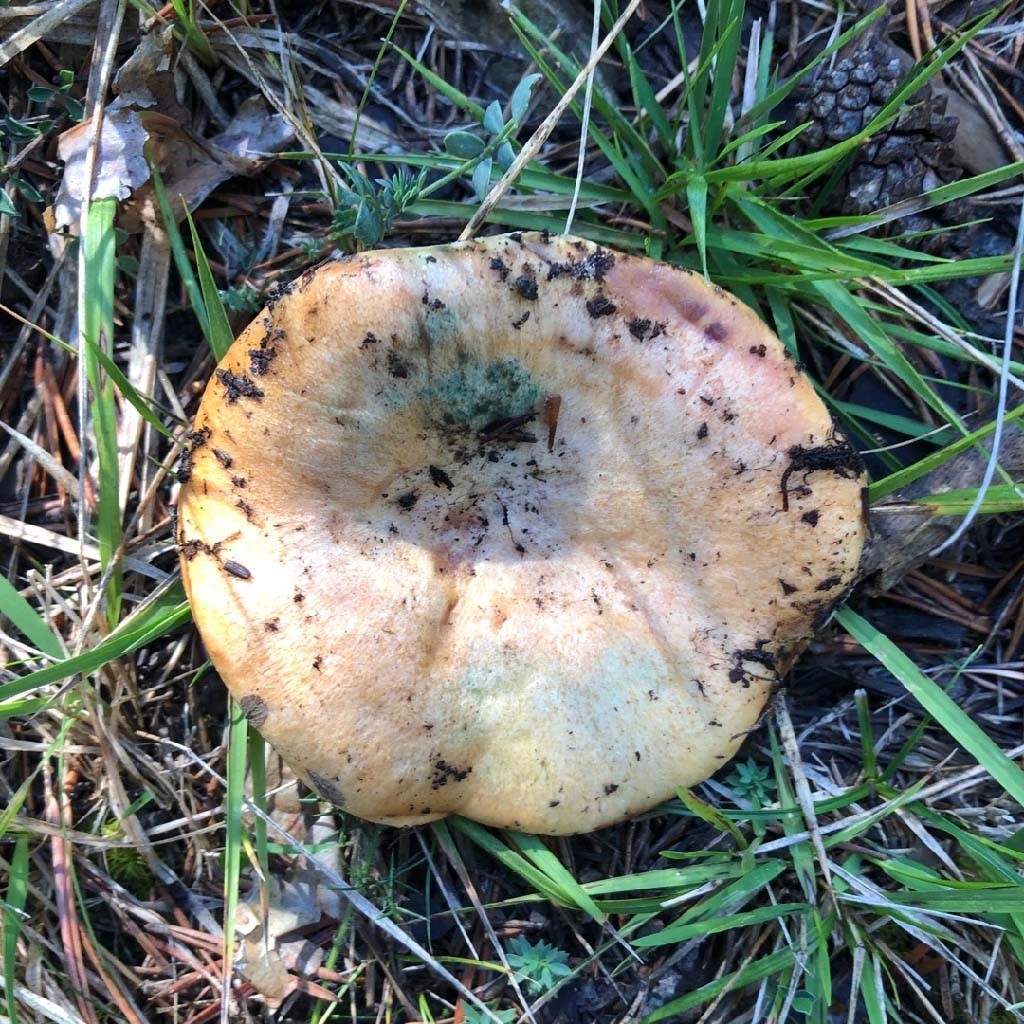
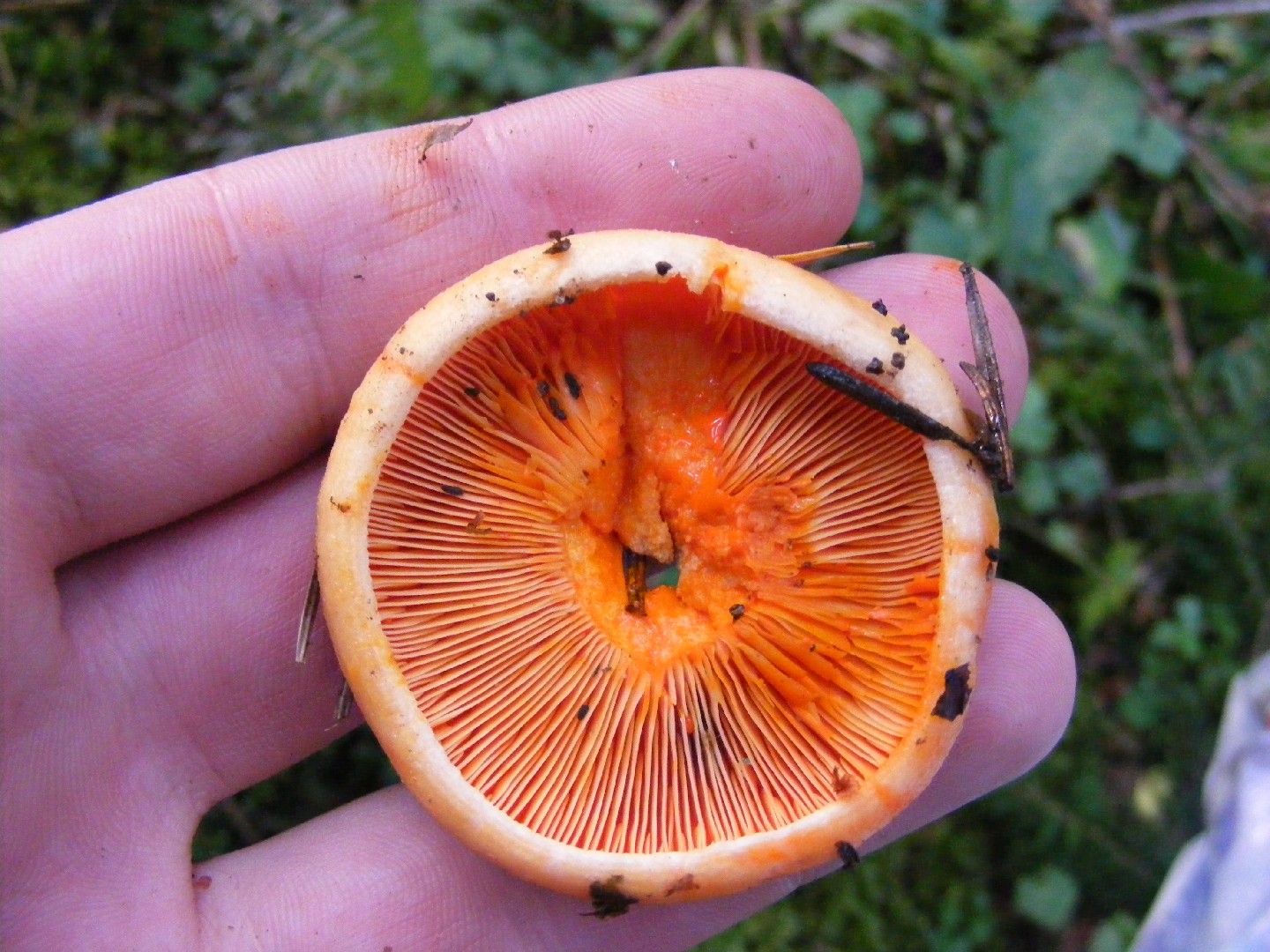
Bloody milk cap (Lactarius sanguifluus) has a distinctive appearance with its pale exterior but a deep blood-red interior, for which it is named. This mushroom can be found in pine forests where it grows in a mycorrhizal relationship with the trees. Bloody milk cap is known to accumulate large quantities of toxic heavy metals.
2. Saffron milk cap
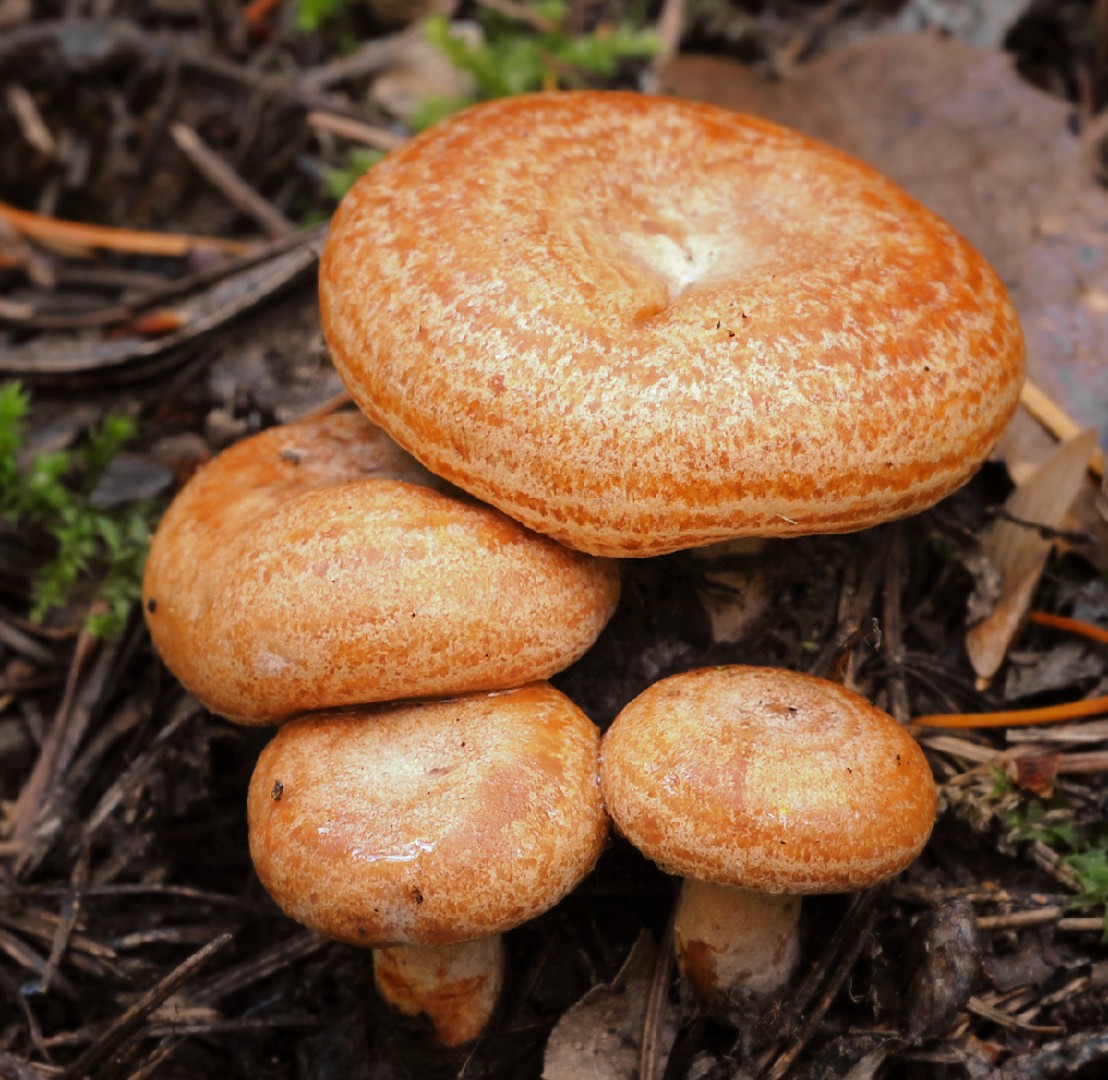
Growing wild in the northern hemisphere and introduced to Australia, the saffron milk cap is found in pine forests during autumn. As the name implies, these mushrooms have been harvested for cooking for a long time. They have been known to cause stomach upset in some individuals, however, and carry a risk of being contaminated with heavy metals, so forage with caution.
3. Dead man's foot
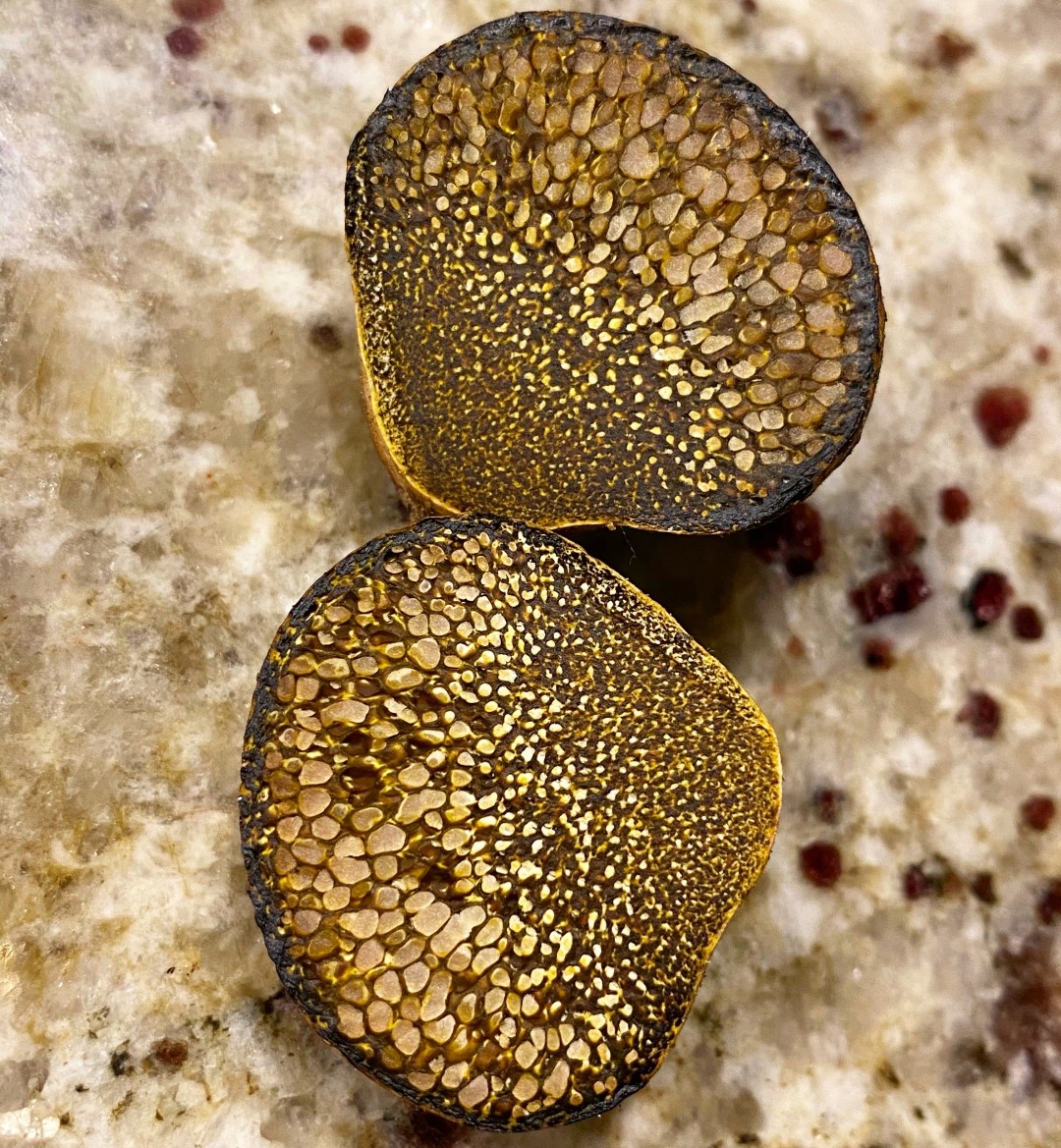
Dead man's foot (Pisolithus arhizus) actually bears a number of colorful names stemming from its unusual appearance, such as the horse dung fungus (Australia). It can be distilled into a viscous black gel, which is then used as a natural dye for clothing. It is considered to be inedible.
4. Blusher
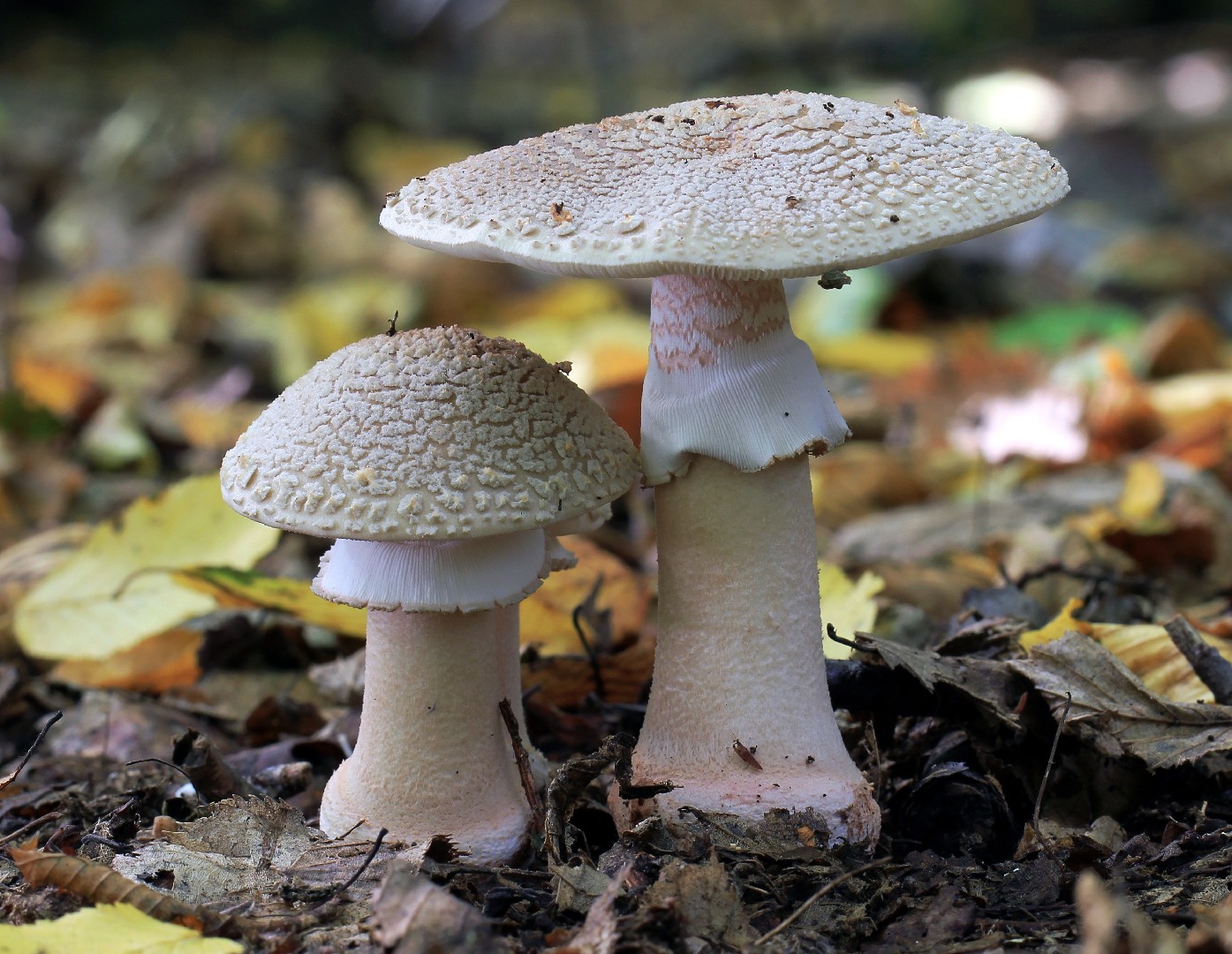
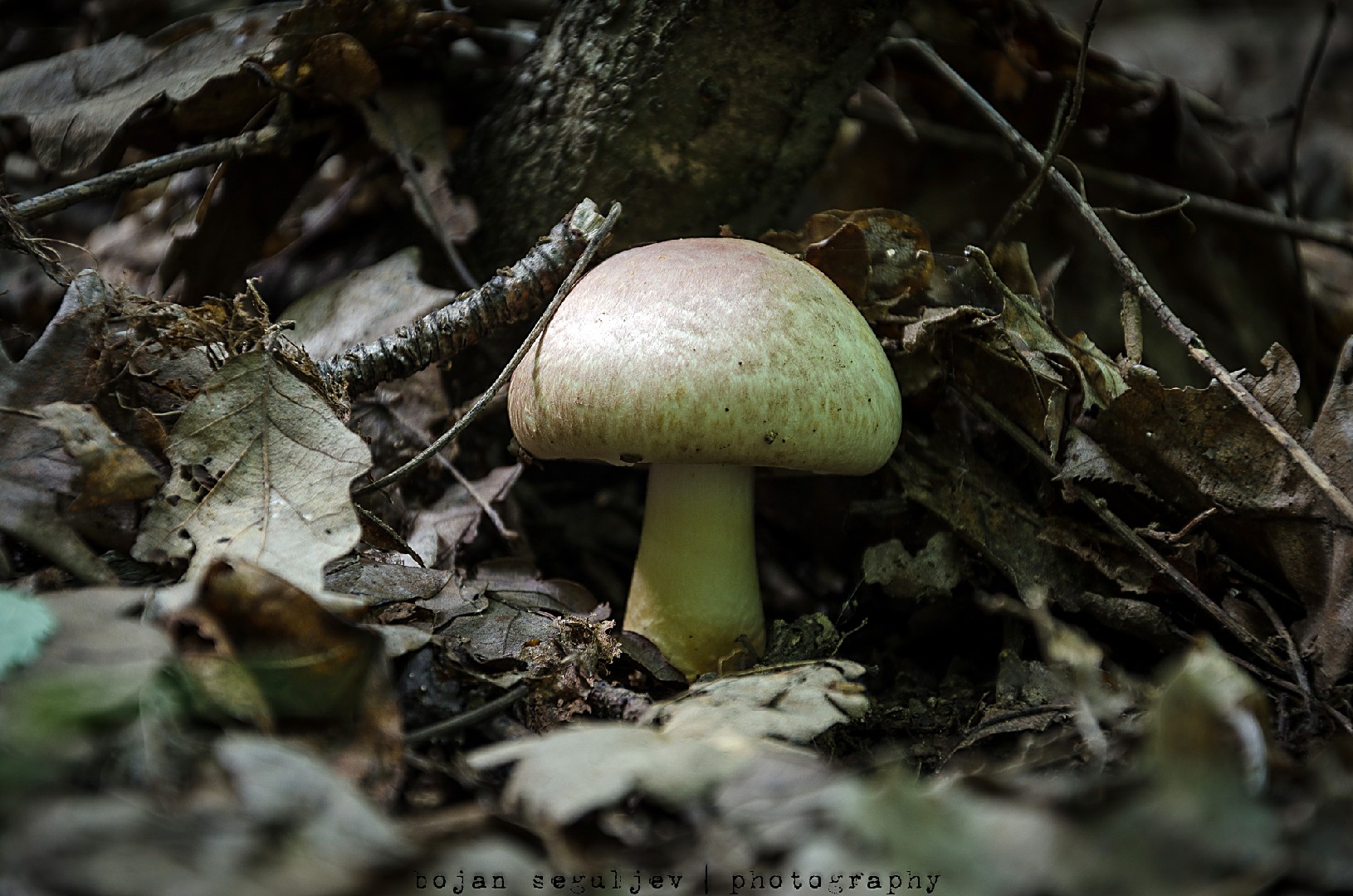
The blusher mushroom is so named because it “blushes” to a pinkish red color when cut or bruised. It is found in many countries around the world, although it may not be native to the southern hemisphere. It contains a hemolytic toxin that can cause anemia if eaten.
5. Lilac mushroom
6. Blewit
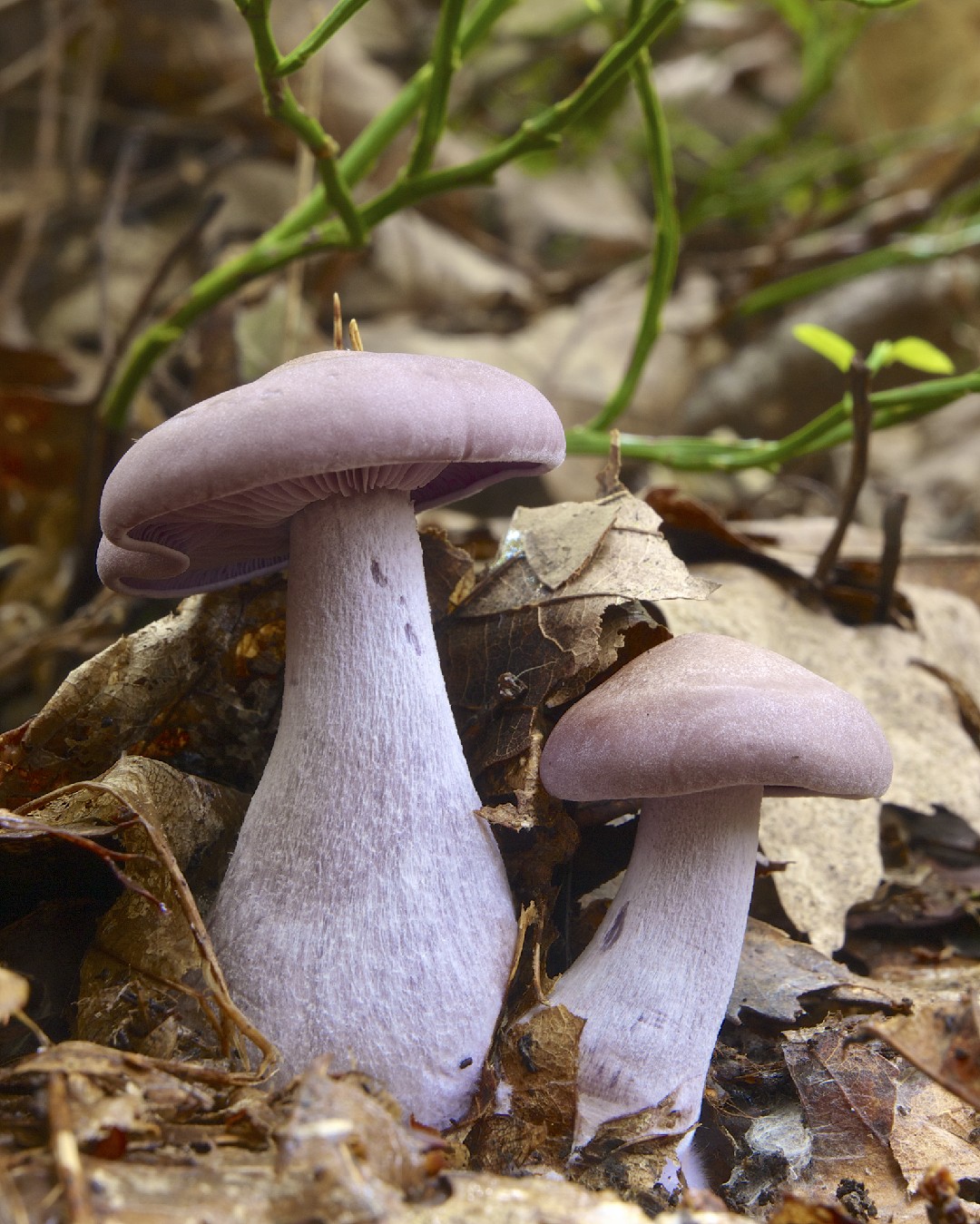
The blewit mushroom grows in fallen leaves in autumn and winter, sometimes appearing in ‘fairy ring’ circles. It can be used to make a green dye when chopped and boiled in an iron pot. The scientific name, Lepista nuda, derives from Latin words meaning “bare goblet,” a reference to the shape and texture of the mushroom.
7. Blushing beard truffle
8. Copper spike
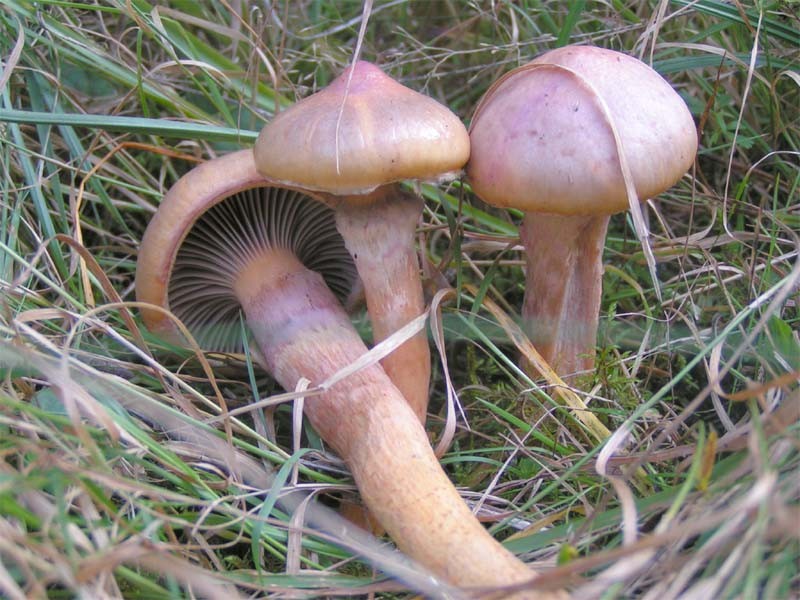
A European fungus, the copper spike is is visually almost indistinguishable from its North American counterpart - Chroogomphus ochraceus, although molecular studies have shown that these two are different species. Its cap becomes slimy when wet, hence the common name. The cap color is highly variable and it can range from yellowish, to orange, purplish, reddish, and brown.
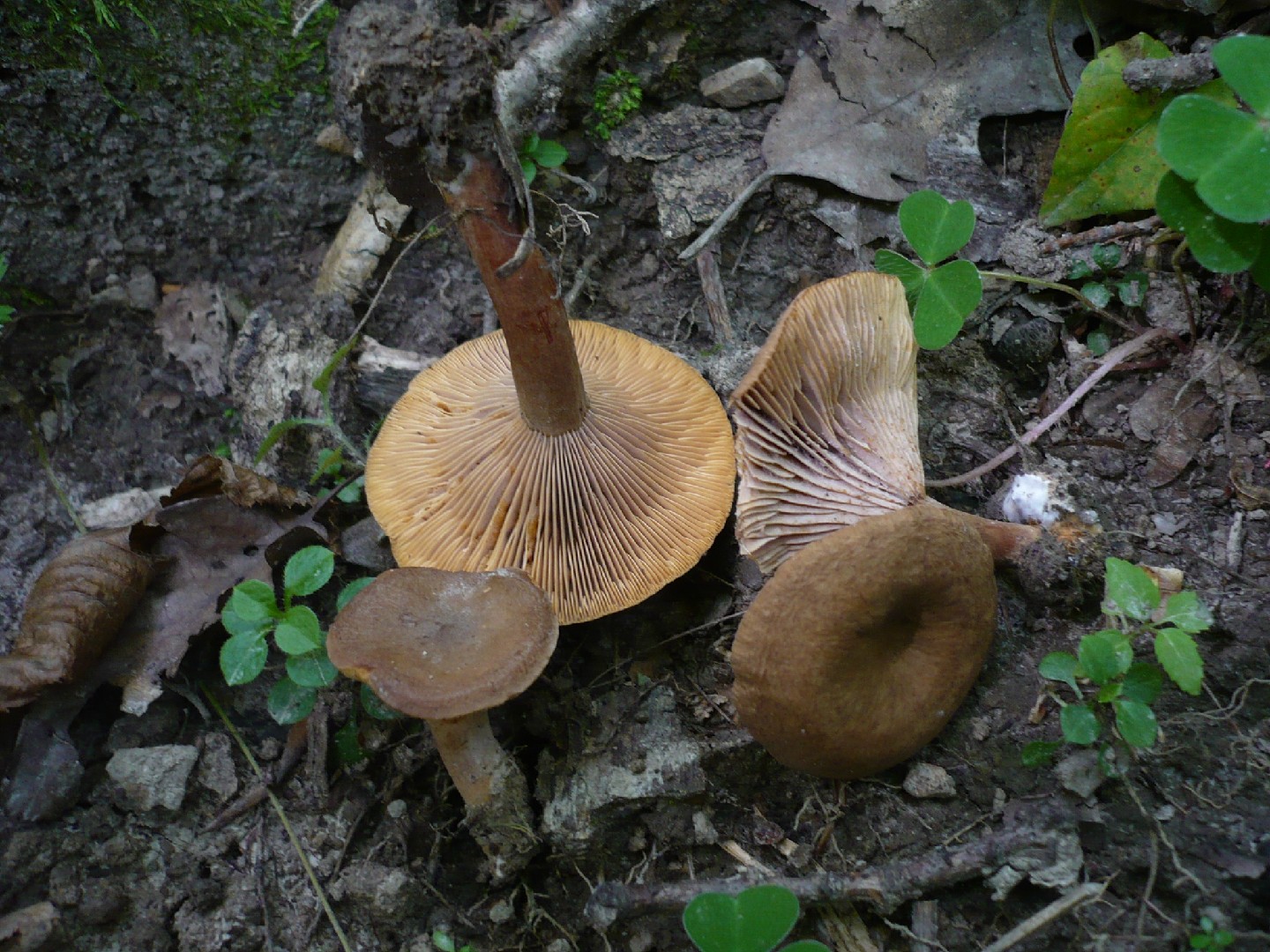
9. Lactarius subumbonatus
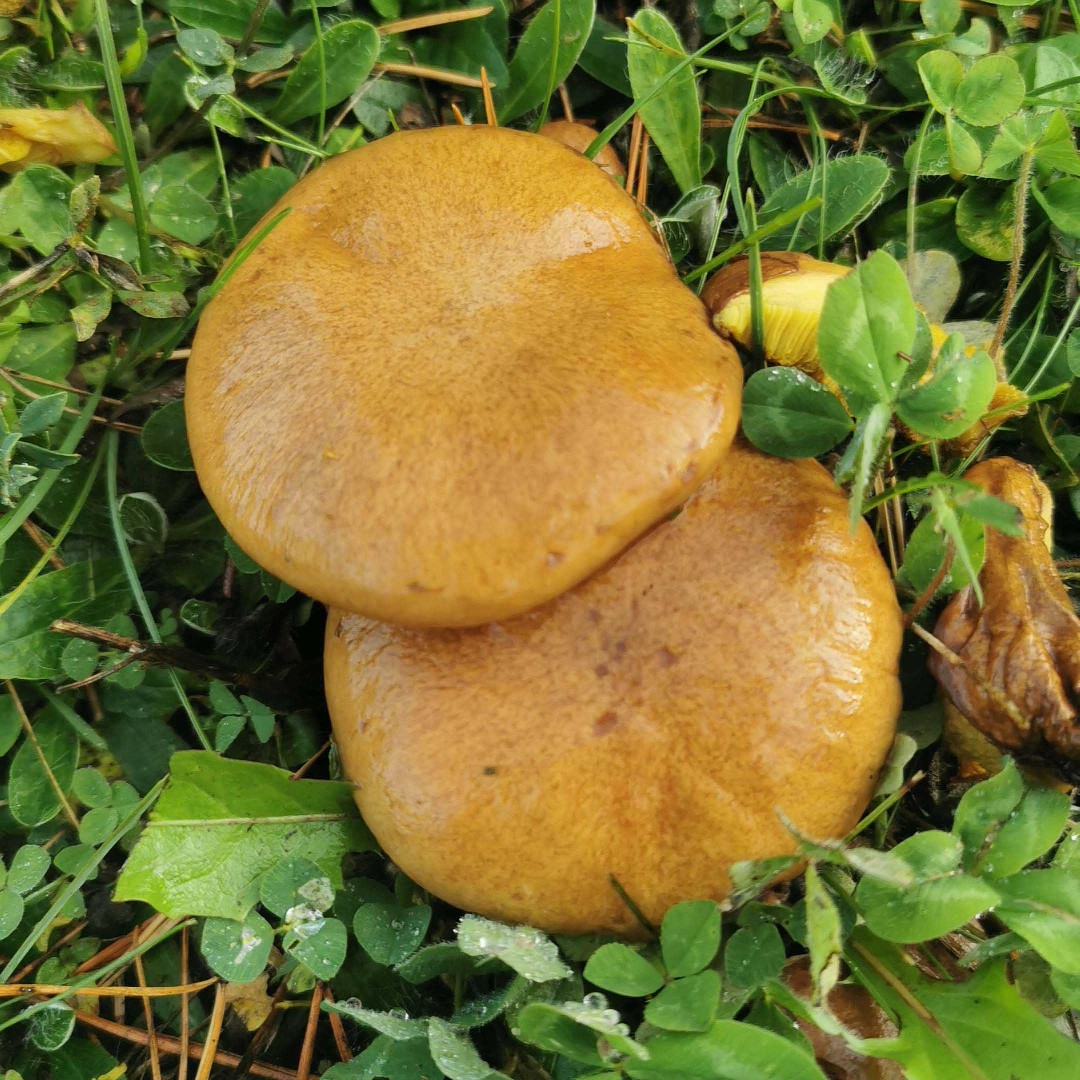
10. Suillus collinitus
Suillus collinitus is a mushroom that grows in a symbiotic relationship with pine trees, particularly the Aleppo pine. This fungus is sometimes introduced to young pine trees to help them to become established in poor soils. It was listed as an endangered species in the United Kingdom, but its 'vulnerable' classification was removed from that nation's Red Data List in 2006.


More







