




Top 20 Edible Mushrooms Popular in Tarragona
Deep in the heartland of Tarragona, a city characterized by its complex topography and unique microclimate, lies a haven for various edible mushroom species. This wondrous city with its varied terrains is home to 20 of the most common edible mushrooms. From their distinctive appearances to their unique tastes, these mushrooms' habitat and culinary uses are as varied as the city's landscape. Familiarize yourself with these edible wonders and add a touch of Tarragona’s flavor to your culinary experiences. Discover a world beneath your feet, where every mushroom tells a story.
* Disclaimer: Content feedback CAN NOT be used as any basis for EATING ANY PLANTS. Some plants can be VERY POISONOUS, please purchase edible plants through regular channels.

Most Popular Edible Mushrooms
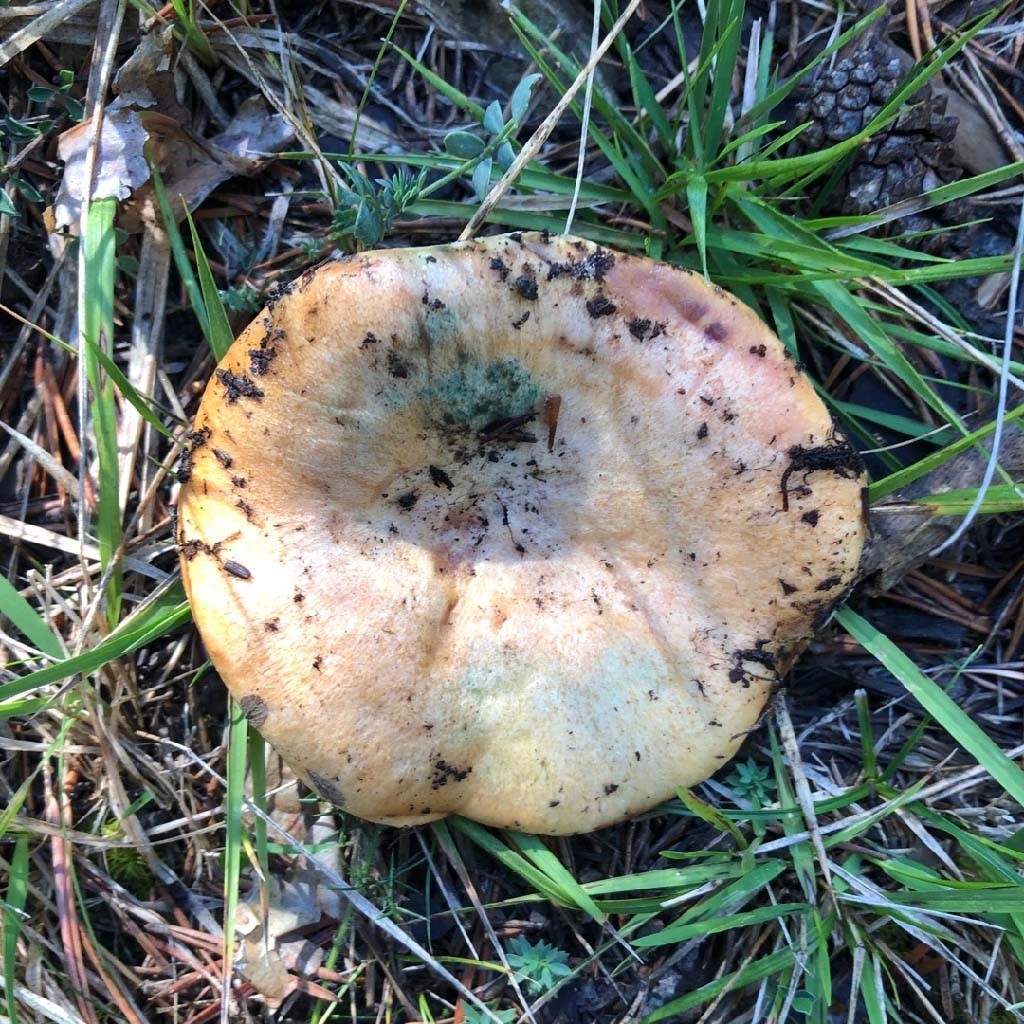
1. Bloody milk cap
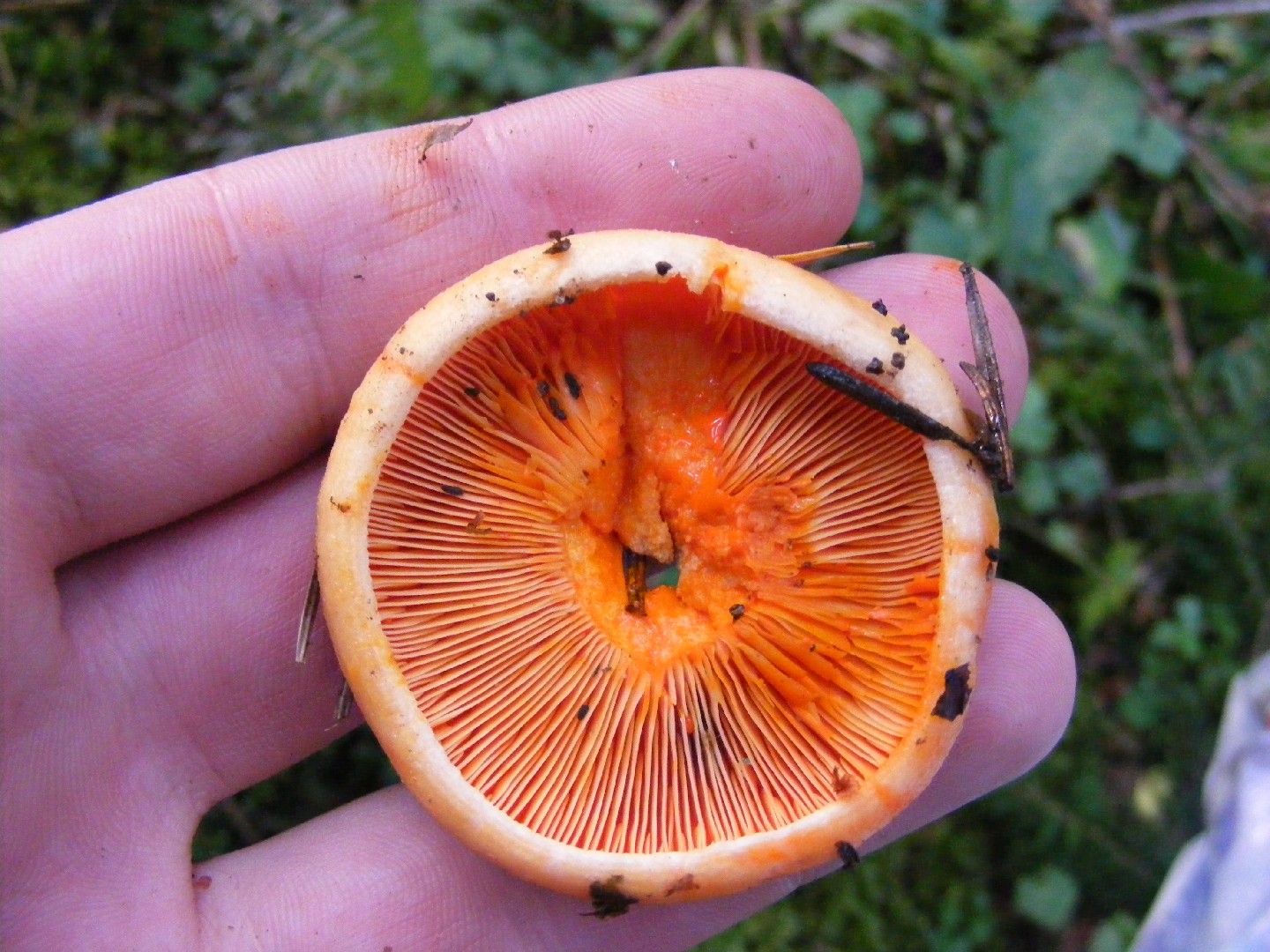
Bloody milk cap (Lactarius sanguifluus) has a distinctive appearance with its pale exterior but a deep blood-red interior, for which it is named. This mushroom can be found in pine forests where it grows in a mycorrhizal relationship with the trees. Bloody milk cap is known to accumulate large quantities of toxic heavy metals.
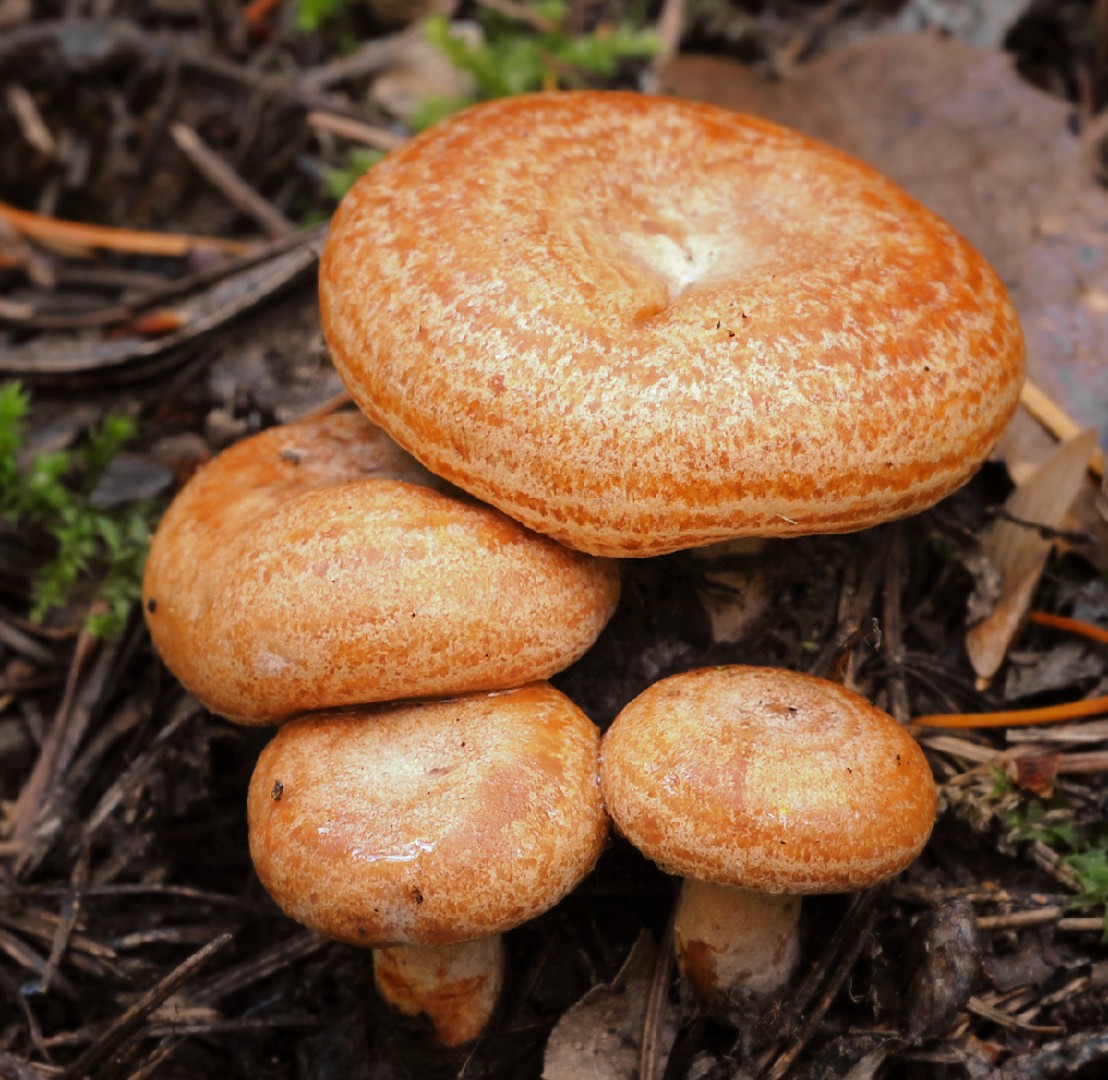
2. Saffron milk cap
Growing wild in the northern hemisphere and introduced to Australia, the saffron milk cap is found in pine forests during autumn. As the name implies, these mushrooms have been harvested for cooking for a long time. They have been known to cause stomach upset in some individuals, however, and carry a risk of being contaminated with heavy metals, so forage with caution.
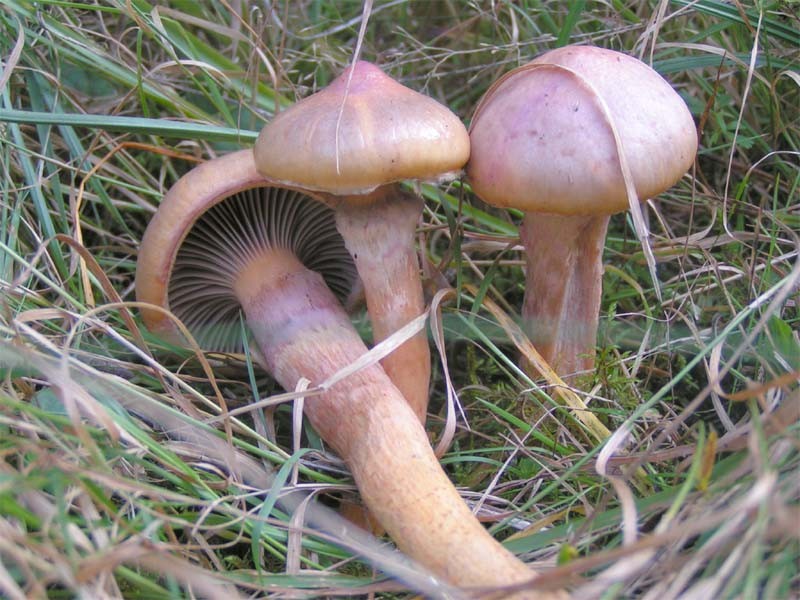
3. Copper spike
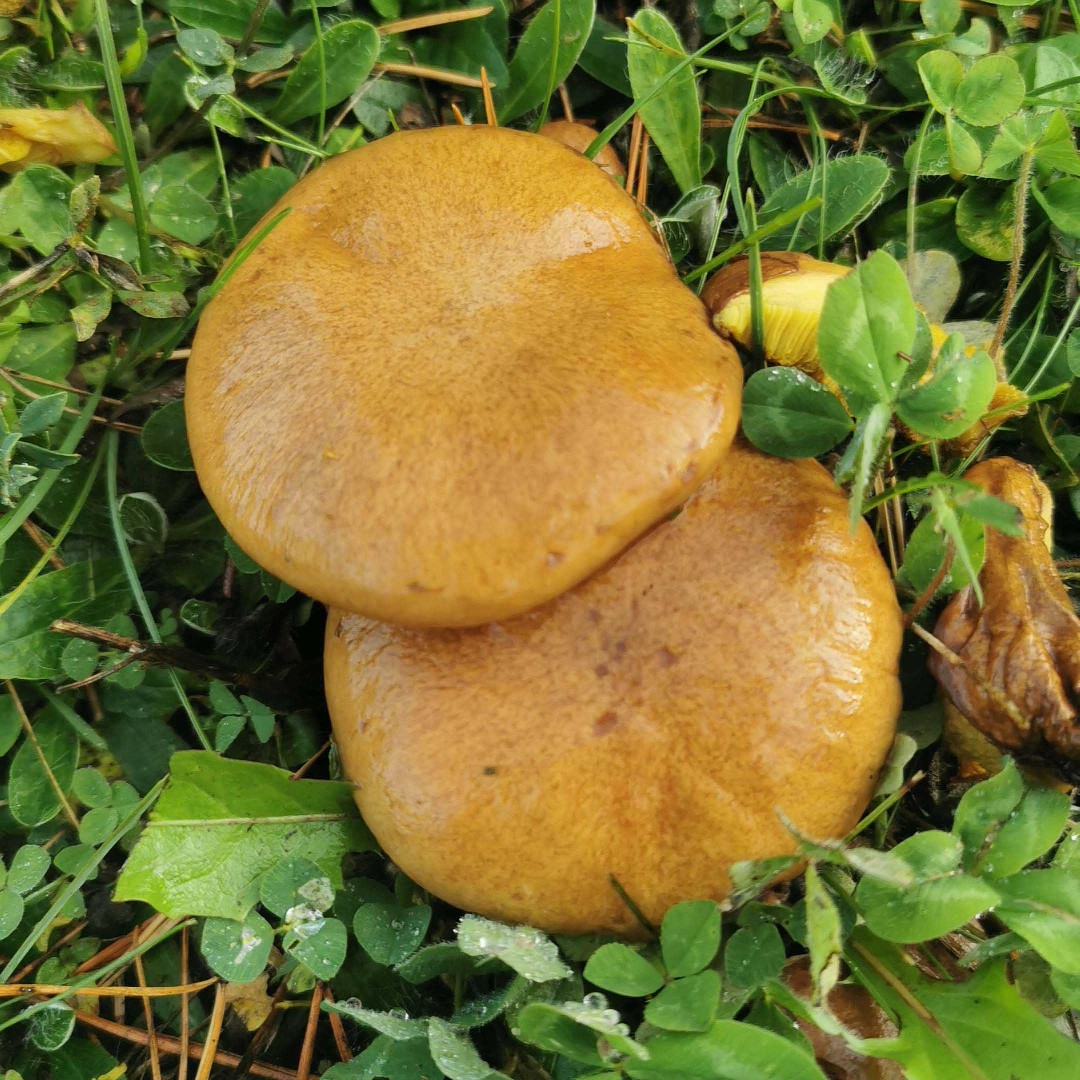
A European fungus, the copper spike is is visually almost indistinguishable from its North American counterpart - Chroogomphus ochraceus, although molecular studies have shown that these two are different species. Its cap becomes slimy when wet, hence the common name. The cap color is highly variable and it can range from yellowish, to orange, purplish, reddish, and brown.
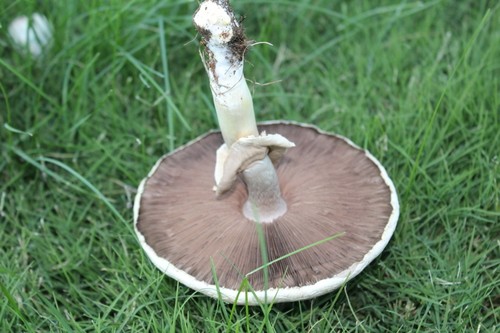
4. Agaricus osecanus

5. Torq
The torq (Agaricus bitorquis) is a white-capped agaric that bears a resemblance to, and is closely related to, the commonly-eaten button mushroom (Agaricus bisporus). This hardy, generalist species does well even in urban environments - their white fruiting bodies can be seen poking up through woodchips, mulch, sidewalk cracks, and even asphalt.

6. Blewit
The blewit mushroom grows in fallen leaves in autumn and winter, sometimes appearing in ‘fairy ring’ circles. It can be used to make a green dye when chopped and boiled in an iron pot. The scientific name, Lepista nuda, derives from Latin words meaning “bare goblet,” a reference to the shape and texture of the mushroom.

7. Sordid blewit
The sordid blewit is a beautiful and attractive mushroom of the northern temperate zones around the world. The flesh is pink or purple when young, and it turns brownish as the mushroom matures. It forms so-called fairy rings. Although the sordid blewit is easily identified, inexperienced mushroom hunters can confuse it for certain Clitocybe species.
8. Pinkmottle woodwax
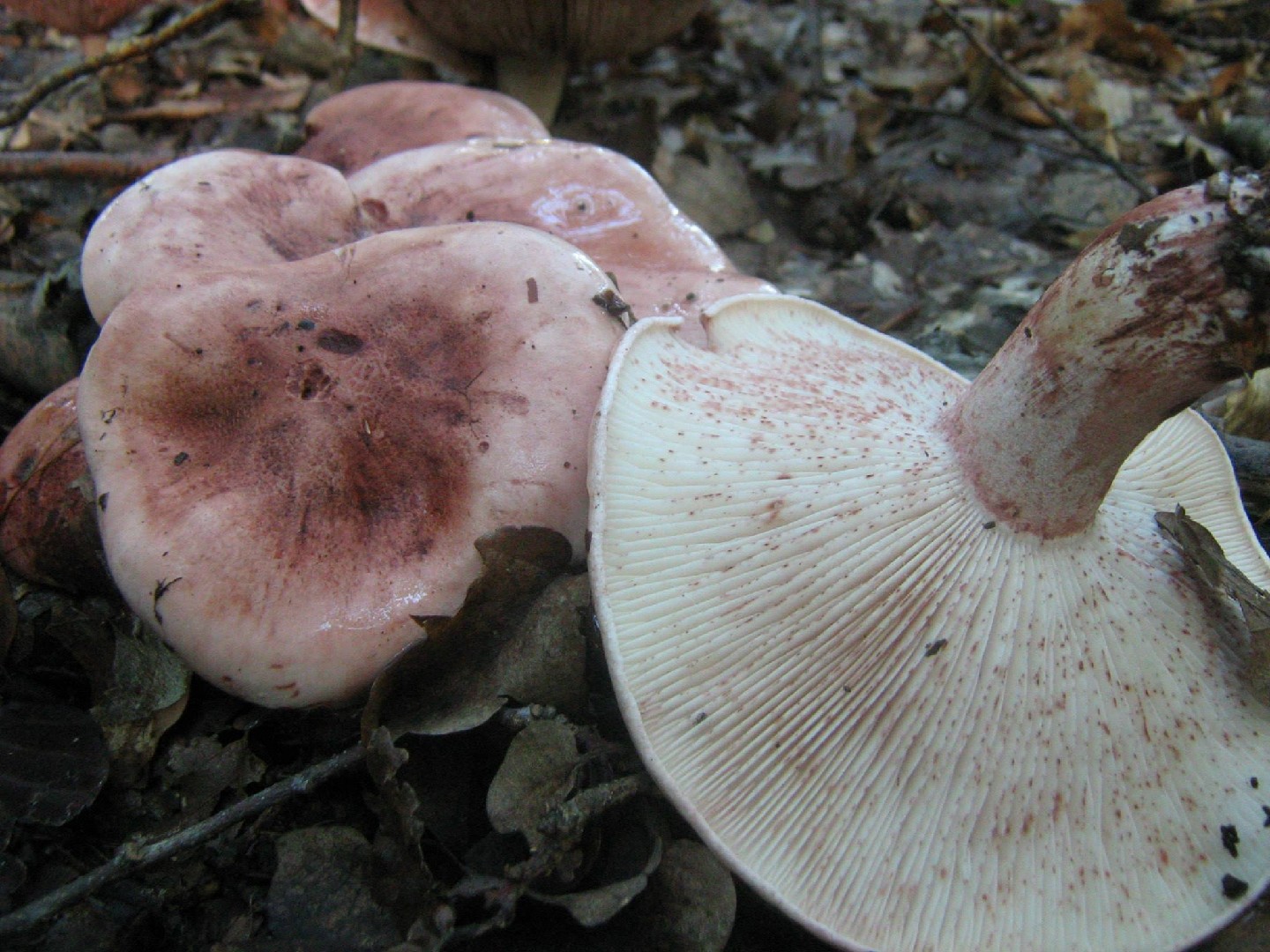
Although the species name references this mushroom’s physical similarity to a russula, the pinkmottle woodwax (Hygrophorus russula) is a waxy cap. The characteristic sticky cap of that genus dries out quickly in this tricky species. They are quite resistant to insect infestations.
9. Yellow foot
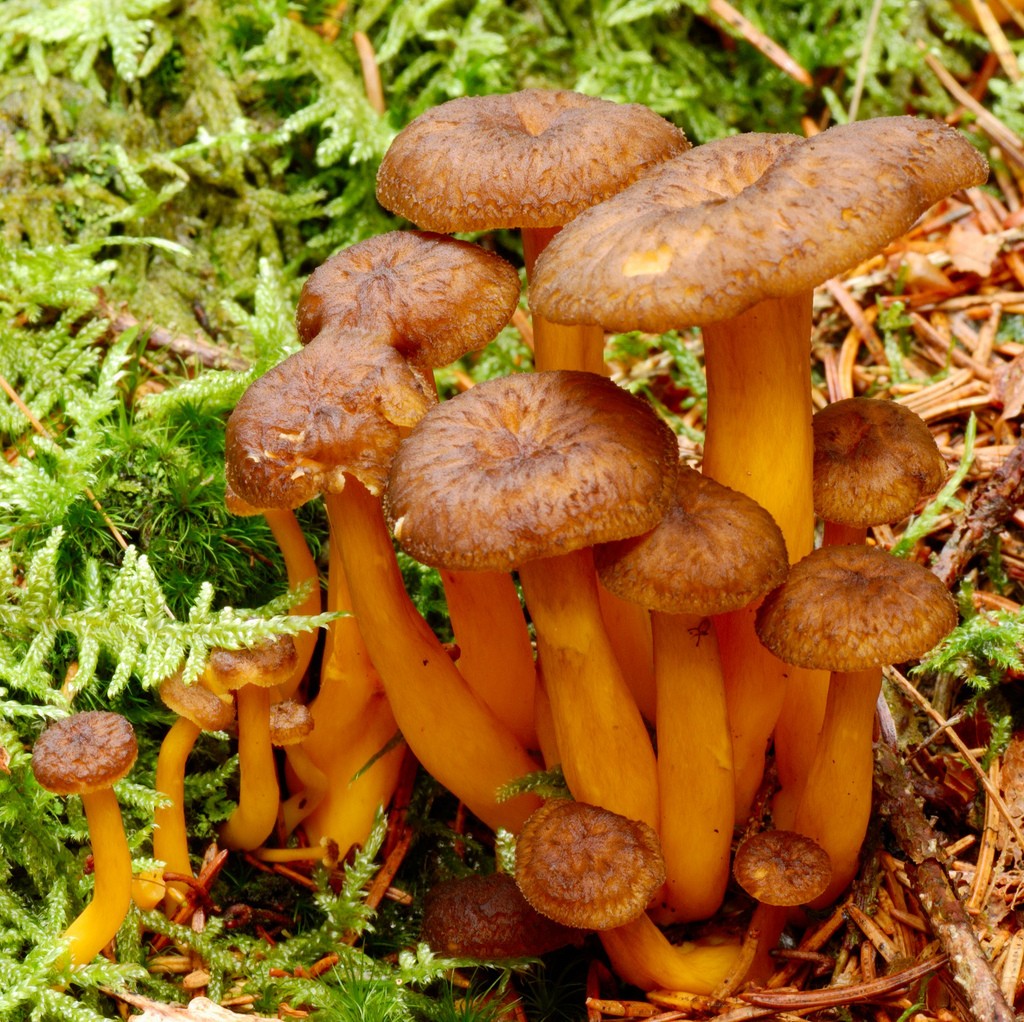
Like all members of the Craterellus genus, the yellow foot doesn't have true gills but wrinkled veins instead. These gill-like wrinkles are extremely subtle in this mushroom and its undersurface seems like it's completely smooth. The species is associated with conifer forests.
10. Slippery jack
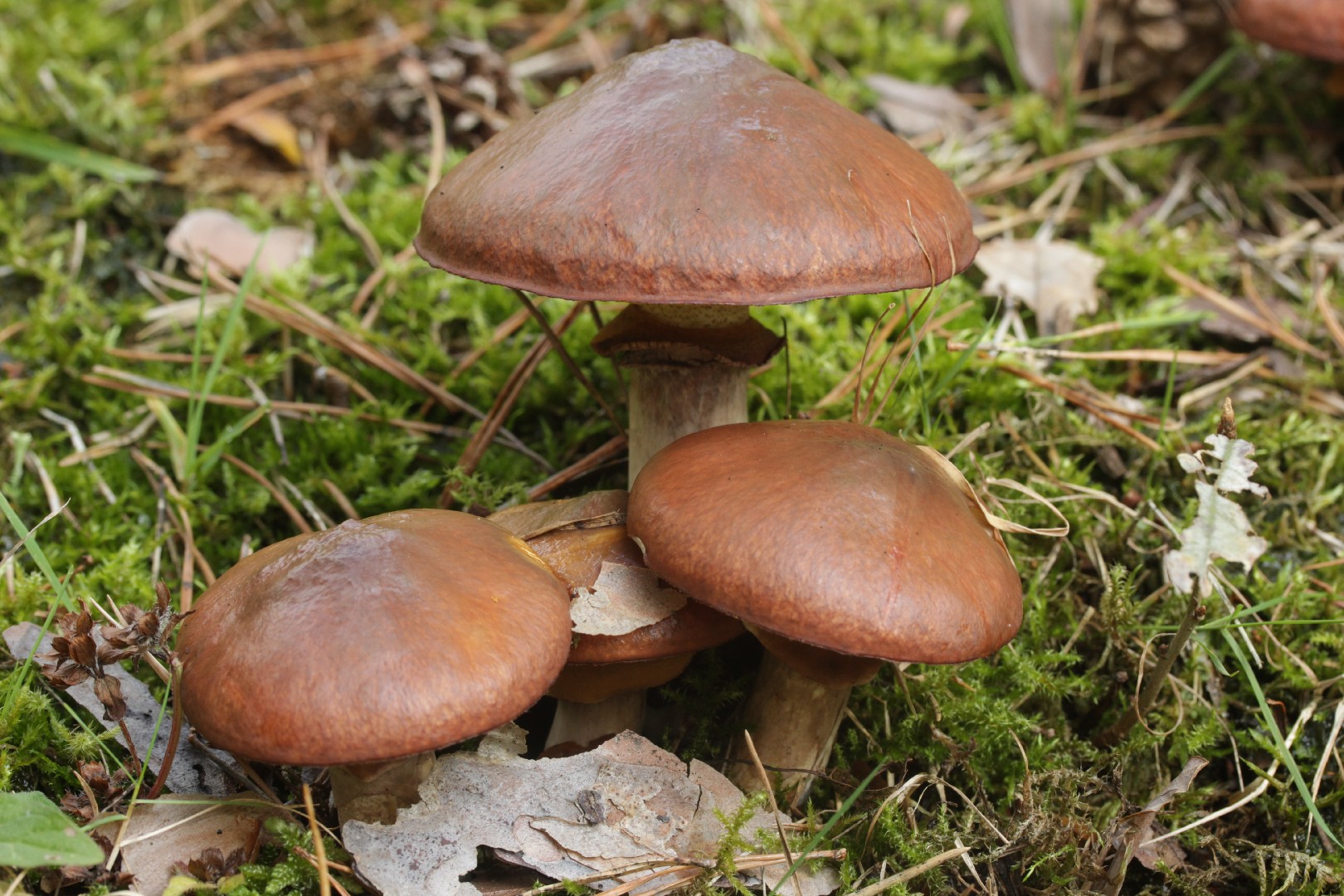
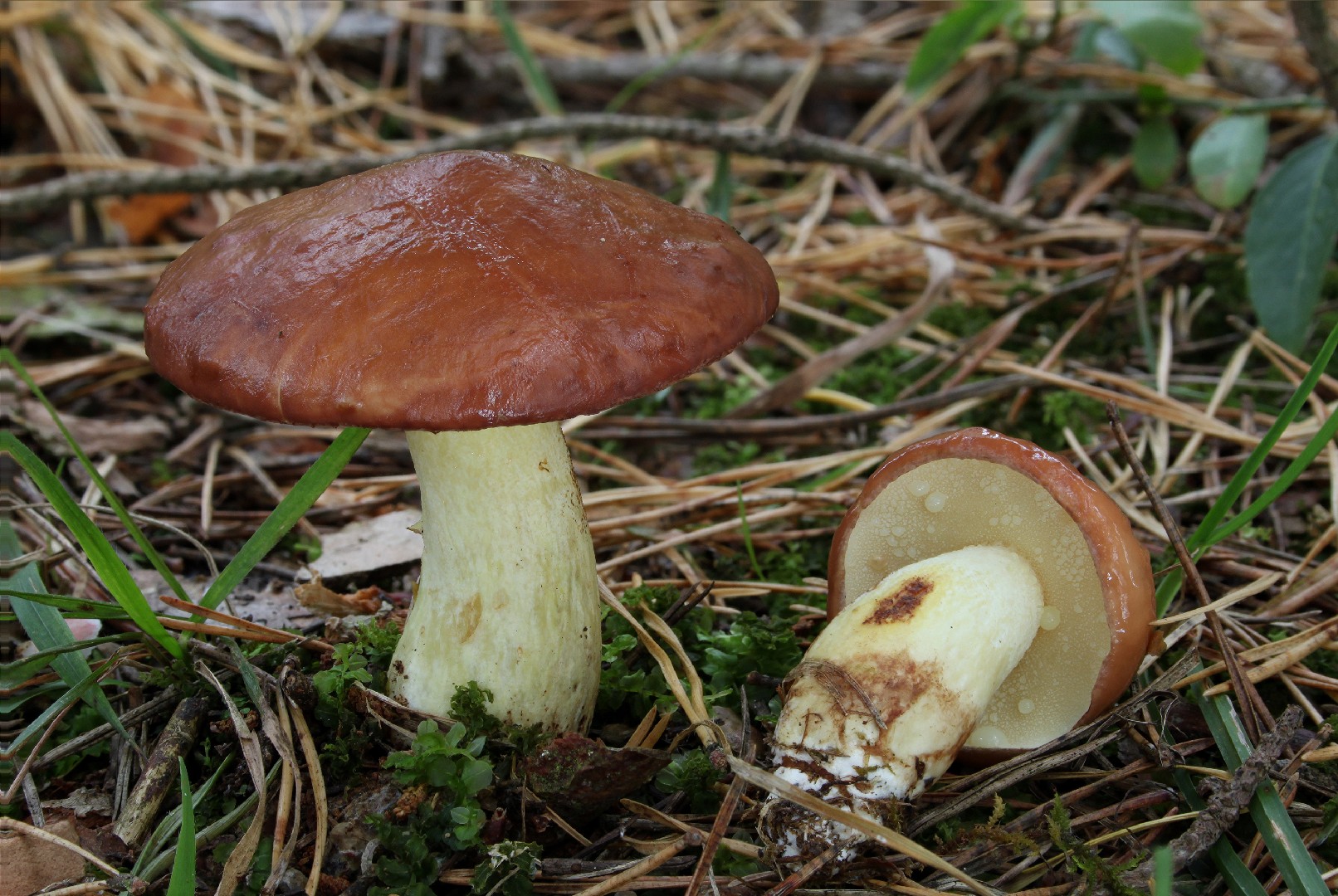
This mushroom blooms in summer and autumn, usually near or beneath pine trees. It does well in cold climates, but can also be found further south all around the northern hemisphere. During moist weather, the slippery jack's caps become quite slimy, leading to their common name.


More







