




Top 20 Edible Mushrooms Popular in Alcazar de San Juan
Surrounded by a rich diversity of natural habitats, Alcazar de San Juan boasts a unique selection of 20 most common edible mushrooms. The varied terrain and climate of Alcazar de San Juan favor the growth and proliferation of mycological wonders, introducing a unique selection for enthusiasts and foragers alike. From the savory earthiness of the Porcini, the gentle flavor of the Chanterelle, to the distinct aroma of Morels, each mushroom has its own specialties. Join us to explore, taste, and appreciate these local delicacies in their natural settings.
* Disclaimer: Content feedback CAN NOT be used as any basis for EATING ANY PLANTS. Some plants can be VERY POISONOUS, please purchase edible plants through regular channels.

Most Popular Edible Mushrooms
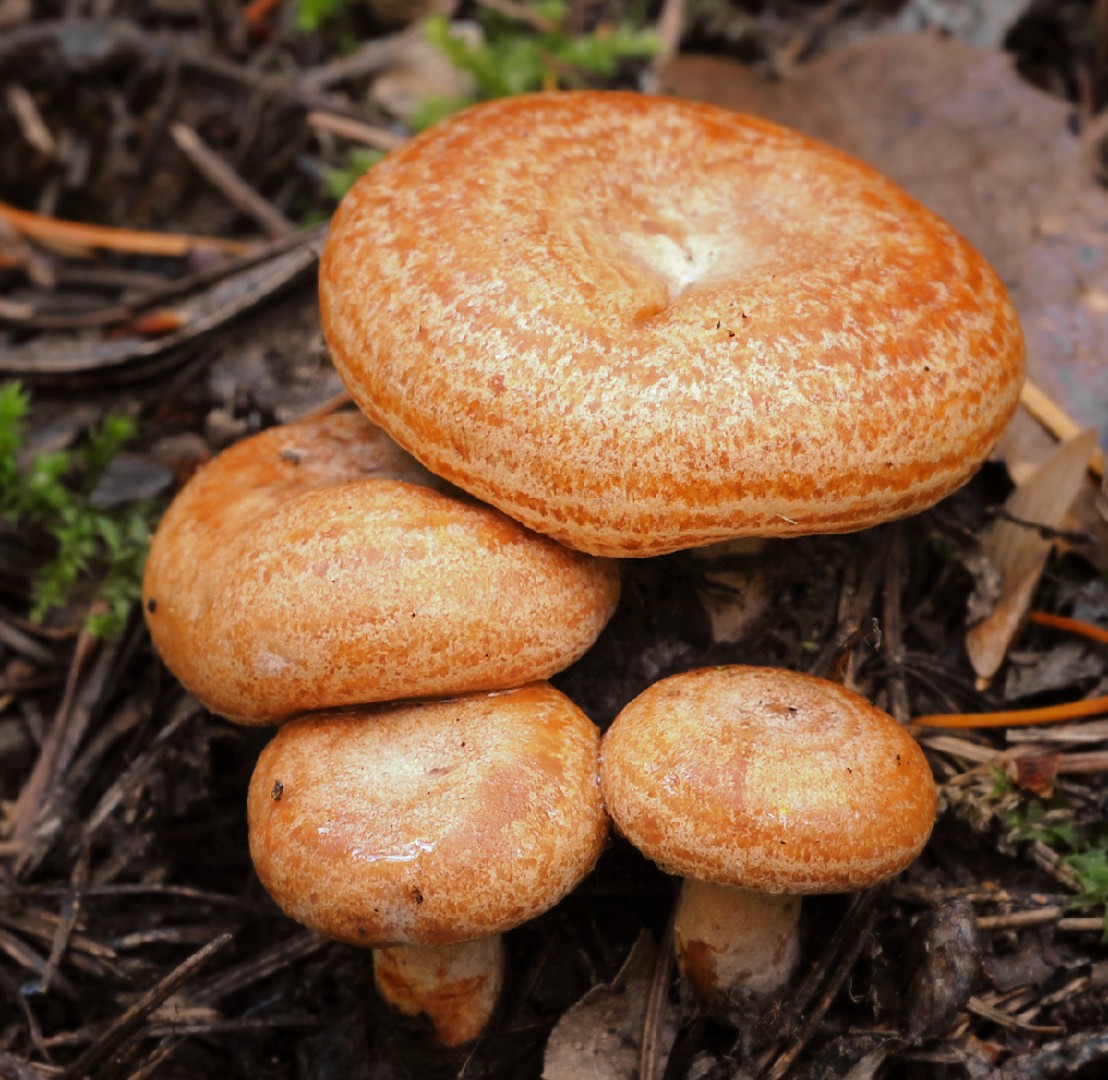
1. Saffron milk cap
Growing wild in the northern hemisphere and introduced to Australia, the saffron milk cap is found in pine forests during autumn. As the name implies, these mushrooms have been harvested for cooking for a long time. They have been known to cause stomach upset in some individuals, however, and carry a risk of being contaminated with heavy metals, so forage with caution.
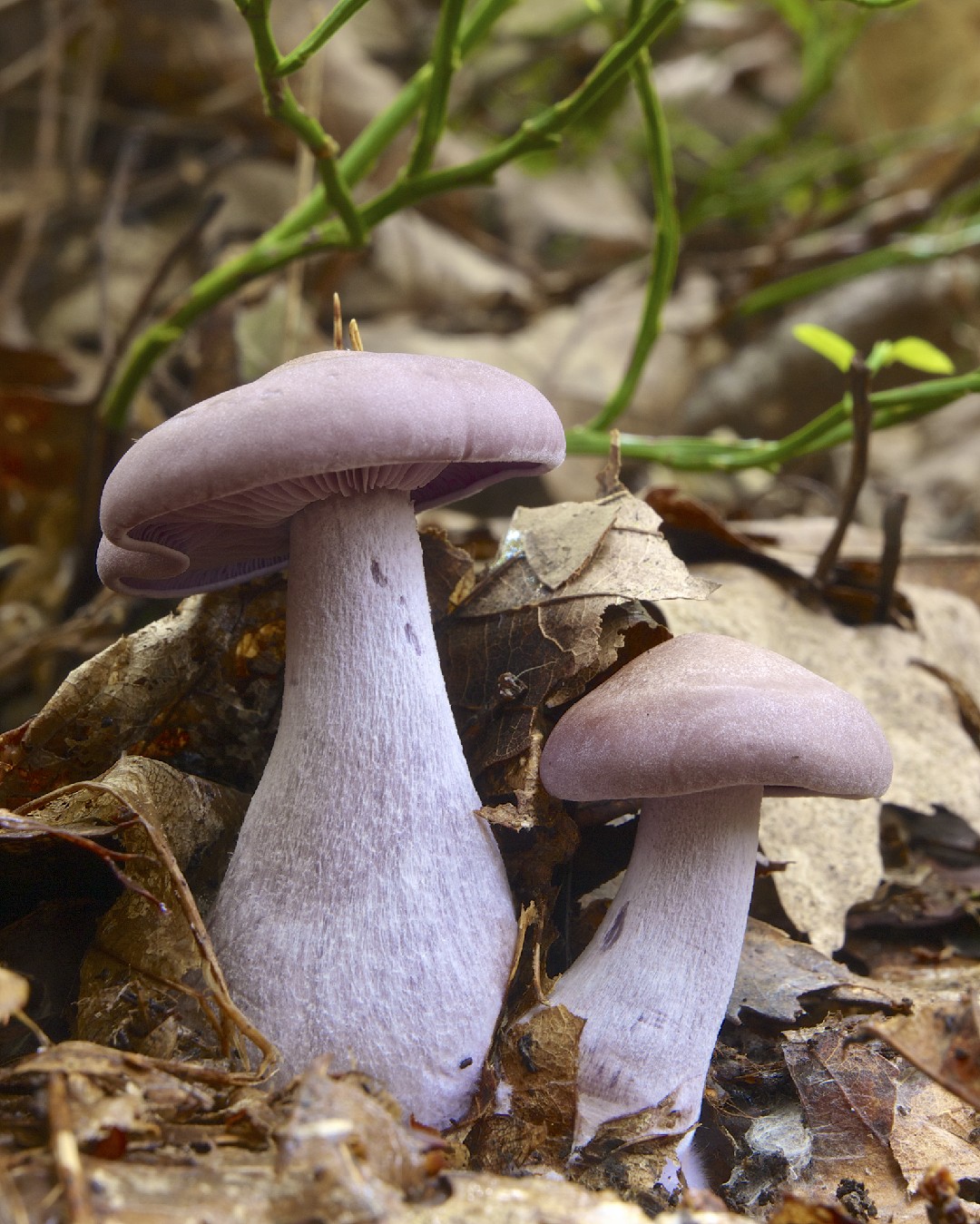
2. Blewit
The blewit mushroom grows in fallen leaves in autumn and winter, sometimes appearing in ‘fairy ring’ circles. It can be used to make a green dye when chopped and boiled in an iron pot. The scientific name, Lepista nuda, derives from Latin words meaning “bare goblet,” a reference to the shape and texture of the mushroom.

3. King oyster mushroom
The king oyster mushroom (Pleurotus eryngii) is an edible mushroom widely prized for its flavor, which can be compared to scallops. It can be found wild in the warmer temperate zones of the world, and is also cultivated, growing on straw, for commercial use. The particular way in which this species decomposes plant matter may also have industrial applications.
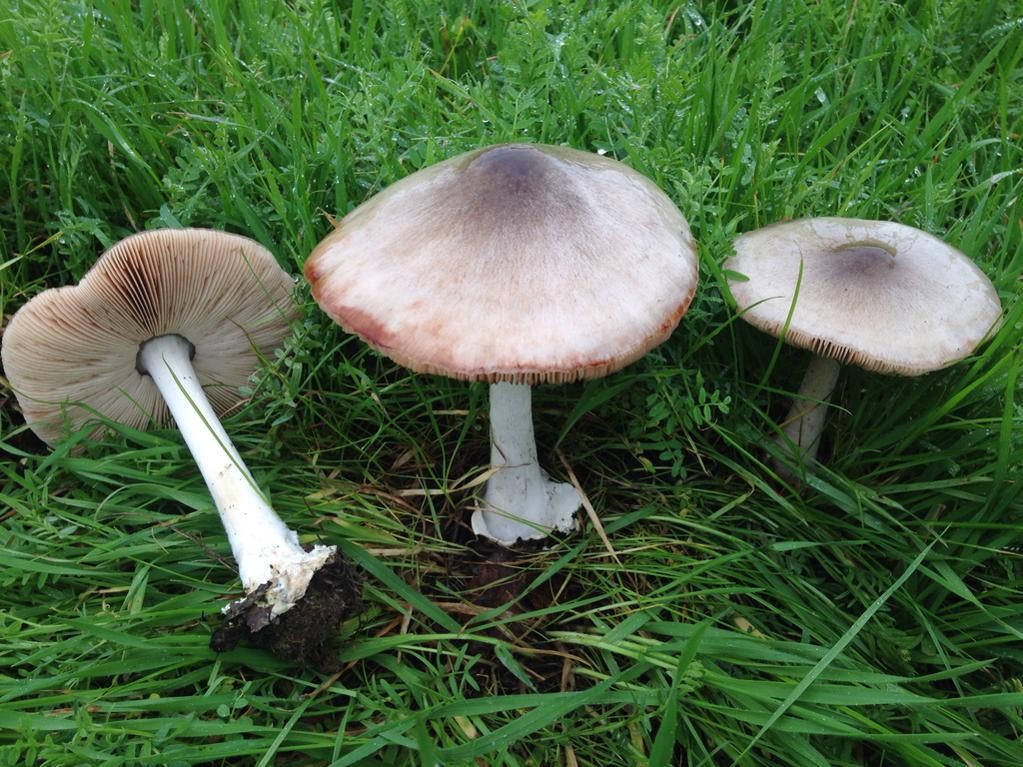
4. Big sheath mushroom
These large white mushrooms bloom all over cleared, harvested fields, as well as pastures and roadsides. The scientific species name comes from Greek words meaning “glue” (glioio) and “head” (cephalus), in reference to the sticky surface of this mushroom’s cap. The big sheath mushroom looks so similar to the poisonous Deathcap and Destroying Angel mushrooms that it should always be left alone.
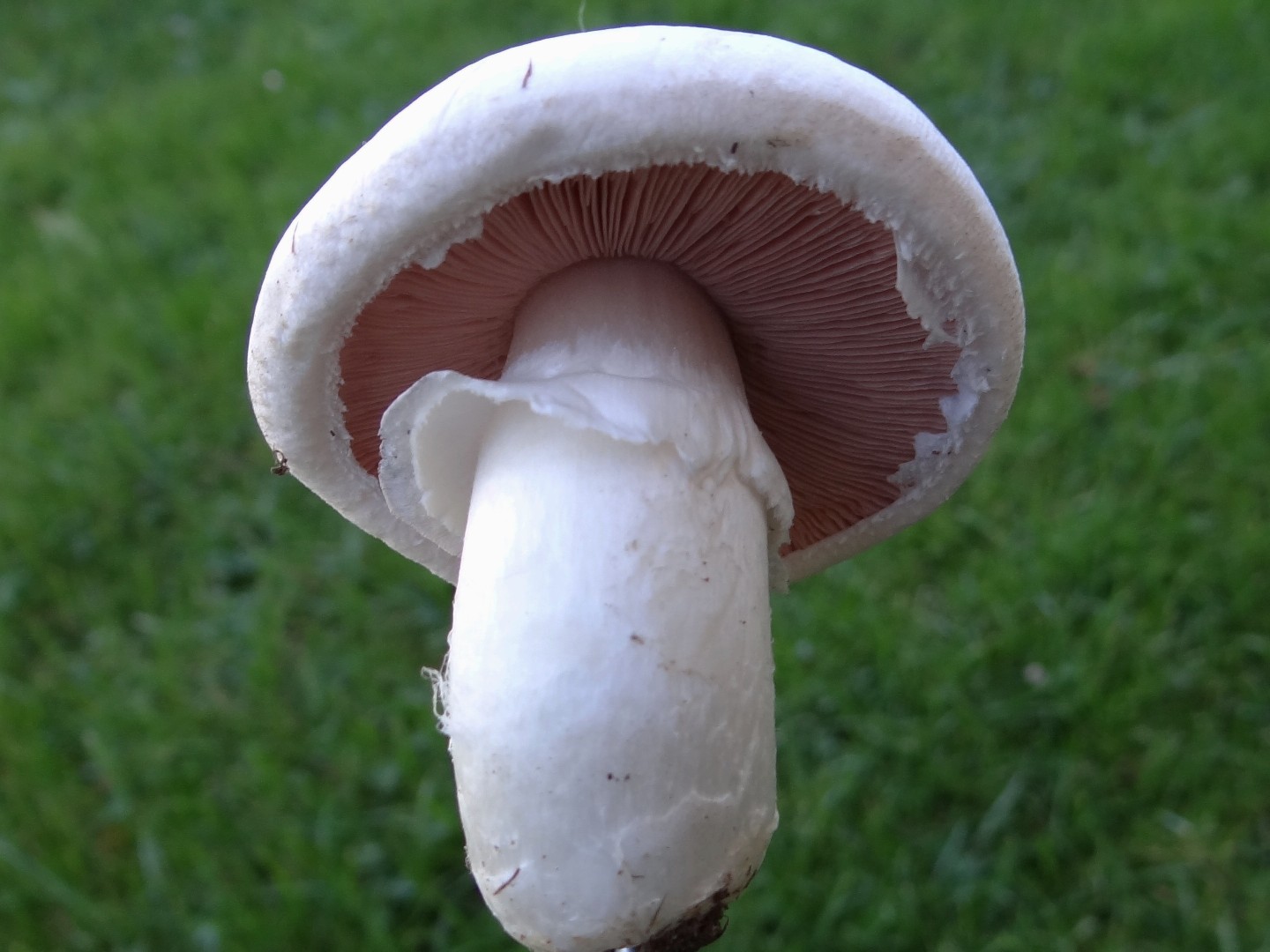
5. Button mushroom
Most of the mushrooms sold in supermarkets in the US are cultivated forms of the button mushroom. The white variants are sold as "button mushrooms", the brown as "cremini" or "baby bellas", and full-grown caps as "portobellas." They occur quite infrequently in the wild, in grassy fields around the Northern Hemisphere.
6. Bloody milk cap
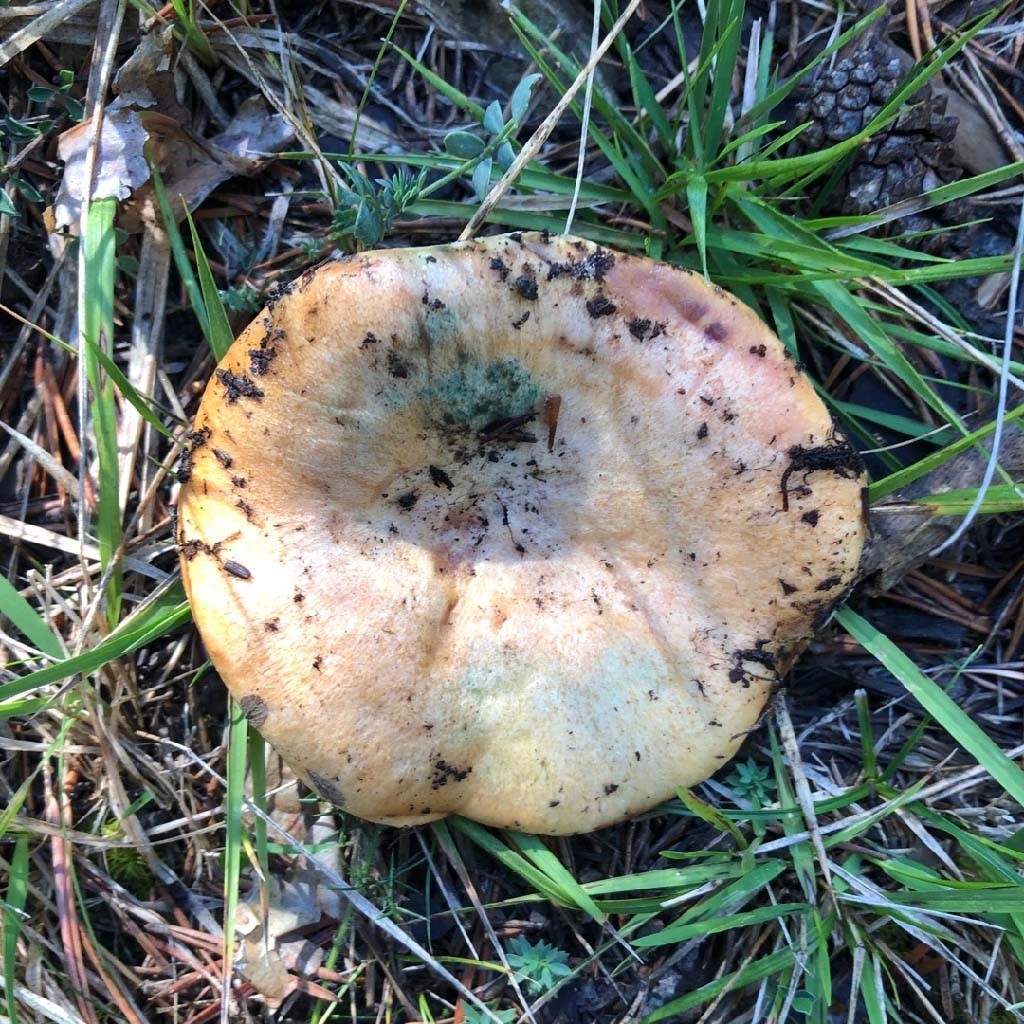
Bloody milk cap (Lactarius sanguifluus) has a distinctive appearance with its pale exterior but a deep blood-red interior, for which it is named. This mushroom can be found in pine forests where it grows in a mycorrhizal relationship with the trees. Bloody milk cap is known to accumulate large quantities of toxic heavy metals.
7. Yellow morel
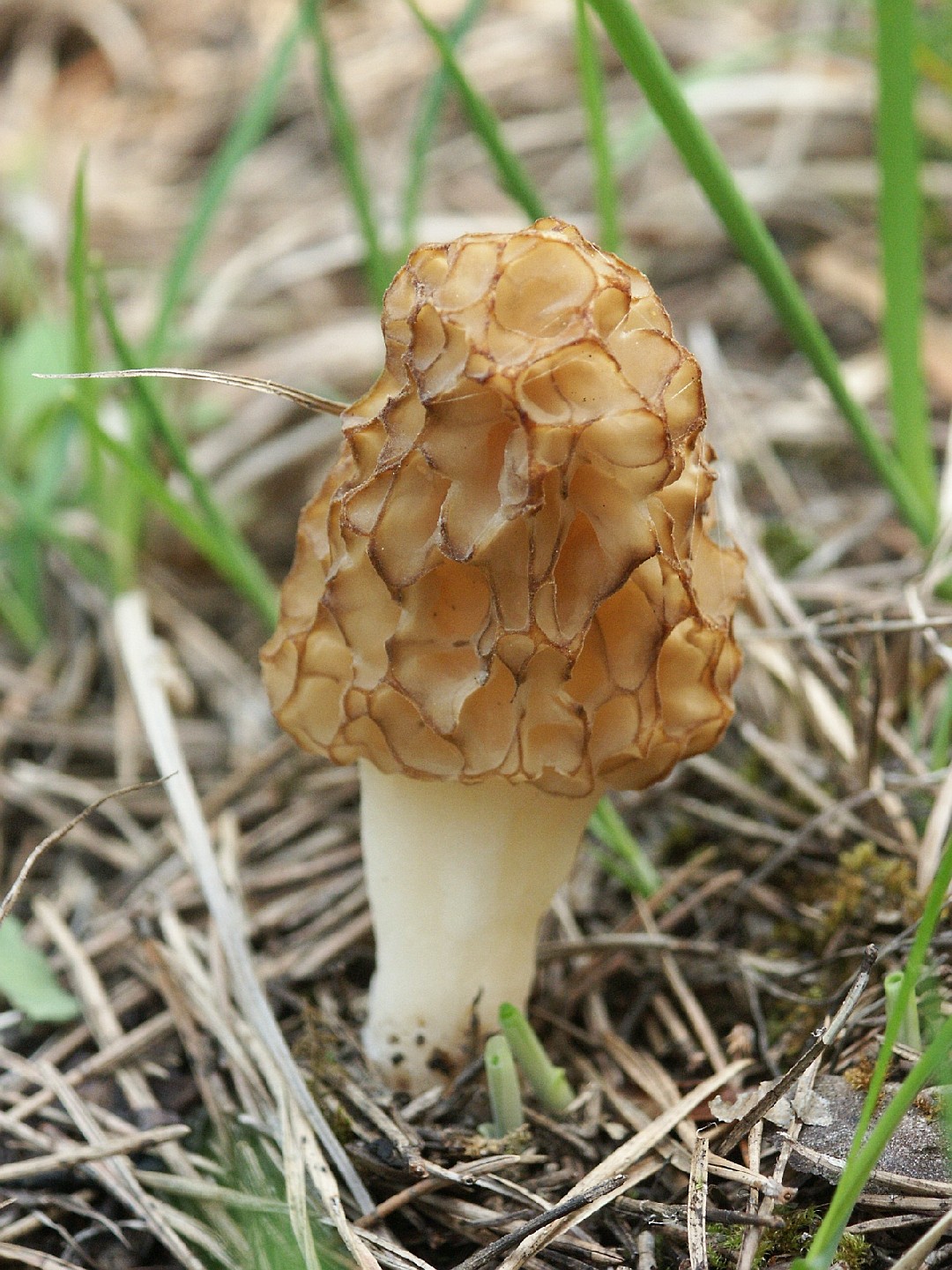
The yellow morel (Morchella esculenta) is one of the most iconic and sought-after species of edible mushrooms. It is often one of the first species that novice mushroom gatherers will hunt for. Yellow morels have elongated caps that are "honeycombed", being filled with roughly polygonal holes. Splitting them down the middle reveals them to be hollow on the inside, a key feature that distinguishes them from toxic false morels. Experts recommend cooking or boiling this mushroom before consumption, as raw morels may cause an upset stomach.
8. Blusher
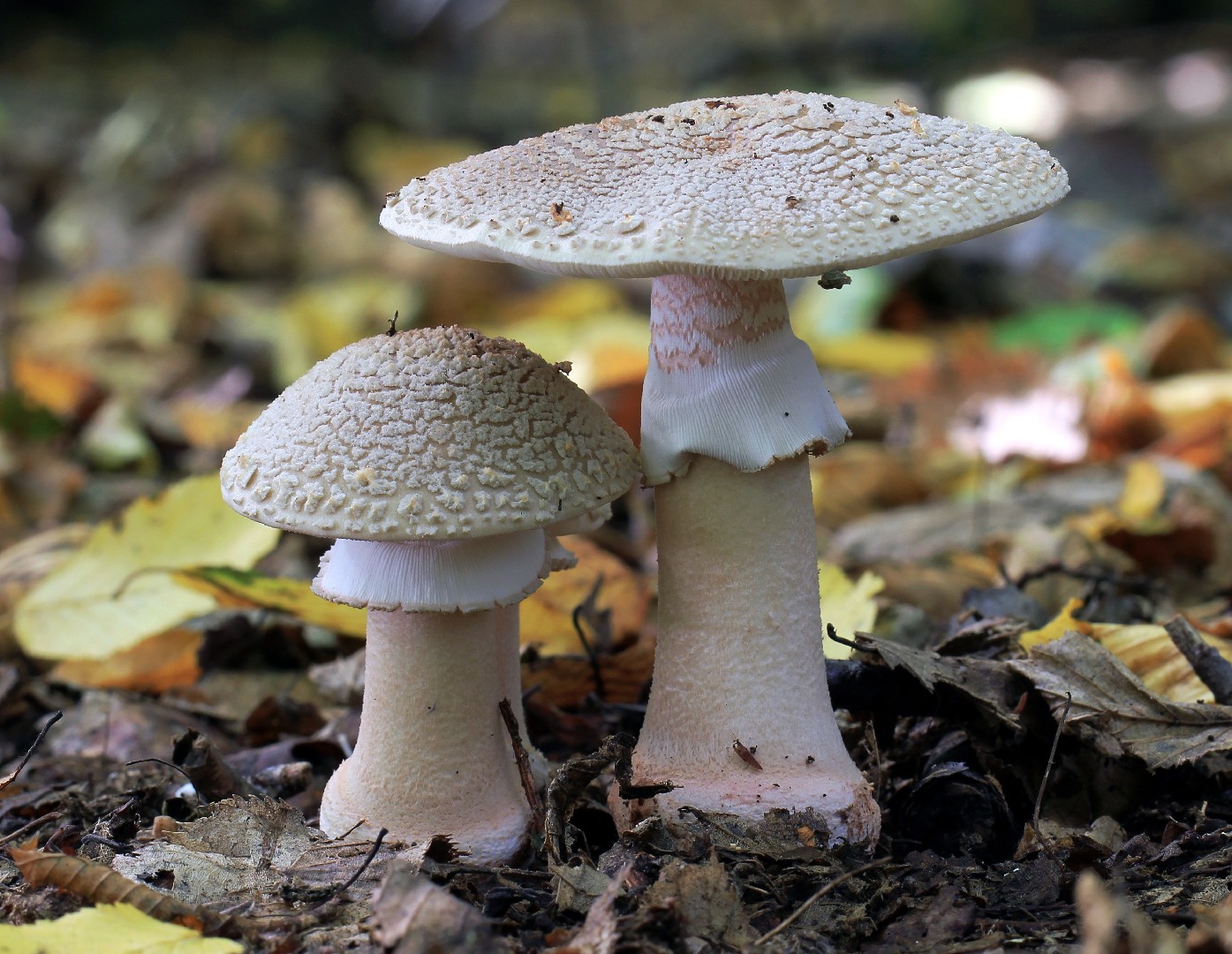
The blusher mushroom is so named because it “blushes” to a pinkish red color when cut or bruised. It is found in many countries around the world, although it may not be native to the southern hemisphere. It contains a hemolytic toxin that can cause anemia if eaten.
9. Chicken of the woods
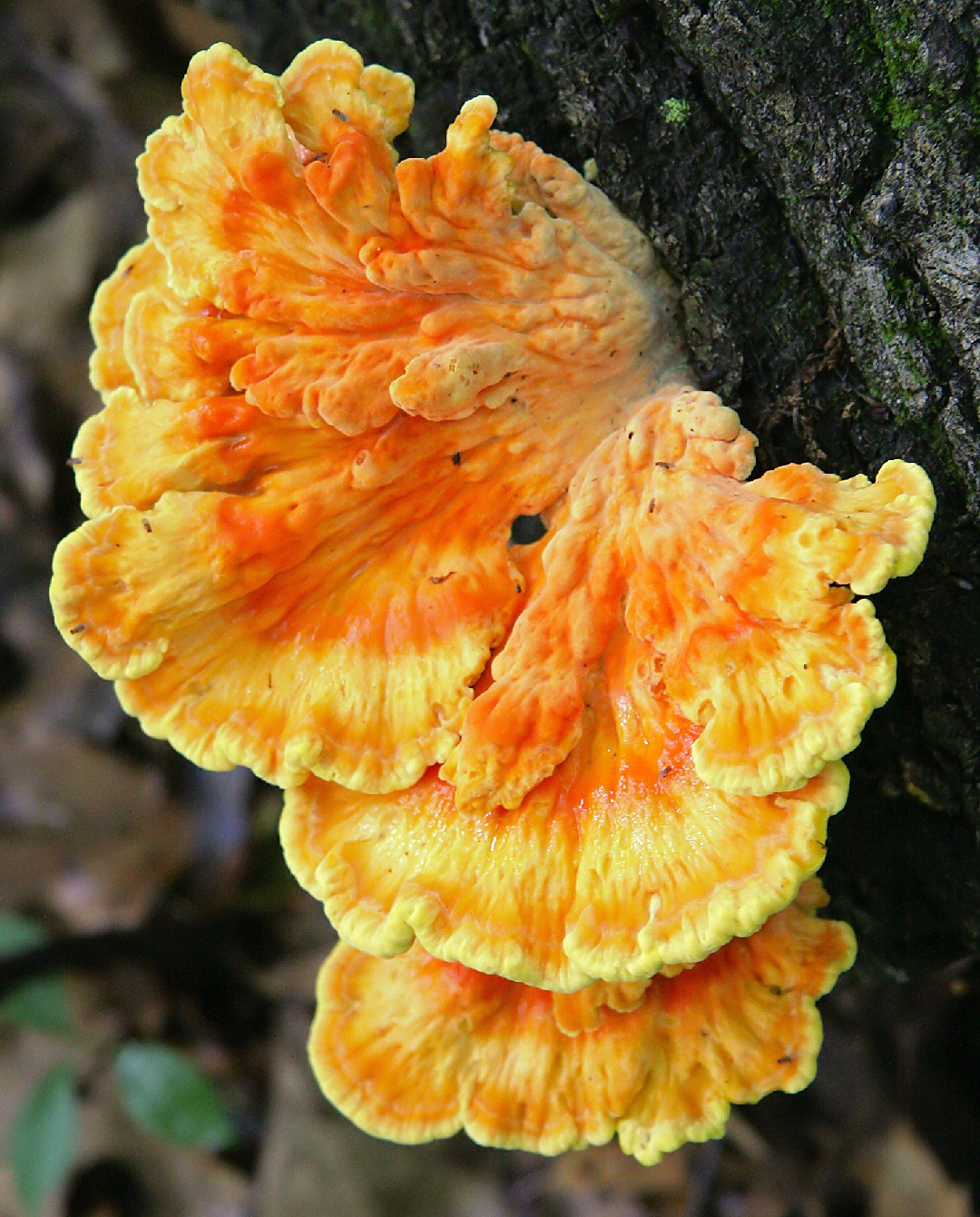
Chicken of the woods is very noticeable in hardwood forests, appearing in clusters on standing tree trunks in bright orange and yellow hues that sometimes last through the entire winter. It is a parasite that causes an unfortunate brown heart rot, and is considered a particularly troublesome pest of Yew trees. If the fruitbodies can be seen, the tree is likely already beyond saving.
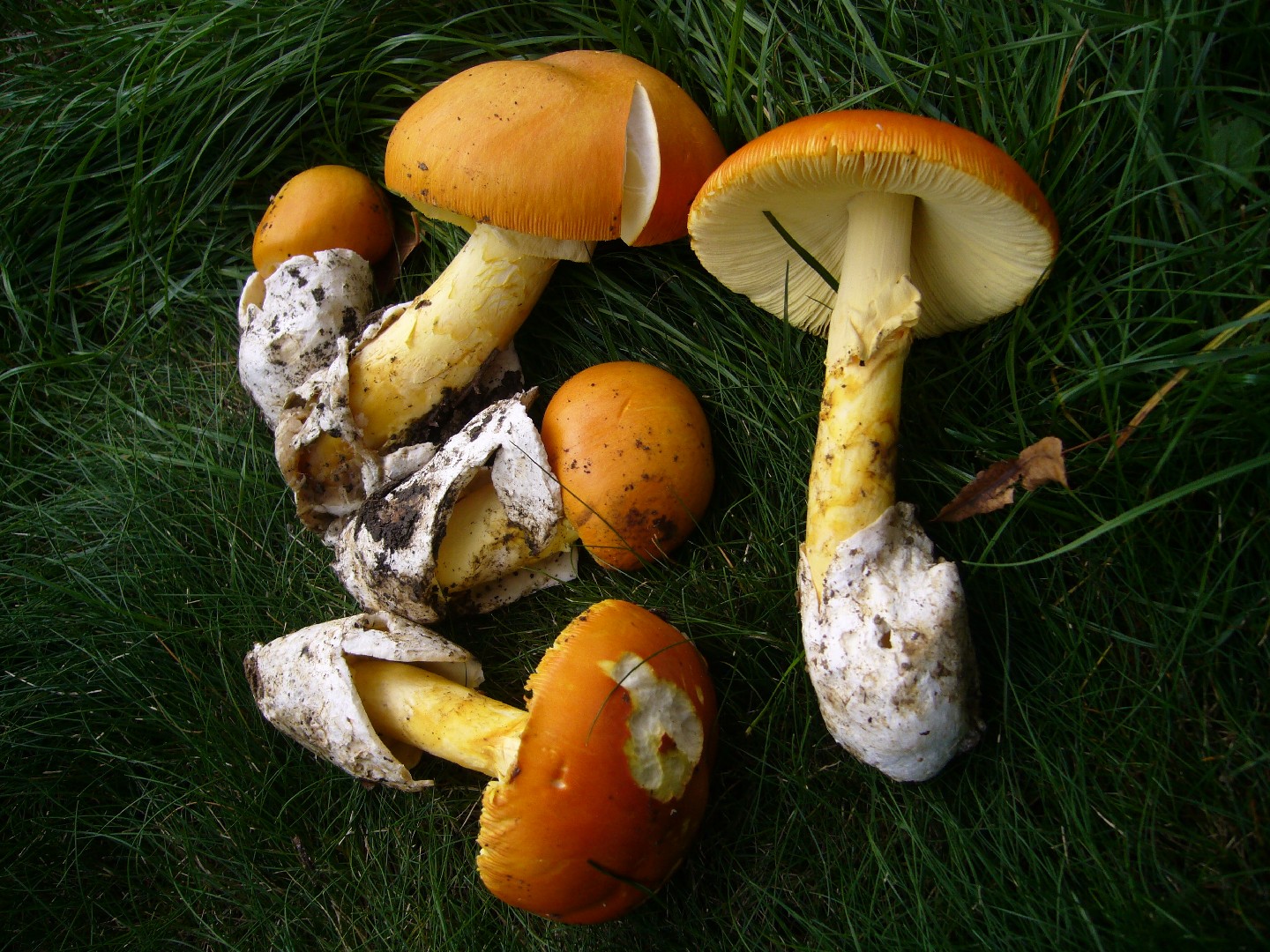
10. Caesar's mushroom
Caesar's mushroom (Amanita caesarea) is a brightly colored Amanita associated with ancient Roman nobility. Sporting a vivid orange cap and a yellow stalk and gills, this mushroom is an exciting find - however, because faded or young individuals may resemble the highly deadly Death Cap, it is recommended that this species be treated with a "look but do not touch" policy.



More







