




Top 20 Edible Mushrooms Popular in San Roque
In the sunlit lands of San Roque, rich soil and diverse flora provide an ideal habitat for the proliferation of a wide array of edible fungi. Immerse yourself in our guide to the 'Top 20 most common mushrooms in San Roque', a comprehensive exploration unveiling distinguishing features, exquisite tastes, optimal growing environments, and culinary potentials. Derived from reliable resources, our content aims to educate readers about these common, yet intriguing mushroom species. Let your curiosity guide you through the lush landscapes of San Roque, as you uncover the bountiful world of edible fungi.
* Disclaimer: Content feedback CAN NOT be used as any basis for EATING ANY PLANTS. Some plants can be VERY POISONOUS, please purchase edible plants through regular channels.

Most Popular Edible Mushrooms
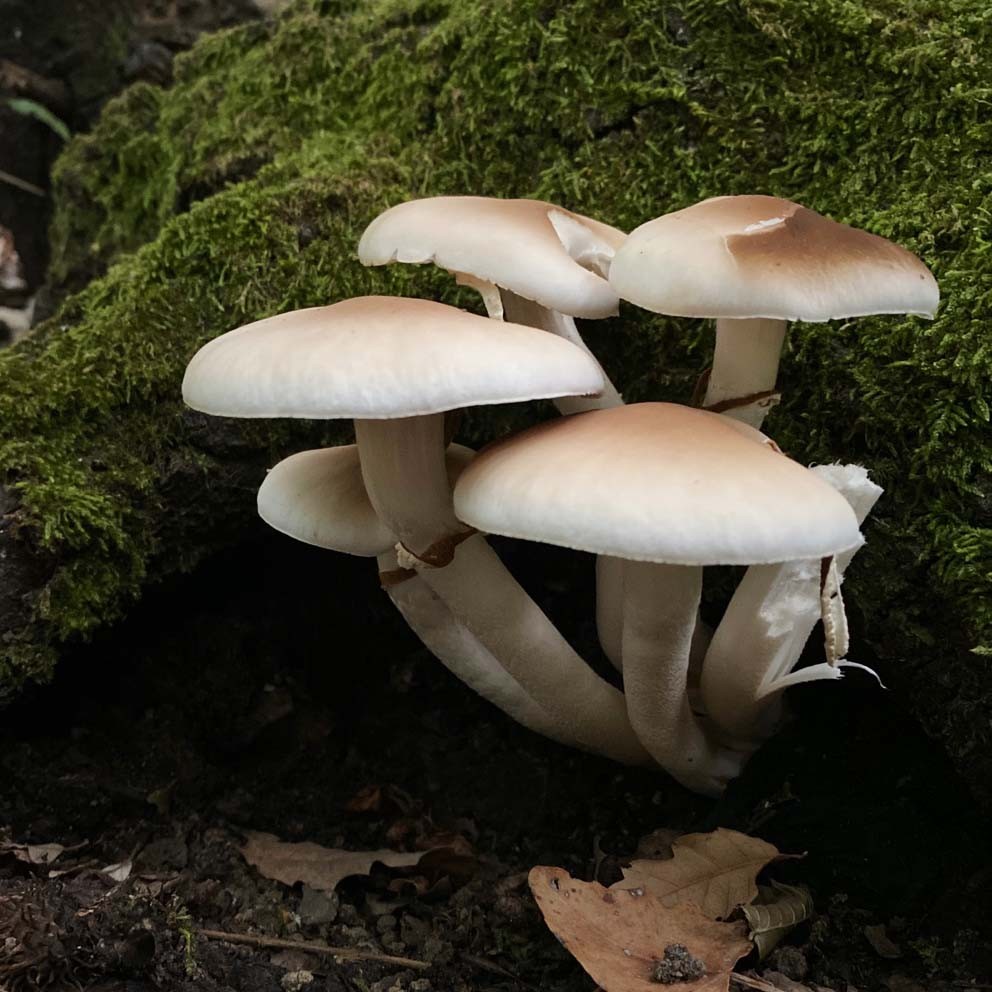
1. Poplar fieldcap
The poplar fieldcap is a cream-colored mushroom that grow predominantly in central and southern Europe. As it matures, the color changes to a tobacco brown. Even though the fungus is called poplar fieldcap, it can usually be found on wood chips and dead trees other than poplars.
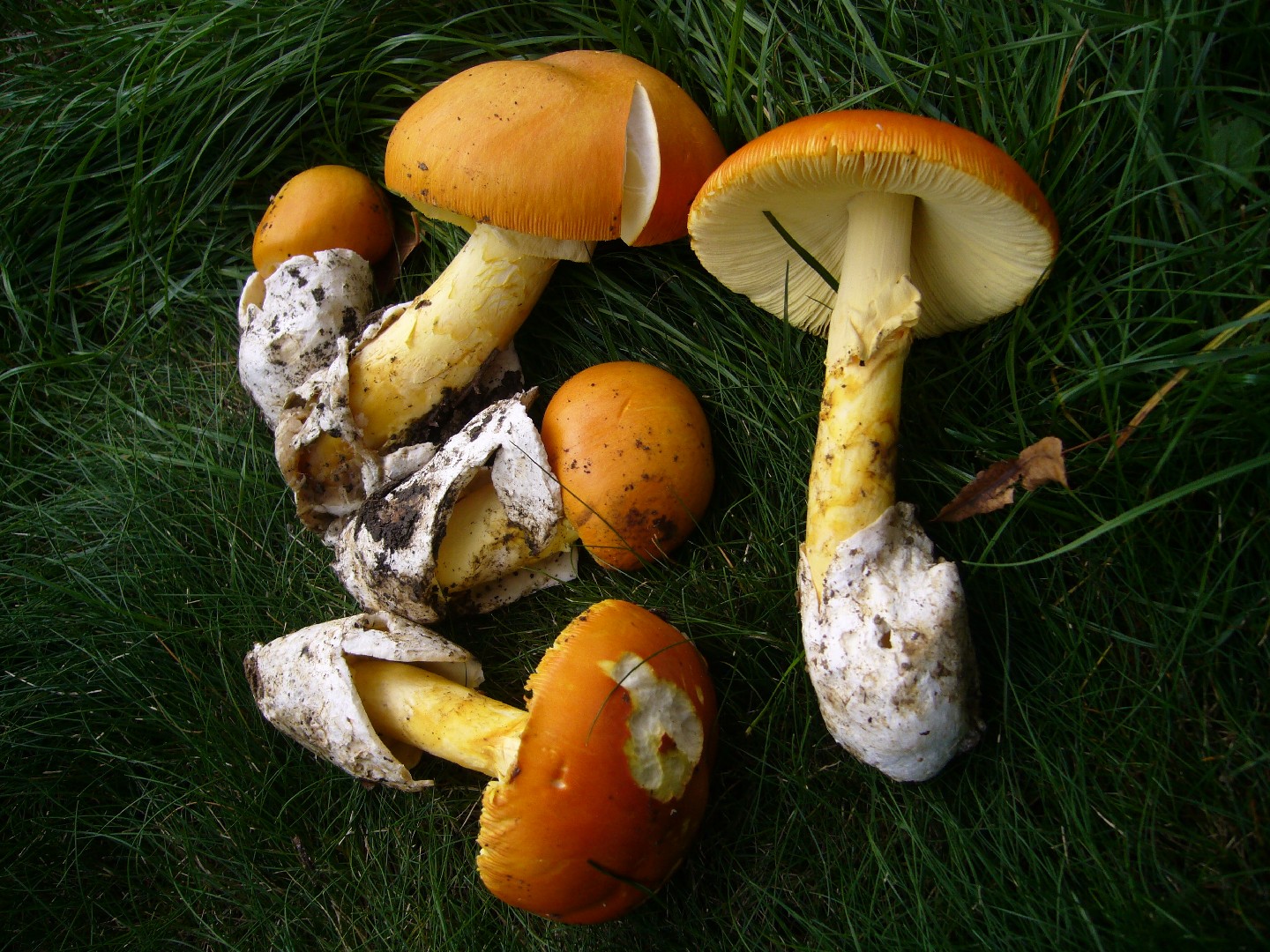
2. Caesar's mushroom
Caesar's mushroom (Amanita caesarea) is a brightly colored Amanita associated with ancient Roman nobility. Sporting a vivid orange cap and a yellow stalk and gills, this mushroom is an exciting find - however, because faded or young individuals may resemble the highly deadly Death Cap, it is recommended that this species be treated with a "look but do not touch" policy.
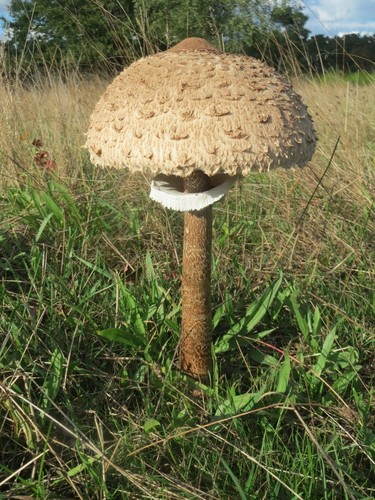
3. Parasol
Found in clearings and grassy areas in late summer, the wild parasol mushroom has a snakeskin-patterned stem. The brown spots on its cap make it look a bit shaggy, but that name is reserved for its poisonous counterpart, the Shaggy Parasol (Chlorophyllum rhacodes). You can distinguish the two by the stems: the latter has a smooth stem and red flesh inside.
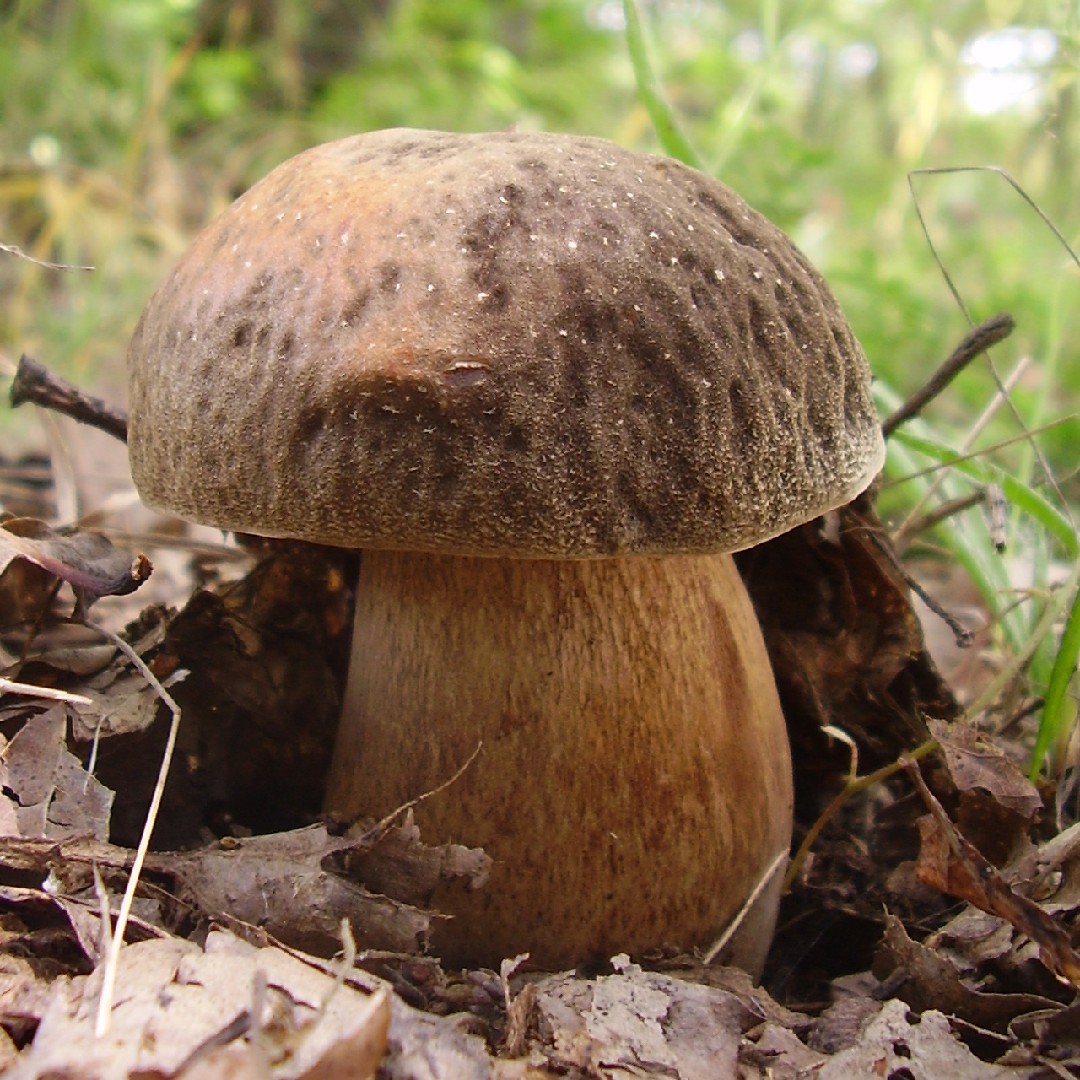
4. Bronze bolete
The bronze bolete is originally described from Europe. For many years, the species is thought to be present in North America as well, until molecular studies have shown that the North American counterpart, named Boletus regineus, was actually a different species. The bronze bolete is often found during hot and dry summer days. The specific Latin epithet "aereus" means "fitted with bronze" and it refers to the color of its velvety cap.
5. Bare-toothed Russula
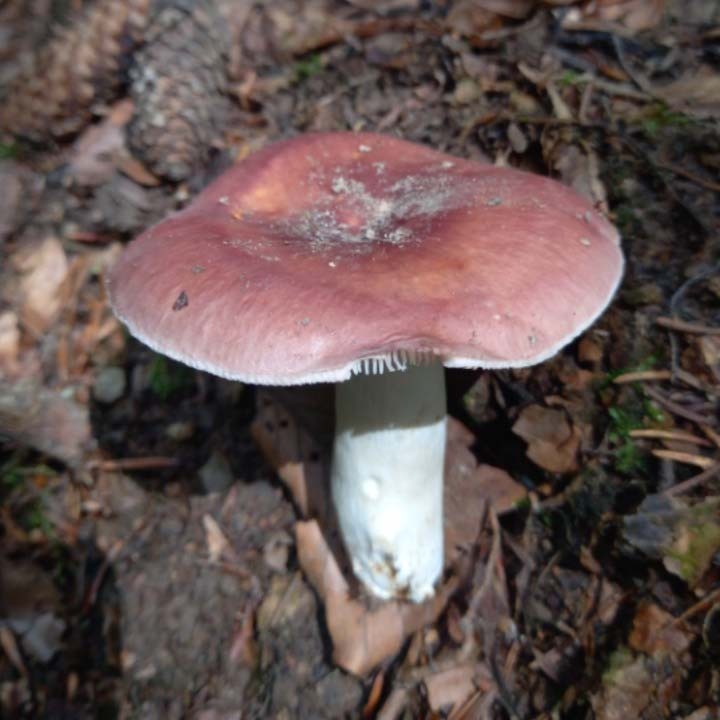
Bare-toothed Russula (Russula vesca) gets its Latin name Russula, which means red color, due to its reddish cap. The second part of its Latin name, vesca, means edible, but it should be noted that this doesn't mean this species should be considered edible by default. This widespread mushroom can be found growing close to oak and beech trees.
6. Big sheath mushroom
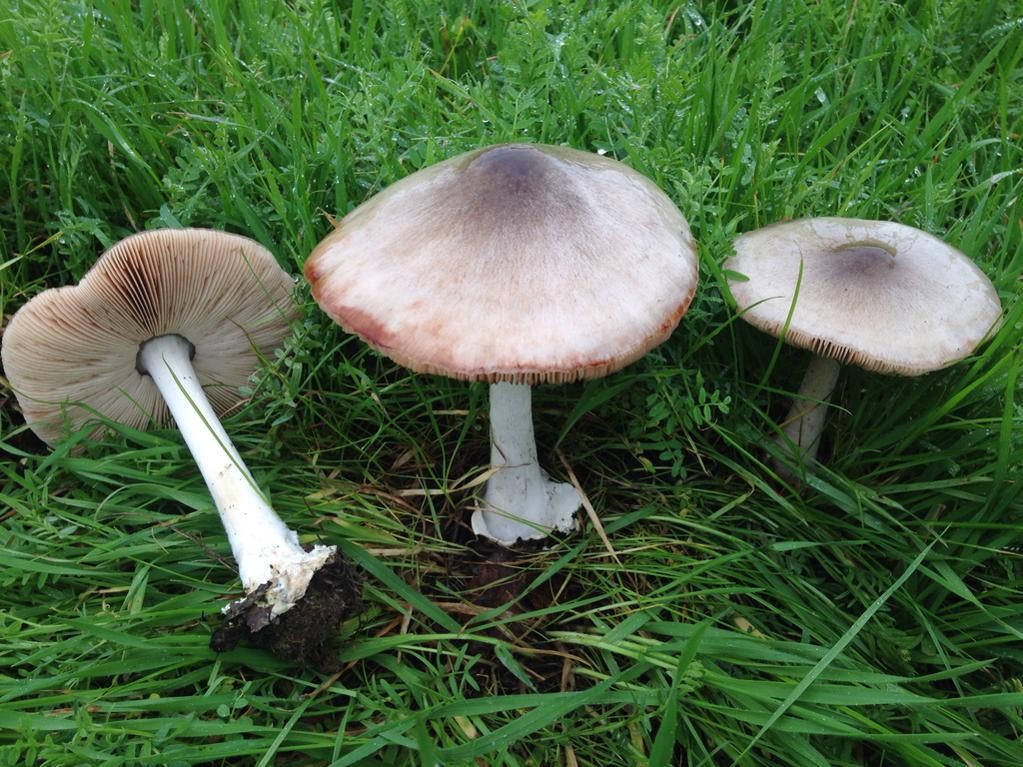
These large white mushrooms bloom all over cleared, harvested fields, as well as pastures and roadsides. The scientific species name comes from Greek words meaning “glue” (glioio) and “head” (cephalus), in reference to the sticky surface of this mushroom’s cap. The big sheath mushroom looks so similar to the poisonous Deathcap and Destroying Angel mushrooms that it should always be left alone.
7. Buttery collybia
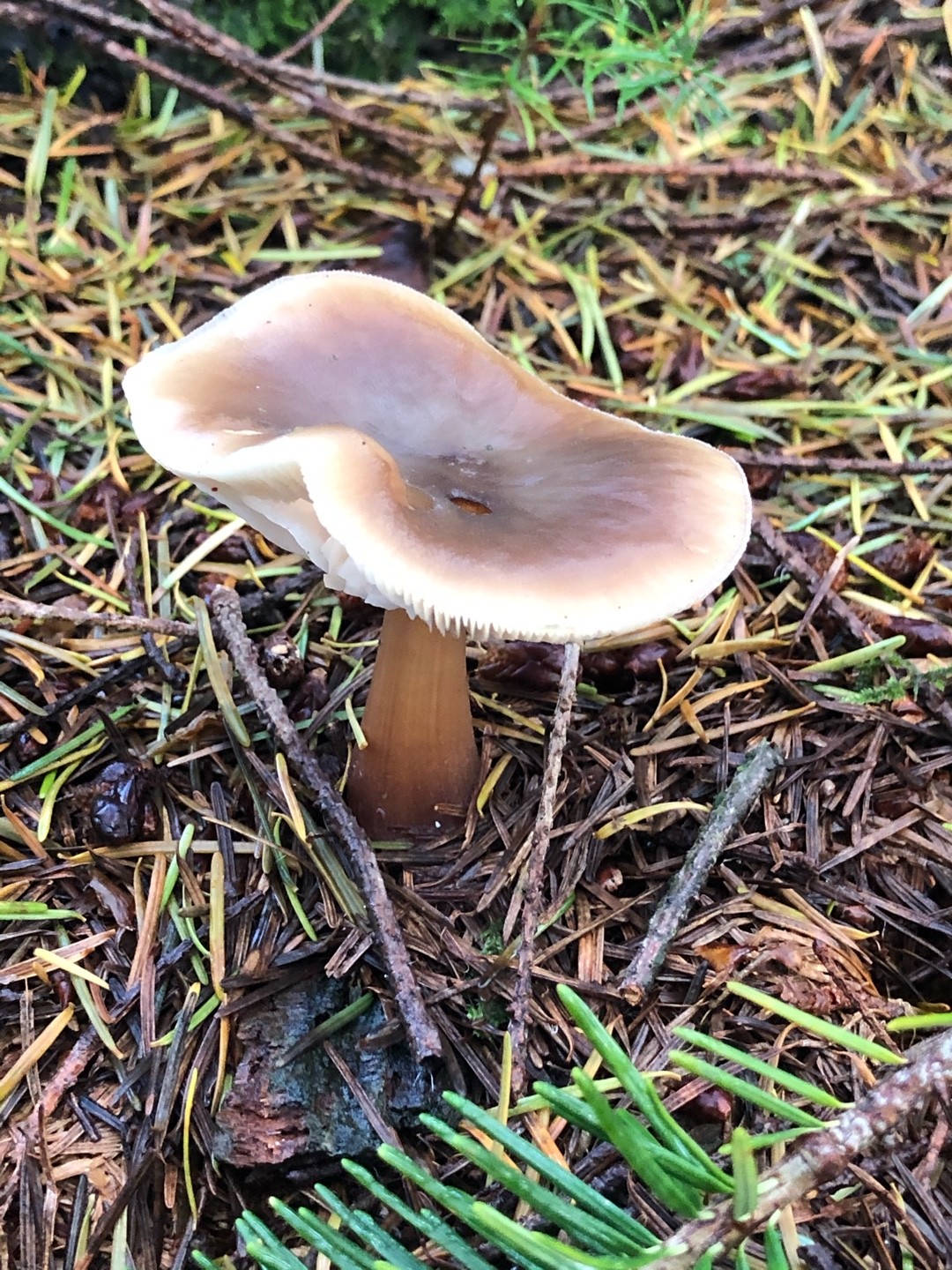
Buttery collybia mushrooms grow mainly on the floors of coniferous forests, from summer to winter across Europe and North America. This mushroom is called “buttery” not for its flavor, but rather the greasy texture of its surface. In the genus name, “rhodo” means pink, a reference to the shade of the gills beneath its cap.
8. Charcoal burner
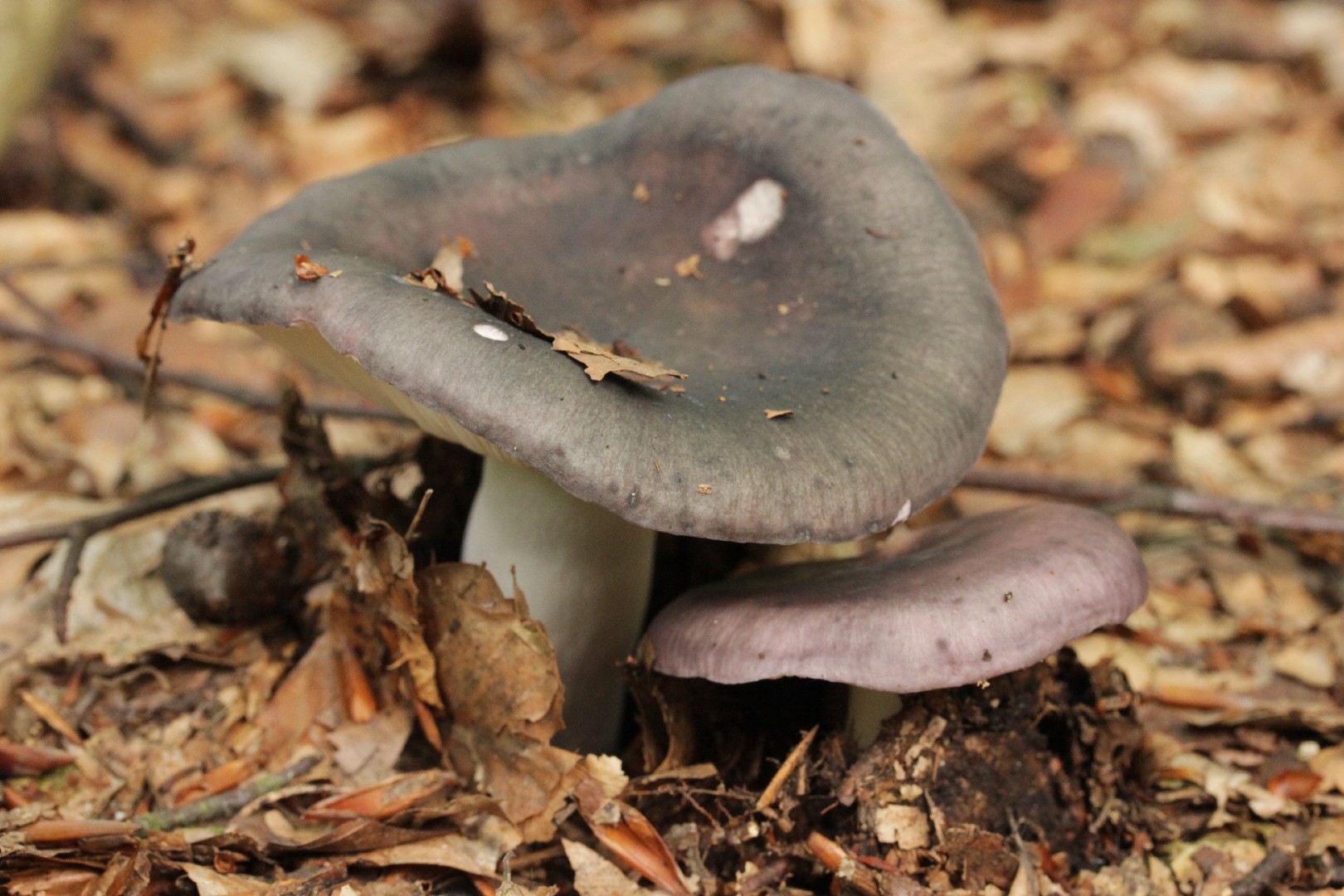
Most commonly found under beeches in forests or parks, this crumbly mushroom can appear in colors ranging from red and yellow to violet, blue-grey, or even green. Its scientific name represents this variability: Russula cyanoxantha means “reddish blue-blonde.”
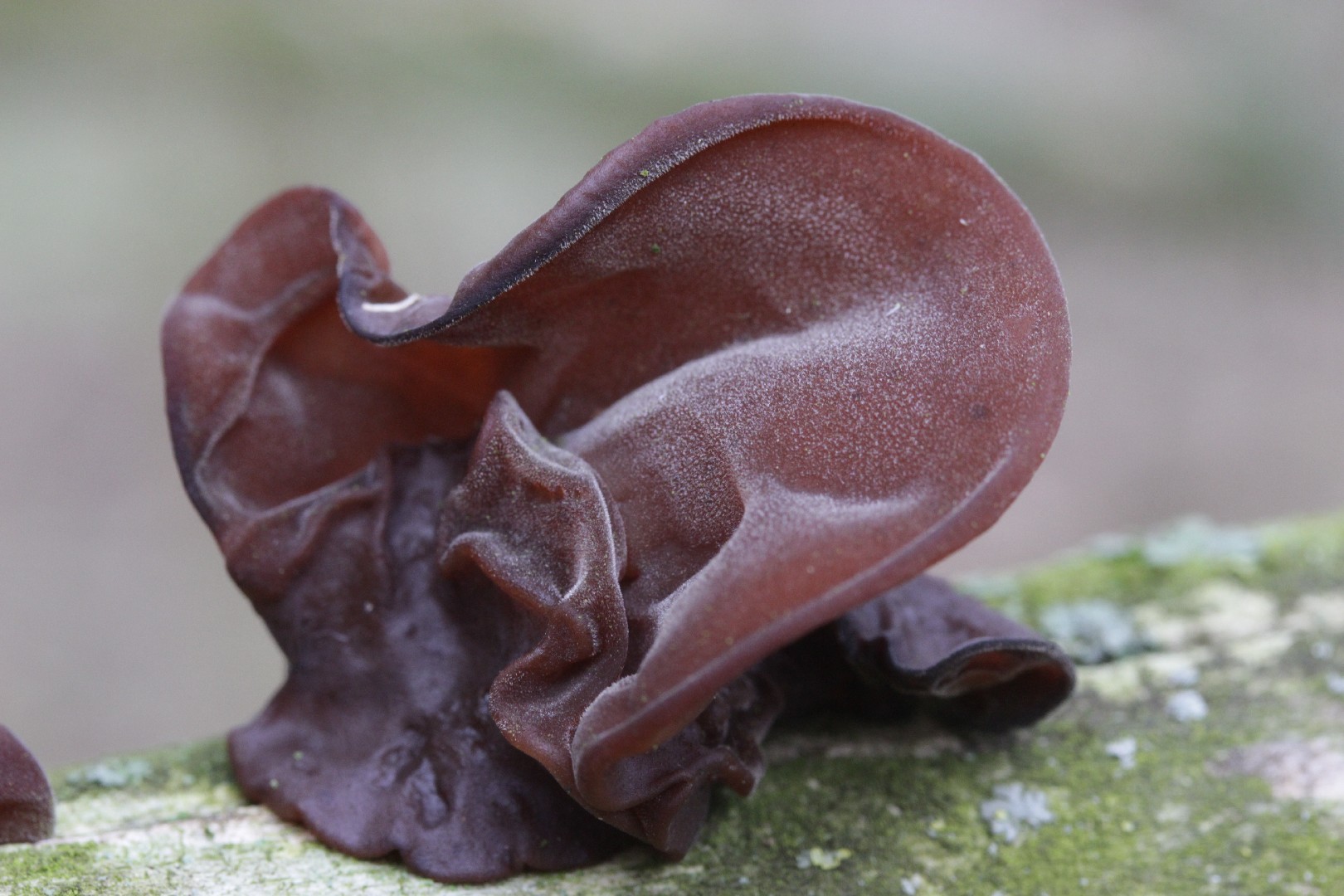
9. Jelly ear
The distinctive jelly ear grows mainly through winter and spring, mostly on the dead trunks and branches of elder trees. It occurs around the world and is often cooked into dishes in Asian countries. This ear-shaped jelly mushroom is often available in stores both fresh and dried.
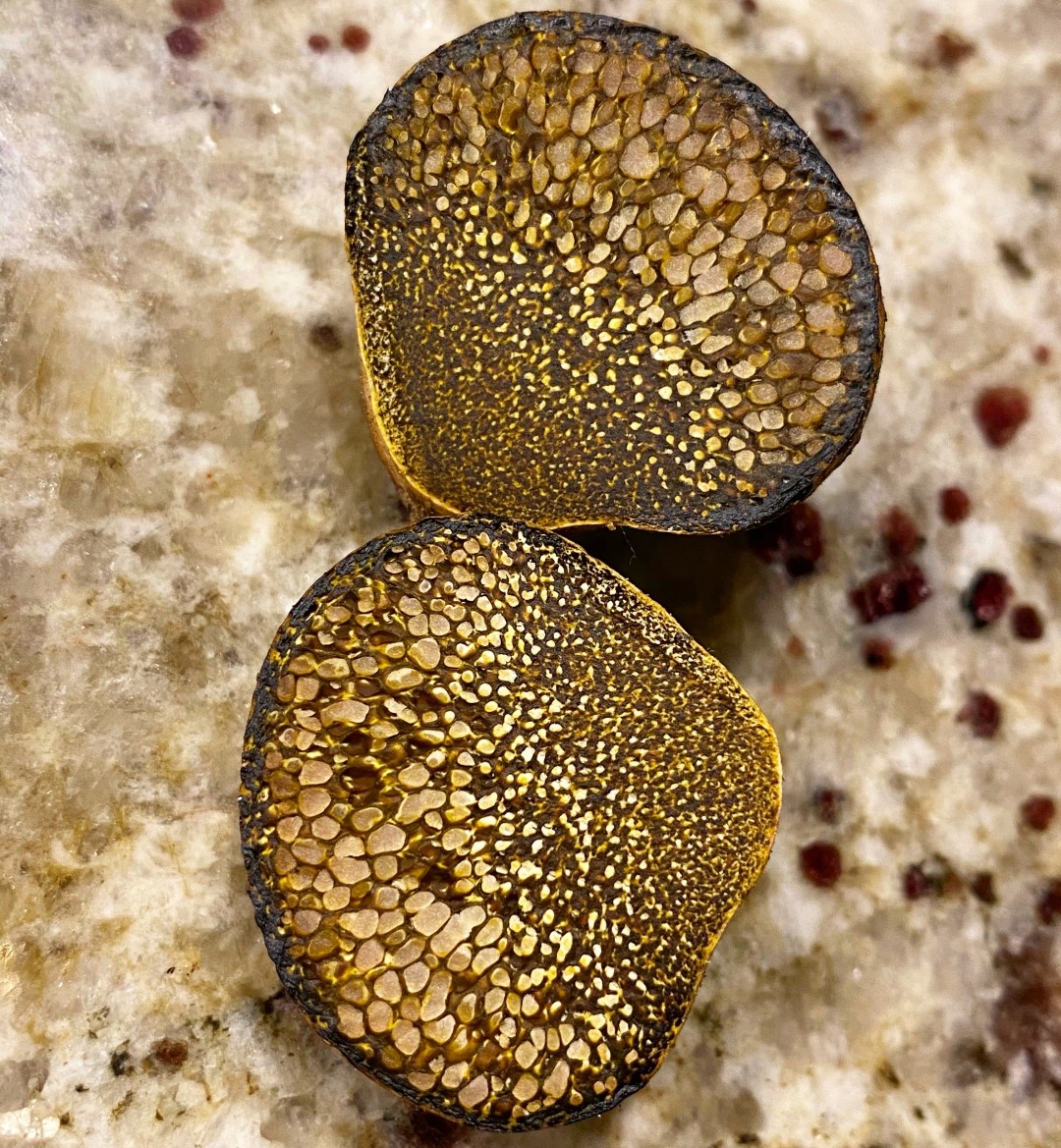
10. Dead man's foot
Dead man's foot (Pisolithus arhizus) actually bears a number of colorful names stemming from its unusual appearance, such as the horse dung fungus (Australia). It can be distilled into a viscous black gel, which is then used as a natural dye for clothing. It is considered to be inedible.
More







