




Top 20 Edible Mushrooms Popular in El Ejido
Dive into the captivating world of fungi in El Ejido, an outstanding city housing a diverse range of edible mushrooms. Characterized by its diverse terrain and distinct climate, El Ejido provides an ideal habitat for a rich variety of these culinary treasures. Our list of 20 most common edible mushrooms found in El Ejido offers detailed insights including their unique appearances, distinctive tastes, preferred habitats, and varied culinary uses, shaping your mushroom foraging journey. From novice foragers to culinary enthusiasts, this comprehensive guide serves as a valuable educational resource.
* Disclaimer: Content feedback CAN NOT be used as any basis for EATING ANY PLANTS. Some plants can be VERY POISONOUS, please purchase edible plants through regular channels.

Most Popular Edible Mushrooms
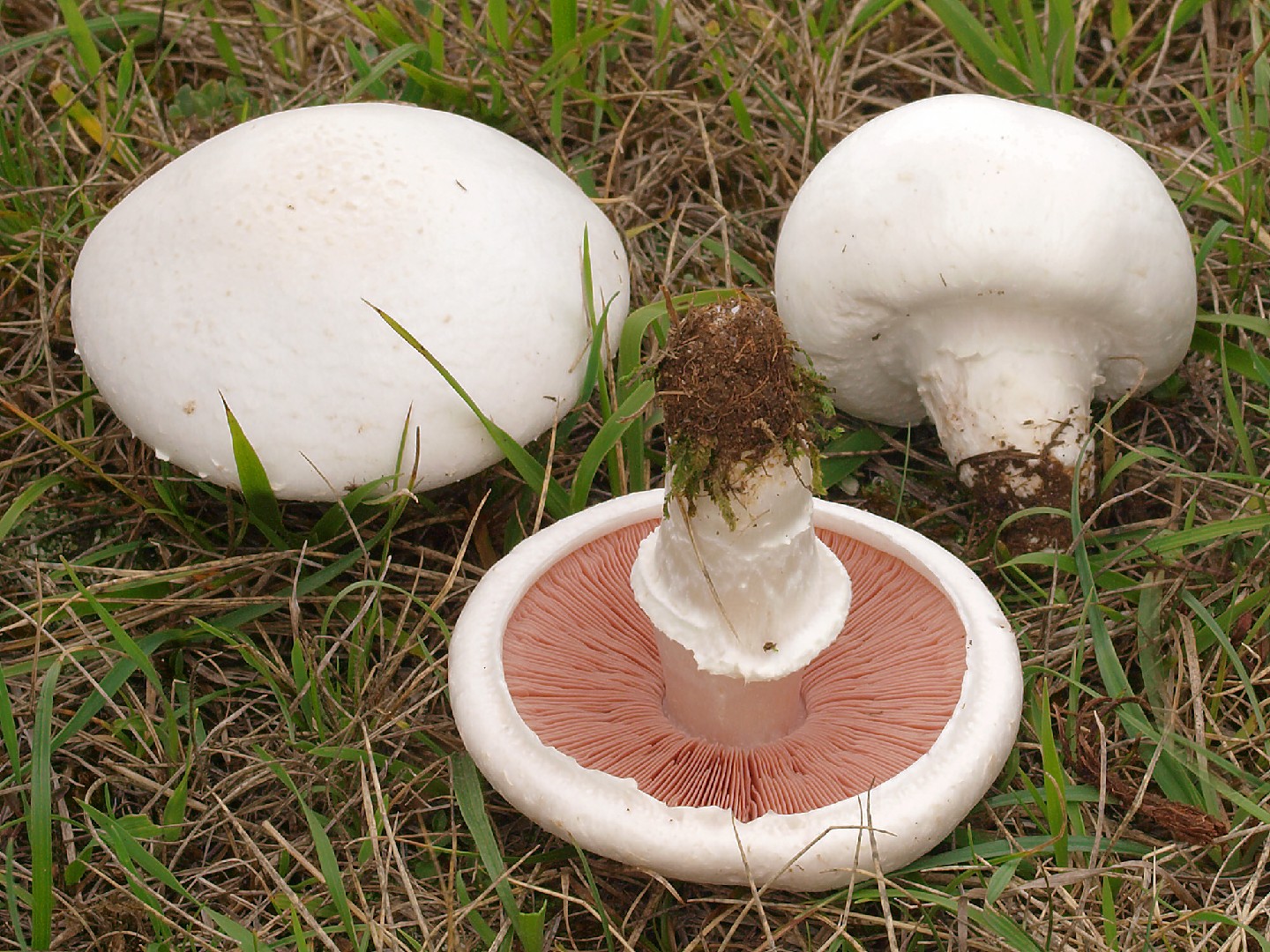
1. Meadow mushroom
The meadow mushroom grows in meadows and pastures around the world—especially those rich in manure—when the weather is warm and wet. They are known to appear in “fairy ring” shapes. Originally identified in Europe, it is possible that North American specimens identified as meadow mushrooms may genetically belong to other species.
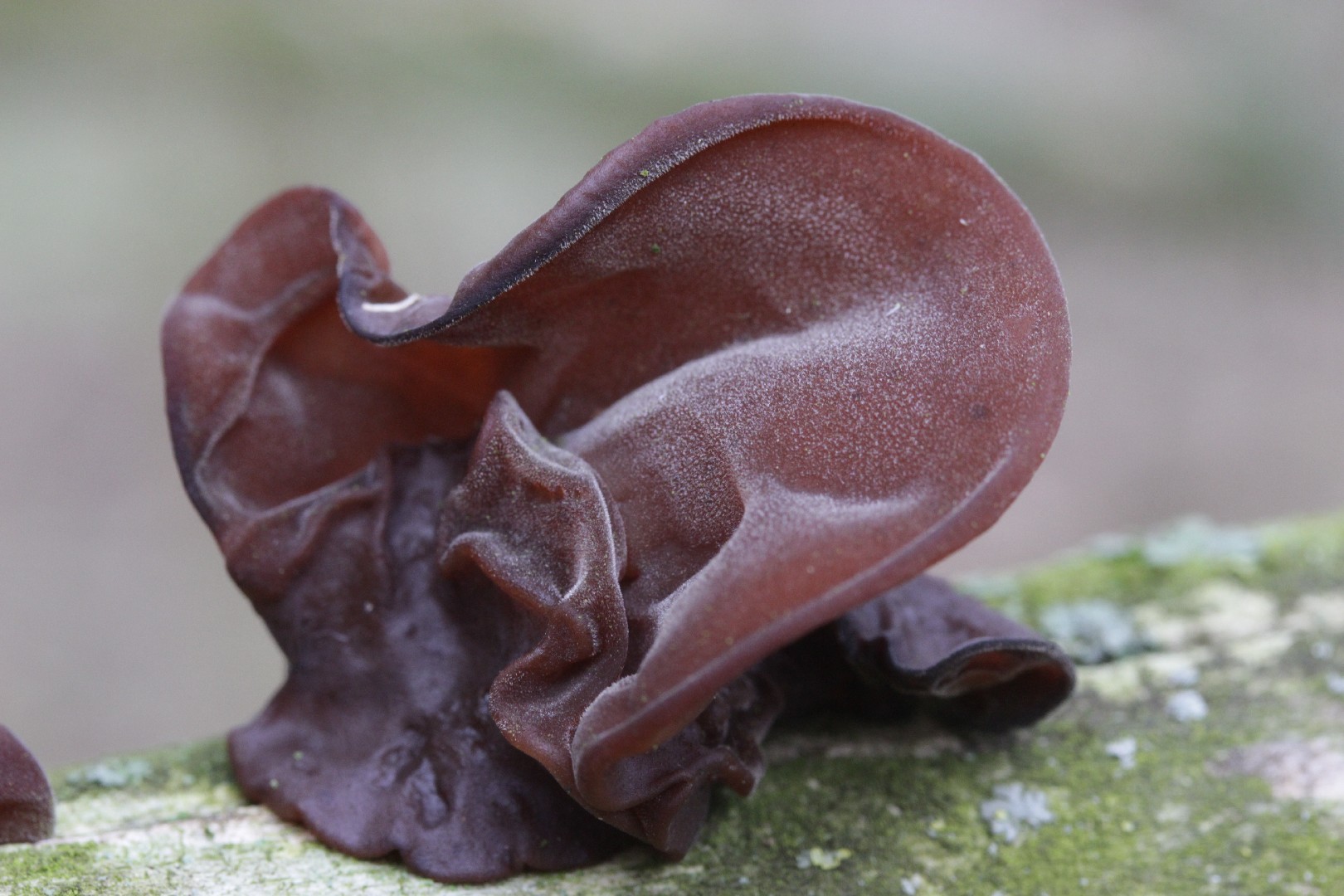
2. Jelly ear
The distinctive jelly ear grows mainly through winter and spring, mostly on the dead trunks and branches of elder trees. It occurs around the world and is often cooked into dishes in Asian countries. This ear-shaped jelly mushroom is often available in stores both fresh and dried.
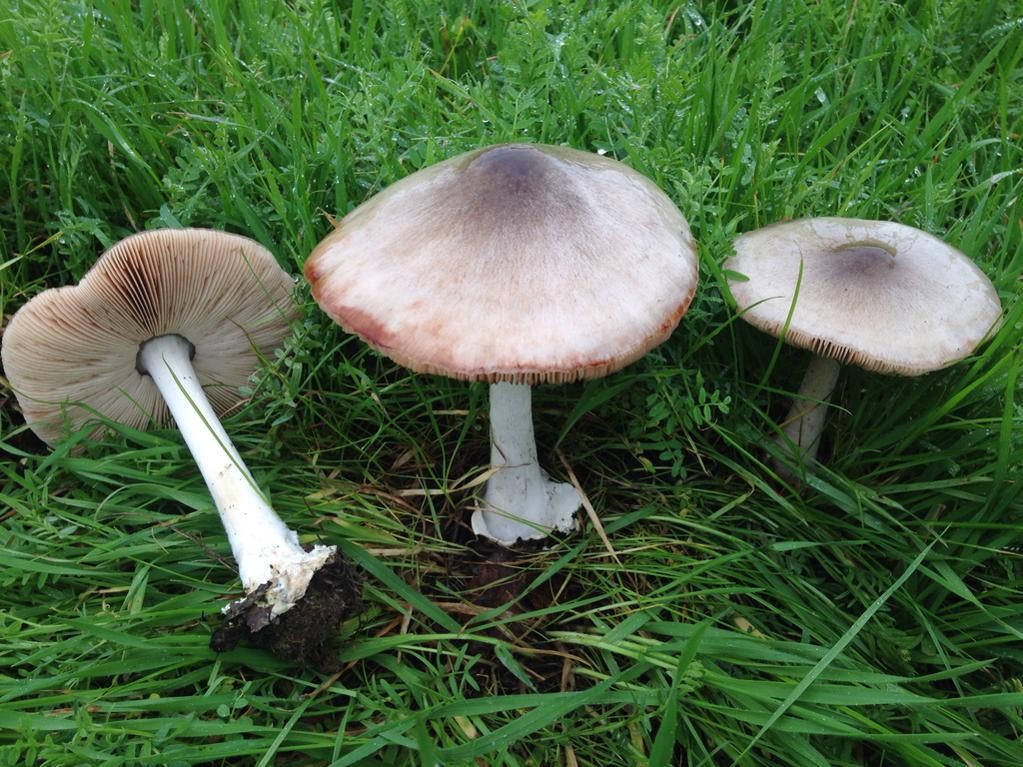
3. Big sheath mushroom
These large white mushrooms bloom all over cleared, harvested fields, as well as pastures and roadsides. The scientific species name comes from Greek words meaning “glue” (glioio) and “head” (cephalus), in reference to the sticky surface of this mushroom’s cap. The big sheath mushroom looks so similar to the poisonous Deathcap and Destroying Angel mushrooms that it should always be left alone.
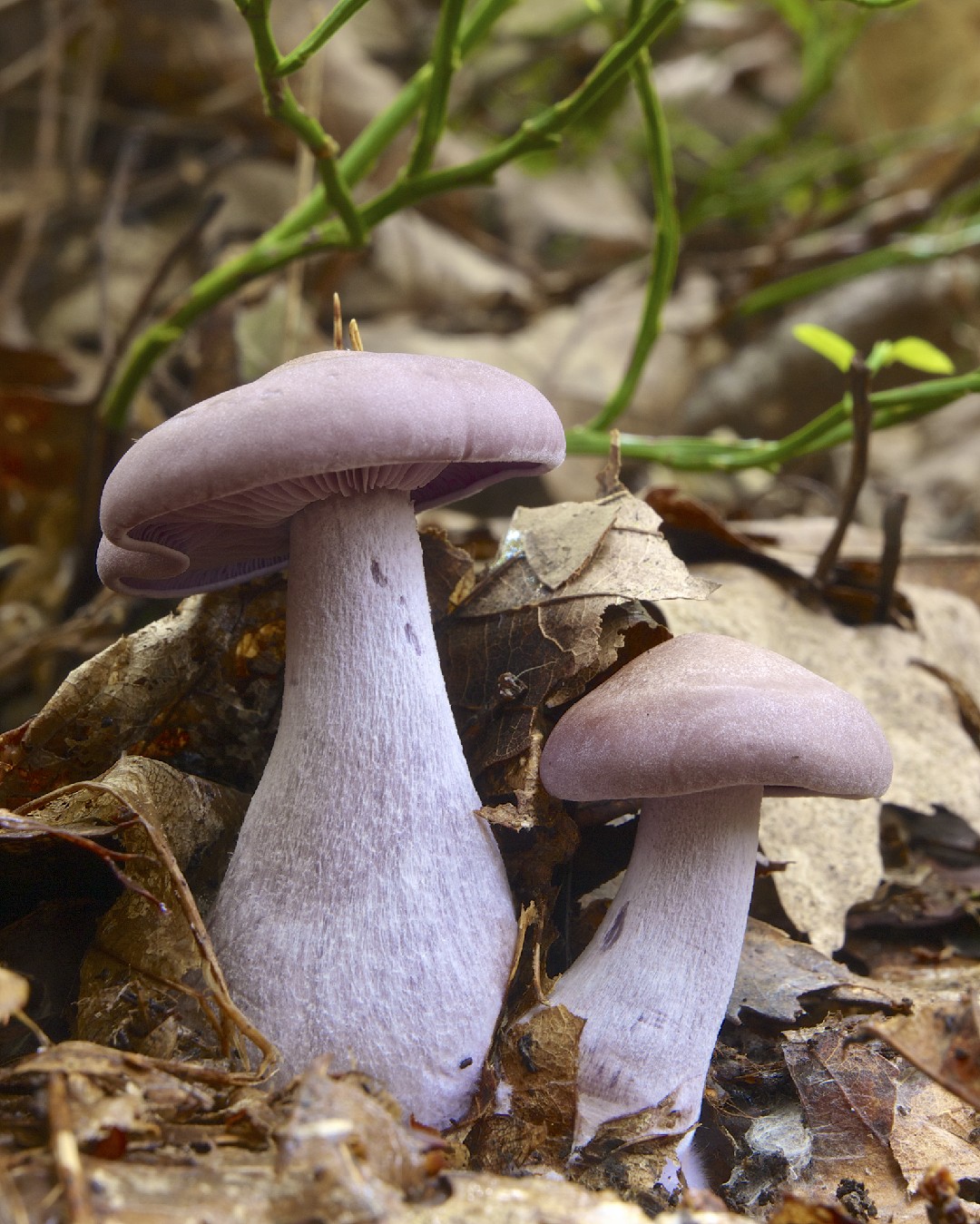
4. Blewit
The blewit mushroom grows in fallen leaves in autumn and winter, sometimes appearing in ‘fairy ring’ circles. It can be used to make a green dye when chopped and boiled in an iron pot. The scientific name, Lepista nuda, derives from Latin words meaning “bare goblet,” a reference to the shape and texture of the mushroom.
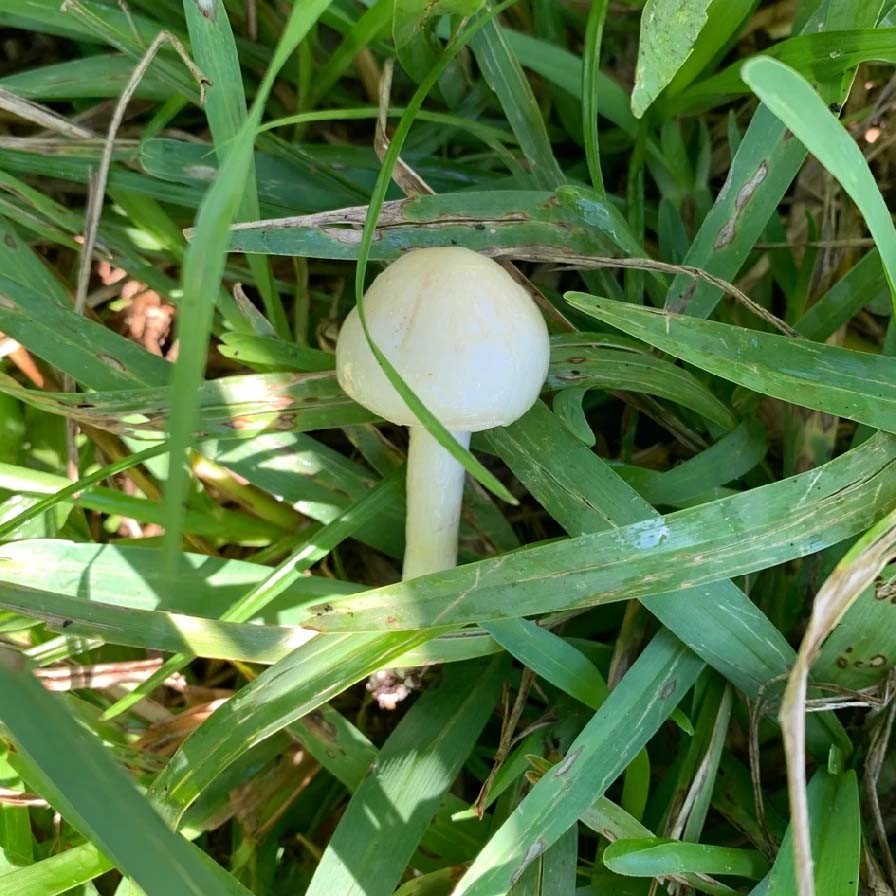
5. Dripping slimecap
Cap : It has approximately 2–7 cm long radius. It is round becoming convex then wide or with a broad umbo the margin hanging with slimy veil remnants. It is white or cream in color. It feels smooth and sticky or slimy. Gills : They are free non-waxy close broad and white in color. Stem / Stipe : The 5–10 cm long stem tapers a bit towards the top. It is fleshy soft and has a ring. White in color it is also sticky and slimy. Spores : Spores are globose to broadly ellipsoid and smooth. Microscopic features : The spores measure 4.5-6.5 x 4-6 um. Flesh : Flesh is slimy and sticky. Fruiting : These mushrooms flower in between summer and fall.
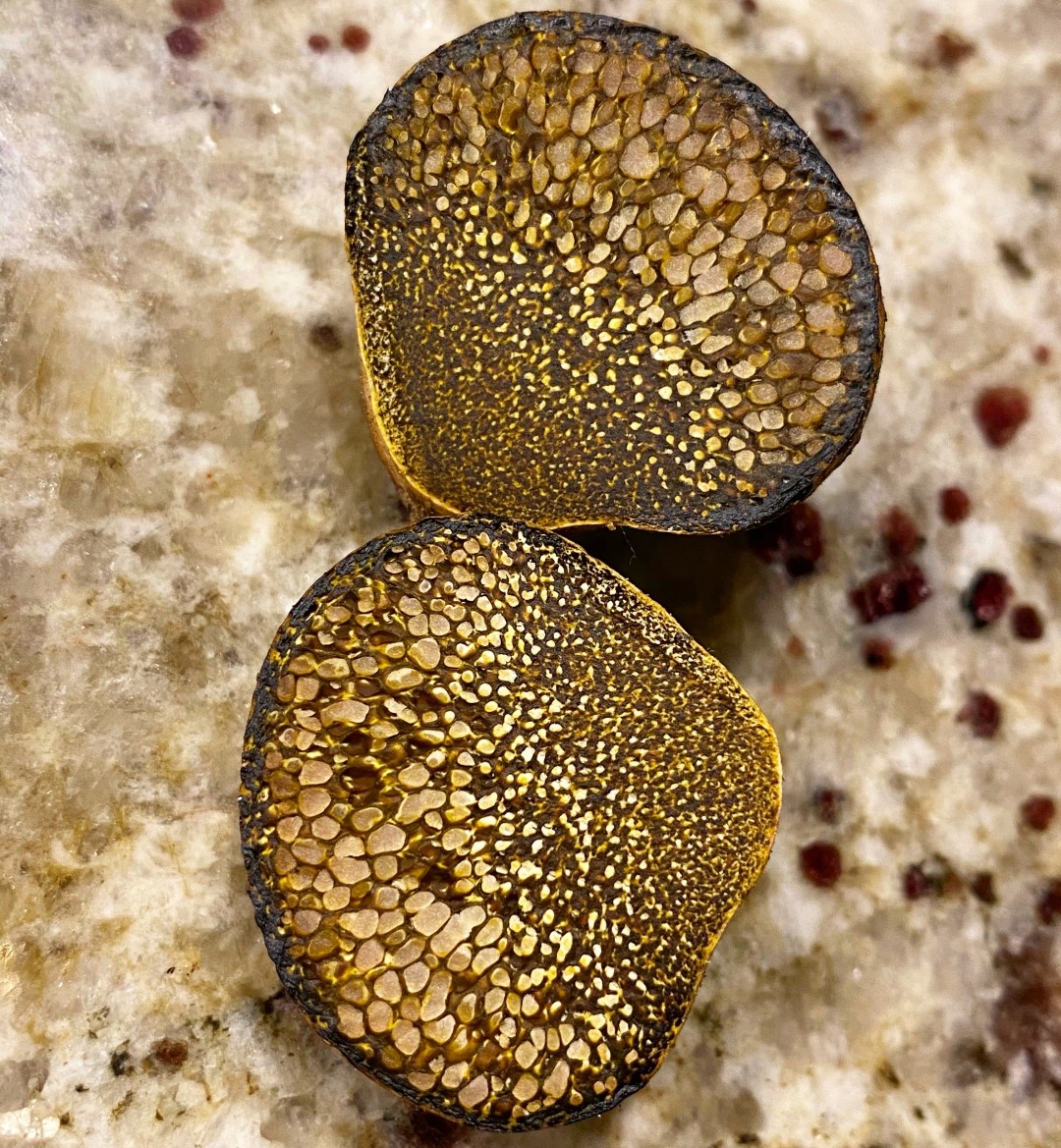
6. Dead man's foot
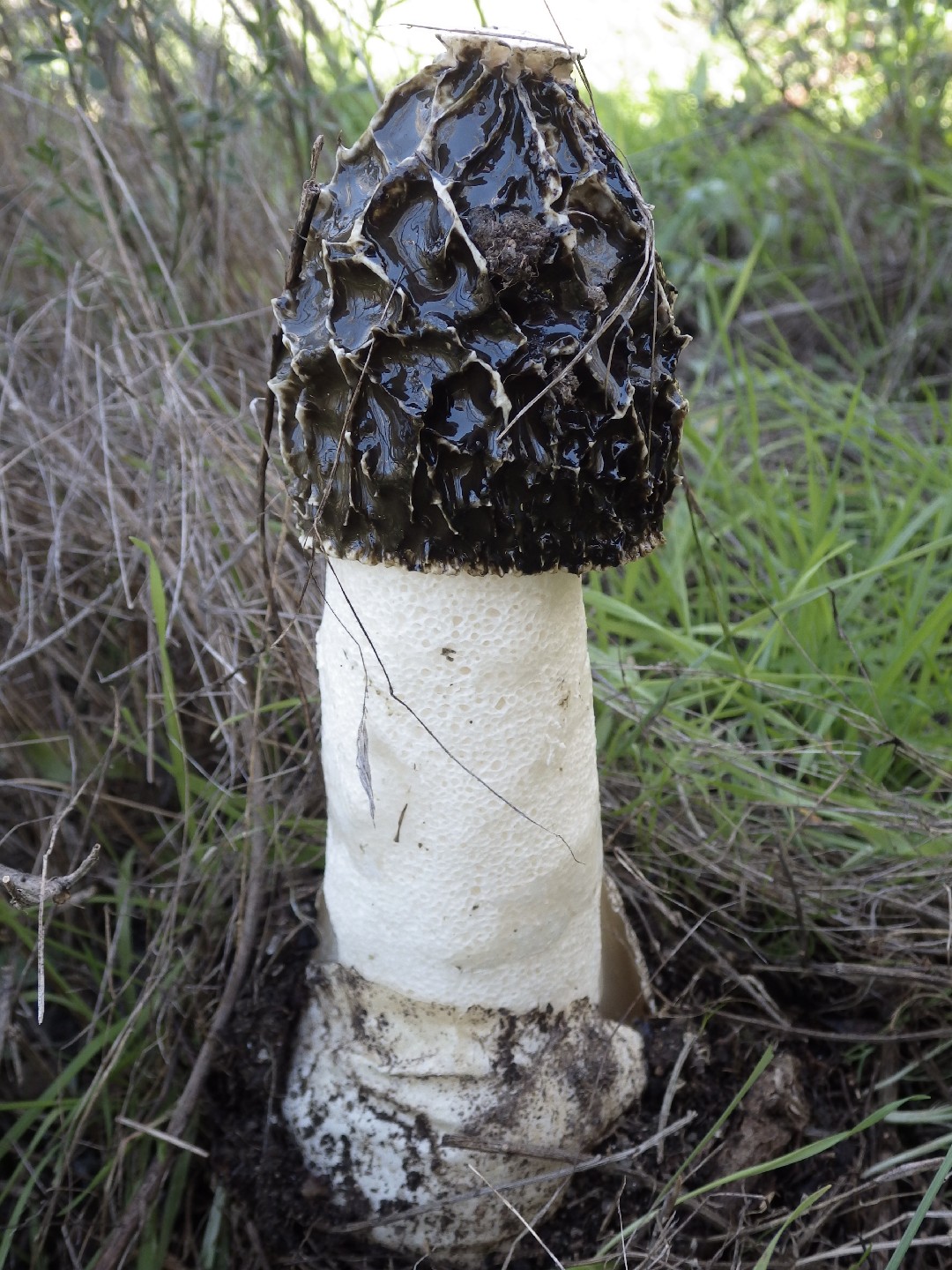
Dead man's foot (Pisolithus arhizus) actually bears a number of colorful names stemming from its unusual appearance, such as the horse dung fungus (Australia). It can be distilled into a viscous black gel, which is then used as a natural dye for clothing. It is considered to be inedible.
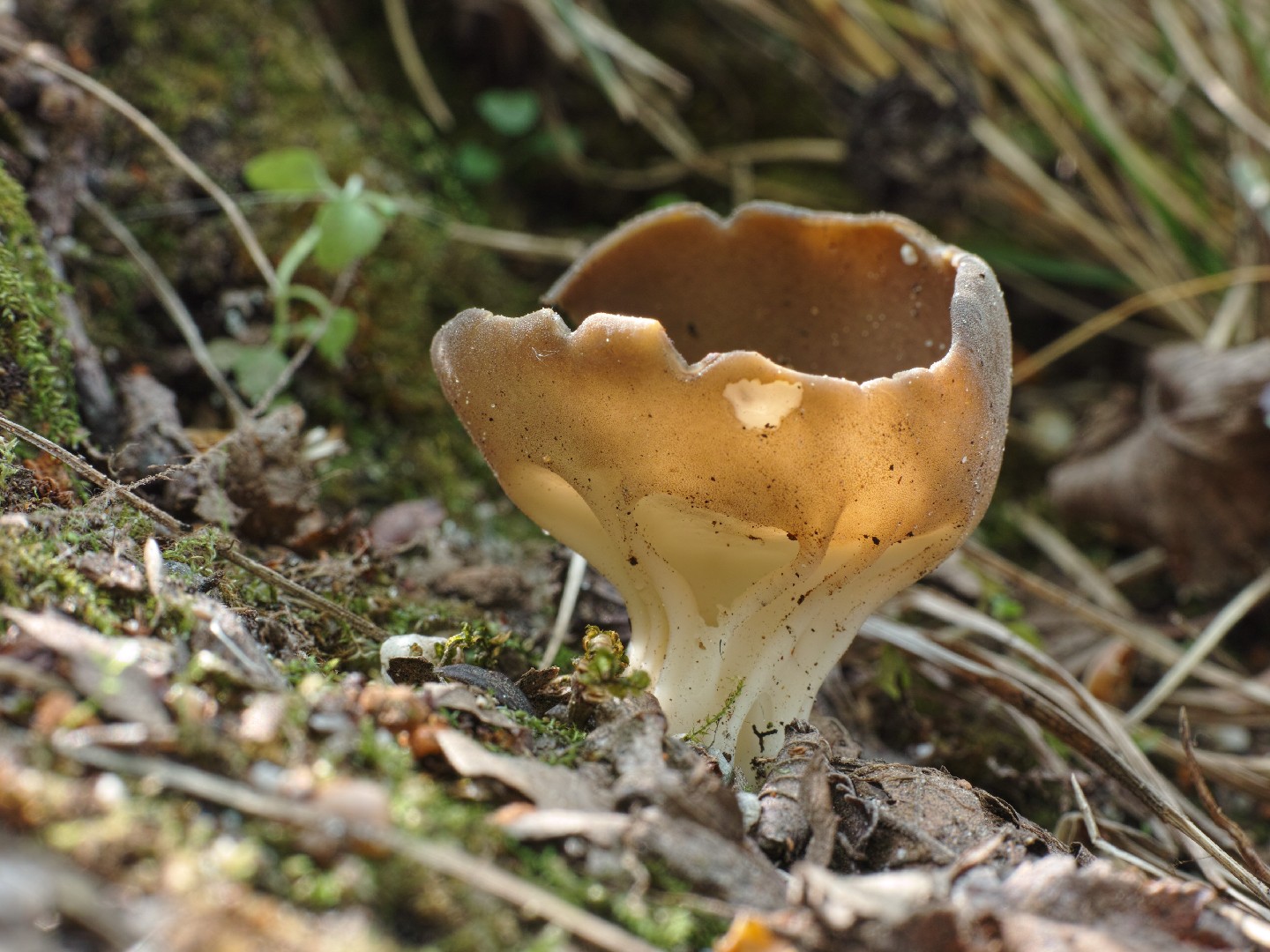
7. Vinegar cup
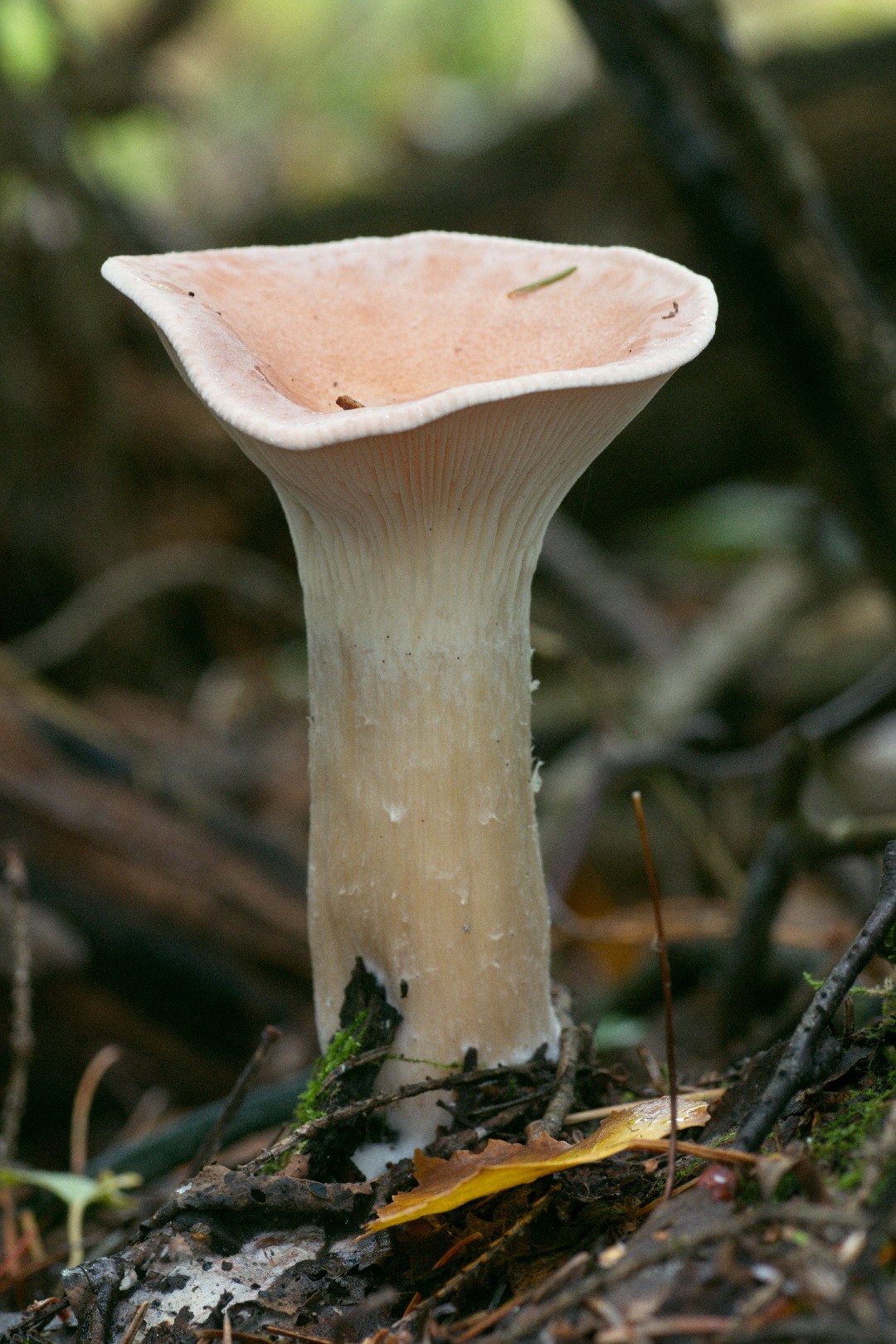
The vinegar cup (Helvella acetabulum) forms fruitbodies in the shape of vases or chalices with deeply convex caps. Its distinguishing feature is the way the stem’s ribs extend all the way up the sides of the “cup,” in some specimens resembling the folds of cabbage leaves. Common name aside, it is not considered edible.
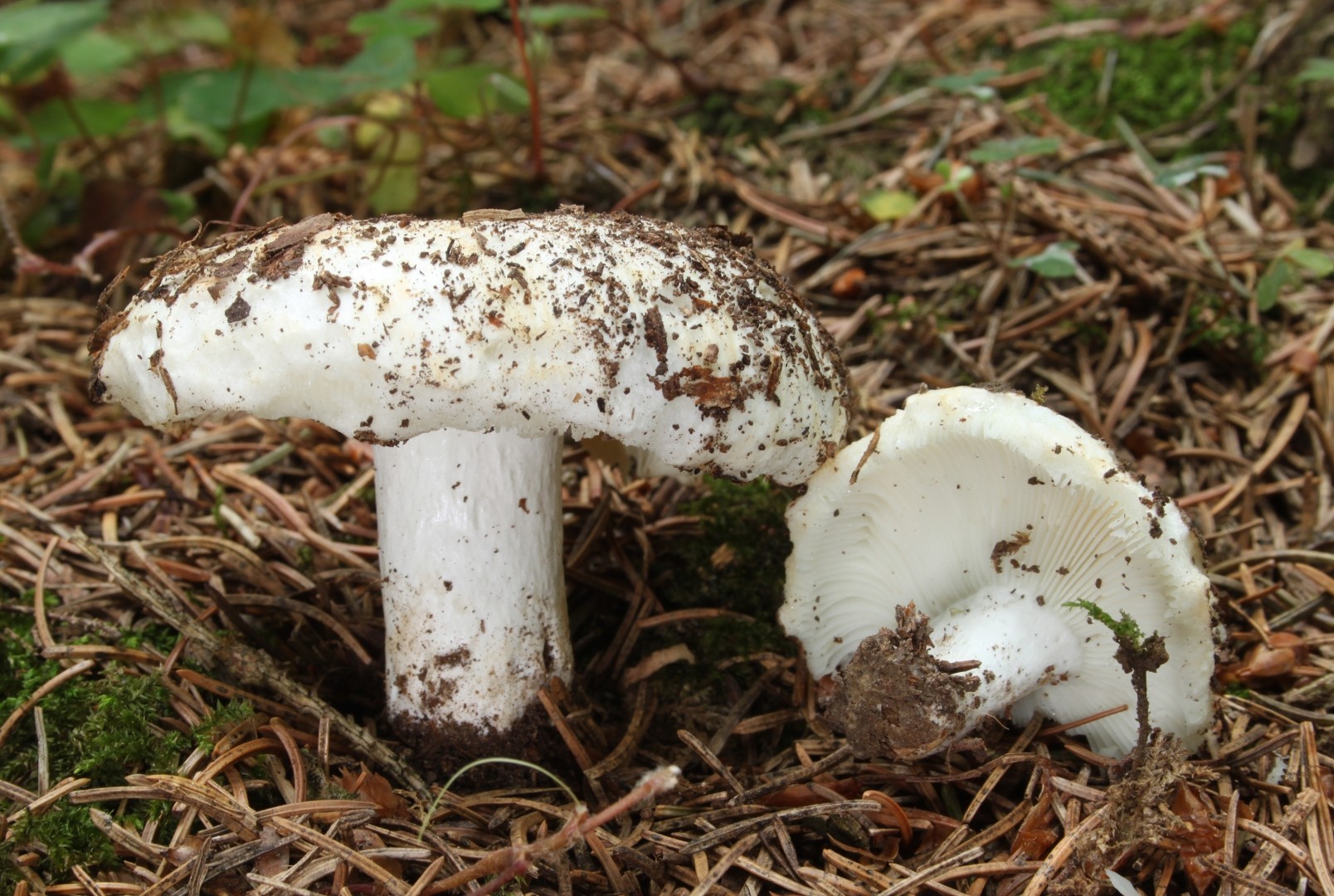
8. Milk-white brittlegill
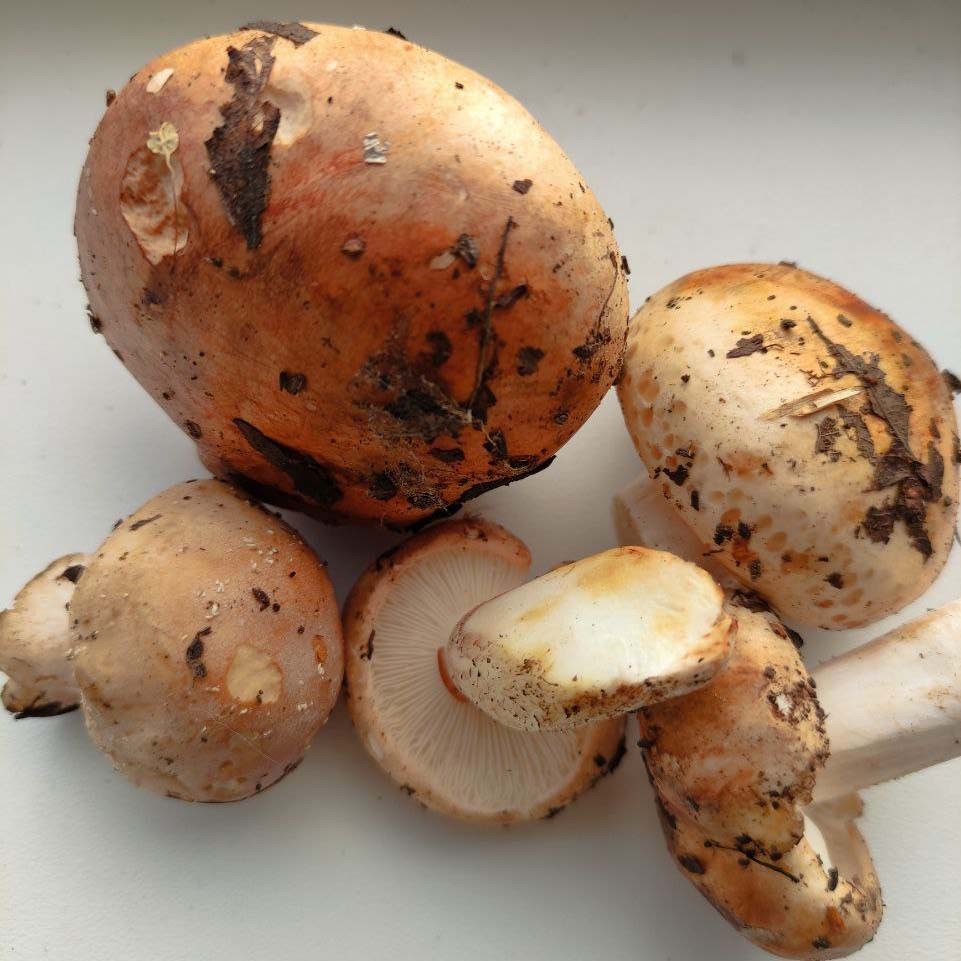
Fruitbodies of the large milk-white brittlegill (Russula delica) arise from the forest floor already quite formed, a fact which results in dirty and pockmarked caps. “Delica” means “without milk,” and this mushroom can be most readily distinguished from the lookalike Fleecy Milkcap by its lack of milky latex exudate.
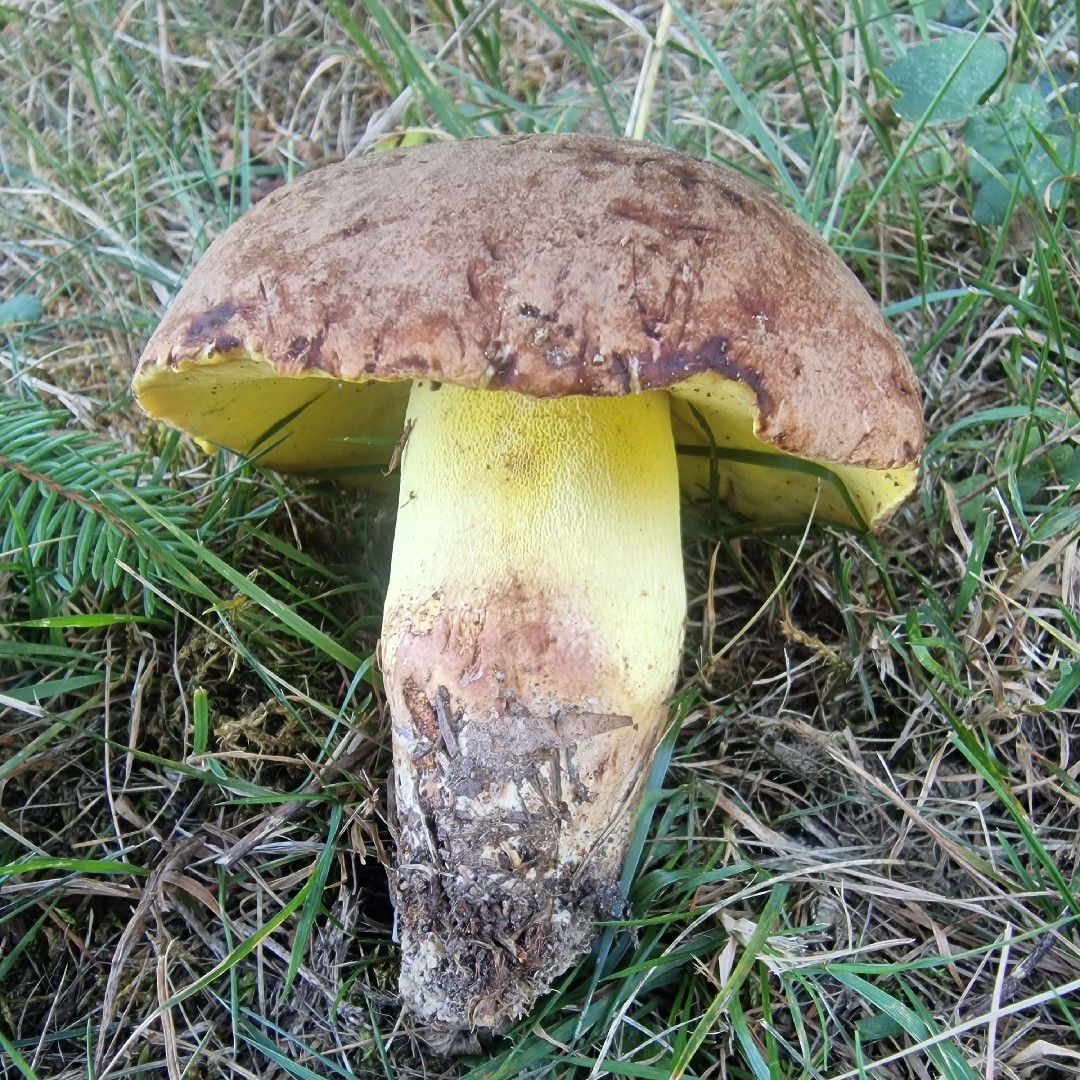
9. Oak bolete
As you can probably guess from its name, Oak bolete is most commonly found beneath oak trees. Both the stem and cap of oak bolete turn a vivid blue color when damaged. The specific name pendiculatus means with a small appendage.
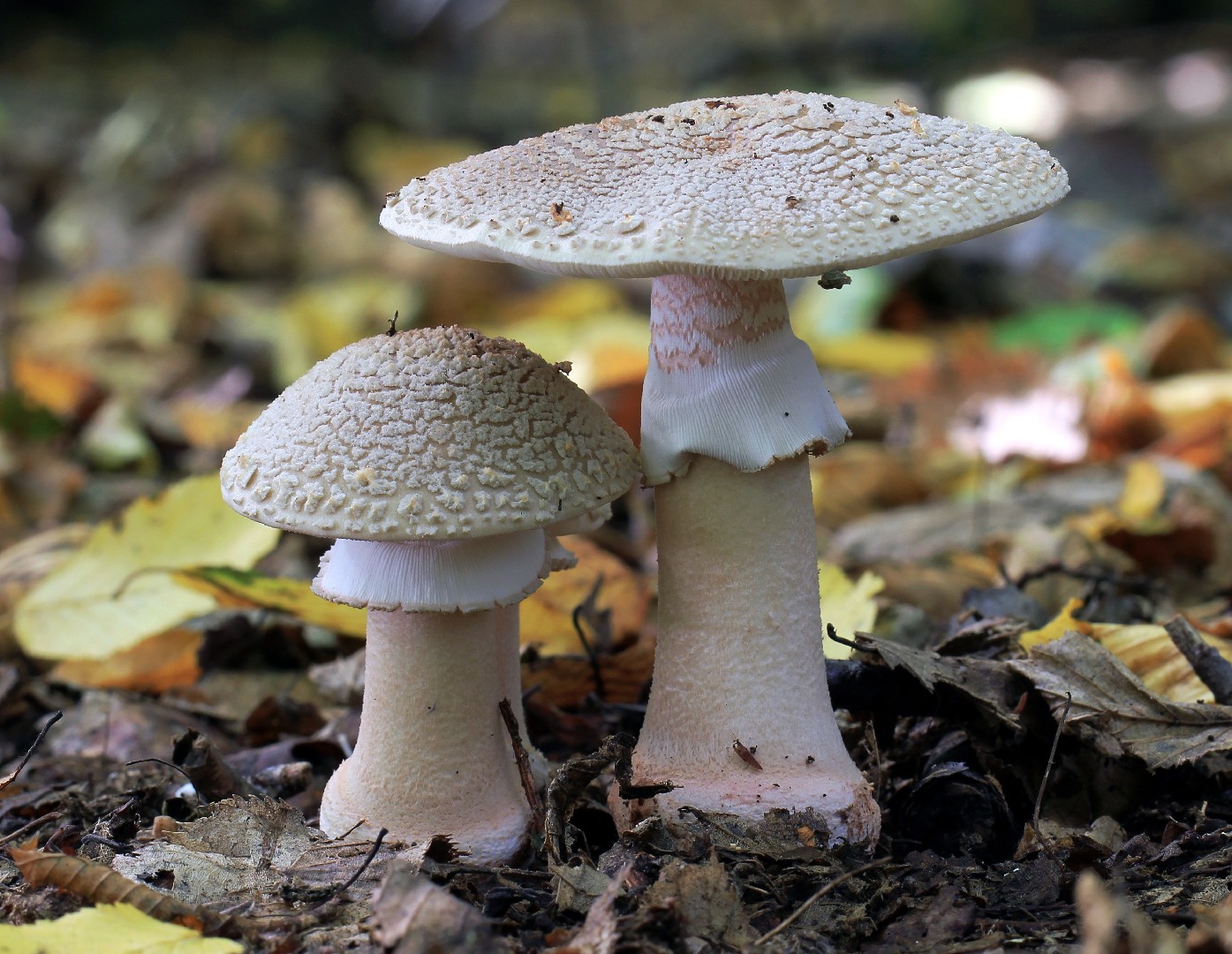
10. Blusher
The blusher mushroom is so named because it “blushes” to a pinkish red color when cut or bruised. It is found in many countries around the world, although it may not be native to the southern hemisphere. It contains a hemolytic toxin that can cause anemia if eaten.


More







