




Top 20 Edible Mushrooms Popular in Lubelskie
Discover the beauty and variety of the top 20 edible mushrooms found in Lubelskie, a region renowned for its vibrant fungi populations. Ranging from shaded woodlands to damp grasslands, Lubelskie hosts a myriad of diverse habitats ideal for bountiful mushroom growth. Our journey will take you through each mushroom's unique attributes, from their distinctive appearances and flavours to their prefered environments and culinary applications, educating you on the spectatular edible biodiversity that Lubelskie harbors. Your gastronomic adventure awaits in the lush lands of Lubelskie.
* Disclaimer: Content feedback CAN NOT be used as any basis for EATING ANY PLANTS. Some plants can be VERY POISONOUS, please purchase edible plants through regular channels.

Most Popular Edible Mushrooms
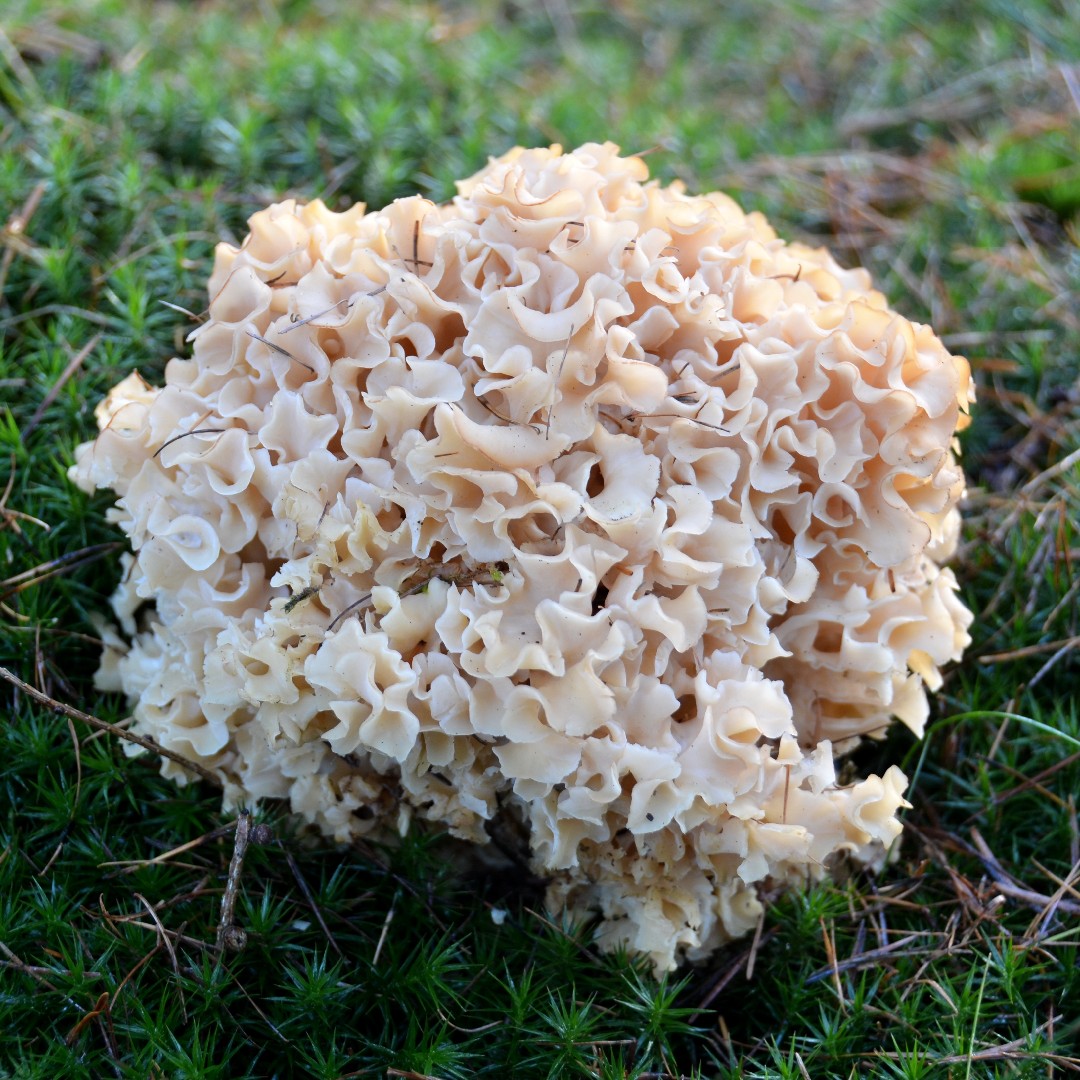
1. Cauliflower mushroom
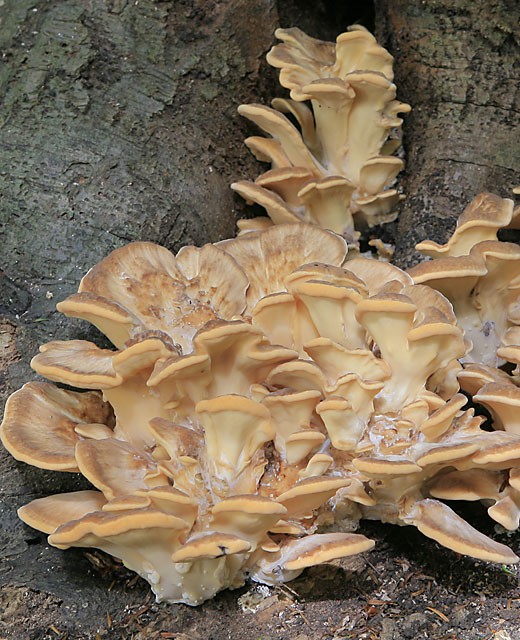
Instantly recognizable and highly sought-after, cauliflower mushroom (Sparassis crispa) forms a distinct-looking fruitbody that can be found across temperate North America and Europe. The species resembles cauliflower in both color and overall shape, although instead of bearing florets, its appendages look more like wavy, partially-cooked pasta.
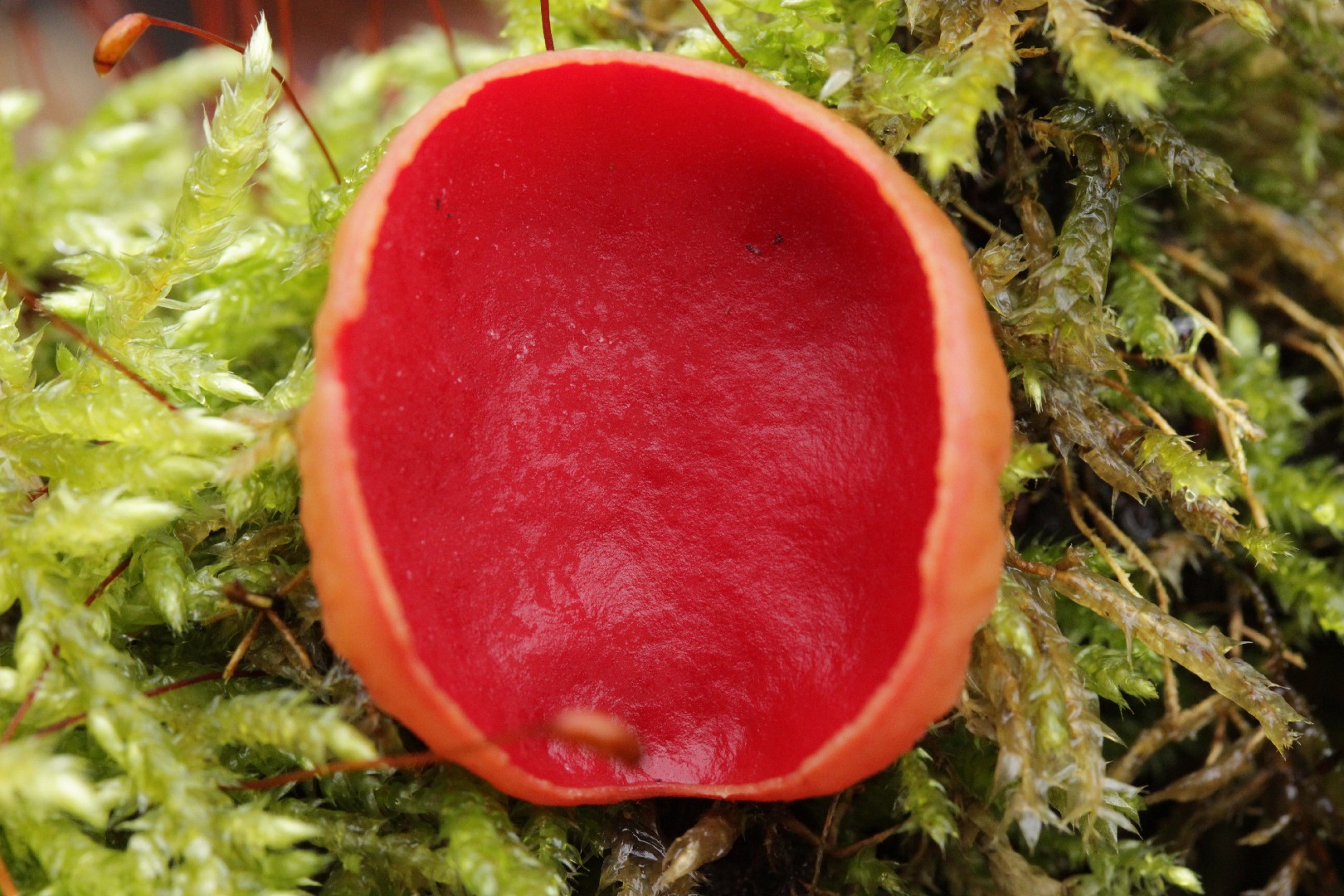
2. Scarlet cup
One of the first mushrooms to appear in the spring, the scarlet cup sometimes pops out of snow. Definitely a cool-season mushroom, the scarlet cup also prefers areas with high rainfall. It forms large colonies and it's very abundant. Slugs and various rodents like to feed on this mushroom.
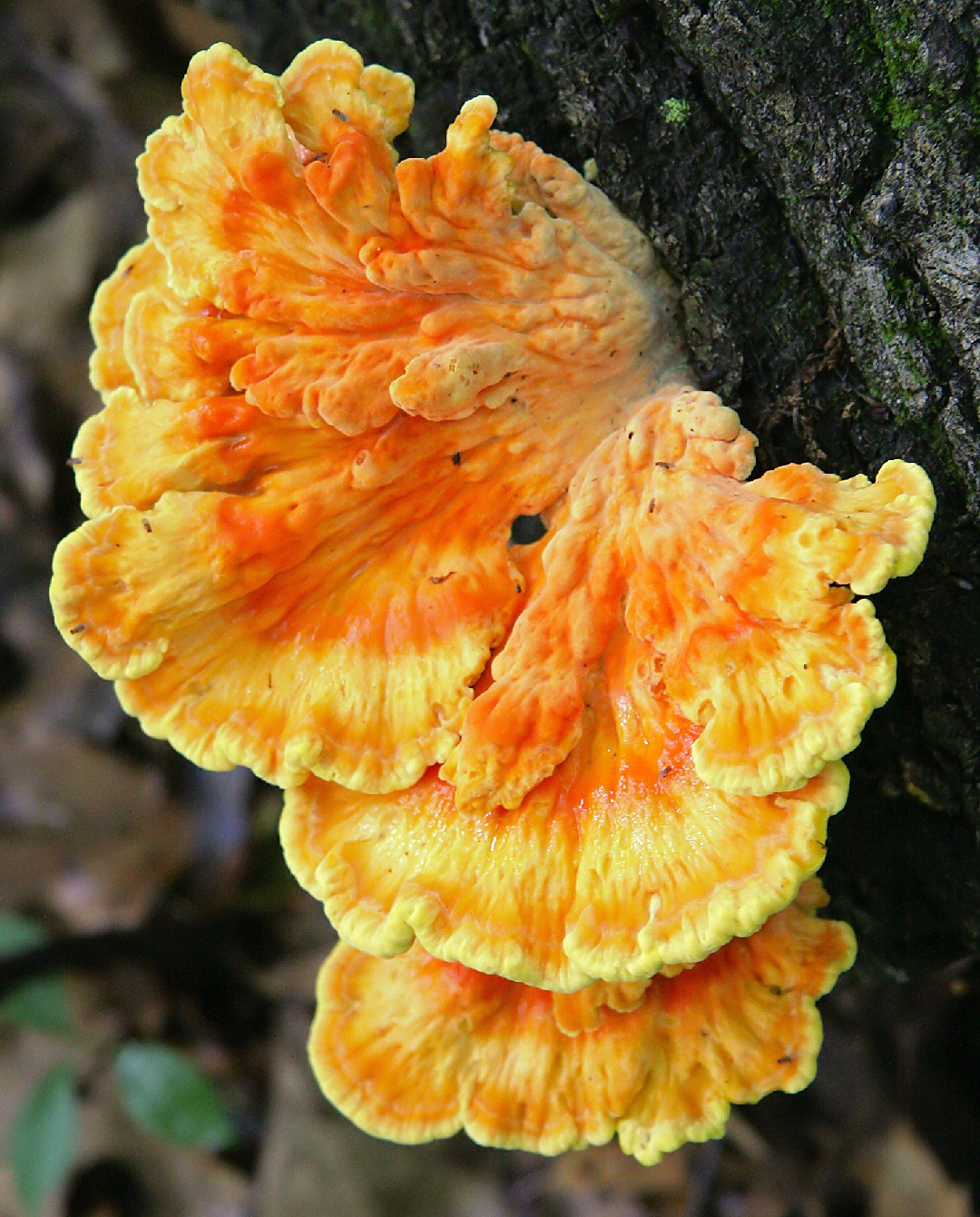
3. Chicken of the woods
Chicken of the woods is very noticeable in hardwood forests, appearing in clusters on standing tree trunks in bright orange and yellow hues that sometimes last through the entire winter. It is a parasite that causes an unfortunate brown heart rot, and is considered a particularly troublesome pest of Yew trees. If the fruitbodies can be seen, the tree is likely already beyond saving.
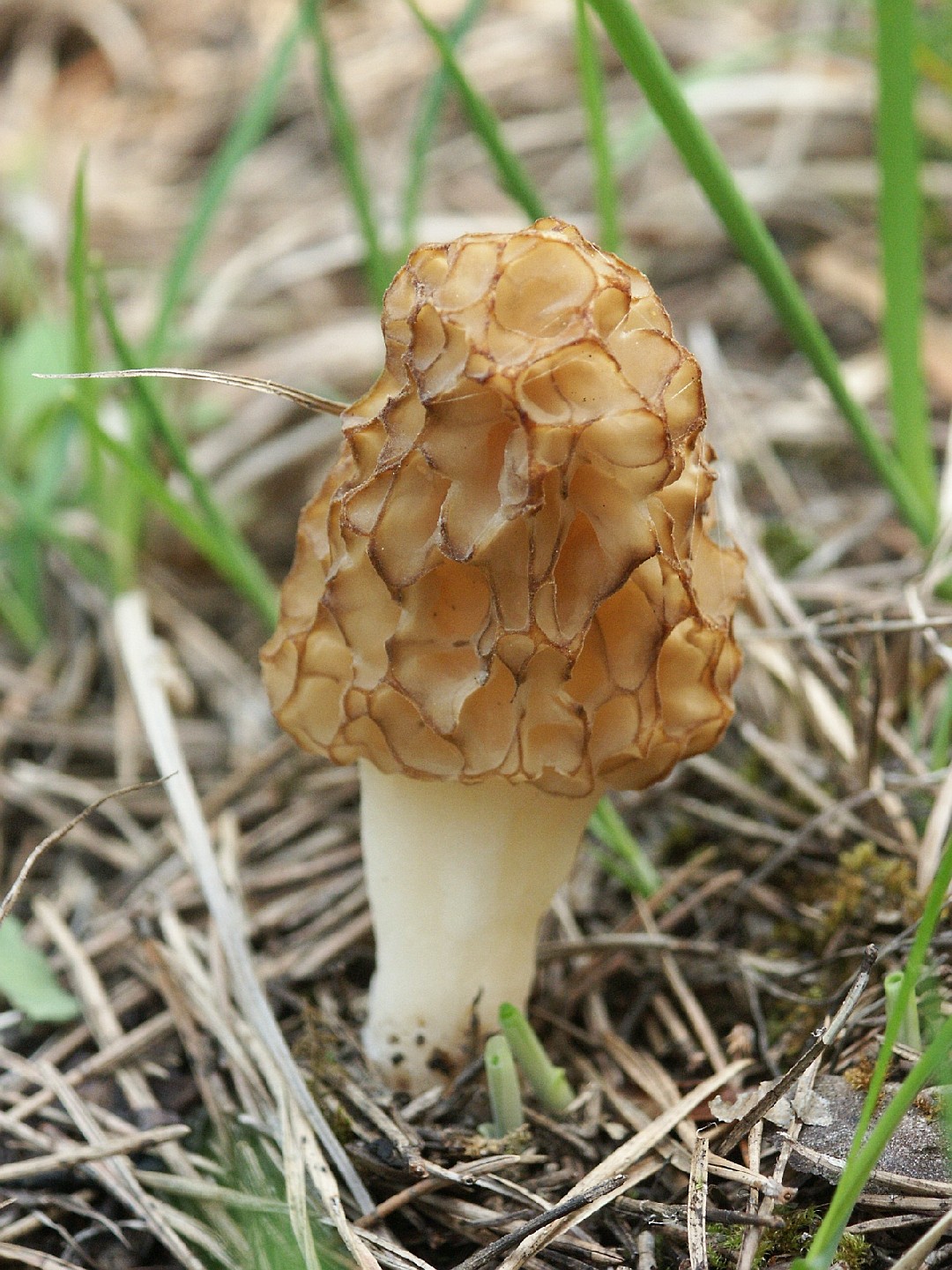
4. Yellow morel
The yellow morel (Morchella esculenta) is one of the most iconic and sought-after species of edible mushrooms. It is often one of the first species that novice mushroom gatherers will hunt for. Yellow morels have elongated caps that are "honeycombed", being filled with roughly polygonal holes. Splitting them down the middle reveals them to be hollow on the inside, a key feature that distinguishes them from toxic false morels. Experts recommend cooking or boiling this mushroom before consumption, as raw morels may cause an upset stomach.
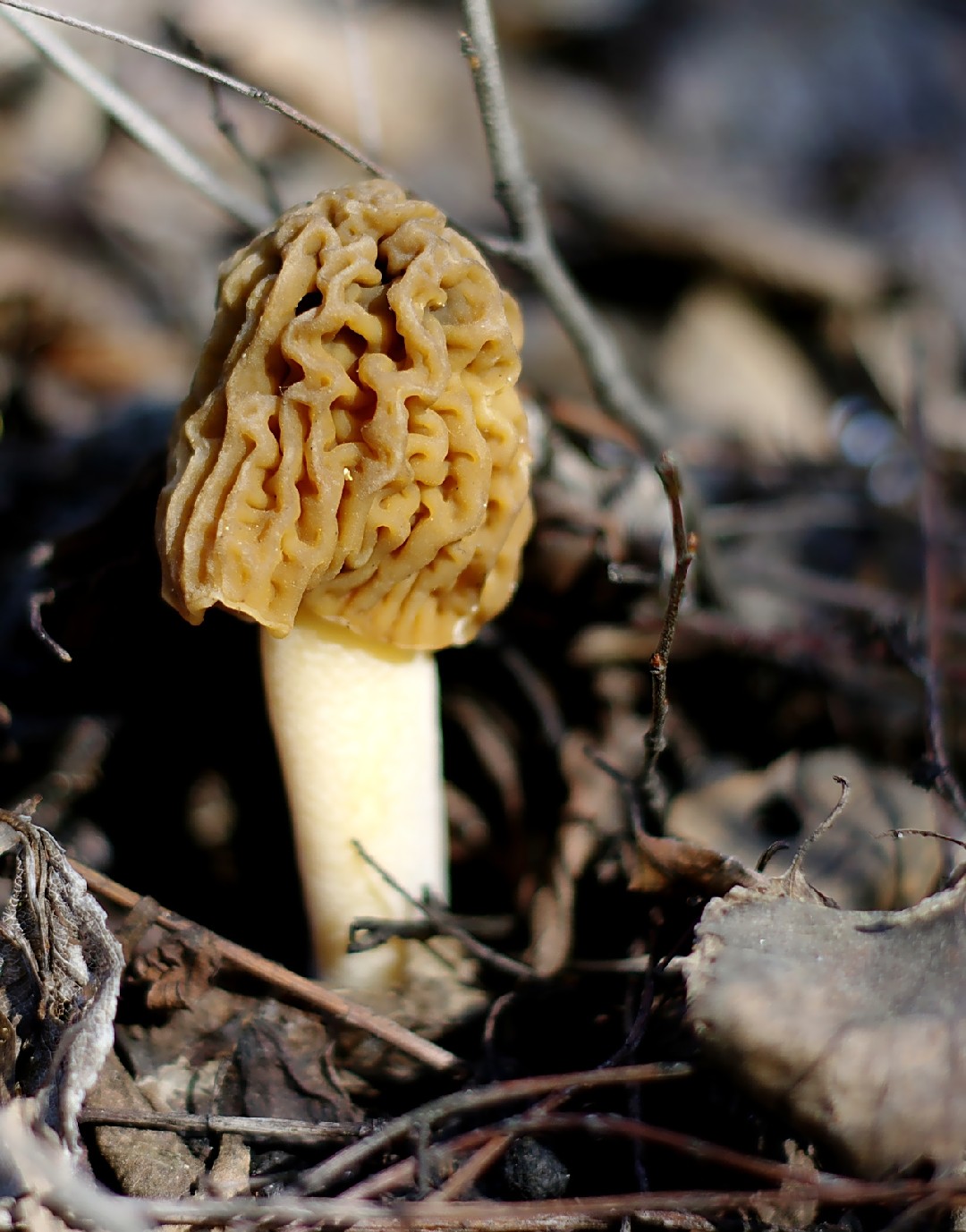
5. Early morel
The early morel can be found in wooded areas of North America, Asia, and Europe. It is called the Early morel because it is one of the first mushrooms to emerge early in spring. It is distinctive for its wrinkled and thimble-like cap.
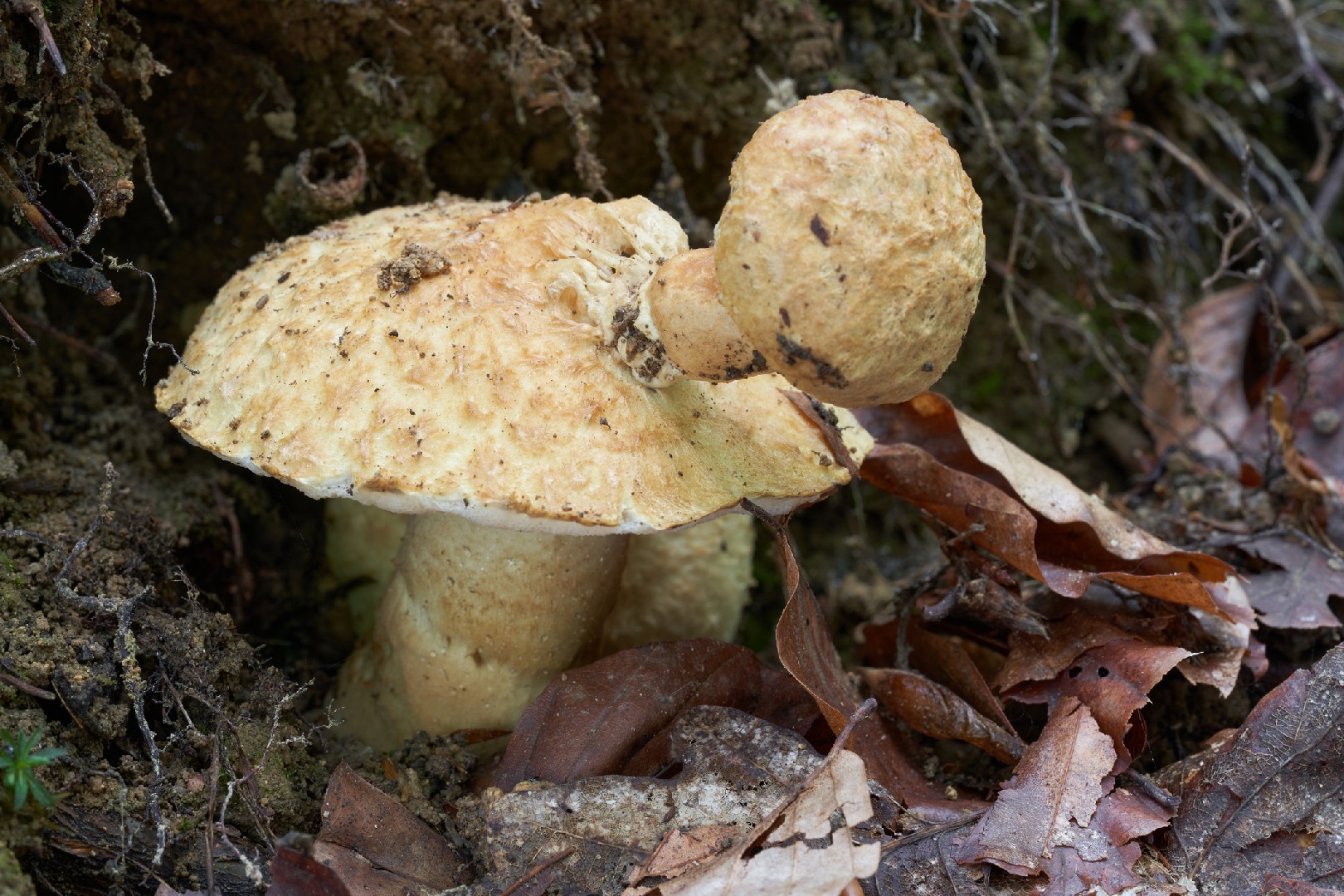
6. Bluing bolete
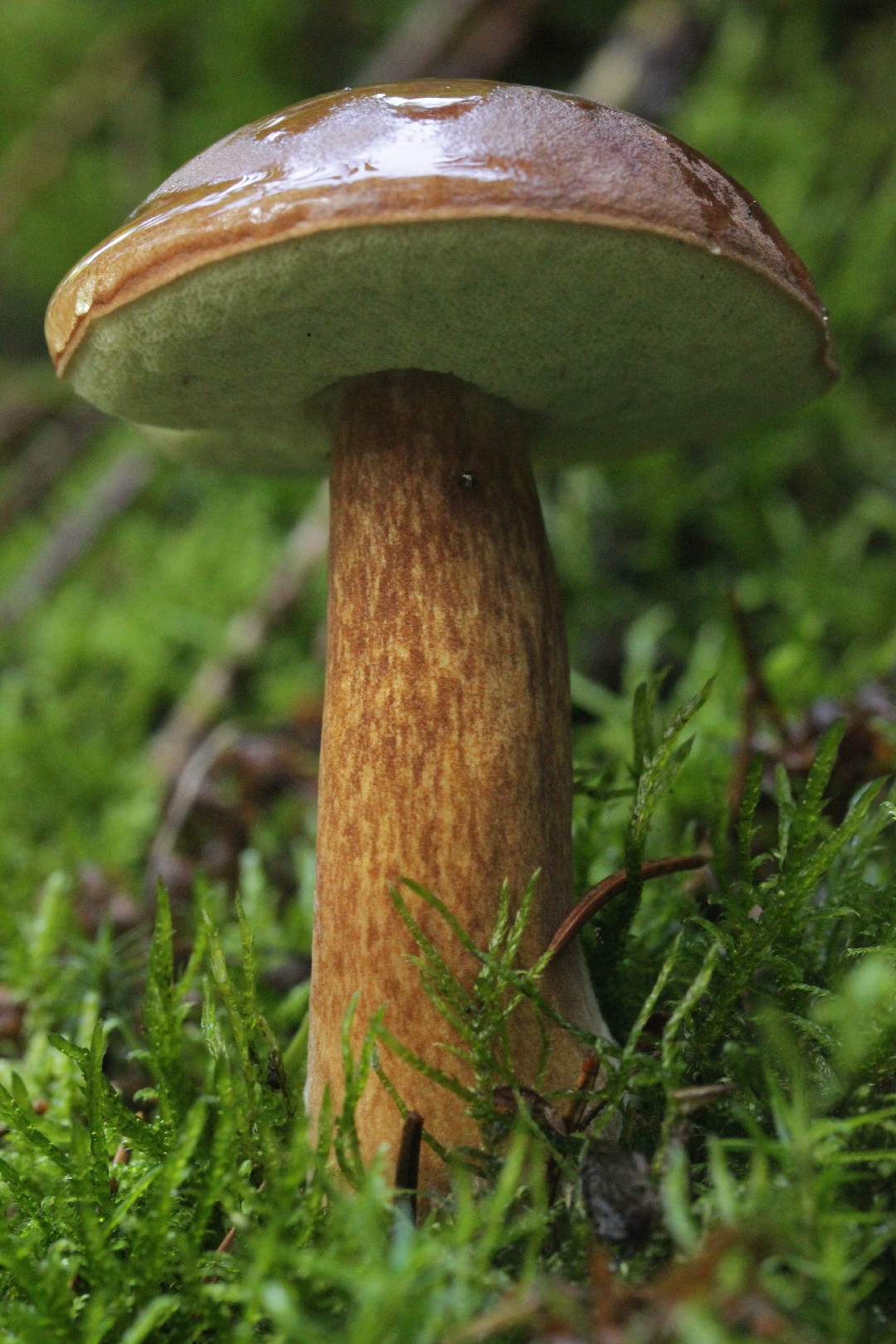
The Cornflower Bolete is known for its remarkable habit of changing color very quickly when bruised; all parts of the mushroom can turn a bright cornflower blue. It grows in a symbiotic relationship with various trees and, unlike many mushrooms, bluing bolete can associate with both conifers and hardwoods.
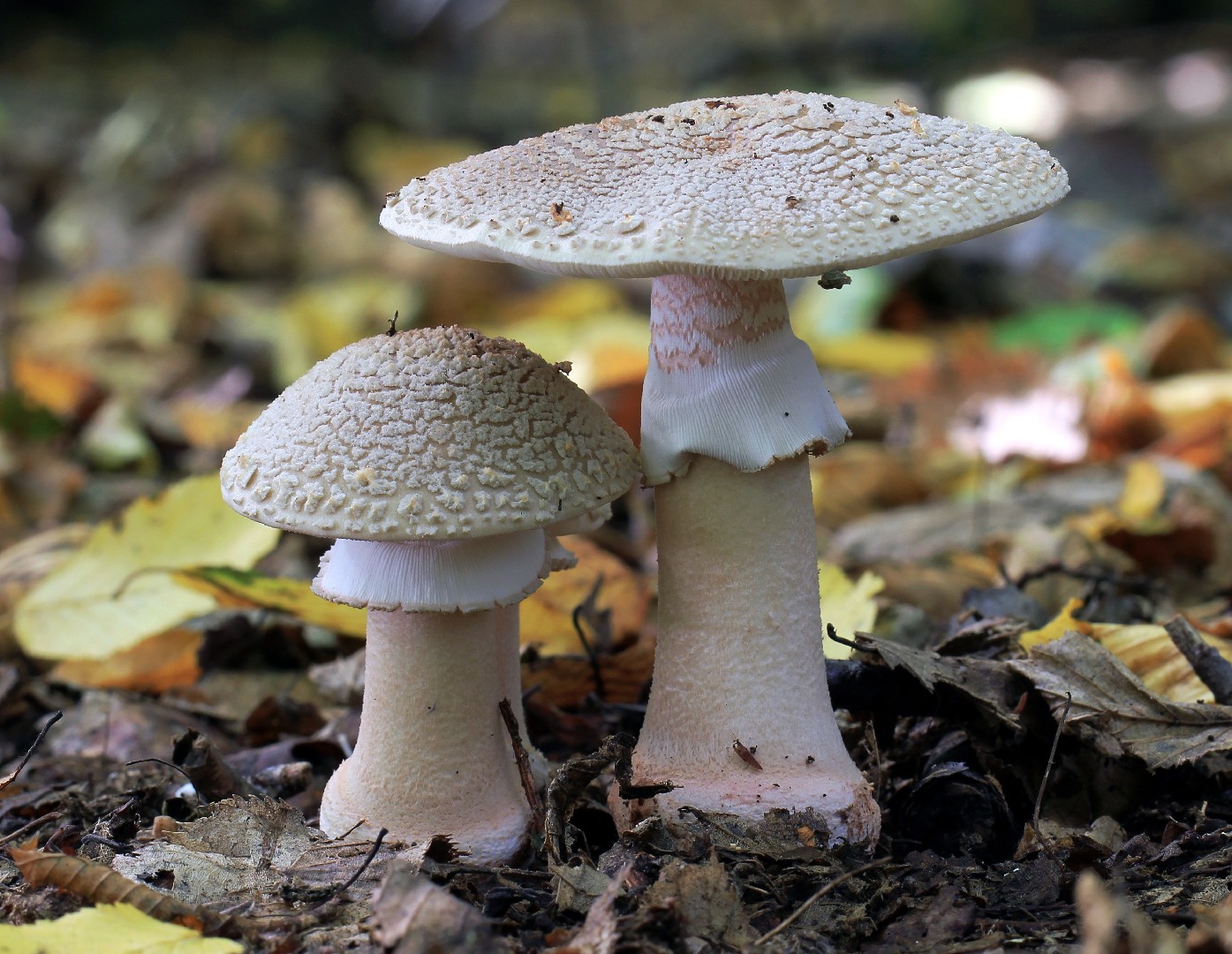
7. Blusher
The blusher mushroom is so named because it “blushes” to a pinkish red color when cut or bruised. It is found in many countries around the world, although it may not be native to the southern hemisphere. It contains a hemolytic toxin that can cause anemia if eaten.

8. Shaggy mane
The shaggy mane mushroom is commonly found in North American and European grasslands. Some peoples foraged for its young egg-shaped caps, but it has more recently been found to be a bioaccumulator of heavy metals, meaning it pulls toxic metals up from the soil where it grows. As a result, shaggy manes should not be eaten. The mushrooms usually appear in clusters or “fairy rings.”
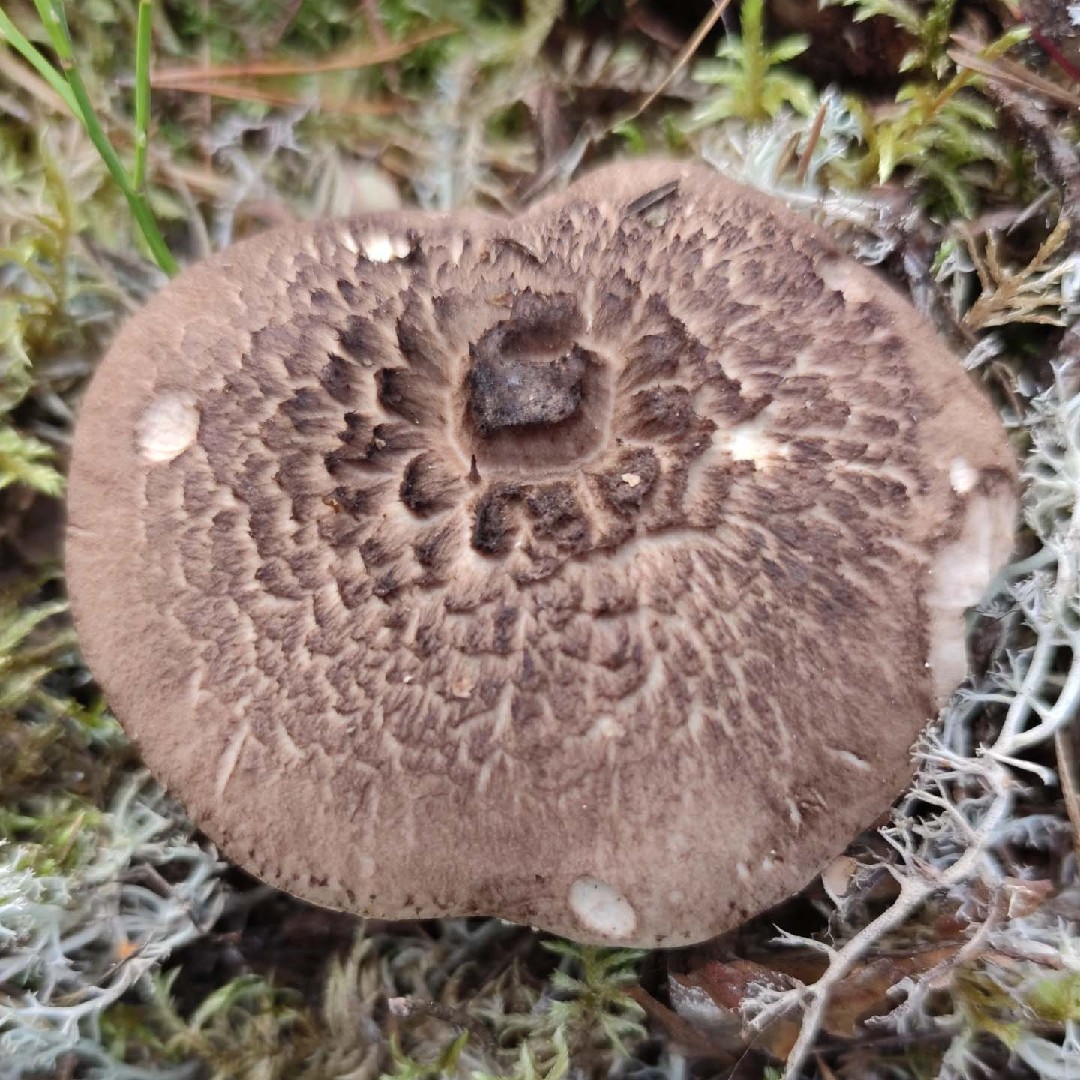
9. Scaly tooth
Found in the pine forests of Europe and North America, the scaly tooth has a blue pigment that can be used to dye textiles. This large mushroom got its name, scaly tooth, from its coarse and scaly, brown cap. It has a mealy scent.
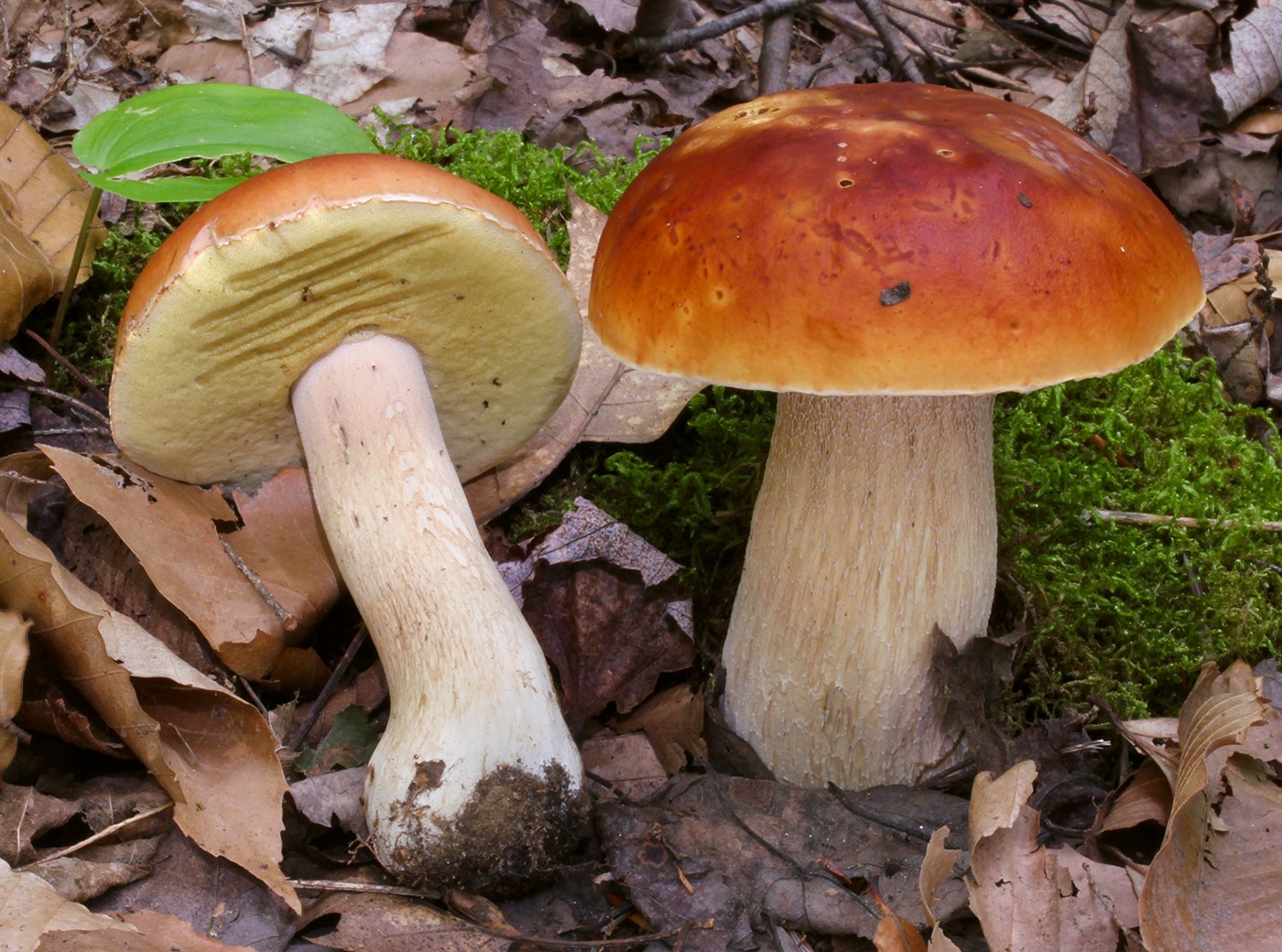
10. King bolete
Extremely popular in many cuisines, this edible wild mushroom grows around the world near the roots of forest trees. In some regions, king bolete mushrooms are collected in great enough volumes that their sale can support entire families during the harvest season. King boletes are reported to be high in fiber, vitamins B and C, calcium, potassium, magnesium, zinc, and several antioxidants.

More







