




Top 20 Edible Mushrooms Popular in Santos Reyes Nopala
Delve into the rich biodiversity that pervades Santos Reyes Nopala's unique climate, fostering an unparalleled array of exquisite mushrooms. Our exploration of the top 20 most frequent edible fungi will engage enthusiasts with features, tastes, preferred habitats, and culinary uses, providing a comprehensive guide for gourmands and foragers alike. This eco-tour through mycological wonders promotes education and sustainability, while emphasizing Santos Reyes Nopala's remarkable fungal fauna.
* Disclaimer: Content feedback CAN NOT be used as any basis for EATING ANY PLANTS. Some plants can be VERY POISONOUS, please purchase edible plants through regular channels.

Most Popular Edible Mushrooms
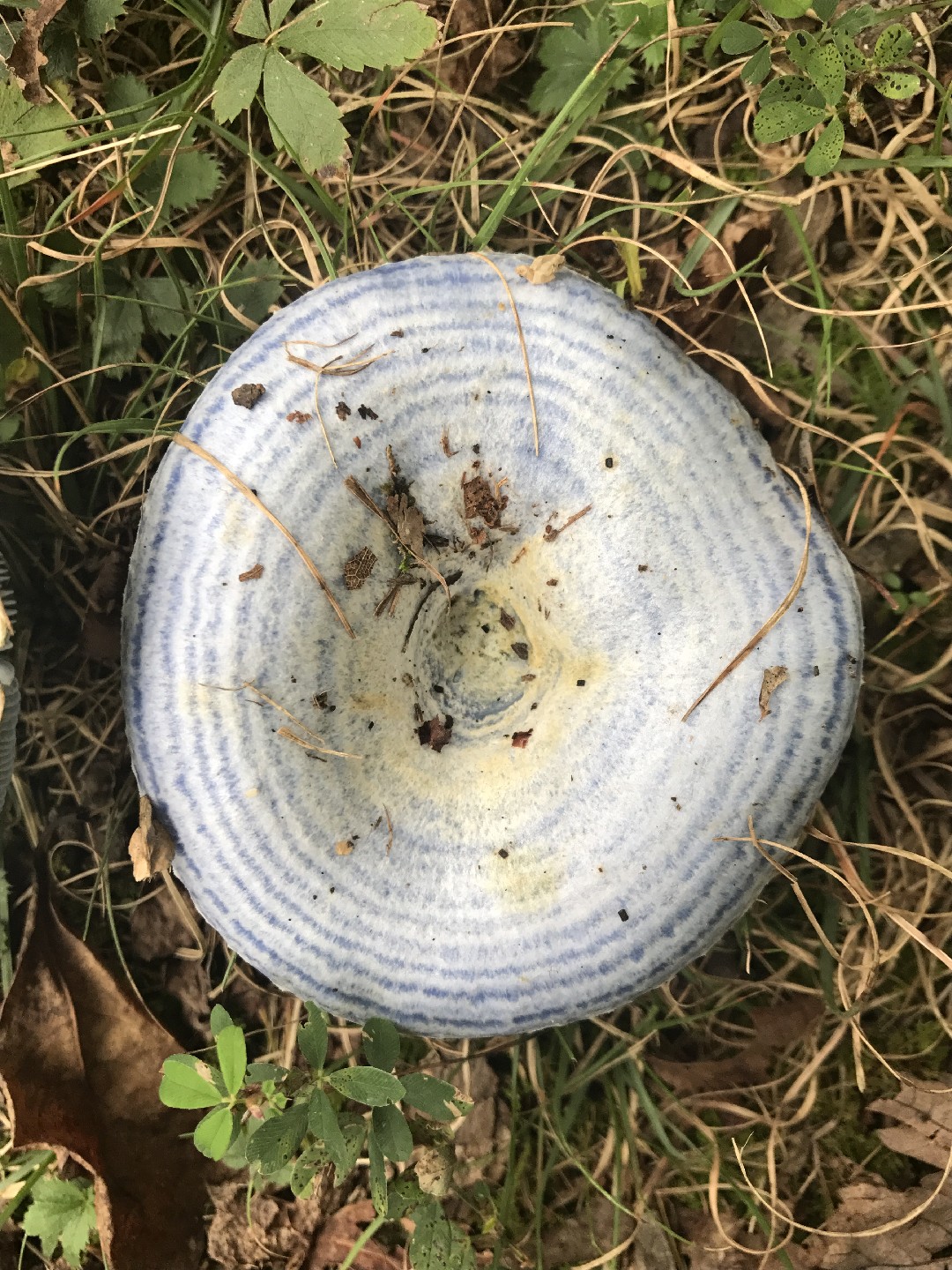
1. Indigo milk cap
This gorgeous species is unlike any other. The indigo milk cap, a member of the often-drab russula family, is deep blue in color. Like other milk caps, it bleeds a latex-like substance when cut or damaged, but instead of the usual white this species bleeds deep blue.
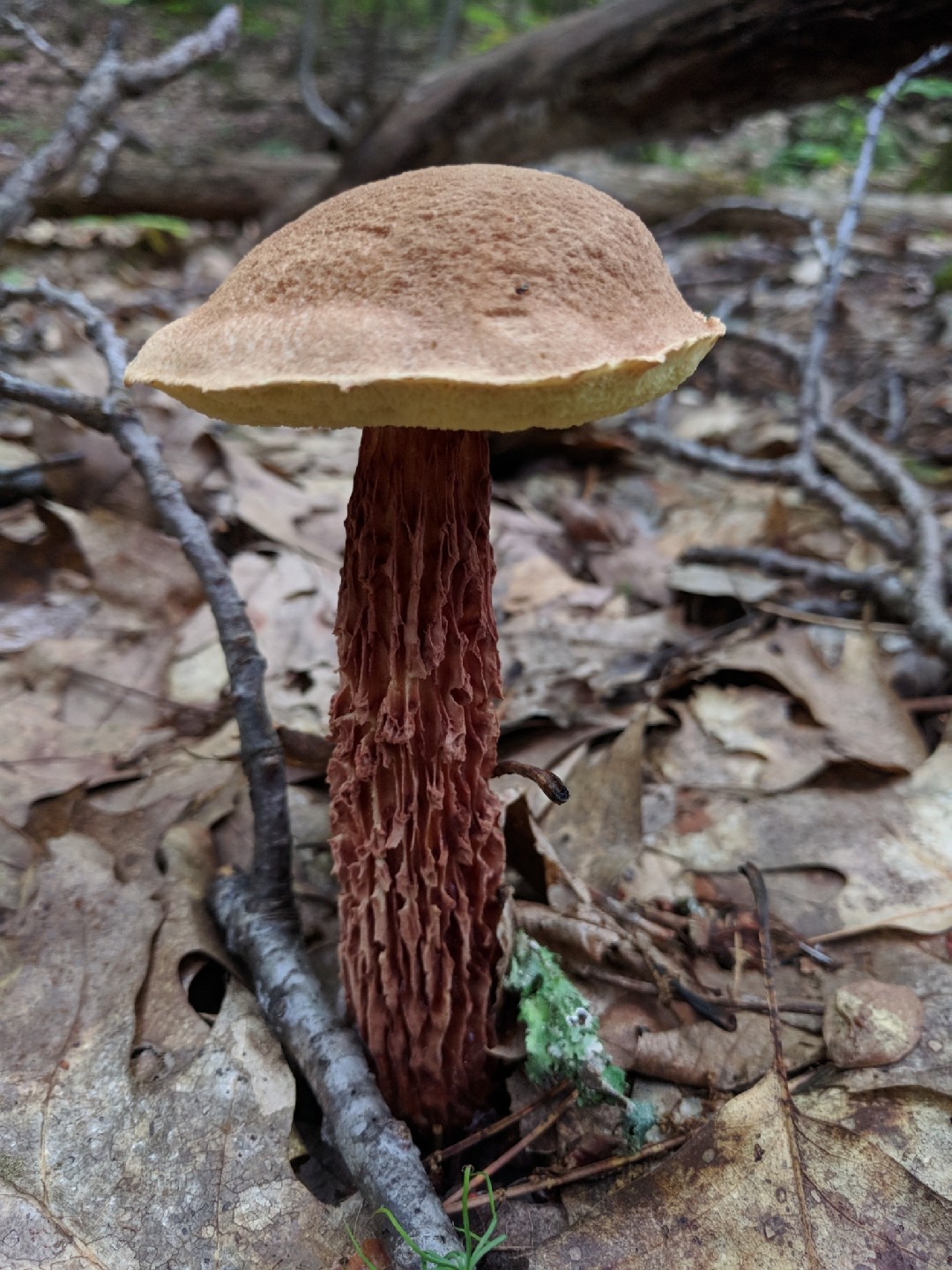
2. Russell's bolete
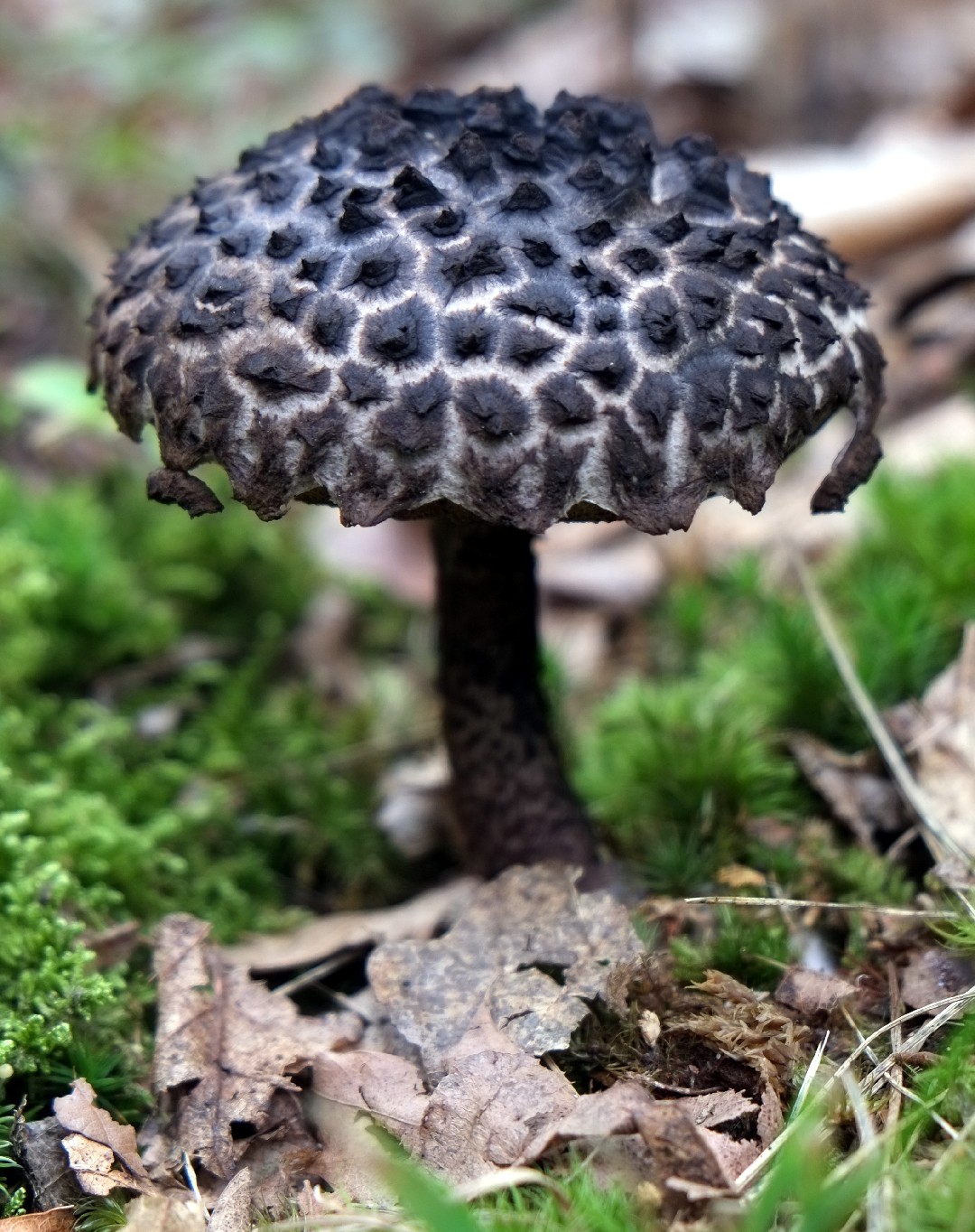
Russell's bolete is a unique-looking bolete with an attractive appearance that makes it easy to spot underneath oaks and other hardwood trees. It is distinctive for its slender stem which is also shaggy and pocketed. Unlike similar species, russell's bolete’s cap does not become sticky.
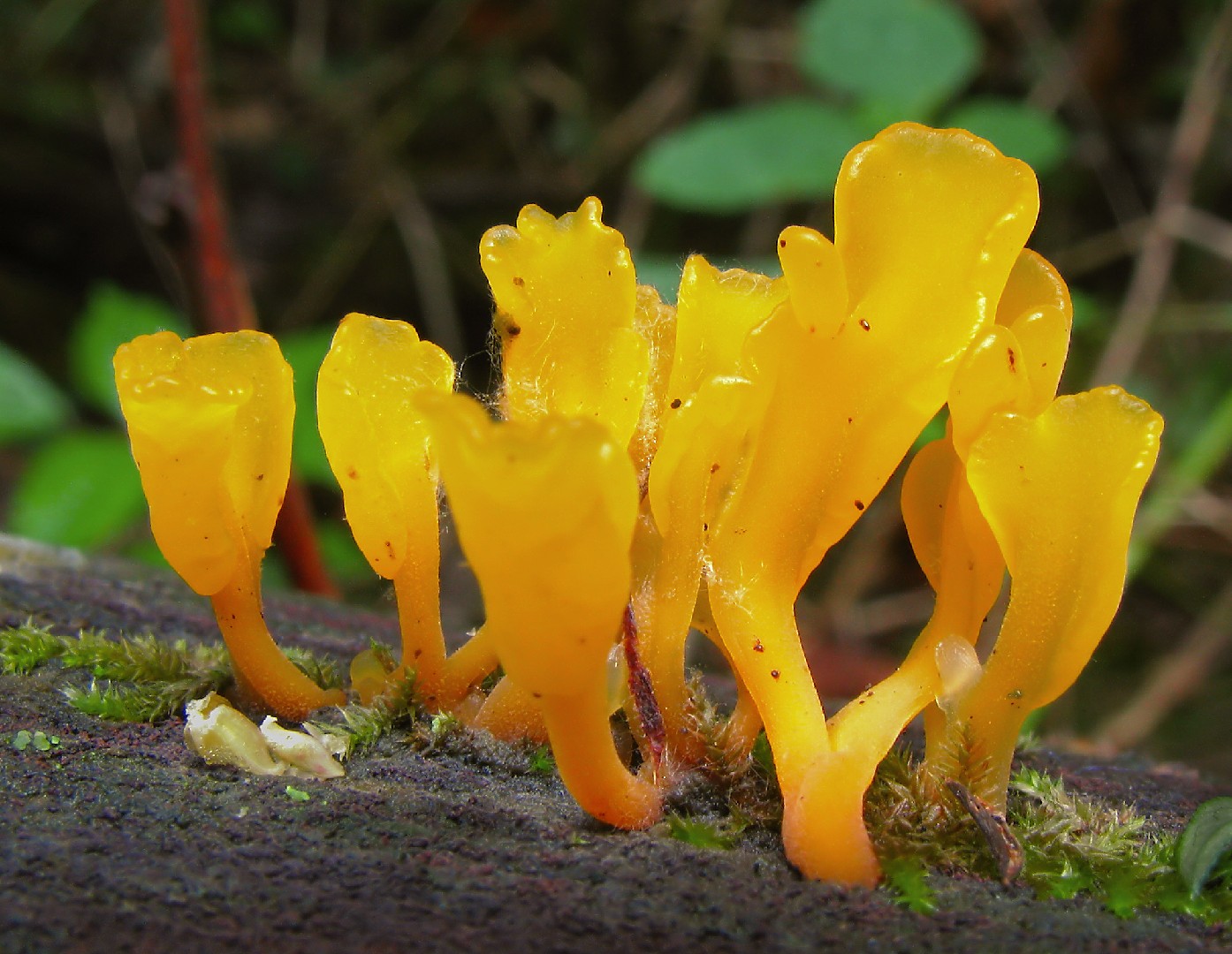
3. Fan-shaped jelly-fungus
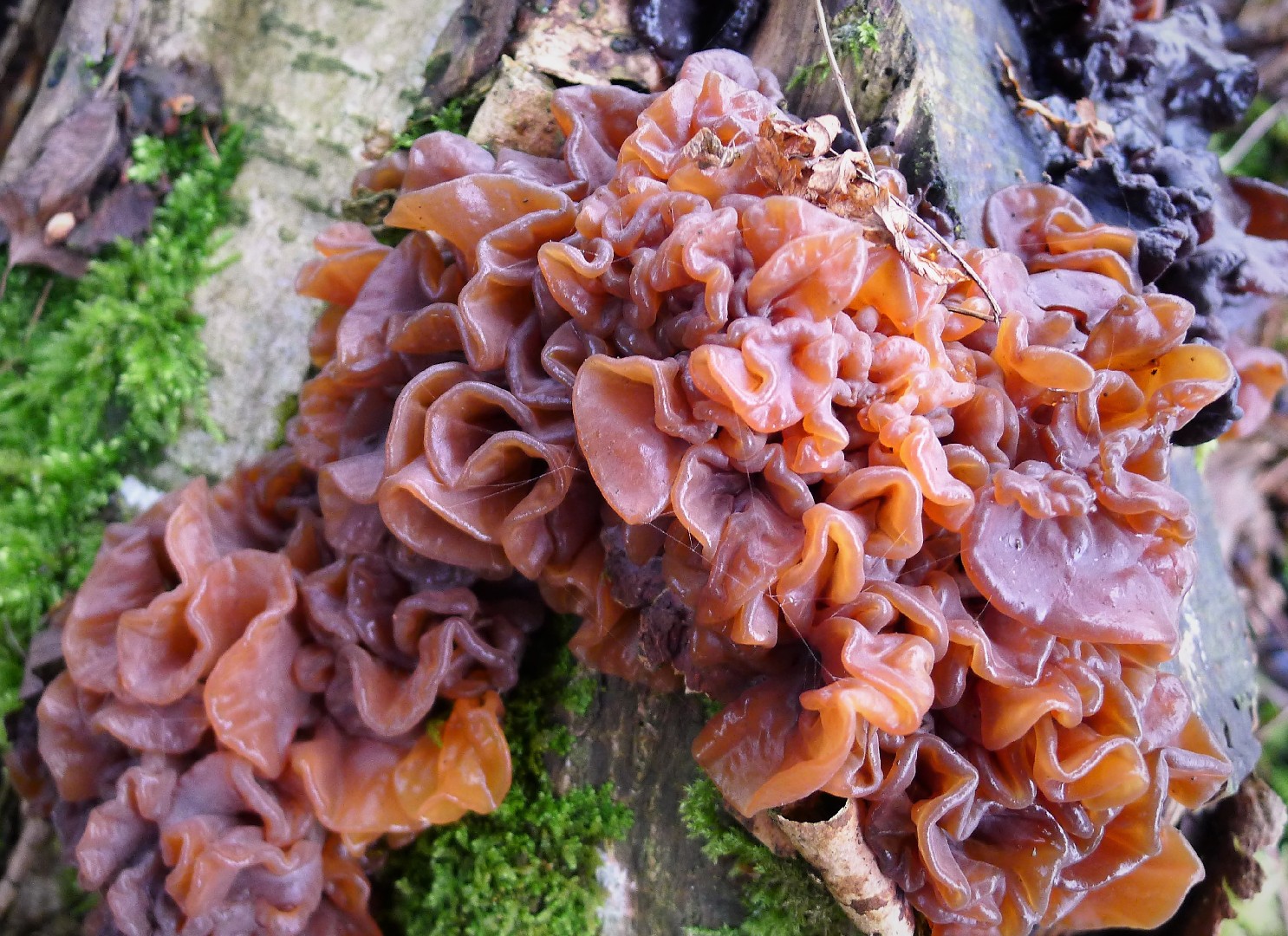
Just as its Latin and the common English names suggest, the fan-shaped jelly-fungus (Dacryopinax spathularia) is a fan-shaped or spatula-shaped jelly-like mushroom. It commonly grows in wood cracks and it sometimes even appears in the cracks of the processed wood and lumber. Despite the word "jelly" in its name, the fan-shaped jelly-fungus is not considered edible.
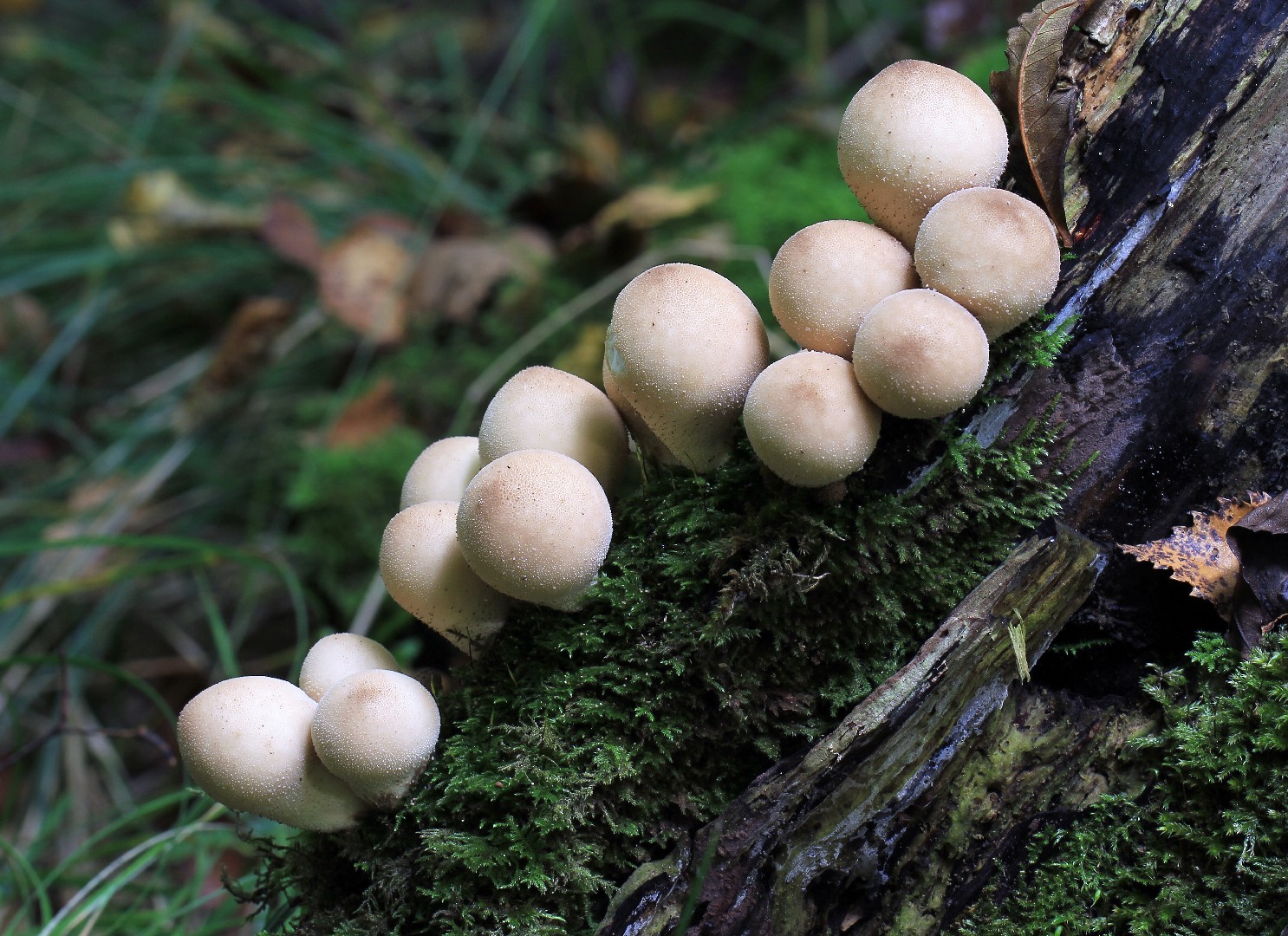
4. Pear-shaped puffball
The mushrooms of this species grow in such tight clusters that they may cover fallen trees and stumps almost entirely in a brownish, puffy coat. Pear-shaped puffballs appear all around the northern hemisphere on decaying hardwoods from fall through winter.
5. Bridal veil stinkhorn
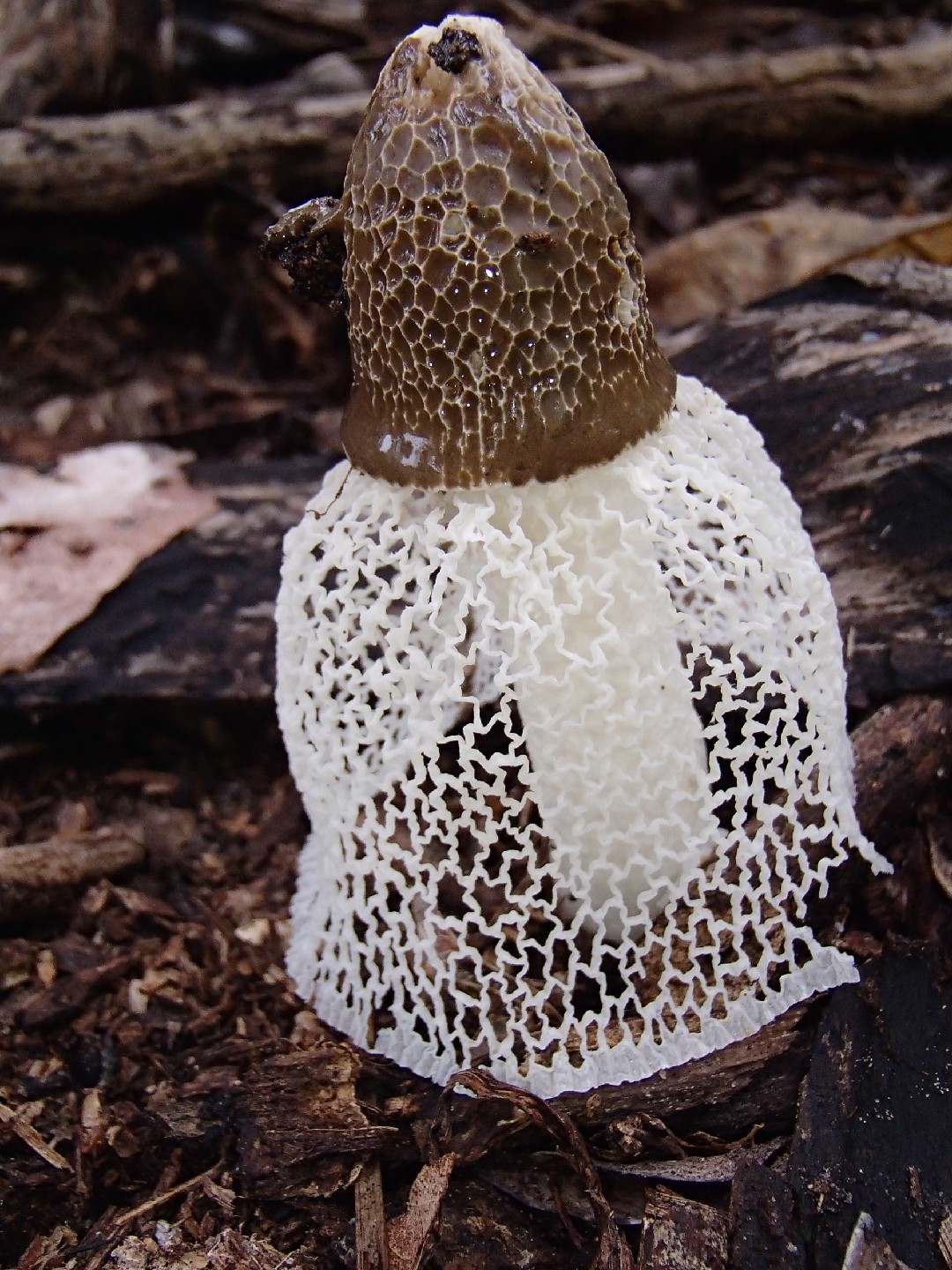
Bridal veil stinkhorn (Phallus indusiatus) can be found rising up from the ground in tropical forests around the world. A distinctive netted fringe “skirt” descends from the cap along the length of the stalk. A type of “stinkhorn,” the fruitbodies of this species produce scents that vary between sickly-sweet to just plain unpleasant. The odor is meant to attract insects that usually lay their eggs in carrion.
6. White coral
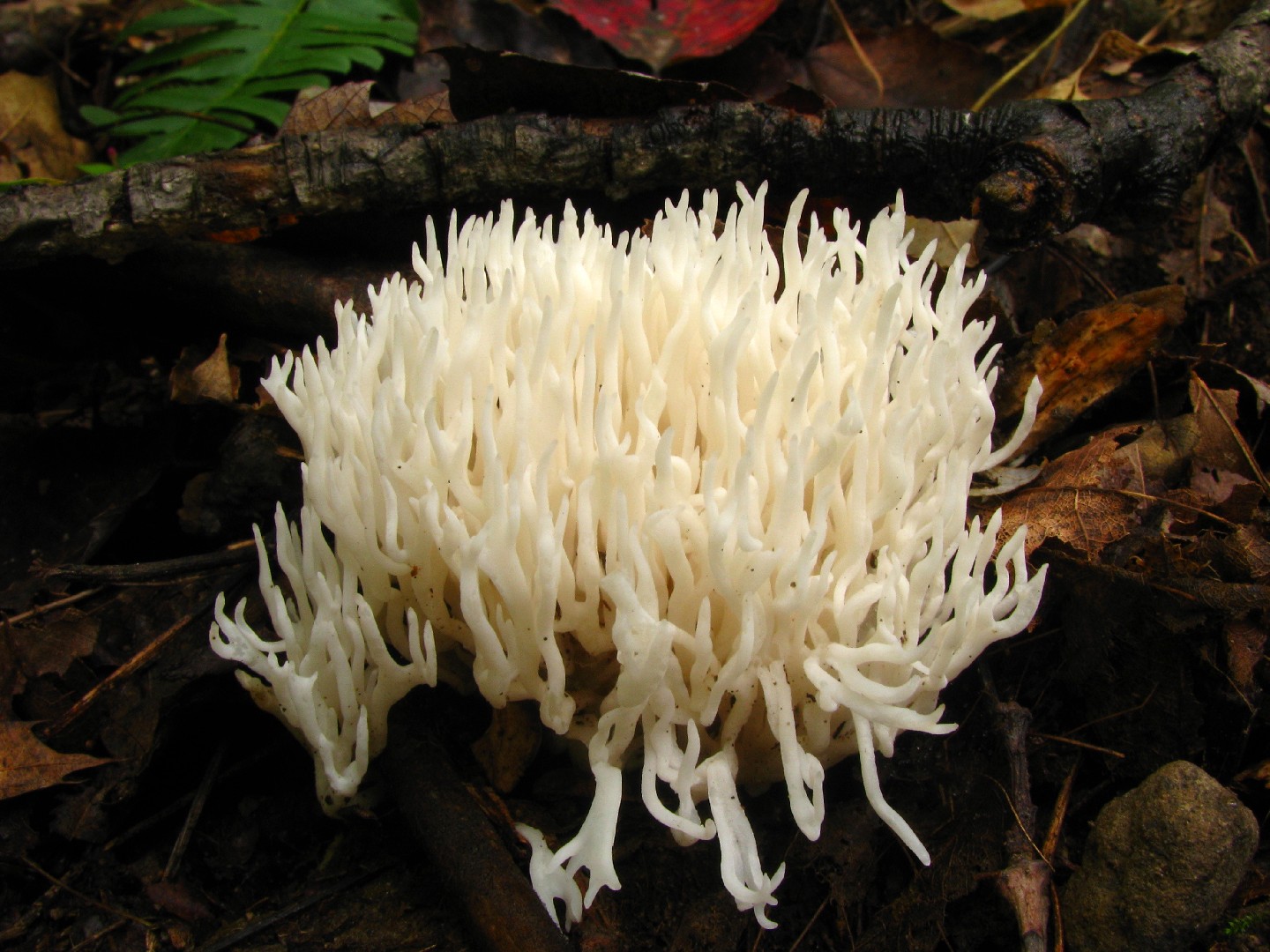
The white coral (Ramariopsis kunzei), with its upright, branching tendrils which do not have caps, bears a striking resemblance to underwater corals. It is an odd sight to encounter in the forest. The species is a generalist, being found in woodlands - usually on decaying litter - around the world.

7. Herald of winter
The herald of winter is a woodland mushroom, closely associated with pine trees. It can be found in large amounts, particularly during cooler months, but sometimes is difficult to spot thanks to its excellent camouflage skills. The cap color is highly variable, particularly with age - young and old specimens can bear very little resemblance.
8. Aureoboletus projectellus
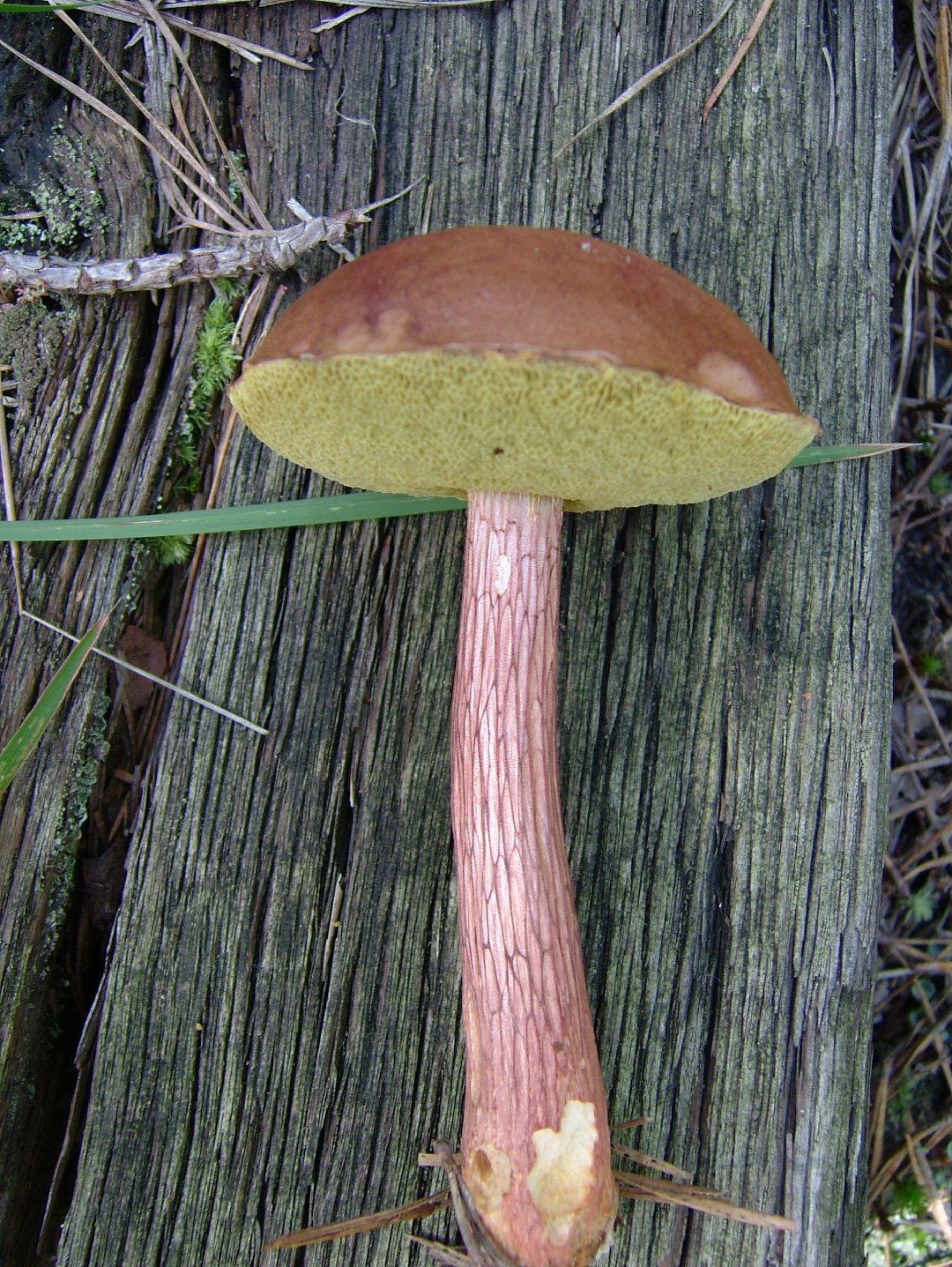
Aureoboletus projectellus thrives in needles found under conifers and hardwoods. Its reddish-brown cap, bright yellow pores, and long, thick stem make it stand out from similar species. Aureoboletus projectellus was declared "fungus of the year" in 2014 in Latvia.
9. Floccularia Albolanaripes
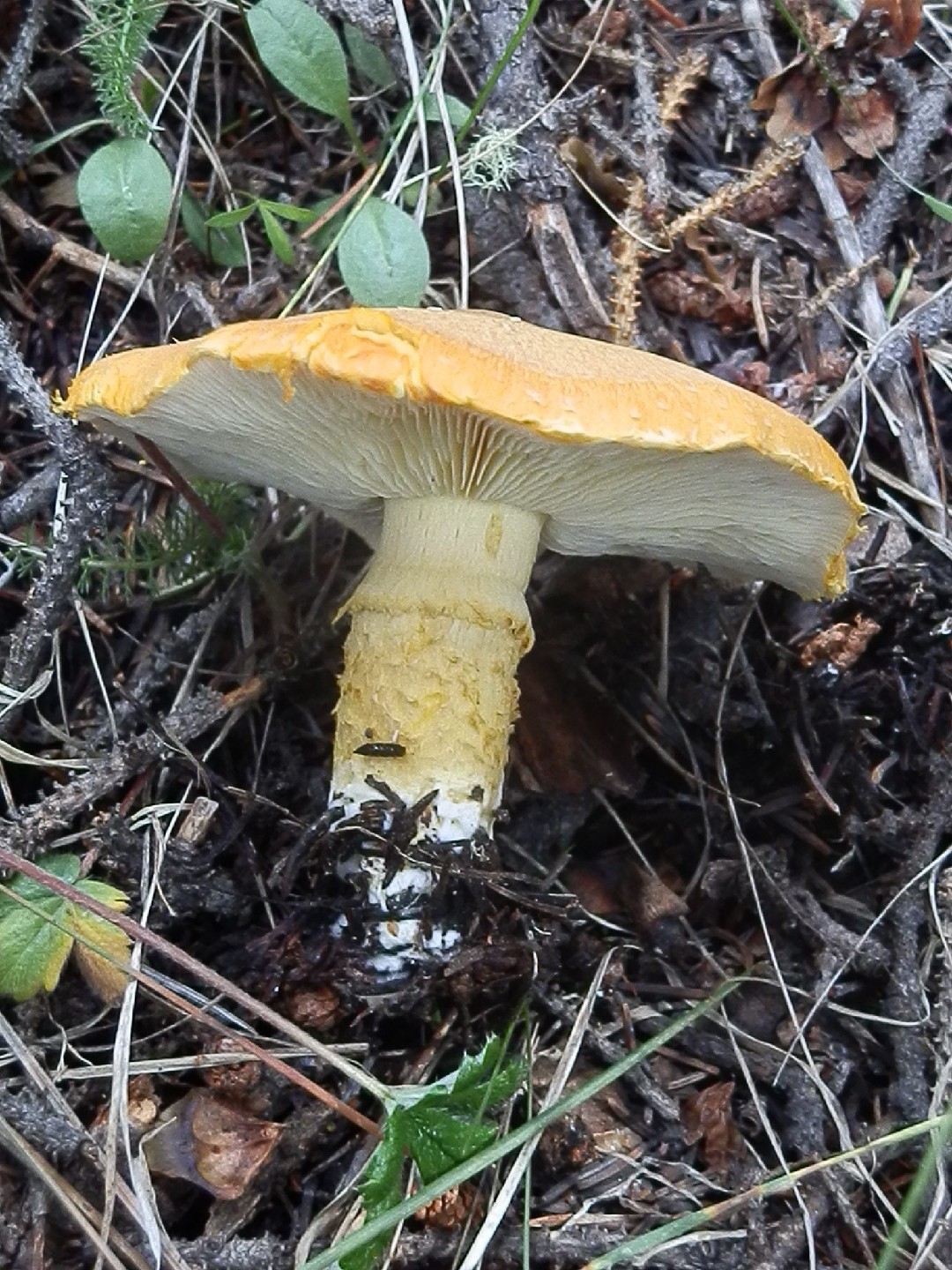
Associated with conifers of the Rocky Mountains, the floccularia Albolanaripes can be found prominently during fall rains from fall to winter. It has a vibrant yellow orange-brown cap when young, developing into a drab yellowish-brown in its maturity.
10. Scaly lentinus
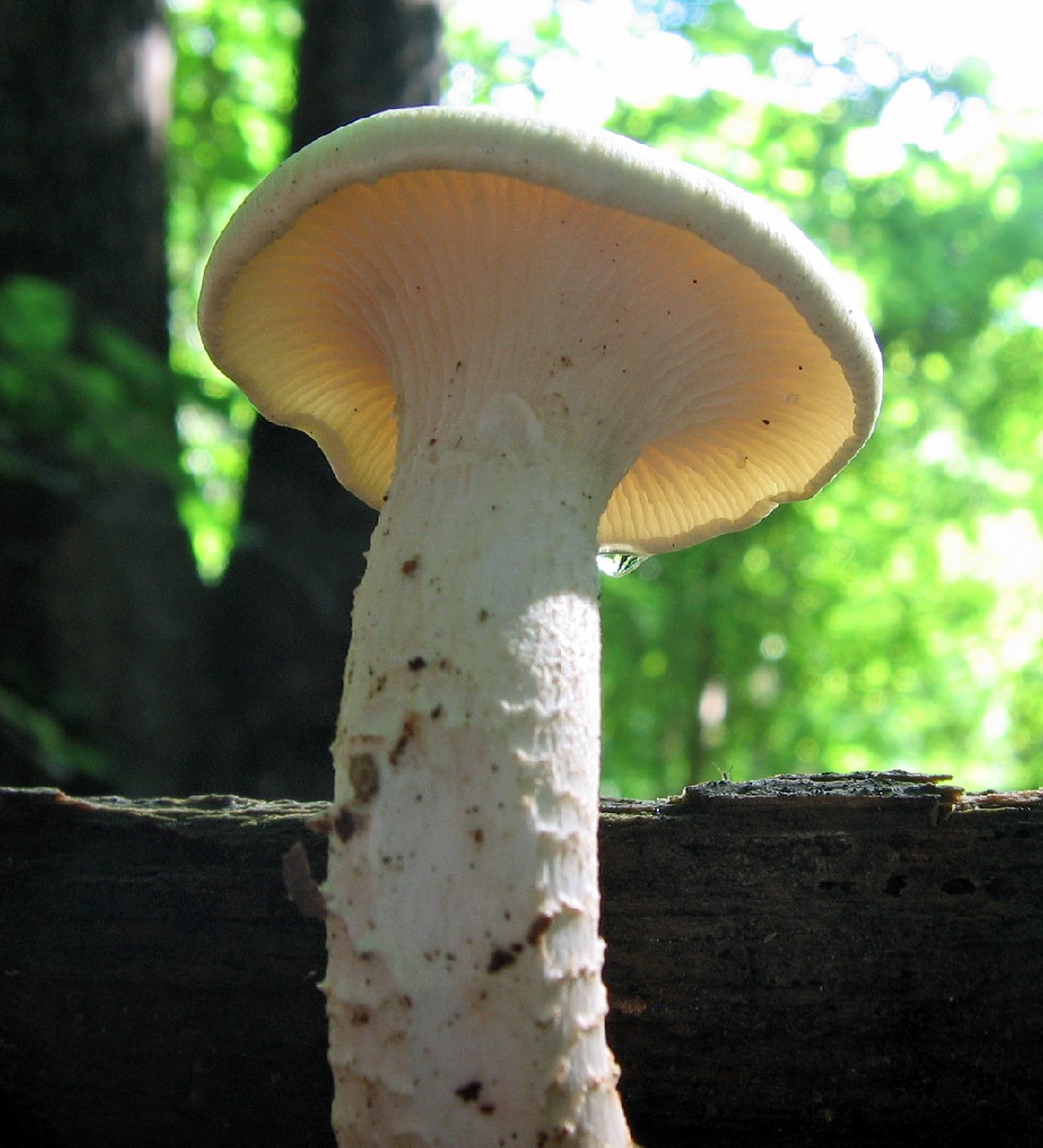
Scaly lentinus(Neolentinus lepideus) may be found alone or in groups along dead or decaying pieces of timber. Due to its ability to colonize even chemically treated wood, including railroad tracks, it has been given the nickname "train wrecker." Due to inconsistent reports of safety, consumption is discouraged.

More







